Author: Matt Ward

  • Judas and the Black Messiah: Revolution in the streets

    Judas and the Black Messiah: Revolution in the streets

    Chicago in the late 1960s was a boiling pot of water bubbling over with racial and political tension on a near daily basis, making it ripe territory for dramatic cinema.

    Aaron Sorkin took his pen to the task with the Oscar-contending Trial of the Chicago 7 on Netflix late last year and now a better, transcendent film will hit theaters and HBO Max on Friday.

    A late addition to this year’s Sundance Film Festival, Judas and the Black Messiah approaches the tensions from a different angle as director Shaka King puts his camera lens squarely on the betrayal of a civil rights activist that ultimately led to his murder.

    Inspired by real events, the film follows Bill O’Neal, a car thief convinced to avoid jail time by infiltrating the Chicago chapter of the Black Panthers and getting in with the group’s leader, Fred Hampton, a target of J. Edgar Hoover who described Hampton as a “black Messiah” that would lead to the downfall of America.

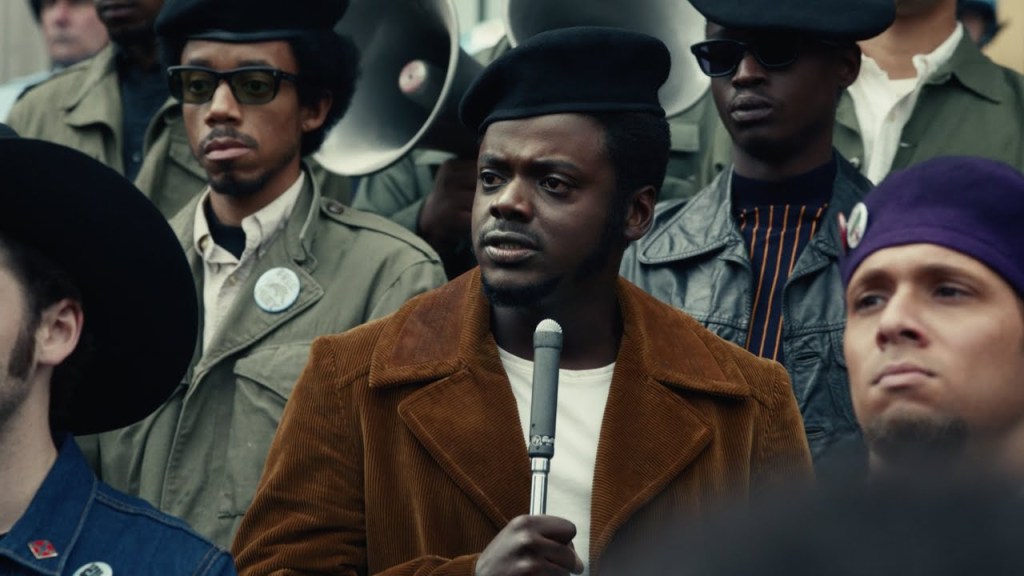
    Academy Award nominee Daniel Kaluuya offers a very humanistic, idealistic performance as Hampton, striking deep into the souls of viewers with his piercing eyes and crisp, confident delivery.

    If Hampton is to be the titular Black Messiah, than Kaluuya grants him a calm confidence of wisdom without fear that isn’t self-righteousness or indignation, but part of a larger than life persona that was able to rally support behind his cause of revolutionary freedom and draw the ire of Hoover-era FBI agents seeking to take Hampton down.

    Though Kaluuya is exceptionally special in the role of Hampton, Judas isn’t his film; it’s LaKeith Stanfield’s.

    As O’Neal, Stanfield is an expert at showing the infiltrator playing both sides against the middle until the weight of the world ultimately comes crashing down on him. Stanfield quietly maintains a level of stoicism to O’Neal that’s required to keep the spy-craft under cover, but his ability to show small cracks of insecurity to the audience without being so obvious that other characters would notice makes O’Neal a worthy antagonist to Hampton.

    King’s film is littered with an array of terrific supporting performances from Dominique Fishback’s award-worthy turn as Hampton’s fiancé Deborah Johnson to veteran character actor Jesse Plemons pushing the envelope as O’Neal’s FBI handler to Ashton Sanders and Algee Smith playing a pair of young Panthers with scene-stealing confrontations with police.

    King cuts corners in the narrative to expedite the drama and accelerate the action with style rather than simply hitting all the bullet-points of the historical record, opting to trust the audience to connect the dots rather than spell things out like a documentary. 

    Judas is a film about emotions – both spoken and shown – and has the aura of inevitability to it like the ominous scent of death wafts over scenes as Hampton preaches to the people.

    The message is clear and unapologetic, one that Trial of the Chicago Seven approaches with a stroke of a pen. By contrast, Judas forces audiences to see down the barrel of a gun.

    The film’s anti-police rhetoric will play in stark reflection to moments over the past year, but this is done as much to remain authentic to the late 1960s power struggle between the Black Panthers and government officials as it is to make commentary on current events.

    The only film released in 2021 with a guaranteed shot at 2020 Academy Awards nominations or wins with the extended eligibility timeframe, Judas should be a late contender for a Best Picture nomination and a lock for Kaluuya’s second Oscar nomination, this time in a supporting role.

    A strong wave of support for the film could easily propel King into the Best Director and Best Screenplay conversation and less likely push Stanfield into Best Actor and Fishback into Best Supporting Actress contention.

    Unquestionably the best film of 2021 so far and the crown jewel of Sundance, Judas and the Black Messiah is a powerful statement of arrival for King as a director combined with enchanting performances from Kaluuya and Stanfield.

    It’s a pot-stirring, conversation-starting must see thrill ride from start to finish that will have audiences on the edge of their seats for two hours with one of the boldest directorial debuts in recent memory.

    Note: This review was written after screening at the 2021 Sundance Film Festival ahead of its release to the general public on February 12.
  • Land: Beautiful emptiness out there

    Land: Beautiful emptiness out there

    Grief and tragedy have long been an overarching theme of independent dramas, especially those that find their way across major film festivals in search of studio buyers.

    But they’re also a fantastic way for first-time directors to plant their flag in the sand as an emerging filmmaker or actors to announce their arrival as a behind-the-scenes star.

    Golden Globe-winning actress Robin Wright – who directed several episodes of her award winning television drama House of Cards – makes her major motion picture debut with Land, which premiered Sunday evening at the 2021 Sundance Film Festival and is slated for a theatrical release February 12.

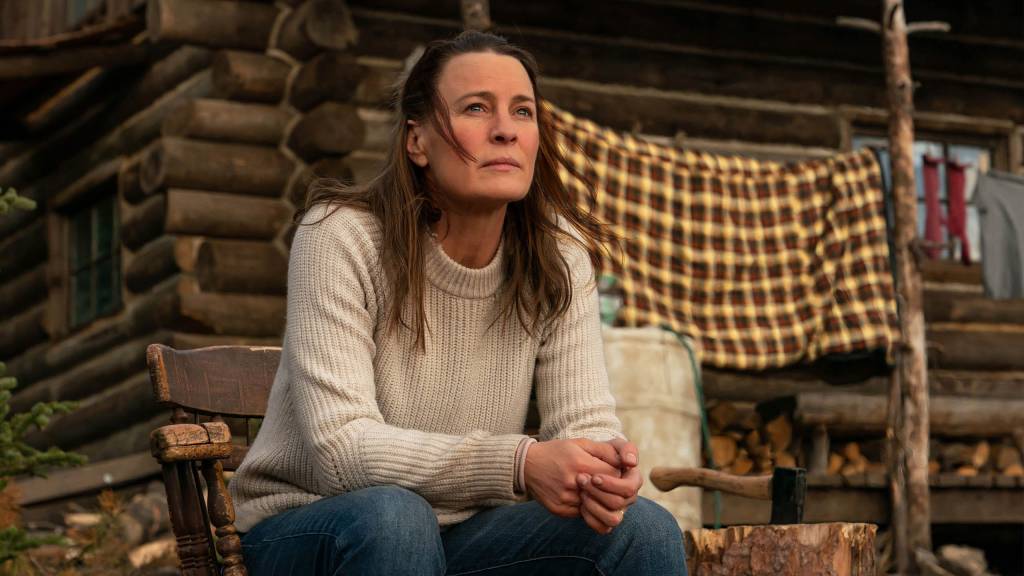
    Set primarily in the wilds of rural Wyoming, Land stars Wright as a woman seeking complete solitude for reflection and self-destruction following tragedy. Her desire to shut herself away from the world in spite of lacking any survival skills places her in the path of Miguel, an area hunter who teaches her the ways of the land and helps her begin to find her soul again.

    Wright’s journey as Edie begins with a hollow sorrowfulness that permeates through the screen, a bittersweet melancholia dripping out like oozing dark blue blood soaking into the nightscapes. Much of the film is sans dialogue, which gives Wright the opportunity to emote in silence only to break free with cries of despair at pivotal moments.

    It’s a much better performance of restraint as an actress than as a director, where Wright feels like she’s holding back when something more is needed to take the film to the next level.

    Land feels like a narrative half-step beyond films in its genre, the solo-explorers looking to find themselves again while overcoming obstacles both physical and emotional.

    Exceptionally limited in its narrative, Wright’s film makes the absolute most out of its 89-minute running time; a longer feature would have become repetitive or bloated with outside influences that would have taken away from Edie’s journey of self-repair.

    Demián Bichir provides warmth as Miguel, whose sense of purpose is unclear for much of the film, but Bichir delivers it honestly and with appropriate trepidation. As the primary figure audiences see in Land outside of Wright’s singular work, Bichir does a terrific job of supporting Wright just enough to give Edie a way forward without taking away any of the spotlight deservedly going to Wright’s efforts.

    Land probably should find a second life on the big screen once audiences are able to fully make their way back into the theaters as Bobby Bukowski’s cinematography emphasizes grandiose landscapes of rural Wyoming with soft hues and natural light.

    Often, Wright leaves little for the audience to experience beyond the visual – and the haunting score from Ben Sollee and Time for Three – giving Land a thin, cinematic quality that feels underwhelming on a home viewing. The naturalistic look of the film begs for large scale cinema to project the grandiose nature Wright and Bukowski capture.

    While Land will make the window of theatrical releases eligible for the 2020 Academy Awards given the pushback in the Oscar timeframe, it will likely remain on the outside looking in with stronger performances in the Lead Actress and Cinematography categories. The one Sundance 2021 film likely to make waves this award season will be Shaka King’s Judas and the Black Messiah, which debuted Monday evening and will arrive in theaters and HBO Max February 12.

    Land is unlikely to be among the most talked about films to come from this year’s Sundance class and though it will remain in the zeitgeist over the next few months, Land will be a popular pick among audiences desperate for escapism in the short term only to be largely forgotten by the end of the year.

    Note: This review was written after screening at the 2021 Sundance Film Festival ahead of its release to the general public on February 12.
  • Locked Down: Falling apart, forced together

    Locked Down: Falling apart, forced together

    The world-changing impact of the coronavirus pandemic has infiltrated every part of life from business closures to global politics to personal interactions.

    Cinema has been forced to retreat online in order to find its sheltering audiences and with it, the eventuality of films directly confronting our shared new way of life has finally materialized.

    Director Doug Liman – based on a script from Steven Knight – brought together a team of filmmakers to produce the first of what is likely to be numerous small dramas filmed during and/or about COVID-19 pandemic restrictions with Locked Down.

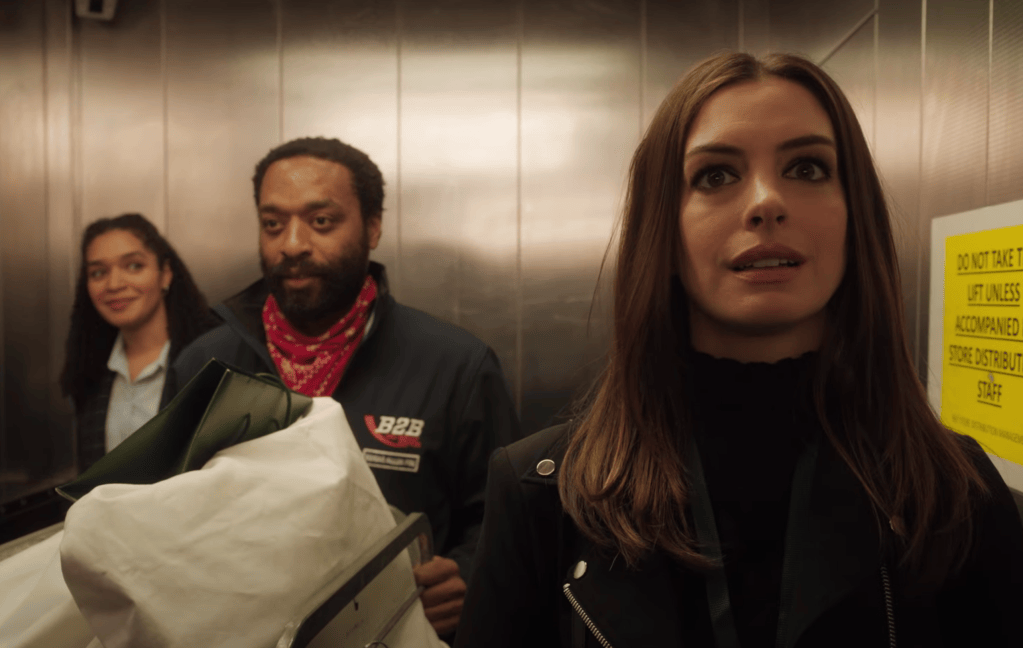
    Premiering on HBO Max January 14, the film stars Oscar winner Anne Hathaway and Academy Award nominee Chiwetel Ejiofor as a couple stuck in their London flat for an undetermined amount of time right after Linda ends her relationship with Paxton.

    The first half of Locked Down is an intimate character study with Hathaway and Ejiofor internalizing a lot of the emotions that being confined at home for health and safety purposes can do to a relationship, especially a deteriorating one.

    When Liman and Knight take the screenplay in a hard left turn at the end of the first hour, Locked Down becomes less interesting as a feature and more intriguing as a concept of filmmaking, causing the audience to wonder how COVID protocols allowed for scenes to be shot in the first place.

    Hathaway shines in a performance that allows her to be as vulnerable as she was in indie drama Rachel Getting Married and as charming as her turn in Ocean’s Eight. Hathaway revels in the ability to master sharp dialogue with a perfect punctuation that seals audiences in the moment and it’s in Linda’s long self-absorbed monologues that Hathaway brings Knight’s screenplay.

    Her chemistry – or intentional lack thereof – with Ejiofor’s Paxton works brilliantly throughout the first hour of Locked Down as Liman introspectively comments on how pandemic lockdowns bring people together and tear them apart.

    Ejiofor brings a cool distance to Paxton that keeps the audiences at a distance much like how the character pushes everyone away from him, a sort of aimless wallowing that men put on furlough felt as they weren’t sure how to proceed with their lives in the short term, let alone amid the “midlife crisis” outside the world of pandemics.

    Liman makes exceptional use of pandemic restrictions to bring in a talented supporting cast filming over Zoom in a way that rings true to the film’s setting and plot, while maximizing creativity as a filmmaker during challenging shooting conditions.

    The film makes exceptional use of Ben Stiller and Ben Kingsley in limited scenes as Linda and Paxton’s respective bosses with Kingsley’s heavily religious character providing much needed comedic levity to a largely cold monotone drama.

    For a movie conceived during quarantine and shot during September 2020 under strict protocols, Locked Down is a remarkable feat of cinematic achievement for putting together such a visually intimate, yet dynamic feature. Social distancing, mask wearing (or not) and the other little eccentricities of life during a pandemic are present throughout the background of Liman’s film because events during filming were that exact same way, perfectly documenting this unique moment in time with a fictional premise at the foreground.

    Perhaps the best cinematic benefit to shooting Locked Down under heavy restrictions is the access Liman and his team were provided to take over everything from fancy London apartments to empty downtown streets to a deserted Harrod’s department store, settings far too impossible to recreate on a set and worse still to clear a shoot.

    And yet, the emptiness of public settings in this specific moment in world history is perfectly encapsulated in the second half of Locked Down when Linda and Paxton venture outside their home and into the void left by a deserted city.

    While it certainly won’t rise to the level of Malcolm and Marie, Sam Levinson’s upcoming drama for Netflix shot in one location during the pandemic, Locked Down captures the moment of time that the world isn’t out of yet and centers a unique, original tale about the end of relationship and the last flicker of hope that makes it worth checking out on HBO Max while cooped up at home.

  • Promising Young Woman: The sweetest revenge

    Promising Young Woman: The sweetest revenge

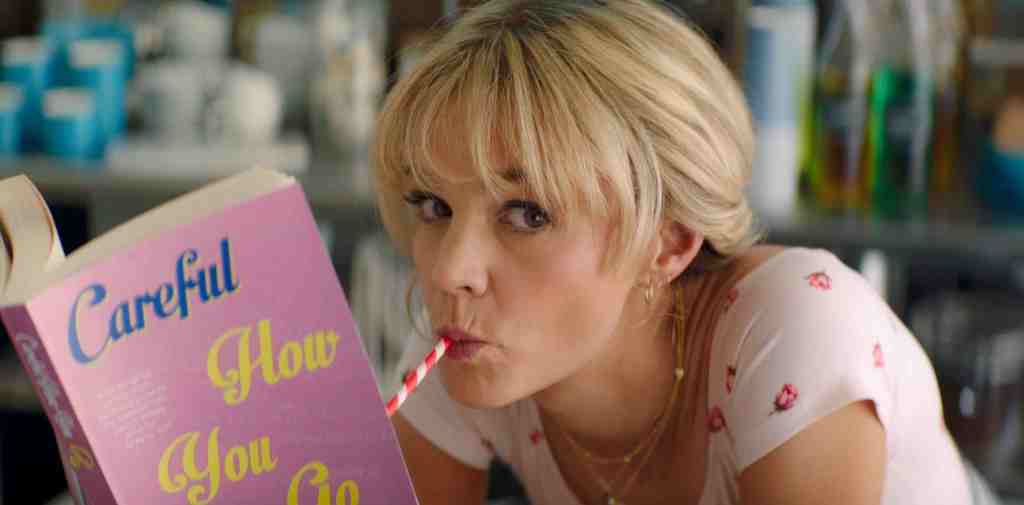
    Once a year, a film comes along that cuts so deeply against the grain that its ingenuity and craftsmanship push movies forward for years to come.

    Amidst the backdrop of pandemic-led movie shortages, the stark contrast between the relatively mundane films of 2020 and writer/director Emerald Fennell’s debut feature, an instant hit when it debuted at last year’s Sundance Film Festival on its way to being the “it movie” for cinephiles’ most anticipated list.

    With her debut feature that more than lives up to the hype, Fennell creates a sugarcoated, pop fairyland that masks personal trauma behind the walls of an avenging angel-type loner. 

    Through neon lights and hyper-realistic social-media worthy imagery, Promising Young Woman exceeds and shatters the expectations of a revenge thriller to become something much more inventive and daring. 

    The film follows Cassandra Thomas, a medical school dropout living at home with her parents unable to fully recover from the trauma of a tragic event in her past. In her search for answers, Cassie spends nights out trying to lure men into her trap to teach them a lesson they won’t forget.

    Fennell’s silver-tongued screenplay requires actors who can keep the sharp wit of her comedy balanced with the inner emotional nuance and Oscar-nominated actress Carey Mulligan creates a presence on screen that pulls the best from DeNiro in Taxi Driver and the films of Martin Scorsese.

    Promising Young Woman will likely be compared to Joker, which is a derisive analogy for the simple fact that Fennell’s film operates on the complete opposite end of the spectrum, both in tone and character. What makes Cassie such a compelling lead character is how her drive for a sense of justice leaves her short-sighted to the world around her and yet acutely aware of how to twist the knife in on her perceived enemies.

    Mulligan delivers a career-best performance as Cassie, the titular “promising young woman” whose life turns to disarray after the loss of her best friend Nina. There’s moments where it feels as though Mulligan is floating outside of Cassie’s body as events melt around her, but at times, a twisted sense of calculation and presence washes over Mulligan’s eyes to create the prologue to epic revenge fantasy.

    The ensemble cast who give such depth to Cassie’s jaded world is a masterclass in finding the right performer for singular moments when the film needs it most.

    Comedian and Eighth Grade writer/director Bo Burnham steps in front of the camera to challenge Cassie into a conventional normalcy, filling the role of sweetheart boyfriend Ryan with far more complexity than he’ll be given at first glance.

    Connie Britton blends a reserved confidence that draws audiences in only to flip on a dime as needed for one pivotal scene, only to find herself overshadowed moments later by an incredible supporting turn from an uncredited Alfred Molina as a lawyer Cassie confronts.

    The supporting women of the film provide a terrific counterbalance to Mulligan’s calculated mania, especially Alison Brie’s searingly hypocritical work as a former classmate of Cassie’s.

    But it’s the litany of smaller roles given to men like Adam Brody, Christopher Mintz-Plasse and Max Greenberg – “that guy” actors known for playing adorable, safe good guys – that work so well in Promising Young Woman as audiences take the stereotypes they’ve built up in their heads for these performers and watch as Fennell and Mulligan help twist them into something much darker.

    Promising Young Woman wonderfully sidesteps direct confrontation of sexual assault, something a lesser, more conventional prestige drama would linger on. The physicality and violence inherent in these moments are replaced with more raw, lingering emotions that trigger character development and further the plot, solidifying Fennell’s ability to pen a screenplay that will keep audiences on their toes and wanting to restart the film as soon as it’s over. 

    Fennell expertly infuses her film with a vast array of needle-drop moments from Britney Spears’ “Toxic” to Juice Newton’s “Angel of the Morning” to a haunting remix of “It’s Raining Men” that set the tone for a distinctly original story. Combined with Anthony Willis’ haunting score changing the mood as needed to keep the audience guessing, Promising Young Woman boast musical moments that will lodge themselves deep in the minds of ardent fans of the thriller.

    Hands down a front-runner at the next Film Independent Spirit Awards, Promising Young Woman enters the end-of-year conversation at just the right time to pick up momentum towards Oscar nominations this April. Fennell’s debut feature is quite likely to earn nominations for Best Actress and Best Original Screenplay, with Best Picture and Best Director honors not out of the question.

    Promising Young Woman has some of the best cinematic moments in recent memory and ones that shouldn’t be spoiled, making Mulligan’s awards-worthy performance an absolute must see on demand for ardent cinephiles who enjoy a film that will engage and challenge its audience at every turn.

  • One Night In Miami: Four men, one room, millions changed

    One Night In Miami: Four men, one room, millions changed

    This review is based on an advance screening of “One Night in Miami” through this critic’s membership as a voter for the annual Film Independent Spirit Awards.

    Four men gather in a hotel room to celebrate the accomplishments of one of their own.

    Their party turns into a deep, philosophical conversation that crystallizes a moment in time in American history and challenges each to become a better version of themselves.

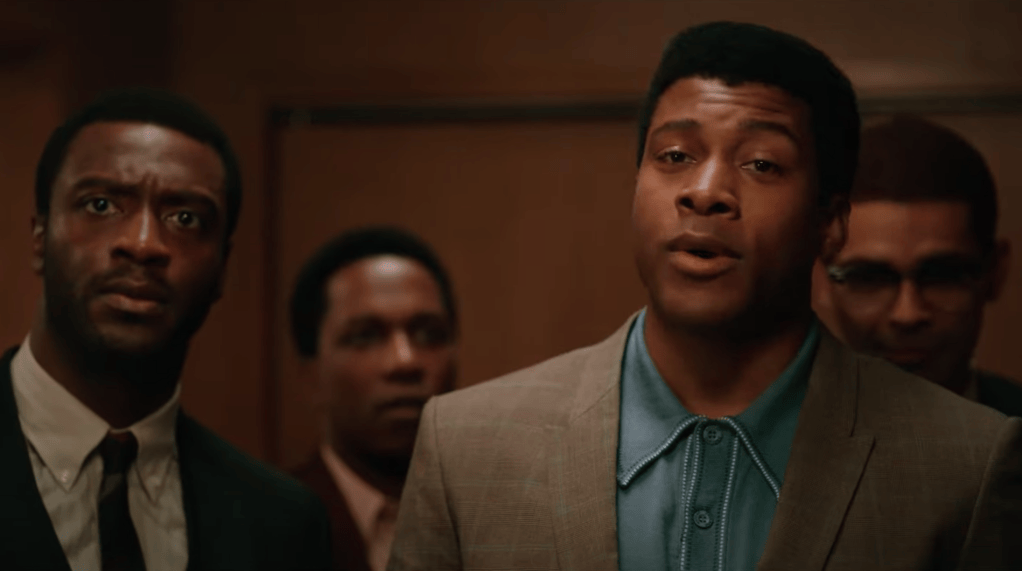
    It’s already tantalizing subject matter for prestige drama, but make those men civil rights activist Malcolm X, football star Jim Brown and music sensation Sam Cooke getting together with their friend, newly crowned boxing champ Cassius Clay mere hours before he becomes Muhammad Ali; now that’s truly something special.

    Based on a fictionalized account of one evening in the early 1960s, Oscar winning actress Regina King steps behind the director’s chair for the first time adapting Kemp Powers’ critically acclaimed 2013 stage play One Night in Miami.

    King delivers a feature that’s terrifically solid in its cinema, but truly special in its theater. An opening salvo introduces the four protagonists individually with some matter of gusto, yet when King gets them all into one moderately sized hotel room together, the true magic of One Night in Miami occurs.

    The film takes on its stage roots and becomes a dialogue heavy masterclass in character development, active listening and dramatic monologuing. King draws exceptional performances out of her leading men by knowing how to put them in the right spots to succeed and framing each in such a way that the men they portray feel as larger than life than their celebrity status suggests.

    The success or failure of One Night rests squarely on casting and King absolutely crushes it with four massive home runs to fill out her small ensemble cast.

    Kingsley Ben-Adir could very easily earn an Academy Award nomination for his soft-spoken, yet stirring turn as X, a man conflicted by his dissolving relationship with the Nation of Islam trying to keep it together to bring three influential celebrities into the fold.

    Ben-Adir approaches each scene with a vigor as if his life is on the line rather than that of the character he portrays and it gives Ben-Adir an earnestness and resolve to calmly, yet forcefully attack each line of dialogue with a demonstrable passion that’s half convincing his friends and half convincing himself.

    Both physically and in temperament, Eli Goree perfectly captures Ali’s charismatic cadence and unrelentingly affable personality and yet he infuses Ali with a quiet thoughtfulness that slowly bubbles to the surface over the course of two hours as Ali takes in debates between Cooke and X.

    In a performance that’s more “float like a butterfly” than “sting like a bee,” Goree instantly rallies the audience to Ali’s side with a pitch perfect delivery of lines Ali probably never said but feel so genuine and authentic in Goree’s delivery.

    As Brown, Aldis Hodge acts as the group’s stabilizing force, a literal mountain of a man that rarely speaks, but chooses his words with intention.

    Hamilton star Leslie Odom Jr. blends his magnetic singing voice with some truly inspired acting work as Cooke, infusing the singer with a confidence that borders on self-righteousness but doesn’t become overly egotistical.

    Each of the four approaches their character with a different take on the same basic concept, famous African American men twisting in the wind while trying to find the right path to help themselves and their community at large. 

    At times, One Night captures the same trapped energy that 12 Angry Men does by locking talented actors into a single room and engaging in sharp, thought provoking dialogue.

    King develops the tension by constantly circling the room with the camera, keeping the viewers’ eyes ping-ponging back and forth between X and Ali on one side and a wary Cooke on the other.

    One Night will likely be a major player in this year’s awards conversation with solid chances at Best Picture and Best Adapted Screenplay leading the way. The film could also be Amazon’s best shot at golden trophies and may lead to financially-backed campaigns for acting noms for Ben-Adir and Goree as well as directing honors for King, a shoo-in for any first feature prizes from awards groups.

    One Night works as a perfect double feature with Netflix’s new adaptation of the August Wilson play Ma Rainey’s Black Bottom and is well worth seeking out when it arrives on Amazon Prime in mid-January.

  • Soul: Once more, with feeling

    Soul: Once more, with feeling

    Everyone assumes animated films made by Disney – or their Pixar Studios brand – are intended for younger audiences.

    The colors are bright, the plotlines are largely wonderous in scale, the content is cheerful and easy to follow from start to finish.

    Soul, the third Pixar feature from Oscar-winning director Pete Docter, isn’t for kids by any stretch of the imagination although it’s not at all inappropriate. Children just aren’t the intended audience, or at least, not when they are kids’ age.

    Docter adapts his screenplay with One Night in Miami screenwriter Kemp Powers to imagine the essence of what gives humanity its purpose and individuals their personality. It’s an existential, thoughtful feature set in a genre that has the freedom to go anywhere and mold the indescribable into a visual wonderland.

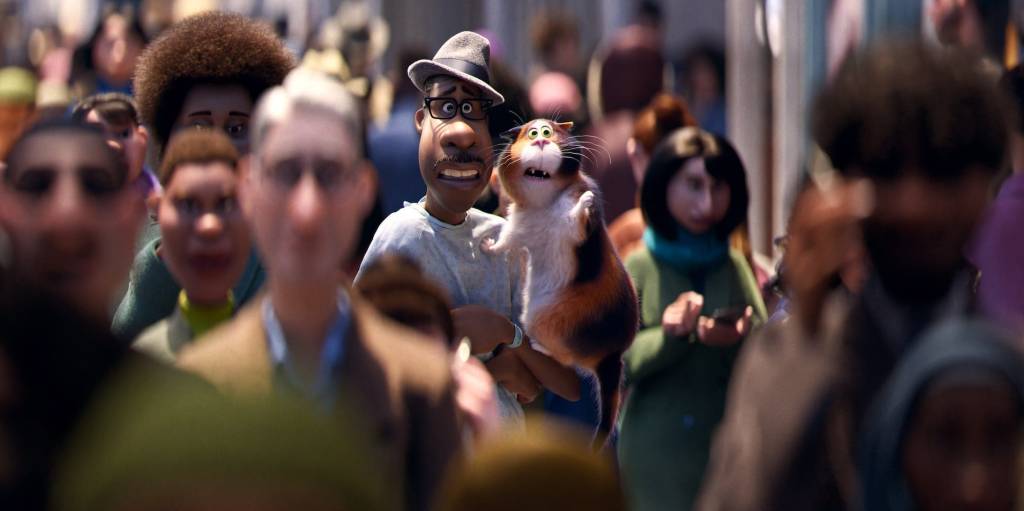
    Audiences follow Joe, an aspiring jazz musician stuck teaching middle school band whose soul is transported to “the great beyond” just as he’s about to catch his big break. Through a partnership with a new soul simply called 22, Joe must make his way back to his body in time for the performance of a lifetime.

    There’s so much heavy material and references to worldly philosophies that younger viewers aren’t going to appreciate Soul as much as they did Docter’s prior films – Academy Award winners Up in 2009 and Inside Out in 2015. Soul lacks the cinematic balance to keep children engaged with the complex narrative themes despite a humorous script that rewards patient viewers.

    But for adults who grew up on Disney’s animated classics, Soul strikes a resonant chord of pairing the childlike wonder of animation and twisting it for a lofty thematic purpose.

    Much of the burden to make Soul work falls on the shoulders of Jamie Foxx, who carries Joe through an ever-winding tumult of situations with a kind heart, yet exasperated longing for something more. Foxx gives Joe a soft-spoken quality that renders him almost sheepish but serves the character well as he delivers lines with a sly half-smile that will charm viewers to his side.

    The Oscar-winning actor provides the right blend of warm humor with introspective dramatic work and the animators capture a similar presence in constructing Joe’s tall, lanky body for the big screen.

    Comedienne Tina Fey is a plucky, dynamic choice to voice 22, almost mimicking Ellen Degeneres’ turn in the Finding Nemo films but with a tad more snark.

    However, with the majority of the cast representing the African American community and Soul being the first Pixar film with a Black leading character, Fey doesn’t quite feel like an ideal casting choice.

    Soul is a transfixing visual delight, popping through an array of animation styles as Joe and 22 bounce from the real world to “the great before” and places in between. Docter and his team of visual artists flawlessly capture the relentless energy of New York City while still invigorating two-dimensional imagery with character that showcases where Joe comes from in his love of music.

    A lock for a Best Animated Feature nomination at this year’s Academy Awards, Soul will be a frontrunner in the category along with the AppleTV+ feature Wolfwalkers and the film’s robust score, penned by Oscar winners Trent Reznor and Atticus Ross as well as jazz pianist Jon Batiste.

    Originally slated for a theatrical release for Christmas 2020, the decision by Disney to move Soul to their Disney+ streaming service at no additional cost offers viewers the opportunity to engage with the film on their own time and in a more relaxed, pensive way that benefits the overall viewing experience.

    Children won’t appreciate Soul like they might Docter’s previous Pixar films, but when they grow up, they may find this reflective feature to age like a fine wine.

  • Wonder Woman 1984: Blast from the past

    Wonder Woman 1984: Blast from the past

    Filmmakers transcend genre by making sure their voice remains at the forefront, regardless of whatever limitations might be artificially imposed.

    This is especially true in the superhero genre, which can often feel stagnant and cookie-cutter as directors come to heel at the whims of a studio bent on franchise making and spectacle.

    Wonder Woman 1984, director Patty Jenkins’ follow-up to her critically and commercially acclaimed 2017 film based on the DC Comics heroine, isn’t a typical superhero film by any stretch of the imagination, largely bucking the trend of explosions and brutality.

    What makes it click are the themes, politics and humanity of its characters, who just happen to be in a comic book tale rather than have that define who they are and become.

    While there are certainly shades of classic 80s movies and Richard Donner era Superman tales, 1984 most feels like a cross between Marvel’s best solo movie Captain America: The Winter Soldier and Tim Burton’s twisted take on comics with Batman Returns.

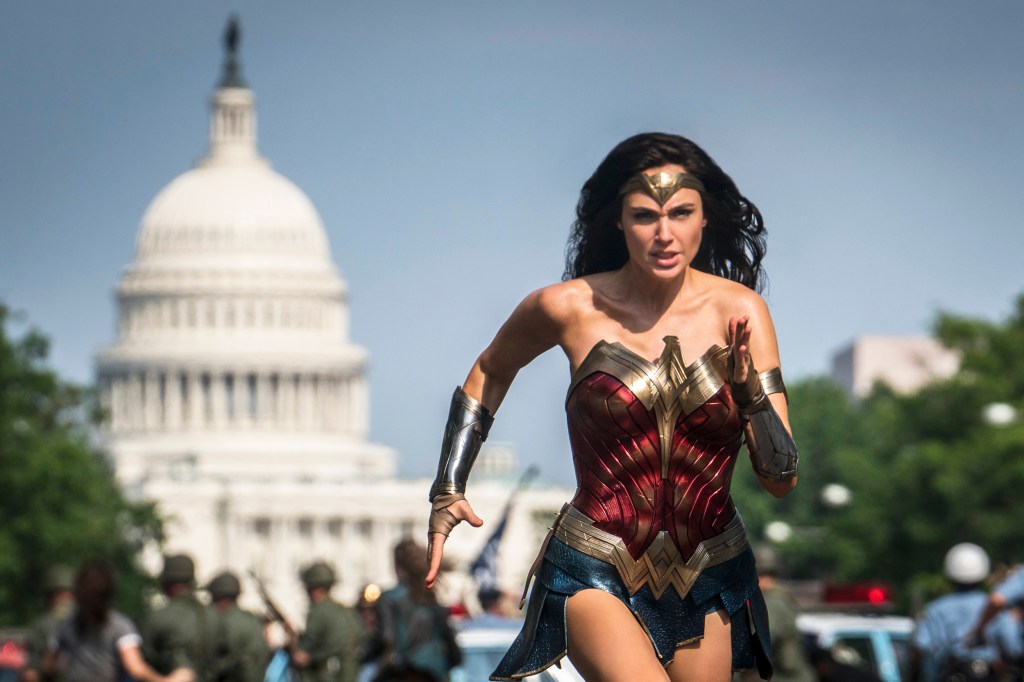
    Set nearly seven decades after the events of the first film, 1984 finds the heroine in disguise as museum curator Diana Prince, wandering through life alone battling crime while trying to keep her identity a secret. When a colleague comes into contact with a stone that grants the holder any one wish they desire, events unravel and force a vulnerable Wonder Woman out into the open.

    Gal Gadot continues to make the title character an unforgettable on screen persona, infusing her warmth and genuine heart into Diana Prince in a performance that’s hard to rival in terms of creating an empathic superhero.

    Though at times her line delivery may feel a bit rigid, Gadot offers a forthrightness that carries over well from the 2017 original and layers in a sadness left by the void of Diana’s fallen beau, Steve. How this impacts her performance is remarkable as Gadot rightly struggles to connect with those around her until the Steve character makes his way back into the narrative.

    As was true of the first film, Gadot’s best moments are opposite Chris Pine as Steve Trevor as the pair have a natural chemistry that powers large segments of the plot.

    Pine’s Trevor is narratively the fish-out-of-water and brings a sense of wide-eyed wonder to scenes, balancing a Big-like naivety with the bravado Pine developed in the original.

    Much of the politics of 1984 will center around Pedro Pascal’s relentless businessman Max Lord – evoking an “Art of the Deal” era entrepreneur who’s part television personality, part swindler and part distant father. Pascal channels his best Gordon Gekko impersonation, but pads Lord with far more charisma.

    When Lord begins to see his plan come to fruition, Pascal does an admirable job of removing the blindfold from the audience’s eyes and revealing the inner madness within.

    Kristen Wiig’s quirky, yet charming turn as introverted gemologist Barbara Minerva evokes Michelle Pfeiffer in Batman Returns with a strange yet mesmerizing look at a woman driven out of her shell by happenstance who comes to relish the notoriety that befalls her. 

    As is evident in Pascal’s work, how power changes and comes to define Minerva forces Wiig to radically alter her performance in the film’s latter moments, although this does push the talented comedienne into somewhat of a corner to serve the narrative’s comic book origins.

    1984 is a comic book movie sequel that only concerns itself with superhero lore in terms of how characters are affected emotionally. It’s not about the action or the gimmicks. Jenkins grounds her tale in the drama of the humanity outside of the superpowers. 

    Even in traditional adventure sequences or crime-fighting moments, there’s a lot of care taken to ensure the purity of Diana’s motivations. The way Wonder Woman fights and protects those around her is a result of her humanity rather than simply a comic book plot device.

    Because Jenkins relies less on blockbuster action that one would expect from the gaudy genre of superhero films, 1984 doesn’t need to be seen on the big screen in order to be enjoyed, something that works incredibly well with the decision by Warner Brothers to release the film in theaters and on the HBO Max streaming service simultaneously.

    The film’s climatic ending leaves a somewhat bitter taste as 1984 gives way to the overly dark fight sequences that have become canon for the DC Comics Extended Universe. As its light dims, 1984 loses some of the character-based drama that Jenkins tries so hard to infuse her film with.

    Better as a film than as spectacle, Wonder Woman 1984 is something made to last beyond the big screen with layers revealing themselves on multiple viewings as audiences interpret meaning and nuance in Jenkins’ film, making it an ideal feature for home screening on HBO Max before it leaves the service temporarily on January 24.

  • Ma Rainey’s Black Bottom: And all that jazz

    Ma Rainey’s Black Bottom: And all that jazz

    Ma Rainey’s Black Bottom, the latest awards contending prestige drama from Netflix, will likely forever be known for the final performance of the late actor Chadwick Boseman, whose career was cut short by cancer in August.

    But what hopefully won’t be left out is that the film based on an acclaimed August Wilson play is also the finest work of Boseman’s career and a crystallization of not only the times in which the film is set but the wide array of emotions that bubble to the surface in jazz music and in the musicians who perform.

    Set over the course of one afternoon in 1920s Chicago, Black Bottom watches tensions rise during a recording session for blues pioneer Ma Rainey as an ambitious trumpeter, white management and hot, claustrophobic conditions lead to an eruption of hidden truths and inner conflict.

    Boseman is a firestorm of energy that bubbles over the surface slowly, captivating audiences from the opening moments and never letting go as Levee, a young musician and composer wanting to form his own jazz band and play more up-tempo music to attract Northern audiences.

    The natural charm from his smile serves as a balm to audiences trying to find their way through the somewhat confusing introduction, and its only when Levee tells his bandmates the story of his parents that Black Bottom truly takes shape.

    Boseman emotes so dynamically in this one moment, about 30 minutes into the feature, that the whole tone of the film changes on a dime, no longer being about making a record. With the longing and ache in Boseman’s voice and the tremble in his physicality, Levee takes Black Bottom and reveals Wilson’s true vision – a heart-wrenching, thought provoking treatise on race relations during the 1920s that still sears in modern times.

    And none of it works without Boseman at the very top of his craft, balancing fragile emotion with a masquerade of bravado to fool not only everyone else but Levee himself. 

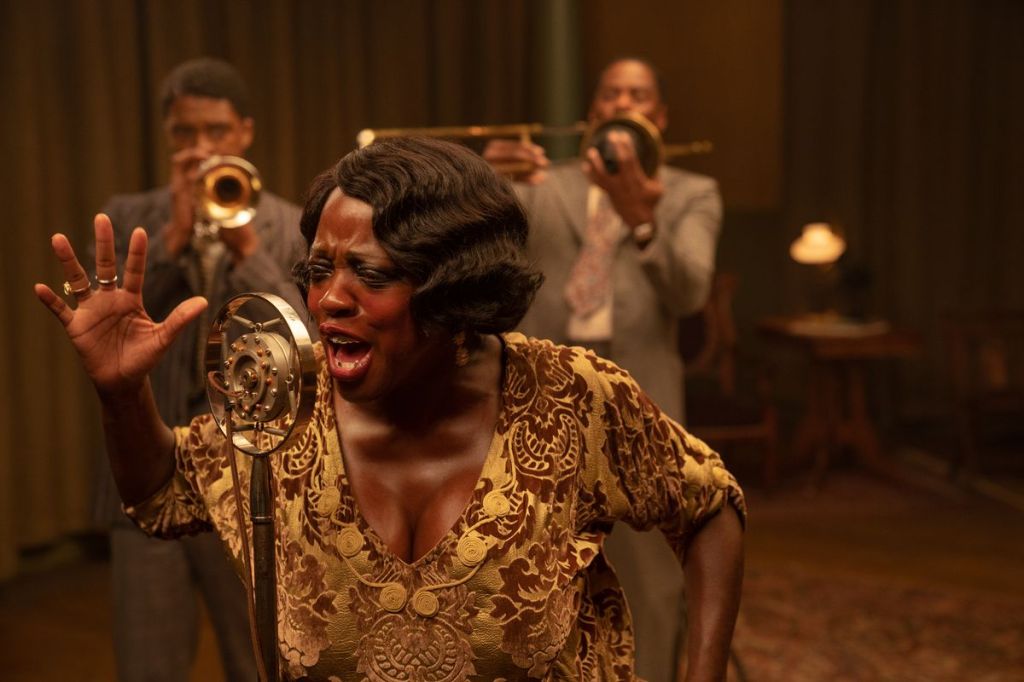
    Viola Davis – who won an Academy Award for her work in Denzel Washington’s 2016 adaptation of Wilson’s Fences – plays the title character with a larger-than-life persona that initially comes across as fake, but in smaller individual moments is revealed to be something much more nuanced and considered.

    Where her work truly dazzles in the physicality she brings to Ma, using her body to get what she wants from everyone around her. There’s an imposing force to how Davis twists her hips or thrusts herself forward, implying Ma isn’t to be trifled with. Every movement is considered and electric, with the reverberations of her presence rumbling through the screen.

    Black Bottom also boasts terrific work from the rest of its ensemble cast with Colman Domingo as the peacemaking band leader Cutler and Glynn Turman as piano player Toledo serving as standouts.

    The film is such a fervent playground for these talented character actors largely because of the remarkable screenplay from Ruben Santiago-Hudson adapting Wilson’s words for the silver screen.

    Dialogue gets peppered back and forth across short distances like bullets and the searing monologues delivered by Ma and Levee have an intensity and bite that can only come from an expert playwright like Wilson.

    Stage adaptations often suffer from long, drawn-out running times that feel natural in a theater setting but drag on the big screen. Black Bottom, however, flies through a crisp 90-minute running time and Wolfe maintains an energy to the film from a visual perspective that keeps up with the sharp, relentless dialogue.

    Cinematographer Tobias A. Schiessler keeps the camera in tight on performers while mixing up the color palette, enhancing the “anything can happen,” jazz improvisational style. At times, Black Bottom shows its stage roots, lingering in tight spaces and emphasizing the dialogue, and yet there’s a grandiose scale to the transitional pieces, moments in between the film’s “acts” that contextualize events and give Black Bottom a larger sense of place.

    Black Bottom may well be a major contender for a Best Picture Oscar nomination, but it’s fairly written in stone that Boseman and Davis will both earn nods for their leading performance. The film’s adapted screenplay should earn accolades as well as technical honors for the film’s costuming, production design and Branford Marsalis’s score.

    It’s quite possible, in fact, that Boseman could be the first posthumous double nominee with lead actor for Black Bottom and best supporting actor for Spike Lee’s Da 5 Bloods.

    Certain to be near the top of any best of 2020 list, Ma Rainey’s Black Bottom serves as the perfect coda on Boseman’s magnetic career and is an absolute must-see for ardent cinephiles on Netflix this awards season.

  • Wander Darkly: Crashing waves of emotion

    Wander Darkly: Crashing waves of emotion

    How we handle pain, grief and tragedy – visceral, raw emotions – has always been a vibrant playground for filmmakers seeking weighty material to create artistic cinema.

    Relative newcomer Tara Miele found inspiration from her own car accident to blend reality and fantasy in Wander Darkly, a melancholic film that finds new parents Adrienne and Matteo at a crossroads following a family tragedy that forces the pair to reflect back on haunting truths in their relationship and the uncertainty of the road ahead.

    Wander Darkly is in many respects an amalgamation of any number of genres, mystifyingly complex, deeply romantic, otherworldly supernatural and devastatingly bittersweet.

    Miele constructs a world that effortlessly changes at the drop of a hat to suit the needs of her character-driven story as the camera floats behind Adrienne dragging viewers through her fragile emotional state.

    In unquestionably her career best performance, Sienna Miller is astonishingly transfixing as Adrienne, a woman coming to terms with remarkable trauma through great uncertainty that manifests as a combination of half-remembered dreams and painstaking what ifs. She is led through this journey of the soul by the vision of her husband, essentially playing the Jacob Marley from Charles Dickens’ “Christmas Carol” or Virgil from Dante’s “Inferno.” 

    Miller meanders through scenes in a daze as the totality of Adrienne’s tragedy sinks in. There’s something especially haunting about her slow, aimless stumble as Miele and cinematographer Carolina Costa linger on Miller’s feet visualizing the distance between Adrienne’s body and soul or between Adrienne and Matteo.

    Diego Luna walks a tightrope between being the affable man Adrienne fell in love with and the distant figure she longs to get away from. His Matteo is more loosely defined in the performance than Miller’s more demonstrative Adrienne but works when considered in the context that viewers are seeing him most often through the lens of her memories.

    Miller and Luna have an uneasy, uneven chemistry that doesn’t feel organically designed that way, but works in the greater scheme of the film as Wander Darkly relies heavily on a schism between Adrienne and Matteo that lingers like a cloud over their relationship. 

    A portrait of a relationship fading from view like a feather floating away in the breeze, Miele makes the wonderful choice of progressively pulling Matteo and Adrienne further apart as they are working to come back together emotionally.

    The visual palette of Wander Darkly draws heavily from contrast heavy films like Eternal Sunshine of the Spotless Mind and pairs a connective one-take editing style with a constantly moving hand-held camera to stitch together a timeline-bending narrative and keep audiences always in motion ready for the film’s next emotional twist.

    Where Wander Darkly struggles most is in its final third, which takes Adrienne’s journey of self-discovery into an overwhelming amount of grief that neither the characters nor Miele herself quite know how to convey. There’s so much potential for Wander Darkly to be a standout film from start to finish as the opening 65 minutes is an exertion of true artistic vision from a filmmaker who clearly has something to say.

    A more refined finish, or better still, an open-ended one would have provided the chef’s kiss of a truly brilliant independent feature.

    Wander Darkly is primed for much greater chances of success with critics’ groups and the Film Independent Spirit Awards than it will be with Oscar voters. The one exception, however, may be Miller, who could theoretically sneak her way into a Best Actress nomination in an uncertain year. 

    A film crystallized in emotions, Wander Darkly wallows in its melancholy far too much for some audiences, but those who become deeply invested in the characters – especially Miller’s transfixing Adrienne – will find Miele’s film original, genuine and beautifully haunting, something well worth seeking out on demand.

  • Mank: Citizen Mankiewicz

    Mank: Citizen Mankiewicz

    Though it’s expressed as a work of fiction, film scholars commonly understand the 1941 cinema classic Citizen Kane to be an unofficial biopic of newspaper magnate William Randolph Hearst and the launching of Orson Welles’ film career.

    But the film also served as the magnum opus of social critic and Hollywood screenwriter Herman J. Mankiewicz, a man who battled with Welles for writing credit and was a frequent guest of Hearst through his connections with MGM executive Louis B. Mayer.

    Some 80 years after the release of the lauded film masterpiece, Netflix partnered on a long-shelved project of celebrate auteur David Fincher, an artistic biopic of Mankiewicz that harkens back to classic Hollywood and meticulously revers both the original film and the man who wrote it without ever fully letting audiences in on either.

    In many ways, Mank is to Citizen Kane what “Rosencrantz and Guildenstern are Dead” is to “Hamlet,” a narrow examination of a classic piece of art from the perspective from a character on the fringes of the original story.

    Mank isn’t about what many expected before its release – the battle between Mankiewicz and Welles over screenwriting credit for Kane. Rather, the film posits itself as a deep character study of the M.G.M. script writer largely prior to Welles’ heavy involvement in the film itself.

    Fincher – adapting a script from his late father Jack – uses Kane as a meta-text to construct the entire narrative of Mank from the visual cues and camera framing that feel lifted right off the R.K.O. studio lot to the back and forth structure panning back and forth in Mank’s life providing context for the scene that’s just played out on screen.

    If Citizen Kane creates a portrait of a complicated man from the memories of those around him, Mank creates a portrait of another complicated man from the memories he tells himself.

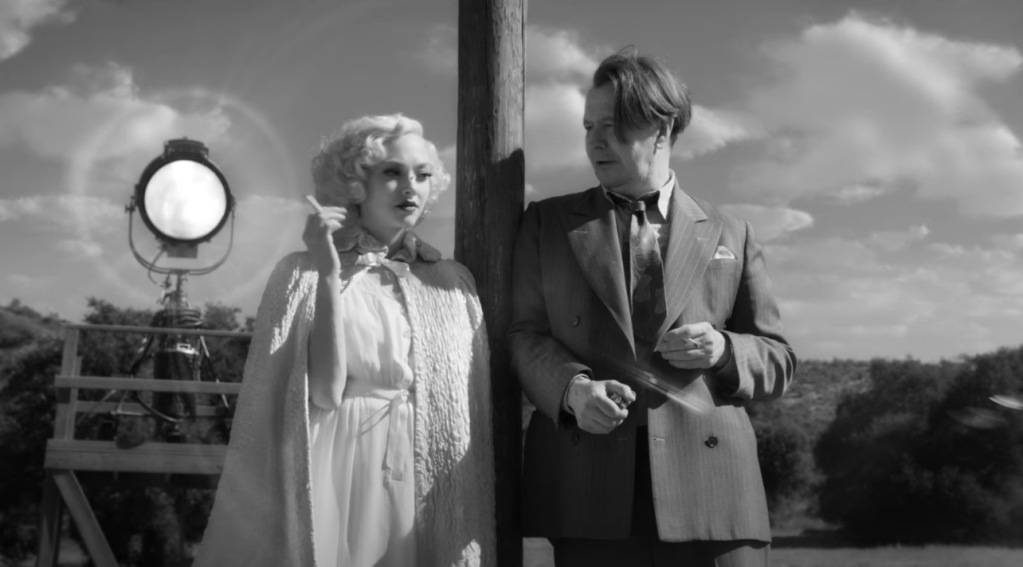
    Oscar winner Gary Oldman portrays the title character with the vigor of someone who has spent his whole life narrating and commenting on the lives of others – fictional and real – but has never really turned his mind towards himself. It’s a beautifully controlled performance that often harkens back to Welles’ turn as the indominable Charles Foster Kane of the 1941 film, but with a different twist that punches up Mank’s eccentricities.

    The film hinges not on Mank’s ability to pen the screenplay for Kane, but on his relationships with three women – a distant marriage to wife Sara, an affable fondness for actress and Hearst mistress Marion Davies and unlikely friendship with secretary Rita Alexander.

    Oldman approaches his chemistry with each of the three women differently while still maintaining a constant dry witticism that subdues those around him.

    Lily Collins and Tuppence Middleton do admirable jobs as Rita and Sara, respectively, but both are outshined by Amanda Seyfried’s enchanting, almost radiant performance as Marion Davies, a picture perfect take on vintage Hollywood ingénues.

    It’s remarkable how closely Seyfried mirrors her wide-eyed turn as Davies to the one given by Dorothy Comingore as Susan Alexander Kane in Citizen Kane, as if Seyfried herself fades off the screen and leaves Davies to play the real-life inspiration for the second Mrs. Kane. Scenes with Seyfried and Oldman have a heightened intensity and sparkle compared to the rest of Mank.

    Netflix’s home viewing experience that will make Mank a far more approachable film also has the unfortunate effect of handcuffing the quality of Erik Messerschmidt‘s expert black-and-white cinematography.

    Messerschmidt plays with light and shadow to create a compelling texture to scenes, engulfing the audience in a sea of bright white or endless void of darkness at a moment’s notice to reflect the overall tone of a scene and it’s in its boundlessly spectacular visuals that Mank truly feels like Fincher has studied Kane as the text for his film as Welles did with John Ford’s Stagecoach prior to shooting Kane.

    But seen on a small screen, especially one with limited resolution quality or poor contrast settings, Mank will become muddled to the point of losing its pre-Technicolor cinematic luster, a shame given how striking it must be on the big screen.

    Like its cinematic inspiration, Mank is poised to be a major player at the Academy Awards with likely nominations for Best Picture, Best Director, Best Actor, Best Supporting Actress, Best Original Screenplay, Best Original Score, Best Cinematography and Best Production Design. Prestige films about Hollywood have always overperformed at the Oscars and it’s easy to see Mank taking a similar path to the one The Artist did as a nostalgia for vintage moviemaking carries it to numerous trophies.

    A thoroughly complicated and difficult picture to make and to sit through, Mank is sure to tantalize cinephiles and befuddle casual moviegoers. It feels impossible to completely appreciate and comprehend the depth of detail and cinematic texture Fincher and his team have painstakingly layered into a feature that feels like a masterpiece, though only history will ever tell if it actually becomes one.