Category: Commentary & Essays

Original essays, film-industry commentary, awards analysis, year-in-review writing, and reflections beyond a standard movie review. Do not use for ordinary reviews merely because they contain opinions.

  • A whole new multiverse: Academy celebrates creativity, unique artistry with Best Picture winner Everything Everywhere All At Once

    A whole new multiverse: Academy celebrates creativity, unique artistry with Best Picture winner Everything Everywhere All At Once

    It was practically unfathomable a year ago that a quirky blend of science fiction, drama and martial arts would be remember by more than a few ardent fans elevating it to cult status.

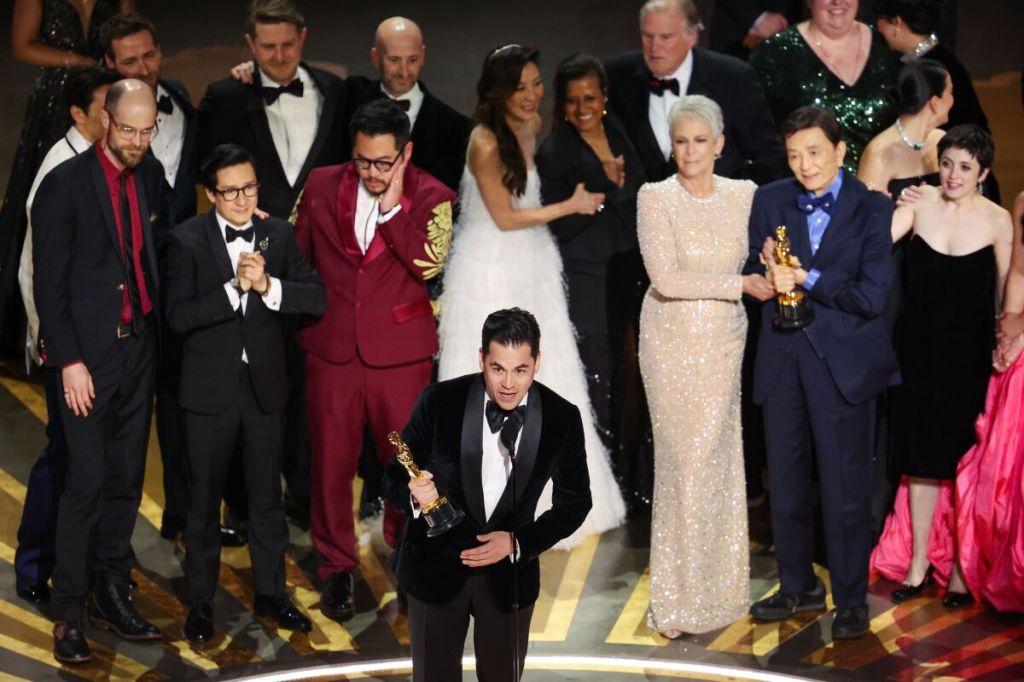
    But 366 days after its debut at the 2022 South by Southwest Film Festival, Everything Everywhere All At Once moved beyond critical and cinephile acclaim by winning seven of its 11 Academy Award nominations Sunday evening including Best Picture.

    While its success certainly signals an ongoing shift in what the Academy considers worthy of its top prizes, All At Once practically sweeping is a striking endorsement in genre filmmaking and original storytelling that should boost the profiles of future projects and promote filmmakers taking risks for the sake of unique creativity.

    All At Once probably isn’t a film that reaches across the spectrum of moviegoers like Top Gun: Maverick or a Steven Spielberg movie might be, but those just stumbling onto this remarkable gem should make every effort to find a way to see it even if it’s too strange or outlandish for more conservative cinephiles.

    Long overdue Best Actress winner Michelle Yeoh stars as Evelyn, a down on her luck Chinese immigrant whose business is on the verge of collapse and her marriage on the brink of divorce. While heading to an IRS audit meeting, Evelyn is confronted by an alternate version of her husband, Waymond, who believes she is the only person capable of stopping the nefarious Jobu Tupaki from collapsing every possible universe.

    Although the film could probably have been successful simply based on the creativity of writing/directing duo Dan Kwan and Daniel Scheinert, collectively known as Daniels, Yeoh brings All At Once to the next level with a nuanced performance that is often frantic, sometimes melancholic, and ever transformative. 

    She becomes a terrific stand-in for the audience as the film progresses with Yeoh’s initial confusion to the world Evelyn is forced into mirroring the bewilderment of viewers.

    If there’s only one reason to see All At Once, it’s for the heartfelt, magnetic performance from Best Supporting Actor winner Ke Huy Quan, who returned to acting for his first role in two decades and steals nearly every scene he’s in as Evelyn’s sheepish, yet adorable husband Waymond. No matter what version of Waymond is in the moment – and all versions are incredible – Quan gives his whole heart to Waymond in a way that just leaps off the screen.

    Another veteran performer – Jamie Lee Curtis – finally got her laurels with a Best Supporting Actress win with an almost unrecognizable turn as the IRS agent assigned to Evelyn’s audit.

    All At Once is even more spectacular in terms of its visual effects, which was developed by a team of only five to create over 500 different shots in the film. Daniels use both practical and computer-generated effects to showcase Evelyn’s bridge between the versions of herself, dubbed “verse jumping” in the movie, and the look of Yeoh rapidly falling backwards is a constant blur of motion and imagery that keeps viewers at the edge of their seats.

    The film also moves at an intensely rapid pace thanks to distinct and swift editing by Paul Rogers, who won for best editing, that makes the most of the dynamic action sequences that perfectly blend martial arts with the strange science fiction elements of the plot.

    The singular vision of All At Once is so outside the box – there’s literally worlds with hot dog hands and pinatas – that rewarding Daniels with both Best Direction and Best Original Screenplay is something that speaks to the film’s technical merits and craft of storytelling, but also to the deep emotional core that resonates from the opening moments through the final credits.

    The Academy’s shift in direction to celebrate the less conventional parts of cinema culminated in heralding in a new era of creative, vibrant and original storytelling.

    In 2022, there simply isn’t a better example of independent artistry and breaking the mold of what movies could be than Everything Everywhere All At Once, a more than worthy Best Picture winner and something that cinephiles would do well to watch (or re-watch) very soon.

  • The universal language of cinema: ‘Parasite’ breaks barriers as 92nd Academy Award winner for Best Picture

    The universal language of cinema: ‘Parasite’ breaks barriers as 92nd Academy Award winner for Best Picture

    Once you overcome the one-inch tall barrier of subtitles, you will be introduced to so many more amazing films. – Bong Joon-ho, Oscar-winning writer and director of “Parasite”

    Before Sunday night, a lot of things were different in the world of cinema.

    A foreign language film had never won Best Picture at the Academy Awards; no South Korean film had ever earned a nomination; Walt Disney was the only person in Oscar history to win four awards at the same ceremony, doing so in 1954.

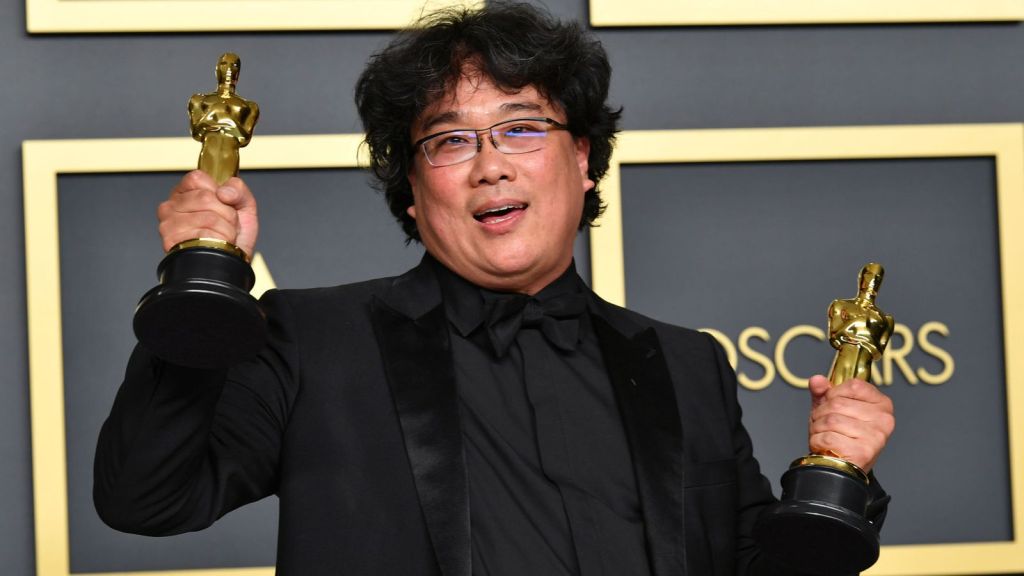
    Bong Joon-ho and the 92nd Academy Awards changed film history forever.

    The South Korean writer/director’s seventh feature, “Parasite,” a haunting and arresting drama with elements of comedy and paranoia, took home the Academy Award for Best Picture this weekend with a dynamic, unflinching look at families at the top and bottom of South Korea’s social strata.

    With wins for Best Direction, Best Original Screenplay and Best International Feature, Bong joins Disney as a four-time Oscar winner on the same night and cements South Korean cinema on the map.

    Now available widely for home viewing, there’s absolutely no reason to avoid seeing one of the best films of the 2010’s, especially as “Parasite” will likely dominate film conversation for months to come.

    Missing out at this point puts audiences at risk of ruining the film as the less viewers know about the film before seeing “Parasite,” the better the cinematic experience will be.

    In the simplest terms, “Parasite” is about two families, the affluent Park family living in a walled manor on a hill and the impoverished Kim family leeching off open Wi-Fi and free extermination in their semi-basement flat.

    When the Kim’s son is hired to serve as an English tutor for the Park’s teenage daughter, it sets in motion a series of events that will irrevocably change both families for life.

    Twists and turns masterfully crafted into the story are offset by moments of extremely poignant subtlety as Bong envelopes audiences in a world that seems infinitely close and yet constantly out of reach through perfect shot selection and camera movement that puts the viewers’ eyes on exactly what they need to see at the exact moment they need to see it.

    Although set in Seoul, the universal film realistically could have taken place anywhere and in any language with its observations on economic class conflict, greed and deception. Its biggest hindrance to mainstream success has been a relative unwillingness for subtitled films, though Bong has crafted a theatrical experience that far transcends any language barrier.

    “Parasite” is an arresting display of cinema mastery that reveals its many layers over repeat viewings and a feature whose humor, tension and drama interweave majestically over the terse two-hour running time.

    Perspective is of key importance to “Parasite” as viewers are left questioning events in the film from every angle, not knowing what’s coming next or where it’s coming from. The Oscar-winning screenplay written by Bong and Han Jin-won is an unparalleled combination of tension and release that keeps audiences on the edge of their seats.

    What’s most important about the unprecedented success of “Parasite” is what it means for the Academy moving forward, and hopefully, for the film industry as a whole.

    It’s truly remarkable that a foreign-language film broke through and won in four out of the six categories it was nominated in. But at the same time, “Parasite” failed to receive a deserved cinematography nod and none of the film’s illustrious cast was honored with a nomination despite the film winning Best Ensemble at the Screen Actors Guild awards.

    “Parasite” relies on eight actors to deliver memorable, pitch-perfect performances in order to pull off Bong’s layered screenplay and there isn’t a false step among the entire cast. Each member of the family – father, mother, son and daughter – is in sharp contrast from their mirror in the other family, as if they were playing the opposite side of the same coin.

    This year’s Academy Award Best Picture winner is a truly special, audacious cinematic masterpiece that’s uniquely of this moment in time and yet transcends the world we’re living in.

    “Parasite” was the best film of 2019, arguably the greatest film of the last decade and the correct choice by Academy voters Sunday evening.

  • 92nd Academy Awards preview: Parasite v 1917

    92nd Academy Awards preview: Parasite v 1917

    For the sake of posterity, here are my predictions and thoughts on tonight’s Academy Awards:

    Best Picture:

    Going to win – 1917, the runaway winner at BAFTA and odds on favorite tonight, the Academy will likely favor an old standard in Best Picture winners: the technically proficient, period war epic

    Should win – Parasite, probably sitting in the runner-up chair, Bong Joon-Ho’s masterpiece has a strong chance to pull the upset thanks to the preferential balloting system and is the year’s best film by a significant margin

    Dark horse – Once Upon A Time In Hollywood, the Academy loves movies about Hollywood and this Quentin Tarantino period dramedy is probably the most accessible of his filmography to Oscar voters

    Best Director:

    Going to win – Sam Mendes for 1917, Mendes should get the BP boost along with the film’s overwhelmingly spectacular technical achievements to hand him an Oscar for putting all the right pieces around him

    Should win – Bong Joon-Ho for Parasite, same story, different category, Bong creates a rich, deep world that constantly keeps audiences on the edge of their seat and masters nuance from start to finish

    Dark horse – Realistically no one, although some voters will cast their ballots for Tarantino, one of Hollywood’s best auteurs never to win this award

    Best Actor:

    Going to win – Joaquin Phoenix for Joker, the darkest, most actor-y performance of the year is essentially a guaranteed first time win for Phoenix, who elevates an otherwise marginal comic book movie to Best Picture contender worthy status

    Should win – Adam Driver for Marriage Story, a performance that is probably more nuanced than Phoenix but less showy, which doesn’t bode well given Phoenix has swept everywhere else

    Dark horse – None.

    Best Actress:

    Going to win – Renée Zellweger for Judy, a tolerable performance in a vastly mediocre film that somehow got crowned as the best of the year back in September without any real discussion or debate

    Should win – Saoirse Ronan for Little Women, a four-time Oscar nominee by the age of 25, Ronan puts together her most Oscar-y performance yet as Jo March, but with a depth of conviction and character that underlies her immense talent.

    Dark horse – Scarlett Johansson for Marriage Story, double nominated in both lead and supporting actress, Johansson is better in the first twenty minutes of Noah Baumbach’s film than Zellweger is at any moment of Judy

    Best Supporting Actor:

    Going to win – Brad Pitt for Once Upon A Time In Hollywood, a much deserved accolade for one of cinema’s best character actors who just happens to be among its most attractive, which shields out sometimes how good of a performer he is and how effortless it is for Pitt to be charming.

    Should win – Pitt

    Dark horse – Joe Pesci for The Irishman or Tom Hanks for A Beautiful Day In The Neighborhood, 2019 was a terrific year for supporting actors and both of these men could easily have run away with the award in another year.

    Best Supporting Actress:

    Going to win – Laura Dern for Marriage Story, another example of a race that was over before it began, Dern is good as a no-prisoners-taken divorce attorney but there are other performances that are as good or better that deserve more attention as well.

    Should win – Florence Pugh for Little Women, the breakout star of Midsommar takes a reviled literary character and turns the tables on audiences with a standout performance as Amy March. The most difficult performance to pull off of any of these nominees, Pugh knocks it out of the park.

    Dark horse – None

    Best Original Screenplay:

    Going to win – Parasite

    Should win – Parasite

    Dark horse – Once Upon A Time In Hollywood


    Best Adapted Screenplay: 

    Going to win – Jojo Rabbit

    Should win – Little Women

    Dark horse – The Irishman

    Best Animated Feature:

    Going to win – Klaus

    Should win – Toy Story 4

    Best International Feature:

    Going to win – Parasite

    Should win – Parasite

    Best Documentary Feature:

    Going to win – American Factory

    Should win – American Factory

    Best Original Score:

    Going to win – Joker

    Should win – 1917

    Best Original Song:

    Going to win – “(I’m Gonna) Love Me Again” from Rocketman

    Should win – “(I’m Gonna) Love Me Again” from Rocketman

    Best Sound Editing and Mixing:

    Going to win – 1917

    Should win – 1917 for editing, Once Upon A Time in Hollywood for mixing

    Best Production Design:

    Going to win – 1917

    Should win – Parasite

    Best Cinematography:

    Going to win – 1917

    Should win – 1917

    Best Makeup and Hairstyling:

    Going to win – Bombshell

    Should win – Bombshell

    Best Costume Design:

    Going to win – Jojo Rabbit

    Should win – Once Upon A Time in Hollywood

    Best Film Editing:

    Going to win – Parasite

    Should win – Parasite

    Best Visual Effects:

    Going to win – 1917

    Should win – 1917

  • Dear Basketball: Preserving the legacy of a man, not just a legend

    Dear Basketball: Preserving the legacy of a man, not just a legend

    I never liked Kobe Bryant growing up.

    To me, a life-long Dallas Mavericks fan, he was a smug, self-indulgent rival who wasn’t as good as everyone else thought he was.

    As a film aficionado and budding critic, it bothered me even more that one of my most-disliked sports antagonists won an Academy Award. It reeked of the bravado that annoyed me watching him dunk on Mavs centers or bank in game winning jumpers in route to another championship he didn’t deserve.

    Part of the pageantry about sports is creating and hating the villain. It’s what endears us to our heroes who best someone else’s hero that we view through the lens of the enemy.

    I was in a movie theater Sunday afternoon watching the film I intended to write this review over, Guy Ritchie’s crime caper “The Gentlemen” starring Matthew McConaughey, Colin Farrell and Hugh Grant.

    About halfway through the film, I was strangely moved to do something I rarely do in a theater; stop watching and check my phone.

    The screen flashed up with several text messages, a missed phone call and an ESPN news alert, all of which were commonplace for me to see once the credits start rolling on a movie.

    For some reason, instead of putting my phone away, I walked down the aisle and into the hallway, far enough out of view to not interrupt other audience members, but close enough to keep myself inside the world of the film.

    I opened my phone again expecting to see some text messages that wouldn’t matter in the long run and someone I needed to call back on my way home.

    The ESPN alert jumped to the top of the screen, “Breaking News: Kobe Bryant killed in helicopter crash at 41.”

    It was an unexpected, stunning revelation and one I couldn’t stop thinking about amid the ensuing diatribe and violence that concluded Ritchie’s film.

    It’s lingered in the back of my mind all afternoon and evening; someone I grew up watching and reviling was gone in the most tragic of fashions along with eight other people I’d never known of or met, among them his 13-year-old daughter Gianna.

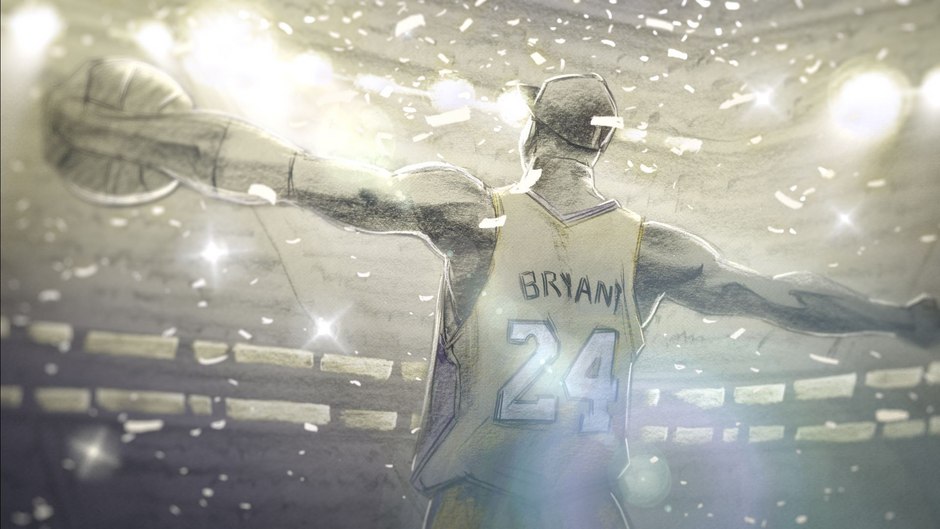
    The thoughts that clouded my mind brought me to the one piece of Kobe lore that I’d never seen before: “Dear Basketball,” the five-minute film based on his retirement poem that won Bryant an Academy Award in 2018 for best animated short.

    Director and animator Glen Keane takes Bryant’s words penned for an article in The Player’s Tribune and vividly animates them through hand-sketched pencil work that leaps off the screen in spite of its two-dimensional style.

    As Kobe narrates his own story, audiences are shown his legacy not through championships, but through the impact Bryant’s relentless passion for a sport had on him as a man, illustrating his growth from a six-year-old boy shooting hoops with his dad’s rolled-up tube socks into a legendary member of the Los Angeles Lakers.

    It’s a touching short that grows more poignant now on the day of his passing, hearing Bryant talking about savoring “every moment we have left together, the good and the bad” in a way that becomes a rallying cry for renewed hope in whatever passions we may have.

    Oscar-winner John Williams pens a sweeping score that combines the majesty of athletic competition with the final notes of impending exit. It veers slightly toward the point of excessive, but still hits home hard enough to draw tears from even the most stubborn of viewers.

    Keane’s expert use of color palette keeps the focus on Bryant, muting nearly everything but the yellow and purple of Kobe’s jersey and layering black strokes to enhance detail in life-like comic book form, enveloping the Bryant of “Dear Basketball” to superhero status in the mind’s eye of Kobe as a child.

    “Dear Basketball” perfectly illustrates not the myth that was created for him, but the inner soul of the man himself.

    Poetry and poignancy was something I never expected from Bryant.

    The Kobe I thought I knew wasn’t capable of that.

    It’s saddening to think that only his untimely passing – and especially that of his teenage daughter – would bring me to reframe the image of him in my mind’s eye.

    The power of film comes from its ability to have an impact on its audience and to preserve eternally people and moments in time.

    In this regard, “Dear Basketball” is a perfect film, keeping the memory of a legend, but more importantly a man, alive.


    The animated short film, “Dear Basketball,” can be seen online at believeentertainmentgroup.com/portfolio-item/dear-basketball.

  • Easy rider: Academy rewards safe biopic ‘Green Book’ with Best Picture

    Easy rider: Academy rewards safe biopic ‘Green Book’ with Best Picture

    Newly crowned Academy Award winner for Best Picture “Green Book” is like clanging a cowbell at the end of Shoshtakovich’s seventh.

    Everyone who doesn’t understand what that means believes it’s perfect.

    There’s nothing particularly wrong with “Green Book,” a well-acted and competently made film, yet completely ordinary by comparison to other features in the Academy’s Best Picture category.

    It’s just that a film like Peter Farrelly’s enjoyably bland biopic is an Oscar favorite in the same way that the clanging of a bell rings false in a classic operetta.

    Something’s just not right.

    At work here is the Academy’s often problematic preferential balloting system, in which voters rank all nominees for Best Picture.

    If no movie earns over 50 percent of the vote, the lowest ranked film is eliminated and those ballots are redistributed until a film passes the halfway point.

    It’s in this sense that the Best Picture race is film’s equivalent to the Electoral College.

    “Green Book” is self-described as being “inspired by” the real-life friendship of Don Shirley, a famous African-American pianist, and Tony “Lip” Vallelonga, a working class bouncer hired by Shirley to serve as driver/bodyguard for a concert tour of the American South during the 1960s.

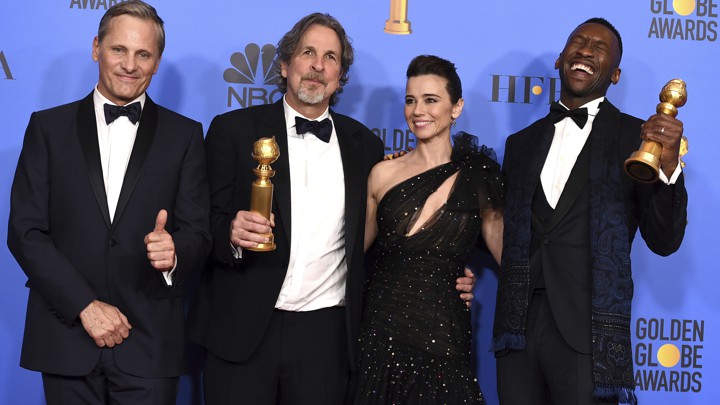
    Featuring now two-time Oscar winner Mahershala Ali as Shirley and Academy Award nominee Viggo Mortensen as Vallelonga, “Green Book” has received acclaim from critics and average viewers alike.

    The film’s Best Picture win isn’t isn’t completely without merit. Mortensen and Ali elevate a middling script with brilliant, dynamic chemistry and deliver knockout scene after knockout scene over the course of a two-hour dramedy.

    Mortensen melts into the “Tony Lip” persona, gaining upwards of 40 pounds while slovenly eating his way both figuratively and literally through scenes. Making a close minded, blue collar brute sympathetic and not stupid requires finesse and Mortensen delivers a memorable, heartwarming performance.

    Despite a secondary part in the film, Ali’s turn as Shirley is more than equal to Mortensen’s Vallelonga, a nuanced effort that masks Shirley’s inner loneliness made all too clear by a revealing twist midway through the film.

    The pair have a dynamic on-screen chemistry that elevates both performances and enhances the entire film as a whole beyond standard biopic fodder when either character is alone on screen.

    It’s easy to forget, however, given how charming Mortensen and Ali are in their roles that “Green Book” lacks true emotional stakes because racism is sugarcoated in the film to such a degree where the actions of discriminatory Caucasians come across as simply unfortunate rather than harrowing or vigorous.

    Hatred and bigotry are easily examined at a distance, none more so than the tepid response given in the script.

    The biggest flaw of an otherwise genuinely enjoyable film, “Green Book” comes across as a novice’s guide to America’s racial divide during the Civil Rights Era, teaching audiences that the titular “Green Book” was essentially an almanac of businesses safe for African-Americans to use while traveling and explaining racism in an almost self-congratulatory, “aren’t we glad Americans aren’t that divided anymore” manner.

    In a year where a Marvel film probes racial identity in a modern context with “Black Panther” and Spike Lee frames “BlacKkKlansman” with the violence of last year’s Charlottesville race riot, this oversimplification sticks out like a sore thumb even more.

    Apparently none of that matters.
    In the afterglow of a “Green Book” victory, I’m reminded of a response I received to my initial review of the film, one that’s stuck with me throughout awards season.
    “I didn’t go to see a Ken Burns documentary,” one reader told me of “Green Book.”

    What mattered is how “Green Book” made her feel, and in that sense, Farrelly’s film is a resounding success.
    It’s nearly impossible to not leave the theater smiling (and perhaps a little misty-eyed) following a showing of “Green Book.”

    Stellar performances from Ali and Mortensen bear that out.

    And yet, there are better movies in 2018 than the one that took home top prize Sunday evening.

    Truly a great film on a first viewing, “Green Book” simply doesn’t age well, no matter how many times you ring the cowbell.

  • Sign of the times: Artistic fantasy drama The Shape of Water wins Best Picture Oscar

    Sign of the times: Artistic fantasy drama The Shape of Water wins Best Picture Oscar

    It’s true.

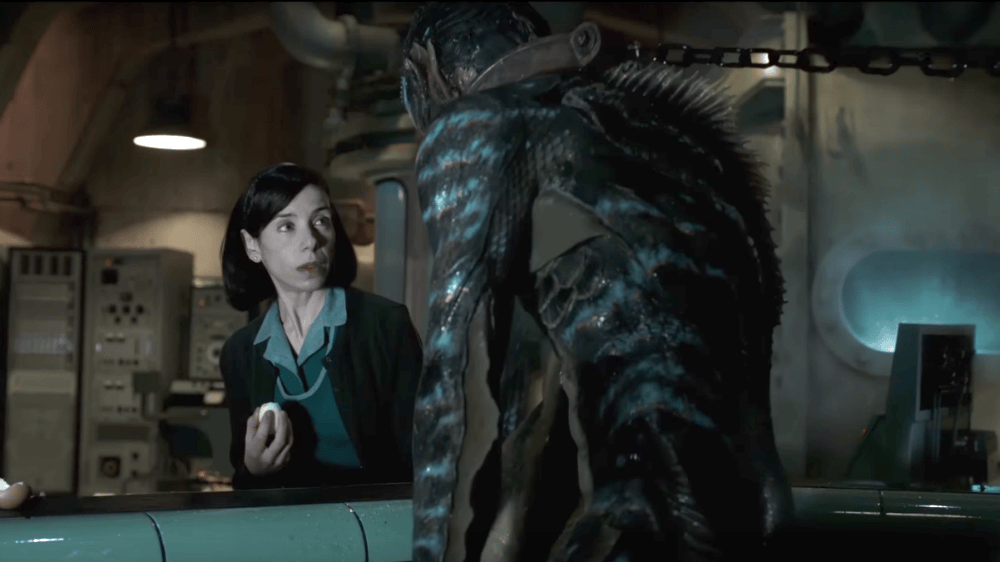
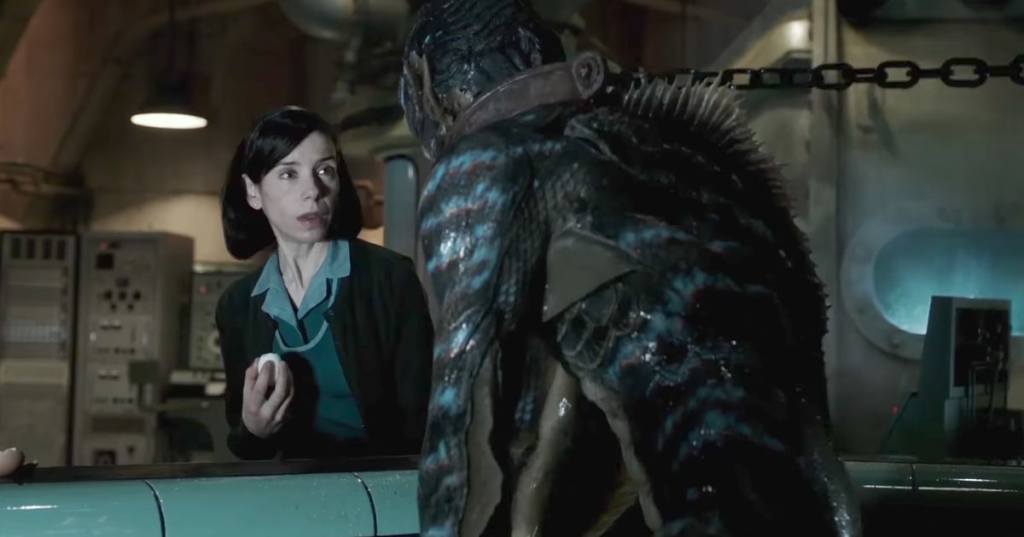
    The reigning Academy Award winner for Best Picture and 13-time Oscar nominee features a scene of inter-species sex between a mute woman and a fish-man-god.

    That’s cinema in the modern era, a changing of the guard that began last year with the surprising upset win by gay coming-of-age story “Moonlight” that continues through genre films like “The Shape of Water,” “Get Out” and most recently with “Black Panther.”

    Fifteen years ago, traditional historic dramas like Steven Spielberg’s “The Post” or Joe Wright’s “Darkest Hour” with an Academy Award-winning performance from Gary Oldman as Winston Churchill would be frontrunners, winning Oscars hand over fist.

    Honors ran the gambit at Sunday evening’s ceremony, a testament to just how deep and diverse the quality of movies being made is today. Nine of 2017’s best features earned a Best Picture nomination, with seven of the nine taking home Academy Awards Sunday night.

    In fact, the year’s best film — Greta Gerwig’s “Lady Bird” — has zero Oscars.

    Cinema is remarkably good at the top right now.

    Take for example, “The Shape of Water,” an admittedly weird, highly stylized genre film about a janitor who falls in love with what is essentially “The Creature from the Black Lagoon.” Conceptually, this shouldn’t be quality cinema.

    Upon closer inspection on the big screen, Oscar-winning director Guillermo del Toro’s fantastical, dark, melancholy monster movie elevates beyond genre expectations to transforms the hearts and minds of cynical moviegoers with an unexpected, deeply personal adventure that will captivate audiences willing to give it a chance.

    “The Shape of Water” is presented in broad brushstrokes painted by a master filmmaker whose 25-plus career in movies have led to this moment, as if every lesson, note or idea del Toro has had for a quarter-century culminated in a two-hour spectacle that has to be seen to be believed.

    Blessed with an Oscar-winning score from Alexandre Desplat, del Toro’s visionary film floats on air as viewers fall in love with Eliza (Academy Award nominee Sally Hawkins), a woman hiding in plain sight struggling to find her voice and clinging to those few who hear it.

    “The Shape of Water” is a celebration of the outsiders – from the handicapped to closeted homosexuals to overlooked minorities – told in mythical fairy tales set in the American 1960s, as if Hans Christian Andersen lived during the Cold War.

    It’s a mistake to passively watch “The Shape of Water,” opting to wait until del Toro’s cinematic opus is available for rental or streaming. For its technical merits alone, “The Shape of Water” to be seen on the big screen where viewers can be completely engulfed by the film’s magical sights and sounds.

    “The Shape of Water” is not for everyone.

    Some audiences will leave aghast at the social and/or moral implications the film espouses; others will find themselves unable to relate to the film’s moderate pacing and stylized storytelling.

    That’s okay. Those viewers need to see movies like “The Shape of Water” in theaters even if they hate it for the rest of their lives.

    If you can allow yourself to be transported inside del Toro’s mind as he intends, “The Shape of Water” is a rare cinematic experience that might only come along once every decade or so.

    Conversations sparked from interesting, engaging cinema seen with friends, family or complete strangers are the lifeblood of a worthwhile moviegoing experience, one you’re not going to get watching a two-hour film on a laptop, 32-inch flat screen television or cell phone.

    2017 was a year of inspirational, controversial, imaginative films that inspire dialogue movies 20 or 30 years simply didn’t do.

    As a representative of everything visionary, diverse and artistic that made last year perhaps the best collection of movies top to bottom this decade, “The Shape of Water” stands as a pinnacle of a changing world in cinema.

    Films about mothers and daughters, or young men exploring their sexual identity, or what race means in America are being made at the highest level now. It’s a trend unlikely to change anytime soon.

    And yes, the “fish-sex movie” is that good. Welcome to a new age.

    Continue the conversation online at cinematicconsiderations.com

  • Oscar nods take ‘Shape’: Recapping 90th Academy Award nominations

    Oscar nods take ‘Shape’: Recapping 90th Academy Award nominations

    So it’s Oscar nomination morning and I have some thoughts….. Let’s get into these picks and do super early winner predictions.

    Best Picture: Call Me By Your Name, Darkest Hour, Dunkirk, Get Out, Lady Bird, Phantom Thread, The Post, The Shape of Water, Three Billboards Outside Ebbing Missouri

    I had seven of these nine nominees yesterday when I made my final picks heading into this morning, with Darkest Hour and Phantom Thread taking spots I had slated to go to I, Tonya and The Florida Project.

    At first glance, there appear to be four serious contenders — Get Out, Lady Bird, The Shape of Water and Three Billboards — with fringe candidates in Call Me By Your Name and Dunkirk. Then there are the just happy to be there films like Darkest Hour, Phantom Thread and The Post.

    Strong support in the technical categories could prove to be gamechanging for Shape of Water, which could go on a Mad Max: Fury Road like run on its way to major Oscar stagecraft wins only to fall just short in the Best Picture race. The Academy’s preferential balloting system will help a film like Lady Bird, which is a consensus favorite, but it’s still too early to see which film faces the inevitable backlash that befalls one major contender each year.

    Right now, this feels like a Shape of Water victory given the film’s 13 nominations. Three Billboards could easily ride momentum from the Golden Globes and SAG Awards to win as well.

    Best Actor: Timothee Chalamet (Call Me By Your Name), Daniel Day-Lewis (Phantom Thread), Daniel Kaluuya (Get Out), Gary Oldman (Darkest Hour), Denzel Washington (Roman J. Israel, Esq)

    This category feels incomplete with the glaring omission of Disaster Artist director/star James Franco, who may or may not have been a casualty of ongoing sexual misconduct allegations that came out after his Golden Globes win. But then again, that didn’t stop the freight train that was Casey Affleck last year for Manchester By The Sea, so who really knows?

    I had Tom Hanks taking the fifth spot in this category as the standard nomination for a beloved performer in a Best Picture nominee that’s probably getting a reputation nod more than one based on merit, but apparently that spot was reserved for Washington in a film that came and went out of theaters without any fanfare or attendance for that matter.

    Daniel Day-Lewis getting a nomination for his reportedly final performance seemed like a given and it’s a great accolade for Kaluuya to earn a Oscar nomination as well, but this is a two horse race between 22-year-old Chalamet and veteran character actor Oldman, who has shockingly only been nominated once for an Academy Award with 2012’s Tinker Tailor Soldier Spy and feels well overdue for a win.

    Give me Golden Globe winner Oldman with a transformative performance in an old school Oscar movie, a stuffy period World War II film where it’s impossible to recognize the actor. It’s a great turn that feels like Winston Churchill is actually there.

    Best Actress: Sally Hawkins (The Shape of Water), Frances McDormand (Three Billboards Outside Ebbing, Missouri), Margot Robbie (I, Tonya), Saoirse Ronan (Lady Bird), Meryl Streep (The Post)

    Best Actress always felt like the easiest category to predict and things fell into place as expected.

    With Golden Globe and SAG wins, McDormand has to be the early favorite here, but this is probably the most competitive category this year and possibly the most competitive slate of actresses to be nominated in the same year this decade.

    21-time nominee and three-time winner Meryl Streep is the least likely to take home a golden statuette this year. Think about that. The 2017 field is deep.

    You could easily make an argument for any of these nominees that would be more than reasonable. Personally, I think this comes down to Ronan’s Dustin Hoffman in The Graduate-esque turn in Greta Gerwig’s fantastic Lady Bird and Hawkins’ spellbinding and silent mastery in Oscar frontrunner The Shape of Water.

    And yet somehow, McDormand winning this category feels inevitable.

    Best Supporting Actor: Willem Dafoe (The Florida Project), Woody Harrelson (Three Billboards Outside Ebbing, Missouri), Richard Jenkins (The Shape of Water), Christopher Plummer (All The Money In The World)

    Michael Stuhlbarg is outstanding in secondary roles for three different Best Picture nominees — Call Me By Your Name, The Post and The Shape of Water — and yet somehow gets left off this list. It just doesn’t feel right.

    Sorry. Moving on.

    Rockwell has been the favorite here for a while now, winning everywhere, but the addition of Harrelson from the same film might split votes and open the door for Dafoe’s well-received turn in an indie darling or more likely Plummer swooping in at the last minute to dominate a J. Paul Getty movie that attempted to wipe the meory of disgraced former star Kevin Spacey.

    Who are we kidding? This is Rockwell’s award to lose, which feels increasingly unlikely by the second.

    Best Supporting Actress: Mary J. Blige (Mudbound), Allison Janney (I, Tonya), Leslie Manville (Phantom Thread), Laurie Metcalf (Lady Bird), Octavia Spencer (The Shape of Water)

    Manville was the only surprise here, taking the spot I had pegged for Holly Hunter of The Big Sick.

    While Blige and Spencer are solid, this comes down to a two-horse race between Janney and Metcalf with Janney the early leader.

    As much as this feels like a toss-up to me, Best Supporting Actress might be the only chance to reward I, Tonya and it feels like the ultimate call.

    Best Director: Christopher Nolan (Dunkirk), Jordan Peele (Get Out), Greta Gerwig (Lady Bird), Paul Thomas Anderson (Phantom Thread), Guillermo del Toro (The Shape of Water)

    I love Nolan as a filmmaker and he’s certainly deserving of acclaim. The same can be said of Gerwig, whose fantastic directorial debut showcases a lot of potential.

    This award has del Toro’s name written all over it, plain and simple. The Shape of Water is his magnum opus, culminating more than two decades of excellence in the industry. Any other winner in this category would be shocking and would spell doom for the film’s Best Picture chances. It just doesn’t seem very likely.

    Other thoughts:

    – I was happy to see well earned screenplay nominations for The Big Sick in the original category and Logan in the adapted category. Neither stands a major chance of winning (Lady Bird or Three Billboards in original and Molly’s Game in adapted).

    – Roger Deakins earned his 14th cinematography nomination and yet somehow has never won. His splendid work in Blade Runner 2049 wouldn’t make a win a career achievement award, though Deakins certainly deserves it.

    – Despite what anyone might tell you to the contrary, Wonder Woman did not get snubbed because it didn’t receive a nomination. Try watching the final 20 minutes of that film and then tell me it earned acclaim. Even when DC gets movies right, they still find ways to screw it up.

    – As I said last year, it’s a mistake for the Academy to simply stream their nominations early in the morning and not broadcast them on national television. It’s a major disservice to the nominees and hurts the potential to reach new audiences.

  • 2017: A cinematic year in review

    2017: A cinematic year in review

    There’s little doubt that 2017 will go down in history books for far different reasons than its cinema.

    Films that changed the landscape of moviemaking as we know it were few and far between this year, but several – three to be exact – made game-changing impact on the possibilities big screen theatrical releases could become moving forward.

    Despite emerging sexual harassment and abuse scandals surrounding Hollywood movie mogul Harvey Weinstein and a growing number of prominent actors, online streaming outlets like Netflix and Amazon haven’t made significant strides to curb quality films from hitting the big screen…. yet.

    As a whole, the cinematic class of 2017 is special at the top and sharply dives towards the dumpster pile after about 25-30 movies. Big budget spectacles like “Pirates of the Caribbean” and “The Mummy” feel like even bigger cash grab opportunities from studios trying to bait audiences into the theater.

    Yet, the 10 best films of 2017 – and probably a dozen or so more – offered moviegoers great value on their cinematic investment every time they traveled to the local cineplex.

    This year’s recap is later than normal as I tried to catch every possible contender prior to writing, though you won’t see these lackluster, misguided movies that are the cinematic equivalent of watching paint dry on this list. All apologies to typically great filmmakers like Alexander Payne and Matt Damon (“Downsizing”), Sean Baker and Willem DaFoe (“The Florida Project”) and especially Paul Thomas Anderson and the retiring Daniel Day Lewis (“Phantom Thread”).
    Best supporting actor – Adam Driver, “Star Wars: The Last Jedi”

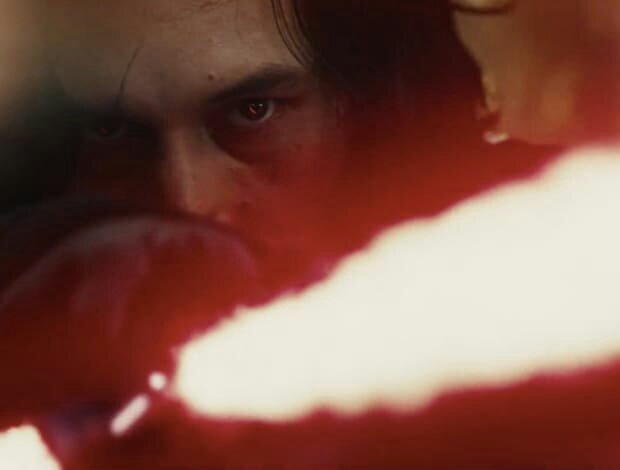
    Given more to work with in his second time as the heir apparent to Darth Vader, Adam Driver does the best work of the entire film as the eternally conflicted, yet increasingly evil son of Leia and Han Solo.

    Director Rian Johnson serves his film well by removing Kylo Ren’s Vader-inspired mask, allowing audiences to see the external and internal scars on Driver’s face. There’s so much rage in pain within Driver’s eyes; his complex performance leaps off the screen at every turn.

    While Ren projects strength and brash self-confidence, the conflict within betrays him. The nuance displayed by Driver, especially when paired against Ridley is stunning. It could very easily be the best cinematic villain since Heath Ledger’s sinister Joker in 2008’s “The Dark Knight.”

    Also considered were Woody Harrelson (“Three Billboards Outside Ebbing, Missouri”), Richard Jenkins (“The Shape of Water”), Jason Mitchell (“Mudbound”), Patrick Stewart (“Logan”) and Michael Stuhlbarg (“The Shape of Water”).
    Best supporting actress – Allison Janney, “I, Tonya”

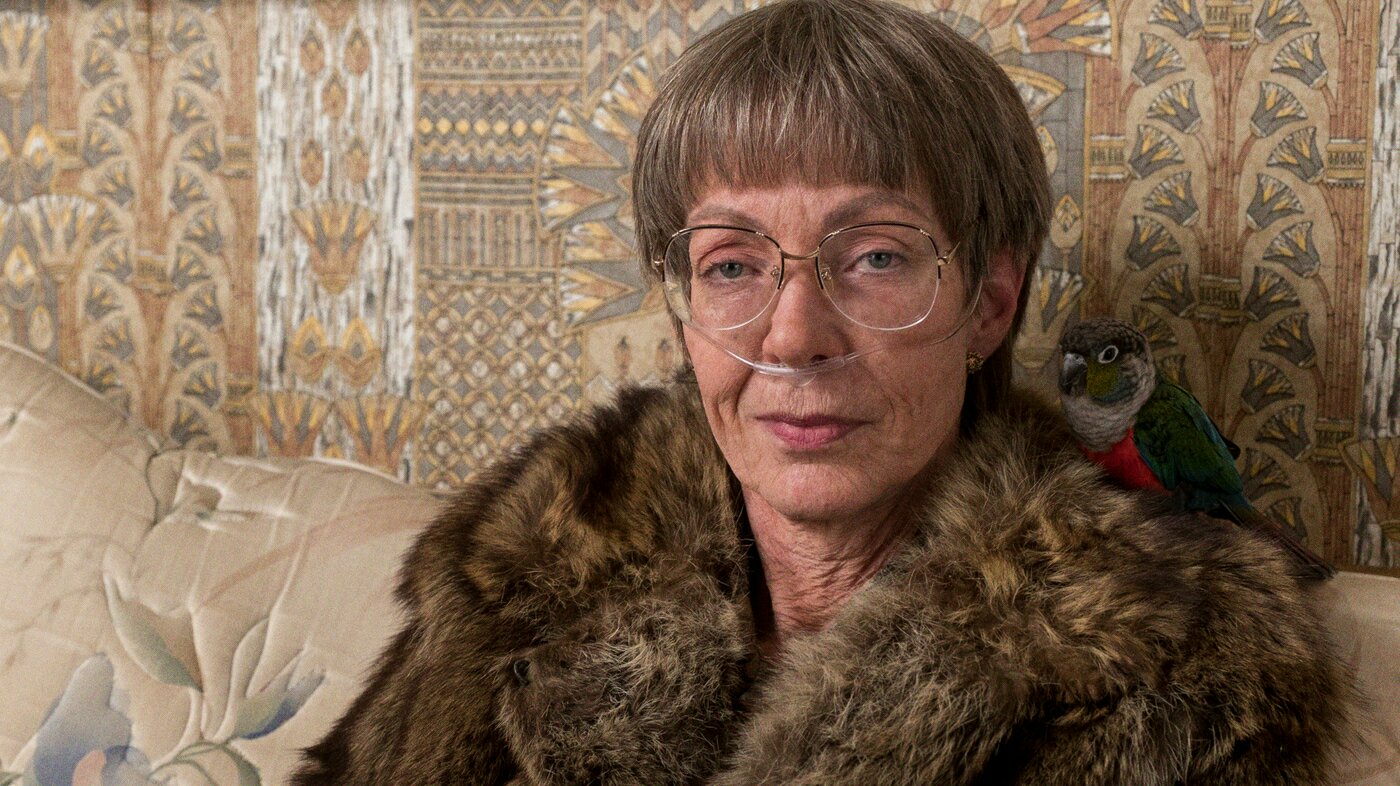
    Margot Robbie’s terrific turn as disgraced former figure skater Tonya Harding is heavily influenced by the outstanding work of Golden Globe winner Allison Janney, who verbally and physically brutalizes her way through the script as Harding’s no-holds-barred mother LaVona. With the tact of a wrecking ball, Janney eagerly devours each scene with an indignant self-righteousness that implies her cruel-hearted parenting style to be the best way to rear a champion.

    Janney’s LaVona perfectly sums up the “she gets it from her mother” notion the film intends. Little inflections in LaVona’s speech and tone work their way into Robbie’s performance as the two dynamic actresses syncopate their work.

    Also considered were Holly Hunter (“The Big Sick”), Laurie Metcalf (“Lady Bird”) and Octavia Spencer (“The Shape of Water”).
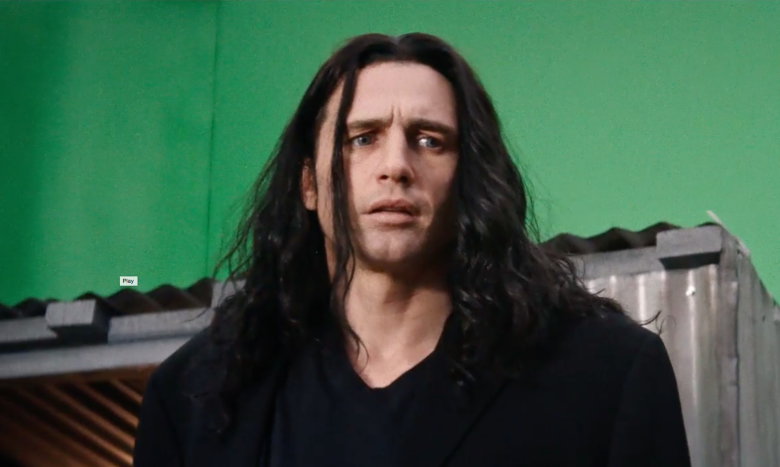
    Best actor – James Franco, “The Disaster Artist”

    Far from a traditional pick, James Franco’s seemingly ridiculous, made up performance as “The Room” director Tommy Wiseau, a man of unknown origin and wealth that either aspires to or thinks he is the next James Dean, is better than you could possibly expect. Shockingly, everything about Franco’s turn is 100 percent authentic from the cadence to the walk to Wiseau’s too-obscure-to-be-faked accent.

    While Franco is expertly versed in maximizing the humor of Wiseau’s antics, he’s equally as impressive showing off Wiseau’s emotional softer side. Franco creates a man deeply wounded by the slightest criticism and yet exceedingly resilient to bring his masterpiece to life at any cost.

    Among male actors in 2017, you’ll be hard-pressed to find a more nuanced, multifaceted character brought painstakingly to life by a performer who stayed in character even while directing a film about a man he stars in.

    Also considered were Timothee Chalamet (“Call Me By Your Name”), Jake Gyllenhaal (“Stronger”), Hugh Jackman (“Logan”) and Sam Rockwell (“Three Billboards Outside Ebbing, Missouri”).
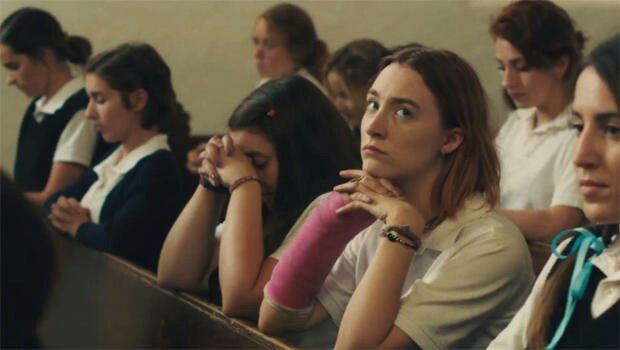
    Best actress – Saoirse Ronan, “Lady Bird”

    Irish-American actress Ronan, best known for her Oscar-nominated work in the 2015 film “Brooklyn,” dazzles as the charismatic yet rebellious Lady Bird. Ronan brings a mesmerizing confidence to the role, charming your way through scenes where whether or not the audience should like her remains ambiguous.

    It’s a daring role for the 23-year-old actress, playing against type is the girl with a constant attitude. Yet Ronan embodies a rich livelihood within the character, compelling the audience become deeply invested in her loves and losses.

    Also considered were Jessica Chastain (“Molly’s Game”), Sally Hawkins (“The Shape of Water”) and Margot Robbie (“I, Tonya”).
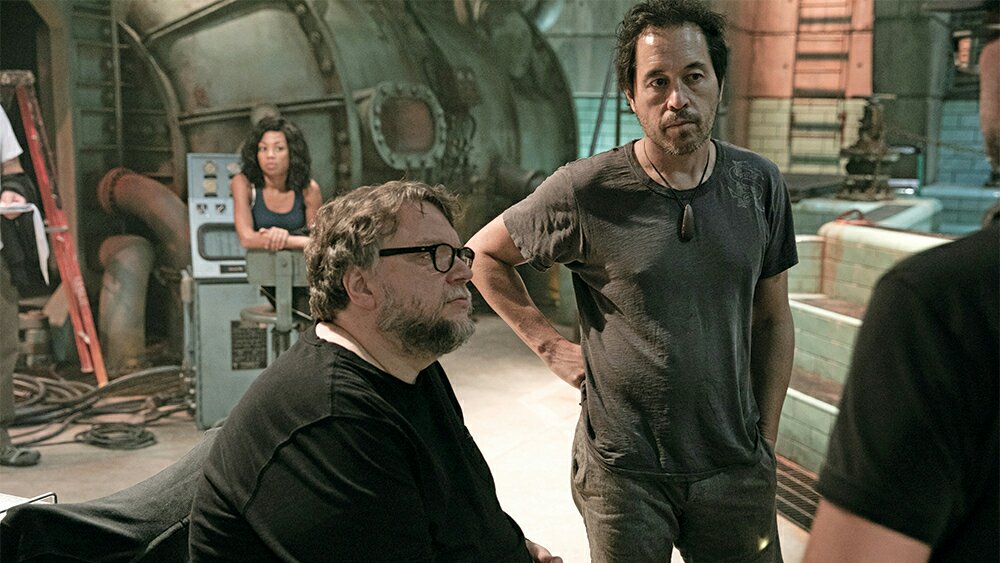
    Best director – Guillermo del Toro, “The Shape of Water”

    While the film’s actors are spectacular, “The Shape of Water” makes its mark on the cinematic landscape due to the deeply innovative, vivid world handcrafted and molded by del Toro. Each nook and cranny in the storytelling, every minute detail in the background or subtle shadow feels uniquely commanded from del Toro’s brushstroke.

    “The Shape of Water” marks the pinnacle of the Mexican auteur’s career as if every lesson, note or idea del Toro has had over the past 25 years culminated in a two-hour spectacle that has to be seen to be believed.

    Also considered were Greta Gerwig (“Lady Bird”), Craig Gillespie (“I, Tonya”), Martin McDonagh (“Three Billboards Outside Ebbing, Missouri”) and Christopher Nolan (“Dunkirk”).

    Top 10 films of 2017

    Finishing just shy of the top 10 were (in alphabetical order): “Baby Driver,” “Call Me By Your Name,” “Detroit,” “Last Flag Flying,” “Logan Lucky,” “The Meyerowitz Stories (New and Selected),” “Molly’s Game,” “The Post,” “Stronger” and “Wind River.”
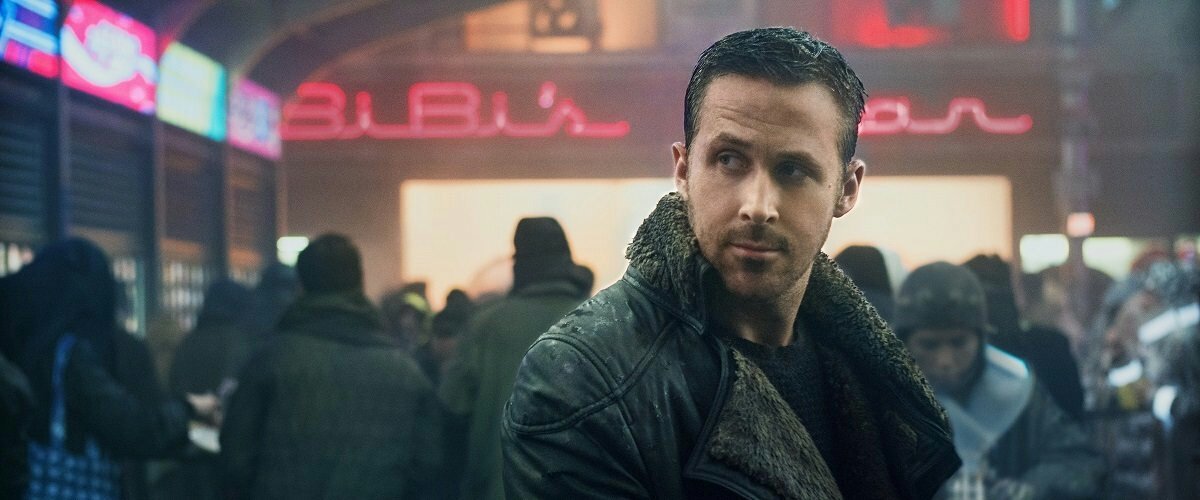
    10. “Blade Runner 2049” (directed by Denis Villeneuve, starring Ryan Gosling and Harrison Ford)

    “Blade Runner 2049” is a movie drenched in frills, crafted with a discerning eye and a work of art that will be long debated years from now as one of the best films in 2017 and in the sci-fi genre in general.

    Coming off a Best Actor Oscar nomination last year for “La La Land,” Gosling delivers a more reserved, internal turn as a young “blade runner” known simply as K. It’s a performance that won’t blow audiences away on a first viewing; there’s too much happening on screen to notice the nuance in Gosling’s somber, emotional work.

    With closer examination, viewers will appreciate the subtle changes Gosling brings out in K as the plot twists and winds towards its conclusion. K’s conflict as he struggles with his humanity and the job required of him is delicately unwoven by Gosling in a performance rarely matched in science fiction filmmaking.

    Thirty-five years after starring in “Blade Runner,” Ford returns in “2049” with a decidedly smaller, but equally intriguing performance as now-retired blade runner Rick Deckard. While it may seem at first glance that Ford lacks interest in revisiting old roles, he invigorates Deckard with a well-worn weariness that hides deeper emotion.

    Villeneuve takes his time with a deliberate, metered film that allows “Blade Runner 2049” plenty of room to breathe. This lingering in and out of scenes will thrill viewers mesmerized by the vibrant cinematography and will infuriate audience members longing for the film to shave off 20-30 minutes off its running time.

    But “2049” would be such a dramatically different, lesser film if constrained by time that its slight excesses become wholly justifiable and necessary to the overall success of the film.

    Visually, “Blade Runner 2049” is one of the most dynamic, spectacular pieces of cinematic art you’ll find in a long time. The care, craft and artistry taken to frame, light and shoot each second of “Blade Runner 2049” is so meticulously designed that the film stands as a 160-minute advertisement advocating for the continued longevity of cinema as an art form best seen on the big screen of a movie theater.

    Dynamic and captivating, “Blade Runner 2049” is without question one of the best films to arrive in theaters in 2017. Its picture-perfect cinematography and terrific performances combined with a complex storyline and lengthy running time make “2049” a must see or a must skip film depending on what kind of moviegoer you are.
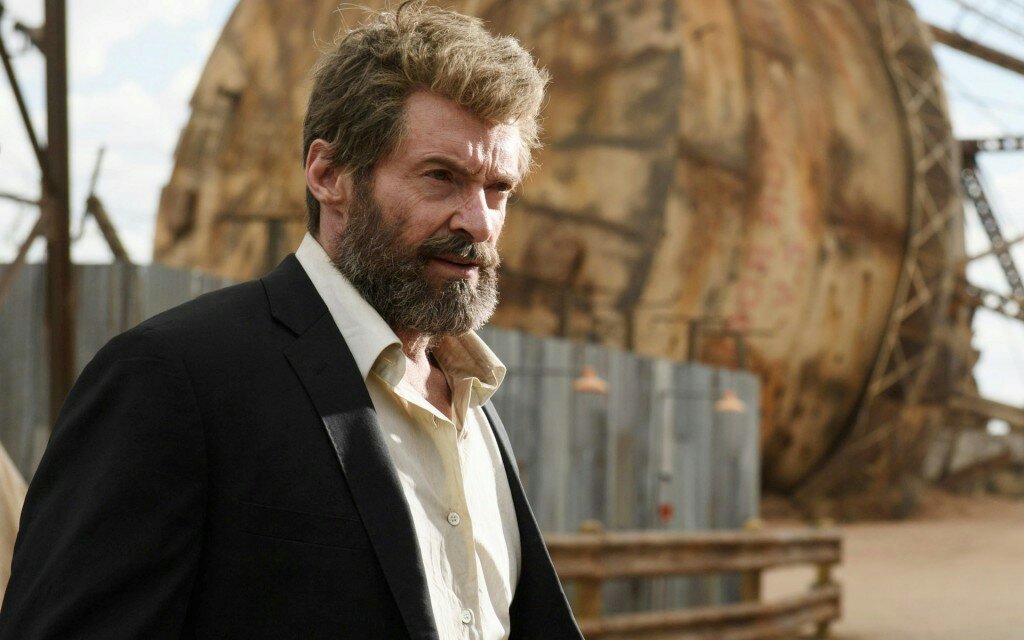
    9. “Logan” (directed by James Mangold, starring Hugh Jackman and Patrick Stewart)

    Hugh Jackman has been synonymous with the comic book hero Wolverine since his debut in Bryan Singer’s “X-Men” arrived on screen in 2000.
    Seventeen years later, Jackman takes his final bow as the claw-wielding, self-healing mutant in James Mangold’s “Logan,” a brutally daring epic that wows audiences from start to finish with its dark tone and ruthless efficiency.

    The haunting, heartfelt character-driven drama is the first real attempt at prestige cinema in the superhero genre since 2008’s “The Dark Knight,” cementing its place as one of the all-time greats among comic book movies. “Logan” is unquestionably the definitive X-Men film and a career peak for both Oscar nominee Jackman and “Star Trek” heavyweight Patrick Stewart, now in his fifth turn as Professor Charles Xavier. The film bears a striking resemblance in tone to classic westerns like “Unforgiven,” “True Grit” and “Shane.”

    Performances in comic book adaptations rarely aspire to noteworthy – let alone award contending – turns, but Jackman turns in a powerful, nuanced performance as the titular Logan that will ultimately rank in the top three acting efforts in the history of not only the superhero genre, but of Jackman’s career as well.

    While Jackman has always given the Wolverine character a rough, primal exterior, his inner turmoil bubbles to the surface like never before in the most intriguing ways in “Logan.” The pained, exhausted grimace his character radiates on screen from start to finish invokes the weary gunfighter motifs made famous by cinema’s most heralded westerns. His weapons may be adamantium rather than steel and stab rather than shoot, but Logan carries emotional and physical scars from decades of battles on his chest like a badge of honor turned into a constant, painful reminder of the hellish journey.

    The entire film lives and dies on Jackman’s every movement, with the film’s harrowing action sequences only serving to reinforce the brutality and pain Logan has endured. In the hands of a lesser actor, the character as written on the page could have been woefully mishandled, but Jackman approaches each scene, each moment in time with such care and precision that a complete fantasy tale is enveloped with deep, rich humanity.

    Thespian extraordinaire Stewart also rises to the challenge in a wonderfully compelling turn as Xavier, Logan’s mentor and the world’s most powerful telepath suffering from a neurodegenerative disease. The performance ranges the gambit from beautifully neurotic to outlandishly mad and back again to a warm kindness that belies just how perfect and secretly charismatic Stewart is in the role.

    It should be noted that, unlike nearly all other films in the genre, “Logan” earns a hard “R” rating for deep, bloody violence true to the Wolverine character from the comic books, but largely missing from superhero movies in general. Whereas in most previous X-Men installments the camera cuts away as Wolverine stabs a bad guy with his claws, “Logan” forces audiences to face the brutality of the character head-on.
    Mangold uses this bloody, graphic imagery not to engage the bloodlust of his audience, rather to reinforce the emotional stakes of the film by putting Logan’s visceral nature (and the toll that comes along with it) on display. Audiences are forced to feel the deaths Wolverine causes on an emotional level as the character does, further rooting Logan’s struggle in a more human context.

    Visually, “Logan” is a dynamic, spectacular film that takes its lead character’s gritty persona and captures that same tone frame to frame with a sandy, worn hue. Fight sequences rely on expertly designed choreography instead of budget-bursting computer graphics and further accentuate the realistic tone Mangold sets out to achieve in the film.

    Without question, “Logan” is an instant classic and one of the most intriguing, impactful performances in Jackman’s career. While some cursory background knowledge of the X-Men universe is certainly helpful in understanding “Logan,” it isn’t necessary to enjoy Mangold’s brilliant piece of cinema.
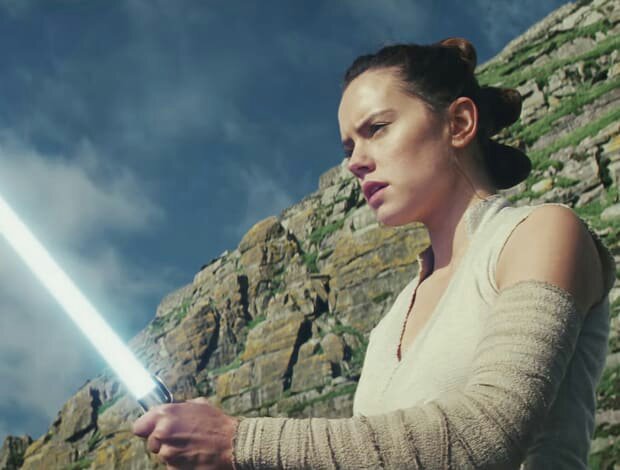
    8. “Star Wars: The Last Jedi” (directed by Rian Johnson, starring Carrie Fisher, Mark Hamill and Daisy Ridley)

    “The Last Jedi” isn’t the “Star Wars” installment anyone wanted. It’s the one we all deserve.

    Everyone from casual moviegoers to hardcore sci-fi nerds has an opinion on one of the most talked about films this decade.

    It’s easy to nitpick such a broad, bombastic film series, but “The Last Jedi” seeks to please many masters, most of whom have widely varying opinions about what a “Star Wars” film should be. As moviegoers, we are allowed – and outright expected – to make each and every installment our own, that there is a place for all of us in the “Star Wars” universe.

    It’s the same notion that makes us question whether or not we like “The Last Jedi” because it isn’t what we dreamed it would be. And that’s okay.

    Many of Johnson’s unique visual choices will soon go down as iconic moments in the history of the franchise, most notably a stunning battle sequence inside a First Order ship and the film’s climatic ending, which may leave viewers simultaneously in awe and in tears.

    It’s highly doubtful that “The Last Jedi” will make much of an impact come awards season, though this doesn’t mean at the latest Star Wars film isn’t a contender for one of the year’s ten best. In the hands of a decorated auteur like Johnson, “The Last Jedi” is proof positive that cinematic creativity in blockbuster filmmaking can enhance a film’s quality without jeopardizing the bottom line.

    Audiences will laugh, they’ll cry and they may even complain a little (or more realistically, a lot). But this isn’t to say that “Star Wars: Episode VIII” doesn’t deliver on the promise that “The Force Awakens” started.
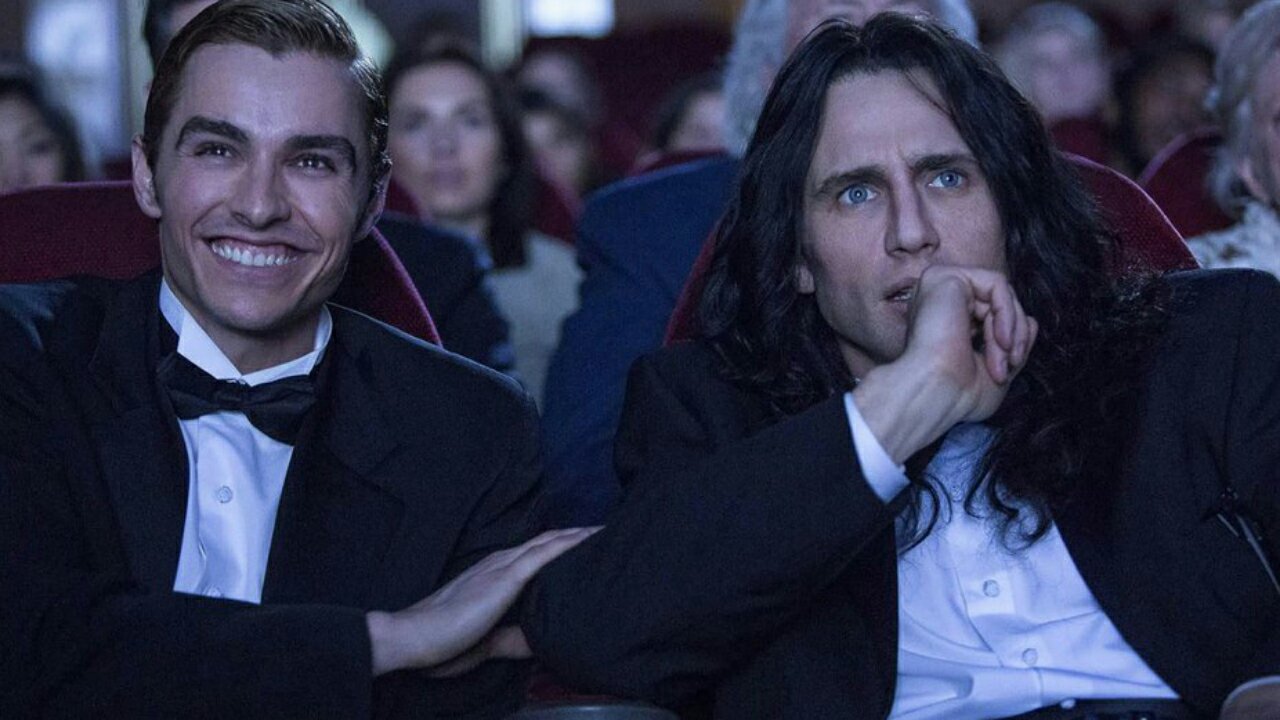
    7. “The Disaster Artist” (directed by James Franco, starring James Franco and Dave Franco)

    Movies about making movies seem to come along all the time, so what makes director/star James Franco’s bombastic biopic “The Disaster Artist” special?

    Amid all of the crude, avant-garde humor one might expect to find in a Franco film, “The Disaster Artist” layers a vibrant amount of drama and offers perhaps the most heart of any 2017 film.

    If you haven’t seen 2013’s “The Room,” writer/director/star Tommy Wiseau’s cult classic film, don’t. “The Disaster Artist” offer an unique and mesmerizing cinematic journey that would almost be stunted if audiences know too much going in.

    The film’s hook is obvious. A crazy man with way too much time and money on his hands makes probably one of the worst movies this century.

    Yet his motives are so well-intentioned – a point “The Disaster Artist” lovingly hammers home – that it’s impossible not to be carried away by Wiseau’s charismatic, electrically eccentric personality and the show stopping portrayal of Wiseau by Franco.
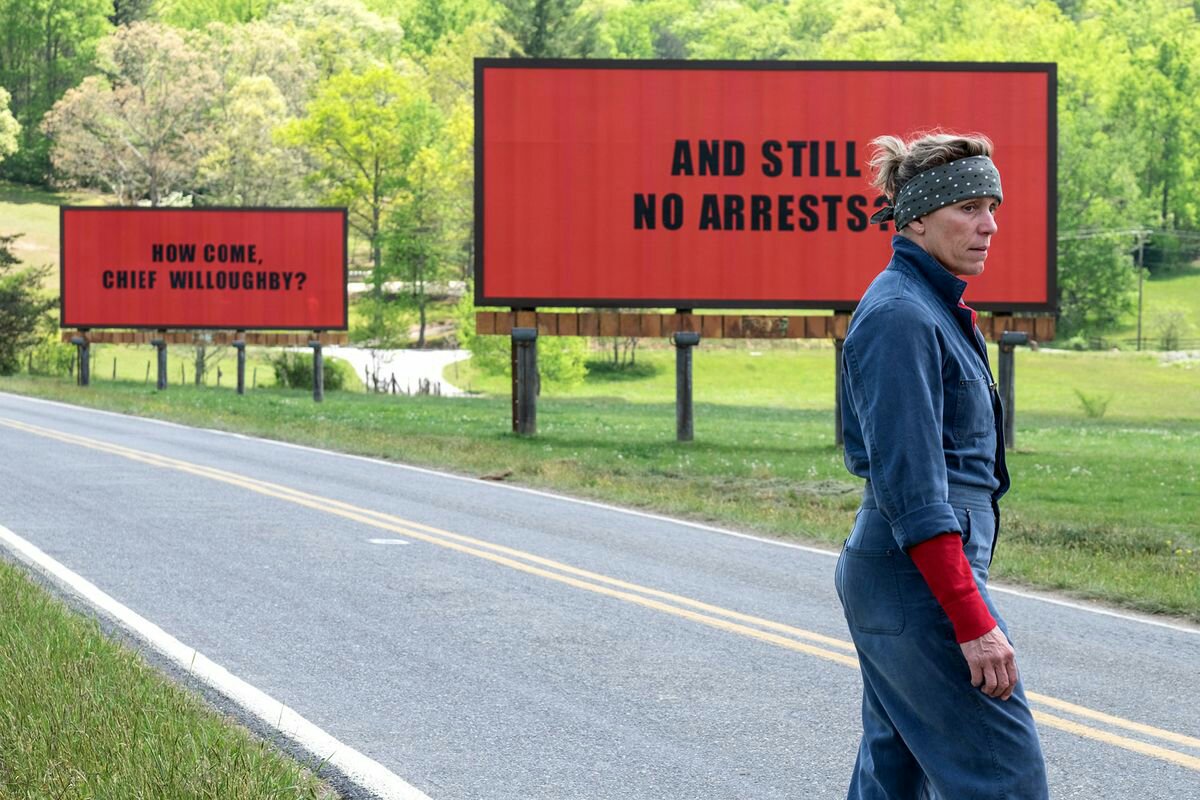
    6. “Three Billboards Outside Ebbing, Missouri” (directed by Martin McDonagh, starring Frances McDormand, Sam Rockwell and Woody Harrelson)

    There is no such place as Ebbing, Missouri, regardless of how ripped straight out of current-day America it might be. In Martin McDonagh’s latest film, the Midwest rarely feels as vibrant on film.

    Potential audiences will want to approach this movie with caution as “Three Billboards Outside Ebbing, Missouri” is one of the year’s most provocative, colorful films. It’s a divisive endeavor where characters are just as liable to get thrown out of a plate glass window as have deep, meaningful conversations.

    Frances McDormand delivers one of the most outstanding performances of her career with “Three Billboards,” certainly the best since her Oscar-winning turn in 1996’s “Fargo.” McDormand layers Mildred with a sly wit and a devil-may-care intensity, while not so subtly hiding deep emotional scars within. Her complex performance makes Mildred a character viewers can easily empathize with despite the exceedingly bold, radical decisions Mildred makes over the course of the film.

    Veteran character actor Sam Rockwell has the most to play with slightly incompetent, mostly racist Officer Dixon and does not disappoint with an equally charismatic yet disturbing performance. His Dixon is the personification of the simple-minded law enforcement officer turned on its head, riddled with insecurity in spite of glimmers of potential. Rockwell’s natural charm prevents Dixon from becoming too unlikable and the actor’s gradual turn over the course of the film is textbook character acting.

    Woody Harrelson also shines as the exceedingly likeable sheriff who may or may not have done enough on Mildred’s daughter’s case. In limited screen time, Harrelson propels the film forward with a metered, even-keeled performance that resonates throughout the entire two hours.

    “Three Billboards” isn’t the most interesting of McDonagh’s films. That honor goes to the hyper violent, cynical comedy “Seven Psychopaths,” also starring Rockwell. Ironically in spite of its quirks, “Three Billboards” might be McDonagh’s most accessible film thanks to its sharp writing and bevvy of layered performances.

    The film is expertly paced, shifting gears from high octane action to sombering melodrama with ease and always keeping audiences on their toes guessing what will come next.

    Deserving of its R rating, “Three Billboards” is a brash, crude film that refuses to hold back at any point. McDonagh carefully crafts an enchanting, sadistic piece of cinema that some viewers might find excessive or offensive and yet struggle to turn away.

    Sometimes in spite of itself, “Three Billboards” is a film that demands to be seen no matter how off color or outlandish things get. British writer/director McDonagh colors the world of small Ebbing, Missouri with rich, interesting characters that compel audiences to watch just a little bit longer in spite of themselves.

    “Three Billboards” is a film audiences will be talking about for months to come and can’t miss piece of cinema.
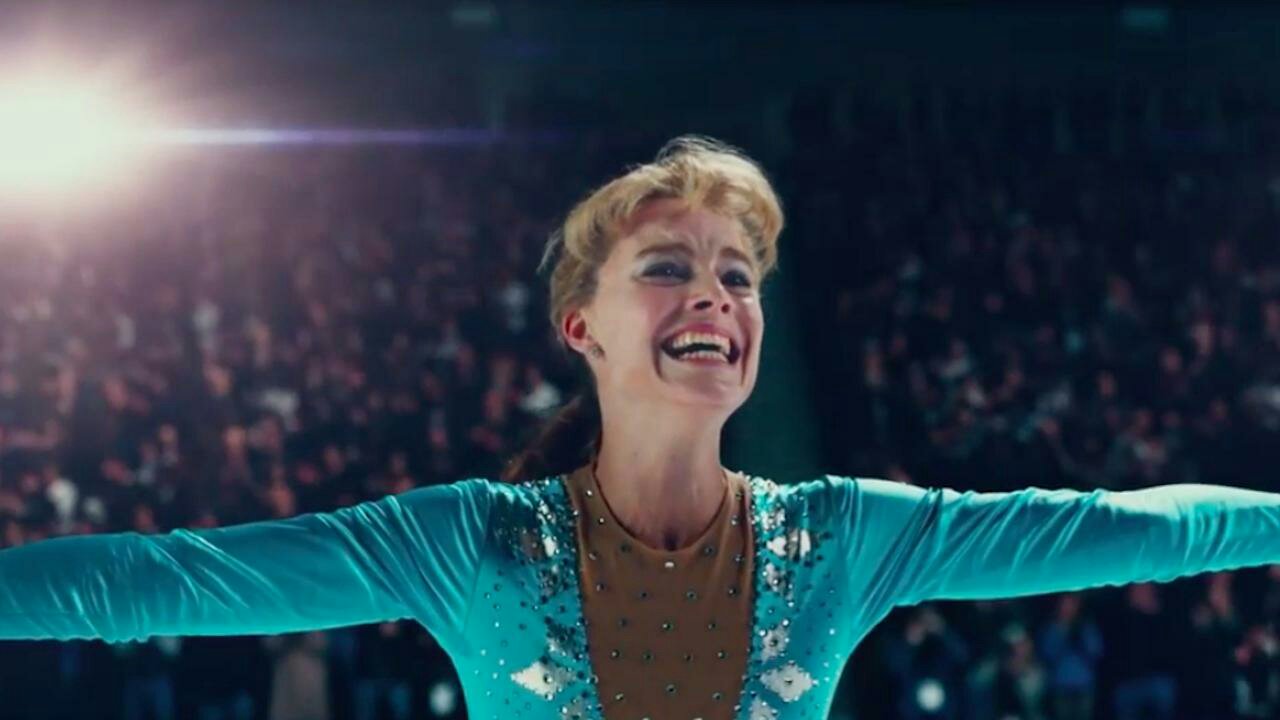
    5. “I, Tonya” (directed by Craig Gillespie, starring Margot Robbie, Allison Janney and Sebastian Stan)

    Born from a pair of highly contradictory interviews, director Craig Gillespie’s outlandish tale from the wrong side of the tracks who just wants to figure skate has unsurprisingly become one of the year’s most side-splitting comedies.

    “I, Tonya” follows the roller coaster life of an elite sport’s most blue-collar athlete whose rise to fame in the early 90s became forever marred by an attack on her figure skating rival that Tonya Harding may or may not have been complicit in planning.

    The film packs a lot of punch within its two-hour running time even offers those familiar with the events new, personal insight into the hows and whys.

    “I, Tonya” is blessed with an incredible, richly constructed script from Steven Rogers, which balances a whole host of unreliable narrators in an attempt to explain and give context to the rise and fall of Harding. Based on extensive interviews Rogers conducted with both Harding and Gillooly, “I, Tonya” fondly evokes the hysterical chaos of “Goodfellas” while maintaining a casual earnestness that could come across as a way to seek redemption for Harding’s shortcomings.

    Gillespie keeps the action flowing at a constant, rapid fire pace that rarely gives the audience time to breathe. This allows viewers to remain engaged and connected to the story during the film’s more outlandish, unbelievable moments and maintain some semblance of authentic plausibility.

    A tragic laugh riot from start to finish, “I, Tonya” builds off a strong script with a pair of outstanding performances to deliver one of 2017’s most engaging, exciting films.
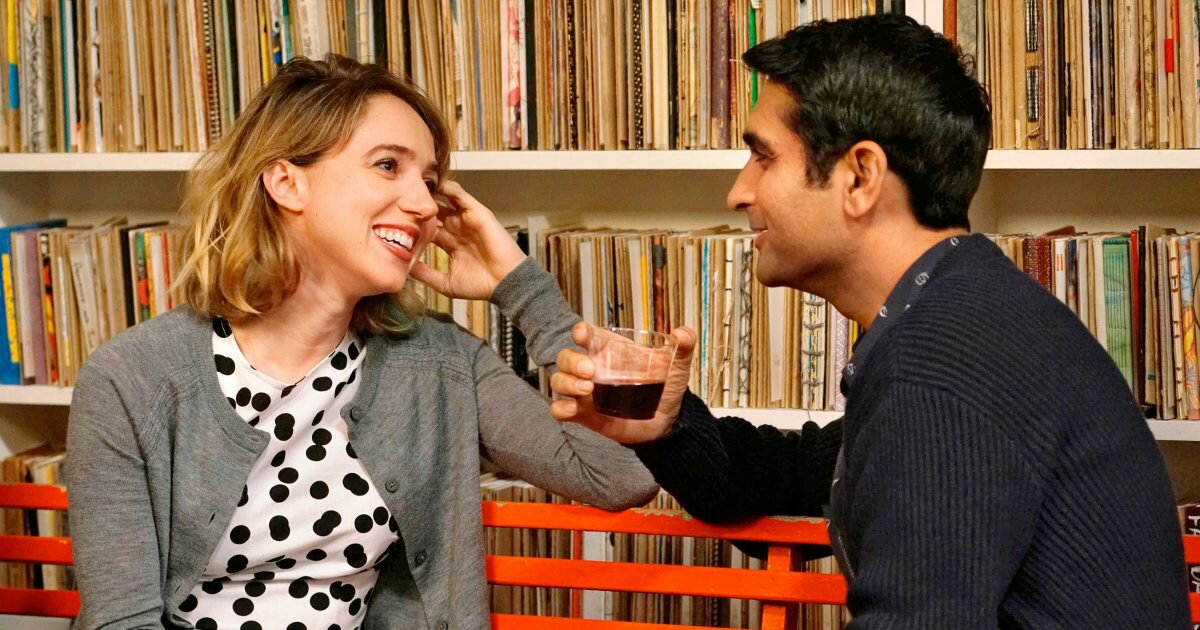
    4. “The Big Sick” (directed by Michael Showalter, starring Kumail Nanjiani and Zoe Kazan)

    Falling in love with a girl in a coma sounds like a corny premise for a romantic comedy.

    But “The Big Sick” isn’t simply a knockoff of “While You Were Sleeping.” It’s something much, much more.

    Based on the true romance of star Kumail Nanjiani and his wife Emily V. Gordon, “The Big Sick” is one of the most honest, straightforward, quality pieces of American cinema this decade. There’s nothing flashy; no gimmick cameos or mindless dirty comedy bits.

    “The Big Sick” is a story of boy meets girl, refreshingly simple and genuine. It’s one of the best movies of 2017 and you have to see it as soon as possible.

    Though it helps that the “Silicon Valley” actor is playing himself in a film he co-wrote, it never truly feels like Nanjiani is acting in “The Big Sick.” The performance is so effortless and genuine that it often feels documentary in nature, making Kumail easy to root for in spite of some of the admittedly stupid things he says to Emily. His performance encapsulates everything that makes “The Big Sick” a special film: casually charming, simple and straightforward in nature.

    Even though Kazan’s Emily is in a coma for a large portion of the movie, her work is so radiant and enjoyable early that Emily always feels present in every scene despite Kazan not being on screen. Her natural chemistry with Nanjiani carries the day in a film that could easily fall off the rails. Audiences want Kumail and Emily to make it as a couple just as much for Kazan’s endearing performance as they do for Nanjiani’s simple honesty, a true testament to both actors.

    The biggest strength of “The Big Sick” is how perfectly the film turns on a dime from traditional rom-com to something much deeper, a credit to director Michael Showalter for bringing Nanjiani and Gordon’s script to life in an organic, authentic way. There’s never a “this is the time to get sad” moment in the film. Events flow naturally and progress as real life impacts Kumail, Emily and their families.

    Producer Judd Apatow, well known for raunchy coming of age comedies like “Superbad” and “Knocked Up,” has carved out a niche in recent years helping comedians make honest, layered comedies from 2009’s “Funny People” to to 2015’s “Trainwreck” to the 2016 Netflix miniseries “Love.” As the driving force behind getting “The Big Sick” made, Apatow pressed Nanjiani to hone the film’s script over four years. The result is one of the best written comedies in more than a decade.

    “The Big Sick” turns the corner for the romantic comedy genre, hopefully leading Hollywood to develop more honest, original films. Nanjiani’s film is the new standard by which rom-coms heading forward should be judged and it’s a film that audiences should seek out.
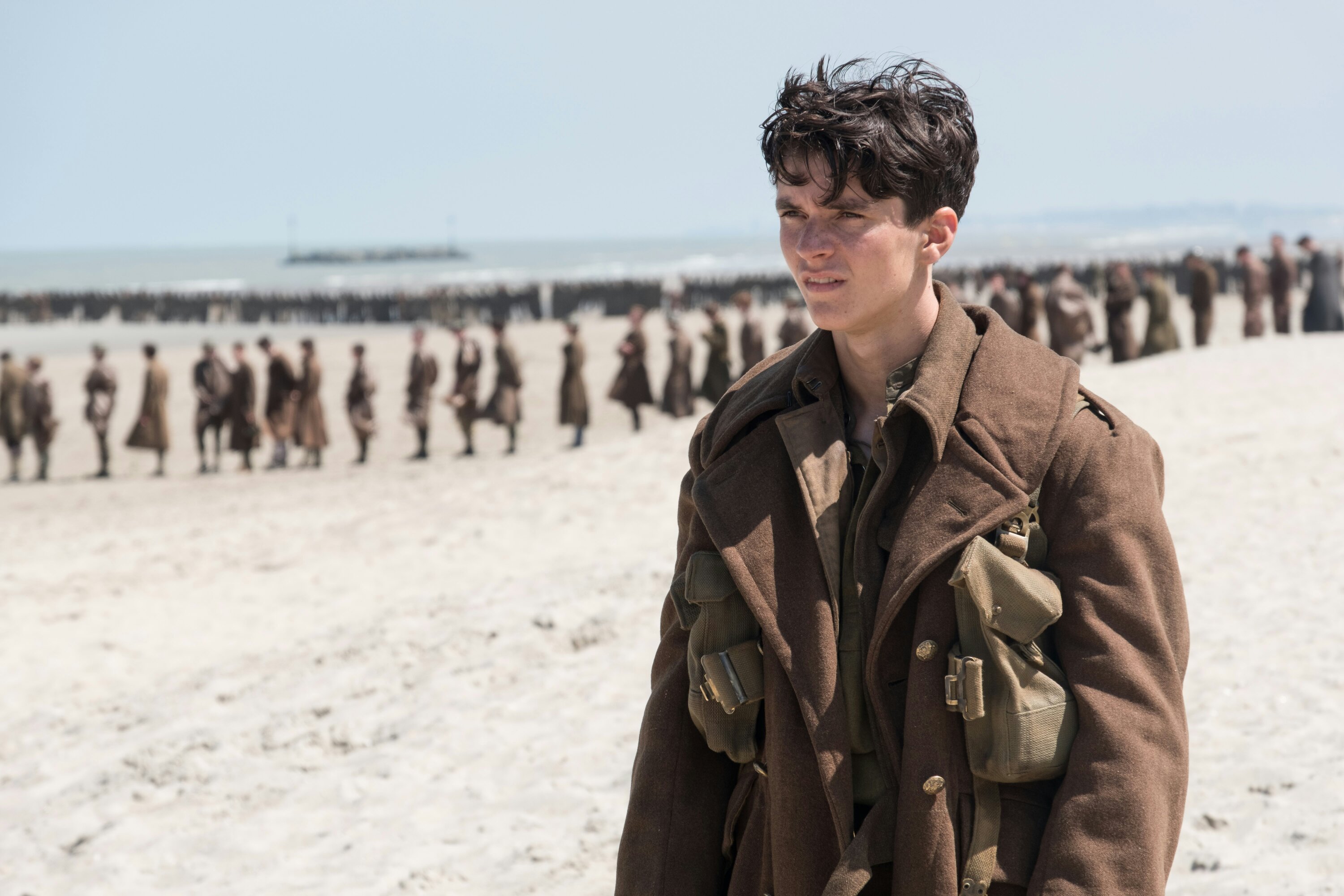
    3. “Dunkirk” (directed by Christopher Nolan, starring Tom Hardy and Mark Rylance)

    Films like “Dunkirk” are why we go to the movies.

    Christopher Nolan, famed British auteur of award-winning movies like “Inception” and “The Dark Knight,” cements his directorial seal on the historical drama genre with “Dunkirk,” a sweeping World War II film unlike anything you’ve ever seen before. Audiences will have to pay careful attention to the nuances of how and why Nolan weaves these three plotlines into one cohesive story.

    Better still, “Dunkirk” is a film that begs repeat viewing; first to become fully immersed in the captivating grandeur of Nolan’s spectacle and then later to capture all the subtlety required to completely understand the film’s brilliance.

    A true ensemble piece, “Dunkirk” has a bevy of veteran and novice actors offering poignant, stoic performances that blend together flawlessly. Whether it’s Oscar winner Mark Rylance at the helm of a small yacht headed towards war or newcomer Fionn Whitehead becoming overwhelmed on the beaches, there are no stars here. Not Tom Hardy and surprisingly not even former “One Direction” band member Harry Styles feel too big for “Dunkirk.”

    By keeping character development intentionally minimal and using a large number of relatively unknown British actors in major roles, “Dunkirk” thrives on the intense urgency of war as anyone involved in the conflict could die at any moment.

    Words are spoken only when absolutely necessary and names are even less important in “Dunkirk,” perhaps the most intriguing and avant-garde way Nolan tells a conventional historical drama in the least conventional way.

    For his rousing turn as a shell-shocked sailor pulled from the water, Cillian Murphy is credited simply as Shivering Soldier. It’s a mere example of just how insistent Nolan is in making “Dunkirk” about thousands rather than a tale of a single individual or small group of soldiers. The focus is on the bigger picture – rightfully so – and often driven home with iconic, wide sweeping shots.

    Watching Nolan movies on the big screen has always been a must-see cinematic experience, but where audiences see his latest film matters more than ever. Nolan and director of photography Hoyte von Hoytema shot “Dunkirk” using primarily IMAX cameras on 70mm film, a rarely used format that makes panorama shots feel like intense close-ups. Watching “Dunkirk” on a regular movie projector dulls the film’s vibrancy and prevents audiences from feeling the full weight of the tension Nolan seeks to create on screen.

    The remarkable claustrophobia that pervades many of Nolan’s most intimate scenes, combined with an Oscar-worthy score from legendary composer Hans Zimmer, gives “Dunkirk” a colossal feel that no amount of computer generated imagery could replicate.

    With “Dunkirk,” Nolan continues to prove why he’s a true cinema master with his most personal and tightly composed feature to date.
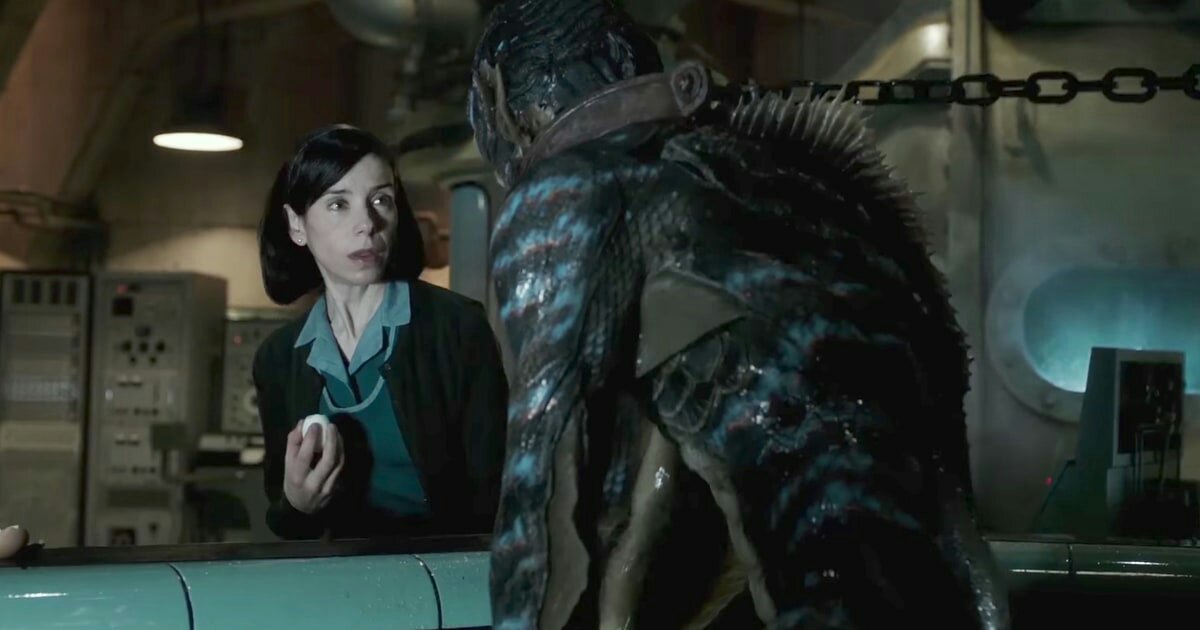
    2. “The Shape of Water” (directed by Guillermo del Toro, starring Sally Hawkins, Richard Jenkins, Michael Shannon and Octavia Spencer)

    It feels counterintuitive to suggest that a dark, melancholy monster movie could turn into a landmark piece of cinema.

    But in the hands of Mexican auteur Guillermo del Toro, “The Shape of Water” elevates beyond genre expectations in transforms hearts and minds of cynical moviegoers with an unexpected, deeply personal adventure that will captivate any audience willing to give it a chance.

    This avant garde, stunningly beautiful film melds 1960s Americana with classic monster movie and Cold War spy thriller. At its core, “The Shape of Water” is about a mute woman whose mutual infatuation with a monstrous prisoner locked inside a government research facility.

    Part museum painting come to life and part “Creature from the Black Lagoon,” the film’s genre-bending execution twists “The Shape of Water” into a darkly complex, richly layered fairytale that will antagonize and intrigue audiences.

    Freed from the constraints of dialogue, Sally Hawkins is given the rare opportunity to wholeheartedly emote as the shy, naive Eliza. Hawkins’ natural expressiveness speaks volumes with her eyes and hands painting a picture far more vivid than words would allow.

    Actions on the script page and instructions from the director inform her choices, but Hawkins is fully able to create Eliza without limitations. This provides audiences with an unusual, yet intriguing lens to experience del Toro’s imaginative world construct.

    Perhaps the most stunning performance in the entire film comes from Doug Jones, a six-time del Toro collaborator who melts into an athletically challenging, nuanced turn as the mysterious creature known simply as “the asset.”

    It’s easy to overlook Jones’ work because of the captivating, detailed costume that transforms the wiry, unassuming man into a hulking monster. But for as good as Hawkins is as Eliza, the film’s central romance simply doesn’t work without Jones’ careful, emotional physicality to balance out the story.

    “The Shape of Water” revels in its exemplary supporting performances with memorable, challenging turns from Michael Shannon as the film’s primary antagonist and Golden Globe-nominated efforts from Richard Jenkins as Eliza’s closeted neighbor and Octavia Spencer as her co-worker and de facto guardian angel.

    It would be a mistake to passively watch “The Shape of Water,” opting to wait until del Toro’s cinematic opus is available for rental or streaming. On its technical merits alone, “The Shape of Water” to be seen on the big screen where viewers can be completely engulfed by the film’s magical sights and sounds.

    “The Shape of Water” is not for everyone. Its roots firmly placed in 1960s nostalgia and unconventional examination of love and sexuality make it a difficult watch for some viewers.

    If you can allow yourself to be transported inside del Toro’s mind as he intends, “The Shape of Water” is a rare cinematic experience that might only come along once every decade or so.
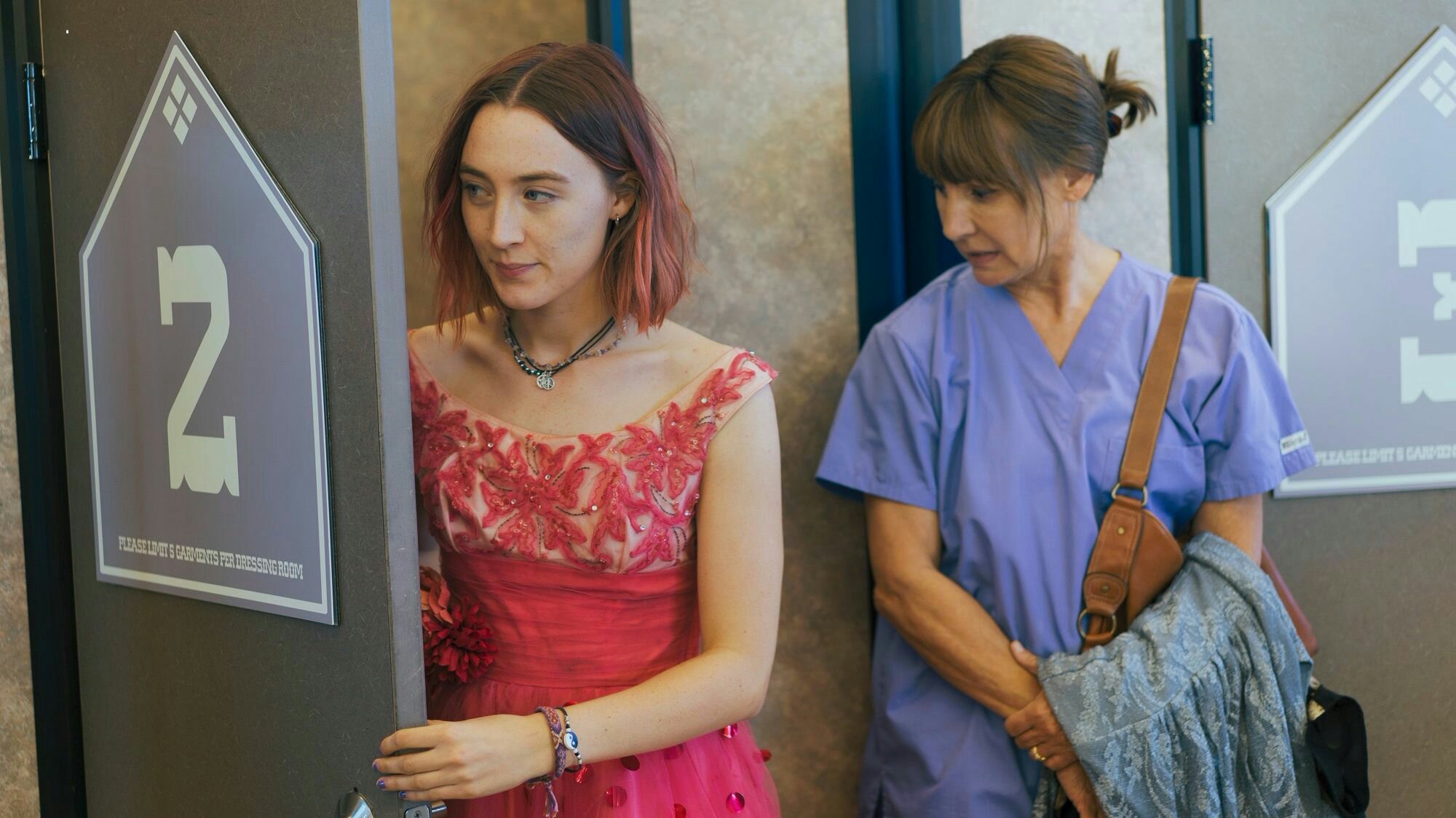
    1. “Lady Bird” (directed by Greta Gerwig, starring Saoirse Ronan and Laurie Metcalf)

    “Lady Bird” represents something more dynamic and changing within modern filmmaking, a new pinnacle for female-led and female driven cinema that transcends genre and becomes something much more unique and revolutionary. It’s “Wonder Woman” on cinematic steroids, without all that CGI muddling the frame and one of the year’s three best screenplays.

    You’d be hard-pressed to find more vivid, authentic female characters than in “Lady Bird,” writer/director Greta Gerwig’s deeply personal drama about an outcast high school senior growing up in Sacramento, California in late 2002. Though not based on a real story, Gerwig’s vibrant, natural tale of a young woman who insists on being called Lady Bird in order to stand out feels immensely biopic in nature in spite of how different the titular character might be from Gerwig’s own life experiences.

    It may be difficult to tell at first glance, but Gerwig’s directorial debut has her unique signature stamped all over the film. While many writer-directors allow more free flowing improvisation and ad-lib, Gerwig stresses strict adherence to the written word on the page. This ironically gives actors more freedom to find the characters’ inner voice rather than its literal one and the result is deeper, more intense character study.

    There’s also a deep richness to the cinematography, which feels ripped out of the late 60s or early 70s despite its 2002 setting. Cinematographer Sam Levy gives Lady Bird a distinct, vintage hue as if a slightly transparent paper covered the camera lens at all times, filling the screen with a lightly faded, yellow tone.

    It’s difficult to adequately describe the feeling you get while watching “Lady Bird” for the first time in theaters. There hasn’t been a film that more accurately depicts the transition out of adolescent life since Mike Nichols’ 1967 powerhouse “The Graduate.”

    “Lady Bird” is that good. Be sure not to miss out on one of the decade’s ten best movies. You’ll be doing yourself a major disservice if you don’t see this transformative film at least once.

  • Revisiting the Oscars: In defense of La La Land

    Revisiting the Oscars: In defense of La La Land

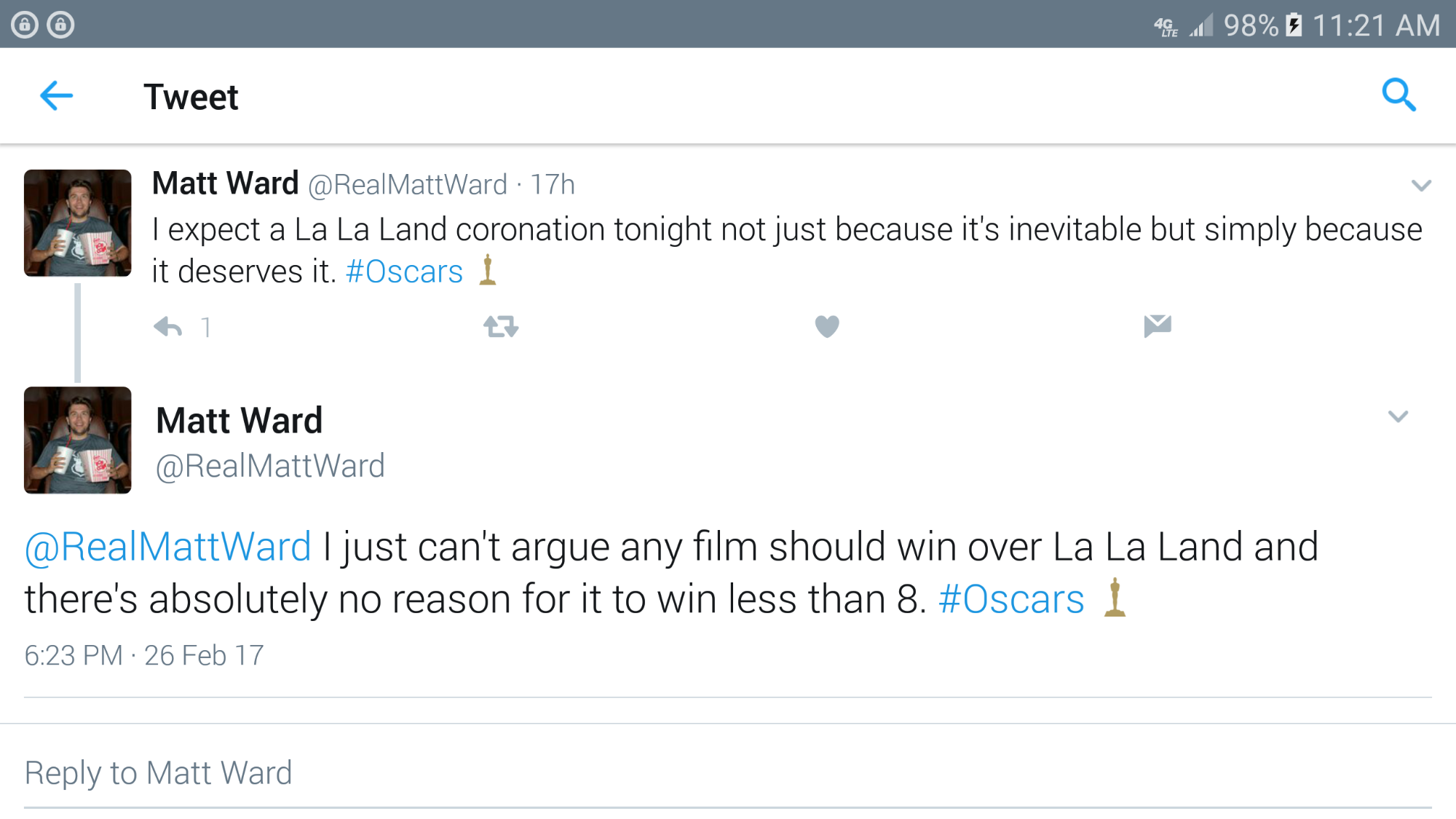
    Heading into last night’s Academy Awards ceremony, I was fully prepared to write another glowing column about “La La Land,” raving about the film’s actual merits on a night that felt like Damien Chazelle’s masterpiece was going to be picked apart by fans of other nominated films and later derided as “not a good Best Picture winner” by those who actively dislike the movie.

    Today, less than 24 hours after the Oscars, I still can’t find any reasonable argument that “La La Land” wasn’t the best cinematic experience of 2016, the perfect blend of commercial success and critical darling that we as moviegoers deserved to see win the Academy’s top prize.

    The fact that it tied with “Titanic” and “All About Eve” for the most nominations ever (14) or that it’s the 11th film in history to win six Oscars feels hollow now. And it’s not because of anything “La La Land” did or didn’t do or that “Moonlight” won Best Picture, signaling a whole new era of small, intimate independent filmmaking taking major strides forward in how we view quality cinema.

    I’m sad today because of the perception “La La Land” is left with – the “Yeah, but…” cinematic footnote it’s become and how it will be forever remembered in trivia lore as the only film to start accepting a Best Picture Oscar it didn’t actually receive.

    I’m hoping I can watch “La La Land” again without the mental stain I feel right now, without constantly second-guessing every note and line, every camera angle and lighting choice, every dance move and time cut, the Best Picture “what ifs.” Because I don’t know that I can.

    Because of my unhealthy obsession with Chazelle’s films, I saw “La La Land” in theaters seven times over the course of a month, finding something unique and new each time I watched it.

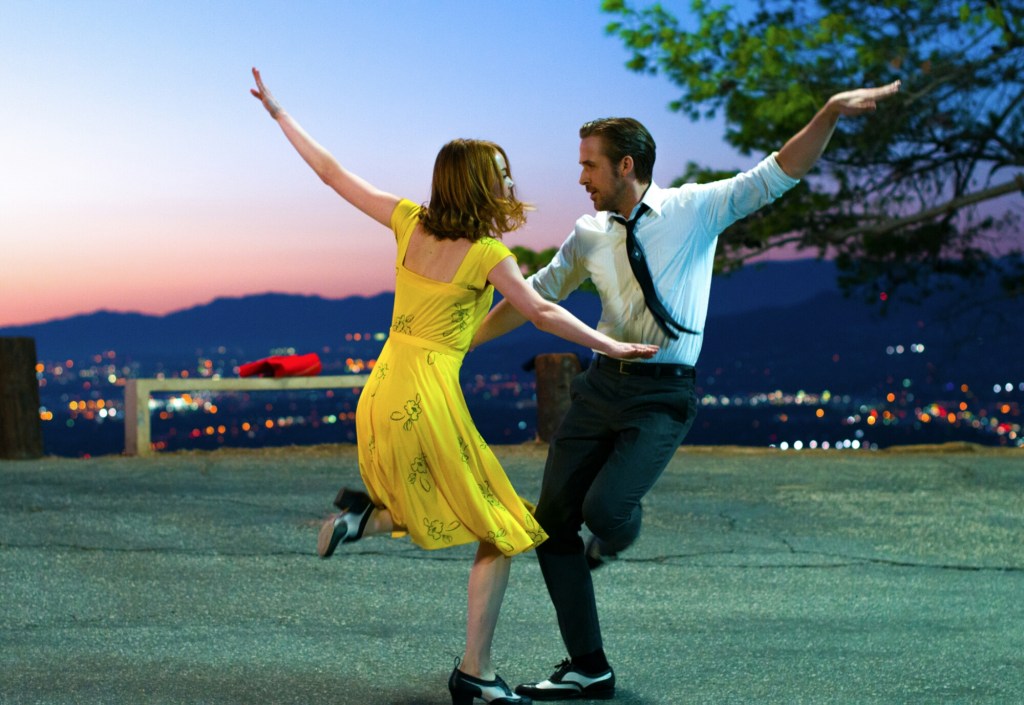
    I fell in and out of love with Emma Stone’s Mia (the character, not her Oscar-winning performance) as I found myself connecting with Ryan Gosling’s passionate Sebastian more and more with each viewing. I took note of all the little details he remembered about her life, how unwavering his support of Mia’s acting was and how devastating it was to watch him sacrifice himself for her so she could be truly happy, even if it wasn’t with him.

    With the help of the “La La Land” soundtrack on heavy rotation, I learned greater appreciation for the film’s much beleaguered musical numbers which suffered from poor sound mixing that muffled the live vocal track with the instrumental track and rendered much of the film’s dazzling opening number “Another Day of Sun” indecipherable. By viewing five, I was singing along with Seb and Mia during “A Lovely Night” and the Oscar-winning “City of Stars” because I simply couldn’t help myself.

    I grew to love composer Justin Hurwitz’s orchestral score more and more as I kept hearing each of the film’s major themes in small, intricate background moments that underscored the film’s bold lead acting performances. The soft guitar rendition of “City of Stars” mellowing out Mia and Seb’s first date on the Warner Brothers lot, the Lighthouse Café jazz band playing “Another Day of Sun” in blistering fashion, the musicality of “La La Land” hits you in waves you simply just can’t appreciate in one screening.

    Chazelle more than earned his Best Director Oscar with a wonderfully composed film that exudes technical craftsmanship, attention to the smallest detail and celebration of the human spirit. 

    Just watch the six-minute segment including the terrific song-and-dance number “A Lovely Night.” Shot all in one take on just the fourth try, Gosling and Stone carry on a flirtatious conversation along a dark street, sing a surprisingly challenging song live only to break out in a complicated two-minute dance sequence and head back into normal conversation without stopping. The technical precision involved in pulling off this cinematic feat is incredible, especially when you consider how Oscar-winning cinematographer Linus Sandgren was following the pair around the entire time on a crane.

    Cinema this good shouldn’t be possible. And yet somehow it is.

    Perhaps the smartest thing Chazelle did in “La La Land” – better than any camera movement or line of dialogue – was in casting top-notch actors rather than top-notch singers to bring Sebastian and Mia to life.

    At the end of the day, “La La Land” is as much a nostalgic, romantic drama as it is a movie musical, if not much more so. Remove the big dance numbers at the top, “Another Day of Sun” and “Someone in the Crowd,” and what you’re left with is still one of the three best films of 2016 that focuses more on the concept of following your heart or following your dreams and how difficult choosing one over the other might be.

    Singers who might have been able to project “City of Stars” and “A Lovely Night” better, those who could belt the high notes with the best of them, could have made “La La Land” a prettier sounding musical than the grittier, flawed soundtrack the film ultimately has. But there’s so much beauty within the flaws of Seb and Mia’s singing that help develop actual character and authenticity in the film.  Broadway singers could not pull this off. Their tone may be flawless, but the film’s tone would ring false.

    The best scenes in “La La Land” aren’t even the musical numbers. Gosling and Stone have such remarkable chemistry that scenes like their candlelit dinner argument, the Warner Brothers lot date, and the “Maybe I’m not good enough?” scene outside Mia’s house stand on their own as some of the year’s best straight-up acting work, rivalling scenes from heavy, character-driven dramas like “Fences” and “Manchester By The Sea.”

    Somehow, six Oscar wins and 14 nominations don’t feel like enough for “La La Land,” a film so special on its own merits that the irrational need for some to tear down “La La Land” as a means of lifting up “Moonlight” feels incredibly disingenuous.

    Both films are terrific, but “La La Land” stands out more for what is actually on screen, rather than what it represents as part of an ongoing cinematic and political narrative. It’s frustrating to see one of my favorite films this decade get caught in the middle of the crossfire.

    “La La Land” is a nearly flawless film.

    One award show miscue cannot change that.

  • Academy Awards stunner: Surprise winner Moonlight steals Oscars stage

    Academy Awards stunner: Surprise winner Moonlight steals Oscars stage

    Odds are that you probably haven’t seen this year’s Academy Award winner for Best Picture.

    And no, it isn’t Damien Chazelle’s poignant, bittersweet film “La La Land” about two struggling artists who fall in love in modern Los Angeles that just happens to be one of the most widely seen Oscar contenders in years.

    “Moonlight,” an intimate independent feature from Barry Jenkins, took home the prize after “La La Land” was mistakenly awarded Best Picture. The film is a heartfelt, emotional journey told in three parts about Chiron, a young African-American boy growing up with a drug-addicted single mother living in Miami. Throughout the feature, Chiron struggles to find positive influences and role models as he seeks to find his own identity, both sexually and emotionally.

    Driven by a Best Adapted Screenplay winning script, “Moonlight” features a Oscar-winning performance from “House of Cards” star Mahershala Ali, who elevates his game to another level as Juan, the charismatic drug dealer with a soft spot for young Chiron. His ability to give Juan equal parts hard edge from life selling on street corners and comforting empathy is remarkable. Performed even slightly differently softer or harder, Juan becomes a caricature. But Ali is bittersweet and affecting, toeing the exact line with ease.

    “Moonlight” shines brightest visually, with cinematographer James Laxton beautifully giving a distinctive, uniquely vibrant feel to each of the film’s three segments. Each segment has its own visual hue, as if they were all shot in different film stock. The film’s most powerful and memorable scene, Juan teaching Chiron how to swim, is effective as much for Laxton’s stunning camera work in the scene as Ali’s masterful acting performance. The camera bobs up and down in the water, floating above the surface and crashing below with the waves in a captivatingly intimate portrayal of humanity you wouldn’t expect from a swimming lesson.

    Filmed over the course of three and a half weeks for a meager $1.5 million, “Moonlight” is a cinematic marvel by independent filmmaking standards that holds up better than most big-budget studio films. It’s far from a flawless film, however, with a plodding third act that tapers off in quality drastically the longer Ali is off screen.

    “La La Land,” the film that almost won Best Picture, isn’t perfect either – with a muddled sound mix that often left lyrics indecipherable for first time viewers – but the film’s 14 Oscar nominations are proof positive that Chazelle’s musical masterpiece more than lived up to the film’s considerable hype.

    Things started trending in the wrong way for “La La Land” early in the night when seemingly easy wins in categories like Best Costuming and Best Sound Editing went to other films. After taking home major prizes for Chazelle (Best Director) and star Emma Stone (Best Actress), Sunday’s final curveball stunned viewers and “La La Land” producers alike, with some of the musical’s team in the middle of giving their acceptance speeches when the Academy’s top prize was unceremoniously ripped from their grasp and given to another film.

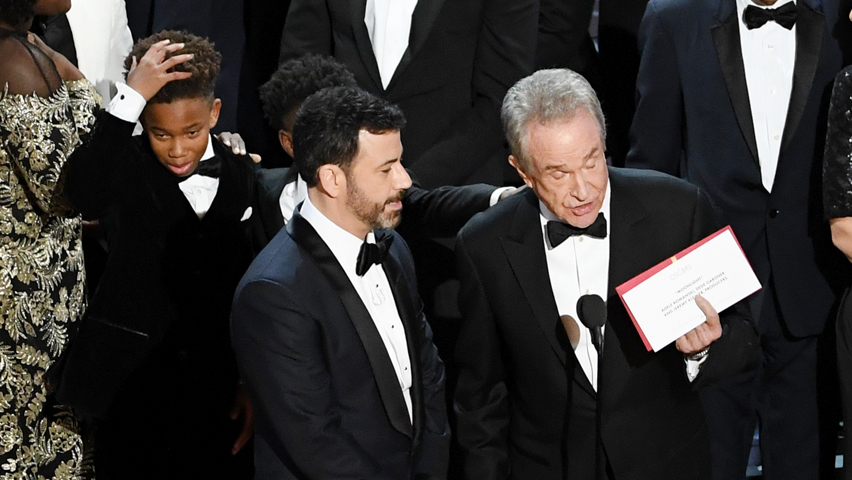
    Regardless of how you may feel about “La La Land,” the political climate in America right now or how the Best Picture winner was announced, the worst possible thing you could do is dismiss “Moonlight” because Warren Beatty accidently read the wrong name.

    The best film of 2016 (“Hell or High Water”) didn’t win Best Picture. The best film with a chance of taking home the Academy’s top prize (“La La Land”) didn’t either. More than any other year in recent memory, several of this year’s nominees were more than deserving of film’s top prize.

    “Moonlight” deserved to win Best Picture. “La La Land” deserved to win Best Picture.

    Watch them both. Enjoy them both. Moviegoers deserve this kind of quality cinema all year long.