Category: Retrospectives

Focused revisits, historical film criticism, filmmaker studies and franchise retrospectives. Can accompany a full review when appropriate, but is usually an editorial format rather than a release label.

  • No Time To Die: The final adventure

    No Time To Die: The final adventure

    What defines James Bond, the longest running character in cinema history?

    Is it the suits that make the man or the boundless charisma that gets him to have his way with women? Does it have to do with the gadgetry he receives from MI-6’s Q-Branch, the exotic locations he travels to or the megalomaniac villains he faces off against?

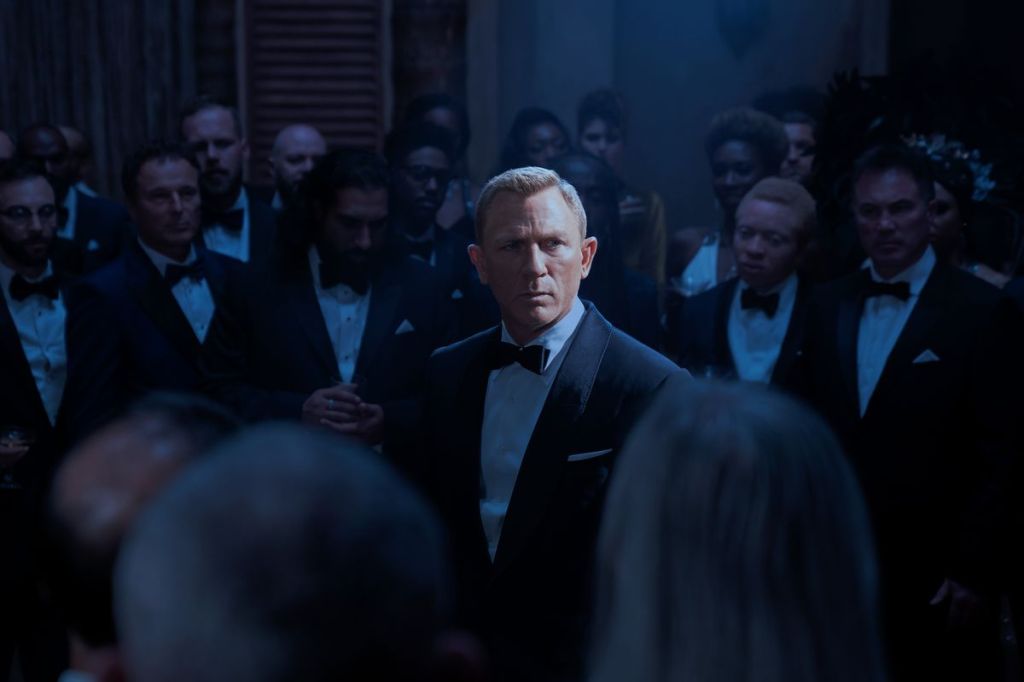
    Depending on where audiences fall on this question, their mileage may vary somewhat wildly with No Time To Die, Daniel Craig’s fifth and final outing as Ian Fleming’s iconic British spy.

    It’s a definitive endcap to a nearly two-decade run that began with 2006’s Casino Royale as the series wove an increasingly intricate plotline with devastating emotional impact to Bond and those left in the wake of the trail he made globetrotting for queen and country.

    Director Cary Joji Fukunaga cements Craig’s legacy as a premiere, top-shelf Bond with a final chapter that a wonderful job of capping off the good and bad of the previous four films.

    Every aspect that could be left open-ended is clearly wrapped up in a neat bow riddled with bullet holes, tears and blood, while delivering on some classic Bond tropes that make No Time To Die reminiscent of early 007 formulaic plotlines.

    The film largely takes place five years following the events of Spectre, with Bond in retirement on a beach in Jamaica until old friend and CIA operative Felix Leiter convinces 007 to return to action in search of a missing MI-6 scientist working on a nano-technology that could have devasting global impact. Along the way, Bond encounters the remnants of the Spectre organization with a blood vendetta against him, his former flame Dr. Madeleine Swann and a new foe shrouded in mystery and grudges of his own to bear.

    In his final turn as the premiere spy, Craig turns in his most complicated, conflicted and poignant work as Bond. It rivals his turn in Skyfall as one of the best in the entire franchise as Craig carries the emotional weight of constant and perpetual loss around Bond. The five-film series has deconstructed the 007 character than any arc or actor has in the past and the burden has given the ability for Craig to find a depth to the character that bears out magnificently in the final moments of No Time To Die.

    For much of the film, it’s a heavier drama that focuses on Bond coming to terms with himself in his retirement while the world changes around him and watching Craig grapple with the finality of moments as they occur is exceptionally special.

    His chemistry with Léa Seydoux, who returns from Spectre as Bond’s love interest Madeleine Swann, is somewhat rocky at best, though the screenplay does a much better job of fleshing out her backstory in this installment and allowing Seydoux to find genuine emotion and character motivation to play with.

    Her best work, ironically, comes in scenes without Craig where Seydoux is able to wrestle with Madeleine’s demons head on. One striking moment that truly showcases the acting quality that comes out in large segments of No Time To Die is in Swann’s office where she is confronted unexpectedly and directly by her own childhood trauma in a way that alters her performance and sets in motion the remainder of the film in a terrific way.

    Academy Award winner Rami Malek imposes an often terrifying, methodical gravitas as poison merchant of sorts Lyutsifer Safin. There’s a pace and control to Malek’s line delivery that exudes a brooding malicious streak bubbling just underneath the surface and highlights just how cunningly smart Safin is in order to manipulate situations to his advantage. Safin becomes one of Bond’s most formidable foes not by physical force, but through psychological warfare.

    Though his time opposite Craig in the same scene is rather limited by Bond franchise standards, the impact of their moments together is monumental in the magnitude of the impact on the series, and more importantly, as stand-alone scenes where two terrific actors can play and make the most of some of the best written parts of No Time To Die.

    Fukunaga approaches the unenviable burden of summing up the Craig 007 story with an emphasis on creating visually engaging, character driven moments that allow the actors freedom to experiment and create on their own terms, but also have a dynamic energy that keeps audience engagement high.

    No Time To Die is the longest of any film in the franchise, which speaks to how much Fukunaga as well as producers Barbara Broccoli and Michael G. Wilson aim to fully close the chapter on Craig’s tenure as 007. While some could rightfully argue that the nearly three hour running time is excessive, the film rarely drags once it gets its footing and audiences actively engaged in the plot shouldn’t feel any pull to check their watch.

    Cinematographer Linus Sandgren, who won an Academy Award for his work on La La Land, gives No Time To Die a vibrant palette of colors that come in stark contrast to mood driven visuals from Roger Deakins in Skyfall and Hoyte van Hoytema in Spectre. Much of the look of the film has a distinctly modern interpretation of the visual style from early Sean Connery films like Dr. No and Thunderball thanks to the sharp eye of Sandgren focusing on warmer colors to give No Time To Die an exotic feel.

    Sandgren captures both the extravagant locales and intimidate moments with such precision that they truly need to be experienced on the biggest screen possible and many action sequences were designed and are best in the massively immersive IMAX format.

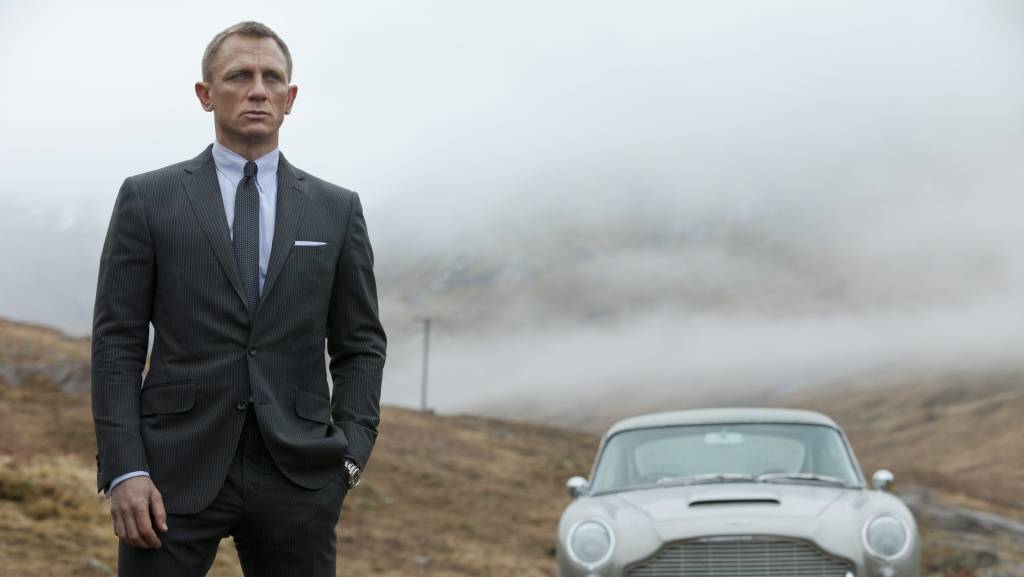
    The 25th entry in the Bond franchise features some magnificent and thrilling action sequences from a wild getaway chase in a remote Italian village with 007’s signature Aston Martin DB5 to a sexy and inventive shootout in Cuba alongside Ana de Armas who doesn’t get nearly enough screen-time as her character deserves.

    The final act of No Time To Die blends weighty drama with intense action well and all across a large compound that production designer Mark Tildseley and his team make so expansive that it adds to the grandiose nature of Bond villain lairs while also keeping with recent tradition of grounding them within a larger realm of believability.

    Billie Eilish’s melancholic title track perfectly sets the stage for what’s to come over the next two-plus hours. With lyrics that capture the impact of the opening preamble, Eilish’s mix of light airy whispers and stronger punches of tone make for an Oscar-worthy song that actually resonates over the course of No Time To Die.

    It’s far too early to determine where exactly No Time To Die fits in the larger scale of the James Bond legacy, although it would be hard to see a way another film could do a better job of showcasing Daniel Craig’s immense talent and care for the part as well as create edge-of-your-seat thrills.

    It’s not Casino Royale or Skyfall, but No Time To Die sits comfortably on a tier or even half-tier below those masterful films and is definitely worth the time and effort to watch the conclusion to this era of James Bond on the biggest screen possible.
  • Spectre: Means to an end

    Spectre: Means to an end

    Making a masterpiece is hard enough.

    Following it up with something as good or better feels almost impossible, not just because it’s so hard to recapture the magic that brought the film to life but that there’s so much expectation for what comes next.

    Sam Mendes created one of the most iconic entries in the James Bond canon with Skyfall and the weight of the world just comes right squarely onto his and Daniel Craig’s shoulders to create something on par with a film that should have been in the Best Picture conversation at the 2013 Academy Awards.

    Ardent Bond fans heaped on even more pressure and expectation with the announcement of the title to the follow-up, Spectre, the alias given to the network of spies and assassins 007 has battled over decades led by Ernst Stavro Blofeld, the final boss so to speak in the entire franchise.

    But there’s one major problem.

    Spectre is not Skyfall. Not even remotely close.

    They’re two very different films trying vastly diverse ideas with only the common threads of having the same characters and Spectre following the events of Skyfall.

    While the first Mendes film is introspective and demure in its scope, focusing mostly on Bond’s inner demons and ability to perform his job, Spectre has a more outward gaze with Mendes bringing back more of a classic 007 tone, placing more emphasis on the pursuit of villains and world building those challenging Bond.

    Here, Bond is on the hunt, with Craig becoming even more ruthless in his pursuit of everyone responsible for the death of M. It’s a colder performance than usual for the steely-eyed Craig, who is exacting with his actions and forces Bond’s emotional walls all the way back up.

    While this creates a relentless, vicious Bond, leaning too hard into the colder parts of the character make it difficult for Craig to have good chemistry with most of the supporting cast and many exchanges feel transactional.

    In perhaps one of the most scrutinized roles in recent Bond entries, Oscar winner Christoph Waltz does a terrific job of keeping the spirit of Blofeld’s film history alive while making the character his own, leaning into a more developed backstory to base his performance on. Again, it’s difficult to view Waltz’ Blofeld in a bubble without comparison to the perfection of Javier Bardem’s villainous work in Skyfall, but Waltz revels in the mystery of the character’s slow-burn introduction and handles the immense challenge well.

    For as important of a character as Madeleine Swann becomes, there’s very little substance given to Léa Seydoux to work with beyond being an object of Bond’s desire and one of great mystery. Most of her performance is shrouded behind endless whispers in service of intrigue and her chemistry with Craig is skittish and standoffish at best, which makes their romance all the more out of left field and unlikely.

    But Seydoux takes the role of Bond girl on with vigor and it doesn’t completely stop the tracks of the film, especially when taken into consideration with what’s to come for Swann in the future.

    The supporting cast all do solid, yeoman’s work with Dave Bautista an especially terrific standout as a near silent hitman in the Spectre organization who relies on an imposing physical presence and brutality to strike fear into the hearts of viewers in a role that becomes a mix of classic Bond henchman Jaws and Oddjob.

    This especially bares out to be true in one of the film’s most nostalgic moments, a fight scene between Bautista’s Mr. Jinx and Bond through a series of train cars that evokes the pivotal brutality of the final fight between 007 and Kronsteen in From Russia With Love.

    Other action sequences in Spectre are a mixed bag with the opening sequence in Mexico City being a highlight of the entire film while the final 20 minutes of the film bounce back and forth between Bond’s pursuit of Blofeld and M’s confrontation with C, resulting in a sequence where neither plotline gains much momentum or traction with audiences and feels somewhat anticlimactic.

    Mendes does a solid job navigating the world of Bond on a much larger scale, although his second foray into the Bond franchise feels far less personal given the increased stakes and doesn’t quite have the same gravitas that Skyfall did. As a pure action adventure film, however, Spectre benefits greatly from having Mendes at the helm to navigate the tonal shifts between action and exposition.

    One of the film’s biggest strengths is the rich visuals captured by cinematographer Hoyte van Hoytema, who returns to shooting on film after Roger Deakins used digital cameras for Skyfall. The result is a textured, yet sharply framed picture that elevates the robust, unique settings for Spectre as Bond jet-sets across the globe in pursuit of Spectre.

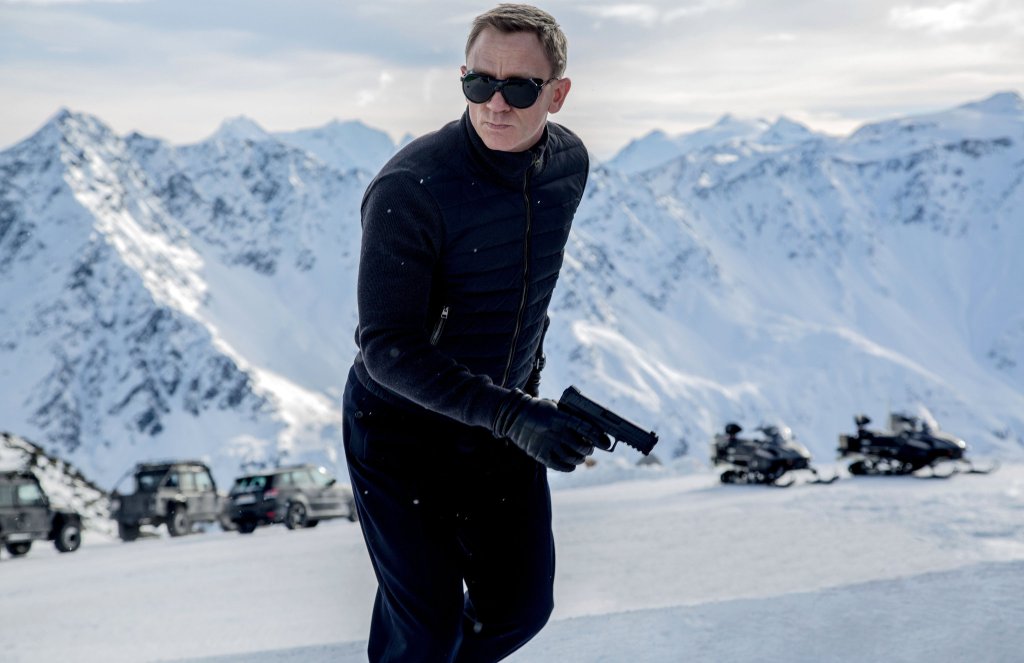
    Hoytema does an exceptional job of evoking a feeling of intense heat during sequences in Mexico City and Tangier, while thrusting viewers into the brisk cold of an Austrian lake as Bond goes to confront the Pale King.

    Sam Smith’s powerful ballad “Writing’s On The Wall” strives for the level of Adele’s title theme from Skyfall, even winning the same Academy Award for Best Original Song. But the whiny, nasally vibrato doesn’t really fit the overall vibe of the story, especially not in keeping with the rhythmic drum tones prevalent in the opening action sequence during Día de los Muertos in Mexico City nor the return to London that immediately follows the animated credits.

    Composer Thomas Newman returns to provide Mendes with another soaring and majestic score with which to set the tone for both intense and intimate moments.

    Spectre returns to the traditional action-adventure format that Bond fans were more prevalently used to prior to the Craig era films. Though it rushes through creating the villainous world of 007’s most famous adversaries, it does serve as a solid bridge between Skyfall and No Time To Die, setting the stage for a dramatic and climatic end to a two-decade long buildup.

    This is the fourth in a series of retrospective reviews of the James Bond film franchise as made by EON Productions in anticipation of the release of the 25th entry in the series, “No Time To Die,” which arrives in American theaters on October 8th.

  • Skyfall: You can never go home again

    Skyfall: You can never go home again

    There are Bond films and then there is Bond cinema.

    Most entries into the canon of 007 are Bond films, the ones that find Roger Moore battling giant men with metal teeth or Pierce Brosnan facing off against an old friend over satellites that can destroy financial markets.

    Director Sam Mendes’ debut in the filmography of Ian Fleming’s British spy isn’t just a film. It’s pure Bond cinema magic, with an endless array of breathtaking shots that feel ripped from paintings in an art gallery to a boundlessly engaging score to the most intimate and personal character-based drama the franchise has ever seen.

    Skyfall is a two-plus-hour endless love letter to James Bond, secret agent man, in his most baseline, essential form. Mendes directs with an emphasis on substance over style and yet his first foray into the world of 007 is among the most lavish, brooding and breathtaking of the entire franchise.

    The film’s plot is built on the back of key relationships, most notably M’s handling of her agents, the current 007, James Bond, and a former agent out for revenge.

    After Bond and up-and-coming agent Eve are unable to stop the theft of a list revealing the identities of spies infiltrating terrorist organizations, an attack on MI-6 brings 007 back into the fold on the trail of former agent Raoul Silva, who seeks to discredit and kill M.

    Craig gives a career-best performance as a Bond whose age may be getting the better of him, struggling to get back to form both physically and mentally. There’s a small, considered amount of exhaustion to his work that comes across as being worn down to the point where the mind is willing but the body might not be capable.

    Over the course of the film, Craig finds Bond’s vigor first in physical, hand-to-hand combat while bathed in neon light in a Shanghai skyscraper and later emotionally as he connects with, and then loses, Séverine as a means to hopefully get over the death of Vesper Lynd. Bond’s dismissiveness of his past, be it a hardened exterior to loss or an unwillingness to discuss his youth, plays out incredibly well in Skyfall because of Craig’s control of inner anguish and concerted efforts to mask out the pain as long as possible, which plays out well especially when he physically breaks down at the end of a training session.

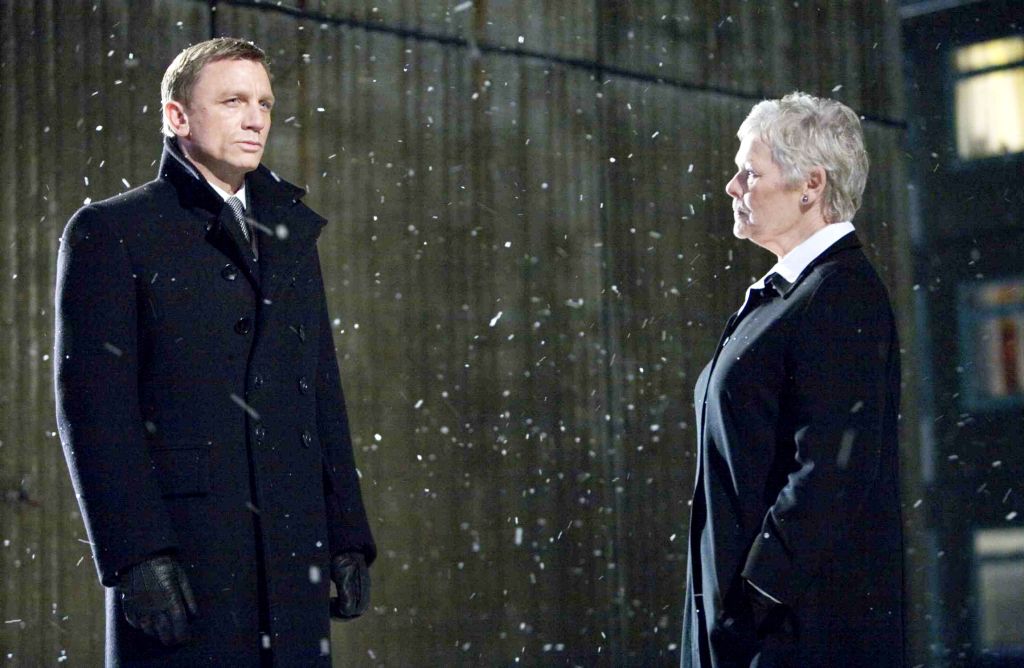
    The payoffs of Skyfall also don’t hit as hard if not for Dame Judi Dench, who exudes dignity, confidence and emotional subtlety as M. As the walls come crumbling down around M, Dench portrays every moment as if it could be M’s last, but with a steely resolve that feels quintessentially British and in keeping with the tradition of spies flying into the face of fear without regard for their own safety.

    Javier Bardem brings a magnetism to the screen as the film’s antagonist, Raoul Silva, that reflects both the character’s background as a former 00 agent like Bond as well as a sadistic streak that stems from his perceived betrayal by M.

    Silva’s entrance into the franchise – a long foreboding walk to camera where he tells Bond an allegorical tale about killing rats – hits the mark better than any introduction of a villain in the 007 filmography outside of the reveal of Blofeld in Connery-era Bond.

    The character’s immeasurable power comes from Bardem’s strength not as a physical imposing brute, but in mentally superiority that asserts itself in the most vengeful ways. It’s to Bardem’s credit that Silva leaps off the screen from the jump and relishes in each and every delicious way he can get under the skin of his adversaries. There’s a magnetism to his performance that only matches something like what Anthony Hopkins does with Hannibal Lecter in Silence of the Lambs, bad guys that audiences want to see fall but can’t help but rally behind all along the way.

    Skyfall also boasts a tremendous secondary cast that helps to form the key pieces for the rest of Craig-era Bond films including Ben Whishaw’s wry, almost too smart for his own good Q, Naomie Harris’ brash and combat ready Eve and the incomparable Ralph Fiennes as Mallory, a former special operative with governmental oversight on MI-6 that proves to be a formidable adversary for both M and Bond.

    Mendes utilizes his theater directing background to ground Skyfall in character-forward drama. Events in the film don’t happen in order to simply move from set piece to set piece or in spite of massive logic flaws as is the case with many 007 films. There are clear motivations behind each decision that cause events to unfold in a natural way, especially when it comes to Silva’s intentions as a villain hoping to exact psychological torture as much, if not more so, than physical pain.

    The film wouldn’t be nearly the masterpiece that it is without Roger Deakins’ striking, transfixing cinematography that encapsulates Bond in a post-modern world with a distinctly retro feel, as if the exceptional storytellers of the 1960s had been transported to 2012 and given the technology to produce content with digital cameras.

    There are countless iconic visual moments across Skyfall that will stand the test of time: Bond appearing through the shadows with his Walther PPK as a lone beam of sunlight pulls him into frame; M looking on in somber despair over a series of caskets covered in British flags; a tuxedoed 007 standing tall and intimidating as he floats on a water taxi to a casino in Macao passing through the mouths of dragons; the vivid imagery of the night siege on Bond’s childhood home, especially the underwater battle between Bond and a nameless thug in a frozen pond and M’s escape to the chapel.

    Action sequences in Skyfall are grandiose in their impact and flow seamlessly from set piece to set piece within the larger scene as a whole that keeps viewers constantly on the edge of their seats. The opening pre-title pursuit widely varies in tone from slow-burn to shootout to driving to thriller moments on a train without any gaps, thanks in large part to sharp editing and a majestic score by Thomas Newman.

    Mendes is able to blend action with high drama in the film’s final action sequence, a lengthy siege of Bond’s childhood home where he, M and the manor’s keeper Kincade are holed up in. Each portion of the sequence has its own unique style, going from an elevated Home Alone style booby trap section to a more demonstrative assault that evokes more high cinema war films and culminating with the most poignant of death scenes in franchise history in the family’s church. It’s a majestic ending to cap off and solidify Skyfall as a top three entry in the filmography and cement Bond’s shattered state of mind with resolve moving forward.

    Adele’s rapturous title ballad is the first Bond theme song in franchise history to win an Academy Award and rightfully so. Returning to the big, audacious style of classic Bond themes, her dulcet, yet melancholic tones set a somber, introspective mood for Mendes’ film and are wonderfully encased by an animated title sequence that foreshadows the final showdown in Scotland and the impactful opening moments where Bond seemingly falls to his death after being shot off a train and into the river below.

    Skyfall will stand with both Casino Royale as well as classic Sean Connery era films like Goldfinger and From Russia With Love as the standard by which all James Bond movies are judged upon. Skyfall is also unique in that it feels the closest in keeping to the character created in the Ian Fleming novels while not being directly based on one of his books.

    One of the most dramatic, intensely thrilling entries in the entire 007 canon, it’s easily arguable that Skyfall is the best film in the decades long series with its unique blend of modern cinema and nostalgic feel for Bond in bygone eras.

    This is the third in a series of retrospective reviews of the James Bond film franchise as made by EON Productions in anticipation of the release of the 25th entry in the series, “No Time To Die,” which arrives in American theaters on October 8th.

  • Quantum of Solace: Bond thrown off course

    Quantum of Solace: Bond thrown off course

    Following the events of Casino Royale almost immediately, Quantum of Solace takes a strong first step towards being a worthy follow-up film in Daniel Craig’s second outing as the famed British spy James Bond.

    But midway through, it feels as if director Marc Forster forgets about the globally intricate network of villains established in the first three hours of Craig’s career as 007 and shoves off on a side quest to thwart an ecologically driven heist in the vast empty wastelands of Bolivia. 

    Throughout Quantum of Solace, Bond pursues lead after lead on the trail of Mr. White, one of the final contacts Vesper Lynd made before her death and a key player in a shadowy organization that MI-6 and the CIA know almost nothing about. Along the way, 007 links up with a former Bolivian intelligence operative on the trail of a non-profit CEO with a questionable history in South America.

    Craig is best when he’s exuding a callousness that some define as coming from a quest of vengeance over the death of his love Vesper at the end of Casino Royale, but that feels just as much coming from a near-robotic dedication to finishing the job at whatever cost, no matter how reckless.

    Still coming into his own as the character, it’s as if Craig and Bond are both finding themselves by digging deeper into the work with a relentless brutality and cold, unnerving steel blue eyes. Without question there’s an anger to his performance that constantly bubbles under the surface and it’s to Craig’s great credit that his true motivations are never fully realized.

    Olga Kurylenko’s Camille is far from a normal Bond girl as she has little to no interest in sleeping with the spy, uses the men around her in order to get closer to her target and is on a simple quest for revenge.

    On the whole, Kurylenko lacks the personality required to make Camille a memorable character, which could also be said of the film’s primary villain, Mathieu Amalric’s Dominic Greene. Aside from the rapist general that Camille wants to kill, Greene is the only other new villain of note in Quantum and for the most part, his character comes across rather intentionally as a smarmy little worm that folds under pressure.

    Whether that comes from direction by Forster, the screenplay itself or from Amalric’s performance, having a villain so weak undoes a lot of the great work Casino Royale does in establishing Bond’s bonafides as a hero. Because Greene feels like a minor speedbump in Bond’s way to something bigger, so too goes the film as a whole.

    Quantum of Solace ramps up the dynamic between Bond and his handler, M, putting long-time series veteran Judi Dench in a well-deserved, more prominent role. It’s clear in Dench’s performance that M has a unique soft spot for Bond, serving as his protector while giving Craig the business verbally with disappointment that jut borders the line of derision. It’s clear in the few moments on screen together that there’s a great affection between the actors as well as the characters, which helped to create the atmosphere that will come to fruition in Skyfall.

    The direction has its moments, especially early, but Forster can’t stick the landing.

    He opens with traditional Bond: a car chase through a hilly Italian countryside, quick cross-cutting to ramp up the intensity as 007 pursues a double-agent through the street of Siena, luxurious espionage at an Austrian opera house.

    Forster’s truly going for it in the latter scene, muting the volume at one point to let the sullen score from the opera Tosca provide the anthem for a chaotic chase sequence that marks the end of high-octane Bond cinema.

    But the final hour pushes Bond to the outer edges of society, a vast barren wasteland that often renders a largely grandiose franchise muted and neuters the film overall, especially deflating audiences’ expectations that had been built up to that point.

    Early action scenes have a lot of pizzazz with the high-stakes car chase through narrow tunnels and across a gravel yard maintaining the same dynamic energy Martin Campbell did with Casino Royale. There’s also a heightened sense of brutality in fight sequences where audiences can literally feel Bond going for the jugular at every turn, not caring about the body count that he racks up.

    As the film progresses, however, the quality of the action dilutes quite considerably and by the time of the final showdown in the desert, a brief five minute sequence that doesn’t stay with Bond the whole way and is largely hidden by fire feels more rushed than it should.

    Jack White and Alicia Keys’ theme song “Another Way To Die” pushes the film’s secondary narrative that for a spy, there’s no one you can really ever trust but it doesn’t really match what Forster is doing on screen. The title credit sequence foreshadows Bond’s journey to the sandy dunes of Bolivia and the culmination of Quantum’s ecological/economic warfare and yet the stilted way in which Forster transitions into animated title cards and then plunges audiences back into a world of relative opulence feels disjointed.

    Quantum of Solace will ultimately be regarded as a lesser Bond film for its lackluster back half and how boring the villain and his ecologically driven scheme are in the grand scale. It does feature another strong, committed turn from Craig as 007 and one that helps make the films around it (Casino Royale before and Skyfall after) seem even better by comparison.

    This is the second in a series of retrospective reviews of the James Bond film franchise as made by EON Productions in anticipation of the release of the 25th entry in the series, “No Time To Die,” which arrives in American theaters on October 8th.

  • Casino Royale: A new old vintage for James Bond

    Casino Royale: A new old vintage for James Bond

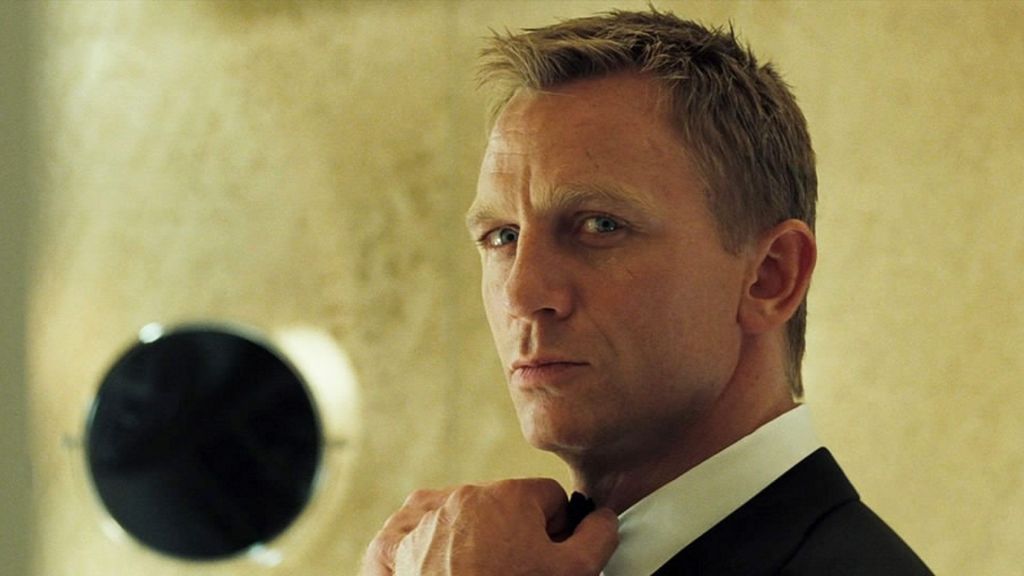
    James Bond has been revived several times over the past six-plus decades, but never has a debut film felt as electric as when Daniel Craig achieved his double-0 status with a brutal bathroom assault and classic espionage hit shrouded in black and white.

    Director Martin Campbell’s 2006 film “Casino Royale,” a vivid modern reimagining of Ian Fleming’s first novel, completely resets the debonair British secret agent languishing after the laughable “Die Another Day” and shows him as a raw, vulnerable man relying on talent and training to overcome the odds.

    To many, the film was a true introduction to the character as Craig became the Bond for the 21st century in much the same way that Sean Connery was the character for Generation X or Pierce Brosnan the 007 of millennials.

    “Casino Royale” marks Bond’s first mission after having earned his license to kill and set out on the trail of the world’s premier financier to terrorists, Le Chiffre, which sets him on a jet-setting adventure across the planet and into a high-stakes poker game.

    From the opening moments, it’s clear that Craig will be a different sort of spy than audiences are used to as James Bond. His performance is ruthless and methodical, with a callousness that evokes both a blind service to king and country as well as a hardened exterior that masks years of deep internal pain.

    Much of the film is centered around Bond’s judgement and reading of people, something that plays out well in the poker hands he squares off in against terrorists and in his assessment of friend versus foe. There’s a cerebral quality to Craig’s line delivery in almost every situation that borders upon being a suave robotic monotone and it colors nearly every relationship his Bond forms in the film with one major exception.

    It’s rare to see a Bond girl truly challenge James both in written dialogue and in magnetic performance quite like what Eva Green brings to the role of Vesper Lynd.

    While it’s clear that she’s the ultimate sexual conquest and will eventually subdue herself to Bond’s charms, the cat-and-mouse game Green and Craig play with witty verbal repartee that begins with genuine loathing, molds into mutual respect and then a searing love built from the flames of near-death experiences is palpable and exhilarating to watch unfold.

    It’s clear that what Bond achieves with his hands and a gun, Lynd is capable of with her words and a pen and it is incumbent on Green to maintain unwavering confidence that matches Craig beat for beat until the pair bring down each other’s walls towards the film’s climatic ending. 

    Mads Mikkelsen is among the best, most cunning villains in the history of the franchise as Le Chiffre with a stoic and chilling stare that accentuates the character’s trademark eye scare and weeping blood. It’s as calculating and exact a performance as Craig, almost as if Le Chiffre was an evil mirror of this new Bond and one that helps to put Craig over as a super spy by showcasing just how strong of a villain 007 overcomes.

    One of the hallmarks of “Casino Royale” that sets the tone for the entire vision of Craig’s five-film tenure as James Bond is how the franchise goes back to its more subdued, natural roots. Mostly excised are the outlandish and implausible plans for world domination and this Bond becomes driven like a bullet relentlessly moving forward at a cold, steady pace towards his target, whatever that may be.

    This is especially true of the film’s many action sequences, which have a dynamic and kinetic energy firmly rooted in reality. Bond chasing a bombmaker through a construction site and into an embassy in Madagascar leaps off the screen with a frantic pace, jaw-dropping parkour artistry and highlights the contrasts in style between the 007s of old and this youthful agent freshly minted with a license to kill.

    Craig is the most physical of the Bonds, participating in the most stunt work and ramping up the aggression as this James would rather run straight through an obstacle than stealthily find a way around it.

    Chris Cornell’s blasting rock anthem “You Know My Name” helps set the aggressive tone for a new era of James Bond, while the film’s wonderful score by composer David Arnold melds older melodies from 007 days gone by with the cadences and rhythms of the Cornell song to help accentuate scenes.

    Campbell is sometimes too on the nose with his directorial style and editing, being excessively forward with where things are headed within scenes like hard cutting to a security camera to overemphasize Bond being recorded in action or making product placement for Sony brands comically noticeable.

    But when he’s on his game, Campbell and cinematographer Phil Meheux do a terrific job of paying homage to the origins of both the character and the film franchise, visually linking Craig with Connery in a way that leaves the distinct impression that both men could have been doing the same job in different eras under the same code name.

    Gender-bending the iconic shot of Ursula Andress emerging from the water onto a sandy beach in “Dr. No” with Craig doing the same on the shores of the Bahamas is an exceptionally inspired choice that canonizes the new Bond with links to the past. 

    The debut film for any actor taking on the mantle of James Bond is critical to his success in future films and “Casino Royale” is on par with “Dr. No” in terms of best establishing its lead as THE James Bond rather than just A James Bond.

    Cold, menacing and yet one of the most dramatic entries in the entire canon, “Casino Royale” is a top tier 007 film that cements Daniel Craig as a generational action star and rebuilds an iconic character from the ground up for years to come.

    This is the first in a series of retrospective reviews of the James Bond film franchise as made by EON Productions in anticipation of the release of the 25th entry in the series, “No Time To Die,” which arrives in American theaters on October 8th.