Year: 2015

  • Run All Night: Haven’t we learned already?

    Run All Night: Haven’t we learned already?

    Shouldn’t it be a given by now that it’s not a good idea to mess with Liam Neeson’s family?

    It’s getting to the point where these stories don’t even really need to be told. Viewers can just replicate an entire Liam Neeson movie in their mind based on the most simplistic plots.

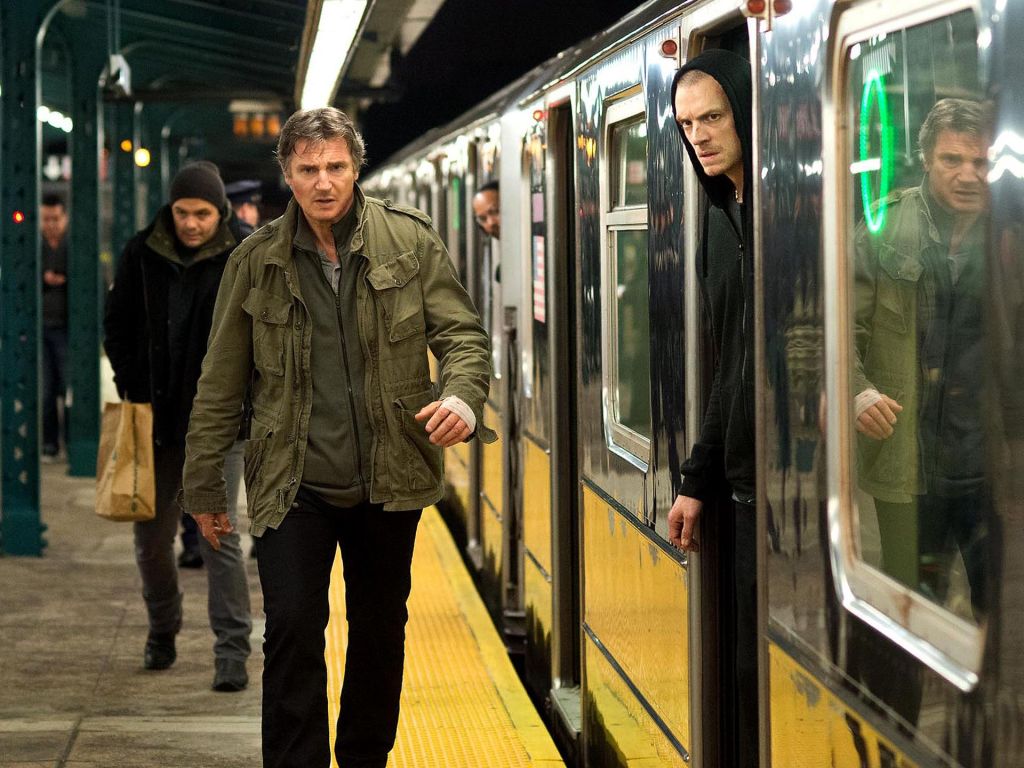
    Reteaming with the director of such lackluster Neeson action films as “Unknown” and “Nonstop,” “Run All Night” is no exception. Neeson, this time lightly disguised as an aging Irish hit man, has just murdered his boss’s son in order to save his own estranged child. Both Neeson and his son, played by Joel Kinneman in a performance just this side of Jamie Dornan in “Fifty Shades of Grey” awful, have to “run all night” to hide from Ed Harris.

    Director Jaume Collet-Serra does the right thing in casting — with a few major exceptions — pairing Neeson on screen with some of Hollywood’s best character actors in Harris, “Full Metal Jacket” star Vincent D’Onofrio and Nick Nolte. Though those four actors never all share screen time together, having all four involved in the project should have resulted in a better movie than “Run All Night” ends up being.

    It’s a little out of sorts to see Common — now an Oscar winner after the success of his collaboration with John Legend for the hit song “Glory” in the film “Selma — as a stereotypical and largely silent assassin hunting down Neeson and Kinneman. We’ve seen quality actors take on these small, but important hitman roles to great effect in the past, but Common is no Clive Owen in “The Bourne Identity.”

    There’s no subtlety to Common’s performance, but that’s probably blame that needs to be placed on Collet-Serra, who just doesn’t seem to find the right balance between quality acting and quality action. It’s possible to have both in the same film, but there are only flashes of that in “Run All Night.”

    This isn’t to say that “Run All Night” isn’t still worth seeing. The film is definitely what viewers probably thought they were going to get with Neeson’s last movie, “A Walk Among The Tombstones,” which played out more crime procedural than dark action-packed thriller.

    Led by quality performances from Neeson (who can probably sleepwalk through a couple more action movies without viewers noticing) and the always rock-steady Harris, “Run All Night” is just the kind of B-level action movie that some viewers need this time of year to help prepare them for the onslaught of summer blockbusters to come.
  • Second Best Exotic Marigold Hotel: Sequel avoids traditional pitfalls

    Second Best Exotic Marigold Hotel: Sequel avoids traditional pitfalls

    Not much needs to be said about big budget R-rated films “Chappie” and “Unfinished Business,” which both crashed and burned commercially and critically this weekend. Hollywood can sift through the wreckage for what’s left of Vince Vaughn’s career at another time.

    But there’s something to be said for an upward trend in cinema that shined brightly this week on the big screen as the sequel to the 2012 hit film “The Best Exotic Marigold Hotel” outdrew most movies on the opening weekend of Spring Break season despite playing in a third of theaters nationally.

    With the success of films like “Marigold” (now in its “Second Best” installation), “The Bucket List” and “Last Vegas,” it seems that there’s an emerging marketplace for light-hearted comedies starring big-name actors beginning to reach the twilight of their careers (and lives). 

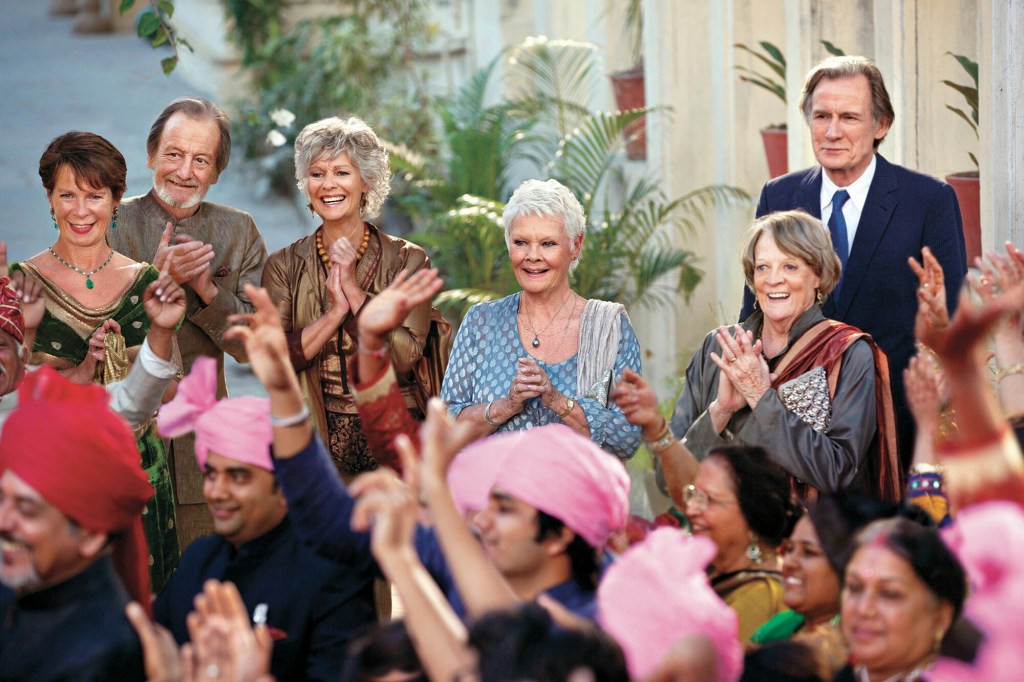
    For the second iteration of India’s only hotel for the “elderly and beautiful,” director John Madden — best known for the Oscar-winning “Shakespeare in Love” — re-gathers the original film’s cast, adding fresh face silver-fox Richard Gere to the mix as a new hotel guest.

    Sequels can be hit-or-miss, especially for first-time viewers who’ve missed out on two hours’ worth of back story, but that never seems to be an issue here as “Marigold” is a film about the people themselves, rather than the seemingly cliché and mundane events they get themselves into while living in an unusual world.

    Don’t get caught up in all the minutia of the rapid fire plot turns as Madden tries to keep viewers engaged in eight or more plotlines all at once.

    Much in the same way we as moviegoers forgive lesser action films for subpar plots because we just want to see things blow up, there’s not a whole lot of originality to the second “Marigold” go-round, but that’s not really a problem in this light-hearted feature.

    It’s easy to tell that the cast, which includes a veritable who’s who list of British acting royalty (including two Dames in Judi Dench and Maggie Smith), really enjoys working together in a laid back and fun atmosphere. It’s readily apparent, especially in Smith’s performance as the aging guest turned co-manager.

    But it’s Dev Patel — best known as the adult lead of the 2009 Academy Award-winning “Slumdog Millionaire” — who gives the best performance in the film, returning to the series as the frantic, yet good-natured hotel owner Sonny.

    Among the chaos of all the different plot lines that zigzag across India, Patel’s nuanced and pitch-perfect performance serves as the comedic heartbeat of “Marigold.”

    Like its closest cinematic sibling, “The Hundred-Foot Journey,” “Marigold” stuns visually, thanks to picturesque landscapes and well designed cinematography from director of photography Ben Smithard.

    Well worth the price of admission, “The Second Best Exotic Marigold Hotel” offers a hearty amount of laughs and the requisite amount of tenderness, while side-stepping the flaws most sequels fall prey to.

  • Still Alice: Oscar contender not up to muster

    Still Alice: Oscar contender not up to muster

    What might have been a touching look at how a close-knit family deals with tragedy in the wake of the mother’s early onset Alzheimer’s diagnosis becomes a trite farce that twists the emotional knife in the backs of its viewers during the independent drama “Still Alice.”

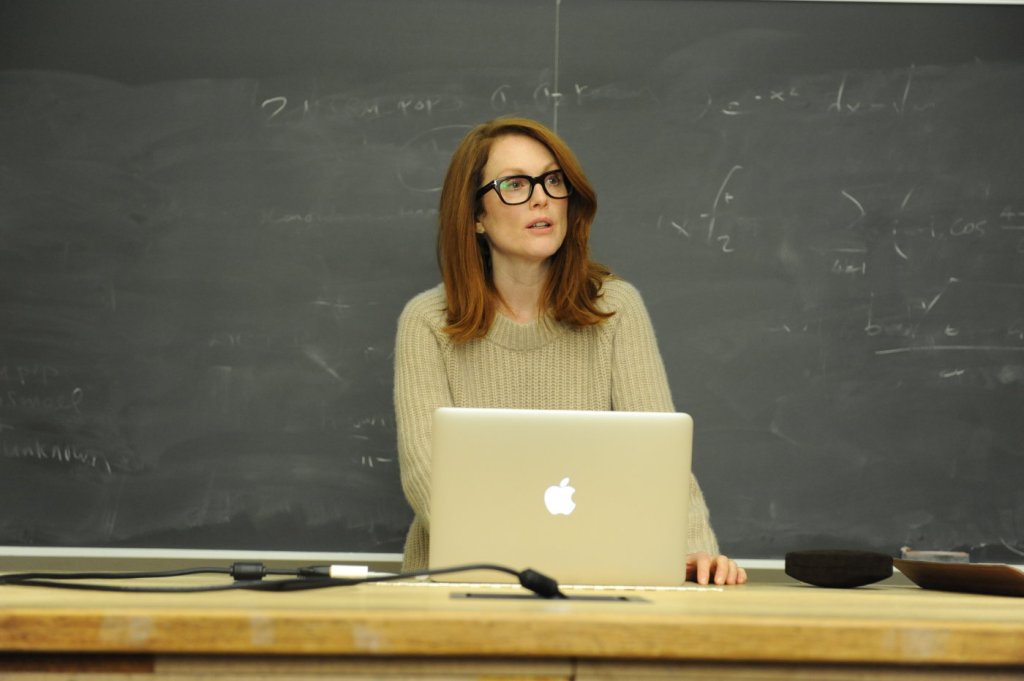
    The film is most notable for Julianne Moore’s Oscar-winning performance as a 50-year-old linguistics professor who slowly loses her memory and capacity to function normally due to the disease.

    There’s nothing wrong with her performance, though this year’s Best Actress win feels more like a career achievement award than the highest praise for her work in “Still Alice.” In a 100-minute film where one lead takes up 90 percent of the screen time, it’s hard not to feel dominated by Moore’s performance.

    As a viewer, there is a strong sense that the audience is being cheated by the script based on the novel of the same name by Lisa Genova.

    There are only flashes of the rest of Alice’s family throughout the film, and all of the impact of what helping someone with Alzheimer’s is like has been lost in the shuffle.

    Actors like Alec Baldwin, as Alice’s husband, and Kate Bosworth, as the eldest daughter, are given cursory nods and only the broadest of character brushstrokes with which to work from.

    Even though he isn’t, it feels as if Baldwin’s husband character is cheating on Alice, and the audience by proxy, while being chopped off at the knees and forced to be the bad guy in a film that doesn’t need one.

    While Moore’s work is good, Kristen Stewart, as the youngest daughter — separated from the rest of her family both emotionally and physically — gives the most impactful performance.

    Given her previous body of work, Stewart will almost certainly not be given the credit she deserves for a uniquely layered performance in a film devoid of depth. There’s so much emotion on the surface of Stewart’s Lydia, while simultaneously, viewers can feel the undercurrent of secret emotions that Lydia feels internally while struggling to accept her mother’s fate.

    “Still Alice” is definitely one of those Oscar-baiting films that cares more about the viewers with Academy votes than the audiences who will end up seeing the film now that it has won gold.

    Aside from ardent fans of Moore, audiences will likely, and should, feel cheated by a subpar shell of quality drama.

  • Serena: Cooper, Lawrence make most of uneven frontier drama

    Serena: Cooper, Lawrence make most of uneven frontier drama

    Pair a three-time Academy Award-nominated actor with an Oscar-winning actress and put them in a hauntingly beautiful period film and it would seem like a recipe for instant success.

    Yet “Serena,” the third on-screen pairing between Bradley Cooper and Jennifer Lawrence, takes major missteps that equal or slightly outpace its positive strides, making for an uneven and mundane film as a whole.

    Most of the blame, as it were — because conceptually, this is a film that should have fared significantly better — should be laid at the feet of Danish director Susanne Bier and screenwriter Christopher Kyle for their mismanagement of the film adaptation of the 2008 Ron Rash novel of the same name.

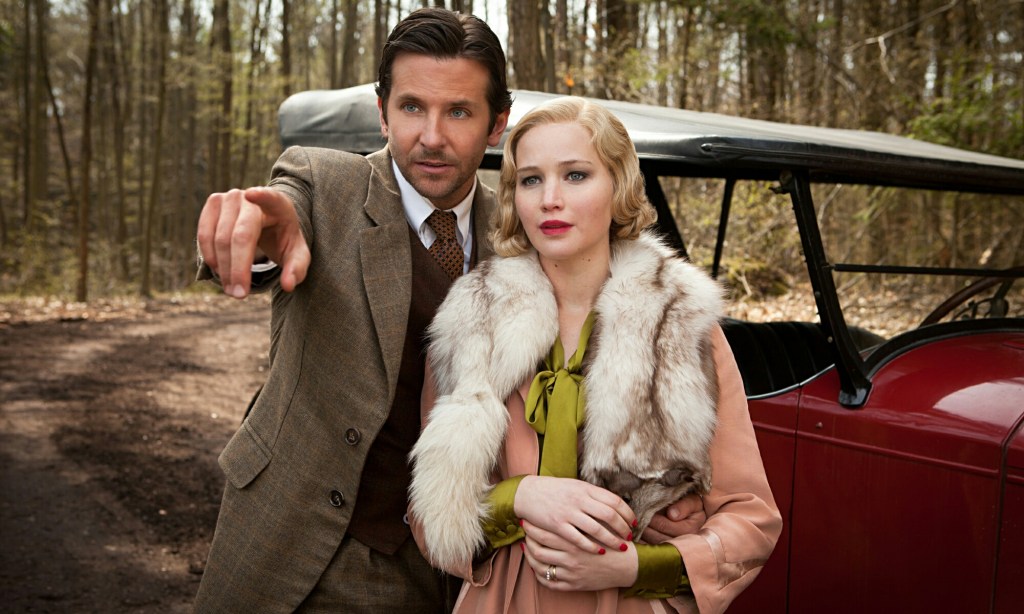
    Set in North Carolina during the 1920s, the movie centers around an up-and-coming logging company owner (Cooper) whose life changes when he falls instantly in love with a beautiful, yet troubled young woman named Serena (Lawrence), who will stop at nothing to keep their love alive.

    How and why the couple falls in love is left up to nothing more than a single chance encounter followed up by a sloppily shot encounter on horseback in a field.

    Bier and Kyle’s decision to fast-track the romance leaves viewers without any reason to invest in the characters and forces Cooper and Lawrence to rely on their innate chemistry developed in another movie (“Silver Linings Playbook”) under the guidance of a superior director (David O. Russell).

    The chemistry between the duo is palpable and is especially noticeable in the sex scenes with “Serena,” but even two incredibly talented actors can’t seem to find a way to make a lackluster script work to their full advantage.

    A film about passionate love and the desperation it can create needs the time to explore the romance between the leads, an almost unforgiveable oversight.

    “Serena,” which was filmed before “American Hustle” and has sat on the studio’s shelf for over two years, is just missing that little bit of finesse and craftsmanship from the director’s chair necessary to keep the pacing steady and viewers engaged.

    Not surprisingly, the movie falters most often when Lawrence and Cooper are not on-screen together. Lawrence, harkening back to a classic era of cinema in both look and demeanor, can hold her own with the limited material, while Cooper — who increasingly approaches leading roles with a character actor’s mentality — has a rougher go-round dealing with a lack of script depth.

    Veteran character actors Rhys Ifans and Toby Jones do a decent job in their roles as a mysterious, veteran logger and the town sheriff, respectively.

    Though the film deserves better than its eventual branding as “that other Bradley Cooper-Jennifer Lawrence movie,” “Serena” needed a different director to fully realize a quality period drama from a terrific concept for a movie.

    Despite all its flaws, “Serena” is still the best film to be released so far in 2015, though its pacing issues and early release date will, in all likelihood, bar the film from receiving any accolades come award season.

    The film is currently available via video on demand and is expected to receive a limited theater run beginning later this month.

  • Focus: Smith, Robbie have decent chemistry in romantic heist flick

    Focus: Smith, Robbie have decent chemistry in romantic heist flick

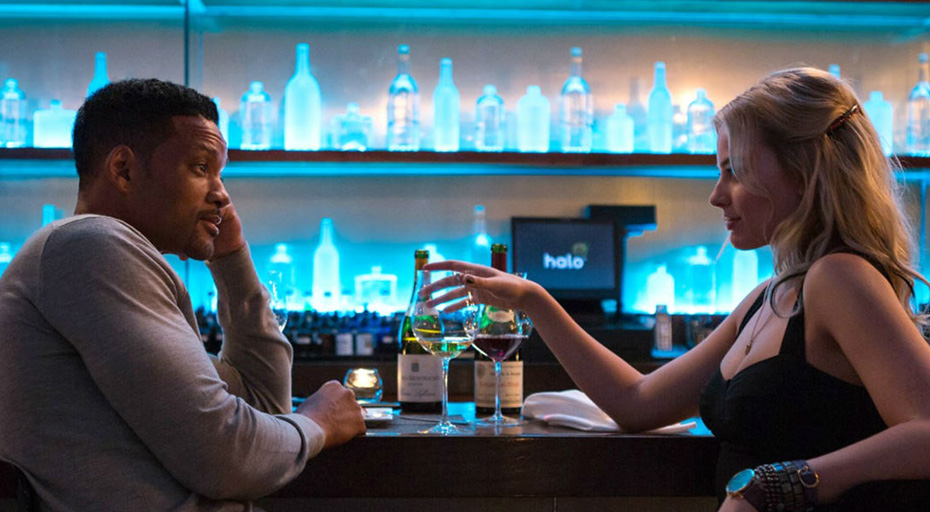
    There’s a lot of layers to the latest offering from Will Smith, who starts the long road back from cinematic wasteland with the romantic drama-comedy heist film, “Focus,” co-starring “Wolf of Wall Street” starlet Margot Robbie.

    There’s the con, led by Smith as the consummate con artist, practiced in deceit.

    There’s the romance, with Robbie slithering her way into Smith’s gang and into his heart.

    There’s the comedy, led by some witty one-liners from Smith and hilarious supporting performances from Adrian Martinez as Smith’s running buddy Farhad and “Law and Order: SVU” alum B.D. Wong in a scene-stealing performance as a billionaire gambler willing to throw down the big bucks.

    There’s some drama, too, but of the four genres melded into “Focus,” the drama doesn’t really hit home due mainly to a lack of real chemistry between Smith and Robbie.

    Hollywood would be well served to develop more quality heist films, because it’s in those moments where “Focus” — under the guide of “Crazy, Stupid, Love” directors John Requa and Glenn Ficarra — shines the brightest. When the film is about the con and in service to the con, “Focus” keeps viewers coming back for more.

    It’s in those moments in between — where the witty banter is exchanged for longing — that things just don’t stick fully.

    After several lackluster outings, “Focus” seems to be a step in the right direction for Smith, who’s gradually finding himself in the latter stages of his career. He hasn’t made it back to “Ali” territory yet, but it’s by no means time to put the final nail in the coffin, either.

    “Focus” is ideal date night fodder for movie-going couples, with half the film aimed at guys seeking adventure and the other half for girls needing a new romantic comedy.

    There’s just enough of both there to make a trip to the theaters worth your time.

  • What we talk about when we talk about Birdman

    What we talk about when we talk about Birdman

    It shouldn’t come as a total shock that “Birdman or (The Unexpected Virtue of Ignorance)” — a very inside acting film — would continue the trend of movies like “The Artist” and “Argo,” winning the Best Picture prize at Sunday’s Academy Awards.

    Now three of the last five films to win the most prestigious award in Hollywood are about Hollywood, actors or some combination of both, and that’s certain to upset a lot of members of the general public, whether they’re indie die-hards who were mystified by Richard Linklater’s 12-year filming odyssey “Boyhood” or patriotic Clint Eastwood backers supporting a box office smash hit in “American Sniper.” But when you watch or re-watch “Birdman” — now out on DVD and Bluray — it’s important to realize just how complete a film “Birdman” is and what exactly we should be talking about when we talk about “Birdman.”

    From the opening seconds, “Birdman” establishes itself as a film that’s going to draw moviegoers in with its visual brilliance, then keep them entranced with stunning performances from its deep and talented cast of actors.

    Newly crowned Best Director Alejandro González Iñárritu, whose previous films include “Babel” and “21 Grams,” provides the initial hook, opting to stage the film in narrow, tight hallways inside the backstage of the St. James Theater in New York City to provide added tension, then flipping cinematic standard on its head by fusing each scene together so that “Birdman” feels like one never-ending, 120-minute shot.

    Each scene is stitched together seamlessly thanks to the artistic savvy of “Gravity” cinematographer Emmanuel Lubezki — recent winner of back-to-back cinematography Oscars — and editors Douglas Crise and Stephen Mirrione.

    Each scene transitions to the next without interruption, mostly done through extended segments of 10 minutes or more. The necessary technique to pull off such a terrific stunt is a beautifully choreographed dance between actors and crew.

    A great deal of technical care has been taken in the movie, which rivals “Gravity” as the most forward-thinking and visually dynamic film in years.

    This sort of digital skill is becoming commonplace — especially in the superhero film genre “Birdman” constantly derides — but never with such grace. It’s a breath of fresh air to see the technical wizardry of a film accent highly skilled and complete acting performances, rather than having gimmicks or special effects operate as a replacement for quality acting.

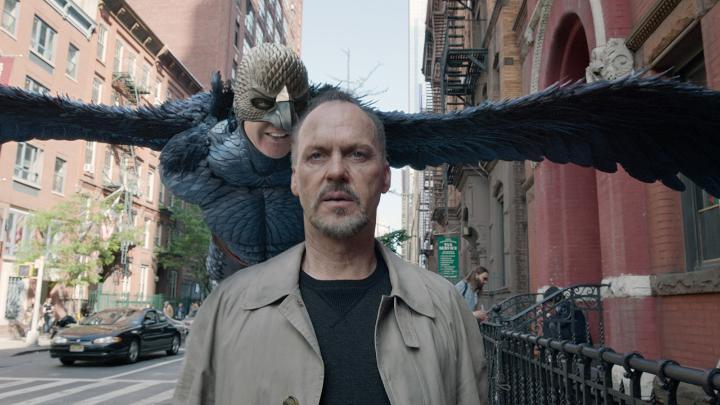
    Much in the same way that David Fincher used who Ben Affleck is as a public figure to great effect in “Gone Girl,” Iñárritu’s choice of former “Batman” star Michael Keaton as the titular “Birdman,” given Keaton’s struggles to overcome the shadow of his role as Batman parallel his character Riggan’s difficulty separating himself mentally from the super hero character Birdman that made him a movie star 20 years ago.

    As a moviegoer, it’s nearly impossible to completely separate Keaton, the actor, with Riggan the character and in the case of “Birdman,” the film takes full advantage of this duality to create a deeply personal and emotionally rich character wanting to prove himself to the world while mistaking adoration for love.

    Keaton, who narrowly lost out to “Theory of Everything” star Eddie Redmayne for a Best Actor Oscar, gives the performance of a lifetime in the role, which ironically enough, should redefine Keaton as a passionate actor outside of the comic book realm.

    Edward Norton, who would have won Best Supporting Actor in a year where J.K. Simmons didn’t blow people away in “Whiplash,” provides Keaton with a sounding board to lob emotional volleys to, both in the film itself and in the Broadway stage show Riggan is producing, an adaptation of the Raymond Carver short story, “What We Talk About When We Talk About Love.”

    Emma Stone — who is slowly, but surely proving herself to be something much more than the limited characters she’s been playing on screen — makes the absolute most out of every second in her performance as Keaton’s drug-addled daughter looking to stay clean while helping her dad reform his own image. The subtle co-dependence the two characters share in their mutual rehabilitation is one of the many great sub-plots in an intricately woven tale.

    Outside of “The Grand Budapest Hotel,” moviegoers would be hard pressed to find such quality acting from so many talented performers — Naomi Watts, Zach Galifianakis, Amy Ryan, Andrea Riseborough.

    But the question still remains: What do we talk about when we talk about “Birdman?”

    How do you explain a meta, highly self-referential dramedy that seems to demean its audience by lavishly deriding the common blockbuster experience?

    Quite simply, “Birdman” is the next step forward in a cinematic evolution that began with James Cameron’s visually transformative “Avatar” and continued with Guillermo del Toro’s space adventure “Gravity.”

    Adding new depth in acting to lofty and innovative cinematography makes “Birdman” the obvious next step in filmmaking, led by Iñárritu, who is up to the task of making all the moving pieces work fluidly and beautifully.

    “Birdman” checks off on all the critical elements of a complete cinematic experience — visual brilliance, acting talent giving top notch performances, elite technical skill and a blue-chip script — and is worthy of its Best Picture statue.

  • McFarland USA: Disney offers heartwarming sports tale

    McFarland USA: Disney offers heartwarming sports tale

    January and February are usually the time of year where films the major studios aren’t real comfortable with get released and it’s often a wasteland of below-par cinema.

    Every once in a while, during this time of year, a film overcomes this stigma and becomes something worthwhile.

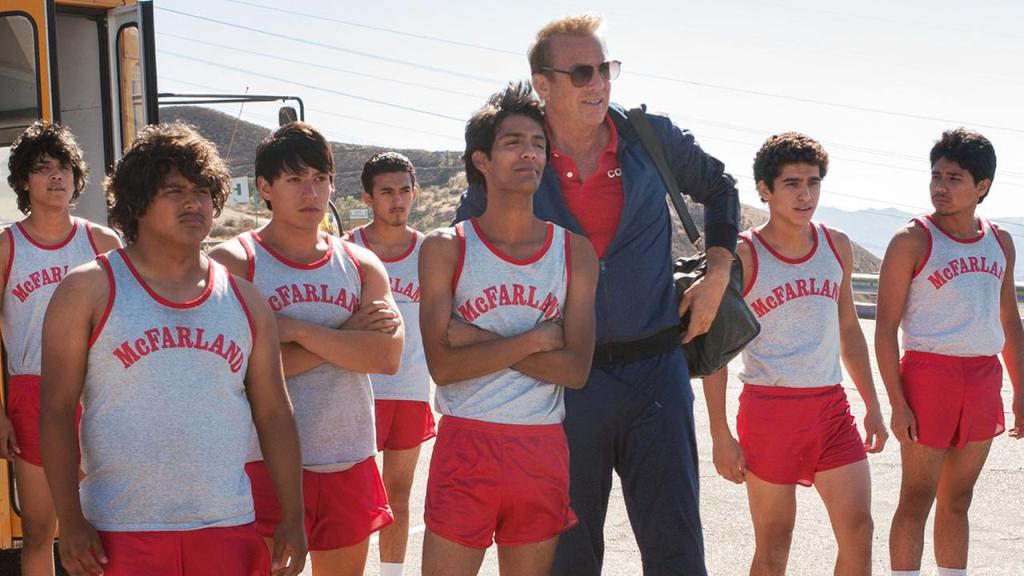
    Such is the case with the latest Disney release — “McFarland, USA” — starring the timeless Kevin Costner in a true story about a white football coach who, through a series of unfortunate events, becomes the first cross country coach at a predominately Hispanic high school in McFarland, California.
    https://m.youtube.com/watch?v=j-VAOlHGE6Q
    These sort of generical sports movie off-shoots of “Rudy” typically aren’t worth a trip to the theaters, but “McFarland” goes beyond the traditional and brings an added depth to the race relations discussion now so prominent in Hollywood with films like “Selma.”

    Costner, while keeping his usual charm, isn’t the primary reason the film succeeds, but rather the bridge that keeps the whole picture moving along.

    The group of talented young Latino actors tasked with portraying the underdog, but hardworking original McFarland cross country team — led by Carlos Pratts as the team’s best runner and a heartwarming performance from Ramiro Rodriguez as the tubby Danny pulling up the anchor — give the film just the right amount of heart.

    Though the film takes great effort to have Maria Bello and “Homeland” actress Morgan Saylor as the secondary leads, it’s in scenes where the team interacts with Costner that “McFarland” shines the most, largely due to the compelling relationship built up between the young actors as a whole.

    Director Niki Caro takes his time finding a groove within “McFarland” and as a result, the film doesn’t really take off until the final third, when the focus becomes more about a coach and his team crossing traditional racial barriers and finding a way to win.

    A heartwarming family tale, “McFarland, USA” is definitely worth checking out now.

  • Fifty Shades of Grey: Chemistry, quality missing in film adaptation

    Fifty Shades of Grey: Chemistry, quality missing in film adaptation

    It takes two to tango — one to lead and one to follow — in the feature film adaptation of E.L. James’ best-selling erotic novel “Fifty Shades of Grey.”

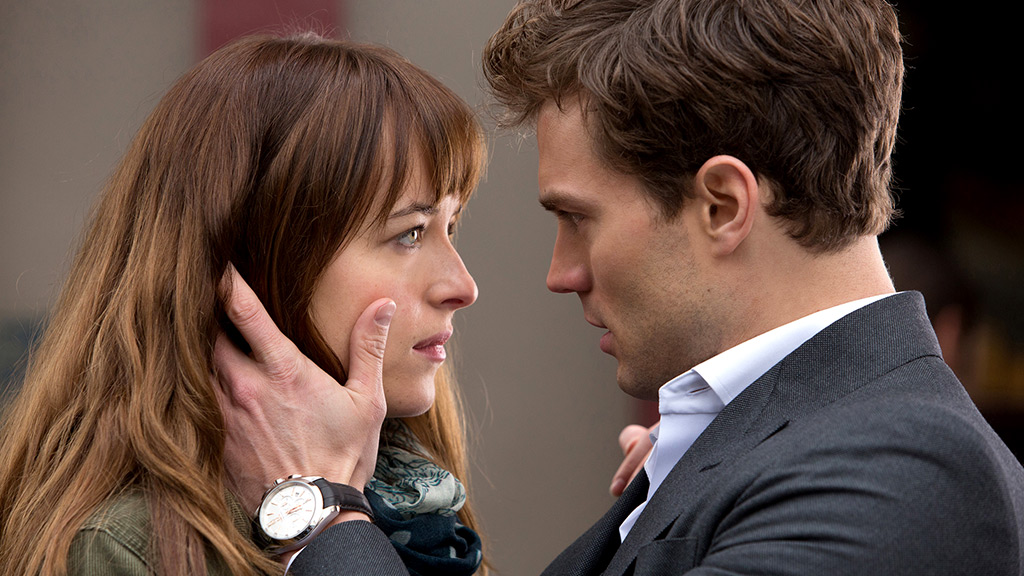
    The follower, Dakota Johnson as the naïve and bookish Anastasia, is a breath of fresh air anytime she appears on screen and truly gives 110 percent of herself to every scene no matter how much clothing she wears.

    However, the leader, Jamie Dornan as the charismatic and mysterious billionaire Christian, can’t dance to save his life.

    In relationship-heavy two-handers like “Fifty Shades of Grey,” it’s important that both leads utilize the other’s performance to help elevate their own, but Johnson is acting against a brick wall.

    There’s only so much an actor can do when given nothing to work with. It’s what makes Johnson’s honest portrayal of the loss of innocence more noteworthy.

    It’s easy to tell that Dornan isn’t anywhere close to being the first choice for the role, as the Irish-born actor can’t seem to find any depth to a man hiding dark secrets.

    He struggles to identify with the character and placates that lack of connection — and subsequent lack of chemistry with Johnson — by softening each of his lines to make them sound more attractive.

    Whispering can be sexy, but not when it’s the only tone of voice used over a two-hour period.

    Just as miscast as Dornan is sophomore director Sam Taylor-Johnson, whose lack of vision clouds any real character development in either lead and limits the film to late-night Cinemax fodder.

    There’s no creativity in the film’s construction or development as if the actors directed themselves.

    It’s ironic (and rather sad) that “Fifty Shades of Grey” scored the biggest opening weekend in history by a female director at just under $91 million.

    Passionate filmgoers angry about the omission of Ava DuVernay from best director accolades for “Selma” need to be just as upset, if not more so, that Taylor-Johnson’s pedestrian, banal effort will be considered a greater success by Hollywood standards than the Martin Luther King, Jr. biopic based solely on box office revenue.

    The “Fifty Shades” film is simply a tent pole in service of a financial empire — a means to further line investors’ pocketbooks through the licensing of everything from lingerie, oils and wine to stuffed teddy bears with handcuffs in their paws. 

    “Fifty Shades” doesn’t need to be good to feed the beast, just buzz-worthy enough to draw interest and push product on the most ardent “Shade”-oholics.

    There’s about 20 minutes worth of sex scenes in “Fifty Shades,” significantly toned down from the source material. Taylor-Johnson’s film sticks mostly to topless and rear nudity along with some glimpses of hair in places usually not shown on the big screen.

    Who would have guessed that a movie about bondage and dominance could be so mundane?

    For a book about sex, the film adaptation of “Fifty Shades of Grey” isn’t so much about the BDSM lifestyle as it is an inferior study of compulsion and control.

    What doesn’t work most about this lackluster, cookie-cutter, sex-by-numbers escapade is the lack of character development, leaving viewers simply ogling Ana and Christian rather than identifying with them.

    It could very well be that Dornan can’t handle a complex character, but even the most average thespian could act circles around Dornan’s bland, one-note, uninspired whisper performance.

    Marcia Gay Harden is largely wasted in a throwaway cameo role as Christian’s mother.

    On the good side, cinematographer Seamus McGarvey — who shot “Marvel’s The Avengers” and “Atonement” — does a wonderful job lighting and framing each scene.

    Additionally, the film’s soundtrack boasts an impressive selection of top artists, including multiple tracks from Beyonce, whose remix of “Crazy in Love” is top notch, and Annie Lennox, whose cover of the classic song, “I’ll Put A Spell On You” at the film’s outset fools viewers that they’ll see a better movie than they ultimately get.

    As is the case in many other genres, independent films like “Blue Valentine” and “Secretary” do a much better job balancing the emotional and physical of psychologically challenging romantic relationships.

    “Fifty Shades” is much too mainstream to be filmed with an NC-17 hard cut that would offend too much of the country; too erotic to be given a softer, more emotional cut that truly examines the choices and mindset of those who explore BDSM lifestyles; and certainly too poorly made to deserve a sequel, but too financially important not to.

  • Kingsman The Secret Service: Firth steps out as action star

    Kingsman The Secret Service: Firth steps out as action star

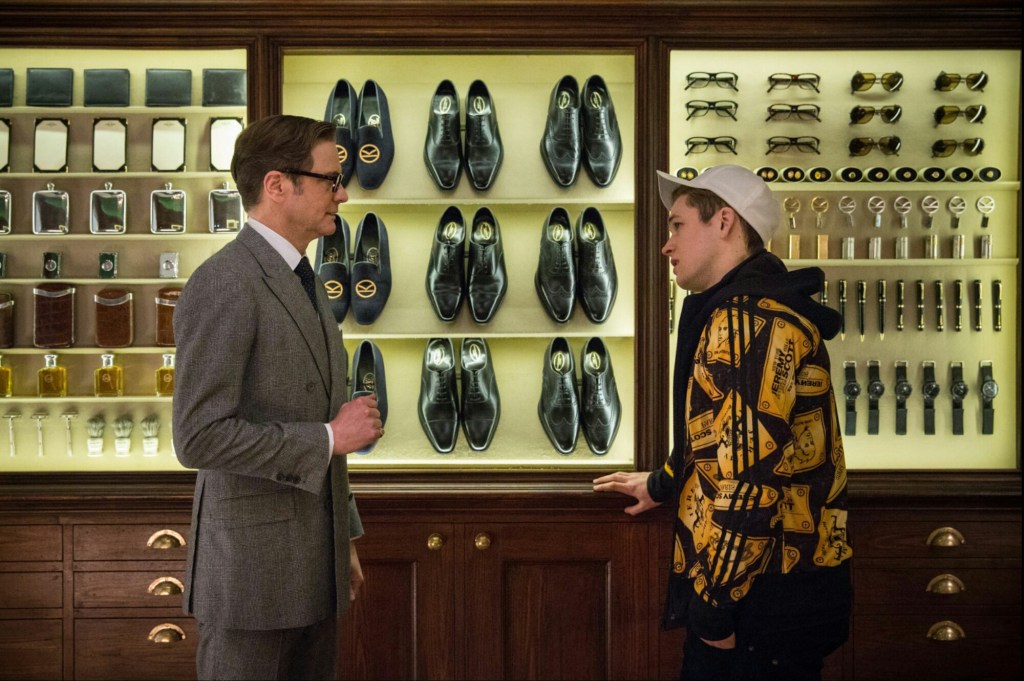
    “Kingsman: The Secret Service,” an action adventure thrill ride from “X-Men: First Class” director Matthew Vaughn, gives viewers Colin Firth as he’s never been seen before — a fighter, not a lover.

    By far the most mainstream work in the long and celebrated filmography of the Academy Award-winner, Firth is charming and dynamic in this modern imagining of independent gentleman spies and everything you could possibly hope for out of an international man of mystery.

    Homage to spy films throughout the decades, “Kingsman” has a lot of the uninhibited panache of a Roger Moore-era James Bond film with the violence turned up to 11.

    Parents of younger viewers need to be aware that “Kingsman” cranks up the gore considerably, especially during the chaotic fight sequence in the church featured in the trailer, which could be considered a ‘G’ or ‘PG’ rate cut in comparison to the hard ‘R’ version shown in theaters.

    Though talented actors — Samuel L. Jackson, Mark Strong, Michael Caine — are littered throughout the supporting cast, Firth is worth the price of admission and the only real reason to see “Kingsman.”

    Don’t try and understand all the nuances of an uneven film, but sit back, relax and enjoy vintage spy comedy in a modern age.

  • Jupiter Ascending: Sci-flop not worth your time

    Jupiter Ascending: Sci-flop not worth your time

    It’s unfortunate that “Jupiter Ascending,” the latest sci-fi adventure from the Wachowski directing team of “Matrix” fame, wasn’t released last summer like originally scheduled.

    The film, which believes itself to be the second coming of the original “Star Wars” trilogy, is more like the Jar Jar Binks of the sci-fi genre, heavily derided, over-animated and just not that good.

    It certainly doesn’t seem like the extra seven months taken following its July 18 expected release date helped the overall aesthetic of the film.

    To be sure, “Jupiter Ascending” is a terrible film lacking in any semblance of character development, cohesive plot or sense of purpose.

    But films like “Jupiter Ascending” are necessary evils that remind us just how fortunate we are for movies like “Edge of Tomorrow” or “Guardians of the Galaxy,” science fiction films with an actual point of view and something interesting to hold on to.

    Or better still, “Jupiter Ascending” should make viewers more appreciative of Christopher Nolan’s space odyssey, “Interstellar,” which hits on a lot of the same plot points — previously home-bound hero rockets off into unknown worlds to save the people of Earth in a big-budget, special effects heavy adventure film.

    Everything that “Jupiter Ascending” doesn’t have going for it — quality acting performances, adept storytelling, cinematically beautiful visual effects — “Interstellar” has in spades.

    Nolan’s movie is a little long and pretty wordy, but there aren’t any flying dinosaur battles ripped from the excess pages of “Transformers: Age of Extinction.”

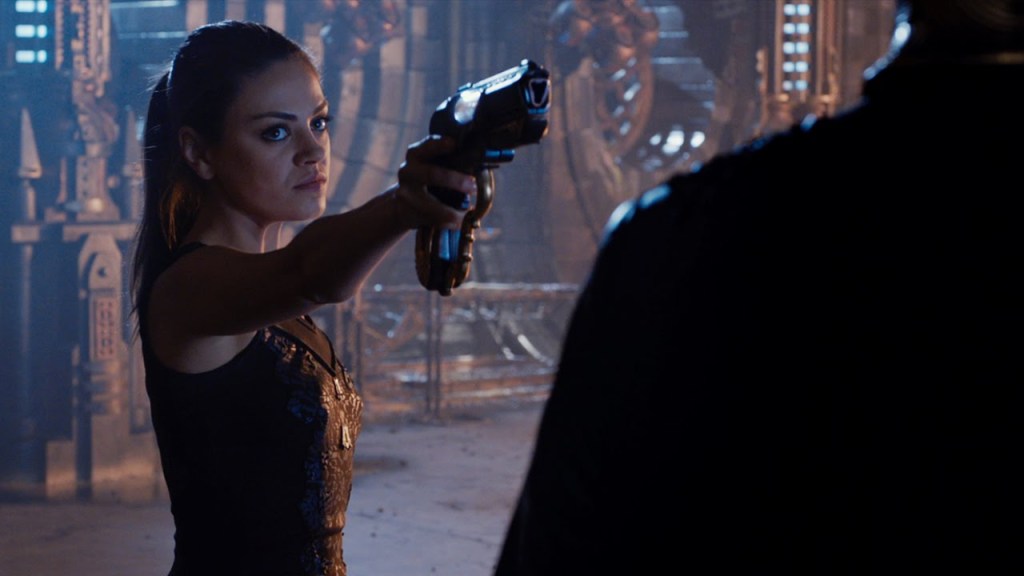
    Bad acting abounds in “Jupiter Ascending,” from Mila Kunis as the damsel in distress to her one-note savior, Channing Tatum.

    The worst offender, however, is Academy Award nominee Eddie Redmayne, who awkwardly whispers his way through the film like he’s hoping viewers don’t remember he’s the same actor who just won a BAFTA (British Academy) award for best actor as Stephen Hawking in “The Theory of Everything.”

    It’s plausible to think that producers believed the name recognition of Tatum and Kunis would be enough to get people in the door early and the $175 million they spent on special effects would keep buzz going.

    Except “Jupiter Ascending” is so bad, you won’t find yourself caring so much about the plight of the characters as much as how long before the film ends so you can go home.

    The biggest problem with this sci-fi dud is that it’s another poor outing for originality in filmmaking, strengthening the case for Hollywood producers to spend more money (and waste viewers’ time) with unnecessary sequels.