Two films espousing feminist ideas broke through in a big way commercially last week, but it’s the movie franchise you’d least suspect that does the best job of celebrating women in cinema.
In fact, it’s just a better movie all the way around.
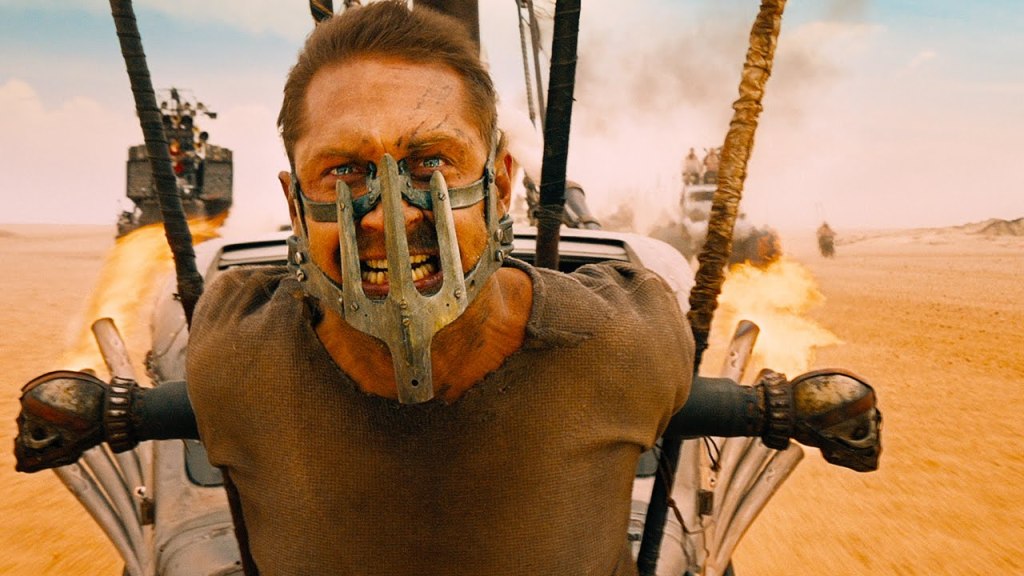
Don’t look now, but George Miller, the director behind the Mel Gibson-led “Road Warrior” trilogy, is back with a new installment of “Mad Max” and its “Fury Road” is simply one of the three best films so far in 2015 and by far the year’s most feminist.
It’s not earth-shattering if viewers haven’t seen the trilogy before heading to theaters for “Fury Road.” In fact, seeing the film with fresh eyes offers a richer perspective on this visually brilliant epic adventure.
Tom Hardy — further cementing his status as both leading man and character actor — holds his own as the titular “Mad Max,” taking over where Gibson left off in the mid-1980s.
It’s Charlize Theron, however, that really drives “Fury Road” with the year’s most powerful feminist performance, kicking ass and taking names as the Imperator Furiosa tasked with secreting five young breeding women away from a cult in a post-apocalyptic desert. The film leans heavily on agenda — some political, some ideological — while also putting female characters in places to shine in what would otherwise be male-driven films.
Nicholas Hoult — previously best known as Beast in the latest “X-Men” installments — is unrecognizable as the War Boy Nux, teetering on the brink of insanity while somehow not falling all the way over. It’s by far the best performance by a supporting actor so far in 2015, even surpassing a classic Alan Alda performance in “The Longest Ride.”
While the acting will help carry audiences through scene to scene, what really sets “Fury Road” apart is the work of Miller and cinematographer John Seale to bring the vivid pictures in Miller’s head to life on the big screen.
Rarely is a film more visually dynamic on a shot to shot basis than “Fury Road,” which keeps viewers on sensory overload for a full two hours. The fact that Miller and stunt coordinator Guy Norris were able to achieve 90 percent of the stunts performed in the film without the aid of computer-generated imagery (CGI) is astounding.
Watch “Fury Road” and then try to wrap your mind around the fact that Miller also directed “Babe” and the Academy Award-winning animated film “Happy Feet.” https://m.youtube.com/watch?v=nr6wdTPGFmI
To be sure, “Fury Road” is a highly demanding, heavy-metal rage inducing, bullet-to-the-head kind of film for mature audiences only. Miller’s post-apocalyptic action horror odyssey insists upon a rational and engaged audience like last year’s sci-fi adventure “Edge of Tomorrow” with Tom Cruise and Emily Blunt.
In a cinematic world of sameness, “Fury Road” is Miller’s giant roadmap paving the way for directors to bring some originality to sequel-making. If Hollywood learns nothing else from “Fury Road,” this will still be a major step in the right direction for cinema.
Audiences who enjoy, or even mildly tolerate, the plot and acting performances in “Fury Road” need to see the film a second time just to fully immerse themselves in the cinematic wasteland Miller creates in the most authentic way possible.
The first time through, audiences can only experience the film through Miller’s broader strokes, scalding reds and soothing blues washed in the raging hormones of guitar-heavy white noise.
It’s on the second viewing where audiences can truly appreciate the method to Miller’s madness.
For a film cooking in Miller’s mind for nearly three decades, the wait is well worth it.
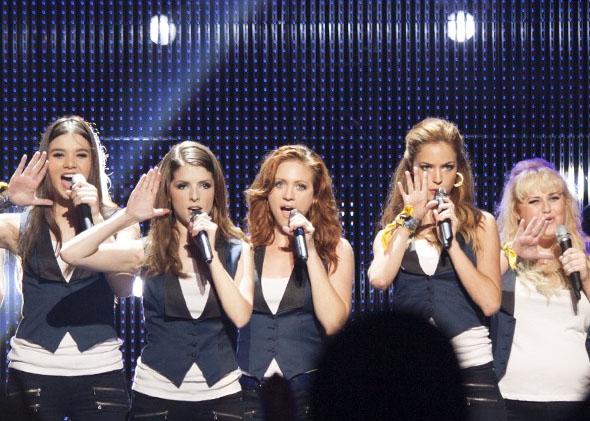
While “Mad Max: Fury Road” does a masterful job of weaving a feminist message into an action film, “Pitch Perfect 2” smashes stereotypes straight out of a Spice Girls song over viewers’ heads like that annoying song you can’t get out of your head stuck on repeat for hours on end.
That song, by the way, in “Pitch Perfect 2” is the Pitbull song “Timber” featuring Kesha.
For a film designed to celebrate individuality and diversity, the second a Capella theatrical go-round is the ultimate vanilla of films, providing audiences with absolutely nothing that they haven’t seen before.
“Pitch Perfect 2” is what happens when you take a mediocre, fourth season episode of the television show “Glee” and perform a ‘mash-up’ with the script to 1994’s “D2: The Mighty Ducks,” which featured a young Joshua Jackson taking a rag-tag group of hockey players into international competition, representing America against an evil European squad clad in black.
Sound familiar?
Everything about this off-pitch sequel is nothing more than a rehash of the first film in the franchise and the answer to the question romantic comedy audiences ask for about five seconds after they leave the theater, but before they realize they don’t care: “I wonder what happens to those characters in like five years.”
The biggest mistake made by screenwriter Kay Cannon is relegating Academy Award-nominee Anna Kendrick to the background in a franchise that only exists because of her leading performance in the 2012 original.
The film lacks the dynamic personality and wry charm that Kendrick feels most at ease in, with Cannon opting to write the franchise’s star off as a secondary plot element to give more screen time for poorly timed jokes about weight and sex issues.
With her career living in the shadow of her own Fat Amy character, Rebel Wilson continues to stumble down the haphazard path of Melissa McCarthy down the track to one-trick pony land.
Because remakes are the kitsch films to make in Hollywood, it feels like a “Thelma and Louise” reboot with McCarthy and Wilson inevitably has to be a year or two away. Some poor screenwriter has to have tossed this around at some point, right?
Perhaps it’s the comedy genre that suffers most in the second go-round. Originality isn’t as essential in B-rated action films, as has been proven on six occasions by the “Fast and Furious” franchise.
Did we not learn our lesson from “Caddyshack II” that comedy sequels are a bad idea?
More than any other type of film, the art of making people laugh is inherently more difficult than, say, making people cry. It’s why good actors do drama and great actors have the timing for comedy.
Films like the Reese Witherspoon and Sofia Vergara-driven “Hot Pursuit” don’t help the matter any, especially when that derivative mess of a feature is one of only a handful of movies led by strong, independent women this year.
Since there’s still another week of waiting for Anna Kendrick to save audiences with “Pitch Perfect 2,” avid moviegoers are forced to hit the independent film circuit for good laughs, but even that’s a mixed bag.
Enter Kristen Wiig.
While many viewers will remember her best for her roles on “Saturday Night Live” and breaking into Hollywood with the sensational “Bridesmaids,” it’s in the smaller, independent films that Wiig does her finest work.
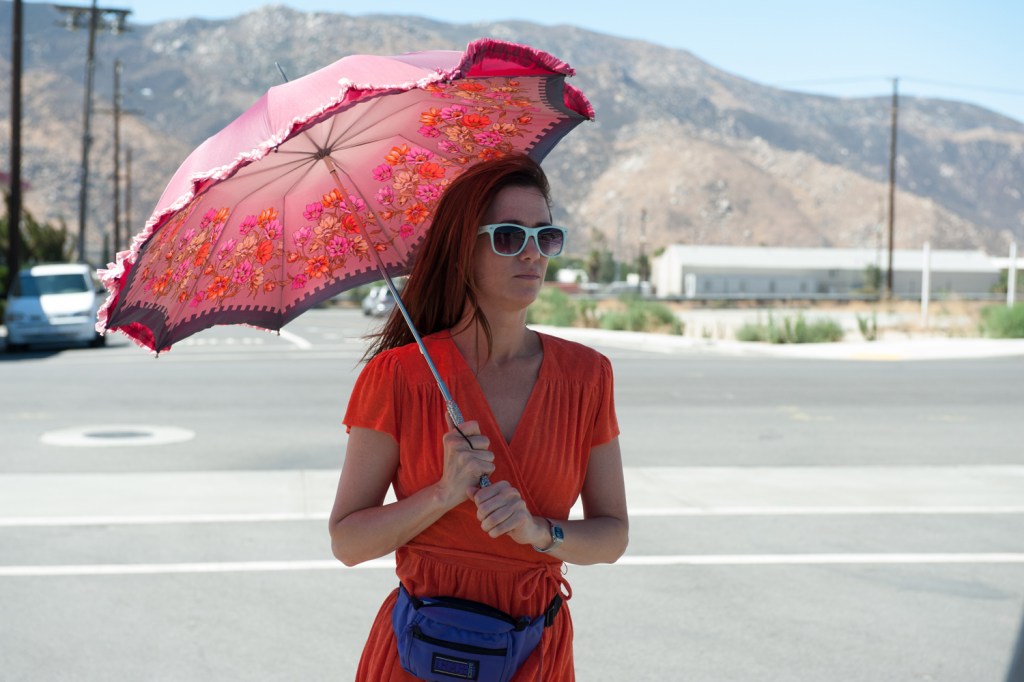
Her latest feature, “Welcome to Me,” is no exception.
The film, available on demand and expanding theatrically across the country, follows Wiig’s Alice Krieg, a woman with borderline personality disorder who purchases her own daytime talk show after winning $86 million in the lottery.
It’s a film that, in the hands of a major studio, could have become another “Hot Pursuit,” oversaturated with unnecessary pop culture references and self-deprecating humor.
There’s little of that “studio humor” in “Welcome to Me,” a refreshingly wonderful film that evokes so many great cult classic comedies.
Wiig shows off her emotional range — proving that talented performers with acting chops can be just as adept in drama as they are in comedy.
Quirky and slightly off-putting at first, there’s just enough charm slipped into Wiig’s Alice that allows viewers to settle comfortably into the film and, ultimately, root for the best things for Alice.
The movie also boasts a strong supporting cast, including veteran actors, including Tim Robbins, James Marsden, Joan Cusack, Alan Tudyk and Jennifer Jason Leigh as well as Linda Cardellini and Wes Bentley.
In its purest sense, “Welcome to Me” is the modern, feminine companion film to the cult classic comedy “UHF” starring Weird Al Yankovic.
Much of the film occurs within the confines of Alice’s show, aptly titled “Welcome to Me,” and it helps viewers come to understand the uniqueness of Alice’s character in a new and original way through a terrific script by Eliot Laurence.
Alice’s borderline personality disorder defines who she is as a character, but Laurence never lets the script devolve into caricature.
It would have been easy to have Wiig push her off the emotional edge and make something more akin to “The Truman Show” or “Nightcrawler,” where Jake Gyllenhaal’s obsessions consume him.
Laurence makes sure audience members are laughing with Alice as she works through life off her medication, not at her.
To be sure, “Welcome to Me” isn’t the feel-good movie of the summer by any means. The film is a hard R with explicit content and rough around its comedic edges. It definitely takes a refined, mature audience in order for “Welcome to Me” to be understood and appreciated in the right contexts.
But, on Wiig’s performance alone, the film is definitely one of the best dramedies to come along in several years and a worthy choice for age-appropriate audiences.
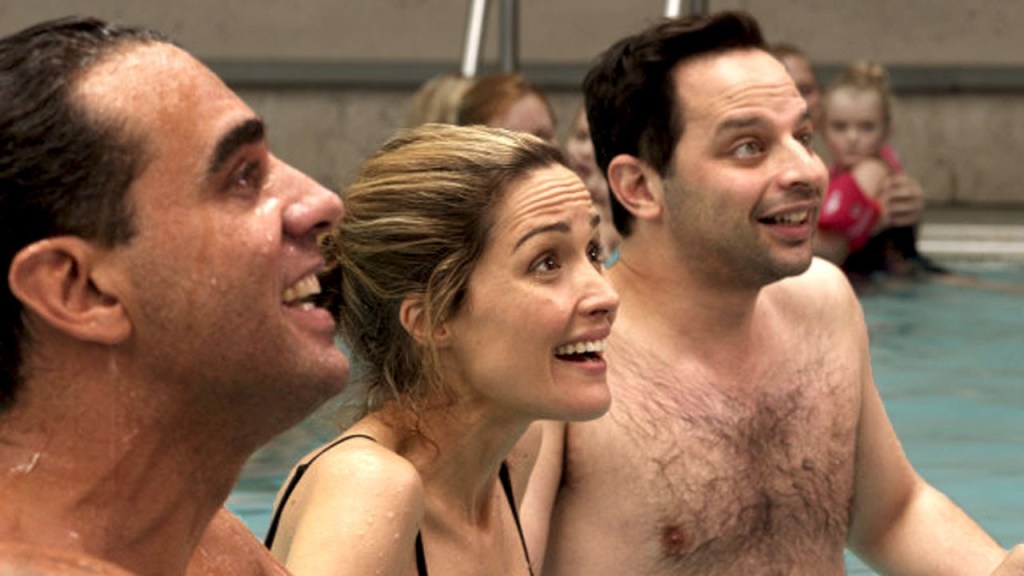
Not faring well on the independent dramedy circuit is the up-and-down “Adult Beginners” from writer and star Nick Kroll of “The League.”
Boasting a strong cast — including Rose Byrne of “Neighbors” and veteran character actor Bobby Cannavale — the film has flashes of greatness, but never rises above its script, which has a distinct “done too many times before” vibe to it.
It’s easy for viewers to track the predictable “Adult Beginners,” which follows Kroll’s Jake as he loses everything and is forced to move in with his pregnant sister (Byrne) and her husband (Cannavale).
While scenes between Kroll and his young nephew, Teddy, are cute and perhaps the most humorous of the film, truly funny jokes are few and far between as originality in comedy continues to be harder and harder to find.
Probably the biggest flaw in “Adult Beginners” comes from the uneven tone of the film, which makes an incredibly bumpy transition from studio comedy to independent drama in the final act.
Ironically, the film’s closest comparison is the Weinstein Company dramedy “St. Vincent,” which remains a superior version of the same sort of film.
“Adult Beginners” isn’t the best independent dramedy making the rounds right now, especially with 2015 Hill Country Film Festival Cinema Dulce winner “Night Owls” looming on the horizon.
But for those seeking something different while browsing video on-demand selections, “Adult Beginners” is still worth a look.
A Chipotle in Beverly Hills wouldn’t seem like the ideal spot for crafting top notch independent comedy, but it sure seemed to work for the writing team of Charles Hood and Seth Goldsmith.
What ultimately came from those late night meals/writing sessions was “Night Owls,” which premiered at South by Southwest in March and won the Cinema Dulce (best of fest) award at last weekend’s Hill Country Film Festival in Fredericksburg.
“It’s a crazy, amazing thing to hear people laughing at something you wrote at Chipotle,” Goldsmith said.
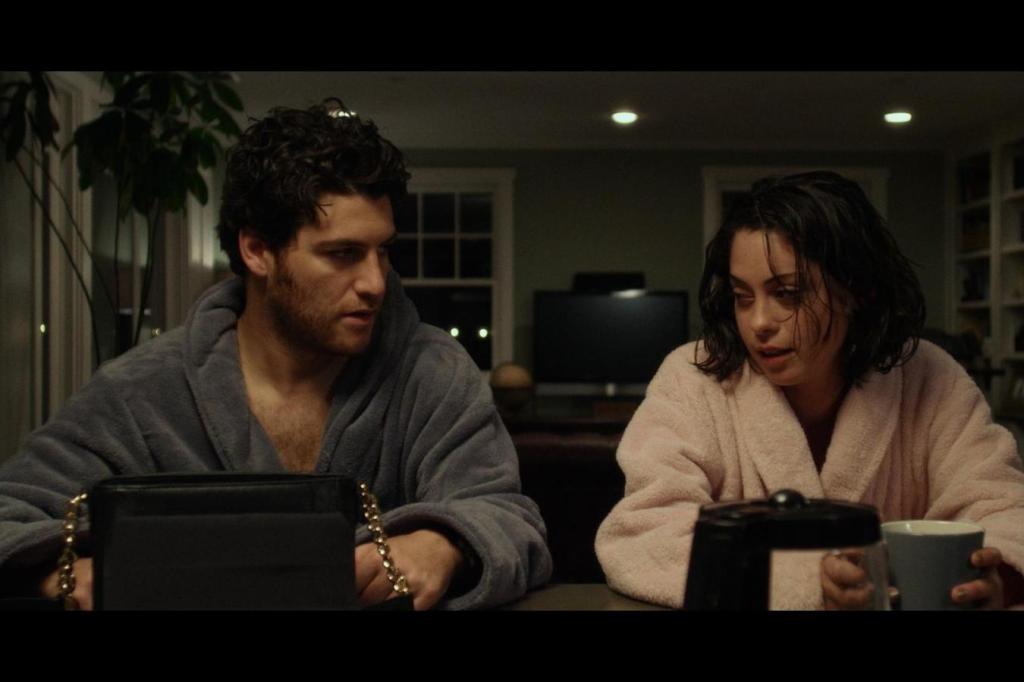
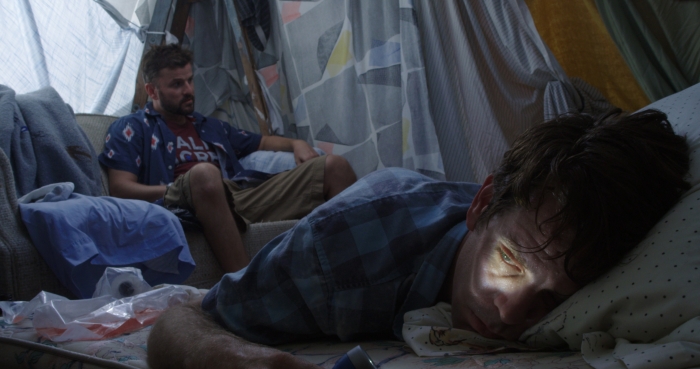
Shot all in one location at a house in Topanga, California, “Night Owls” follows Kevin (Adam Pally) and Madeline (Rosa Salazar) after a one-night stand goes horribly wrong.
While the romantic dramedy is filled with top television actors like Pally (“The Mindy Project”), Emmy-award winner Tony Hale (“Arrested Development,” “Veep”) and Peter Krause (“Parenthood”), the film is still authentically a small indie comedy, something that endeared “Night Owls” to the Hill Country Film Festival staff.
“As an independent film, shot in one location, with a small cast and a minimal production budget, ‘Night Owls’ is the type of movie that exemplifies the indie spirit of our Cinema Dulce award,” Chad Mathews, executive director of the festival, said. “It was an honor to have both Seth Goldsmith and Charles Hood in Fredericksburg for the screening. We wish them much success.”
Crafting the story
“Night Owls” took two years to craft before Hood and Goldsmith finalized the script, a process that helped make both Kevin and Madeline dynamic and authentic characters.
It’s in this slow burn writing process that quality comedies are formed and “Night Owls” is certainly no exception.
“We knew we wanted to make something that was small enough that we could produce on our own,” Hood said. “The basic structure was there from the very first draft, but it was all about getting the characters to where they needed to be, to really get deeper with the characters with each draft.”
The writing process on “Night Owls” feels intimate and personal for Goldsmith and Hood, who grinded away with pitches for the next big studio comedy before opting to find their own voice and not what Hollywood perceived audiences would want.
“For years, we’d been writing spec scripts, trying to sell scripts like ‘Paul Blart: Mall Cop,’ bigger studio comedy stuff that’s more high-concept,” Hood said. “We got to a point where it was just so frustrating (we said) ‘Let’s just write something that we can make on our own and what we really want to make.’”
Making things work
With only five cast members in the entire film, much of “Night Owls” is played as a two-hander between Kevin and Madeline, a move that only works with a pair of quality leads who have instant on-screen chemistry.
The film took off during the casting process, with Goldsmith suggesting Pally, best known at the time for his role on the now-cancelled “Happy Endings.”
“Things went really quickly once Adam got it. It started to become a movie pretty much immediately,” Goldsmith said. “He was a little less nerdy than the type we had in mind (for Kevin), so we were like so how does a guy who’s pretty charming, at least on television, how do we make believe that he’s nerdy and a little bit repressed. What if, when he was a kid, he was a nerdy, fat kid?”
Pally does an admirable job of playing a Tom Hanks-esque everyman in a relatable way.
“There was a smaller scale version of the movie that could have happened. We kind of got the best case scenario,” Hood said. “We were very lucky to get people to like the script enough to get Adam Pally and work from there.”
Ironically, it’s Salazar, the least known star in “Night Owls,” who gives the film’s most complete and dynamic performance. Her Madeline exudes complex and always shifting emotions with relative ease in a wholly believable manner.
“When I met with her after we saw the reels, I thought this girl could really be great,” Hood said. “I sat down with her and was like ‘Wow, she is this character.’ She’s amazing and brings so much to it.”
Salazar joins Ella Purnell of “WildLike” and Hannah Ward of “Sunny in the Dark” in giving the three best individual performances at this year’s Hill Country Film Festival.
While Ward took home the HCFF best actress award, Salazar is equally deserving. There’s just something captivating about her performance that compels viewers to keep their eyes on her at all times.
“We hadn’t heard of her when she was suggested to us,” Goldsmith said. “We watched her reel and were like ‘This girl’s great and I think she’s going to be a star in a week or something.’”
Benefits of one location
Trapping the two leads in a house for the entire 90 minutes, originally written out of necessity, offers more intimacy for Kevin and Madeline to develop their relationship and helps enhance the story in interesting ways.
“We thought ‘How can we keep this as small and as focused as possible,’” Goldsmith said. “Our original vision was going to shoot at a friend’s house and cast people we knew.”
“We like the mystery of not knowing these people and getting to know them, leaking little bits of information to an audience bit by bit,” Hood added.
The set, which doubled as housing for cast and crew, proved troublesome for the film’s production designer, Ayse Arf, who had to clean the house every day before filming could commence.
Most studio comedies now in theaters are incredibly broad, both in humor and in visual style, which makes “Night Owls” refreshing by contrast.
“Our cinematographer, Adrian Correia, is amazing and I wouldn’t want to work without him,” Hood said. “It’s all (shot) in one house and that can be very limiting, but we wanted to open it up and really move the camera around to do interesting stuff.”
The writing duo said the final draft of the script is nothing more than a shooting treatment with Correia, blocking out every frame of every shot.
As a result, there’s a clear sense of directorial style in “Night Owls” that’s not represented in studio comedies, especially in the visual continuity when the film moves from indoors to the backyard and then back inside.
“Through the whole movie, it was about for us playing with the contrast and being okay with having contrast,” Hood said. “A lot of comedies in particular light everything and we don’t like that look as much. I think comedy can work without that look.”
Hood and Goldsmith bonded over the work of Woody Allen as both a writer and filmmaker.
“Both writing and filmmaking. He’s underrated as a director,” Hood said. “People don’t talk about him as much directing wise, but a lot of the shots, when we were staging different scenes, was very Woody Allen-esque.”
The ‘Die Hard’ of comedy
While the film takes its premise from the 1960 Jack Lemmon feature, “The Apartment,” Hood found much of his directorial inspiration for “Night Owls” from an unexpected source, the 1988 action classic “Die Hard.”
“I think it’s interesting that Charles and Adrian ended up shooting it almost like an action movie in the ways it moves,” Goldsmith said. “One of Charles’ big heroes is John McTiernan, who directed ‘Die Hard’ and you can see that influence as much as you can see Woody Allen or Alexander Payne — not in the writing, but in the way they shot the movie.”
The geography of the film — a hallmark of McTiernan’s directorial philosophy — was so important to Hood that he refused to let editor Grant Surmi come to the set. Keeping him away helped ensure that casual viewers would be able to understand the home’s layout.
“When you watch ‘Die Hard,’ he explores every inch of that space and it seems limiting but in the end it isn’t,” Hood said. “‘Die Hard’ is the same way as ‘Night Owls.’ We’re in this one house and it’s about exploring every inch of that house and making it so the audience knows, when you turn that corner, you’re going to go up that staircase.”
Goldsmith joked that “Night Owls” was shot like an action movie as Hood’s audition piece for a blockbuster Hollywood film.
“Charles only directed this movie so he could get a job directing a Marvel movie,” he said. “Everybody gets a Marvel movie.”
Hood’s second directorial feature after 2007’s “Freezer Burn” should rightly boost the writer-director into larger prominence, but if “Night Owls” is the “Die Hard” of comedy, then Salazar is its Bruce Willis, hopefully parlaying a tremendous individual performance into stardom.
Goldsmith and Hood constantly refer to the film’s final product as a “best case scenario,” which benefits audiences more than anyone in this terrific indie comedy.
Check out more about “Night Owls” online at nightowlsmovie.com.
(Note: Film critic Matt Ward is a programmer for the Hill Country Film Festival.)
What exactly do we as viewers want out of superhero movies anymore?
Last weekend’s release of the cinematic blockbuster “Avengers: Age of Ultron” has moviegoers questioning themselves and everything they know about the emerging titan genre of cinema.
It’s almost as if it’s not enough for a quality superhero movie to be engaging and thrilling and witty with quality direction, a good script and compelling performances.
Nothing seems like it’s going to come close any time soon to the apex of the genre, Christopher Nolan’s cinematic experience, “The Dark Knight,” but when it comes to true fantasy superhero films, things don’t get much better than BOTH “Avengers” films.
Director Joss Whedon’s first foray into the Marvel Studios world was a culmination of years executing a carefully crafted vision that took comic book films to a whole other level. Anticipation grew with every post credits teaser and film announcement. “The Avengers” rode in on so much positive momentum that it feels as viewers have cheated themselves out of a great movie, expecting a life changing experience.
The Marvel Cinematic Universe — a franchise beginning with 2008’s “Iron Man” and spanning 11 released films through “Age of Ultron” — is a highly integrated world that continues to expand in scale with each installment. In fact, 11 more films are already on the books through 2019, with “Ant-Man” expected to debut July 17.
It’s certainly not impossible to catch on to the events of “Age of Ultron” without catching up on all the carefully constructed backstories expounded on in the franchise, but understanding what’s going on scene to scene will be extremely difficult.
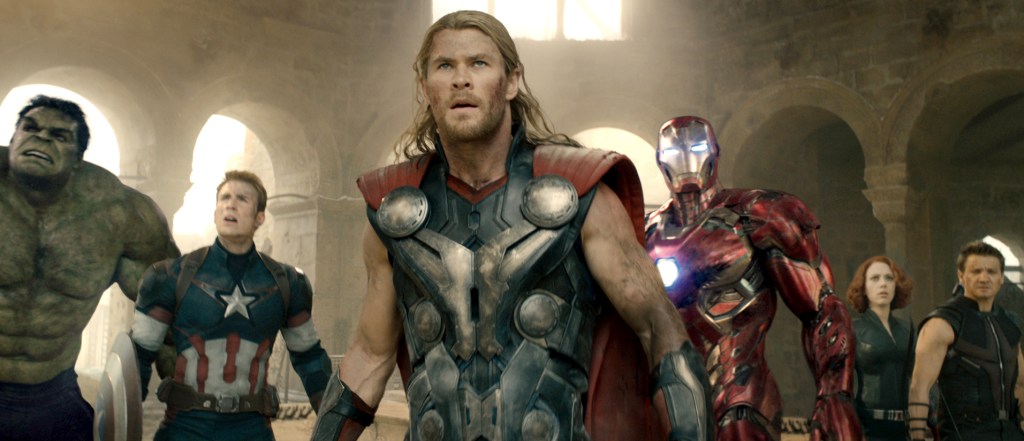
“The Avengers” is nothing more than the “Ocean’s 11” of superhero films as Iron Man, Captain America, Thor and the gang are all back in the fold for world saving part two with a handful of secondary characters like War Machine and Falcon tossed in for good measure.
The real star of the second Avengers go-round is Jeremy Renner, whose Hawkeye character went from mindless servant in the first film to the emotional core of “Age of Ultron.” Renner, perhaps the most talented actor among the leading men, handles his role with a quiet, yet firm control. Viewers are best able to understand the stakes of each mission through his eyes, especially as his Hawkeye is one of the most human characters in the Marvel franchise.
Robert Downey Jr. and Chris Evans continue to build tension between their respective Iron Man and Captain America characters, further laying the groundwork for an expected battle between the two in next year’s “Captain America: Civil War.” Downey, who usually overwhelms any scene he’s in as Iron Man, is more relaxed and has taken a relative backseat in “Age of Ultron,” despite being the impetus for much of the film’s plot.
Chris Hemsworth does yeoman’s work as the background character tasked with making the mundane expository information seem interesting, though there’s so much going on in “Age of Ultron,” it’s hard to see how Whedon could have expanded his role without significantly increasing the 150 minute running time.
As the power-crazed robot Ultron, James Spader provides the most compelling villain in the Marvel universe. His Ultron is calculated, yet multidimensional and there’s no other actor that could have pulled off the dry wit and candor that Spader provides to add depth to a relatively simple character. It would have been very easy for Spader to simply phone in his performance, recording everything via voiceover and calling it a day. Spader’s on-set work, especially in the motion capture work, is readily apparent on screen and helps to round out Ultron.
The “Age of Ultron” script benefits greatly from Whedon’s comedic barbs, which worked so well in “The Avengers.” In fact, the first half of the film is quite possibly the funniest movie to have been released in the last six months.
Violence typical of superhero movies is prevalent in “Age of Ultron,” though only slightly darker than the first “Avengers” installment. Parents need to be aware that a romantic subplot between Mark Ruffalo’s Hulk and Scarlett Johannsson’s Black Widow involves discussion of forced female sterilization.
Ultimately, the question of whether or not individual viewers will enjoy “Age of Ultron” comes down to what they want out of superhero movies nowadays.
Those not content with simply enjoying popcorn films and that crave a deeper level of thinking will probably leave theaters disappointed. Make no mistake, however, this latest Marvel installment is leaps and bounds better than the three most recent films featuring Avengers in solo missions — “Iron Man 3,” “Thor: The Dark World” and “Captain America: The Winter Soldier.”
It’s interesting that the most unknown superheroes put on screen, last year’s surprise smash hit “Guardians of the Galaxy,” arrived in theaters immediately before “Age of Ultron.” It seems that this film in particular — with its originality, humor and likeable cast of misfit characters — has changed the way that viewers approach “Age of Ultron.” Flip the release dates of these two films and there’s little doubt that audiences would respond better to both films, especially “Ultron.”
For those viewers who can’t get enough of the Marvel Cinematic Universe — the ones who have forgiven the significant flaws in “Iron Man 3” and don’t mind multiple Hulk recastings (Eric Bana in “Hulk” to Edward Norton in “The Incredible Hulk” to Ruffalo in the Avengers films) — this installment in the franchise is everything they could have possibly wanted out of the film and more.
Fans will geek out over that incredible fight between Iron Man and the Hulk that’s been taunting them in trailers and, save for Clark Gregg’s Coulson character who migrated over to ABC’s “Agents of SHIELD,” everything they love about “The Avengers” is back, bigger and louder than before.
To be sure, “Age of Ultron” probably needs multiple viewings before judgment is passed because there’s so much going on in every scene. But for a franchise that has given audiences top-notch entertainment for nearly a decade and surprised at every term, doesn’t the Marvel Cinematic Universe deserve the benefit of the doubt?
Whedon’s “Age of Ultron,” probably his last Marvel film in the foreseeable future, has exactly the right amount of action, emotion, humor and heart that should keep audiences on the edge of their seats clamoring for more. At the end of the day, isn’t that what viewers ultimately want out of their superhero films?
Nobody’s calling the University of Texas the big brother of Texas A&M University anymore.
Not that anyone in Aggieland ever did.
With the move from the Big 12 Conference to the Southeastern Conference two years ago, the Aggies have officially separated themselves from the perceived shadow of the Longhorns and are well on their way to long term success in the SEC.
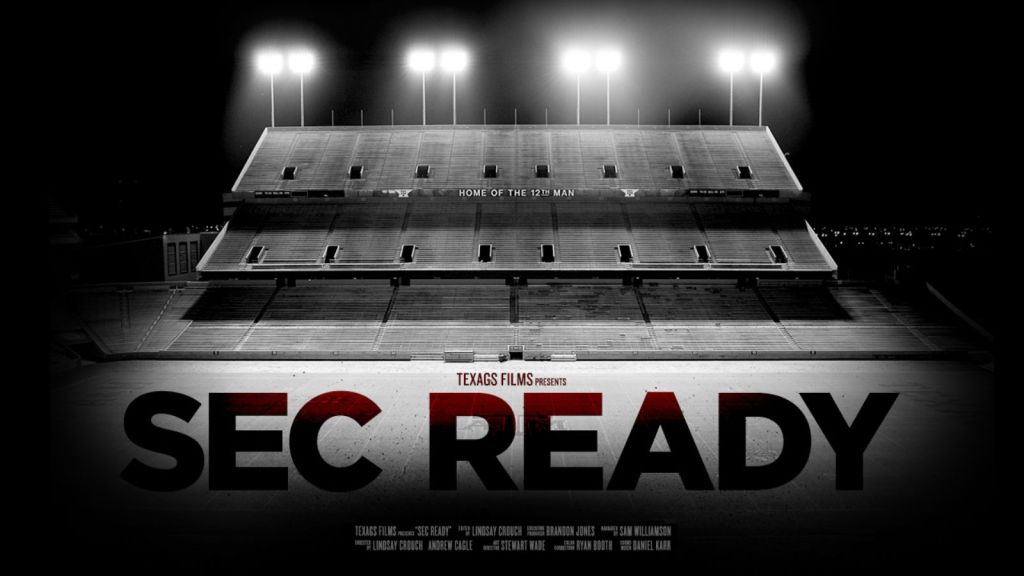
It’s why Aggie faithful have always believed themselves to be “SEC Ready,” which is also the title of a feature documentary produced by TexAgs Films that will screen tomorrow at the Hill Country Film Festival.
The movie, released by the A&M-centric media outlet and fan forum in October, is expected to face its first non-Aggie audience at 4:45 p.m. tomorrow afternoon in Theater 1 at Fritztown Cinema.
“I think both (director) Lindsey (Crouch) and I are looking forward to the screening because it will be the first time that we’ve shown it to a group that’s not an Aggie audience,” executive producer Brandon Jones said. “It will be interesting to put the film out there for people that are film savvy in the best and worst ways.”
The film begins with the Big 12 Conference in turmoil in 2010, tracks the fight to keep the conference intact despite overtures from the Pac-10 Conference and chronicles the events that ultimately led Texas A&M to the decision to move to the SEC.
Sports and politics
Though Heisman Trophy winner (and Kerrville Tivy graduate) Johnny Manziel was a key reason the Aggies have proven themselves to be SEC worthy, the polarizing local figure doesn’t play a major role in the film, which is much more political than a typical sports documentary.
Given that most of the events in the film were secret, clandestine meetings between conference and university officials, it’s remarkable how the filmmakers were able to make private events without major media coverage fresh and exciting.
At certain points within the drama of the process, there’s a terrific subcurrent of comedy that lightly jabs several key players in the discussion, most notably Baylor University officials and Big 12 Commissioner Dan Beebe.
“You think politics is always serious, but there’s these (humorous) stories that they always have and it’s nice to be able to tell those stories,” Crouch said.
Film nuances
For first time feature filmmakers, the crew from “SEC Ready” do a masterful job of making a high quality sports documentary on par with the ESPN “30 For 30” series.
Visually, the documentary is stunning in its use of offsetting stock and interview footage with beautiful and engaging clips of Kyle Field prior to its reconstruction.
“There’s a number of little mechanisms that she (Crouch) did that I thought really polished out the film,” Jones said. “She did a great job of doing a transition right when someone was making a point — really creative when she would cut to another scene to enhance the point that was being made.”
Maroon-colored glasses
Without a doubt, “SEC Ready” approaches every issue discussed in the film from a decidedly pro-A&M perspective. How the film is received by an audience with mixed college affliations is still uncertain.
Those with maroon-colored glasses will appreciate how dedicated “SEC Ready” is to telling the Aggie story, while fans of rival schools may scoff at some of the film’s conclusions.
“I’ve thought about this a lot. Any good documentary that I’ve seen always has to camp out in a vantage point and tell it from that perspective,” Jones said. “If you try to tell (the story) from every perspective, you lose some of that perspective.”
It’s unfortunate that key players from the other side of the issue — UT athletic director DeLoss Dodds, UT president Bill Powers and Big 12 Commissioner Dan Beebe — all declined interviews for the film.
A more neutral take on the situation is provided, however, by veteran journalists Kirk Bohls of the Austin American-Statesman and Andy Staples of “Sports Illustrated.”
Journalists, who by and large should be providing both sides to every story, are a good means to counter the arguments posed by Aggie faithful in the film, but it can’t completely offset what getting even just one opposing voice could have meant for the film.
“I’ve really proud of what we did because certainly it’s A&M’s story by virtue of who participated in the film, but we didn’t go out of our way to take a bunch of shots at people,” Jones said. “I felt like that, given the content that we had, Lindsey played it really well in how she told that story in putting it together.”
In fact, it’s Crouch’s neutrality in the filmmaking process (as a University of Miami graduate) that keeps the documentary from spilling over into full-fledged Aggie propaganda.
Crouch said her non-A&M education “gave me a more objective view of doing it. Having some of the funnier parts (the fake Dan Beebe Twitter account referenced in the film), I remember that and I wasn’t here during that time. Little things that I knew about but that I wasn’t necessarily super informed about, I wanted to add in just because I just remember them.”
More information on the film is available online at texags.com/secready.
(Note: Film critic Matt Ward is a programmer for the Hill Country Film Festival.)
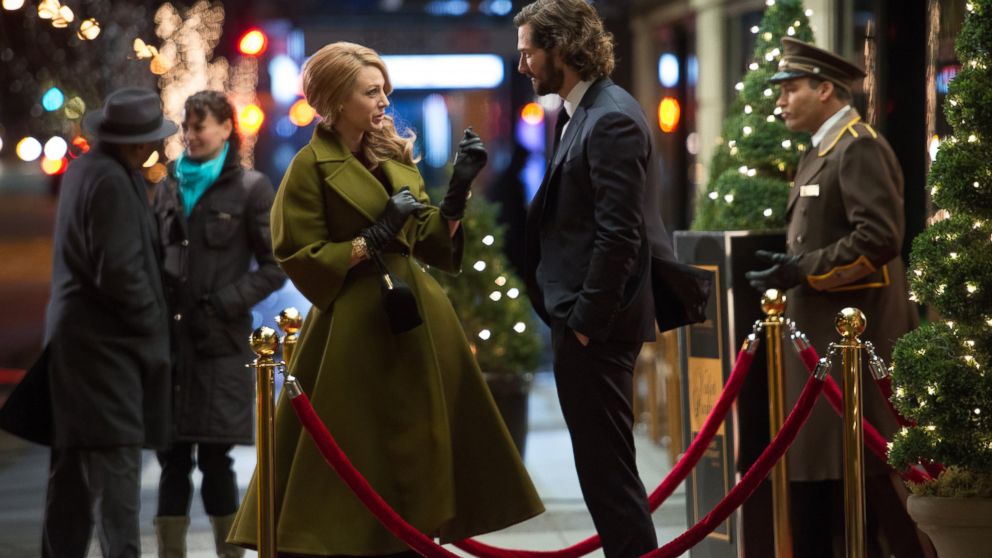
Don’t look now, but Blake Lively is a movie STAR deserving of capital letters and could very well become a future Best Actress award winner.
“The Age of Adaline,” an otherwise pedestrian film, is nothing short of a coming out party for the young actress. Sure, Lively doesn’t have the film credits and accolades on the mantle like Jennifer Lawrence, but few young actresses can captivate an audience like Lively does in “Adaline.”
From the moment Lively appears on screen, every little thing she does is mesmerizing — a true vintage Hollywood performance evoking Audrey Hepburn. This shouldn’t come as much of a surprise to avid Lively fans, who had to be blown away by her transformative performance as a drugged out harlot in the spectacular heist film “The Town.”
The sky is the limit for Lively, which is much more than can be said for the rest of a messy and underwhelming “Age of Adaline.” Co-star Michiel Huisman is way out of his class trying to draw viewers away from Lively even for a brief moment. His angsty, generic boyfriend character is a borderline stalker with a supposed heart of gold, but audiences are left wondering why he is deserving of such a beautiful, yet flawed character.
The plot, which hammers home the same tired romance tropes in science fiction fashion like “About Time” and “The Time Traveler’s Wife,” is nothing much to write home about, although Lively elevates each scene she’s in far beyond the quality of the written page.
Secondary roles — which feel like cameos by comparison — given to Ellen Burstyn and Harrison Ford are well acted, yet conceptually flawed and lacking development. Only Lively’s Adaline is both given the time to fully develop as a character on screen and have an actor worthy of the role on screen.
Viewers should consider themselves lucky the Adaline part went to Lively and not its original star, Katherine Heigl. Sometimes one performance can completely make or break a film’s critical and box office success, and Lionsgate hit a home run with Lively, who likely was the only actress besides Anne Hathaway that could have successfully pulled off the role. Lively’s performance alone pushed “Adaline” out of the cinematic gutter and into a date night movie legitimately worth seeing in theaters.
Lively will blow you away with her classic elegance, grace and charm and sometimes, especially this time, that’s enough.
Good comedy is hard to find. Movies that consistently make us laugh without being formulaic and/or cliché are fewer and farther apart.
Originality in the genre — whether it’s Oscar winners like “Birdman” and “Grand Budapest Hotel” or small independent efforts — should be equally celebrated.
It’s thrust into this environment that Chicago-based filmmakers Christian Gridelli and Hunter Norris find themselves with their debut feature, “The Origins of Wit and Humor,” a multi-layered comedy playing at next weekend’s Hill Country Film Festival.
Love of the craft
At the film’s outset, the passion that Gridelli and Norris have for their craft shines through in the writing with a carefully-honed script pitting comedy writer Les (played by Joe Hursley) against himself as he battles with a need for validation while combatting loneliness following a breakup.
“We’re both huge comedy nerds whether it’s comedy podcasts or films or reading stuff that is related to comedy or interviews with comedians,” Gridelli said. “We soak that stuff up, so it’s kind of been in our DNA for a long time, so that the way we view things at this point is through a comedic lens.”
The film, which also stars “Super Troopers” alum Steve Lemme as Les’s best friend, Pops, is as much commentary on the comedy genre as it is a comedy in and of itself.
Aside from the inciting incident of the film — the typical breakup scene — Gridelli and Norris turn from conventional comedy tropes, giving a solid effort with homages to the silent film era and many ’80s screwball comedies.
“A big thing for us was — this is going to be our first feature — do you write it as you think maybe you can do a little easier or do you write a movie that you think you’d want to see,” Gridelli said. “Some of the more ambitious things we wanted to do with it were stuff we wanted to see. I can’t guarantee that we’ll have money, but I have faith that with our DIY aesthetic and background, that we could make it happen. Not just write ‘some good effort we can make it for the money we have’ movie, (instead) let’s make something that we would want to watch and be proud to have other people watch.”
Value of the everyman
“Origins” evokes numerous indie comedies of the past — from the obvious connections to “Super Troopers” with the casting of Lemme to the “UHF”-esque fantasy elements and fragmenting of the script. There’s also a subtle Woody Allen influence hiding in the film’s subtext as Les is one of the most authentic characters in a comedy in several years.
Les “is a character that is super close to us,” Gridelli said. “In our minds the whole time it was that this is not about girl problems, it’s about problems with yourself.
“Throughout this movie we just tried to make it really honest, you know? We tried to make at least the main character feel pretty honest, and I feel lucky
having gone through this and being able to show it to people, they pointed out things that are definitely intentionally in there that I don’t know I necessarily tried to actively draw parallels with, I just tried to make them honest.”
As viewers follow Les through his journey of self-redemption, the character remains relatable despite the outlandish things that happen to him following his decision to purchase a mail-order tonic that promises to make him irresistibly funny to women.
“There was a Buster Keaton quote that a funny person does funny things and a comedian does things funny,” Norris said. “It’s weird too because this was a film where we tried to mine a lot of our own personal flaws as well to make a character that seems more believable. Then we’re like, ‘Okay this feels real,’ then we would have someone read the script and they were like ‘Oh, I like what an asshole he is.’”
Developing the origins
Like most Allen films, “Origins” is timeless in its construction, creating a world viewers are unable to contextualize in a specific period in time (i.e. no Zooey Deschanel jokes). It’s in the writing, which is incredibly nuanced, that the film is strongest, though it might take viewers several screenings to get all of the little bits that float throughout the film.
“When we were younger, our process was always to come up with some stupid little joke that made us laugh so much that we just had to get it out there, so we would write a 10-page script around that. That was how our process worked when we were making shorts,” Norris said. “The lens through which we view the world is always a funny one. No matter what happens, we’re the types of people who are going to try and make a joke.”
Perhaps the most ingenious part of the “Origins” script is to use the titular book that Pops gives Les — which includes the tonic order form — as a structure by which to frame the rest of the film. “Origins” moves chapter to chapter from Prologue to The Dead Frog in a way that combines seemingly unrelated topics — physical comedy versus humor at a wake.
“That chapter structure actually came after the rough cut,” Norris said. “We were like, ‘Okay I think we need some room to breathe in here and what is a good way to do that that also thematically ties to the movie and that ties with our for lack of a better term, hero’s journey.’”
“It also gave us a chance to flex a little bit on the title cards,” he added. “Those were really fun for us to do and I think that’s one of those things where our producers were like, that’s where I saw that DimeStore Films aesthetic besides the writing, obviously.”
Becoming a reality
The writing duo have spent most of their careers in short film work, starting the transition to features five years ago with the completion of a script that would eventually become “The Origins of Wit and Humor.”
“When we approach the idea of a dream that becomes a reality and then becomes a nightmare, we’re going to look at it from how is this funny or how does this apply to funny things? So that’s what started off as a guy trying to make people not laugh at him, which to us seems like the craziest thing in the world,” Norris said. “Timing wise, it felt like we’re at the ripe old age of 24 and 25 and it was time for us to try and make a feature. Obviously that took a long time.”
After getting production company Shatterglass Films to sign on for the project and a successful Kickstarter campaign, principle photography took place over a 17-day period in September 2013, a process Norris admitted “isn’t like making five short films all in a row.”
Working with a larger team was also a new experience for the self-proclaimed DIYers of filmmaking.
“Our background is to do all this stuff as sort of a two-man army,” Gridelli said. “In a way, (feature filmmaking) is a lot more liberating just because now we know all these talented people and we can break stuff up into departments, things like that allow you to feel a freedom to focus on directing and working.”
“It’s a little hard to cede control to someone else is sort of until you can actually see oh they’re amazingly talented,” Norris agreed. “Then you can sleep at night instead of staying up until 4 a.m. looking up 800 bottles on Craigslist.”
Attention to detail was a key part of the process for the “Origins” team as they attempted to translate a very conversational script into a dynamic feature film.
“There are a lot of comedies out there right now that are sort of wordy like our script. It is a lot of shot, reverse shot and it’s not very interesting to look at,” Gridelli said. “But if you go back and look at some Woody Allen comedies, there’s always really nice composition going on in there and why can’t we do that with a wordy script?”
More information on the film is available online at OWHFilm.com.
(Note: Film critic Matt Ward is a programmer for the Hill Country Film Festival.)
It’s still the time of year where movies just seem to run together in a way that makes them devoid of anything special or unique.
Though Hollywood isn’t quite out of this annual funk, the cinematic landscape is starting to escape from the winter wasteland where films go to die and emerging in a spring season that gives moviegoers hope for a quality 2015.
“Woman in Gold,” despite its flaws, is one of those films that viewers can hang their hopes on, thanks in large part to the acting prowess of Dame Helen Mirren.
It shouldn’t come as a surprise to regular moviegoers that her dynamic on-screen talent can mesmerize viewers to believe the unbelievable and ignore flaws within the filmmaking.
Morgan Freeman — and to a lesser extent Meryl Streep — have this same ability.
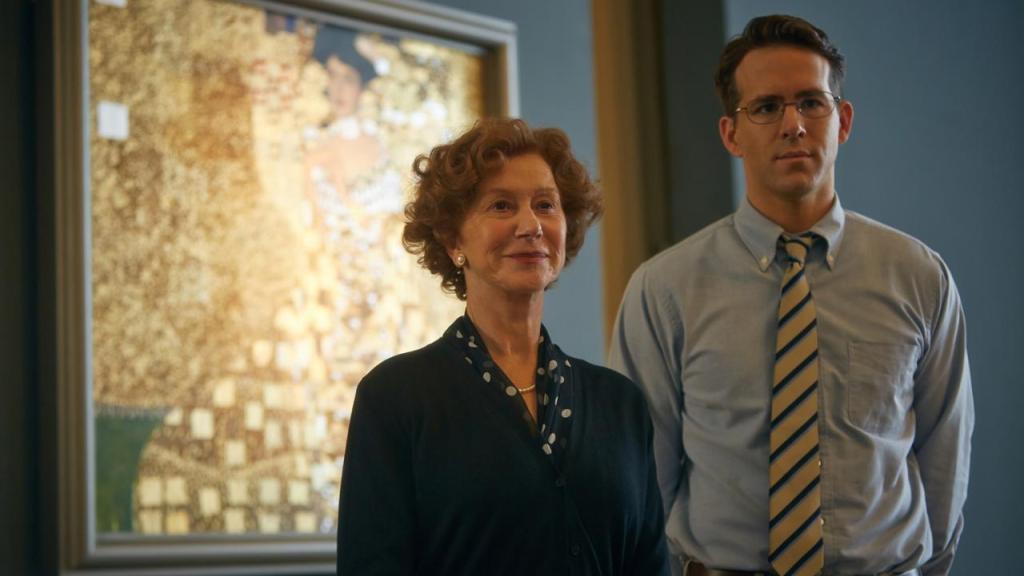
Based on a true story, “Woman in Gold” finds Mirren portraying elderly Austrian immigrant Maria Altmann seeking to be reunited with a famed portrait of her aunt stolen from her family by the Nazis and held in legal red tape by Austria.
The film is well-intentioned, but doesn’t really quite have a true direction, which should fall at the feet of either director Simon Curtis, screenwriter Alexi Kaye Campbell or both.
Within “Woman in Gold” are three distinctive movies that feel like puzzle pieces that fit together without mashing, but yet are just off enough to not be in the right spot.
There’s the period drama that focuses on a young girl’s escape from a Nazi-controlled Austria, there’s the courtroom battle drama which finds a mediocre attorney given the case of his lifetime and then there’s the somber reflection drama where an old woman seeks to reclaim a part of her family legacy.
Put bluntly, “Woman in Gold” is “Schindler’s List,” “A Few Good Men” and “Philomena” all wrapped into one slightly misshapen package.
But the film works thanks to its leading lady.
If Helen Mirren says you should take co-star Ryan Reynolds seriously as a fledgling young attorney, then you by golly better take him seriously.
Indeed, Reynolds gives an admirable effort as Mirren’s lawyer Schoenberg, though it’s still hard to overcome the sly grin subtly belying the actor’s performance.
It’s as if Reynolds is constantly faced with an overwhelming wave of smarmy typecasting that he bravely swims upstream against in “Woman in Gold,” but the Canadian actor has yet to overcome the stigma of his filmography the way Bradley Cooper did with films like “Silver Linings Playbook” and “American Sniper.”
Reynolds, in a dramatic role, only works when Mirren is able to elevate the scene as a whole.
The film’s secondary stars are a mixed bag as Katie Holmes is given almost nothing to do in a wasted role, while Golden Globe nominee Daniel Brühl does yeoman’s work in a critical expository role as an Austrian contact for Mirren and Reynolds.
The real emerging star of “Woman in Gold” is Tatiana Maslany of “Orphan Black” fame, whose performance as a young Maria, living as a Jewish woman in Austria during World War II, gives the film — and Mirren’s performance — the weight needed to resonate with viewers.
While the transitions in and out of flashback sequences featuring Maslany are clunky to say the best, each time viewers are established in the WWII-era, the film speeds along.
“Woman in Gold” establishes itself as the second landmark film in the latter stages of Mirren’s career, joining her work as Queen Elizabeth II in 2006’s “The Queen” as one of the best performances in her illustrious, four-decade career.
Her decadent work is worth the price of admission alone in an otherwise flawed, but successful period drama.