Year: 2015

  • The Gift: Writer/director/actor Edgerton astounds in thriller

    The Gift: Writer/director/actor Edgerton astounds in thriller

    Meryl Streep isn’t in “The Gift.”

    Twenty years ago, the smart independent thriller from writer/producer/star Joel Edgerton would have been something right up Streep’s alley, but just because the performers don’t have top level name recognition doesn’t mean that the relative upstart film isn’t without its merits.

    In fact, Australian triple-threat Edgerton provides one of 2015’s most inventive and original films on par with the well-rounded science fiction think-piece “Ex Machina,” starring Domnhall Gleason and Oscar Isaac.

    It seems like each and every year, audiences are treated to a smaller film that slips through the studio cracks and barely hits on the cinematic radar only to blow viewers away. Following that logic, if “Ex Machina” is this year’s version of the South Korean sci-fi action hit “Snowpiercer” with Chris Evans, then “The Gift” is the equivalent of “Nightcrawler,” a thought provoking psychological thriller that probably should have netted Jake Gyllenhaal a Best Actor nomination at the most recent Academy Awards.

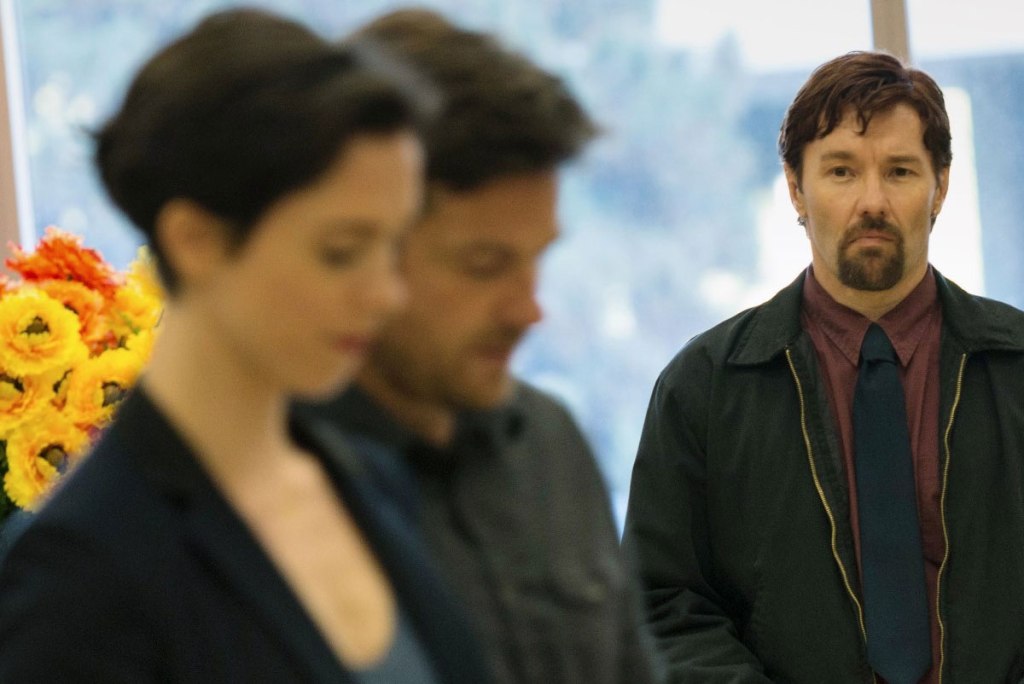
    Since “The Gift” was made by a first time writer-director from a brand-new studio, STX Entertainment, it shouldn’t come as any surprise that audiences haven’t been busting down doors to see Jason Bateman and the criminally underrated Rebecca Hall as a young married couple who moves to Bateman’s old hometown in California only to find themselves stalked by a former classmate of Bateman’s played by Edgerton.

    Unfortunately, none of the three performances in “The Gift” dominate the screen like Gyllenhaal’s mesmerizing turn in “Nightcrawler,” but taken as a whole, the trio makes every single frame of the 108-minute thriller shine, leaving audiences on the edge of their seats and checking every lock in their homes at the end of the night.

    As the most famous of the three leads, Bateman’s turn as the husband on edge may seem out of character given his usual performances in second-rate comedies like “The Switch,” “Identity Thief” or  “The Change-Up.” However, it’s in the independent work where Bateman can turn off the overdone charm and flex his acting muscles by effortlessly easing into character roles where the former child star works best. In fact, “The Gift” may well be Bateman’s best acting performance of all time and definitely ranks among the best scripts he’s had to work with, which says a lot either about the people writing film roles for him or his personal acting choices.

    While Bateman is in top form, he still ends up playing a relative third fiddle to the real stars of “The Gift,” Rebecca Hall as a lonely housewife cooped up in a glass house and Edgerton, whose borderline stalker teeters along the edge of insanity without somehow falling off the ledge. It’s interesting to juxtapose the two performances side-by-side as every nuance of emotion just drips out of Hall’s eyes from scene to scene, whereas Edgerton’s stoic subversion requires him to blankly play scenes with little to no effect in a spot-on attempt to leave audiences wondering just what’s going on in his head.

    Watching Hall in scenes alone in the glass house — shot beautifully by Edgerton, who captures every frame as if it were to hang on an art gallery wall — reminds viewers of what it must have been like seeing Audrey Hepburn ward off burglars while blind and alone in the 1967 classic “Wait Until Dark.”

    It’s totally okay for viewers to feel like they’ve never seen Edgerton on screen before as he has been melting into roles for several years now. The best part of Ridley Scott’s Biblical epic “Exodus: Gods and Kings,” Edgerton has played small, but critical roles in films like “Zero Dark Thirty” and “The Great Gatsby” and held his own against both Tom Hardy and Nick Nolte in 2011’s captivating mixed martial arts film “Warrior.”

    Being the writer/director of “The Gift” gives Edgerton a depth of understanding about his character that is rarely found in these sorts of psychological thrillers.

    Hall, Bateman and especially Edgerton do a masterful job of layering complex emotions over the course of the film, leaving viewers in awe without totally blindsiding them at every turn.

    The film is greatly aided by a pitch-perfect score from Danny Bensi and Saunder Jurriaans, who add a depth of tension to each critical sequence, heightening the drama without going too far into the absurd. Brilliant scene cutting by editor Luke Doolan gives “The Gift” a crisp and fresh feel and helps keep viewers engaged during slower, more character driven scenes.

    Without a doubt, “The Gift” is the best film of 2015 that you’ve never heard of. Stop what you’re doing, drive to the nearest theater and see independent filmmaking at its finest. You won’t be disappointed. Scared out of your mind, for sure, but hardly disappointed.
  • Straight Outta Compton: Rap supergroup featured in new biopic

    Straight Outta Compton: Rap supergroup featured in new biopic

    Hollywood has struggled in recent years with developing a broad appeal for its critically popular staple of biographical films, dubbed “biopics,” despite large portions of accolades being heaped upon the genre which brought us Eddie Redmayne’s Oscar-winning portrayal of Stephen Hawking in the little seen “Theory of Everything.”

    For every Bradley Cooper and Clint Eastwood helmed “American Sniper,” there’s at least a half dozen biopics that also hit the big screen to little commercial fanfare, with 2014 bringing audiences retrospectives on Martin Luther King Jr. (“Selma”), Alan Turing (“The Imitation Game”), Louis Zamperini (“Unbroken”) and James Brown (“Get On Up”) to mixed results at the box office. Already, Hollywood has slated films on Apple creator/genius Steve Jobs, jazz musician Miles Davis, chess champion Bobby Fischer and Lili Elbe, a transgender Danish artist.

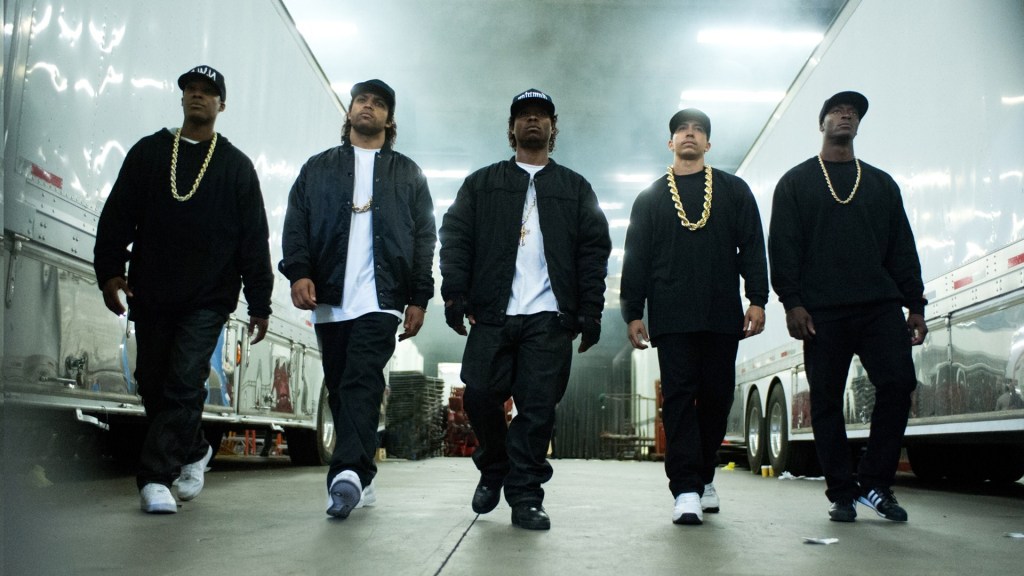
    Like “Sniper” the year prior, one of this year’s best biopics will ultimately be its biggest box office smash as the iconic gangsta rap group N.W.A. is profiled by director F. Gary Gray in “Straight Outta Compton,” which made $60 million domestically in just its first weekend in theaters. The film borrows its name from N.W.A.’s 1988 smash-hit debut studio album and chronicles the adult lives of its three leading members — music producer, DJ and rapper Dr. Dre; MC and future movie star Ice Cube; and the late Eric “Eazy-E” Wright, who died in 1995 following an HIV diagnosis.
    https://m.youtube.com/?reload=7&rdm=1zni797c8#/watch?v=l5r5cZk0EfY
    Littered with racial slurs, drug usage and footage of the Rodney King beatings, “Compton” — as a film about the evolution of hardcore gangsta rap — has to accurately reflect the era and life conditions that brought about N.W.A. in the first place, as Ice Cube eloquently states during a press conference about the group’s most controversial song “F*$# Tha Police” when he says “Our art is a reflection of our reality.” The film makes this difficult time in American history — with high racial tensions and gang warfare — grounded in the minds of audience members despite how hard it may be to endure as a viewer.

    Because of the controversial nature of the film and his relative unknown status as an actor, Jason Mitchell likely won’t receive much acclaim during award season for his performance as Eazy-E, a key member of the group that younger audience members likely may not remember as well as Dr. Dre (for his Beats headphones) and Ice Cube (for his acting in popular comedies).

    Corey Hawkins does well with a limited character in Dr. Dre, who seems more like a third wheel helping to keep the group on track from the background while Eazy-E and Ice Cube do most of the talking. Playing the third banana is a relatively thankless job that Hawkins attacks with quiet aplomb. Ice Cube’s son, O’Shea Jackson Jr., does a tremendous job filling his father’s shoes as well.

    The group’s other members — MC Ren, DJ Yella and The D.O.C. — are represented in the film, but largely pushed to the background in order to make room for Mitchell, Hawkins and Jackson Jr. to have larger roles in the film.

    “Straight Outta Compton” also features Paul Giamatti’s best performance in several years as N.W.A. manager Jerry Heller, who subtly guides N.W.A. to stardom while secretly ripping off lead producer Eazy-E and the group as a whole, who fracture beyond repair when Ice Cube becomes aware of Heller’s manipulative ways. If there is a villain in Gray’s “Compton,” it’s Heller, though infamous rap producer Suge Knight of Death Row Records haunts the film in the fringes, with a separate biopic on Death Row just begging to be produced.

    To be fair, Gray’s film begins to peter out toward the conclusion as “Compton” jumps from one plotline to another at the drop of a hat, leaving audiences reorient themselves mid-scene and missing a great deal of the action. However, once Dre, Eazy-E and Ice Cube are reunited in one cohesive storyline at the conclusion of the film, “Compton” offers a satisfying, yet emotional ending.

    Well-made and well-liked films are especially hard to come by in August, which seems to be typically the last month of the year movie studios like to slate films they have less confidence in before the award season push ramps up in October through the holidays. “Straight Outta Compton” hits theaters at just the perfect time, reminding audiences that films can be emotionally challenging, thought-provoking and entertaining all at the same time.

    While some audience members may not agree with the film’s conclusions or understand all of the history behind the iconic rap group, “Straight Outta Compton” is a must see event as one of the year’s top films deserving both mainstream appeal and critical success.

  • The Man From U.N.C.L.E.: Ritchie breathes new life into classic spy series

    The Man From U.N.C.L.E.: Ritchie breathes new life into classic spy series

    Guy Ritchie has a lot to offer any film he directs.

    The inventive British director behind such foreign standouts as “Snatch” and “Lock, Stock and Two Smoking Barrels” made a spectacular transition to American theaters by teaming with Robert Downey Jr. and Jude Law for a pair of films based on the Sherlock Holmes novels by Sir Arthur Conan Doyle.

    His crisp dialogue and stunning visual style reinvigorated a tired, outdated mystery genre and helped escalate Downey’s rise to mega-stardom following “Iron Man.”

    Ritchie’s latest film follows a similar path, just with less overall success.

    Revived from the 1970s television show of the same name, “The Man from U.N.C.L.E.” pits two lesser known actors — Henry Cavill of “Man of Steel” and Armie Hammer of “The Lone Ranger” and “The Social Network — as rival American and Russian spies, respectively, tasked with coming together to stop an international arms dealer from securing and selling a nuclear weapon.

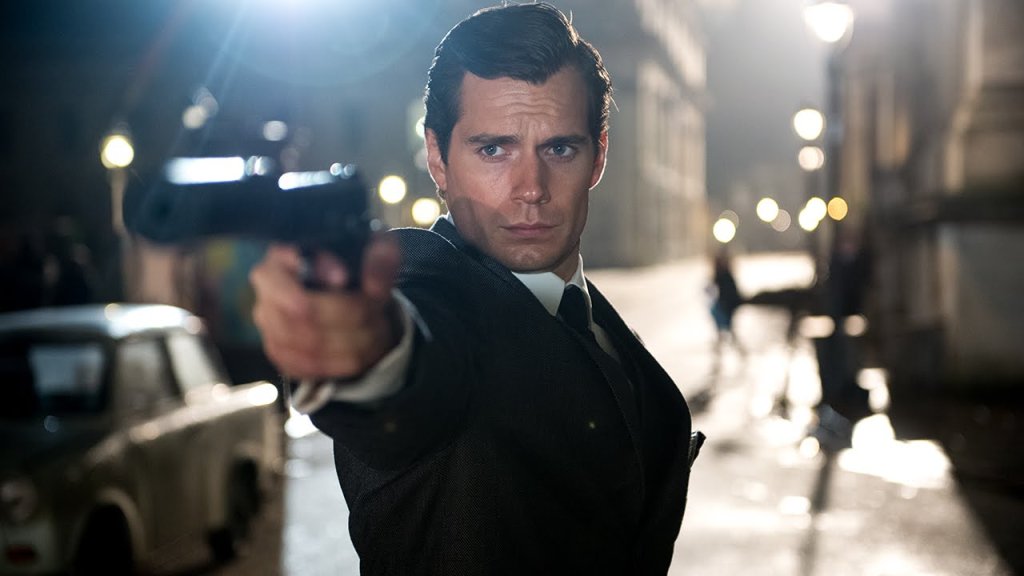
    The acting in “U.N.C.L.E.” is a mixed bag, with Cavill standing out as the suave American version of James Bond. While not quite on the same level as Tom Cruise as an action star, Cavill exudes just the right amount of bravado to dominate but not overwhelm the film in true spy fashion. Hammer, on the other hand, suffocates every second he appears on scene with an overdone, stereotypical Russian accent not even worthy of amateur theatrical performances of “Fiddler on the Roof.” Cavill fits like a glove, while Hammer is the sore thumb dragging the whole film down.

    Ritchie’s film features some of the year’s best cinematography and editing as any number of individual frames of “U.N.C.L.E.” could be lifted straight out of the film and hung on a wall like a painting, most notably the soon-to-be-iconic shot of Cavill largely obscured in darkness after firing his pistol, but just enough in the light to be drenched in the shadows of the spy world. Shots like this — and sequences like the comic book-esque cutting of the island raid toward the end of the film — give “U.N.C.L.E.” the right look and feel of a home run spy movie, though the content doesn’t quite sustain.

    The plot gets unnecessarily clunky in the middle — as is the case with most origin story films — and lacks the requisite number of action sequences necessary to break up all the character development in the film. The inability of Ritchie and co-writer Lionel Wigram to balance the plot for audiences and Hammer’s horribly ineffectual performance limits “U.N.C.L.E.” to good, not great status in the spy genre.

  • Fantastic Four: Reboot of comic book classic falls flat

    Fantastic Four: Reboot of comic book classic falls flat

    Someone in Hollywood better take note quick.

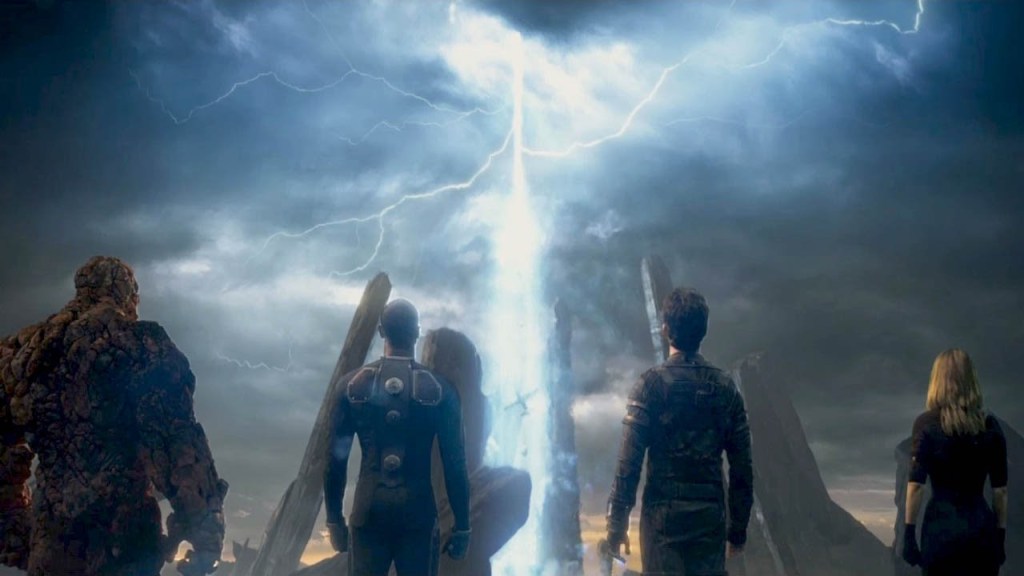
    Indie darling and rising character actor Miles Teller needs a star vehicle ASAP, but “Fantastic Four” just isn’t it.

    It’s hard not to feel bad for the star of last year’s Sundance winner and Academy Award nominated “Whiplash,” who played the perfect whipping boy to J.K. Simmons in the heavy drama.

    To go from one of the most well-written and pitch perfect features of 2014 to perhaps the most inept, slow and tedious films of 2015 is a major step back for Teller, one he doesn’t deserve.

    Teller invests heavily in his role as super-nerd turned world’s stretchiest man Reed Richards, but with a subpar film that even director Josh Trank has disowned, Teller might have been better off staying on the indie circuit until next “Allegiant: Part 1.”

    His “Fantastic Four” cast mate Michael B. Jordan — who had his own indie breakout with “Fruitvale Station” and “Chronicle” — doesn’t have this problem as he will debut as the son of boxing legend Apollo Creed in the “Rocky” franchise sequel “Creed” later this year.

    Audiences aren’t having much fun watching “Fantastic Four” and it’s pretty evident from the onscreen performances that the actors aren’t much into things either.

    Chronicled with production problems from the start — everything from casting to editing issues abounded on the film — put “Fantastic Four” at such a disadvantage that no one involved seems interested in salvaging something worthwhile out of the project.

    Trailers for the film make it appear as if there will be a significant amount of high-octane battle sequences, teasing viewers with a small glimpse of things to come.

    Unfortunately, the joke’s on audiences.

    The dialogue-heavy, action-light feature doesn’t see the “Fantastic Four” become fantastic and absorb their superpowers until nearly an hour into the film, a forgivable concept if there’s something more that the movie has to offer, but there’s not.

    For an action movie to have about three minutes of real action out of the 100 minute running time is a real disappointment.

    Those same trailers have touted the real reason to catch “Fantastic Four” — a glimpse at next year’s highly anticipated “Deadpool” starring Ryan Reynolds, though you can always just catch that over and over again on YouTube.

    The original “Fantastic Four,” made a decade earlier in 2005, lacked a lot of the cinematic pizazz that its 2015 reboot has — from vastly improved CGI to a grittier, more contemporary visual style to a more talented group of actors.

    But the original — helmed by Jessica Alba and a pre-Captain America Chris Evans — has a distinct and action-packed script, making it a more compelling film in spite of major casting, directorial and other cinematic issues.

    Trank’s film and cast with something on par with the 2005 script would have made for a much better film and not one that makes audiences wonder if it’s worse than the universally panned “Green Lantern.”

    Regardless of whose fault this train wreck of a film is — whether it be Trank as the director, backing studio 20th Century Fox or the writing trio of Trank, Simon Kinberg and Jeremy Slater — “Fantastic Four” is the complete cinematic opposite of its superhero counterparts like “Ant-Man” and “Guardians of the Galaxy.”

    The two recent Marvel Studios films pack on both physical and comedic punches while “Fantastic Four” takes too long with the set up for audiences to enjoy the pay off.

    For all its many warts, “Fantastic Four” is no more substandard than, say, “Pixels” or “Ted 2,” pointless wastes of time in their own right.

    There’s still blockbuster action films yet to come in 2015. “Fantastic Four” just isn’t one of them.

  • Mission Impossible Rogue Nation: Fifth installment in Cruise action series running strong

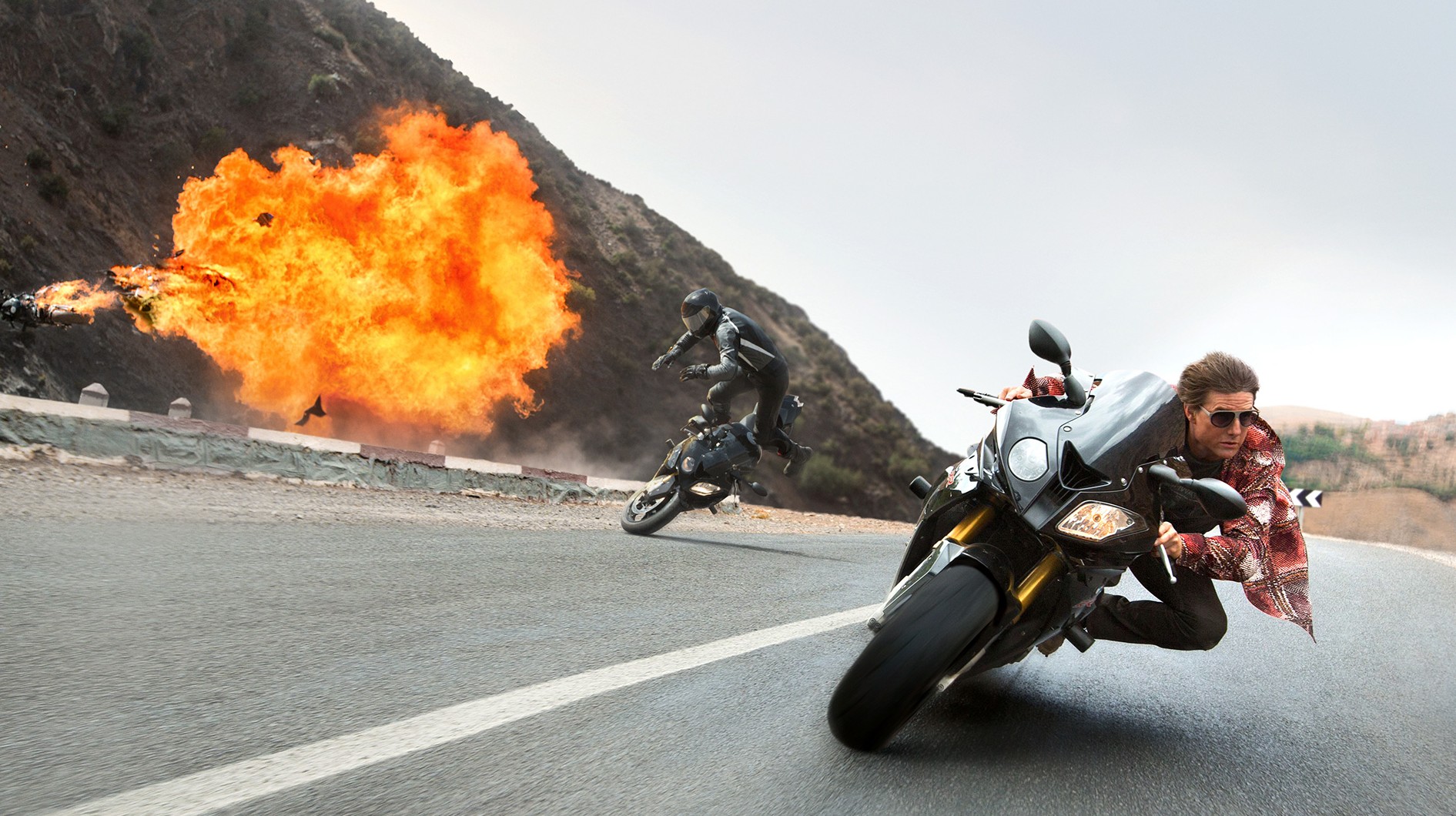
    It doesn’t matter that he’s flying down a winding Moroccan highway on a motorcycle at break-neck speed without a helmet while assassins are buzzing around him trying to kill him.

    Exploding cycles falling off the sides of cliffs don’t bug him, nor does the threat of imminent doom if he leans over a centimeter too far one way or the other.

    At the end of it all, his hair never really flutters, and that’s all the proof needed to conclude Hollywood’s worst kept secret.

    Tom Cruise is the last true movie star.

    “Mission Impossible,” the feature film franchise spawned from the 1960s television show of the same name, has lived through several mediocre sequels thanks to Cruise’s box office draw before reemerging with 2011’s “Ghost Protocol” and last weekend’s smash hit “Rogue Nation.”

    Yes, viewers are drawn to the screen by the increasingly outlandish stunts, wondering just how crazy Cruise is for willingly dangling himself off the side of an Airbus A400 at the start of the film.

    But, equally as refreshing is the vintage spy craft that is more prevalent in the 1996 original film or in recent James Bond films starring Daniel Craig. “Rogue Nation” is a near 50-50 blend of the original “Mission Impossible” film and “Ghost Protocol,” which cranked the stunts up to 11 in gorgeously shot locations.

    Writer/director Christopher McQuarrie, best known as the writer of the mind-blowing narrative in “The Usual Suspects,” finds exactly the right balance between giving viewers just enough action, with hints of classic spy films and that iconic Tom Cruise grin that has kept viewers on the edges of their seats for decades.

    Each action sequence seems to build upon the tension of the last, with the 120-foot free fall into a tank of water without oxygen for up to six minutes standing out among the pitch perfect sequences.

    These films will rise and fall with Cruise — who recently announced a sixth installment — and everything about his performance in “Rogue Nation” is vintage Cruise at his peak.

    The dry charm, fearlessness in taking on each action sequence himself without a stunt double and even the occasional bravado he brings to the screen remind viewers what they loved about Tom Cruise so much before he started jumping up and down on Oprah’s couch.

    Several of the regular sidekicks from “Mission Impossible” films past return in “Rogue Nation,” led by the increasingly essential Simon Pegg, whose wit and humor lightens the mood in scenes and offers a genuine counterbalance to Cruise.

    Academy Award-nominee Jeremy Renner, who can hold his own in action movies like “The Bourne Legacy” and Marvel’s “Avengers” films, is criminally underutilized as a field agent torn between helping Cruise’s Ethan Hunt and hunting him down.

    Newcomer Rebecca Ferguson, whose role of whose-side-is-she-on assassin is well-written, doesn’t really provide for viewers to grasp onto in a flat, static performance.

    It’s a shame that the “Impossible” franchise has yet to figure out how to add a quality role for a female actress. To be sure, several women appear on screen throughout the course of the franchise, but none really rise to the challenge of matching Cruise toe to toe.

    Many Bond girls have more gravitas on screen than the underwhelming performances in the franchise offered by Ferguson, Paula Patton and Michelle Monaghan.

    The film’s villain, Solomon Lane, is only in focus long enough to give Cruise and Co. another hurdle to overcome on their international adventure from Morocco to Austria and London,

    It’s a shame that Sean Harris, the talented actor filling the role, had pivotal scenes left on the cutting room floor.

    But “Rogue Nation” is Cruise’s party, and as such, the fifth “Impossible” film certainly supplants “Jurassic World” as the summer’s biggest blockbuster, with Cruise leading the charge in an action-packed thrill ride that doesn’t need gimmicks to keep viewers entertained.

    image

  • Paper Towns: An exercise in managing expectations

    Paper Towns: An exercise in managing expectations

    The author may be the same, but the latest film adaptation of a John Green novel — “Paper Towns” — isn’t anything like last year’s breakout hit “The Fault in Our Stars,” nor is it meant to be.

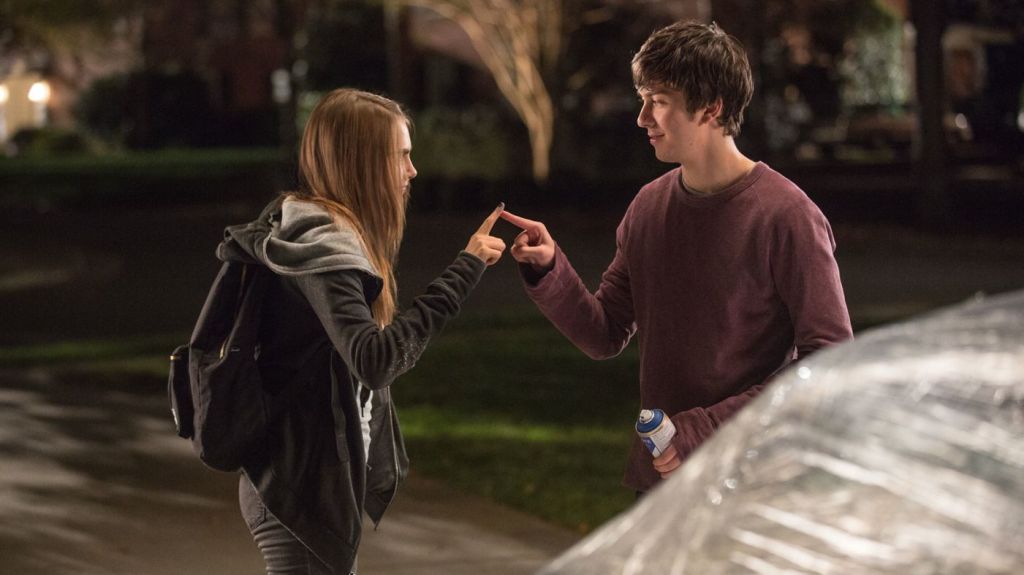
    Early in the film, Cara Delevingne’s Margo Roth Spiegelman laments how Orlando, where the movie is set, is full of paper people living in paper houses, and that “everything’s uglier up close.”

    It’s a warning about placing undue expectations on a person because you only see them from a distance and your mind perceives them to be something that they’re not simply based on a projection in your mind of what you might want that person to be. It’s actually an interesting concept to remember when watching “Paper Towns” — since audiences will likely project expectations on the film based off “The Fault in Our Stars” when this movie couldn’t be further from it, and that’s not necessarily a bad thing.

    While “Paper Towns” might not have the best screenplay, there’s something refreshing in the reality-based coming-of-age tale. High school dramedies like this are nothing new, but it’s nice every once in a blue moon when what audiences expect to find differs from what they ultimately get.

    Filled with relative newcomers, the movie is flush with pleasant surprises in its acting performances, most notably the average Joe charm of lead actor Nat Wolff, who flourishes in a role that would have been perfect for John Cusack from his “Say Anything” and “Better Off Dead” in the 1980s.

    Pairing him with the rag tag duo of Austin Abrams’ socially awkward, yet romantically confident Ben and Justice Smith’s committed Radar gives this upstart film a “Goonies”-esque vibe while the trio try to solve the mystery that is Margot’s disappearance.

    Delevingne is compelling in her own right, with a cool, effortless demeanor that helps to envelope viewers in the mystery to come. She’s also the perfect choice for the part, as the relative mystery of who Cara Delevingne is as an actress is just as unknown as who her character truly is. No real inferences can be made off of her casting, whereas audiences may enter the film with preconceived notions about the character if it were played by a better known actress generally typecast into specific roles.

    The fact that Delevingne hasn’t been in anything of note is actually one of her biggest assets in “Paper Towns,” giving Wolff — and by extension, the audience — something to chase after.

    Thanks to director Jake Schreier, “Paper Towns” has an independent film feel in spite of its big budget and feels more akin to last summer’s special indie dramedies “The Spectacular Now” and “The Way Way Back” than “The Fault in Our Stars.” 

    In essence, “Paper Towns” is a film about managing expectations between what we perceive we want versus what is actually there. Audience members who find themselves quickly relating to Quentin in his quest for Margo will ultimately find satisfaction, though many will still leave disappointed that “Paper Towns” wasn’t what they thought it was.

  • Southpaw: Gyllenhaal elevates boxing movie to next level

    Southpaw: Gyllenhaal elevates boxing movie to next level

    A great actor can elevate a script beyond its limitations and provide audiences with a compelling performance in spite of limitations on the written page.

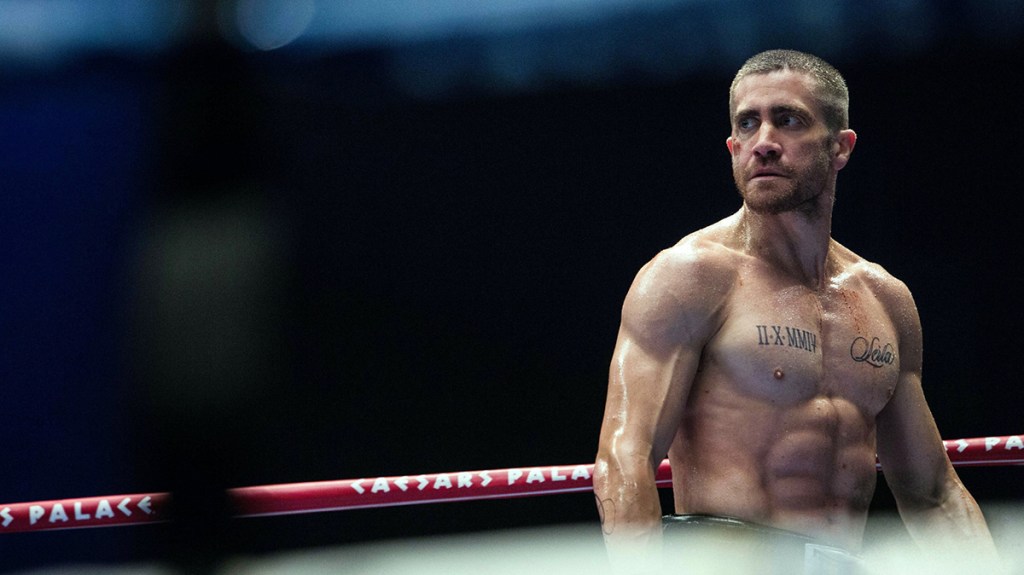
    Jake Gyllenhaal, who narrowly missed out on an Academy Award nomination with a masterful performance in last year’s “Nightcrawler,” shines yet again in Antoine Fuqua’s boxing drama “Southpaw,” a film that won’t win any awards, but offers much of the same quality as future Oscar nominees.

    A large reason is that there’s almost nothing new or inventive in writer Kurt Sutter’s script, which goes from Point A to Point B to Point C in a very predictable and linear format. It’s as if Sutter wrote down every single boxing movie trope he could think of and then crammed it all into one film.

    The fact that Gyllenhaal is able to achieve the depth of character in boxing champ Billy “The Great” Hope is a testament to his acting prowess, nothing else. Having a white lead actor play a character called “The Great” Hope should tell audiences everything they need to know about Sutter’s lackluster screenplay.

    Forest Whitaker does yeoman’s work as Hope’s reluctant trainer/mentor, while the underrated Rachel McAdams gives a tremendous performance in a limited role as Hope’s wife who meets a tragic end early in the film, setting up Hope’s freefall and subsequent comeback storylines.

    The remainder of the film’s secondary characters — Naomie Harris as a social worker, Miguel Gomez as rival fighter “Magic” Escobar and especially Curtis “50 Cent” Jackson as a generically evil boxing promoter — just don’t hold up in comparison to McAdams and Whitaker, let alone Gyllenhaal.

    Where “Southpaw” works best cinematically is in the gripping boxing sequences, where Gyllenhaal’s physical and emotional transformation is matched by compelling cinematography from Mauro Fiore and direction by Fuqua.

    Boxing movies live and die by their in-ring exploits and “Southpaw” holds up well against the competition.

    On the whole, however, the film lacks enough support from the secondary actors or the script to elevate Gyllenhaal’s powerful performance into must-see category in a good, not great boxing drama.

  • Trainwreck: Schumer, Apatow team for hilarious comedy

    Trainwreck: Schumer, Apatow team for hilarious comedy

    Quite likely the year’s top romantic comedy debuted last weekend after receiving much acclaim following an advance screening at this spring’s South by Southwest Film Festival.

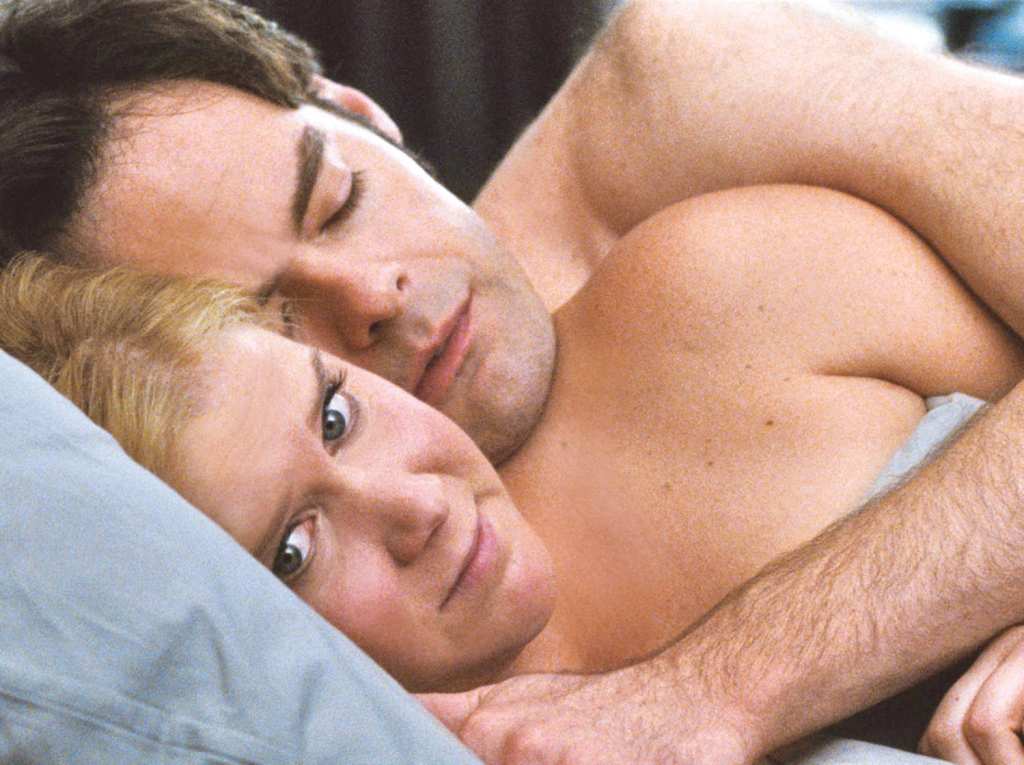
    “Trainwreck,” the mostly auto-biographical feature film debut of comedian Amy Schumer, provides many of the sexually explicit jokes fans of her stand-up comedy love, but with some heart thrown in to provide a nice balance between the hilarity and more serious matters of love and loss.

    Traditional rom-com fans may be off-put by how casually Schumer’s character hops in and out of bed with men as conventional stereotypes about gender roles in romantic comedies are flipped on their heads in “Trainwreck.” Schumer takes on the role of the perpetually single player, floating from one casual dalliance to another, while “Saturday Night Live” veteran Bill Hader is the unexpected romance that forces Schumer to re-examine her relationships.

    It’s hard to picture Hader as a romantic lead, but in “Trainwreck,” he’s able to pull it off with relative success. Playing opposite Schumer at her best is a thankless challenge for any actor, though Hader seems especially game to roll with both the comedic and dramatic punches.

    Comedian Colin Quinn gives the finest individual performance of his career, playing Schumer’s alcoholic, field-playing father. The rom-com boasts quality cameo appearances on small and large scales, from the intervention trio of Matthew Broderick, Chris Evert and a scene-stealing Marv Albert to an almost unrecognizable Tilda Swinton as Schumer’s brash magazine editor.

    People will immediately recognize basketball mega-star LeBron James, playing a fictional version of himself as Hader’s wingman/best friend, and James proves he can bring the comedy, but among the more stunt cast characters of “Trainwreck,” it’s wrestling’s John Cena that gives the best performance as one of Schumer’s many love interests throughout the film.

    There’s some slight hiccups within “Trainwreck” once the raunchier comedy takes a backseat to the more emotional romance between Schumer and Hader, but on the whole, the transition doesn’t feel overly forced.

    Director Judd Apatow — who struggled with heavier scenes in both “Funny People” and “This is 40” — handles the dramatic moments much better this go-round, mostly thanks to Schumer’s intelligent and fresh script and quality performances from both romantic leads.

    “Trainwreck” is filmed as if Woody Allen made a raunchy romantic comedy, as Apatow is able to deliver on visual homages to movies like “Annie Hall” and “When Harry Met Sally,” though “Trainwreck” can’t really match either classic film in content or emotional center.

    It’s a refreshing take on the genre that plays out very well, with plenty of laughs for both men and women throughout the film. Schumer probably isn’t the first actress that comes to mind when casting the perfect romantic comedy in your mind, but she’s quite adept at making the most of her well-written script.

  • Ant-Man: Who knew ants could be so badass?

    Ant-Man: Who knew ants could be so badass?

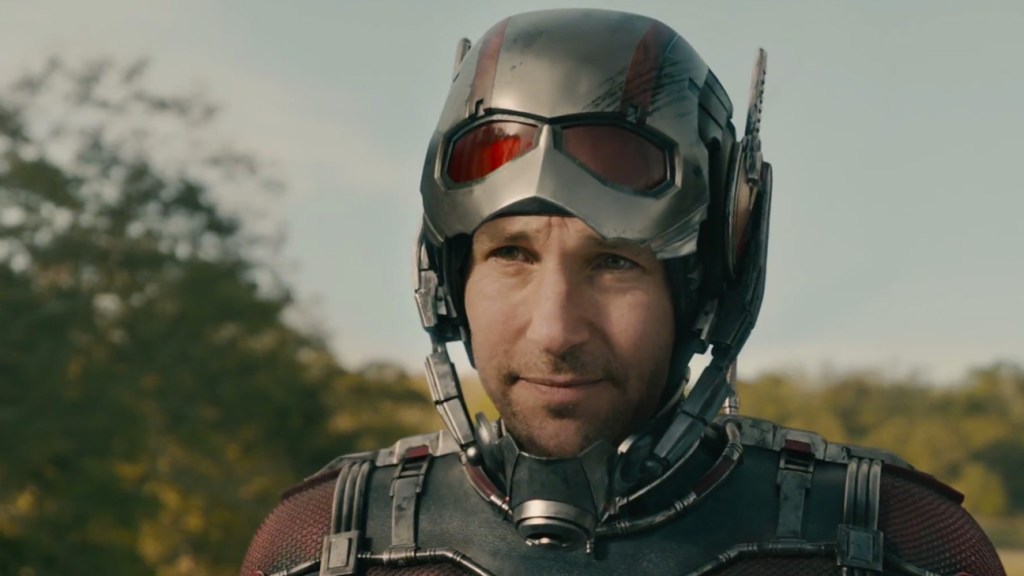
    How much audiences will enjoy “Ant-Man,” the latest superhero blockbuster from Marvel Studios, directly relates to how much they enjoy Paul Rudd.

    By stepping far away from the big, bruising characters like Thor and the Hulk or the dynamic Iron Man and Captain America, Marvel is banking on Rudd, a comic actor, to keep things moving in a positive direction as superhero movies become more and more obscure.

    People who have never picked up a comic book had no idea what Ant-Man was prior to seeing the first trailer for the film, released earlier this year, and probably still don’t get it 100 percent.

    Marvel has gambled with this same formula once before, with the charismatic budding superstar Chris Pratt leading a rag-tag group of space outlaws in last year’s surprise hit “Guardians of the Galaxy.”

    Charming as he may be, Rudd is no Pratt, but this doesn’t spell doom for his time in the Marvel Cinematic Universe.

    “Ant-Man” is Marvel’s first true everyman, with both Captain America and the Hulk exploding into burly warriors. Rudd exudes the Average Joe character in most of his on-screen performances, with “Ant-Man” being no exception.

    He’s aided by a strong performance from Oscar winner Michael Douglas as his mentor and original “Ant-Man” Hank Pym, who brings a level of authority and legitimacy to the film, much like Robert Redford did in “Captain America: The Winter Soldier.”

    On the other hand, Evangeline Lilly — best known for her work on “Lost” — feels completely out of place as Douglas’ daughter and Rudd’s love interest in the film. Lacking any gravitas, she can’t keep up in scenes with either Rudd or Douglas and certainly not the two together.

    Corey Stoll, a character actor who broke out in the first season of “House of Cards,” is serviceable as the villainous Darren Cross, but isn’t given much to work with within the script, just like Jeff Bridges had limited room with which to play as the evil Obadiah Stane.

    Peyton Reed, who hasn’t directed a film since 2008’s “Yes Man,” shows a little bit of rust in selected scenes that don’t quite fit the overall tone of the film, but on the whole, he’s stepped his game up considerably.
    https://m.youtube.com/watch?v=EIrsOg9Wqp8
    “Ant-Man” feels like a screwball heist comedy much like “Captain America: The Winter Soldier” felt like a political thriller.

    Marvel has wisely adapted each of its films to fit the larger cinematic spectrum, plugging new characters into the right holes instead of trying to cram each character into the same tired format.

    The humor abounds in “Ant-Man,” perhaps the funniest of all Marvel films, with the scene-stealing Michael Pena delivering laugh-a-minute lines every second he’s on screen. His recounting of how a heist tip fell into his lap may be the best performance of expository dialogue in years.

    While there may be some legitimate doubts about how Marvel can keep Ant-Man’s shrinking powers fresh in the inevitable films to come, the feature film debut of the world’s smallest superhero packs plenty of punch.

    Ant-Man’s fight sequence with one of the vaunted Avengers midway through the film is incredibly invented, original and mind-blowing for hardcore Marvel fans.

    While not quite on the same level as its spiritual predecessor, “Ant-Man” continues everything great about “Guardians of the Galaxy,” excepting the terrific “Guardians” soundtrack.

    The film begs the question: Who knew ants could be so badass?

  • Minions: Adorable animated spinoff sputters late

    Minions: Adorable animated spinoff sputters late

    Absolutely no one should be surprised by now that little yellow lemming-like creatures have taken the Hollywood landscape by storm.

    Minions are everywhere. From lunchboxes to every other commercial it seems like, to their first feature length animated adventures, the henchmen (is it right to call genderless characters men?) from the innovative “Despicable Me” franchise have rightfully taken center stage with “Minions,” a 95-minute prequel to the events of the original “Despicable Me.”

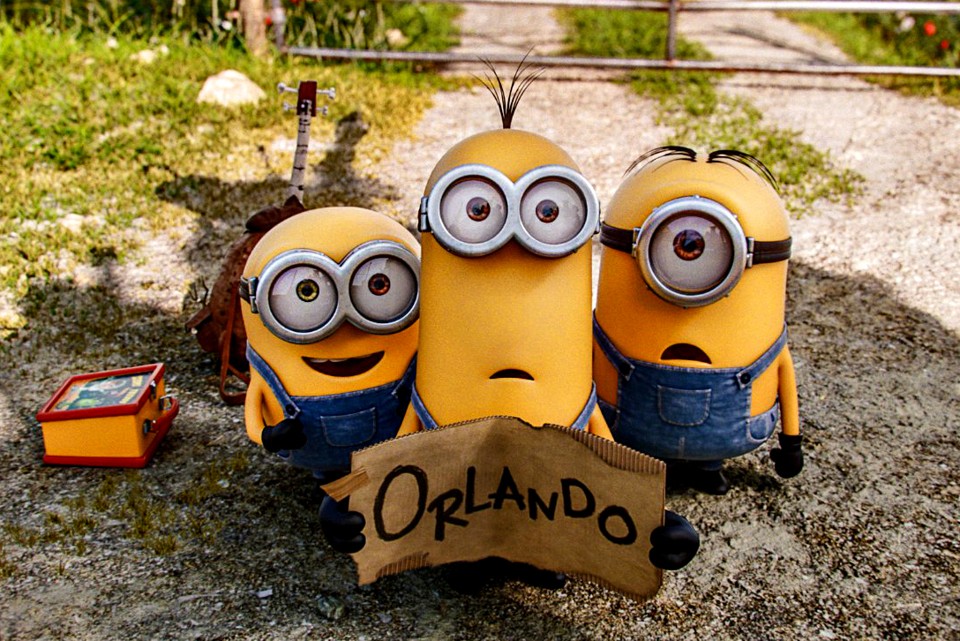
    Because there’s likely an infinite number of Minions out there in the animated universe, directors Kyle Balda and Pierre Coffin (who also voices all the Minions) smartly chose to focus viewers on three distinct Minions — fearless leader Kevin, banana-obsessed future rock star Stuart, and diminutive, yet enthusiastic, Bob.

    This allows the film to feel more grounded and comprehensible to viewers, especially those new to the franchise. First-time viewers won’t feel especially lost, since there’s little “Despicable Me” knowledge required in order to enjoy the film at a cursory level.

    Each of the three Minion leads is given adequate character development (by animated children’s film standards) both with the animated and story choices, and through the smart narration of veteran thespian Geoffrey Rush, most recently famous for his work opposite Colin Firth in the Academy Award winner “The King’s Speech.”

    Illumination Entertainment, the studio behind “Minions,” does overcome the biggest obstacle to the film’s success — the relative unintelligibility of the Minions themselves.

    There’s almost no deciphering what exactly is being said for much of the movie — especially in moments when viewers are left with only Kevin, Stuart and Bob in conversation — but there’s just enough English thrown in their garbled language, which may include some French, Spanish and other European languages to make sense of things.

    Plot-wise, “Minions” doesn’t break any new ground as the trio attempts to find the perfect villain or villainess to serve in the years prior to their life with Gru in “Despicable Me.” Rush’s narration over the cursory, yet hysterical introduction to the film helps show the lemming-like Minions’ run through a number of sub-par evildoers, from a Tyrannosaurus rex to Dracula and so on.

    It isn’t until the Minions stumble upon the aptly-named “Villain Con” and a date with the world’s top villain, Scarlet Overkill (voiced by a surprisingly game bad girl in Sandra Bullock), that things really start to take off. While Bullock is more than capable in her role, Jon Hamm of “Mad Men” isn’t really a fit as Overkill’s love interest/weapons supplier, going for the over-the-top reading of every line.

    Unfortunately for viewers, the cuteness of everyone’s favorite henchmen starts to fade away during the final act and the last 15 minutes of the 95-minute running time will make “Minions” feel much longer than it actually is. As a whole, the film starts to peter out toward the end, though a fun and nostalgic Minions singalong to “Revolution” by the Beatles is a refreshing fun end scene following the majority of the credits.

    While not a perfect film, “Minions” is definitely fun for the whole family and will be a relatively clean movie for parents to take their children to (perhaps even several times) over the course of July, though the equally impressive “Inside Out” will likely stick around at least another week to give families an option if the “Despicable Me” off-shoot continues to pack out theaters.