Year: 2017

  • Victoria and Abdul: Long live the queen

    Victoria and Abdul: Long live the queen

    Give Dame Judi Dench a role in your movie and good things are going to happen.

    Make her royalty and your film is bound to shine no matter how average and uneven the script might be.

    Such is the case with “Victoria and Abdul,” the latest film from British director Stephen Frears.

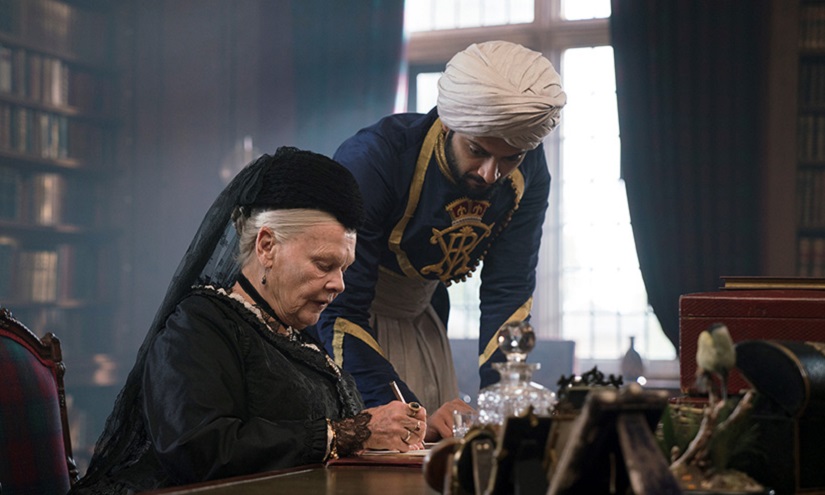
    Based on the book of the same name from Shrabani Basu, “Victoria and Abdul” follows the unlikely, but true account of a Muslim man from India’s friendship and tutelage of an aging Queen Victoria during the final years of her reign in the late 1800s. Their devotion and loyalty to each other creates massive cracks in the British Royal Family and threatens to destroy her reign.

    As Queen Victoria, Oscar winner Dame Judi Dench is a stoic, stern monarch withered by decades of loneliness seeking companionship during the waning years of her life.

    Over the course of the film, her Victoria warms considerably in response to Abdul’s kindness and friendship and Dench’s performance becomes increasingly engaging as the movie progresses.

    Having Dench melt into the role of Victoria is exactly as captivating as it sounds.

    While certainly not as broad and demonstrative as Meryl Streep’s turn as the titular character in Frears’ “Florence Foster Jenkins,” Dench could easily see herself earn her eighth Academy Award nomination and second as Queen Victoria following 1997’s “Mrs. Brown.”
    Bollywood star Ali Fazal brings warmth and nuance to the role of Abdul.

    There’s a slight layer of naivety and amazement Fazal offers early in the film that fades into the background as Dench’s performance almost completely overwhelms the screen.

    This dynamic feels intended by Frears, as Abdul takes a considerable backseat once the two begin their work together. Fazal is left with a rather one-note performance, though that one-note of friendly foreigner is played very successfully.

    There just isn’t the same level of character depth to the unlikely student/teacher dynamic as can be found in the similar, yet more exceptional “The King’s Speech.”

    The film also boasts a wealth of strong supporting talent, including Eddie Izzard as Victoria’s conniving son Bertie and the late Tim Pigott-Smith as the queen’s private secretary.

    But the most impressive secondary performance comes from Adeel Akhtar as Abdul’s friend and aide Mohammed. Akhtar delivers a consistent scene-stealing comedic presence in much the same way he sparkled in limited screen time as Naveed in the hit romantic comedy “The Big Sick.”

    He is able to provide the same dry, brash humor to Mohammed, but also carries more than his fair share of dramatic acting with a rich, bittersweet performance capped off by two of the best acted scenes any supporting performer will give this year.

    The thing that’s most surprising about “Victoria and Abdul” is its subtle, subversive humor that undercuts and accents what otherwise would be a pretty mundane, average period drama.

    Jokes don’t fly off the screen in “Victoria,” but audiences paying attention to the banter will be treated with consistent, quality laughs.

    Much of the film’s success stems from Frears’ ability to draw quality performances from his actors, most notably his chemistry with Dench, who earned an Oscar nomination for her work in his 2013 film “Philomena.”

    While it’s unlikely that “Victoria” will match the same level of critical or awards season success as the four nominations for “Philomena,” Dench will certainly be a strong frontrunner for a Best Actress nomination and the script from writer Lee Hall could be an outside contender in Best Adapted Screenplay.

    A very dry film that may rub some audience members the wrong way, “Victoria and Abdul” is a well above average biopic featuring a royal Dench at the top of her game.

    Her performance alone is worth the price of admission, and there’s enough dry humor to boot to make “Victoria and Abdul” a drama worth seeing this fall.
  • Stronger: What defines a man

    Stronger: What defines a man

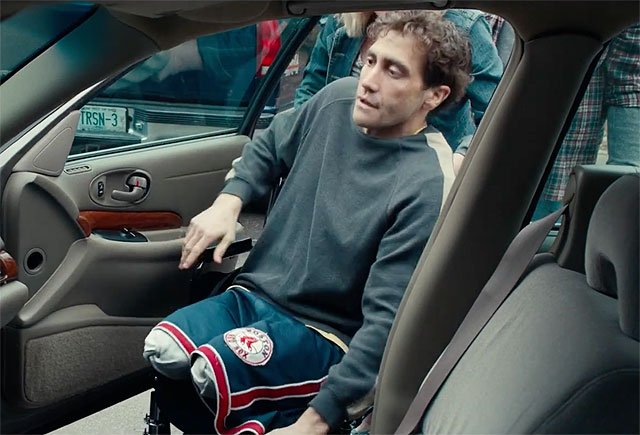
    Jeff Bauman is more than a photograph, more than just a symbol of strength during a harrowing moment in American history.

    In a now iconic picture, Bauman is shown being carried to safety by a stranger in a cowboy hat following a terrorist attack at the 2013 Boston Marathon.

    His journey before and after a homemade bomb took his legs and ripped his life apart has become the subject of “Stronger,” an emotional and gripping drama from director David Gordon Green.

    Elegant and touching, “Stronger” doesn’t focus on the attack itself, but rather the physical and mental turmoil the events inflict upon Bauman, his family and estranged girlfriend Erin.

    There’s a beautiful simplicity to the screenplay written by John Pollono that shows how Bauman seeks to define himself on his own terms and how something greater can come from the most difficult circumstances.

    Academy Award nominee Jake Gyllenhaal does a masterful job giving Bauman immense complexity, balancing Jeff’s natural sense of humor and warmth with a bitter inner coldness that the bombing left inside him emotionally.

    It’s a credit to Gyllenhaal’s performance, and especially to Bauman as a man, that everything about Jeff in “Stronger” comes from a place of love, that all his intentions are driven by a deep, rich heart.

    No more evident is that love shown than in Gyllenhaal’s remarkable chemistry with Emmy winner Tatiana Maslany, who plays Bauman’s estranged girlfriend Erin Hurley.

    The passion that Jeff and Erin have for each other radiates off the screen in a raw emotional way, where it truly feels that every word they speak to one another hammers home to the soul of their partner.

    While his is the much larger part, Maslany undoubtably rises to the occasion and matches Gyllenhaal’s dedication and passion for authenticity. Their relationship is the single best part of “Stronger.”

    “Stronger” occupies the same physical space and time as “Patriots Day,” Peter Berg’s methodical action/drama about the bombing, but approaches from a distinct, singular perspective.

    “Patriots Day” is flashy and attempts to encapsulate the entire experience in a 120-minute film; “Stronger” is much more nuanced and smaller in its examination.

    The bombing itself defines “Patriots Day” whereas Jeff Bauman’s inspirational journey is the driving force of “Stronger,” which is a better film on the whole.

    Director Green makes the wise decision to stay out of his actors’ way for much of “Stronger,” allowing Gyllenhaal and Maslany ample room to breathe in the moment.

    This gives the film a more grounded, realistic tone, fitting Sean Bobbitt’s tempered, unobtrusive cinematography.

    The single moment this changes, however, comes via a devastatingly moving flashback sequence that drives viewers inside Bauman’s mental state in a profound way. The effect is brief, yet forceful and does a terrific job of jarring audiences awake and bringing them into the moment.

    “Stronger” will ultimately be a fringe awards contender in most categories, though Gyllenhaal’s dynamic and powerful performance could lead to a Best Actor nomination at the Academy Awards.

    The one drawback would be a reluctance on voters’ part to fill the category with biographical performances when Gary Oldman’s turn as Winston Churchill in “Darkest Hour” and Benedict Cumberbatch’s role as Thomas Edison in “The Current War” will likely also garner consideration.

    Backed by smaller independent studio Roadside Attractions, “Stronger” hasn’t gotten the attention it rightly deserves from audiences who frankly don’t know this film exists. It’s a movie that people simply need to see.

    With terrific performances from Gyllenhaal and Maslany and a touching inspirational story, “Stronger” is an affecting drama worth grabbing some tissues and catching in theaters.

  • Blade Runner 2049: Beautiful complexity

    Blade Runner 2049: Beautiful complexity

    Prestige cinema comes at a price.

    For some, the nearly two-hour and 45-minute science fiction epic “Blade Runner 2049” is a masterpiece of dynamic, visually stunning moviemaking from French Canadian auteur Denis Villeneuve.

    And yet other moviegoers will find the Ryan Gosling sequel to the 1982 Harrison Ford cult classic excessive, boring or outright stupid.
    What “Blade Runner 2049” does best is help define who we are as moviegoers. It’s a film that rewards active, engaged audiences seeking deeper meaning artistry. It’s also a film that punishes more passive audiences looking for simple, no-frills entertainment.

    “Blade Runner 2049” is a movie drenched in frills, crafted with a discerning eye and a work of art that will be long debated years from now as one of the best films in 2017 and in the sci-fi genre in general.

    The less you know about the film heading to the theaters the better, though rewatching Ridley Scott’s original film will help fill in the background. The only explanation of “Blade Runner 2049” needed prior to screening is defining the title itself. In the world of the film, a “blade runner” is a law enforcement officer tasked with the “retirement” or elimination of “replicants,” highly intelligent robot slaves designed to be nearly identical to humans.

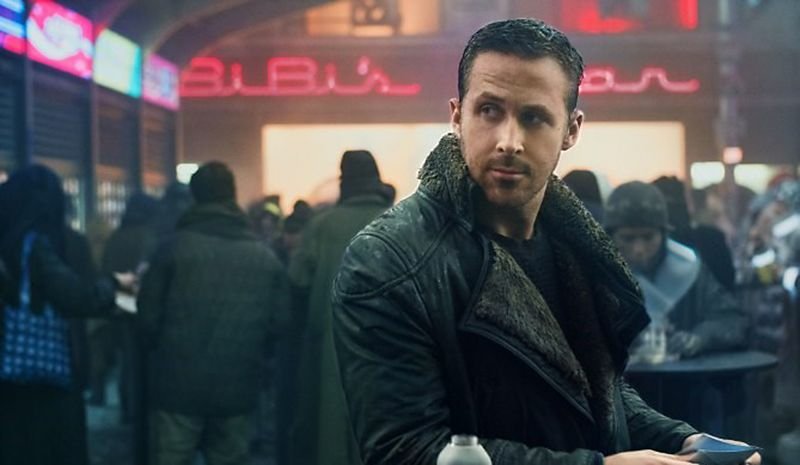
    Coming off a Best Actor Oscar nomination last year for “La La Land,” Gosling delivers a more reserved, internal turn as a young “blade runner” known simply as K. It’s a performance that won’t blow audiences away on a first viewing; there’s too much happening on screen to notice the nuance in Gosling’s somber, emotional work.

    With closer examination, viewers will appreciate the subtle changes Gosling brings out in K as the plot twists and winds towards its conclusion. K’s conflict as he struggles with his humanity and the job required of him is delicately unwoven by Gosling in a performance rarely matched in science fiction filmmaking.

    Thirty-five years after starring in “Blade Runner.” Ford returns in “2049” with a decidedly smaller, but equally intriguing performance as now-retired blade runner Rick Deckard.

    While it may seem at first glance that Ford lacks interest in revisiting old roles, he invigorates Deckard with a well-worn weariness that hides deeper emotion. Support for the film as a whole as well as Ford’s storied career could lead to a surprising, yet deserved Oscar nomination for Best Supporting Actor.

    Villeneuve takes his time with a deliberate, metered film that allows “Blade Runner 2049” plenty of room to breathe. This lingering in and out of scenes will thrill viewers mesmerized by the vibrant cinematography and will infuriate audience members longing for the film to shave off 20-30 minutes off its running time.

    But “2049” would be such a dramatically different, lesser film if constrained by time that its slight excesses become wholly justificiable and necessary to the overall success of the film.

    Visually, “Blade Runner 2049” is one of the most dynamic, spectacular pieces of cinematic art you’ll find in a long time. The care, craft and artistry taken to frame, light and shoot each second of “Blade Runner 2049” is so meticulously designed that the film stands as a 160-minute advertisement advocating for the continued longevity of cinema as an art form best seen on the big screen of a movie theater.

    The film’s cinematographer, Roger Deakins, has been nominated for thirteen Academy Awards for shooting iconic movies like “The Shawshank Redemption,” “No Country for Old Men” and “Skyfall.” Without a doubt, “Blade Runner 2049” is his most stunning, captivating work to date and has to be considered the frontrunner for the cinematography Oscar.

    Deakins winning his first Academy Award on a fourteenth nomination would not be considered a lifetime achievement award, but the cap on top of the pinnacle of his illustrious career.

    Strong critical support and dazzling technical work will likely make “Blade Runner 2049” a contender in numerous Oscar categories including Best Picture in much the same way “Mad Max: Fury Road” did with 10 nominations in 2015.

    Dynamic and captivating, “Blade Runner 2049” is without question one of the best films to arrive in theaters in 2017. Its picture-perfect cinematography and terrific performances combined with a complex storyline and lengthy running time make “2049” a must see or a must skip film depending on what kind of moviegoer you are.

  • Battle Of The Sexes: Evening the playing field

    Battle Of The Sexes: Evening the playing field

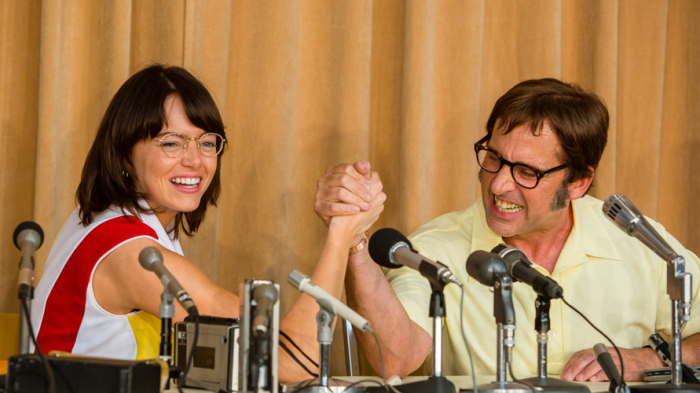
    Billie Jean King’s infamous tennis match with aging trash talker Bobby Riggs takes a back seat to private, personal moments in the new biopic “Battle of the Sexes.”

    While the film makes its mark with the 1973 King/Riggs showdown at the Houston Astrodome, viewers rarely see the two on screen together as directors Jonathan Dayton and Valerie Faris meander through King’s love life and Riggs’ incessant gambling and showmanship.

    There’s a number of excellent performances including Academy Award winner Emma Stone as King and Academy Award nominee Steve Carell as Riggs. But the scenes are so disjointed and uneven that “Battle of the Sexes” misses the mark as a feature film.

    It’s clear that Dayton and Faris want to be as complete and thorough as possible, but in doing so, no one aspect of “Battle of the Sexes” succeeds.

    It seems inevitable that Stone will earn another Academy Award nomination for her portrayal of King, which is nearly on par with her Oscar winning turn in “La La Land” and has the real King’s seal of approval. Stone does a wonderful job of bringing audiences into King’s conflicted mind with a single look and she displays remarkable chemistry with her “Birdman” co-star Andrea Riseborough as King’s hairdresser and mistress Marilyn.

    Love takes center stage throughout “Battle of the Sexes,” especially in Stone’s storyline as King seeks to balance her love for her husband Larry and emerging infatuation with Marilyn against her obsession with tennis.

    An additional subplot that squares King off against the male-dominated U.S. Lawn Tennis Association gives Stone plenty of meaty moments to shine in and will make her Oscar highlight reel difficult to wean down.

    By comparison, Carell’s slimy, arrogant and broad turn as self-described “male chauvinist” Riggs feels secondary, as if Dayton and Faris decided to make the Riggs storyline an occasional afterthought for comedic relief against the more dramatic fodder.

    Regardless of how it’s used in the film, Carell barrels his way through scenes with brash aplomb with a performance that evokes his Golden Globe nominated work in “The Big Short.”

    “Battle of the Sexes” also boasts an outstanding, though underutilized supporting cast including comedienne Sarah Silverman as King’s business manager, Austin Stowell as King’s almost too understanding husband and Alan Cumming as King’s stylist representing the plight of closeted LGBTQ individuals during the era.

    Of note among the supporting players is Bill Pullman’s all too convincing work as U.S. Lawn Tennis Association head Jack Kramer, a part Pullman melts into as he delivers frank, misogynistic diatribes with ease.

    Technically the film is masterfully shot by Linus Sandgren, who comes off Oscar winning work on “La La Land” to deliver a rich, deep tone to “Battle of the Sexes” that simultaneously highlights period color palettes and contemporary camera work.

    It’s a film that feels made in the 1970s in almost documentary style where there’s a coarse grit to each frame that makes “Battle of the Sexes” appear as a series of pictures shot in succession during 1973.

    “Battle of the Sexes” will probably be in awards conversation this fall thanks in large part to strong support from the film’s subject and its inclusive message.

    Among the potential nominees, Stone has the best chance to win an Academy Award, though a Best Picture nomination isn’t out of the question and a win could result under the right set of circumstances.

    Carell likely will miss out on accolades for his work as Riggs, though it could be lumped into the minds of voters when they consider his turn in Richard Linklater’s “Last Flag Flying” due in November.

    Strong turns by Stone and Carell make “Battle of the Sexes” a solid, yet flawed biopic that does justice to its subject matter without rising to an elite level.

    Moviegoers interested in watching as many award contenders as possible should find a way to catch “Battle of the Sexes,” though rushing to the theater might not be necessary.

  • mother!: Viewers be warned!

    mother!: Viewers be warned!

    You’re not going to like the new Jennifer Lawrence movie.

    It’s a slow, plodding arthouse melodrama filled with allegory and widely open to interpretation. If you can make it through the entire two-hour running time, you’ll be stunned how a film like this gets made.

    But that’s just the way director Darren Aronofsky likes it. He relishes how audiences have left “mother!” in disgust, making it one of the rare features to earn a F from CinemaScore, which polls audience reaction.

    There’s an entire promotional campaign that accurately bills “mother!” as perhaps the most polarizing film this decade.
    “mother!” isn’t good. It isn’t bad, either. It’s both and neither, simultaneously.

    The film is nothing short of a spectacular disaster, beautifully brilliant in a “why would people want to see this” sort of way. Aronofsky and Lawrence have teamed to make a grotesque, melancholy feature that leaps to the top of any best bad film or worst good film list.

    “mother!” is a uniquely enthralling experience that almost no one should go and see in theaters, but that the most adventurous audiences will find absolutely captivating.

    If you decide to trek and find “mother!” on the big screen, it’s important to know as little as possible going into a screening. This will allow viewers to authentically experience how Aronofsky layers and builds his complex, controversial allegory. The weird, subversive brilliance of what Aronofsky attempts to create on screen will hit different audience members at different times, leaving viewers stunned, scarred, upset and any other multitude of emotions.

    Names are never truly spoken within the film, a deliberate construct used to develop the allegory. Lawrence’s credited role of Mother lives in a large isolated farmhouse with her husband (Javier Bardem), a brooding poet only referred to as Him. When a Man (Ed Harris) and Woman (Michelle Pfeiffer) arrive unannounced at the home, their presence sets off a chain reaction that shakes the foundation of the couple’s marriage.

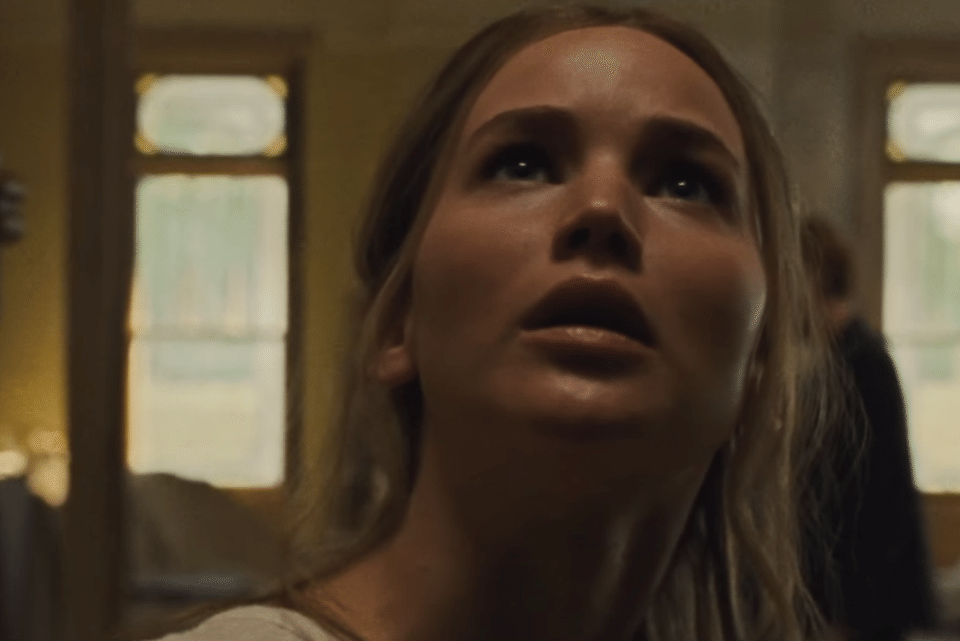
    Lawrence delivers a tremendous, subtle performance with the entire film resting on her shoulders, as Aronofsky frequently frames the camera tightly on her pale, withering face. Her turn isn’t flawless, especially as the film progresses deeper into Aronofsky’s mind, but Lawrence plows forward with reckless abandon.

    “mother!” forces Lawrence on an emotional roller-coaster that she rides with vigor, giving her best in the moments that nearly crack the character’s core. This will prove to be among her most iconic performances, as much for her devotion to being present in the moment as the strangeness of the film’s content.

    Oscar winner Bardem thrives in this environment, given the freedom to saunter in and out of scenes with a strong, brooding character that reverberates in the moment long after he’s no longer present. Bardem is a master of twisting a phrase so tightly that a character’s true intentions are a complete mystery. There’s something dynamic about his performance that gives “mother!” the energy necessary early in the film to bridge the gap until Aronofsky’s script reveals itself

    “mother!” has the attitude and vibrancy as if audiences are peering inside the mind of the film’s auteur director after a weekend bender.

    Aronofsky simply doesn’t care about the audience reaction and approaches everything from dialogue to story structure to the overwhelming number of extreme closeups on Lawrence in this manner. The result is an elegantly infuriating dramatic dance that culminates in one of cinema’s wildest rides.

    There’s simply no chance that “mother!” will be honored with any major accolades this fall. It’s a far too divisive and controversial film to hold much of a chance for an Academy Award win. It would not be surprising, however, to see Lawrence’s emotionally charged, increasingly demonstrative performance earn Best Actress considerations as the film’s lone nomination.

    “mother!” isn’t for the mainstream audiences it was promoted for; it isn’t even the provocative horror film it was made out to be. But there’s something alluring in the broken brilliance of Aronofsky’s work that might engage and excite a small portion of frequent moviegoers keen on experiencing film in a way they’ve never seen before, or likely ever again.

  • American Assassin: A most lethal weapon

    American Assassin: A most lethal weapon

    There’s a room with a half-dozen armed terrorists that need to be taken down.

    It’s possible to slowly take them out one by one using stealth and smarts, or by just running in the room and shooting them all in the head.

    “American Assassin” is the kind of movie that breaks down the door and shoots all the terrorists in the head.

    With a name like “American Assassin,” it’s hard to imagine this hyper-violent, in-your-face action film doing anything else.

    Based on the Vince Flynn novel of the same name, “American Assassin” follows the rise of Mitch Rapp (Dylan O’Brian), an average American whose obsession to slaughter bad guys begins after a terror attack claims the life of his fiancée.

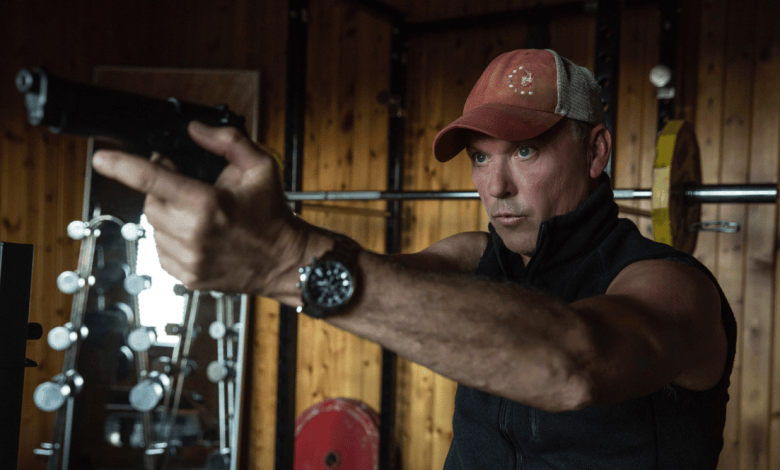
    He’s soon reined in by the Central Intelligence Agency and sent to train under legendary field ops handler Stan Hurley (Michael Keaton), which leads to a globe-trotting mission of nuclear proportions.

    O’Brien plays Rapp as an out-of-control missile, whistling around at rapid fire pace looking to destroy its target without hesitation. “American Assassin” doesn’t ask the young “Maze Runner” star to exert too much thought while taking on a room full of terrorists with reckless abandon.

    O’Brien’s Rapp is a loaded gun with an itchy trigger finger ready to explode at a second’s notice.

    And yet still, there’s a stoic calm about his performance in the quieter moments that almost belies a deeper emotion to Rapp, but those moments quickly fade out.

    It’s become common for studios seeking out a grizzled old veteran to turn to Oscar nominee Keaton, because Keaton always delivers. “American Assassin” is no exception.

    His Stan Hurley is a beleaguered, war-ravaged man tasked with weaponizing Rapp and turning him loose on indiscriminant bad guys with foreign accents.

    There’s not much to the part, but Keaton is able to turn nothing into at least a little something, which is more than can usually be said about acting in action movies.

    Most of the “baddies” are random, forgettable placeholders whose sole purpose is to kill and be killed.

    The one exception is Taylor Kitsch, whose Ghost is the veritable Rapp predecessor gone rogue, thus fulfilling one of action films’ most cliché tropes.

    In this regard, Kitsch essentially succeeds, but still has a hard time acting his way out of a paper bag. But given how little regard “American Assassin” gives to its enemies, this makes sense.

    The success of “American Assassin” lies in its unforgiving, relentless action and director Michael Cuesta doesn’t disappoint.

    From the opening moments, “Assassin” is a hyper-realistic, stunningly violent display of R-rated blood, guts and terror.

    The film’s inciting incident, an attack at a tourist beach in Spain, is among the most graphic, horrifying displays of plausible violence seen on screen in some time. Given recent terrorist attacks, this opening will undoubtedly affect audiences in one way or another.

    As “Assassin” progresses, the action becomes increasingly unrealistic and absurd as is to be expected in a typical genre film.

    Here, the filmmakers rely on a large CGI-budget to accomplish massive set pieces on land, sea and sky in a bombastic finish that feels torn out of the pages of a bad James Bond script.

    But even then, Cuesta ramps up the violence with a daringly, cringe-inducing torture sequence that will unsettle viewers.

    There’s nothing particularly ground-breaking or special about “American Assassin,” but that doesn’t mean it’s not above average action fodder for those seeking an escapist adventure at the movies.

  • Home Again: Playing it comfortably safe

    Home Again: Playing it comfortably safe

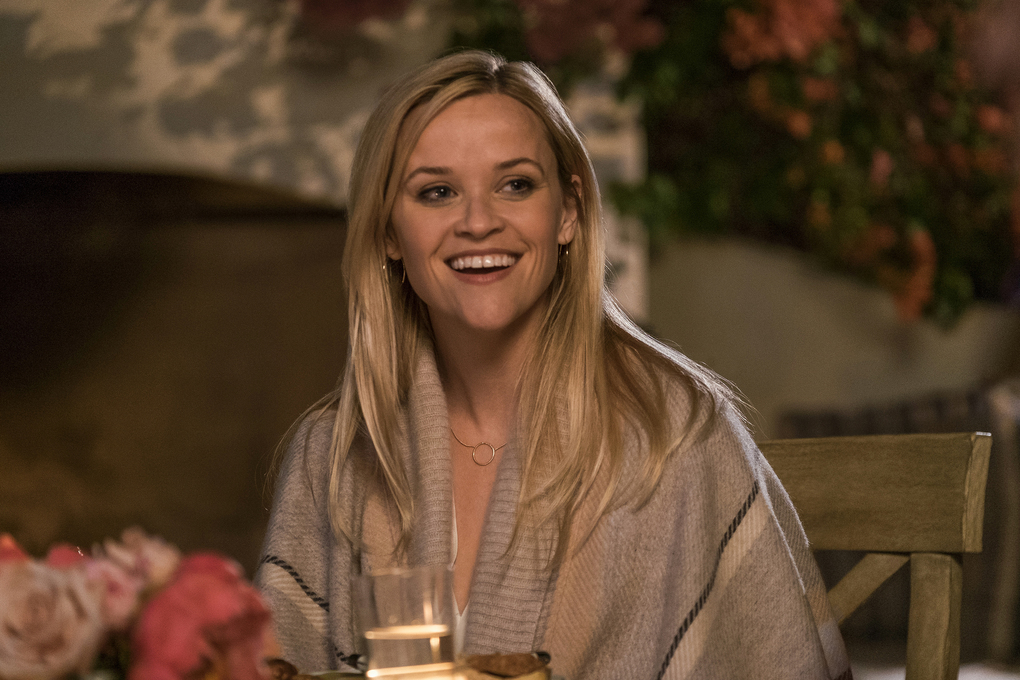
    Reese Witherspoon’s newest movie, the romantic comedy “Home Again,” is a soft pillow and warm blanket to wrap up in.

    It doesn’t matter how well the pillow is made or if the blanket is itchy. Comfort is what counts.

    Such is the case with “Home Again,” an overly familiar, safe romantic comedy in the vein of a Tom Hanks and Meg Ryan vehicle, yet without any of the wit and charm.

    It’s an incredibly easy film to enjoy in the moment, but somehow leaves viewers unsatisfied.

    Something’s clearly missing, though it’s never quite clear if the extra oomph “Home Again” needed was left on the cutting room floor or out of the script entirely.

    In typical rom-com fashion, the plot of “Home Again” is thin and unlikely. Witherspoon’s Alice is the daughter of a deceased Hollywood director and moves back into her father’s luxurious home with her two daughters after separating from her husband.

    She stumbles across three young filmmakers trying to make a black-and-white (read: serious) movie, and as it always happens, the trio move in with her and her family.

    Witherspoon plays the role with her usual breezy attitude, making Alice easy to get behind and root for despite never really knowing what went wrong with her marriage.

    It’s not a flawless performance, but Witherspoon performs so effortlessly that any flaws in the character work don’t really seem to matter, a truism of most romantic comedies.

    There isn’t much chemistry with Pico Alexander, who plays love interest Harry, or veteran character Michael Sheen as her estranged husband Austen for that matter.

    It’s especially troubling for the usually superb Sheen, who plays the role as if he were simply reading lines off a script during rehearsal.

    Alexander works hard as Harry in a role he clearly wants to go all out for, despite being hamstrung with filmmaking buddies Teddy (Nat Wolff) and George (Jon Rudnitsky) sharing screen-time and storylines.

    Their work, in a perfect reflection of the film as a whole, is fine in a passed-the-test, C-minus sort of way, but nothing really moves the needle in one direction or another.

    Perhaps the biggest flaw of “Home Again” is the downright criminal underutilization of Candace Bergen as Alice’s mother Lillian, who floats in and out of the picture at a whim despite being the most engaging, enjoyable character in the entire film.

    Investing more time in Lillian, as well as Alice’s two young daughters, would have been much preferable to the self-indulgent, knowing diatribes about how movie studios manipulate young filmmakers.

    Perhaps this is the right time to mention that writer/director Hallie Meyers-Shyer is a first-time filmmaker boosted by her director parents, including mother/producer Nancy Meyers of “Something’s Gotta Give” and “The Holiday” fame.

    “Home Again” wraps itself up in such a tight little bow that it’s nearly impossible for viewers to relate to with an ending so sugary sweet that audiences may feel a toothache coming on.

    It almost works better as an extended television pilot for a series that never received a full season order.

    While clearly not on the same level as the vastly superior “The Big Sick,” there is a place for films like “Home Again” on the Hollywood landscape.

    Audiences could do a lot worse than spending a casual 90-minutes with Reese Witherspoon in a romantic comedy, even when there’s not much romance to go around.

  • The Hitman’s Bodyguard: Witless protection

    The Hitman’s Bodyguard: Witless protection

    Hollywood’s going to get the wrong idea.

    It doesn’t matter that action-comedy “The Hitman’s Bodyguard” has zero major competition at the box office or was released in a month where studio films go to die.

    All that truly matters, unfortunately, is that the Ryan Reynolds and Samuel L. Jackson movie just clinched its third consecutive week at number one in national ticket sales.

    That should be enough to kick start plans for a sequel and a half dozen vaguely similar movies to enter pre-production this week.

    But for audiences, “The Hitman’s Bodyguard” represents yet another paint-by-numbers, rushed product that seeks to trick viewers with flashy trailers in hopes of quick cash.

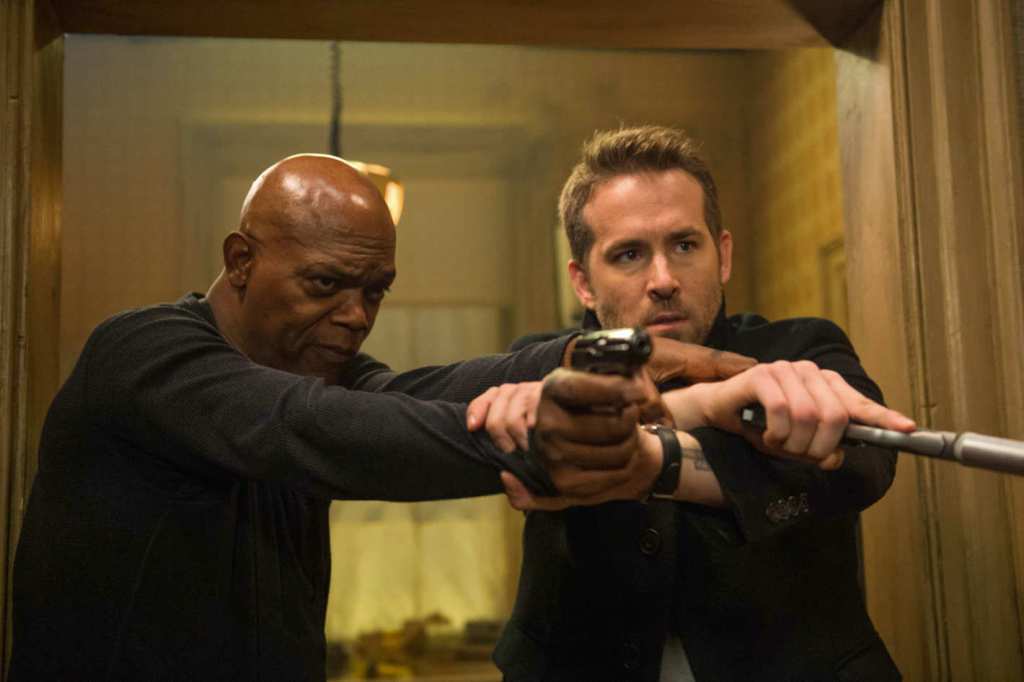
    In this comedy scarce of laughs, top assassin Darius Kincaid (Jackson) has been called to testify on the war crimes of a tyrannical head of state.

    In order to ensure his arrival, former bodyguard Michael Bryce (Reynolds) has to get Darius to the court on time.

    While each actor is independently funny in their own right, Reynolds and Jackson don’t demonstrate much chemistry on screen as Reynolds’ snarky tone clashes with Jackson’s direct, no-nonsense attitude.

    It’s almost as if both performers are going through the motions, rehearsing the scenes rather than engaging in them.

    For Jackson, this is especially a disappointment as “Bodyguard” leans heavily on the veteran actor’s trademark expletive and acknowledges just how often he claims someone commits incest.

    The actual character of Darius becomes completely secondary to Jackson imitating himself from better films, a sad caricature of a much more talented performer than appears in “Bodyguard.”

    Reynolds comes off a little bit better as his roguish charm is occasionally appealing as Michael, but even the “Deadpool” actor can’t buy the laughs Tom O’Connor’s subpar script intends him to.

    His chemistry is surprisingly better with thinly-written love interest Elodie Yung, though even that relationship doesn’t really do much to tip the scales and make “Bodyguard” an interesting film.

    Academy Award nominee Gary Oldman is known for melting into his roles in accent, character and makeup.

    Perhaps he would have been better served disappearing from “Bodyguard” entirely, as his second-rate baddie Dukhovich fails to make any impact on screen no matter how much Oldman snarls and spews evil.

    It’s a paycheck effort given to allow Oldman the creative freedom to work on projects like “Darkest Hour,” where Oldman will star later this year as Winston Churchill. Nothing more, nothing less.

    The film’s action sequences are as hit or miss as its attempts at comedy and vary wildly on a stunt to stunt basis.

    There are moments – like when Michael is flung through a car windshield and lands safely on his feet – that can be mouth-dropping.

    Other moments feel like stolen imitations from better action films or something that would be better served in the next Steven Seagal straight to DVD adventure.

    Much of this blame has to lay at the feet of the film’s director, Patrick Hughes, who essentially attempted to recreate his last feature, “The Expendables 3,” and build a buddy comedy around it. It’s part spy film, part action flick, part R-rated comedy, and 100 percent mediocre.

    “The Hitman’s Bodyguard” is destined to become the kind of basic cable movie viewers stop and watch occasionally while flipping channels, but never something that anyone seeks out as must-see entertainment.

    Box office success doesn’t always line up with quality filmmaking as much as we might want it to.

    There’s hardly a better example than the exceptionally mediocre “The Hitman’s Bodyguard.”

  • Wind River: Life and death in the cold

    Wind River: Life and death in the cold

    Taylor Sheridan can write the tail off a script.

    The creative mind behind probing, emotional thrillers like “Sicario” and “Hell or High Water” takes to the director’s chair for the first time with “Wind River,” his third feature film script and perhaps the most stoic, reserved entry in his filmography.

    Set in the harsh cold of the Wind River Indian Reservation in rural Wyoming, Sheridan’s thriller takes on the best and worst of its environment with a tense, bone-chilling crime drama that also suffers from a glacially slow opening act, a rare imperfection in an otherwise outstanding film.

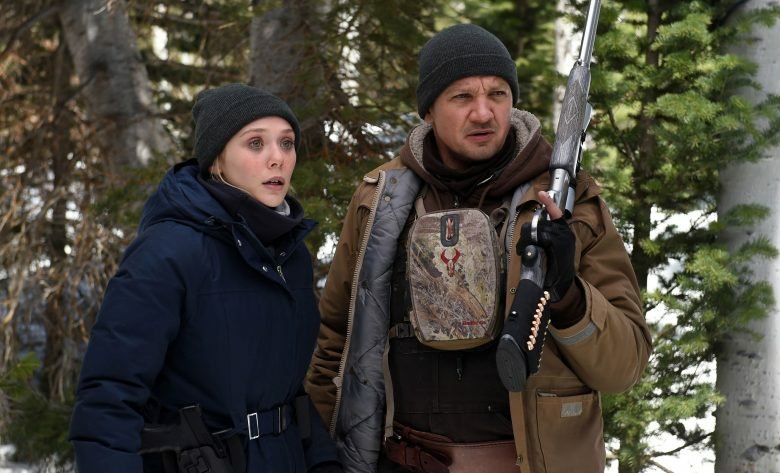
    Academy Award nominee Jeremy Renner stars as Cory Lambert, a Wildlife and Fisheries Department tracker who stumbles across the frozen corpse of a missing Native American girl miles from home in the snow. When FBI agent Jane Banner (Elizabeth Olsen) is called into investigate, the duo begin hunting for the truth about her death.

    While Renner will probably be more closely attached to his work in the Marvel Cinematic Universe or Kathryn Bigelow’s Oscar-winning “The Hurt Locker,” there simply isn’t a better performance from this talented character actor than his Cory in “Wind River.” Renner perfectly captures the inner conflict of Cory’s soul both verbally and non-verbally in every moment of “Wind River.”

    Viewers can feel the pain in Cory’s eyes desperately fighting and clawing to get out while he devastatingly forces his emotions down. Every look, every word from Renner is cold, calculated, precise in a turn that marks a new height in Renner’s illustrious career.

    Olsen delivers a solid, unspectacular performance as Jane, the head-strong, but over her head FBI agent trying to bring justice to a situation where little justice is ever served. Gil Birmingham, who was a revelation as Jeff Bridges’ partner in “Hell or High Water,” is equally phenomenal in “Wind River” as the young woman’s grief-stricken father, permanently scarred by his daughter’s death.

    “Wind River” is a film that’s admittedly rough around the edges, intentionally as rugged and worn as Renner’s Cory appears on screen. It’s a movie that openly envisions what might happen if Clint Eastwood’s Man With No Name had become stricken with grief, what emotional sobs in silence look like both visually and internally.

    As such a cold movie, “Wind River” struggles to draw viewers in during its first quarter, keeping a stoic, somber distance from its audience while Sheridan builds the plot in linear, crime procedural fashion. When the tone flips on its head later in the film, “Wind River” becomes something else entirely: a vivid, gripping peek into life on the fringes.

    Sheridan’s biggest strength as a director comes from how intricately he knows the script, which he shot after a single draft. “Wind River” circles its plot like a lion slowly trapping its unwitting prey, until all of a sudden, it’s right on top of you.

    Because he feels at ease in the film’s quieter, dialogue-heavy moments, Sheridan allows himself the freedom to take bigger chances in the narrative’s action sequences.

    Several times in “Wind River,” Sheridan places the camera as the viewpoint of one of the characters, allowing audiences to experience heightened anxiety. Putting viewers in Jane’s shoes as she sweeps a crime scene with gun drawn, for example, is one of the film’s most engaging, visually stimulating moments.

    The film’s independent status makes “Wind River” a long shot for any awards consideration, though Renner’s performance and Sheridan’s script are both certainly worthy of acclaim this fall. Backing from The Weinstein Company, a notoriously heavy spending in award campaigns, should bevy its chances of being this year’s “Hell or High Water,” a film that earns several key nominations but fails to win in any category.

    Led by stellar performances from Renner and Olsen as well as another terrific Sheridan screenplay, “Wind River” is the year’s first true quality dramatic thriller to hit the big screen.

    In a summer dearth of heavier, gripping films, this Sundance favorite is worth making a trip to catch in theaters.

  • The Glass Castle: Family drama tackles questions of society, freedom, individuality

    The Glass Castle: Family drama tackles questions of society, freedom, individuality

    It’s all a matter of perspective.

    The concept of one man’s trash is another man’s treasure comes to the forefront in “The Glass Castle,” Destin Daniel Cretton’s family drama based on Jeanette Walls’ best-selling memoir of the same name.

    It’s a tale of a family at odds against itself, father against mother, children against parents, fighting separately but together in a struggle for survival in rural America. Father Rex is a dreamer distrusting of upper class society who longs to have his children experience life rather than be drug through it. Chronic alcoholism and poverty have placed the Walls family in various destitute states for most of their childhood.

    “The Glass Castle” floats back and forth, examining Jeanette’s childhood in rural West Virginia and contrasting worldview as an engaged journalist living in a New York City penthouse while her parents squat in an abandoned building. Scenes in both timelines often work well, but there’s a noticeably distinct lack of cohesion in the narrative from start to finish.

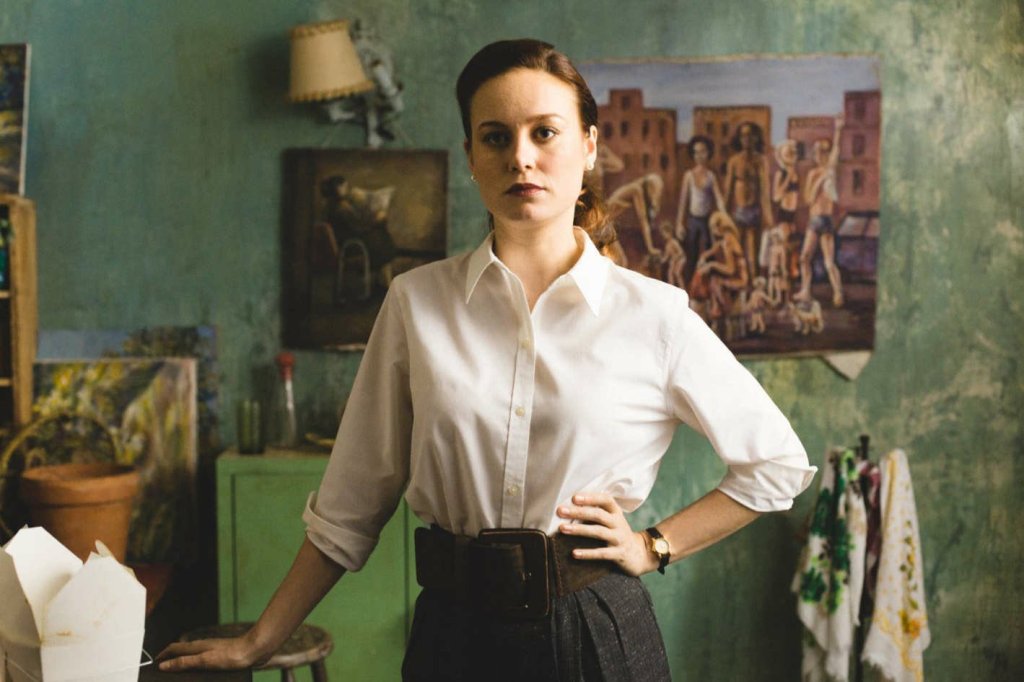
    As the eldest Jeanette, Academy Award winner Brie Larson delivers a standout performance with her ability to project confidence and inner turmoil simultaneously at the drop of a hat. Each choice Larson makes with the character is subtle and calculated, reflecting her immense understanding of Jeanette and the angst she feels inside.

    Oscar nominee Woody Harrelson has the film’s flashiest turn as Rex, displaying moments of brilliance in the quietest moments of “Glass Castle.” When Harrelson allows Rex to be small and present in the moment, there’s an immense heart and charm to the portrayal that it’s nearly impossible not to fall in love with. Contrast that with Rex’s large displays of drunken bravado where Harrelson teeters towards the edge of caricature and audiences can easily disengage from any redemption arc Rex might travel down in the course of the film.

    Third-billed in a role that could have easily underutilized her talents, Academy Award nominee Naomi Watts sparkles in limited screen time as the conflicted, but ever joyful matriarch Rose Mary. Likewise, many of the young performers who portray the four Walls children over the course of the film turn in terrific ensemble performances, especially Ella Anderson as young Jeanette and Iain Armitage as youngest Brian.

    There’s an elegance to the way Cretton approaches the material visually, allowing audiences to peek into a world where bright colors seem brighter and darkness feels more pitch black.

    Cinematographer Brett Pawlak’s poignant framing and camera work do a masterful job of bringing Cretton’s desire to say something about present day America with “The Glass Castle.” The problem is Cretton just doesn’t say what he means.

    Cretton brings the most out of his actors in “Glass Castle,” especially Larson, who starred in Cretton’s Sundance hit “Short Term 12.” What doesn’t necessarily work as well for the writer/director is the film’s meandering storyline where every fourth scene falls a little flat.

    Perhaps a better cut of the film or some tightening of the script to shave 15-20 minutes off the two-hour running time would elevate the material as a whole and allow the strong performances to shine more.

    Regardless, “The Glass Castle” does carry enough weight for Larson to potentially earn another Best Actress nomination after winning in 2016 for “Room.” Supporting nominations for Harrelson and Watts might have been in the cards, though an early release date and mixed reviews for the film will put both on the outside looking in when award season rolls around.

    A flawed, but promising family drama, “The Glass Castle” might be fairly accused of playing things too even-handed, failing to scathingly indict the avant-garde lifestyle of the elder Walls or fully embrace a feel good tear-jerker.

    But for large budget independent work, “The Glass Castle” features a terrific ensemble cast with dynamic visuals worth seeking out at the theater.