Year: 2021

  • Last Night in Rozzie: Independent hit a solid double

    Last Night in Rozzie: Independent hit a solid double

    One of Hill Country Film Festival’s greatest success stories makes its theatrical debut this weekend.

    Last Night in Rozzie, directed by Sean Gannet from a screenplay by Ryan McDonough, won both the Cinema Dulce (Best of Fest) and Best Feature Film award at the 12th annual festival this summer and will open in limited release on the big screen as well as premium video on demand this Friday.

    The film originally screened for its world premiere as a short film in 2017 before filmmakers secured the financing to expand their 14-minute piece into a full length feature. Both versions of Rozzie have the same basic outline, although the 80-minute version changes some significant plot choices and recasts the lead actors.

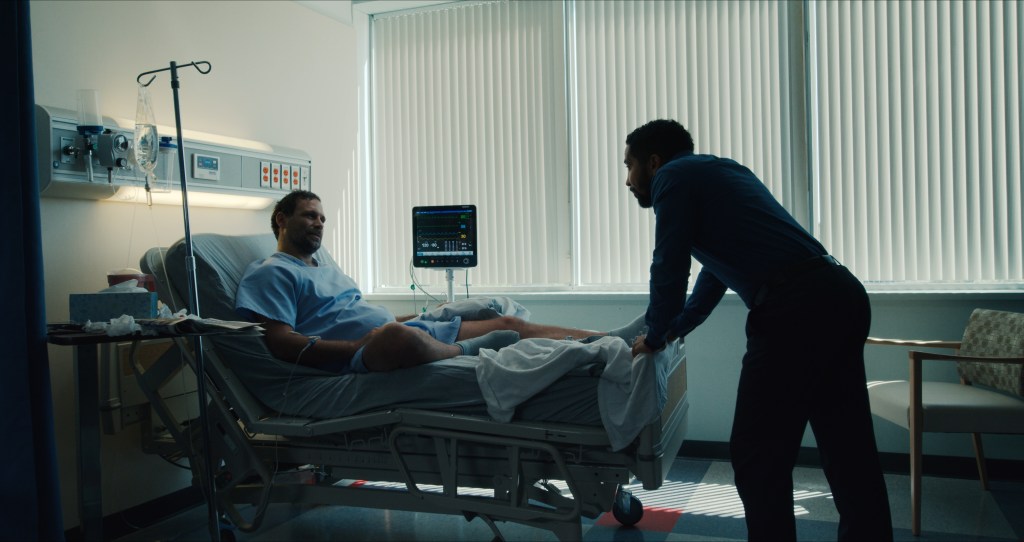
    Last Night in Rozzie follows Ronnie, a New York City corporate lawyer pushed back to his roots in the small Boston suburb of Roslindale to reunite his dying friend Joey with his young son and confront the demons 25 years in his past. What complicates things is Joey’s request that Ronnie facilitate the visit without letting his ex-wife – and Ronnie’s childhood crush – Pattie know.

    This conceit drives the central narrative and complicates a relatively straightforward story. While it works well to enhance the relationship between Ronnie and Joey, things become a bit wobblier between Ronnie and Pattie as there’s an uncomfortable tension to the core of their interactions placed by the narrative that the film can’t seem to get away from.

    Neil Brown Jr. makes the transition from television to movie lead with his first major feature role after several successful seasons on CBS’s Seal Team.

    As Ronnie, Brown Jr. is very approachable and engaging to follow for audiences as viewers bounce around Roslindale almost never leaving his side. Often he portrays Ronnie as being wound so tightly that he’s on the verge of breaking, which works in the larger melodrama but also makes Ronnie very inaccessible and distant in relationships.

    Without question, the highlight of the entire film is Jeremy Sisto’s magnetic performance as Joey. The energy in scenes doubles any time Sisto is on screen regardless of Joey’s physical state and he constantly draws viewers back into the heart of the film whenever they may begin to disengage from events outside the hospital.

    The veteran character actor best known for a four season run on hit NBC crime drama Law and Order commands a range of emotions from humor to anger to deep seeded sadness that moves fluidly throughout. Sisto is brilliant at making the most of a role that keeps him largely confined to a hospital bed and yet it’s as if Sisto’s looming presence dances around scenes he’s not in, elevating occasionally marginal melodrama.

    Nicky Whelan is solid in an underdeveloped role as Pattie, a fiercely independent mother who wants nothing more than to shield her son from things of the past. On her own, it’s a strong performance but a constant standoffishness between Ronnie and Pattie makes her work feel relatively disjointed from the rest of the film.

    Part of the narrative hook of Rozzie relies on a series of flashbacks to slowly reveal information to the audience about both Ronnie and Joey’s close, yet fractured relationship as well as why Ronnie left town and spirals downward upon his return.

    Gannet measures his usage of these scenes, which sharply cut into the flow of the film in order to push the audience emotionally and the effect works moderately well especially at the pivotal moments, though the return to the current timeline can be a bit off-kilter at times.

    Visually, Rozzie is exceptionally sharp for an independent film and puts too lush a shine on the more somber story. This decision by Gannet and director of photography Matt Suter doesn’t really make sense until the final moments of the film, where a haze is laid over the screen to bring audiences deeper into Ronnie’s devolving state of mind and helps solidify the film’s ending.

    Last Night In Rozzie may not have the star power of large scale adult melodramas, but its independent spirit, universal story and Sisto’s remarkable performance might be the right find for local cinephiles who missed out on its summer screening in Fredericksburg wanting to check it out at home.

    Note: Matt Ward is a programmer for the Hill Country Film Festival.
  • Shang-Chi and the Legend of the Ten Rings: Two-thirds of perfection

    Shang-Chi and the Legend of the Ten Rings: Two-thirds of perfection

    Marvel’s latest action-adventure comic book movie, Shang-Chi and the Legend of the Ten Rings, is groundbreaking in a number of ways.

    It’s the milestone 25th film in their cinematic universe to be released and the first to feature an Asian lead, predominantly Asian cast and an Asian director in Destin Daniel Cretton, a massive step forward for representation in American cinema.

    The film also comes at a transition point for the studio, which has finally begun to introduce new characters and worlds following the events of Avengers: Endgame, and places a lot of hopes on relative unknown Simu Liu to break out and help lead the next wave of inevitable sequels and spinoffs.

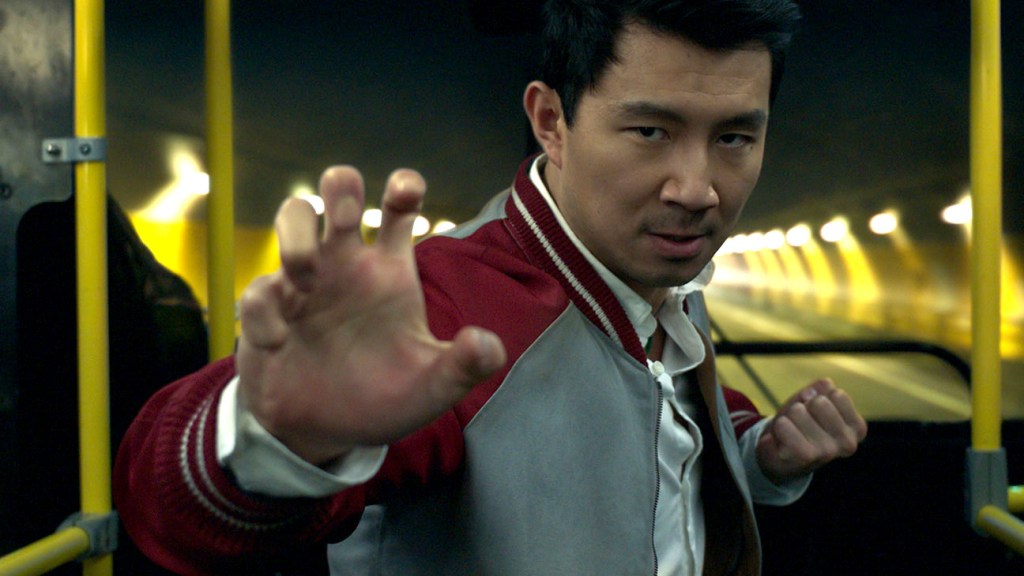
    Shang-Chi introduces audiences to Shaun, a slacker working as a valet at a downtown San Francisco hotel with his best friend Katy, when thugs attack him on a bus and he reveals expert level martial arts training that allows him to fend off his attackers and spiral the pair down into a world of ancient mysticism and international terrorism.

    The problem with the film’s narrative, however, comes from the fact that it almost isn’t Shang-Chi’s origin story at all. It’s the origins of a much larger universe and the unlikely love between his parents, the villainous leader of a crime syndicate known as The Ten Rings and a woman living in a hidden village empowered with mystic martial arts.

    As Shang-Chi discovers who his parents truly are, audiences begin to see his skill set as a fighter and his moral compass, but there’s not really a character for Liu to build himself around. His Shang-Chi is a steady presence and an excellent fighter to choreograph action sequences, but Cretton and co-writers Dave Callaham and Andrew Lanham saddle the title character as the least interesting out of all the main figures in the film.

    This isn’t to say Liu isn’t a star in the making as Shang-Chi. It’s clear that Marvel has big plans for the character in their expanding universe of content and Liu’s chemistry with Awkwafina as Katy is stellar both emotionally and comedically. He’s also an exceptional fighter, doing most of the stunt work himself.

    Tony Leung as the film’s erstwhile villain steals the entire feature with a layered, emotional performance as a man grief-stricken by the loss of his wife and completely blinded by anger and frustration that builds to rage.

    Fight choreography throughout the film is perhaps some of the strongest in all Marvel movies, focusing heavily on the beautiful artistry of hand-to-hand martial arts combat in sequences that evoke everything from Crouching Tiger, Hidden Dragon to Rumble in the Bronx to the John Wick franchise.

    These sequences are masterfully shot by cinematographer Bill Pope, who floats in and out of each fight like a bird dancing around, moving the frame in such a way that large chunks of the film feel more like ballet and less like fisticuffs. This is especially true of the best moment in the entire film – a flashback recalling how Shang-Chi’s parents first met – that is exquisitely captured and filled with playful, colorful romanticism unlike anything audiences have ever seen in a comic-book movie. 

    As is usually the case with Marvel films, however, the final third of Shang-Chi ventures a bit too much into the CGI-heavy, bombastic set pieces that stretch a simpler story beyond the bounds of the director’s intent and infuse it unnecessarily with a cataclysmic battle for humanity that dissociates viewers from all the great work leading up to that point.

    There’s so much opportunity for growth and Shang-Chi is on the cusp of a great entry into the Marvel Cinematic Universe that the final 20-25 minutes leave a somewhat bitter taste.

    Given the promise of Liu as a mainstay moving forward and the important of the film to the larger franchise as a whole, there’s enough in Shang-Chi to make it a must see though an in theater versus at home screening will depend on viewers’ willingness to not be spoiled in advance. 

  • Annette: The boldest of strokes

    Annette: The boldest of strokes

    There isn’t much of an audience for Annette, and rightfully so.

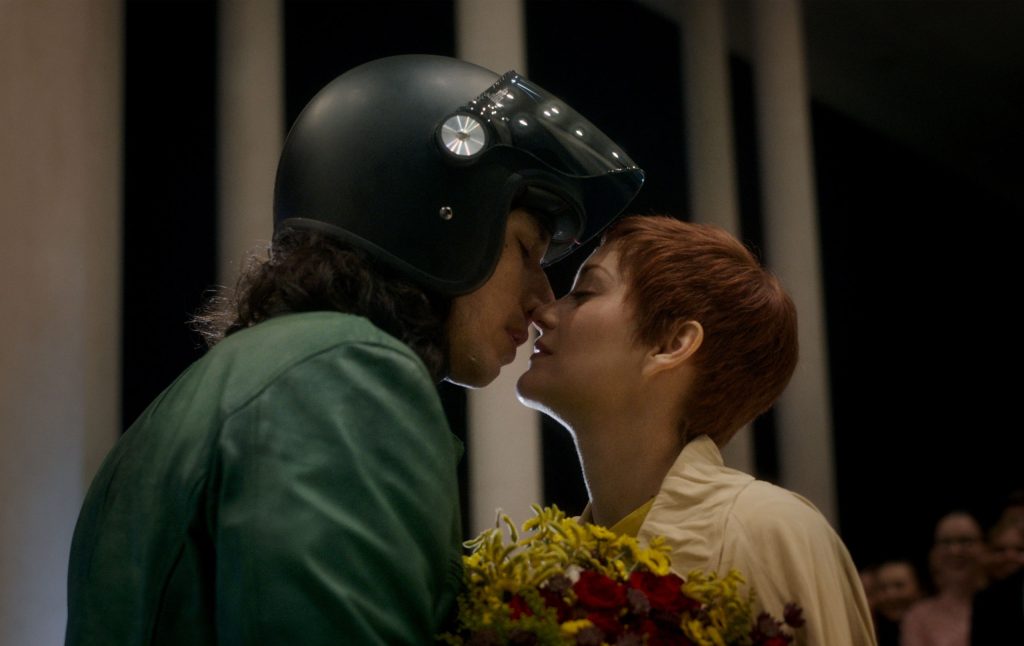
    Amazon’s latest major awards season endeavor comes from the minds of Russell and Ron Mael, also known as the obscure alt-pop-rock band The Sparks, who penned both the rambling screenplay and chaotically strange soundtrack of French auteur Leos Carax’s meandering rock operetta and English language debut.

    It’s a film where Adam Driver rants on stage at an audience in a bathrobe and calls it stand-up comedy, where a persistently melancholic Marion Cotillard listlessly looks off into the distance and where a large section of the film centers around a singing marionette puppet.

    Avant-garde to the extreme, Annette is almost violently inaccessible, flaunting around in its own self-defined delusions of grandeur and opulence. 

    Centered largely around the unlikely romance between a brash stand-up comic and a classically trained opera star, Annette posits itself as a treatise on celebrity and fame while also commenting on toxic masculinity and existentialism.

    Driver’s Henry McHenry is painstakingly abhorrent, with the clearest of intention, and Driver relishes every opportunity to twist the knife into viewers’ psyche like he’s dragging fingernails down a chalkboard. It’s a performance that asks the question: “What if Andy Kaufman was manically depressed” and the idiosyncratic monotone that Driver largely adopts for Henry’s cadence becomes increasingly abrasive as events unfold.

    Often character actors like Driver attempt to mask for the audience how they are creating the character so that it appears after the performer has faded away completely so viewers suspend disbelief and buy into the larger narrative.

    Keeping in Carax’s larger goal of peeling back the layers of filmmaking within Annette – there’s some intentionally shoddy green screen work to accentuate the cinematic fiction of the world – Driver paints Henry with loud, bombastic brushstrokes that scream out his commitment as an actor to the role. It’s brilliantly flamboyant artistry on his part, especially in becoming magnetically loathsome and captivating all at the same time.

    For large sections of her screen time, Cotillard plays Ann as submissive, nearly to the point of being opaque and it’s only after she becomes a mother that audiences begin to see the vibrancy of Ann as a character and Cotillard’s performance, which haunts over every second the titular Annette is on screen.

    Simon Helberg is woefully underutilized in limited time as a composer with ties to Ann and the fact that he’s the third largest role in the film among living performers should prove how much of a one-man show Annette becomes for Driver’s manic disposition.

    The screenplay is inexplicably short and confounding for a 150-minute feature but is thankfully overshadowed in large segments by Caroline Champetier’s exceptional cinematography gives the bold choices Carax makes in the film a sense of purpose and makes the film something attentive viewers an arresting display they will rarely want to turn away from even when things may get uncomfortable.

    This award season, Annette will serve primarily as an asterisk attached to Driver’s inevitable nomination for either The Last Duel or House of Gucci, both high-profile and buzzworthy Oscar bait films from director Ridley Scott voters may opt to reward Driver for the entire year’s filmography and include his bombastic, “going for it” turn in Annette in their rationale when deciding on nominees and winners.

    It’s hard to imagine the film receiving much else from outside the random critic’s group best-of list, though it’s certainly possible that one of the catchier tunes from the soundtrack like “So May We Start?” filter its way into a shortlist for best original song.

    Annette is one of those films that viewers will instantly recognize as a love-it-or-hate-it bellwether for a cinephile’s taste and one that will have its ardent supporters elevating to cult status in short order while most simply shrug their shoulders or dismiss outright.

    The film’s arrival on Amazon Prime probably gives Annette a broader base audience than it deserves and those who haven’t turned it off by the number “We Love Each Other So Much” shouldn’t be surprised by the mystifying twists and turns it takes along the way.

    It’s difficult to recommend the film to anyone at all, which makes Annette an even more intriguing and off-putting avantgarde display of original cinema easily accessible for audiences willing to give the inexplicably brash film a try.

  • Stillwater: Floating under the radar

    Stillwater: Floating under the radar

    One of the year’s best films can’t seem to find its audience.

    With an Oscar winner at the helm and box office draw Matt Damon delivering one of the finest performances of his career, Stillwater should have been a no-doubt buzzworthy feature that drove viewers to the theater for what was marketed as a high-stakes thriller.

    And yet, director/co-writer Tom McCarthy’s latest film and his major studio follow-up to Best Picture winner Spotlight has gone considerably under the radar in spite of critical acclaim and raucous support at its debut during this year’s Cannes Film Festival.

    Part of the issue is tone.

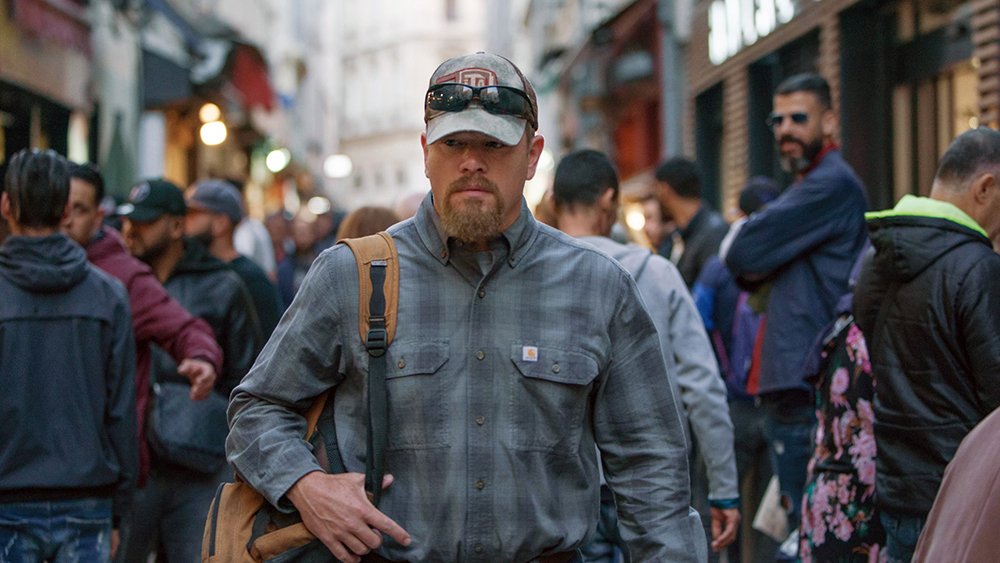
    The film sees Damon portray an Oklahoma roughneck travel to Marseilles visiting his daughter in hopes of securing her freedom five years after she was imprisoned for the death of her roommate. Marketing and trailers project Stillwater as an intense thriller in the vein of the Taken franchise, though it’s considerably more restrained and somewhat melodramatic over the course of 140 minutes.

    Coproduced by American and French studios, there’s a considerable blending of American intensity with moderate European filmmaking that gives Stillwater a brooding tone which could dissuade casual moviegoers. But the deliberate pace is actually one of the strongest elements of the film, which allows McCarthy’s introspective script to shine and drive the narrative based on character rather than simple plot.

    Damon delivers an intensely introspective performance as Bill, a man seemingly wandering his way through life with little purpose or perspective until the events of the film grow to completely reshape him as a father, and perhaps more importantly, as a man.

    There are moments of rage that will evoke his work in the Jason Bourne franchise, and audiences longing for the action thriller they believe they were promised by the trailer will long for more. 

    But it’s in the reflective work that Damon puts Bill through where his performance truly shines.

    Over the course of the film Bill connects with a mother and her young daughter, becoming somewhat of a surrogate father as audiences see Damon slowly soften as if he were seeking amends for past sins in a pseudo do-over penance.

    The relationship Damon is able to create with first-time actress Lilou Siauvaud as Maya develops naturally with the pair building bridges across generational and emotional differences in spite of language barriers. Moments where the pair begin to teach each other English and French are quite charming and often provide the slightest sense of levity to break up the heavier drama that prevails throughout.

    Abigail Breslin is solid as Bill’s daughter, though the screenplay and the larger feature as a whole keep Allison at a distance from audiences, muddying the waters to accentuate the central mystery and maintaining the focus on Bill himself.

    Camille Cottin is excellent as Maya’s mother Virginie, operating both as a narrative link to drive the story forward translating for Bill and the audience and as a beacon for Bill to find himself in this foreign world culture that he doesn’t understand as a blue collar American.

    Cinematography from Masanobu Takayanagi is largely handheld and natural, allowing the city of Marseilles to fill the background with its unique beauty and plurality as a city of elite and lower class. McCarthy and Takayanagi do a wonderful job of using the visual to help create the world of the film without becoming a distraction from the character work.

    Focus Features seems to have moved Stillwater off its Academy Awards marketing campaign, pushing the film into premium video on demand while it’s still screening theatrically. Unfortunately, Damon’s chances of earning a Best Actor nod seem unlikely as comments he made during the press tour for the film have moved him almost certainly out of the running.

    By the time all is said and done, Stillwater could very well top a list of 2021 films that no one is talking about despite being among the most original and captivating.

    Damon’s performance is beyond reproach and the considerable talent around him both on screen and off make Stillwater a film audiences should seek out at home or on the big screen.

  • Free Guy: Take the glasses off

    Free Guy: Take the glasses off

    At a certain point, theater starved audiences are going to have to admit that they’ve got rose colored glasses on.

    Viewers who lived for years as their local movie house are finally starting to make their way back to the big screen on a once-a-month, every-other-week trip to the cinema. 

    Because the movie-going experience feels new again, there’s an anticipation that builds up and amplifies their opinion of whatever movie they’re seeing. Event-izing a mediocre film as special due to the fact that it’s seen theatrically creates this idea that the movie they just saw had to be worth it.

    For many audiences, Free Guy might be their first trip back to the movie theaters in months or even since March of last year and in their minds, it had to not be a good movie. It had to be a great movie.

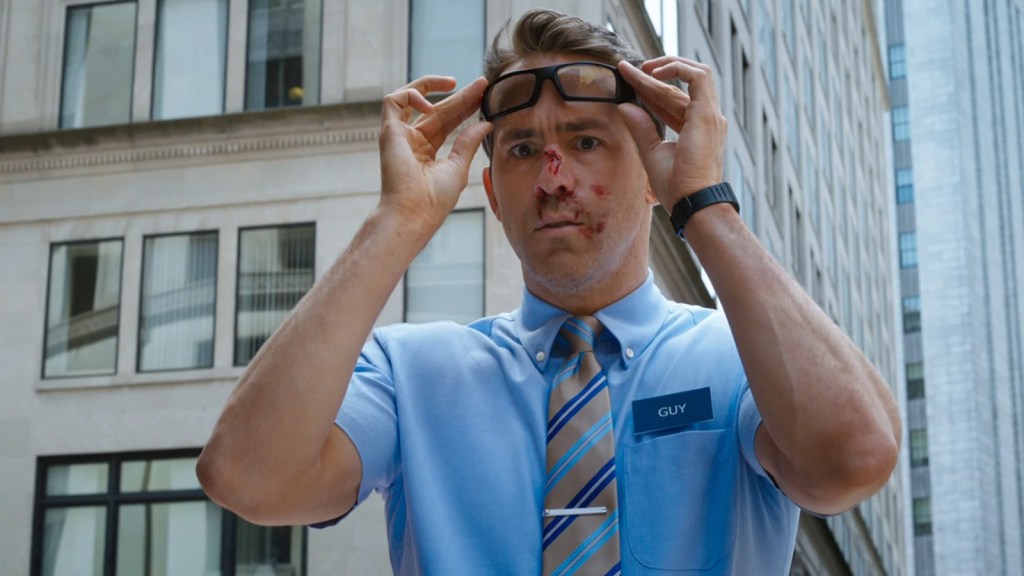
    The film, bumped several times from its initial July 2020 release, finally made its way to theaters this weekend, with Ryan Reynolds starring as an AI-controlled video game character (or NPC) becoming self-aware and striking out on his own as a good guy in a world where gun violence and bank robberies are commonplace.

    Free Guy projects itself to be something different depending on its potential audience: a family-friendly romp for pre-teens, a Deadpool-like spoof of the video game industry for millennials and a hyper-stylized action-adventure for older audiences.

    In trying to serve all these different groups at once, director Shawn Levy succeeds at none of them, creating an overly mediocre feature that exceeds the bounds of its fantastic premise.

    Reynolds’ Guy is essentially a carbon copy of the classic Will Ferrell character Buddy the Elf from Elf, only as a hopeless romantic daydreamer replacing the childlike wonder.

    As Guy begins to understand his own free will, Reynolds does a solid job removing some of the polished shine from Guy’s almost robotic personality, but it’s only surface level character work. The script doesn’t really explore Guy’s inner monologue, and although a romance between his NPC and real-world Milly evokes shades of Spike Jonze’s sci-fi drama Her, it’s played innocent to the point of being timid.

    The film’s two main comedic talents, Reynolds and Taika Waititi, never share a second of screen time and the humor lands only about a third of the time. As the primary antagonist of the film, Waititi makes some interesting choices to differentiate from his regularly lovable persona, but his Antoine is incredibly demure by Waititi standards.

    Everything around Reynolds, especially the moments when Guy is off screen entirely, are distinctly unmemorable and bland. In trying to create a larger world around Guy, Levy and screenwriters Matt Lieberman and Zak Penn drive down the film’s momentum with a subplot about who gets the credit for creating the world of the “Free City” video game to the point where Guy’s self-awareness becomes subservient to a less interesting narrative altogether.

    Visually the film has its moments, especially when Guy becomes self-aware of the video game elements of “Free City,” and there’s an endless amount of hidden easter eggs waiting in the background of scenes to be explored on rewatches.

    But just like the numerous cameos littered throughout, Free Guy only has pockets of energy that are gone as quickly and spontaneously as they arrived only to leave the final product a jagged mess.

    Free Guy is a film that tries exceptionally hard to be a cross between The Truman Show and Ready Player One, but fails to live up to either of those significantly more engaging, interesting movies. Reynolds makes it worth seeing several months from now on a streaming service or home rental thanks to his affable charm, but there isn’t enough quality there to go out of the way to see Free Guy in theaters.

  • The Suicide Squad: Second time’s the charm

    The Suicide Squad: Second time’s the charm

    After failing to generate a full-fledged spinoff franchise in 2016, Warner Brothers and DC Comics return to the villain-turned-reluctant-hero well for a second time with The Suicide Squad, a film that adds a word to the title and far brighter, more inventive filmmaking.

    Director James Gunn, who’s largely responsible for making an obscure Marvel comic book into its own successful movie series with Guardians of the Galaxy, comes on board to write and direct the most irreverent, brutal and entertaining film in the entire DC Extended Universe.

    While it’s not quite on the level of top end Marvel movies, The Suicide Squad is far superior to the overly bland and unnecessarily dark David Ayer film Suicide Squad and continues the upward trajectory of the DC franchise as a whole.

    The sequel’s premise is much like the 2016 original as a covert U.S. government operation aims to tackle the most dangerous missions by extorting imprisoned super-villains to risk their lives in exchange for reduced prison sentences. While the mission to destroy “Project Starfish” on a remote island nation serves as the plot device driving the film forward, The Suicide Squad relies heavily on putting its terrific ensemble cast in ridiculous situations and allowing the humor and violence to carry the weight.

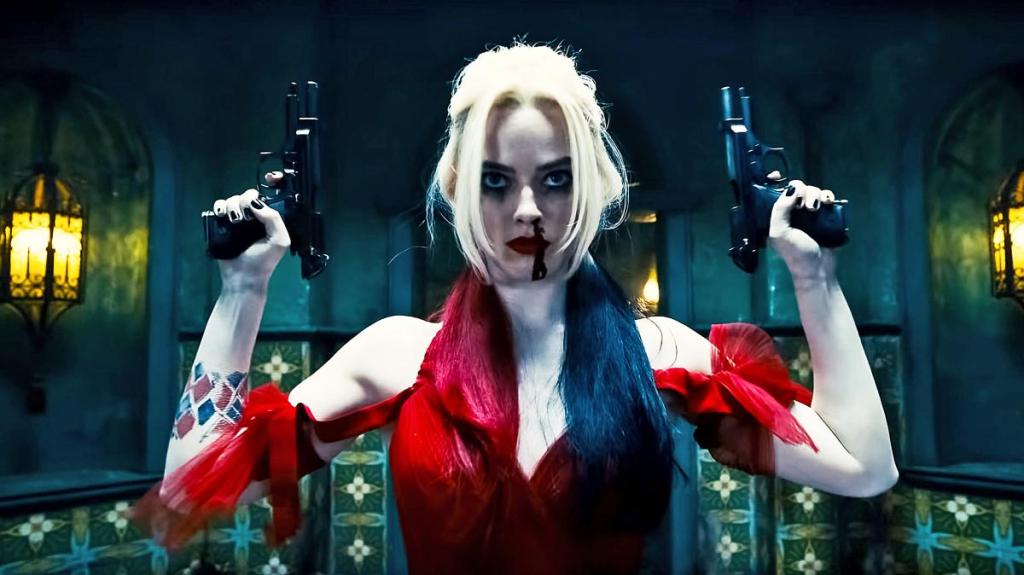
    Margot Robbie returns as the infamous Harley Quinn, the lone standout of the original film and one of the few survivors. Much like the 2016 installment, Robbie isn’t the focus of the storyline nor a central character, but her performance draws so much attention with the relentless chaotic energy that she brings to Quinn.

    It isn’t the best version of the character; her turn in the role for last year’s Birds of Prey brought far more development and growth that allowed Robbie to sink her teeth into the material. Her scenes exude a manic-like frenzy state that rationalize delusions and yet there’s a sweet innocence lying under the surface that endears Quinn to the audience in a way unlike any other character.

    Idris Elba and Joel Kinnaman carry the burden of driving the narrative forward with functional, yet underdeveloped military characters that hold the unlikely team together towards their mission, while Sylvester Stallone is a gem providing the voice of the tank-like King Shark that will likely be audiences’ favorite new member of the team.

    Among the new additions, the most talked about will be John Cena’s alpha-male, American vigilante bravado fueled work as Peacemaker, a shoot-first, ask-questions later sort of a guy meant to symbolize imperialism and be a direct political commentary that will alienate a large percentage of the potential viewing audience.

    That being said, it’s among Cena’s strongest acting performances as he is able to channel a character meant to be reviled or rooted for depending on the perspective and Cena has the comic timing to land some of the film’s funniest lines while maintaining a very rigid delivery that accentuates the “what if G.I. Joe had no morals” vision for the character.

    Gunn’s film impresses the most from a visual standpoint, where his innovative use of cinematography provides a fresh perspective on the comic book film genre. These are especially impactful in long, continuous action sequences where the camera naturally pans through the chaos and in one late fight shown in the reflection of a hero’s helmet.

    There’s also a demonstrative, considered use of brighter colors that are both harder to pull off with the CGI used in the film and much more rewarding as action sequences are easier to understand from an audience perspective and feel more spectacular when not shrouded in darkness like so many superhero films opt to do.

    As DC films go – and especially in comparison to the first Suicide Squad film – Gunn’s iteration is exceptionally violent, more than earning its R rating with a disregard for the brutality of murdering endless swarms of nameless goons or blowing a villain away at close range and scattering his brains across the frame.

    The Suicide Squad goes far out of its way to suggest to audiences that they are in for something different from the outset and the tone reminiscent of the irreverent Deadpool films from Ryan Reynolds is more than a knowing nod. Younger children who may have been allowed to see Aquaman or the two Wonder Woman films should not see Gunn’s film for the violence alone, although the adult humor and occasional sexual innuendo isn’t to be scoffed at either.

    The Suicide Squad is well worth a trip to theaters for those interested in a big screen experience and there’s no less enjoyment to be had for those opting to catch Gunn’s film in the privacy of their own homes streaming on HBO Max.

  • Gunpowder Milkshake: Janey’s got a gun

    Gunpowder Milkshake: Janey’s got a gun

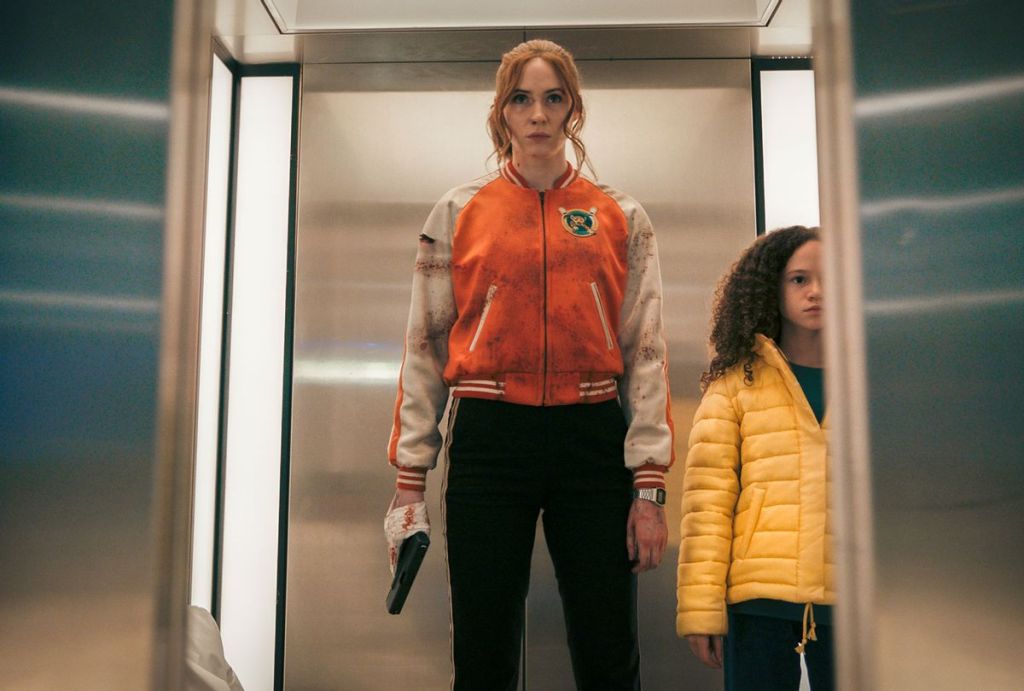
    Gunpowder Milkshake never had a chance at a theatrical run. The film’s biggest star is Karen Gillan, a talented actress with major ensemble roles in the Marvel Cinematic Universe as villainous half-robot Nebula and alongside Dwayne Johnson and Kevin Hart in the Jumanji reboot films.

    A major studio eyeing box office success isn’t going to put their resources into a female-led action ensemble film without a big name draw at the top of the billing and as much as Carla Gugino, Lena Headey, Michelle Yeoh and Angela Bassett bring to Gunpowder Milkshake, it’s not enough to entice someone to finance getting the film onto the big screen in any significant way.

    But in many ways, writer/director Navot Papushado’s first major feature is the perfect streamer movie.

    Highly influenced by films like John Wick, Atomic Blonde, Kingsman and the complete works of Quentin Tarantino, Gunpowder Milkshake opts for flashy neon colors, brutal violence and simple matter-of-fact dialogue to bulldoze its way through the narrative with as little world building as possible.

    The film finds Gillan’s Sam as a hitwoman on the run after betraying the organization that hired her to protect an innocent young girl kidnapped by clumsy, greedy lowlifes. When Sam and her ward, Emily, make it to a safe house, they are greeted by women from Sam’s past that prove to be key allies in a war against all comers.

    Gillan is a generally enjoyable lead to follow over the course of two hours as her strong comedic timing really allows for the moments of levity to strike home well in the sparing moments they occur. A large segment of her Sam does feel somewhat lifted from Keanu Reaves’ titular performance in the John Wick series with a stoic, slightly muted monotone delivery for much of the film and a clear decision to internalize all of Sam’s childhood trauma and turn it into cold-blooded violence that anchors the film.

    Despite the ridiculous nature of many of the situations the film puts her in, Gillan is able to carry action sequences with the gusto necessary to allow audiences to maintain a suspension of disbelief that makes the scenes implausibly enjoyable rather than short circuiting viewers’ engagement with the movie.

    At her side for most of the running time is Chloe Coleman, who’s far more charming here than in last year’s underwhelming family action adventure My Spy. Coleman lays out Emily’s emotions bare and holds her own in scenes opposite Gillan, especially when the pair are trying to escape a slew of armed baddies in a bulletproof red speedster.

    There’s a decent blend of homage and originality to the film’s many fight sequences, from a battle in a dimly-lit bowling alley with faded neon lights meant to evoke shades of Kill Bill to a fight in a hospital hallway that provides some of the most inventive choreography in several years in spite of a ridiculous pretext.

    Stylistically, the action sequences vary in weapon choice to a much larger degree than the average thriller would and the film’s lone car chase scene has a distinctly original twist that is among the highlights. Cinematographer Michael Seresin does a solid job capturing moments from unique vantage points that emphasize and accentuate the bright visual color palette of Gunpowder Milkshake, but it’s often undercut by uneven editing.

    It’s a significantly superior film to Charlize Theron’s Netflix action adventure film The Old Guard, but not quite on the level of her big screen hip action thriller Atomic Blonde, from which Papushado draws some inspiration.

    While not among the best films of the year, the ease of access and high rewatchability make Gunpowder Milkshake a clear choice for action fans to take a chance on with their Netflix subscriptions while waiting for the next Marvel film or John Wick installment to arrive.

  • Snake Eyes: Fighting with a dull blade

    Snake Eyes: Fighting with a dull blade

    Henry Golding broke out in 2018 as the charming boyfriend in Jon M. Chu’s hit romantic comedy Crazy Rich Asians.

    Since that time, the Malaysian actor has built a reputation for using his good looks and charisma with successful supporting turns in films like the thriller A Simple Favor, dramedy Last Christmas and crime dramedy The Gentlemen.

    His first major lead role is a woeful misuse of Golding’s talent and skillset to this point as director Robert Schwentke strangles out any personality the actor might bring to the table with a stoic, borderline unlikeable character in hopes of restarting an unpopular action franchise based on a children’s cartoon and toy line.

    Snake Eyes functionally erases everything about the well-established hero from the G.I. Joe series and hits the reset button for a third time after failed attempts to launch a franchise with 2009’s G.I. Joe: The Rise of Cobra and 2013’s G.I. Joe: Retaliation, directed ironically enough by Chu.

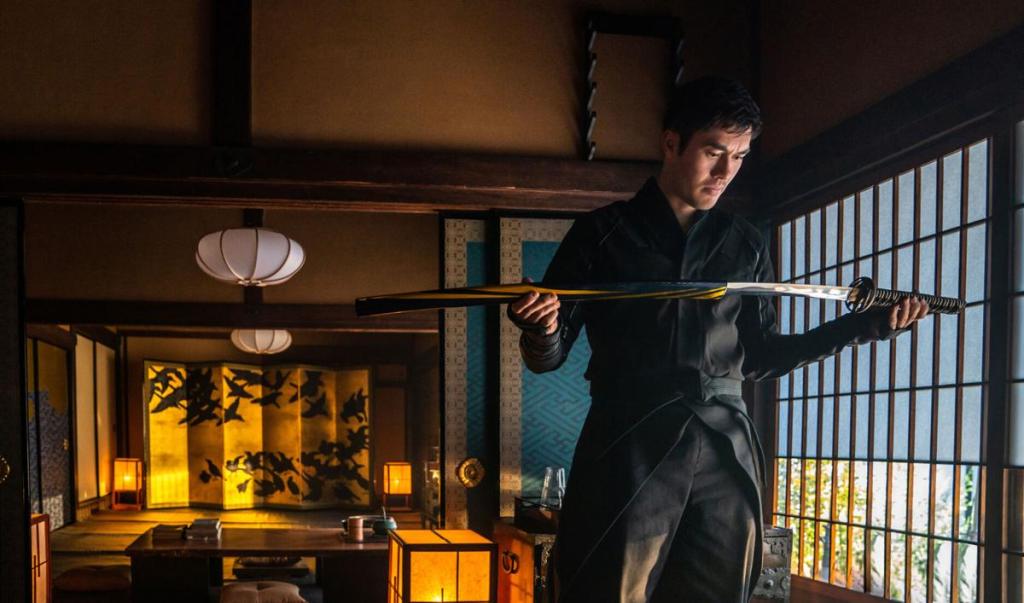
    In this iteration of the title character, Snake Eyes is a drifter wandering across the world looking for a fight when he stumbles into the middle of a war between the Yakuza and the Arashikage clan, where he saves the life of a potential rival and trains in the ways of the ninja.

    The film functionally does both the character and Golding himself a major disservice by blurring the line too much between Snake Eyes as an anti-hero and an antagonist. There’s no real reason to root for Snake Eyes other than Golding’s innate likeability as he bafflingly waffles both sides of the coin to the point where it doesn’t even really feel like writers Evan Spiliotopoulos, Joe Shrapnel and Anna Waterhouse know what to do with him.

    Golding is clearly trying here, both physically by putting himself through rigorous training to do as many of the stunts himself as possible and emotionally to try and draw anything out of an underdeveloped character. But unfortunately nothing seems to be working.

    The same could be said for Andrew Koji’s Tommy, a man who craves to be trusted and loyal but without any real motivation. The film’s true villains also lack distinctive motivations beyond cursory nods to G.I. Joe’s rival Cobra organization and it’s only Samara Weaving’s introduction as fellow “Joe” Scarlett that provides Snake Eyes with any punch in the latter half of the film.

    Snake Eyes prides itself on intense hand-to-hand and sword-to-sword action sequences, but all too often these moments are plagued by poor cinematography, or worse yet, inherently terrible lighting that masks and distracts from the deliberate, methodical work of the stars and stunt teams.

    As is most often the case in subpar fight-intensive films, the pivotal sequence in the final act is shrouded in the cover of darkness with pitch-black layers obscuring a car chase scene and combat on an 18-wheeler leading into a mystic battle in tight spaces with random blazes of fire lighting the way.

    Audiences quite often won’t know what they’re watching on screen, which allows Schwentke to cut corners visually and attempt to create excitement via parlor tricks. It certainly doesn’t help that a film that prides itself on realism in its combat resorts to CGI-heavy machinations in its final moments, shortchanging some solid early work and leaving a bitter taste in viewers’ mouths.

    While it’s clear Paramount is trying to draw in new audiences, Snake Eyes is too forgettable to generate any traction with viewers reluctant to go to the theaters for just any movie.

    Rebooting G.I. Joe this way is simply rolling the dice over and over again, expecting it not to land on double ones.

  • Space Jam A New Legacy: Not quite a slam dunk

    Space Jam A New Legacy: Not quite a slam dunk

    Basketball superstar LeBron James showed a lot of promise for a post-playing career as an actor with a small, yet hysterical supporting turn as a caricature of himself in 2015’s Trainwreck.

    In the six years that have followed, “King James,” as he is known in NBA circles, has won championships with multiple teams and rivaled Michael Jordan for the unofficial title of greatest player of all time.

    James returned to the big screen for the first time in six years this weekend, chasing after Jordan with what could be considered either a spiritual sequel or outright reboot of the 1996 children’s classic Space Jam.

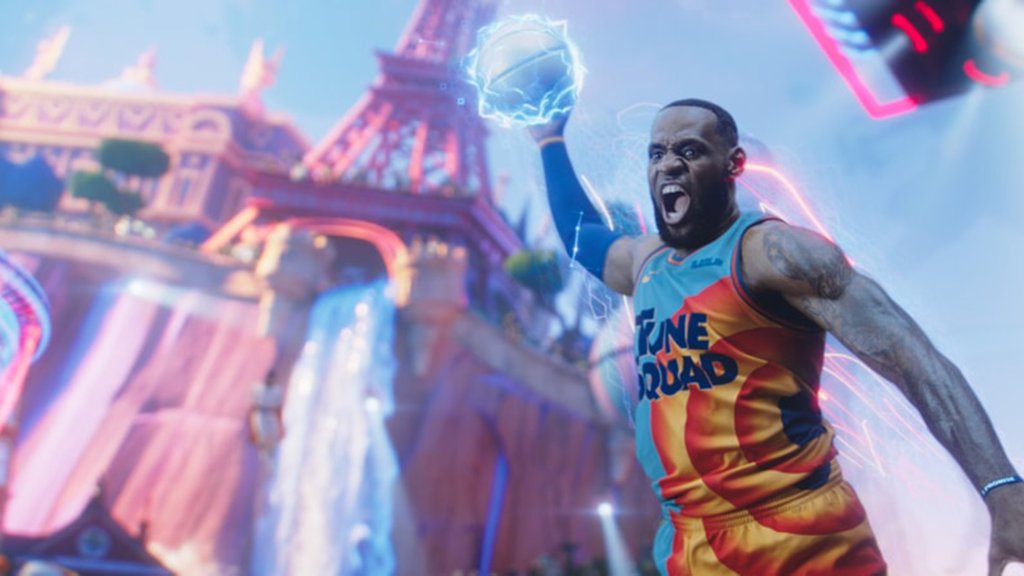
    Space Jam: A New Legacy stars James as a fictionalized version of himself, trapped inside the computer substructure inside Warner Brothers Studios dubbed the “Warnerverse” and forced to team up with Looney Tunes characters Bugs Bunny, Daffy Duck and the gang to win a basketball game to save his kidnapped son.

    It’s readily apparent to be a modernization of the initial premise that saw Jordan play hoops with the “Toon Squad,” but an additional half-hour to the running time allows director Malcolm D. Lee to cram in as much I.P. as possible as an animated version of James flies across the Warner universe through Game of Thrones, Harry Potter, DC comic books, Casablanca and even the dystopian science-fiction world of Mad Max: Fury Road.

    Often these one-off gags miss the mark and bloat the film unnecessarily; there’s no need for the evil clown Pennywise from It to watch a basketball game other than to be a distraction.

    When the moments are well animated and ironically enough James isn’t involved, however, they can land for an amused chuckle that will sail right over kids’ heads.

    James himself isn’t a terrible actor. It’s just that the screenplay from writers Terence Nance, Tony Rettenmaier and Juel Taylor is mediocre that the basketball star isn’t able to score given bad setups and bland dialogue.

    With A New Legacy, James is actually probably about at the same level Jordan was as a performer in the mid-90s, but there isn’t a Bill Murray to riff off of or an Ivan Reitman producing the film to raise the comedic talent involved.

    Oscar nominee Don Cheadle – whose other HBO Max film No Sudden Move is among the year’s best features – isn’t holding back at all as the villain, a computer algorithm richly named Al. G Rhythm, because that’s the level of thought being put into the narrative of the film.

    Acting largely against a green screen and likely not even with James in the same room, Cheadle cranks the volume up to 11 in a performance that’s cartoonishly menacing and one that kids will enjoy hating while parents roll their eyes, perfect for the film’s target audience.

    Warner Brothers’ animation department is filling up the proverbial stat sheet with this film, both in the volume of content drawn into each frame and in the visual artistry required to achieve the number of looks desired in the film. The strongest sections of A New Legacy come in the digitized world and there’s always something to look at that should hold the attention of kids on a fifth, tenth or hundredth re-watch.

    A New Legacy feels very much like James need to continue to take the mantle from Jordan rather than make his own movie on his own merits.

    In the end, it’s a Looney Tunes movie where the cartoons are significantly better than their live-action counterparts and the Ready Player One-esque Easter eggs littered throughout just distract from audience engagement, which is probably a good thing.

    The film’s simultaneous release in theaters and home streaming on HBO Max makes it incredibly easy to watch, something that nostalgic adults who grew up in the 90s can give a shot with little effort or expense and something its intended audience – children 6-12 – can watch on a loop during a long summer break.

  • Black Widow: Filling in the gaps

    Black Widow: Filling in the gaps

    Marvel has taken a two-year hiatus from the big screen following the climatic events of Avengers: Endgame.

    Although the studio has produced several successful miniseries in the meantime for Disney+, fans had to wait an extra year for Phase IV of Marvel’s feature film franchise to begin with the COVID-19 pandemic delaying the release of Black Widow, expected to be the final entry in the series for longtime star Scarlett Johansson as the titular assassin.

    Director Cate Shortland takes significant inspiration from the spy genre to craft her feature, beginning with an intimate, subdued world of counterintelligence and balancing that against a more bombastic realm of comic book influence for a pleasing two-hour ride.

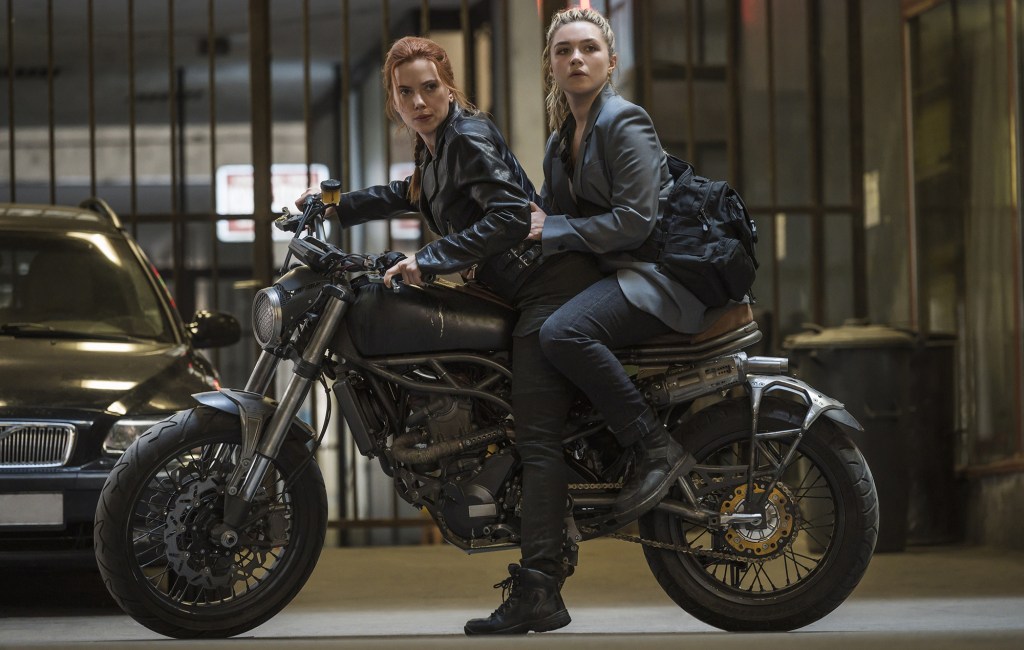
    Black Widow takes place out of chronological order, in the fallout of Captain America: Civil War rather than Avengers: Endgame. Natasha Romanoff is on the run from authorities and stumbles into a faceoff with her long-lost younger sister Yelena Belova and the infamous Red Room, a Soviet assassin program that trained them both.

    Johansson is solid in a film that should have come out five years ago to take more advantage of her character arc in the proper context, but the actress has such natural control of the character at this point that she naturally falls into the role regardless of the time jump. It’s a confident, driven action performance that carries the weight of the film on its shoulders while allowing others on screen to shine around her.

    While Johansson is the far more established star in the Marvel Cinematic Universe, Black Widow places her at the same importance level as Florence Pugh, as if Johansson is passing the torch on to a key figure in the next generation of the franchise. Establishing Yelena takes up as much screen time as rounding out Natasha’s storyline, with a sisterly bond between the two characters redefining the elder sister’s arc throughout eight films and creating motivation for the younger sister’s journey still to come.

    Johansson and Pugh have incredible chemistry on screen and their natural balance shines in both physical action sequences and more subdued, character driven moments. The pair onscreen together are the highlight of Black Widow.

    Pugh especially carries every scene she’s in with a performance that’s as if she had been playing Yelena for 10 years like Johansson has with Natasha.

    David Harbour does a good job playing both comic relief and emotional support as the pair’s father figure Red Guardian, while Rachel Weisz’s Melina is woefully underwritten and played overly passive for a spy of her caliber.

    As is the case with most Marvel films, the villains are underwhelming with Ray Winstone’s General Dreykov serving as the quiet man in the shadows who may or may not be dead. 

    The classic Marvel baddie Taskmaster is almost completely robotic, save for one moment. While the initial combat sequence between Taskmaster and Black Widow is solid, showcasing the villain’s ability to mimic the opponent’s combat style, it often felt that the character was included for the sake of having an iconic villain in the film rather than actually serving a material purpose.

    Action evolves over the course of Black Widow, leaning more on a grounded hand-to-hand and car chase style reminiscent of Jason Bourne or James Bond films in the first hour and ramping up the spectacle as time goes on. The pacing and relative lack of action scenes may disappoint some Marvel fans looking for larger set pieces, but the compelling narrative does make up for this in large part.

    Within the context of the entire Marvel Cinematic Universe, Black Widow falls somewhere in the middle third of the series as a whole as it lacks the long-term storytelling payoffs or dynamic energy of other films in the franchise.

    But for an audience starved of superhero action adventure on the big screen, Black Widow certainly holds its own as a solid MCU movie and an important one moving forward that’s well worth the price of admission.