Author: Matt Ward

  • Night At The Museum 3: A fitting tribute to late Robin Williams

    Night At The Museum 3: A fitting tribute to late Robin Williams

    Now that the final installment of “Night at the Museum” has arrived in theaters, it’s sad to think that this will be the last time that comedy legend Robin Williams will be shown on the big screen.

    Sure, we can hear his voice again as Dennis the Dog in the upcoming animated feature “Absolutely Anything,” but it just won’t be the same.

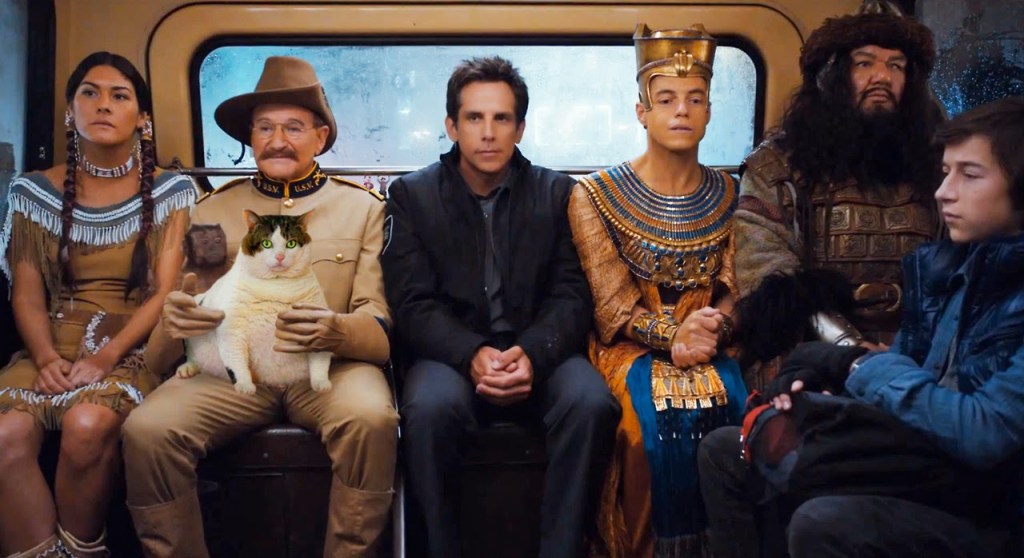
    Things aren’t quite the same in “Secret of the Tomb,” the last of the “Night of the Museum” movies pitting Ben Stiller as a bumbling security guard managing exhibits that magically come to life at night.

    The story isn’t really relevant and takes a general backseat to the notion, played up in the film itself, that with the death of Williams, this is the end for a heartwarming era in comedy.

    Stiller does yeoman’s work in a pair of roles as the driving force propelling the plot forward, while Rebel Wilson of “Pitch Perfect” fame tries a little bit too hard to throw her weight around in a secondary role as a guard at the British Museum.

    Through some sort of bittersweet irony, Williams has an incredibly poignant final monologue that is all the more heart-breaking in the larger context.

    “Secret of the Tomb” also marks the final film for another cinema legend, the great Mickey Rooney.

    While the film itself isn’t up to the standards set by the franchise original, “Secret of the Tomb” will help provide viewers some closure on the loss to two comedy heavyweights.
  • Annie: Musical remake falls flat

    Annie: Musical remake falls flat

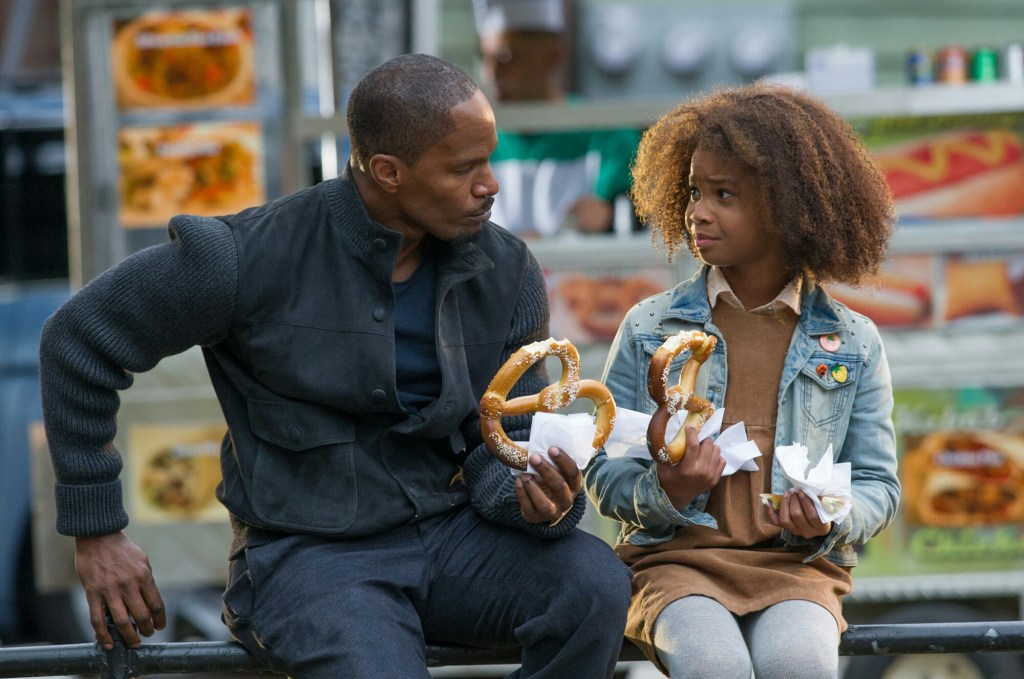
    It’s hard to get behind up-and-coming actress Quvenzhané Wallis as “Annie”, despite being the youngest Academy Award nominee in history for last year’s “Beasts of the Southern Wild.”

    It isn’t because Wallis is unlikable as the down-on-her-luck foster kid living in a group home. She just can’t sing and it’s not her fault.

    “Annie” director Will Gluck knows she can’t sing either and let the whole world in on it through his less-than-subtle directorial tricks.

    Annie sings a major solo at a charity fundraiser, but her mouth is almost always obscured by the microphone in front of her.

    Large segments of other songs — including the classics “Hard Knock Life” and “Tomorrow” — are filmed with Wallis’ back to the camera, at an extreme angle or at a great distance in an attempt to hide Wallis’ flaws as a singer.

    For all the grief given to Tom Hooper for his extreme close-up choices during major scenes in 2012’s epic musical “Les Misérables,” at least the audience could tell with absolute certainty that the performances were genuine and authentic.

    Outside from the musical spectrum, “Annie” could have actually worked as a family-friendly comedy.

    Wallis is charming and lovable aside from her singing, while Jamie Foxx as her rich caretaker is the absolute best thing in the lackluster film.

    Choosing Cameron Diaz, however, to fill Carol Burnett’s shoes as Miss Hannigan was a major misstep as Diaz horribly overacts in a very disinterested performance. Burnett would be rolling over in her grave if she had one.

    Despite the intentions of producers Will Smith and Jay-Z to modernize the classic tale of an orphaned girl during the Great Depression, this modern “Annie” just doesn’t click, trading in classic songs for cliché references to Twitter and the film industry.

  • Exodus Gods and Kings: Bibically-inspired epic takes left field turn

    Exodus Gods and Kings: Bibically-inspired epic takes left field turn

    Biblically-inspired 3D epic film doesn’t really sound like a very appealing genre, especially after Russell Crowe’s dud “Noah” released to much derision earlier this year.

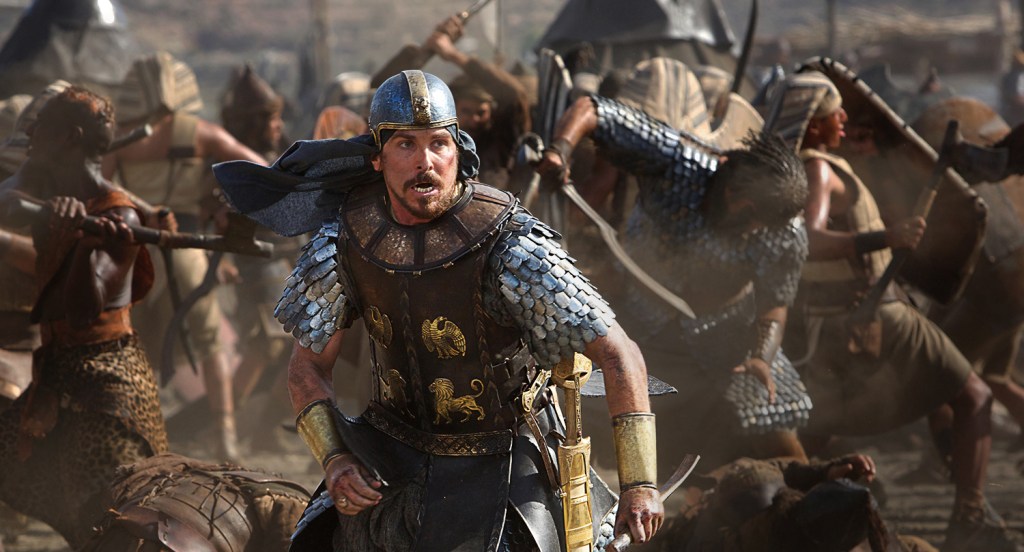
    There’s a lot of unevenness to Ridley Scott’s latest feature, “Exodus: Gods and Kings,” which re-imagines the Biblical story of Moses as action-adventure fodder.

    Oscar-winner Christian Bale picks up sword not staff to play Moses, a highly conflicted character uncertain of what actions are morally just.

    Understandably, “Exodus: Gods and Kings” might not play very well with devout Christians, who could find the liberties taken in the depiction of the plagues and God’s interaction with Moses off-putting.

    In fact, if an uninformed, non-religious person watched “Exodus” with no prior knowledge of the Biblical story, religious aspects of the film could be explained away entirely as natural disasters, disease, famine and a schizophrenic man. The film is perhaps the most secular way possible of examining Moses leading the Israelites out of Egypt.

    The film, which clocks in at well over two hours, could also benefit from a couple of extraneous scenes being left on the chopping room floor.

    While “Exodus” is placed heavily on Bale’s broad shoulders, the former Batman is not the true star of “Exodus.” Joel Edgerton, who plays Moses’ brother and future pharaoh Ramesses II, stands out in a thankless villain role that probably would have gone to Ben Kingsley 20 years ago.

    It would be easy to simply play Ramesses in a stiff and formulaic manner, but Edgerton — whose work in “Warrior” alongside Tom Hardy is first-rate — rises above the lesser fray and gives a more well-rounded performance than other cast members.

    Kingsley and “Breaking Bad” star Aaron Paul each appear briefly as Moses’ chief advisors, but neither actor is given much to work with.

    A lot of care — and time — is taken up early in the film to develop a brotherly bond between Bale and Edgerton, giving the inevitable rift between the two real stakes.

    Edgerton actually does a better job of evoking pain and conflict about Ramesses’ relationship with Moses than Bale does. Perhaps it’s the fault of Scott, who doesn’t give Bale enough to do in coming to grips with the situation, or more likely Bale himself, who doesn’t give enough credence to showing the necessary emotion to match Edgerton.

    “Exodus: Gods and Kings” is best enjoyed when the viewer can get past the film’s criticisms — both its Biblical flaws and lack of diversity in casting — and simply enjoy the ride.

  • The Hobbit Battle of the Five Armies: Six movies later, the journey finally ends

    The Hobbit Battle of the Five Armies: Six movies later, the journey finally ends

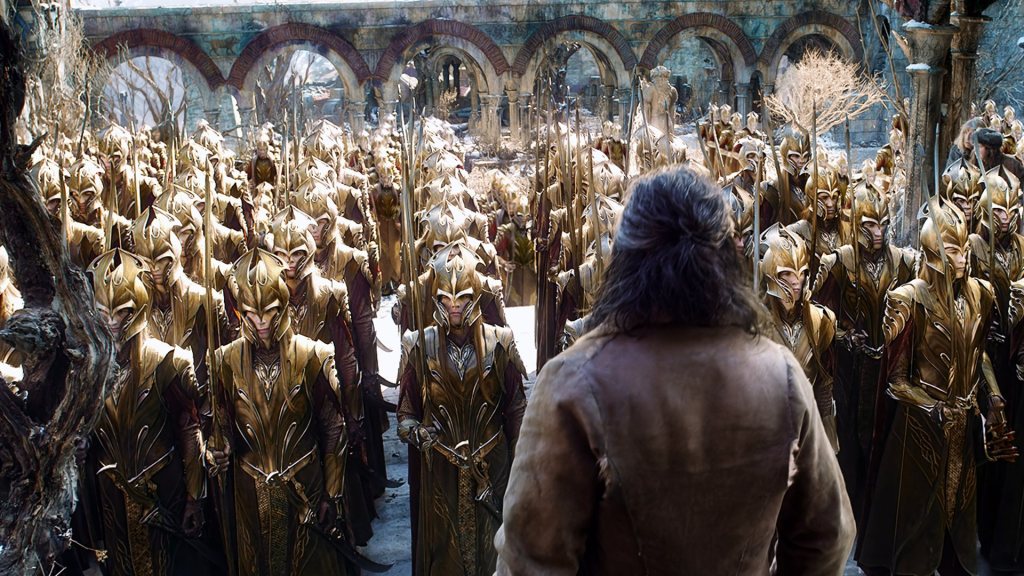
    After years of waiting, the ride through Middle Earth seems to be at a close with the release of the final film in the “Hobbit” trilogy, “The Hobbit: Battle of the Five Armies,” a darker, more violent picture than the previous two films.

    Continuing a trend established throughout Jackson’s Middle Earth films — the “Lord of the Rings” and “Hobbit” trilogies — “Battle of the Five Armies” shines brightest in its grandiose battle sequences, featuring towering monsters waging medieval war on men, dwarves and woodland elves.

    Just like its Oscar-winning predecessor before it (the Rings trilogy’s “The Return of the King”), the final film in the “Hobbit” trilogy is leaps and bounds the best, visually stunning and impactful from the opening moments all the way through the titular battle of the five armies.

    What sets “The Hobbit” apart from other, lesser science fiction and fantasy genre films is the heart brought to the series by British actor Martin Freeman as the titular hobbit Bilbo Baggins.

    Freeman brings a genuine lightness to the screen which counterbalances so effectively with his rougher, tougher costars to make Jackson’s film cohesive.

    Ian McKellen leads a wonderful and large supporting cast, including Orlando Bloom, Evangeline Lilly, Cate Blanchett and a standout performance by Richard Armitage as blinded, conflicted dwarf king Thorin Oakenshield.

    The film suffers, however, in its overly long ending after the extended battle sequences. At more than two hours in length, the third “Hobbit” stalls out when the emphasis is on dialogue and not in beautifully constructed CGI scenes.

    Of the action sequences, only the rescue of Gandalf early in the film feels out of place, like a high quality video game boss battle rather than a cohesive action sequence.

    Fans of the prior two “Hobbit” films as well as the “Lord of the Rings” trilogy should be extremely pleased with Jackson’s final foray into Middle Earth, a fitting end to a wonderfully dynamic series of cinema.

  • The Theory of Everything: Hawking biopic astounds

    The Theory of Everything: Hawking biopic astounds

    Eddie Redmayne better be nominated for an Academy Award.

    He might not win, but with a pitch-perfect performance requiring such specific nuance in physicality, Redmayne certainly deserves acclaim for his turn as famed physicist Stephen Hawking in the British drama “The Theory of Everything.”

    An hour into the film, it’s all too easy to forget that Redmayne is an actor portraying a character on screen.

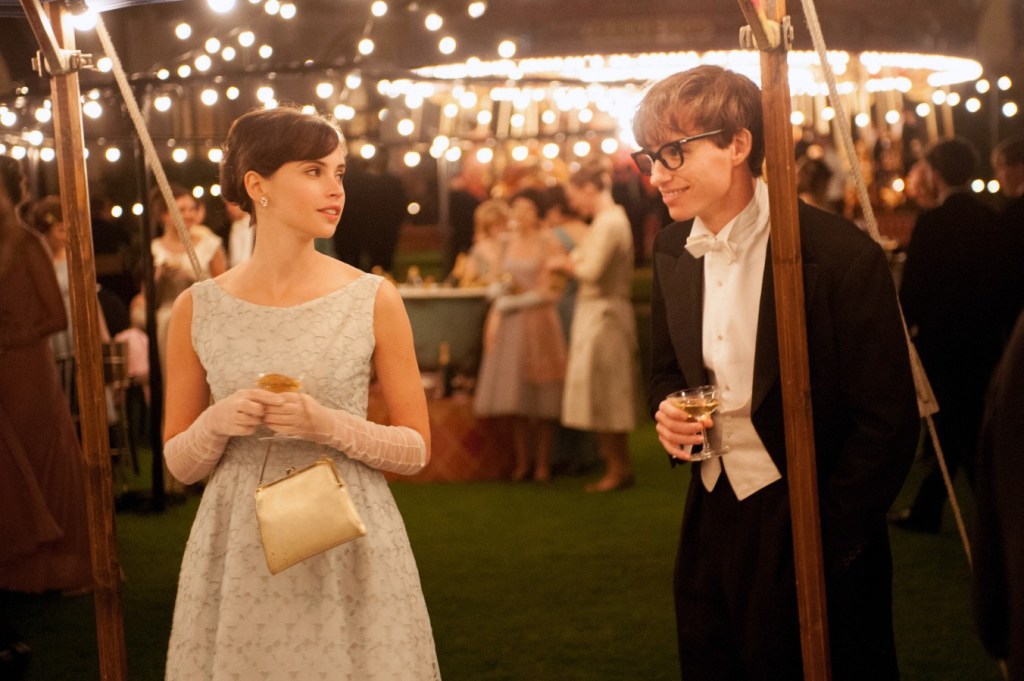
    While the film certainly deals with Hawking’s emergence as one of the world’s premiere scientists, “The Theory of Everything” focuses more on the development of Hawking’s relationship with his future wife, Jane, amid the onset of his debilitating ALS, also known as Lou Gehrig’s disease.

    One part biopic and two parts love story, the film works only because Redmayne’s heartbreaking portrayal of Hawking pairs perfectly with Felicity Jones’ understated, yet firm Jane.

    In fact, the film is at its best when it avoids the complex physics and sticks with the simplest notion of unbridled love and emotion.

    The story, while following true events and a lackluster screenplay from Anthony McCarten, is elevated by both lead actors’ performances as well as the light, delicate touch of director James Marsh — best known for his Oscar-winning documentary “Man on Wire.”

    Each scene is carefully detailed visually, from the movement of the camera — especially in memorable 360-degree rotation moments — to the richness of the colors captured by cinematographer Benoît Delhomme.

    While not on the upper echelon of cinema to be released this fall, “The Theory of Everything” is a poignant and bittersweet biopic worthy of making an effort to find before the Academy Awards early next year.

  • Kirk Cameron’s Saving Christmas: Feature film needs direct to DVD release

    Kirk Cameron’s Saving Christmas: Feature film needs direct to DVD release

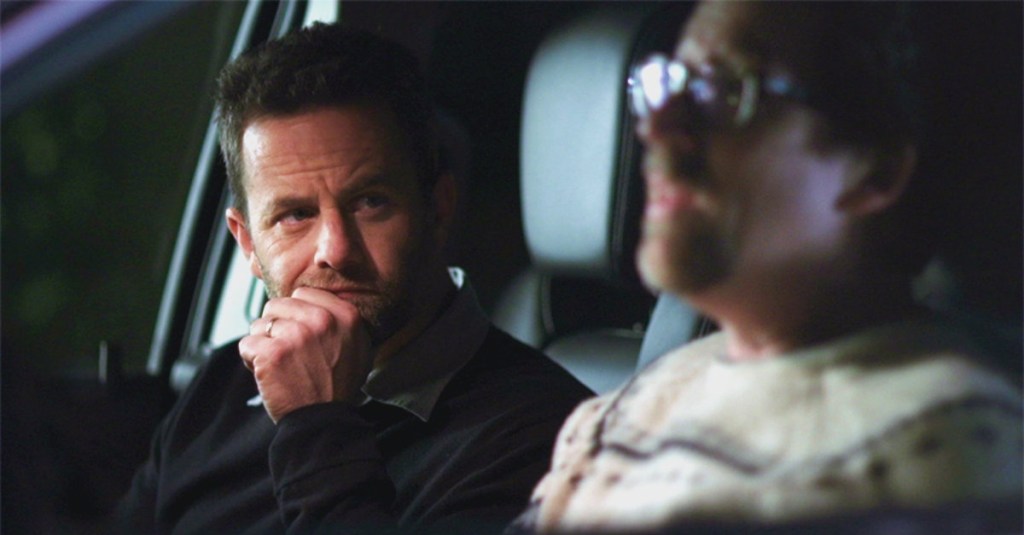
    The message of “Saving Christmas,” featuring “Growing Pains” star Kirk Cameron, is that celebration of the birth of Jesus Christ can be found hidden inside some of the traditional imagery of Christmas — Santa Claus and decorated trees, for example.

    The film, which celebrates “the reason for the season” and does a pretty good job explaining the relationship between the secular and religious aspects of the holiday, falls short cinematically and thereby fails in its overall mission of educating the public.

    “Saving Christmas” is constructed a lot like the documentary “America: Imagine the World Without Her” by Dinesh D’Souza. Both films rely heavily on re-imagined accounts of historical events to help accentuate the points made in the film.

    However, in both features, these re-enactments are often distracting and visually jarring, especially early in the films before explanation is given as to their necessity and meaning.

    It’s unfortunate that the film will largely miss its target audience due mainly to an uneven screenplay and poor time management. As a 60-minute, direct-to-DVD release, “Saving Christmas” would work incredibly well and would likely be received much better than it has been.

    But in its current form, with unnecessary hip-hop dance sequences and multiple endings that don’t really end, “Saving Christmas” misses the mark and keeps audiences at bay.

  • Horrible Bosses 2: Comedic sequel underwhelms

    Horrible Bosses 2: Comedic sequel underwhelms

    It’s easy to tell when a screenwriter is actually trying and when they’re filling in the blanks around a tired, formulaic plot.

    “Horrible Bosses 2,” the sequel to the aptly named “Horrible Bosses,” is a fill-in the-blanks kind of movie — largely unfunny and 100 percent a cash grab sequel in a “Spaceballs 2: The Quest for More Money” sort of way.

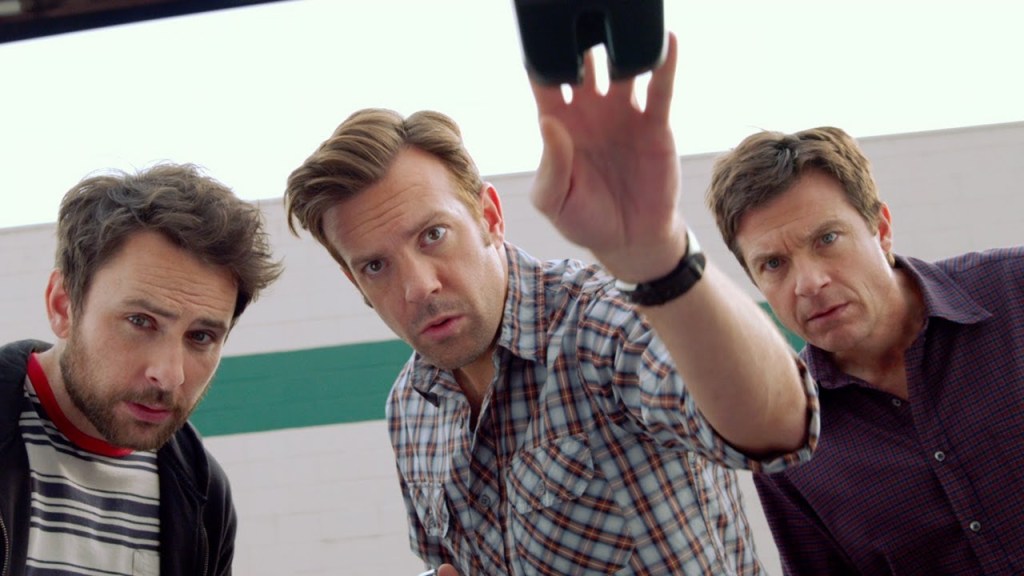
    Jason Bateman, Jason Sudeikis and Charlie Bay reprise their roles from the original, which saw the trio poorly attempt to murder their terrible bosses.

    Scenes between the trio, which worked well in the original film, fall much flatter in the sequel as none of the characters have developed beyond the loose framework created in the original.

    The film suffers from the same fate “The Hangover 2” did as neither sequel is able to replicate the humor or maintain the momentum created by the first film despite trying to copy the original beat for beat.

    Jamie Foxx, in a slightly larger role this go-round as a vaguely successful criminal, provides the best work of the film and delivers most of the best lines.

    Both the old and new “bosses” are underwhelming. Kevin Spacey and Jennifer Aniston are milder caricatures of their already broad stereotypes from the original film, while new “bosses” Chris Pine and Christoph Waltz both fail to bring anything substantial to their father-son roles.

    It’s especially disappointing for Oscar-winner Waltz, who cannot seem to gain ground as an actor outside of a Tarantino film.

    Hardcore fans of the first film will likely find the shortcomings of the sequel more forgivable, but those unfamiliar with the original would be wise to stay away.

  • Penguins of Madagascar: Animated sequel just does enough to enjoy

    Penguins of Madagascar: Animated sequel just does enough to enjoy

    Dreamworks’ latest animated franchise feature film plays up what happens behind the scenes with some of your favorite characters when they’re alone.

    In this case, those lovable penguins from the “Madagascar” series are secret agents.

    Ironically enough, this very loose and broad plot structure plays out much better than “Horrible Bosses 2.” It could be because of the lighter nature of the film, which targets kids 8-12, or just the fact that viewers are more forgiving of animation than regular film.

    While the four penguins themselves are voiced by lesser known actors, the supporting cast is littered with big name actors, including Benedict Cumberbatch and John Malkovich, who always plays a compelling villain regardless of whether or not you can see his face.

    Adults will enjoy the special homage to spy films of yesteryear as the lovable foursome replicate a secret takedown of Fort Knox ala “Goldfinger” and dodge ruffian octopi in the waterways of Venice in a hilarious take off from the Venice chase scene in “Moonraker.”

    The film is bright and colorful, jumping from landscape to landscape as the penguins trot across the globe on their mission to save penguin-kind and it’s that lightness that keeps viewers engaged and the movie afloat.

    No prior knowledge of the “Madagascar” franchise is necessary to enjoy this humorous, yet slightly long animated comedy that will delight adults and children alike.

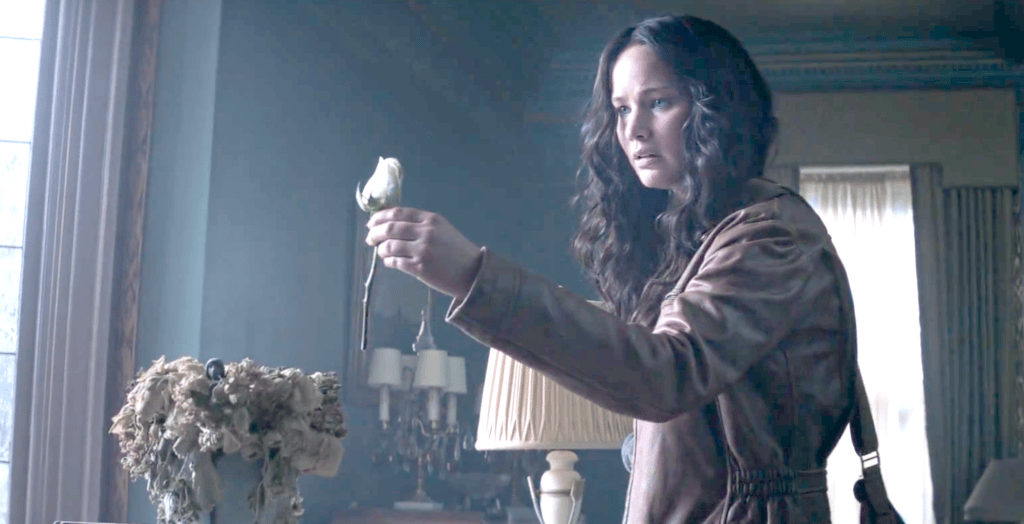
  • The Hunger Games Mockingjay Part 1: Jennifer Lawrence proves critical to franchise success

    The Hunger Games Mockingjay Part 1: Jennifer Lawrence proves critical to franchise success

    Lionsgate got really lucky.

    The movie studio, hoping to leapfrog on the success of the “Twilight” film franchise, dove headfirst into the young adult book trilogy market, coming away with a violent dystopian world and needing a female lead to match Bella of “Twilight” fame.

    When they cast the girl from “The Bill Engvall Show,” they probably had no idea that she would become the most successful young actress in years, dominating multiple movie franchises and single-handedly carrying the studio forward in much the same way that Katniss carries the rebellion in Lionsgate’s latest installment of the “Hunger Games” series.

    What separates the “Hunger Games” films from “Divergent” or the “Maze Runner” is the difference between Lawrence and Shailene Woodley.

    Woodley, a nice up-and-coming actress in her own right, could settle into a Kristen Stewart career arc with a little less venom from the general public.

    Lawrence, on the other hand, is an Academy Award-winning transcendent talent on screen, who makes “Mockingjay Part 1” something more than a cheap sequel in a way Shia Lebeouf was never able to pull off following the original “Transformers” installment.

    As the famed Joan of Arc-like Katniss Everdeen, Lawrence provides the character much more depth and emotional layering than the series deserves.

    “Mockingjay Part 1” is much darker than the previous two installments in the Hunger Games franchise, which is surprising to say, based on how much “Battle Royale”-esque violence pervades the first two films.

    The film isn’t without its major flaws.

    Julianne Moore is an abysmal choice to play the rebellion’s president, a wholly unlikeable character lacking in emotion or depth.

    It’s as if Moore intended on copying Kate Winslet’s static performance in “Divergent” while reading lines from the Suzanne Collins novel.

    Forcing Elizabeth Banks’ Effie back into the movie was also a mistake as her presence provides an unwelcome distraction and only muddles an already verbose script.

    The film overly glorifies planning and exposition for exposition’s sake, with its two-hour running time easily needing a good 20 minutes hacked out of the middle.

    A tremendous effort from Lawrence and a surprising, yet impactful supporting performance from Josh Hutcherson — especially in the film’s final moments — make “Mockingjay Part 1” salvageable and the inevitable “Part 2” something worth looking forward to.

  • Birdman (or the Unexpected Virtue of Ignorance): Keaton shines in superhero actor rebound

    Birdman (or the Unexpected Virtue of Ignorance): Keaton shines in superhero actor rebound

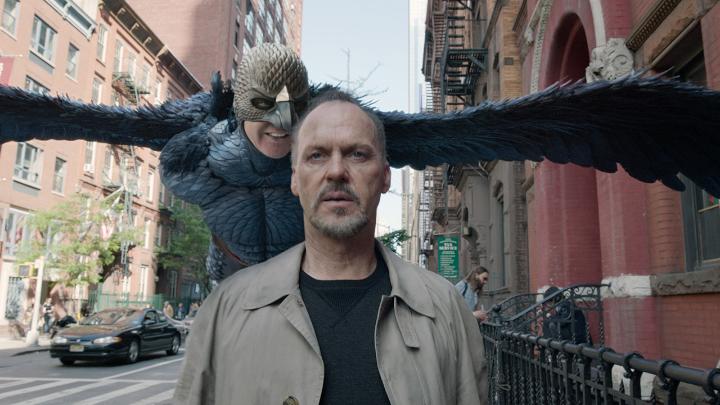
    It isn’t quite fair to say Michael Keaton is back thanks to his often brilliant performance in “Birdman (or The Unexpected Virtue of Ignorance) because, despite his long absence, Keaton has never performed at this high a level.

    Fact melds well with fiction as Keaton’s struggles to overcome the shadow of his role as Batman parallel his character Riggan’s difficulty separating himself mentally from the super hero character Birdman that made him a movie star 20 years ago.

    The angst Riggan feels throughout the film is identifiable for the viewer because of Keaton’s presence on screen. George Clooney and Matt Damon cannot make that kind of connection with the audience because of how personal the role feels for Keaton.

    Though Keaton is tremendous in a role clearly built for him, he’s not the reason to see perhaps the most innovative film in 2014.

    Director Alejandro González Iñárritu, best known for “21 Grams” and “Babel,” has plotted an intense thriller schemed as a black comedy through the use of extended one-take camera shots that leave the viewer wondering how in the world filmmakers pulled it off.

    Well-pulled off digital trickery as well as creative camera and editing work make “Birdman” feel like one continuous long take with seamless transitions from one scene to the next.

    “Birdman” also boasts a terrific supporting cast, including Emma Stone as Keaton’s recovering addict daughter, a calm Zach Galifianakis as Keaton’s best friend and lawyer and Oscar nominee Amy Ryan as Keaton’s ex-wife.

    All give quality performances, but pale in comparison to the tour de force effort from Edward Norton who provides the perfect foil as Keaton’s acting partner.

    It’s going to be difficult for “Birdman” to find wide mainstream appeal as its highly complex psychology and frantic cinematic style won’t resonate with a larger percentage of audiences.

    It doesn’t help that the film lambasts these same viewers in its not-so-subtle critique of the Hollywood superhero film genre.

    “Birdman” seeks out more sophisticated viewers — the kind who prefer a dramatic Broadway play to “Iron Man 3” — and makes no bones about the latter being a lesser form of art.

    Viewers need to appreciate “Birdman” for the artwork and not necessarily the message if they want to enjoy one of the year’s most innovative pieces of filmmaking.