Category: New Releases

Primary category for full-length reviews of newly released films. Select for standard reviews; remove it when publishing After the Credits, Commentary & Essays, or non-review retrospectives. This remains WordPress’s default post category.

  • Dr No

    March 4, 2020 · Watch the trailer

    Nostalgia is a hell of a thing.

    It’s impossible for a film like “Dr. No” to be made in 2020, and not because the illustrious British spy James Bond can’t carry a marketable movie franchise.

    The first entry in the EON produced series of films based on Ian Fleming’s novels is a product of pop culture in the 1960s, a time many might consider “simpler” when what they really mean is “less progressive.”

    Nostalgia allows viewers to overlook the simplistic sets or the antiquated “movie magic” that created things like the underwater window in Dr. No’s lair or the miniature satellite launch done on a shoestring budget.

    Nobody faults the original “Star Wars” trilogy for similar shortcuts to make large destroyers made from plastic float through space and blow up planets.

    Where we, in retrospect, can’t be as forgiving in our pensive look back at early spy cinema like “Dr. No” is in its antiquated – or better still, intolerant – use of minority characters and the creation of the bombshell “Bond girl.”

    In order to play the titular villain, Canadian actor Joseph Wiseman was outfitted with heavy makeup used to “simulate an Asian heritage,” according to filmmakers. Similar effects were used on British actress Zena Marshall for her supporting role as secretary Miss Taro.

    The Bond series has always had a complicated history with its portrayal of diversity on screen, and while “Dr. No” might not be the most egregious offender, trends have to begin somewhere.

    A franchise starting film before such a concept existed, “Dr. No” introduced viewers in 1962 to the now-classic British secret agent code name 007 and his international quests to thwart the plans of evil super-organization S.P.E.C.T.R.E. Director Terrance Young’s film follows Sean Connery’s debut in the role of James Bond as he investigates the murder of a British agent in Jamaica and teams up with CIA officer Felix Leiter in stopping a plot to destroy American rockets bound for space.

    What makes “Dr. No” rewatchable – aside from all the classic Bond film tropes that began as a creation of Young’s mind – is Connery’s charismatic turn as the lead. He brings a casual, yet cavalier attitude to the role that makes Bond effortlessly charming to the ladies he seduces for information and yet doggedly determined to complete his mission by any means necessary.

    The Bond of “Dr. No” is remarkably clever by franchise standards, often outwitting both adversaries and allies with a keen sense of observation that allows Bond to place himself in the right place at the right time, getting the jump on would-be assassins out to kill him at every turn.

    A middling screenplay and marginal action are offset by Connery’s winning performance that – with Young’s expert direction and partnership – creates the standard for the cinematic character’s persona for the next four decades. Audiences don’t care to see a well-dressed man play baccarat, insist on a particular drink and engage in innocuous banter, but Connery makes all of it seem intoxicatingly cool.

    It’s remarkable that the first credited Bond girl in franchise history – Ursula Andress’s Honey Ryder – nor his girlfriend Sylvia Trench (played by Eunice Grayson) spoke a line of dialogue in “Dr. No” themselves as both parts were dubbed over by German voice-over artist Nikki van der Zyl.

    Andress was brought on for her beauty, and thanks to terrific planning in direction by Young and the perfectly scouted location in Jamaica, a rather bland, thinly written character wanting to find seashells becomes the object of young men’s affection and an iconic Hollywood bombshell within the first ten seconds of screentime. It’s a truly brilliant way to introduce a character, one that Martin Campbell pays rightful homage to in a gender-flipped tip of the cap to the franchise’s origins in 2006’s “Casino Royale.”

    Action in “Dr. No” is minimal but effective and Young uses elements of surprise and suspense leading into these sequences to offset the limited budget and simplicity of the stunt work. The final faceoff between Bond and Dr. No happens so late in the film and ends so abruptly that it undercuts the momentousness of Bond’s victory and the quality of No’s villain status.

    The series’ entrenched connection to iconic musical introductions began in “Dr. No” with the Monty Norman-penned “James Bond Theme” recorded by the John Barry Orchestra filled with pulsing bass line, crashing cymbals and thunderous brass setting the backdrop to the pinhole camera opening sequence of Bond firing on an unseen bad guy behind the camera, which doubles as a gun barrel itself.

    Other songs in the film like “Under The Mango Tree” and “Jump Up” play pivotal roles within the plot of “Dr. No,” but neither hold up nor create the legacy of the “Bond Theme” that is extended into the title sequences beginning with 1963’s “From Russia With Love.”

    The complicated legacy of “Dr. No” beyond its franchise originating landmark gives audiences iconic moments, a rousing film score and a lead in Connery that will come to define action stars and the character of James Bond especially for decades to come.

    These highlights do come at a cost and “Dr. No” quickly becomes simply the first and not the best for Connery as Bond or the franchise as a whole.

    It is this problematic history that forced Bond producers to approach the character differently when adapting the classic spy to modern times with films like “Casino Royale” and “Skyfall” and help propel those features to great success with their complex narratives.

    This is the first in a series of retrospective reviews of the James Bond film franchise as made by EON Productions in anticipation of the release of the 25th entry in the series, “No Time To Die,” which arrives in American theaters on November 25.
  • Portrait of a Lady on Fire: Subtlety in romance

    Portrait of a Lady on Fire: Subtlety in romance

    Desire is all about delay.

    The anticipation, the angst, the longing all cascading towards a moment of passion.

    It’s a difficult trick to pull off in the world of cinema, but Céline Sciamma’s “Portrait of a Lady on Fire” builds from embers into a raging inferno of emotion in one of the best romance films in ten years.

    The French filmmaker progresses from a trilogy of coming-of-age features into the world of adulthood with a pitch perfect examination of nuanced affection that turns to admiration that begets passionate lust with a daring contemporary feel to a period love story.

    Set on an isolated island in Brittany in the end of the eighteenth century, Sciamma’s fourth feature follows Marianne, a young artist commissioned to paint a wedding portrait of a woman without her knowledge.

    Key to the success of “Portrait” is the relationship between model and artist, an examination of the soul that Sciamma deciphers as much as a mirror of self-reflection as a keen eye peering into the world of another.

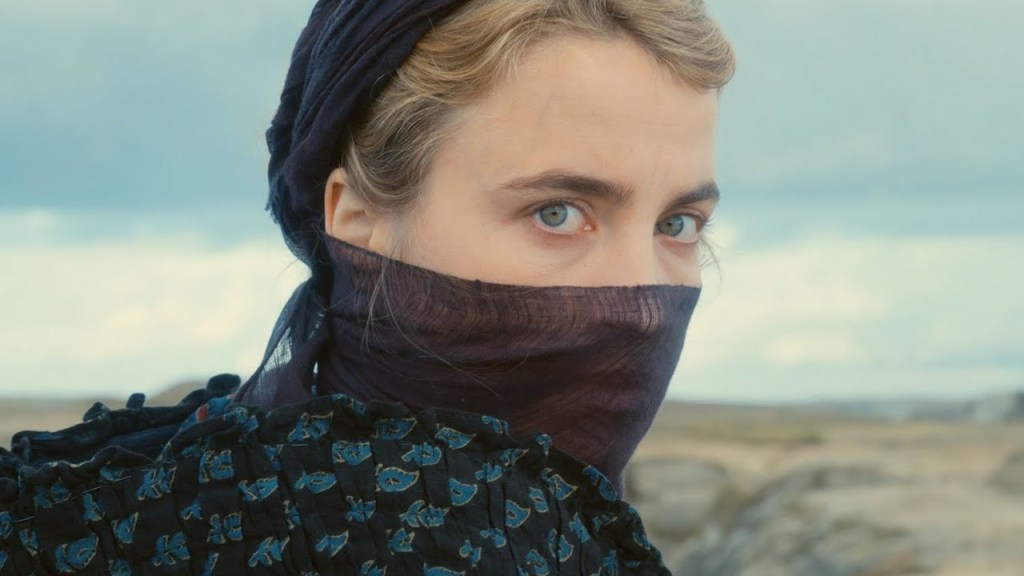
    The film lives and dies on the performances of its two leads and Noémie Merlant brings an effortless earnestness to Marianne that pairs perfectly with Adéle Haenel’s quiet intensity as Héloïse. Each moment in the film feels genuinely considered, not by the actresses portraying the characters, but by Marianne and Héloïse themselves.

    Dialogue in a script can provide the context for someone being unable to say what they feel, but the right amount of hesitation or inflection in a voice can be just as breathtaking. Merlant and Haenel are masterful at pulling at the seams of Sciamma’s screenplay and digging beneath the surface of the script in a richly intimate, physical way that smolders in intensity without the two ever touching.

    Framed together in a single shot along the cliffs of Brittany, the pair challenge each other with inquisitive, stolen glances that flicker like embers off the screen. “Portrait” captures intimacy as it grows and changes better than any romance film in a decade and the collaboration between actresses and filmmaker shimmers as viewers fall in love with Héloïse, then Marianne, and then both of them together and apart.

    Their dynamic chemistry is offset slightly by the presence of a third major character in an otherwise sparsely cast film.

    Typically in a film like this, Luàna Bajrami’s Sophie would be a distracting interloper character that pulls audiences away from the primary romance. But Bajrami matches both leads in quiet intensity with a stoic, yet emotional turn that enriches the world of the film and accentuates the progression of Marianne and Héloïse’s relationship.

    Sciamma expertly crafts art into the visual style of “Portrait,” building a world of undeniable cinematic moments that often feel like paintings stacked on top of one another to build a story.

    So much of this artistry comes through in how the audience is introduced to Héloïse through Marianne’s lens as Sciamma takes viewers on an elaborate examination of Haenel, her hair, her earlobes, her piercing eyes. Every detail that Marianne paints into existence on canvas is masterfully imprinted into the hearts of engaged audience members with careful precision and expert cinematography from Claire Mathon.

    The romance of the film comes not just from the brilliant chemistry Merlant and Haenel share on screen, but in the way it is portrayed through the camera lens with longing, lingering shots mixed with stolen glances that push the audience into the middle of a forbidden love affair.

    The best French film in many years, “Portrait of a Lady on Fire” was eligible for awards season acclaim, usually playing as a de facto runner up to eventual Oscar Best Picture winner “Parasite” in international feature categories. Astoundingly, the French film community chose not to submit “Portrait” for major Academy Award consideration, opting for the political crime drama “Les Misérables,” which recently took home the country’s top film prize.

    Emotionally stirring and wonderfully subdued, “Portrait of a Lady on Fire” is a daring and expressive film that dazzles in its simplicity and feels of the moment in spite of its period setting.

    Sciamma’s film is a must for cinephiles willing to overcome the one-inch tall barrier of subtitles and a thought-provoking drama that lingers long after the credits roll.

  • The Last Thing He Wanted: Short term loss, long term value

    The Last Thing He Wanted: Short term loss, long term value

    With a seemingly endless budget, Netflix continues to pour money into project after project with avid disregard for the bottom line.

    This strategy may seem counter-intuitive to budget conscious business owners, but for film lovers, the streaming service writing blank checks to everyone from Martin Scorsese to Noah Baumbach to Michael Bay is an overall win.

    Some productions may miss the mark financially, but the expansive spending spree has given filmmakers a chance to produce more daring endeavors and creative risks that should make directors better at their craft.

    Dee Rees – an African-American writer/director who broke out in 2017 with the Oscar nominated drama “Mudbound” – received a major push from the streaming service for her follow-up feature based on a Joan Didion novel of the same name, “The Last Thing He Wanted,” which premiered earlier this year at the Sundance Film Festival and dropped on Netflix last weekend.

    Filled with major star power in Oscar winners Anne Hathaway and Ben Affleck and the promise of an emerging filmmaker, “The Last Thing” has the pizzazz and the cinematic bravado necessary for a taut political thriller, but the film falls flat from the outset with an unnecessarily confusing, lackluster screenplay.

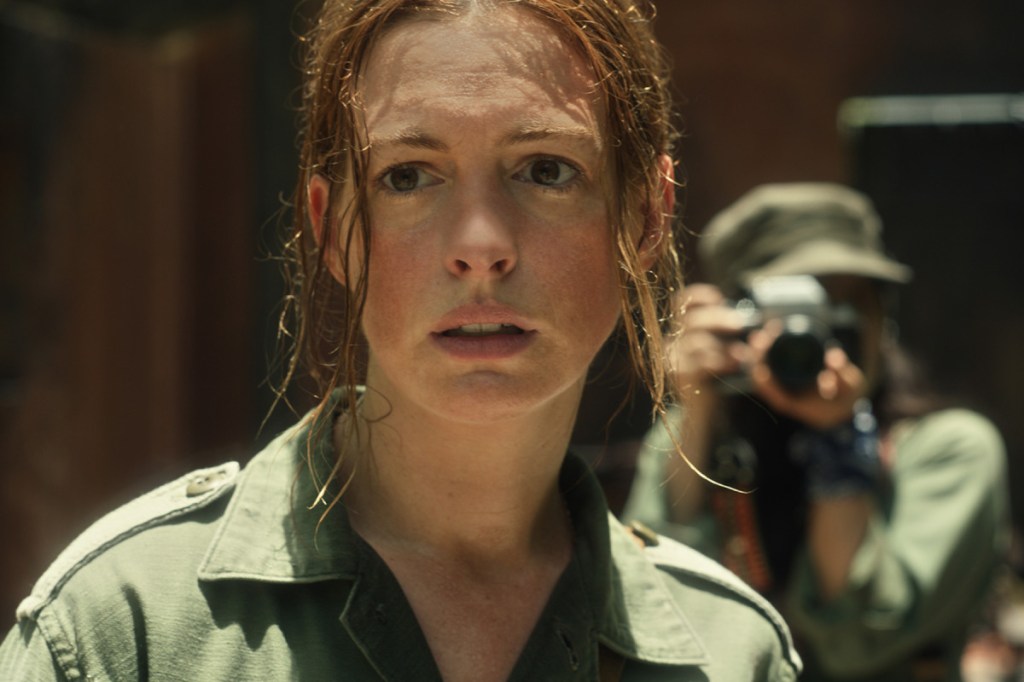
    Hathaway stars as an investigative journalist whose pursuit of the story overlaps with a guilt-propelled errand thrust upon her by her unstable father and pushes her into the middle of an international labyrinth of drugs and violence that could prove to be her undoing.

    The former Academy Award-winning actress is an apt choice for audiences to follow around for the majority of the film’s two-hour run time, but Hathaway plays the character at such a cautious distance that it’s nearly impossible for viewers to get fully behind her performance enough to maintain interest in the haphazard political intrigue.

    Her best moments come in the film’s opening third, which takes advantage of Hathaway’s emotional intensity both verbally and within her eyes. This manifests itself differently as her character investigates potential war crimes in Latin America versus personal crisis with her father as well as her daughter at boarding school.

    Hathaway is well matched with veteran character actor Willem Dafoe, an alert and present performer willing to take risks as Hathaway’s estranged father slowly deteriorating mentally. Their scenes are dynamic and resonate with audiences long after Dafoe leaves the screen, a rarity in Rees’ film.

    Although Dafoe does venture over into the realm of caricature at times, his performance still carries large segments of “The Last Thing” with a bright, engaging turn that breathes life into the sails of the narrative.

    The weakest link in the film is Affleck’s stiff, dry turn as a political instigator from Washington with questionable motivations. If the description of the character feels vague, it’s likely because Affleck doesn’t bring much to the performance beyond a simple, almost clinical recitation of dialogue from Rees’ screenplay and it doesn’t hold up comparatively to his recent work in another Netflix original film, J.C. Chandor’s 2019 feature “Triple Frontier.”

    As is to be expected with a high-budget political thriller, “The Last Thing” rounds out its considerable supporting cast with a cavalcade of moderately familiar faces that provide depth and richness to a world that far exceeds its middling story, including exceptional turns from Rosie Perez as Hathaway’s investigative partner and Edi Gathegi as a rival gun runner.

    The adaptation of Didion’s novel is problematic and messy, from the lingering and verbose prose narration that gives context to the mental state of Hathaway’s character to the ping-pong storyline jumping to the muddling of a relatively straightforward narrative.

    This feels more a fault of Rees as screenwriter – a credit she shares with Marco Villalobos – than as a director as her visual storytelling is sometimes engaging and always interesting with strong cinematography from Bobby Bukowski.

    For a variety of reasons, “The Last Thing He Wanted” doesn’t really pull together as a compelling narrative but the shades of a taut political thriller can be seen in the shadows.

    Ultimately, this makes Netflix’s spending to give Rees a chance to grow as a filmmaker worth their investment and “The Last Thing He Wanted” is a perfect movie for audiences interested in the genre to take a low-risk chance on.

  • Birds Of Prey: Identity crisis

    Birds Of Prey: Identity crisis

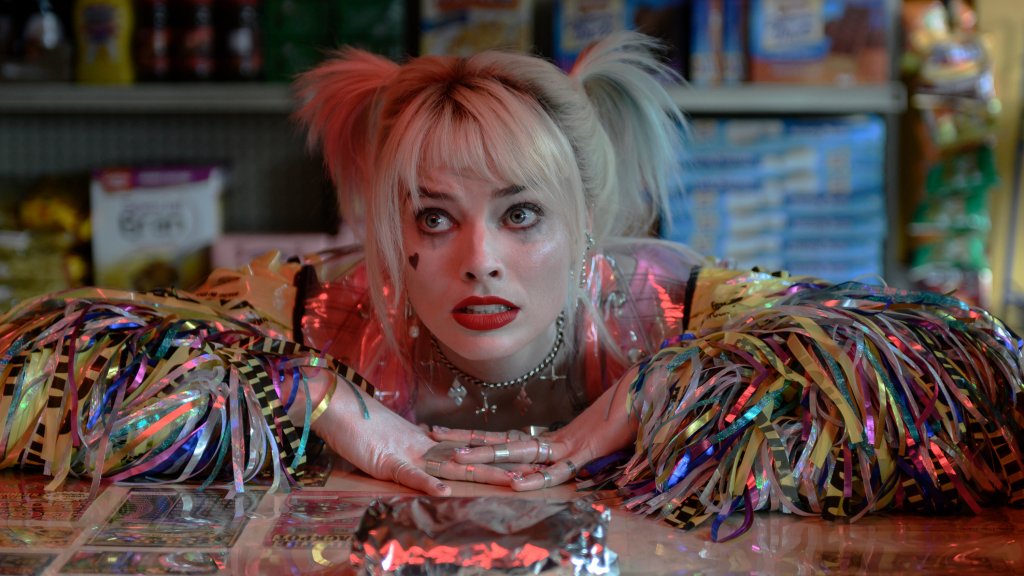
    She’s just an ordinary girl who loves her breakfast sandwich.

    Sure, she also loves money, the ability to do whatever she wants without recourse or retribution and her pet hyena, Bruce.

    But Harley Quinn – at least as seen through the lens of Margot Robbie’s gobsmackingly fun portrayal – isn’t simply a bad guy. She’s misunderstood.

    An inevitability following the breakout success of Robbie’s Quinn in 2016’s “Suicide Squad,” this year’s first comic book film takes her supporting character and places her right in the middle of the action with “Birds of Prey: And the Fantabulous Emancipation of One Harley Quinn.”

    Director Cathy Yan’s sophomore feature follows the classic Batman villainess immediately after her breakup with The Joker, which puts a target on her back from both cops and robbers alike. The quest for a diamond holding bank account numbers serves as a MacGuffin to keep the action going as audiences bounce around Gotham City with Quinn and the titular Birds of Prey.

    As comic book movies go, “Birds of Prey” isn’t aiming to be weighty material and the below-par screenplay from writer Christina Hodson cripples major sections of the film’s narrative structure and cohesion.

    But the driving force that makes Yan’s film successful is Robbie’s relentless energy and charm as Quinn, taking everything audiences loved about her quirky turn in “Suicide Squad” and ramping it up to 11 for a frantic, maniacal performance that pushes a middling story forward.

    Robbie’s Quinn maintains a free-spirited attitude that is a breath of fresh air every time her slightly twisted smile, multicolored pigtails and overly dramatic eyes pop up on screen. The Australian actress pulls viewers in and gets them to root for an unlikely anti-hero with disarming comic timing and quick-witted flashes of sanity from Quinn’s previous life as a psychologist.

    Other characters in “Birds of Prey” become more interesting not for what those actors are bringing to the film, but rather how Robbie is able to bounce off of them as audiences are endeared to whatever Quinn’s going to do next.

    When “Birds of Prey” turns away from Robbie’s radiantly maniacal turn, Yan’s film begins to veer off the rails as viewers are shown the larger narrative from the perspective of new, thinly written characters that only work about half the time.

    Character actress Rosie Perez makes the most of her meatiest role in years as marginalized detective Renee Montoya, taking Montoya’s one defining trait in the film – a hardheadedness developed from watching too much 1980s cop dramas – and making it work for the character as something that gets the intended laughs, but also provides a worthy foil for Robbie.

    Mary Elizabeth Winstead – either by choice or by lack of character development – infuses her performance as the crossbow-wielding assassin Huntress with a monotone, almost vapid lack of personality that occasionally makes for a well-timed joke, but equally feels unnecessary and bland in comparison to the bright characters around her.

    There’s a strange implied homoerotic bond between the film’s two primary male characters – both major villains – in Ewan McGregor’s Black Mask and Chris Messina’s Victor Zsasz that goes far enough to define both characters as sociopaths who share a romanticism for violence but not far enough that it does anything to make either character compelling or interesting.

    What stands out most aside from Quinn is the brilliantly shot and designed fight choreography that puts the viewer in the middle of the action in a way that feels fresh and quintessentially part of the main character.

    Each fight takes on a different life based on the setting while maintaining a free-flowing consistency that combines humor and authentically plausible action for a comic book film. Robbie and the stunt coordinators take great care to vary up Quinn’s move set from battle to battle based on the weapons she’s wielding and the fluid use of martial arts is on par with the “John Wick” films.

    Films made from DC Comics have largely taken a backseat to the Marvel Cinematic Universe ever since the conclusion of Christopher Nolan’s “Dark Knight” trilogy of Batman films, but it seems that Warner Brothers has begun to figure out a successful format with brighter, lighter films like “Wonder Woman,” “Aquaman” and now “Birds of Prey.”

    If the trend continues while the studio also backs more artistic, prestige-driven adaptations like the Oscar-nominated “Joker,” it’s possible that the DC universe of films could surpass Marvel in the next several years if Disney fails to connect with audiences in a post- “Avengers” world.

    Although “Birds of Prey” suffers from an identity issue that can’t decide if Robbie’s Quinn can carry an entire film on her own, the fantabulous highs far outweigh the middling lows and make this comic book lark a film worth seeing amid a disappointing February slate at the box office

  • 92nd Academy Awards preview: Parasite v 1917

    92nd Academy Awards preview: Parasite v 1917

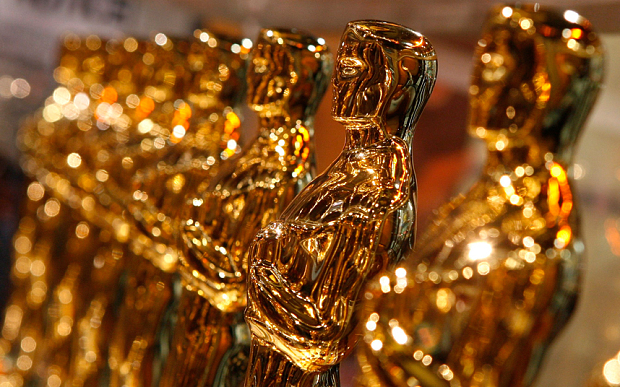
    For the sake of posterity, here are my predictions and thoughts on tonight’s Academy Awards:

    Best Picture:

    Going to win – 1917, the runaway winner at BAFTA and odds on favorite tonight, the Academy will likely favor an old standard in Best Picture winners: the technically proficient, period war epic

    Should win – Parasite, probably sitting in the runner-up chair, Bong Joon-Ho’s masterpiece has a strong chance to pull the upset thanks to the preferential balloting system and is the year’s best film by a significant margin

    Dark horse – Once Upon A Time In Hollywood, the Academy loves movies about Hollywood and this Quentin Tarantino period dramedy is probably the most accessible of his filmography to Oscar voters

    Best Director:

    Going to win – Sam Mendes for 1917, Mendes should get the BP boost along with the film’s overwhelmingly spectacular technical achievements to hand him an Oscar for putting all the right pieces around him

    Should win – Bong Joon-Ho for Parasite, same story, different category, Bong creates a rich, deep world that constantly keeps audiences on the edge of their seat and masters nuance from start to finish

    Dark horse – Realistically no one, although some voters will cast their ballots for Tarantino, one of Hollywood’s best auteurs never to win this award

    Best Actor:

    Going to win – Joaquin Phoenix for Joker, the darkest, most actor-y performance of the year is essentially a guaranteed first time win for Phoenix, who elevates an otherwise marginal comic book movie to Best Picture contender worthy status

    Should win – Adam Driver for Marriage Story, a performance that is probably more nuanced than Phoenix but less showy, which doesn’t bode well given Phoenix has swept everywhere else

    Dark horse – None.

    Best Actress:

    Going to win – Renée Zellweger for Judy, a tolerable performance in a vastly mediocre film that somehow got crowned as the best of the year back in September without any real discussion or debate

    Should win – Saoirse Ronan for Little Women, a four-time Oscar nominee by the age of 25, Ronan puts together her most Oscar-y performance yet as Jo March, but with a depth of conviction and character that underlies her immense talent.

    Dark horse – Scarlett Johansson for Marriage Story, double nominated in both lead and supporting actress, Johansson is better in the first twenty minutes of Noah Baumbach’s film than Zellweger is at any moment of Judy

    Best Supporting Actor:

    Going to win – Brad Pitt for Once Upon A Time In Hollywood, a much deserved accolade for one of cinema’s best character actors who just happens to be among its most attractive, which shields out sometimes how good of a performer he is and how effortless it is for Pitt to be charming.

    Should win – Pitt

    Dark horse – Joe Pesci for The Irishman or Tom Hanks for A Beautiful Day In The Neighborhood, 2019 was a terrific year for supporting actors and both of these men could easily have run away with the award in another year.

    Best Supporting Actress:

    Going to win – Laura Dern for Marriage Story, another example of a race that was over before it began, Dern is good as a no-prisoners-taken divorce attorney but there are other performances that are as good or better that deserve more attention as well.

    Should win – Florence Pugh for Little Women, the breakout star of Midsommar takes a reviled literary character and turns the tables on audiences with a standout performance as Amy March. The most difficult performance to pull off of any of these nominees, Pugh knocks it out of the park.

    Dark horse – None

    Best Original Screenplay:

    Going to win – Parasite

    Should win – Parasite

    Dark horse – Once Upon A Time In Hollywood


    Best Adapted Screenplay: 

    Going to win – Jojo Rabbit

    Should win – Little Women

    Dark horse – The Irishman

    Best Animated Feature:

    Going to win – Klaus

    Should win – Toy Story 4

    Best International Feature:

    Going to win – Parasite

    Should win – Parasite

    Best Documentary Feature:

    Going to win – American Factory

    Should win – American Factory

    Best Original Score:

    Going to win – Joker

    Should win – 1917

    Best Original Song:

    Going to win – “(I’m Gonna) Love Me Again” from Rocketman

    Should win – “(I’m Gonna) Love Me Again” from Rocketman

    Best Sound Editing and Mixing:

    Going to win – 1917

    Should win – 1917 for editing, Once Upon A Time in Hollywood for mixing

    Best Production Design:

    Going to win – 1917

    Should win – Parasite

    Best Cinematography:

    Going to win – 1917

    Should win – 1917

    Best Makeup and Hairstyling:

    Going to win – Bombshell

    Should win – Bombshell

    Best Costume Design:

    Going to win – Jojo Rabbit

    Should win – Once Upon A Time in Hollywood

    Best Film Editing:

    Going to win – Parasite

    Should win – Parasite

    Best Visual Effects:

    Going to win – 1917

    Should win – 1917

  • Miss Americana: Moments in the spotlight

    February 2, 2020 · Watch the official trailer

    Taylor Swift is tired of simply being a “good girl.”

    A new documentary that debuted last month at the Sundance Film Festival, “Miss Americana,” seeks to bring audiences into the music icon’s inner circle as Swift’s evolving celebrity and relationship with the public drives her toward activism.

    To a large extent, “Miss Americana” feels like an 85-minute explanation of why she’s shied away from controversy for most of her public life and a call to arms for her newfound political voice.

    The film covers most of Swift’s life in traditional biographical style, from her pre-stardom days writing songs in diaries through her debut in country music to years of large stadium tours.

    “Miss Americana” is made in patchwork, often feeling like a series of smaller behind-the-scenes and biographical videos made for a YouTube channel that are stitched together for a larger narrative.

    It’s a strange combination of the substantive and the superficial as candid moments of a pensive Swift philosophizing on stardom and equality are cross cut with sugary-sweet clips heavily influenced by the pop star’s public relations team.

    To be sure, the fact that a documentary about Swift exists at all is a calculation, a clearly defined act of public relations intended to sway opinion towards a woman who admittedly has sought self-worth based on the applause of strangers.

    “Miss Americana” seems to provide unprecedented access to Swift and director Lana Wilson uses Swift’s inner monologue to essentially narrate the film as the lone voice telling her own story. But even this backstage, at home, on the road footage feels curated, almost rehearsed in a way, letting audiences in to the moments that Swift and her management team want viewers to see.

    This gives “Miss Americana” an authentically inauthentic feel from start to finish and makes the documentary unlikely to convert those who aren’t in love with Swift’s music to her side.

    Since Swift is the only person interviewed for the documentary, segments of “Miss Americana” come across as cold, lonely diatribe from an individual still struggling to understand the spotlight her increasing fame has given her.

    The back half of “Miss Americana” slowly morphs into Swift’s personal evolution as a political influencer, using her instant access to millions of Americans via social media to rally youth participation in the election process as well as endorse Democratic candidates in her home state of Tennessee.

    Swift describes her choice to stay out of the political arena for much of her career as “being a good girl,” opting to remain silent on issues of the day and just “sing break-up songs.”

    The most impactful scene of this period of the film – a sit-down between Swift, her father and other middle-aged men in her inner circle debating the release of her first political statement on Instagram – feels slightly disingenuous. This isn’t to say that the meeting was faked or rehearsed, but simply that there’s not enough substance or time in the documentary given to these discussions to not make the scene come across as superficial.

    The film’s best moments come in the studio, or occasionally at home, when Swift works on developing the hooks, lyrics and sounds that turn into her 2017 album “Reputation” and 2019’s “Lover.” It’s genuinely entertaining to see an incredibly talented songwriter develop lyrics on the fly, blending chords and mixing tracks in a matter of moments that turn into hit records on the radio.

    And yet, even these sessions are somewhat marred by the indulgent choice to capture the development of the political anthem that plays over the end credits, “Only The Young,” a rallying cry to her younger fans.

    While good-intentioned, the almost circular nature of filming the creation of a song written for the film comes across as calculated and pre-determined, rendering an ungenuine feeling to the entire project.

    Netflix is a tailor-made partner for this kind of documentary, offering instant, wide-spread accessibility to a casual viewing audience who will treat “Miss Americana” more as a free add-on to their existing subscription rather than a film they’re spending money to see.

    The easy viewing, 85-minute run time gives “Miss Americana” almost universal appeal as background noise at home while doing other activities. Only hardcore fans of Swift will truly remain engaged for the entire duration and yet most audiences will enjoy their time with the pop icon.

  • Just Mercy: Truth in the final hours

    Just Mercy: Truth in the final hours

    A star-studded, politically relevant courtroom drama based on a true story released right in the middle of awards season is typically the kind of film Oscar voters and general audiences eat up.

    So why is no one going to see “Just Mercy,” the latest film from indie darling director Destin Daniel Cretton starring a pair of Academy Award winners and led by “Black Panther” standout Michael B. Jordan?

    There’s nothing wrong with the film. It’s a perfectly adequate, well-crafted feature that tells a simple story in poignant, heartfelt ways.

    “Just Mercy” just happens to be about seven years too late.

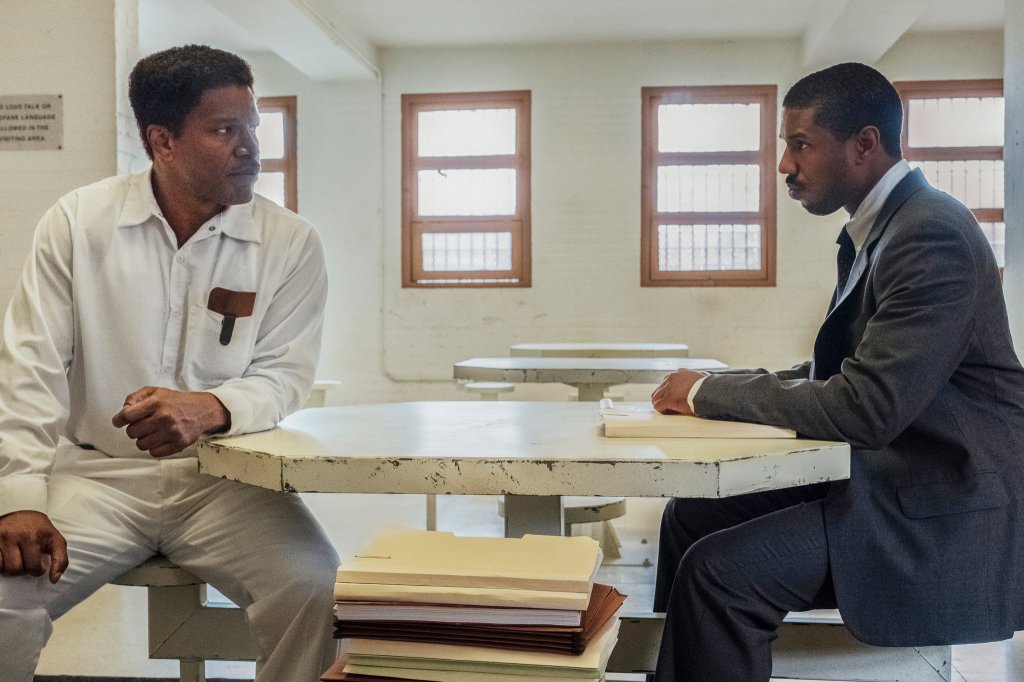
    The film follows the beginnings of the Equal Rights Institute, a non-profit law firm started by Harvard-educated African American lawyer Bryan Stevenson who moves to the heart of Alabama to counsel disenfranchised and wrongly condemned death row inmates on their final appeals.

    While encompassing the first years of the institute in general, the film most closely follows the case of Walter McMillian, wrongly convicted for the murder of an 18-year-old woman in spite of significant evidence ignored during his racially charged trial.

    Despite being based on Stevenson’s autobiography of the same name, “Just Mercy” serves more as an acting tour de force for a trio of talented character actors, most notably Oscar winner Jamie Foxx delivering his best performance in over five years as McMillian.

    Foxx brings an earnest heart to the role that been hardened not by the prison that’s stolen his life from him, but by an ever-increasing distrust of a justice system that’s failed him time and again.

    His chemistry opposite Michael B. Jordan’s steady, stoic turn as Stevenson is consistently solid throughout the film, but what sets Foxx apart in “Just Mercy” is the emotional bonds his McMillian is able to form beyond walls with two adjacent death row inmates played by Rob Morgan and O’Shea Jackson, Jr.

    Unable to see or feel the others’ presence, the three men instantly develop an emotional rapport and support that feels earned in spite of the extraordinary circumstances around them and help provide the film’s most heart-wrenching moment at the end of the second act following the decision of one inmate’s final appeal.

    In the least heralded great performance of 2019, Morgan blows audiences away with a remorseful passion mixed with bewilderment and confusion that will leave viewers stunned and awe-struck.

    Similarly, Tim Blake Nelson plays a pivotal role as a fellow inmate accusing McMillian of the murder whose confrontations with Stevenson feel comically caricature at first glance but becomes revelatory as the film catapults its way through the courtroom stage.

    “Just Mercy” fails to make the most of its biggest box office draws as Jordan is a serviceable protagonist through which to follow the story, but he never truly makes much of a mark on the film as Stevenson. Likewise, Oscar winning actress Brie Larson lends her credibility and star power to her third collaboration with Cretton after “Short Term 12” and “The Glass Castle,” but is given almost nothing to do in a small role as Stevenson’s aide.

    The fatal flaw within “Just Mercy” is that the scope of the film exceeds the Stevenson-McMillian relationship far too much for a tight narrative structure, but doesn’t expand the world wide enough to justify a lengthy 137-minute running time. While the subject matter is more than worthy of chronicling, Cretton sacrifices a relatively thin plotline for character moments better suited for television miniseries.

    Cretton doesn’t force the action visually in any special way, leaving the audience to rely on the ensemble cast’s largely terrific performances to prop up the film as a whole. The cinematography doesn’t get in the way and the musical score swells at all the expected moments, but the whole project technically reminds of an extended television crime procedural rather than a weighty, cinematic courtroom drama.

    “Just Mercy” will have a stronger run on streaming platform and home video rather than on the big screen as Warner Brothers rightly focuses their attention on larger projects like “Joker” and “Richard Jewell.”

    A competently made, brilliantly acted drama, “Just Mercy” is worth taking a chance on later this year when the film is made available for private home viewing.

  • 1917: War close at hand

    1917: War close at hand

    You’ll never see Roger Deakins on screen, but he’s in every frame of director Sam Mendes’ new war epic “1917,” from the opening frames bathed across a sea of endless green grass until the final cut to black before the credits.

    World-renowned as a master craftsman in his art, the British-born Deakins achieves his magnum opus with “1917” – a visual spectacle combining his years of experience as film’s premiere cinematographer and his unique eye for capturing fleeting moments to last a lifetime.

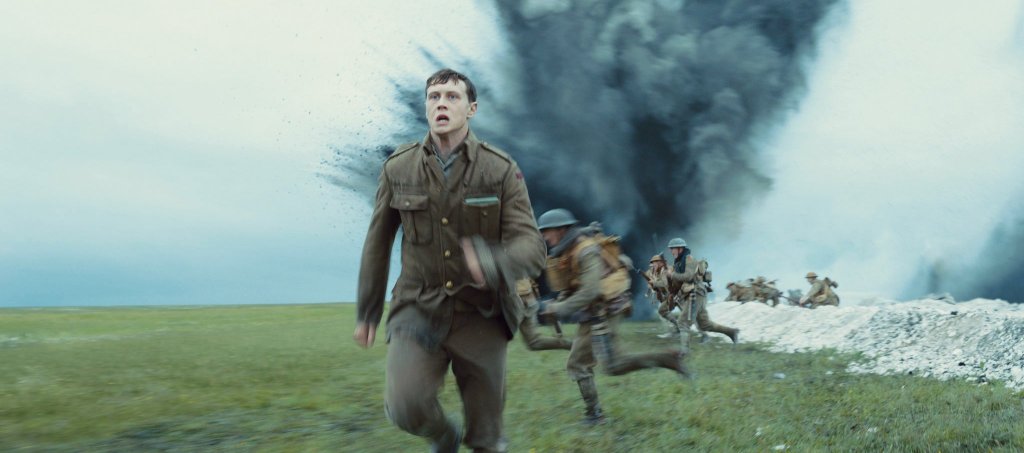
    The film intends to follow two young English lance corporals as they journey across enemy lines during World War I to deliver a message calling off an impending attack on German forces that will ambush and kill 1600 British soldiers, and for the most part, it does so considerably well.

    What “1917” truly is, however, is an arresting, unparalleled feat of technical cinema that will dazzle audiences with its extended, world-spanning one-take camera work that pulls audiences in and gives the effect of continuous, unedited filming over the course of two hours, fully immersing viewers in the shoes of two brave, yet scared young men.

    George MacKay and Dean-Charles Chapman propel the engine that makes “1917” work as Lance Corporals Schofield and Blake, respectively. Their easy chemistry amid the most difficult working conditions for actors is especially impressive and the relatively limited dialogue in the screenplay allows for the pair to wear their emotions on their sleeve with haunting eyes.

    “1917” pulls the camera in close on both performers and presses in on these non-verbal cues to show, not tell audiences about the mental strains placed on young WWI servicemen and MacKay’s stoicism matched with Chapman’s heart leaps off the screen at every turn.

    Though the bulk of the film follows the two young leads, “1917” is also littered by brilliant supporting turns from a number of talented British character actors from Colin Firth and Benedict Cumberbatch, to Mark Strong, as well as Andrew Scott and Richard Madden. Each actor pops up at exactly the right moment to provide gravitas and emotional depth.

    The film’s harrowing subject matter and plot leave audiences constantly on edge as Schofield and Blake could easily encounter imminent death over every ridge or around the next corner. An unbroken, continuous camera frame heightens this suspense and keeps audiences dialed in to the duo’s circumstances, equally unsure what’s to come next.

    Mendes and Deakins masterfully contend with the elements over the course of meticulously pre-conceived panning shots, often relying on natural light to illuminate scenes and operating free-flowing panoramic cameras that allowed for steady and smooth 360-degree rotation.

    Each second of “1917” is a precisely choreographed dance between actors and camera operators, moving across dynamic, uneven terrain and across miles of intricate bunkers and sets hand-crafted for shooting.

    Mendes and editor Lee Smith blend scenes together confidently with limited breaks in the dynamic visuals, cheating slightly as the camera is obscured from viewing Schofield and Blake at various points to hide cuts in the film. Most viewers won’t notice these slight imperfections in the cinema that provide the overall look of the film as they will be too entrenched in the pair’s plight and Thomas Newman’s gripping score to peer behind the curtain.

    A multiple Golden Globe winner, “1917” is certain to be one of the most nominated Academy Award contenders this spring, immediately vaulting into frontrunner status for cinematography, direction and production design. Newman’s haunting, pitch-perfect orchestral score should win as well, though it has lost recently to Hildur Guõnadóttir’s equally transfixing accompaniment to the comic book origin film “Joker.”

    The film could easily win Best Picture following its Best Motion Picture – Drama win at the Golden Globes, but could just as easily fall into the same trap other technically profound films like “Gravity” and “Mad Max: Fury Road” did at the Oscars, winning in many smaller categories but missing out on the top prize.

    There’s absolutely no reason to see “1917” on anything less than the biggest, best screen imaginable – even if that means avoiding closer theaters. A visual marvel unlike any other, “1917” requires a grandiose, epic cinematic experience to match the vastness of the film itself.

  • Uncut Gems: Loving the uncomfortable

    Uncut Gems: Loving the uncomfortable

    Tense situations often provide for the best drama and leave bystanders watching things unfolding on the sidelines captivated in awe.

    It’s a compulsion that pulls us to slow down and gawk at accidents and train-wrecks; the very thing that allows a television program like “The Jerry Springer Show” to exist.

    Cinematically, that uncomfortable draw that keeps audiences on the edge of their seats can be the same feeling that prevents people from seeing an incredible film more than once.

    The much heralded, Golden Globe-winning “Joker” is like that, as is the latest feature from Josh and Benny Safdie, the writer-director brother indie darling tandem behind 2017’s standout crime drama “Good Time.”

    With their new movie “Uncut Gems,” the Safdie brothers crank the volume up to 11 on their signature brand of frenetic, gritty New York City film spectacle in a must-see, then likely never see again drama.

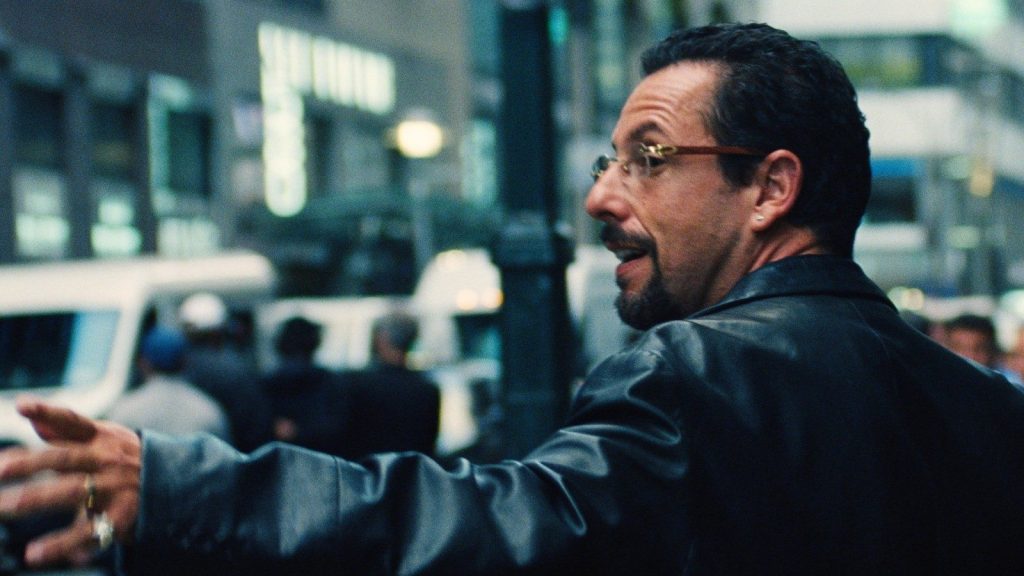
    Adam Sandler gives the transformative performance of his career as Howard Ratner, a diamond district jeweler whose obsession with sports gambling and the big score puts him at odds with clients, loan sharks and his estranged family.

    Sandler disappears so fully into Howard that it’s often hard to remember Sandler’s comedic work during “Gems.” There’s an eccentricity to Sandler’s performance that emboldens audiences to live inside the world of the film and accept this familiar character on his own terms and not as it relates to Sandler.

    When audiences watch an actor like Robert De Niro or Al Pacino, they often find themselves engulfed within their performances and still never take their minds off the fact that De Niro or Pacino are playing the parts. Who they are as personalities can never be totally removed from the work.

    Sandler’s Howard pulls viewers in so fully – in large part thanks to the Safdies’ pitch-perfect screenplay – that the comedian himself fades away behind the glasses and goatee, something Sandler has never been able to pull off before in a 20-plus year movie career.

    The film’s ensemble cast boasts a bevy of talented character actors with ruthless, memorable work including Eric Bogosian as a vindictive loan shark, Broadway and “Frozen” star Idina Menzel stunning as Howard’s angry wife Dinah and Lakeith Stanfield as Howard’s assistant and client valet.

    Former National Basketball Association star Kevin Garnett delivers a tremendous, intense performance as a fictionalized version of himself in one of the best acting performances by any major sports athlete, enhancing the film with an authentic, controlled turn that pushes the drama in new directions.

    The film’s breakout star is newcomer Julia Fox, who pulls focus away from Sandler in a wonderful supporting turn as Howard’s employee/mistress. Fox charms audiences in a way that feels manipulative but largely isn’t and her presence on screen is reminiscent of the dynamic energy Margot Robbie brought to her first major role in Martin Scorsese’s “The Wolf of Wall Street.”

    What sets “Gems” apart is the film’s relentless uncertainty where literally any outcome or repercussion can occur at any time. This keeps viewers apprehensively engaged and tense, forcing them into Howard’s corner as every action he takes feels like a miniature wager with ever-growing stakes.

    It’s a tremendous pairing of screenplay and performance that allows the chaotic pace of the film to genuine and earned rather than deliberately contrived. The Safdies, who have sought Sandler for the role of Howard for the better part of a decade, perfectly pen a character to fit the longtime comedic actor’s unique quirks in such a way that opens up Sandler to a world of new opportunities cinematically.

    Shot on 35 mm film, the visual artistry of “Gems” maintains a raw, gritty vibrancy and the Safdie brothers play with lights and colors to keep the dynamic energy of their screenplay alive regardless of the situation. This works especially well during a scene where Howard enters a club filled with blacklights which gives the screen an off blue hue complemented by a bright neon orange hoodie worn by a character antagonizing Howard that visually represents the story the Safdies are trying to tell.

    “Gems” is likely far too controversial for major awards season considerations although the movie will likely be heralded by critics and independent film groups.

    Sandler has an outside chance for a best actor nomination if newer members of the Academy rally behind him and the film, though it’s more likely their support will go to Eddie Murphy’s turn as a struggling comic turned movie star in Netflix’s “Dolemite Is My Name.”

    “Uncut Gems” clearly stands out as one of 2019’s best independent films and a dramatic career pinnacle for Sandler that needs to be seen on the big screen to truly be appreciated.

  • Little Women: Frantic urgency in domestic life

    Little Women: Frantic urgency in domestic life

    Another period drama remake of an oft-told story isn’t what cinema needs these days.

    There’s far too little originality in filmmaking to warrant updated versions of a book that already has six feature film adaptations.

    “Little Women” is the exception.

    From the opening moments where writer/director Greta Gerwig begins at the end, it’s readily apparent that Louisa May Alcott’s classic coming-of-age novel about four sisters – Meg, Jo, Beth and Amy – living and loving in Civil War-era Massachusetts has never been adapted with the amount of vibrancy or dedication that Gerwig and her cast create.

    It’s a highly personal, classical and yet richly modern interpretation that uses the ballpoint pen as a jackhammer to Alcott’s linear narrative.

    While prior adaptations have centered primarily around bold writer Jo, Gerwig layers her version with richer examinations of all four sisters and interprets the novel with a bold vision that elevates the source material.

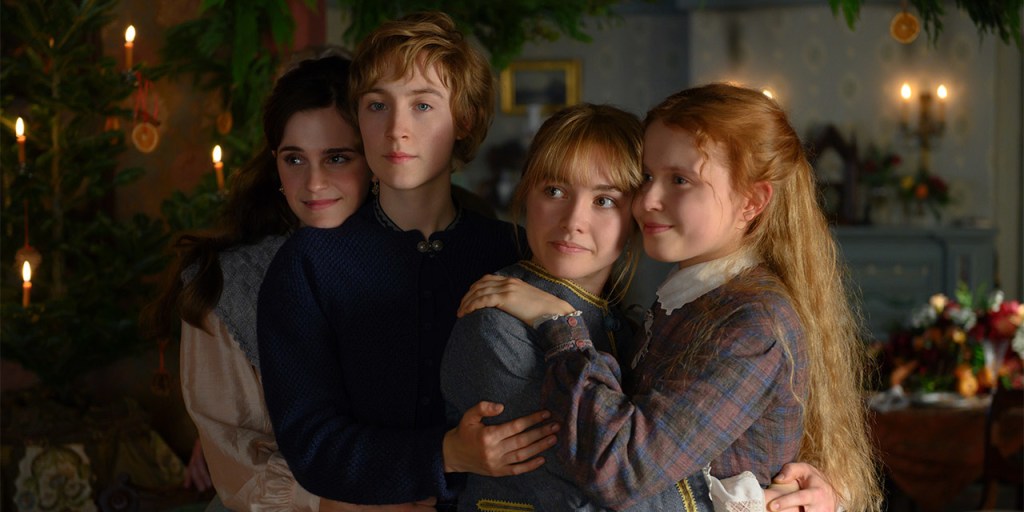
    “Little Women” works thanks in large part to its dynamic cast led by three-time Academy Award nominee Saoirse Ronan as Jo and 2019 breakout actress Florence Pugh as Amy.

    Headstrong and meticulous in her performance, Ronan sears the screen with an intensity befitting prior interpretations of Jo, but with a soulful complexity that creates a deeper connection between audiences and the character.

    Ronan’s Jo works tremendously well on her own within the film, but her work is emboldened further in concert with the rest of the cast especially Pugh, who creates the sort of unrequited sibling rivalry with Jo that is both grounded in the original text and feels authentic as sisters so identical that their similar passions drive them apart.

    Pugh approaches Amy as someone who has felt held back by her sister and society but matures over the course of the film to find her own voice and identity in a way that is sincere not perfunctory, passionate not shrill.

    As much as “Little Women” elevates Pugh’s Amy, Emma Watson’s Meg and Eliza Scanlen’s Beth are both showcased individually and give strong supporting work in larger group scenes that accent the Jo-Amy duality as well as highlight the importance of their own characters to the narrative. A pivotal scene featuring Jo and Beth at the beach is overwhelmingly emotional thanks in large part to what Ronan and especially Scanlen aren’t saying to each other in the moment and leave to non-verbal cues to the audience.

    In one of the film’s most challenging roles, Timothée Chalamet weaves himself flawlessly in and out of the lives of each March sister as neighbor/best friend/love interest Laurie, adding different flourishes to his performance depending on which sister he interacts with. This gives the film much needed complexity and helps showcase the individuality of each sister.

    There’s magic visually as the camera kinetically flows through space in the sisters’ younger years, leaping into the middle of the fray of their playful arguments and gliding along as Jo and Laurie dance along an outdoor patio in one of the year’s best crafted shots.

    Cinematographer Yorick Le Saux takes a more reserved approach to the older half of the movie with more stoic, wide-arcing shots that create elegance rather than distance.

    “Little Women” leaps off the pages of Gerwig’s screenplay with a frantic, chaotic energy that permeates its way through the March sisters and radiates a palpable heat that cinema – especially period historical fiction – rarely strives towards.

    There’s an exceptional amount of passion to the film that draws in even many a skeptical viewer. Dialogue is delivered with vigor, often overlapping to the point where words burst from these four talented actresses as if their vitality were about to explode out of their bodies.

    So much of Ronan’s performance is driven by this churning, inner desire for a fulfilling, artistic life that fuels Jo’s constant “writing like you’re running out of time, like you need it to survive,” to borrow a phrase from the Broadway smash hit “Hamilton.”

    This relentless pace and dynamic energy allows Gerwig’s most daring conceit of the film to be successful as the filmmaker rips apart Alcott’s traditional narrative structure. Folding two timelines – one in the girls’ teenage years and another ten years later as they grow into adulthood – Gerwig reshapes and recontextualizes the classic tale for modern cinema, overlapping scenes from both times to enhance emotional growth amid a sense of nostalgia in the March sisters and allow audiences to see things from a fresh perspective.

    Occasionally, this plot structure will jar viewers to keep them engaged in the action and may confuse some audiences unfamiliar previously with the Alcott story. Gerwig takes some slight liberties with the plot itself that brilliantly illustrate the struggles women had in being taken seriously as artists during the 1800s, but not so much so that audiences will lose their way or that the intentionality of the original work is altered.

    A virtual lock for Academy Award nominations, the frontrunner status come Oscar season for “Little Women” will be determined more by nods in less certain categories. Best Picture, best actress for Ronan and best adapted screenplay for Gerwig are all but assured.

    If potential nominees like Pugh in supporting actress, Gerwig for direction and Chalamet in supporting actor come through alongside technical nominations for costuming, production design and score, then “Little Women” could vault itself to the top of the race alongside “Once Upon A Time In Hollywood,” “The Irishman” and “Marriage Story.”

    More than just a simple book adaptation or period piece, “Little Women” is a dynamic, inventive piece of cinematic storytelling from an emerging master filmmaker that deserves to be seen on the big screen.