Category: New Releases

Primary category for full-length reviews of newly released films. Select for standard reviews; remove it when publishing After the Credits, Commentary & Essays, or non-review retrospectives. This remains WordPress’s default post category.

  • Deadpool 2: Rated R for retread

    Deadpool 2: Rated R for retread

    If you’re one of a growing number of frequent moviegoers tiring of the superhero genre, “Deadpool 2” is the epitome of everything you’ve come to hate.

    Everything feels bloated and rehashed; the villains are under-written, poorly acted and inconsequential to the story as a whole. It’s the same movie all over again.

    But if you’re among an equally large number of fervent fans desperate to see their childhood comic books come to life on the big screen, “Deadpool 2” is right in your wheelhouse.

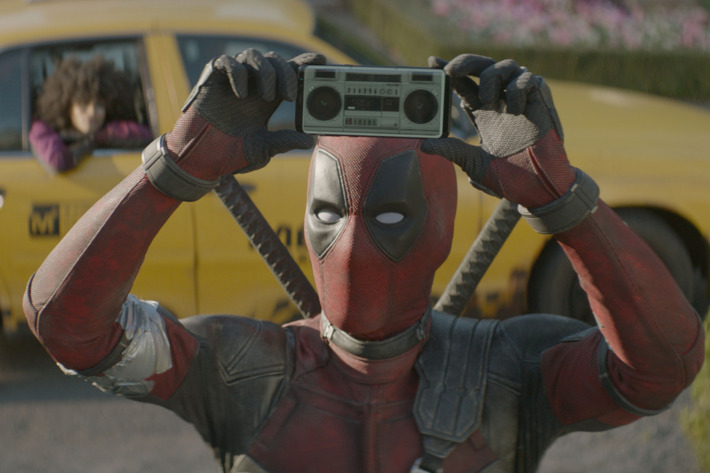
    The foul-mouthed, shoot-first-ask-questions-later vigilante Deadpool returns for more thrills, double entendres and bloodshed with reckless abandon.

    Still out to prove that he’s not a superhero, Deadpool indiscriminately slaughters bad guys until he’s separated from his love, Vanessa, and in the crosshairs of a time traveling cyborg just this side of “The Terminator” franchise.

    It’s getting to the point now it’s increasingly difficult to separate Ryan Reynolds the performer from the acting choices he makes as Deadpool.

    His Wade Wilson is so inextricably linked with the man playing the part that Deadpool has almost become part of Reynolds’ psyche.

    After Reynolds willed this version of Deadpool into existence, his deepening dive into the world of the character has transcended even his roles as performer, writer and producer, pushing Reynolds into a one-man media wrecking ball of shameless self-promotion.

    In three short years, Reynolds has ingrained himself into the character at a level rivaling Robert Downey Jr’s Iron Man with just as much sass and a million times the expletives.

    If his intense bravado and over-exploitation of pop culture endear you to both Reynolds and the character of Deadpool, you’ll be on the edge of your seat or rolling in the aisles for the better part of two hours.

    Those who struggle to handle the heavily R-rated caricature will easily check out of the film within five minutes and long for their money back.

    Josh Brolin makes his second superhero appearance in as many months, this time as the half-man, half-machine Cable after a rousing turn as the villainous Thanos in “Avengers: Infinity War.”

    It’s easier to assess Brolin’s work here as he’s not covered by layers of CGI and yet the parallels between the two stoic, monotone performances are readily apparent.

    While in “Avengers” the emotional weight Brolin carries within his performance works as both a catalyst to the story and dramatic depth, an equally weary Brolin turn didn’t work quite as well in “Deadpool 2” because the underlying drama of the film doesn’t feel earned.

    Poor screenwriting that values frequent, obscure pop culture-based punchlines over cohesive plot structure is surely to blame.

    With five new major characters and an equal number of newcomers, it’s hard for their to feel like a standout amongst a bloated cast for such a simple storyline.

    Returners Morena Baccarin as Vanessa and T.J. Miller as best friend Weasel are fine if not largely unmemorable, whereas “Atlanta” star Zazie Beetz packs a lot of punch as the perpetually lucky Domino and Julian Denneson of “Hunt for the Wilderpeople” fame offers a terrific blend of humor and emotional depth as a troubled young mutant.

    Director David Leitch makes his mark with well shot, yet conventional action sequences and stays largely out of Reynolds’ way for the film’s indulgent bouts of comedy.

    If Leitch intended to make the sequel feel exactly like the original film with a larger budget, his vision works. It’s much more questionable whether or not doing the same thing on a bigger scale works as well for a comedy masquerading as a superhero film.

    “Deadpool 2” has a high degree of difficulty for audiences not well versed in comic book and pop culture lore. Jokes about a famed Marvel artist’s inability to draw feet or who the superhero Shatterstar is will likely go over newcomers’ heads.

    But searching out “blink and you’ll miss it” cameos from A-listers Brad Pitt and Matt Damon is still a fun exercise.

    The jokes are crude and the spandex’s tight, but moviegoers who enjoy a good-natured amount of tasteless fun will get a kick out of Reynolds’ endless antics as “Deadpool 2” barrels its way towards an inevitable sequel.

  • Kodachrome: Film in the digital age

    Kodachrome: Film in the digital age

    Scroll too quickly through Netflix and you’ll surely miss “Kodachrome,” a feature that at first glance sounds like a benign documentary miniseries about dated photography techniques.
    But take the time to actually sit down and watch director Mark Raso’s sophomore feature film and you may be struck by how poignant and bittersweet it truly is.

    The story is far from unique.

    An estranged father and son are forced together by circumstance and impending death, traveling across the country in search of the last store still developing Kodachrome film.

    How Raso and his cast tell this all-too-familiar tale is a different story altogether.

    Four-time Academy Award nominee Ed Harris delivers an emotionally-charged performance as Benjamin Ryder, a world-class photojournalist with little time left.

    While lesser actors would chew through the scenery by playing Ben as an unredeemable aging narcissist, Harris provides needed depth to the role, infusing the character it’s the sort of clarity only death can provide.

    There isn’t any one singular aspect to Harris’ performance that defines this shift. Instead slowly over time, Harris reveals to the audience a changed man and it turn that may come to
    define the later stages of his illustrious career.

    Paired against Harris, the hit-and-miss “Saturday Night Live” funnyman Jason Sudeikis shows unexpected dramatic range as Ben’s son Matt. Though audiences follow Matt through the film as the primary protagonist, Sudeikis calmly takes a backseat often in major moments, allowing other actors to shine.

    His natural disarming charm and ease at playing the anti-hero allow Sudeikis to become wonderfully dislikeable and yet somehow redeemable at the same time. It’s a performance that shouldn’t work as well as it does.

    Elizabeth Olsen continues a string of rock solid secondary lead work with a deliberate, headstrong turn as Ben’s nurse and personal assistant Zooey. Olsen does wonders with a woefully under written part whose back story feels shoehorned in at the last minute.

    The character actress more than holds her own in scenes opposite Harris and regularly outshines Sudeikis, but not at the expense of either performance.

    “Kodachrome” rounds out its main cast with terrific supporting efforts from Dennis Haysbert as Ben’s long-time manager and Bruce Greenwood as Ben’s younger brother and stand-in father figure for Matt.

    On a surface level, no potential audience under the age of 30 is likely to actively seek out “Kodachrome,” regardless of how easy it is to view.

    This makes Raso’s film an especially curious choice for a Netflix original film, where 100 percent of moviegoers will watch the movie on a cellular device or in the privacy of their own home.

    It also significantly undercuts Raso’s deliberate decision to shoot “Kodachrome” entirely in 35mm Kodak film. Just as Ben laments in the feature, digital translation of the picture loses a lot of the film’s authenticity and texture never to be recovered.

    Only the few audiences lucky enough to have caught the movie at the 2017 Toronto International Film Festival will get to experience the film as it’s meant to be seen.

    Raso overcomes a flawed script littered with frequently overused cliches by leaning on the talents of his cast and focusing each frame as if it were a photograph Ben took, a snapshot in his mind.

    Keeping this thought in mind for a second viewing enhances both the depth and quality of the film.

    “Kodachrome” would face an upward battle come awards season even with studio backing, but it appears Netflix has little interest in giving the indie upstart any push or promotion.

    Casual Netflix viewers will already have to dig through piles of pedestrian cinema and the majority of Adam Sandler’s increasingly bland filmography to find “Kodachrome.”

    Audiences willing to be aggressive with their search function will be highly rewarded with an emotional, resonating dramedy that harkens back to an era of filmmaking that’s harder to find by the minute.

  • Borg vs. McEnroe: Two sides of the coin

    Borg vs. McEnroe: Two sides of the coin

    Football has “Rudy” and “Remember the Titans.” Baseball has “Pride of the Yankees” and “Field of Dreams.” Even hockey has “Slapshot.”

    Now the sport of tennis has its first truly great film with “Borg vs. McEnroe.”

    Following the events that led up to and through their infamous match at Wimbledon in 1980, “Borg vs. McEnroe” is a cerebral, dynamic drama that closely examines the inner psychology of elite athletes.

    Helmed by Danish director Janus Metz, the film finds Swedish tennis superstar Björn Borg on the cusp of his fifth consecutive Wimbledon title only to clash with a brash twenty-one-year-old New York prodigy in John McEnroe.

    Metz and screenwriter Ronnie Sandahl go to great lengths highlighting the stark contrast between the two players. Borg defends from the back line while McEnroe aggressively bullies his way to the net. Borg plays with a robotic like precision whereas McEnroe’s frenzied passion rifles through every shot.

    There’s a natural symmetry to the characters that extends through the performances into the script and especially in the dynamic cinematography from Niels Thastum.

    As Borg, Swedish actor Sverrir Gudnason embodies the cerebral while not so subtly hinting at an inner turmoil holding the star player back. It’s easy to see the years of training Borg endured from a young boy weathered into Gudnason’s stoic face and the Swede does a remarkable job of balancing Borg’s fragile emotional state.

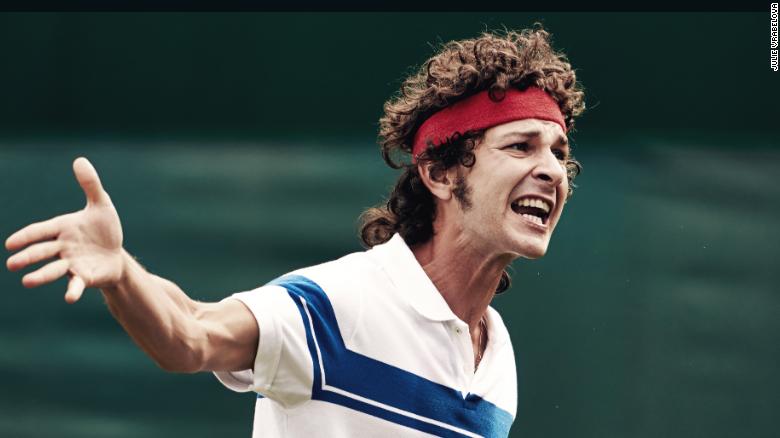
    In a perfect collision of actor and role, the consistently controversial Shia LaBeouf emotionally pummels his way through a scene chewing performance as McEnroe. For a turn that’s filled with bravado and unrelenting machismo, the part also represents LeBeouf’s most nuanced, entrancing performance to date.

    As much as LeBeouf as McEnroe could easily become a train wreck, it somehow doesn’t. LeBeouf tries so hard to become the perfect McEnroe that it ironically feels effortless, a surprisingly astounding display of acting audiences have longed for from the beleaguered young star but never thought we’d get.

    The perennially solid character actor Stellan Skarsgård doesn’t disappoint as Borg’s longtime mentor and coach Lennart Bergelin and Tuva Novotny fares well as Borg’s devoted fiancee Mariana.

    Metz dives into his directorial debut in narrative features with gusto, delivering a deliberate, yet moderately paced drama that occasionally grinds its gears. While the filmmaker succeeds at letting audience is in behind the scenes with both Borg and McEnroe, the movie enters childhood flashback sequences once or twice too often in a way that might jostle casual viewers.

    On a technical level, “Borg vs. McEnroe” dazzles with cinematic excellence. There’s a pronounced linear quality to both shot selection and framing that gives the entire film a very measured feel.

    When it comes to the actual tennis on screen, Metz and Thastum bring added life to what could be portrayed as a particularly monotone sport. Each point played out in the film possesses a dance like quality, replicating real events down to a single foot step and backhand. Tennis is rarely as tense as the iconic match the film seeks to recreate, and “Borg vs. McEnroe” convincingly maximizes the action and intrigue.

    Unfortunately, the decision to release the film early in the year usually in theaters and on-demand will prove to make this terrific genre film both a box office and awards season casualty.

    LeBeouf’s work as McEnroe is significantly better then Steve Carell’s similar turn in a Golden Globe nominated performance as Bobby Riggs in last year’s “Battle of the Sexes.” For as much as he may deserve acclaim, the lack of eyeballs on foreign independent film and LeBeouf’s personal struggles will prove to make “Borg vs. McEnroe” invisible this fall.

    One of the better sports films in years, “Borg vs. McEnroe” is certainly worthy of more eyeballs than it will ultimately get it and is well worth seeking out in theaters or streaming on demand at home.

  • Avengers Infinity War: No spoilers necessary

    Avengers Infinity War: No spoilers necessary

    Ten years and 18 films have lead to this moment.

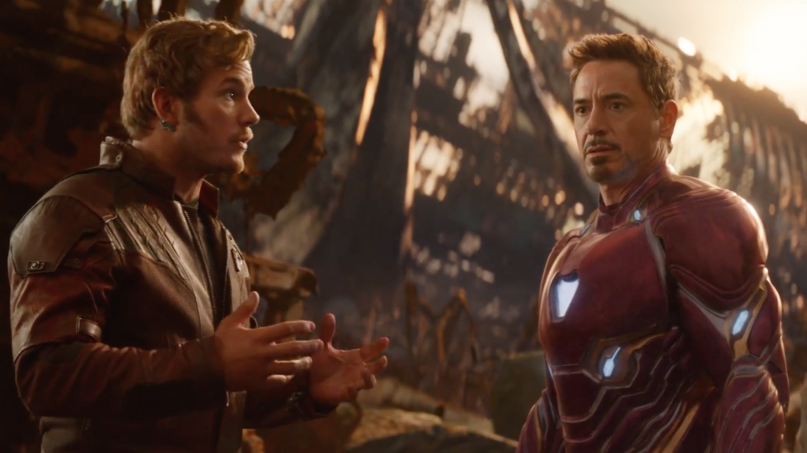
    Nearly a decade to the day after the release of a Robert Downey Jr. led superhero movie, 2008’s “Iron Man,” Marvel Studios breaks the bank once again with the release of “Avengers: Infinity War,” a grandiose, visually indulgent action spectacle that will earn more money with its release than some smaller studios will in an entire calendar year.

    A film of this size and scale simply shouldn’t work. There’s far too many moving parts, conflicting storylines and bits of comic book lore how to make “Infinity War” seem even remotely plausible, yet alone watchable, on the big screen.

    But because of Marvel Studios’ attention to detail in slow building a franchise, the latest “Avengers” film doesn’t just work, it exceeds expectations with flying colors.

    Bringing together superheroes from eight different solo films, “Avengers: Infinity War” culminates a decade long journey to the arrival of arch-villain Thanos, an alien seeking six Infinity Stones that will provide him ultimate power to change and or end the universe all together.

    The superheroes themselves will likely be familiar — Iron Man, Captain America, Black Panther and the Guardians of the Galaxy among others all return — but the combinations the major plot lines of “Infinity War” provide make the film a fresh and compelling two-and-a-half hour joy ride.

    The “Avengers” movies aren’t typically breeding grounds for strong acting, though “Infinity War” finds its strength in making the most of the talented ensemble cast in small doses spread throughout the film, highlighting each actor while simultaneously hiding their weaknesses.

    For the most part, this leads to a large series of one-dimensional performances that are greater than the sum of their parts. Several notable exceptions rise above this level.

    Downey reprises the role as billionaire playboy Tony Stark, the original Avenger himself Iron Man, for the eighth time and brings emotional gravitas to the film. The weight of each decision Iron Man has made over the course of these eight films feels pressed upon Downey’s shoulders and the emotionally taxed actor carries this burden beautifully through every scene of the film.

    A terrific turn from Josh Brolin evens the playing field as Brolin confidently, almost seductively, transforms into Thanos. That he is able to make a stoic, purple CGI creation and successfully evoke even the smallest sense of empathy from the audience is Brolin’s biggest accomplishment.

    There’s a great deal of information audiences need to know from watching other films in the series. Yet, somehow, directors Anthony and Joe Russo manage to make “Infinity War” accessible and understandable for audiences who might never have seen any of the 18 prior films in the Marvel Cinematic Universe.

    While the directors must be given credit for the movie’s dynamic and measured pace, screenwriters Christopher Markus and Stephen McFeely wonderfully maintain a balance between all of the superheroes while working with directors of other films in the franchise to ensure continuity in tone and character development.

    This allows audiences to see the lighter, more comedic side of Chris Hemsworth’s Thor as developed in last year’s “Thor: Ragnarok” and the more developed Black Panther from February’s film of the same name as opposed to the stiff, confining performances from early films in the franchise.

    It’s important to know as little about the events of “Infinity War” as possible before an initial screening as the film truly deserves to be seen with fresh eyes. In the same token, not spoiling the film for others is more critical for this Marvel movie than any other in the franchise.

    “Infinity War” certainly cements its status one of the best 3-5 films in the Marvel Cinematic Universe and is considerably better then dark horse Oscar Best Picture nominee “Black Panther.” To say that “Infinity War” completely revolutionizes the franchise is a massive understatement.

    The defining chapter in the next step of the world’s biggest film series, “Avengers: Infinity War” has to be seen on the big screen, most likely multiple times, in order to be truly appreciated.

    For good or bad, this superhero film could easily prove to be this generation’s defining adventure, a movie younger audiences will talk about for years in the same reverence as we do now with “Raiders of the Lost Ark” and “The Empire Strikes Back.”

  • Isle of Dogs: I love dogs

    Isle of Dogs: I love dogs

    Wes Anderson stumbled across the idea for his new Japanese-inspired animated film while working on a movie in London.

    While driving across town, the Texan writer/director went past the turn for the Isle of Dogs, a vintage location where a 16th century king housed his hunting animals.

    In true Anderson fashion, he transformed this Victorian concept into a modern Asian allegory that has the cinematic heart of a classic children’s film and the gripping plot of heavy adult drama.

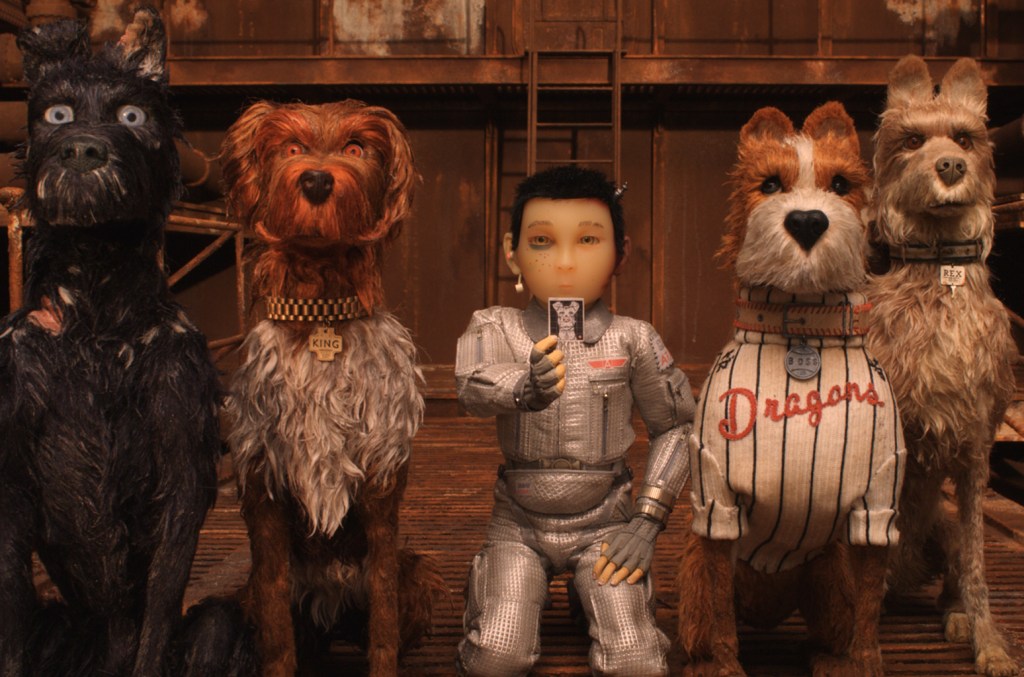
    “Isle of Dogs” describes exactly what one thinks it might, a trash junkyard island where all the canines of Megasaki City have been banished by decree after a massive dog flu outbreak.

    A pack of once domesticated dogs — Chief, Duke, Rex, Boss and King — stumble upon a young boy in search of his missing dog Spots while the Mayor of Megasaki City plots to get rid of the canines once and for all.

    Meant as a not-so-subtle allegory for immigration issues, “Isle of Dogs” keeps the rhetoric largely in check while still making Anderson’s thoughts on the matter convincingly clear.

    Anderson makes the wonderful decision to place audiences in the paws (as it were) of the titular dogs, allowing viewers to understand them in plain English while the Japanese citizens speak in their native tongue.

    Seems are deliberately written in such a way that the foreign dialogue can be easily be understood, whether through context clues or deliberate translation.

    Voice acting is key to the success of the film’s satirical, quip heavy screenplay with Anderson leaning heavily on frequent collaborators like Bill Murray, Edward Norton and Jeff Goldblum in the film’s snappy pace and keep audiences rolling in their seats.

    First time Anderson actors Bryan Cranston, Greta Gerwig, Scarlett Johansson and Courtney B. Vance round out the talented, pitch perfect supporting cast.

    Just as impressive is the technical wizardry performed by Anderson’s illustrious team of puppeteers, animators and designers, who intricately frame each individual movement, twitch and line of dialogue claymation cast of hundreds.

    Taken all together, “Isle of Dogs” impresses with a visually quirky wonder. But upon closer examination, the intricate detail to the blink of an eye or a wag of the tail sets “Isle of Dogs” apart from middling animated fodder.

    There’s so much to see within every moment of “Isle of Dogs” that a second viewing may be required to simply revel in the film’s simple beauty.

    Details in texture and composition will go easily overlooked for first-time audiences as they focus more on the story at hand then what actually appears on screen.

    Without question, “Isle of Dogs” sets the bar for animated features in 2018 and is almost assuredly a lock in that Oscar category early next year. This would match the universal acclaim for Anderson’s 2009 film “The Fantastic Mr. Fox,” which lost a close Academy Awards race to “Up.”

    Additionally, it would be unsurprising if a Best Original Score nomination loomed for the melodically hypnotizing work of Alexandre Desplat, fresh off of a win this year for “The Shape of Water.”

    “Isle of Dogs” probably isn’t best for younger audiences as the film’s highbrow humor and allegorical storyline will likely prove too heavy for children under 12.

    However, fans of Anderson’s other work or smart, sophisticated comedy will find “Isle of Dogs” a refreshingly off-kilter, change of pace feature worth seeking out at the theaters.

  • Chappaquiddick: Political uncertainty

    Chappaquiddick: Political uncertainty

    Two life changing events happened on a seemingly innocuous weekend in July 1969.

    Everyone knows the latter, Neil Armstrong’s groundbreaking the moon as part of the Apollo 11 mission soon to be depicted in Damien Chazelle’s biopic “First Man.”

    What happened late one night 18 hours earlier is less clear as a car crash into a pond along the Eastern seaboard killed the presidential hopes of a famous Senator and took the life of one of his aides.

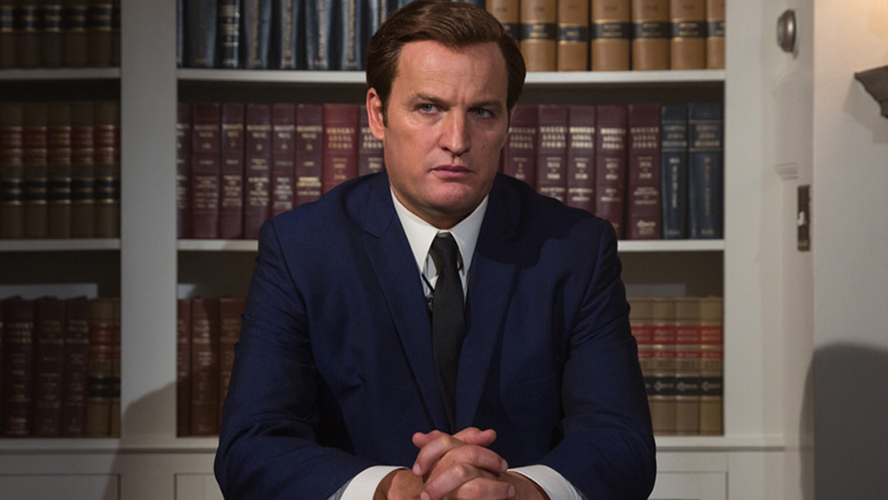
    Director John Curran’s “Chappaquiddick” examines this fateful accident and Ted Kennedy’s attempt to salvage his political future over the course of a weekend while the world looked to the skies.

    Australian actor Jason Clarke is convincingly all-American as the brazenly confident, yet somber Kennedy, still dealing with the recent death of his brother Bobby. His wandering melancholy early in the film flips on its head after the accident as Clarke decisively takes Kennedy into crisis management mode.

    There’s an aggressive decisiveness that’s chillingly calm and unflinching in Clarke’s performance, leaving audiences to question the motivations of every decision and if Kennedy feels genuine remorse.

    While “Chappaquiddick” tries to remain balanced and not imply answers to unanswerable questions, the film certainly doesn’t do Kennedy any favors.

    His father Joseph also comes out worse for the wear in a striking, nuanced performance from Oscar nominee Bruce Dern. Confined to a wheelchair for the waining moments of his life, Dern’s elder Kennedy is a cold, calculated retired politician who wields an iron fist with a simple glare or disapproving nod.

    The physicality (or lack thereof) Dern displays in demonstrating Kennedy’s aphasia following a stroke is stirring and convincing, matching Dern’s best work as an aging man in 2013’s “Nebraska.”

    “Chappaquiddick” is aided by a talented, yet unassuming supporting cast including Kate Mara as the late Kennedy staffer Mary Jo Kopeckne, Jim Gaffigan as right hand “yes man” Markham and a superbly nuanced turn from funnyman Ed Helms as Kennedy’s cousin Joseph Gargan, a family fixer who surprisingly becomes the moral compass of the film.

    There’s a lot to be surmised about what happened on that night in 1969.

    Though screenwriters Taylor Allen and Andrew Logan take some liberties with conversations between Kennedy and Kopeckne, nothing about “Chappaquiddick” feels forced or disjointed.

    Even the film’s early climactic moment with Kopeckne in the car has a plausible practicality that feels dramatically genuine, even if that wasn’t how events unfolded.

    Curran walks a fine line to ensure his film leaves scenes open to the audience’s interpretation and viewers will have widely different experiences watching “Chappaquiddick” based on their own personal ideologies.

    Leaving the movie intentionally ambiguous is perhaps the film’s biggest single strength.

    Unfortunately, “Chappaquiddick” arrives far too early in the calendar year to merit any serious conversation come award season, although Clarke and especially Dern would prove worthy of nominations.

    While other recent political biopics have taken a firm stance on issues, “Chappaquiddick” feels refreshingly impartial in allowing viewers to come to their own conclusions.

    Now in limited release, “Chappaquiddick” certainly deserves audiences that would make the extra effort to seek out the film.

  • Paterno: Ignorance is bliss

    Paterno: Ignorance is bliss

    On paper, it seems like a surefire winner to have an acting legend like Al Pacino take on the role of college football’s winningest coach.

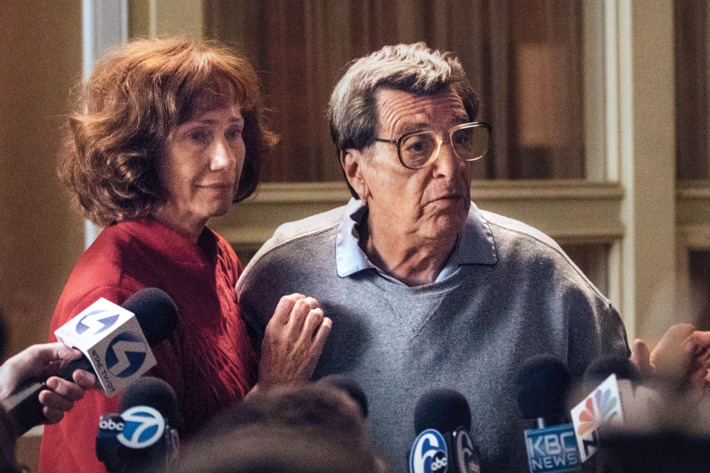
    Pacino exudes gravitas for days and it doesn’t hurt at all that the Academy Award-winning actor bears a striking resemblance to the 84-year-old sports icon.

    But the execution leaves a little bit to be desired as Oscar-winning director Barry Levinson’s biopic of Penn State football coach Joe Paterno for HBO Films simply misses that extra gear it needed to truly encompass such a complex story.

    Told over the course of several weeks in late 2011, “Paterno” follows “JoePa” and Penn State University officials immediately following sexual abuse of a child charges being filed against former assistant coach Jerry Sandusky.

    For as much as the film is about Sandusky’s actions and who Penn State knew about them, there’s little of Sandusky on screen although his presence looms large throughout especially within Paterno’s psyche.

    It’s nearly impossible to get a sense of Sandusky as a man or understand how events unfolded. But for Levinson, that really isn’t the point of “Paterno.”

    The film was made for, and viewers turned into see, Pacino’s interpretation of a beloved sports hero’s fall from grace. The choices the veteran actor makes with the roll are surprisingly nuanced.

    Gone are the traditional speeches of bravado that usually accompany a weighty Pacino performance. The boisterous personalities he’s known for have taken a backseat to a somber, measured turn as Paterno.

    Perhaps the best, or at least the most human, aspect of his performance is how heavy the weight of the scandal increasingly takes its toll on Paterno.

    It’s almost as if Pacino what’s his shoulders and sags his physicality gradually over the course of the film to help reflect the inner turmoil setting in. There’s a lot that isn’t said in Pacino’s performance, but so much hiding in plain sight as well.

    Riley Keough anchors the film’s other major plot line as a young investigative journalist trying to stay ahead of other news outlets while sensitively and judiciously telling the story of Sandusky’s victims. She offers a stabilizing, even-keeled effort that paces major sections of “Paterno” without being too obtrusive.

    A solid supporting cast lifts Levinson’s feature when neither Pacino or Keough are the main focus of the storyline. However, the relative anonymity and lack of star power here makes it difficult for audiences to keep track of the film’s many moving parts.

    Much of “Paterno” jumps around at a haphazard pace thanks to a muddled, uneven screenplay from writers Debora Cahn and John C. Richards.

    Though events unfold in linear fashion, audiences have to scramble to orient themselves scene to scene as Levinson hops from Paterno himself to Penn State officials scheming in the background to an investigative journalist to the gridiron at a frantic pace.

    “Paterno” attempts to say a lot of things about a lot of different subject matters – the importance of the press, moral versus legal culpability, what defines a man’s legacy. None of them are achieved particularly well.

    The Sandusky scandal at Penn State, especially as it relates to the tarnishing of Paterno, is handled significantly better in the highly engaging, well constructed documentary “Happy Valley,” now available on streaming platforms.

    It’s good that outlets like HBO Films are taking chances on long-form narrative features like “Paterno” and the upcoming “Fahrenheit 451” starring Michael B. Jordan and Michael Shannon instead of bloating their budgets for an Oscar season race or turning the whole project into a 10-episode mini-series.

    As quality artists increasingly leave film for television ventures, maintaining a solid mid-tier of feature-length films is critical but you keep Hollywood from homogenizing movies to action blockbuster spectacles.

    With a timely plot and solid performance by Pacino, “Paterno” definitely deserves consideration for viewers’ next movie night at home.

  • Ready Player One: Life in virtual reality

    Ready Player One: Life in virtual reality

    Who’s ready for an Easter egg hunt?

    Director Steven Spielberg is back with his most ambitious film in close to a decade, giving the pop culture obsessed ample opportunity to ooh and aah an obvious and obscure references from movies, music and video games.

    Based on Ernest Cline’s novel of the same name, “Ready Player One” is a high-octane action adventure film that crams so much information and detail into a little over two hours that a second screening may be necessary to catch even 75 percent of the film’s hidden content.

    Spielberg’s film is both a celebration and critique of society’s increasing reliance on technology to transform and/or take over our lives. The dazzling visual flurry on screen is both amazing and emotionally draining, often to the point of excess.

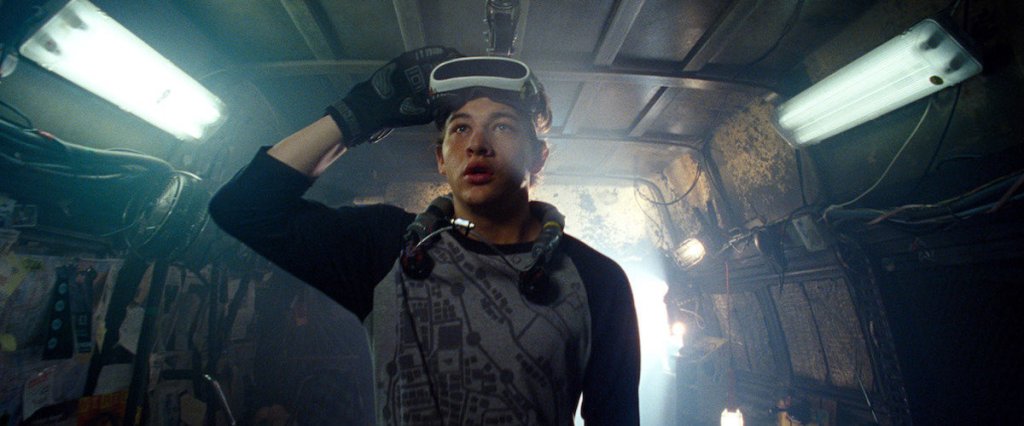
    “Ready Player One” follows Wade Watts (Tye Sheridan), a young man born into a near post-apocalyptic future who like everyone else lives out his days in a virtual reality world known as “The Oasis.”

    Following the death of the technology’s creator, Wade and a group of friends he’s never met in person race against an evil corporation to find a hidden Easter egg that gives the possessor ultimate control of the virtual world.

    The film’s acting performances are solid across the board. Sheridan and Olivia Cooke have genuine chemistry despite a thinly painted romance and Wade’s best friend Aech is a spectacularly developed character worthy of their own story.

    While Ben Mendlesohn’s villainous Sorrento is largely one note, fellow veteran character actor and Oscar winner Mark Rylance melts into the role of “The Oasis” founder Halliday.

    Played both as a young man and an older recluse, Rylance’s Halliday has a nuanced eccentricity that helps propel the film’s main mystery while also serving as the emotional center point.

    His ability to balance emotional distance with an unspeakable sadness makes Rylance one of the main reasons “Ready Player One” elevates itself beyond genre fodder.

    After spending close to a decade focusing on procedural historical dramas, Spielberg goes back to what he does best: dazzling audiences with an inventive, innovative blockbuster.

    Perhaps the best thing about Spielberg’s direction is how nostalgic it feels, harkening back to the days where a ridiculous adventure was just simply fun. Despite how technically difficult “Ready Player One” must have been to make, the whole thing feels so easy and effortless, signs of a true cinematic master.

    The film occasionally follows life on the outside, though the vast majority of “Ready Player One” is spent in “The Oasis,” designed by highly nuanced computer graphics featuring motion-capture performances from the lead actors.

    The intricacy in detail from the obscure characters floating in the background of scenes to the technical wizardry behind individual skin patterns and strands of hair flowing in the wind is downright incredible.

    Computer-generated features in this genre rarely receive recognition as contenders for best animated film awards. “Ready Player One” can easily be the exception to this rule and would definitely be worthy for the technical achievements of the film alone.

    Devoted pop culture enthusiasts will likely spend hours upon hours watching “Ready Player One” frame by frame hoping to catch a glimpse and then catalog every secret clue and hidden gem Spielberg and his team crammed in to the movie’s nooks and crannies.

    Casual viewers should still stay entertained even if they don’t get some of the film’s secondary references. “Ready Player One” has a highly engaging, thrill ride style of a storyline that will keep most audiences on the edge of their seat.

    It’s still early in the year, but there’s no question that “Ready Player One” could sneak its way on to any number of Best of 2018 lists, which makes it a must see on the biggest screen possible.

  • Love, Simon: An unconventional conventional love story

    Love, Simon: An unconventional conventional love story

    Teenage boys struggling to find their voice while dipping their toes into the world of romance isn’t exactly groundbreaking cinema.

    What separates director Greg Berlanti’s new film “Love, Simon” from the pack is its commitment to opening a dialogue about love, identity and self-discovery that will last long after audiences leave the theater.

    There will come a day when films like “Love, Simon” won’t have to be prefaced by saying its protagonist is homosexual, but part of the appeal of this film in this is the way that it preaches respect and acceptance of sexual identity.

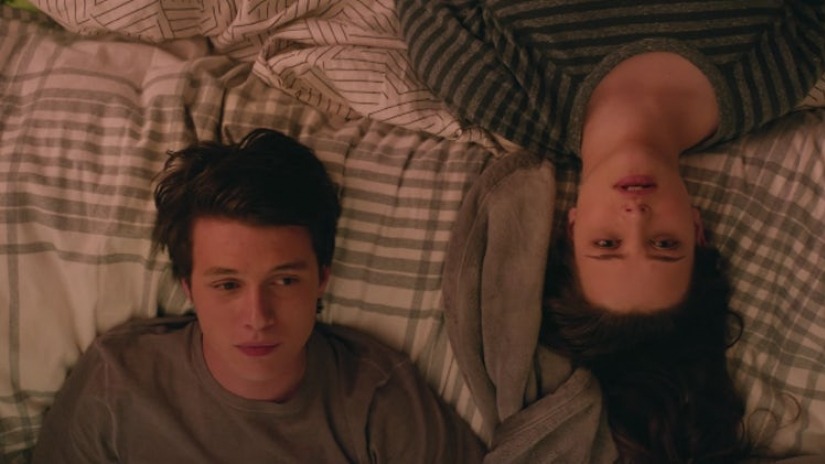
    Simon (Nick Robinson) is an average high school student starting his senior year with a good family and good friends, none of whom know his secret.

    When another gay teen in the closet anonymously reveals himself online, Simon begins an email conversation that evolves into infatuation.

    Given such a complex character, it’s remarkable that Robinson is able to play both the foil for the comedic hijinks of other characters and carry the film’s largest emotional burden. Robinson balances his dual role with ease, providing a simple, yet measured performance that evokes an 80s-era John Cusack.

    Josh Duhamel offers a surprisingly well-rounded performance as Simon’s dad, a stereotypical former high school quarterback who pals around with his son in overly masculine fashion and doesn’t know how to properly relate to Simon.

    It’s hard to tell whether Duhamel is intentionally playing up the awkwardness of their relationship or his inability to relate on screen is actually working in his favor. Regardless, it comes across well in the final product.

    Conversely, Jennifer Garner gives a very even-keeled turn as Simon’s mother aside from one profoundly wonderful scene late in the film as she tries to reconnect with her emotionally distant son.

    This moment is a powerful gut-punch in a relatively light-hearted film that helps hammer home the movie’s central message with great effect, largely due to Garner’s pitch-perfect delivery in the moment.

    The film’s best secondary character, Principal Worth, could be blandly one-dimensional, but is hysterically brought to life by “Arrested Development” star Tony Hale.

    Even in the quickest of scenes, Hale is able to interject new life into the film with a quippy one-liner that might easily fall flat in the hands of a less talented comedic performer.

    Berlanti does an effective job directing the well-written script from Elizabeth Berger and Isaac Aptaker by largely staying out of the way and allowing moments to develop on screen naturally.

    It should be noted, albeit disappointingly, that “Love, Simon” would be unquestionably the number one movie at the box office if it were a traditional, heterosexual romantic comedy.

    The fact that it isn’t, ironically, elevates and complicates the rather common, pedestrian genre of high school coming of age stories to interesting, engaging cinema.

    “Love, Simon” insist on audiences dropping their preconceived notions of what love is and who it’s meant for, reminding us all that being different isn’t a bad thing.

    The message of “Love, Simon” will get lost on those who need to hear its message the most: Potential audiences who, for whatever reason, will refuse to give “Love, Simon” a chance.

    “Love, Simon” is a perfect companion piece to “Call Me By Your Name,” last year’s Oscar-winning coming of age drama that spoke a similar message in a much different way.

    If prestige arthouse cinema isn’t your cup of tea, maybe the youthful, upbeat humor and heart-warming drama of “Love, Simon” could be the John Hughes-esque movie audiences didn’t know they needed.

  • Tomb Raider: Choose your own adventure

    Tomb Raider: Choose your own adventure

    Seventeen years ago, a below-average action flick based on a video game took Hollywood by storm and turned Angelina Jolie into a movie star.

    Back then, it didn’t matter how outlandish the plot or unrealistic the characters seemed. “Lara Croft: Tomb Raider” was the film pretty much everyone saw and nearly everyone (critics aside) enjoyed.

    If you go back and watch the 2001 film now, you’d have to agree that it doesn’t even remotely hold a candle to 2018’s vastly superior reboot simply titled “Tomb Raider.”

    Like Jolie, Alicia Vikander comes to the title role off an Academy Award win and yet the 29-year-old Swedish actress brings significantly more to the table.

    This reimagining of Lara Croft’s origin tale finds the young treasure hunter on the trail of her father, missing and presumed dead while searching for the burial place of an ancient Asian queen.

    Unlike Jolie’s fully-formed and overly-endowed Lara, Vikander starts from the ground up with the character and brings a fresh vibrancy to the almost formulaic concept of a free-spirited woman shirking responsibility and her family fortune.

    Her performance is measured and rich in nuance, emoting Lara’s inner monologue with her eyes with a dedication the character you typically don’t find in action movies.

    Vikander doesn’t shy away from the intense moments, training over seven months for the role and doing a vast majority of the grueling stunts required.

    It’s Vikander’s performance alone that makes “Tomb Raider” unquestionably the greatest film adaptation of a video game and merits the budget, director and script to further explore the complexities of her character in a worthwhile sequel.

    Frequent villain Walton Goggins sneers with just the right amount of menace as the movie’s requisite bad guy Mathias Vogel, a character so loosely written one might half expect him to be the primary foe in a Roger Moore-era Bond film.

    Dominic West attempts to match Vikander’s gravitas in flashbacks as Lara’s father Lord Richard Croft, He falls short of the mark, though it’s unclear whether the performance or a lackluster screenplay are to blame.

    Films based off of video games are almost categorically subpar, as studios bank on name recognition and hardcore gamers spend big money at the box office after dropping $60 or more for their favorite game.

    At times, “Tomb Raider” falls prey to these characteristics with a bumbling, uneven script from co-writers Geneva Robertson-Dworet and Alastair Siddons proving to be the film’s biggest, most troubling stumbling block.

    And yet somehow, “Tomb Raider” is largely just a whole lot of fun.

    Director Roar Uthaug invigorates his film with exciting, “how did they just do that” style action set pieces placing Lara at the brink of death only for her to survive the seemingly impossible.

    There’s an array of unique and entertaining sequences from close-up hand-to-hand combat encounters to death-defying feats of heroism to a stunningly engaging bicycle chase early in the film that will draw audiences in.

    It’s a pleasure to watch Vikander grow in the role over the course of the film, making Lara a woman stumbling across and finding strength in her brains, willpower and conviction.

    Matching this with a hard-headed devotion to finding her father at any cost may seem formulaic or trite, but given the genre, it feels wholeheartedly authentic.

    Video games like “Tomb Raider” are usually littered with cinematic, visually stunning mini movies known as “cut scenes” that further the story while the player simply watches.

    Uthaug’s film feels like one extended, two-hour “cut scene,” prepping players for adventures yet to come.

    With a stirring, impassioned performance from Vikander and daring action sequences, audiences would be hard-pressed to find a more entertaining time at the movies until the highly-anticipated “Avengers: Infinity War” drops next month.