Category: Emotional Rantings

  • Pitch Perfect 2: Avoid the pitfall of comedy sequels

    Pitch Perfect 2: Avoid the pitfall of comedy sequels

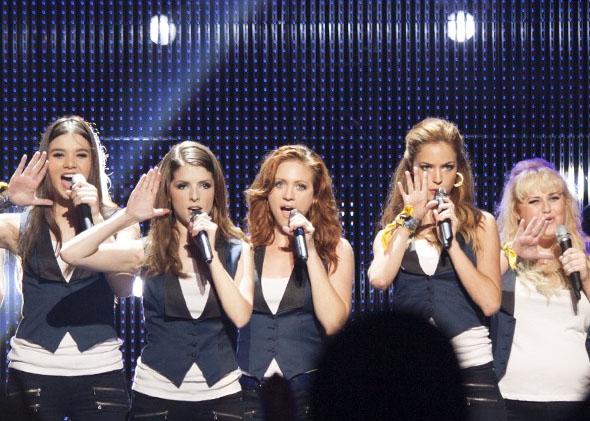
    While “Mad Max: Fury Road” does a masterful job of weaving a feminist message into an action film, “Pitch Perfect 2” smashes stereotypes straight out of a Spice Girls song over viewers’ heads like that annoying song you can’t get out of your head stuck on repeat for hours on end.

    That song, by the way, in “Pitch Perfect 2” is the Pitbull song “Timber” featuring Kesha.

    For a film designed to celebrate individuality and diversity, the second a Capella theatrical go-round is the ultimate vanilla of films, providing audiences with absolutely nothing that they haven’t seen before.

    “Pitch Perfect 2” is what happens when you take a mediocre, fourth season episode of the television show “Glee” and perform a ‘mash-up’ with the script to 1994’s “D2: The Mighty Ducks,” which featured a young Joshua Jackson taking a rag-tag group of hockey players into international competition, representing America against an evil European squad clad in black.

    Sound familiar?

    Everything about this off-pitch sequel is nothing more than a rehash of the first film in the franchise and the answer to the question romantic comedy audiences ask for about five seconds after they leave the theater, but before they realize they don’t care: “I wonder what happens to those characters in like five years.”

    The biggest mistake made by screenwriter Kay Cannon is relegating Academy Award-nominee Anna Kendrick to the background in a franchise that only exists because of her leading performance in the 2012 original.

    The film lacks the dynamic personality and wry charm that Kendrick feels most at ease in, with Cannon opting to write the franchise’s star off as a secondary plot element to give more screen time for poorly timed jokes about weight and sex issues.

    With her career living in the shadow of her own Fat Amy character, Rebel Wilson continues to stumble down the haphazard path of Melissa McCarthy down the track to one-trick pony land.

    Because remakes are the kitsch films to make in Hollywood, it feels like a “Thelma and Louise” reboot with McCarthy and Wilson inevitably has to be a year or two away. Some poor screenwriter has to have tossed this around at some point, right?

    Perhaps it’s the comedy genre that suffers most in the second go-round. Originality isn’t as essential in B-rated action films, as has been proven on six occasions by the “Fast and Furious” franchise.

    Did we not learn our lesson from “Caddyshack II” that comedy sequels are a bad idea?
  • Paul Blart Mall Cop 2: No, just no

    Paul Blart Mall Cop 2: No, just no

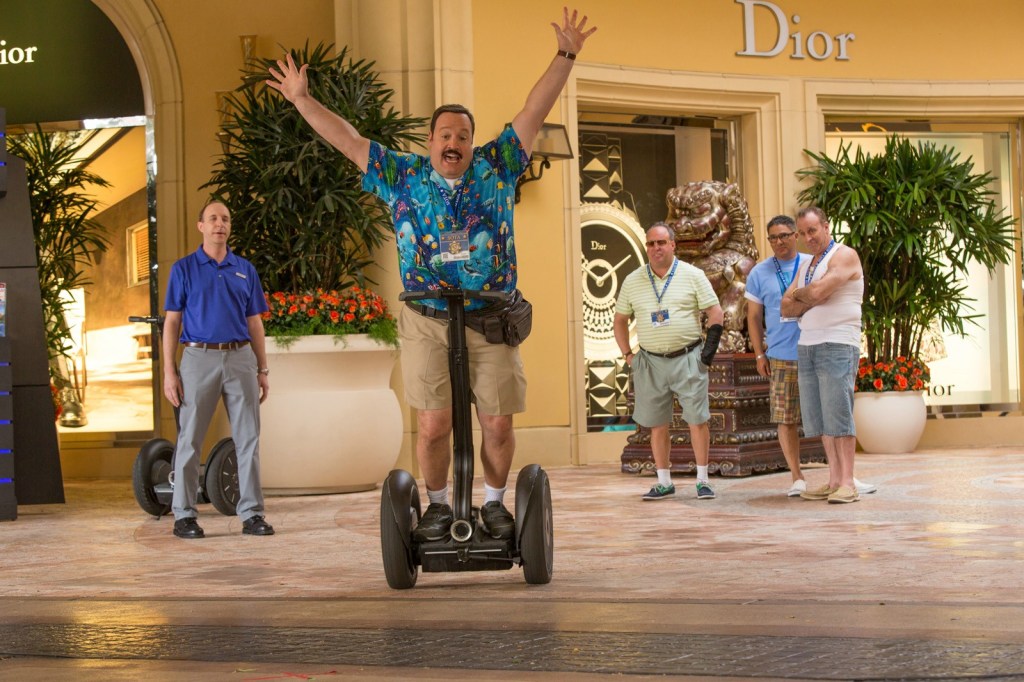
    This week’s biggest release, “Paul Blart: Mall Cop 2,” arrives in theaters on the assumption that bigger is better — both figuratively and literally — when it comes to sequels.

    Yet, like the lackluster “Dumb and Dumber To” before it, “Blart 2” is a sequel no one really asked for.

    The premise of star Kevin James getting an all-expenses paid vacation to Las Vegas and saving art from being stolen from the Wynn casino is flimsy.

    Somehow, the jokes — which even the youngest viewers can see coming from miles away — are worse.

    To be sure, this is probably family-friendly filmmaking, but “entertainment” might not be the best word to describe what “Blart 2” ends up being.

    Moviegoers, especially families, deserve better from Hollywood studios than this. Their voice needs to be heard at the box office.

  • Get Hard: Failing cultural sensitivity tests

    Get Hard: Failing cultural sensitivity tests

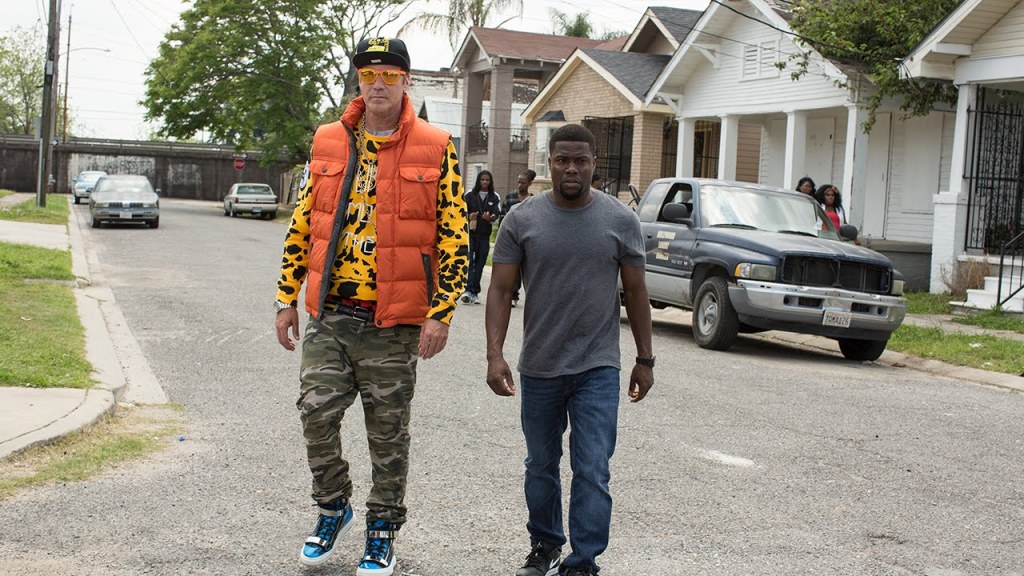
    Things would have been better off if Kevin Hart and Will Ferrell teamed up to develop a remake of the classic Eddie Murphy-Dan Aykroyd comedy “Trading Places.”

    It’s the direction that their latest film, the double-entendre heavy “Get Hard,” heads down and the part of the raunchy comedy that actually works.

    Aside from some gratuitous rear nudity from Ferrell to “set the mood,” the first 20 minutes of “Get Hard” is actually inspired comedy, filled with thoughtful, well-conceived jokes that skirt the outside edges of decent taste without outright jumping the shark.

    Once the plot really takes shape and a straight-laced Hart has to fake a prison record to help a frightened Ferrell prepare for jail time, things go from funny to sad in short order.

    There’s no reason for most of what ensues, as every racial stereotype under the sun is broadly reinforced in highly amateurish ways.

    For every five failed attempts at humor — most notably Hart’s lazy attempts to give Ferrell permission to call him the N-word — there’s a single smart sequence, like when Hart tells Ferrell the story of how he went to prison by stealing the plot line of “Boyz N The Hood.”

    Hart’s character, a self-proclaimed “Cliff Huxtable”-type African American working man, is nothing more than the racial stereotypes that Ferrell’s character believes him to be. Increasingly, Hart has become reliant on debasing and reinforcing these stereotypes in pursuit of the almighty dollar, countermanding all the work films like “Selma” do to advance African American cinema.

    Worse than the culturally-insensitive racial overtones of “Get Hard” is the incessant homophobic double entendre that pervade the film.

    Because the film assumes the notion that the only way to survive prison is to endure constant male-on-male rape, Ferrell subjects himself to countless “preparations” for this stereotypical “don’t drop the soap” culture.

    “Get Hard” features more jokes about “keistering” items up a man’s backside than any film that has been released in the past five years and also crosses the boundaries of shock comedy in a bathroom sequence where Ferrell wipes his face down exposed male genitalia.

    It’s important to note all this “comedy” in specifics to reinforce the notion that potential moviegoers, especially parents of teenagers, need to do the appropriate amount of research about a movie before heading to the theaters.

    Somewhere within “Get Hard” is a clever and thoughtful film that attempts to bring Ferrell’s stagnant comedic persona back to life.

    However, “Get Hard” softens in the middle, unveiling a seedy underbelly that will likely disappoint more casual filmgoers.

    If gross out comedies are your thing, “Get Hard” is exactly what you’re looking for in theaters this week. If not, you might want to pop in a copy of “Trading Places” instead.

  • Fifty Shades of Grey: Chemistry, quality missing in film adaptation

    Fifty Shades of Grey: Chemistry, quality missing in film adaptation

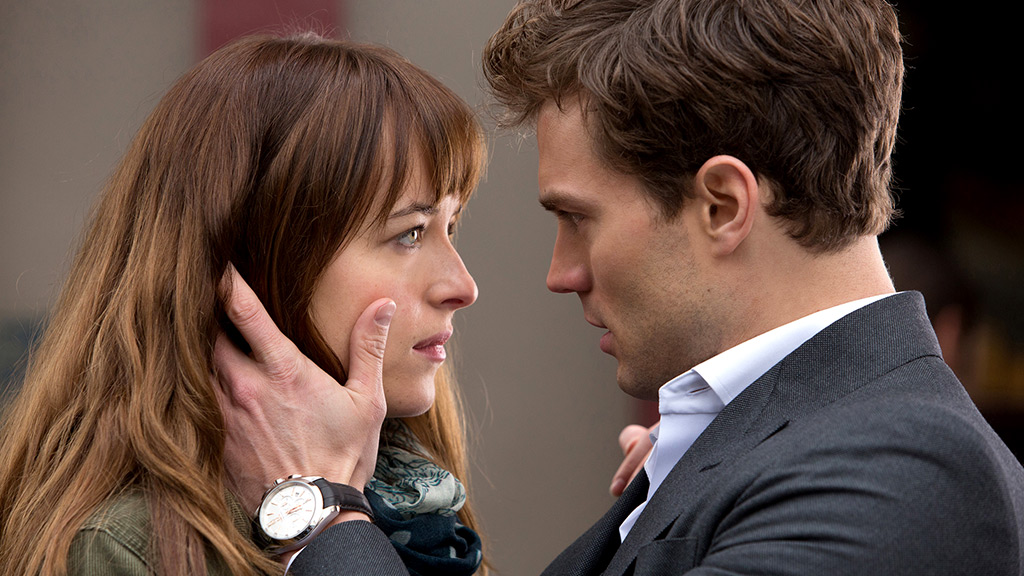
    It takes two to tango — one to lead and one to follow — in the feature film adaptation of E.L. James’ best-selling erotic novel “Fifty Shades of Grey.”

    The follower, Dakota Johnson as the naïve and bookish Anastasia, is a breath of fresh air anytime she appears on screen and truly gives 110 percent of herself to every scene no matter how much clothing she wears.

    However, the leader, Jamie Dornan as the charismatic and mysterious billionaire Christian, can’t dance to save his life.

    In relationship-heavy two-handers like “Fifty Shades of Grey,” it’s important that both leads utilize the other’s performance to help elevate their own, but Johnson is acting against a brick wall.

    There’s only so much an actor can do when given nothing to work with. It’s what makes Johnson’s honest portrayal of the loss of innocence more noteworthy.

    It’s easy to tell that Dornan isn’t anywhere close to being the first choice for the role, as the Irish-born actor can’t seem to find any depth to a man hiding dark secrets.

    He struggles to identify with the character and placates that lack of connection — and subsequent lack of chemistry with Johnson — by softening each of his lines to make them sound more attractive.

    Whispering can be sexy, but not when it’s the only tone of voice used over a two-hour period.

    Just as miscast as Dornan is sophomore director Sam Taylor-Johnson, whose lack of vision clouds any real character development in either lead and limits the film to late-night Cinemax fodder.

    There’s no creativity in the film’s construction or development as if the actors directed themselves.

    It’s ironic (and rather sad) that “Fifty Shades of Grey” scored the biggest opening weekend in history by a female director at just under $91 million.

    Passionate filmgoers angry about the omission of Ava DuVernay from best director accolades for “Selma” need to be just as upset, if not more so, that Taylor-Johnson’s pedestrian, banal effort will be considered a greater success by Hollywood standards than the Martin Luther King, Jr. biopic based solely on box office revenue.

    The “Fifty Shades” film is simply a tent pole in service of a financial empire — a means to further line investors’ pocketbooks through the licensing of everything from lingerie, oils and wine to stuffed teddy bears with handcuffs in their paws. 

    “Fifty Shades” doesn’t need to be good to feed the beast, just buzz-worthy enough to draw interest and push product on the most ardent “Shade”-oholics.

    There’s about 20 minutes worth of sex scenes in “Fifty Shades,” significantly toned down from the source material. Taylor-Johnson’s film sticks mostly to topless and rear nudity along with some glimpses of hair in places usually not shown on the big screen.

    Who would have guessed that a movie about bondage and dominance could be so mundane?

    For a book about sex, the film adaptation of “Fifty Shades of Grey” isn’t so much about the BDSM lifestyle as it is an inferior study of compulsion and control.

    What doesn’t work most about this lackluster, cookie-cutter, sex-by-numbers escapade is the lack of character development, leaving viewers simply ogling Ana and Christian rather than identifying with them.

    It could very well be that Dornan can’t handle a complex character, but even the most average thespian could act circles around Dornan’s bland, one-note, uninspired whisper performance.

    Marcia Gay Harden is largely wasted in a throwaway cameo role as Christian’s mother.

    On the good side, cinematographer Seamus McGarvey — who shot “Marvel’s The Avengers” and “Atonement” — does a wonderful job lighting and framing each scene.

    Additionally, the film’s soundtrack boasts an impressive selection of top artists, including multiple tracks from Beyonce, whose remix of “Crazy in Love” is top notch, and Annie Lennox, whose cover of the classic song, “I’ll Put A Spell On You” at the film’s outset fools viewers that they’ll see a better movie than they ultimately get.

    As is the case in many other genres, independent films like “Blue Valentine” and “Secretary” do a much better job balancing the emotional and physical of psychologically challenging romantic relationships.

    “Fifty Shades” is much too mainstream to be filmed with an NC-17 hard cut that would offend too much of the country; too erotic to be given a softer, more emotional cut that truly examines the choices and mindset of those who explore BDSM lifestyles; and certainly too poorly made to deserve a sequel, but too financially important not to.

  • Jupiter Ascending: Sci-flop not worth your time

    Jupiter Ascending: Sci-flop not worth your time

    It’s unfortunate that “Jupiter Ascending,” the latest sci-fi adventure from the Wachowski directing team of “Matrix” fame, wasn’t released last summer like originally scheduled.

    The film, which believes itself to be the second coming of the original “Star Wars” trilogy, is more like the Jar Jar Binks of the sci-fi genre, heavily derided, over-animated and just not that good.

    It certainly doesn’t seem like the extra seven months taken following its July 18 expected release date helped the overall aesthetic of the film.

    To be sure, “Jupiter Ascending” is a terrible film lacking in any semblance of character development, cohesive plot or sense of purpose.

    But films like “Jupiter Ascending” are necessary evils that remind us just how fortunate we are for movies like “Edge of Tomorrow” or “Guardians of the Galaxy,” science fiction films with an actual point of view and something interesting to hold on to.

    Or better still, “Jupiter Ascending” should make viewers more appreciative of Christopher Nolan’s space odyssey, “Interstellar,” which hits on a lot of the same plot points — previously home-bound hero rockets off into unknown worlds to save the people of Earth in a big-budget, special effects heavy adventure film.

    Everything that “Jupiter Ascending” doesn’t have going for it — quality acting performances, adept storytelling, cinematically beautiful visual effects — “Interstellar” has in spades.

    Nolan’s movie is a little long and pretty wordy, but there aren’t any flying dinosaur battles ripped from the excess pages of “Transformers: Age of Extinction.”

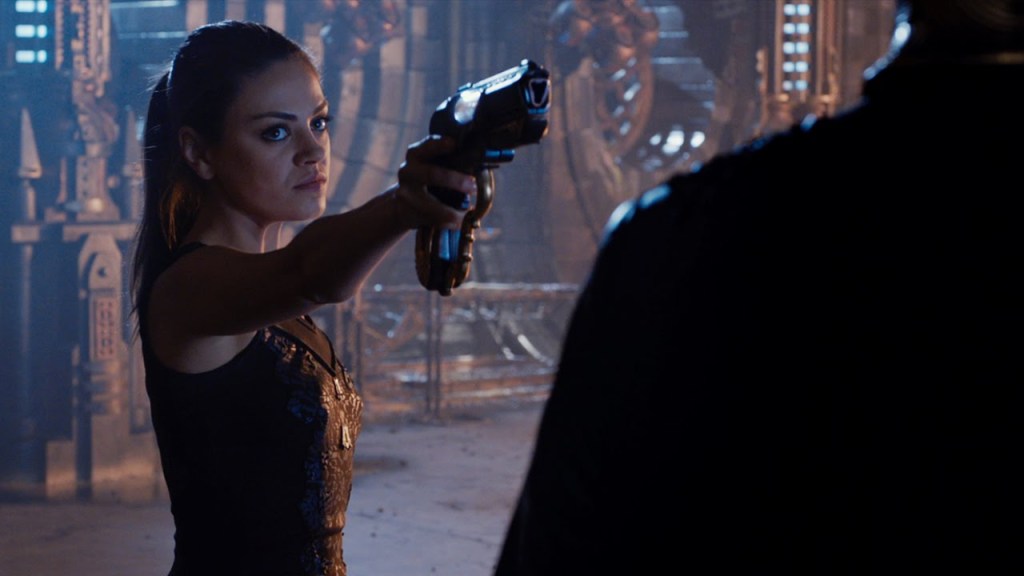
    Bad acting abounds in “Jupiter Ascending,” from Mila Kunis as the damsel in distress to her one-note savior, Channing Tatum.

    The worst offender, however, is Academy Award nominee Eddie Redmayne, who awkwardly whispers his way through the film like he’s hoping viewers don’t remember he’s the same actor who just won a BAFTA (British Academy) award for best actor as Stephen Hawking in “The Theory of Everything.”

    It’s plausible to think that producers believed the name recognition of Tatum and Kunis would be enough to get people in the door early and the $175 million they spent on special effects would keep buzz going.

    Except “Jupiter Ascending” is so bad, you won’t find yourself caring so much about the plight of the characters as much as how long before the film ends so you can go home.

    The biggest problem with this sci-fi dud is that it’s another poor outing for originality in filmmaking, strengthening the case for Hollywood producers to spend more money (and waste viewers’ time) with unnecessary sequels.

  • Revisiting Boyhood: ‘I just thought there’d be more’

    Revisiting Boyhood: ‘I just thought there’d be more’

    Coming-of-age films are nothing new.

    Boy starts out young and naïve, things happen, boy matures, end of film.

    Filmmakers have always circumnavigated lengthy time jumps in these sort of movies by casting multiple actors to play the same part at different ages.

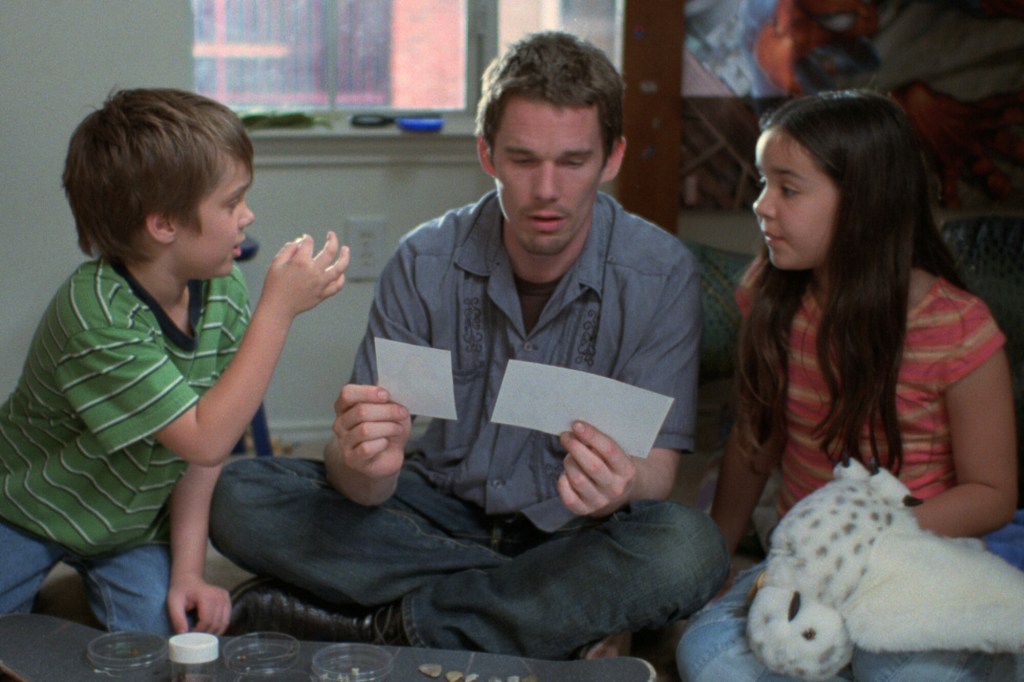
    In the case of the Golden Globe-winning drama “Boyhood,” director Richard Linklater took the slow approach, filming segments of his movie over the past 12 years as young actor Ellar Coltrane grows up in the film around him.

    The film, which missed out on the Cinematic Considerations 10 best films of 2014, is worth a second look following an initial review in September.

    A lot is made of the 12-year filmmaking process, and indeed, “Boyhood” and Linklater need to be commended for their dedication to the project.

    There certainly isn’t another film like “Boyhood,” but that fact alone doesn’t make the film any good, just unique.

    Imagine a film where events feel like they’re happening around the main character rather than to the character, where the character doesn’t really experience any growth or development besides physical appearance and you’d have Mason, “Boyhood’s” defacto protagonist.

    A voyeur of his own life, Mason idly watches as things happen around him. Life affects him only peripherally.

    “Boyhood” is the “Seinfeld” of cinema; it’s a film about nothing.

    You can easily see Coltrane becoming disinterested in the filmmaking process throughout the years, as his character Mason becomes disillusioned from the world.

    Nothing can be done about the film’s significant pacing issue. “Boyhood” cannot shortchange any of the 12 years of filming, making it difficult to leave scenes on the cutting room floor. The film does not move crisply from year to year and two hours into the film, “Boyhood” can easily leave the viewer exhausted past the point of enjoyment.

    There are moments where “Boyhood” rises above its 12-year gimmick and provides quality scenes — most notably sequences featuring Marco Perella’s daring portrayal of Mason’s first alcoholic step-father attempt to propel “Boyhood” in an actual direction.

    Ethan Hawke offers up the film’s best performance and shows the most character development as the frequently absent hippie father turned square dad.

    Groundbreaking not for the content, acting or cinematography, “Boyhood” is heralded for its actual 12-year filming time, allowing characters to naturally age physically on screen.

    There’s been a large amount of groupthink among critics who feel compelled to congratulate Linklater’s determination and creative vision to attempt such a different style of filmmaking that valid critiques of the film’s actual merits have been largely absent.

    These reviews of the film suffer from the same lack of individuality that Mason bemoans to his girlfriend Sheena during a road trip late in the film.

    Set aside the time element of “Boyhood” and what is left? Twelve separate short films loosely tied together based on common characters. Is that truly noteworthy?

    The film is a kitsch time capsule that elevates the mundane for two hours and then laments how boring the journey was.

    When Mason prepares to go off to college, his mother Olivia (Golden Globe-winner Patricia Arquette) cries for her own lost life as much as the departure of her son.

    “I just thought there’d be more,” she laments.

    For “Boyhood,” a critically acclaimed, ground-breaking film, I just thought there’d be more.

  • Taken 3: Leave Liam Neeson’s family alone

    Taken 3: Leave Liam Neeson’s family alone

    Enough already.

    There’s no more story to explore in the now-tired “Taken” franchise which saw a former CIA operative (Liam Neeson) rescue his kidnapped daughter in the first installment, then save himself and his ex-wife in the sequel.

    There’s no one left Neeson’s character cares about to kidnap, so obviously the solution is to frame him for the murder of the ex-wife he just saved in the last movie.

    Action sequels, of which “Taken 3” is just the latest example, have plot holes for days, but that’s not the reason to see B-rated, shoot ’em up thrillers.

    Fortunately, what “Taken 3” has going for it is a lot of above-average, high-paced car chases, hand-to-hand combat and gun battles.

    Though it’s lost all the depth and luster of the original, “Taken 3” is worth seeing if viewers just want to forget about their troubles for a while.

    Don’t worry though, as quality action films are on the way this weekend with the release of Clint Eastwood and Bradley Cooper’s “American Sniper” and Chris Hemsworth’s “Blackhat.”

  • Kirk Cameron’s Saving Christmas: Feature film needs direct to DVD release

    Kirk Cameron’s Saving Christmas: Feature film needs direct to DVD release

    The message of “Saving Christmas,” featuring “Growing Pains” star Kirk Cameron, is that celebration of the birth of Jesus Christ can be found hidden inside some of the traditional imagery of Christmas — Santa Claus and decorated trees, for example.

    The film, which celebrates “the reason for the season” and does a pretty good job explaining the relationship between the secular and religious aspects of the holiday, falls short cinematically and thereby fails in its overall mission of educating the public.

    “Saving Christmas” is constructed a lot like the documentary “America: Imagine the World Without Her” by Dinesh D’Souza. Both films rely heavily on re-imagined accounts of historical events to help accentuate the points made in the film.

    However, in both features, these re-enactments are often distracting and visually jarring, especially early in the films before explanation is given as to their necessity and meaning.

    It’s unfortunate that the film will largely miss its target audience due mainly to an uneven screenplay and poor time management. As a 60-minute, direct-to-DVD release, “Saving Christmas” would work incredibly well and would likely be received much better than it has been.

    But in its current form, with unnecessary hip-hop dance sequences and multiple endings that don’t really end, “Saving Christmas” misses the mark and keeps audiences at bay.

  • John Wick: Keep expectations low and enjoy the ride

    John Wick: Keep expectations low and enjoy the ride

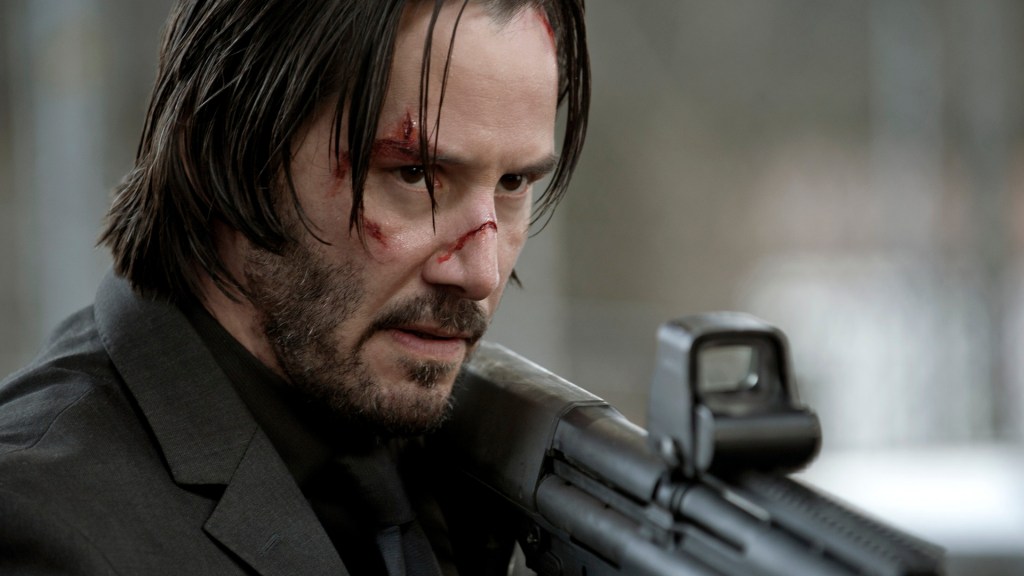
    Nothing much is surprising about the latest action thriller “John Wick,” except for the fact that it isn’t completely terrible.

    The plot is raw and unoriginal — vengeful assassin Keanu Reeves takes out a lot of bad people after they steal his car and kill his dog, a final present from his dying wife.

    Every indication points in the direction of an absolute bust of a movie. The trailer is downright comical in the worst possible way.

    It shouldn’t make sense that “a vengeful Keanu Reeves” is something anyone really wants to see, given what poor quality Reeves has put out over the last decade.

    Yet somehow, despite all the tell-tale red flags of a poor movie, “John Wick” overcomes them all and is actually a pretty serviceable traditional action film, reminiscent of a more modern homage to “The Boondock Saints,” a film about vigilante killers who don’t really have, or need, a good reason to kill the bad guys.

    Forget the plot. It’s unimportant. Skip over the uneven acting of leads Reeves, Michael Nyqvist, Willem Dafoe and Adrianne Palicki.

    What “John Wick” excels at is replicating the action and excitement of “The Matrix” films without any science fiction jargon or the overly technical philosophical implications.

    People need to die and John Wick is the guy who needs to kill them.

    That kind of film isn’t for everyone, but ardent action fans will appreciate a quality traditional action thriller that isn’t burdened with too many stars (“The Expendables” series) or too many sequels (“Taken” series).

  • The Judge: Even Downey Jr., Duvall can’t figure out poor script

    The Judge: Even Downey Jr., Duvall can’t figure out poor script

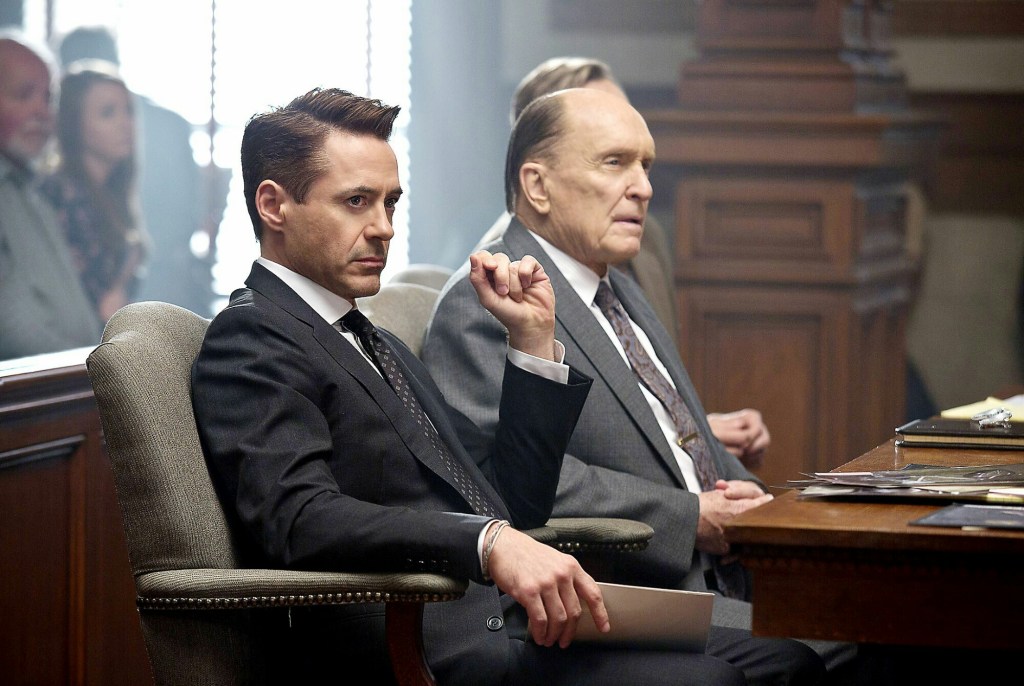
    “The Judge” has a fantastic cast led by Robert Downey Jr. and Robert Duvall along with wonderful cinematography, so why is it so underwhelming?

    The fatal flaw in “The Judge” is in an uneven script from Nick Schenk and Bill Dubuque, the sum of which isn’t as good as its individual parts.

    A film about relationships blanketed within a courtroom drama, each element of “The Judge” is very well done, but none of the elements fit together.

    Duvall and Downey Jr.’s up and down relationship is the heart and soul of “The Judge,” and in that respect, the film works. Scenes that feature the duo alone are the best in the film.

    However, it’s the unnecessary placement of Dax Shepherd as a bumbling lawyer assigned to Duvall’s case and Vera Farmiga as Downey Jr.’s ex-girlfriend that overextend the 141-minute film by at least 25 minutes.

    “The Judge” is worth a rental for Duvall and Downey Jr.’s performances, but doesn’t hit enough high points to make it worth rushing out to see in theaters.