Category: Emotional Rantings

  • Hamilton: The revolution has begun

    Hamilton: The revolution has begun

    This is how capturing live theater experiences needs to be done.

    Lin-Manuel Miranda’s game-changing, revolutionary stage musical “Hamilton” arrives in cinematic form with a pitch-perfect ability to harness a moment in American pop culture history and preserve it for the annals of time.

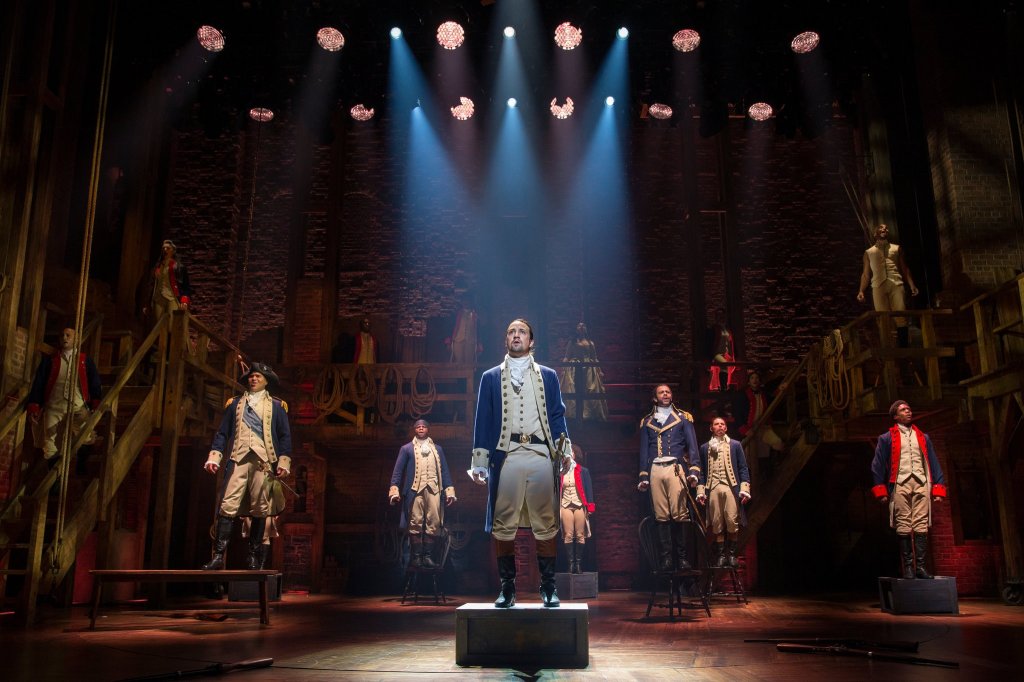
    Filmed in June 2016 at the Richard Rodgers Theatre, this nearly three-hour extravaganza is a compilation of several performances of the Broadway show mixed with closed door footage of the original cast performing privately for cameras on the stage itself.

    For the millions of people worldwide unable to see the 11-time Tony Award winner in person, it’s a front row seat and intoxicating look at the iconic musical that places audiences right in the heart of the non-stop whirlwind of emotions, music and theatricality.

    A hip-hop biography of the life of founding father Alexander Hamilton, “Hamilton” follows his innocuous rise from abject poverty in the Caribbean through his time serving under George Washington in the American Revolution as well as his political life post-war culminating in his infamous duel with Aaron Burr.

    Miranda, who wrote the book, music and lyrics for the musical, doubles as the title character and star of the show, bringing his dynamic energy and passion to the screen with wide, emotional eyes that captivate a film audience in ways that one wouldn’t get fifteen rows deep in a Broadway auditorium.

    Yet for as much as “Hamilton” is synonymous with Miranda, the show itself isn’t even about his performance with an array of mesmerizing talent littering the ensemble including three Tony Award winning performances from Daveed Diggs in a dual role as Lafayette and Thomas Jefferson, Renée Elise Goldsberry as Angelica Schuyler and Leslie Odom Jr. as Aaron Burr, who narrates the story.

    There’s so much life brought to every single character within “Hamilton,” which isn’t surprising given the cast had been performing together eight times a week for nearly two years at the time of filming.

    It’s a perfect balance of styles from Christopher Jackson’s John Legend-esque turn as a stern but loving George Washington to the wonderfully comedic Jonathan Groff bringing levity as King George II to Phillipa Soo’s warm, emotional Elisa that grounds the narrative with heart.

    But translating one of Broadway’s best musicals of all-time to a static, feature film format is exceptionally challenging.

    Pulling off a movie version of “Hamilton” that’s not stagnant nor overly documentarian requires a director with great skill and vision.

    In this instance, it’s invaluable to have an expert stage director like Thomas Kail at the helm of the feature film version of the Broadway experience. Kail, who also directed the stage show, keeps his eye trained on the simplest of moments and the subtlest of nuances that he, Miranda and the entire team put into the production.

    There’s a kinetic energy to the camera work that reflect the frantic pace of the musical and wonderfully substitutes for how audience members might be constantly turning their heads to try and catch everything the stage show has to offer.

    Tight shots that pull in from all angles on individual performances heighten the cinematic quality, but it’s in the wider moments that truly encompass the full spectacle of the “Hamilton” experience and allow audiences to reflect in awe at the theatricality of the musical.

    This is never more present than in the staging of “Satisfied,” a first act retelling of the whirlwind romance of Hamilton and his future bride Eliza as seen through the eyes of her envious sister Angelica.

    Lighting cues, a rotating stage and spectacular choreography from Andy Blankenbuehler take a two-dimensional song performed by Goldsberry from a static position and create a relentless and hypnotizing visual spectacle that enhances both the song itself and Miranda’s narrative as a whole.

    Depth is key throughout Kail’s interpretation of Miranda’s musical as every performer including the ensemble chorus members have distinct purpose scene to scene; technical elements supplement the action and the totality of the Broadway monolith almost necessitates multiple viewings to understand the intricacies, especially for those who haven’t had the soundtrack on rotate for years.

    Editor Jonah Moran had an immensely painstaking and thankless job crafting the film as audiences watch it in their own homes, choosing from a variety of angles and performances to sculpt a viewing experience that equally balances the traditional Broadway stage with intimate closeups, two-shots and reverse angles to that will allow those who’ve seen the production countless times a fresh perspective on the extravagance.

    Cuts occur on a dime and often alongside musical cues within songs, phrases or melodies, with Moran and Kail being exceptionally particular about keeping viewers’ eyes on exactly what their perspective should be in any given moment.

    “Hamilton” could easily make its way into the conversation come awards season as a previously planned theatrical release makes the film eligible for Academy Award consideration and there is some precedent for filmed performances to earn Oscar nods with Laurence Olivier’s staging of Shakespeare’s “Othello” earning several nominations.

    In reality, “Hamilton” will have a much better chance at success at the Golden Globes where it will easily play into that group’s comedy/musical categories.

    Miranda’s other Tony Award winning musical, “In the Heights,” was slated for its major motion picture release this summer but moved back to 2021 amid the coronavirus.

    In its place, audiences are treated to “Hamilton” in all its glory and spectacle, conveniently released over the Fourth of July weekend on Disney+ which makes it widely accessible at a low cost and essential summer viewing for anyone in need of finely crafted entertainment.

  • Portrait of a Lady on Fire: Subtlety in romance

    Portrait of a Lady on Fire: Subtlety in romance

    Desire is all about delay.

    The anticipation, the angst, the longing all cascading towards a moment of passion.

    It’s a difficult trick to pull off in the world of cinema, but Céline Sciamma’s “Portrait of a Lady on Fire” builds from embers into a raging inferno of emotion in one of the best romance films in ten years.

    The French filmmaker progresses from a trilogy of coming-of-age features into the world of adulthood with a pitch perfect examination of nuanced affection that turns to admiration that begets passionate lust with a daring contemporary feel to a period love story.

    Set on an isolated island in Brittany in the end of the eighteenth century, Sciamma’s fourth feature follows Marianne, a young artist commissioned to paint a wedding portrait of a woman without her knowledge.

    Key to the success of “Portrait” is the relationship between model and artist, an examination of the soul that Sciamma deciphers as much as a mirror of self-reflection as a keen eye peering into the world of another.

    The film lives and dies on the performances of its two leads and Noémie Merlant brings an effortless earnestness to Marianne that pairs perfectly with Adéle Haenel’s quiet intensity as Héloïse. Each moment in the film feels genuinely considered, not by the actresses portraying the characters, but by Marianne and Héloïse themselves.

    Dialogue in a script can provide the context for someone being unable to say what they feel, but the right amount of hesitation or inflection in a voice can be just as breathtaking. Merlant and Haenel are masterful at pulling at the seams of Sciamma’s screenplay and digging beneath the surface of the script in a richly intimate, physical way that smolders in intensity without the two ever touching.

    Framed together in a single shot along the cliffs of Brittany, the pair challenge each other with inquisitive, stolen glances that flicker like embers off the screen. “Portrait” captures intimacy as it grows and changes better than any romance film in a decade and the collaboration between actresses and filmmaker shimmers as viewers fall in love with Héloïse, then Marianne, and then both of them together and apart.

    Their dynamic chemistry is offset slightly by the presence of a third major character in an otherwise sparsely cast film.

    Typically in a film like this, Luàna Bajrami’s Sophie would be a distracting interloper character that pulls audiences away from the primary romance. But Bajrami matches both leads in quiet intensity with a stoic, yet emotional turn that enriches the world of the film and accentuates the progression of Marianne and Héloïse’s relationship.

    Sciamma expertly crafts art into the visual style of “Portrait,” building a world of undeniable cinematic moments that often feel like paintings stacked on top of one another to build a story.

    So much of this artistry comes through in how the audience is introduced to Héloïse through Marianne’s lens as Sciamma takes viewers on an elaborate examination of Haenel, her hair, her earlobes, her piercing eyes. Every detail that Marianne paints into existence on canvas is masterfully imprinted into the hearts of engaged audience members with careful precision and expert cinematography from Claire Mathon.

    The romance of the film comes not just from the brilliant chemistry Merlant and Haenel share on screen, but in the way it is portrayed through the camera lens with longing, lingering shots mixed with stolen glances that push the audience into the middle of a forbidden love affair.

    The best French film in many years, “Portrait of a Lady on Fire” was eligible for awards season acclaim, usually playing as a de facto runner up to eventual Oscar Best Picture winner “Parasite” in international feature categories. Astoundingly, the French film community chose not to submit “Portrait” for major Academy Award consideration, opting for the political crime drama “Les Misérables,” which recently took home the country’s top film prize.

    Emotionally stirring and wonderfully subdued, “Portrait of a Lady on Fire” is a daring and expressive film that dazzles in its simplicity and feels of the moment in spite of its period setting.

    Sciamma’s film is a must for cinephiles willing to overcome the one-inch tall barrier of subtitles and a thought-provoking drama that lingers long after the credits roll.

  • Dear Basketball: Preserving the legacy of a man, not just a legend

    Dear Basketball: Preserving the legacy of a man, not just a legend

    I never liked Kobe Bryant growing up.

    To me, a life-long Dallas Mavericks fan, he was a smug, self-indulgent rival who wasn’t as good as everyone else thought he was.

    As a film aficionado and budding critic, it bothered me even more that one of my most-disliked sports antagonists won an Academy Award. It reeked of the bravado that annoyed me watching him dunk on Mavs centers or bank in game winning jumpers in route to another championship he didn’t deserve.

    Part of the pageantry about sports is creating and hating the villain. It’s what endears us to our heroes who best someone else’s hero that we view through the lens of the enemy.

    I was in a movie theater Sunday afternoon watching the film I intended to write this review over, Guy Ritchie’s crime caper “The Gentlemen” starring Matthew McConaughey, Colin Farrell and Hugh Grant.

    About halfway through the film, I was strangely moved to do something I rarely do in a theater; stop watching and check my phone.

    The screen flashed up with several text messages, a missed phone call and an ESPN news alert, all of which were commonplace for me to see once the credits start rolling on a movie.

    For some reason, instead of putting my phone away, I walked down the aisle and into the hallway, far enough out of view to not interrupt other audience members, but close enough to keep myself inside the world of the film.

    I opened my phone again expecting to see some text messages that wouldn’t matter in the long run and someone I needed to call back on my way home.

    The ESPN alert jumped to the top of the screen, “Breaking News: Kobe Bryant killed in helicopter crash at 41.”

    It was an unexpected, stunning revelation and one I couldn’t stop thinking about amid the ensuing diatribe and violence that concluded Ritchie’s film.

    It’s lingered in the back of my mind all afternoon and evening; someone I grew up watching and reviling was gone in the most tragic of fashions along with eight other people I’d never known of or met, among them his 13-year-old daughter Gianna.

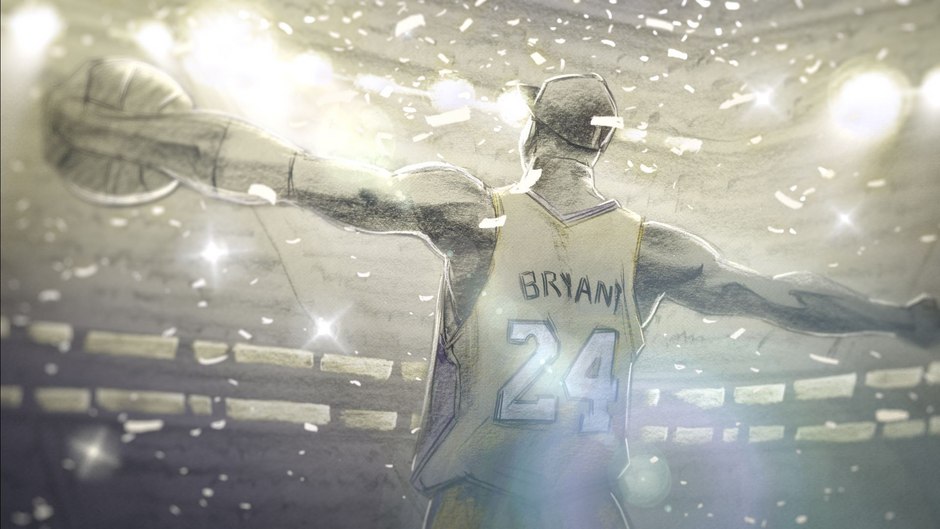
    The thoughts that clouded my mind brought me to the one piece of Kobe lore that I’d never seen before: “Dear Basketball,” the five-minute film based on his retirement poem that won Bryant an Academy Award in 2018 for best animated short.

    Director and animator Glen Keane takes Bryant’s words penned for an article in The Player’s Tribune and vividly animates them through hand-sketched pencil work that leaps off the screen in spite of its two-dimensional style.

    As Kobe narrates his own story, audiences are shown his legacy not through championships, but through the impact Bryant’s relentless passion for a sport had on him as a man, illustrating his growth from a six-year-old boy shooting hoops with his dad’s rolled-up tube socks into a legendary member of the Los Angeles Lakers.

    It’s a touching short that grows more poignant now on the day of his passing, hearing Bryant talking about savoring “every moment we have left together, the good and the bad” in a way that becomes a rallying cry for renewed hope in whatever passions we may have.

    Oscar-winner John Williams pens a sweeping score that combines the majesty of athletic competition with the final notes of impending exit. It veers slightly toward the point of excessive, but still hits home hard enough to draw tears from even the most stubborn of viewers.

    Keane’s expert use of color palette keeps the focus on Bryant, muting nearly everything but the yellow and purple of Kobe’s jersey and layering black strokes to enhance detail in life-like comic book form, enveloping the Bryant of “Dear Basketball” to superhero status in the mind’s eye of Kobe as a child.

    “Dear Basketball” perfectly illustrates not the myth that was created for him, but the inner soul of the man himself.

    Poetry and poignancy was something I never expected from Bryant.

    The Kobe I thought I knew wasn’t capable of that.

    It’s saddening to think that only his untimely passing – and especially that of his teenage daughter – would bring me to reframe the image of him in my mind’s eye.

    The power of film comes from its ability to have an impact on its audience and to preserve eternally people and moments in time.

    In this regard, “Dear Basketball” is a perfect film, keeping the memory of a legend, but more importantly a man, alive.


    The animated short film, “Dear Basketball,” can be seen online at believeentertainmentgroup.com/portfolio-item/dear-basketball.

  • Good Boys: Super bad on a sixth grade reading level

    Good Boys: Super bad on a sixth grade reading level

    Why is “South Park” an animated series?

    Couldn’t creators Matt Stone and Trey Parker have made their crude and frequently violent show about prepubescent boys a live action series just as easily, if not cheaper?

    The reason they don’t is simple: an animated overweight boy using expletives every other sentence while making sex jokes is funny because the animation separates the joke from reality.

    “Good Boys,” a new live action comedy that tries to be one part “South Park” and two parts “Superbad,” isn’t really successful at either.

    And it’s true, the first time audiences see three sixth grade boys look up “porb” on Google to see people kissing or use anal beads like nunchucks is decently funny.

    The problem with “Good Boys” is that the longer this gimmick goes on, the less funny and more sad things get.

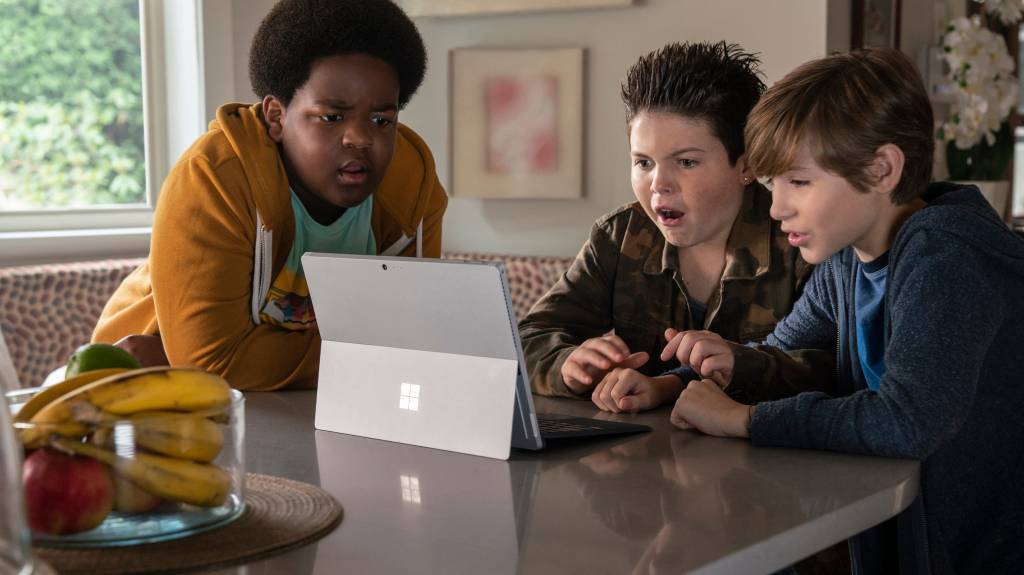
    A comedy from the minds that brought such middling fodder as “Bad Teacher” and “Year One,” writer/director Gene Stupnitsky and co-writer Lee Eisenberg’s new film follows Max, Lucas and Thor – three outcast sixth graders calling themselves “the Bean Bag Boys.”

    Through a typically ridiculous series of convoluted events, the trio must trade a medicine bottle filled with ecstasy for Max’s father’s drone helicopter that crashed into a neighbor’s yard in order to attend a “kissing party.”

    What “Good Boys” has going for it is three likeable young stars, led by one of the best child actors in Hollywood today, Jacob Tremblay.

    Best known for the 2015 Oscar-nominated drama “Room” and the 2017 family drama “Wonder,” Tremblay exudes a wholesome kindness that radiates off the screen. He brings this naturally endearing quality to Max that quickly fades away once he tries on S&M leather and the swear words start flying.

    Brady Noon plays Thor evenly as the character’s bad boy exterior naturally clashes (for the sake of comedy) with his love of singing and musical theater.

    The best performance of the trio is offered by Keith L. Williams as Lucas, the most strait-laced member whose parents are about to get a divorce.

    Williams hits his punch lines hard knowing they’re intended for laughs, but this is rarely as overdone as it may seem.

    The film’s supporting cast isn’t given much room to play with; “Saturday Night Live” alum Will Forte is here for show more than anything.

    A surprisingly effective cameo from Stephen Merchant does bring one of the film’s few genuine laughs, however.

    The crude premise of “Good Boys” isn’t exactly the film’s downfall. In better hands, this could be a largely entertaining affair.

    But Stupnitsky and Eisenberg bring so little new to the table that “Good Boys” feels like an empty middle school rehash of “Superbad.”

    That this film is being dropped in the middle of August while school starts back up should be a red flag. August is where underperforming movies go to die.

    Same with the fact that one of the film’s producers, Seth Rogen of “Superbad” fame, is touted in marketing for the movie despite not appearing in it.

    It’s the kind of comedy helped by watching the trailer as few times as possible. When all the jokes can be crammed into a two minute sizzle reel, you know you’re on the wrong track.

    “Good Boys” is the kind of movie that will live on in frat houses eight years from now when the sixth graders this film is actually intended for will be old enough to drink while watching it.

    It’s the third best film to be released this weekend behind the feel-good Bruce Springsteen- infused period musical flick “Blinded By The Light” and the better than it could have been Richard Linklater dramedy “Where’d You Go Bernadette.”

    Save your money and watch this middle-school raunch fest on basic cable as it’s intended.

  • Hobbs And Shaw: 2 Fast 2 Furious 2 Care

    Hobbs And Shaw: 2 Fast 2 Furious 2 Care

    Remember that small dramatic action flick from 2001 about boosting cars?

    Seven movies later, it’s harder and harder to remember that “The Fast and the Furious” was about a Los Angeles cop going undercover to infiltrate a gang of automobile thieves.

    A prime victim of the money-hungry quest of studios to franchise everything, a small crime drama has become an international box office sensation that’s now spinning off characters into their own burgeoning franchise.

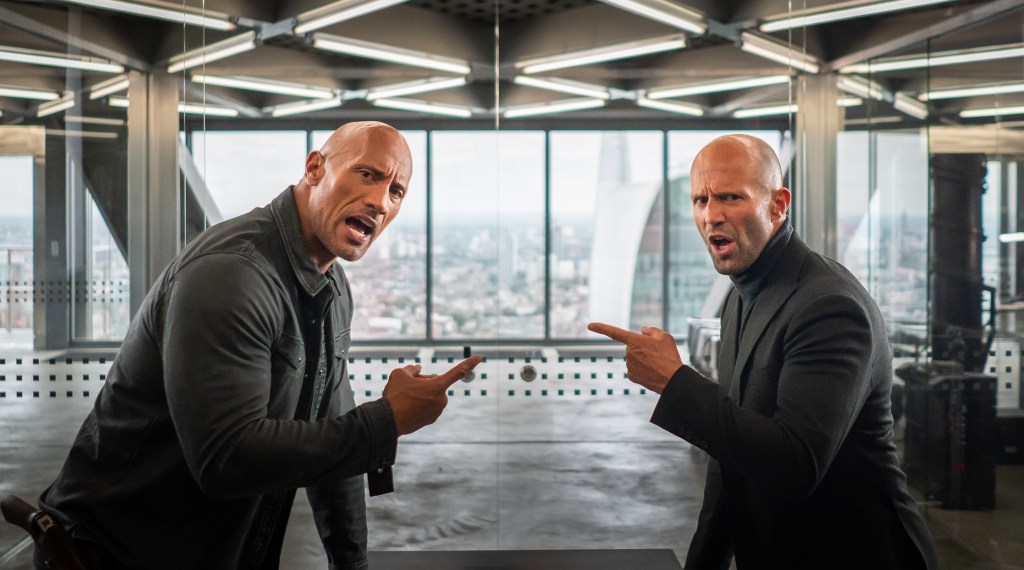
    Hence, “Fast and Furious Presents: Hobbs and Shaw,” a bombastic, jet-setting adventure hoping to draw interest from moviegoers to watch the intelligence officer from “Fast Five” reluctantly team up with the bad guy from “Furious 7.”

    This concept alone isn’t a draw. But when action heavyweights like Dwayne “The Rock” Johnson and Jason Statham are involved; studios start to dream in dollar signs.

    As each movie in the franchise becomes more outlandish, the stakes continue to rise exponentially.

    With “Hobbs and Shaw,” intelligence agencies force the titular rivals to work together to locate Shaw’s sister Hattie, an on-the-run MI6 agent who has injected herself with a virus that could wipe out half the planet’s population.

    Johnson has the charisma to take another blandly written character and inject enough vibrant humor to make a two-hour joyride at least engaging, while Statham is best ripping off dry witticisms at Johnson’s expense rather than anything he’s doing on his own.

    Golden Globe winner Idris Elba plays a cybernetically enhanced villain bent on unleashing the deadly virus world-wide. Though it’s clear Elba is only here to cash a paycheck that will allow him to continue high-quality independent film work, it’s still sad to see the talented actor and potential next James Bond mail in a performance like this.

    Appreciably funnier than any “Fast and the Furious” installment, “Hobbs and Shaw” relies both on the solid chemistry of Johnson and Statham as well as some painfully obvious cameos to give the spinoff its own identity.

    Director David Leitch pushes the film more towards his “Deadpool 2,” but rated PG-13 territory rather than his significantly better small action hit “Atomic Blonde.” The stuntman turned director shows promise with his vision, but it’s often uneven and panders too much to “Fast and the Furious” tropes rather than set the film apart too much.]

    The best scene in the entire film is a well-choreographed, story advancing slow motion action sequence that pits Johnson and Statham against Elba late in the third act. Leitch blends fight mechanics that hint at his uncredited work co-directing the original “John Wick” film with a classic “Fast and the Furious” kinetic energy to pay off much of what the prior two hours lazily sets up.

    Action throughout the rest of the film is less successful as much of the frenetic driving sequences feel ripped straight off the cutting room floor of other “Fast and the Furious” installments.

    Things are also hindered by the fact that contractual stipulations as reported by the Wall Street Journal this week limit the amount of damage Johnson and Statham’s characters are able to take, often giving them superhuman resilience that weakens the story overall.

    “Hobbs and Shaw” is not a comic book film, but casual audiences could easily mistake it for a new superhero flick given just how incredibly well both leads come off in the film.

    Stakes in the “Mission: Impossible” franchise, for example, continue to accelerate at an exponential rate, but those films succeed in a more grounded nature as Tom Cruise’s Ethan Hunt’s mortality comes to a fuller bear.

    The outlandishness of the stunt-work in “Hobbs and Shaw,” combined with the limitations put upon the storytelling due to the egotistical stars, makes it significantly harder for audiences to suspend disbelief.

    Written at a “straight-to-DVD” level but produced on a blockbuster budget, “Hobbs and Shaw” has its moments, but wavers considerably on the enjoyment level.

    It’s a film that would be best to catch while flipping channels on basic cable right before “Fast & Furious 9” hits theaters next year.

  • Once Upon A Time In Hollywood: Tinseltown fantasy

    Once Upon A Time In Hollywood: Tinseltown fantasy

    “Once Upon A Time In Hollywood” is everything one might come to expect from a Quentin Tarantino film and yet somehow, it’s also nothing like what one might expect from Quentin Tarantino.

    Reflective of a man who grew up in the movies engrossed in every aspect of filmmaking, Tarantino’s ninth feature ramps up the dialogue and nonlinear storytelling while tempering down his trademark rampages of violence for a distinctly original piece of cinema.

    It’s a slow-burn ode to late 1960s Los Angeles that embraces a deep nostalgia for classic television westerns and lesser known stars whose bright futures got derailed by choice or circumstance.

    Audiences are propelled into this world by bouncing around between three mainstays of Hollywood at the time: a veteran television actor trying with fledgling success to transition to the big screen, his best friend and stunt man carrying the load however needed and up-and-coming actress Sharon Tate, freshly married to director Roman Polanski.

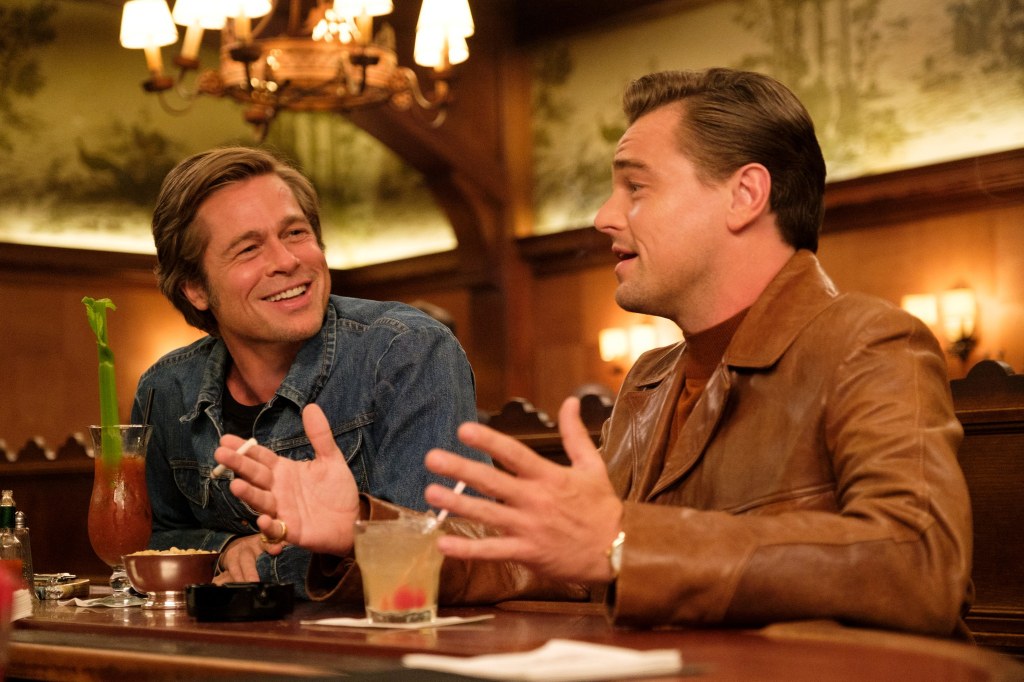
    Written as a strong duality, the natural ebb and flow between the classically handsome actor Rick Dalton and ruggedly confident stuntman Cliff Booth is a joy to watch on screen. Both DiCaprio and Pitt inhabit the roles so fully that the characters feel ripped straight from a by-gone era while audiences are still able to see the A-listers on screen as Leo and Brad at the same time.

    Tarantino knows the strengths of his acting talent and rarely does he lean into them as confidentially as he does here with DiCaprio and Pitt.

    Pitt’s cool machismo as Cliff perfectly offset the more manic charisma of DiCaprio’s Rick; two men’s men hanging on to their waning years on soundstages in radically different ways, yet always together.

    Both actors shine during individual moments, DiCaprio especially on the set of TV western “Lancer.” But it’s together where their unlikely kinship truly elevates “Once Upon A Time” for large stretches of flashbacks and side-plots about making television in the 50s and 60s as viewers tumble towards that fateful August night on Cielo Drive.

    Margot Robbie floats through “Once Upon A Time” as if she were a figment of imagination or a half-remembered dream rather than simply the actress Sharon Tate, whom Robbie portrays in the film.

    It’s both a gross underutilization and a perfect utilization of the Australian actress on Tarantino’s part.

    Tate delivers by a wide margin the fewest lines among the film’s primary characters, a counterintuitive, but shrewd move by the filmmaker to keep Tate masked in a golden palate of mystery while brightening up the entire feature with an effervescent physicality.

    The less revealed to audiences about Tate over the course of the film, the better as Tarantino holds the late actress up as a sunny palate cleanser from the minutia of Rick and Cliff’s journeys and an ode to Hollywood ‘what could have beens.’

    “Once Upon A Time” also affords small glimpses into the lives of celebrities, industry talent and wayward hippies that easily could have garnered their own films or miniseries.

    Tarantino expertly uses acting icons like Kurt Russell and Bruce Dern as well as he does young up-and-comers like a mesmerizing one-scene turn from Dakota Fanning as Squeaky Fromme and Margaret Qualley as a hippie Cliff encounters.

    The fact that a rare good late-career Al Pacino appearance here is the 17th or 18th best thing about “Once Upon A Time” says a lot about this film’s incredible depth.

    Cinematographer Robert Richardson shows exemplary poise adapting to a wide variety of visual styles, matching television and film looks of the era. Richardson feels just as at home in 16×9 black-and-white as he does with early color film palettes.

    When “Once Upon A Time” pulls off set, the camera widens to give audiences larger perspective and enhance Los Angeles as a character in the film.

    There’s also plenty of opportunity here for viewers to find Tarantino’s hidden details, nuggets of nuance that inform and/or remind the time period. These can be broad strokes like major locations dressed to the era or subtle, yet accurate touches like what movies were showing at specific theaters, which shows were airing on television on a given night or what songs were in rotation on specific radio stations on certain days.

    In this regard, “Once Upon A Time” is Tarantino’s most self-indulgent film. He often languishes audiences with leisurely car rides with Cliff that linger far too long for casual viewers or diatribes about “inside Hollywood” topics like casting former heroes as villains, job-to-job rivalries and other moviemaking politics.

    These musings usually don’t further the plot in any significant way but provide a welcome depth and color for those interested in being fully immersed in the world Tarantino creates on screen. It does make the film’s nearly three-hour running time a bit much for some audiences to handle, though every second is carefully and critically constructed by one of the movie business’s premiere auteurs.

    Hollywood rarely loves to reward films more than they do movies about Hollywood.

    A well-made Tarantino film with three A-list stars at or near the top of their game will be heralded come awards season.

    Tarantino should be in the running for best director and best original screenplay for his dialogue-heavy ode to Hollywood, while both DiCaprio and Pitt have potential in the lead actor and supporting actor categories respectively.

    While ideally seen in 35mm film print at select theaters, the film is far too exceptional of a movie not to be seen on the big screen any way possible.

    Among Tarantino’s best work, “Once Upon A Time In Hollywood” is certain to appear on many a best of 2019 list and could be a prime contender come awards season.

  • Murder Mystery: An unnecessary whodunit?

    Murder Mystery: An unnecessary whodunit?

    Perhaps the biggest saving grace about “Murder Mystery,” the latest movie partnership between Adam Sandler’s Happy Madison Productions and Netflix, is that no one will have to pay money to sit in a movie theater to endure 100-plus minutes of subpar cinema.

    It isn’t just that the production design is simplified to a level that almost none of the crime comedy’s supposedly luxurious foreign locales look authentic or that the jokes are so incredibly on the nose.

    Watching “Murder Mystery” in one sitting is a chore to endure and certainly one you wouldn’t want to have to sit through in public. Yet somehow, it still isn’t the worst film to be released in 2019.

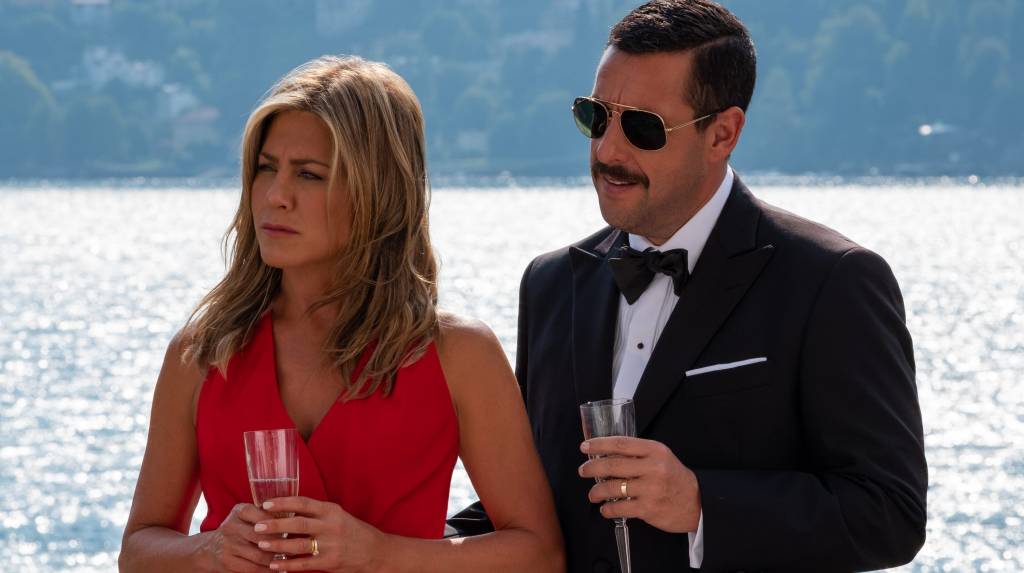
    This wannabe romp finds Sandler reteamed with his “Just Go With It” co-star Jennifer Aniston as a lower middle-class New York married couple en route to the cheapest possible European vacation when they get swept up into a rich playboy’s world of drama, intrigue and “dun dun dun” murder.

    The film’s title should be a warning sign to potential audiences of what’s to come as it isn’t called “Murder Mystery” in a fun, satirical way, but rather as if screenwriter James Vanderbilt left it in an early draft of the script instead of “insert movie title here” and forgot to come back and think of an actual title for the movie.

    Little more can be expected of a comedy penned by the writer of such hits as “Independence Day: Resurgence,” the two “Amazing Spider-Man” films and stunningly enough, “Zodiac,” David Fincher’s cult crime classic.

    Shockingly, “Murder Mystery” shows marked improvement relative to other Happy Madison-Netflix joint ventures as this Sandler misfire is decidedly better than the unwatchable western spoof “The Ridiculous 6” or the similarly bland action adventure “The Do-Over.” Having low expectations going into “Murder Mystery” certainly helps.

    One might expect A-list talent like Aniston and Sandler to elevate the material more than they do here with the end result being a star-studded version of a Mary Kate and Ashley Olsen TV mystery movie.

    “Murder Mystery” is a film that will make one yearn for the good old days of “Paul Blart: Mall Cop,” when badly written crime caper comedies has the common sense to hire Kevin James instead of acting talent that could actually be put to good use.

    If this is the kind of inane, laugh-every-five-minute feature Sandler has to put out on streaming services to allow him to take chances on dramatic work in films like “Punch Drunk Love” and “The Meyerowitz Stories,” so be it.

    It’d just be nice if the world’s top streaming service would pony up a few extra dollars for better screenwriters.

  • Booksmart: Fresh perspective

    Booksmart: Fresh perspective

    Once or twice a year, a comedy will come out that has something more on its mind beyond just a quest for cheap laughs.

    In 2019, that film is “Booksmart,” a nuanced and insightful feature that elevates high school movie tropes to new heights.

    Written by four women and helmed by veteran actress turned first time director Olivia Wilde, “Booksmart” doesn’t seek to revolutionize genre as much as it succeeds in rising above it.

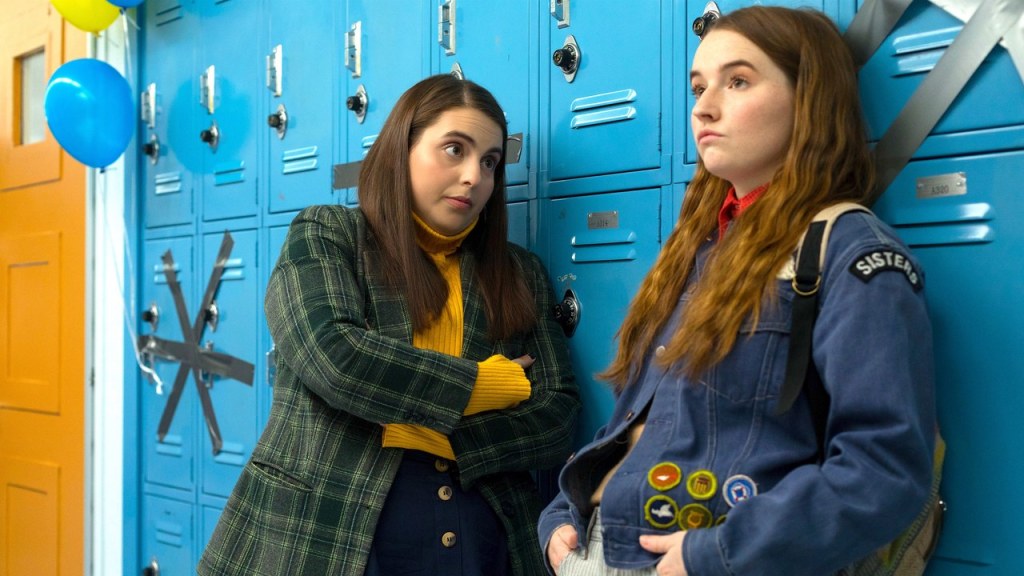
    The latest in a long line of coming-of-age, end of high school dramedies, “Booksmart” follows best friends Molly and Amy on their last day of senior year as the conscientious pair decide to consolidate four years of partying into one wild night.

    Conceptually, “Booksmart” is far from treading new ground. It’s in the execution of Wilde’s artistic indie vision for the film and pitch-perfect chemistry between lead actresses Beanie Feldstein and Kaitlyn Dever as Molly and Amy respectively that set this dramedy apart from the crowd.

    Feldstein embraces the headstrong academic Molly with a vigor relatable to anyone whose high school had an overbearing class president. The bravado with which Feldstein attacks scenes opposite Dever or adults at the school is wonderfully counterbalanced with an internalized desire to keep classmates at arm’s length to prevent getting hurt emotionally.

    Dever takes great care to slowly unfold Amy’s personality as she attempts to overcome personal and romantic insecurities. Her performance elevates non-verbally as Dever lets audiences into Amy’s state of mind through the squint of an eye or sinking of the shoulders.

    Their chemistry together is simply impeccable as Molly and Amy have an instant deep-seeded attachment that feels lived in despite the two actresses having never met before the start of production. The joy expressed on screen when the pair are dancing on the street, bantering in a vehicle or incredulously complementing each other cannot be faked. It’s a palpable energy that radiates off of their performances and permeates throughout the entire film.

    The ensemble cast of “Booksmart” is littered with quality secondary characters that fill the world of the film with their eccentricity, none more so than Billie Lourd’s absurdist free spirit Gigi.

    Lourd shimmers off the screen with a vibrancy that rises to the crest of going over the top but doesn’t quite tip into caricature. Gigi’s aggressive, antagonistic appearances sprinkled throughout “Booksmart” challenge Molly and Amy at key moments while also providing humor in her ridiculousness.

    Even smaller characters – Noah Galvin’s demonstrative thespian and Eduardo Franco’s risk-taking stoner come to mind – have a heightened presence in “Booksmart” that one wouldn’t find in the usual high school comedy. It’s clear that each performer has made a deliberate, intentional choice about their character no matter how essential they are to the story and this gives “Booksmart” a rounder complexity.

    High school comedies rarely go for broke visually, opting for a crowd-pleasing sheen one would usually find on a network television sitcom.

    Wilde goes out of her way to find the most interesting angles from which to frame her characters, drawing audiences in with harsh closeups contrasting with wider shots to keep viewers present in the moment rather than casual observers.

    The cinematography of “Booksmart” has a slight faded quality to it, evoking a recent past though it’s culturally cemented in 2019.

    Viewers can see Wilde’s growth directorially come alive on screen as “Booksmart” becomes a more daring, confident film while marching into its third act.

    There’s a truly special underwater scene scored to Perfume Genius’ “Slip Away” following Amy around a crowded pool that vividly and stunningly tells her quest for self-discovery in pictures and emotions rather than words.

    This kicks off a dynamic 10-minute sequence late in “Booksmart” that may be one of the year’s most special moments featuring more cinematic flair than in any comedy in recent memory.

    Music is instrumental to the success of “Booksmart” both in the modern, yet nostalgic score from Dan The Automator and in the richly curated soundtrack.

    Wilde perfectly chooses songs that speak to the moment and spins tracks in and out of sequences, blending tunes to enhance or interrupt the narrative as needed. This also extends to her deft hand on the sound mixing, altering or cutting out sound entirely to change the viewers’ focus, most notably in a conversation between the two leads at a party.

    “Booksmart” isn’t the funniest movie nor is it the most observational or risqué. What the film overwhelmingly succeeds at is making the seemingly innocuous plight of two well-to-do high school girls feel relatable across generation, gender and sexual identity.

    It’s a decidedly inclusive film in a matter-of-fact way where characters have individual agency over choices they make in the narrative rather than a by-product of limiting stereotypes.

    This is especially true of Amy, a character whose attraction to women is neither marginalized nor overtly celebrated. A rare high school film not about sex, “Booksmart” allows Amy to have complexity rather than limited to merely a funny gay best friend character to a straight lead.

    The film smartly orients audiences by guiding them through the one-night-only narrative odyssey with familiar guideposts as Molly and Amy meander across Los Angeles to find Nick’s party, but again, these tropes do not define what “Booksmart” is.

    An immensely rewatchable experience, the layers of simple complexity in the film will become more apparent as audiences find jokes they laughed over on a first viewing or the unique directorial flourishes Wilde includes.

    “Booksmart” is likely the best film you won’t see in theaters but will watch six months from now and kick yourself from not finding it sooner.

  • The Hustle: Remake robs audience of classic comedy

    The Hustle: Remake robs audience of classic comedy

    Reboot: the act of taking an original property and reimagining it in a different context.

    Remake: taking an original property and making the same film over again with minor alterations.

    It’s important to clarify the difference between reboot and remake at the outset because these two words seem like synonyms, but the distance between them could not be vaster.

    Take for example movies like “Ocean’s 8” or the 2016 version of “Ghostbusters.” For better or worse, these films are gender-swapped reboots of highly successful features starring men that have been reimagined as an offshoot of existing storylines.

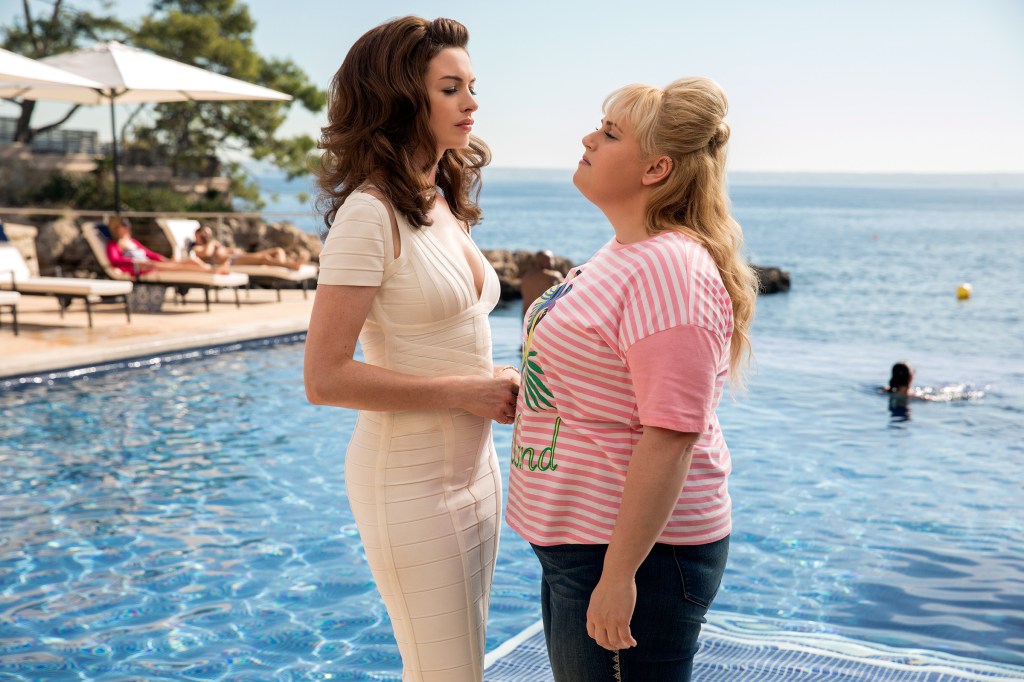
    “The Hustle,” the new comedy starring Anne Hathaway and Rebel Wilson, doesn’t reimagine the film on which it is inspired, 1988’s “Dirty Rotten Scoundrels” with Michael Caine and Steve Martin.

    Director Chris Addison’s film is a rip-off: a beat-for-beat, scene-for-scene copy of a comedy classic, except in the case of “The Hustle,” everything is about 75 percent worse.

    Star and producer Wilson takes on the Martin role playing a two-bit con artist with an outrageous personality, while Hathaway attempts a British accent for reasons unexplained in the film as a way to honor Caine’s performance as the sophisticated con scheming older millionaires out of their riches.

    It’s a film that may seem cleverer for younger audiences, but this millennial version of “Scoundrels” lacks both the wit and sophistication of the original. This is an adaptation where cell phone applications play a large role, sex jokes are cruder and the women con arrogant men out of feminist revenge but only until it no longer serves the “Scoundrels” plot for them to do so.

    There’s a phoniness to Hathaway’s accent that undermines her performance, somewhat taking away from the good work she does comedically in the film.

    Hathaway appears to be as in on the joke in “The Hustle” as she was in last year’s far superior “Ocean’s 8,” but her homage to Caine doesn’t work cohesively with the rest of the film.

    As Penny, Wilson is up to her usual comedic hijinks which occasionally work, but often feel out of place within the highbrow humor the film strives for.

    Rather than put her own twist on the character, it feels like Wilson is almost trying to play a game of one-upmanship with Martin’s original performance, taking the broadest, most “look at me” stroke at every comedic turn.

    Hathaway and Wilson could have great chemistry in a film written to accentuate their talents, but “The Hustle” simply falls flat across the board.

    Aside from the two leads, the cast of “The Hustle” is littered with relative newcomers who don’t provide memorable moments. This partially may be due to mediocre casting and partially due to a condensed running time that thankfully shaves 20 minutes off from its predecessor.

    There are four credited screenwriters for “The Hustle,” though two of them – Paul Henning and Stanley Shapiro – are responsible for “Dirty Rotten Scoundrels” and its predecessor, the 1964 Marlon Brando comedy “Bedtime Story” and a third, Dale Launer, was also involved in the writing of “Scoundrels.”

    This is important as large segments of dialogue in “The Hustle” are lifted straight from the pages of “Scoundrels,” while others might as well have been. The work new co-writer Jac Schaeffer did along with Launer to adapt and modernize the story muddles the comedy and infuses far too much pop culture that kills much of the timelessness of the original tale.

    For a heist film about robbing people blind, the only suckers in “The Hustle” are audience members who pay money for a streaming-service quality film. Studios are already finding themselves having to fight an uphill battle to get people off their couch and into the theater for something besides the next blow ‘em up, comic book action flick. This complete failure does not help.

    Audiences should wait until “The Hustle” can be seen in the privacy of their own home, or better yet, just watch “Dirty Rotten Scoundrels” instead. It’s 10 times the movie at one-tenth the price.

  • Dumbo: Just an ordinary elephant

    Dumbo: Just an ordinary elephant

    A film about a flying elephant should not work, but it did once.

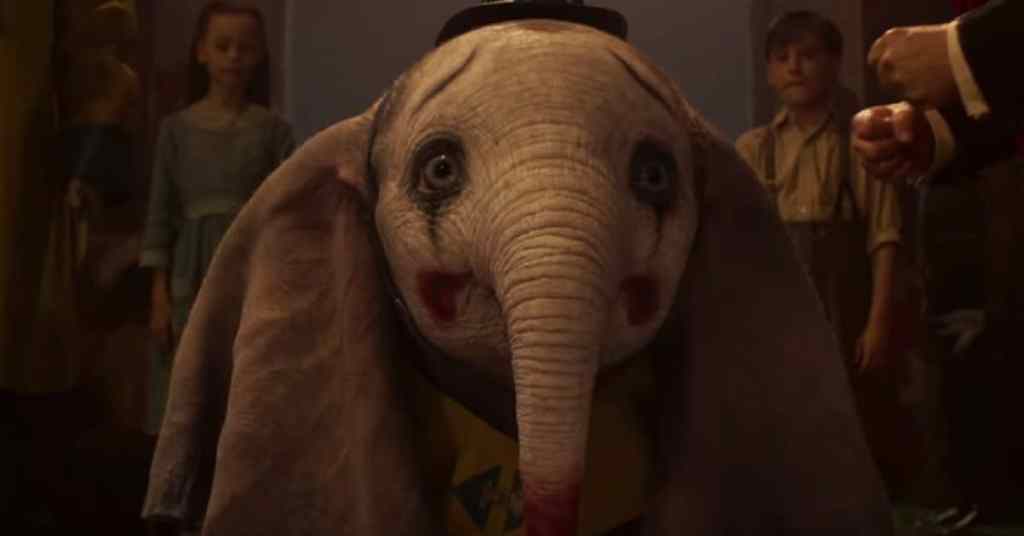
    Remaking an iconic Disney animated film about a flying elephant definitely shouldn’t work and certainly doesn’t here as director Tim Burton stumbles about the circus world for two hours in a clumsy, largely lackluster iteration of the 1941 film “Dumbo.”

    To be clear, this retelling of a Disney classic compartmentalizes the original into about 45 minutes of storytelling, trashing the musical elements and talking animals in lieu of extended commentary about capitalism that will soar like Dumbo himself far over the heads of the young viewers the film is intended for.

    The film follows the struggling Medici family circus who make it big when their lonely baby elephant begins to fly using his oversized ears. The novelty attraction perks the interest of entrepreneur V.A. Vandevere, who buys the circus to monetize little Dumbo at any cost.

    Despite a big name cast of talented actors, the performances in “Dumbo” are muted, one-note caricatures that fail to draw audiences in.

    Colin Farrell is decent as Holt Farrier, a returning war veteran who trains Dumbo with his two children, and Danny DeVito has his moments as circus owner Max Medici.

    When Oscar nominee Michael Keaton strolls onto the scene as Vandevere, however, “Dumbo” begins a long stumble as Keaton can’t seem to get out of his own way. His charming snarl of a character feels out of touch and forced.

    Burton’s “Dumbo” lacks a dynamic energy and scenes often fall flat when the titular elephant is off-screen. It’s difficult to connect emotionally with the thinly constructed characters whipping by at a breakneck pace.
    “Dumbo” is adorably boring and immediately forgettable.

    Iconic flying scenes should have a sense of awe to them and yet in “Dumbo,” the magic simply isn’t there.

    Screenwriter Ehren Kruger, the mind behind three “Transformers” sequels, fails to be a competent choice to pair with the eccentric Burton for a “Dumbo” retelling as the result is a clunky mishmash of the 1941 original and an absurd caricature of corporate greed that subtly reeks of a takedown of Disney’s business model.

    It isn’t just that a $170 million budget for such a bland movie feels exploitative to audiences. There’s a lot of quality artistry to make Dumbo the CGI character a vivid, dynamic work of art on screen.

    Rare moments throughout the film, usually in the big top with flying elephants and animals made from bubbles, are genuinely entertaining and yet don’t linger with viewers.

    But this is also a film where Farrell’s father figure refers to Dumbo as “Big D” and famed boxing announcer Michael Buffer urges the crowd on with a hearty “Let’s get ready for Dumbo!!!!”

    Deliberate, conscious choices like these by Burton and company beg the question if the filmmakers were truly invested in the work or simply as tired of their corporate bosses as the Medici family circus.

    The fact that everything around Dumbo, from the underwritten characters to the lack of musical numbers to the grim final third of the movie, is just exceptionally underwhelming makes it easy to question why a film like “Dumbo” got made in the first place.

    There’s an obvious intention on Disney’s part to revitalize all their classic animated films with live-action stories.

    Audiences have already paid a pretty penny for reboots of “Cinderella,” “The Jungle Book,” “Beauty and the Beast” and an underappreciated “Pete’s Dragon” with “Aladdin,” “The Lion King” and “Mulan” all slated to hit the big screen in 2019.

    “Dumbo” could quite easily be the worst of all of these.

    Entertaining in a “get the kids out of the house” sort of way, “Dumbo” is exactly the kind of low-energy, simple cash grab that smart audiences will avoid in theaters and wait for its inevitable release as part of Disney’s upcoming streaming service.

    “Dumbo” may fly, but there’s simply nothing special about this reboot.