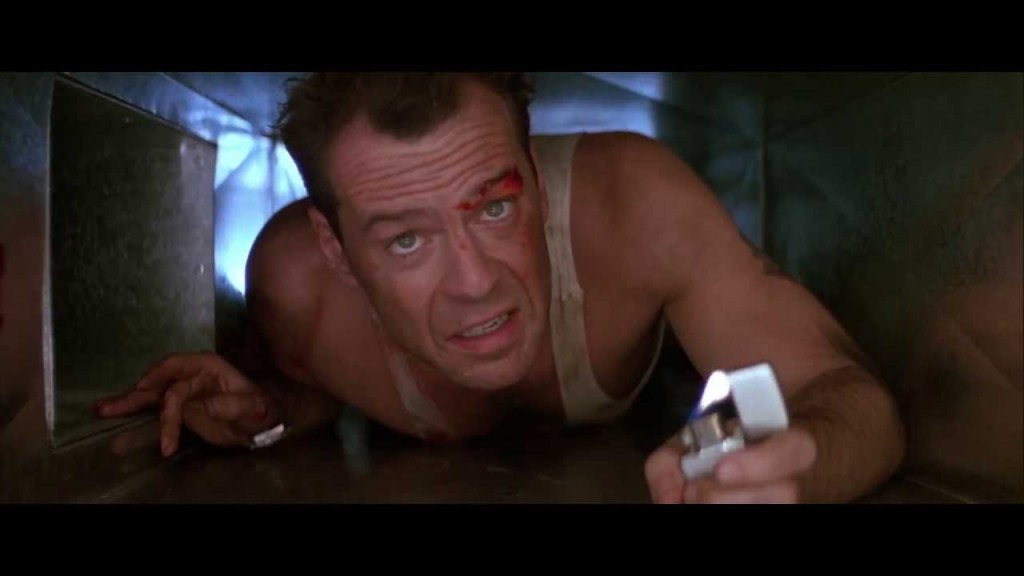
Category: General Thoughts

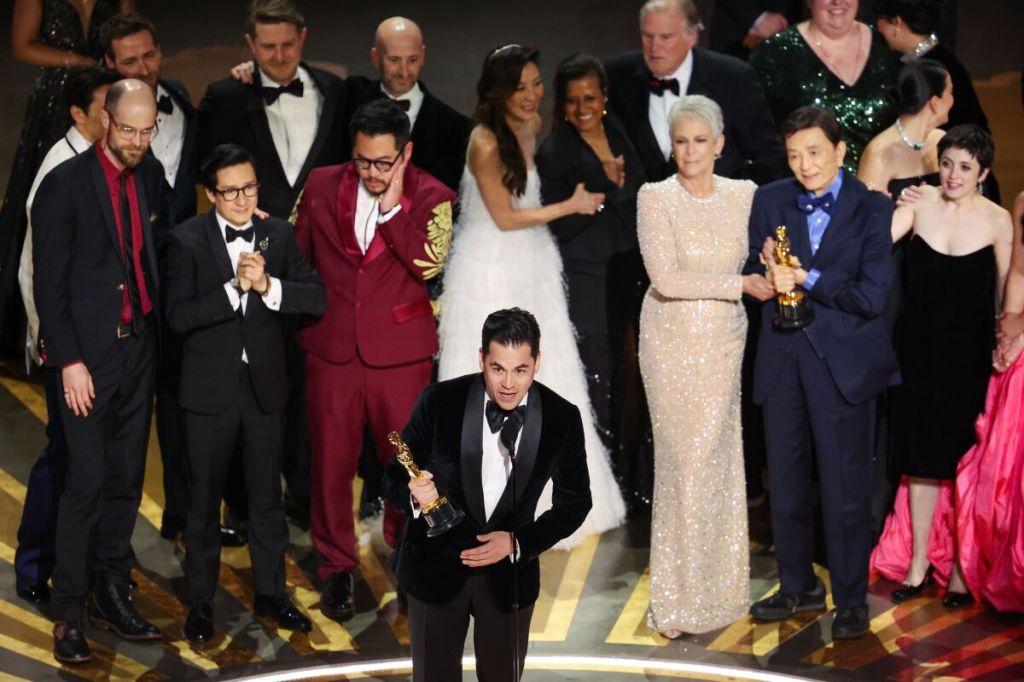
  • A whole new multiverse: Academy celebrates creativity, unique artistry with Best Picture winner Everything Everywhere All At Once

    A whole new multiverse: Academy celebrates creativity, unique artistry with Best Picture winner Everything Everywhere All At Once

    It was practically unfathomable a year ago that a quirky blend of science fiction, drama and martial arts would be remember by more than a few ardent fans elevating it to cult status.

    But 366 days after its debut at the 2022 South by Southwest Film Festival, Everything Everywhere All At Once moved beyond critical and cinephile acclaim by winning seven of its 11 Academy Award nominations Sunday evening including Best Picture.

    While its success certainly signals an ongoing shift in what the Academy considers worthy of its top prizes, All At Once practically sweeping is a striking endorsement in genre filmmaking and original storytelling that should boost the profiles of future projects and promote filmmakers taking risks for the sake of unique creativity.

    All At Once probably isn’t a film that reaches across the spectrum of moviegoers like Top Gun: Maverick or a Steven Spielberg movie might be, but those just stumbling onto this remarkable gem should make every effort to find a way to see it even if it’s too strange or outlandish for more conservative cinephiles.

    Long overdue Best Actress winner Michelle Yeoh stars as Evelyn, a down on her luck Chinese immigrant whose business is on the verge of collapse and her marriage on the brink of divorce. While heading to an IRS audit meeting, Evelyn is confronted by an alternate version of her husband, Waymond, who believes she is the only person capable of stopping the nefarious Jobu Tupaki from collapsing every possible universe.

    Although the film could probably have been successful simply based on the creativity of writing/directing duo Dan Kwan and Daniel Scheinert, collectively known as Daniels, Yeoh brings All At Once to the next level with a nuanced performance that is often frantic, sometimes melancholic, and ever transformative. 

    She becomes a terrific stand-in for the audience as the film progresses with Yeoh’s initial confusion to the world Evelyn is forced into mirroring the bewilderment of viewers.

    If there’s only one reason to see All At Once, it’s for the heartfelt, magnetic performance from Best Supporting Actor winner Ke Huy Quan, who returned to acting for his first role in two decades and steals nearly every scene he’s in as Evelyn’s sheepish, yet adorable husband Waymond. No matter what version of Waymond is in the moment – and all versions are incredible – Quan gives his whole heart to Waymond in a way that just leaps off the screen.

    Another veteran performer – Jamie Lee Curtis – finally got her laurels with a Best Supporting Actress win with an almost unrecognizable turn as the IRS agent assigned to Evelyn’s audit.

    All At Once is even more spectacular in terms of its visual effects, which was developed by a team of only five to create over 500 different shots in the film. Daniels use both practical and computer-generated effects to showcase Evelyn’s bridge between the versions of herself, dubbed “verse jumping” in the movie, and the look of Yeoh rapidly falling backwards is a constant blur of motion and imagery that keeps viewers at the edge of their seats.

    The film also moves at an intensely rapid pace thanks to distinct and swift editing by Paul Rogers, who won for best editing, that makes the most of the dynamic action sequences that perfectly blend martial arts with the strange science fiction elements of the plot.

    The singular vision of All At Once is so outside the box – there’s literally worlds with hot dog hands and pinatas – that rewarding Daniels with both Best Direction and Best Original Screenplay is something that speaks to the film’s technical merits and craft of storytelling, but also to the deep emotional core that resonates from the opening moments through the final credits.

    The Academy’s shift in direction to celebrate the less conventional parts of cinema culminated in heralding in a new era of creative, vibrant and original storytelling.

    In 2022, there simply isn’t a better example of independent artistry and breaking the mold of what movies could be than Everything Everywhere All At Once, a more than worthy Best Picture winner and something that cinephiles would do well to watch (or re-watch) very soon.

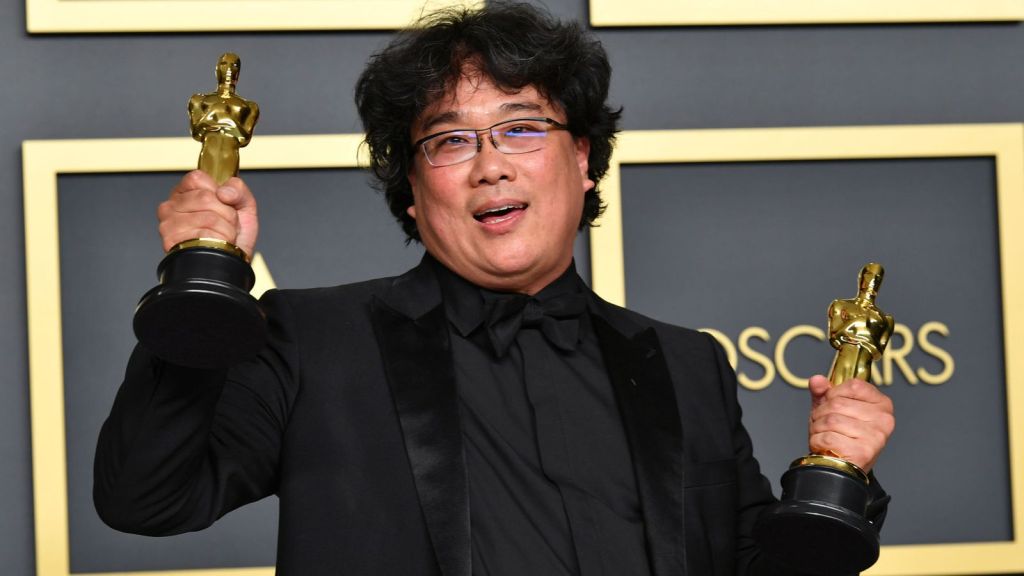
  • The universal language of cinema: ‘Parasite’ breaks barriers as 92nd Academy Award winner for Best Picture

    The universal language of cinema: ‘Parasite’ breaks barriers as 92nd Academy Award winner for Best Picture

    Once you overcome the one-inch tall barrier of subtitles, you will be introduced to so many more amazing films. – Bong Joon-ho, Oscar-winning writer and director of “Parasite”

    Before Sunday night, a lot of things were different in the world of cinema.

    A foreign language film had never won Best Picture at the Academy Awards; no South Korean film had ever earned a nomination; Walt Disney was the only person in Oscar history to win four awards at the same ceremony, doing so in 1954.

    Bong Joon-ho and the 92nd Academy Awards changed film history forever.

    The South Korean writer/director’s seventh feature, “Parasite,” a haunting and arresting drama with elements of comedy and paranoia, took home the Academy Award for Best Picture this weekend with a dynamic, unflinching look at families at the top and bottom of South Korea’s social strata.

    With wins for Best Direction, Best Original Screenplay and Best International Feature, Bong joins Disney as a four-time Oscar winner on the same night and cements South Korean cinema on the map.

    Now available widely for home viewing, there’s absolutely no reason to avoid seeing one of the best films of the 2010’s, especially as “Parasite” will likely dominate film conversation for months to come.

    Missing out at this point puts audiences at risk of ruining the film as the less viewers know about the film before seeing “Parasite,” the better the cinematic experience will be.

    In the simplest terms, “Parasite” is about two families, the affluent Park family living in a walled manor on a hill and the impoverished Kim family leeching off open Wi-Fi and free extermination in their semi-basement flat.

    When the Kim’s son is hired to serve as an English tutor for the Park’s teenage daughter, it sets in motion a series of events that will irrevocably change both families for life.

    Twists and turns masterfully crafted into the story are offset by moments of extremely poignant subtlety as Bong envelopes audiences in a world that seems infinitely close and yet constantly out of reach through perfect shot selection and camera movement that puts the viewers’ eyes on exactly what they need to see at the exact moment they need to see it.

    Although set in Seoul, the universal film realistically could have taken place anywhere and in any language with its observations on economic class conflict, greed and deception. Its biggest hindrance to mainstream success has been a relative unwillingness for subtitled films, though Bong has crafted a theatrical experience that far transcends any language barrier.

    “Parasite” is an arresting display of cinema mastery that reveals its many layers over repeat viewings and a feature whose humor, tension and drama interweave majestically over the terse two-hour running time.

    Perspective is of key importance to “Parasite” as viewers are left questioning events in the film from every angle, not knowing what’s coming next or where it’s coming from. The Oscar-winning screenplay written by Bong and Han Jin-won is an unparalleled combination of tension and release that keeps audiences on the edge of their seats.

    What’s most important about the unprecedented success of “Parasite” is what it means for the Academy moving forward, and hopefully, for the film industry as a whole.

    It’s truly remarkable that a foreign-language film broke through and won in four out of the six categories it was nominated in. But at the same time, “Parasite” failed to receive a deserved cinematography nod and none of the film’s illustrious cast was honored with a nomination despite the film winning Best Ensemble at the Screen Actors Guild awards.

    “Parasite” relies on eight actors to deliver memorable, pitch-perfect performances in order to pull off Bong’s layered screenplay and there isn’t a false step among the entire cast. Each member of the family – father, mother, son and daughter – is in sharp contrast from their mirror in the other family, as if they were playing the opposite side of the same coin.

    This year’s Academy Award Best Picture winner is a truly special, audacious cinematic masterpiece that’s uniquely of this moment in time and yet transcends the world we’re living in.

    “Parasite” was the best film of 2019, arguably the greatest film of the last decade and the correct choice by Academy voters Sunday evening.

  • 92nd Academy Awards preview: Parasite v 1917

    92nd Academy Awards preview: Parasite v 1917

    For the sake of posterity, here are my predictions and thoughts on tonight’s Academy Awards:

    Best Picture:

    Going to win – 1917, the runaway winner at BAFTA and odds on favorite tonight, the Academy will likely favor an old standard in Best Picture winners: the technically proficient, period war epic

    Should win – Parasite, probably sitting in the runner-up chair, Bong Joon-Ho’s masterpiece has a strong chance to pull the upset thanks to the preferential balloting system and is the year’s best film by a significant margin

    Dark horse – Once Upon A Time In Hollywood, the Academy loves movies about Hollywood and this Quentin Tarantino period dramedy is probably the most accessible of his filmography to Oscar voters

    Best Director:

    Going to win – Sam Mendes for 1917, Mendes should get the BP boost along with the film’s overwhelmingly spectacular technical achievements to hand him an Oscar for putting all the right pieces around him

    Should win – Bong Joon-Ho for Parasite, same story, different category, Bong creates a rich, deep world that constantly keeps audiences on the edge of their seat and masters nuance from start to finish

    Dark horse – Realistically no one, although some voters will cast their ballots for Tarantino, one of Hollywood’s best auteurs never to win this award

    Best Actor:

    Going to win – Joaquin Phoenix for Joker, the darkest, most actor-y performance of the year is essentially a guaranteed first time win for Phoenix, who elevates an otherwise marginal comic book movie to Best Picture contender worthy status

    Should win – Adam Driver for Marriage Story, a performance that is probably more nuanced than Phoenix but less showy, which doesn’t bode well given Phoenix has swept everywhere else

    Dark horse – None.

    Best Actress:

    Going to win – Renée Zellweger for Judy, a tolerable performance in a vastly mediocre film that somehow got crowned as the best of the year back in September without any real discussion or debate

    Should win – Saoirse Ronan for Little Women, a four-time Oscar nominee by the age of 25, Ronan puts together her most Oscar-y performance yet as Jo March, but with a depth of conviction and character that underlies her immense talent.

    Dark horse – Scarlett Johansson for Marriage Story, double nominated in both lead and supporting actress, Johansson is better in the first twenty minutes of Noah Baumbach’s film than Zellweger is at any moment of Judy

    Best Supporting Actor:

    Going to win – Brad Pitt for Once Upon A Time In Hollywood, a much deserved accolade for one of cinema’s best character actors who just happens to be among its most attractive, which shields out sometimes how good of a performer he is and how effortless it is for Pitt to be charming.

    Should win – Pitt

    Dark horse – Joe Pesci for The Irishman or Tom Hanks for A Beautiful Day In The Neighborhood, 2019 was a terrific year for supporting actors and both of these men could easily have run away with the award in another year.

    Best Supporting Actress:

    Going to win – Laura Dern for Marriage Story, another example of a race that was over before it began, Dern is good as a no-prisoners-taken divorce attorney but there are other performances that are as good or better that deserve more attention as well.

    Should win – Florence Pugh for Little Women, the breakout star of Midsommar takes a reviled literary character and turns the tables on audiences with a standout performance as Amy March. The most difficult performance to pull off of any of these nominees, Pugh knocks it out of the park.

    Dark horse – None

    Best Original Screenplay:

    Going to win – Parasite

    Should win – Parasite

    Dark horse – Once Upon A Time In Hollywood


    Best Adapted Screenplay: 

    Going to win – Jojo Rabbit

    Should win – Little Women

    Dark horse – The Irishman

    Best Animated Feature:

    Going to win – Klaus

    Should win – Toy Story 4

    Best International Feature:

    Going to win – Parasite

    Should win – Parasite

    Best Documentary Feature:

    Going to win – American Factory

    Should win – American Factory

    Best Original Score:

    Going to win – Joker

    Should win – 1917

    Best Original Song:

    Going to win – “(I’m Gonna) Love Me Again” from Rocketman

    Should win – “(I’m Gonna) Love Me Again” from Rocketman

    Best Sound Editing and Mixing:

    Going to win – 1917

    Should win – 1917 for editing, Once Upon A Time in Hollywood for mixing

    Best Production Design:

    Going to win – 1917

    Should win – Parasite

    Best Cinematography:

    Going to win – 1917

    Should win – 1917

    Best Makeup and Hairstyling:

    Going to win – Bombshell

    Should win – Bombshell

    Best Costume Design:

    Going to win – Jojo Rabbit

    Should win – Once Upon A Time in Hollywood

    Best Film Editing:

    Going to win – Parasite

    Should win – Parasite

    Best Visual Effects:

    Going to win – 1917

    Should win – 1917

  • 2017: A cinematic year in review

    2017: A cinematic year in review

    There’s little doubt that 2017 will go down in history books for far different reasons than its cinema.

    Films that changed the landscape of moviemaking as we know it were few and far between this year, but several – three to be exact – made game-changing impact on the possibilities big screen theatrical releases could become moving forward.

    Despite emerging sexual harassment and abuse scandals surrounding Hollywood movie mogul Harvey Weinstein and a growing number of prominent actors, online streaming outlets like Netflix and Amazon haven’t made significant strides to curb quality films from hitting the big screen…. yet.

    As a whole, the cinematic class of 2017 is special at the top and sharply dives towards the dumpster pile after about 25-30 movies. Big budget spectacles like “Pirates of the Caribbean” and “The Mummy” feel like even bigger cash grab opportunities from studios trying to bait audiences into the theater.

    Yet, the 10 best films of 2017 – and probably a dozen or so more – offered moviegoers great value on their cinematic investment every time they traveled to the local cineplex.

    This year’s recap is later than normal as I tried to catch every possible contender prior to writing, though you won’t see these lackluster, misguided movies that are the cinematic equivalent of watching paint dry on this list. All apologies to typically great filmmakers like Alexander Payne and Matt Damon (“Downsizing”), Sean Baker and Willem DaFoe (“The Florida Project”) and especially Paul Thomas Anderson and the retiring Daniel Day Lewis (“Phantom Thread”).
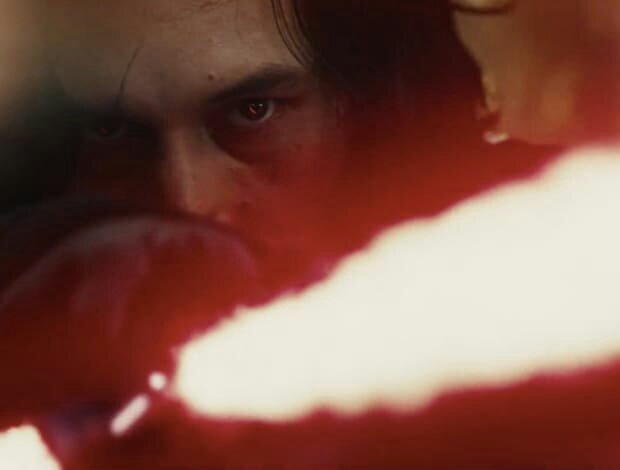
    Best supporting actor – Adam Driver, “Star Wars: The Last Jedi”

    Given more to work with in his second time as the heir apparent to Darth Vader, Adam Driver does the best work of the entire film as the eternally conflicted, yet increasingly evil son of Leia and Han Solo.

    Director Rian Johnson serves his film well by removing Kylo Ren’s Vader-inspired mask, allowing audiences to see the external and internal scars on Driver’s face. There’s so much rage in pain within Driver’s eyes; his complex performance leaps off the screen at every turn.

    While Ren projects strength and brash self-confidence, the conflict within betrays him. The nuance displayed by Driver, especially when paired against Ridley is stunning. It could very easily be the best cinematic villain since Heath Ledger’s sinister Joker in 2008’s “The Dark Knight.”

    Also considered were Woody Harrelson (“Three Billboards Outside Ebbing, Missouri”), Richard Jenkins (“The Shape of Water”), Jason Mitchell (“Mudbound”), Patrick Stewart (“Logan”) and Michael Stuhlbarg (“The Shape of Water”).
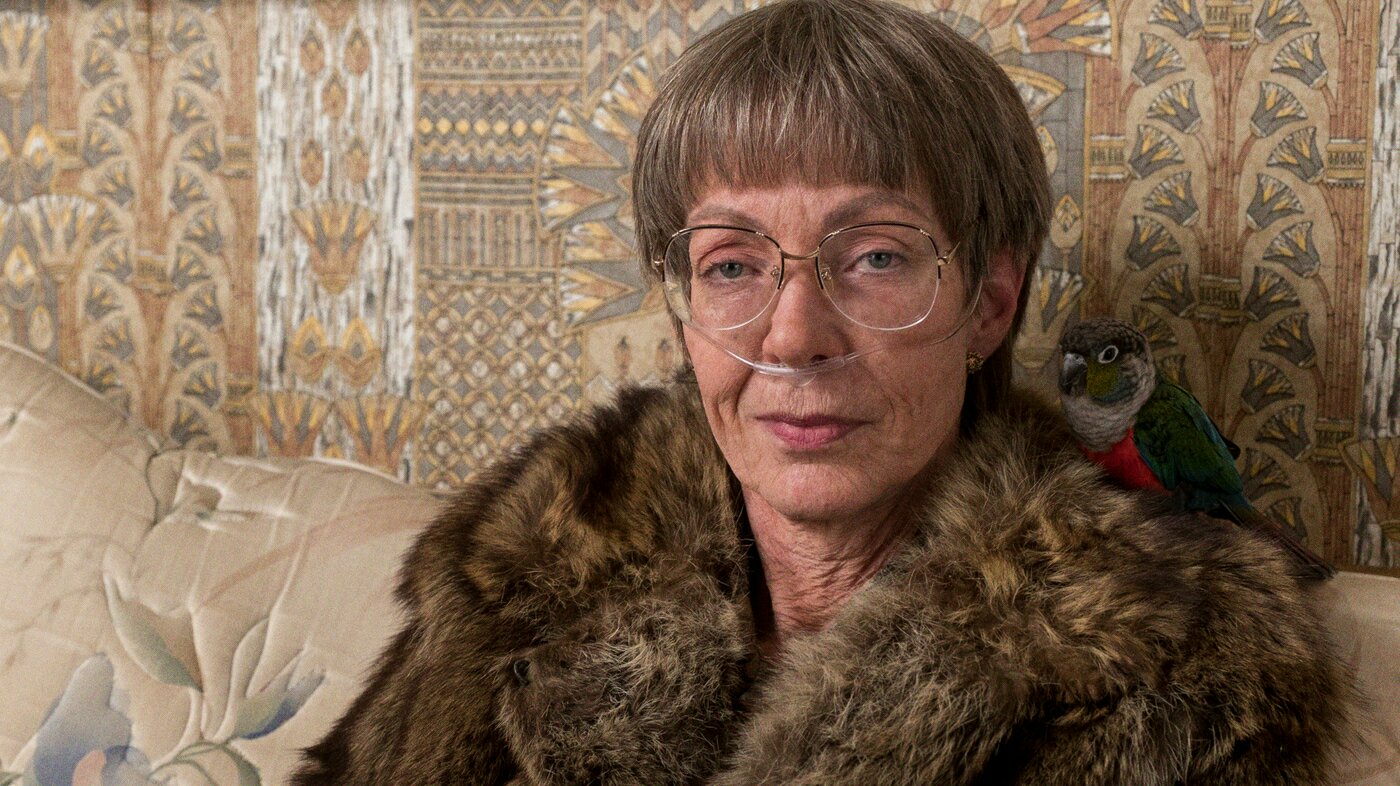
    Best supporting actress – Allison Janney, “I, Tonya”

    Margot Robbie’s terrific turn as disgraced former figure skater Tonya Harding is heavily influenced by the outstanding work of Golden Globe winner Allison Janney, who verbally and physically brutalizes her way through the script as Harding’s no-holds-barred mother LaVona. With the tact of a wrecking ball, Janney eagerly devours each scene with an indignant self-righteousness that implies her cruel-hearted parenting style to be the best way to rear a champion.

    Janney’s LaVona perfectly sums up the “she gets it from her mother” notion the film intends. Little inflections in LaVona’s speech and tone work their way into Robbie’s performance as the two dynamic actresses syncopate their work.

    Also considered were Holly Hunter (“The Big Sick”), Laurie Metcalf (“Lady Bird”) and Octavia Spencer (“The Shape of Water”).
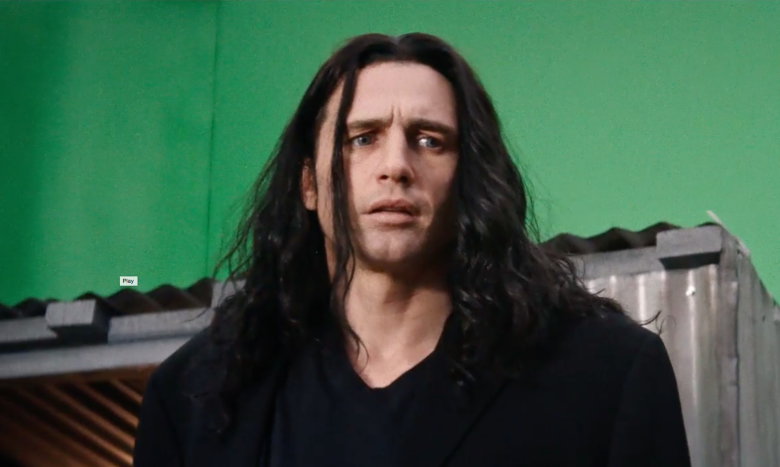
    Best actor – James Franco, “The Disaster Artist”

    Far from a traditional pick, James Franco’s seemingly ridiculous, made up performance as “The Room” director Tommy Wiseau, a man of unknown origin and wealth that either aspires to or thinks he is the next James Dean, is better than you could possibly expect. Shockingly, everything about Franco’s turn is 100 percent authentic from the cadence to the walk to Wiseau’s too-obscure-to-be-faked accent.

    While Franco is expertly versed in maximizing the humor of Wiseau’s antics, he’s equally as impressive showing off Wiseau’s emotional softer side. Franco creates a man deeply wounded by the slightest criticism and yet exceedingly resilient to bring his masterpiece to life at any cost.

    Among male actors in 2017, you’ll be hard-pressed to find a more nuanced, multifaceted character brought painstakingly to life by a performer who stayed in character even while directing a film about a man he stars in.

    Also considered were Timothee Chalamet (“Call Me By Your Name”), Jake Gyllenhaal (“Stronger”), Hugh Jackman (“Logan”) and Sam Rockwell (“Three Billboards Outside Ebbing, Missouri”).
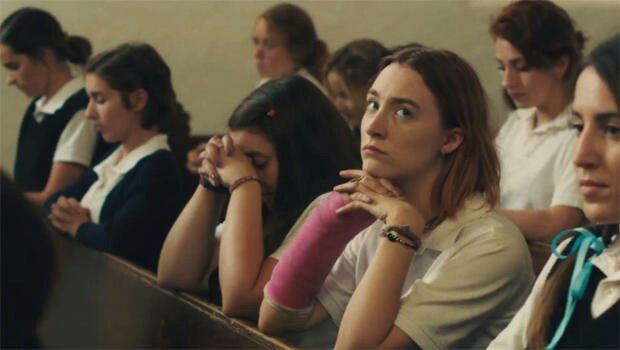
    Best actress – Saoirse Ronan, “Lady Bird”

    Irish-American actress Ronan, best known for her Oscar-nominated work in the 2015 film “Brooklyn,” dazzles as the charismatic yet rebellious Lady Bird. Ronan brings a mesmerizing confidence to the role, charming your way through scenes where whether or not the audience should like her remains ambiguous.

    It’s a daring role for the 23-year-old actress, playing against type is the girl with a constant attitude. Yet Ronan embodies a rich livelihood within the character, compelling the audience become deeply invested in her loves and losses.

    Also considered were Jessica Chastain (“Molly’s Game”), Sally Hawkins (“The Shape of Water”) and Margot Robbie (“I, Tonya”).
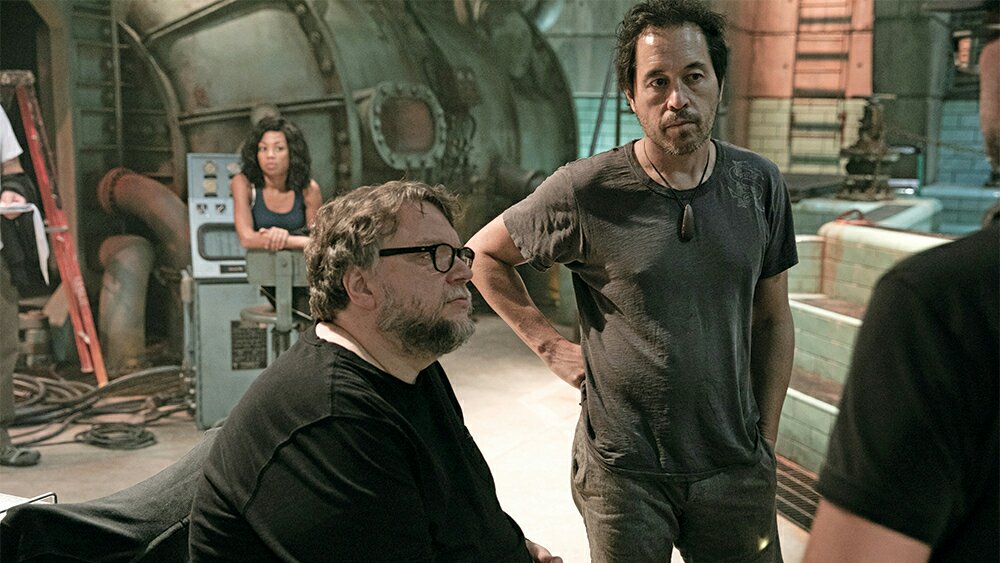
    Best director – Guillermo del Toro, “The Shape of Water”

    While the film’s actors are spectacular, “The Shape of Water” makes its mark on the cinematic landscape due to the deeply innovative, vivid world handcrafted and molded by del Toro. Each nook and cranny in the storytelling, every minute detail in the background or subtle shadow feels uniquely commanded from del Toro’s brushstroke.

    “The Shape of Water” marks the pinnacle of the Mexican auteur’s career as if every lesson, note or idea del Toro has had over the past 25 years culminated in a two-hour spectacle that has to be seen to be believed.

    Also considered were Greta Gerwig (“Lady Bird”), Craig Gillespie (“I, Tonya”), Martin McDonagh (“Three Billboards Outside Ebbing, Missouri”) and Christopher Nolan (“Dunkirk”).

    Top 10 films of 2017

    Finishing just shy of the top 10 were (in alphabetical order): “Baby Driver,” “Call Me By Your Name,” “Detroit,” “Last Flag Flying,” “Logan Lucky,” “The Meyerowitz Stories (New and Selected),” “Molly’s Game,” “The Post,” “Stronger” and “Wind River.”
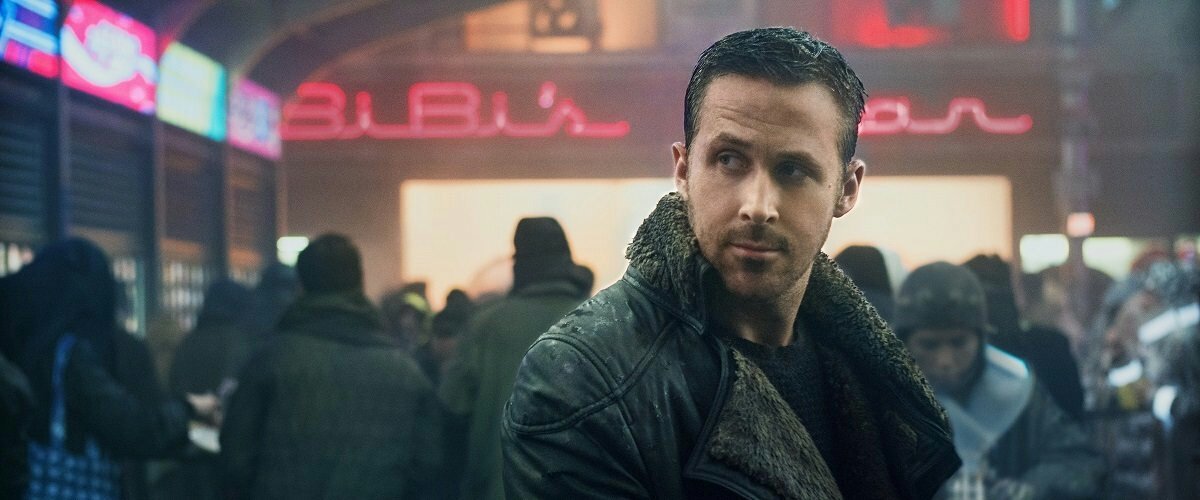
    10. “Blade Runner 2049” (directed by Denis Villeneuve, starring Ryan Gosling and Harrison Ford)

    “Blade Runner 2049” is a movie drenched in frills, crafted with a discerning eye and a work of art that will be long debated years from now as one of the best films in 2017 and in the sci-fi genre in general.

    Coming off a Best Actor Oscar nomination last year for “La La Land,” Gosling delivers a more reserved, internal turn as a young “blade runner” known simply as K. It’s a performance that won’t blow audiences away on a first viewing; there’s too much happening on screen to notice the nuance in Gosling’s somber, emotional work.

    With closer examination, viewers will appreciate the subtle changes Gosling brings out in K as the plot twists and winds towards its conclusion. K’s conflict as he struggles with his humanity and the job required of him is delicately unwoven by Gosling in a performance rarely matched in science fiction filmmaking.

    Thirty-five years after starring in “Blade Runner,” Ford returns in “2049” with a decidedly smaller, but equally intriguing performance as now-retired blade runner Rick Deckard. While it may seem at first glance that Ford lacks interest in revisiting old roles, he invigorates Deckard with a well-worn weariness that hides deeper emotion.

    Villeneuve takes his time with a deliberate, metered film that allows “Blade Runner 2049” plenty of room to breathe. This lingering in and out of scenes will thrill viewers mesmerized by the vibrant cinematography and will infuriate audience members longing for the film to shave off 20-30 minutes off its running time.

    But “2049” would be such a dramatically different, lesser film if constrained by time that its slight excesses become wholly justifiable and necessary to the overall success of the film.

    Visually, “Blade Runner 2049” is one of the most dynamic, spectacular pieces of cinematic art you’ll find in a long time. The care, craft and artistry taken to frame, light and shoot each second of “Blade Runner 2049” is so meticulously designed that the film stands as a 160-minute advertisement advocating for the continued longevity of cinema as an art form best seen on the big screen of a movie theater.

    Dynamic and captivating, “Blade Runner 2049” is without question one of the best films to arrive in theaters in 2017. Its picture-perfect cinematography and terrific performances combined with a complex storyline and lengthy running time make “2049” a must see or a must skip film depending on what kind of moviegoer you are.
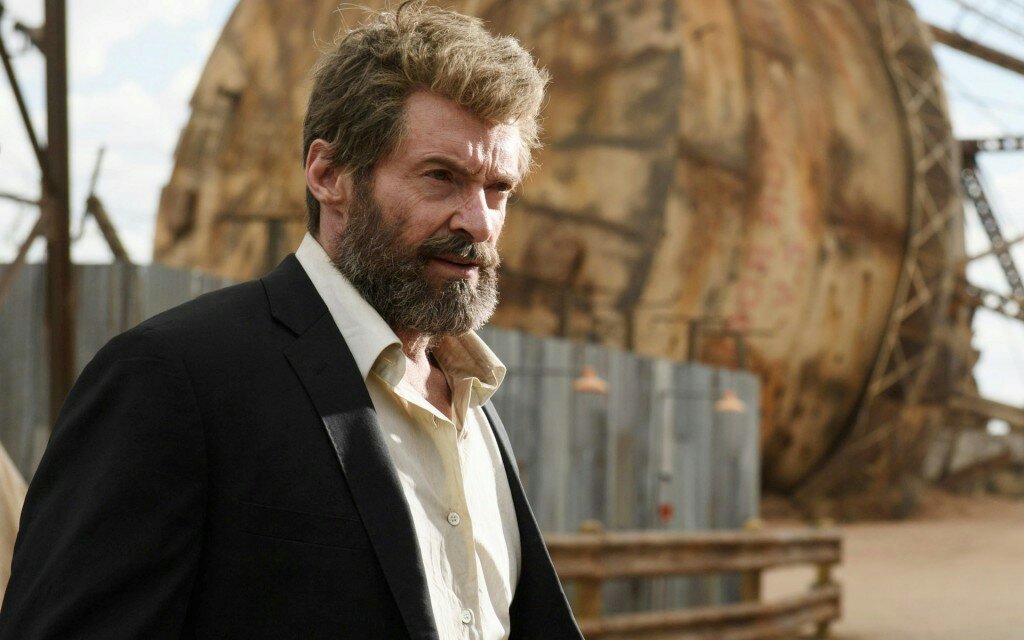
    9. “Logan” (directed by James Mangold, starring Hugh Jackman and Patrick Stewart)

    Hugh Jackman has been synonymous with the comic book hero Wolverine since his debut in Bryan Singer’s “X-Men” arrived on screen in 2000.
    Seventeen years later, Jackman takes his final bow as the claw-wielding, self-healing mutant in James Mangold’s “Logan,” a brutally daring epic that wows audiences from start to finish with its dark tone and ruthless efficiency.

    The haunting, heartfelt character-driven drama is the first real attempt at prestige cinema in the superhero genre since 2008’s “The Dark Knight,” cementing its place as one of the all-time greats among comic book movies. “Logan” is unquestionably the definitive X-Men film and a career peak for both Oscar nominee Jackman and “Star Trek” heavyweight Patrick Stewart, now in his fifth turn as Professor Charles Xavier. The film bears a striking resemblance in tone to classic westerns like “Unforgiven,” “True Grit” and “Shane.”

    Performances in comic book adaptations rarely aspire to noteworthy – let alone award contending – turns, but Jackman turns in a powerful, nuanced performance as the titular Logan that will ultimately rank in the top three acting efforts in the history of not only the superhero genre, but of Jackman’s career as well.

    While Jackman has always given the Wolverine character a rough, primal exterior, his inner turmoil bubbles to the surface like never before in the most intriguing ways in “Logan.” The pained, exhausted grimace his character radiates on screen from start to finish invokes the weary gunfighter motifs made famous by cinema’s most heralded westerns. His weapons may be adamantium rather than steel and stab rather than shoot, but Logan carries emotional and physical scars from decades of battles on his chest like a badge of honor turned into a constant, painful reminder of the hellish journey.

    The entire film lives and dies on Jackman’s every movement, with the film’s harrowing action sequences only serving to reinforce the brutality and pain Logan has endured. In the hands of a lesser actor, the character as written on the page could have been woefully mishandled, but Jackman approaches each scene, each moment in time with such care and precision that a complete fantasy tale is enveloped with deep, rich humanity.

    Thespian extraordinaire Stewart also rises to the challenge in a wonderfully compelling turn as Xavier, Logan’s mentor and the world’s most powerful telepath suffering from a neurodegenerative disease. The performance ranges the gambit from beautifully neurotic to outlandishly mad and back again to a warm kindness that belies just how perfect and secretly charismatic Stewart is in the role.

    It should be noted that, unlike nearly all other films in the genre, “Logan” earns a hard “R” rating for deep, bloody violence true to the Wolverine character from the comic books, but largely missing from superhero movies in general. Whereas in most previous X-Men installments the camera cuts away as Wolverine stabs a bad guy with his claws, “Logan” forces audiences to face the brutality of the character head-on.
    Mangold uses this bloody, graphic imagery not to engage the bloodlust of his audience, rather to reinforce the emotional stakes of the film by putting Logan’s visceral nature (and the toll that comes along with it) on display. Audiences are forced to feel the deaths Wolverine causes on an emotional level as the character does, further rooting Logan’s struggle in a more human context.

    Visually, “Logan” is a dynamic, spectacular film that takes its lead character’s gritty persona and captures that same tone frame to frame with a sandy, worn hue. Fight sequences rely on expertly designed choreography instead of budget-bursting computer graphics and further accentuate the realistic tone Mangold sets out to achieve in the film.

    Without question, “Logan” is an instant classic and one of the most intriguing, impactful performances in Jackman’s career. While some cursory background knowledge of the X-Men universe is certainly helpful in understanding “Logan,” it isn’t necessary to enjoy Mangold’s brilliant piece of cinema.
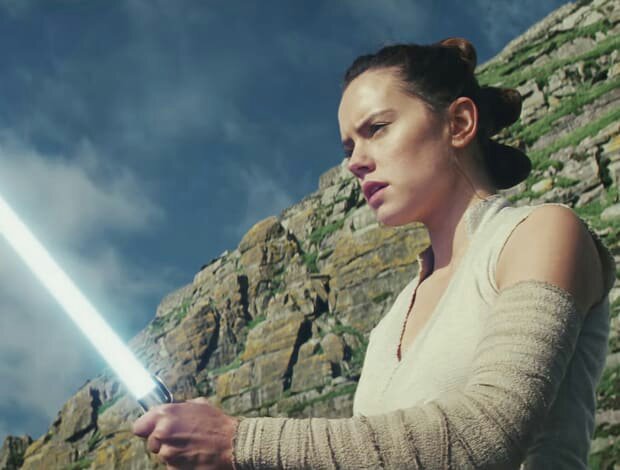
    8. “Star Wars: The Last Jedi” (directed by Rian Johnson, starring Carrie Fisher, Mark Hamill and Daisy Ridley)

    “The Last Jedi” isn’t the “Star Wars” installment anyone wanted. It’s the one we all deserve.

    Everyone from casual moviegoers to hardcore sci-fi nerds has an opinion on one of the most talked about films this decade.

    It’s easy to nitpick such a broad, bombastic film series, but “The Last Jedi” seeks to please many masters, most of whom have widely varying opinions about what a “Star Wars” film should be. As moviegoers, we are allowed – and outright expected – to make each and every installment our own, that there is a place for all of us in the “Star Wars” universe.

    It’s the same notion that makes us question whether or not we like “The Last Jedi” because it isn’t what we dreamed it would be. And that’s okay.

    Many of Johnson’s unique visual choices will soon go down as iconic moments in the history of the franchise, most notably a stunning battle sequence inside a First Order ship and the film’s climatic ending, which may leave viewers simultaneously in awe and in tears.

    It’s highly doubtful that “The Last Jedi” will make much of an impact come awards season, though this doesn’t mean at the latest Star Wars film isn’t a contender for one of the year’s ten best. In the hands of a decorated auteur like Johnson, “The Last Jedi” is proof positive that cinematic creativity in blockbuster filmmaking can enhance a film’s quality without jeopardizing the bottom line.

    Audiences will laugh, they’ll cry and they may even complain a little (or more realistically, a lot). But this isn’t to say that “Star Wars: Episode VIII” doesn’t deliver on the promise that “The Force Awakens” started.
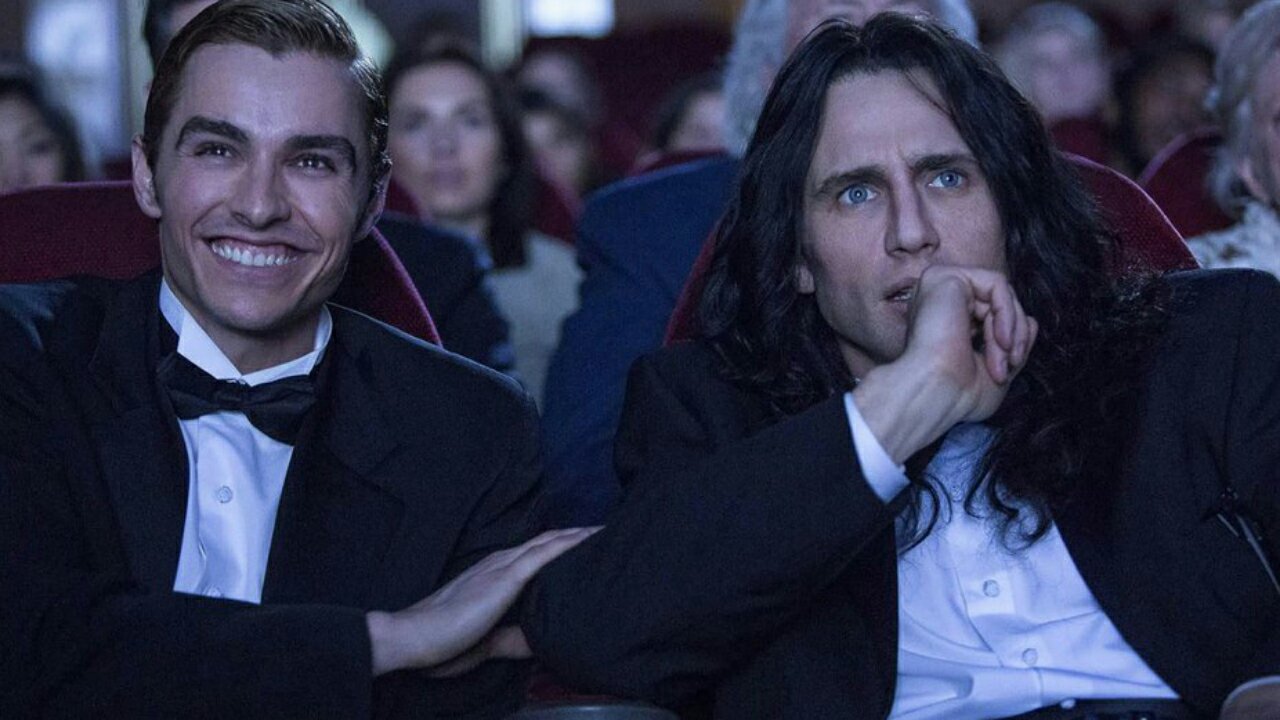
    7. “The Disaster Artist” (directed by James Franco, starring James Franco and Dave Franco)

    Movies about making movies seem to come along all the time, so what makes director/star James Franco’s bombastic biopic “The Disaster Artist” special?

    Amid all of the crude, avant-garde humor one might expect to find in a Franco film, “The Disaster Artist” layers a vibrant amount of drama and offers perhaps the most heart of any 2017 film.

    If you haven’t seen 2013’s “The Room,” writer/director/star Tommy Wiseau’s cult classic film, don’t. “The Disaster Artist” offer an unique and mesmerizing cinematic journey that would almost be stunted if audiences know too much going in.

    The film’s hook is obvious. A crazy man with way too much time and money on his hands makes probably one of the worst movies this century.

    Yet his motives are so well-intentioned – a point “The Disaster Artist” lovingly hammers home – that it’s impossible not to be carried away by Wiseau’s charismatic, electrically eccentric personality and the show stopping portrayal of Wiseau by Franco.
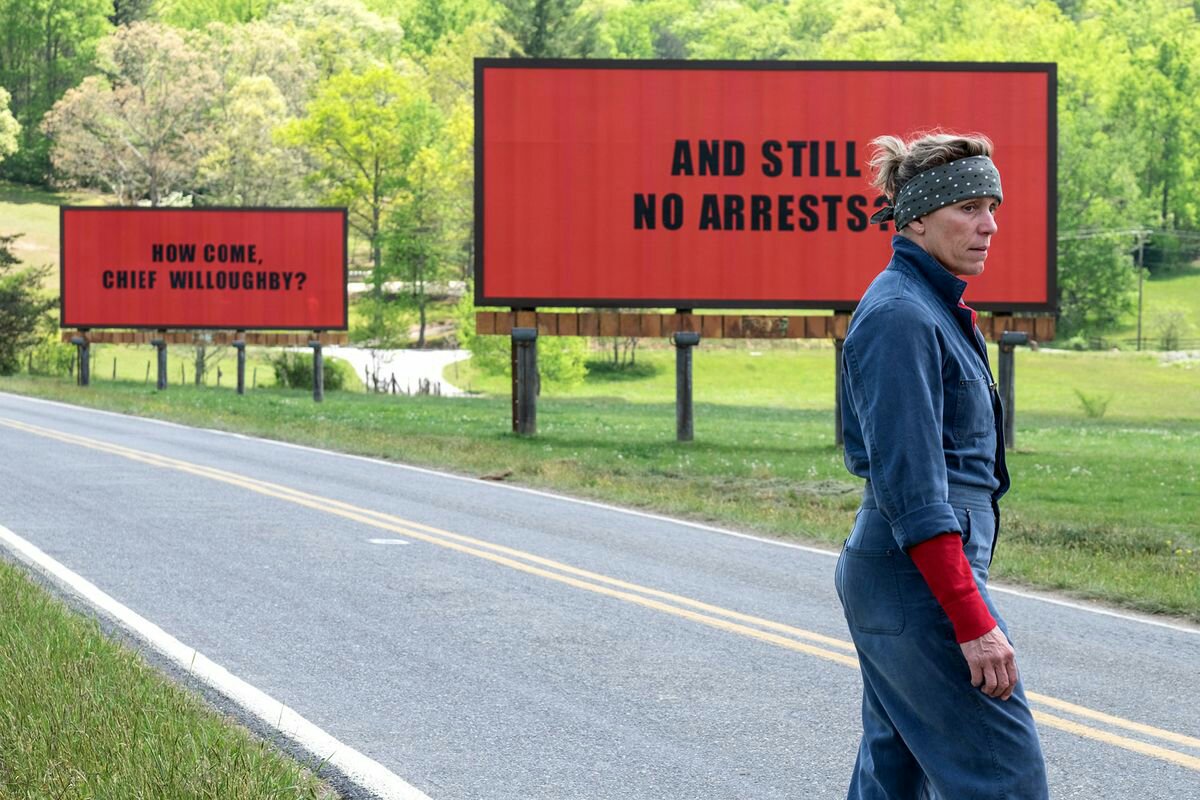
    6. “Three Billboards Outside Ebbing, Missouri” (directed by Martin McDonagh, starring Frances McDormand, Sam Rockwell and Woody Harrelson)

    There is no such place as Ebbing, Missouri, regardless of how ripped straight out of current-day America it might be. In Martin McDonagh’s latest film, the Midwest rarely feels as vibrant on film.

    Potential audiences will want to approach this movie with caution as “Three Billboards Outside Ebbing, Missouri” is one of the year’s most provocative, colorful films. It’s a divisive endeavor where characters are just as liable to get thrown out of a plate glass window as have deep, meaningful conversations.

    Frances McDormand delivers one of the most outstanding performances of her career with “Three Billboards,” certainly the best since her Oscar-winning turn in 1996’s “Fargo.” McDormand layers Mildred with a sly wit and a devil-may-care intensity, while not so subtly hiding deep emotional scars within. Her complex performance makes Mildred a character viewers can easily empathize with despite the exceedingly bold, radical decisions Mildred makes over the course of the film.

    Veteran character actor Sam Rockwell has the most to play with slightly incompetent, mostly racist Officer Dixon and does not disappoint with an equally charismatic yet disturbing performance. His Dixon is the personification of the simple-minded law enforcement officer turned on its head, riddled with insecurity in spite of glimmers of potential. Rockwell’s natural charm prevents Dixon from becoming too unlikable and the actor’s gradual turn over the course of the film is textbook character acting.

    Woody Harrelson also shines as the exceedingly likeable sheriff who may or may not have done enough on Mildred’s daughter’s case. In limited screen time, Harrelson propels the film forward with a metered, even-keeled performance that resonates throughout the entire two hours.

    “Three Billboards” isn’t the most interesting of McDonagh’s films. That honor goes to the hyper violent, cynical comedy “Seven Psychopaths,” also starring Rockwell. Ironically in spite of its quirks, “Three Billboards” might be McDonagh’s most accessible film thanks to its sharp writing and bevvy of layered performances.

    The film is expertly paced, shifting gears from high octane action to sombering melodrama with ease and always keeping audiences on their toes guessing what will come next.

    Deserving of its R rating, “Three Billboards” is a brash, crude film that refuses to hold back at any point. McDonagh carefully crafts an enchanting, sadistic piece of cinema that some viewers might find excessive or offensive and yet struggle to turn away.

    Sometimes in spite of itself, “Three Billboards” is a film that demands to be seen no matter how off color or outlandish things get. British writer/director McDonagh colors the world of small Ebbing, Missouri with rich, interesting characters that compel audiences to watch just a little bit longer in spite of themselves.

    “Three Billboards” is a film audiences will be talking about for months to come and can’t miss piece of cinema.
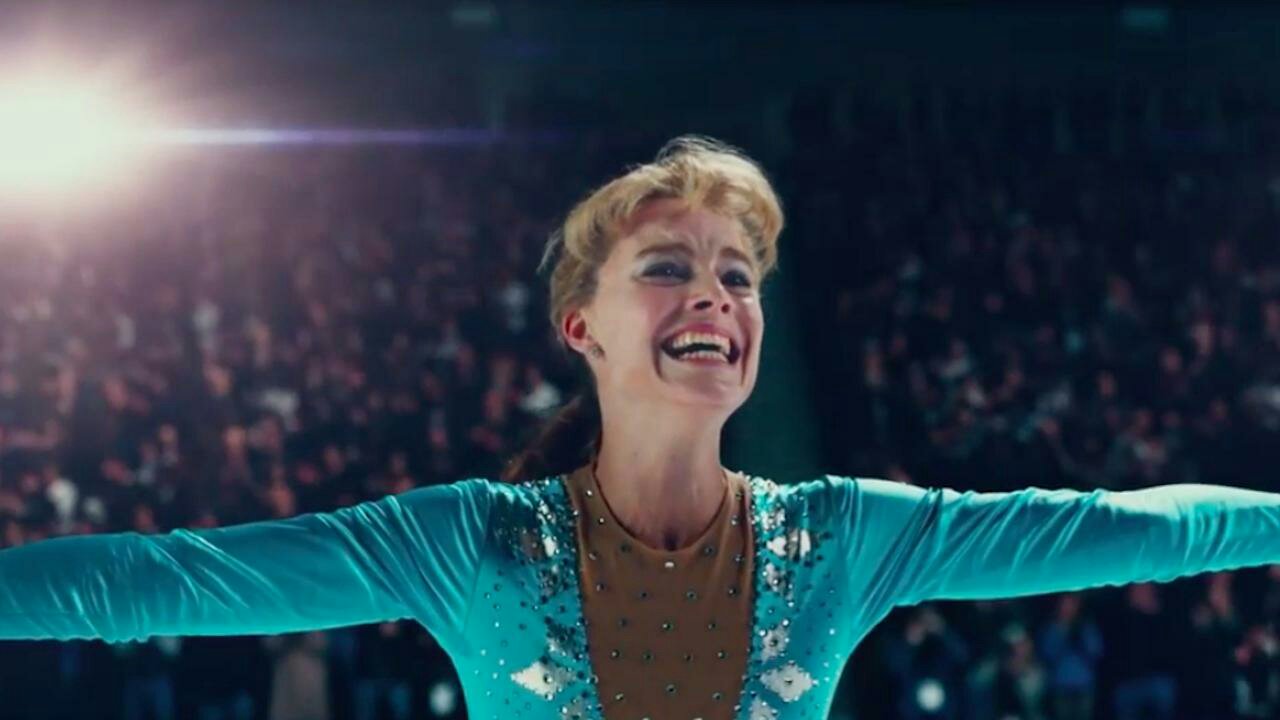
    5. “I, Tonya” (directed by Craig Gillespie, starring Margot Robbie, Allison Janney and Sebastian Stan)

    Born from a pair of highly contradictory interviews, director Craig Gillespie’s outlandish tale from the wrong side of the tracks who just wants to figure skate has unsurprisingly become one of the year’s most side-splitting comedies.

    “I, Tonya” follows the roller coaster life of an elite sport’s most blue-collar athlete whose rise to fame in the early 90s became forever marred by an attack on her figure skating rival that Tonya Harding may or may not have been complicit in planning.

    The film packs a lot of punch within its two-hour running time even offers those familiar with the events new, personal insight into the hows and whys.

    “I, Tonya” is blessed with an incredible, richly constructed script from Steven Rogers, which balances a whole host of unreliable narrators in an attempt to explain and give context to the rise and fall of Harding. Based on extensive interviews Rogers conducted with both Harding and Gillooly, “I, Tonya” fondly evokes the hysterical chaos of “Goodfellas” while maintaining a casual earnestness that could come across as a way to seek redemption for Harding’s shortcomings.

    Gillespie keeps the action flowing at a constant, rapid fire pace that rarely gives the audience time to breathe. This allows viewers to remain engaged and connected to the story during the film’s more outlandish, unbelievable moments and maintain some semblance of authentic plausibility.

    A tragic laugh riot from start to finish, “I, Tonya” builds off a strong script with a pair of outstanding performances to deliver one of 2017’s most engaging, exciting films.
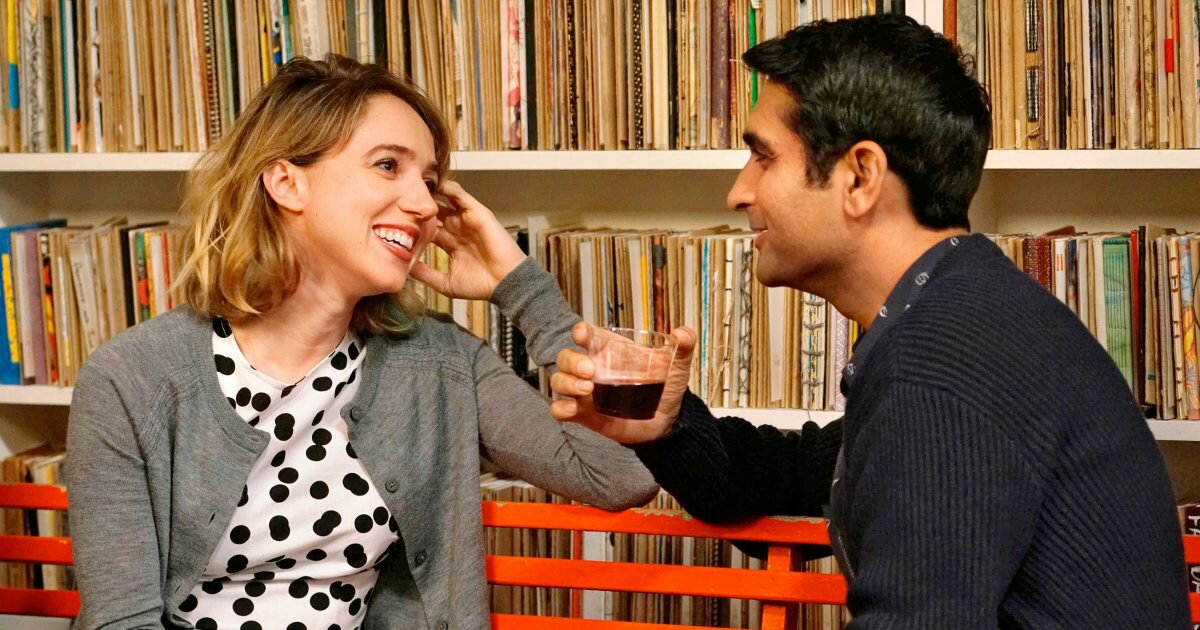
    4. “The Big Sick” (directed by Michael Showalter, starring Kumail Nanjiani and Zoe Kazan)

    Falling in love with a girl in a coma sounds like a corny premise for a romantic comedy.

    But “The Big Sick” isn’t simply a knockoff of “While You Were Sleeping.” It’s something much, much more.

    Based on the true romance of star Kumail Nanjiani and his wife Emily V. Gordon, “The Big Sick” is one of the most honest, straightforward, quality pieces of American cinema this decade. There’s nothing flashy; no gimmick cameos or mindless dirty comedy bits.

    “The Big Sick” is a story of boy meets girl, refreshingly simple and genuine. It’s one of the best movies of 2017 and you have to see it as soon as possible.

    Though it helps that the “Silicon Valley” actor is playing himself in a film he co-wrote, it never truly feels like Nanjiani is acting in “The Big Sick.” The performance is so effortless and genuine that it often feels documentary in nature, making Kumail easy to root for in spite of some of the admittedly stupid things he says to Emily. His performance encapsulates everything that makes “The Big Sick” a special film: casually charming, simple and straightforward in nature.

    Even though Kazan’s Emily is in a coma for a large portion of the movie, her work is so radiant and enjoyable early that Emily always feels present in every scene despite Kazan not being on screen. Her natural chemistry with Nanjiani carries the day in a film that could easily fall off the rails. Audiences want Kumail and Emily to make it as a couple just as much for Kazan’s endearing performance as they do for Nanjiani’s simple honesty, a true testament to both actors.

    The biggest strength of “The Big Sick” is how perfectly the film turns on a dime from traditional rom-com to something much deeper, a credit to director Michael Showalter for bringing Nanjiani and Gordon’s script to life in an organic, authentic way. There’s never a “this is the time to get sad” moment in the film. Events flow naturally and progress as real life impacts Kumail, Emily and their families.

    Producer Judd Apatow, well known for raunchy coming of age comedies like “Superbad” and “Knocked Up,” has carved out a niche in recent years helping comedians make honest, layered comedies from 2009’s “Funny People” to to 2015’s “Trainwreck” to the 2016 Netflix miniseries “Love.” As the driving force behind getting “The Big Sick” made, Apatow pressed Nanjiani to hone the film’s script over four years. The result is one of the best written comedies in more than a decade.

    “The Big Sick” turns the corner for the romantic comedy genre, hopefully leading Hollywood to develop more honest, original films. Nanjiani’s film is the new standard by which rom-coms heading forward should be judged and it’s a film that audiences should seek out.
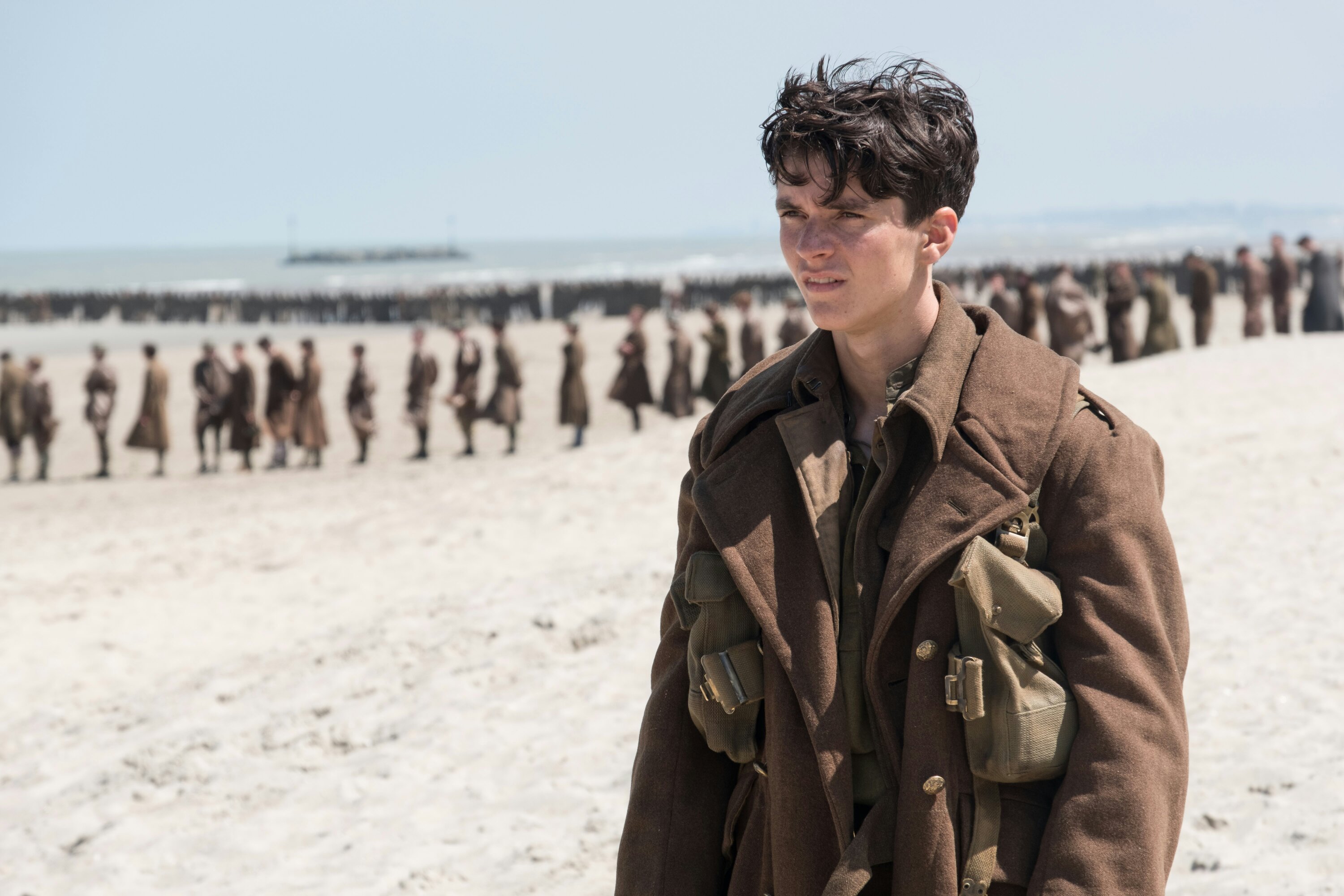
    3. “Dunkirk” (directed by Christopher Nolan, starring Tom Hardy and Mark Rylance)

    Films like “Dunkirk” are why we go to the movies.

    Christopher Nolan, famed British auteur of award-winning movies like “Inception” and “The Dark Knight,” cements his directorial seal on the historical drama genre with “Dunkirk,” a sweeping World War II film unlike anything you’ve ever seen before. Audiences will have to pay careful attention to the nuances of how and why Nolan weaves these three plotlines into one cohesive story.

    Better still, “Dunkirk” is a film that begs repeat viewing; first to become fully immersed in the captivating grandeur of Nolan’s spectacle and then later to capture all the subtlety required to completely understand the film’s brilliance.

    A true ensemble piece, “Dunkirk” has a bevy of veteran and novice actors offering poignant, stoic performances that blend together flawlessly. Whether it’s Oscar winner Mark Rylance at the helm of a small yacht headed towards war or newcomer Fionn Whitehead becoming overwhelmed on the beaches, there are no stars here. Not Tom Hardy and surprisingly not even former “One Direction” band member Harry Styles feel too big for “Dunkirk.”

    By keeping character development intentionally minimal and using a large number of relatively unknown British actors in major roles, “Dunkirk” thrives on the intense urgency of war as anyone involved in the conflict could die at any moment.

    Words are spoken only when absolutely necessary and names are even less important in “Dunkirk,” perhaps the most intriguing and avant-garde way Nolan tells a conventional historical drama in the least conventional way.

    For his rousing turn as a shell-shocked sailor pulled from the water, Cillian Murphy is credited simply as Shivering Soldier. It’s a mere example of just how insistent Nolan is in making “Dunkirk” about thousands rather than a tale of a single individual or small group of soldiers. The focus is on the bigger picture – rightfully so – and often driven home with iconic, wide sweeping shots.

    Watching Nolan movies on the big screen has always been a must-see cinematic experience, but where audiences see his latest film matters more than ever. Nolan and director of photography Hoyte von Hoytema shot “Dunkirk” using primarily IMAX cameras on 70mm film, a rarely used format that makes panorama shots feel like intense close-ups. Watching “Dunkirk” on a regular movie projector dulls the film’s vibrancy and prevents audiences from feeling the full weight of the tension Nolan seeks to create on screen.

    The remarkable claustrophobia that pervades many of Nolan’s most intimate scenes, combined with an Oscar-worthy score from legendary composer Hans Zimmer, gives “Dunkirk” a colossal feel that no amount of computer generated imagery could replicate.

    With “Dunkirk,” Nolan continues to prove why he’s a true cinema master with his most personal and tightly composed feature to date.
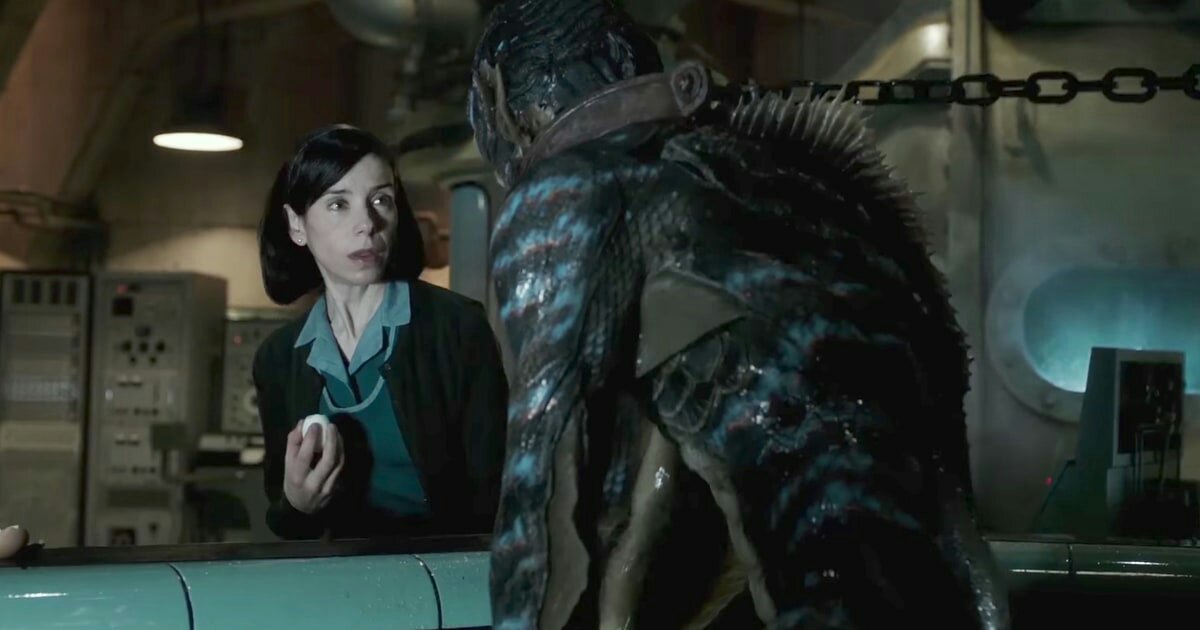
    2. “The Shape of Water” (directed by Guillermo del Toro, starring Sally Hawkins, Richard Jenkins, Michael Shannon and Octavia Spencer)

    It feels counterintuitive to suggest that a dark, melancholy monster movie could turn into a landmark piece of cinema.

    But in the hands of Mexican auteur Guillermo del Toro, “The Shape of Water” elevates beyond genre expectations in transforms hearts and minds of cynical moviegoers with an unexpected, deeply personal adventure that will captivate any audience willing to give it a chance.

    This avant garde, stunningly beautiful film melds 1960s Americana with classic monster movie and Cold War spy thriller. At its core, “The Shape of Water” is about a mute woman whose mutual infatuation with a monstrous prisoner locked inside a government research facility.

    Part museum painting come to life and part “Creature from the Black Lagoon,” the film’s genre-bending execution twists “The Shape of Water” into a darkly complex, richly layered fairytale that will antagonize and intrigue audiences.

    Freed from the constraints of dialogue, Sally Hawkins is given the rare opportunity to wholeheartedly emote as the shy, naive Eliza. Hawkins’ natural expressiveness speaks volumes with her eyes and hands painting a picture far more vivid than words would allow.

    Actions on the script page and instructions from the director inform her choices, but Hawkins is fully able to create Eliza without limitations. This provides audiences with an unusual, yet intriguing lens to experience del Toro’s imaginative world construct.

    Perhaps the most stunning performance in the entire film comes from Doug Jones, a six-time del Toro collaborator who melts into an athletically challenging, nuanced turn as the mysterious creature known simply as “the asset.”

    It’s easy to overlook Jones’ work because of the captivating, detailed costume that transforms the wiry, unassuming man into a hulking monster. But for as good as Hawkins is as Eliza, the film’s central romance simply doesn’t work without Jones’ careful, emotional physicality to balance out the story.

    “The Shape of Water” revels in its exemplary supporting performances with memorable, challenging turns from Michael Shannon as the film’s primary antagonist and Golden Globe-nominated efforts from Richard Jenkins as Eliza’s closeted neighbor and Octavia Spencer as her co-worker and de facto guardian angel.

    It would be a mistake to passively watch “The Shape of Water,” opting to wait until del Toro’s cinematic opus is available for rental or streaming. On its technical merits alone, “The Shape of Water” to be seen on the big screen where viewers can be completely engulfed by the film’s magical sights and sounds.

    “The Shape of Water” is not for everyone. Its roots firmly placed in 1960s nostalgia and unconventional examination of love and sexuality make it a difficult watch for some viewers.

    If you can allow yourself to be transported inside del Toro’s mind as he intends, “The Shape of Water” is a rare cinematic experience that might only come along once every decade or so.
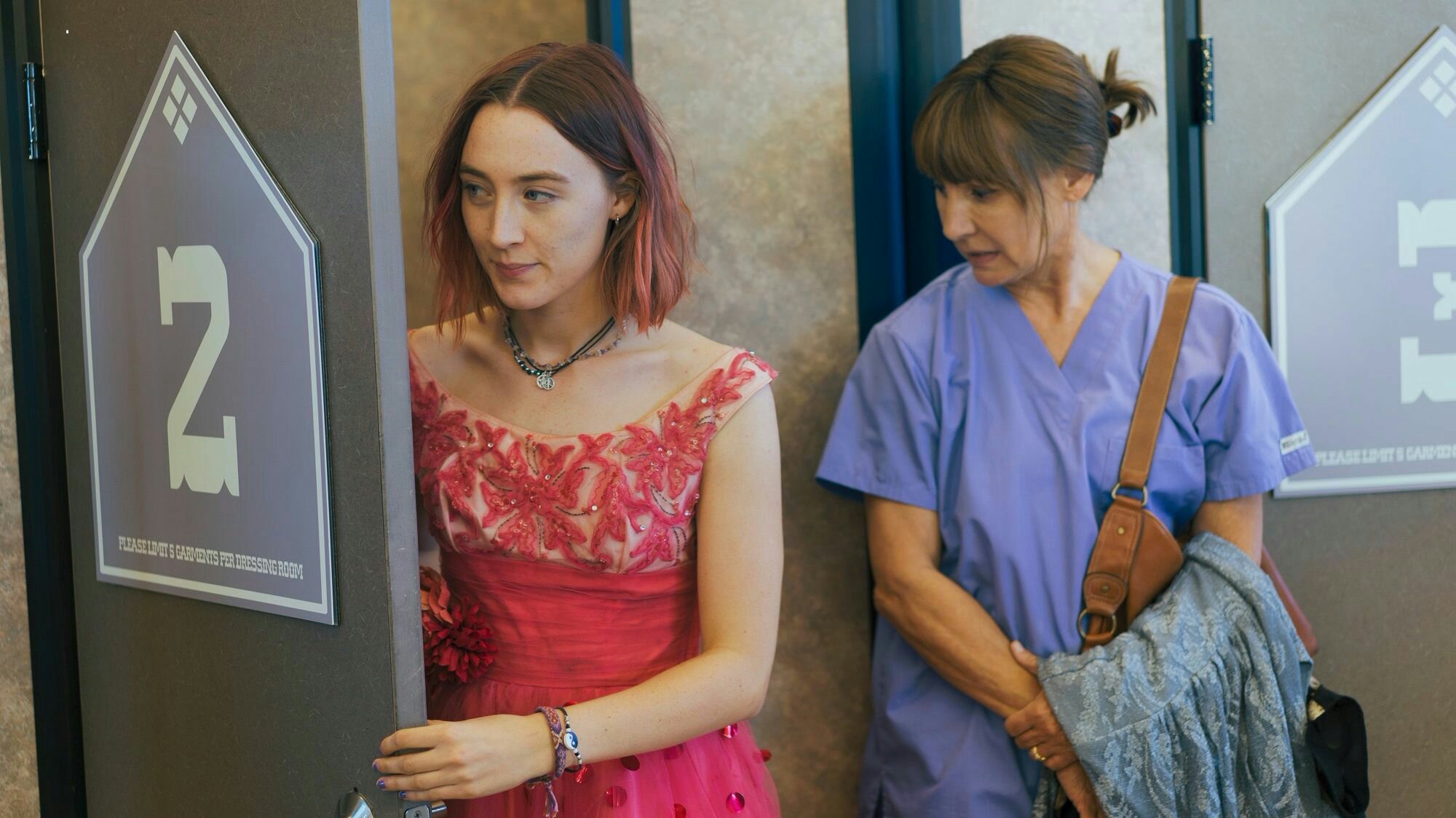
    1. “Lady Bird” (directed by Greta Gerwig, starring Saoirse Ronan and Laurie Metcalf)

    “Lady Bird” represents something more dynamic and changing within modern filmmaking, a new pinnacle for female-led and female driven cinema that transcends genre and becomes something much more unique and revolutionary. It’s “Wonder Woman” on cinematic steroids, without all that CGI muddling the frame and one of the year’s three best screenplays.

    You’d be hard-pressed to find more vivid, authentic female characters than in “Lady Bird,” writer/director Greta Gerwig’s deeply personal drama about an outcast high school senior growing up in Sacramento, California in late 2002. Though not based on a real story, Gerwig’s vibrant, natural tale of a young woman who insists on being called Lady Bird in order to stand out feels immensely biopic in nature in spite of how different the titular character might be from Gerwig’s own life experiences.

    It may be difficult to tell at first glance, but Gerwig’s directorial debut has her unique signature stamped all over the film. While many writer-directors allow more free flowing improvisation and ad-lib, Gerwig stresses strict adherence to the written word on the page. This ironically gives actors more freedom to find the characters’ inner voice rather than its literal one and the result is deeper, more intense character study.

    There’s also a deep richness to the cinematography, which feels ripped out of the late 60s or early 70s despite its 2002 setting. Cinematographer Sam Levy gives Lady Bird a distinct, vintage hue as if a slightly transparent paper covered the camera lens at all times, filling the screen with a lightly faded, yellow tone.

    It’s difficult to adequately describe the feeling you get while watching “Lady Bird” for the first time in theaters. There hasn’t been a film that more accurately depicts the transition out of adolescent life since Mike Nichols’ 1967 powerhouse “The Graduate.”

    “Lady Bird” is that good. Be sure not to miss out on one of the decade’s ten best movies. You’ll be doing yourself a major disservice if you don’t see this transformative film at least once.

  • Going In Style: Heist movie equal parts hits and misses 

    Going In Style: Heist movie equal parts hits and misses 

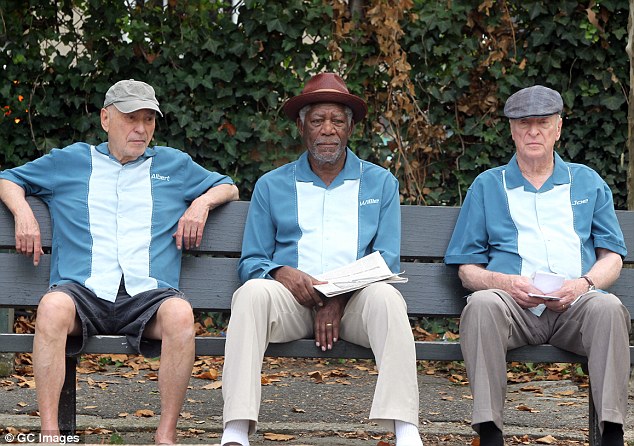
    There’s nothing terribly wrong with “Going In Style,” the comedy crime caper about aging steel workers who plan a bank heist after being robbed of their pensions.

    But for a film starring three Academy Award winners, director Zach Braff’s adaptation of the 1979 movie of the same name just feels flat. “Going In Style” is a leisurely stroll through the park rather than the raucous joyride audiences may have expected going into the theaters.

    Senior citizens Joe (Michael Caine), Willie (Morgan Freeman) and Al (Alan Arkin) have worked together for decades, but a poor economy has left them out of work and without their pensions. When Joe observes a bank robbery take place, he gathers his longtime friends together to settle the score and  make their families whole.

    It’s impossible to discuss the performance of any one of the leads without the other two, mainly because the characters Arkin, Caine and Freeman play are so interchangeable and shades of the same basic archetype: senior gentleman doing bad for altruistic purposes.

    The chemistry between the trio is considerable and makes up most of the best moments within “Going In Style.” Banter between Joe, Willie and Al is dynamically genuine and the three actors feel like they’ve been friends for years. 

    Scenes involving all three leads work better than any single subplot – Joe’s house has been foreclosed on, Willie can’t afford to fly cross-country to see his granddaughter and Al is getting romantically involved with a supermarket employee. Each of the three leads is given ample screen time to shine on their own, but it’s hard as a viewer not to want “Going In Style” to rush the trio back together again.

    “Back To The Future” star Christopher Lloyd makes the most of his short time on screen as aloof, misguided lodge buddy Milton. There’s so much charm in Lloyd’s effortless performance that it’s constantly heart-warming to see Milton every time he shows up. It’s the perfect supporting role of the movie. Milton appears often enough to get a laugh or two at his expense, but not so often that the returns diminish in quality.

    Ann-Margret is a welcome surprise as Al’s love interest Annie, though nothing in her small supporting performance is remarkably dissimilar to her turn in the “Grumpy Old Men” movies.

    Braff is not the best choice to direct “Going In Style” as he lacks the vision necessary to adapt Theodore Melfi’s script into a crisp, energetic comedy. His films work best when he directs his own material, which reflect the slow, plodding mumblecore genre of movies Braff helped create with pictures like his 2004 effort “Garden State.” 

    Melfi should have taken the reins on the film, coming off of back to back success directing his screenplays for 2014’s “St. Vincent” and the 2016 Academy Award nominated box-office hit “Hidden Figures.” Both of those films have a more engaging, character-driven pace that Melfi could have infused “Going In Style” with to make the overall experience more enjoyable.

    You can’t really go too wrong with Freeman, Caine and Arkin headlining a movie, though “Going In Style” isn’t exactly a strong entry in the filmography of any of the Oscar winners.

    The “go big or go home” mentality of the bank heist plot doesn’t particularly mesh well with the low energy screen adaptation, making “Going In Style” a largely forgettable movie experience.
    Audiences already planning a trip to the theaters might consider “Going In Style” as a better option than other critical and commercial misses, but it’s not a film worth going out of your way to see as soon as possible.

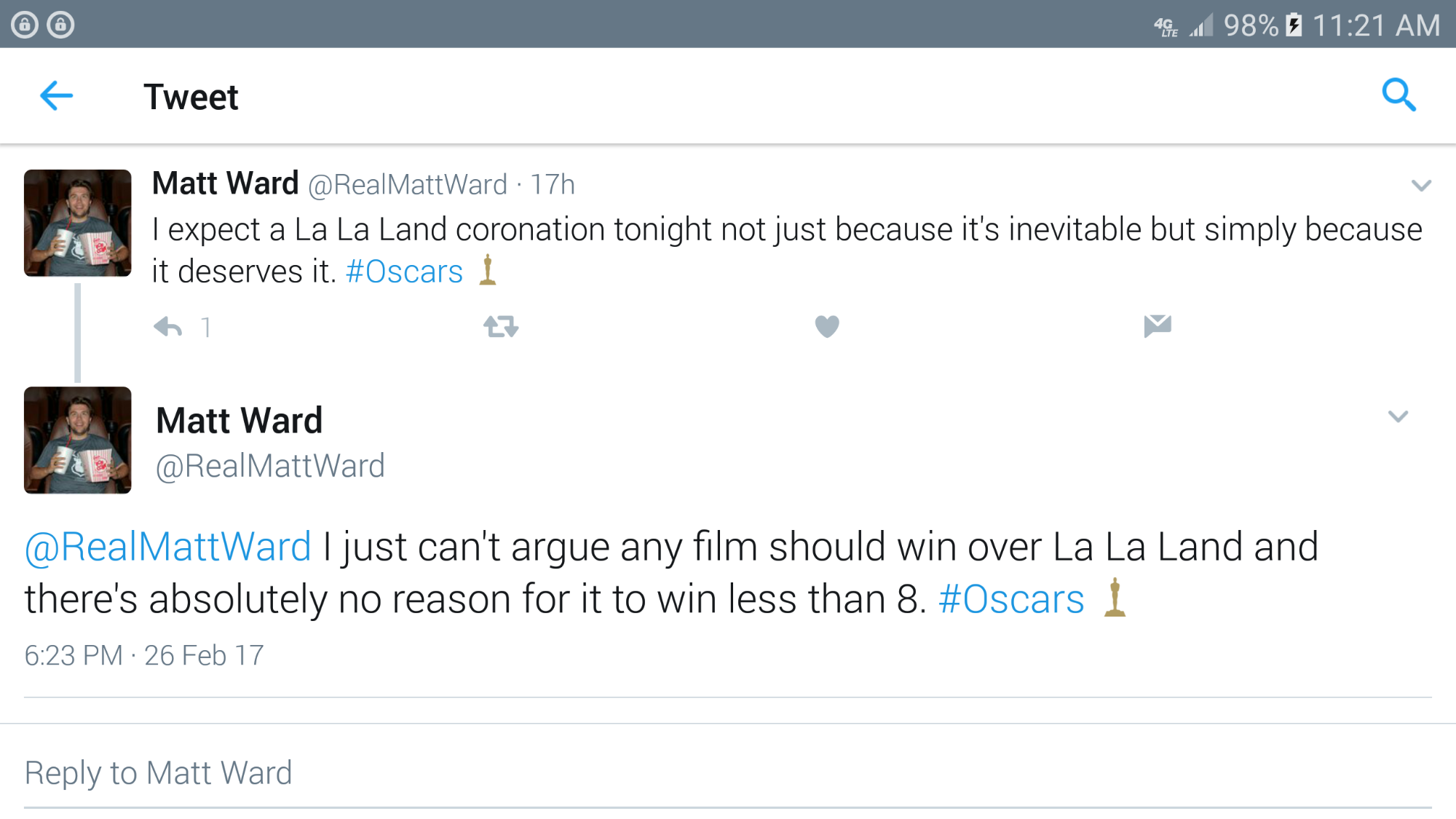
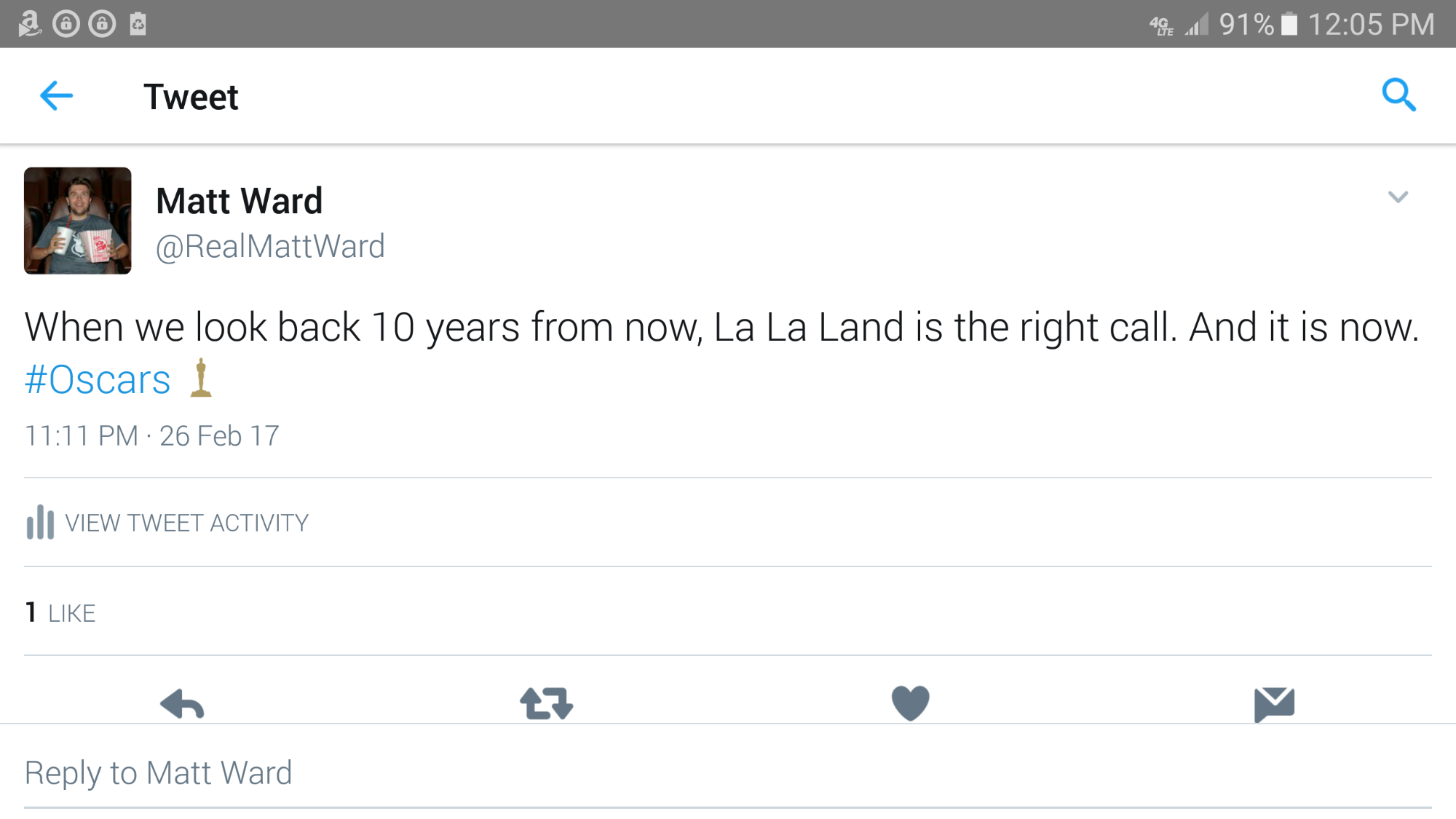
  • Revisiting the Oscars: In defense of La La Land

    Revisiting the Oscars: In defense of La La Land

    Heading into last night’s Academy Awards ceremony, I was fully prepared to write another glowing column about “La La Land,” raving about the film’s actual merits on a night that felt like Damien Chazelle’s masterpiece was going to be picked apart by fans of other nominated films and later derided as “not a good Best Picture winner” by those who actively dislike the movie.

    Today, less than 24 hours after the Oscars, I still can’t find any reasonable argument that “La La Land” wasn’t the best cinematic experience of 2016, the perfect blend of commercial success and critical darling that we as moviegoers deserved to see win the Academy’s top prize.

    The fact that it tied with “Titanic” and “All About Eve” for the most nominations ever (14) or that it’s the 11th film in history to win six Oscars feels hollow now. And it’s not because of anything “La La Land” did or didn’t do or that “Moonlight” won Best Picture, signaling a whole new era of small, intimate independent filmmaking taking major strides forward in how we view quality cinema.

    I’m sad today because of the perception “La La Land” is left with – the “Yeah, but…” cinematic footnote it’s become and how it will be forever remembered in trivia lore as the only film to start accepting a Best Picture Oscar it didn’t actually receive.

    I’m hoping I can watch “La La Land” again without the mental stain I feel right now, without constantly second-guessing every note and line, every camera angle and lighting choice, every dance move and time cut, the Best Picture “what ifs.” Because I don’t know that I can.

    Because of my unhealthy obsession with Chazelle’s films, I saw “La La Land” in theaters seven times over the course of a month, finding something unique and new each time I watched it.

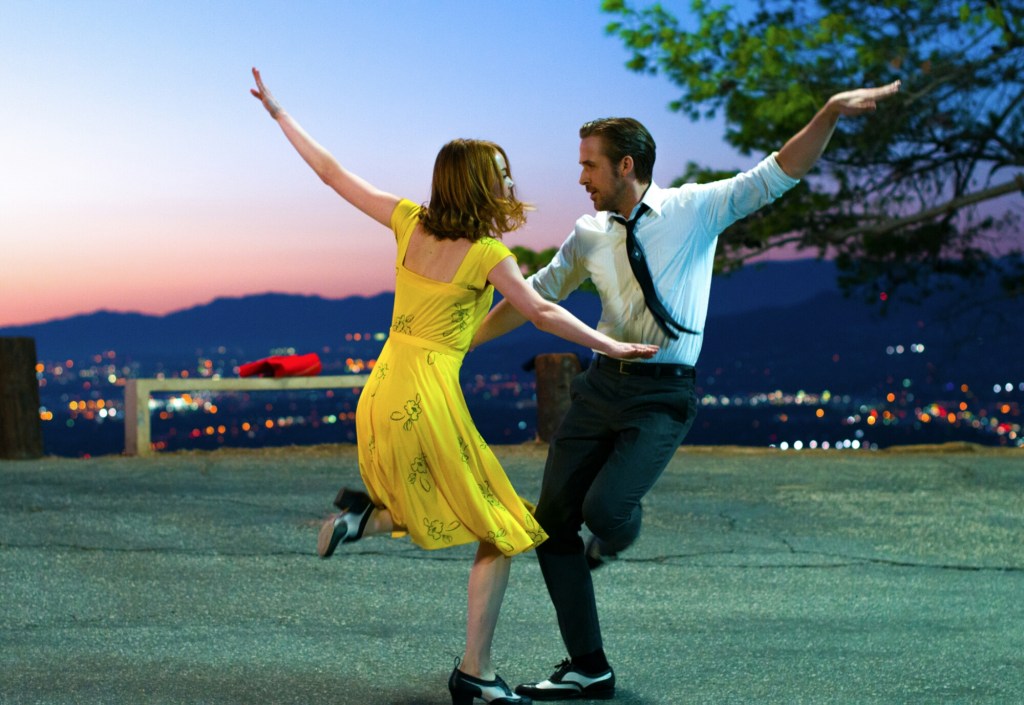
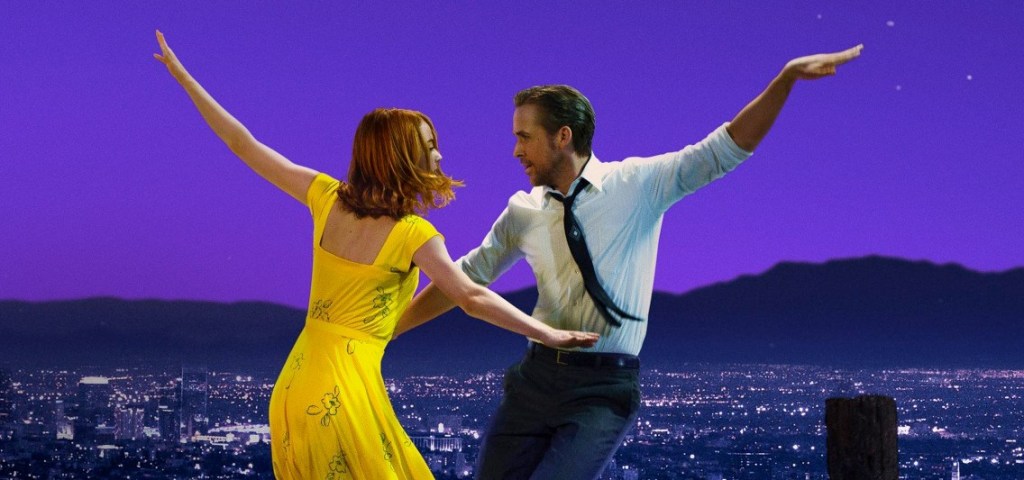
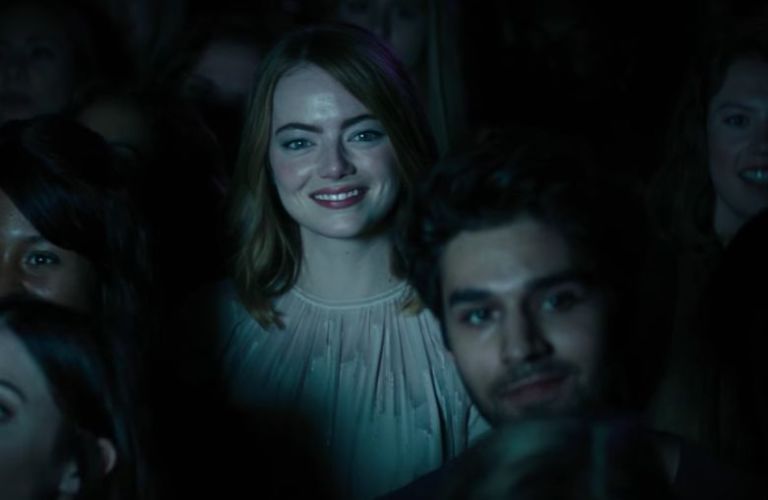
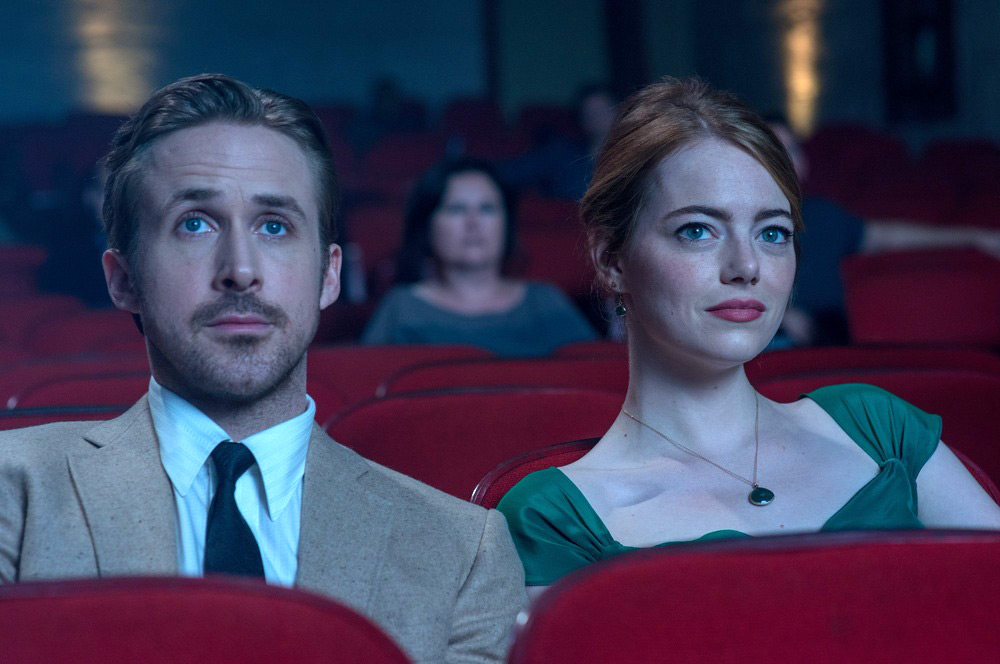
    I fell in and out of love with Emma Stone’s Mia (the character, not her Oscar-winning performance) as I found myself connecting with Ryan Gosling’s passionate Sebastian more and more with each viewing. I took note of all the little details he remembered about her life, how unwavering his support of Mia’s acting was and how devastating it was to watch him sacrifice himself for her so she could be truly happy, even if it wasn’t with him.

    With the help of the “La La Land” soundtrack on heavy rotation, I learned greater appreciation for the film’s much beleaguered musical numbers which suffered from poor sound mixing that muffled the live vocal track with the instrumental track and rendered much of the film’s dazzling opening number “Another Day of Sun” indecipherable. By viewing five, I was singing along with Seb and Mia during “A Lovely Night” and the Oscar-winning “City of Stars” because I simply couldn’t help myself.

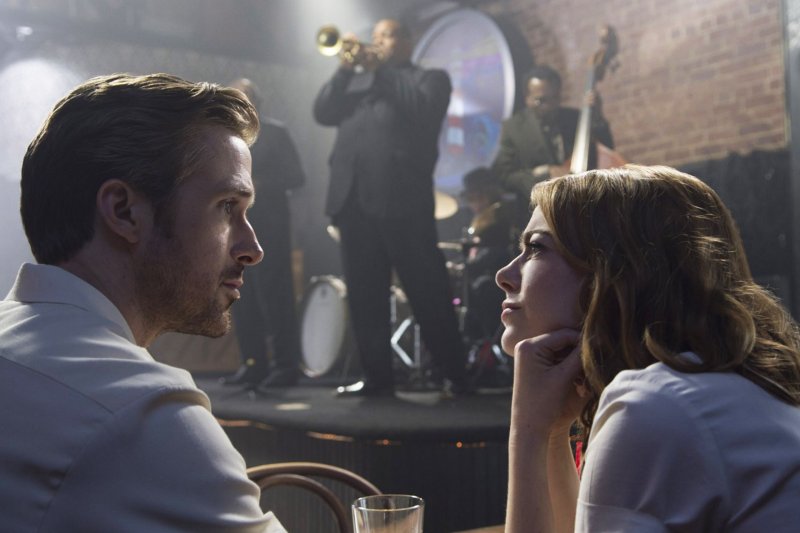
    I grew to love composer Justin Hurwitz’s orchestral score more and more as I kept hearing each of the film’s major themes in small, intricate background moments that underscored the film’s bold lead acting performances. The soft guitar rendition of “City of Stars” mellowing out Mia and Seb’s first date on the Warner Brothers lot, the Lighthouse Café jazz band playing “Another Day of Sun” in blistering fashion, the musicality of “La La Land” hits you in waves you simply just can’t appreciate in one screening.

    Chazelle more than earned his Best Director Oscar with a wonderfully composed film that exudes technical craftsmanship, attention to the smallest detail and celebration of the human spirit. 

    Just watch the six-minute segment including the terrific song-and-dance number “A Lovely Night.” Shot all in one take on just the fourth try, Gosling and Stone carry on a flirtatious conversation along a dark street, sing a surprisingly challenging song live only to break out in a complicated two-minute dance sequence and head back into normal conversation without stopping. The technical precision involved in pulling off this cinematic feat is incredible, especially when you consider how Oscar-winning cinematographer Linus Sandgren was following the pair around the entire time on a crane.

    Cinema this good shouldn’t be possible. And yet somehow it is.

    Perhaps the smartest thing Chazelle did in “La La Land” – better than any camera movement or line of dialogue – was in casting top-notch actors rather than top-notch singers to bring Sebastian and Mia to life.

    At the end of the day, “La La Land” is as much a nostalgic, romantic drama as it is a movie musical, if not much more so. Remove the big dance numbers at the top, “Another Day of Sun” and “Someone in the Crowd,” and what you’re left with is still one of the three best films of 2016 that focuses more on the concept of following your heart or following your dreams and how difficult choosing one over the other might be.

    Singers who might have been able to project “City of Stars” and “A Lovely Night” better, those who could belt the high notes with the best of them, could have made “La La Land” a prettier sounding musical than the grittier, flawed soundtrack the film ultimately has. But there’s so much beauty within the flaws of Seb and Mia’s singing that help develop actual character and authenticity in the film.  Broadway singers could not pull this off. Their tone may be flawless, but the film’s tone would ring false.

    The best scenes in “La La Land” aren’t even the musical numbers. Gosling and Stone have such remarkable chemistry that scenes like their candlelit dinner argument, the Warner Brothers lot date, and the “Maybe I’m not good enough?” scene outside Mia’s house stand on their own as some of the year’s best straight-up acting work, rivalling scenes from heavy, character-driven dramas like “Fences” and “Manchester By The Sea.”

    Somehow, six Oscar wins and 14 nominations don’t feel like enough for “La La Land,” a film so special on its own merits that the irrational need for some to tear down “La La Land” as a means of lifting up “Moonlight” feels incredibly disingenuous.

    Both films are terrific, but “La La Land” stands out more for what is actually on screen, rather than what it represents as part of an ongoing cinematic and political narrative. It’s frustrating to see one of my favorite films this decade get caught in the middle of the crossfire.

    “La La Land” is a nearly flawless film.

    One award show miscue cannot change that.

  • How I’d write #DeflateGateTheMovie

    How I’d write #DeflateGateTheMovie

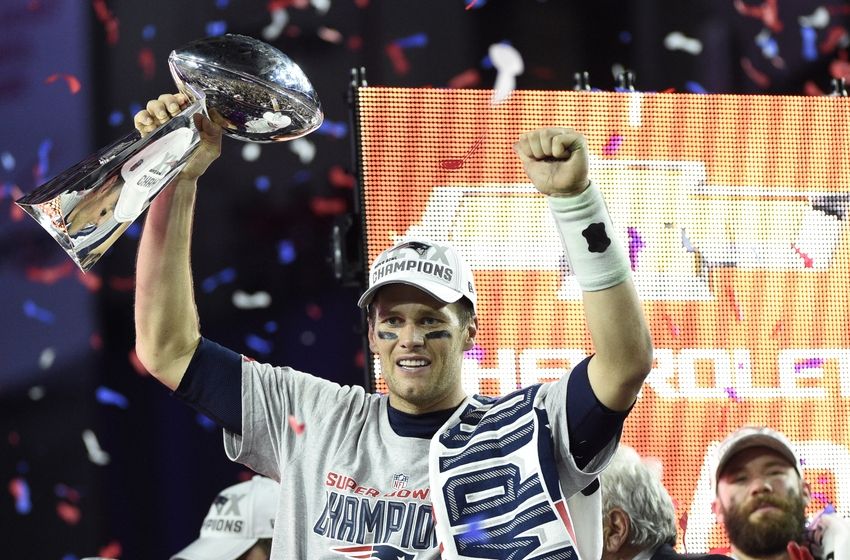
    ​Everything about tonight’s incredible, dramatic Super Bowl that saw the New England Patriots rally back from 19 points down to win 34-28 in the first overtime championship game in NFL history begs to be turned into cinema.

    I started tweeting about #DeflateGateTheMovie during the Pats’ ridiculous comeback in the fourth quarter and basically started trying to will this concept into existence because, let’s face it, I want to see that movie.

    You and I both know Mark Wahlberg has already called Peter Berg and demanded a Patriots movie go into pre-production. First drafts of scripts are being written as we speak. It’s going to happen.

    Here’s how I think it should go down….


    The film opens with a montage of Patriots’ near misses, ending with the crazy helmet catch that helps the New York Giants defeat the Pats in Super Bowl XLII.

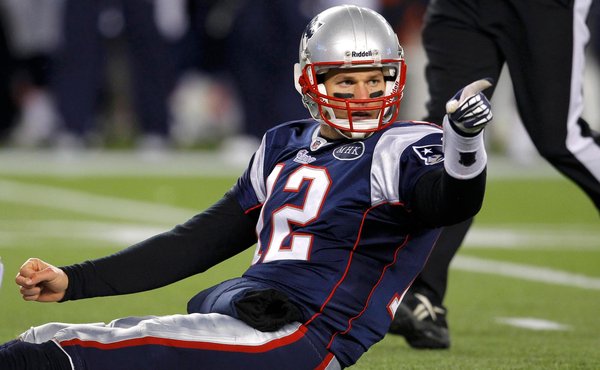
    We then cut to Tom Brady during warmups of SB51 trying to put that out of his mind as a Roger Goodell monologue plays in the background.

    Over the course of the first half, the film intercuts between on-field highlights, bench discussions and flashbacks to the darker moments of DeflateGate for Pats fans, including Brady talking to ball boys prior to the game.

    The film speeds through the third quarter and goes right into the huddle for Brady’s miraculous fourth quarter comeback to tie the game, when it abruptly stops to relive Brady’s suspension being upheld and missing the first four games of the season.

    Overtime ensues and the film ends with Goodell approaching Brady, fading to black just as Goodell is poised to speak.


    And that’s pretty much it. It’s the only way you can make the movie compelling to Pats fans AND fans of other teams, though it’s doubtful much of the nation will end up seeing this movie anyway.

    So there you go, Mark. I’ll take a story by credit and maybe a producer nod if you’re feeling extra generous. 

  • Oscar Nominations Reaction: La La Land and then everything else

    Oscar Nominations Reaction: La La Land and then everything else

    ​So did “La La Land” get nominated for anything? 

    I’m sure I didn’t hear their name called more than 14 times early this morning, tying a record for most nominations in Academy Awards history.

    It’s a City of Stars and we’re all just living in it.

    If you haven’t already seen “La La Land,” you’re going to want to go and watch Damien Chazelle’s cinematic masterpiece at least once over the next month before it takes the Oscars by storm.

    When you’re done with that, go find “Whiplash,” Chazelle’s equally brilliant 2014 film that earned a couple of nominations and a much deserved Best Supporting Actor win for J.K. Simmons. You’ll see that “La La Land” is no fluke.

    Before we get into more of the specifics, a few words on the nominations “ceremony” itself that shows just how out of touch the Academy is with the general movie going public.

    Nominations were released online at the crack of dawn (or before the crack of dawn depending on what time zone you’re in) via a pre-taped video reel featuring past nominees and winners talking about how great and life-changing it is to be nominated. Fantastic.

    Yet a good chunk of the country – the so-called “forgotten” ones we keep hearing about in Washington these days – will be too busy sleeping or getting ready for work that they’ll just glance at a list of nominees hours from now and lament about how they’ve barely seen any of these films.

    The Academy undercuts the value of their own Oscar nominations by releasing them haphazardly on a Tuesday morning. How perfect would it be for millions of Americans to see an hour-long special highlighting the nominees in prime time, with trailers and clips of the films to entice people into the theaters to see these films. 

    The divide between what Academy voters award nominations to and what moviegoers spend their hard-earned dollars on in theaters is widening and it’s not the audiences’ fault. Studios often make their best films difficult to find in rural America, cramming less quality movies down the throats of a populace much smarter than Hollywood gives them credit for.

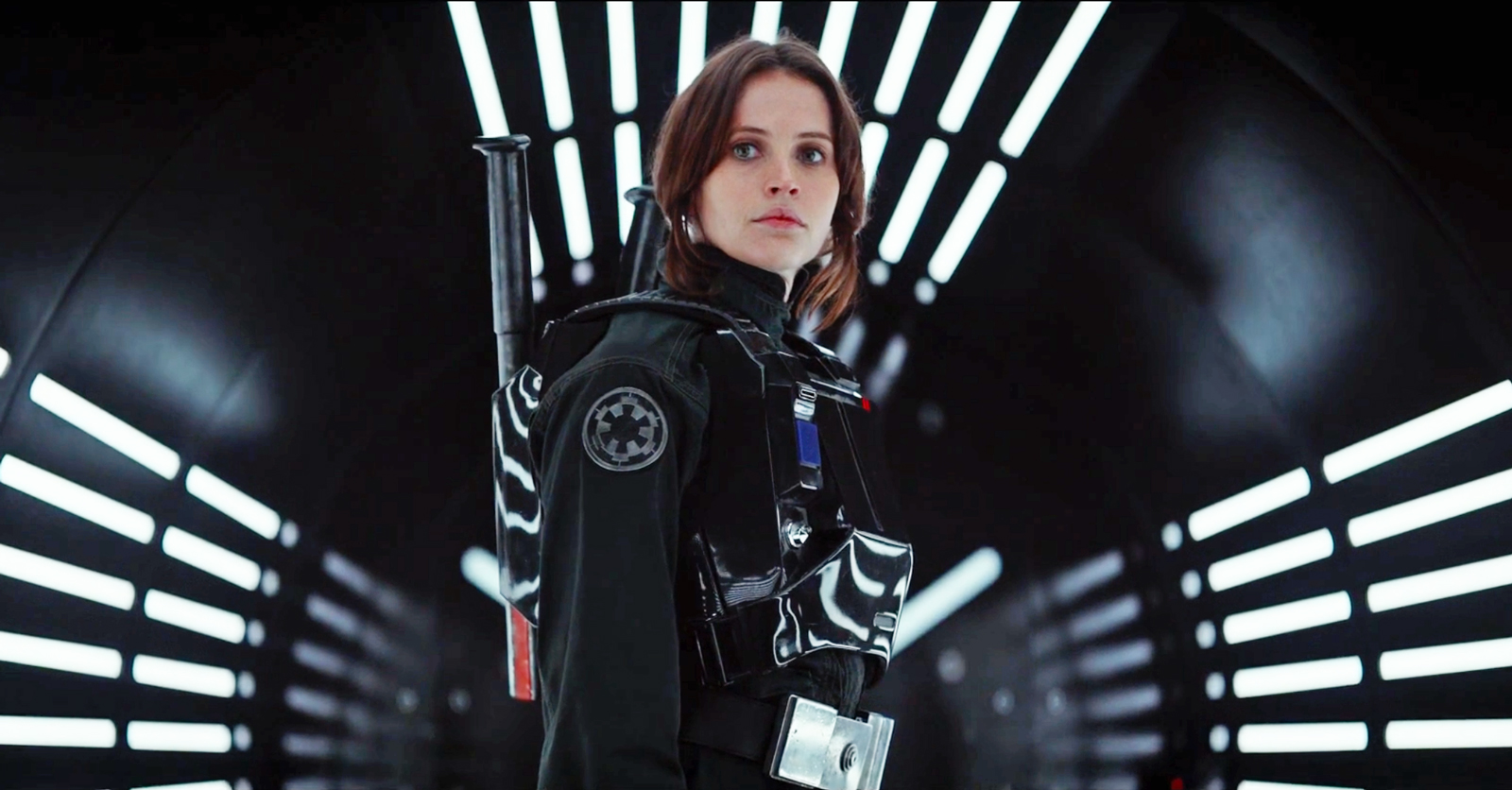
    This isn’t to say that voters need to give “Deadpool” a Best Picture nomination, say, or a Best Actress nomination to Felicity Jones for “Rogue One.” But something’s got to change.

    The Academy needs to bridge the gap. And fast.

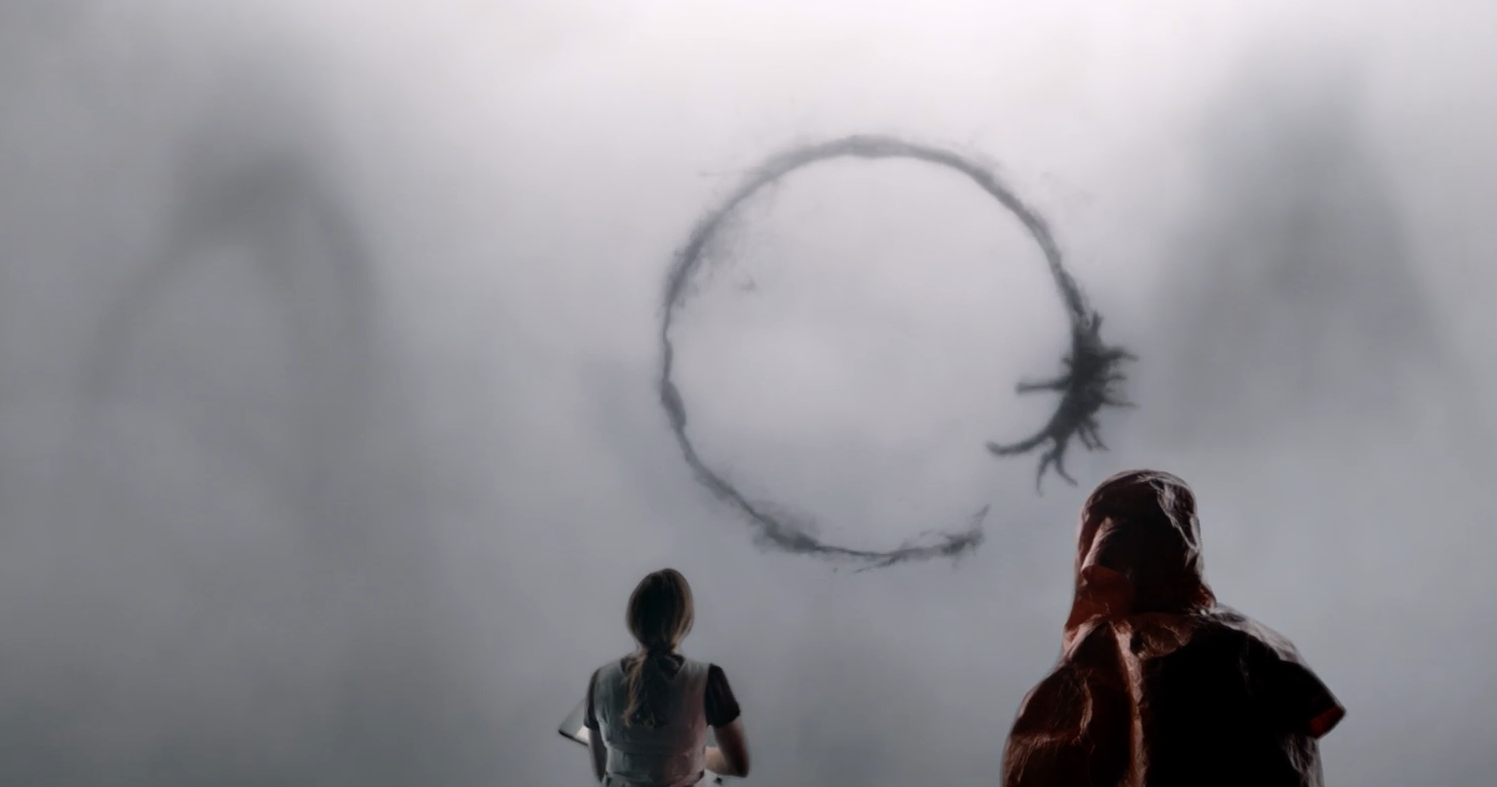
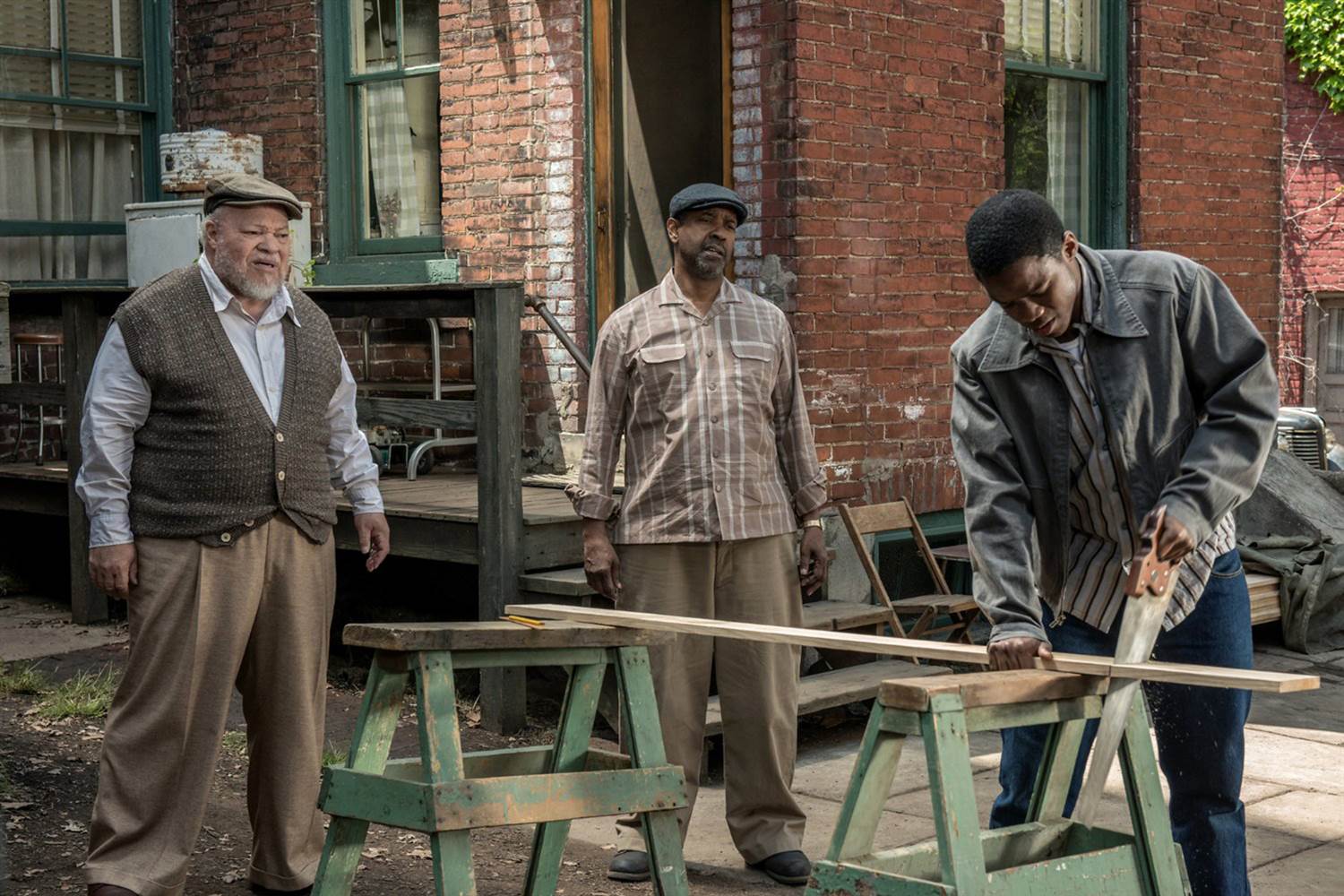
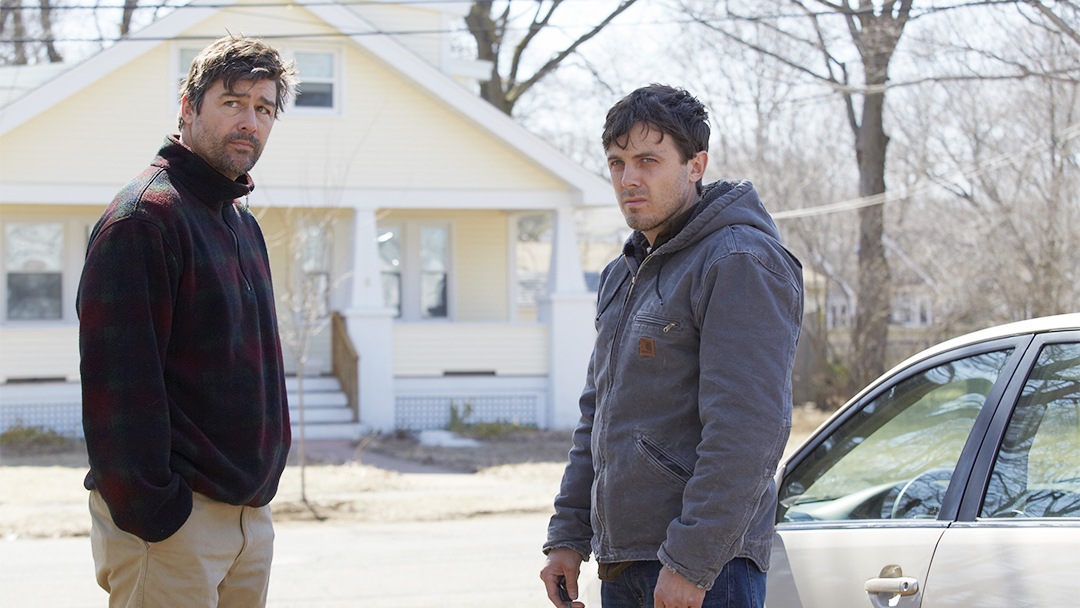
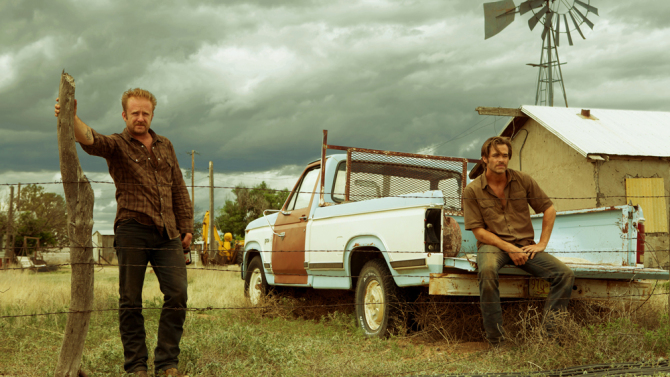
    Best Picture – “Arrival,” “Fences,” “Hacksaw Ridge,” “Hell or High Water,” “Hidden Figures,” “La La Land,” “Lion,” “Manchester By The Sea” and “Moonlight”

    The nine nominees in the Oscars’ top category are a terrific blend of everything right that’s going on in filmmaking right now in Hollywood. 

    Everything from big-budget blockbusters like “La La Land” and “Hacksaw Ridge” to small, intimate indie pieces like “Moonlight” and “Hell or High Water” are nominated. Amazon becomes the first internet company to earn a Best Picture nomination with “Manchester By The Sea,” which is surprising given how prevalent Netflix is in the online film world.

    All of these films are worthy of their nominations, but I can’t help but feel for films like Tom Ford’s haunting “Nocturnal Animals” and Martin Scorsese’s compelling “Silence” which feel incredibly under-seen and underappreciated given the complete nomination list. I had both films making the Best Picture race in my “best case scenario” predictions, besting “Hacksaw Ridge” and “Hidden Figures.”

    Acting Categories

    It’s probably best to start with the least surprising category – Best Supporting Actress – which went pretty smoothly with nominations for Viola Davis in “Fences,” Naomie Harris in “Moonlight,” Nicole Kidman in “Lion,” Octavia Spencer in “Hidden Figures” and Michelle Williams in “Manchester By The Sea.” All but Spencer seemed like an absolute lock for a nomination in this category.

    Spencer’s performance is very good in the critically acclaimed, surprise box office smash hit “Hidden Figures,” but I would have personally gone with Rachel Weisz’s wonderful turn in Derek Cianfrance’s criminally under-seen “The Light Between Oceans.”

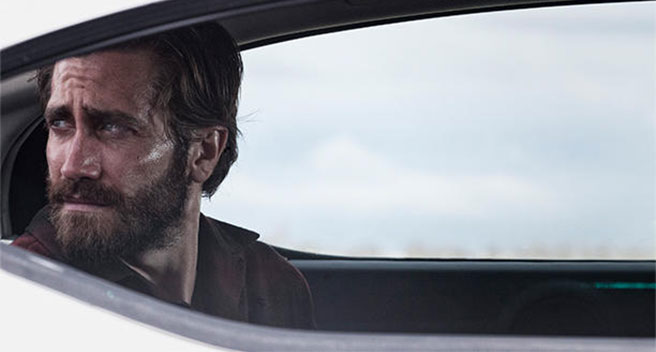
    Best Supporting Actor had three certain choices confirmed with Mahershala Ali in “Moonlight,” Jeff Bridges in “Hell or High Water” and Dev Patel in “Lion.” Michael Shannon’s nomination in the category for his terrific work in “Nocturnal Animals” over Golden Globe winning costar Aaron Taylor-Johnson shouldn’t really come as much of a surprise to those who’ve seen the film. Both are fantastic.

    Lucas Hedges’ great work opposite Casey Affleck in “Manchester By The Sea” is well earned, though the Academy could have gone in any number of directions here, including Hugh Grant in “Florence Foster Jenkins,” Issey Ogata in “Silence” or my personal favorite fifth option, Mykelti Williamson in “Fences.”

    The Academy seemed to take the most chances with their nominations in the Best Actress category, though Natalie Portman in “Jackie,” Emma Stone in “La La Land” and 20-time nominee Meryl Streep in “Florence Foster Jenkins” aren’t surprises by any means.

    The biggest omission in any category has to be Amy Adams getting left out here despite her flawless performance in “Arrival,” a Best Picture nominee that simply does not work without Adams killing it in the lead role. Golden Globe winner Isabelle Huppert of “Elle” shouldn’t be as much of a surprise as it still feels like given her upset win last month, though Ruth Negga’s work in the barely-seen “Loving” will have average moviegoers who have never heard of the film scratching their heads.

    Best Actor, as expected, will feature the two-horse race between front runners Casey Affleck in “Manchester By The Sea” and Denzel Washington in “Fences.” They are joined by nominees Andrew Garfield in “Hacksaw Ridge,” Ryan Gosling in “La La Land” and Viggo Mortensen in “Captain Fantastic.”

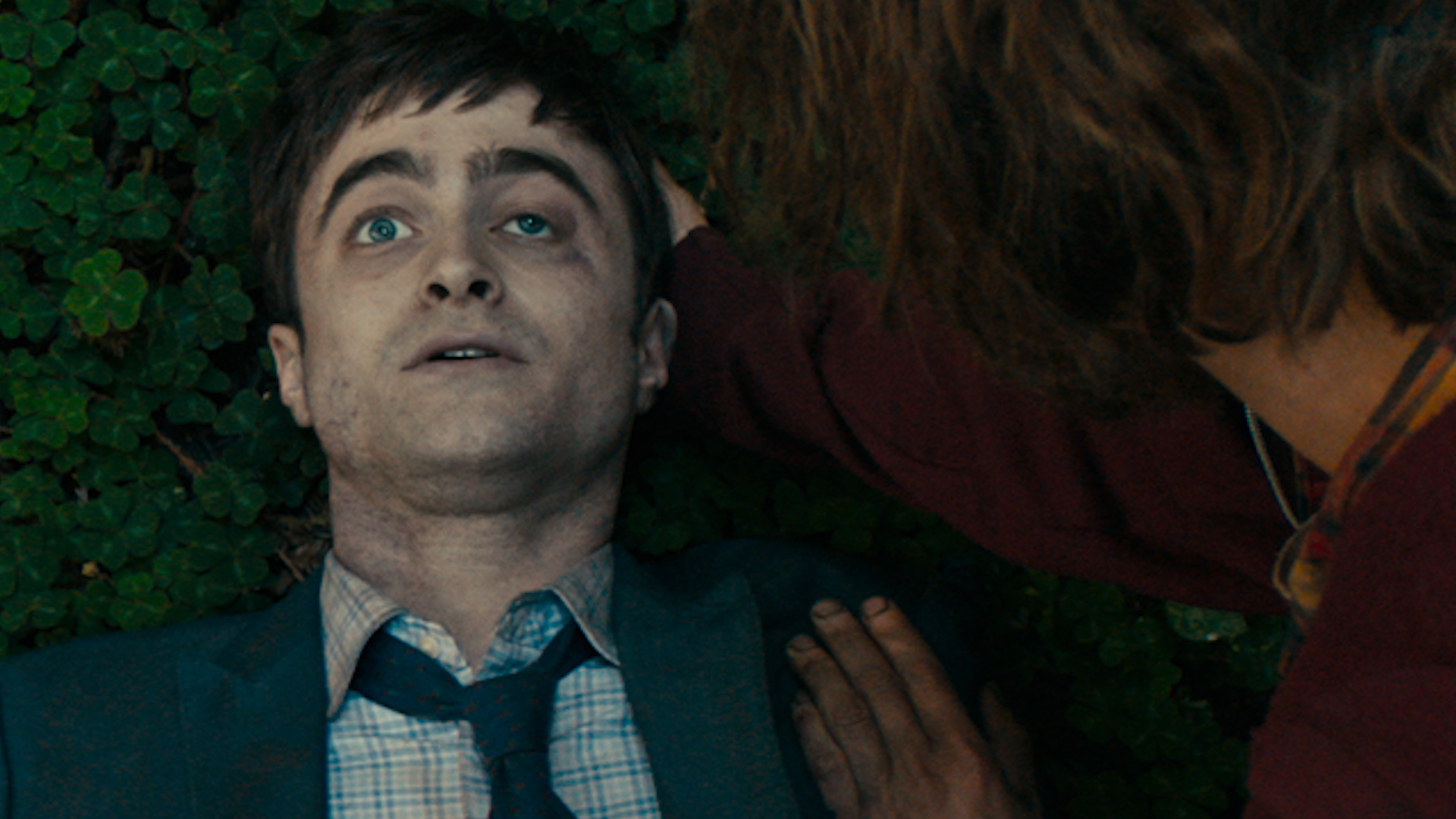
    All are deserving, though it feels as if Garfield is nominated for the wrong film as his performance in Scorsese’s “Silence” is perhaps the best of his young career. Mortensen does a fine job in a great film, though “Captain Fantastic” feels like any number of terrific indie comedies that seem to come out every year. To me, Paul Dano and Daniel Radcliffe are both better in the tonally similar “Swiss Army Man,” but there are far too many fart jokes in that film for the Academy to take notice.
    Other various thoughts

    “La La Land” getting 14 nominations makes sense if you watch the film, though it will be incredibly unlikely the film carries the day as easily come Oscar night as it did sweeping all seven categories at this year’s Golden Globes. Backlash from the Globes could actually hurt its chances overall, though it probably has the best shot at Best Picture given the Academy’s preferential balloting system in the category.

    It feels pretty foolish for the Academy to pass on Pharrell’s incredibly catching tune “Runnin’” from “Hidden Figures” in the Best Original Song category given two “La La Land” nominations for “Audition (The Fools Who Dream)” and “City of Stars.” Voters might split their votes between the two songs and open the door for “Hamilton” creator Lin-Manuel Miranda to slip in and win the category with the great “How Far I’ll Go” from the hit Disney animated film “Moana.”

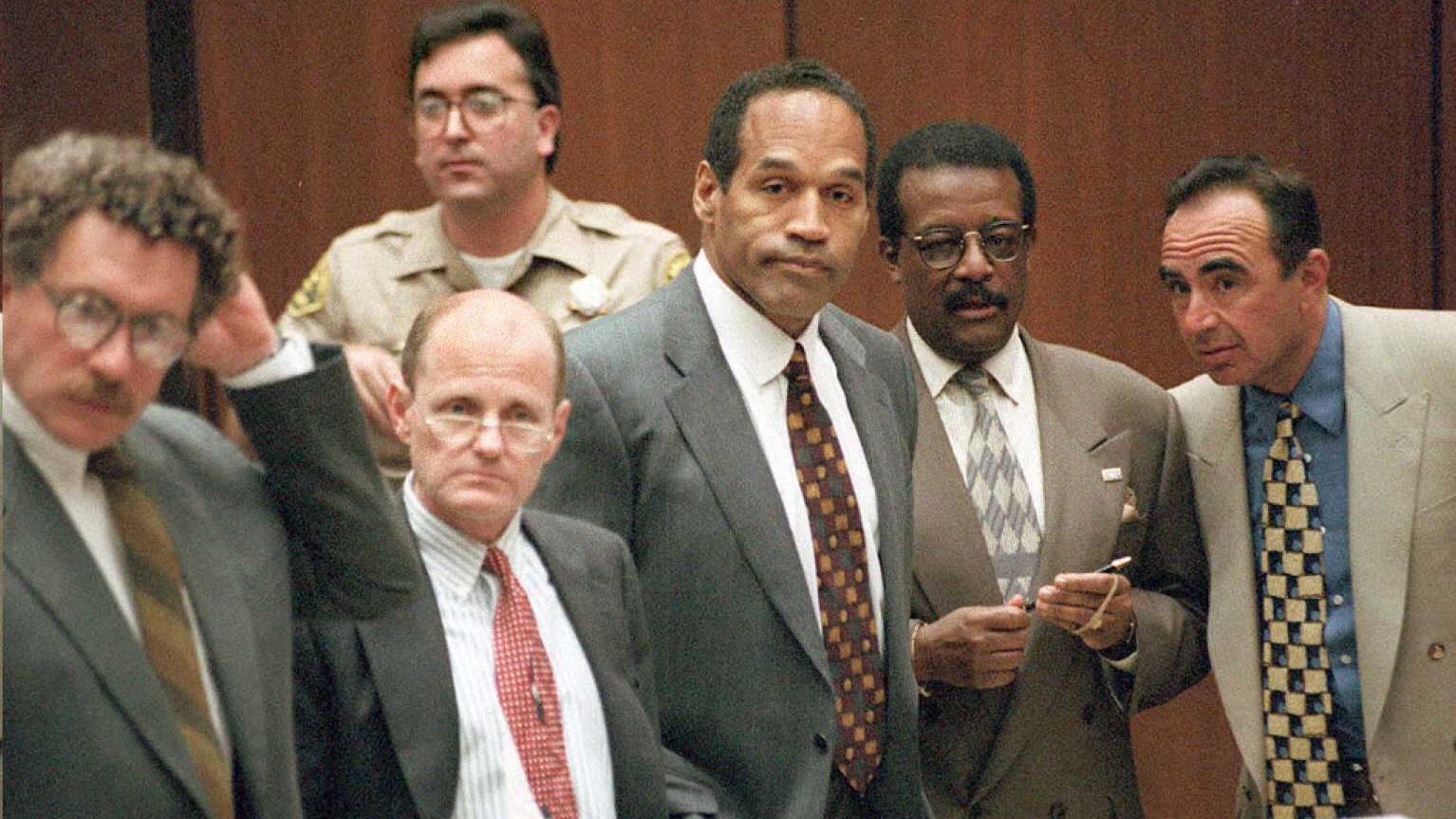
    “O.J. Made In America” should be the consensus favorite for Best Documentary, though the Academy certainly needs to clarify what is eligible here (and in the supporting acting categories). Like most who’ve seen Ezra Edelman’s terrific doc, I caught “O.J. Made In America” spread across several parts on ESPN rather than in one seven-hour sitting at a theater. To me, it’s a television miniseries rather than a single documentary. It will win, and probably deserves to, but it still seems fishy.

    Other nominations that I would have liked to have seen:

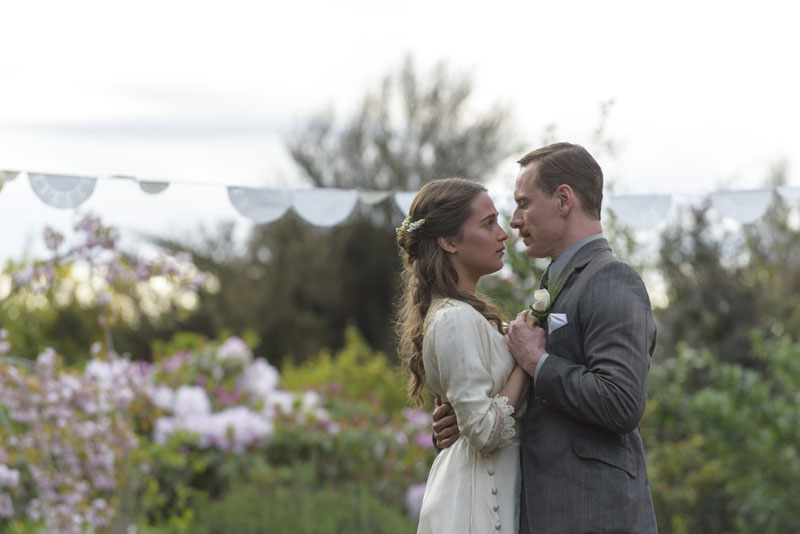
    – Alicia Vikander and Michael Fassbender for “The Light Between Oceans”

    – David Mackenzie’s direction for “Hell or High Water”

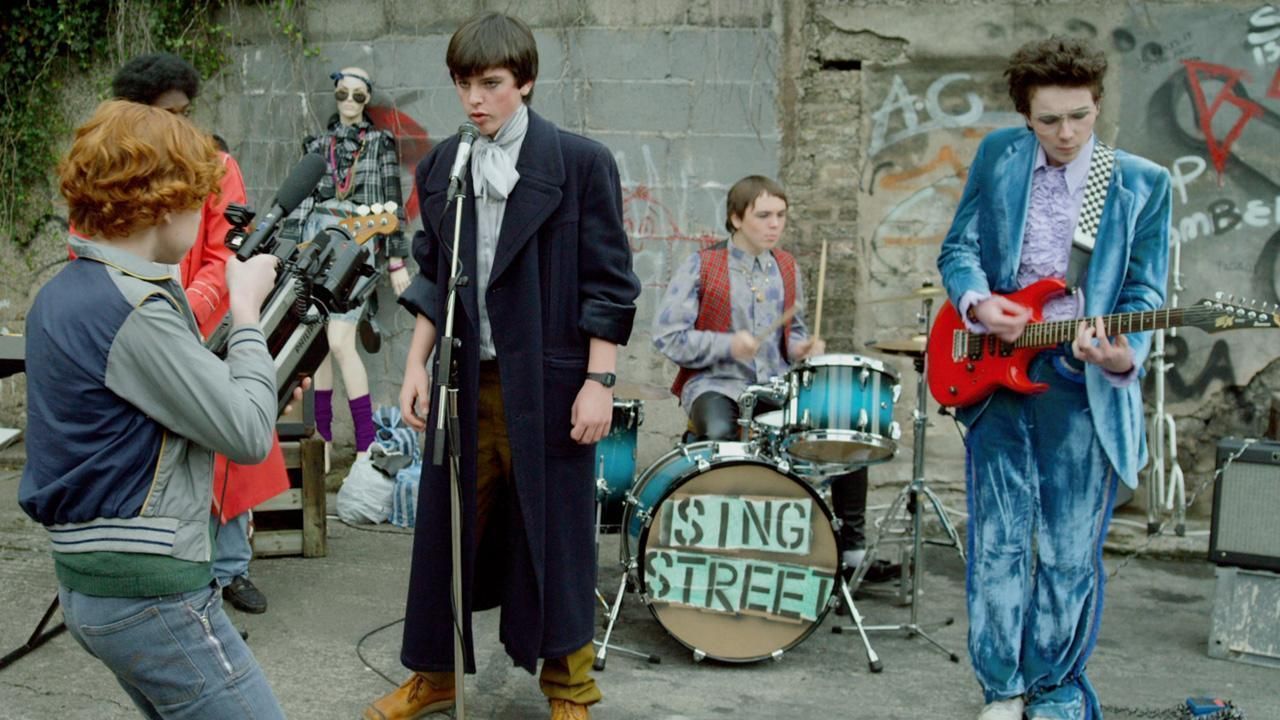
    – Love somewhere, anywhere for “Sing Street”

    – John Goodman for “10 Cloverfield Lane”

    – “Weiner” for Best Documentary

  • 2016: A Cinematic Year In Review

    2016: A Cinematic Year In Review

    It’s been a tough year.

    Just saying the word “2016” induces cringes from a vast majority of people, offering up painful thoughts of a highly divisive political campaign that may or may not have gone your way to general malaise about the state of the world to the seemingly endless rash of celebrity deaths that robbed us of talent far too soon.

    In the world of cinema, things got off to a rocky and slow start, as is often the case with the way in which studios schedule their releases over the course of a calendar year. But the close of 2016 brought some of the decade’s most interesting and compelling movies to the forefront, ones we’ll be talking about for months to come.

    As of the end of 2016, I’ve had the pleasure (and sometimes pain) to enjoy 102 different new release feature films from big-budget studios to smaller independent works that have me starting to believe in the magic of cinema once again. I hope you’ll feel the same way, especially if you see this year’s 10 best films.

    It should be noted that several of the year’s award-contending releases have not been made widely public yet and as such are not in this list, including “Hidden Figures,” “Live By Night,” “Patriots Day” and “Silence.”

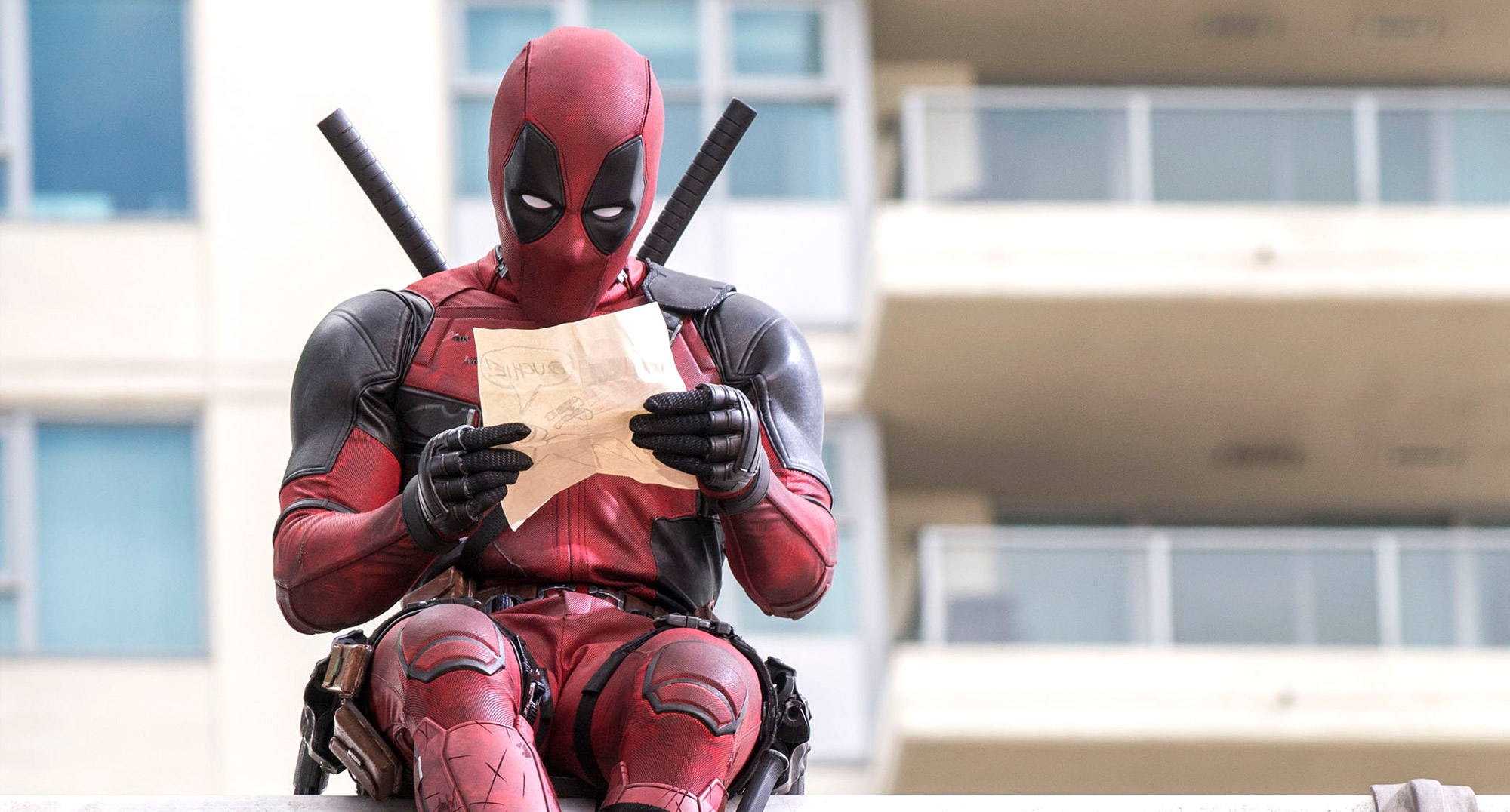
    Blockbuster of the year – “Deadpool”

    There may have been more financially successful big-budget popcorn movies to hit the big screen in 2016, but none are as effortlessly enjoyable and re-watchable as Ryan Reynolds’ comic book passion project “Deadpool.”

    “Deadpool” is the perfect star vehicle for Reynolds, who maximizes his wry wit and charm (applied in the film as snark) within the comic book world’s most wisecracking anti-hero. The passion Reynolds exudes for the character radiates every minute he’s on screen, elevating even the more generic superhero scenes crafted out of a cookie-cutter superhero script.

    The film enters a much more fan-friendly environment for cruder, darker subject matter thanks to the cult hit status of British indie dark comedy “Kick-Ass” and Marvel’s Netflix miniseries – “Daredevil,” “Jessica Jones” and “Luke Cage” – which are considerably more violent than the Avengers’ solo and team-up movies.

    The sheer amount of Easter eggs and random pop culture references – akin to the tone of Marvel’s surprise smash hit “Guardians of the Galaxy” – lends itself to multiple viewings, though the monotone plot line does become tiresome midway through multiple screenings. There’s signs of greatness within “Deadpool,” especially when Reynolds isn’t tied down by CGI metal men or hacky, second rate villains.

    Though not a perfect film, “Deadpool” is the hilarious next evolution in the comic book film genre and immensely worthy of blockbuster of the year status.

    Also considered were “Captain America: Civil War” and “Rogue One: A Star Wars Story.” 

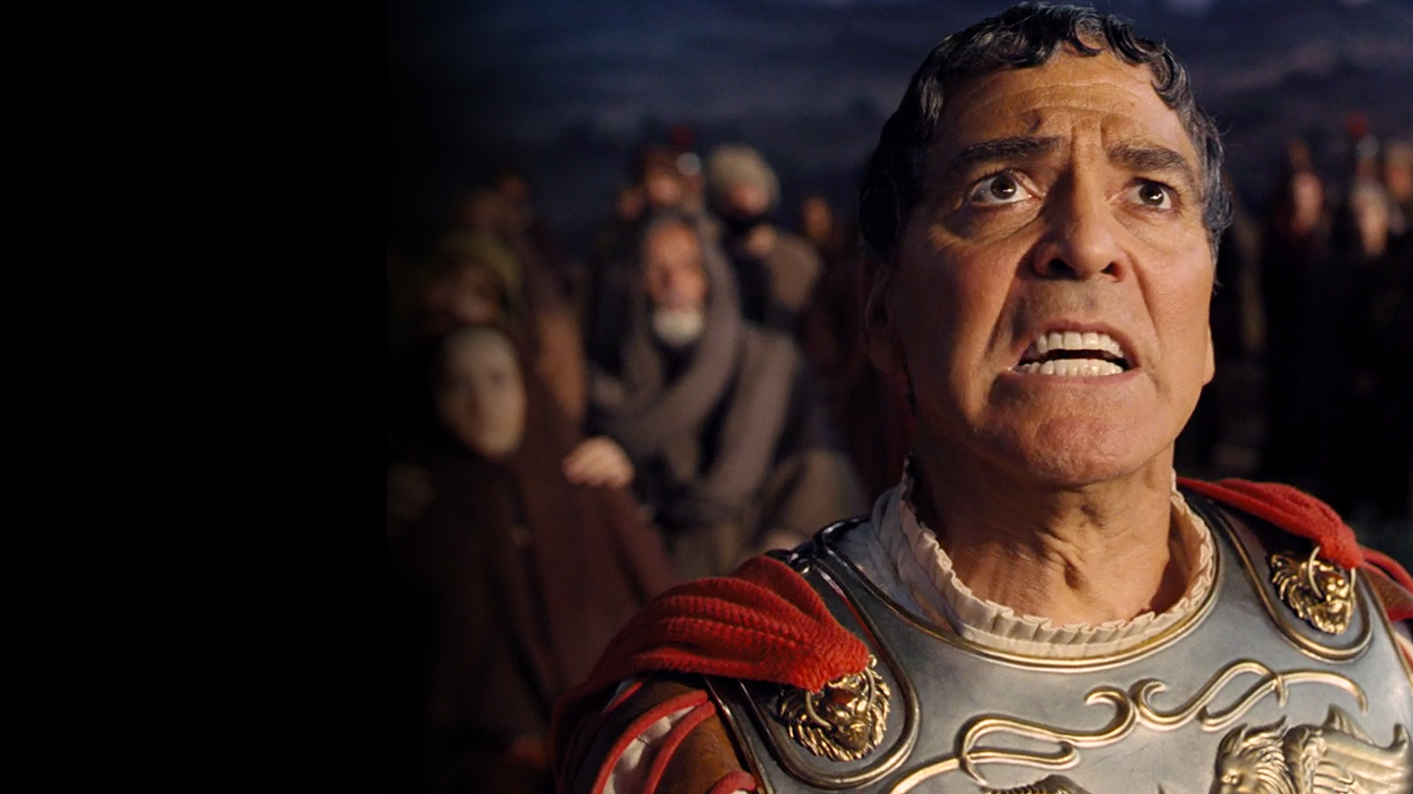
    Most disappointing film – “Hail, Caesar!”

    The Coen brothers’ “Hail, Caesar!” is a huge swing and an even bigger miss.

    In the big-budget Hollywood movie about big-budget Hollywood making big-budget Hollywood movies, viewers find Josh Brolin star as Eddie Mannix, a Michael Clayton-esque fixer who keeps the scandals of his top actors out of the press in a vague 1950s Los Angeles. Audiences are propelled alongside Brolin as he ping-pongs from one studio lot to the next, fixing issues with major stars and directors to try and keep a theatrical adaptation of a smash Broadway play, a cowboy western, an aquatic musical, and an Roman epic on par with Spartacus on track.

    Clocking in at well under two hours, “Caesar!” attempts to cram far too much into far too little time, leaving major stars like Scarlett Johansson and Jonah Hill with nothing more than extended cameos as a Esther Williams-type actress trying to hide her illegitimate pregnancy and a studio stooge, respectively. 

    This doesn’t even begin to question the decision to limit the screen time of Ralph Fiennes – perhaps the film’s best actor – who perfectly fits the comedic bill of what the Coens were trying to achieve with the film, their take on Wes Anderson’s fantastic “The Grand Budapest Hotel.”

    Visually, “Caesar!” works in the respect that everything feels vintage Hollywood, from the costuming to the sets and performances within each film. The 50’s vibe is definitely there, but the Coens don’t really seem to have a firm grasp on where they want to go with this movie, dragging viewers all over the place in order to come to a middling conclusion at the end.

    While there’s all the pieces for a fantastic film, nothing really seems to come together in “Hail, Caesar!” From top to bottom, the entire production feels out of sync and in need of major structural repair to a confusing, all over the map script that holds “Caesar!” back from being something better.

    Also considered were “Batman v Superman: Dawn of Justice,” “Inferno,” “Suicide Squad” and “X-Men: Apocalypse.”

    Best documentary – “O.J.: Made In America”

    Some may question the validity of this ESPN-produced documentary that checks in at just shy of eight hours long in total. Ezra Edelman’s five-part feature about the life and times of mercurial running back turned accused murderer O.J. Simpson. But as the Academy has ruled this doc eligible for consideration after the entire film was released theatrically in major metropolitan areas, it also is eligible here.

    And what a film event “O.J.: Made In America” is. This is by far the most thorough and complete documentary I’ve ever seen regardless of running time. The depth of information found in this highly compelling, immensely immersive documentary is unparalleled and came at the exact right time in the pop culture scene in 2016, mirroring the terrific television miniseries “American Crime Story: The People Vs. O.J. Simpson.”

    Also considered were “Amanda Knox,” “Audrie and Daisy” and “Weiner.”

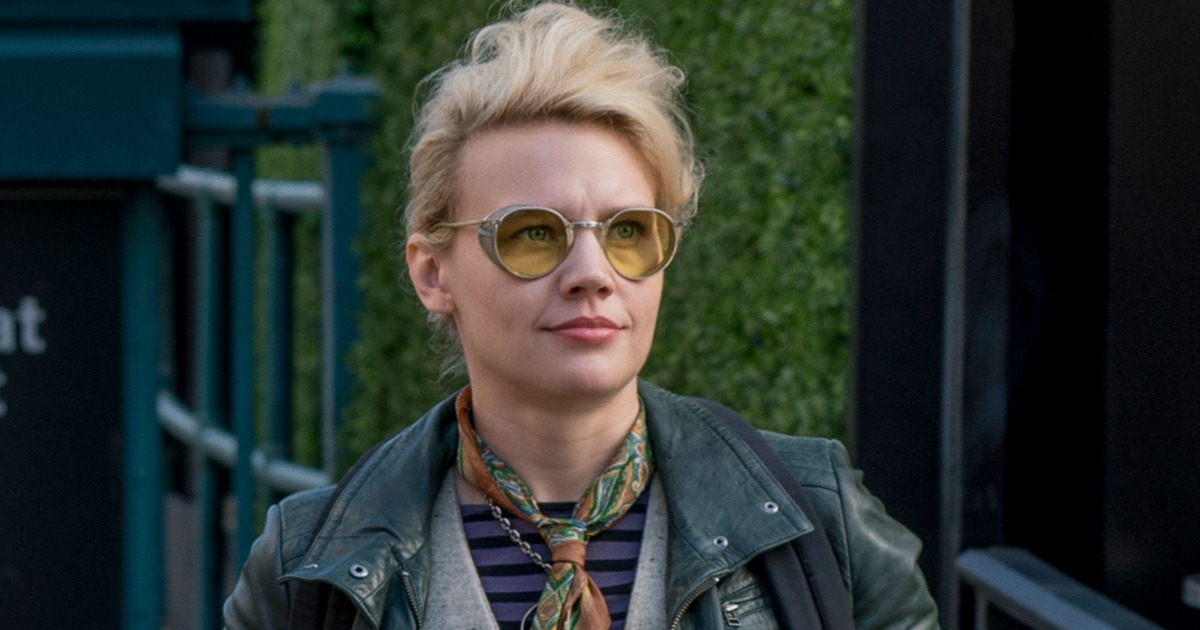
    Breakout performer – Kate McKinnon, “Ghostbusters” and “Office Christmas Party”

    “Saturday Night Live” star Kate McKinnon’s 2016 will probably be remembered most for her hilarious (and spot-on) portrayal of failed Democratic presidential candidate Hillary Clinton over the course of the fall. While comedy gold, I’m throwing all of this out of consideration when looking at feature film breakout performer and McKinnon still takes the cake.

    More so than any other star this year, McKinnon proved with sidesplitting supporting turns in “Office Christmas Party” and especially “Ghostbusters” that she has the comedic chops to carry a 95-minute feature film in a leading role.

    By far the best part of “Ghostbusters,” McKinnon hammers home every punchline she’s given in the film with ruthless efficiency and proves herself to be a future comedy film star with her performance in much the same way Melissa McCarthy became a breakout following “Bridesmaids.” McKinnon is the single best part about “Ghostbusters” and outshines her more famous co-stars McCarthy and Kristen Wiig at every turn.

    Also considered were Alden Ehrenreich (“Hail, Caesar!” and “Rules Don’t Apply”) and Lily Collins (“Rules Don’t Apply”).

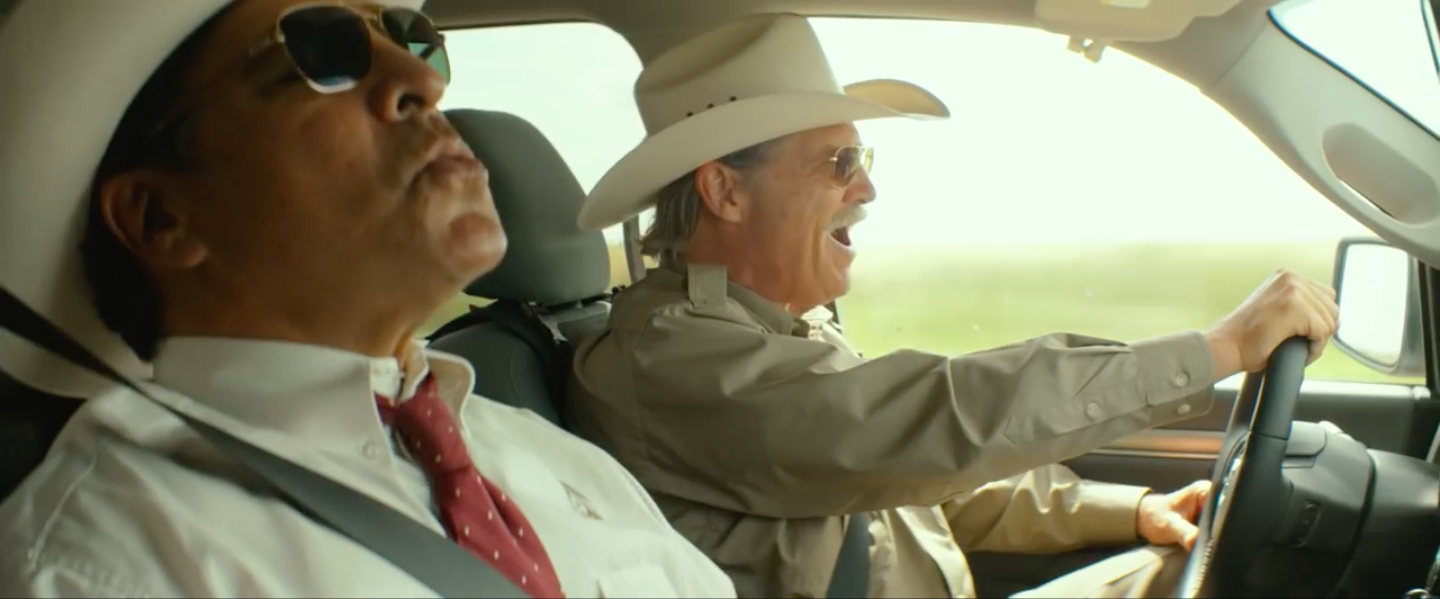
    Best supporting actor – Jeff Bridges, “Hell or High Water”

    By far the easiest choice I’ve had to make this year is in the best supporting actor category, where Jeff Bridges stands dominant over a fine slew of potential nominees for this award.

    In “Hell or High Water,” Bridges is damn near perfect as an aging Texas Ranger looking to put away one last bank robber before riding off into the sunset. 

    Inevitably, Bridges’ performance in “High Water” will be compared to Tommy Lee Jones’ effort in the similar, yet much darker Coen Brothers film “No Country for Old Men.” The parts are different sides of the same coin. Bridges does display a very effective “I’m too old for this” mentality, but it’s couple with an uniquely crude and albeit racist sense of humor that’s unexpectedly brilliant. 

    There’s a great deal of levity in Bridges’ partnership with a younger Native American colleague that tracks quite nicely throughout the film. When looking back on Bridges’ career, “High Water” will ultimately represent one of his best performances in a long, storied filmography.

    Also considered were Mahershala Ali (“Moonlight”), Michael Shannon (“Nocturnal Animals”), Aaron Taylor-Johnson (“Nocturnal Animals”) and Mykelti Williamson (“Fences”).

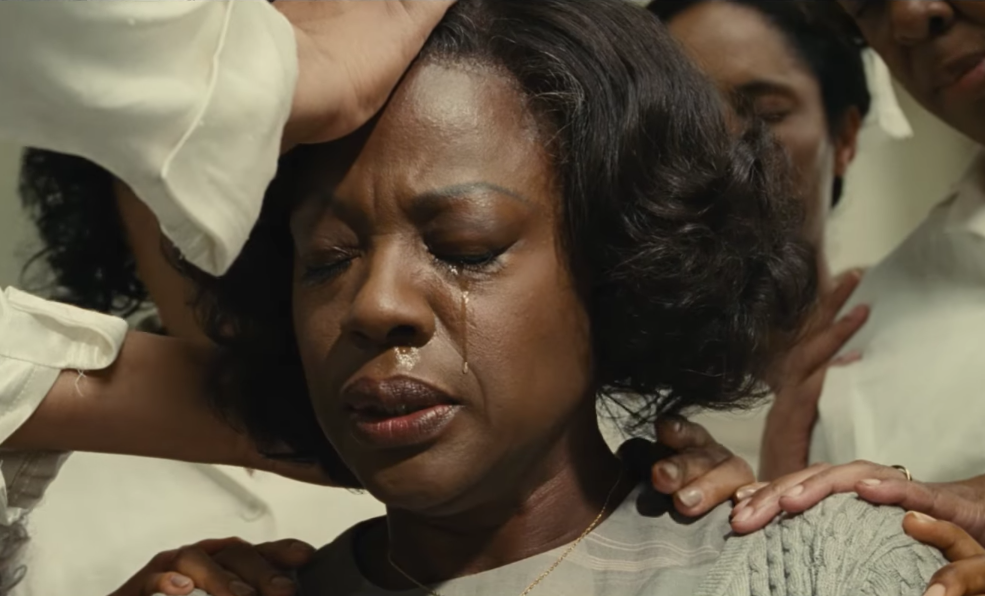
    Best supporting actress – Viola Davis, “Fences”

    I’m not 100 percent certain that I would consider Davis’ role as Denzel Washington’s proud, yet largely subdued wife Rose in the dynamic character drama “Fences” to be a true supporting performance. Davis is in far too much of “Fences” for that. But as she is campaigning in the supporting category and will likely be the Oscar frontrunner for the year, it works for me as well.

    Her dynamic performance in a subtle, understated manner until a critical turn late in the feature is a testament to her ability to create a complex character in limited screen time. Davis’ work is devastatingly arresting and worth the price of admission alone.

    When it comes to awards season, this is the absolute most confident I am in the accuracy of my pick matching the acclaim from Golden Globe and Academy Award voters. She should win and will do so,

    Also considered were Naomie Harris (“Moonlight”), Helen Mirren (“Eye In The Sky”), Rachel Weisz (“The Light Between Oceans”) and Michelle Williams (“Manchester By The Sea”).

    Best actor – Casey Affleck, “Manchester By The Sea”

    Typically, Best Actor accolades go to showy, in-your-face performances where the actor proves their chops by emotionally yelling at someone in a climatic scene that ends up as the highlight reel for their Oscar nomination video.

    Ironically, this year’s best actor doesn’t yell and scream in anger, frustration or passion despite suffering through the tragic loss of his brother and dealing with the aftermath in a town he doesn’t want to be in.

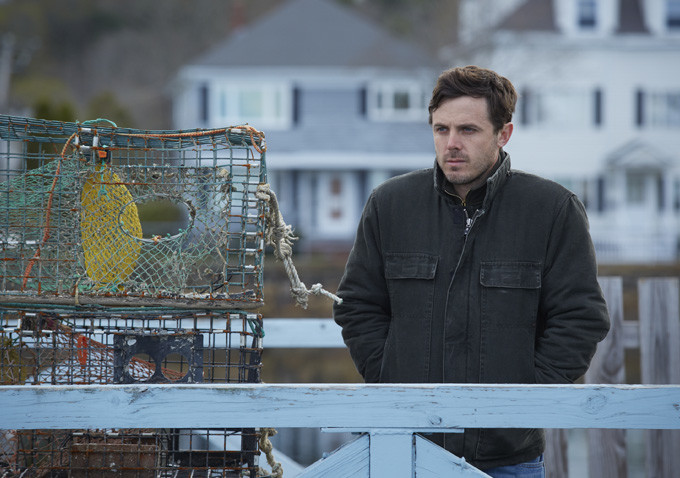
    Casey Affleck’s performance in Kenneth Lonergan’s “Manchester By The Sea” is quietly arresting and frames the entire film in such a somber, morose way that allows the film to be the most honest, genuine, realistic feature to come out in 2016. Every single scene Affleck is in is carefully thoughtout and composed, giving the performance such depth of character as the uncle turned foster parent who just wants his life back.

    This category is probably the closest call out of all the major acting awards as Denzel Washington’s powerhouse performance in “Fences” is right there with Affleck. It’s only by the thinnest of margins that Affleck’s quiet desperation edges out Washington’s flashy performance.

    Also considered were Andrew Garfield (“Hacksaw Ridge”), Ryan Gosling (“La La Land”), Jake Gyllenhaal (“Nocturnal Animals”) and Denzel Washington (“Fences”).

    Best actress – Emma Stone, “La La Land”

    I saw “La La Land” for the first time the day after Christmas shortly after viewing the holiday classic “Love Actually.” One of that film’s most iconic lines was on my mind when I penned the following tweet after seeing “La La Land.”

    It’s Christmas – and at Christmas you tell the truth – to me, Emma Stone is perfect in @LaLaLand. Damien Chazelle is a master.

    A week later, this sentiment remains truer than ever. “La La Land” is the career-defining performance for a talented, Oscar-nominated actress in need of a star-making role. Stone’s turn as struggling actress/barista Mia in Chazelle’s love letter to classic Hollywood musicals is a breath of fresh air amid the dark, harrowing performances we’ve grown accustomed to seeing from Hollywood’s top actresses.

    The entire film, Stone glides through scene after scene as if on a cloud of air. Her performance is so effortless and light, dancing on a road of eggshells in the most charming of ways. Mia is the quintessential persona of what we imagine falling in love to be like when we’re dreaming about it in our heads and Stone takes every care to make the entire experience feel natural.

    “La La Land” is Stone’s movie through and through. There is no better performance by any actor or actress in 2016. Period.

    Also considered were Amy Adams (“Arrival”), Jessica Chastain (“Miss Sloane”), Natalie Portman (“Jackie”) and Alicia Vikander (“The Light Between Oceans”).

    Best director – Damien Chazelle, “La La Land”

    Damien Chazelle proved with 2014’s “Whiplash” that he has a master’s grasp on matching every note of a film’s score with individual frames of film to create uniquely compelling cinema.

    In the terrific movie musical “La La Land,” Chazelle ups the ante with a picturesque love letter to Los Angeles and an ode to classic Gene Kelly and Fred Astaire-Ginger Rogers style musicals. Elegant and classy in every way, “La La Land” evokes old school Hollywood with new school technology thanks to Chazelle’s keen eye.

    “La La Land” is the perfect vehicle for Chazelle to show just how talented of a young director he is.  The vibrancy he is able to create on screen with dynamic color hues that radiate into the audience frame by frame is perfectly balanced against the terrific score from Justin Hurwitz. Los Angeles comes alive in such a forward, present way that few filmmakers have been able to achieve.

    Also considered were Barry Jenkins (“Moonlight”), Kenneth Lonergan (“Manchester By The Sea”), David Mackenzie (“Hell or High Water”) and Denis Villeneuve (“Arrival”).

    Top 10 films of 2016

    Finishing just shy of the top 10 were (in alphabetical order): “Allied,” “Captain America: Civil War,” “Demolition,” “Eye In The Sky,” “Hacksaw Ridge,” “Jackie,” “Miss Sloane,” “Moana,” “Moonlight” and “O.J.: Made In America.”

    10. “Swiss Army Man” (directed by Daniels, starring Paul Dano and Daniel Radcliffe)

    By far the most inventive and unique film of 2016, the Sundance alumni film known to some as “That Farting Movie” makes my list of the 10 best for the year simply due to the level of complexity and ingenuity that the directing team Daniels were able to bring to life.

    Think about it: A man on the verge of suicide saves his own life by discovering and later befriending a rotting corpse that reanimates in unusual, magnificent ways. This should be the logline of a much worse film than “Swiss Army Man” ends up being.

    Paul Dano runs the emotional gambit in the film as the living Hank, bouncing effortlessly from suicidal to gleeful to lonely and inquisitive and back again like only the most manic of actors could pull off. Daniel Radcliffe is a surprising revelation as the undead Manny. The former Harry Potter brings life to a monotone, flat character that allows viewers to discover Manny in different ways as Radcliffe himself finds them through self-exploration of the character.

    No 2016 film will energize you quite like the experience of watching “Swiss Army Man.”

    9. “The Light Between Oceans” (directed by Derek Cianfrance, starring Alicia Vikander and Michael Fassbender)

    Odds are you probably didn’t see this incredibly underappreciated film from “Blue Valentine” and “The Place Beyond The Pines” director Derek Cianfrance, but viewers who took the time to catch this two-hour romantic drama know just how deeply moving the film is.

    It starts with the casting, which leaves two of the best performers working today – Alicia Vikander and Michael Fassbender – alone on a remote Australian island and gives their magnificent performances time to breathe amid picturesque ocean expanses. Fassbender plays romantic stoicism better than anyone in the game, but somehow Vikander topples his work with a soul-crushing, otherworldly turn as his lover.

    “The Light Between Oceans” maintains constantly entrancing cinema despite a slow pace thanks to the cinematography and acting work, including an award-worthy supporting performance from Rachel Weisz in the film’s second half.

    You probably won’t find this film on another Best of 2016 list and that’s a real shame. Go see this hidden gem of a movie as soon as possible.

    8. “Rogue One: A Star Wars Story” (directed by Gareth Edwards, starring Felicity Jones, Diego Luna and Riz Ahmed)

    The only blockbuster film to make this year’s top 10 list, “Rogue One” doesn’t even qualify as the year’s best blockbuster, a title that went to the gleefully distasteful “Deadpool” earlier.

    Admittedly, there are some script issues and a little bit of recycling from other films in the genre that normally would disqualify “Rogue One” from consideration, but the movie’s soon to be iconic final action sequence is so incredibly well-made that Edwards’ film makes the list on that sequence alone.

    Trying not to be too spoiler-filled in this recap, the sequence ends up being the closest thing to a space heist movie filmed in a World War II epic genre style thanks to Edwards’ visual choices in close combat that put viewers right in the heat of battle and amplify the audience’s ability to understand just how perilous the final mission in “Rogue One” truly is.

    Edwards perfectly captures the terror of the Empire’s massive firepower advantage, especially when cranking the camera angle skyward from the beachhead to reveal enormous AT-ST tanks barreling down on the small Rebel infantry force.

    The final 25 minutes of “Rogue One,” including that nostalgic epilogue at the conclusion of battle, are worth the price of admission alone.

    7. “Sing Street” (directed by John Carney, starring Ferdia Walsh-Peelo, Jack Reynor and Lucy Boynton)

    There’s another film in this genre higher on the Best of 2016 list, but without question the best musical of the year is John Carney’s ode to 80s rock music, “Sing Street.”

    “Sing Street” is a more than competent coming of age love story about a young Irish boy forced to attend a new Catholic school for boys in Dublin, who falls in love with the teenage model across the street. What makes Carney’s film remarkable, however, is the pitch perfect use of music to transform the narrative into something much more beautiful.

    In the film, Conor woos Raphina by promising to cast her in a music video for his rock band, except Conor doesn’t have a band. The film is as much about Sing Street finding its sound musically and visually through some incredibly inspired music videos the band makes along the way. It’s a comedy, a drama, a coming of age tale and one of the smartest independent, foreign features to come along in several years.

    One of three movies in 2016 that made me instantly purchase the soundtrack, “Sing Street” is a can’t miss film.

    6. “Nocturnal Animals” (directed by Tom Ford, starring Amy Adams, Jake Gyllenhaal, Michael Shannon and Aaron Taylor-Johnson)

    Few films insist on audiences being present from the opening frame quite like Tom Ford’s dazzling and captivating second feature “Nocturnal Animals,” which begins with the controversial title credits sequence featuring obese, older women dancing naked on screen for three minutes. It’s a defining opening statement to a film that features one of the year’s best ensemble casts and engagingly puzzling screenplays.

    “Nocturnal Animals” leans on the strong performances from its core actors, with Jake Gyllenhaal and Michael Shannon doing equally outstanding work in the film’s Texas noir-thriller segments. A full feature simply about this story-within-a-story could have made the top 10 on its own, but the layering of multiple story universes and timelines within “Nocturnal Animals” makes the film one of the most complex, thought-provoking cinematic experiences in several years.

    Ford’s fashion eye carries over well when it comes to the picturesque cinematography, which often feels ripped straight out of a Dior perfume commercial or Vogue magazine advertisement.

    “Nocturnal Animals” is without doubt a film that could have easily been slotted two or three slots higher given additional consideration as the quality really jumps to the next level for the six best movies of 2016.

    5. “Arrival” (directed by Denis Villeneuve, starring Amy Adams and Jeremy Renner)

    Science fiction as a genre hasn’t been strikingly beautiful in more than a decade, but Denis Villeneuve’s arresting, slow-burning think piece about communication and interpersonal relationships set to the tune of an alien invasion movie is the perfect remedy.

    “Arrival” confirms Villeneuve as one of the top three to five directors working in Hollywood today His film is the perfect thinking man’s sci-fi drama as Villeneuve and crew engage audiences in spirited debate about the meaning of language, reacting out of fear and using communication as a tool to bring people together rather than one to tear people apart. Cinematographer Bradford Young’s gorgeous work shooting the film elevates the entire piece to another level entirely.

    For all its visual wizardry and narrative complexity, “Arrival” lives and dies by the success or failure of Adams’ lead performance as Louise Banks, who drives the entirety of the action from start to finish. Fortunately for moviegoers, Adams hits it out of the park. While other actresses might have played Banks on a more one-dimensional level to let the technical aspects shine, Adams elevates her performance to the same level with a thoroughly layered, nuanced turn.

    What viewers will likely remember first when looking back on “Arrival” are the beautifully grotesque aliens that Banks and Donnelly encounter, known in the film simply as heptapods. While describing the heptapods at great length would ruin the surprise of their initial appearance, Villeneuve and his creative team do a masterful job of making such a strange, unappealing creature look stunning nevertheless. The visual artistry displayed in “Arrival” when it comes to these alien lifeforms is worth the price of admission alone.

    4. “Fences” (directed by Denzel Washington, starring Washington and Viola Davis)

    August Wilson’s Pulitzer Prize and Tony Award winning play about an aging former Negro League baseball player does not seem at first glance like it would be prime cinema fodder. Not until you get Denzel Washington’s hands on the material.

    First on stage in the 2010 Broadway revival and later in the 2016 film he directs, Washington and co-star Viola Davis put on an acting clinic for nearly two-and-a-half hours few films this decade could match. “Fences” feels like the audience is sitting on stage with the performers and it’s nearly flawless as a slice-of-life film reflecting on middle class African-American life in the 1950s.

    Scenes are extended in small, tight locales in Troy’s backyard, kitchen or porch for 15-20 minutes at a time without much room for audiences to breathe. The confining nature of the filmmaking along with Charlotte Bruus Christensen’s subdued cinematography make for a unique experience unlike anything you’ll see in theaters this year.

    Davis will win the Best Supporting Actress Oscar and Washington could easily overtake the star of the third best film of 2016 for the Best Actor prize as well. Dramatic acting doesn’t get much better than “Fences.”

    3. “Manchester By The Sea” (directed by Kenneth Lonergan, starring Casey Affleck, Lucas Hedges, Kyle Chandler and Michelle Williams)

    As character driven family dramas go, you’ll be hard pressed to find one more gut-wrenching and emotional as Kenneth Lonergan’s heartfelt “Manchester By The Sea,” a film so powerful that it’s difficult to put down in words the impact this film has on a scene to scene basis.

    Casey Affleck’s masterful turn as a Boston janitor looking to live a simple life when his brother’s sudden death puts him in charge of his teenage nephew is the best work of Affleck’s career. Supporting performances from Lucas Hedges, Kyle Chandler and Gretchen Mol combined with an Oscar-worthy supporting effort from Michelle Williams makes “Manchester By The Sea” the best ensemble film of 2016.

    There’s just enough humor throughout the relationship drama to offset the immense pain felt by the characters throughout the film and it brings much needed levity to keep viewers engaged throughout.

    A simple, yet effective film, “Manchester By The Sea” features some of the year’s best filmmaking from top to bottom and could easily be the top film of the year on many a critic’s list.

    2. “La La Land” (directed by Damien Chazelle, starring Ryan Gosling and Emma Stone)

    There’s not really a more delightful cinematic experience in 2016 than “La La Land,” Damien Chazelle’s vibrant, romantic love letter to classic Hollywood musicals and the dreams a city like Los Angeles can make come true.

    Visually perfect with the best musical score of the year, “La La Land” features a terrific performance from the elegantly understated Ryan Gosling and the career-best work of Emma Stone in an engaging, mesmerizing cinematic wanderlust through the beautiful Los Angeles skyline and iconic landmarks.

    This modern take on vintage Hollywood storytelling leaps off the screen and pulls viewers in for a classy, adventurous ride about struggling artists falling in love in Los Angeles. It’s exactly the kind of film that might have starred Gene Kelly or Bing Crosby decades ago and yet feels so incredibly fresh and authentic in a modern, 21st century way.

    While the primary hook for “La La Land” is inevitably its musical genre, the film shines brightest as a straight character-driven drama with outstanding performances from leads Gosling and Stone. Now in their third film together, Gosling and Stone’s pitch perfect chemistry drive the entirety of the action and make viewers want to dream and fall in love all over again.

    1. “Hell Or High Water” (directed by David Mackenzie, starring Chris Pine, Ben Foster and Jeff Bridges)

    I called this back in August. The opening of my initial review of this film still stands as true today as it did four months ago:

    “Hell or High Water” is the best film you’ll see this year.

    This isn’t hyperbole or a statement made lightly, especially given the fact that there’s still four months and an entire season of Academy Award candidates yet to be released.

    Beautifully crafted and acted, the first major release film from director David Mackenzie stars Chris Pine and Ben Foster as brothers who resort to robbing banks in sleepy West Texas towns while being pursued by a grizzled veteran Texas Ranger played by Jeff Bridges.

    “Hell or High Water” is a funky combination of thriller and neo-Western ripped straight out of a different era. Were they alive today, “High Water” is a movie that Steve McQueen and/or James Dean might star in – a quintessential tale of antiheros running from the law for morally just reasons. “Hell or High Water” is “The Getaway” with a conscience; a western “Rebel Without A Cause.”

    There aren’t any flaws that I can find with “Hell or High Water.” It’s the closest thing to the perfect cinematic experience I’ve found in quite some time.

    The acting is tremendous. Chris Pine does the best work of his career, Ben Foster is peaking at the right time with this movie and Jeff Bridges should unquestionably win the Oscar for Best Supporting Actor for this film. Bridges in “Hell or High Water” may be one of the two or three best performances in his entire career. It’s that good.

    “Hell or High Water” isn’t a western in the same John Wayne, Clint Eastwood way of thinking about westerns, but it is without a doubt an evolution of the genre to something more complex and layered.

    It’s the best movie of the year.

  • The Power of Cinema

    The Power of Cinema

    I love movies.

    I know. That seems like an all too obvious statement for a film critic to make, but I still feel like it needs to be said. People can like movies, or people can love A movie, but less people just love movies.

    Smart ones, dumb ones, big ones, small ones, ones that make you think, ones you can turn your brain off while watching. I’m down with them all. Yes, I sound like Dr. Seuss when I write like that, but it’s just coincidental.

    Typically, when I review films, I do my best to leave the words I or me out of the conversation, because at the end of the day, this isn’t really about me or who I am; it’s about the movies. I also don’t subscribe to the argument many film critics will make that they are journalists and have to write about movies as such.

    But it’s important for you, the reader, to know where I’m coming from, since Cinematic Considerations isn’t going to be like any other movie review you ever read. So this is me and my cinematic journey.

    I liked movies as a kid – even owned and re-watched more than your average child probably should – but I couldn’t really say I LOVED movies.

    It wasn’t until college and those long lonely nights in an otherwise empty dorm room where I truly found the allure of film, falling asleep to the same two or three movies on rotate (with or without the commentary track).

    image

    I’d fall asleep to Bill Murray sort of romancing Scarlett Johansson in Sofia Coppola’s 2003 dramedy Lost in Translation, or watching Jim Carrey pine over the fading memory of Kate Winslet in 2004’s Eternal Sunshine of the Spotless Mind. My irrational obsession over the career of Matt Damon thanks to the Jason Bourne trilogy also happened over this period of time.

    I learned then something I find to be completely true still to this day. The right movie seen at the right time in the right frame of mind can work wonders for the soul.

    Now I’m not talking about watching Pineapple Express or Zombieland while hung over on a Saturday morning eating cold pizza, though that does happen from time to time in people’s lives and both are excellent choices on such occasions.

    image

    I’m talking about how watching The Devil Wears Prada when you’ve had yet another rough day at the office and you just can’t stand another second working for a terrible boss can give you some perspective. Or how watching It’s A Wonderful Life can put you in the holiday spirit. (I really mean Die Hard, but that’s a topic for another time.)

    As a film critic, my goal isn’t to get you to race out to the theaters to catch a new release or save you the time and trouble of sitting through something terrible (as much as I may want to).

    Cinematic Considerations is about starting a conversation and getting your interest piqued in a movie or genre you hadn’t considered before, but in the end, you’re going to be the one to decide whether or not you should go see whatever film I happen to be reviewing.

    Be a smart moviegoer. Watch the trailer before you go see a movie, read my review and head on out to the theaters. Know what you’re getting into in advance. Don’t be the person who walks into a movie hoping to see Meryl Streep, wait two hours for her to appear and then bitch when she isn’t even in the film you saw.

    I read a lot of movie reviews – typically after I watch a movie, but sometimes to pique my interest as well. Even us critics don’t want to watch EVERYTHING Hollywood tries to cram down the throats of the general public.

    Nine out of ten reviews will spend an inordinate amount of time telling you what happens in the movie, and with the word counts prevalent in print media across the country, all too often you’re getting 80 percent plot synopsis and 20 percent actual review of the film. That’s ridiculous.

    image

    You didn’t check out a review of American Sniper to have the writer spend most of his space telling you who Chris Kyle is or what he was doing in Iraq that made him so famous. You want to know if the movie’s any good or not (Spoiler alert: it’s amazing) and what the deal with that fake baby is.

    I refuse to dumb things down in my reviews because I believe you, the reader, aren’t dumb. (You’re reading Cinematic Considerations, so that makes you pretty damn smart in my book.)

    As a result, I’m not going to waste time writing about what happens in a movie you’ve either already seen and remember what happens, or haven’t seen the film yet and don’t want to be spoiled. Enjoy the movie on your terms, not based on what a critic thinks or doesn’t think is important for you to know before you see a movie. That’s what trailers are for.

    I’m going to give it to you straight with no frills and no apologizes. If a movie sucked, I’m not going to say it wasn’t that great. That movie sucked.

    What I will offer you, readers of Cinematic Considerations, is unfiltered analysis and opinions on today’s newest releases with hopefully some conversation starters, classic movie reviews and independent film highlights along the way.

    You’ll usually get references to other movies in my reviews, which are mainly there to spark a dialogue, get people thinking about other films in the context of the one I’m reviewing and to possibly give you something else to watch on Netflix or the like when you get home from the theaters.

    The power of cinema is something unrivaled by other mass media these days. Good movies can give you just what you need, bad movies can put you on the wrong track and great movies can inspire beyond anything you might have dreamed possible.

    Thanks for letting me help guide you along the way.