Category: Independent Film

Independent productions and independent cinema coverage. Secondary category; a movie can also be a New Releases review.

  • A whole new multiverse: Academy celebrates creativity, unique artistry with Best Picture winner Everything Everywhere All At Once

    A whole new multiverse: Academy celebrates creativity, unique artistry with Best Picture winner Everything Everywhere All At Once

    It was practically unfathomable a year ago that a quirky blend of science fiction, drama and martial arts would be remember by more than a few ardent fans elevating it to cult status.

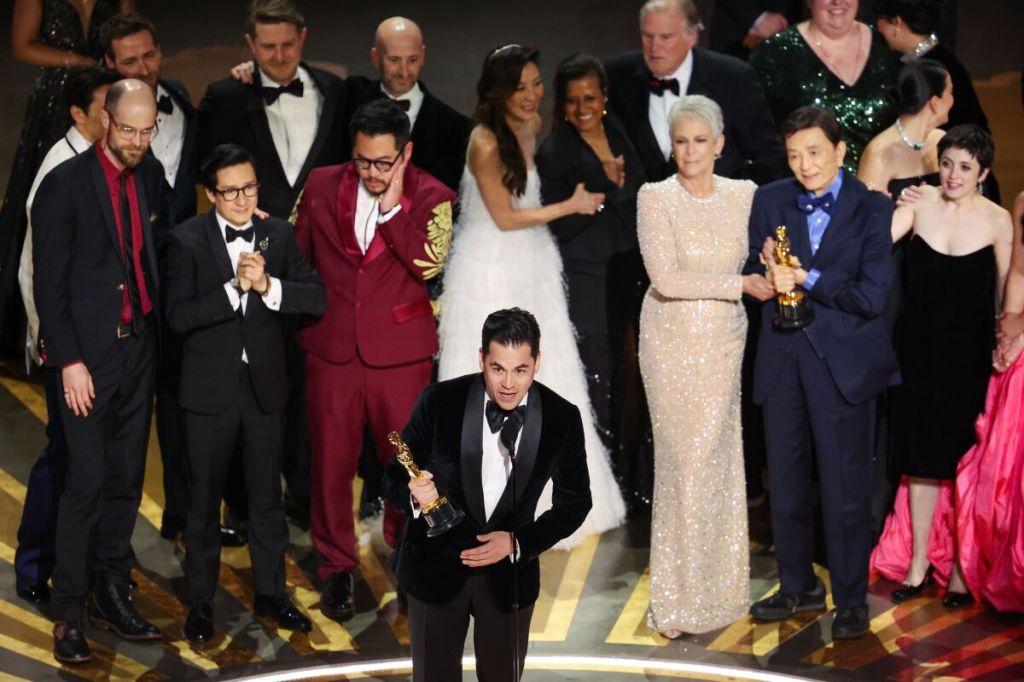
    But 366 days after its debut at the 2022 South by Southwest Film Festival, Everything Everywhere All At Once moved beyond critical and cinephile acclaim by winning seven of its 11 Academy Award nominations Sunday evening including Best Picture.

    While its success certainly signals an ongoing shift in what the Academy considers worthy of its top prizes, All At Once practically sweeping is a striking endorsement in genre filmmaking and original storytelling that should boost the profiles of future projects and promote filmmakers taking risks for the sake of unique creativity.

    All At Once probably isn’t a film that reaches across the spectrum of moviegoers like Top Gun: Maverick or a Steven Spielberg movie might be, but those just stumbling onto this remarkable gem should make every effort to find a way to see it even if it’s too strange or outlandish for more conservative cinephiles.

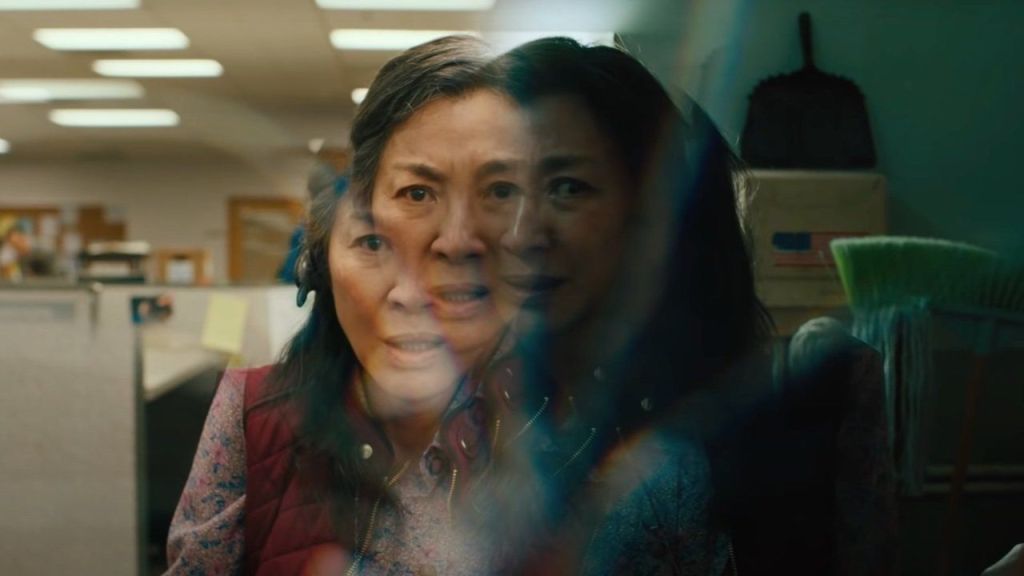
    Long overdue Best Actress winner Michelle Yeoh stars as Evelyn, a down on her luck Chinese immigrant whose business is on the verge of collapse and her marriage on the brink of divorce. While heading to an IRS audit meeting, Evelyn is confronted by an alternate version of her husband, Waymond, who believes she is the only person capable of stopping the nefarious Jobu Tupaki from collapsing every possible universe.

    Although the film could probably have been successful simply based on the creativity of writing/directing duo Dan Kwan and Daniel Scheinert, collectively known as Daniels, Yeoh brings All At Once to the next level with a nuanced performance that is often frantic, sometimes melancholic, and ever transformative. 

    She becomes a terrific stand-in for the audience as the film progresses with Yeoh’s initial confusion to the world Evelyn is forced into mirroring the bewilderment of viewers.

    If there’s only one reason to see All At Once, it’s for the heartfelt, magnetic performance from Best Supporting Actor winner Ke Huy Quan, who returned to acting for his first role in two decades and steals nearly every scene he’s in as Evelyn’s sheepish, yet adorable husband Waymond. No matter what version of Waymond is in the moment – and all versions are incredible – Quan gives his whole heart to Waymond in a way that just leaps off the screen.

    Another veteran performer – Jamie Lee Curtis – finally got her laurels with a Best Supporting Actress win with an almost unrecognizable turn as the IRS agent assigned to Evelyn’s audit.

    All At Once is even more spectacular in terms of its visual effects, which was developed by a team of only five to create over 500 different shots in the film. Daniels use both practical and computer-generated effects to showcase Evelyn’s bridge between the versions of herself, dubbed “verse jumping” in the movie, and the look of Yeoh rapidly falling backwards is a constant blur of motion and imagery that keeps viewers at the edge of their seats.

    The film also moves at an intensely rapid pace thanks to distinct and swift editing by Paul Rogers, who won for best editing, that makes the most of the dynamic action sequences that perfectly blend martial arts with the strange science fiction elements of the plot.

    The singular vision of All At Once is so outside the box – there’s literally worlds with hot dog hands and pinatas – that rewarding Daniels with both Best Direction and Best Original Screenplay is something that speaks to the film’s technical merits and craft of storytelling, but also to the deep emotional core that resonates from the opening moments through the final credits.

    The Academy’s shift in direction to celebrate the less conventional parts of cinema culminated in heralding in a new era of creative, vibrant and original storytelling.

    In 2022, there simply isn’t a better example of independent artistry and breaking the mold of what movies could be than Everything Everywhere All At Once, a more than worthy Best Picture winner and something that cinephiles would do well to watch (or re-watch) very soon.
  • Causeway: Return to form

    Causeway: Return to form

    It’s unclear if Apple, a major player in the technology world but relatively new in film production, has any idea what to do with the movies it releases.

    After making a big splash last year with their surprise Best Picture Oscar winner CODA, the up-and-coming movie studio had several anticipated titles on their slate over the next 18 months but has struggled to choose which, if any, of these films are worth a large theatrical release or even promotion beyond dumping onto its Apple TV+ streaming service to little fanfare.

    Unfortunately, the latter is the case for Academy Award winner Jennifer Lawrence’s first real foray back into dramatic work in many years with the somber independent drama Causeway, the feature film debut for director Lila Neugebauer.

    With Lawrence at her best since an Oscar win in Silver Linings Playbook or perhaps even further back to her debut in Winter’s Bone, there’s absolutely no reason why Causeway shouldn’t be a film at the front of moviegoers’ minds this holiday season and yet somehow a film of this quality just trickles out with little notice.

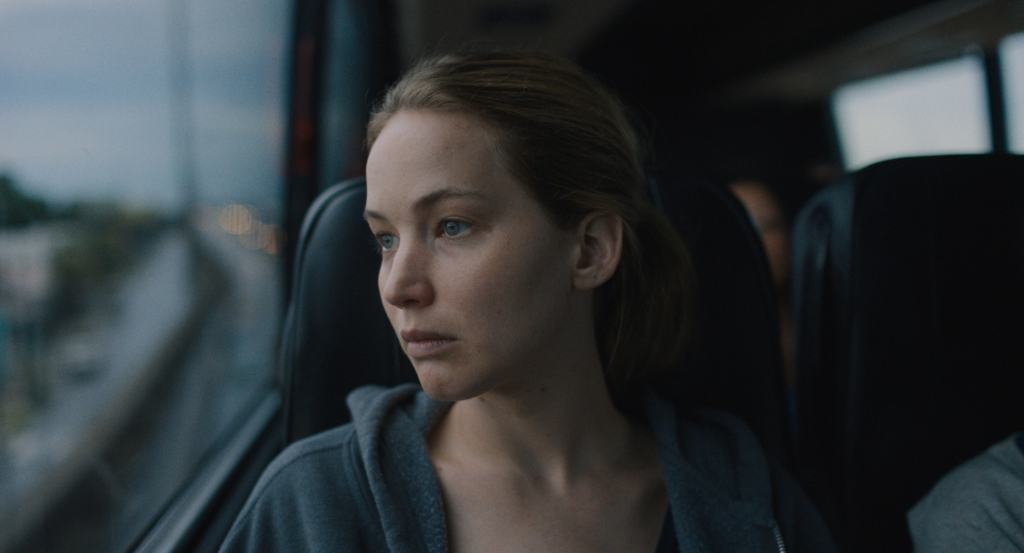
    Causeway, which debuted on Apple TV+ on Friday after a small theatrical release, stars Lawrence as Lynsey, a member of the Army Corps of Engineers returning home to New Orleans to face a grim reality after her unit was decimated by an improvised explosive device in Afghanistan.

    Neugebauer’s film is poignant and small in scope with few characters and a limited world to build around, which keeps the focus almost entirely on Lawrence’s stoic and layered performance throughout.

    It’s a stripped-down turn from the Oscar winner who really feels like she’s getting back to her independent acting roots after toiling away for the better part of a decade in franchise and blockbuster films.

    Lawrence’s commitment to Lynsey’s pain, both in the emotional and physical level, is real and the awkward lack of chemistry Lawrence has with every other character on screen is palpable yet intentional. It’s meant to display Lynsey’s psychological fragility but in a larger sense, the constate state of malaise and unease returning soldiers face when they come home only to feel the pull back to the front lines as quickly as possible.

    It’s a considered performance very reminiscent of turns like Jeremy Renner in The Hurt Locker or Bradley Cooper in American Sniper, although increasingly more subtle and nuanced as Lawrence and Neugebauer take Causeway at a much smaller scale to really individualize Lynsey’s struggles.

    While Causeway fully encircles Lawrence’s Lynsey, it’s not the only astonishing performance in the film. Brian Tyree Henry, a veteran character actor known for the FX television show Atlanta and Barry Jenkins’ drama If Beale Street Could Talk, does his best work since Beale Street as James, an auto mechanic Lynsey befriends upon her return home.

    While at first, the unlikelihood of their friendship confounds audiences, it’s when the film reveals itself and James opens up about his own past that Causeway truly comes alive to allow both phenomenal performers to fully engage with the weight of the drama and mine the emotional depths within.

    As is often the cast with these tiny, considered independent films, Causeway is boosted by incredible yet unobtrusive cinematography from Diego Garcia that really places Lawrence and Henry at the center of the frame while making the city of New Orleans a larger character. There is a lot of beauty within smaller moments simply watching Lynsey clean relatively abandoned pools or seemingly innocuous scenes of dialogue bathed in bright sunlight or deep, rich nighttime black all while perfectly underscored by composer Alex Somers.

    It’s unfortunate that Causeway will likely have no chance at major awards consideration this fall given Apple’s inconsistency in their film promotion though both main actors deserve acclaim and will likely have strong showings among critics’ groups and at the Film Independent Spirit Awards early next year.

    Certainly one of the year’s most underseen dramas, Causeway is a film that audiences will appreciate if they are able to live quietly within the moments that Neugebauer provides and focus on the nuance of the acting within while not being distracted during a home viewing experience.

  • Tár: Measures of time

    Tár: Measures of time

    Time is a very precious and valuable thing.

    What we do with our time, how quickly or slowly life seems to go all feels set at a tempo that we conduct ourselves.

    It’s also at the core of acclaimed writer/director Todd Field’s first film in 16 years, a cerebral, cold, elongated portrait of a woman convinced that she has mastered time itself.

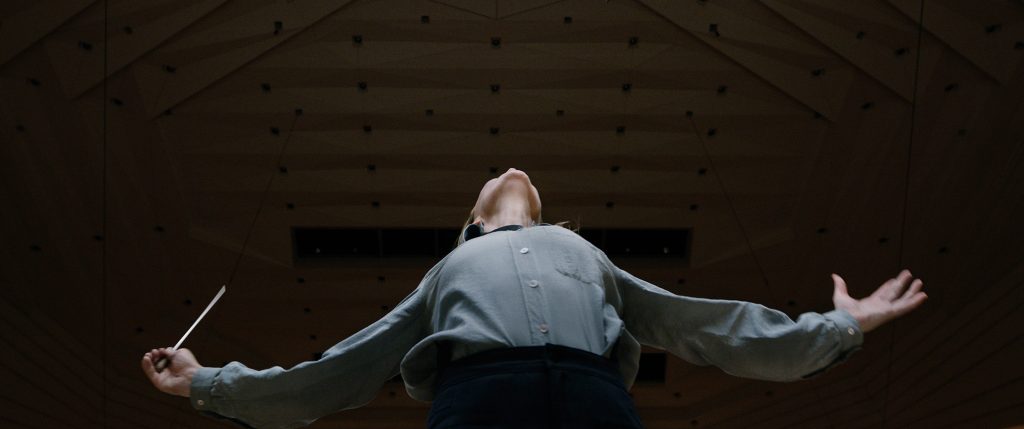
    Featuring one of the year’s most compelling performances from two-time Academy Award winner Cate Blanchett, Tár follows the titular character Lydia Tár, head conductor of the Berlin Symphony Orchestra at the top of her game preparing to achieve the pinnacle of her career when whispers of something darker begin to pervade her life and psychologically terrorize her.

    It’s important to note at the outset that Tár takes its time crafting a world rather than developing a quick, speedy plot for audiences to follow. Field is not entirely concerned with how long scenes take to develop. There are numerous extended tracking shots that cover large portions, if not entire scenes, that while beautiful, elongate Tár to a languishing pace.

    The same is true of Blanchett’s Lydia, a character so demonstrably in control that time is of no great concern to her. Every action, every physical flinch, movement, stroke of her hand is measured beyond all consideration to the point where Lydia truly believes she domineers over time.

    It’s an interesting and engaging way to approach a character and it would completely fail in the hands of anyone other than Blanchett, an actress so cerebral in her performance that viewers can easily see the wheels turning in Lydia’s head even as things begin to spiral out of control.

    Her work is especially compelling in the first act as Blanchett can chew up all the scenery around her and Lydia’s guest lecture at a Juilliard master class will certainly be one of the five best scenes in cinema this year.

    Although Blanchett rightfully dominates every moment in Tár as audiences never leave Lydia’s point of view for more than an instant, the supporting cast is exceptional in their own right, especially Nina Hoss as Lydia’s partner and a member of her orchestra and a fantastically frustrated demure turn from Portrait of a Lady on Fire star Noémie Merlant as Lydia’s assistant Francesca.

    Thanks to Field’s creative vision and Blanchett’s singular performance, Tár is so specific in its world-building and nuanced in detail that it feels as if Lydia is a real person and that Tár is a dramatic biopic in the vein of Pablo Larrain’s Spencer.

    This truly extends throughout the craft with exceptionally cinematic visuals that feel ripped out of a European museum shot by director of photography Florian Hoffmeister and a measured, yet often roaring score from Oscar winning composer Hildur Guônadóttir that blends the work of Gustav Mahler with sounds haunting Lydia’s mind.

    For as much as Tár prides itself and references time as a main theme of the film, editing is by far the weakest element of the film with a painfully slow pace dragging down the quality of the drama in the film’s back half and really making audiences feel the weight of its nearly three-hour running time.

    While it’s still unclear just how well received Tár will be this awards season, Blanchett is undoubtedly the frontrunner to win her third acting Oscar and the film could easily ride her coattails with nominations for Hoss in supporting actress, Field in direction and Hoffmeister in cinematography.

    The best chance for audiences to enjoy Tár is through an immersive cinematic experience on the big screen that requires viewers to maintain constant attention to what’s happening and allow the visual and auditory brilliance to play out. Unfortunately, for those unable to do so, it’s unlikely that at home viewing at a later date would keep viewers from fully investing in Tár. 

  • Confess, Fletch: The mystery of reinventing the wheel

    Confess, Fletch: The mystery of reinventing the wheel

    Sometimes it’s impossible to fully recapture the magic of what made a classic film great.

    This is especially true in comedy, where age might confuse, muddle, or downright destroy punchlines and characterizations that were likely hilarious decades prior but are out of touch with modern taste and sensibilities.

    It’s likely why there’s been such a gap in revitalizing the Fletch film series based on the novels by Gregory Mcdonald.

    The Chevy Chase-led 1980s comedy saw the Saturday Night Live veteran take a quirky investigative journalist and make him even more eccentric and bizarre in a quintessentially Chase way that’s almost impossible to replicate.

    Filmmaker Greg Mottola, known for movies like Adventureland and Superbad, aptly takes on this challenge with his latest feature, Confess, Fletch, perhaps the most faithful to the original novel that reboots the franchise with a more dry, subdued, and charming Jon Hamm of Mad Men fame as the titular Fletch.

    Largely set in Boston, Confess, Fletch is a film of international mystery and intrigue that’s significantly more light-hearted than many murder mysteries but doesn’t have the same dynamic flair as something like director Rian Johnson’s Knives Out.

    It’s a film that lives and dies on the performance of Hamm, who is probably given the best chance in his career to show off his comedic chops. While the laughs aren’t gut busting, Hamm makes the most of the exceptionally dry dialogue and situations that smart comedy fans will love, and casual moviegoers might not fully appreciate.

    Hamm isn’t trying to recreate the Chase version of Fletch. There are no bombastic cheap jokes, no wild changes in tone. It’s a very demure performance by Hamm relative to the audacious Chase that works much more fluidly with the overall semi-serious noir style of the film.

    Confess, Fletch isn’t a comedy that tries for broad humor, nor does it beat audiences over the head with opportunities to garner a laugh. Quantity over quality is the key to the screenplay from Mottola and co-writer Zev Borow.

    The supporting cast is solid if not mostly unmemorable.

    Two police detectives played by Roy Wood Jr. and Ayden Mayeri are not the bumbling cops that one might expect to find in a mystery comedy like this but play off the dryness of Mottola’s script well. Each bring some unique characterization to otherwise flat characters with their cadence and line delivery that helps bring the comedy off the page.

    If anyone in Confess, Fletch feels more in tune with the original 80s films in their performance, it’s Marcia Gay Harden as a European countess who at times is almost indecipherable with her heavy accent masking dialogue, mumbling through words and phrases and hiding under heavy costuming and thick makeup to cover up the ridiculousness of the character.

    It’s a fun performance that feels a tad too exaggerated compared to everyone else in Confess, Fletch, often taking viewers out of the moment, but one that also adds more color and branches the divide between the Hamm-led and Chase-led versions of the series.

    Confess, Fletch is sharp but unobtrusive in its cinematography and editing, probably the cleanest in the series from a technical and visual aspect with some engaging road sequences that highlight just how different this film will be from the original and evoke more of a dry European flair.

    While there hasn’t been much promotion of the film for its theatrical release, Confess, Fletch will likely gain steam among some cinephiles as they are able to see it either in limited screenings or later in the privacy of their own home on VOD or Showtime.

    Led by a strong performance from Hamm and smart, observant dialogue, Confess, Fletch is a fun start to what appears to be an intrigue fall of murder mystery and comedic dramas that will help give audiences a fun alternative to serialized programming on streaming services.

  • Honk For Jesus: Ya got trouble in Atlanta City

    Honk For Jesus: Ya got trouble in Atlanta City

    The stage play and musical film “The Music Man” examines the world of the carnival charlatan Harold Hill, a larger-than-life character that transfixes and charms an entire town to his own financial gain.

    A product of the 1950s and early 1960s popular culture, it’s a relatively lighthearted cautionary tale meant to warn audiences away from being taken advantage of by con men posing as a moral compass for others.

    The biggest flaw of “The Music Man” is the surface level examination of who Harold is as a character, and it’s in that spirit that independent filmmaker Adamma Ebo crafts a boisterous tale of grandiose religious zealotry with her Sundance Film Festival selection and feature directorial debut Honk For Jesus. Save Your Soul, which debuted in select theaters and began streaming on Peacock this past weekend.

    Filmed largely in a comedic mock-documentary style popularized by shows like The Office, Parks and Recreation and most recently Abbott Elementary, Honk For Jesus follows Regina Hall’s Trinitie Childs, the proud wife and “first lady” to Southern Baptist mega-church pastor Lee-Curtis as the couple seeks to rebuild the congregation of Wander to Greater Paths, which closed amid a scandal the pastor and his wife refuse to acknowledge publicly, and more importantly, to each other

    The success and failure of Honk For Jesus boils down to the two leading performances, which take up over 90 percent of the entire film, with Hall and This Is Us star Sterling K. Brown more than up for the task.

    The pair take audiences on the journey of the film by slowly revealing the cracks in the marriage of Trinitie and Lee-Curtis, as well as the larger cracks on their individual psyches with care and precision.

    Honk For Jesus isn’t a film that plays for large laughs, but more cutting, nuanced humor that drips throughout Ebo’s screenplay. Unfortunately, the comedic elements often run a bit too dry for home viewing on a streaming platform like Peacock, but this is more than counterbalanced by wonderfully complex drama in the final act.

    Hall is exceptional throughout Honk For Jesus, taking her Tammy Faye Bakker-esque character from superficial stereotype to pained wife struggling with conflicts between her moral compass and Christian duties to her husband. Audiences are able to see the wear and tear strains in Trinitie’s marriage have taken in Hall’s eyes, which begin to lose their luster midway through the film. It’s an exceptional physical performance in a role where it may be more than Ebo expected as a director.

    Brown portrays Lee-Curtis as half carnival barker, half charismatic politician who has bought so deeply into his own story that he cannot even control the increasingly contradictory nature of his choices. It’s by far the most demonstrative performance of Brown’s career and it’s clear that that the actor revels in the wide berth Ebo gives him as a director to be reckless with Lee-Curtis’s choices. 

    The divide in their marriage stands out in just how distant Hall and Brown are from each other as performers and it plays out to great effect as the film veers away from the mockumentary style and leans into the more emotional drama.

    Ebo’s film uses the camera as a storytelling device from the outset, though it may not entirely clear to viewers at first glance.

    Through a subtle, yet distinctive framing trick, Honk For Jesus carries itself in and out of the narrative structure visually more than expected as Ebo swaps a widescreen 2:35:1 format and a more 1:55:1 box format in a second by second basis to indicate moments that are happening in real-time versus ones captured by the documentary crew.

    This doesn’t become apparent until Lee-Curtis and Trinitie engage more directly with the off-screen characters of documentarian Anita and her film crew, one of whom Lee-Curtis thrusts into the narrative in a somewhat shocking scene that brings out the best of Brown’s increasingly manic performance.

    An imperfect film with astonishingly memorable characters, Honk For Jesus. Save Your Soul isn’t necessarily the kind of comedy that would bring down the house in large theaters but may be the perfect dramedy to take a chance on with a home viewing experience on Peacock.

  • Breaking: Past the boiling point

    Breaking: Past the boiling point

    A man walks into an Atlanta area bank.

    Honorably discharged from the Marine Corps, he’s soft and unassuming, calm and friendly to the teller. 

    There’s one problem though. He slides a note across the counter with the words “I have a bomb” on it and sets off a chain reaction of events with unexpected consequences.

    Based on the true story of Brian Easley, the Sundance Film Festival award winning film Breaking dropped with little fanfare this past weekend in moderate theatrical release. It’s clear that Bleecker Street, the studio releasing director Abi Damaris Corbin’s thriller, has no clue what kind of a movie they have on their hands. 

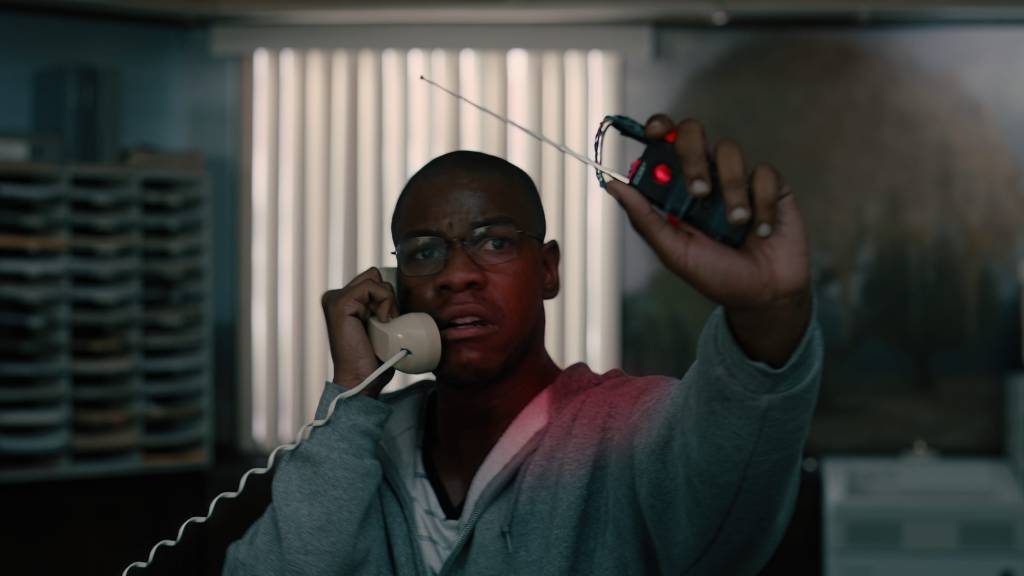
    Breaking should be a film in every theater in America, especially given the dearth of quality options in August, and John Boyega’s leading performance as Brian might end up being one of the most poignant and powerful of the year. 

    The film feels like a blend of Al Pacino’s classic Dog Day Afternoon and films that examine what happens to soldiers when they return home and there’s no war anymore like Thank You For Your Service and The Hurt Locker.

    A majority of the relatively crisp 103-minute running time happens in the bank and when Corbin’s camera is trained on Brian and his two hostages, there’s a unique depth of both emotional drama and subtle character work that isn’t often found in bigger-budget thrillers. 

    The intimacy Corbin draws out from Boyega, especially as she and cinematographer Doug Emmett pull in tight on Brian’s forlorn face, frazzled demeanor and simple appearance create a surprising connection between the audience and Brian. 

    This isn’t to say that viewers suffer from Stockholm Syndrome, the condition that bonds hostages to their captors. Boyega’s translation of Corbin and co-writer Kwame Kwei-Armah’s script never puts the audience in any real danger, which softens Brian’s character without diffusing any of the tension in the bank. 

    Boyega shines in the film’s many emotional moments, both in flashbacks with Brian’s young daughter and in heartbreaking exchanges with the police negotiator and a television producer Brian calls to tell his story. 

    Breaking is perhaps the most complex and thoughtful performance in Boyega’s career as viewers can see the weight of the world being carried on Brian’s shoulders. The way Boyega is able to emote calmly and carefully while showcasing Brian’s increasingly erratic mental health is astonishing. 

    The film is boosted by a strong supporting cast around Boyega that earned the Sundance special jury prize for best ensemble in January. 

    In his final role before his tragic death last year, The Wire star Michael K. Williams brings immense passion and emotional connection as police negotiator Eli Bernard. Though they never share the screen together, Williams and Boyega bring out the best in each other’s performances and the fragility of their bond is among the most compelling moments in the entire film. 

    Nicole Beharie and Selenis Leyva as the two bank employees held hostage provide a great balance to the harrowing events with Beharie’s more calm, rational demeanor offsetting the fearful fluster of Leyva. 

    The biggest flaw in Breaking comes from a lack of consistency in storytelling. When the camera is focused on Brian and his world both in and out of the bank, Corbin’s film is exceedingly compelling and transfixing. 

    As things pan outside of Brian’s purview, especially in scenes featuring the police or Brian’s ex, Breaking doesn’t maintain the same gravitational pull drawing the audience in and it often takes viewers out of the moment. Some sharper editing or more well-rounded characters might have helped here, but it’s clear when Brian is in focus, Breaking really soars. 

    It’s unfortunate that a wider audience will have to wait until Breaking hits a streaming service or on demand before experiencing this largely compelling independent thriller. Strong performances from Boyega and Williams as well as a heart wrenching narrative make it a film that deserves more than what it will likely find at the box office.

    Smart, engaging moviegoers would be well served to seek out Breaking in the next couple of weeks while the cinema slate is lighter.

  • Vengeance: Far from the Big Apple

    Vengeance: Far from the Big Apple

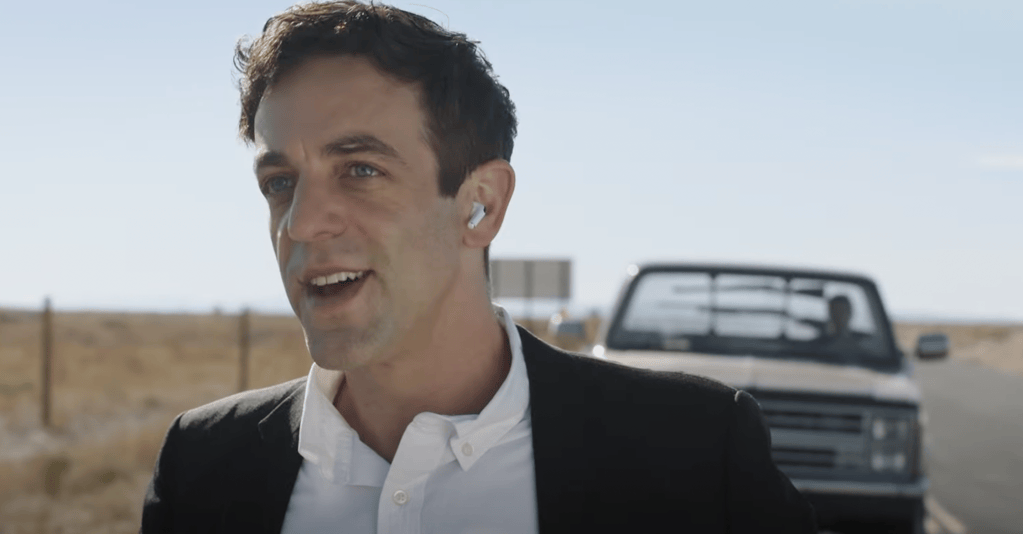
    B.J. Novak’s debut feature film opens with the former star of “The Office” on a New York rooftop in vapid, existential conversation with musician John Mayer, playing a somewhat exaggerated version of himself.

    The pair pontificate about having everything in life figured out and the ease of mindless dating women saved in their phones like “Random House Girl.” Then Novak’s Ben – a journalist and aspiring podcast host – talks to his producer about the division and unrest in America because of time.

    It’s a sort of existentialism that one might expect from a Woody Allen film and the primary framing device of Novak’s Vengeance, a film that seeks to create a conversation about America by bringing elitist New Yorker Ben to the wild emptiness of West Texas, where the family of old fling Abby insists that he come to her funeral and help investigate her death they’re certain on “gut” was murder.

    But it’s clear over the course of 90 minutes that Novak doesn’t learn the lessons that he hopes his protagonist – Novak writes, directs and plays the lead in Vengeance – will learn and his dark comedy, while funny and entertaining, misses the mark about what separates us politically and socially.

    Much of the issues that hold Vengeance back from being an exceptional independent film come from the mixed tonality as Novak tries to make a crime thriller, a biting dark comedy and a richly cynical observation piece all at once.

    These elements work in part but never coalesce into a complete film as it often feels like Novak is trying to do too much in front of the camera and not focusing on the bigger picture behind the camera.

    As an actor, Novak excels at creating a character known for feigning mild interest in others to survive awkward moments and his Ben slowly progresses to admiration of this Texan family he befriends with relative believability. Some of the major leaps in logic and character development around Ben in the third act seem to be much more a result of the screenplay rather than his on-screen work.

    The film’s humor largely comes from the actors portraying Abby’s family despite how one-dimensional they appear on the script page.

    Boyd Holbrook shows some genuine emotion despite the rural naivety stereotype Vengeance often leans into as Abby’s older brother Ty; Louanne Stephens relishes in the moment having all the best one-liners as no-nonsense Granny Carole and Elli Abrams Bickel brings the most heart in the entire film as the younger brother nicknamed “El Stupido,” completely overcoming a somewhat insulting depiction with innocence and charm.

    Among the more famous cast members, Issa Rae is well suited to be Ben’s witty, supportive producer Eloise while Ashton Kutcher is terribly miscast as a West Texas record producer who chooses to spend his fortune seemingly in the middle of nowhere.

    Directorially, Novak takes the most risks in the opening moments as he establishes a quick paced editing style that bounces back and forth between dialogue in choppy bits to help symbolize the disperse, fleeting nature of New York conversations and elongates these moments as Vengeance heads south.

    The centerpiece of this film should be Novak’s witty script, which has moments of sharp reflection and some genuinely funny interactions between his fish-out-of-water New Yorker with West Texas culture. But his view of Texas life is so often skewed by loose caricature that it’s unclear by the end if Novak has learned any of the lessons his film tries to preach.

    Yet somehow in spite of itself, Vengeance has enough disjointed parts to be one of the summer’s most entertaining and original features that audiences looking for something fresh should consider checking out in theaters or at home closer to the end of the year.

  • Cha Cha Real Smooth: All the right moves

    Cha Cha Real Smooth: All the right moves

    The best movie characters, ones audiences take to and see themselves in, aren’t always idyllic.

    Filmmakers find genuine beauty in flaws and imperfections in their personalities and psyches that allows viewers to naturally respond and become more fully transported into another world.

    Cooper Raiff’s second feature film – an audience award winner earlier this year at the Sundance Film Festival – screened this past week at the Tribeca Festival before debuting in select theaters and Apple TV+ on Friday.

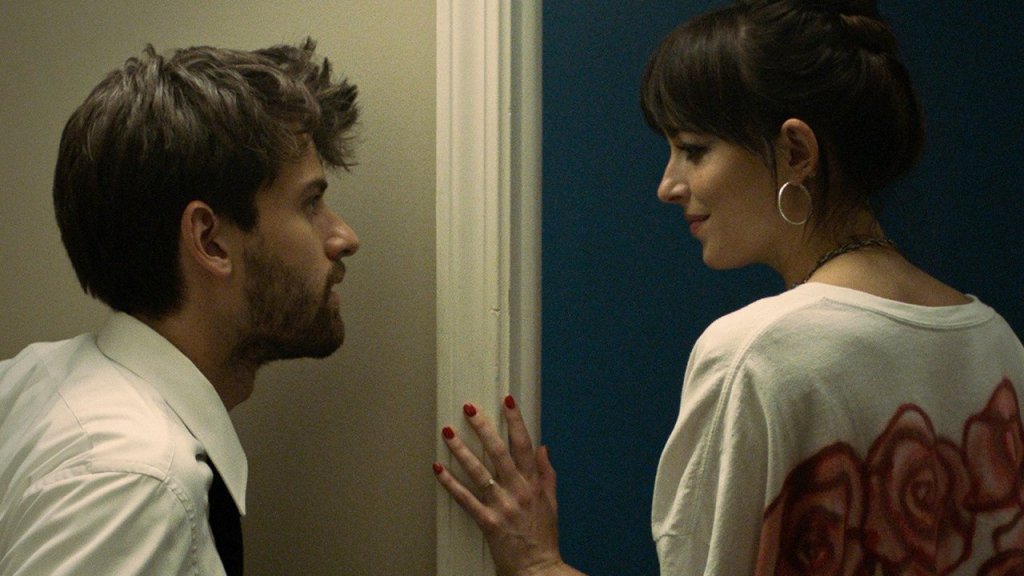
    The Dallas native wrote, directed and stars in Cha Cha Real Smooth, featuring Raiff as Andrew, a down on his luck recent college graduate working as a Bar Mitzvah party host who befriends an isolated mother and her autistic daughter. It’s a film with boundless heart, flawed characters who don’t always do the right thing and an unflinching, un-fakeable authenticity.

    Cha Cha Real Smooth feels more genuine and honest about personal flaws than any coming-of-age dramedy since 2017’s Lady Bird and there’s a sentimentality to Raiff’s screenplay and direction that seeps into every crevasse of the film to tug at viewers’ heartstrings at the perfect moments.

    Raiff portrays Andrew with an unbridled passion for life that he just can’t seem to control. His work shows Andrew as a man who wants to be great but has no idea who he is or wants to be come and there’s a frantic energy to every interaction Andrew has in Cha Cha Real Smooth that reflects Andrew’s longing for a real life to start.

    There’s a distinct feeling viewers get watching the film that Andrew (as well as Raiff as a filmmaker) cares so deeply about almost every character that he will do whatever it takes to make others as happy as he wants to be himself. The sentimentality of that notion shines through in Raiff’s performance and drives much of Andrew’s motivations.

    Raiff’s work is perfectly counterbalanced in the film by Dakota Johnson’s more free-spirited, yet melancholic turn as Domino, a young mother of an autistic teen whose life hasn’t gone the way she probably wanted. The duo creates a chemistry between Andrew and Domino that has a magnetic push and pull of emotional infatuation rather than true romantic connection.

    Both Andrew and Domino make decisions in the film that audiences may cringe at, but Cha Cha Real Smooth approaches it through Raiff’s screenplay in such a way that there aren’t really any judgments, rather an appreciation for the complexity of real life.

    Every performance in Smooth has to work perfectly for Raiff’s script to shine as much as it does and the acting across the board is nothing short of pitch perfect.

    The film’s young actors should be stealing the show, but Raiff and Johnson have a distinct and palpable energy to their chemistry that takes Smooth to another stratosphere.

    Newcomer Vanessa Burghardt is heart-melting as Domino’s daughter, Lola, and there’s a winning charm to her interactions with Andrew as she warms up to his presence in her life that the entire movie could have been built around.

    Evan Assante’s bond with Raiff as Andrew’s tween brother David and the instantaneous love felt for Andrew’s relationship with Leslie Mann’s turn as his mother allows audiences to warm up to Andrew in a more well-rounded way, showing his inherent sweetness on a familial level as much as an idyllic romantic level.

    As a director, Raiff gives his film a very distinct vibe by often turning up the color contrast to deepen the shadows and highlight the bright colors, which especially work wonders during night scenes and the frequent party sequences of the film. It’s as if the visuals match the frantic energy racing through Andrew’s head.

    Cha Cha Real Smooth deserves to be a major awards contender later this year, especially Raiff’s wholly original screenplay and Johnson’s magnetic supporting performance. The one downfall, however, may be Apple’s focus on the much more star-studded upcoming Martin Scorsese film Killers of the Flower Moon that may pull voters’ eyeballs away from a smaller, more intimate movie.

    Raiff’s second feature film will be a crowd favorite worth heading to theaters to revel in the humor and emotion with others, though its ease of access on Apple TV+ helps ensure Cha Cha Real Smooth becomes an instant hit with an even larger audience than a normal independent dramedy might.

  • Fire Island: Summer nights

    Fire Island: Summer nights

    Nearly 30 years ago, director Amy Heckering transported audiences into the world of Jane Austen’s classic novel Emma through the lens of 1990s Beverly Hills high school with Clueless.
    The bright, quirky satire provided a clever twist on what might be viewed as stuffy literature and made Austen more accessible for younger audiences.

    Comedian Joel Kim Booster found inspiration in another Austen classic, Pride and Prejudice, for his feature film debut Fire Island, writing the screenplay and starring as Noah, loosely based on the Elizabeth Bennett character from the original novel.

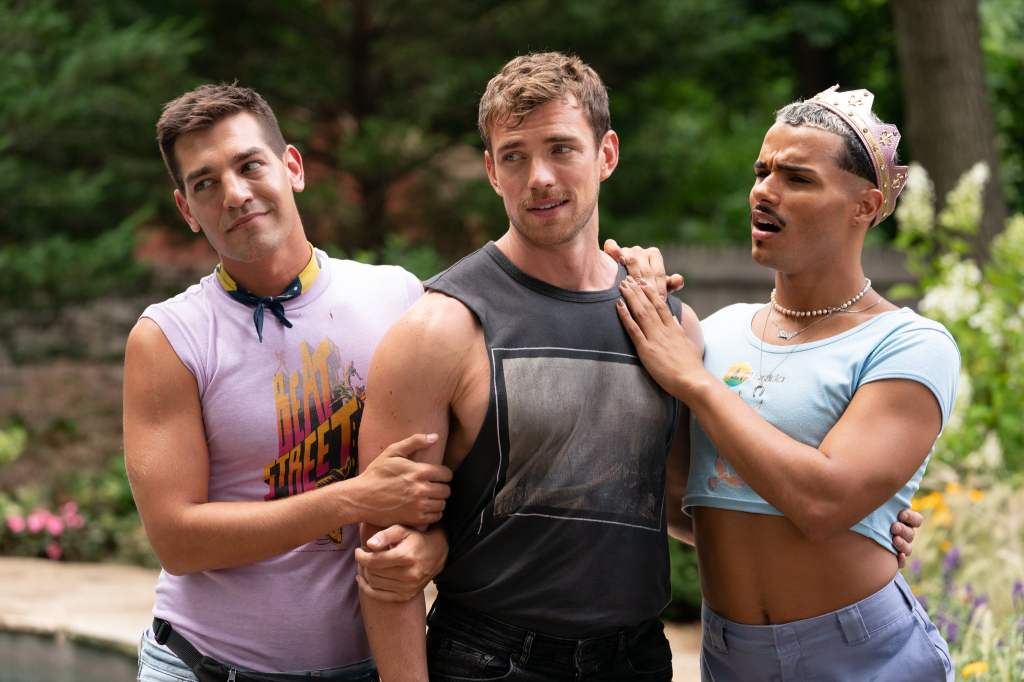
    The Searchlight produced film from director Andrew Ahn debuted on Hulu this past weekend and follows a group of five late-20s/early-30s gay men as they travel to a resort outside New York City for a week filled with debauchery, hookups, and relaxation. Noah has vowed to remain celibate until he can find someone for his best friend Howie, while the larger group laments the fact that this may be their last trip to the island.

    Booster is a solid lead actor with a performance that’s easily likable and allows audiences to relate to Noah’s plight, but there’s nothing exceptionally notable about his work apart from the terrific chemistry he has with Saturday Night Live standout Bowen Yang. Clearly, the film works best when these two actors are able to banter and feed off each other’s energy in a friendship that goes well beyond the movie itself.

    Yang is the best thing about Fire Island, offering a complex, emotional turn as Noah’s best friend Howie. It’s a performance that immediately draws sympathy while maintaining a good humor and the way Yang can emote naturally without it feeling forced or fake is a welcome quality for SNL alums in their film work.

    Veteran comedienne Margaret Cho grounds the craziness of events with a largely calming, yet funny presence as the group’s maternal figure who owns the house the boys all stay at every year.

    The breakout star of Fire Island is former Fredericksburg Theater Company actor Zane Phillips, who makes his feature film debut as Dex, a somewhat sympathetic island attendee with secrets that make him both mysterious and controversial. Phillips plays the role with an inherent kindness that slowly melts away as Dex’s true character is revealed.

    Ironically, his supporting performance is better than either of the intended love interests, Conrad Ricamora’s Will or James Scully’s Charlie, who lack the sort of effortless chemistry that Booster and Yang showcase as longtime friends.

    There are some obscure jokes that will only make sense for those familiar with the Keira Knightley-led film adaptation of the novel or this film’s wayward start as a comedy series for now defunct streamer Quibi.

    By in large, the jokes almost always land for a chuckle but rarely rise to the level of hearty belly laugh. This is mostly due to the even keel tone in both Booster’s script and Ahn’s direction that maintains a lighter tone during more serious moments but limits the ability to create large moments of gut-busting laughter required of a theatrically released comedy.

    Fire Island is considerably more explicit, even by romantic comedy standards, than films like Clueless or even crude Judd Apatow-produced features like Superbad have been as the R-rated flick skips a theatrical release and heads straight to Hulu. 

    Ahn’s film is exceptionally sex positive and open about the number of casual encounters and hookups that occur on the island, being clear and direct to showcase homosexual relationships visually in the same way a director might focus on heterosexual lovemaking. This could easily dissuade more conservative viewers from enjoying the larger film, but for the most part, the sexuality is secondary to the larger story and Ahn never makes a performance out of sex for show, only to further the plot.

    While the film may sail over the heads of some casual viewers or put off conservative audiences, Fire Island has a commitment to the notion of found family and genuine entertainment that other viewers might find worth taking a chance on thanks to its easy access as a Hulu original.

  • Everything Everywhere All At Once: Cinematic beauty in weirdness

    Everything Everywhere All At Once: Cinematic beauty in weirdness

    The directing duo of Dan Kwan and Daniel Scheinert, collectively known as Daniels, have created a brand of cinema flavored with creative ingenuity blended with the bizarre and outlandish that have seen them mystify viewers with flatulent corpses and dark humor with films like 2016’s Swiss Army Man and 2019’s The Death of Dick Long.

    Their third feature together, Everything Everywhere All At Once, takes their obsession with the absurd to new heights cinematically as the pair forge a strange, genre-bending tale that mixes Hong Kong martial arts with sci-fi hijinks, comic book universe hopping with family drama in a compelling, original film unlike anything audiences will see in 2022.

    Michelle Yeoh of Crouching Tiger, Hidden Dragon and Crazy Rich Asians fame stars as Evelyn, a down on her luck Chinese immigrant whose business is on the verge of collapse and her marriage on the brink of divorce. While heading to an IRS audit meeting, Evelyn is confronted by an alternate version of her husband, Waymond, who believes she is the only person capable of stopping the nefarious Jobu Tupaki from collapsing every possible universe.

    While the film could probably have been successful simply based on the Daniels’ creativity, Yeoh brings All At Once to the next level with a nuanced performance that is often frantic, sometimes melancholic, and ever transformative. She becomes a terrific stand-in for the audience as the film progresses with Yeoh’s initial confusion to the world Evelyn is forced into mirroring the bewilderment of viewers.

    As Evelyn grows in confidence and learns skills from alternate reality versions of herself, Yeoh is able to showcase her martial arts prowess and then immediately fall back into a stupor that is practical and convincing to Evelyn’s increasingly outlandish plight and as Evelyn comes to accept the ridiculousness of her situation, Yeoh makes it easier for audiences to suspend their disbelief as well and enjoy the ride.

    Yeoh is aided by a wonderful ensemble cast who must make even wider transformations between their character’s normal selves and bizarre variations.

    Ke Huy Quan returns to acting for his first role in two decades and steals nearly every scene he’s in as Evelyn’s sheepish, yet adorable husband Waymond. No matter what version of Waymond is in the moment – and all versions are incredible – Quan gives his whole heart to Waymond in a way that just leaps off the screen.

    Newcomer Stephanie Hsu is a revelation as the couple’s daughter Joy, a complicated blend of both her parents that allows Hsu to be more eccentric with her alternate versions and Jamie Lee Curtis is almost unrecognizable in a hilarious supporting turn as the IRS agent assigned to Evelyn’s audit.

    All At Once is even more spectacular in terms of its visual effects, which was developed by a team of only five to create over 500 different shots in the film. Daniels use both practical and computer-generated effects to showcase Evelyn’s bridge between the versions of herself, dubbed “verse jumping” in the movie, and the look of Yeoh rapidly falling backwards is a constant blur of motion and imagery that keeps viewers at the edge of their seats.

    The film also moves at an intensely rapid pace thanks to distinct and swift editing by Paul Rogers that makes the most of the dynamic action sequences that perfectly blend martial arts with the strange science fiction elements of the plot.

    Daniels also create a fully realized, wholly immersive world with some of the best production design and costuming that will probably be featured in all of 2022. The depth to which the filmmakers transform a simple office building into a plethora of avenues for creativity cinematically is astonishing and the costume work, especially on Curtis’s Deirdre and also Jobu Topaki showcase the avantgarde uniqueness and originality unmatched in this era.

    Because All At Once is so outside the box – there’s literally worlds with hot dog hands and pinatas – it’s unclear how a film released in the first half of the year will stay in the conversation long enough to earn the awards season acclaim it deserves, but Daniels’ film definitely deserves to stand alongside The Batman as the two features to release before July that need to be remembered by voters months from now.

    Though it will be a fun experience at home for audiences who can’t find it close to them, there’s no doubt that the visual thrill ride of Everything Everywhere All At Once deserves a trip to the cinema to see the Daniels’ vision on the biggest screen possible and this strange, yet heartfelt will no doubt be a top film of the year.