Category: Oscar Contenders

Oscar contenders, awards-season coverage, awards predictions, nominations, and ceremony analysis. Historical archive category retained at its original URL; use selectively for awards-relevant articles.

  • Mudbound: Lives of quiet desperation

    Mudbound: Lives of quiet desperation

    Unless you were looking for it, odds are good that you might never stumble across a film like “Mudbound,” a small, intimate drama that snuck its way onto Netflix last week.

    The tale of two families – the McAllens, a moderately affluent white family transplanted to farming country, and the Jacksons, poor African-American sharecroppers seeking out land to call their own – is in many ways a solemn reminder of where America has been and perhaps where it is today.

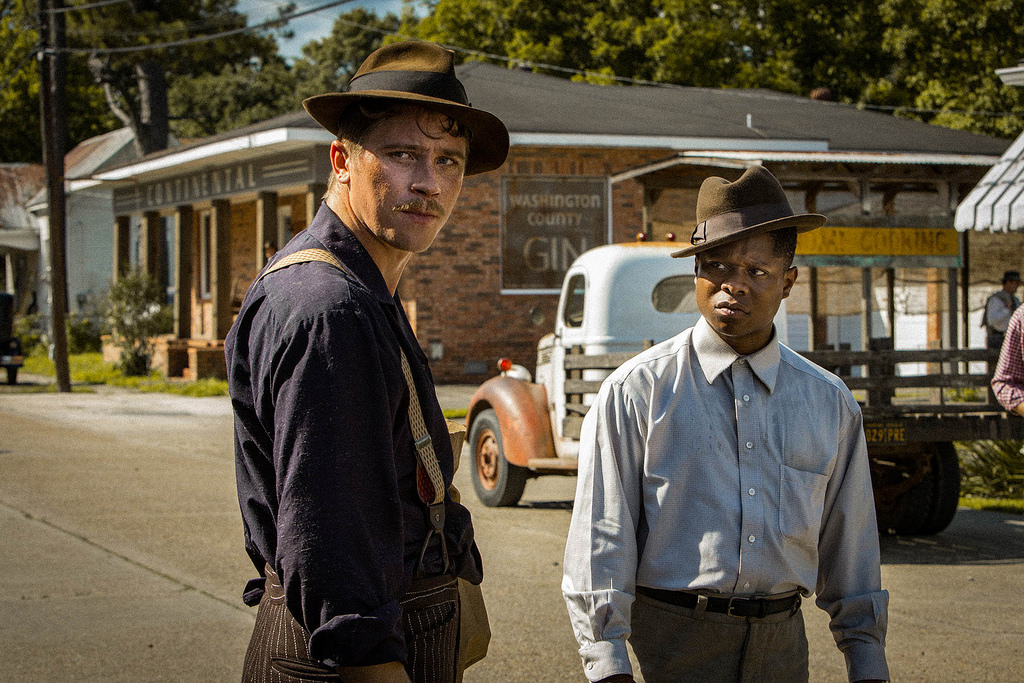
    Acquired by Netflix after its Sundance run early this year, “Mudbound” examines racial relations and familial history in rural Mississippi during the 1940s. The film pinballs back and forth between members of both families as they experience lives of quiet desperation in the Deep South.

    “Mudbound” aggressively tackles a wide variety of issues from racial inequality to the role of women in society to post traumatic stress disorder with a subtle hand of candor.

    Its slow roll approach to these broad issues may disenchant and bore casual viewers, though attentive audiences may become enthralled and captivated by the film’s stunning cinematography and terrific ensemble cast.

    Although “Mudbound” lacks definitive star power, director Dee Rees’ movie boasts a plethora of veteran character actors who thrive as part of the collective group.

    The film’s most stunning performance is delivered by up-and-comer Jason Mitchell, who broke out in the 2005 hit “Straight Outta Compton” and dazzled in Kathryn Bigelow’s noir drama “Detroit” earlier this year.

    With “Mudbound,” Mitchell tackles his most dramatic role to date as the Jackson’s eldest son Ronsel, a tank sergeant under General Patton who finds a much colder reception returning home than he did traversing Europe.

    Mitchell toes the line of being aggressive with his performance without becoming showy or overstated. His ability to show more anger with his eyes than his words is mesmerizing to watch on screen and proof positive of Mitchell’s star potential in the years to come.

    He shares great and effortless chemistry with Garrett Hedlund, who gives a distant yet nuanced performance as younger McAllen brother Jamie. Their uneasy, unlikely bond over wartime stories and shared post traumatic stress informs most of the film’s best moments and carries “Mudbound” for much of the film’s second half.

    Jason Clarke and Carey Mulligan also shine as the elder McAllen brother Henry and his wife Laura. Much of the film’s first third ironically relies on an intended lack of chemistry between Henry and his new bride and the couple’s awkward pairing comes through on screen in spades.

    It sometimes feels harder for two actors to authentically capture a relationship that doesn’t work like two puzzle pieces forced together. Clarke and Mulligan make the couple’s unspoken tension feel real in a special yet tense way.

    “Mudbound” rounds out its cast with outstanding supporting turns from Jonathan Banks as the McAllens’ stubbornly racist father Pappy, Rob Morgan as sharecropper/pastor Hap Jackson and an nearly unrecognizable Mary J. Blige as Hap’s wife Florence.

    Rees and cinematographer Rachel Morrison do a wonderful job of giving “Mudbound” a deeply rich, vivid picturesque look that feels ripped straight out of the pages all the history book. Thankfully, the cinematography is shot in a way that accents and enhances the performances rather than impeding them.

    If there is a flaw in the filmmaking, “Mudbound” consistently drags a touch from beginning to end and often relies too heavily on narration to give viewers insight into the characters.

    Seemingly a strong contender come award season, “Mudbound” may fall prey to the same Netflix curse that befell 2015’s stellar yet underappreciated African warlord drama “Beasts of No Nation.” Major studio backing would probably have secured the film a best picture nomination as well as potential nods for Mitchell and Hedlund. Those certainly worthy, it’s far too early two pencil “Mudbound” in as a serious contender come Oscar season.

    Regardless, this character-driven, historical drama has far too much going for it not to merit the attention of patient, smart movie lovers seeking a quality film to fall in love with on a quiet Tuesday evening.

    Continue the conversation online at cinematicconsiderations.com
  • Thank You For Your Service: The battle’s just begun

    Thank You For Your Service: The battle’s just begun

    When war ends, new battles begin for soldiers returning home from combat.

    Quite often the things they’ve seen, the experiences they’ve had fundamentally change who they are as a person and their ability to relate to those loved ones who never served.

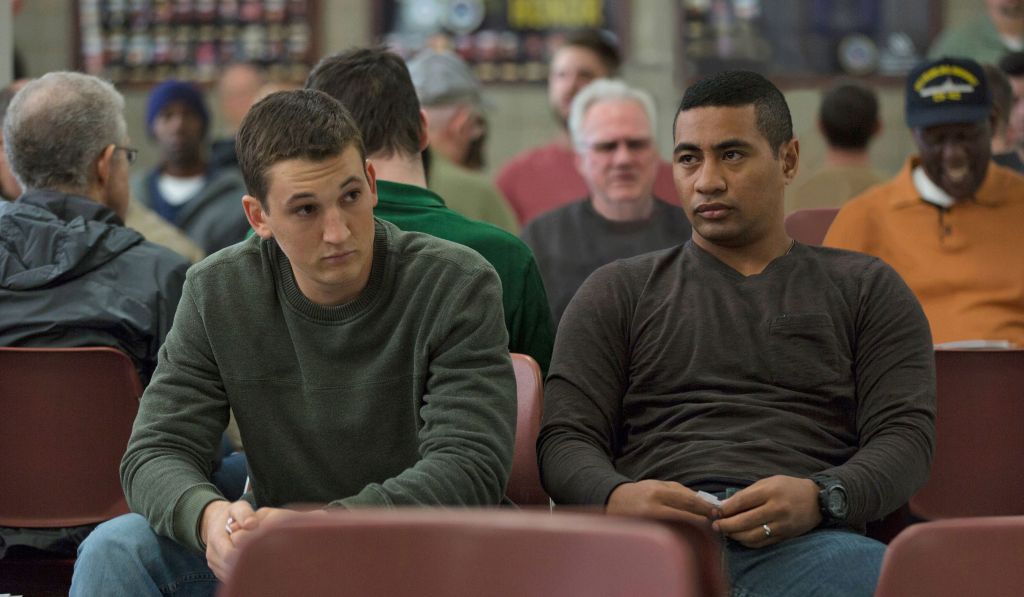
    These struggles strike at the core of writer/director Jason Hall’s “Thank You For Your Service,” a military drama based on real events that focuses on post-traumatic stress disorder among a small unit of soldiers serving in Iraq during the late 2000s.

    The film follows three men (Miles Teller, Beulah Koale and Joe Cole) as they arrive back in the U.S. after events at the tail end of another tour of duty change everything.

    With “Thank You For Your Service,” Teller proves why he’s one of Hollywood’s more underrated actors with a steady, nuanced performance as Adam.

    He provides the quiet heartbreak of a man struggling with depression, but refusing to cave in and show his emotions to others.

    In his eyes, it’s easy to see the desperation of a soldier unable to come to grips with the fallout of his time at war and incapable of relating to family members back at home.

    Without ever really showing it, the inner dialogue of Teller’s Adam feels like it’s constantly imploring him to remain strong, do right and set an example for his brothers in arms when all he wants to do is break down. There’s a confidence and subtlety to the performance that

    Teller genuinely relates to, making his work one of the year’s most powerful.
    Newcomer Beulah Koale shines in a breakout role as Adam’s best friend, an American Samoan nicknamed “Solo.”

    It’s always refreshing to see fresh faces go toe to toe while acting in scenes opposite more famous counterparts.

    Koale rises to the occasion in every scene with Teller, providing a perfect counter-balance to Adam’s somber submission with a heart-wrenching spiral into depression.

    Teller also has terrific on-screen chemistry with Haley Bennett, who plays military spouse better than most actresses have in similar films. Her Saskia feels compassion for her returning husband, but can’t understand why he won’t let her in.

    There’s a lot of power to Bennett’s performance that elevates Hall’s surprisingly mediocre screenplay.

    If there’s a true flaw within “Thank You For Your Service,” Amy Schumer feels largely out of place as a bereaved widow of one of Adam’s fellow soldiers. While she ably tries to bring levity to the material, it’s difficult to believe her performance thanks to her crude comedic career.

    Though other comedians have successfully traversed the path from humor to drama, Schumer’s small work feels more like stunt casting for box office appeal rather than the right person for the role.

    First time director Hall plays things largely safe with “Thank You For Your Service” and scenes often have that “Hollywood” shine to them that can pull audiences out of the authentic moment.

    It’s difficult to determine whether that’s a result of a script not as polished as his “American Sniper” screenplay or the follies of a first-time leader at the helm of the film.

    “Thank You For Your Service” comes at a perfect time with overhauling of the Department of Veterans Affairs expected under the Trump administration.

    While the realism of the situation portrayed in the film is often rewarded with award season accolades, “Thank You For Your Service” isn’t a strong enough contender to garner much Oscar consideration this winter.

    That being said, the film is a highly emotional, largely effective drama that’s going far too underseen.

    Whether you catch it on the big screen or wait until it hits streaming services months from now, “Thank You For Your Service” touches on too important of a topic to miss out on.

  • Victoria and Abdul: Long live the queen

    Victoria and Abdul: Long live the queen

    Give Dame Judi Dench a role in your movie and good things are going to happen.

    Make her royalty and your film is bound to shine no matter how average and uneven the script might be.

    Such is the case with “Victoria and Abdul,” the latest film from British director Stephen Frears.

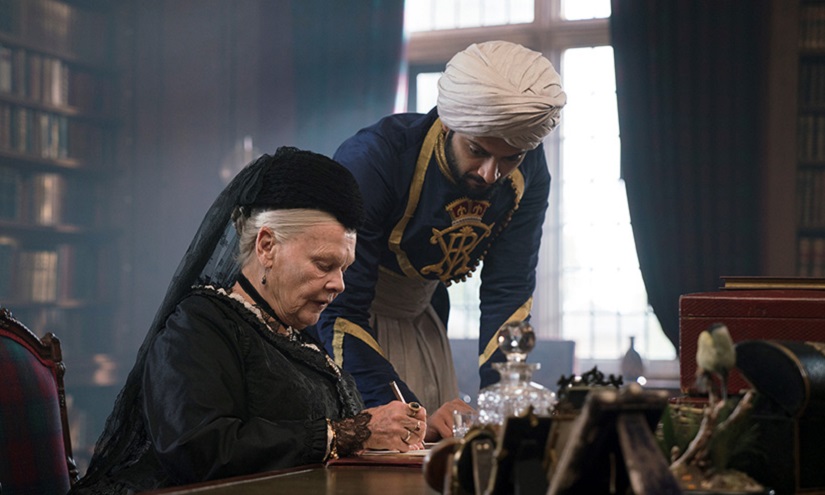
    Based on the book of the same name from Shrabani Basu, “Victoria and Abdul” follows the unlikely, but true account of a Muslim man from India’s friendship and tutelage of an aging Queen Victoria during the final years of her reign in the late 1800s. Their devotion and loyalty to each other creates massive cracks in the British Royal Family and threatens to destroy her reign.

    As Queen Victoria, Oscar winner Dame Judi Dench is a stoic, stern monarch withered by decades of loneliness seeking companionship during the waning years of her life.

    Over the course of the film, her Victoria warms considerably in response to Abdul’s kindness and friendship and Dench’s performance becomes increasingly engaging as the movie progresses.

    Having Dench melt into the role of Victoria is exactly as captivating as it sounds.

    While certainly not as broad and demonstrative as Meryl Streep’s turn as the titular character in Frears’ “Florence Foster Jenkins,” Dench could easily see herself earn her eighth Academy Award nomination and second as Queen Victoria following 1997’s “Mrs. Brown.”
    Bollywood star Ali Fazal brings warmth and nuance to the role of Abdul.

    There’s a slight layer of naivety and amazement Fazal offers early in the film that fades into the background as Dench’s performance almost completely overwhelms the screen.

    This dynamic feels intended by Frears, as Abdul takes a considerable backseat once the two begin their work together. Fazal is left with a rather one-note performance, though that one-note of friendly foreigner is played very successfully.

    There just isn’t the same level of character depth to the unlikely student/teacher dynamic as can be found in the similar, yet more exceptional “The King’s Speech.”

    The film also boasts a wealth of strong supporting talent, including Eddie Izzard as Victoria’s conniving son Bertie and the late Tim Pigott-Smith as the queen’s private secretary.

    But the most impressive secondary performance comes from Adeel Akhtar as Abdul’s friend and aide Mohammed. Akhtar delivers a consistent scene-stealing comedic presence in much the same way he sparkled in limited screen time as Naveed in the hit romantic comedy “The Big Sick.”

    He is able to provide the same dry, brash humor to Mohammed, but also carries more than his fair share of dramatic acting with a rich, bittersweet performance capped off by two of the best acted scenes any supporting performer will give this year.

    The thing that’s most surprising about “Victoria and Abdul” is its subtle, subversive humor that undercuts and accents what otherwise would be a pretty mundane, average period drama.

    Jokes don’t fly off the screen in “Victoria,” but audiences paying attention to the banter will be treated with consistent, quality laughs.

    Much of the film’s success stems from Frears’ ability to draw quality performances from his actors, most notably his chemistry with Dench, who earned an Oscar nomination for her work in his 2013 film “Philomena.”

    While it’s unlikely that “Victoria” will match the same level of critical or awards season success as the four nominations for “Philomena,” Dench will certainly be a strong frontrunner for a Best Actress nomination and the script from writer Lee Hall could be an outside contender in Best Adapted Screenplay.

    A very dry film that may rub some audience members the wrong way, “Victoria and Abdul” is a well above average biopic featuring a royal Dench at the top of her game.

    Her performance alone is worth the price of admission, and there’s enough dry humor to boot to make “Victoria and Abdul” a drama worth seeing this fall.

  • Stronger: What defines a man

    Stronger: What defines a man

    Jeff Bauman is more than a photograph, more than just a symbol of strength during a harrowing moment in American history.

    In a now iconic picture, Bauman is shown being carried to safety by a stranger in a cowboy hat following a terrorist attack at the 2013 Boston Marathon.

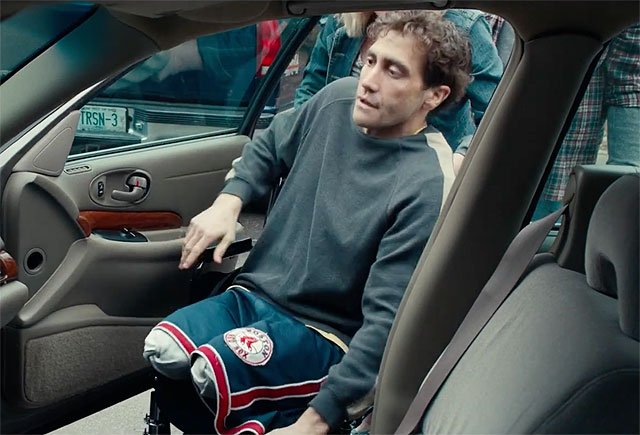
    His journey before and after a homemade bomb took his legs and ripped his life apart has become the subject of “Stronger,” an emotional and gripping drama from director David Gordon Green.

    Elegant and touching, “Stronger” doesn’t focus on the attack itself, but rather the physical and mental turmoil the events inflict upon Bauman, his family and estranged girlfriend Erin.

    There’s a beautiful simplicity to the screenplay written by John Pollono that shows how Bauman seeks to define himself on his own terms and how something greater can come from the most difficult circumstances.

    Academy Award nominee Jake Gyllenhaal does a masterful job giving Bauman immense complexity, balancing Jeff’s natural sense of humor and warmth with a bitter inner coldness that the bombing left inside him emotionally.

    It’s a credit to Gyllenhaal’s performance, and especially to Bauman as a man, that everything about Jeff in “Stronger” comes from a place of love, that all his intentions are driven by a deep, rich heart.

    No more evident is that love shown than in Gyllenhaal’s remarkable chemistry with Emmy winner Tatiana Maslany, who plays Bauman’s estranged girlfriend Erin Hurley.

    The passion that Jeff and Erin have for each other radiates off the screen in a raw emotional way, where it truly feels that every word they speak to one another hammers home to the soul of their partner.

    While his is the much larger part, Maslany undoubtably rises to the occasion and matches Gyllenhaal’s dedication and passion for authenticity. Their relationship is the single best part of “Stronger.”

    “Stronger” occupies the same physical space and time as “Patriots Day,” Peter Berg’s methodical action/drama about the bombing, but approaches from a distinct, singular perspective.

    “Patriots Day” is flashy and attempts to encapsulate the entire experience in a 120-minute film; “Stronger” is much more nuanced and smaller in its examination.

    The bombing itself defines “Patriots Day” whereas Jeff Bauman’s inspirational journey is the driving force of “Stronger,” which is a better film on the whole.

    Director Green makes the wise decision to stay out of his actors’ way for much of “Stronger,” allowing Gyllenhaal and Maslany ample room to breathe in the moment.

    This gives the film a more grounded, realistic tone, fitting Sean Bobbitt’s tempered, unobtrusive cinematography.

    The single moment this changes, however, comes via a devastatingly moving flashback sequence that drives viewers inside Bauman’s mental state in a profound way. The effect is brief, yet forceful and does a terrific job of jarring audiences awake and bringing them into the moment.

    “Stronger” will ultimately be a fringe awards contender in most categories, though Gyllenhaal’s dynamic and powerful performance could lead to a Best Actor nomination at the Academy Awards.

    The one drawback would be a reluctance on voters’ part to fill the category with biographical performances when Gary Oldman’s turn as Winston Churchill in “Darkest Hour” and Benedict Cumberbatch’s role as Thomas Edison in “The Current War” will likely also garner consideration.

    Backed by smaller independent studio Roadside Attractions, “Stronger” hasn’t gotten the attention it rightly deserves from audiences who frankly don’t know this film exists. It’s a movie that people simply need to see.

    With terrific performances from Gyllenhaal and Maslany and a touching inspirational story, “Stronger” is an affecting drama worth grabbing some tissues and catching in theaters.

  • Blade Runner 2049: Beautiful complexity

    Blade Runner 2049: Beautiful complexity

    Prestige cinema comes at a price.

    For some, the nearly two-hour and 45-minute science fiction epic “Blade Runner 2049” is a masterpiece of dynamic, visually stunning moviemaking from French Canadian auteur Denis Villeneuve.

    And yet other moviegoers will find the Ryan Gosling sequel to the 1982 Harrison Ford cult classic excessive, boring or outright stupid.
    What “Blade Runner 2049” does best is help define who we are as moviegoers. It’s a film that rewards active, engaged audiences seeking deeper meaning artistry. It’s also a film that punishes more passive audiences looking for simple, no-frills entertainment.

    “Blade Runner 2049” is a movie drenched in frills, crafted with a discerning eye and a work of art that will be long debated years from now as one of the best films in 2017 and in the sci-fi genre in general.

    The less you know about the film heading to the theaters the better, though rewatching Ridley Scott’s original film will help fill in the background. The only explanation of “Blade Runner 2049” needed prior to screening is defining the title itself. In the world of the film, a “blade runner” is a law enforcement officer tasked with the “retirement” or elimination of “replicants,” highly intelligent robot slaves designed to be nearly identical to humans.

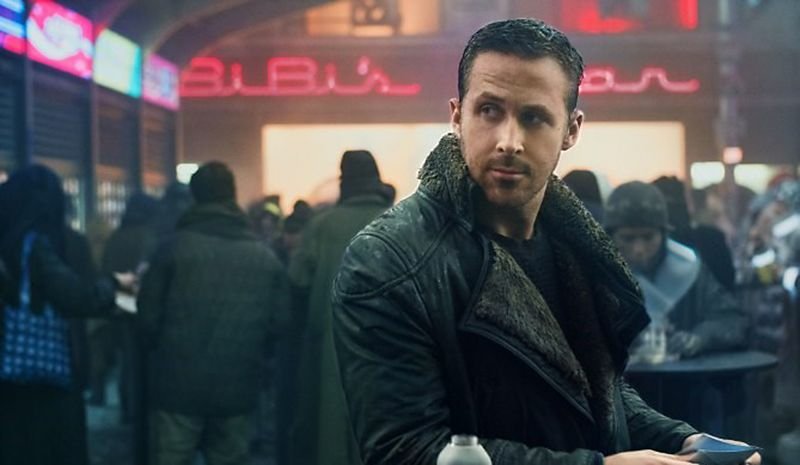
    Coming off a Best Actor Oscar nomination last year for “La La Land,” Gosling delivers a more reserved, internal turn as a young “blade runner” known simply as K. It’s a performance that won’t blow audiences away on a first viewing; there’s too much happening on screen to notice the nuance in Gosling’s somber, emotional work.

    With closer examination, viewers will appreciate the subtle changes Gosling brings out in K as the plot twists and winds towards its conclusion. K’s conflict as he struggles with his humanity and the job required of him is delicately unwoven by Gosling in a performance rarely matched in science fiction filmmaking.

    Thirty-five years after starring in “Blade Runner.” Ford returns in “2049” with a decidedly smaller, but equally intriguing performance as now-retired blade runner Rick Deckard.

    While it may seem at first glance that Ford lacks interest in revisiting old roles, he invigorates Deckard with a well-worn weariness that hides deeper emotion. Support for the film as a whole as well as Ford’s storied career could lead to a surprising, yet deserved Oscar nomination for Best Supporting Actor.

    Villeneuve takes his time with a deliberate, metered film that allows “Blade Runner 2049” plenty of room to breathe. This lingering in and out of scenes will thrill viewers mesmerized by the vibrant cinematography and will infuriate audience members longing for the film to shave off 20-30 minutes off its running time.

    But “2049” would be such a dramatically different, lesser film if constrained by time that its slight excesses become wholly justificiable and necessary to the overall success of the film.

    Visually, “Blade Runner 2049” is one of the most dynamic, spectacular pieces of cinematic art you’ll find in a long time. The care, craft and artistry taken to frame, light and shoot each second of “Blade Runner 2049” is so meticulously designed that the film stands as a 160-minute advertisement advocating for the continued longevity of cinema as an art form best seen on the big screen of a movie theater.

    The film’s cinematographer, Roger Deakins, has been nominated for thirteen Academy Awards for shooting iconic movies like “The Shawshank Redemption,” “No Country for Old Men” and “Skyfall.” Without a doubt, “Blade Runner 2049” is his most stunning, captivating work to date and has to be considered the frontrunner for the cinematography Oscar.

    Deakins winning his first Academy Award on a fourteenth nomination would not be considered a lifetime achievement award, but the cap on top of the pinnacle of his illustrious career.

    Strong critical support and dazzling technical work will likely make “Blade Runner 2049” a contender in numerous Oscar categories including Best Picture in much the same way “Mad Max: Fury Road” did with 10 nominations in 2015.

    Dynamic and captivating, “Blade Runner 2049” is without question one of the best films to arrive in theaters in 2017. Its picture-perfect cinematography and terrific performances combined with a complex storyline and lengthy running time make “2049” a must see or a must skip film depending on what kind of moviegoer you are.

  • Battle Of The Sexes: Evening the playing field

    Battle Of The Sexes: Evening the playing field

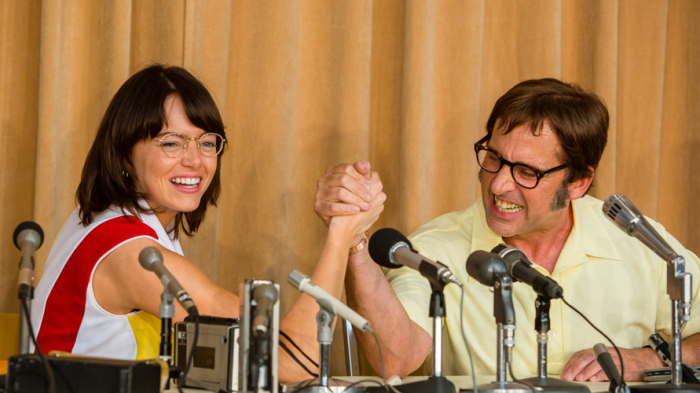
    Billie Jean King’s infamous tennis match with aging trash talker Bobby Riggs takes a back seat to private, personal moments in the new biopic “Battle of the Sexes.”

    While the film makes its mark with the 1973 King/Riggs showdown at the Houston Astrodome, viewers rarely see the two on screen together as directors Jonathan Dayton and Valerie Faris meander through King’s love life and Riggs’ incessant gambling and showmanship.

    There’s a number of excellent performances including Academy Award winner Emma Stone as King and Academy Award nominee Steve Carell as Riggs. But the scenes are so disjointed and uneven that “Battle of the Sexes” misses the mark as a feature film.

    It’s clear that Dayton and Faris want to be as complete and thorough as possible, but in doing so, no one aspect of “Battle of the Sexes” succeeds.

    It seems inevitable that Stone will earn another Academy Award nomination for her portrayal of King, which is nearly on par with her Oscar winning turn in “La La Land” and has the real King’s seal of approval. Stone does a wonderful job of bringing audiences into King’s conflicted mind with a single look and she displays remarkable chemistry with her “Birdman” co-star Andrea Riseborough as King’s hairdresser and mistress Marilyn.

    Love takes center stage throughout “Battle of the Sexes,” especially in Stone’s storyline as King seeks to balance her love for her husband Larry and emerging infatuation with Marilyn against her obsession with tennis.

    An additional subplot that squares King off against the male-dominated U.S. Lawn Tennis Association gives Stone plenty of meaty moments to shine in and will make her Oscar highlight reel difficult to wean down.

    By comparison, Carell’s slimy, arrogant and broad turn as self-described “male chauvinist” Riggs feels secondary, as if Dayton and Faris decided to make the Riggs storyline an occasional afterthought for comedic relief against the more dramatic fodder.

    Regardless of how it’s used in the film, Carell barrels his way through scenes with brash aplomb with a performance that evokes his Golden Globe nominated work in “The Big Short.”

    “Battle of the Sexes” also boasts an outstanding, though underutilized supporting cast including comedienne Sarah Silverman as King’s business manager, Austin Stowell as King’s almost too understanding husband and Alan Cumming as King’s stylist representing the plight of closeted LGBTQ individuals during the era.

    Of note among the supporting players is Bill Pullman’s all too convincing work as U.S. Lawn Tennis Association head Jack Kramer, a part Pullman melts into as he delivers frank, misogynistic diatribes with ease.

    Technically the film is masterfully shot by Linus Sandgren, who comes off Oscar winning work on “La La Land” to deliver a rich, deep tone to “Battle of the Sexes” that simultaneously highlights period color palettes and contemporary camera work.

    It’s a film that feels made in the 1970s in almost documentary style where there’s a coarse grit to each frame that makes “Battle of the Sexes” appear as a series of pictures shot in succession during 1973.

    “Battle of the Sexes” will probably be in awards conversation this fall thanks in large part to strong support from the film’s subject and its inclusive message.

    Among the potential nominees, Stone has the best chance to win an Academy Award, though a Best Picture nomination isn’t out of the question and a win could result under the right set of circumstances.

    Carell likely will miss out on accolades for his work as Riggs, though it could be lumped into the minds of voters when they consider his turn in Richard Linklater’s “Last Flag Flying” due in November.

    Strong turns by Stone and Carell make “Battle of the Sexes” a solid, yet flawed biopic that does justice to its subject matter without rising to an elite level.

    Moviegoers interested in watching as many award contenders as possible should find a way to catch “Battle of the Sexes,” though rushing to the theater might not be necessary.

  • mother!: Viewers be warned!

    mother!: Viewers be warned!

    You’re not going to like the new Jennifer Lawrence movie.

    It’s a slow, plodding arthouse melodrama filled with allegory and widely open to interpretation. If you can make it through the entire two-hour running time, you’ll be stunned how a film like this gets made.

    But that’s just the way director Darren Aronofsky likes it. He relishes how audiences have left “mother!” in disgust, making it one of the rare features to earn a F from CinemaScore, which polls audience reaction.

    There’s an entire promotional campaign that accurately bills “mother!” as perhaps the most polarizing film this decade.
    “mother!” isn’t good. It isn’t bad, either. It’s both and neither, simultaneously.

    The film is nothing short of a spectacular disaster, beautifully brilliant in a “why would people want to see this” sort of way. Aronofsky and Lawrence have teamed to make a grotesque, melancholy feature that leaps to the top of any best bad film or worst good film list.

    “mother!” is a uniquely enthralling experience that almost no one should go and see in theaters, but that the most adventurous audiences will find absolutely captivating.

    If you decide to trek and find “mother!” on the big screen, it’s important to know as little as possible going into a screening. This will allow viewers to authentically experience how Aronofsky layers and builds his complex, controversial allegory. The weird, subversive brilliance of what Aronofsky attempts to create on screen will hit different audience members at different times, leaving viewers stunned, scarred, upset and any other multitude of emotions.

    Names are never truly spoken within the film, a deliberate construct used to develop the allegory. Lawrence’s credited role of Mother lives in a large isolated farmhouse with her husband (Javier Bardem), a brooding poet only referred to as Him. When a Man (Ed Harris) and Woman (Michelle Pfeiffer) arrive unannounced at the home, their presence sets off a chain reaction that shakes the foundation of the couple’s marriage.

    Lawrence delivers a tremendous, subtle performance with the entire film resting on her shoulders, as Aronofsky frequently frames the camera tightly on her pale, withering face. Her turn isn’t flawless, especially as the film progresses deeper into Aronofsky’s mind, but Lawrence plows forward with reckless abandon.

    “mother!” forces Lawrence on an emotional roller-coaster that she rides with vigor, giving her best in the moments that nearly crack the character’s core. This will prove to be among her most iconic performances, as much for her devotion to being present in the moment as the strangeness of the film’s content.

    Oscar winner Bardem thrives in this environment, given the freedom to saunter in and out of scenes with a strong, brooding character that reverberates in the moment long after he’s no longer present. Bardem is a master of twisting a phrase so tightly that a character’s true intentions are a complete mystery. There’s something dynamic about his performance that gives “mother!” the energy necessary early in the film to bridge the gap until Aronofsky’s script reveals itself

    “mother!” has the attitude and vibrancy as if audiences are peering inside the mind of the film’s auteur director after a weekend bender.

    Aronofsky simply doesn’t care about the audience reaction and approaches everything from dialogue to story structure to the overwhelming number of extreme closeups on Lawrence in this manner. The result is an elegantly infuriating dramatic dance that culminates in one of cinema’s wildest rides.

    There’s simply no chance that “mother!” will be honored with any major accolades this fall. It’s a far too divisive and controversial film to hold much of a chance for an Academy Award win. It would not be surprising, however, to see Lawrence’s emotionally charged, increasingly demonstrative performance earn Best Actress considerations as the film’s lone nomination.

    “mother!” isn’t for the mainstream audiences it was promoted for; it isn’t even the provocative horror film it was made out to be. But there’s something alluring in the broken brilliance of Aronofsky’s work that might engage and excite a small portion of frequent moviegoers keen on experiencing film in a way they’ve never seen before, or likely ever again.

  • Detroit: Bigelow confronts racial turmoil in tale of ’67 riots

    Detroit: Bigelow confronts racial turmoil in tale of ’67 riots

    Kathryn Bigelow is used to telling stories about the fragile nature of war.

    Her last two films – 2009’s Oscar-winning “The Hurt Locker” and 2012’s “Zero Dark Thirty” – examine the immense pressure and brutality felt by those living in conflict zones, powder-kegs ripe to explode in violence at any moment.

    With her first film in five years, “Detroit,” the Academy Award winning director examines conflict closer to home.

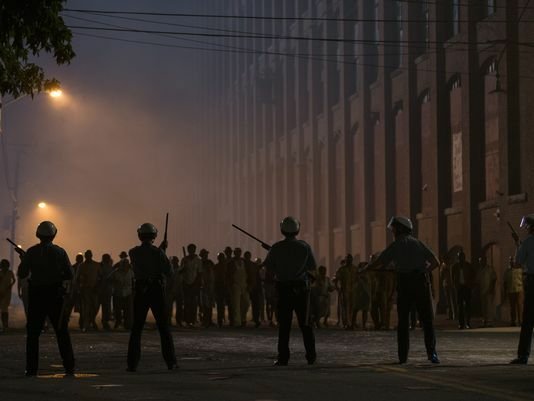
    Taking on the racially charged 12th Street Riots in 1967, Bigelow and screenwriter Mark Boal place themselves at the heart of one of the deadliest, most destructive events in American history.

    “Detroit” is the story of three men – two African-American and one white – whose paths and circumstances brought them to the Algiers Hotel where the ensuing nightmare reflects an ominous resonance to modern times.

    The second act of “Detroit” plays out like a psychological horror show as Detroit beat cops verbally and physically terrorize hotel guests, ultimately resulting in multiple fatalities. It’s in this most gruesome middle section of the film that Bigelow does her best work, balancing multiple narratives in a somber display of voyeurism.

    “Detroit” opens and closes rocky as Bigelow attempts to contextualize the events at the Algiers Hotel.

    Within the well-crafted 20-minute opening of the film, it’s hard for viewers to understand or identify with any of the major players as things keep whipping from storyline to storyline. The opposite can be said for the unnecessarily elongated ending where events play out in bland, monochromatic fashion.

    Where “Detroit” shines the most is in its deep, talented cast that provides knockout performance after knockout performance.

    There’s a subtle brilliance in the way Will Poulter approaches the role of Krauss, the film’s primary antagonist that approaches ‘racist boogeyman’ but never quite falls over into caricature. Poulter’s eyes often boil over in a manic rage as Krauss attempts to coerce confessions. It’s in the quieter moments, however, that the performance really shines as Poulter is able to internally justify Krauss’s unjustifiable actions, expressing Krauss’s inner demons with cold, glazed-over stares that chill audiences’ bones.

    Poulter’s brash, demonic performance is counter-balanced nicely by John Boyega’s even-keeled, measured turn as Dismukes, a young African-American security guard who gets caught in the crossfire while trying to douse racial tensions. Though much of the performance is internalized, Boyega takes great care to show audiences Dismukes’ inner monologue as he struggles with the events unfolding around him.

    Algee Smith is a revelation as Larry, lead singer of an upstart Motown group called The Dramatics who tries to escape rioting on the streets of Detroit by hiding out at the Algiers. Smith is able to capture each and every moment within “Detroit” with such a pure energy and emotional authenticity that his performance resonates with audiences and places viewers in Larry’s shoes beautifully.

    Bigelow assembles a terrific ensemble cast to fill out the rich, multi-layered story including top performances from Anthony Mackie as a returning Vietnam veteran thrust into Detroit’s racial divide, Jason Mitchell as a brash teen antagonizing the police and Jacob Latimore as Larry’s best friend and band manager Fred.

    There’s a smooth ease to cinematographer Barry Ackroyd’s artful style, which represents the frantic nature of on-screen events with “head-on-a-swivel” precision. Yet at the same time, “Detroit” never has the herky-jerky camera frenzy popular in action films. More so than most movies today, the cinematography of “Detroit” enhances and heightens the dramatic tension as it weaves in and out of the fray with precision.

    Releasing “Detroit” in early August does no favors to its chances for award season success as it will likely be far from the minds of voters come this fall. But make no mistake, Bigelow’s film is a captivating and horrifying film worthy of a Best Picture nomination and acting nods for Poulter and Smith.

    While not a flawless movie, “Detroit” represents the gritty, visceral filmmaking sorely needed from major studios.

    This award-worthy film is a terrific change of pace film sure to grip audiences and provoke needed discussion about the world in which we live in.

  • Dunkirk: The art of war

    Dunkirk: The art of war

    Consider the Oscar race officially on.

    Christopher Nolan, famed British auteur of award-winning movies like “Inception” and “The Dark Knight,” cements his directorial seal on the historical drama genre with “Dunkirk,” a sweeping World War II film unlike anything you’ve ever seen before.

    Despite the better part of five months of movies still to come, Nolan’s tenth feature will unquestionably end the year among the top two or three best films of 2017 and help redefine a genre for many years to come.

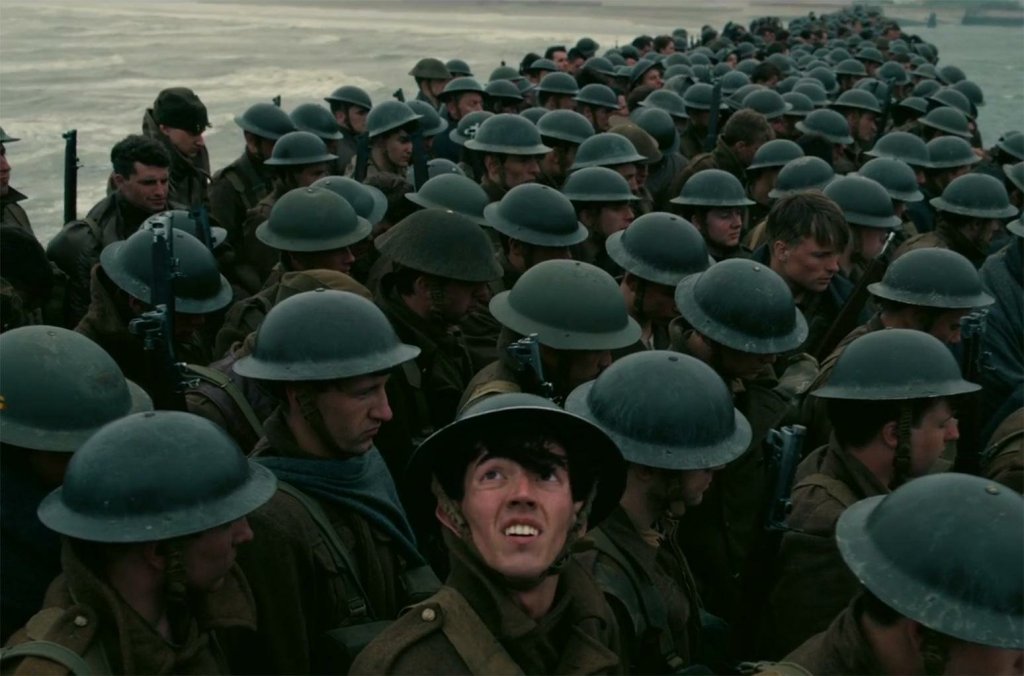
    Based on true events, the film chronicles attempts to rescue 400,000 British soldiers stranded on the beaches of Dunkirk, France surrounded by German forces.

    Told in three overlapping timelines, “Dunkirk” follows events as they play out on land, air and sea in a dynamic, nonlinear fashion. Audiences will have to pay careful attention to the nuances of how and why Nolan weaves these three plotlines into one cohesive story.

    Better still, “Dunkirk” is a film that begs repeat viewing; first to become fully immersed in the captivating grandeur of Nolan’s spectacle and then later to capture all the subtlety required to completely understand the film’s brilliance.

    A true ensemble piece, “Dunkirk” has a bevy of veteran and novice actors offering poignant, stoic performances that blend together flawlessly.

    Whether it’s Oscar winner Mark Rylance at the helm of a small yacht headed towards war or newcomer Fionn Whitehead becoming overwhelmed on the beaches, there are no stars here. Not Tom Hardy and surprisingly not even former “One Direction” band member Harry Styles feel too big for “Dunkirk.”

    By keeping character development intentionally minimal and using a large number of relatively unknown British actors in major roles, “Dunkirk” thrives on the intense urgency of war as anyone involved in the conflict could die at any moment.

    Words are spoken only when absolutely necessary and names are even less important in “Dunkirk,” perhaps the most intriguing and avant-garde way Nolan tells a conventional historical drama in the least conventional way.

    For his rousing turn as a shell-shocked sailor pulled from the water, Cillian Murphy is credited simply as Shivering Soldier. It’s a mere example of just how insistent Nolan is in making “Dunkirk” about thousands rather than a tale of a single individual or small group of soldiers.

    The focus is on the bigger picture – rightfully so – and often driven home with iconic, wide sweeping shots. Watching Nolan movies on the big screen has always been a must-see cinematic experience, but where audiences see his latest film matters more than ever.

    Nolan and director of photography Hoyte von Hoytema shot “Dunkirk” using primarily IMAX cameras on 70mm film, a rarely used format that makes panorama shots feel like intense close-ups. Watching “Dunkirk” on a regular movie projector dulls the film’s vibrancy and prevents audiences from feeling the full weight of the tension Nolan seeks to create on screen.

    The remarkable claustrophobia that pervades many of Nolan’s most intimate scenes, combined with an Oscar-worthy score from legendary composer Hans Zimmer, gives “Dunkirk” a colossal feel that no amount of computer generated imagery could replicate.

    While the cinematic depth Nolan creates is apparent, seeing this play out on an IMAX screen with bone-rattling sound that leaves arms shaking well after leaving the theater increases the effect 100-fold.

    There’s simply nothing like “Dunkirk,” one of the best World War II films ever made, in a large format theater.

    “Dunkirk” rivals “Inception” and “The Dark Knight” as Nolan’s finest work and has to be among the major contenders come award season.

    Though there is not a singular acting performance likely to be honored, this should be the first Best Director Oscar nomination for unquestionably the best filmmaker this generation and a front runner for Best Cinematography, Best Score and especially Best Picture.

    With “Dunkirk,” Nolan continues to prove why he’s a true cinema master with his most personal and tightly composed feature to date. Moviegoers would be amiss to not catch this World War II epic on the biggest screen possible.

    Unless you happen to have a 70 mm film projector lying around the house, no home theater experience will compare.

    Films like “Dunkirk” are why we go to the movies.

  • Logan: Visceral, gripping tale brings new life to superhero genre

    Logan: Visceral, gripping tale brings new life to superhero genre

    Hugh Jackman has been synonymous with the comic book hero Wolverine since his debut in Bryan Singer’s “X-Men” arrived on screen in 2000.

    Seventeen years later, Jackman takes his final bow as the claw-wielding, self-healing mutant in James Mangold’s “Logan,” a brutally daring epic that wows audiences from start to finish with its dark tone and ruthless efficiency.

    The haunting, heartfelt character-driven drama is the first real attempt at prestige cinema in the superhero genre since 2008’s “The Dark Knight,” cementing its place as one of the all-time greats among comic book movies. “Logan” is unquestionably the definitive X-Men film and a career peak for both Oscar nominee Jackman and “Star Trek” heavyweight Patrick Stewart, now in his fifth turn as Professor Charles Xavier.


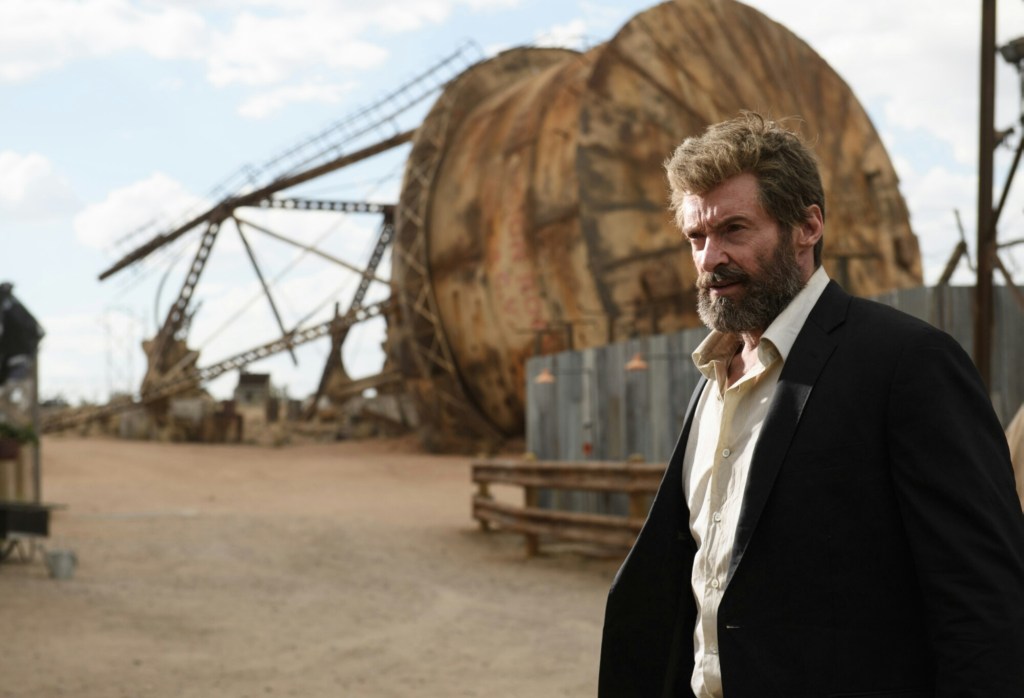
    Bearing a striking resemblance in tone to classic westerns like “Unforgiven,” “True Grit” and “Shane,” the film opens with an aging James “Logan” Howlett hiding in plain sight as a limo driver working in 2029 El Paso hustling for prescription drugs. Long retired from his Wolverine persona, Logan and fellow mutant Caliban (Stephen Merchant) keep ailing Professor Xavier safe from harm inside an abandoned smelting plant just across the Mexican border. Their secrets remain hidden until Logan’s path crosses with a young mutant and her caretaker on the run from a mysterious security force.

    Performances in comic book adaptations rarely aspire to noteworthy – let alone award contending – turns, but Jackman turns in a powerful, nuanced performance as the titular Logan that will ultimately rank in the top three acting efforts in the history of not only the superhero genre, but of Jackman’s career as well.

    While Jackman has always given the Wolverine character a rough, primal exterior, his inner turmoil bubbles to the surface like never before in the most intriguing ways in “Logan.” The pained, exhausted grimace his character radiates on screen from start to finish invokes the weary gunfighter motifs made famous by cinema’s most heralded westerns. His weapons may be adamantium rather than steel and stab rather than shoot, but Logan carries emotional and physical scars from decades of battles on his chest like a badge of honor turned into a constant, painful reminder of the hellish journey.

    The entire film lives and dies on Jackman’s every movement, with the film’s harrowing action sequences only serving to reinforce the brutality and pain Logan has endured. In the hands of a lesser actor, the character as written on the page could have been woefully mishandled, but Jackman approaches each scene, each moment in time with such care and precision that a complete fantasy tale is enveloped with deep, rich humanity.

    Thespian extraordinaire Stewart also rises to the challenge in a wonderfully compelling turn as Xavier, Logan’s mentor and the world’s most powerful telepath suffering from a neurodegenerative disease. The performance ranges the gambit from beautifully neurotic to outlandishly mad and back again to a warm kindness that belies just how perfect and secretly charismatic Stewart is in the role.

    Making her feature film debut, Dafne Keen is quietly powerful as young mutant Laura, instantly bonded to Jackman’s Logan in a makeshift father-daughter kinship that works far more effectively that one might expect. Playing the character silent aside from the occasional grunt or howl, Keen does all the talking she needs to with her mesmerizing eyes that tells stories far beyond her young life. 

    It should be noted that, unlike nearly all other films in the genre, “Logan” earns a hard “R” rating for deep, bloody violence true to the Wolverine character from the comic books, but largely missing from superhero movies in general. Whereas in most previous X-Men installments the camera cuts away as Wolverine stabs a bad guy with his claws, “Logan” forces audiences to face the brutality of the character head-on.

    Mangold uses this bloody, graphic imagery not to engage the bloodlust of his audience, rather to reinforce the emotional stakes of the film by putting Logan’s visceral nature (and the toll that comes along with it) on display. Audiences are forced to feel the deaths Wolverine causes on an emotional level as the character does, further rooting Logan’s struggle in a more human context.

    Visually, “Logan” is a dynamic, spectacular film that takes its lead character’s gritty persona and captures that same tone frame to frame with a sandy, worn hue. Fight sequences rely on expertly designed choreography instead of budget-bursting computer graphics and further accentuate the realistic tone Mangold sets out to achieve in the film.

    Despite being released more than nine months before voting opens, “Logan” is the best chance a superhero film has had to earn an Academy Award nomination for Best Picture since “The Dark Knight” and should be considered a serious contender for several technical awards as well.

    Without question, “Logan” is an instant classic and one of the most intriguing, impactful performances in Jackman’s career. While some cursory background knowledge of the X-Men universe is certainly helpful in understanding “Logan,” it isn’t necessary to enjoy Mangold’s brilliant piece of cinema. 

    Skipping a trip to the local theater to catch “Logan” on the big screen would be a mistake ardent movie fans tolerant of the R-rated gore and violence should not make.