Category: Oscar Contenders

Oscar contenders, awards-season coverage, awards predictions, nominations, and ceremony analysis. Historical archive category retained at its original URL; use selectively for awards-relevant articles.

  • On The Rocks: The best, worst of two people talking

    On The Rocks: The best, worst of two people talking

    Sofia Coppola’s new film doesn’t really go much of anywhere, but the road traveled is easy and the banter refreshingly charming.

    Evoking a Woody Allen-esque style, Coppola’s On The Rocks hit AppleTV+ this weekend to little fanfare, but with a softer touch, a melancholic wistfulness and the dulcet tones of Academy Award nominee Bill Murray philosophizing on why men tend to stray from committed relationships.

    It’s a film that forgets how upper class it is like so many Allen movies do, but Coppola balances out the gender dynamics between her characters much more fluidly.

    At its core, On The Rocks is about a woman at a crossroads in her relationships with two men – the workaholic husband she suspects may be falling out of love with her and the playboy father who wanders back into her life at an unexpected time.

    While there’s an overarching plot that follows Laura as she and Felix track Dean’s whereabouts for evidence of infidelity, the only real reason On The Rocks exists is to give Coppola time to reminisce about her own relationship with her father, award-winning filmmaker Francis Ford Coppola, and make subtle commentary on the good and bad of distant relationships between generations of artists.

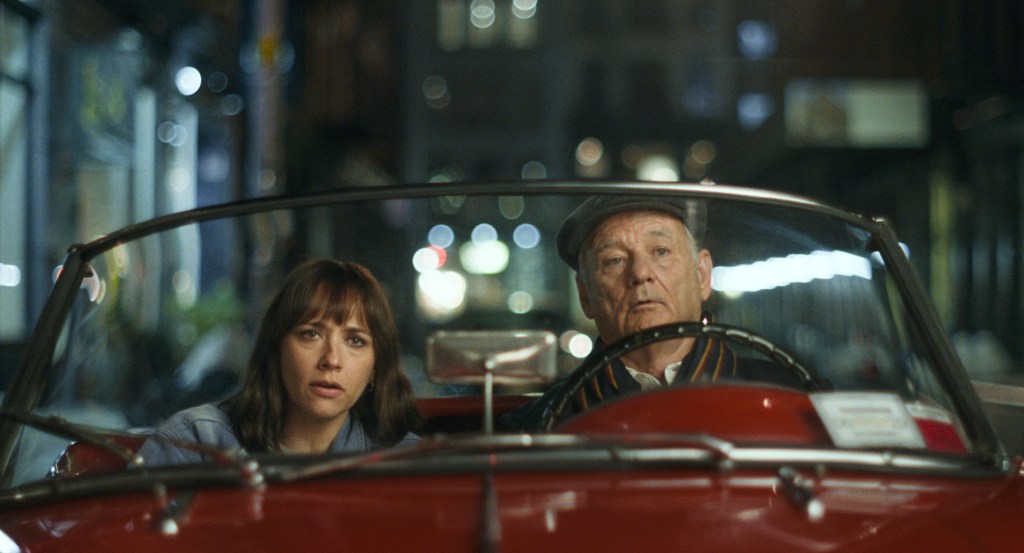
    The pairing of Rashida Jones’ struggling writer Laura and Murray’s traveling art dealer Felix makes for the most compelling moments in the entire film, which often deal with raw humanity and the differences between men and women in the most frank, honest discussions shown on film in quite some time.

    That these conversations are happening in dark New York City hotspots over pricey cocktails is the height of a COVID-induced lust for social interactions in a pre-pandemic world that feels much longer than six months ago.

    Murray has rarely been as charming as he is in On The Rocks, effortlessly waltzing his way across the screen and making a man who could easily come across as snide or sleazy feel relatable and someone viewers can rally behind.

    It’s a testament to Coppola’s ability to put the Oscar-nominated actor in the perfect situations, framing him just off center to highlight the charm in his eyes and writing lush dialogue that Murray can elevate with his wry sensibility. 

    His Felix is almost in conversation with a younger version of himself, Murray’s Bob Harris from Lost In Translation that Coppola directed, as Laura seems plagued with a similar malaise to the melancholy Bob felt wandering around Japan in Coppola’s 2003 film.

    Known mostly for comedic television work, Jones stabilizes the film with a performance that shows growth for a character in Laura who lets life happen to her until her father pushes her to take control of her situation. There’s a genuine haze to Laura that Jones is able to bring out and then slowly remove over the course of the film that’s subtle, yet beautiful to watch.

    One of Coppola’s best cinematic tricks is her terrific use of Jenny Slate’s Vanessa, a single mom who talks Laura’s ear off with her own complicated relationships with men outside the elementary school classroom where they pick up and drop off their children. These little snippets that last a minute or so offset the more subdued, dramatic moments and pop with a burst of energy that reengages the audience for the next big scene.

    For a slow-burn dramedy, On The Rocks is exceptionally cinematic with Coppola having a distinctive eye for placing the camera at exactly the right angle to further character development and story. Cinematographer Phillipe Le Sourd does his best work outdoors, using the city landscapes to help give the film an elegant sense of place.

    Not a front-runner for awards season, On The Rocks is still Apple’s best shot at their first Oscar nomination or win in a major category with Murray a strong contender for Best Supporting Actor and Coppola a possibility for Best Original Screenplay.

    On The Rocks may be Coppola’s most subdued film to date, often evoking the subtle luxuriousness of those Lincoln car commercials echoing the tones of Matthew McConaughey’s bourbon-soaked voice. It’s an easy film wandering in the malaise of mid-life stagnation, which could be simply dismissed as lazy, but On The Rocks maintains a casual breeziness thanks to Murray’s tremendous lead performance and the brisk 95-minute run time.
  • The Trial of the Chicago 7: Turning words into actions

    The Trial of the Chicago 7: Turning words into actions

    Cinematic wordsmith Aaron Sorkin is back at it again, with his dogged brain gushing dialogue onto script pages filled with unforgettable moments and sharp, biting lines.

    The man behind powerful screenplays like A Few Good Men, The Social Network and Moneyball takes his second turn behind the director’s chair, filming a script he wrote himself about the events surrounding the 1968 Democratic National Convention.

    The Trial of the Chicago 7 is a highly charged political courtroom drama that weaves its way into the current national spotlight by following a series of protests from groups trying to end the Vietnam War by staging demonstrations at a park in Chicago near the site where Democrats were nominating Hubert Humphrey for president.

    Subsequent violent acts between protestors and Chicago police were met months later with the indictments of eight leaders of several different political organizations by federal prosecutors charging the anti-establishment movement with inciting riots.

    At times, Chicago 7 is brilliant, leaning heavily on Sorkin’s extreme talents as a wordsmith to craft engaging and memorable moments. At other times, it becomes overly procedural and languishes in the melodrama that borders on an episode of Law and Order with blatant partiality and surreal buffoonery on the part of law enforcement that would feel comical if scenes weren’t based on real events.

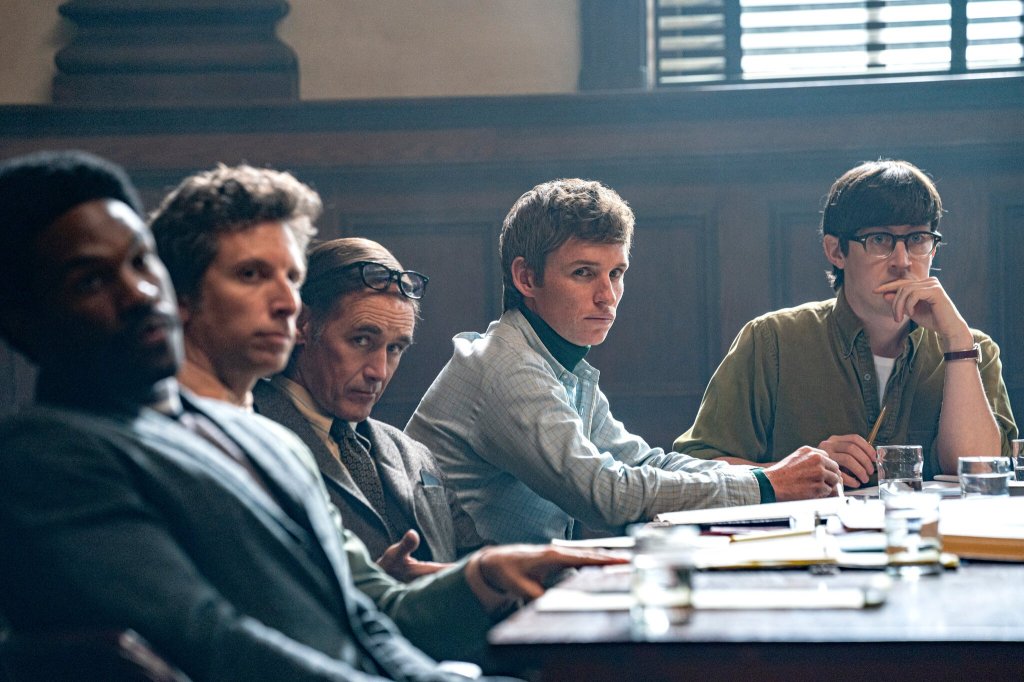
    Sorkin relies on his deep ensemble cast to lift the words off the page, including a pair of Academy Award winners with Eddie Redmayne as student protest organizer Tom Hayden and Mark Rylance as lead defense attorney William Kunstler.

    Known for his more exasperated, showy performances, Redmayne is much more reserved and in control of his emotions as Hayden, often trying to be a sense of reason among all of the film’s dynamic tension while still pushing for an end to the Vietnam War.

    Rylance provides the film with gravitas and, alongside veteran character actor Frank Langella as Judge Julius Hoffman and Joseph Gordon-Levitt as lead prosecutor Richard Schultz, gives Sorkin’s legal-heavy dialogue a sense of purpose and understanding for average audience members not as familiar with court proceedings.

    Comedic actor Sacha Baron Cohen gives perhaps his most serious and best performance to date as mild antagonist and co-defendant Abbie Hoffman, whose pejorative rantings and snide commentary offer a searing commentary on the film’s events while also serving as a large majority of the much-needed levity. Sorkin places Baron Cohen just off the center of the action to serve as a sort of satirical Greek chorus, alongside Jeremy Strong as fellow Yuppie leader Jerry Rubin, and his college speeches that come across as part stand-up, part political rally are among the most engaging moments of the entire film.

    The film’s best, yet underserved plot line finds Yahya Abdul-Mateen II in a breakout performance as Black Panther leader Bobby Seale, a target of relentless harassment by a prejudiced and less-than-subtly racist system seeking to incarcerate him by any means necessary.

    Shown almost entirely in courtroom scenes with the other defendants, Abdul-Mateen commands the attention of viewers regardless of what is happening around him with an undeniable strength and charisma. 

    Sorkin shows significant improvement as a director with his second film, raising the stakes both in terms of visuals and scale over his 2017 feature Molly’s Game with Jessica Chastain and Kevin Costner.

    Chicago 7 has grand, sweeping camera actions that flow in and out of conversations and character movement to give the audience a sense of scale. 

    The cinematography and production design are exceptional in this regard, but it’s the expert editing of Alan Baumgarten that keeps the momentum rolling and allows Sorkin to navigate through events in a loop-de-loop, forward and backward in time style with expert use of cross-cutting between scenes at the trial, the protest and the ensuing violence.

    A film that has screamed for awards consideration since its production was announced, Chicago 7 feels to be a shoo-in for a number of nominations at the next Academy Awards ceremony as other contenders give away to releases in 2021. The film is a likely Best Picture contender along with Original Screenplay and acting nominations for former winners Redmayne and Rylance as well as Baron Cohen and Langella feel well within the realm of possibility.

    It should come as little surprise that Chicago 7 lands in the top tier of films to be released in 2020, standing around the same level as fellow Netflix dramas Da 5 Bloods and The Devil All The Time; this reflects both a similar standard for the streaming giant in terms of quality and also just how narrow the pool for high quality films is given the constant back-shuffling of cinematic blockbusters.

    Chicago 7 still serves as a major step forward for a screenwriter turned filmmaker with a lot on his ever-running mind and something worth checking out on Netflix for cinephiles starved for quality drama and relentless dialogue.

  • Da 5 Bloods: Battle scars never fully heal

    Da 5 Bloods: Battle scars never fully heal

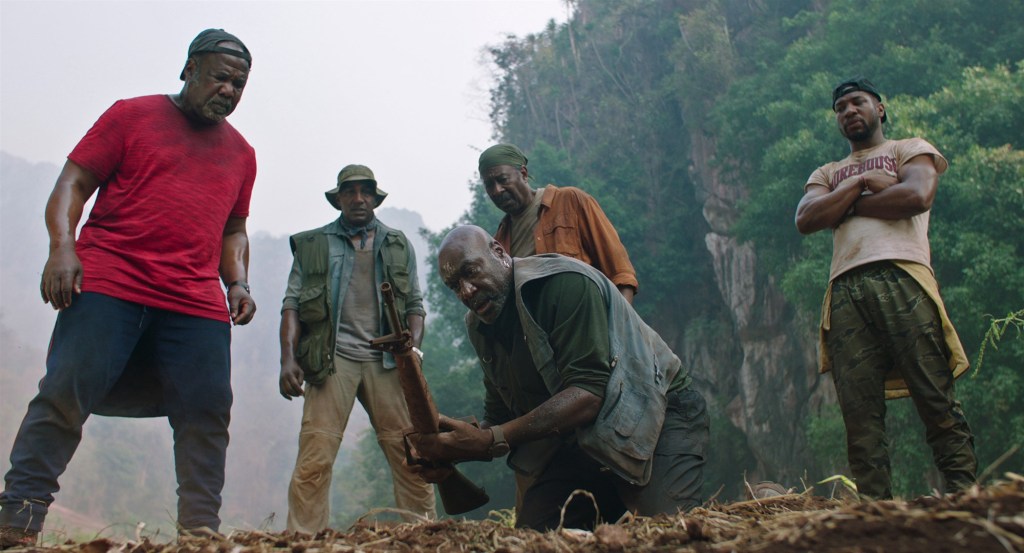
    Four men – aging Vietnam vets laden with the scars of their service – return to the land that forged them in search of their fallen commander’s grave and the gold bullion that lies with it.

    For a filmmaker like Oliver Stone, this story would be a bombastic tale of frustration and anger boiling to the surface without much humanity under the surface.

    Director Spike Lee, however, uses the narrative as a device to educate about the struggles of African American armed forces far from home during the civil rights movement and how racial identity and politics affected a generation of servicemen.

    The film, “Da 5 Bloods,” finds Lee pulling from all the corners of his mind, grabbing subtle and overt cinematic homages to “Apocalypse Now” or the philosophical diatribes of Richard Linklater films and interspersing them with news footage that recontextualizes fictional events.

    Though part of an ensemble piece in practice, Delroy Lindo shines above the rest with a career-best performance as Paul, whose grief and post-traumatic stress rip at him from the seams as he tries to maintain an outward strength and resolve through thinly veiled contempt that borders on outright hatred.

    Lindo is able to masterfully fill Paul with an anguish that comes to define his soul and the choices that he makes, evoking shades of Colonel Kurtz with as perfectly conflicted a portrayal of PTSD that has been on screen in years. 

    Following up on his incredible turn in the independent drama “The Last Black Man in San Francisco,” Jonathan Majors delivers a brilliantly understated performance as Paul’s son, David, taking the forefront when needed to go toe-to-toe with a magnetic Lindo and almost fading into the background to allow the four surviving members of the unit to have their moments independent of the current timeline.

    Broadway veteran Norm Lewis as well as “The Wire” stars Clarke Peters and Isiah Whitlock Jr. give the core cast a dynamic energy and team with Lindo to create an invaluable, genuine bond that feels authentic to those forged in combat.

    Chadwick Boseman offers stern charisma in a small supporting turn as “Stormin’ Norman” during flashback sequences, commanding the screen with his presence in a way that evokes Malcolm X in his physicality and Martin Luther King, Jr. in his words.

    Lee opts to have the four surviving Bloods be played by the same actor in multiple eras without the de-aging process that plagued last year’s “The Irishman,” which does not hinder the flashback sequences as much as might be expected, although the age difference between Boseman and his fellow actors does feel wider upon closer inspection.

    Subtle when he wants to be and demonstrative when he feels he has to be to make his point, Lee commands “Da 5 Bloods” with a deft hand behind the director’s chair and a firm grip in the edit bay. 

    “Da 5 Bloods” has the auteur’s signature ambivalence to audience reaction, morphing the visual style and pacing of his film as he sees fits with little regard to how the viewer will follow the action. Historical footage/stills are intercut within scenes as they are referenced to accent the narrative, inform the viewer and, at times, jolt them out of their relative comfort as a third-party observer.

    Lee and cinematographer Newton Thomas Sigel use a variety of aspect ratios to differentiate timelines in the film. 

    Present day has a thin, wide cinemascope to reflect both modern filmmaking and take in more of Vietnamese city and jungle landscapes. This works in perfect opposition to the faded, square visuals of flashbacks to “the American War” as it is referenced in the film, where a newsreel style gives a sense of distance and observation while keeping viewers engaged in the moment.

    The film’s tremendous and sweeping musical score from Terence Blanchard is paired with poignant and pointed selections from the discography of Marvin Gaye. Lee infuses “Da 5 Bloods” with Gaye’s harmonies to challenge and set the mood of the film – foreshadowing events with the seductive “Inner City Blues (Make Me Wanna Holler)” opening the film and an acapella rendition of “What’s Going On” magically priming the audience for the concluding final act.

    “Da 5 Bloods” may not have the universal support come awards season that Lee’s previous feature, “BlacKkKlansman,” had on its way to six Oscar nominations including a win for Best Adapted Screenplay. The film’s eccentricities and early summer release may doom a wide campaign, but Lindo rightly should be in the conversation for an individual acting nod with his career-best performance.

    It should come as no surprise that Lee struggled to gain traction with studios to make his follow-up to the financially successful “BlacKkKlansman” more avantgarde than his commercial successes and Netflix is ideal for the instant rewatchability of a film that’s in dire need of multiple viewings to fully understand Lee’s point of view.

    Cinematically complex and audacious in how it challenges and sparks conversation in its audiences, “Da 5 Bloods” sees a true auteur make a film that’s incredibly timely amid current events and one worth checking out on the streaming service.

  • Shirley: The horror of everyday life

    Shirley: The horror of everyday life

    Movie goers are often frightened by things that aren’t real – clowns with red balloons living in the sewers, killers that strike in dreams with a bladed claw, vampires, mummies and witches.

    But in a simpler, yet somehow more complex way, it’s the things that are plausibly realistic and feel authentic to our own lives that prove to be the greater terror.

    While major studios spend large stacks of cash on increasingly bombastic thrills and chills, smaller independent filmmakers find an unsettling world in more intimate settings where tension builds in close quarters and psychologically rather than physically.

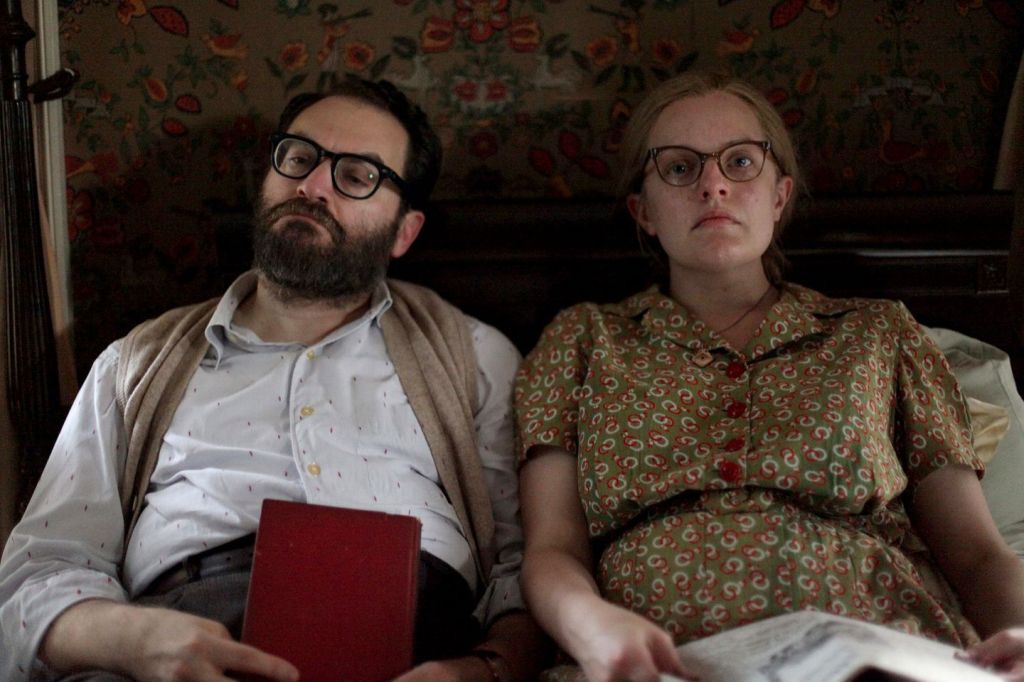
    Based loosely on the life of Gothic novelist Shirley Jackson, director Josephine Decker’s latest film peers into the 1950s world of Jackson and her husband, a prominent college professor, as they play host to a recently married young couple. As Shirley and Rose grow closer, the newlywed becomes entranced in Shirley’s writing methods in a film that melds fantasy and reality.

    Elisabeth Moss plays Shirley with an erratic blend of manic episodes, lucid calm and measured maliciousness that provides the entire film with a center point on which to twist and turn its allegorical, fantastical tale. 

    Even in moments when Shirley cannot bring herself to move an inch, Moss is mesmerizing to behold on screen, captivating the audience into a trance with her distant, glossy stare into nothing.

    It’s such a multifaceted, layered performance that it almost feels as if Moss is revealing Shirley to viewers like peeling an onion.

    Newcomer Odessa Young is equally as entrancing with an ingénue performance as Rose that slowly turns towards a maddening cynicism as her naivety to the world around her is stripped away.

    As Shirley begins to envision Rose as Paula, the protagonist in the novel she’s writing, Young steps into that role as well, blurring the lines between the reality of the film and an imagined desperation that led to Paula’s death. 

    Young is able to capture both Rose and Paula with subtle flourishes that might indicate to the viewer which of the two audiences are seeing, but the differences Young plays with are so minute that viewers’ reality becomes warped in scenes that become increasingly melancholic psychological warfare played on the characters and the audience themselves.

    The men of “Shirley” take a relative backseat to Shirley and Rose’s ever-changing friendship, although veteran character actor Michael Stuhlbarg turns in a wonderfully devious performance as Shirley’s calculating husband Stanley.

    Decker and screenwriter Sarah Gubbins adapt Susan Scarf Merrell’s novel “Shirley: A Novel” with the same tension and dread that one might find in Jackson’s writing.

    Expertly written with memorable, dry dialogue, it’s a treatise on rebellion from traditional gender roles for women at the time and nihilism on a woman’s lack of standing in regard to her spouse and her peers.

    Moss and Young dance a delicate balance between all the overt and subversive themes that plague both Shirley and Rose which draw them together as unlikely kin, but it’s never aggressive or over-the-top. The terror comes from the inevitability of events and the horrors of everyday life and both actresses ease into the tension naturally that gives “Shirley” an authentic feel despite the film’s largely fictionalized story.

    “Shirley” is just as eccentric and temperamental a film as its title character, fervently mixing its tones, plot structure and character development to elude, captivate and intrigue its audience.

    A horror tragedy where real life holds the terror rather than jump scares, “Shirley” commands attention from the first frame with its subtle, haunting demeanor.

    Decker and cinematographer Sturla Brandth Grøvlen keep the film increasingly askew visually by orienting the frame just left or right of center on the actor – thus shattering the rule of thirds – or twisting the camera as if the viewer were looking at the action with a tilted head. This also extends to the wide and varied use of closeups, which never feel cohesive or identical from use to use and often feel a bit too personal, just as Shirley does with her houseguests.

    Although loosened qualifications due to the coronavirus pandemic does make it eligible for Oscar consideration, “Shirley” will likely be too avant-garde for Academy voters and just in the right wheelhouse for critics’ groups and the Film Independent Spirit Awards, where Moss will be a frontrunner for Best Actress among Picture, writing and directorial nominations for the film as a whole.

    An audacious and captivating independent arthouse mystery drama, “Shirley” won’t sit well with many potential audiences but for those wanting more of Moss’ terrific work in genre films like “The Invisible Man” or “Her Smell” will find “Shirley” an alluring, thrillingly horrible feature they just can’t turn away from.

  • Emma: Comedic matters of the heart

    Emma: Comedic matters of the heart

    Smaller films – like independent features or period dramas – usually require word of mouth to jump start their box office success and get in front of as many eyes as possible.

    Autumn de Wilde made her feature directorial debut in February with a modest period comedy that was about to take off commercially after early critical success.

    Then the novel coronavirus pandemic forced movie theaters to close and her film, “Emma,” went from playing across the country to $20 on-demand streaming within a matter of two weeks.

    Films like “Emma” that were in this flux point are now beginning to see wider audiences with cheaper online rental prices as well as Redbox, and there’s simply not a better film from a pack that includes “The Invisible Man,” “The Call of the Wild” and “The Way Back” of these pandemic casualties for new viewers to take a chance on than de Wilde’s audaciously vibrant and fun adaptation.

    Based on the classic novel of the same name by Jane Austen, “Emma” follows the titular character as she meddles in the romantic lives of those around her in a small English village in the name of playing “matchmaker” only to become drawn into the world of romance herself. 

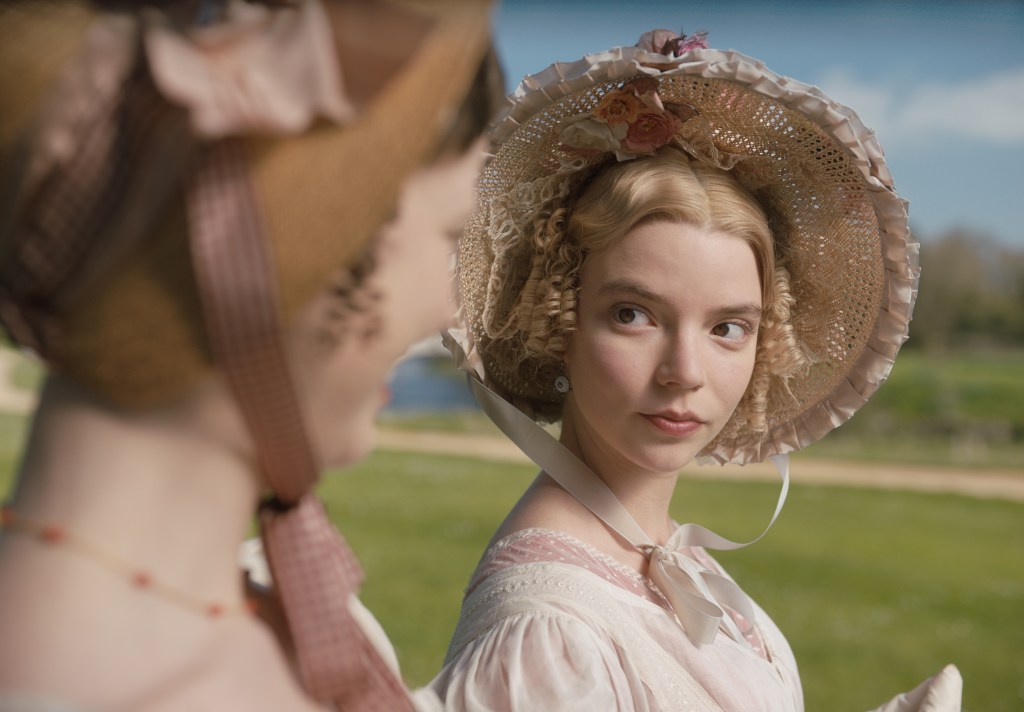
    Anya Taylor-Joy is transcendent as Emma, relishing the opportunity to play with Austen’s dialogue in sharp quips or overly polite platitudes.

    Her choices are deliberate and forceful but done with a grace that fits the time period and still represents the modern sensibilities that de Wilde and screenwriter Eleanor Catton layer into the structure of the adaptation.

    But where her effort truly shines is in her eyes, which captivate and draw audiences into Emma’s mindset as de Wilde keeps the camera lingering on Taylor-Joy despite the action of a scene playing out elsewhere, so viewers are privy to Emma’s inner monologue.

    With the flicker of a lash or a turn of the ball, Taylor-Joy expresses so much with her eyes in cast aside glances, eye rolls and longing looks that de Wilde frames beautifully in a variety of portrait angles.

    Mia Goth takes admiration and glee to considerable heights before bringing Emma’s closest friend Harriet into her own woman. Goth does an exceptional job of subtly mimicking Taylor-Joy’s physical mannerisms without overly calling attention to how much Harriet longs to be Emma, a delicate balance that never feels over the line. 

    Bill Nighy is wonderful as always as Emma’s father Mr. Woodcock, infusing his character with a charming general unawareness of events around him, but with plenty of gravitas that cements the distinction other characters place on him and his ability to seemingly break out of his stupor to show off the great man Woodcock once was.

    The film’s terrific supporting cast provide plentiful color to the world of “Emma,” with Miranda Hart’s endearing annoyance as Miss Bates and Johnny Flynn’s lustful, bordering on duplicitous turn as town preacher Mr. Elton as standouts.

    “Emma” suffers early to fully orient viewers unfamiliar with the Austen novel in the world of Highbury, a small town in the English countryside whose residents each display unique eccentricities in rapid fire, almost whispered dialogue that may leave newcomers spinning.

    Once audiences find their place, however, the repartee and dynamic vision for the film create the perfect setting for fantastic period comedy.

    The picturesque setting and remarkable production design are well framed by cinematographer Christopher Blauvelt, who captures events either with a wide berth to give a sense of scale and grandeur or in tightly on characters faces and profiles, which offers a more artistic approach.

    Even if there weren’t a dearth of feature films eligible due to the novel coronavirus pandemic, “Emma” would still be a strong contender for Academy Award consideration for its vibrant, colorful production design by Kave Quinn and brilliantly textured, eye-popping costumes from Oscar winner Alexandra Byrne.

    Both critical elements of the film are beyond reproach from a technical level and yet give “Emma” a distinctly modern feel well in keeping with de Wilde’s vision for the film as a whole and Taylor-Joy’s magnetic performance that should still be on the minds of voters months from now.

    Fans of “Downton Abbey,” Jane Austen novels or the Oscar nominated period farce comedy “The Favourite” will find themselves giggling with pleasure at the dry witted, well crafted “Emma.” With a terrific directorial debut and a magnetic lead performance, it’s a must see at home watch for ardent cinephiles struggling to find something new on a streaming service.

  • The universal language of cinema: ‘Parasite’ breaks barriers as 92nd Academy Award winner for Best Picture

    The universal language of cinema: ‘Parasite’ breaks barriers as 92nd Academy Award winner for Best Picture

    Once you overcome the one-inch tall barrier of subtitles, you will be introduced to so many more amazing films. – Bong Joon-ho, Oscar-winning writer and director of “Parasite”

    Before Sunday night, a lot of things were different in the world of cinema.

    A foreign language film had never won Best Picture at the Academy Awards; no South Korean film had ever earned a nomination; Walt Disney was the only person in Oscar history to win four awards at the same ceremony, doing so in 1954.

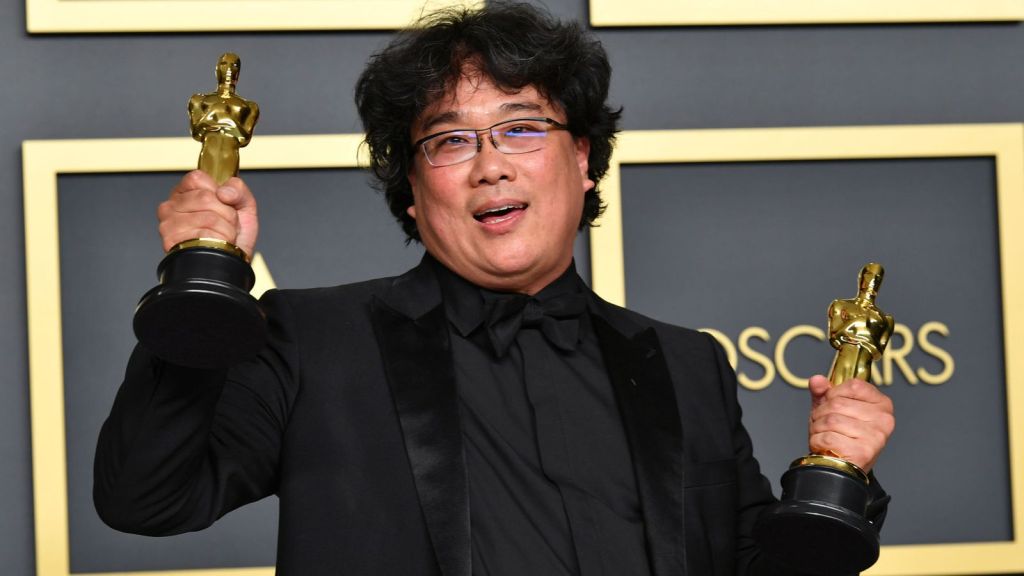
    Bong Joon-ho and the 92nd Academy Awards changed film history forever.

    The South Korean writer/director’s seventh feature, “Parasite,” a haunting and arresting drama with elements of comedy and paranoia, took home the Academy Award for Best Picture this weekend with a dynamic, unflinching look at families at the top and bottom of South Korea’s social strata.

    With wins for Best Direction, Best Original Screenplay and Best International Feature, Bong joins Disney as a four-time Oscar winner on the same night and cements South Korean cinema on the map.

    Now available widely for home viewing, there’s absolutely no reason to avoid seeing one of the best films of the 2010’s, especially as “Parasite” will likely dominate film conversation for months to come.

    Missing out at this point puts audiences at risk of ruining the film as the less viewers know about the film before seeing “Parasite,” the better the cinematic experience will be.

    In the simplest terms, “Parasite” is about two families, the affluent Park family living in a walled manor on a hill and the impoverished Kim family leeching off open Wi-Fi and free extermination in their semi-basement flat.

    When the Kim’s son is hired to serve as an English tutor for the Park’s teenage daughter, it sets in motion a series of events that will irrevocably change both families for life.

    Twists and turns masterfully crafted into the story are offset by moments of extremely poignant subtlety as Bong envelopes audiences in a world that seems infinitely close and yet constantly out of reach through perfect shot selection and camera movement that puts the viewers’ eyes on exactly what they need to see at the exact moment they need to see it.

    Although set in Seoul, the universal film realistically could have taken place anywhere and in any language with its observations on economic class conflict, greed and deception. Its biggest hindrance to mainstream success has been a relative unwillingness for subtitled films, though Bong has crafted a theatrical experience that far transcends any language barrier.

    “Parasite” is an arresting display of cinema mastery that reveals its many layers over repeat viewings and a feature whose humor, tension and drama interweave majestically over the terse two-hour running time.

    Perspective is of key importance to “Parasite” as viewers are left questioning events in the film from every angle, not knowing what’s coming next or where it’s coming from. The Oscar-winning screenplay written by Bong and Han Jin-won is an unparalleled combination of tension and release that keeps audiences on the edge of their seats.

    What’s most important about the unprecedented success of “Parasite” is what it means for the Academy moving forward, and hopefully, for the film industry as a whole.

    It’s truly remarkable that a foreign-language film broke through and won in four out of the six categories it was nominated in. But at the same time, “Parasite” failed to receive a deserved cinematography nod and none of the film’s illustrious cast was honored with a nomination despite the film winning Best Ensemble at the Screen Actors Guild awards.

    “Parasite” relies on eight actors to deliver memorable, pitch-perfect performances in order to pull off Bong’s layered screenplay and there isn’t a false step among the entire cast. Each member of the family – father, mother, son and daughter – is in sharp contrast from their mirror in the other family, as if they were playing the opposite side of the same coin.

    This year’s Academy Award Best Picture winner is a truly special, audacious cinematic masterpiece that’s uniquely of this moment in time and yet transcends the world we’re living in.

    “Parasite” was the best film of 2019, arguably the greatest film of the last decade and the correct choice by Academy voters Sunday evening.

  • 92nd Academy Awards preview: Parasite v 1917

    92nd Academy Awards preview: Parasite v 1917

    For the sake of posterity, here are my predictions and thoughts on tonight’s Academy Awards:

    Best Picture:

    Going to win – 1917, the runaway winner at BAFTA and odds on favorite tonight, the Academy will likely favor an old standard in Best Picture winners: the technically proficient, period war epic

    Should win – Parasite, probably sitting in the runner-up chair, Bong Joon-Ho’s masterpiece has a strong chance to pull the upset thanks to the preferential balloting system and is the year’s best film by a significant margin

    Dark horse – Once Upon A Time In Hollywood, the Academy loves movies about Hollywood and this Quentin Tarantino period dramedy is probably the most accessible of his filmography to Oscar voters

    Best Director:

    Going to win – Sam Mendes for 1917, Mendes should get the BP boost along with the film’s overwhelmingly spectacular technical achievements to hand him an Oscar for putting all the right pieces around him

    Should win – Bong Joon-Ho for Parasite, same story, different category, Bong creates a rich, deep world that constantly keeps audiences on the edge of their seat and masters nuance from start to finish

    Dark horse – Realistically no one, although some voters will cast their ballots for Tarantino, one of Hollywood’s best auteurs never to win this award

    Best Actor:

    Going to win – Joaquin Phoenix for Joker, the darkest, most actor-y performance of the year is essentially a guaranteed first time win for Phoenix, who elevates an otherwise marginal comic book movie to Best Picture contender worthy status

    Should win – Adam Driver for Marriage Story, a performance that is probably more nuanced than Phoenix but less showy, which doesn’t bode well given Phoenix has swept everywhere else

    Dark horse – None.

    Best Actress:

    Going to win – Renée Zellweger for Judy, a tolerable performance in a vastly mediocre film that somehow got crowned as the best of the year back in September without any real discussion or debate

    Should win – Saoirse Ronan for Little Women, a four-time Oscar nominee by the age of 25, Ronan puts together her most Oscar-y performance yet as Jo March, but with a depth of conviction and character that underlies her immense talent.

    Dark horse – Scarlett Johansson for Marriage Story, double nominated in both lead and supporting actress, Johansson is better in the first twenty minutes of Noah Baumbach’s film than Zellweger is at any moment of Judy

    Best Supporting Actor:

    Going to win – Brad Pitt for Once Upon A Time In Hollywood, a much deserved accolade for one of cinema’s best character actors who just happens to be among its most attractive, which shields out sometimes how good of a performer he is and how effortless it is for Pitt to be charming.

    Should win – Pitt

    Dark horse – Joe Pesci for The Irishman or Tom Hanks for A Beautiful Day In The Neighborhood, 2019 was a terrific year for supporting actors and both of these men could easily have run away with the award in another year.

    Best Supporting Actress:

    Going to win – Laura Dern for Marriage Story, another example of a race that was over before it began, Dern is good as a no-prisoners-taken divorce attorney but there are other performances that are as good or better that deserve more attention as well.

    Should win – Florence Pugh for Little Women, the breakout star of Midsommar takes a reviled literary character and turns the tables on audiences with a standout performance as Amy March. The most difficult performance to pull off of any of these nominees, Pugh knocks it out of the park.

    Dark horse – None

    Best Original Screenplay:

    Going to win – Parasite

    Should win – Parasite

    Dark horse – Once Upon A Time In Hollywood


    Best Adapted Screenplay: 

    Going to win – Jojo Rabbit

    Should win – Little Women

    Dark horse – The Irishman

    Best Animated Feature:

    Going to win – Klaus

    Should win – Toy Story 4

    Best International Feature:

    Going to win – Parasite

    Should win – Parasite

    Best Documentary Feature:

    Going to win – American Factory

    Should win – American Factory

    Best Original Score:

    Going to win – Joker

    Should win – 1917

    Best Original Song:

    Going to win – “(I’m Gonna) Love Me Again” from Rocketman

    Should win – “(I’m Gonna) Love Me Again” from Rocketman

    Best Sound Editing and Mixing:

    Going to win – 1917

    Should win – 1917 for editing, Once Upon A Time in Hollywood for mixing

    Best Production Design:

    Going to win – 1917

    Should win – Parasite

    Best Cinematography:

    Going to win – 1917

    Should win – 1917

    Best Makeup and Hairstyling:

    Going to win – Bombshell

    Should win – Bombshell

    Best Costume Design:

    Going to win – Jojo Rabbit

    Should win – Once Upon A Time in Hollywood

    Best Film Editing:

    Going to win – Parasite

    Should win – Parasite

    Best Visual Effects:

    Going to win – 1917

    Should win – 1917

  • 1917: War close at hand

    1917: War close at hand

    You’ll never see Roger Deakins on screen, but he’s in every frame of director Sam Mendes’ new war epic “1917,” from the opening frames bathed across a sea of endless green grass until the final cut to black before the credits.

    World-renowned as a master craftsman in his art, the British-born Deakins achieves his magnum opus with “1917” – a visual spectacle combining his years of experience as film’s premiere cinematographer and his unique eye for capturing fleeting moments to last a lifetime.

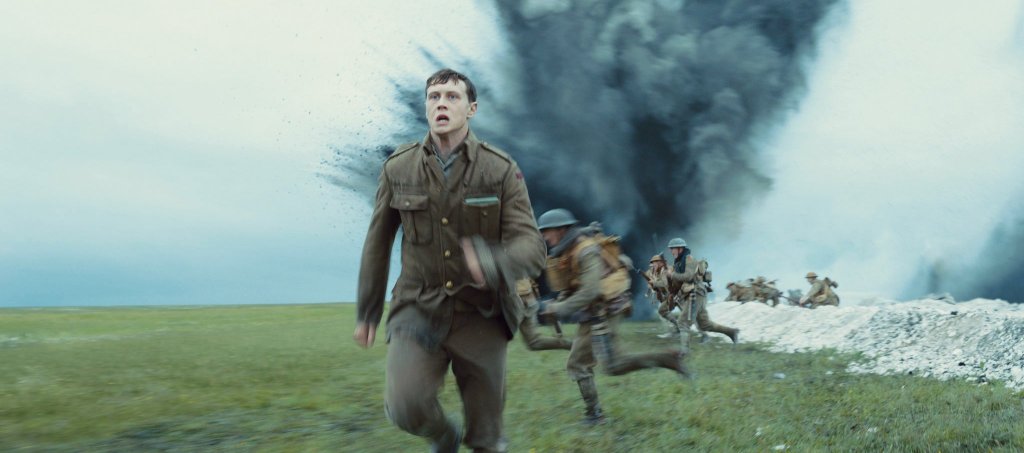
    The film intends to follow two young English lance corporals as they journey across enemy lines during World War I to deliver a message calling off an impending attack on German forces that will ambush and kill 1600 British soldiers, and for the most part, it does so considerably well.

    What “1917” truly is, however, is an arresting, unparalleled feat of technical cinema that will dazzle audiences with its extended, world-spanning one-take camera work that pulls audiences in and gives the effect of continuous, unedited filming over the course of two hours, fully immersing viewers in the shoes of two brave, yet scared young men.

    George MacKay and Dean-Charles Chapman propel the engine that makes “1917” work as Lance Corporals Schofield and Blake, respectively. Their easy chemistry amid the most difficult working conditions for actors is especially impressive and the relatively limited dialogue in the screenplay allows for the pair to wear their emotions on their sleeve with haunting eyes.

    “1917” pulls the camera in close on both performers and presses in on these non-verbal cues to show, not tell audiences about the mental strains placed on young WWI servicemen and MacKay’s stoicism matched with Chapman’s heart leaps off the screen at every turn.

    Though the bulk of the film follows the two young leads, “1917” is also littered by brilliant supporting turns from a number of talented British character actors from Colin Firth and Benedict Cumberbatch, to Mark Strong, as well as Andrew Scott and Richard Madden. Each actor pops up at exactly the right moment to provide gravitas and emotional depth.

    The film’s harrowing subject matter and plot leave audiences constantly on edge as Schofield and Blake could easily encounter imminent death over every ridge or around the next corner. An unbroken, continuous camera frame heightens this suspense and keeps audiences dialed in to the duo’s circumstances, equally unsure what’s to come next.

    Mendes and Deakins masterfully contend with the elements over the course of meticulously pre-conceived panning shots, often relying on natural light to illuminate scenes and operating free-flowing panoramic cameras that allowed for steady and smooth 360-degree rotation.

    Each second of “1917” is a precisely choreographed dance between actors and camera operators, moving across dynamic, uneven terrain and across miles of intricate bunkers and sets hand-crafted for shooting.

    Mendes and editor Lee Smith blend scenes together confidently with limited breaks in the dynamic visuals, cheating slightly as the camera is obscured from viewing Schofield and Blake at various points to hide cuts in the film. Most viewers won’t notice these slight imperfections in the cinema that provide the overall look of the film as they will be too entrenched in the pair’s plight and Thomas Newman’s gripping score to peer behind the curtain.

    A multiple Golden Globe winner, “1917” is certain to be one of the most nominated Academy Award contenders this spring, immediately vaulting into frontrunner status for cinematography, direction and production design. Newman’s haunting, pitch-perfect orchestral score should win as well, though it has lost recently to Hildur Guõnadóttir’s equally transfixing accompaniment to the comic book origin film “Joker.”

    The film could easily win Best Picture following its Best Motion Picture – Drama win at the Golden Globes, but could just as easily fall into the same trap other technically profound films like “Gravity” and “Mad Max: Fury Road” did at the Oscars, winning in many smaller categories but missing out on the top prize.

    There’s absolutely no reason to see “1917” on anything less than the biggest, best screen imaginable – even if that means avoiding closer theaters. A visual marvel unlike any other, “1917” requires a grandiose, epic cinematic experience to match the vastness of the film itself.

  • Uncut Gems: Loving the uncomfortable

    Uncut Gems: Loving the uncomfortable

    Tense situations often provide for the best drama and leave bystanders watching things unfolding on the sidelines captivated in awe.

    It’s a compulsion that pulls us to slow down and gawk at accidents and train-wrecks; the very thing that allows a television program like “The Jerry Springer Show” to exist.

    Cinematically, that uncomfortable draw that keeps audiences on the edge of their seats can be the same feeling that prevents people from seeing an incredible film more than once.

    The much heralded, Golden Globe-winning “Joker” is like that, as is the latest feature from Josh and Benny Safdie, the writer-director brother indie darling tandem behind 2017’s standout crime drama “Good Time.”

    With their new movie “Uncut Gems,” the Safdie brothers crank the volume up to 11 on their signature brand of frenetic, gritty New York City film spectacle in a must-see, then likely never see again drama.

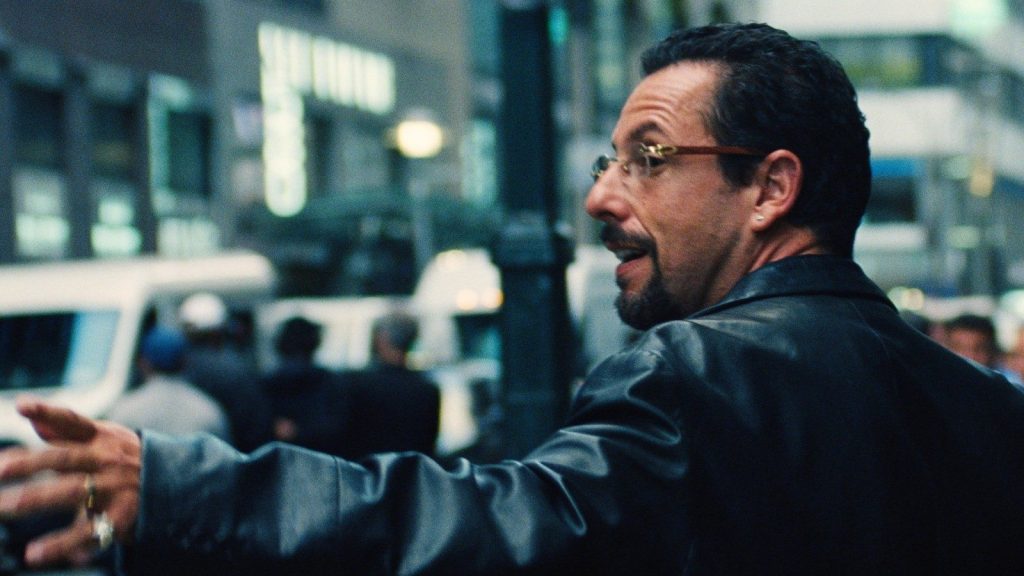
    Adam Sandler gives the transformative performance of his career as Howard Ratner, a diamond district jeweler whose obsession with sports gambling and the big score puts him at odds with clients, loan sharks and his estranged family.

    Sandler disappears so fully into Howard that it’s often hard to remember Sandler’s comedic work during “Gems.” There’s an eccentricity to Sandler’s performance that emboldens audiences to live inside the world of the film and accept this familiar character on his own terms and not as it relates to Sandler.

    When audiences watch an actor like Robert De Niro or Al Pacino, they often find themselves engulfed within their performances and still never take their minds off the fact that De Niro or Pacino are playing the parts. Who they are as personalities can never be totally removed from the work.

    Sandler’s Howard pulls viewers in so fully – in large part thanks to the Safdies’ pitch-perfect screenplay – that the comedian himself fades away behind the glasses and goatee, something Sandler has never been able to pull off before in a 20-plus year movie career.

    The film’s ensemble cast boasts a bevy of talented character actors with ruthless, memorable work including Eric Bogosian as a vindictive loan shark, Broadway and “Frozen” star Idina Menzel stunning as Howard’s angry wife Dinah and Lakeith Stanfield as Howard’s assistant and client valet.

    Former National Basketball Association star Kevin Garnett delivers a tremendous, intense performance as a fictionalized version of himself in one of the best acting performances by any major sports athlete, enhancing the film with an authentic, controlled turn that pushes the drama in new directions.

    The film’s breakout star is newcomer Julia Fox, who pulls focus away from Sandler in a wonderful supporting turn as Howard’s employee/mistress. Fox charms audiences in a way that feels manipulative but largely isn’t and her presence on screen is reminiscent of the dynamic energy Margot Robbie brought to her first major role in Martin Scorsese’s “The Wolf of Wall Street.”

    What sets “Gems” apart is the film’s relentless uncertainty where literally any outcome or repercussion can occur at any time. This keeps viewers apprehensively engaged and tense, forcing them into Howard’s corner as every action he takes feels like a miniature wager with ever-growing stakes.

    It’s a tremendous pairing of screenplay and performance that allows the chaotic pace of the film to genuine and earned rather than deliberately contrived. The Safdies, who have sought Sandler for the role of Howard for the better part of a decade, perfectly pen a character to fit the longtime comedic actor’s unique quirks in such a way that opens up Sandler to a world of new opportunities cinematically.

    Shot on 35 mm film, the visual artistry of “Gems” maintains a raw, gritty vibrancy and the Safdie brothers play with lights and colors to keep the dynamic energy of their screenplay alive regardless of the situation. This works especially well during a scene where Howard enters a club filled with blacklights which gives the screen an off blue hue complemented by a bright neon orange hoodie worn by a character antagonizing Howard that visually represents the story the Safdies are trying to tell.

    “Gems” is likely far too controversial for major awards season considerations although the movie will likely be heralded by critics and independent film groups.

    Sandler has an outside chance for a best actor nomination if newer members of the Academy rally behind him and the film, though it’s more likely their support will go to Eddie Murphy’s turn as a struggling comic turned movie star in Netflix’s “Dolemite Is My Name.”

    “Uncut Gems” clearly stands out as one of 2019’s best independent films and a dramatic career pinnacle for Sandler that needs to be seen on the big screen to truly be appreciated.

  • Little Women: Frantic urgency in domestic life

    Little Women: Frantic urgency in domestic life

    Another period drama remake of an oft-told story isn’t what cinema needs these days.

    There’s far too little originality in filmmaking to warrant updated versions of a book that already has six feature film adaptations.

    “Little Women” is the exception.

    From the opening moments where writer/director Greta Gerwig begins at the end, it’s readily apparent that Louisa May Alcott’s classic coming-of-age novel about four sisters – Meg, Jo, Beth and Amy – living and loving in Civil War-era Massachusetts has never been adapted with the amount of vibrancy or dedication that Gerwig and her cast create.

    It’s a highly personal, classical and yet richly modern interpretation that uses the ballpoint pen as a jackhammer to Alcott’s linear narrative.

    While prior adaptations have centered primarily around bold writer Jo, Gerwig layers her version with richer examinations of all four sisters and interprets the novel with a bold vision that elevates the source material.

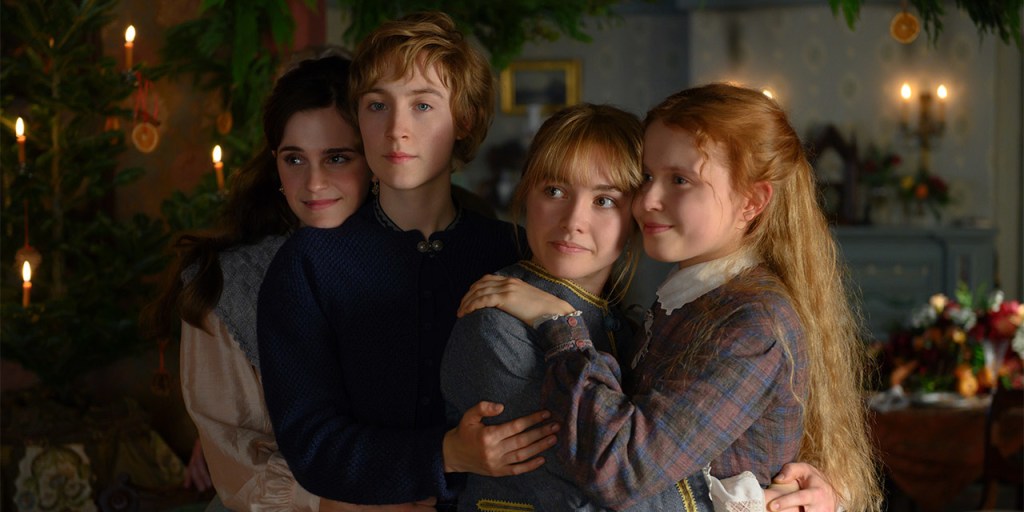
    “Little Women” works thanks in large part to its dynamic cast led by three-time Academy Award nominee Saoirse Ronan as Jo and 2019 breakout actress Florence Pugh as Amy.

    Headstrong and meticulous in her performance, Ronan sears the screen with an intensity befitting prior interpretations of Jo, but with a soulful complexity that creates a deeper connection between audiences and the character.

    Ronan’s Jo works tremendously well on her own within the film, but her work is emboldened further in concert with the rest of the cast especially Pugh, who creates the sort of unrequited sibling rivalry with Jo that is both grounded in the original text and feels authentic as sisters so identical that their similar passions drive them apart.

    Pugh approaches Amy as someone who has felt held back by her sister and society but matures over the course of the film to find her own voice and identity in a way that is sincere not perfunctory, passionate not shrill.

    As much as “Little Women” elevates Pugh’s Amy, Emma Watson’s Meg and Eliza Scanlen’s Beth are both showcased individually and give strong supporting work in larger group scenes that accent the Jo-Amy duality as well as highlight the importance of their own characters to the narrative. A pivotal scene featuring Jo and Beth at the beach is overwhelmingly emotional thanks in large part to what Ronan and especially Scanlen aren’t saying to each other in the moment and leave to non-verbal cues to the audience.

    In one of the film’s most challenging roles, Timothée Chalamet weaves himself flawlessly in and out of the lives of each March sister as neighbor/best friend/love interest Laurie, adding different flourishes to his performance depending on which sister he interacts with. This gives the film much needed complexity and helps showcase the individuality of each sister.

    There’s magic visually as the camera kinetically flows through space in the sisters’ younger years, leaping into the middle of the fray of their playful arguments and gliding along as Jo and Laurie dance along an outdoor patio in one of the year’s best crafted shots.

    Cinematographer Yorick Le Saux takes a more reserved approach to the older half of the movie with more stoic, wide-arcing shots that create elegance rather than distance.

    “Little Women” leaps off the pages of Gerwig’s screenplay with a frantic, chaotic energy that permeates its way through the March sisters and radiates a palpable heat that cinema – especially period historical fiction – rarely strives towards.

    There’s an exceptional amount of passion to the film that draws in even many a skeptical viewer. Dialogue is delivered with vigor, often overlapping to the point where words burst from these four talented actresses as if their vitality were about to explode out of their bodies.

    So much of Ronan’s performance is driven by this churning, inner desire for a fulfilling, artistic life that fuels Jo’s constant “writing like you’re running out of time, like you need it to survive,” to borrow a phrase from the Broadway smash hit “Hamilton.”

    This relentless pace and dynamic energy allows Gerwig’s most daring conceit of the film to be successful as the filmmaker rips apart Alcott’s traditional narrative structure. Folding two timelines – one in the girls’ teenage years and another ten years later as they grow into adulthood – Gerwig reshapes and recontextualizes the classic tale for modern cinema, overlapping scenes from both times to enhance emotional growth amid a sense of nostalgia in the March sisters and allow audiences to see things from a fresh perspective.

    Occasionally, this plot structure will jar viewers to keep them engaged in the action and may confuse some audiences unfamiliar previously with the Alcott story. Gerwig takes some slight liberties with the plot itself that brilliantly illustrate the struggles women had in being taken seriously as artists during the 1800s, but not so much so that audiences will lose their way or that the intentionality of the original work is altered.

    A virtual lock for Academy Award nominations, the frontrunner status come Oscar season for “Little Women” will be determined more by nods in less certain categories. Best Picture, best actress for Ronan and best adapted screenplay for Gerwig are all but assured.

    If potential nominees like Pugh in supporting actress, Gerwig for direction and Chalamet in supporting actor come through alongside technical nominations for costuming, production design and score, then “Little Women” could vault itself to the top of the race alongside “Once Upon A Time In Hollywood,” “The Irishman” and “Marriage Story.”

    More than just a simple book adaptation or period piece, “Little Women” is a dynamic, inventive piece of cinematic storytelling from an emerging master filmmaker that deserves to be seen on the big screen.