Category: Superhero Movies

Superhero and comic-book cinema. Secondary topic category for relevant film reviews and analysis.

  • Incredibles 2: The art of sequel-izing

    Incredibles 2: The art of sequel-izing

    Maybe we’ve forgotten what it takes to make a truly great sequel.
    In our lasting obsession with more, more, more and now, now, now, audiences have been demanding instant gratification and ever expanding cinematic universes.

    Money hungry studios are more than willing to oblige.

    It’s gotten to the point where the two-year average from box office hit to follow-up film feels like too long.
    Thankfully, Brad Bird didn’t feel the pressure.

    Moving on to other projects, Bird let a simple story idea gestate in his mind for 14 years, evolving the project creatively to craft the best possible movie.

    That film, a follow-up to the 2004 Pixar sensation “The Incredibles,” rode the wave of anticipation and word-of-mouth to $180 million domestically in its opening weekend, breaking records as the highest grossing animated film of all-time over its first four-day stretch.

    But what sets “Incredibles 2” apart from the rest besides its box office dominance is its quality, instantly vaulting into the top five of Pixar Studios’ illustrious filmography rivaling “Up,” “Wall-E” and the “Toy Story” trilogy.

    Richly developed and cultivated by writer/director Bird, the script layers thoughts on family, tolerance, the world’s growing obsession with digital technology and much more into a witty two-hour film that will keep young viewers entertained and older audiences engaged by the mature themes and banter.

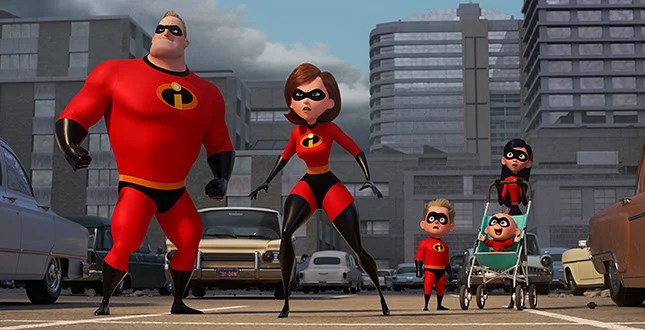
    Set in the moments immediately following the conclusions of the first film, “Incredibles 2” finds the Parr family – superheroes living among average citizens – out of work after heroes are outlawed by the government. Unemployed and homeless, Mr. Incredible becomes a stay-at-home father to the children while Elastigirl fights for the rights of “supers” while battling crime illegally.

    The talented voice cast from the original film returns, including Craig T. Nelson as Mr. Incredible, Holly Hunter as Elastigirl, Samuel L. Jackson as Frozone and Bird himself voicing fan-favorite Edna Mode. They’re joined by “Better Call Saul” star Bob Odenkirk and “Get Out” actress Catherine Keener to bring vibrancy and life to Bird’s screenplay and Pixar’s dynamic computer-generated animation.

    Pretty much everything about “Incredibles 2” is superior to its predecessor, from the storyline to the character development, the humor to the heart.

    But from the outset, what is most striking about the differences between the two “Incredibles” films are just how much further Pixar’s animation team has come in 14 years.

    There’s a deep richness to every frame and characters are given depth in curves that creates the appearance of three dimensions with on a flat screen.

    Visually, the most exciting and stunning scene is also potentially the most problematic for audiences. Midway through the film, Elastigirl faces off against the villainous Screen-Slaver in hand-to-hand combat inside a room filled with strobe lighting that may trigger reactions from photosensitive or epileptic viewers. Framed in rapid fire blasts of alternating white light and darkness, it’s a mesmerizing, iconic sequence and one of the film’s best moments.

    As all the top Pixar films seem to do, “Incredibles 2” will likely be a strong contender for an Academy Award nomination for Best Animated Film, though Wes Anderson’s outstanding “Isle of Dogs” should prove to be stiff Oscar competition.

    The film is preceded by the slow-paced, yet rewarding short “Bao,” directed by Domee Shi, a story of a mother struggling in her relationship with her son that could also earn an Oscar nod in the animated short category.

    It took Bird and company 14 years to bring “Incredibles 2” to the big screen because they wanted to make sure they got it right.

    And they did in a big way.

    Sure to play to packed crowds for weeks to come, “Incredibles 2” establishes a new high in sequel filmmaking, especially among its animated peers. It’s a film that may prove to be a difficult ticket, but more than worth the price of admission for viewers under six to those well over 60.
  • Deadpool 2: Rated R for retread

    Deadpool 2: Rated R for retread

    If you’re one of a growing number of frequent moviegoers tiring of the superhero genre, “Deadpool 2” is the epitome of everything you’ve come to hate.

    Everything feels bloated and rehashed; the villains are under-written, poorly acted and inconsequential to the story as a whole. It’s the same movie all over again.

    But if you’re among an equally large number of fervent fans desperate to see their childhood comic books come to life on the big screen, “Deadpool 2” is right in your wheelhouse.

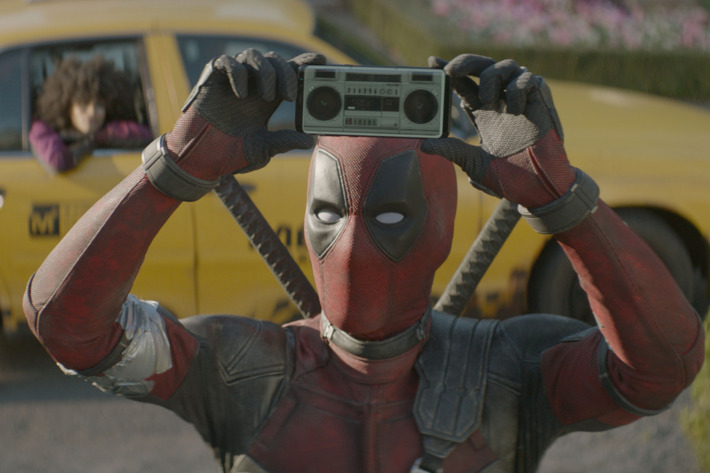
    The foul-mouthed, shoot-first-ask-questions-later vigilante Deadpool returns for more thrills, double entendres and bloodshed with reckless abandon.

    Still out to prove that he’s not a superhero, Deadpool indiscriminately slaughters bad guys until he’s separated from his love, Vanessa, and in the crosshairs of a time traveling cyborg just this side of “The Terminator” franchise.

    It’s getting to the point now it’s increasingly difficult to separate Ryan Reynolds the performer from the acting choices he makes as Deadpool.

    His Wade Wilson is so inextricably linked with the man playing the part that Deadpool has almost become part of Reynolds’ psyche.

    After Reynolds willed this version of Deadpool into existence, his deepening dive into the world of the character has transcended even his roles as performer, writer and producer, pushing Reynolds into a one-man media wrecking ball of shameless self-promotion.

    In three short years, Reynolds has ingrained himself into the character at a level rivaling Robert Downey Jr’s Iron Man with just as much sass and a million times the expletives.

    If his intense bravado and over-exploitation of pop culture endear you to both Reynolds and the character of Deadpool, you’ll be on the edge of your seat or rolling in the aisles for the better part of two hours.

    Those who struggle to handle the heavily R-rated caricature will easily check out of the film within five minutes and long for their money back.

    Josh Brolin makes his second superhero appearance in as many months, this time as the half-man, half-machine Cable after a rousing turn as the villainous Thanos in “Avengers: Infinity War.”

    It’s easier to assess Brolin’s work here as he’s not covered by layers of CGI and yet the parallels between the two stoic, monotone performances are readily apparent.

    While in “Avengers” the emotional weight Brolin carries within his performance works as both a catalyst to the story and dramatic depth, an equally weary Brolin turn didn’t work quite as well in “Deadpool 2” because the underlying drama of the film doesn’t feel earned.

    Poor screenwriting that values frequent, obscure pop culture-based punchlines over cohesive plot structure is surely to blame.

    With five new major characters and an equal number of newcomers, it’s hard for their to feel like a standout amongst a bloated cast for such a simple storyline.

    Returners Morena Baccarin as Vanessa and T.J. Miller as best friend Weasel are fine if not largely unmemorable, whereas “Atlanta” star Zazie Beetz packs a lot of punch as the perpetually lucky Domino and Julian Denneson of “Hunt for the Wilderpeople” fame offers a terrific blend of humor and emotional depth as a troubled young mutant.

    Director David Leitch makes his mark with well shot, yet conventional action sequences and stays largely out of Reynolds’ way for the film’s indulgent bouts of comedy.

    If Leitch intended to make the sequel feel exactly like the original film with a larger budget, his vision works. It’s much more questionable whether or not doing the same thing on a bigger scale works as well for a comedy masquerading as a superhero film.

    “Deadpool 2” has a high degree of difficulty for audiences not well versed in comic book and pop culture lore. Jokes about a famed Marvel artist’s inability to draw feet or who the superhero Shatterstar is will likely go over newcomers’ heads.

    But searching out “blink and you’ll miss it” cameos from A-listers Brad Pitt and Matt Damon is still a fun exercise.

    The jokes are crude and the spandex’s tight, but moviegoers who enjoy a good-natured amount of tasteless fun will get a kick out of Reynolds’ endless antics as “Deadpool 2” barrels its way towards an inevitable sequel.

  • Avengers Infinity War: No spoilers necessary

    Avengers Infinity War: No spoilers necessary

    Ten years and 18 films have lead to this moment.

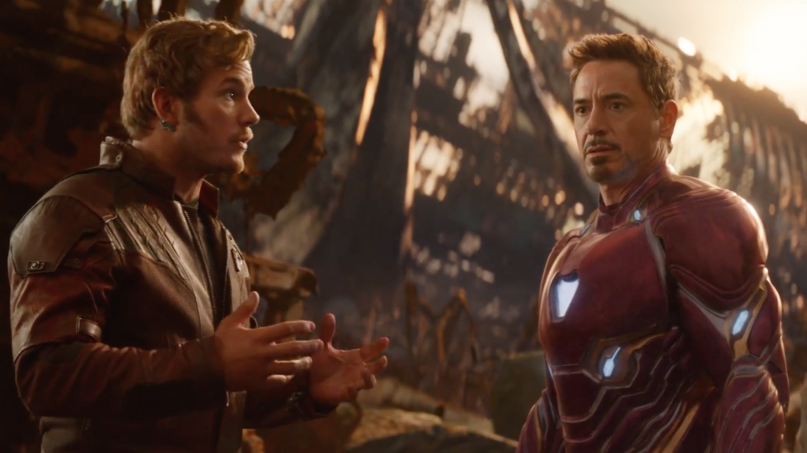
    Nearly a decade to the day after the release of a Robert Downey Jr. led superhero movie, 2008’s “Iron Man,” Marvel Studios breaks the bank once again with the release of “Avengers: Infinity War,” a grandiose, visually indulgent action spectacle that will earn more money with its release than some smaller studios will in an entire calendar year.

    A film of this size and scale simply shouldn’t work. There’s far too many moving parts, conflicting storylines and bits of comic book lore how to make “Infinity War” seem even remotely plausible, yet alone watchable, on the big screen.

    But because of Marvel Studios’ attention to detail in slow building a franchise, the latest “Avengers” film doesn’t just work, it exceeds expectations with flying colors.

    Bringing together superheroes from eight different solo films, “Avengers: Infinity War” culminates a decade long journey to the arrival of arch-villain Thanos, an alien seeking six Infinity Stones that will provide him ultimate power to change and or end the universe all together.

    The superheroes themselves will likely be familiar — Iron Man, Captain America, Black Panther and the Guardians of the Galaxy among others all return — but the combinations the major plot lines of “Infinity War” provide make the film a fresh and compelling two-and-a-half hour joy ride.

    The “Avengers” movies aren’t typically breeding grounds for strong acting, though “Infinity War” finds its strength in making the most of the talented ensemble cast in small doses spread throughout the film, highlighting each actor while simultaneously hiding their weaknesses.

    For the most part, this leads to a large series of one-dimensional performances that are greater than the sum of their parts. Several notable exceptions rise above this level.

    Downey reprises the role as billionaire playboy Tony Stark, the original Avenger himself Iron Man, for the eighth time and brings emotional gravitas to the film. The weight of each decision Iron Man has made over the course of these eight films feels pressed upon Downey’s shoulders and the emotionally taxed actor carries this burden beautifully through every scene of the film.

    A terrific turn from Josh Brolin evens the playing field as Brolin confidently, almost seductively, transforms into Thanos. That he is able to make a stoic, purple CGI creation and successfully evoke even the smallest sense of empathy from the audience is Brolin’s biggest accomplishment.

    There’s a great deal of information audiences need to know from watching other films in the series. Yet, somehow, directors Anthony and Joe Russo manage to make “Infinity War” accessible and understandable for audiences who might never have seen any of the 18 prior films in the Marvel Cinematic Universe.

    While the directors must be given credit for the movie’s dynamic and measured pace, screenwriters Christopher Markus and Stephen McFeely wonderfully maintain a balance between all of the superheroes while working with directors of other films in the franchise to ensure continuity in tone and character development.

    This allows audiences to see the lighter, more comedic side of Chris Hemsworth’s Thor as developed in last year’s “Thor: Ragnarok” and the more developed Black Panther from February’s film of the same name as opposed to the stiff, confining performances from early films in the franchise.

    It’s important to know as little about the events of “Infinity War” as possible before an initial screening as the film truly deserves to be seen with fresh eyes. In the same token, not spoiling the film for others is more critical for this Marvel movie than any other in the franchise.

    “Infinity War” certainly cements its status one of the best 3-5 films in the Marvel Cinematic Universe and is considerably better then dark horse Oscar Best Picture nominee “Black Panther.” To say that “Infinity War” completely revolutionizes the franchise is a massive understatement.

    The defining chapter in the next step of the world’s biggest film series, “Avengers: Infinity War” has to be seen on the big screen, most likely multiple times, in order to be truly appreciated.

    For good or bad, this superhero film could easily prove to be this generation’s defining adventure, a movie younger audiences will talk about for years in the same reverence as we do now with “Raiders of the Lost Ark” and “The Empire Strikes Back.”

  • Justice League: Super friends team-up

    Justice League: Super friends team-up

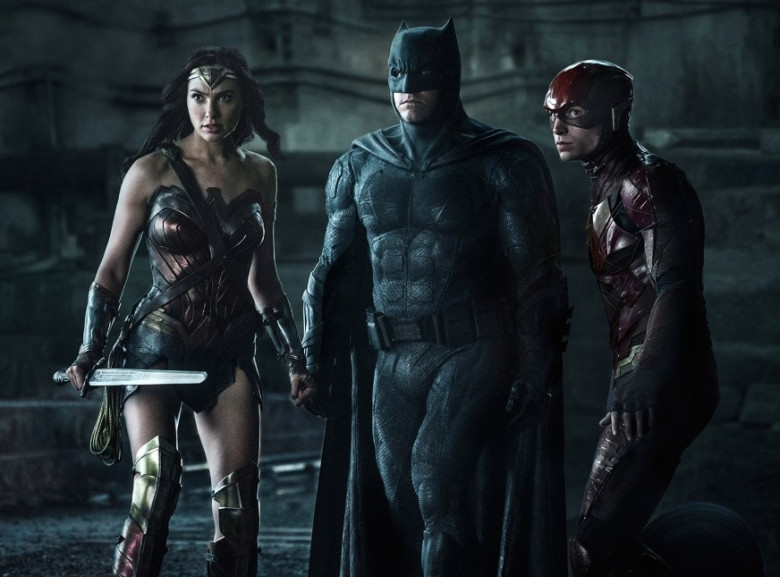
    Putting Batman, Aquaman, Wonder Woman and The Flash on screen together should be a pretty exciting, slam-dunk of a movie.

    But then why does “Justice League,” the latest DC Comics film from director Zack Snyder, feel so much like a rollercoaster ride?

    There’s a lot of ups over the course of two hours, but a lot of wild left turns and some heavy downs too in Snyder’s all over the place follow-up to 2016’s “Batman vs. Superman: Dawn of Justice.”

    The film follows Batman alter ego Bruce Wayne following the death of Superman as he tracks new evil emerging in the Man of Steel’s absence.

    Unable to stop the impending threat alone, Wayne must track down and form an alliance with powerful, yet reluctant heroes to prevent the god Steppenwolf from destroying the planet.

    Rightfully so, “Justice League” leans heavily on Israeli actress Gal Gadot, whose crowd-pleasing turn in the smash hit “Wonder Woman” solo movie earlier this year make her the perfect choice to center the emotional core of the film around.

    Gadot’s innate ability to emphasize with unknown characters around her despite incredulous situations continues to be the best piece of acting in any DC film and makes the Amazonian princess the series’ most relatable hero.

    The same cannot be said of Ben Affleck’s unaffecting, mediocre work as Batman, a character it’s clear the veteran actor/director no longer wants to play. Recently, Affleck admitted he wants to find a way to gracefully leave the franchise, though his relative disinterest appears on screen and helps hold back the DC franchise from becoming something greater.

    The film’s breakout star, Ezra Miller, is a delight to watch on screen as the super fast, super geeky young superhero The Flash. The comedian steals the show at every turn with well written, expertly delivered punchlines that lighten the heavy overall tone of Snyder’s film.

    Just as breathtaking are scenes of The Flash in action as the film often slows down in time to allow viewers the opportunity to experience what being super fast really feels like. These sequences are reminiscent of the spectacular Quicksilver scenes in “X-Men: Days of Future Past” and “X-Men: Apocalypse,” though they still feel unique to the DC Universe.

    There’s also a lot of potential in Jason Momoa’s Aquaman, a thinly written, shirtless heavyweight who bruises his way through Justice League in an attempt to make the characters seem more than just the guy who talks to fish.

    Momoa certainly looks the part of an intimidating, rebel superhero, though it’s too early to make a determination until the “Aquaman” solo picture arrives next year.

    Where “Justice League” struggles most is in its clunky, uneven screenplay penned by Chris Terrio with rewrites from “Marvel’s The Avengers” director Joss Whedon. DC doesn’t offer the writers any favors by requiring the film to fill in the back story for three new superheroes.

    “Justice League” often feels weighed down and bloated as it constantly jumps from subplot to subplot in its attempts for fan-service and sequel building rather than developing one consistent plot. This isn’t to say that Snyder’s film doesn’t offer fun and exciting moments, just they are gapped by extended filler is the DC superhero adventure from being a better movie.

    The unevenness of this adventure carries over into the director’s chair, where Snyder’s dark brooding touch casts a shadow over a significant portion of the film. Stylistically, Snyder’s films often look as if the director forgot to budget proper lighting equipment and his hand feels present in all of this film’s heavier moments.

    Whedon, who came on late in the filmmaking process to handle reshoots after a death in Snyder’s family, gives “Justice League” a friendlier, more accessible tonal shift and has to be given much of the credit for the film’s considerable comedic pop.

    “Justice League” benefits and is simultaneously hindered from having a pair of directors with widely different visions of the film pushing their ideas into the final product.

    If nothing else, “Justice League” serves as a decent roadmap for the DC film franchise moving forward, building on the success of “Wonder Woman” and leaning away from the lesser “Batman vs. Superman” and “Suicide Squad” films.

    It’s a film best seen on the big screen for the spectacle of it all, but “Justice League” serves a limited audience of superhero fans and hardcore comic book nerds. It’s not a film viewers can jump into blindly.

    If you know and love all things DC Comics, “Justice League” is built just for you. If not, taking a pass and catching more accessible films like “Thor: Ragnarok” or the simply delightful “Wonder” might be a better decision.

  • Thor: Ragnarok: Hammering home the comedy

    Thor: Ragnarok: Hammering home the comedy

    Superheroes to the rescue!

    After a lackluster summer at the box office, Hollywood hit back in a big way as Disney sent a film to the big screen for the first time since June with “Thor: Ragnarok.”

    The latest in the ever popular Marvel Cinematic Universe franchise brought home $121 million nationally, giving moviegoers their first slam dunk reason to head to theaters since Sony’s “Spider-Man: Homecoming” in July.

    An amalgamation of several popular Marvel Comics including the Ragnarok and Planet Hulk series, “Thor: Ragnarok” follows god of thunder Thor as he seeks to prevent a foretold apocalypse aimed to destroy his home world of Asgard. His travels find him pitted against – and possibly working with – his mischievous adopted brother Loki and fellow Avenger The Incredible Hulk.

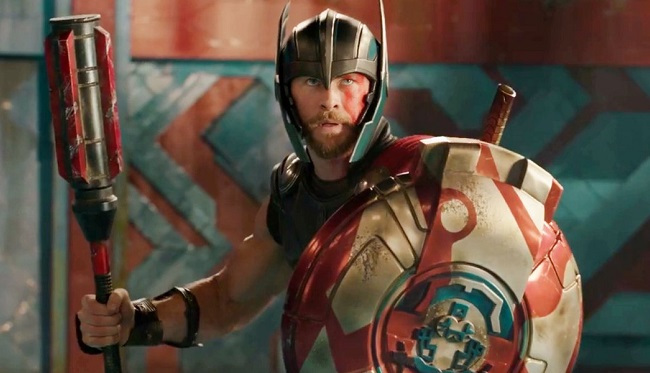
    Finally given material worth sinking his teeth into, Chris Hemsworth is at his best as the titular Thor.

    The Australian actor excels at the quippy one liners throughout “Ragnarok” and seems to be more engaged in this film than in any prior installment of the Marvel Cinematic Universe.

    Hemsworth is firmly in his element with light-hearted performances here and in 2016’s “Ghostbusters” remake. His Thor is decidely less wooden and considerably more memorable in “Ragnarok.”

    Tom Hiddleston brings his considerable charm to the devilish Loki, though his performance suffers from a lack of quality material and limited screen time relative to his much better turns in the role in both the original “Thor” film and “Marvel’s The Avengers.”

    Unquestionably the star of “Thor: Ragnarok” is director Taika Waititi, a terrific up-and-coming comedic filmmaker who steals the show as CGI rock monster Korg.

    Normally such a dry comedic character is difficult to pull off through simply voice acting, but Waititi shines with a brilliant, side-splitting that mesmerizes audiences at every turn. Korg is worth the price of admission alone.

    A shockingly game Cate Blanchett provides a solid supporting performance as villainess Hela, though limited screen time character largely wastes the Oscar winner’s considerable talents.

    Jeff Goldblum delivers a very typical performance as the devious Grandmaster.

    His turn is exactly what you might expect from Goldblum, but it’s exactly what Ragnarok needs to bring levity to its bloated yet entertaining second act.

    Saying “Ragnarok” is the best “Thor” movie is like saying Alec Baldwin is the best Baldwin brother. This is technically true, but it doesn’t really mean a whole lot.

    As Marvel movies this year go, “Ragnarok” is no better than second behind the significantly better “Spider-Man: Homecoming” and might not even be as well made a film as “Guardians of the Galaxy Vol. 2.”

    This isn’t to say that “Thor: Ragnarok” isn’t a good movie. It most certainly is.

    But for a movie franchise dripping in Shakespearean melodrama, the abrupt right turn Thor Ragnarok takes tonally is more than a little jarring.

    The film’s humorous, engaging script from writers Craig Kyle and Eric Pierson meanders a bit too much in the middle third and lacks a linear central plot.

    However, for a film intended to inch the overall storyline forward toward next year’s Avengers Infinity War, Ragnarok is nothing short of a total crowd-pleaser with the requisite action sequences, Easter eggs and surprise appearances to keep hardcore Marvel fans excited for films yet to come.

    “Thor: Ragnarok” is a movie that begs to be seen in theaters and not just for its visually appealing fight sequences.

    This is one of those rare films that will be a staple of watercooler talk throughout the next month.

    Moviegoers who don’t want to be spoiled on the film’s numerous twists and turns or left out of the conversation need to see “Ragnarok” on the big screen.

  • Spider-Man Homecoming: A hero’s true homecoming

    Spider-Man Homecoming: A hero’s true homecoming

    There have been five Spider-Man movies to hit the big screen prior to Marvel’s latest blockbuster, “Spider-Man: Homecoming,” debuting last weekend.

    Though several early films are heralded as among the best superhero films of all time, none have ever felt as authentic to the comic book version of Peter Parker than “Homecoming” does.

    Finally, the Spider-Man movie we’ve all been waiting for is here. And it delivers.

    It’s a true homecoming for the webbed wall-crawler, whose film rights were sold to Sony Pictures well before Marvel Comics ever dreamed of developing their own movie studio. A deal struck in 2015 allowed Marvel to regain creative control over Spider-Man while Sony financed any Spidey solo movies and kept the profits. Marvel’s rebooting of the classic superhero began last year with a small appearance in “Captain America: Civil War,” bringing on Tom Holland to play a 14-year-old Peter Parker.

    “Spider-Man: Homecoming” builds on this foundation by placing Peter in the midst of high school, struggling to contain his excitement for a larger piece of the action while figuring out who Peter Parker (and Spider-Man by extension) is as a person.

    While not a true origin story by any means, “Homecoming” serves itself well by scaling back the grandiose nature of most comic-book movies. It’s a film largely grounded in reality with emotional stakes uncommon in superhero films, firmly in the mold of classic John Hughes movies from the 1980s like “The Breakfast Club” or “Weird Science.”

    Holland is the perfect actor to bring this version of the character to life as he’s able to balance Peter’s awe of his new-found abilities with the natural naivety that comes with being a teenage boy unsure of his place in the world.

    Holland has a natural ability to display authentic emotion in scenes opposite experienced actors like Robert Downey Jr. and Michael Keaton that gives “Homecoming” unexpected depth in such a bright, colorful movie.

    Marvel fully ties in Spider-Man to their cinematic universe by making Downey’s Tony Stark/Iron Man mentor to Peter Parker/Spider-Man. It’s an unique, terrifically written bookend to the character Downey originated back in 2008 and allows his Tony Stark to come full circle from the brash, naïve hero Marvel started their cinematic journey with.

    Keaton does a masterful job elevating the typical superhero villain to something interesting and engaging to watch outside of confrontations with the hero. As The Vulture, Keaton brings gravitas to a part that might not normally require weight.

    Scenes where Keaton sheds his bird-suit and digs into the meat of the character are among the best in the entire film. This is especially true of a pivotal moment in the third act that redefines verbal confrontations between hero and villain.

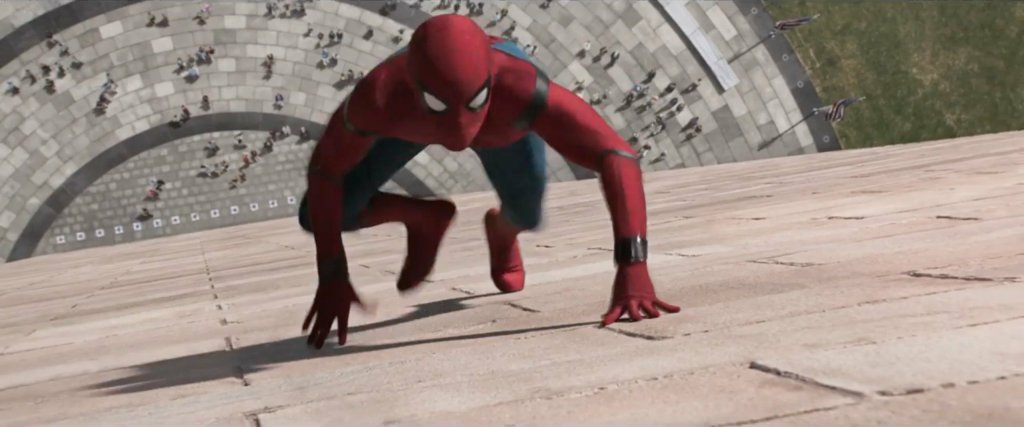
    For a film billed as a comic book action-adventure, “Spider-Man: Homecoming” is largely better when no one is fighting on screen, save for sequences at the Washington Monument and on the Staten Island Ferry.

    The core of “Homecoming” is about walking before you run, and the action of the film definitely rolls at a brisk walk at best. Audiences are certainly heading to the theaters to see Spider-Man fight The Vulture, but it’s not what they’re going to be talking about when they leave.

    With one of Marvel’s most iconic character back under their creative control, the future of Spider-Man looks very bright. “Homecoming” is an incredible start in re-launching a hero that has misfired in its last three solo adventures.

    Holland should easily become the first of the next generation of Marvel stars carrying the Avengers franchise forward for many years to come.

    As blockbuster summer movies go, it’s hard to do better than the refreshingly fun “Spider-Man: Homecoming.” It’s a must-see in theaters for any avid moviegoer.

  • Logan: Visceral, gripping tale brings new life to superhero genre

    Logan: Visceral, gripping tale brings new life to superhero genre

    Hugh Jackman has been synonymous with the comic book hero Wolverine since his debut in Bryan Singer’s “X-Men” arrived on screen in 2000.

    Seventeen years later, Jackman takes his final bow as the claw-wielding, self-healing mutant in James Mangold’s “Logan,” a brutally daring epic that wows audiences from start to finish with its dark tone and ruthless efficiency.

    The haunting, heartfelt character-driven drama is the first real attempt at prestige cinema in the superhero genre since 2008’s “The Dark Knight,” cementing its place as one of the all-time greats among comic book movies. “Logan” is unquestionably the definitive X-Men film and a career peak for both Oscar nominee Jackman and “Star Trek” heavyweight Patrick Stewart, now in his fifth turn as Professor Charles Xavier.


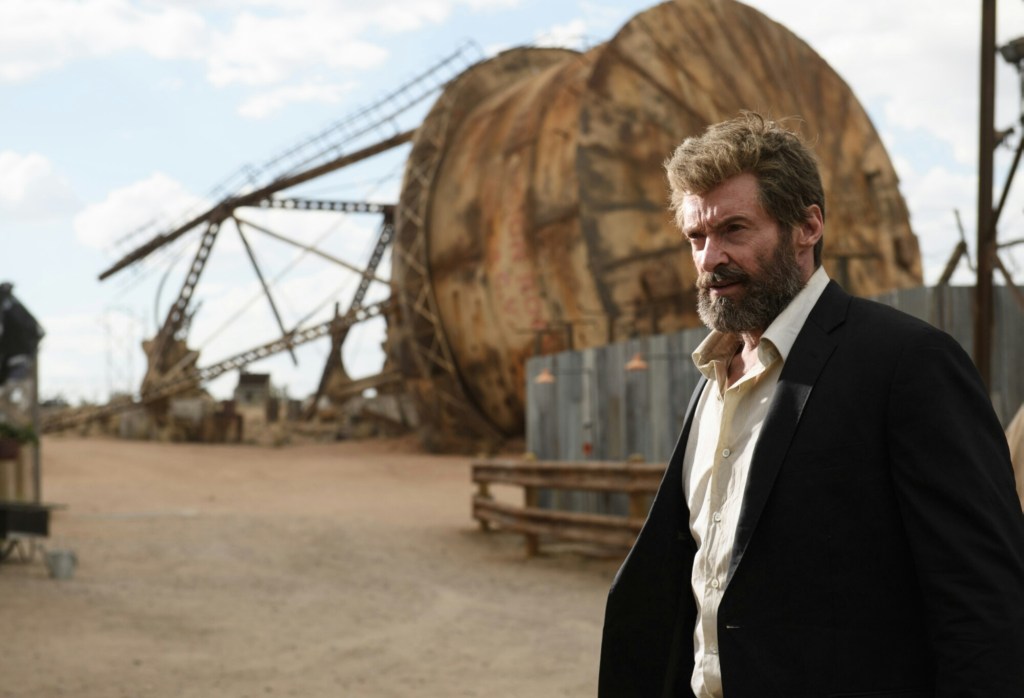
    Bearing a striking resemblance in tone to classic westerns like “Unforgiven,” “True Grit” and “Shane,” the film opens with an aging James “Logan” Howlett hiding in plain sight as a limo driver working in 2029 El Paso hustling for prescription drugs. Long retired from his Wolverine persona, Logan and fellow mutant Caliban (Stephen Merchant) keep ailing Professor Xavier safe from harm inside an abandoned smelting plant just across the Mexican border. Their secrets remain hidden until Logan’s path crosses with a young mutant and her caretaker on the run from a mysterious security force.

    Performances in comic book adaptations rarely aspire to noteworthy – let alone award contending – turns, but Jackman turns in a powerful, nuanced performance as the titular Logan that will ultimately rank in the top three acting efforts in the history of not only the superhero genre, but of Jackman’s career as well.

    While Jackman has always given the Wolverine character a rough, primal exterior, his inner turmoil bubbles to the surface like never before in the most intriguing ways in “Logan.” The pained, exhausted grimace his character radiates on screen from start to finish invokes the weary gunfighter motifs made famous by cinema’s most heralded westerns. His weapons may be adamantium rather than steel and stab rather than shoot, but Logan carries emotional and physical scars from decades of battles on his chest like a badge of honor turned into a constant, painful reminder of the hellish journey.

    The entire film lives and dies on Jackman’s every movement, with the film’s harrowing action sequences only serving to reinforce the brutality and pain Logan has endured. In the hands of a lesser actor, the character as written on the page could have been woefully mishandled, but Jackman approaches each scene, each moment in time with such care and precision that a complete fantasy tale is enveloped with deep, rich humanity.

    Thespian extraordinaire Stewart also rises to the challenge in a wonderfully compelling turn as Xavier, Logan’s mentor and the world’s most powerful telepath suffering from a neurodegenerative disease. The performance ranges the gambit from beautifully neurotic to outlandishly mad and back again to a warm kindness that belies just how perfect and secretly charismatic Stewart is in the role.

    Making her feature film debut, Dafne Keen is quietly powerful as young mutant Laura, instantly bonded to Jackman’s Logan in a makeshift father-daughter kinship that works far more effectively that one might expect. Playing the character silent aside from the occasional grunt or howl, Keen does all the talking she needs to with her mesmerizing eyes that tells stories far beyond her young life. 

    It should be noted that, unlike nearly all other films in the genre, “Logan” earns a hard “R” rating for deep, bloody violence true to the Wolverine character from the comic books, but largely missing from superhero movies in general. Whereas in most previous X-Men installments the camera cuts away as Wolverine stabs a bad guy with his claws, “Logan” forces audiences to face the brutality of the character head-on.

    Mangold uses this bloody, graphic imagery not to engage the bloodlust of his audience, rather to reinforce the emotional stakes of the film by putting Logan’s visceral nature (and the toll that comes along with it) on display. Audiences are forced to feel the deaths Wolverine causes on an emotional level as the character does, further rooting Logan’s struggle in a more human context.

    Visually, “Logan” is a dynamic, spectacular film that takes its lead character’s gritty persona and captures that same tone frame to frame with a sandy, worn hue. Fight sequences rely on expertly designed choreography instead of budget-bursting computer graphics and further accentuate the realistic tone Mangold sets out to achieve in the film.

    Despite being released more than nine months before voting opens, “Logan” is the best chance a superhero film has had to earn an Academy Award nomination for Best Picture since “The Dark Knight” and should be considered a serious contender for several technical awards as well.

    Without question, “Logan” is an instant classic and one of the most intriguing, impactful performances in Jackman’s career. While some cursory background knowledge of the X-Men universe is certainly helpful in understanding “Logan,” it isn’t necessary to enjoy Mangold’s brilliant piece of cinema. 

    Skipping a trip to the local theater to catch “Logan” on the big screen would be a mistake ardent movie fans tolerant of the R-rated gore and violence should not make.

  • Suicide Squad: Roll with the punches

    Suicide Squad: Roll with the punches

    ​Bad guys you may or may not have ever heard of get coerced into fighting for good in the latest “superhero” film from Warner Brothers and DC Comics.

    “Suicide Squad” is a largely enjoyable mess of a movie where director David Ayer invites viewers on a nearly two-hour thrill ride, but moviegoers have to concede some things first.

    Sure, you’ve likely never heard of or seen most of these villains (or the actors playing them) before, but just go with it.

    It’s true that “Suicide Squad” underwent massive changes following the poor reception for DC’s last film, the fatally flawed “Batman v Superman: Dawn of Justice.” Just go with it.

    And yes, there are characters in the “Suicide Squad” who don’t really say much or have any impact on the plot in any way, shape or form. Just go with it.

    If you’re able to buy in and ignore all of these conceits, forgetting the fact that much of the plot makes no sense whatsoever, you’re in for a pretty fun ride. 

    The plot is relatively straightforward. Following the events of “Batman v Superman,” the world is in need of some extra protection and the government decides to launch a program where a team of supervillains – including ultra-sniper Deadshot (Will Smith) and psychotic assistant Harley Quinn (Margot Robbie) — are assembled Avengers-style to combat an unknown threat to Gotham City. To keep them in line, a bomb is inserted in their neck and will be detonated if they disobey. Then off to war they go.

    Robbie, who has constantly been a standout performer lately, delivers the single best performance in “Suicide Squad,” bordering on delirious, deranged and delightful as villainess Harley Quinn. The film plays to Robbie’s strong suits using her beauty and quirky humor and her chemistry is especially clear with “Focus” co-star Smith. Given how good Robbie is in the role, Warner Brothers and DC are already developing a film based around the Harley Quinn character, a smart move by the studio.

    Smith is solid in a large ensemble role as expert hitman Deadshot. For a character never previously introduced in DC’s cinematic lore, Smith and Ayer do a great job of quickly developing the character for unfamiliar audiences. Smith feels freer as an actor in “Suicide Squad” freed from the burden of carrying the film. Deadshot is one of Smith’s better performances this decade, which feels wasted in an otherwise middling movie.

    In what ultimately becomes nothing more than an extended cameo appearance, Jared Leto is the film’s biggest misfire as the iconic Batman villain The Joker. Granted, Heath Ledger’s Oscar-winning performance as The Joker in “The Dark Knight” was a nearly insurmountable hill for Leto to climb to put his own stamp on the part.

    His haphazard performance paired with the weird 20s gangster direction Ayer and Leto decided to take the character fall completely flat. It’s the single biggest disappointment for an actor playing a part in a film based on a comic book ever.

    It’s difficult to tell if Ayer is truly at fault for the disjointed storytelling and tone of “Suicide Squad,” which ping-pongs from character to character at the drop of a hat, sometimes for no real reason. Ayer claims that the film viewers see in theaters represents his cut of the film. It’s hard to believe him given the many reports of Warner Brothers developing their own separate cut of the film and how different “Suicide Squad” feels from Ayer’s other films like “End of Watch” and “Fury.”

    There are plenty of things to like about “Suicide Squad,” especially Robbie’s maddeningly brilliant take on a classic Batman villain. Though not a flawless movie, the action thrill ride represents the last true summer blockbuster film in 2016 and is worth checking out for those looking to turn off their brains and have a fun evening at the theater.

  • X-Men Apocalypse: As the world ends

    X-Men Apocalypse: As the world ends

    ​Superheroes once again battle to save the world from the end of days in “X-Men: Apocalypse,” sure to be one of the summer’s biggest films.

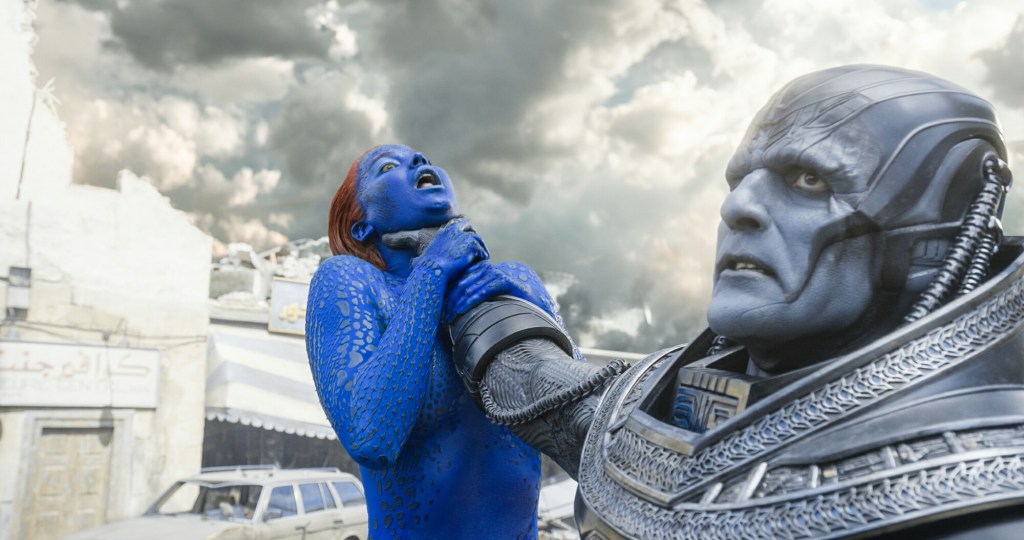
    Ripped straight out of one of Marvel Comics’ most celebrated storylines, the ninth film in the X-Men franchise follows a team of mutants as they battle Apocalypse, the world’s first mutant returned to Earth after centuries underground seeking to bring us all back to the Stone Age.

    Director Bryan Singer and screenwriter Simon Kinberg attempt to infuse the seemingly straight-forward action adventure with layers of internal emotional conflict, though the degree to which they work often varies wildly.

    Michael Fassbender, perhaps the most talented performer in the film, unsurprisingly does the best job of handling the film’s emotional content. As the metal-manipulating renegade Magneto, Fassbender convincingly portrays the man under the helmet struggling to deal with the murder of family members during the Holocaust and in rural Poland in the 1980s.

    Comic book characters portrayed on screen rarely get the concept of grief and loss right, and nobody in the history of superhero movies has done it better than Fassbender, who brings genuine authenticity to an incredibly inauthentic world.

    It’s difficult to blame 20th Century Fox for insisting on a bulked up role in the X-Men franchise for Mystique, a shape-shifting villainess from the comics who just happens to be played by one of the world’s biggest stars in Jennifer Lawrence.

    Lawrence does her best to act as a guide for a bevy of younger co-stars re-introducing their characters into the X-Men film universe from psychic Jean Grey (Sophie Turner) and laser-eyed Cyclops (Tye Sheridan) to teleporting wunderkind Nightcrawler (Kodi Smit-McPhee). Lawrence’s presence in the group makes the new ensemble cast easier to accept as a whole, though structurally it would have behooved filmmakers to turn that role over to James McAvoy’s Professor Xavier.

    McAvoy shows great empathy and pain in a role he’s much too good of an actor for, but his steady on-screen presences ends up making “Apocalypse” much better than it probably should be.

    After wowing in independent films like “Ex Machina” and taking a lead role as Poe Dameron in last year’s “Star Wars Episode VII: The Force Awakens,” Oscar Isaac is largely wasted hiding behind a massive amount of makeup as the villainous title character. 

    Isaac has always been fantastic in being able to emote through his facial expressions and the design of Apocalypse completely renders that ability impossible. His costume and makeup leave Apocalypse with a flat, unchanging gray face, making Isaac unrecognizable. 

    Hugh Jackman’s brief cameo appearance gives viewers a lot of hope for next year’s “Wolverine 3,” which will be rated R and should stay truer to the more violent, gruesome aspects of the character’s comic book origins. While not overly graphic, his extended cameo is surely the most intense and savage action sequence in the X-Men film franchise.

    Singer returns to the franchise with another solid effort, though the balance between storylines, emotional character arcs and fight scenes isn’t exactly on point throughout the entire film.

    Where Singer succeeds is in the moments everyone will be talking about following a screening of “Apocalypse,” Quicksilver’s action sequences. 

    Expanding the role of the character beyond an extended cameo in “Days of Future Past,” the film best takes advantage of Quicksilver’s enhanced speed by slowing down the action for the viewer, so that audiences see fight scenes as the hero does. These cinematically stunning moments are some of the best visual work Hollywood has produced this year and alone makes “Apocalypse” worth watching on the big screen.

    While “Apocalypse” is intended to be the third in a rebooted X-Men movie franchise following 2011’s “X-Men: First Class” and 2014’s “X-Men: Days of Future Past,” it relies pretty heavily on knowledge of previous films and lore from the original comic books. It’s not impossible for first-time viewers to enjoy “Apocalypse” without any previous exposure to the X-Men, but it certainly helps.

    Even long-time comic book nerds will likely find themselves pulling out their smartphones after a screening and heading to Wikipedia to research the film’s more obscure references, especially the mysterious teaser for “Wolverine 3” at the end of the credits.

    Like all large-team superhero movies, “X-Men: Apocalypse” can rightfully be accused of spreading itself thin by going in too many different directions in order to please both fans of the different characters and the actors themselves. “Apocalypse” could definitely benefit from tightening up the ensemble cast and devoting more time to the emotional journeys of its leads.

    However, moviegoers looking for a little excitement this summer could do much worse than “X-Men: Apocalypse,” which rides the backs of Fassbender, Lawrence and McAvoy to carry the bulk of a fun, turn-your-brain-off adventure ride worth seeing in theaters.

  • Captain America Civil War: No spoilers edition

    Captain America Civil War: No spoilers edition

    Perhaps the biggest flaw in blockbuster films, especially the superhero variety, is that they rarely account for all of the carnage, death and destruction left behind by all of the fight sequences and explosions audiences come to expect from these big-budget cinematic cash cows.

    “Captain America: Civil War” refuses to shy away from the consequences of war, making it the centerpiece of the entire 2.5 hour movie and using it to drive the film’s central conflict.

    There’s still all of the computer-generated mega powers, hand-to-hand fisticuffs and balls of flame one comes to expect in a film from Marvel Studios, but it leaves audiences wondering at what cost can these actions be justified.

    A quick primer:

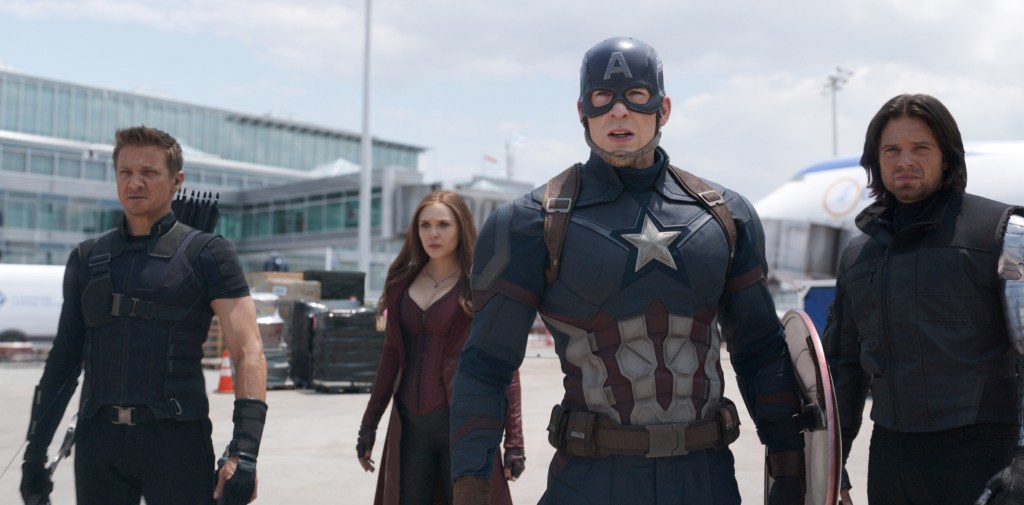
    Following the basic outline of the iconic comic book storyline of the same name, “Civil War” finds Iron Man and Captain America on opposing sides of the law after the United Nations establishes the Sokovia Accords to regulate the actions of superheroes. Captain America and a group of other heroes refuse to sign the accords, while Iron Man builds a separate coalition to sign the treaty. That coalition is then tasked with tracking down Team Captain America and arresting them for operating outside the law.

    First time viewers hoping to jump right into Marvel movies with “Civil War” will probably be considerably lost. The film pretty much insists on audiences having prior knowledge on most of the characters’ origin stories and relationships built up over the 12 prior entries into the franchise known as the Marvel Cinematic Universe (MCU).

    In fact, for moviegoers to really enjoy “Captain America: Civil War,” it’s almost absolutely necessary that they have already seen half of the MCU – “Iron Man,” “Iron Man 2,” “Captain America: The First Avenger,” “Marvel’s The Avengers,” “Captain America: The Winter Soldier” and “Avengers: Age of Ultron” – before stepping foot in a theater for Civil War.

    If you’ve been religiously keeping up with superhero movies since the release of “Iron Man” in 2008, you should be good to go. Otherwise, you’ll probably wind up a little bit lost for a large chunk of the film.

    Make no mistake. “Captain America: Civil War” will probably be the blockbuster of the year. It’s undoubtedly the best film out of all 13 MCU films and better than probably every other Hollywood box office smash still to come in 2016.

    Most of the heroes established in the MCU are back for Civil War, led by Robert Downey Jr. as Iron Man and Chris Evans as the titular Captain America. Downey does yeoman’s work in taking a relative backseat in “Civil War,” though he’s still as good in the role as he’s ever been.

    Evans, meanwhile, proves more than capable of picking up the slack, anchoring the film with a stoic reliability. His ability to emote Captain America’s “do the right thing even when it’s the unpopular thing” mentality is sensational here.

    Regular Avengers Thor (Chris Hemsworth) and Hulk (Mark Ruffalo) sit this film out as they are off waging war across the galaxy in 2017’s “Thor: Ragnarok.”

    In their stead, Tom Holland and Chadwick Boseman are given ample ability to establish new characters to the MCU as Spiderman and Black Panther, respectively. While Boseman does everything needed of him with a relatively obscure comic book hero, Holland proves to be an exceptional choice to take over as Marvel’s resident wall-crawler.

    Two older actors (Tobey Maguire and Andrew Garfield) have already taken up the cloth as Peter Parker, but neither fits the bill as perfectly as Holland, whose youthful look, effortless naivety and mastering of verbal repartee make him the best Spiderman in cinema history in spite of having around 30 minutes of screen time. Holland is a star in the making and the upcoming “Spiderman: Homecoming” solo film should solidify that standing.

    “Captain America: Civil War” also delivers on the visual wonders audiences have come to expect from Marvel Studios with a terrific 10-minute action sequence in an abandoned airport and all fights including Paul Rudd’s Ant-Man being standout moments. Marvel has taken the innovative looks filmmakers were able to establish with the shrinking superhero in “Ant-Man” and expand on them in colossal ways with “Civil War.”

    The airport battle should also go down as one of the five best action sequences in a superhero movie of all time, rivalling the final battle sequence against the invading Chitauri aliens in “The Avengers.”

    Fans of comic books and/or the Marvel Cinematic Universe will absolutely love every second of this thrill ride. It’s funny, thought provoking, engaging, well-crafted storytelling that doesn’t come easily found at the movies.

    Those who haven’t kept up with superhero films might want to make an effort to play catch up. This is a superhero movie that needs to be seen on the big screen. “Captain America: Civil War” is worth the price of admission and more, probably several times over again.