Category: Superhero Movies

Superhero and comic-book cinema. Secondary topic category for relevant film reviews and analysis.

  • Captain America Civil War: An incredibly spoiler-filled review

    Captain America Civil War: An incredibly spoiler-filled review

    This is a incredibly spoiler-filled review of Captain America: Civil War. Do not scroll past the trailer unless you have already seen the film. It may ruin the entire experience for you. Seriously. Don’t do it.

    There will be a spoiler-free review of this movie as well. This isn’t it.

    Also, nearly all of Cinematic Considerations is written in third person form. This column is different. I’m going first person and speaking directly to you, the reader. Thank you for being here. It means a hell of a lot to me.

    Don’t go past the trailer if you haven’t seen this movie. You’ve been warned. Twice now.

    Okay, let’s begin.

    You guys.

    Seriously.

    What an incredible film.

    If we’re ranking all 13 films in the Marvel Cinematic Universe (and not counting any of the Netflix series, Agents of S.H.I.E.L.D. and Agent Carter), doesn’t Captain America: Civil War go straight to the top of the list? It has to, right?

    We’re looking at the cream of the crop here – your Marvel’s The Avengers, your Guardians of the Galaxy, your Captain America: The Winter Soldier – and Civil War improbably outdoes them all.

    I walked into the theater cold after having not re-watched any of the 12 prior MCU films. I’m all caught up on Agents of S.H.I.E.L.D., but it’s pretty obvious that Civil War isn’t going down the Inhumans/Kree storyline.

    Every single trailer seemed to foreshadow the death of a major character, but unless you consider Crossbones (a.k.a. the military guy that committed suicide trying to kill Captain America at the beginning of the film) a major character, then thankfully nobody important died.

    Yes, it looked that way several times over. At some point during the film, I counted at least four different major character that I believed could reasonably bite the bullet during Civil War (obviously War Machine, Captain America, Winter Soldier and even Iron Man late in the movie).

    None of those things happened and I think Marvel, and better yet we the audience, are better off for it. Until a full slate of new stars are established in the MCU led by Peter Parker (we’ll get to him shortly), Marvel needs Chris Evans and Robert Downey, Jr. in the roles. Not a recast Iron Man or Sebastian Stan’s Bucky Barnes taking on the Captain America mantle. Chris Evans and Robert Downey, Jr. Period.

    What sets Captain America: Civil War apart from DC Comics’ rushed attempt to play catchup with superhero movies (Batman v. Superman: Dawn of Justice) is well-established lead heroes with talented recognizable actors in the roles.

    There’s a reason three Iron Man films, two Captain America films and two Avengers movies were made before the classic Civil War storyline from the comics was developed into the MCU. Audiences had to develop a love for these characters with specific actors playing the same role all the way through (Sorry Mark Ruffalo.)
    image

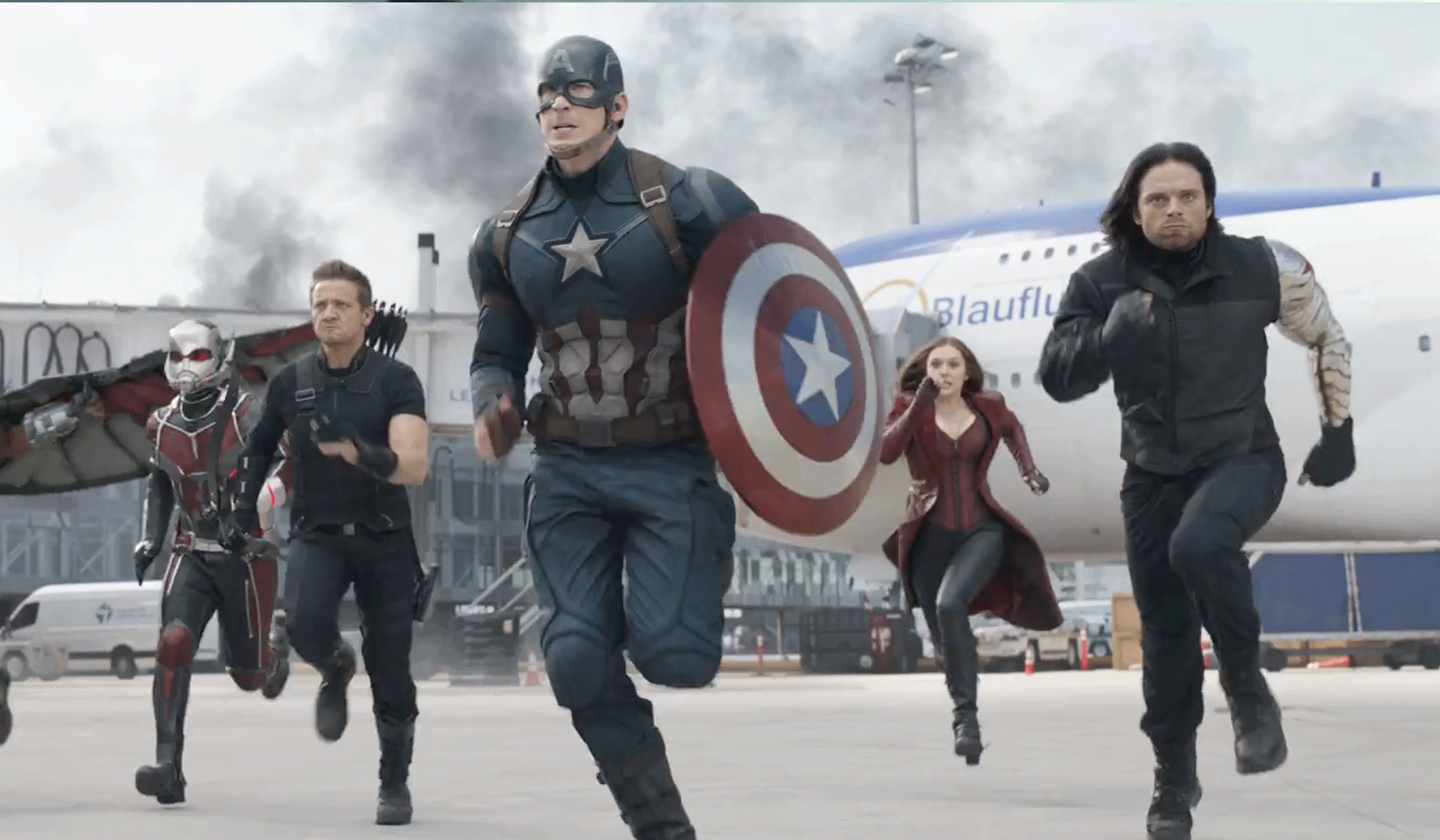
    Viewers were treated to the third installment of Steve Rogers’ to-the-death friendship with Bucky Barnes, finally putting Captain America and Winter Soldier on the same side for once, even though they weren’t exactly fighting bad guys the whole time. It’s an important arc moving forward if Marvel decides to make the move to put Stan in a more prominent role in the MCU once Evans steps aside. Captain America is developing our love for the Winter Soldier by proxy. The same thing was started in Civil War in a mentor-mentee relationship between Tony Stark and Peter Parker (and I promise we’re almost there.)

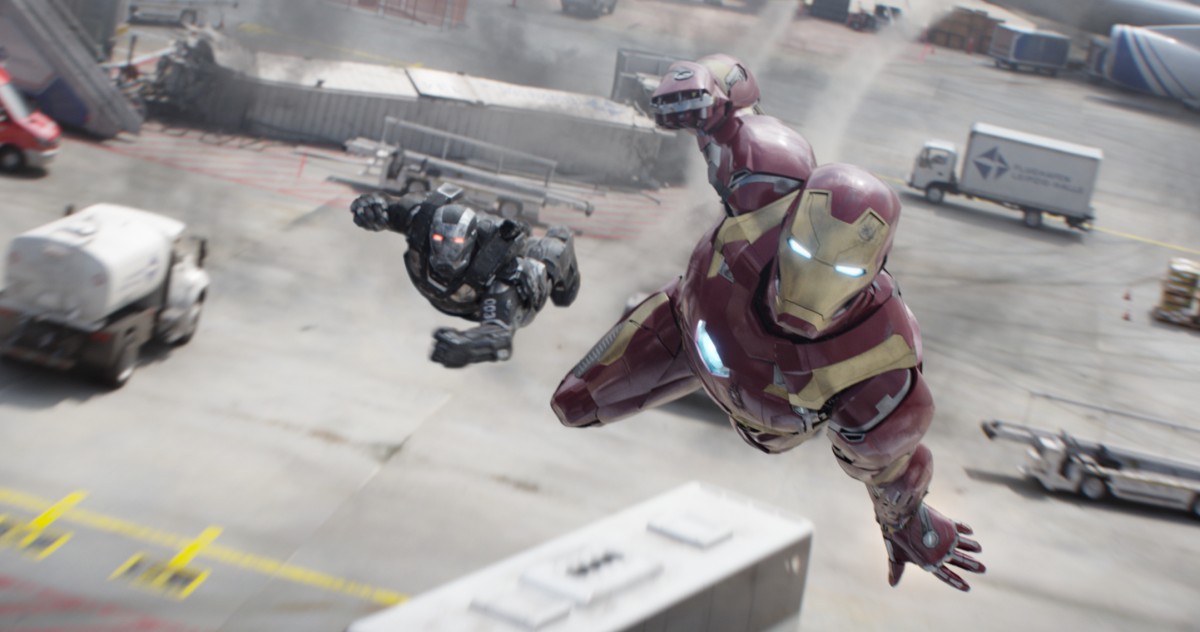
    As much as this felt less like Captain America 3 and more like Avengers 2.5, Civil War did deliver a lot of Tony Stark and Co. over on #TeamIronMan.

    RDJ was as good as he’s been since 2008’s original Iron Man. Even though we still don’t know what the deal is with superheroes being unable to keep a girlfriend – I’m looking at you Natalie Portman – I can still hold out hope for Tony Stark to work things out with Pepper Potts in the long run.

    After carrying the bulk of the character work in both Avengers films, Tony takes a relative backseat to the Bucky-Steve relationship in Civil War, but Downey Jr. still knocks the character out of the park. It’s a testament to how perfectly cast RDJ was nearly a decade ago and to his commitment in keeping the character alive for hopefully another 10 years.

    Civil War also laid some important groundwork for the upcoming Avengers: Infinity War films by foreshadowing some interspecies (I guess) romance between android Vision and super-powered human Scarlet Witch. Elizabeth Olsen’s terrific performance and great chemistry with Chris Evans and Jeremy Renner (Hawkeye) make her a shoo-in to be a long term member of the MCU, while I think this could be a set-up to give Scarlet Witch some added emotional stakes if/when Vision bites the dust during Infinity Wars.

    No cameos or extended appearances for Avenger regulars Chris Hemsworth (Thor) or Mark Ruffalo (Hulk), which is okay as that decision opened up some screen time for others and helped build the anticipation for both of their returns in next year’s Thor: Ragnarok.

    Several newcomers joined the core of the Avengers section of the MCU and none disappointed.

    I believe everyone has to be incredibly pleased with Tom Holland’s version of Spiderman, which is already better in the 30 minutes of screen time in Civil War than Andrew Garfield was in two Amazing Spiderman films. Just sayin’.

    There’s something so vintage about having an actual teenager play web-slinger Peter Parker and delivering on all of the promise adding Spidey to the MCU could have possibly brought. The quips previous film versions of Peter either tried and failed to connect with or left out completely worked like magic in Civil War. Spiderman referencing The Empire Strikes Back when trying to coordinate battle strategy was so perfect and out of left field, but yet on point at the same time. Ridiculously amazing.

    Teaming him with Iron Man and having him upgrade the Spiderman suit was a brilliant way to show a realistic growth in the character in limited screen time and set things up for what hopes to be a spectacular solo film with Spiderman: Homecoming.

    Having Marisa Tomei play Aunt May helps skew Peter’s character younger and helps establish Spidey as a key figure in what a post-Robert Downey Jr. and Chris Evans MCU might look like.

    Also, if you left the theater after the first post-credits scene (more on that later), then you missed another small, but interesting tease for Spiderman: Homecoming at the end of the credits. It’s not as good as the iconic shawarma scene at the end of The Avengers, but it’s worth staying until the end for.
    image

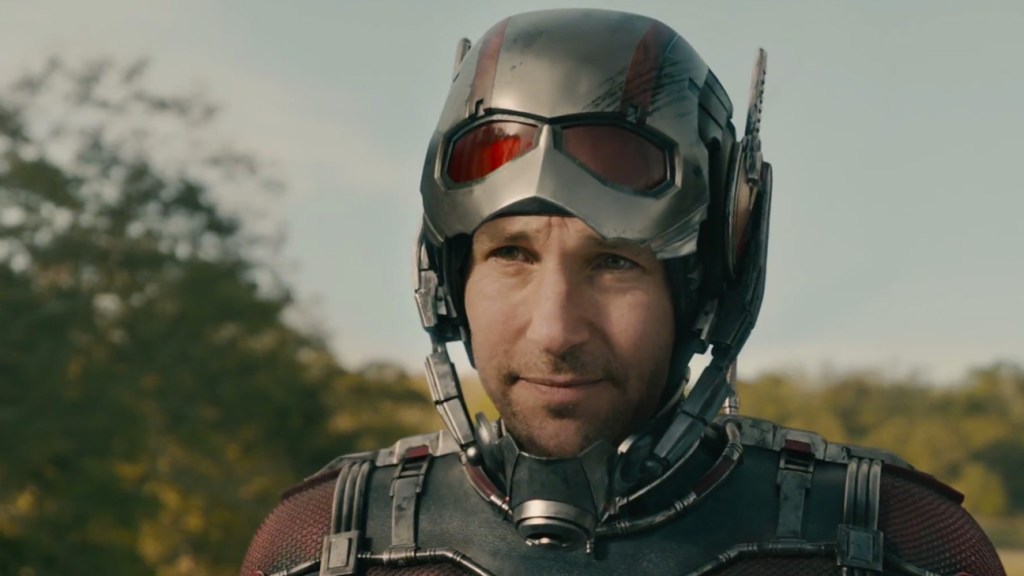
    As much as I love having Spidey in the MCU, without a doubt my favorite secondary character in Captain America: Civil War has to be Scott Lang’s Ant-Man.

    In concept, I wasn’t originally as high on bringing Ant-Man into the MCU at all, but the wonderful Peyton Reed film of the same name was beyond my wildest expectations for the on-screen prospects of the incredible shrinking man. Key to the success of the character was the inspired casting of comic actor Paul Rudd as Lang.

    Rudd brings a new dynamic energy to the screen every time he appears and his second turn as the former thief turned miniature superhero was no exception. Rudd’s performance in the hilarious scene where Lang turns fan-boy about meeting Captain America and Scarlet Witch was the single funniest scene in any MCU film – though Michael Pena’s storytelling in Ant-Man is pretty damn close. Pairing Ant-Man and Spiderman and bringing them into Civil War at about the same time was an inspired way of keeping the two teams as close to balanced as possible. Still, #TeamCap.

    While Captain America: Civil War was visually spectacular from start to finish, nothing topped the reveal of Ant-Man’s colossus “Giant Man” appearance at the tail end of the airport battle. Like the miniature CGI from the first appearance of Lang in last year’s “Ant-Man,” the effortlessness of Marvel’s ability to grow Ant-Man to massive size without reducing the quality of the action or the cinematography was fantastic. You couldn’t pull that off five years ago. Wow. Simply breathtaking.

    I feel bad for Chadwick Boseman, who deserves a more complete introduction into the Marvel Cinematic Universe than the one we ended up getting for King T’Challa and his iconic alter-ego, Black Panther. As integral to the storyline as he was, viewers still don’t know much of anything about the super-human with a suit of vibranium.

    Honestly, Boseman in Civil War reminds me a lot of Renner’s Hawkeye in Marvel’s The Avengers, which paid off with a much larger role in Avengers: Age of Ultron. There’s enough promise with the talented Boseman that this cursory introduction could boost expectations for 2018’s Black Panther solo movie. We know enough to get a little excited, but not too much that could turn viewers off if they don’t like the direction Marvel and Boseman are taking the character.

    Joe and Anthony Russo have proven themselves to be capable caretakers of the Marvel Cinematic Universe legacy left by outgoing Avengers director Joss Whedon. After helming the terrific Captain America: The Winter Soldier and outdoing themselves with an early contender for blockbuster of the decade (Sorry Star Wars) in Civil War, I feel much more confident in a successful two-part film series with Avengers: Infinity War coming out in 2018 and 2019.

    While there’s still a lot we don’t know about the direction Marvel is headed moving forward into Phase 3 of the MCU, Captain America: Civil War does make up for the flaws in Avengers: Age of Ultron and help bridge the gap until the next time we see most of these characters. Aside from Spiderman and Iron Man in next year’s Spiderman: Homecoming, audiences probably won’t see Black Widow, Hawkeye, Captain America, Ant-Man, Scarlet Witch, Vision and many more on screen for over two years.

    And that’s okay.

    I forgot to miss Samuel L. Jackson’s Nick Fury in Civil War, which is something I never thought I’d say about the MCU.

    If The Avengers was the film that solidified Marvel Studios for years to come, Captain America: Civil War proves that studio head Kevin Feige and his crew can do whatever genre, pull whatever obscure comic book hero out of a hat, cast, or recast (Apologies to Edward Norton and Terrance Howard) however they want to. They’ve proven they can pretty much do no wrong.

    I’m on board.

    #TeamMarvel
  • Fantastic Four: Reboot of comic book classic falls flat

    Fantastic Four: Reboot of comic book classic falls flat

    Someone in Hollywood better take note quick.

    Indie darling and rising character actor Miles Teller needs a star vehicle ASAP, but “Fantastic Four” just isn’t it.

    It’s hard not to feel bad for the star of last year’s Sundance winner and Academy Award nominated “Whiplash,” who played the perfect whipping boy to J.K. Simmons in the heavy drama.

    To go from one of the most well-written and pitch perfect features of 2014 to perhaps the most inept, slow and tedious films of 2015 is a major step back for Teller, one he doesn’t deserve.

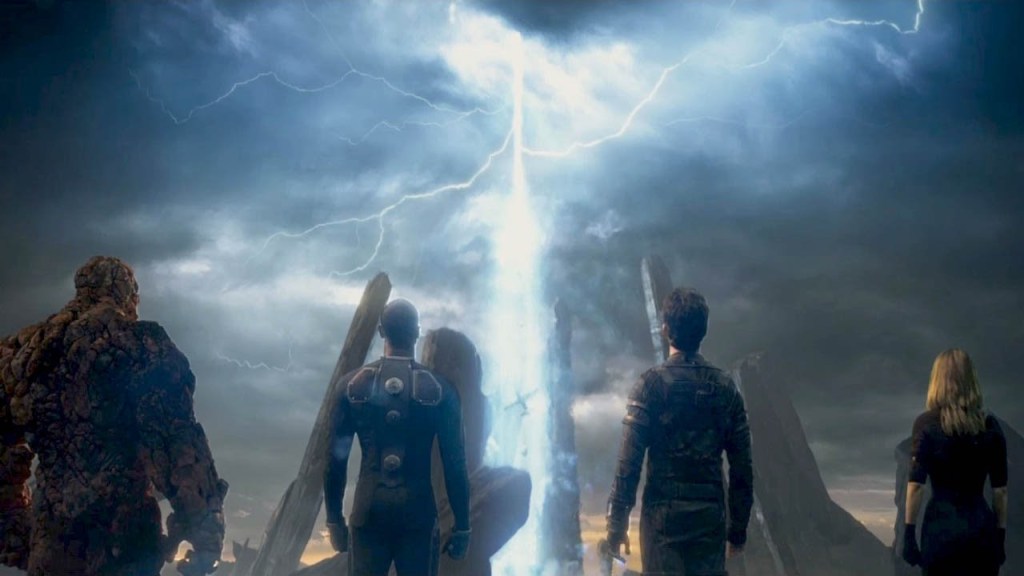
    Teller invests heavily in his role as super-nerd turned world’s stretchiest man Reed Richards, but with a subpar film that even director Josh Trank has disowned, Teller might have been better off staying on the indie circuit until next “Allegiant: Part 1.”

    His “Fantastic Four” cast mate Michael B. Jordan — who had his own indie breakout with “Fruitvale Station” and “Chronicle” — doesn’t have this problem as he will debut as the son of boxing legend Apollo Creed in the “Rocky” franchise sequel “Creed” later this year.

    Audiences aren’t having much fun watching “Fantastic Four” and it’s pretty evident from the onscreen performances that the actors aren’t much into things either.

    Chronicled with production problems from the start — everything from casting to editing issues abounded on the film — put “Fantastic Four” at such a disadvantage that no one involved seems interested in salvaging something worthwhile out of the project.

    Trailers for the film make it appear as if there will be a significant amount of high-octane battle sequences, teasing viewers with a small glimpse of things to come.

    Unfortunately, the joke’s on audiences.

    The dialogue-heavy, action-light feature doesn’t see the “Fantastic Four” become fantastic and absorb their superpowers until nearly an hour into the film, a forgivable concept if there’s something more that the movie has to offer, but there’s not.

    For an action movie to have about three minutes of real action out of the 100 minute running time is a real disappointment.

    Those same trailers have touted the real reason to catch “Fantastic Four” — a glimpse at next year’s highly anticipated “Deadpool” starring Ryan Reynolds, though you can always just catch that over and over again on YouTube.

    The original “Fantastic Four,” made a decade earlier in 2005, lacked a lot of the cinematic pizazz that its 2015 reboot has — from vastly improved CGI to a grittier, more contemporary visual style to a more talented group of actors.

    But the original — helmed by Jessica Alba and a pre-Captain America Chris Evans — has a distinct and action-packed script, making it a more compelling film in spite of major casting, directorial and other cinematic issues.

    Trank’s film and cast with something on par with the 2005 script would have made for a much better film and not one that makes audiences wonder if it’s worse than the universally panned “Green Lantern.”

    Regardless of whose fault this train wreck of a film is — whether it be Trank as the director, backing studio 20th Century Fox or the writing trio of Trank, Simon Kinberg and Jeremy Slater — “Fantastic Four” is the complete cinematic opposite of its superhero counterparts like “Ant-Man” and “Guardians of the Galaxy.”

    The two recent Marvel Studios films pack on both physical and comedic punches while “Fantastic Four” takes too long with the set up for audiences to enjoy the pay off.

    For all its many warts, “Fantastic Four” is no more substandard than, say, “Pixels” or “Ted 2,” pointless wastes of time in their own right.

    There’s still blockbuster action films yet to come in 2015. “Fantastic Four” just isn’t one of them.

  • Ant-Man: Who knew ants could be so badass?

    Ant-Man: Who knew ants could be so badass?

    How much audiences will enjoy “Ant-Man,” the latest superhero blockbuster from Marvel Studios, directly relates to how much they enjoy Paul Rudd.

    By stepping far away from the big, bruising characters like Thor and the Hulk or the dynamic Iron Man and Captain America, Marvel is banking on Rudd, a comic actor, to keep things moving in a positive direction as superhero movies become more and more obscure.

    People who have never picked up a comic book had no idea what Ant-Man was prior to seeing the first trailer for the film, released earlier this year, and probably still don’t get it 100 percent.

    Marvel has gambled with this same formula once before, with the charismatic budding superstar Chris Pratt leading a rag-tag group of space outlaws in last year’s surprise hit “Guardians of the Galaxy.”

    Charming as he may be, Rudd is no Pratt, but this doesn’t spell doom for his time in the Marvel Cinematic Universe.

    “Ant-Man” is Marvel’s first true everyman, with both Captain America and the Hulk exploding into burly warriors. Rudd exudes the Average Joe character in most of his on-screen performances, with “Ant-Man” being no exception.

    He’s aided by a strong performance from Oscar winner Michael Douglas as his mentor and original “Ant-Man” Hank Pym, who brings a level of authority and legitimacy to the film, much like Robert Redford did in “Captain America: The Winter Soldier.”

    On the other hand, Evangeline Lilly — best known for her work on “Lost” — feels completely out of place as Douglas’ daughter and Rudd’s love interest in the film. Lacking any gravitas, she can’t keep up in scenes with either Rudd or Douglas and certainly not the two together.

    Corey Stoll, a character actor who broke out in the first season of “House of Cards,” is serviceable as the villainous Darren Cross, but isn’t given much to work with within the script, just like Jeff Bridges had limited room with which to play as the evil Obadiah Stane.

    Peyton Reed, who hasn’t directed a film since 2008’s “Yes Man,” shows a little bit of rust in selected scenes that don’t quite fit the overall tone of the film, but on the whole, he’s stepped his game up considerably.
    https://m.youtube.com/watch?v=EIrsOg9Wqp8
    “Ant-Man” feels like a screwball heist comedy much like “Captain America: The Winter Soldier” felt like a political thriller.

    Marvel has wisely adapted each of its films to fit the larger cinematic spectrum, plugging new characters into the right holes instead of trying to cram each character into the same tired format.

    The humor abounds in “Ant-Man,” perhaps the funniest of all Marvel films, with the scene-stealing Michael Pena delivering laugh-a-minute lines every second he’s on screen. His recounting of how a heist tip fell into his lap may be the best performance of expository dialogue in years.

    While there may be some legitimate doubts about how Marvel can keep Ant-Man’s shrinking powers fresh in the inevitable films to come, the feature film debut of the world’s smallest superhero packs plenty of punch.

    Ant-Man’s fight sequence with one of the vaunted Avengers midway through the film is incredibly invented, original and mind-blowing for hardcore Marvel fans.

    While not quite on the same level as its spiritual predecessor, “Ant-Man” continues everything great about “Guardians of the Galaxy,” excepting the terrific “Guardians” soundtrack.

    The film begs the question: Who knew ants could be so badass?

  • Avengers Age of Ultron: Bringing the band back together

    Avengers Age of Ultron: Bringing the band back together

    What exactly do we as viewers want out of superhero movies anymore?

    Last weekend’s release of the cinematic blockbuster “Avengers: Age of Ultron” has moviegoers questioning themselves and everything they know about the emerging titan genre of cinema.

    It’s almost as if it’s not enough for a quality superhero movie to be engaging and thrilling and witty with quality direction, a good script and compelling performances.

    Nothing seems like it’s going to come close any time soon to the apex of the genre, Christopher Nolan’s cinematic experience, “The Dark Knight,” but when it comes to true fantasy superhero films, things don’t get much better than BOTH “Avengers” films.

    Director Joss Whedon’s first foray into the Marvel Studios world was a culmination of years executing a carefully crafted vision that took comic book films to a whole other level. Anticipation grew with every post credits teaser and film announcement. “The Avengers” rode in on so much positive momentum that it feels as viewers have cheated themselves out of a great movie, expecting a life changing experience.

    The Marvel Cinematic Universe — a franchise beginning with 2008’s “Iron Man” and spanning 11 released films through “Age of Ultron” — is a highly integrated world that continues to expand in scale with each installment. In fact, 11 more films are already on the books through 2019, with “Ant-Man” expected to debut July 17.

    It’s certainly not impossible to catch on to the events of “Age of Ultron” without catching up on all the carefully constructed backstories expounded on in the franchise, but understanding what’s going on scene to scene will be extremely difficult.

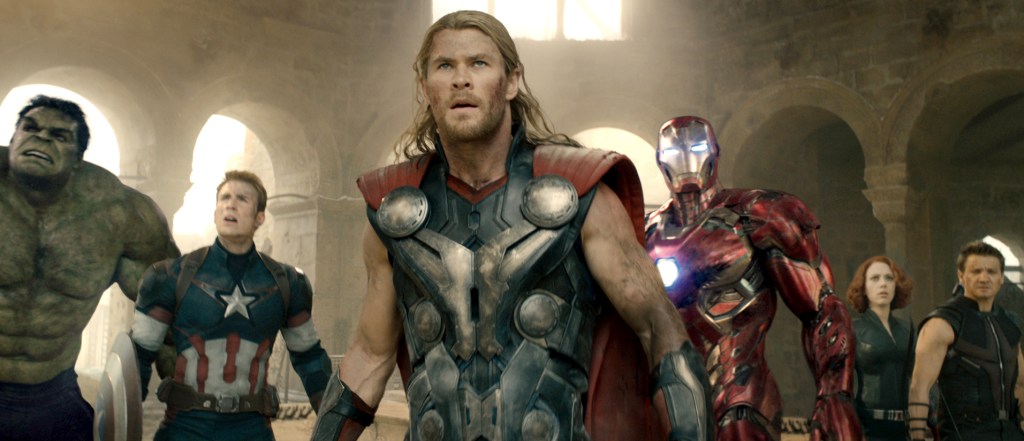
    “The Avengers” is nothing more than the “Ocean’s 11” of superhero films as Iron Man, Captain America, Thor and the gang are all back in the fold for world saving part two with a handful of secondary characters like War Machine and Falcon tossed in for good measure.

    The real star of the second Avengers go-round is Jeremy Renner, whose Hawkeye character went from mindless servant in the first film to the emotional core of “Age of Ultron.” Renner, perhaps the most talented actor among the leading men, handles his role with a quiet, yet firm control. Viewers are best able to understand the stakes of each mission through his eyes, especially as his Hawkeye is one of the most human characters in the Marvel franchise.

    Robert Downey Jr. and Chris Evans continue to build tension between their respective Iron Man and Captain America characters, further laying the groundwork for an expected battle between the two in next year’s “Captain America: Civil War.” Downey, who usually overwhelms any scene he’s in as Iron Man, is more relaxed and has taken a relative backseat in “Age of Ultron,” despite being the impetus for much of the film’s plot.

    Chris Hemsworth does yeoman’s work as the background character tasked with making the mundane expository information seem interesting, though there’s so much going on in “Age of Ultron,” it’s hard to see how Whedon could have expanded his role without significantly increasing the 150 minute running time.

    As the power-crazed robot Ultron, James Spader provides the most compelling villain in the Marvel universe. His Ultron is calculated, yet multidimensional and there’s no other actor that could have pulled off the dry wit and candor that Spader provides to add depth to a relatively simple character. It would have been very easy for Spader to simply phone in his performance, recording everything via voiceover and calling it a day. Spader’s on-set work, especially in the motion capture work, is readily apparent on screen and helps to round out Ultron.

    The “Age of Ultron” script benefits greatly from Whedon’s comedic barbs, which worked so well in “The Avengers.” In fact, the first half of the film is quite possibly the funniest movie to have been released in the last six months.

    Violence typical of superhero movies is prevalent in “Age of Ultron,” though only slightly darker than the first “Avengers” installment. Parents need to be aware that a romantic subplot between Mark Ruffalo’s Hulk and Scarlett Johannsson’s Black Widow involves discussion of forced female sterilization. 
    Ultimately, the question of whether or not individual viewers will enjoy “Age of Ultron” comes down to what they want out of superhero movies nowadays.

    Those not content with simply enjoying popcorn films and that crave a deeper level of thinking will probably leave theaters disappointed. Make no mistake, however, this latest Marvel installment is leaps and bounds better than the three most recent films featuring Avengers in solo missions — “Iron Man 3,” “Thor: The Dark World” and “Captain America: The Winter Soldier.”

    It’s interesting that the most unknown superheroes put on screen, last year’s surprise smash hit “Guardians of the Galaxy,” arrived in theaters immediately before “Age of Ultron.” It seems that this film in particular — with its originality, humor and likeable cast of misfit characters — has changed the way that viewers approach “Age of Ultron.” Flip the release dates of these two films and there’s little doubt that audiences would respond better to both films, especially “Ultron.”

    For those viewers who can’t get enough of the Marvel Cinematic Universe — the ones who have forgiven the significant flaws in “Iron Man 3” and don’t mind multiple Hulk recastings (Eric Bana in “Hulk” to Edward Norton in “The Incredible Hulk” to Ruffalo in the Avengers films) — this installment in the franchise is everything they could have possibly wanted out of the film and more.

    Fans will geek out over that incredible fight between Iron Man and the Hulk that’s been taunting them in trailers and, save for Clark Gregg’s Coulson character who migrated over to ABC’s “Agents of SHIELD,” everything they love about “The Avengers” is back, bigger and louder than before.

    To be sure, “Age of Ultron” probably needs multiple viewings before judgment is passed because there’s so much going on in every scene. But for a franchise that has given audiences top-notch entertainment for nearly a decade and surprised at every term, doesn’t the Marvel Cinematic Universe deserve the benefit of the doubt?

    Whedon’s “Age of Ultron,” probably his last Marvel film in the foreseeable future, has exactly the right amount of action, emotion, humor and heart that should keep audiences on the edge of their seats clamoring for more. At the end of the day, isn’t that what viewers ultimately want out of their superhero films?

  • What we talk about when we talk about Birdman

    What we talk about when we talk about Birdman

    It shouldn’t come as a total shock that “Birdman or (The Unexpected Virtue of Ignorance)” — a very inside acting film — would continue the trend of movies like “The Artist” and “Argo,” winning the Best Picture prize at Sunday’s Academy Awards.

    Now three of the last five films to win the most prestigious award in Hollywood are about Hollywood, actors or some combination of both, and that’s certain to upset a lot of members of the general public, whether they’re indie die-hards who were mystified by Richard Linklater’s 12-year filming odyssey “Boyhood” or patriotic Clint Eastwood backers supporting a box office smash hit in “American Sniper.” But when you watch or re-watch “Birdman” — now out on DVD and Bluray — it’s important to realize just how complete a film “Birdman” is and what exactly we should be talking about when we talk about “Birdman.”

    From the opening seconds, “Birdman” establishes itself as a film that’s going to draw moviegoers in with its visual brilliance, then keep them entranced with stunning performances from its deep and talented cast of actors.

    Newly crowned Best Director Alejandro González Iñárritu, whose previous films include “Babel” and “21 Grams,” provides the initial hook, opting to stage the film in narrow, tight hallways inside the backstage of the St. James Theater in New York City to provide added tension, then flipping cinematic standard on its head by fusing each scene together so that “Birdman” feels like one never-ending, 120-minute shot.

    Each scene is stitched together seamlessly thanks to the artistic savvy of “Gravity” cinematographer Emmanuel Lubezki — recent winner of back-to-back cinematography Oscars — and editors Douglas Crise and Stephen Mirrione.

    Each scene transitions to the next without interruption, mostly done through extended segments of 10 minutes or more. The necessary technique to pull off such a terrific stunt is a beautifully choreographed dance between actors and crew.

    A great deal of technical care has been taken in the movie, which rivals “Gravity” as the most forward-thinking and visually dynamic film in years.

    This sort of digital skill is becoming commonplace — especially in the superhero film genre “Birdman” constantly derides — but never with such grace. It’s a breath of fresh air to see the technical wizardry of a film accent highly skilled and complete acting performances, rather than having gimmicks or special effects operate as a replacement for quality acting.

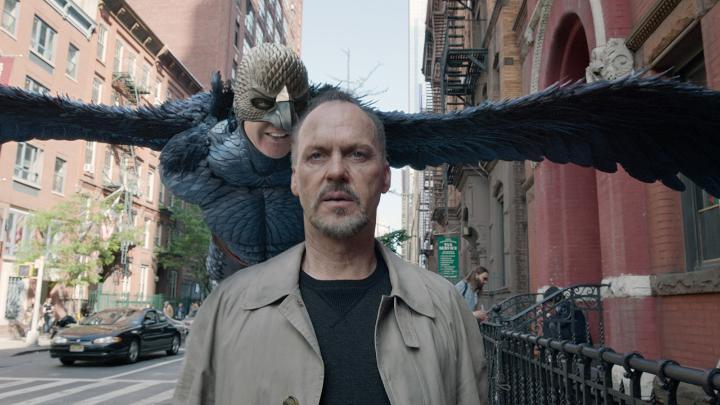
    Much in the same way that David Fincher used who Ben Affleck is as a public figure to great effect in “Gone Girl,” Iñárritu’s choice of former “Batman” star Michael Keaton as the titular “Birdman,” given Keaton’s struggles to overcome the shadow of his role as Batman parallel his character Riggan’s difficulty separating himself mentally from the super hero character Birdman that made him a movie star 20 years ago.

    As a moviegoer, it’s nearly impossible to completely separate Keaton, the actor, with Riggan the character and in the case of “Birdman,” the film takes full advantage of this duality to create a deeply personal and emotionally rich character wanting to prove himself to the world while mistaking adoration for love.

    Keaton, who narrowly lost out to “Theory of Everything” star Eddie Redmayne for a Best Actor Oscar, gives the performance of a lifetime in the role, which ironically enough, should redefine Keaton as a passionate actor outside of the comic book realm.

    Edward Norton, who would have won Best Supporting Actor in a year where J.K. Simmons didn’t blow people away in “Whiplash,” provides Keaton with a sounding board to lob emotional volleys to, both in the film itself and in the Broadway stage show Riggan is producing, an adaptation of the Raymond Carver short story, “What We Talk About When We Talk About Love.”

    Emma Stone — who is slowly, but surely proving herself to be something much more than the limited characters she’s been playing on screen — makes the absolute most out of every second in her performance as Keaton’s drug-addled daughter looking to stay clean while helping her dad reform his own image. The subtle co-dependence the two characters share in their mutual rehabilitation is one of the many great sub-plots in an intricately woven tale.

    Outside of “The Grand Budapest Hotel,” moviegoers would be hard pressed to find such quality acting from so many talented performers — Naomi Watts, Zach Galifianakis, Amy Ryan, Andrea Riseborough.

    But the question still remains: What do we talk about when we talk about “Birdman?”

    How do you explain a meta, highly self-referential dramedy that seems to demean its audience by lavishly deriding the common blockbuster experience?

    Quite simply, “Birdman” is the next step forward in a cinematic evolution that began with James Cameron’s visually transformative “Avatar” and continued with Guillermo del Toro’s space adventure “Gravity.”

    Adding new depth in acting to lofty and innovative cinematography makes “Birdman” the obvious next step in filmmaking, led by Iñárritu, who is up to the task of making all the moving pieces work fluidly and beautifully.

    “Birdman” checks off on all the critical elements of a complete cinematic experience — visual brilliance, acting talent giving top notch performances, elite technical skill and a blue-chip script — and is worthy of its Best Picture statue.

  • Big Hero 6: Disney pairs family friendly, superhero genres for success

    Big Hero 6: Disney pairs family friendly, superhero genres for success

    There’s been a dearth of family-friendly films this year, and what limited selection there has been is underwhelming to say the least.

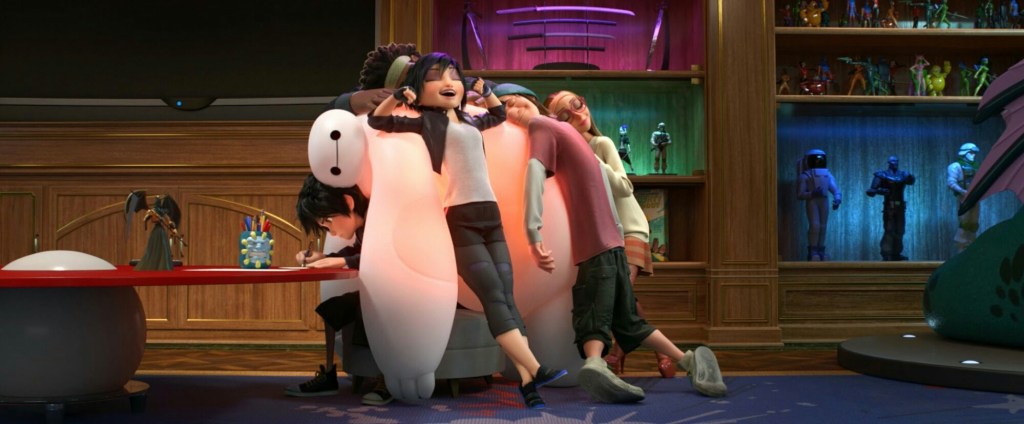
    Enter a fluffy white, lighthearted balloon robot with a “non-threatening, huggable design” named Baymax to save the day.

    Disney’s latest animated release “Big Hero 6,” loosely based on the 1990s Marvel comic book series is a heart-warming tale about love and loss, masked as a superhero origin tale.

    There’s not much original or inventive about the film’s plot, which sees a group of tech-geek teens overcome the death of a brother and friend to become a crime-fighting vigilante group. On its own, the film would just be another mediocre entry into the family film genre.

    Baymax, a health-care robot created by main character Hiro’s older brother, brings “Big Hero 6” out of its lackluster shell and reveals the soft and compelling underbelly of the film.

    Voiced by veteran comedic character actor Scott Adsit of “30 Rock” fame, Baymax shines brightest as his limited ability to comprehend modern jargon like “fist bump” and inability to harm others make him an unlikely candidate to become a super hero.

    The visuals of “Big Hero 6” are on point for the most part, though only a few action sequences will blow viewers away, but that’s not the reason for seeing the film.

    Like the Minions of “Despicable Me,” the whole reason for viewers to see “Big Hero 6” is for the light-hearted humor of Baymax, well demonstrated in the film’s trailer.

    Viewers spend the first 20 minutes waiting for Baymax to finally make his appearance, but once he hits the screen, the best thing about “Big Hero 6” rarely leaves the frame, saving the rest of the film.

    Incidentally, before “Big Hero 6,” Disney includes a much more complete and very moving short film entitled “Feast,” which focuses on a starving orphaned dog and the love he finds with an owner who adopts him off the street.

    Kids will love Winston the puppy as much as they will be begging for a Baymax toy.