Category: Superhero Movies

Superhero and comic-book cinema. Secondary topic category for relevant film reviews and analysis.

  • Black Widow: Filling in the gaps

    Black Widow: Filling in the gaps

    Marvel has taken a two-year hiatus from the big screen following the climatic events of Avengers: Endgame.

    Although the studio has produced several successful miniseries in the meantime for Disney+, fans had to wait an extra year for Phase IV of Marvel’s feature film franchise to begin with the COVID-19 pandemic delaying the release of Black Widow, expected to be the final entry in the series for longtime star Scarlett Johansson as the titular assassin.

    Director Cate Shortland takes significant inspiration from the spy genre to craft her feature, beginning with an intimate, subdued world of counterintelligence and balancing that against a more bombastic realm of comic book influence for a pleasing two-hour ride.

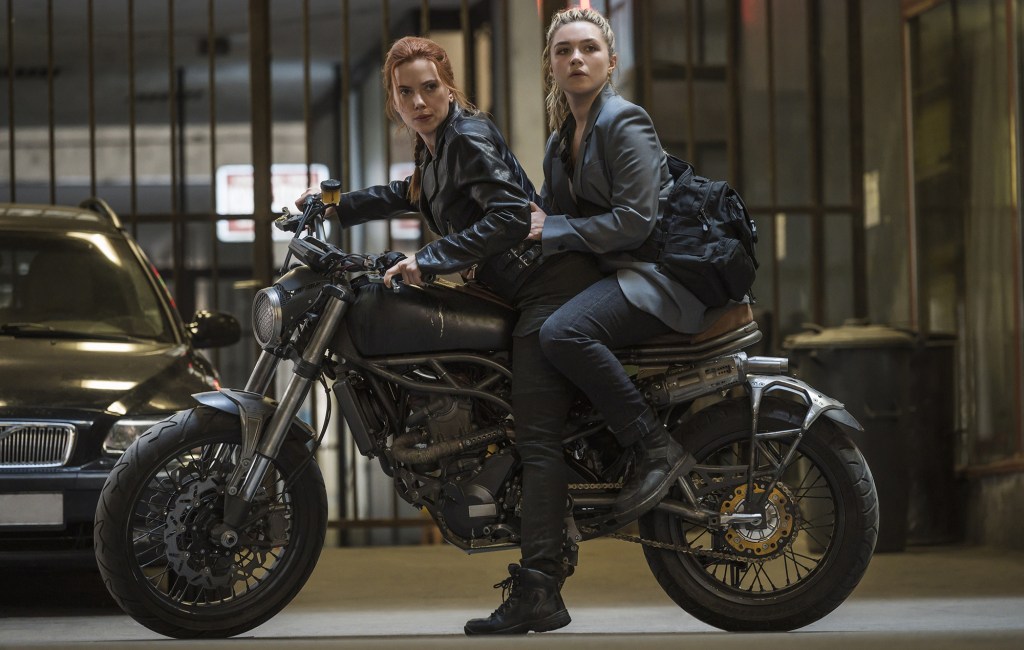
    Black Widow takes place out of chronological order, in the fallout of Captain America: Civil War rather than Avengers: Endgame. Natasha Romanoff is on the run from authorities and stumbles into a faceoff with her long-lost younger sister Yelena Belova and the infamous Red Room, a Soviet assassin program that trained them both.

    Johansson is solid in a film that should have come out five years ago to take more advantage of her character arc in the proper context, but the actress has such natural control of the character at this point that she naturally falls into the role regardless of the time jump. It’s a confident, driven action performance that carries the weight of the film on its shoulders while allowing others on screen to shine around her.

    While Johansson is the far more established star in the Marvel Cinematic Universe, Black Widow places her at the same importance level as Florence Pugh, as if Johansson is passing the torch on to a key figure in the next generation of the franchise. Establishing Yelena takes up as much screen time as rounding out Natasha’s storyline, with a sisterly bond between the two characters redefining the elder sister’s arc throughout eight films and creating motivation for the younger sister’s journey still to come.

    Johansson and Pugh have incredible chemistry on screen and their natural balance shines in both physical action sequences and more subdued, character driven moments. The pair onscreen together are the highlight of Black Widow.

    Pugh especially carries every scene she’s in with a performance that’s as if she had been playing Yelena for 10 years like Johansson has with Natasha.

    David Harbour does a good job playing both comic relief and emotional support as the pair’s father figure Red Guardian, while Rachel Weisz’s Melina is woefully underwritten and played overly passive for a spy of her caliber.

    As is the case with most Marvel films, the villains are underwhelming with Ray Winstone’s General Dreykov serving as the quiet man in the shadows who may or may not be dead. 

    The classic Marvel baddie Taskmaster is almost completely robotic, save for one moment. While the initial combat sequence between Taskmaster and Black Widow is solid, showcasing the villain’s ability to mimic the opponent’s combat style, it often felt that the character was included for the sake of having an iconic villain in the film rather than actually serving a material purpose.

    Action evolves over the course of Black Widow, leaning more on a grounded hand-to-hand and car chase style reminiscent of Jason Bourne or James Bond films in the first hour and ramping up the spectacle as time goes on. The pacing and relative lack of action scenes may disappoint some Marvel fans looking for larger set pieces, but the compelling narrative does make up for this in large part.

    Within the context of the entire Marvel Cinematic Universe, Black Widow falls somewhere in the middle third of the series as a whole as it lacks the long-term storytelling payoffs or dynamic energy of other films in the franchise.

    But for an audience starved of superhero action adventure on the big screen, Black Widow certainly holds its own as a solid MCU movie and an important one moving forward that’s well worth the price of admission.
  • Zack Snyder’s Justice League: Same ingredients, brand new dish

    Zack Snyder’s Justice League: Same ingredients, brand new dish

    For years, Marvel Studios has dominated the blockbuster landscape with countless feature films debuting superheroes, building team-ups and raking in cash.

    Its natural comic book rival, DC Comics, has always been behind the curve, attempting to play catch up by fast-tracking their way through Batman, Superman and Wonder Woman films to get to Justice League, their answer to The Avengers, a Joss Whedon movie that propelled Marvel into the cinematic stratosphere financially.

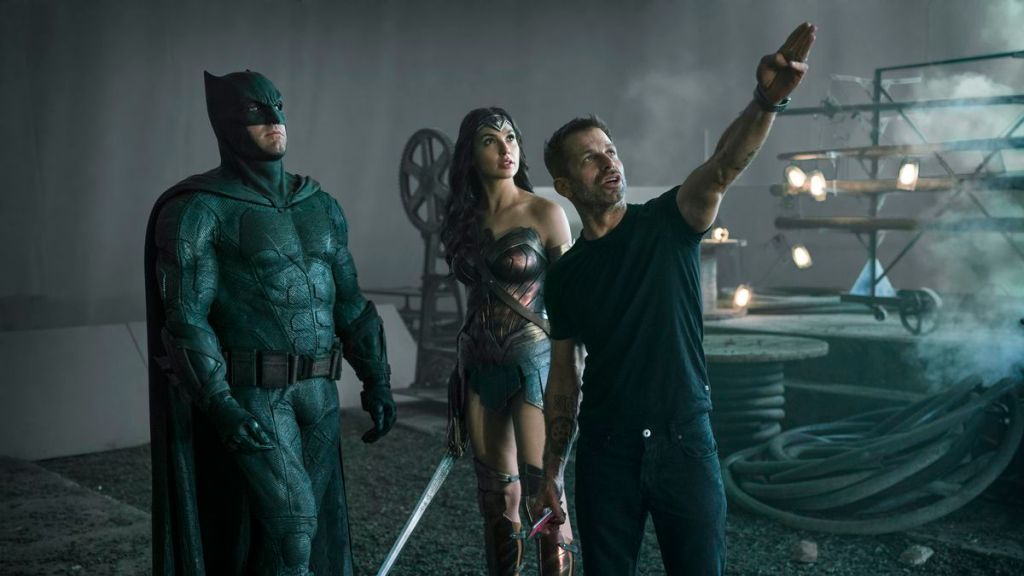
    Director Zack Snyder had been given the reigns to the DC cinematic universe and after semi-successful turns with Man of Steel and Batman v Superman: Dawn of Justice, took the helm on Justice League only to cede control – ironically enough to Whedon – after the death of his teenage daughter during post-production.

    A revitalized, extended version of the film Zack Snyder’s Justice League, better known to comic book fans as the Snyder Cut dropped on HBO Max Thursday four years after Whedon’s version was reviled by ardent fans of the series begging to see Snyder’s vision carried through.

    The plot is largely the same. Bruce Wayne’s Batman has to assemble a team of heroes to attempt to stop an alien invasion from destroying the planet.

    How direction influences everything about a film has never been clearer than examining the differences between Snyder and Whedon’s versions of Justice League. If events in both films didn’t unfold in essentially the same way with the same characters, it would be nearly impossible to see similarities between the two versions.

    Whedon brightens the frame, shrinks action to its core and plays up the comic book nature of his heroes in a PG-13 wonderland that tries to Marvel-ify a DC property. In his eyes, it’s a commercial property.

    Snyder’s voice shines through in the four hour 2021 edition, ramping up the length and brutality of the action sequences and pushing audiences to their absolute limit in a grounded meta-textual commentary on dramatic themes. The Snyder Cut is a somber elegy that happens to be about super heroes, striving for something closer to Christopher Nolan’s Dark Knight trilogy.

    The main performances aren’t altered significantly. Ben Affleck’s Bruce Wayne maintains a gravel texture to his cadence and the added scenes only enhance Batman’s faith in others that stems from events in Batman v Superman.

    The same could be said of Gal Gadot’s Wonder Woman, Henry Cavill’s Superman and Jason Momoa’s Aquaman, larger versions of characters that are already carved in stone.

    But Snyder also extends the film to place newer heroes like The Flash and Cyborg on par with Batman, Superman and Wonder Woman with enhanced character development. 

    Ezra Miller’s Barry Allen (aka The Flash) has the same signature naivety and wit from the 2017 edition, but his motivations for joining the team are more layered and full-fledged.

    Ray Fisher’s Cyborg becomes the lynchpin of the film rather than a hanger-on, giving Fisher the opportunity to infuse his character with a brooding anger that softens subtlety over the course of the film.

    The best performance in the revised cut comes from six-time Oscar nominee Amy Adams, whose Lois Lane carries a major section of the 2021 edition with a deeply stoic melancholia that far exceeds everyone around her. 

    The Snyder Cut is an exceptionally remastered, wholly original version of the framework of “Justice League” that breathes life into the 2017 disaster and gives the film an identity as a film about family, redemption and teamwork that the original simply didn’t have.

    Visually, Snyder makes his version distinctive in two key ways: changing the aspect ratio from widescreen to the virtually square 4:3 and removing the shine off Whedon’s version and replacing it with Snyder’s signature haze that places a weathered texture on the picture.

    Clocking in at just over four hours and nearly double the original version’s run time, the Snyder Cut is really for hardcore comic book movie fans who also devour the extended versions of Peter Jackson’s The Lord of the Rings trilogy and won’t hold up as well for casual moviegoers. It is broken into six segments that almost make the Snyder Cut into a television miniseries capable of binging in one sitting or taking in piecemeal.

    Whether this Snyder Cut will have a major impact on the future of the DC cinematic universe is somewhat unclear. Warner Brothers has not reached back out to the director since splitting in 2017.

    But the same fans who sparked the online movement #ReleaseTheSnyderCut to get the film finalized and into the public could use this massive improvement to reinvigorate the franchise further and make the Snyder Cut a significant moment in cinema history deserving of wider audiences.

  • Birds Of Prey: Identity crisis

    Birds Of Prey: Identity crisis

    She’s just an ordinary girl who loves her breakfast sandwich.

    Sure, she also loves money, the ability to do whatever she wants without recourse or retribution and her pet hyena, Bruce.

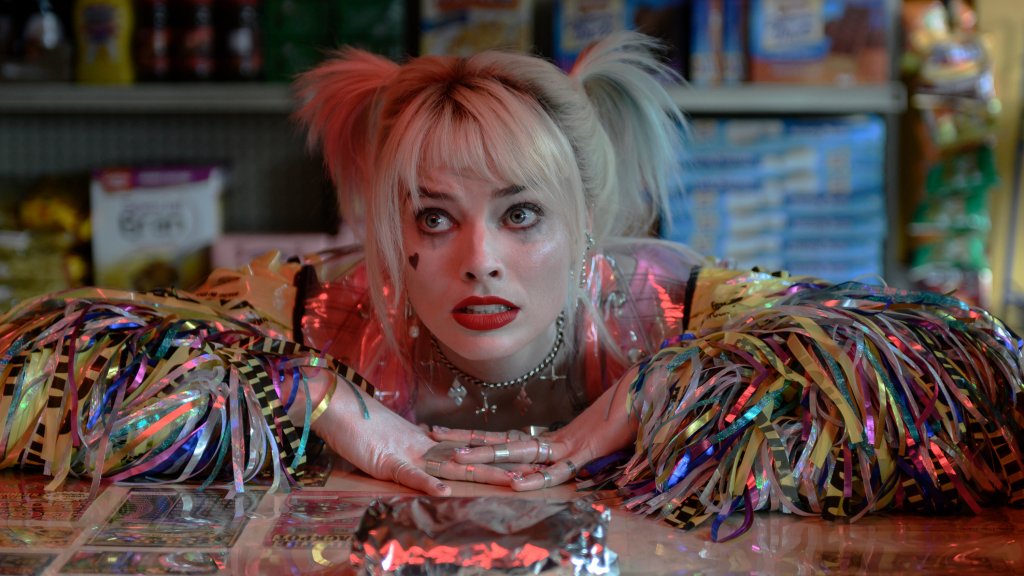
    But Harley Quinn – at least as seen through the lens of Margot Robbie’s gobsmackingly fun portrayal – isn’t simply a bad guy. She’s misunderstood.

    An inevitability following the breakout success of Robbie’s Quinn in 2016’s “Suicide Squad,” this year’s first comic book film takes her supporting character and places her right in the middle of the action with “Birds of Prey: And the Fantabulous Emancipation of One Harley Quinn.”

    Director Cathy Yan’s sophomore feature follows the classic Batman villainess immediately after her breakup with The Joker, which puts a target on her back from both cops and robbers alike. The quest for a diamond holding bank account numbers serves as a MacGuffin to keep the action going as audiences bounce around Gotham City with Quinn and the titular Birds of Prey.

    As comic book movies go, “Birds of Prey” isn’t aiming to be weighty material and the below-par screenplay from writer Christina Hodson cripples major sections of the film’s narrative structure and cohesion.

    But the driving force that makes Yan’s film successful is Robbie’s relentless energy and charm as Quinn, taking everything audiences loved about her quirky turn in “Suicide Squad” and ramping it up to 11 for a frantic, maniacal performance that pushes a middling story forward.

    Robbie’s Quinn maintains a free-spirited attitude that is a breath of fresh air every time her slightly twisted smile, multicolored pigtails and overly dramatic eyes pop up on screen. The Australian actress pulls viewers in and gets them to root for an unlikely anti-hero with disarming comic timing and quick-witted flashes of sanity from Quinn’s previous life as a psychologist.

    Other characters in “Birds of Prey” become more interesting not for what those actors are bringing to the film, but rather how Robbie is able to bounce off of them as audiences are endeared to whatever Quinn’s going to do next.

    When “Birds of Prey” turns away from Robbie’s radiantly maniacal turn, Yan’s film begins to veer off the rails as viewers are shown the larger narrative from the perspective of new, thinly written characters that only work about half the time.

    Character actress Rosie Perez makes the most of her meatiest role in years as marginalized detective Renee Montoya, taking Montoya’s one defining trait in the film – a hardheadedness developed from watching too much 1980s cop dramas – and making it work for the character as something that gets the intended laughs, but also provides a worthy foil for Robbie.

    Mary Elizabeth Winstead – either by choice or by lack of character development – infuses her performance as the crossbow-wielding assassin Huntress with a monotone, almost vapid lack of personality that occasionally makes for a well-timed joke, but equally feels unnecessary and bland in comparison to the bright characters around her.

    There’s a strange implied homoerotic bond between the film’s two primary male characters – both major villains – in Ewan McGregor’s Black Mask and Chris Messina’s Victor Zsasz that goes far enough to define both characters as sociopaths who share a romanticism for violence but not far enough that it does anything to make either character compelling or interesting.

    What stands out most aside from Quinn is the brilliantly shot and designed fight choreography that puts the viewer in the middle of the action in a way that feels fresh and quintessentially part of the main character.

    Each fight takes on a different life based on the setting while maintaining a free-flowing consistency that combines humor and authentically plausible action for a comic book film. Robbie and the stunt coordinators take great care to vary up Quinn’s move set from battle to battle based on the weapons she’s wielding and the fluid use of martial arts is on par with the “John Wick” films.

    Films made from DC Comics have largely taken a backseat to the Marvel Cinematic Universe ever since the conclusion of Christopher Nolan’s “Dark Knight” trilogy of Batman films, but it seems that Warner Brothers has begun to figure out a successful format with brighter, lighter films like “Wonder Woman,” “Aquaman” and now “Birds of Prey.”

    If the trend continues while the studio also backs more artistic, prestige-driven adaptations like the Oscar-nominated “Joker,” it’s possible that the DC universe of films could surpass Marvel in the next several years if Disney fails to connect with audiences in a post- “Avengers” world.

    Although “Birds of Prey” suffers from an identity issue that can’t decide if Robbie’s Quinn can carry an entire film on her own, the fantabulous highs far outweigh the middling lows and make this comic book lark a film worth seeing amid a disappointing February slate at the box office

  • Joker: Origins of psychosis and villainy

    Joker: Origins of psychosis and villainy

    It can be said that there’s no true originality left in cinema.

    Everything seems pulled from pieces of movie history, homages or outright rip-offs of films gone by.

    Audacious and transgressive, Todd Phillips’ “Joker” is clearly influenced by the work of cinematic legend Martin Scorsese, particularly his 1976 classic “Taxi Driver” and the 1983 cult of celebrity dramedy “The King of Comedy.”

    It also happens to be deeply rooted in comic book lore, taking on the origins of a classic Batman villain already played to perfection both by Jack Nicholson in 1989’s “Batman” and by Heath Ledger in an Oscar-winning turn in 2008’s “The Dark Knight.”

    There shouldn’t be a need to take on this maniacal character yet again, but Phillips’ film is exceedingly unique in its interpretation and cements its place alongside movies like 2006’s “V For Vendetta” and 2017’s “Logan” as auteur comic book cinema.

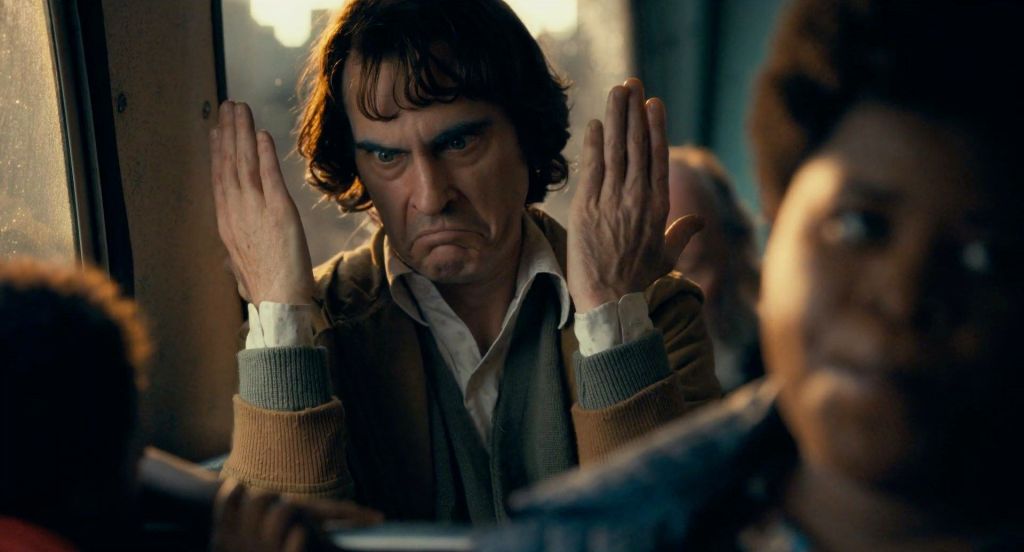
    Set in the backdrop of a downtrodden New York City during the late 1970s, “Joker” serves less as an origin story for a Batman villain than as a character study of a deeply disturbed man.

    Professional clown-for-hire Arthur Fleck has dreams of becoming a stand-up comedian like his hero, Murray Franklin, but acts of violence and delusions of grandeur set Arthur down a path he’s unable to come back from.

    “Joker” is a better film the further writer/director Phillips stays away from the movie’s comic book origins and hones in on Arthur’s wavering grasp on sanity.

    The film only works as well as it does thanks to three-time Academy Award nominee Joaquin Phoenix dropped more than 50 pounds in order to transform into Arthur Fleck.

    Phoenix infuses the character with a chilling realism that transfixes and haunts viewers as he descends into madness, adopting clinically diagnosable conditions like uncontrollable laughing and paranoia to add intricate flourishes to his complex performance.

    Though “Joker” doesn’t fully focus on mental health issues, Phoenix takes great care to deliver nuance throughout in a turn that rivals Ledger’s more chaotic work in the role.

    Just as disturbingly provoking is the physicality of Phoenix’s performance as the actor twists and contorts his body so intensely that his spine and ribs almost burst through his skin. There is a considered theatricality to the way Phoenix moves throughout scenes, often gliding across the screen in a frantic, unchoreographed dance.

    “Joker” doesn’t take full advantage of its supporting cast as much as one might expect.

    Robert DeNiro was cast as talk show host Franklin more for his performance in Scorsese’s “The King of Comedy” than for what he could bring to the role itself. Phillips keeps DeNiro’s Franklin at a distance, often only allowing viewers to see the character through Arthur’s pensive gaze.

    Zazie Beetz is considerably effective in limited screen time as Arthur’s neighbor and love interest, though the film fails to fully realize their connection and one or two additional scenes between Beetz and Phoenix could have cemented these unlikely kindred spirits.

    The true standout among the secondary performers in “Joker” is Frances Conroy, who gives a dazzling turn as Arthur’s frail mother, Penny. Largely empathetic, her Penny goes through her own trials in limited screen time and is the most engaging and interesting in scenes opposite Phoenix out of the whole cast

    Violence in “Joker” is gaudy and unapologetic, though rarely as terrifying as the general sense of inevitable dread that lingers and haunts most scenes. There isn’t as much as gun usage as one might expect given the dialogue surrounding the film, yet when Arthur commits violent acts, there is considerable carnage to the scenes that younger audiences used to comic book films will not understand.

    “Joker” feels ripped straight out of another filmmaking era, stylistically and visually, with a gritty texture to each frame. Cinematographer Lawrence Sher harnesses the energy of 1970s crime dramas into his work and frames the entire film around Phoenix’s contorting body to enhance the eccentricity of his performance.

    Shots are stylized and/or lifted from the works of Scorsese with an overt homage to “The Dark Knight” appearing in the final moments.

    There’s an all or nothing prospect to the film’s award season chances. “Joker” will either be a top contender for Best Picture, cinematography, original score, adapted screenplay and direction or will get largely shut out altogether.

    The exception here is Phoenix, whose special performance as the titular character should be a mainstay in the lead actor category regardless of how the movie performs as a whole.

    Winner of the Golden Lion top prize at this year’s Venice Film Festival, “Joker” played to considerably less enthusiasm at the Toronto International Film Festival and has divided critics and regular audiences alike ever since.

    “Joker” requires considerable buy-in from viewers in order to be effective. Those accepting of the way the film washes over audiences will find Phoenix’s Arthur complex to be complex and compelling as “Joker” struts its way to an almost nihilistic conclusion.

    Skeptical audiences, conversely, will likely revile the film for its unfiltered chaos and increasingly manic lead.

    The year’s most divisive and sure to be most talked about film, “Joker” is definitely worth seeing either on the big screen or at home for any ardent cinephile.

  • Spider-Man Far From Home: Passing the superhero torch

    Spider-Man Far From Home: Passing the superhero torch

    Spider-Man has some big shoes to fill.

    Following a 22-movie march to the events of “Avengers: Endgame,” the Marvel Cinematic Universe (MCU) has always been building towards something larger.

    Left in the wake of the second highest grossing film of all time, superhero movies turn once again to a web-slinging wall-crawler to point the way forward.

    Such is the daunting task before “Spider-Man: Far From Home,” a responsibility it both subverts and begrudgingly takes on.

    Director Jon Watts’ second Spidey film successfully lowers the stakes for the MCU while maintaining a grandiose scale and spectacle fans have come to expect from the franchise.

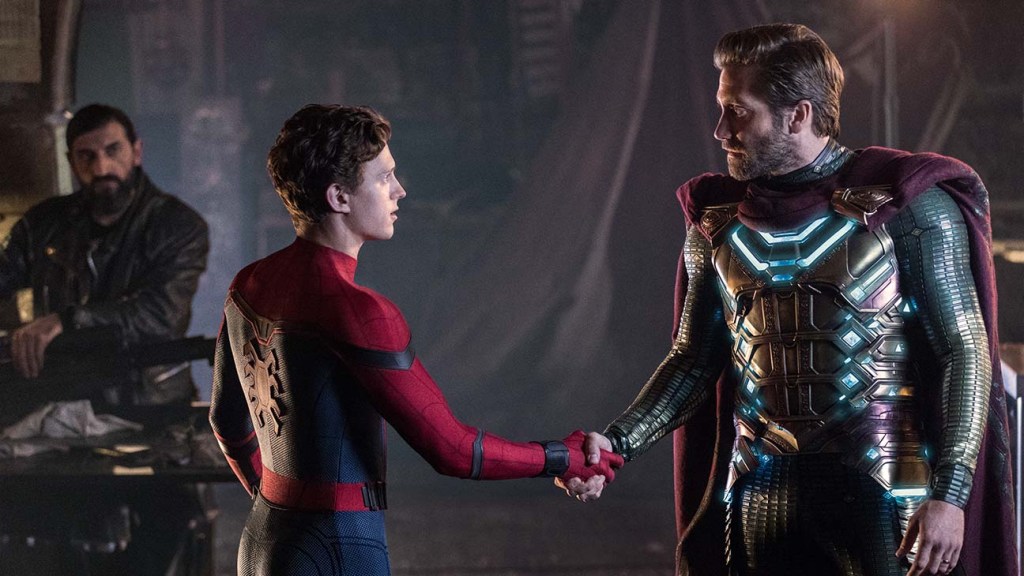
    “Far From Home” takes Peter Parker on a European tour as he hopes to take a break from his superhero alter ego and enjoy a class science trip until interdimensional elementals and the enigmatic Mysterio hijack Peter’s vacation.

    Tom Holland further cements himself as the most authentic Peter Parker in Spider-Man film history, pairing his boyish good looks with a plucky awkwardness befitting the John Hughes-esque tone of the 80’s high school movies Watts’ take on the wall-crawler films emulates.

    His performance is engaging on screen and makes viewers take notice in spite of the outlandishness around him whether that be intergalactic opponents for Spider-Man or typical high school drama for Peter.

    Connecting with audiences is important here for the suspension of disbelief to the comic book Marvel-ness of the film’s plot and Holland makes the entire adventure more enjoyable to watch in much the same way Robert Downey Jr. did with the “Iron Man” films.

    Holland also maintains solid chemistry with Zendaya, who sees an increased role from 2017’s “Spider-Man: Homecoming” as Peter’s love interest MJ. Zendaya works best in “Far From Home” when MJ delivers quick, dry one-liners though her performance is solid all-around as a secondary character.

    Jacob Batalon and Tony Revolori continue to shine in carryover roles from “Homecoming” as Peter’s best friend Ned and rival Flash respectively, though newcomer J.B. Smoove steals scenes with his smart comedic timing as school chaperone Mr. Dell.

    By far, Jake Gyllenhaal outclasses everyone else in “Far From Home” with a solid supporting turn that takes advantage of his range as an actor.

    His performance in the film’s second half makes his inspired casting in the role of Mysterio readily apparent as Gyllenhaal sheds the character’s rather mundane exterior persona for much richer emotional territory. This is especially true in Gyllenhaal’s tonal shift in Mysterio’s relationships with others, which becomes increasingly demonstrative over time.

    Because this film represents a changing of the guard for the MCU as a whole, “Far From Home” suffers slightly as a stand-alone movie as screenwriters Chris McKenna and Erik Sommers have to account for the “Endgame” aftermath and set the stage for the next five years more than the film probably has room for.

    This also gives “Far From Home” a regrettably larger scale than the friendly neighborhood Spider-Man feel of “Homecoming” that pushes the boundaries of the duality in Peter Parker/Spider-Man to its outer limits.

    Building a world where high school trips become epic European vacations strains suspension of disbelief. This hinders the overall effectiveness of the young Peter Parker side of the film that did such a great job grounding “Homecoming” in authenticity against budding Avenger Spider-Man.

    While “Far From Home” relies on CGI in its action a bit too much, the film also includes one of the year’s most visually impressive moments with Peter in a dream-like sequence that constantly moves without feeling choppy and maintains an unexpected crispness that should look equally impressive at home on a 4K Blu-ray.

    Superhero fatigue has been frequently referenced in conversation about waning interest in the genre. Although “Far From Home” may feel like a step or two down from “Avengers: Endgame,” it’s still an impressive summer blockbuster that audiences of all ages should enjoy.

  • Avengers Endgame: A decade in the making

    Avengers Endgame: A decade in the making

    Finality.

    Whether it continues its stranglehold over the cinematic conversation for the next eight months or not, Marvel Studios’ latest feature has immediately become the film event of 2019. (Or at least until the next Star Wars chapter drops in December.)

    For many younger audiences, the Marvel Cinematic Universe (MCU) has largely come to shape and define their movie going experience through 22 interconnected films spanning over a decade coming to a fitting and satisfying conclusion with “Avengers: Endgame,” which opened Thursday evening.

    Grossing more than a billion dollars worldwide in less than a week, this installment picks up on the heels of last year’s game-changing “Avengers: Infinity War,” with the world’s superheroes handling the fallout.

    There are over 25 credited stars littered across “Endgame,” all given a chance to shine over the course of three hours. But at its core, this bombastic, loud action film that spends a significant amount of time devoted to explaining quantum physics is a small two-handed drama.

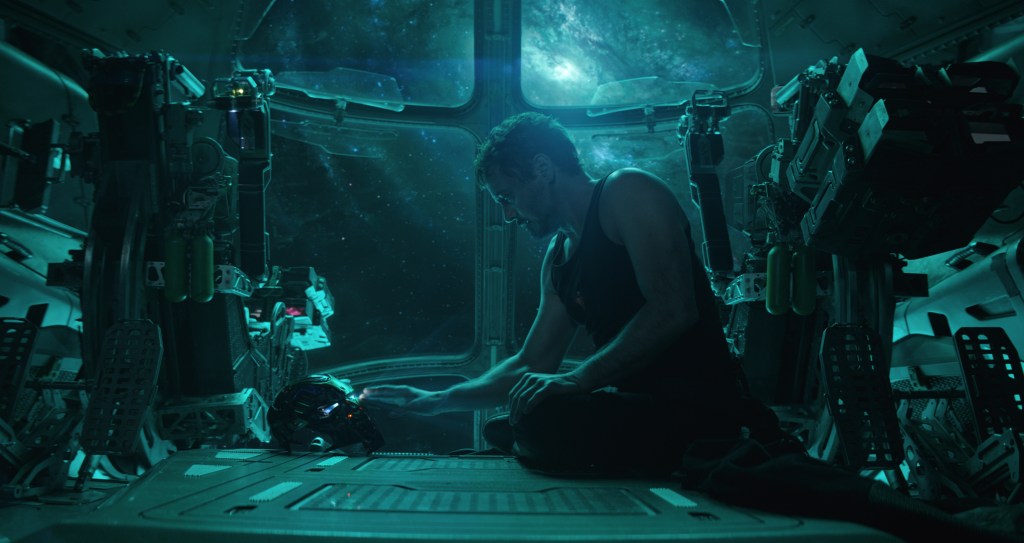
    With super suits and indestructible shields, Robert Downey Jr. as Iron Man and Chris Evans as Captain America excel in “Endgame” carrying the emotional stakes of the film on their backs with true, quality acting, seemingly a rarity within the genre.

    Downey is especially compelling given the context of his status as Marvel’s first star, leading the way in 2008’s “Iron Man,” and evolving his character from billionaire playboy to emotional, battle-scarred father figure.

    Following the journey of Iron Man over the course of “Endgame,” Downey is on par with the nuanced work of Hugh Jackman in the character-driven “Logan” and Christian Bale in the “Dark Knight” trilogy.

    Among the other cast members, Chris Hemsworth continues to delight audiences with the unique comedic style he and director Taika Waititi brought in the third Thor film, “Ragnarok,” and his pairing opposite a CGI raccoon voiced by Bradley Cooper gives “Endgame” much needed levity.

    Co-directors Joe and Anthony Russo do a masterful job of balancing the film’s bloated cast with a complex plot and significant character development while also ensuring a pace that doesn’t place weight on a moviegoer like a typical three hour feature might.

    Large sections of “Endgame” whiz by in and out of battle, though a concerted effort to give time and space for intimate, emotional moments resonate across “Endgame,” especially during the film’s somber first act.

    The one element the Russo brothers could not pull off, however, is separating “Endgame” from the episodic nature of the MCU, making it nearly impossible for first time Marvel viewers to understand or enjoy.

    At a bare minimum, moviegoers would have to have previously caught up with the events of 2018’s “Avengers: Infinity War” and 2016’s “Captain America: Civil War,” although nearly all 21 prior installments are woven into the fabric of “Endgame” in such a fashion as to create a maximum amount of fan service and ensure multiple viewings on the big screen.

    With last year’s “Black Panther” breaking into the Academy Awards conversation for Best Picture and winning three Oscars, it’s no longer unfathomable that a film like

    “Avengers: Endgame” could remain in awards consideration so as to honor the achievement Marvel Studios head Kevin Feige has done shepherding the MCU to commercial and critical success. Best Picture winner “The Lord of the Rings: Return of the King” is an example of this kind of career achievement award.

    And yet, it’s still likely that the newly titled ninth episode of the Star Wars saga, “The Rise of Skywalker,” will take the place of “Endgame” at the Oscars.

    Closing the chapter on a defining era in the superhero genre, “Avengers: Endgame” is a satisfying, expertly made sequel in the franchise and combines with “Infinity War” to create the MCU’s best, most compelling storytelling.

    A film that has to be experienced at least once on the big screen, “Avengers: Endgame” crystallizes the comic book experience in theatrical form and pushes the bar even higher for what a superhero movie can or should be.

  • Shazam: Superhero fatigue

    Shazam: Superhero fatigue

    There isn’t anything remarkable, groundbreaking or transcendent about “Shazam,” the latest in a never ending cavalcade of superhero movies “you just have to see on the big screen.”

    The latest offering of DC Comics films from Warner Brothers is invariably entertaining in the moment, but lacks a certain dynamic energy that will resonate with moviegoers after the credits roll.

    It’s got a clear, unique hook to draw audiences.

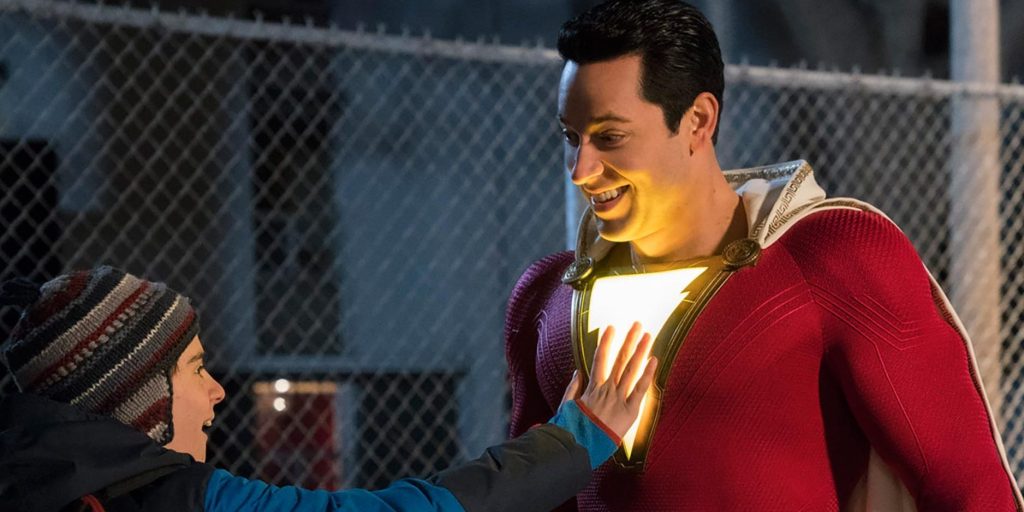
    “Shazam” follows foster kid Billy Batson, the prototypical well-intentioned delinquent who bounces from group home to group home until a wizard grants him the power to transform into an adult superhero in vaguely Superman-esque attire.

    This premise offers up some genuinely funny moments as Billy and his new foster brother test the limits of Billy’s Shazam alter-ego.

    But as with much of “Shazam,” scenes are dragged out well past the point of repetition as director David F. Sandberg proves well in need of some serious editing to trim the film’s bloated 132-minute run time.

    The success or failure of “Shazam” hinges entirely on the dual performance of Asher Angel as teenage Billy Batson and Zachary Levi as his adult alter-ego Shazam.

    Despite a lack in synchronicity between the two performances – Levi feels less like a strong Batson than an entirely new character – “Shazam” delivers on a pure entertainment level as both Angel and Levi grab the attention of audiences and rarely let go.

    Levi especially is well attuned to the heightened humor of the role and still conveys a convincing amount of comedic range to make Shazam less of a one-note caricature.

    Both actors display great chemistry with Jack Dylan Grazer, who often steals scenes as Billy’s foster brother Freddie Freeman.

    Not all of the jokes land as much as Sandberg and screenwriter Henry Gayden would like, but “Shazam” hits much more often than it misses when some combination of these three actors are on screen.

    More in keeping with the majority of the DC Extended Universe movies, “Shazam” is significantly darker in tone than its relatively cheery trailer might suggest.

    The film’s villains include demonic personas of the “seven deadly sins,” grotesquely designed CGI gargoyles that terrorize and brutalize at will.
    “Shazam” also borrows quite liberally from irreverent, R-rated superhero flick “Deadpool,” mixing in that film’s subversive nature by poking fun at genre tropes and other DC movies as well as ramping up the innuendo to the upper limits of the PG-13 rating.

    As a result, “Shazam” occasionally feels derivative and may be upsetting for younger families who thought it may be more in the vein of “Wonder Woman” or “The Incredibles.”

    Where “Shazam” particularly grinds to a halt is in the extended backstory of the film’s primary villain, Dr. Thaddeus Sivana, featuring gritty and exceptionally brutal scenes that far overcompensate for the lighthearted tone of Billy’s journey to become Shazam.

    Veteran character actor Mark Strong has become notable for giving a series of solid performances in these blockbuster villain roles with films like “Sherlock Holmes,” “Green Lantern” and “Kick-Ass,” another film “Shazam” likens itself after much more than it should.

    With Sivana, Strong gets to the point where playing so many similar evildoers becomes repetitive and his Sivana suffers from a relatively muted, bland performance that belies just how much time is spent trying to build the character up.

    As superhero films continue to dominate the cinematic landscape, the sheer weight of quantity has begun to far exceed the quality most films in the genre can deliver.

    In a vacuum, “Shazam” is an exceptionally average film.

    Among superhero movies, and especially those outside the Marvel brand, there’s a lot to like about “Shazam.”

    It’s just not super.

  • Captain Marvel: Pregame to an Endgame

    Captain Marvel: Pregame to an Endgame

    The fate of the universe lies in the balance.

    It’s the central conceit of any galactic space opera or bombastic superhero adventure.

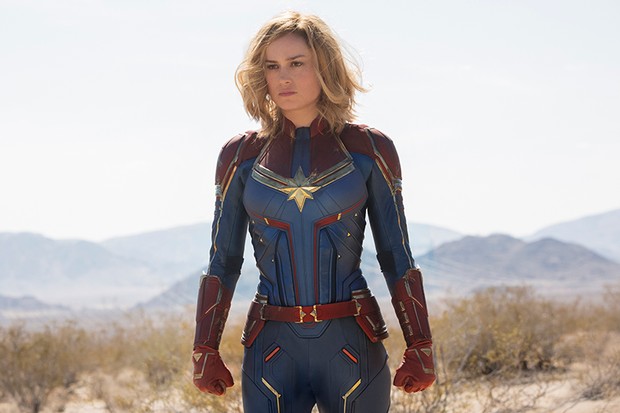
    But rarely does it feel more true than with “Captain Marvel,” the new feature from the indie writing/directing duo of Anna Boden and Ryan Fleck that just also happens to be the 21st entry into the Marvel Cinematic Universe (MCU).

    The weight of the whole MCU – painstakingly choreographed to this moment over more than a decade of movies – now rests on the shoulders of Brie Larson, indie darling turned Oscar winner upon whom the mantle of “first female Marvel hero to earn a solo movie” was thrust.

    By audiences, film critics and the studio alike, expectations for “Captain Marvel” have climbed higher, reached further and compounded faster than any Carol Danvers origin story probably deserves.

    And all that’s before mentioning the three Oscars won a few weeks back by “Black Panther” – first in the history of the MCU – or “Wonder Woman,” the 2017 DC Comics movie “Captain Marvel” will be unfairly be permanently linked with.

    Try as they might, Boden and Fleck don’t quite hit the excessively high mark and yet, somewhat surprisingly, “Captain Marvel” is a largely enjoyable couple of hours.

    In its attempt to serve many masters, “Captain Marvel” carries a clunky, burdensome story filled with a war between noble Kree warriors with literal blue blood and sneaky Skrull shapeshifters, an amnesiac Air Force pilot, the origin story of famed “Avengers” hero Nick Fury and a Calico cat.

    Kree warrior Vers is dropped on Earth circa 1995 for a fish-out-of-water tale that feels eerily reminiscent of other superhero origin stories, which is probably due to the fact that “Captain Marvel” is a bloated amalgamation of MCU origin retreads and riffs on era-appropriate movies like “Terminator II” set to a “Now That’s What I Call The 90s” style soundtrack of bands like Nirvana and No Doubt.

    Like the movie as a whole, Larson is much better in the smaller, more personal moments on Earth as opposed to the grandiose, yet largely frivolous space adventures Vers encounters throughout the film.

    Given more time outside of an amnesiac state, Larson could be quite effective moving forward as the title character, though her Captain Marvel form feels rather perfunctory by comparison to other MCU heroes with richer backstories.

    Larson’s best work in the film comes opposite original “Avengers” star Samuel L. Jackson, who receives ample room to entertain audiences while furthering his own character development as S.H.I.E.L.D. agent Nick Fury.

    There’s a large segment of the film with Larson and Jackson that evokes 90s era buddy cop movies, especially when paired with the scene-stealing cat Goose who provides the film’s best moments ala Groot in the “Guardians of the Galaxy” movies.

    To orient audiences through the minutia and give credibility to the outlandish galactic space war between Kree and Skrull, Marvel employed the talents of Oscar nominee Jude Law and Academy Award winner Annette Bening to deliver lengthy soliloquies about emotional control, the superiority of the Kree nation and eliminating the illegal invaders at any cost.

    Both deliver serviceable efforts, though it’s veteran character actor Ben Mendelsohn who gives the most interesting and dynamic effort of the space-faring members of the “Captain Marvel” cast as Skrull leader Talos with a layered, emotional performance that outshines the “Star Trek” TV show gloop that his alien makeup resembles.

    In a larger sense, “Captain Marvel” buckles under the weight of unrealistic expectations.

    There’s far too much burden on the film to be the definitive “female Marvel superhero” movie and to carry at least five different storylines while also building towards “Avengers: Endgame,” the culmination of more than 10 years of MCU films.

    Far from a failure, though, “Captain Marvel” is a good movie.

    It will inspire young girls to strive for the best versions of themselves and entertain countless moviegoers.

    It just isn’t something audiences have to fight through crowds to see. Simply catch “Captain Marvel” sometime before “Endgame” reimagines the entire superhero landscape on April 26.

    Twenty-one films into cinema’s largest, highest grossing franchise, it’s okay not every single entry into the MCU changes the world.

    “Captain Marvel” is a perfectly adequate, just fine movie and sometimes that’s enough.

  • Venom: Dr. Hardy and Mr. Mediocre Movie

    Venom: Dr. Hardy and Mr. Mediocre Movie

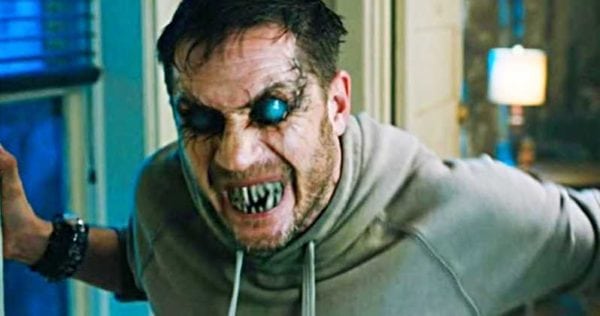
    Tom Hardy deserves better.

    Watching the talented actor’s latest film, it’s easy to tell that no one on screen cares more about their performance or has thought about their character more than Hardy.

    Everything about his work is nuanced, with immense planning given to the affectation of each line, the physicality involved and the Jekyll and Hyde quality his work espouses.

    But stuck in a superhero movie not produced by Marvel Studios, Hardy feels like he’s running in quicksand with “Venom,” a Spider-Man spinoff that can’t (or won’t) reference Spider-Man.

    Hardy stars as Eddie Brock, an investigative video journalist who learns of experiments combining the homeless of San Francisco with alien symbiotes. When Eddie is exposed, he begins an unlikely alliance with his symbiote, Venom, in a struggle of good versus evil.

    From the outset, it’s clear that Hardy is working the layers of Eddie and Venom (who he also voices) in internal conflict as some sort of mashup of superhero origin story and literary commentary.

    Each part of the character(s) are distinct and unique and Hardy does an impressive job blurring the lines between normality and insanity. His reluctant charm carries the day, especially opposite Michelle Williams, who doesn’t seem all that interested in participating in the film.

    Though Williams is intended to be Hardy’s fiancee, they have the chemistry of mild acquaintances. Hardy’s banter with his Venom alter-ego resonates ten times as much.

    Riz Ahmed has been much more impressive as a villain than he is here as the rather bland Carlton Drake and a talented Jenny Slate is largely wasted with a small nothing part as one of Drake’s scientists that aided Eddie.

    Perhaps the largest problem plaguing “Venom” is just how overworked the whole endeavor feels.

    Hardy has said that his favorite 40 minutes were cut from the film and it’s unclear (but likely) that most of those changes were made as Sony insisted on a more marketable PG-13 rating for the film rather than the intended R rating.

    All of the violence that resonates in the Venom character through the comics is lost without the gore you might find in a “Deadpool” or “Predator” film. As a result, the film feels unnecessarily handicapped.

    There are some great sequences within “Venom,” usually involving Eddie and Venom’s inner monologue as they tear through the city. But 15 percent of a good film does not a quality film make.

    If “Venom” ends up becoming the “Green Lantern” Hardy makes on the way to something better, then all Hardy’s effort will have been worth it.

    This doesn’t feel very likely, however, given the $80 million opening weekend box office Sony raked and their affinity for churhing out bland, PG-13 material in the quest for the almighty dollar. A sequel is coming whether it’s deserved or not.

    “Venom” is an alright movie. Fine even. It just massively underwhelms on its inevitable home on basic cable.

    That nothing would have to be trimmed to make “Venom” ready for broadcast television should tell audiences everything they need to know about a movie where alien lifeforms steal people’s bodies and bite their heads off.

    “Venom” lacks bite.

  • Ant-Man and the Wasp: Scaled down super heroism

    Ant-Man and the Wasp: Scaled down super heroism

    There are 20 official Marvel Cinematic Universe films.

    Let that sink in for a minute.

    That’s almost as many as there are James Bond flicks (24), seven more than “Star Trek” (13) and more than “Star Wars,” “Lord of the Rings” and “The Hobbit” movies (16 total) combined.

    Somehow, Marvel continues to be at the top of their game with critical and commercial mega-hit “Avengers: Infinity War” pushing the Disney off-shoot studio bigger than ever.

    It’s little wonder, then, why the next step in studio president Kevin Feige’s grand plan would be to go small, this time with the pint-sized sequel “Ant-Man and the Wasp.”

    Figuratively and literally, everything about this latest hit sees the superhero franchise scale things way back. The heroes are smaller, the bad guys are tamer and the problems less cataclysmic.

    The film, while not quite on par with director Peyton Reed’s 2015 original, is still a lot of fun.

    Scott Lang is forced to hang up his Ant-Man suit while on house arrest after the events of “Captain America: Civil War” when a dream links him to his mentor Hank Pym’s wife, presumed dead after shrinking to a sub-atomic level.

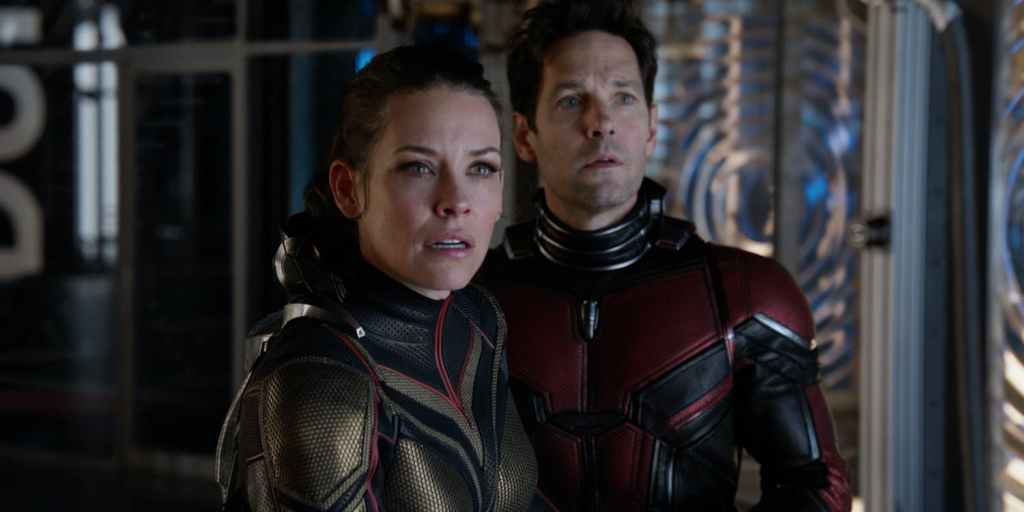
    A quintessential “Average Joe,” Paul Rudd reprises his role as do-gooding thief Lang and gives Ant-Man the wry, affable charm audiences have grown to love in Rudd’s performances over the years.

    The light-hearted, “guy you’d want to have over for poker night” persona Rudd cultivates in Lang drives the heart of the film and cuts through a lot of the minutiae the science-heavy plot requires. Rudd excels at the adlibbed one-liners needed to keep the film flowing smoothly.

    A title like “Ant-Man and the Wasp” implies equal importance for two major characters, especially when the film serves as a direct sequel to a self-titled “Ant-Man” movie.

    Yet somehow, Rudd’s Ant-Man plays the secondary, goofy sidekick to Evangeline Lilly’s Wasp, the least developed character and worst part of the original film.

    Lilly’s work is better here as her chemistry with on-screen father Michael Douglas is quite good, but overall, her Hope remains the flat, uninteresting character on a second go-round, just with more screen time. Douglas gets more to work with on a second outing as Pym, with a noticeable reduction in jargon-heavy dialogue and more quips for him to sink his teeth into.

    The film also boasts a quality supporting cast of Marvel newcomers including Lawrence Fishburne as an old colleague of Pym, Walton Goggins as the requisite Mafioso boss and the iconic Michelle Pfeiffer in a small turn as Pym’s wife and Hope’s mother Janet that should develop more fully in future installments.

    Where the film shines brightest are in small comedic moments from Rudd or scene-stealer Michael Pena and the well-crafted action sequences that take special advantage of all the shrinking and growing that Ant-Man and The Wasp can do. It’s here that Reed improves the most over the original film as the set pieces are more cleverly designed and engaging.

    Tonally, “Ant-Man and the Wasp” serves as an important palate cleanser following the highly dramatic, darker tone of “Avengers: Infinity War.” The trademark humor of the “Ant-Man” films brightens the viewing experience and makes lengthy, complicated exposition about sub-atomic realms and quantum physics seem less tedious than it actually is.

    Reed and his team smartly opt to separate themselves almost entirely from “Infinity War” and create a no-frills, just fun popcorn movie that will have kids ages eight to 80 laughing throughout. Completely on its own, the 20th Marvel movie lacks pizazz, becoming a tad too convoluted for its own good with myriad storylines and secondary characters.

    Given its place within “Ant-Man” lore and in the larger context of the Marvel Cinematic Universe, it’s a solid film bridging the gap to what is surely to be better, more impactful movies. In essence, “Ant-Man and the Wasp” is a rich man’s “Thor: The Dark World,” a film that serves as much an episodic purpose as a cinematic one if not more so.

    First time audiences to a Marvel movie won’t be too far behind as only the original “Ant-Man” provides necessary context to fully understand the plot.

    However, “Ant-Man and the Wasp” is targeted at ardent Marvel fans who will overlook minor shortcomings and incomplete storytelling in this fun, yet flawed film as a small piece of a much larger picture.