Category: Independent Film

Independent productions and independent cinema coverage. Secondary category; a movie can also be a New Releases review.

  • Nomadland: Perspectives from the road

    Nomadland: Perspectives from the road

    Few casual moviegoers will find Chloé Zhao’s latest directorial effort to be their absolute favorite film of the year, but even fewer can reasonably argue that it may be among the very best.

    A haunting yet powerful portrait of a hidden life across the heartland, Nomadland finds some of the best of America wandering across the country in search of boundless freedom and of themselves.

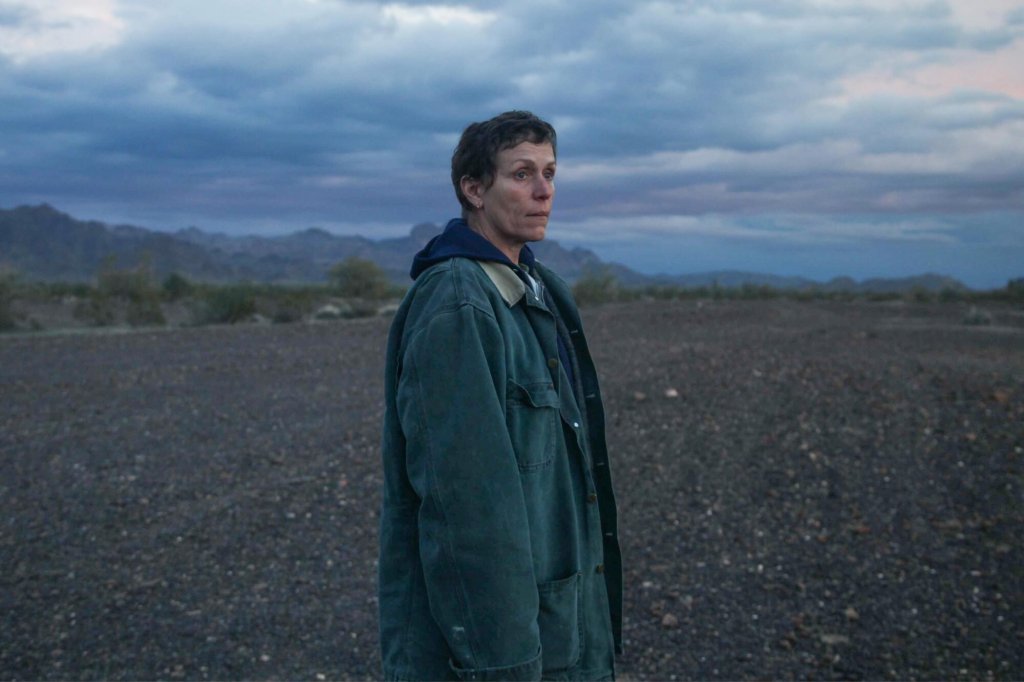
    Frances McDormand stars as Fern, a seasonal worker traveling the country in an inauspicious white van following the death of her husband and collapse of the town they lived in after the US Gypsum plant closed down. Along the course of her travels, she meets a variety of interesting characters living as van-dwellers.

    Rather than forcing plot down the throats of its audience, Nomadland meanders slowly through its 105-minute running time with a subtle grace that allows for deep reflection. Zhao’s film is an unassuming portrait of Americana through the lens of a woman unable to cope with massive changes in her life.

    Nomadland is a quiet road movie filled with introspection, genuine performances from raw untrained talent and endlessly striking cinematography that maximizes natural light.

    At its core is McDormand, who anchors the audience in the world of nomadic living with a somber, intentionally soft performance as Fern. Much of the film follows Fern experiencing life on the open roads for the first time and McDormand draws viewers in with a genuine warmth that masks deep inner pain. 

    What McDormand makes seem so effortless is incredibly difficult to pull off, having Fern be present in the moments presented to her by life’s unpredictability that gives Nomadland a sense of wonderous freedom.

    Nomadland is less a narrative fiction and more an organic work of art thanks in large part to Zhao’s decision to cast nonprofessional actors – real life nomads playing themselves who deliver a large majority of the film’s emotional stakes and authenticity.

    Characters like the reclusive Swankie or energetic Linda May provide Nomadland with a sense of color, bursting any superficial sheen that studio features might have. At times, Zhao’s film becomes almost a documentary with McDormand playing tour guide to an unknown world of America’s heartland. Her film honors the nomadic culture with quiet reverence and respect, allowing these wandering seniors to express themselves in pure honesty that radiates off the screen.

    Aside from McDormand, the one recognizable face is veteran character actor David Strathairn, who plays Dave with a light touch, matching McDormand’s warmth and becoming a small part of the larger picture of the film with a simple presence.

    Zhao takes audiences through Fern’s journey in an endless array of loosely connected vignettes meant to showcase her state of being. Scenes feel immensely organic as if they are occurring in real-time without prompting and Nomadland often has an improvisational quality to its storytelling that likely helped draw the first-time actors out of their shells.

    Cinematographer Joshua James Richards masterfully utilizes an extended wide angle lens to frame the long, empty vastness of the film’s outdoor landscapes and mirrors that by pulling his camera in close to characters, tightening the frame to the point where there’s nowhere else to look but people telling stories.

    Winner of the Golden Globe for Best Motion Picture – Drama, Nomadland is poised to be a frontrunner at this year’s Academy Awards with a Best Picture nomination a foregone conclusion. Zhao, who won Best Director at Sunday’s Golden Globes, is a certainty for an Oscar nomination as is previous winner McDormand, who gives the most subdued, yet enchanting performance of her career.

    A cinematography nod is likely, but larger nominations in categories like adapted screenplay, score and supporting actor for Strathairn could become a precursor for a major awards sweep.

    A fictional film that blends verité documentary storytelling with a loose narrative structure, Nomadland is the epitome of independent cinema at its finest and an absolute must see film streaming on Hulu for easy access by casual audiences.
  • Land: Beautiful emptiness out there

    Land: Beautiful emptiness out there

    Grief and tragedy have long been an overarching theme of independent dramas, especially those that find their way across major film festivals in search of studio buyers.

    But they’re also a fantastic way for first-time directors to plant their flag in the sand as an emerging filmmaker or actors to announce their arrival as a behind-the-scenes star.

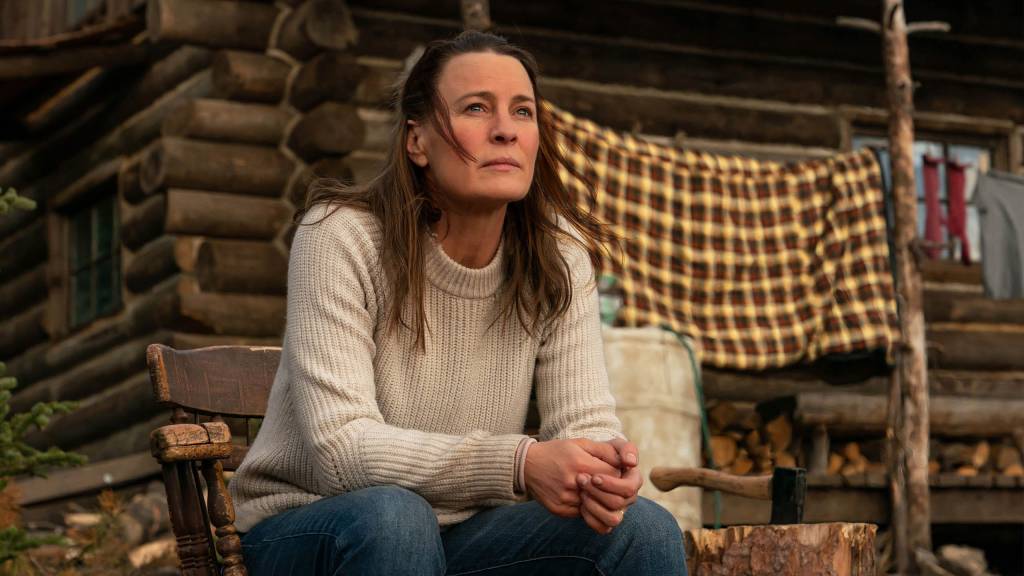
    Golden Globe-winning actress Robin Wright – who directed several episodes of her award winning television drama House of Cards – makes her major motion picture debut with Land, which premiered Sunday evening at the 2021 Sundance Film Festival and is slated for a theatrical release February 12.

    Set primarily in the wilds of rural Wyoming, Land stars Wright as a woman seeking complete solitude for reflection and self-destruction following tragedy. Her desire to shut herself away from the world in spite of lacking any survival skills places her in the path of Miguel, an area hunter who teaches her the ways of the land and helps her begin to find her soul again.

    Wright’s journey as Edie begins with a hollow sorrowfulness that permeates through the screen, a bittersweet melancholia dripping out like oozing dark blue blood soaking into the nightscapes. Much of the film is sans dialogue, which gives Wright the opportunity to emote in silence only to break free with cries of despair at pivotal moments.

    It’s a much better performance of restraint as an actress than as a director, where Wright feels like she’s holding back when something more is needed to take the film to the next level.

    Land feels like a narrative half-step beyond films in its genre, the solo-explorers looking to find themselves again while overcoming obstacles both physical and emotional.

    Exceptionally limited in its narrative, Wright’s film makes the absolute most out of its 89-minute running time; a longer feature would have become repetitive or bloated with outside influences that would have taken away from Edie’s journey of self-repair.

    Demián Bichir provides warmth as Miguel, whose sense of purpose is unclear for much of the film, but Bichir delivers it honestly and with appropriate trepidation. As the primary figure audiences see in Land outside of Wright’s singular work, Bichir does a terrific job of supporting Wright just enough to give Edie a way forward without taking away any of the spotlight deservedly going to Wright’s efforts.

    Land probably should find a second life on the big screen once audiences are able to fully make their way back into the theaters as Bobby Bukowski’s cinematography emphasizes grandiose landscapes of rural Wyoming with soft hues and natural light.

    Often, Wright leaves little for the audience to experience beyond the visual – and the haunting score from Ben Sollee and Time for Three – giving Land a thin, cinematic quality that feels underwhelming on a home viewing. The naturalistic look of the film begs for large scale cinema to project the grandiose nature Wright and Bukowski capture.

    While Land will make the window of theatrical releases eligible for the 2020 Academy Awards given the pushback in the Oscar timeframe, it will likely remain on the outside looking in with stronger performances in the Lead Actress and Cinematography categories. The one Sundance 2021 film likely to make waves this award season will be Shaka King’s Judas and the Black Messiah, which debuted Monday evening and will arrive in theaters and HBO Max February 12.

    Land is unlikely to be among the most talked about films to come from this year’s Sundance class and though it will remain in the zeitgeist over the next few months, Land will be a popular pick among audiences desperate for escapism in the short term only to be largely forgotten by the end of the year.

    Note: This review was written after screening at the 2021 Sundance Film Festival ahead of its release to the general public on February 12.

  • Promising Young Woman: The sweetest revenge

    Promising Young Woman: The sweetest revenge

    Once a year, a film comes along that cuts so deeply against the grain that its ingenuity and craftsmanship push movies forward for years to come.

    Amidst the backdrop of pandemic-led movie shortages, the stark contrast between the relatively mundane films of 2020 and writer/director Emerald Fennell’s debut feature, an instant hit when it debuted at last year’s Sundance Film Festival on its way to being the “it movie” for cinephiles’ most anticipated list.

    With her debut feature that more than lives up to the hype, Fennell creates a sugarcoated, pop fairyland that masks personal trauma behind the walls of an avenging angel-type loner. 

    Through neon lights and hyper-realistic social-media worthy imagery, Promising Young Woman exceeds and shatters the expectations of a revenge thriller to become something much more inventive and daring. 

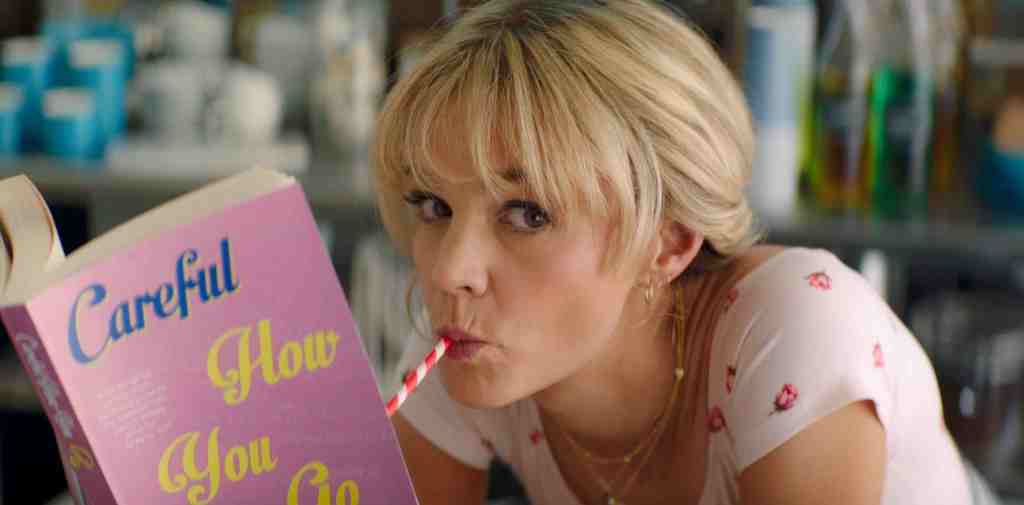
    The film follows Cassandra Thomas, a medical school dropout living at home with her parents unable to fully recover from the trauma of a tragic event in her past. In her search for answers, Cassie spends nights out trying to lure men into her trap to teach them a lesson they won’t forget.

    Fennell’s silver-tongued screenplay requires actors who can keep the sharp wit of her comedy balanced with the inner emotional nuance and Oscar-nominated actress Carey Mulligan creates a presence on screen that pulls the best from DeNiro in Taxi Driver and the films of Martin Scorsese.

    Promising Young Woman will likely be compared to Joker, which is a derisive analogy for the simple fact that Fennell’s film operates on the complete opposite end of the spectrum, both in tone and character. What makes Cassie such a compelling lead character is how her drive for a sense of justice leaves her short-sighted to the world around her and yet acutely aware of how to twist the knife in on her perceived enemies.

    Mulligan delivers a career-best performance as Cassie, the titular “promising young woman” whose life turns to disarray after the loss of her best friend Nina. There’s moments where it feels as though Mulligan is floating outside of Cassie’s body as events melt around her, but at times, a twisted sense of calculation and presence washes over Mulligan’s eyes to create the prologue to epic revenge fantasy.

    The ensemble cast who give such depth to Cassie’s jaded world is a masterclass in finding the right performer for singular moments when the film needs it most.

    Comedian and Eighth Grade writer/director Bo Burnham steps in front of the camera to challenge Cassie into a conventional normalcy, filling the role of sweetheart boyfriend Ryan with far more complexity than he’ll be given at first glance.

    Connie Britton blends a reserved confidence that draws audiences in only to flip on a dime as needed for one pivotal scene, only to find herself overshadowed moments later by an incredible supporting turn from an uncredited Alfred Molina as a lawyer Cassie confronts.

    The supporting women of the film provide a terrific counterbalance to Mulligan’s calculated mania, especially Alison Brie’s searingly hypocritical work as a former classmate of Cassie’s.

    But it’s the litany of smaller roles given to men like Adam Brody, Christopher Mintz-Plasse and Max Greenberg – “that guy” actors known for playing adorable, safe good guys – that work so well in Promising Young Woman as audiences take the stereotypes they’ve built up in their heads for these performers and watch as Fennell and Mulligan help twist them into something much darker.

    Promising Young Woman wonderfully sidesteps direct confrontation of sexual assault, something a lesser, more conventional prestige drama would linger on. The physicality and violence inherent in these moments are replaced with more raw, lingering emotions that trigger character development and further the plot, solidifying Fennell’s ability to pen a screenplay that will keep audiences on their toes and wanting to restart the film as soon as it’s over. 

    Fennell expertly infuses her film with a vast array of needle-drop moments from Britney Spears’ “Toxic” to Juice Newton’s “Angel of the Morning” to a haunting remix of “It’s Raining Men” that set the tone for a distinctly original story. Combined with Anthony Willis’ haunting score changing the mood as needed to keep the audience guessing, Promising Young Woman boast musical moments that will lodge themselves deep in the minds of ardent fans of the thriller.

    Hands down a front-runner at the next Film Independent Spirit Awards, Promising Young Woman enters the end-of-year conversation at just the right time to pick up momentum towards Oscar nominations this April. Fennell’s debut feature is quite likely to earn nominations for Best Actress and Best Original Screenplay, with Best Picture and Best Director honors not out of the question.

    Promising Young Woman has some of the best cinematic moments in recent memory and ones that shouldn’t be spoiled, making Mulligan’s awards-worthy performance an absolute must see on demand for ardent cinephiles who enjoy a film that will engage and challenge its audience at every turn.

  • One Night In Miami: Four men, one room, millions changed

    One Night In Miami: Four men, one room, millions changed

    This review is based on an advance screening of “One Night in Miami” through this critic’s membership as a voter for the annual Film Independent Spirit Awards.

    Four men gather in a hotel room to celebrate the accomplishments of one of their own.

    Their party turns into a deep, philosophical conversation that crystallizes a moment in time in American history and challenges each to become a better version of themselves.

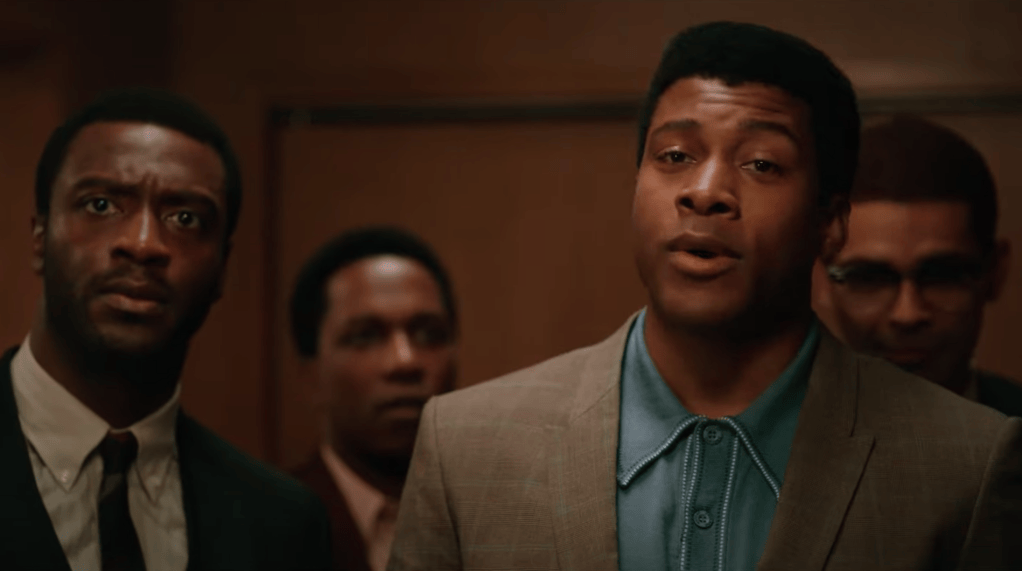
    It’s already tantalizing subject matter for prestige drama, but make those men civil rights activist Malcolm X, football star Jim Brown and music sensation Sam Cooke getting together with their friend, newly crowned boxing champ Cassius Clay mere hours before he becomes Muhammad Ali; now that’s truly something special.

    Based on a fictionalized account of one evening in the early 1960s, Oscar winning actress Regina King steps behind the director’s chair for the first time adapting Kemp Powers’ critically acclaimed 2013 stage play One Night in Miami.

    King delivers a feature that’s terrifically solid in its cinema, but truly special in its theater. An opening salvo introduces the four protagonists individually with some matter of gusto, yet when King gets them all into one moderately sized hotel room together, the true magic of One Night in Miami occurs.

    The film takes on its stage roots and becomes a dialogue heavy masterclass in character development, active listening and dramatic monologuing. King draws exceptional performances out of her leading men by knowing how to put them in the right spots to succeed and framing each in such a way that the men they portray feel as larger than life than their celebrity status suggests.

    The success or failure of One Night rests squarely on casting and King absolutely crushes it with four massive home runs to fill out her small ensemble cast.

    Kingsley Ben-Adir could very easily earn an Academy Award nomination for his soft-spoken, yet stirring turn as X, a man conflicted by his dissolving relationship with the Nation of Islam trying to keep it together to bring three influential celebrities into the fold.

    Ben-Adir approaches each scene with a vigor as if his life is on the line rather than that of the character he portrays and it gives Ben-Adir an earnestness and resolve to calmly, yet forcefully attack each line of dialogue with a demonstrable passion that’s half convincing his friends and half convincing himself.

    Both physically and in temperament, Eli Goree perfectly captures Ali’s charismatic cadence and unrelentingly affable personality and yet he infuses Ali with a quiet thoughtfulness that slowly bubbles to the surface over the course of two hours as Ali takes in debates between Cooke and X.

    In a performance that’s more “float like a butterfly” than “sting like a bee,” Goree instantly rallies the audience to Ali’s side with a pitch perfect delivery of lines Ali probably never said but feel so genuine and authentic in Goree’s delivery.

    As Brown, Aldis Hodge acts as the group’s stabilizing force, a literal mountain of a man that rarely speaks, but chooses his words with intention.

    Hamilton star Leslie Odom Jr. blends his magnetic singing voice with some truly inspired acting work as Cooke, infusing the singer with a confidence that borders on self-righteousness but doesn’t become overly egotistical.

    Each of the four approaches their character with a different take on the same basic concept, famous African American men twisting in the wind while trying to find the right path to help themselves and their community at large. 

    At times, One Night captures the same trapped energy that 12 Angry Men does by locking talented actors into a single room and engaging in sharp, thought provoking dialogue.

    King develops the tension by constantly circling the room with the camera, keeping the viewers’ eyes ping-ponging back and forth between X and Ali on one side and a wary Cooke on the other.

    One Night will likely be a major player in this year’s awards conversation with solid chances at Best Picture and Best Adapted Screenplay leading the way. The film could also be Amazon’s best shot at golden trophies and may lead to financially-backed campaigns for acting noms for Ben-Adir and Goree as well as directing honors for King, a shoo-in for any first feature prizes from awards groups.

    One Night works as a perfect double feature with Netflix’s new adaptation of the August Wilson play Ma Rainey’s Black Bottom and is well worth seeking out when it arrives on Amazon Prime in mid-January.

  • Ma Rainey’s Black Bottom: And all that jazz

    Ma Rainey’s Black Bottom: And all that jazz

    Ma Rainey’s Black Bottom, the latest awards contending prestige drama from Netflix, will likely forever be known for the final performance of the late actor Chadwick Boseman, whose career was cut short by cancer in August.

    But what hopefully won’t be left out is that the film based on an acclaimed August Wilson play is also the finest work of Boseman’s career and a crystallization of not only the times in which the film is set but the wide array of emotions that bubble to the surface in jazz music and in the musicians who perform.

    Set over the course of one afternoon in 1920s Chicago, Black Bottom watches tensions rise during a recording session for blues pioneer Ma Rainey as an ambitious trumpeter, white management and hot, claustrophobic conditions lead to an eruption of hidden truths and inner conflict.

    Boseman is a firestorm of energy that bubbles over the surface slowly, captivating audiences from the opening moments and never letting go as Levee, a young musician and composer wanting to form his own jazz band and play more up-tempo music to attract Northern audiences.

    The natural charm from his smile serves as a balm to audiences trying to find their way through the somewhat confusing introduction, and its only when Levee tells his bandmates the story of his parents that Black Bottom truly takes shape.

    Boseman emotes so dynamically in this one moment, about 30 minutes into the feature, that the whole tone of the film changes on a dime, no longer being about making a record. With the longing and ache in Boseman’s voice and the tremble in his physicality, Levee takes Black Bottom and reveals Wilson’s true vision – a heart-wrenching, thought provoking treatise on race relations during the 1920s that still sears in modern times.

    And none of it works without Boseman at the very top of his craft, balancing fragile emotion with a masquerade of bravado to fool not only everyone else but Levee himself. 

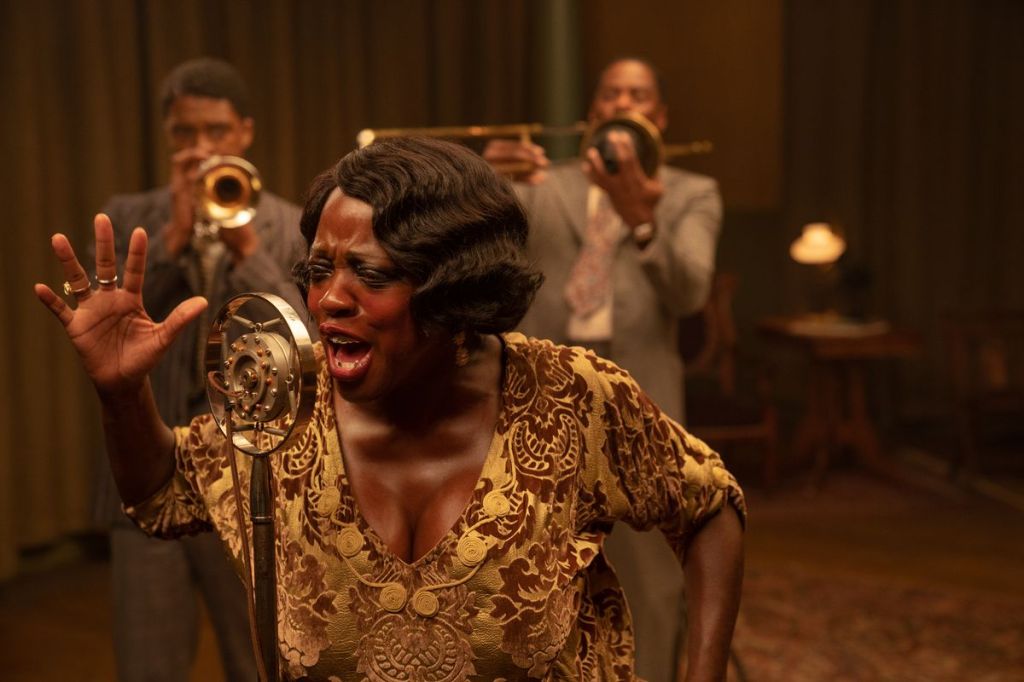
    Viola Davis – who won an Academy Award for her work in Denzel Washington’s 2016 adaptation of Wilson’s Fences – plays the title character with a larger-than-life persona that initially comes across as fake, but in smaller individual moments is revealed to be something much more nuanced and considered.

    Where her work truly dazzles in the physicality she brings to Ma, using her body to get what she wants from everyone around her. There’s an imposing force to how Davis twists her hips or thrusts herself forward, implying Ma isn’t to be trifled with. Every movement is considered and electric, with the reverberations of her presence rumbling through the screen.

    Black Bottom also boasts terrific work from the rest of its ensemble cast with Colman Domingo as the peacemaking band leader Cutler and Glynn Turman as piano player Toledo serving as standouts.

    The film is such a fervent playground for these talented character actors largely because of the remarkable screenplay from Ruben Santiago-Hudson adapting Wilson’s words for the silver screen.

    Dialogue gets peppered back and forth across short distances like bullets and the searing monologues delivered by Ma and Levee have an intensity and bite that can only come from an expert playwright like Wilson.

    Stage adaptations often suffer from long, drawn-out running times that feel natural in a theater setting but drag on the big screen. Black Bottom, however, flies through a crisp 90-minute running time and Wolfe maintains an energy to the film from a visual perspective that keeps up with the sharp, relentless dialogue.

    Cinematographer Tobias A. Schiessler keeps the camera in tight on performers while mixing up the color palette, enhancing the “anything can happen,” jazz improvisational style. At times, Black Bottom shows its stage roots, lingering in tight spaces and emphasizing the dialogue, and yet there’s a grandiose scale to the transitional pieces, moments in between the film’s “acts” that contextualize events and give Black Bottom a larger sense of place.

    Black Bottom may well be a major contender for a Best Picture Oscar nomination, but it’s fairly written in stone that Boseman and Davis will both earn nods for their leading performance. The film’s adapted screenplay should earn accolades as well as technical honors for the film’s costuming, production design and Branford Marsalis’s score.

    It’s quite possible, in fact, that Boseman could be the first posthumous double nominee with lead actor for Black Bottom and best supporting actor for Spike Lee’s Da 5 Bloods.

    Certain to be near the top of any best of 2020 list, Ma Rainey’s Black Bottom serves as the perfect coda on Boseman’s magnetic career and is an absolute must-see for ardent cinephiles on Netflix this awards season.

  • Wander Darkly: Crashing waves of emotion

    Wander Darkly: Crashing waves of emotion

    How we handle pain, grief and tragedy – visceral, raw emotions – has always been a vibrant playground for filmmakers seeking weighty material to create artistic cinema.

    Relative newcomer Tara Miele found inspiration from her own car accident to blend reality and fantasy in Wander Darkly, a melancholic film that finds new parents Adrienne and Matteo at a crossroads following a family tragedy that forces the pair to reflect back on haunting truths in their relationship and the uncertainty of the road ahead.

    Wander Darkly is in many respects an amalgamation of any number of genres, mystifyingly complex, deeply romantic, otherworldly supernatural and devastatingly bittersweet.

    Miele constructs a world that effortlessly changes at the drop of a hat to suit the needs of her character-driven story as the camera floats behind Adrienne dragging viewers through her fragile emotional state.

    In unquestionably her career best performance, Sienna Miller is astonishingly transfixing as Adrienne, a woman coming to terms with remarkable trauma through great uncertainty that manifests as a combination of half-remembered dreams and painstaking what ifs. She is led through this journey of the soul by the vision of her husband, essentially playing the Jacob Marley from Charles Dickens’ “Christmas Carol” or Virgil from Dante’s “Inferno.” 

    Miller meanders through scenes in a daze as the totality of Adrienne’s tragedy sinks in. There’s something especially haunting about her slow, aimless stumble as Miele and cinematographer Carolina Costa linger on Miller’s feet visualizing the distance between Adrienne’s body and soul or between Adrienne and Matteo.

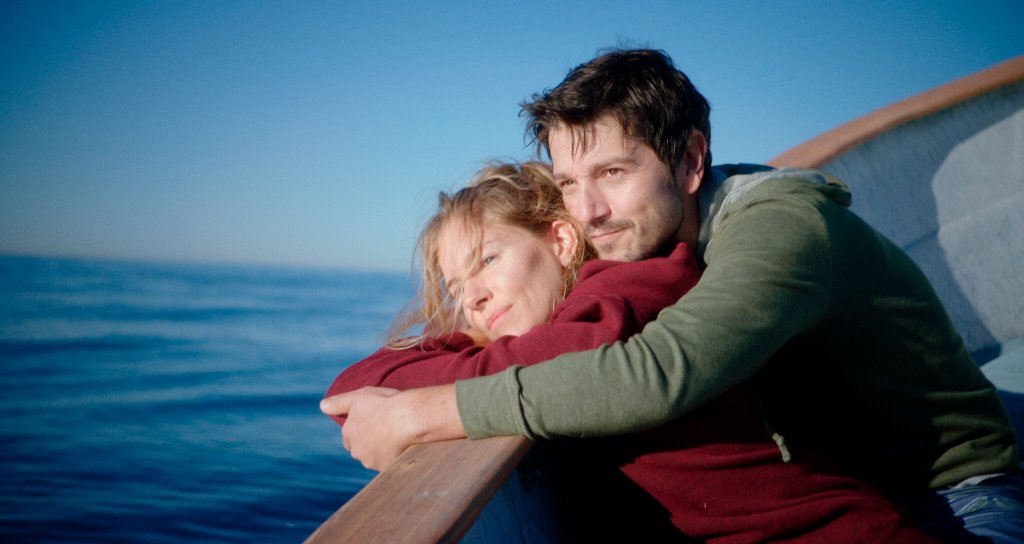
    Diego Luna walks a tightrope between being the affable man Adrienne fell in love with and the distant figure she longs to get away from. His Matteo is more loosely defined in the performance than Miller’s more demonstrative Adrienne but works when considered in the context that viewers are seeing him most often through the lens of her memories.

    Miller and Luna have an uneasy, uneven chemistry that doesn’t feel organically designed that way, but works in the greater scheme of the film as Wander Darkly relies heavily on a schism between Adrienne and Matteo that lingers like a cloud over their relationship. 

    A portrait of a relationship fading from view like a feather floating away in the breeze, Miele makes the wonderful choice of progressively pulling Matteo and Adrienne further apart as they are working to come back together emotionally.

    The visual palette of Wander Darkly draws heavily from contrast heavy films like Eternal Sunshine of the Spotless Mind and pairs a connective one-take editing style with a constantly moving hand-held camera to stitch together a timeline-bending narrative and keep audiences always in motion ready for the film’s next emotional twist.

    Where Wander Darkly struggles most is in its final third, which takes Adrienne’s journey of self-discovery into an overwhelming amount of grief that neither the characters nor Miele herself quite know how to convey. There’s so much potential for Wander Darkly to be a standout film from start to finish as the opening 65 minutes is an exertion of true artistic vision from a filmmaker who clearly has something to say.

    A more refined finish, or better still, an open-ended one would have provided the chef’s kiss of a truly brilliant independent feature.

    Wander Darkly is primed for much greater chances of success with critics’ groups and the Film Independent Spirit Awards than it will be with Oscar voters. The one exception, however, may be Miller, who could theoretically sneak her way into a Best Actress nomination in an uncertain year. 

    A film crystallized in emotions, Wander Darkly wallows in its melancholy far too much for some audiences, but those who become deeply invested in the characters – especially Miller’s transfixing Adrienne – will find Miele’s film original, genuine and beautifully haunting, something well worth seeking out on demand.

  • The Nest: Horrors of a failing marriage

    The Nest: Horrors of a failing marriage

    Horror films do not have to be scary to be effective.

    There doesn’t need to be scenes of bombastic violence or frightening jump scares to heighten the tension.

    Sometimes the most terrifying things in cinema come from slowly built, meticulously crafted inevitability.

    In that sense, writer/director Sean Durkin’s latest film is incredibly haunting, simply by focusing on a looming sense of doom in a relationship between two people who want different things out of their lives together.

    The Nest is about the fracture of a marriage, the dissolution of the American dream and the suffering of individuals as they put physical and emotional distance between themselves and those around them.

    British-born Rory O’Hara has been living relatively happily in New York for a decade with his wife Allison, their 10-year-old son and his teenage stepdaughter during the 1980s. Looking to make the most for himself, he persuades Allison to uproot their lives and move to a remote country manor outside of London, where the change in scenery dramatically alters the family dynamics.

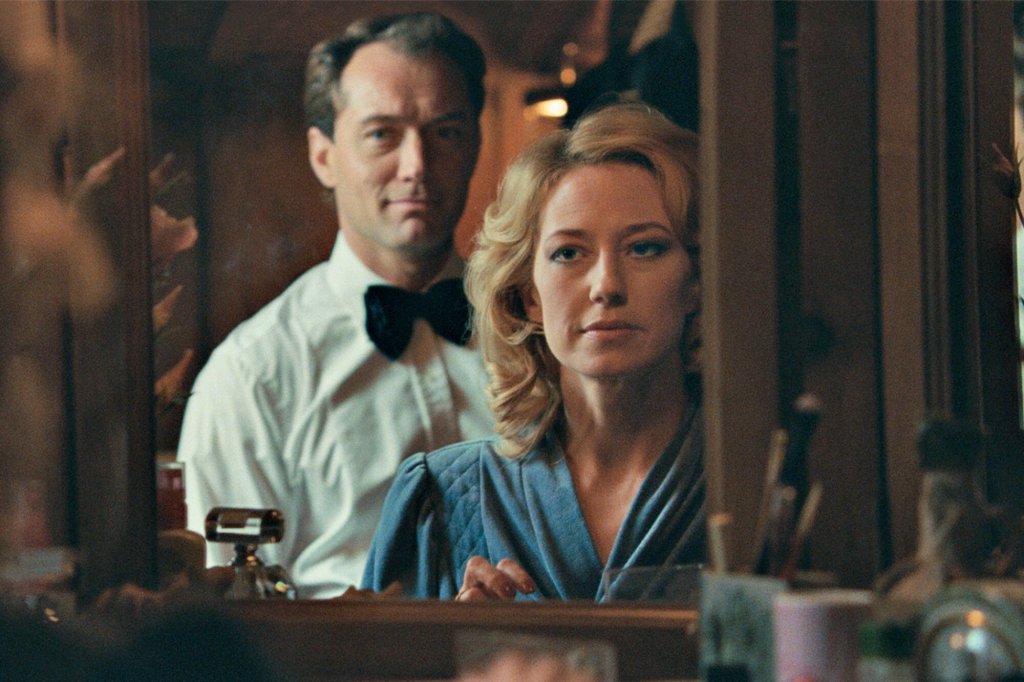
    Two-time Academy Award nominee Jude Law invigorates Rory with a relentless ambition that evokes the economic cynicism of Wall Street but in a film that focuses that drive as a catalyst for deep-seeded emotional trauma on everyone around him.

    Law is the antithesis of demonstrative here, slow-playing the role with a chilling calmness that accentuates how the growing distance between Rory and Allison affects each of them differently.

    Finally given the opportunity at a major leading role, Coon is impeccable at conveying internalized emotions through a seemingly vapid glance into nothing and the way she twists words like knives into Rory’s back is downright menacing in all the best ways.

    Allison’s slow deterioration over the course of the 108-minute film is emotionally taxing on viewers who empathize with Coon’s magnetic performance and the fragility of Allison’s stability permeates the endless silence of lingering moments in Durkin’s film.

    Durkin uses the O’Hara’s massive new house as a barrier to keep audiences from truly knowing these characters and to keep the family from each other. Long shots down barren hallways, lingering glances into the British countryside, a lengthy one-take introduction to the vast interior all give viewers an empty, sinking feeling about what is and what is to come for the O’Hara’s.

    The way in which Durkin chooses his camera positioning and character movements are superb. In one pivotal sequence, Durkin keeps a close focus on Coon as she walks towards the frame and the background widens behind her to reveal a devastating blow to her character’s increasingly fragile psyche. Every visual moment of The Nest is intended to subtly – and occasionally overtly – frame the film within the headspace of the couple.

    Cinematographer Mátyás Erdély brings viewers into the world of the film by relying on the natural elements of the setting and allowing light and dark to become active participants in the scenes. Framing one character dominating another physically by casting a shadow over them immerses the viewer in Durkin’s palette for the film, where character relationships and development are shown visually as much as they are translated from the written page.

    Durkin also effectively utilizes a chilling score from composer Richard Reed Parry to drive home the dramatic tension with foreboding effect. The Nest often feels like a haunted thriller rather than the terse familial drama that it is thanks to Parry’s haunted orchestral warnings.

    The Nest is far too much of an indie drama to make a major splash at next year’s Academy Awards even in spite of so many films being pushed out of contention. It should garner both leads acting nominations at the Film Independent Spirit Awards as it did last week with the Gotham Film Awards.

    Easily dismissed by casual viewers as a small indie film that doesn’t do a whole lot, The Nest is a deep, artistic feature that takes care in the technical details and dramatic nuance which will resonate with fans of the lead performers and those willing to be sucked in to the slow-burn nature of this reserved, yet enthralling drama available on demand.

  • The Way I See It: Capturing humanity in a single frame

    The Way I See It: Capturing humanity in a single frame

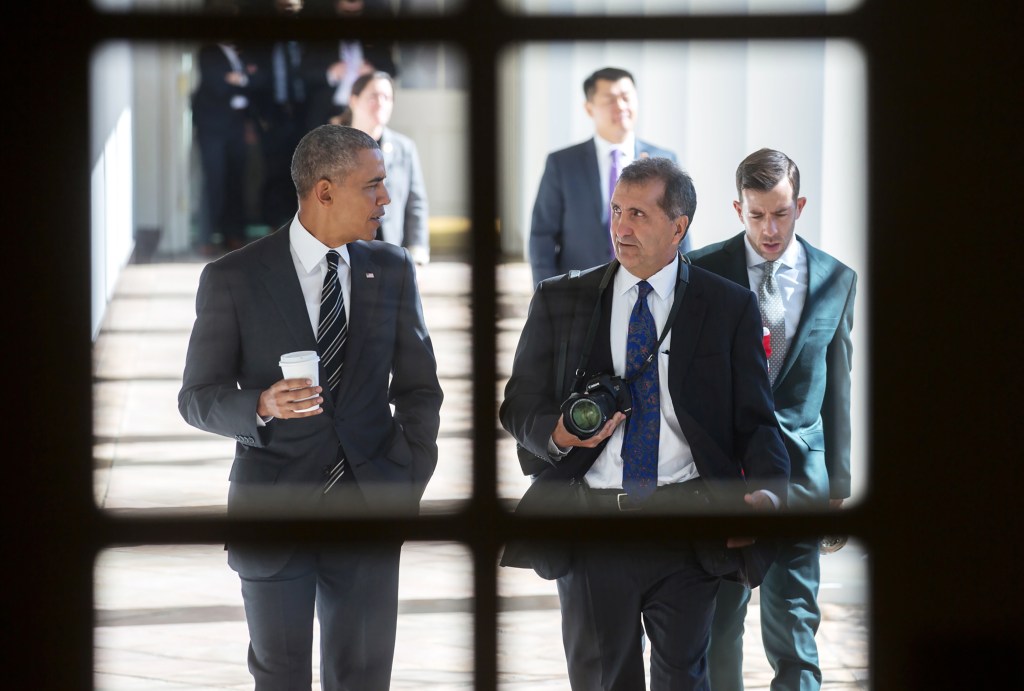
    Pete Souza has had an inside look at Washington politics for decades.

    He’s been in the room for countless national crises, meetings with foreign leaders and hundreds of White House press events without anyone ever really knowing his name.

    As the official photographer for both the Ronald Reagan and Barack Obama administrations, Souza has seen intimate moments on both sides of the aisle and captured images that serve not only as a remembrance of the leaders he followed, but of the men they were and the history they made.

    In a new documentary from director Dawn Porter and the producers of the Oscar-winning film Free Solo, Souza shares an extensive amount of his personal and official photography from the 1980s and 2010s to capture a larger portrait of the American executive branch from the perspective of a largely invisible bystander.

    It’s clear from the outset that Souza has a distinct reverence for the office of the President and a close kinship to both of the men he covered who held that position, though his work portraying Obama is covered in more depth than Reagan, a man he covered for less time but still found the stateman’s wonderful humanity and empathy for others.

    The visuals of the film are absolutely breathtaking in large part to Souza’s still photography setting the tone and the context for everything to come. 

    An early photo shown features Obama briefing president-elect Donald Trump on an impending national security emergency while Souza narrates the final day of Obama’s presidency and the transfer of power.

    This should relatively innocuous, but the frame of the photo conveys so much. Trump’s signature red tie, a long hallway, the American flag in the background; all of these things symbolizing the transfer of power in a single image reflect instantly so much about the historic moments taking place.

    Just before this, Souza captures Trump engaged in conversation with Obama’s running mate, with the soon-to-be former president in the background, beautifully staging the scene of years to come in American politics.

    Souza has the eye for where the moments are taking place, how best to capture them unobtrusively and the access to give Americans a revelatory look into the lives of the men serving as commander-in-chief.

    There’s an endless assortment of moments like this captured across The Way I See It, often coupled with news reel and video footage of the events to help orient audiences, but Souza’s still images routinely and masterfully supersede their moving counterparts, capturing a moment in time in a way that will leave viewers breathless.

    So much of The Way I See It conveys a sense of neutrality or a larger sense of bipartisanship that it becomes somewhat troublesome as Souza uses the film’s preamble and its final moments to make an argument in voting President Trump out of office. This simple fact will keep a broad audience from finishing the film, or more likely, turning it on altogether.

    But the problem with making this level of political statement is that it pulls away from capturing authentic American history, one with a reverence and respect for the executive branch that it’s so clear Souza has.

    Politics will likely keep The Way I See It in the mix for an Academy Award nomination for best documentary feature, an honor the middle 90-minute thoroughly deserves for its intrepid look at the humanity of presidents on both sides of the aisle and one the film’s outer edges probably should disqualify it for.

    One of the subjects of the film notes that “a photograph breaks down the idea that these people (U.S. presidents) are somehow different from us” and it’s in the humanity shown through Souza’s images of Reagan and Obama that The Way I See It shows its soul.

    An imperfect film with a larger apolitical message about seeing others for who they are as people rather than the ideas they support, there’s too much beauty in the visuals not to give The Way I See It a chance regardless of what side of the aisle viewers are on or how the presidential election turns out.

  • On The Rocks: The best, worst of two people talking

    On The Rocks: The best, worst of two people talking

    Sofia Coppola’s new film doesn’t really go much of anywhere, but the road traveled is easy and the banter refreshingly charming.

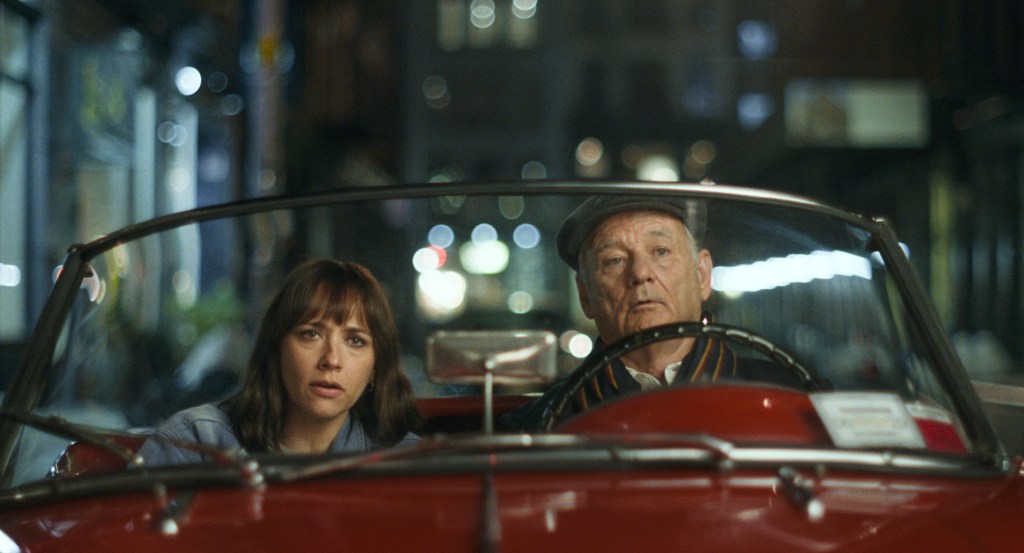
    Evoking a Woody Allen-esque style, Coppola’s On The Rocks hit AppleTV+ this weekend to little fanfare, but with a softer touch, a melancholic wistfulness and the dulcet tones of Academy Award nominee Bill Murray philosophizing on why men tend to stray from committed relationships.

    It’s a film that forgets how upper class it is like so many Allen movies do, but Coppola balances out the gender dynamics between her characters much more fluidly.

    At its core, On The Rocks is about a woman at a crossroads in her relationships with two men – the workaholic husband she suspects may be falling out of love with her and the playboy father who wanders back into her life at an unexpected time.

    While there’s an overarching plot that follows Laura as she and Felix track Dean’s whereabouts for evidence of infidelity, the only real reason On The Rocks exists is to give Coppola time to reminisce about her own relationship with her father, award-winning filmmaker Francis Ford Coppola, and make subtle commentary on the good and bad of distant relationships between generations of artists.

    The pairing of Rashida Jones’ struggling writer Laura and Murray’s traveling art dealer Felix makes for the most compelling moments in the entire film, which often deal with raw humanity and the differences between men and women in the most frank, honest discussions shown on film in quite some time.

    That these conversations are happening in dark New York City hotspots over pricey cocktails is the height of a COVID-induced lust for social interactions in a pre-pandemic world that feels much longer than six months ago.

    Murray has rarely been as charming as he is in On The Rocks, effortlessly waltzing his way across the screen and making a man who could easily come across as snide or sleazy feel relatable and someone viewers can rally behind.

    It’s a testament to Coppola’s ability to put the Oscar-nominated actor in the perfect situations, framing him just off center to highlight the charm in his eyes and writing lush dialogue that Murray can elevate with his wry sensibility. 

    His Felix is almost in conversation with a younger version of himself, Murray’s Bob Harris from Lost In Translation that Coppola directed, as Laura seems plagued with a similar malaise to the melancholy Bob felt wandering around Japan in Coppola’s 2003 film.

    Known mostly for comedic television work, Jones stabilizes the film with a performance that shows growth for a character in Laura who lets life happen to her until her father pushes her to take control of her situation. There’s a genuine haze to Laura that Jones is able to bring out and then slowly remove over the course of the film that’s subtle, yet beautiful to watch.

    One of Coppola’s best cinematic tricks is her terrific use of Jenny Slate’s Vanessa, a single mom who talks Laura’s ear off with her own complicated relationships with men outside the elementary school classroom where they pick up and drop off their children. These little snippets that last a minute or so offset the more subdued, dramatic moments and pop with a burst of energy that reengages the audience for the next big scene.

    For a slow-burn dramedy, On The Rocks is exceptionally cinematic with Coppola having a distinctive eye for placing the camera at exactly the right angle to further character development and story. Cinematographer Phillipe Le Sourd does his best work outdoors, using the city landscapes to help give the film an elegant sense of place.

    Not a front-runner for awards season, On The Rocks is still Apple’s best shot at their first Oscar nomination or win in a major category with Murray a strong contender for Best Supporting Actor and Coppola a possibility for Best Original Screenplay.

    On The Rocks may be Coppola’s most subdued film to date, often evoking the subtle luxuriousness of those Lincoln car commercials echoing the tones of Matthew McConaughey’s bourbon-soaked voice. It’s an easy film wandering in the malaise of mid-life stagnation, which could be simply dismissed as lazy, but On The Rocks maintains a casual breeziness thanks to Murray’s tremendous lead performance and the brisk 95-minute run time.

  • Dick Johnson is Dead: Long live Dick Johnson

    Dick Johnson is Dead: Long live Dick Johnson

    How do we confront the inevitability of death?

    Without fail, everyone will ultimately succumb to their mortality, but when it’s staring you in the face, what is the best way of processing it?

    More so, is there a way to best handle the looming death of a loved one?

    Documentarian Kirsten Johnson tackles these questions head on in a strange, yet beautiful and uncompromising new film, Dick Johnson is Dead, which premiered on Netflix last weekend.

    The feature is a wild variation from her normal work observing subjects from afar, blending intimate personal footage with fantastical hyper-reality to occasionally leave audiences questioning where the line between fiction and documentary really lies.

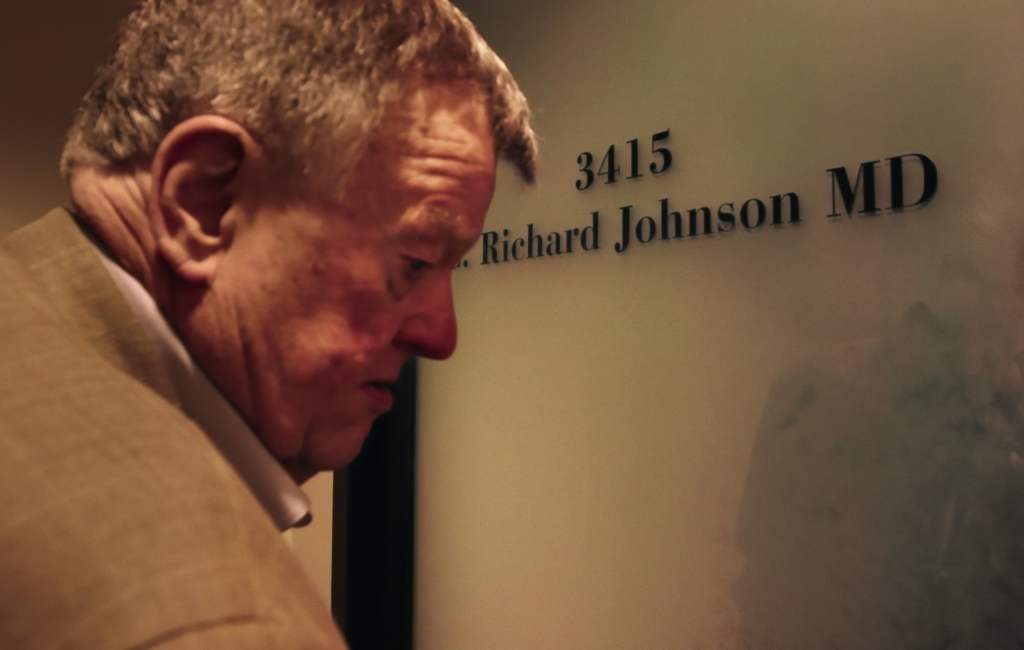
    Filmed over the course of several years, Dick Johnson is Dead serves as a memoir to Johnson’s family as well as a portrait of a love between a daughter and her father, a recently retired Seattle psychiatrist who is moved to a small New York City apartment after being diagnosed with dementia.

    Audiences are treated to this warm-hearted, jolly man in his best days and in his worst, allowing the viewer to feel the full emotional impact Kirsten feels as Dick’s memories slowly fade away from him.

    Though there’s a plethora of figures in the 90-minute feature, there’s only one true character, Dick Johnson himself. Viewers watch him experience a cognitive recognition of his dementia that fades in and out and the simple joy that he personifies in his unvarnished smile radiates through the screen with a blinding glow.

    It’s in his relationship with his daughter Kirsten that the documentary truly comes alive. The rapport that filmmaker and subject have are intertwined with genuine warmth that only comes from a paternal bond. Dick is only involved with the film project because of his daughter, and his enthusiastic participation throughout showcases the tender, emotional love they have for one another.

    Kirsten herself becomes a character in the film in a much different way than filmmakers traditionally create for themselves. So often directors hide themselves inside their films through the eye of the camera lens – and Johnson does this to tremendous effect during showy, artistic moments – but it’s in her on-screen relationship with Dick that helps provide context.

    The cinematographer-turned-director-turned-subject places herself along the side of the frame, always keeping the focus on Dick, as if everything in the world revolves around her father. It’s a caring reverence that helps endear the audience further to this genuine, affable gentleman.

    Constant throughout the film is this meta-textual subplot where the Johnsons stage and film various death scenes for Dick, often with the help of stuntmen being hit by a car or falling down a flight of stairs. The director Johnson brings audiences behind the scenes as these sequences are staged – often in the middle of showing them happen – in order to keep up with an ever bending, twisting timeline.

    One of Dick’s friends is overwhelmed by the strangeness that filming this feature creates, lamenting at one point that he has to “keep reminding myself that this is a movie.”

    Somewhere along the way, Dick Johnson is Dead becomes a commentary on the filmmaking process, inserting the filmmaker herself into the storyline to describe how and why certain events are being included and further complicates in a richly unique way the strange marriage this film makes between fiction and documentary.

    Sadly, 2020 is the perfect year for a documentary with this subject matter to arrive as the COVID-19 pandemic puts the frailty of the older population into the spotlight. While Dick Johnson is Dead would normally be on the shortlist for Oscar contention, the unusual circumstances surrounding this year’s selection process will likely guarantee Johnson’s first Academy Award nomination as a director after shooting Laura Poitras’s 2014 Oscar-winning documentary Citizenfour about NSA whistleblower Edward Snowden.

    In a larger sense, Dick Johnson is Dead preserves the filmmaker’s father for immortality on the screen as Dick’s essence shines brightly even as the light in his eyes begins to fade.

    The subject matter may be heavily, but it’s treated with a light humor and shown with such care that what might feel morbid actually becomes celebratory, a rare feat for such heavy material.

    A major contender for the year’s best documentary film, Dick Johnson is Dead deserves a wide audience prepared for its unusual premise and subject matter and Netflix serves as an ideal way for cinephiles to stream this wonderfully quirky film as soon as possible.