Category: Oscar Contenders

Oscar contenders, awards-season coverage, awards predictions, nominations, and ceremony analysis. Historical archive category retained at its original URL; use selectively for awards-relevant articles.

  • Sully: Hanks soars once again

    Sully: Hanks soars once again

    ​What happens to unlikely heroes after their miraculous deeds?

    Academy Award winning director Clint Eastwood seeks to answer this complex question with yet another introspective look at a recent American hero following 2014’s spectacular “American Sniper.”

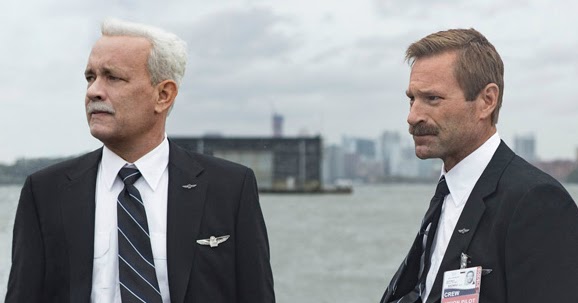
    In “Sully,” Eastwood examines the “hero on the Hudson,” veteran U.S. Airways pilot Chesley “Sully” Sullenberger as he constantly relives his 208-second flight from LaGuardia Airport which ended with a forced water landing on the Hudson River. Based on true events, Sully (Oscar winner Tom Hanks) and his first officer Jeff Skiles (Aaron Eckhart) are questioned by media and the suspicious National Transportation Safety Board (NTSB) investigators in the days immediately following the January 15, 2009 incident.

    Told almost exclusively from the perspective of Sully himself, Eastwood’s film forces Sullenberger to relive (and occasionally hallucinate) about the fateful flight, which makes the veteran pilot question whether he made the right decision. 

    As the titular hero, Hanks is mesmerizing in his unsettled confusion with Sullenberger’s frequent, yet private emotional breakdowns serving as many of the film’s best moments. While “Sully” drifts into police-procedural territory in the final third as the NTSB investigation wraps up, Hanks elevates average dialogue with his quintessential everyman performance style. Despite his storied career, “Sully” may prove to be Hanks’ defining performance over the latter stages of his career and certainly over the last decade. An Academy Award nomination for his performance would not be out of the question.

    Eckhart gives a serviceable, largely unmemorable effort as first officer Skiles, essentially riding shotgun to a career-defining Hanks performance. In a film where so many characters felt authentic, Skiles sticks out as Aaron Eckhart reading the lines given to the character of Skiles rather than Eckhart actually becoming Skiles. However, this isn’t particularly detrimental to the overall success of the film.

    Veteran character actress Laura Linney offers a strong supporting performance as Sullenberger’s wife Lorraine. The part is especially difficult as Lorraine is separated from the rest of the cast and only has scenes with her husband over the telephone. Not being able to see and react off your acting partner with their physical presence can be immensely challenging, though Linney handles the role well.  Her performance helps round out Sully’s character and allows Hanks to portray the pilot’s rare emotional releases.

    The first film to be shot entirely with IMAX cameras, “Sully” is visually spectacular from start to finish and especially shines in the air during scenes depicting the plane crash. This is approached from a variety of angles and perspectives throughout the film and cinematographer Tom Stern does a terrific job of making each scene feel cohesive and yet fresh at the same time. Reliving the harrowing events over and over will probably make you leery of flying any time soon, however.

    Eastwood continues to prove himself to be one of the elite filmmakers of our time with “Sully,” which features Eastwood’s no-frills directorial style and original music. Like so many other Eastwood films, “Sully” plows forward from act to act with solid pacing, picturesque shots and solid acting performances across the board. It’s thanks to Eastwood that planes crash-landing on the Hudson River are shown in the least flashy, blockbuster way possible.

    “Sully” should be a shoe-in for several technical awards as the film’s depiction of the plane landing on the Hudson will likely be one of the year’s most visually impressive moments. Academy Award nominations could also be in the cards for Hanks as Best Actor, Eastwood as Best Director and the film for Best Picture depending on how the rest of 2016 plays out.

    Led by a career-defining performance from Hanks and impressive cinematography, “Sully” is a sure bet to be an audience favorite and is definitely worth the trip to the theaters.

  • The Light Between Oceans: Vikander, Fassbender put on acting clinic

    The Light Between Oceans: Vikander, Fassbender put on acting clinic

    ​Every year there’s a film that sneaks its way through theaters without much commercial fanfare and then makes a strong showing in Oscar nominations.

    In 2016 that film is assuredly “The Light Between Oceans,” a picturesque, romantic period drama featuring reigning Best Supporting Actress winner Alicia Vikander and Oscar nominee Michael Fassbender along with a terrific supporting performance from Academy Award winner Rachel Weisz.

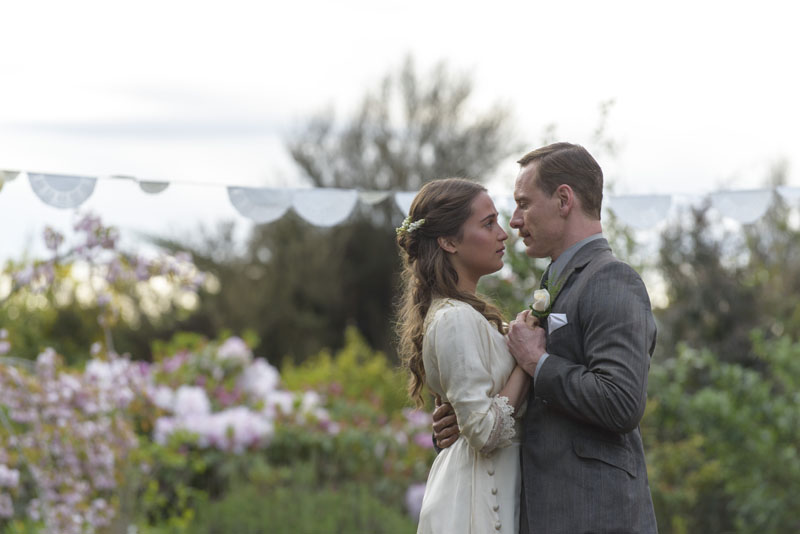
    Based on the 2012 novel by M.L. Stedman, “The Light Between Oceans” follows Tom (Fassbender), a single man returning from war to take post on a remote lighthouse and falls in love with a young Australian woman (Vikander) living on a nearby island. Though it’s fair to call the film a romance, Tom and Isabel’s courtship isn’t at the center of their story. Rather, Tom and Isabel’s struggle to form a family while living away from civilization proves to be the catalyst for their emotionally gripping tale.

    This is a movie best viewed with fresh eyes. More so than many other films, divulging too much about the plot (or watching the film’s trailer for that matter) may prove to be catastrophic for viewers’ ultimate enjoyment of “The Light Between Oceans.” 

    It’s hard to play stoicism in a romance much better than Fassbender does as Tom, a man shattered by the things he saw and did as a soldier in the Western front of World War I. His performance is the near perfect definition of melancholy early in the film. The way Tom is transformed – brought back to life, as it were – by Isabel over the course of the film is remarkable. A nomination will likely elude Fassbender this year given a number of much flashier performances yet to hit the big screen this fall, but the performance is definitely worthy of consideration.

    While Tom anchors the narrative structure of the film and takes a majority of the screen time, “The Light Between Oceans” is Vikander’s movie and her performance is beautifully crushing. It’s impossible to keep your eyes off her Isabel, emotionally mesmerizing and layered beyond compare. Her scenes of grieving loss toward the latter part of the film’s first hour are devastatingly poignant.

    In a film filled with highlights, Vikander is the best thing about “The Light Between Oceans” and it’s not particularly close. Another Oscar nomination feels inevitable at this point and a second straight win for the Swedish actress wouldn’t be out of line either.

    Weisz doesn’t make an appearance in the film until the second hour as the relationship between Tom and Isabel is given time to bloom. But once the former Oscar winner hits the screen as a grieving widow, Weisz holds her own against strong efforts from Vikander and Fassbender. It’s difficult to spend too much time on Weisz’s performance without revealing too many plot points, but her work is often exceptional and just occasionally too stiff for the overall tone of the film.

    Director Derek Cianfrance moves “The Light Between Oceans” at a much slower, leisurely pace than his dynamic previous films “Blue Valentine” and “The Place Beyond the Pines.” Yet despite the slow, two-hour build to the movie’s third act crescendo, “The Light Between Oceans” maintains constantly entrancing cinema, thanks in large part to the masterful performances Cianfrance is able to draw from his lead actors.

    The film is additionally bolstered by Adam Arkapaw’s stunning cinematography, which Cianfrance uses to frame the beginning and end of each scene.

    Unfortunately, “The Light Between Oceans” was released far too early in 2016 for major consideration in Best Picture races come awards season, though Vikander’s standout work will remain firmly in the Oscar hunt. Regardless, Cianfrance’s largely riveting melodrama will appeal to fans of period cinema and of the lead actors.

    It wouldn’t come as any surprise to see “The Light Between Oceans” end 2016 as one of the year’s 10 best movies and those willing to take a chance on the film in theaters shouldn’t be disappointed.

  • Hell or High Water: The best movie of the year

    Hell or High Water: The best movie of the year

    ​“Hell or High Water” is the best film you’ll see this year.

    This isn’t hyperbole or a statement made lightly, especially given the fact that there’s still four months and an entire season of Academy Award candidates yet to be released.

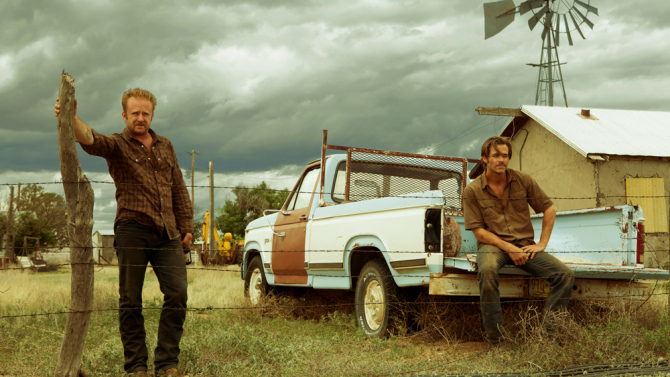
    Beautifully crafted and acted, the first major release film from director David Mackenzie stars Chris Pine and Ben Foster as brothers who resort to robbing banks in sleepy West Texas towns while being pursued by a grizzled veteran Texas Ranger played by Jeff Bridges.

    “Hell or High Water” is a funky combination of thriller and neo-Western ripped straight out of a different era. Were they alive today, “High Water” is a movie that Steve McQueen and/or James Dean might star in – a quintessential tale of antiheros running from the law for morally just reasons. “Hell or High Water” is “The Getaway” with a conscience; a western “Rebel Without A Cause.”

    What Mackenzie hits audiences over the head with from the outset is Giles Nuttgens’ artistic, nuanced cinematography that paints the film’s West Texas landscape so perfectly. Nuttgens and Mackenzie masterfully use the natural lights and shadows of early sunrises and sunsets to mask the film’s slower, poignant moments, helping to keep audiences engaged in between tense action. Effectively shooting in low light situations is a difficult skill to master and Nuttgens does the best job of any cinematographer in 2016 of handling this challenge.

    Pine has proven to be a very capable leading man especially in popcorn franchise films. But he has never been quite as elegant and layered with a performance as he is in “High Water.” His broken, weathered effort is award worthy as a man struggling to balance the death of his mother, a dying family ranch and two sons from a failed marriage. There’s just enough stoicism in his performance to balance the more manic turn from Foster that elevates the entire film beyond crime genre stereotypes.

    At first glance, Foster doesn’t appear to be the ideal choice to play the demonstrative, devil-may-care older brother. The veteran character actor has waded in these waters many times before and often overacted with gimmicky caricatures. In “High Water,” Foster teeters right on the cusp of going too far with the part. but whether it’s Mackenzie holding him back or Foster finally playing with restraint, his performance is safely just on the edge of crazy without billowing over into complete madness. Foster’s innate chemistry with Pine in the film is undeniable and it’s in their kinship that the film truly shines.

    Inevitably, Bridges’ performance in “High Water” will be compared to Tommy Lee Jones’ effort in the similar, yet much darker Coen Brothers film “No Country for Old Men.” The parts are different sides of the same coin, the aging Texas lawman out for one last ride. In “High Water,” Bridges does display a very effective “I’m too old for this” mentality, but it’s couple with an uniquely crude and albeit racist sense of humor that’s unexpectedly brilliant. There’s a great deal of levity in Bridges’ partnership with a younger Native American colleague that tracks quite nicely throughout the film. When looking back on Bridges’ career, “High Water” will ultimately represent one of his best performances in a long, storied filmography.

    British director Mackenzie seems well at home shooting a film so entrenched in the desolate West Texas plains and his movie offers terrific, cutting insight to life in stagnant rural economies. Many of the sleepy cities portrayed in “Hell or High Water” feel like modern day ghost towns with the entire film playing out as if it were a Clint Eastwood western from the 1960s. Mackenzie does a masterful job of adapting screenwriter Taylor Sheridan’s script, matching the tone of the pitch-perfect dialogue with visual cues and backgrounds that build layers of depth to the overall finished product.

    Several months from now, critics and award voters will likely overlook this small, limited release independent western in favor of “showy”-er efforts from bigger names in biopics with acting performances from Pine and Bridges as well as Mackenzie’s directorial effort feeling like major snubs.

    But it’s not an exaggeration to say that “Hell or High Water” is the best film of 2016, even with four months left in the year. It’s the single best piece of cinema that you could possibly watch in a theater right now and an absolute must see film.

  • Finding Dory: Get lost once again

    Finding Dory: Get lost once again

    ​Rarely does a film sequel exceed high expectations, let alone surpass the original movie it is based on.

    “Finding Dory” is one of those sequels.

    More than a decade after the release of Pixar’s Oscar-winning “Finding Nemo,” the Disney-owned company returns with a nearly flawless follow-up and prove that oftentimes the best sequels are the ones that studios take the extra time to get right.

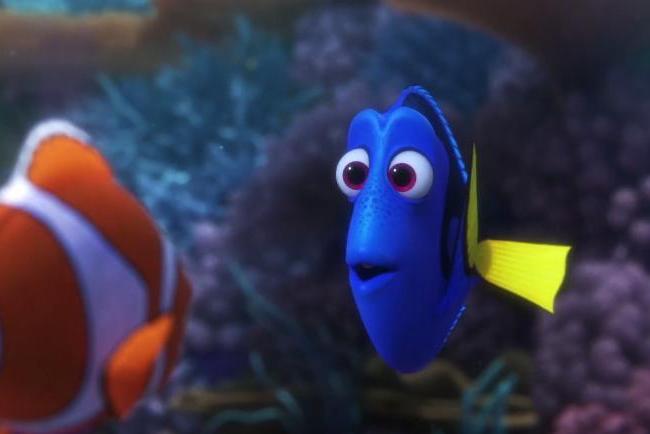
    Dory, a loveable blue tang fish with short term memory loss, heads across the Pacific Ocean in search of the parents she forgot one year following the events of “Nemo.” When she loses her way and is captured by a California aquarium, her clownfish friends Marlin and Nemo must come to her rescue and help Dory reunite with her family.

    Though the plotline is a little bit on the nose given its incredibly similar narrative to the first film, “Dory” is otherwise a perfect family-friendly animated film and surprisingly improves on “Nemo” at nearly every turn.

    With more of the spotlight on Dory this go-round, Ellen Degeneres is spectacular voicing the charming, yet aloof star and elevating the material from writer/director Andrew Stanton to the next level. More than a decade later, Degeneres’ vocal performance in “Nemo” is still the main highlight of one of Disney/Pixar’s most iconic film and she’s even better in an expanded role.

    Many critics have argued for the inclusion of a voice performance in acting category nominations at the annual Academy Awards and few efforts seem more perfect for honoring than Degeneres. The way she is able to infuse Dory with wonder, confusion, heart, humor and life simply by reading words on a page is remarkable. 

    Voice actors have the seemingly impossible task of bringing a story to life without benefit of seeing the scene they’re acting in, with animators designing each character around a pre-recorded vocal performance. Dory’s visual demeanor, attitude and vibrancy on screen is equally attributable to Degeneres’ imagination and acting. No voice actor has been more instrumental to the overall success of their film than Degeneres to “Nemo” and “Dory.”

    Albert Brooks returns to voice Dory’s fatherly friend Marlin, while Hayden Rolence takes over the part of Nemo from Alexander Gould, whose voice has deepened since “Finding Nemo” premiered in 2003. Neither character is as fully developed in “Dory” as Stanton rightly focuses most of the storyline on Dory’s quest and introduces several new characters to the mix.

    “Dory” also sports an impressive supporting cast including Diane Keaton and Eugene Levy as Dory’s parents, Kaitlin Olson as a near-sighted whale shark and Ty Burrell as a beluga whale. Veteran television star Ed O’Neill voices disgruntled octopus Hank, who begrudgingly forms a friendship with Dory. 

    Among the newcomers to the film, O’Neill stands out as the highlight, perfectly matching Degeneres step for step as Hank and Dory make their way through the aquarium. Pixar gives Hank a chameleon-like ability to blend into any background, which stands as the most visually impressive part of a stellar cinematic experience.

    “Finding Dory” is also buoyed by what is likely to be next year’s Academy Award winner for best animated short with “Piper,” the most visually stunning piece of animation in years.

    “Piper” follows a baby sandpiper bird learning about water along a beach, something that doesn’t in and of itself seem all that remarkable. The true brilliance of “Piper” is when audiences realize that they’re watching animation and not something filmed by Disneynature. The short’s director, Alan Barillaro, spent years fine-tuning flawlessly realistic animation of the tiny sandpiper with additional care taken to every feather. “Piper” pairs amazingly well with “Dory” to create a sublime movie going experience.

    Well worth the price of admission, “Finding Dory” is sure to be an iconic animated film on the same level as “Finding Nemo” before it and should be the front-runner to take home the Academy Award for best animated film over Disney’s “Zootopia” and a promising slate of family-friendly films still to be released later this year.

    Ordering tickets online well in advance of show time is highly recommended as “Dory” is going to be one of those films audiences return to see multiple times in theaters, especially families with small children. An instant classic, “Finding Dory” is more than your typical kids’ movie and a must-find for moviegoers of all ages.

  • 10 Cloverfield Lane: Claustrophobia inducer a surprise hit

    10 Cloverfield Lane: Claustrophobia inducer a surprise hit

    Eight years ago, a surprise hit film came out of nowhere to wow viewers with its unique found-footage style adaptation of the classic monster movie genre.

    The film, “Cloverfield,” had a grandiose, epic feeling that pervaded the movie from start to finish, while new release “10 Cloverfield Lane” – dubbed a “blood relative” to the 2008 monster movie by producer J.J. Abrams – couldn’t be farther from its spiritual sibling.

    Confined to small, terror-inducing spaces deep underground, “10 Cloverfield Lane” is a cinematic master course in paranoia, evoking the best elements of a “Twilight Zone” episode and Alfred Hitchcock’s “Rear Window” at the thriller’s high points.

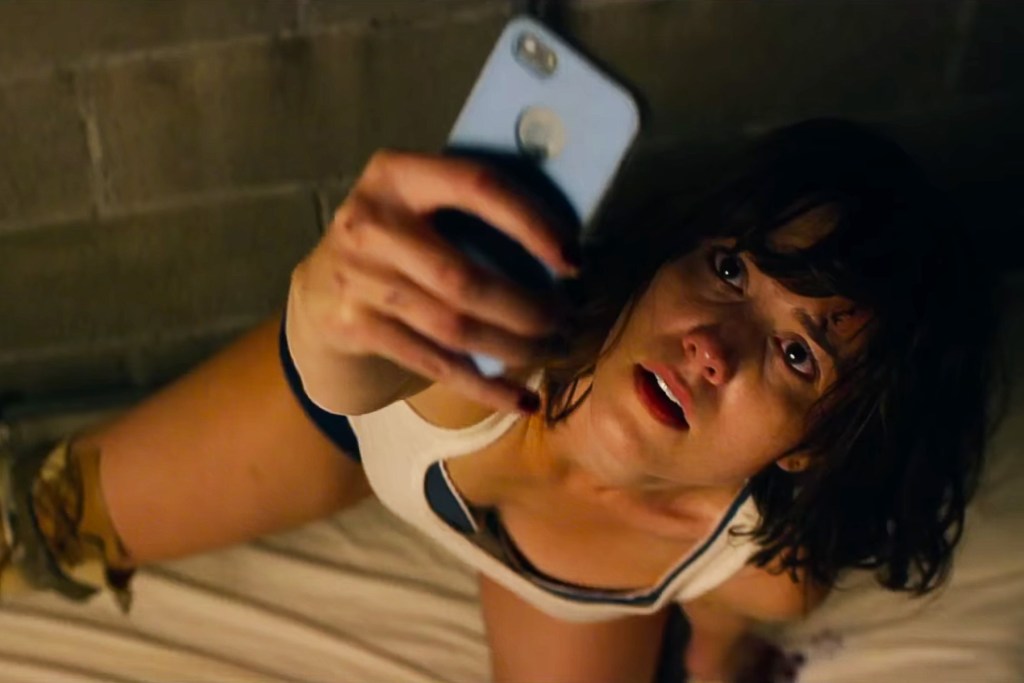
    Indie darling Mary Elizabeth Winstead stars as Michelle, a woman who awakes from a car accident chained to a wall in an unknown location. Her captor Howard, played by a mesmerizing John Goodman, believes he has saved her from the impending apocalypse by hiding in an emergency bunker outside his rural farm house.

    What ensues is about 80 minutes of a scintillating dramatic thriller with Michelle and fellow captive Emmet attempt to figure out whether Howard is friend or foe and more importantly, whether or not the world is ending.

    It’s important for viewers to know as little as possible heading into “10 Cloverfield Lane” and watching 2008’s “Cloverfield” doesn’t affect the viewing experience either way. The two films, aside from name alone, are polar opposites visually and structurally, with the new “Cloverfield” incarnation ultimately being a much better film overall.

    A mainstay on the indie film circuit, “10 Cloverfield Lane” could represent a breakout moment for Winstead, whose Michelle is incredibly easy to get behind as a viewer. These seemingly generic “damsel in distress” roles can be easily overplayed and become caricatures, but Winstead effortlessly provides Michelle with a level of authenticity not typically found in either the thriller or horror genres that “10 Cloverfield Lane” toes the line between.

    While not on the same level as Brie Larson’s more showy Oscar-winning performance as a woman in captivity in last year’s “Room,” Winstead gives the film a proper balance and keeps “10 Cloverfield Lane” from being too much about Goodman’s stellar supporting work or the film’s looming (and largely disappointing) end.

    Annual award shows typically never recognize quality cinematic work in psychological thrillers and despite a nomination-worthy supporting performance, Goodman won’t get the recognition he deserves as Howard. The veteran character actor layers Howard with equally convincing moments viewers will believe he is either sinner or saint, Michelle’s captor or her savior.

    A performance like this has always seemed to be right at Goodman’s fingertips, though he’s never been as captivating in bigger films like “Argo” or “O Brother, Where Art Thou?” as he is in “10 Cloverfield Lane.” Director Dan Trachtenberg’s choice to use extreme tight shots, closing viewers into confined spaces, helps make Goodman’s domineering size and powerful performance all the more intense.

    While “10 Cloverfield Lane” is primarily a two-handed film between Winstead and Goodman, John Gallagher Jr. offers a compelling supporting performance as fellow captive Emmet and Oscar nominee Bradley Cooper has a small, voice-over cameo as Michelle’s boyfriend.

    The film only falters in its final moments, when it largely abandons the visual and narrative structure Trachtenberg has created for a poorly sequenced, generic ending more befitting a second-rate horror movie. The insistence on tying this “spiritual sequel” back to its predecessor in name alone totally changes the entire tenor of the film, and not for the better.

    Visually, Trachtenberg creates a dynamic environment for Goodman and Winstead to play in, keeping the pressure on from moment to moment thanks to gripping close-up shots and expertly lit spaces. The film’s cinematic homage to “Die Hard” with Winstead crawling through air vents like Bruce Willis was an especially welcome touch.

    “10 Cloverfield Lane” ultimately suffers from being 10 minutes too long, with the claustrophobia-inducing film on track to be one of the year’s best films only to shoot itself in the foot at the very last second.

    Though almost nothing like its cinematic relative “Cloverfield,” “10 Cloverfield Lane” is worth a trip to theaters if for no other reason to experience Winstead and Goodman verbally duke it out in close quarters.

  • Zootopia: Animals live out loud in instant Disney classic

    Zootopia: Animals live out loud in instant Disney classic

    There’s something for everyone with Disney’s latest animated classic, “Zootopia,” which arrived in theaters Friday.

    The appeal for children should be obvious as kids will be drawn to the vibrant world of the film, where animals of all shapes and sizes co-exist in harmony, while behaving and working like human beings.

    Parents will get to revel in all of the subtle (and not so subtle) hidden jokes stashed throughout as the film goes out of its way to make “Zootopia” equally appealing for adults. For example, a large subplot of the film parodies Marlon Brando’s larger than life character in “The Godfather” and is one of the best comedic representations of the gangster classic ever.

    “Zootopia” offers a complex, wonderfully developed world filled a nearly unlimited assortment of animals as viewers follow a young rabbit named Judy as she struggles to become, and later fit in, as a police officer in the big city of Zootopia.

    Paired with a con-artist fox and tasked with tracking down a missing otter, Judy’s adventure is one part buddy cop flick and two parts vintage film noir, mixed in Disney’s superior animation style and littered with top notch vocal talent.

    Visually, the film from directors Byron Howard and Rich Moore and co-director Jared Bush is vivid and dynamic with each district within “Zootopia” having its own distinct cinematic style. Rural Bunnyburrow feels lifted straight from early spring advertisements for Peeps while the Rainforest District is dark and drips of tension pulled from “The African Queen.”

    Every single frame of “Zootopia” is littered with immense detail, both in the technical wizardry required to create the film and within the countless Easter eggs for fans to chuckle at during inevitable second, third, or 50th viewings of the film in theaters or at home.

    Ginnifer Goodwin of the television show “Once Upon a Time” is refreshing and charming as the voice of Judy, while Jason Bateman is ideally cast as the slick, wisecracking fox Nick Wilde. Their banter propels “Zootopia” through both hilarious and emotional moments; Goodwin and Bateman both prove more than up for the task.

    The film’s talented ensemble cast astounds as well, led by Idris Elba as a water buffalo who’s chief of police, Octavia Spencer as a grieving otter, J.K. Simmons as a lion elected mayor of Zootopia and indie comic Jenny Slate as a meekly sheep serving as assistant mayor.
    https://m.youtube.com/watch?v=zQ2XkyDTW34
    Messages run deep within “Zootopia,” led by the universally understood “anyone can be anything they want to be” that propels Judy on her journey to become a police officer despite skepticism from everyone around her.

    Disney also tackles diversity issues head-on with great success, using the film’s central storyline to explore topics such as racial profiling and stereotyping. “Zootopia” focuses on the concept of predators versus prey – where 90 percent of mammals are prey and only 10 percent are predators – to help make well designed points about acceptance and inclusion.

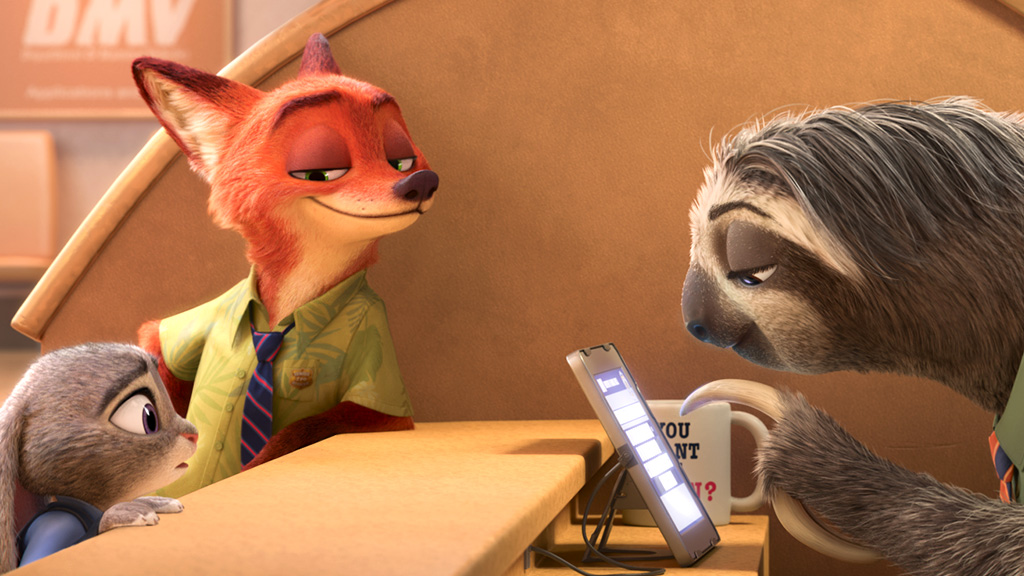
    There are numerous stereotypes within “Zootopia,” but universally they are about the jobs the animals hold and done for comedic effect. Bateman’s slick fox opens the film as a hustler, the workers at the Department of Mammal Vehicles (DMV) are slow-moving sloths and there’s a terrific “blink-and-you’ll-miss-it” joke about bankers being lemmings that will have fans of Oscar nominee “The Big Short” rolling in their seats.

    Along with “Frozen” and “Big Hero 6” before it, Walt Disney Animation Studios continues an astounding trend of producing most of the decade’s best animated films and represents the studio’s best three-picture run since the early 90s brought viewers “Beauty and the Beast,” “Aladdin” and “The Lion King.”

    Parents and children of all ages will enjoy this layered, hilarious entry into the family friendly film genre and a movie sure to give the long anticipated sequel to “Finding Nemo” – the aptly titled “Finding Dory” – a run for its money when that Pixar film arrives this summer.

    Regardless of genre, “Zootopia” is perhaps the most complete film to arrive so far in 2016 and without a doubt is a can’t miss experience for young and old alike in theaters.

  • Room: A whole world in a small space

    Room: A whole world in a small space

    Odds are good that audiences don’t know much about Brie Larson before stepping into a theater to watch the critically acclaimed drama Room.

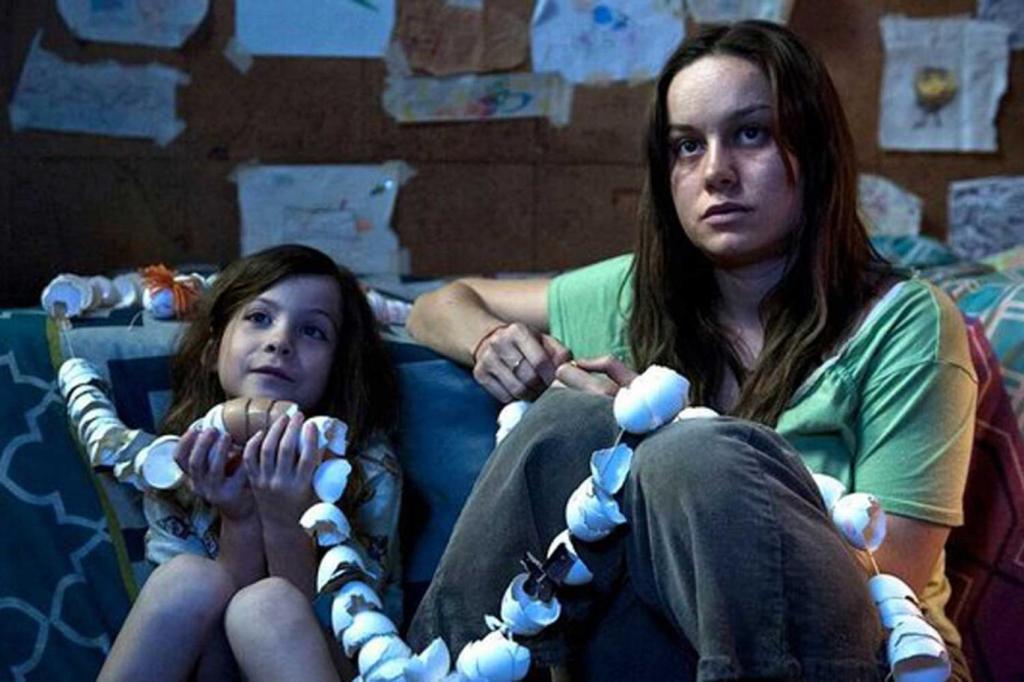
    Larson, who’s been a scene stealer in comedies like Trainwreck and an indie darling with Short Term 12, takes a major step toward stardom in director Lenny Abrahamson’s drama as Ma, a 24-year-old woman kidnapped and held in a shed for seven years.

    Constantly raped by her captor Old Nick – played by an efficiently creepy Sean Bridgers – Ma’s world changes with the arrival of her son Jack, portrayed by the stunning Jacob Tremblay, who singlehandedly keeps Room from becoming too dark and twisted for a wide audience. The film will easily remind viewers on an emotional level of the famous kidnappings of Elizabeth Smart and Amanda Berry, but does not approach this fictional account on as harrowing a level.

    Screenwriter Emma Donoghue – adapting her own 2010 novel for film – finds the right balance by placing audiences in Jack’s shoes, following the young boy as he lives in the only world he knows, unaware of the wide world outside nor how Ma came to live in the shed, which he simply calls Room.

    The scene early in the film where Ma attempts to explain how things really are after years of tricking Jack is one of 2015’s five best moments in cinema. Equally touching and heartbreaking, Larson’s performance in this scene is what will likely lock up a win later this month for Best Actress at the Academy Awards.

    Nine-year-old Tremblay is an absolute revelation as Jack, offering up the best performance by a child actor since Natalie Portman’s turn as a young girl taken in by a hitman in 1994’s Leon: The Professional. The entire film hinges on having Tremblay guide viewers through his world – which to audiences seems like a cramped room, but to Jack, is an entire universe.

    Tremblay gives Jack such an authentic wonder and innocence that it’s impossible not to be taken in by Room, a film made with such finesse that otherwise dark subject matter doesn’t weigh down audiences.

    The family dynamic between Ma and Jack works because of Larson’s undying commitment to follow Tremblay’s lead wherever the material takes them. The balance between the pair is refreshingly dynamic. More reaction than action, Larson plays off Tremblay with absolute ease and subtlety, offering harrowing realism to Jack’s childhood wonder.

    As an audience member, there’s an immediate sense of constraint early in Room, but never to the point of feeling trapped, which is a massive credit to Donogue as writer, Abrahamson as director and Tremblay as performer.

    The cinematic twist that occurs midway through Room, heart-wrenching and gripping as it may be, should be left unspoiled for first-time audiences, though the welcome addition of veteran character actors Joan Allen and William H. Macy in the second half of the film give Abrahamson’s film added dimension. Allen especially gives a gripping performance as Ma’s mother living outside of Room, providing a terrific emotional counter-balance to Larson.

    Confined to such a small space, Abrahamson and cinematographer Danny Cohen make the world of Room come alive with nuanced camera work and production design that make individual elements of the room feel like their own worlds, reinforcing Jack’s attachment to individual items in the room like (in Jack’s words) wardrobe, sink, skylight and chair number one.

    The use of ultra wide angle lenses when shooting inside Room allow viewers to see Jack’s world the way he sees it, allowing audiences to remember how the small places where children often grow up don’t feel small, but rather large to children.

    When the entire world fits inside a 10 by 10 box, everything grows proportionally larger in scale. Pulling that off cinematically is a difficult thing to do, and the team of Abrahamson and Cohen nail it perfectly.

    With a star-making and likely Oscar-winning performance from Larson, a tremendous young actor in Tremblay and subtle, effective direction from Abrahamson, Room is one of the 10 best films to be released in 2015 and a must-see in theaters before the Academy Awards on Feb. 28.

  • Academy Awards Preview: Picks to win and a shoutout to the boys at Filmventure

    Academy Awards Preview: Picks to win and a shoutout to the boys at Filmventure

    Most years, picking Academy Award winners can be pretty straightforward. There’s a movie that’s heads and tails above the rest and you can hit a pretty high percentage of correct predictions by picking that movie as the winner in every category it’s eligible in. You’re not going to hit them all, but that’s okay.

    2015 isn’t one of those years because instead of one lead movie, you could make a reasonable argument for four different films – the Leonardo DiCaprio led The Revenant, the Matt Damon led The Martian, George Miller’s post-apocalyptic adventure Mad Max: Fury Road and the journalism ensemble film Spotlight – to be the presumptive favorite.
    image

    Those who have taken the time to read my Best of 2015 column can probably guess where I’m coming from with many of these selections and it’s a good piece to accompany this one when filling out your Academy Award ballots. You can read it at https://m.facebook.com/notes/cinematic-considerations/2015-a-cinematic-year-in-review/890223587752295/?refid=17&_ft_=top_level_post_id.890223587752295%3Atl_objid.890223587752295

    If you absolutely can’t get enough Oscars talk – and I know I can’t – check out this podcast from Hill Country Film Festival alumni filmmaker Nathan Crenshaw and his podcasting partner Kory Hill. The Filmventure podcast is a great fun ride to listen to and gets my highest recommendation for those times you’re driving around town and need something enjoyable to listen to. Check them out at http://filmventure.libsyn.com. Episode 23 is their Oscar nominations pod.

    I’ve included their picks to win if you don’t have time to check out their podcast, which you should do anyway. You can sleep when you’re dead.

    Writing (Original Screenplay): Bridge of Spies, Ex Machina, Inside Out, Spotlight, Straight Outta Compton

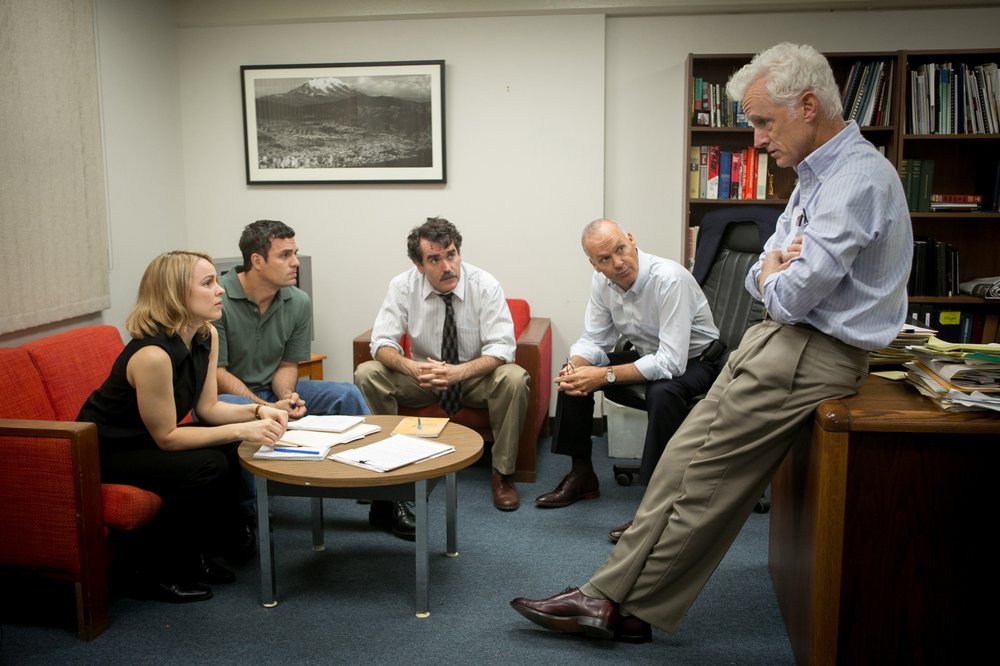
    This category is ultimately a two horse race with Best Picture contender Spotlight leading the way and sci-fi thriller Ex Machina on the outside. The underappreciated Straight Outta Compton blew everyone away with how well of a film it actually was as opposed to how bad it could have been and is just as much of a surprise as the sleeper hit Ex Machina, if not more so.

    Filmventure says: Nathan picks Spotlight, Kory picks Ex Machina

    Will win: Spotlight

    Should win: Straight Outta Compton

    Writing (Adapted Screenplay): The Big Short, Brooklyn, Carol, The Martian, Room

    It’s strange to think that neither of the leading contenders for Best Picture – Mad Max: Fury Road or The Revenant – received an adapted or original screenplay nomination since that typically feels like a given based on Oscar history. What is left in the adapted category is a wide assortment of top films that all have winner potential, but this award has to go to a film that took overly complex financial concepts and made them understandable for wide audiences.

    Filmventure says: Nathan picks Room, Kory picks The Martian

    Will win: The Big Short

    Should win: The Big Short

    Visual Effects: Ex Machina, Mad Max: Fury Road, Star Wars: The Force Awakens, The Martian, The Revenant

    A lot of CGI work was done by four of the nominees in this category, but only one used 90 percent practical effects to mesmerize audiences, making George Miller’s post-apocalyptic epic a no-brainer.

    Filmventure says: Nathan picks Star Wars: The Force Awakens, Kory picks Mad Max: Fury Road

    Will win: Mad Max: Fury Road

    Should win: Mad Max: Fury Road

    Sound Mixing: Bridge of Spies, Mad Max: Fury Road, The Martian, The Revenant, Star Wars: The Force Awakens

    Variety has a fantastic primer online that explains the intricacies of sound mixing and sound editing and what makes them different. They also rightly make the case for more technical awards for George Miller’s movie. Check it out at http://variety.com/2016/artisans/production/oscars-sound-editing-mixing-explained-1201682457/

    Filmventure says: Nathan and Kory pick Mad Max: Fury Road

    Will win: Mad Max: Fury Road

    Should win: Mad Max: Fury Road

    Sound Editing: Mad Max: Fury Road, The Martian, The Revenant, Sicario, Star Wars: The Force Awakens

    Filmventure says: Nathan picks Mad Max: Fury Road, Kory picks Star Wars: The Force Awakens

    Will win: Mad Max: Fury Road

    Should win: Mad Max: Fury Road

    Short Film (Live Action): Ave Maria, Day One, Everything Will Be Okay, Shok, Stutterer

    Short films are such a crap shoot for 99.9 percent of Americans (like me) because we haven’t seen any of them. This is just a guessing game.

    Filmventure says: Nathan picks Day One, Kory picks Shok

    Will win: Everything Will Be Okay

    Short Film (Animated): Bear Story, Prologue, Sanjay’s Super Team, We Can’t Live without Cosmos, World of Tomorrow

    Sanjay’s Super Team debuted in front of the Pixar film The Good Dinosaur and World of Tomorrow is on Netflix, but again, total crapshoot.

    Filmventure says: Nathan and Kory pick World of Tomorrow

    Will win: We Can’t Live without Cosmos

    Production Design: Bridge of Spies, The Danish Girl, Mad Max: Fury Road, The Martian, The Revenant

    It’s a shame that Brooklyn isn’t nominated here over Bridge of Spies with its superior vintage feel, but the film is way underappreciated as a whole. This is either Mad Max or The Revenant with an outside shot for The Martian.

    Filmventure says: Nathan and Kory pick The Revenant

    Will win: Mad Max: Fury Road

    Should win: The Revenant

    Music (Original Song): Earned It from Fifty Shades of Grey, Manta Ray from Racing Extinction, Simple Song #3 from Youth, Writing’s On The Wall from Spectre, Til It Happens To You from The Hunting Ground

    Do yourself a favor and Google Spectre, the unreleased title track from the Bond film of the same name by Radiohead. It’s the best song associated with the latest James Bond movie and FAR superior to the whiny, bland Sam Smith song Writing’s on the Wall that will ultimately take this category. Diane Warren plus Lady Gaga for Til It Happens to You is a great combination among the actual contenders.

    Filmventure says: Nathan and Kory pick Writing’s on the Wall

    Will win: Writing’s on the Wall

    Should win: Til It Happens to You
    image

    Music (Original Score): Bridge of Spies, Carol, The Hateful Eight, Sicario, Star Wars: The Force Awakens

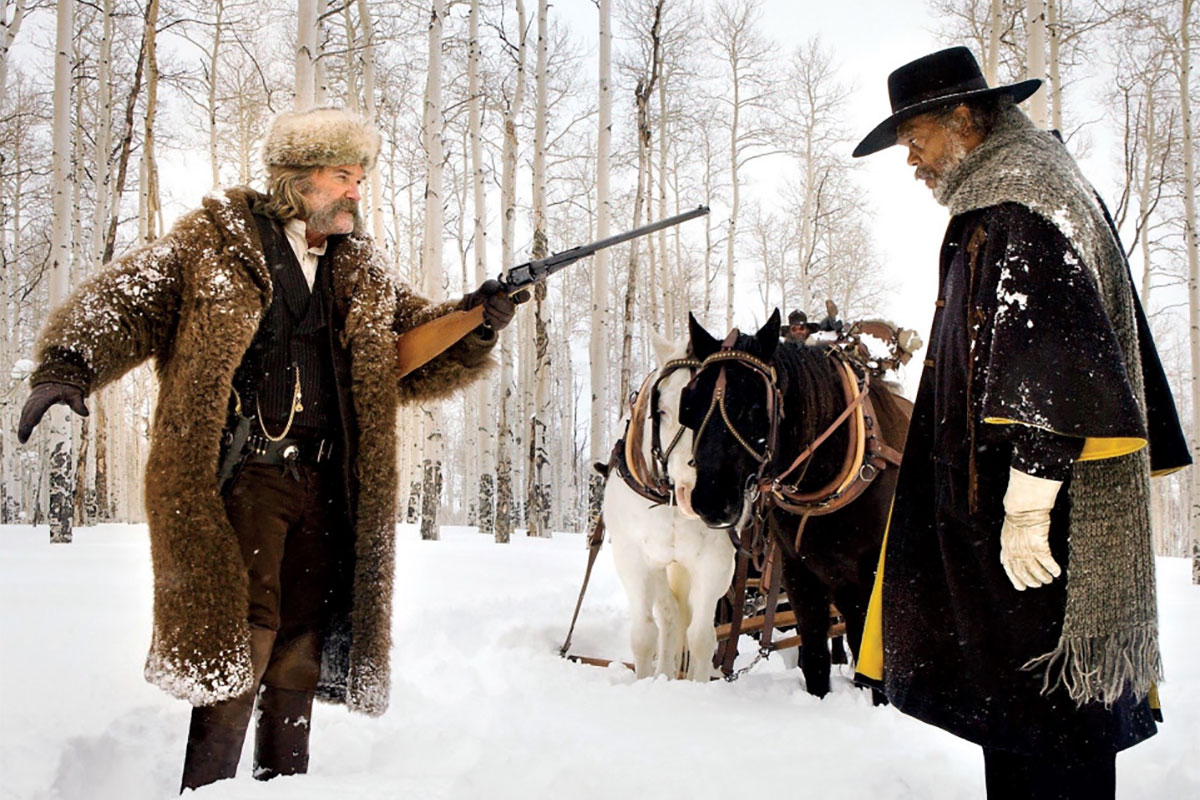
    Legendary composer Ennio Morricone, known for his iconic scores to the Clint Eastwood Man with No Name trilogy and Once Upon a Time in America, has never won an Academy Award in this category despite five decades of masterful work. This feels like a sure thing.

    Filmventure says: Nathan and Kory pick The Hateful Eight

    Will win: The Hateful Eight

    Should win: The Hateful Eight

    Makeup and Hairstyling: Mad Max: Fury Road, The 100-Year-Old Man Who Climbed Out The Window and Disappeared, The Revenant

    There’s only two options of note here and either could win, but my bet is that voters will appreciate the more striking makeup of Mad Max over the more subtle looks of The Revenant.

    Filmventure says: Nathan and Kory pick Mad Max: Fury Road

    Will win: Mad Max: Fury Road

    Should win: Mad Max: Fury Road

    Foreign Language Film: Embrace of the Serpent, Mustang, Son of Saul, Theeb, A War

    Nobody has really seen any of these movies, especially your average Oscar voter, and the win will go to the film that everybody has heard of since it’s on an awards winning streak.

    Filmventure says: Nathan and Kory pick Son of Saul

    Will win: Son of Saul

    Film Editing: The Big Short, Mad Max: Fury Road, The Revenant, Spotlight, Star Wars: The Force Awakens

    Perhaps the most underrated element of The Big Short is how rapidly the film jump cuts through scenes and uses superior editing to help set viewers up in the time period with quick snippets of pop culture references. It’s also the nominee easiest to pick out the work of the film editor, which helps voters who don’t normally pay attention to the way a film is pieced together.

    Filmventure says: Nathan picks The Big Short, Kory picks The Revenant

    Will win: The Big Short

    Should win: The Big Short

    Documentary (Short Subject): Body Team 12, Chau beyond the lines, Claude Lanzmann: Spectres of the Shoah, A Girl in the River: The Price of Forgiveness, Last Day of Freedom

    Hey, here’s a crapshoot.

    Filmventure says: Nathan picks Body Team 12, Kory does not pick

    Will win: Last Day of Freedom

    Documentary (Feature): Amy, Cartel Land, The Look of Silence, What Happened Miss Simone?, Winter on Fire: Ukraine’s Fight for Freedom

    Perhaps the best slate of documentaries in quite some time, this year’s Oscar nominees pack a lot of firepower, from the dynamic biography of Amy Winehouse filled with exclusive performances and home movies to the spectacular looks at the war against a Mexican drug cartel in Cartel Land and peaceful student revolutionaries in Winter on Fire.

    The boys from Filmventure, mainly Kory, are wrong when they make it sound like these films aren’t worth watching. Some of the year’s best filmmaking can be found in this category and three of the nominees – Cartel Land, What Happened Miss Simone? and Winter on Fire – can all be found on Netflix.

    Filmventure says: Nathan picks The Look of Silence, Kory does not pick

    Will win: Amy

    Should win: Amy

    Directing: Adam McKay for The Big Short, George Miller for Mad Max: Fury Road, Alejandro Inarritu for The Revenant, Lenny Abrahamson for Room, Tom McCarthy for Spotlight

    Let’s start with the elephant in the room here. No Ridley Scott in this category is a downright shame, especially since The Martian was absolutely dominant at the box office AND was one of the three best films of the entire year. It’s a snub at the same level as Ben Affleck getting passed over for Argo. Absolutely no reason for it.

    That being said, this category should be simple, but isn’t. Alejandro Inarritu would have won this category hands down if he wasn’t just coming off a win in the category last year. There’s too many other talented directors in this category for a repeat. George Miller created a world unlike anything we’ve seen in Mad Max: Fury Road, a movie nobody saw coming until Cannes.

    But this will be a major surprise win for Adam McKay, who helmed a film based on economic concepts the vast majority of Americans still don’t understand.

    Not only does The Big Short make credit default swaps, mortgage bonds and massive fraud on Wall Street relatable for the average viewer, but it’s entertaining as hell to boot. The film’s upset win at the Producers Guild Awards could be a preview of major surprises to come.

    Filmventure says: Nathan and Kory pick George Miller

    Will win: Adam McKay (in a massive upset)

    Should win: Alejandro Inarritu

    Costume Design: Carol, Cinderella, The Danish Girl, Mad Max: Fury Road, The Revenant

    Again, this is another category that Brooklyn deserves to earn a nomination for, but among the actual nominees, a win for Mad Max or The Revenant could foreshadow a Best Picture win. Probably, this will be an opportunity for the Academy to honor Carol or The Danish Girl, which will likely be shut out of the acting awards.

    Filmventure says: Nathan and Kory pick Cinderella

    Will win: Carol

    Should win: The Revenant

    image

    Cinematography: Carol, The Hateful Eight, Mad Max: Fury Road, The Revenant, Sicario

    Emmanuel Lubezki – winner in this category the last two years for Gravity and Birdman – will win again. The expert use of natural lighting in The Revenant far outshines all the other nominees in the category. Just watch a trailer. You will agree.

    Filmventure says: Nathan and Kory pick The Revenant

    Will win: The Revenant

    Should win: The Revenant

    Animated Feature Film: Anomalisa, Boy and the World, Inside Out, Shaun the Sheep Movie, When Marnie was There

    One of these days, it will be easier to choose a winner in this category when all the nominees are widely available. This year is not one of those years, but thankfully, the front runner and eventual winner is the biggest animated film of 2015, Inside Out.

    Filmventure says: Nathan picks Anomalisa, Kory picks Inside Out

    Will win: Inside Out

    Should win: Inside Out

    Actress in a Supporting Role: Jennifer Jason Leigh for The Hateful Eight, Rooney Mara for Carol, Rachel McAdams for Spotlight, Alicia Vikander for The Danish Girl, Kate Winslet for Steve Jobs

    Jennifer Jason Leigh gets the absolute crap knocked out of her all throughout Quentin Tarantino’s The Hateful Eight and while the performance will have its supporters, the film as a whole feels far too violent and brutal for Leigh to get the serious consideration she deserves.

    Ultimately this will be a two-horse race between Alicia Vikander for The Danish Girl and Kate Winslet for Steve Jobs. Even though Winslet won the Golden Globe, Vikander may be the favorite for a performance few Americans outside the Academy have seen.

    Filmventure says: Nathan and Kory pick Alicia Vikander for The Danish Girl

    Will win: Kate Winslet for Steve Jobs

    Should win: Jennifer Jason Leigh for The Hateful Eight

    Actor in a Supporting Role: Christian Bale for The Big Short, Tom Hardy for The Revenant, Mark Ruffalo for Spotlight, Mark Rylance for Bridge of Spies, Sylvester Stallone for Creed

    Sylvester Stallone will be the sentimental choice here for his solid performance as his famed boxed Rocky Balboa in Creed. The Academy’s desire to honor a film with diversity following the events of #OscarsSoWhite should help propel this performance to a win.

    That being said, Tom Hardy is an absolute revelation as the antagonist fur trapper Fitzgerald in Alejandro Inarritu’s The Revenant in a performance that few are talking about with Leonardo DiCaprio’s run at a first Oscar win and the stunning visuals dominating every conversation about the year’s best film.

    Filmventure says: Nathan and Kory pick Sylvester Stallone for Creed

    Will win: Sylvester Stallone for Creed

    Should win: Tom Hardy for The Revenant
    image

    Actress in a Leading Role: Cate Blanchett for Carol, Brie Larson for Room, Jennifer Lawrence for Joy, Charlotte Rampling for 45 Years, Saoirse Ronan for Brooklyn

    Brie Larson is a terrific actress and sneaky good in the Amy Schumer-led Trainwreck. She’s also the presumptive winner for Best Actress for her performance in Room and nothing I say can dispute that, since like most of America, I haven’t seen the film myself. Larson is winning this category at every awards show around, so this should be simple.

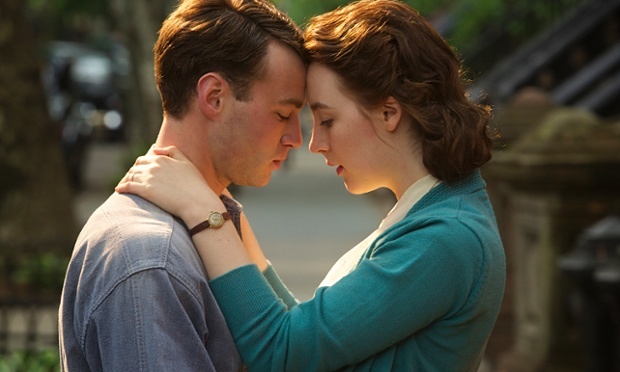
    Saoirse Ronan (it’s pronounced ser-sha, like inertia) offers the year’s best performance by a female, leading or supporting, that I’ve seen for her work in the romance film Brooklyn and it’s just a shade below DiCaprio for the year’s single best performance. Run see this film as soon as you can.

    Filmventure says: Nathan and Kory pick Brie Larson for Room

    Will win: Brie Larson for Room

    Should win: Saoirse Ronan for Brooklyn

    Actor in a Leading Role: Bryan Cranston for Trumbo, Matt Damon for The Martian, Leonardo DiCaprio for The Revenant, Michael Fassbender for Steve Jobs, Eddie Redmayne for The Danish Girl

    In another year, Matt Damon should win for his all-encompassing performance in The Martian, a movie that just completely bombs in the hands of almost any other actor.

    But this is DiCaprio in The Revenant. Everything that needs to be said about his work in this film can be found here https://cinematicconsiderations.com/2016/01/13/the-revenant-dicaprios-lead-performance-oscar-worthy/.

    Filmventure says: Nathan and Kory pick Leonardo DiCaprio for The Revenant

    Will win: Leonardo DiCaprio for The Revenant

    Should win: Leonardo DiCaprio for The Revenant

    Best Picture: The Big Short, Bridge of Spies, Brooklyn, Mad Max: Fury Road, The Martian, The Revenant, Room, Spotlight

    Bet you won’t see this one coming.

    There’s an outside chance – I’d put it at like 20 percent – that a film many would think the studio behind the film, Paramount Pictures, is just happy to be nominated will end up winning the whole shabangabang. Don’t discount my upset special, which will need things to break right for it to have a clear shot. If Mad Max and The Revenant split votes from Academy members who can’t come to a decision on a clear-cut victor, then a secondary faction strongly behind another film may have a chance.

    That being said, a betting man would probably put their money on The Revenant, and that’s the best option on the board.

    Filmventure says: Nathan picks The Revenant, Kory picks Mad Max: Fury Road

    Will win: The Revenant

    Should win: The Revenant

    Upset special: The Big Short

  • Brooklyn: Beauty in duality

    Brooklyn: Beauty in duality

    Describing “Brooklyn” to someone who has never heard of the Oscar-nominated film based on the novel of the same name by Colm Toibin isn’t as easy of a task as one might think.

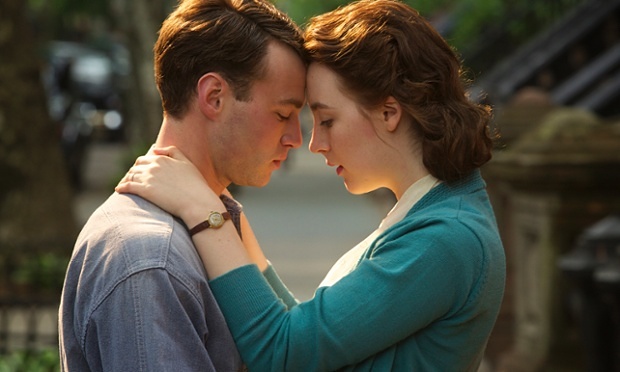
    It would be a gross over-simplification to call the film a romance period piece where a young Irish immigrant named Eilis – played by Academy Award nominee Saoirse Ronan – falls in love with an Italian-American plumber, Tony, and is torn between her life in America and her homeland, where her mother and a rich suitor await her return.

    “Brooklyn” isn’t even just a simple story of immigration following the tale of one of millions of European youth who move to America’s great melting pot of New York City during the mid 1950s. Nevertheless, director John Crowley’s film is a refreshing take on an increasingly lackluster topic in modern cinema.

    There’s a true duality about “Brooklyn” beyond choosing between Ireland and New York or an American love versus an Irish one.

    At its core, the period drama is about Eilis, a 20-something girl learning to find herself and become her own woman, and it’s about Ronan, the 21-year-old future star and two-time Oscar nominee discovering herself as an actress, all while audiences get to experience their growth and change alongside them like flies on the wall.

    image

    Ronan masters the real heart of the film – a young girl’s evolution into womanhood – within each major beat of “Brooklyn,” emoting with simple changes in facial expression during Crowley’s frequent close-ups to further Eilis’s journey ever so slightly.

    Moment by moment, Ronan breaks Eilis out of her cocoon subtly and effortlessly in such a way that audiences may not recognize how beautiful Ronan’s performance truly is on a first viewing.

    Emory Cohen, doing his best Marlon Brando impersonation, charms the hearts of both Eilis and audience members as young Italian-American plumber Tony while Domnhall Gleeson – growing in his own right as an actor with a magnificent leading role in the sci-fi indie “Ex Machina” as well as supporting roles in “The Revenant” and “Star Wars: The Force Awakens” – offers the perfect, subdued counterbalance to Cohen as Eilis’s Irish suitor Jim Farrell.

    The film also rightly surrounds Ronan with a pair of elite character actors to guide her along the way including Academy Award winner Jim Broadbent as a Catholic priest who helps Eilis travel to America.

    Julie Walters is a sensation as the brash, stern mother hen who lords over the boarding house where Eilis and several other young Irish immigrant girls stay until they find a husband.

    Walters commands the room at all times with a ruthless efficiency of Meryl Streep, but can also connect with Ronan quite tenderly in one-on-one moments and deliver side-splitting quips at the drop of a hat.

    Unlike most of the year’s best films, “Brooklyn” isn’t going to hit viewers over the head with a grand, showy entrance or fancy technical wizardry.

    Director John Crowley doesn’t swing for the fences, trying to hit a home run each and every scene. “Brooklyn” is a slow burner, a film that solidly builds on a scene to scene basis, captivating and mesmerizing audience members willing to let Ronan take their breath away.

    At key moments throughout the film, Crowley expertly focuses in on Ronan with beautifully framed close ups, allowing the viewer to peer inside Eilis’s soul and further explore her emotional transformation, which is simultaneously matched with an increasingly refined wardrobe, hairstyle and makeup.

    Crowley and his production team – criminally left out of costume design, makeup and hairstyling categories at this year’s Oscars – aid in the construction of a refined young woman step by step, scene by scene with care that sloppier directors would gloss over. That, along with Ronan’s awe-inspiring performance, elevates “Brooklyn” above typical period dramas.

    “Brooklyn” is refreshing in how quiet and simple it is as a film, especially when sidled up next to much flashier acting performances and grandiose visuals in the seven other films nominated in the Best Picture category at this year’s Academy Awards.

    The film harkens back to the golden age of cinema when films like “Singin’ in the Rain” and “A Streetcar Named Desire” dominated the big screen and this film feels pulled straight from a Hollywood soundstage in 1952, a credit to Crowley’s vision for the film.

    In spite of how layered it is as a movie, it doesn’t seem diminishing to say that “Brooklyn” is the best romantic drama since “The Notebook” more than a decade ago.

    Simply put, “Brooklyn” is classic moviemaking in its purest form, with an Oscar-worthy leading performance from Ronan and masterful storytelling worth making an effort to find in theaters.

    “Brooklyn” ranked fifth in the Cinematic Considerations Best of 2015 column, now available at http://www.facebook.com/cinematicconsiderations.

  • The Revenant: DiCaprio’s lead performance Oscar-worthy

    The Revenant: DiCaprio’s lead performance Oscar-worthy

    As you’re sitting in the theater watching Leonardo DiCaprio eating raw bison liver, it’s hard not to wonder to what lengths perhaps the greatest actor never to win an Academy Award will go in pursuit of his art.

    Once you’ve seen “The Revenant” – the closest thing to an absolute lock for a Best Picture Oscar Hollywood produced in 2015 – go online and read what sort of actual hell DiCaprio went through making the epic frontier saga of survival and revenge. It will blow you away nearly as much as the two-and-a-half hour visual masterpiece did.

    Scene by scene, you’ll watch him do something more incredulous and crazy than the last and think aloud director Alejandro Gonzalez Inarritu and his team faked it. Odds are, they didn’t. DiCaprio nearly kills himself in by far the best western film in more than two decades, with his performance as frontier scout Hugh Glass making John Wayne and Clint Eastwood look like scared little children.

    image

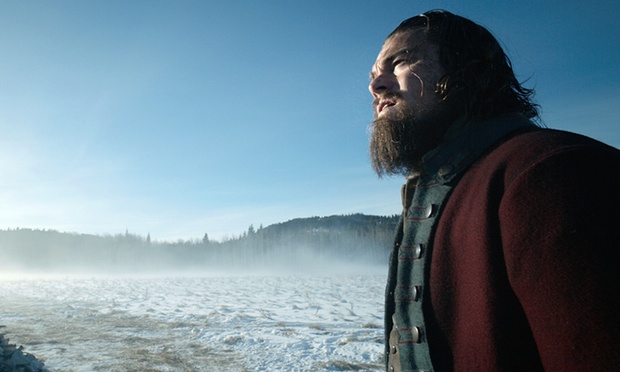
    Within every frame, DiCaprio pierces the audience with his eyes and brings them inside the soul of a frontiersman struggling with loss and pain in the most visceral of ways. His physical performance speaks novels while his mouth rarely opens to speak.

    There’s something hauntingly beautiful about the way DiCaprio is able to transform himself into a character we’ve never seen him come close to portraying before. Hugh Glass is the pinnacle of DiCaprio’s tour de force career and one moviegoers will remember him by for decades to come.

    As much as “The Revenant” is an one-man show, DiCaprio isn’t the only award worthy performer on screen. Glass’ foil as it were – Fitzgerald, the complex man who leaves Glass for dead in the middle of nowhere – is played by acting chameleon Tom Hardy, who melts away into the vigilante fur trapper. Powerful yet subdued, Hardy crushes every scene with a finesse usually found in older, more seasoned performers. Hardy not only deserves, but needs, to be nominated for his first Academy Award for the role, as his performance also elevates scenes with DiCaprio late in the film into the cinematic stratosphere.

    As expedition leader Captain Andrew Henry, Domnhall Gleeson finishes off a stellar 2015 acting run with a compelling performance in support of DiCaprio and Hardy. Gleeson, who wowed with a leading turn in sci-fi thriller “Ex Machina” and supporting roles in both “Brooklyn” and “Star Wars: The Force Awakens,” has certainly proved to be one to watch out for in the coming years.

    The only flaw within “The Revenant” – if there is one at all – comes from the film’s slow, arduous pace, which will daunt some viewers. Inarritu stretches each scene to its absolute limit visually, in the performances he pulls from his actors and even in length. It takes a deft hand to make such painstaking trials and tribulations feel emotionally rewarding to watch and the Oscar-winning director succeeds to a large extent.

    Inarritu continues the same visual style that made last year’s Best Picture winner “Birdman” so striking, with long, uncut tracking shots following the action of “The Revenant.” Though not made to look like one continuous take spread over the course of nearly three hours, scenes go by for eight to 10 minutes at a time effortlessly, most notably during a harrowing bear attack and the opening action sequence, which sees DiCaprio and his band of fur trappers attacked by a tribe of Native Americans.

    Action pulsates during this scene from gun battle to hand-to-hand combat and back again so flawlessly that it’s difficult to comprehend in the moment just how beautifully the artistry of creating that scene was possible. The opening battle favorably evokes the emotions and awe viewers felt the first time they watched U.S. troops storm the beaches at Normandy at the beginning of Steven Spielberg’s masterpiece “Saving Private Ryan.” Inarritu opts for more artistry in his work than the gritty realism of Spielberg’s WWII classic, but “The Revenant” still manages to feel authentic and immersive.

    There’s a lot of violence on screen – not to the extent as Quentin Tarantino’s self-indulgent “The Hateful Eight” – and all of it feels necessary and dynamic within real contexts, though viewers might occasionally find themselves wincing at the sight of a bloodied and beaten DiCaprio at the paws of a grizzly. The bear attack scene will likely become the film’s most iconic and is transformative in the sense that it feels less like part of a fictional movie and more like an in-the-moment observation of a genuine attack.

    The coup de grace that brings “The Revenant” together as a whole is the camerawork of director of photography Emmanuel Lubezki, a two-time Oscar winner for “Gravity” and “Birdman” and a certain nominee for the same cinematography prize this year. For all the grand bravado of George Miller’s “Mad Max: Fury Road” or Denis Villeneuve’s quiet and dark “Sicario,” you won’t find a better looking movie visually than “The Revenant,” shot entirely using natural light in cold, wide open expanses of Canada and Argentina which evoke the frontier Pacific Northwest of the film’s setting.

    Lubezki’s genius – with obvious and immense credit to Inarritu as director – pours out on screen as viewers are immersed into the world of frontier fur trappers. If it’s possible to feel cold just by watching events unfold on screen, “The Revenant” does that. Natural lighting helps put the audience in the moment in ways few other films are able to. Watching “The Revenant” on the biggest possible screen is an absolute must. Smaller screens – especially TVs and tablets – won’t do this film justice at all.

    While Inarritu, Hardy and certainly Lubezki are all worthy of accolades during this awards season, all three pale in comparison to DiCaprio’s acting masterpiece, which is in the highest stratosphere of 21st Century performances. The raw, visceral nature of his work prove without a shadow of a doubt that if DiCaprio doesn’t win an Oscar for his performance as Glass, he never will.

    Don’t make the mistake of waiting to see “The Revenant,” hoping to catch one of 2015’s four best films on DVD or Bluray months from now. Run, don’t walk to your local movie theater and catch a piece of cinematic heaven on screen.