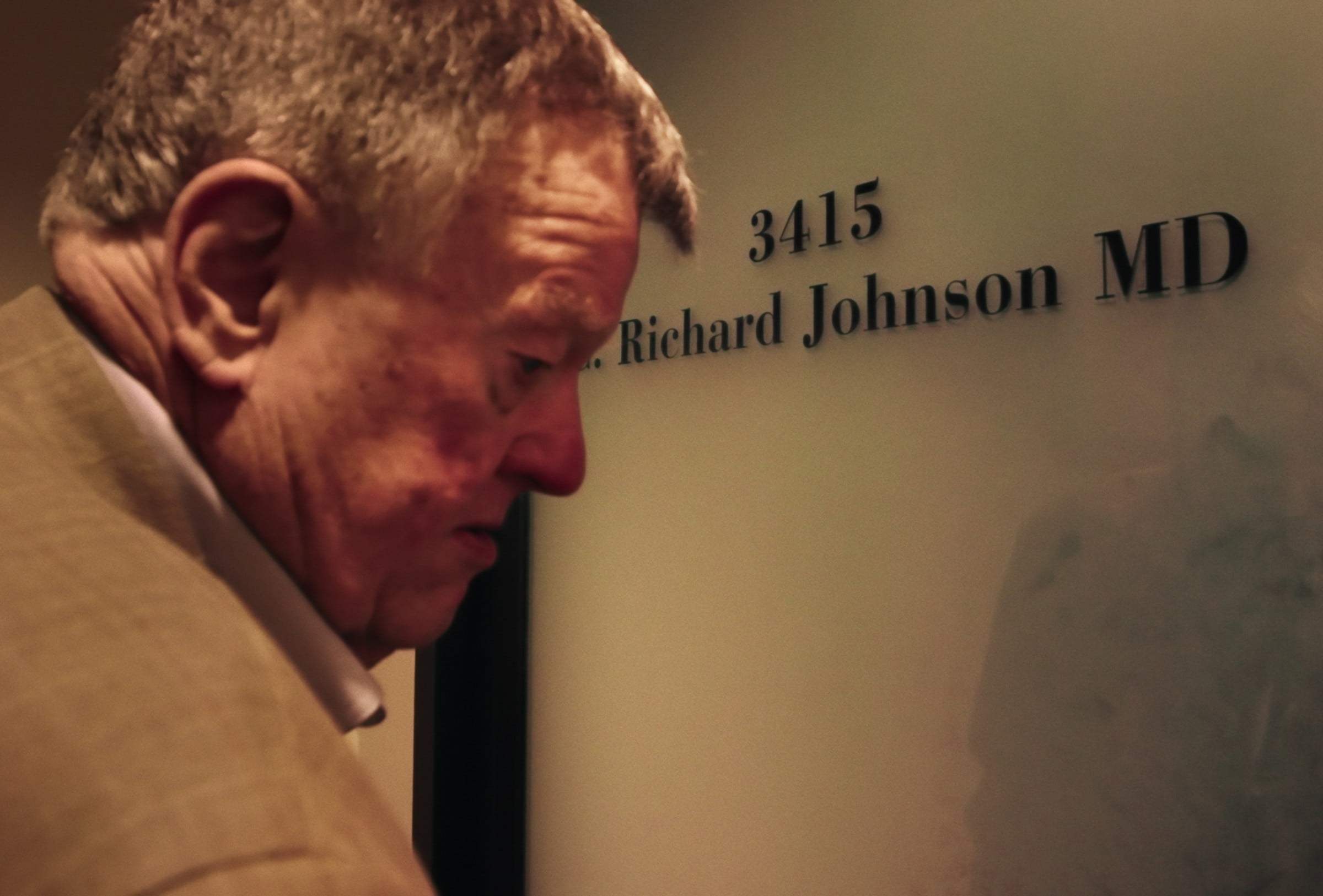

How do we confront the inevitability of death?
Without fail, everyone will ultimately succumb to their mortality, but when it’s staring you in the face, what is the best way of processing it?
More so, is there a way to best handle the looming death of a loved one?
Documentarian Kirsten Johnson tackles these questions head on in a strange, yet beautiful and uncompromising new film, Dick Johnson is Dead, which premiered on Netflix last weekend.
The feature is a wild variation from her normal work observing subjects from afar, blending intimate personal footage with fantastical hyper-reality to occasionally leave audiences questioning where the line between fiction and documentary really lies.
Filmed over the course of several years, Dick Johnson is Dead serves as a memoir to Johnson’s family as well as a portrait of a love between a daughter and her father, a recently retired Seattle psychiatrist who is moved to a small New York City apartment after being diagnosed with dementia.
Audiences are treated to this warm-hearted, jolly man in his best days and in his worst, allowing the viewer to feel the full emotional impact Kirsten feels as Dick’s memories slowly fade away from him.
Though there’s a plethora of figures in the 90-minute feature, there’s only one true character, Dick Johnson himself. Viewers watch him experience a cognitive recognition of his dementia that fades in and out and the simple joy that he personifies in his unvarnished smile radiates through the screen with a blinding glow.
It’s in his relationship with his daughter Kirsten that the documentary truly comes alive. The rapport that filmmaker and subject have are intertwined with genuine warmth that only comes from a paternal bond. Dick is only involved with the film project because of his daughter, and his enthusiastic participation throughout showcases the tender, emotional love they have for one another.
Kirsten herself becomes a character in the film in a much different way than filmmakers traditionally create for themselves. So often directors hide themselves inside their films through the eye of the camera lens – and Johnson does this to tremendous effect during showy, artistic moments – but it’s in her on-screen relationship with Dick that helps provide context.
The cinematographer-turned-director-turned-subject places herself along the side of the frame, always keeping the focus on Dick, as if everything in the world revolves around her father. It’s a caring reverence that helps endear the audience further to this genuine, affable gentleman.
Constant throughout the film is this meta-textual subplot where the Johnsons stage and film various death scenes for Dick, often with the help of stuntmen being hit by a car or falling down a flight of stairs. The director Johnson brings audiences behind the scenes as these sequences are staged – often in the middle of showing them happen – in order to keep up with an ever bending, twisting timeline.
One of Dick’s friends is overwhelmed by the strangeness that filming this feature creates, lamenting at one point that he has to “keep reminding myself that this is a movie.”
Somewhere along the way, Dick Johnson is Dead becomes a commentary on the filmmaking process, inserting the filmmaker herself into the storyline to describe how and why certain events are being included and further complicates in a richly unique way the strange marriage this film makes between fiction and documentary.
Sadly, 2020 is the perfect year for a documentary with this subject matter to arrive as the COVID-19 pandemic puts the frailty of the older population into the spotlight. While Dick Johnson is Dead would normally be on the shortlist for Oscar contention, the unusual circumstances surrounding this year’s selection process will likely guarantee Johnson’s first Academy Award nomination as a director after shooting Laura Poitras’s 2014 Oscar-winning documentary Citizenfour about NSA whistleblower Edward Snowden.
In a larger sense, Dick Johnson is Dead preserves the filmmaker’s father for immortality on the screen as Dick’s essence shines brightly even as the light in his eyes begins to fade.
The subject matter may be heavily, but it’s treated with a light humor and shown with such care that what might feel morbid actually becomes celebratory, a rare feat for such heavy material.
A major contender for the year’s best documentary film, Dick Johnson is Dead deserves a wide audience prepared for its unusual premise and subject matter and Netflix serves as an ideal way for cinephiles to stream this wonderfully quirky film as soon as possible.
Films often do a remarkable job of showcasing what disease does to a person both mentally and physically.
In 2014, Eddie Redmayne transformed himself to play Stephen Hawking struggling with early-onset ALS in an Oscar-winning role in The Theory of Everything and Julianne Moore received an Academy Award for playing a doctor diagnosed with Alzheimer’s in Still Alice.
What doesn’t usually take center stage in these sorts of films, however, is how the discovery of disease affects family members who play caretaker.
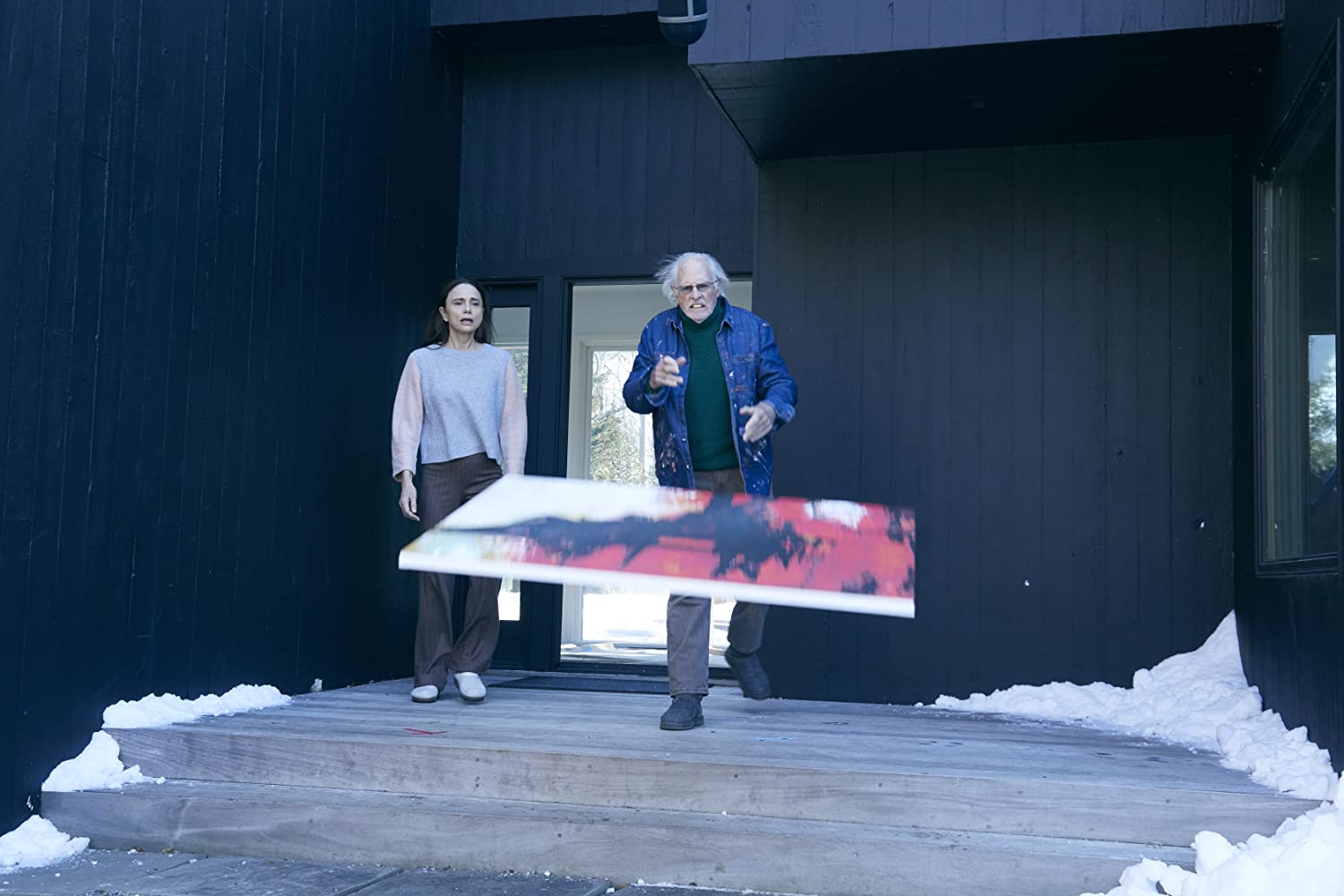
Director Tom Dolby’s latest feature, The Artist’s Wife, puts that at the forefront in a somber, yet intriguing look at a woman struggling with her own identity and self-worth while handling her successful husband’s deteroriation at the hands of dementia.
Claire must navigate helping Richard prepare for his next showcase at a major New York art gallery while trying to reconnect him with his estranged daughter before his memory of her fades.
Lena Olin carries the film with an erratic yet considered stoicism as the weight of her obligations sink her into emotional turmoil. Her Claire is passionate about her husband and outwardly plays the doting spouse only to find herself taking refuge away from Richard in the city or in conversation with anyone other than her husband.
It’s a similar, yet less showy performance than Glenn Close gave in her Academy Award-nominated turn in 2017’s The Wife, a film Dolby’s feature evokes but doesn’t attempt to copy.
As is probably expected of the role, it’s hard not to pay full attention to Bruce Dern’s Richard every time he appears on screen. Richard is by far the most demonstrative character, quickly losing all worries of social decorum or shame.
Much of The Artist’s Wife is tampered down with subtly and nuance and Dern never feels constrained in a role that acts as a release valve for all the tension Doyle builds into his screenplay. It’s a performance that isn’t bombastic beyond what appears on the page, but Dern pushes the envelope when required in a turn that might be his best since his 2013 Oscar nominated effort in Alexander Payne’s Nebraska.
Juliet Rylance – stepdaughter of Oscar-winner Mark Rylance – plays the emotionally distant, yet warm-hearted Angela with a proper sense of caution.
A film about painters has a sense of responsibility to be visually cinematic and Dolby’s feature does an effective job of steering the viewers through his narrative with a largely picturesque landscape captured effectively in wide shots that evoke some of Richard and Claire’s work without being specific.
Ryan Earl Parker’s camerawork is unobtrusive, yet less memorable in scenes with heavy dialogue as the focus shifts to the narrative drama at hand and less of the subtlety of the film’s overall themes of isolation and an artist’s drive to create.
The biggest letdown of The Artist’s Wife is an over-used, excessively melodramatic score from composer Jeff Grace that just screams “feel sad here” as an audible means to express melancholy. Luckily, Dolby pulls back on the music cues as the narrative unfolds and the film becomes less cliché, but to a large extent, the damage has already been done to reduce the overall quality of the cinematic experience.
Though it boasts Oscar nominees in both Olin (Enemies, A Love Story) and Dern (Coming Home, Nebraska), there doesn’t seem to be any awards season potential for The Artist’s Wife beyond a single nod at the Film Independent Spirit Awards in an acting or screenwriting category.
A well-intentioned film that has some genuine, quality moments, The Artist’s Wife languishes in melodrama a bit too much to justify seeking it out in its limited theatrical run or opening weekend rental on video-on-demand. When it eventually finds its way to a streaming service, that may finally be the time for casual cinephiles to check out Olin and Dern’s solid performances.

Fathers can pass a lot of things down to their sons: the love of a local sports team, good genes for height or a large inheritance.
But it’s two wildly differing concepts – violence and religious faith – that boldly intersect in writer/director Antonio Campos’s latest film, a sprawling tale of wolves in sheep’s clothing where the purity of both saints and sinners is never fully assured.
Based on the 2011 novel of the same name by Donald Kay Pollack, The Devil All The Time is a multigenerational Gothic noir thriller set on the border between Ohio and West Virginia from the 1940s through the 1960s. The film skips its way up and down the timeline but primarily focuses on a reserved young man named Arvin and how his relationship with his father, a World War II veteran, came to shape his life and the violent destiny of a wide array of characters.
Much will be made about how far away Arvin is from the Spider-Man character Tom Holland is most famous for, but what won’t be talked about enough is just how remarkably the British actor melts into the role with a subdued calm that masks brutal inner turmoil.
It’s one thing to be a master of broad facial expressions – and Holland has proved with his superhero career that he is just that – but it’s quite another to reveal so much while moving so little. Holland feels relentlessly tense in his cheekbones in a way that allows his eyes to slowly reveal Arvin’s inner monologue for his most compelling performance to date.
From the moment he appears on screen, Robert Pattinson is mesmerizing to watch as a preacher who uses his position for nefarious purposes. Pattinson imbues Preston Teagardin with a menacing, yet seductive charm that pushes audiences away only to draw them in closer.
A character actor thrust into the limelight with the Twilight films and the upcoming Batman reboot, Pattinson creates a wholly unique persona in Teagardin, a man who seems completely out of place leading a rural church but intoxicates everyone around him with his persuasive soliloquies.
What truly makes this film feel special is the strength of its ensemble cast from It star Bill Skarsgård as a troubled World War II veteran to Mia Waskiowska and Eliza Scanlen as a mother and daughter both taken by silver-tongued preachers with questionable motives.
But because the film tries to do so much and be incredibly faithful to the original novel, character development becomes thin for secondary roles like Jason Clarke and Riley Keough’s travelling serial killers or Sebastian Stan’s corrupt sheriff.
Devil doesn’t really take off until Holland’s first appearance on screen over 40 minutes in, nor does it truly shine before Pattinson’s initial crooked smile several scenes later. Campos’s film is highly rewarding for those who stay with it, but the feature becomes a grind for the first hour.
Visually, Devil showcases its rural, mid-century setting with a panoramic palette of pale colors marred with deep off-black hues shot on 35mm film by cinematographer Lol Crawley.
It’s rarely more apparent that Devil is adapting a novel than in the film’s use of narration to set the mood of scenes and reveal characters’ inner thoughts to the audience without other dialogue. Campos makes the outstanding choice of using the book’s author to give the narration throughout with Pollock perfectly capturing the tone in a supporting way that doesn’t distract from the overall feature but makes Devil a visual novel in both good and bad ways.
While there are some gruesome moments, the film puts more weight into the lead up and aftermath of its violence than on the actual acts themselves. Campos restrains the impulse to overly glorify the bloody nature of his film, dealing rather with the ramifications of individuals’ actions.
Purchased by Netflix as a potential awards contender, Devil doesn’t really seem to have the legs to hold up over a long campaign season like Spike Lee’s Da 5 Bloods.
The strong acting performances – especially a layered turn from Holland unlike anything the young actor has shown before – make The Devil All The Time an interesting and thought provoking crime thriller for those willing to stay with the lengthy setup and winding narrative structure.

A new documentary on Netflix – currently ranked as the seventh most watched film in the United States per the streaming service – openly calls for viewers not to click on recommended videos and to make choices for themselves.
It’s one of the many contradictions littered throughout director Jeff Orlowski’s strange yet insightful documentary/drama The Social Dilemma, which premiered at this year’s Sundance Film Festival before dropping on Netflix this past Friday.
Speaking with many disillusioned former executives at major technology companies like Google, Facebook and Pinterest, Orlowski lays out the framework for a compelling argument about how irresponsible management (or lack thereof) has led to relentless volatility online that spills over into real life with increased political polarization and a lack of civil discourse.
While fellow Netflix documentary The Great Hack presents big tech’s data mining issues through a political lens via Cambridge Analytica’s role in the 2016 U.S. presidential election, The Social Dilemma offers a more societal approach with a focus on the tricks and mechanics social media companies use to keep users online and engaged with their content.
The film features prominent advocates for responsible tech development led by former Google design ethicist Tristan Harris, who went on to help found the Center for Humane Technology but no current CEOs are included in the interviews. Fortunately, Facebook founder Mark Zuckerberg’s several appearances before Congress do give balance to the documentary, which often feels like a horror film.
Orlowski lays plainly the stealth ways tech companies drive the way their users think as one interviewee describes Google searches that begin with “climate change is,” noting that based on the user’s location and other collected data, what populates to fill out the suggested searches could easily vary from person to person.
The film’s biggest challenge, however, is presenting its arguments in such a way that it becomes relatable to younger audiences who may be in need of this advice more than any other generation.
Orlowski attacks this problem head-on by supplementing the traditional “talking head” segments that pervade traditional documentary filmmaking with a fictionalized account of a teenage brother and sister struggling with phone addiction, especially to social media programs that grow to shape how they view themselves and the world around them.
Within these interludes, Skyler Gizondo gives the part of Ben an often glazed over look in his eyes as if Ben is being hypnotized and emotionally manipulated by the things he watches on his phone. It’s part after school special level acting and part dramatic choice to make these segments feel like melodrama.
Audiences familiar with traditional documentary filmmaking will find these asides to be off-putting, taking them out of the flow of the narrative and making the film seem less urgent than the discussion taking place actually is.
But on the other hand, these interludes might actually be the most important part of The Social Dilemma no matter how poorly constructed or acted they are if their intended audience begins to scale back the tremendous amount of reliance on social media in their day-to-day lives.
It’s ironic that a film essentially warning its audience to leave social media is somehow also driving traffic back to the same outlets it advocates against as viewers feel compelled to see for themselves just how manipulative companies like Facebook, Instagram and Twitter are being.
There’s certainly a dynamic to where viewers will be either scrolling through their social media accounts while watching The Social Dilemma on their smart TVs or pausing the film to check out the latest goings-on while streaming on their phone.
Although the information is unevenly presented, there’s still too much compelling discussion to be had about the pervasive role of social media in modern society not to make The Social Dilemma a worthwhile entry point to a larger conversation with family members, children or close friends.

Politics is broken.
It’s the thesis statement that lies under the surface of former Daily Show host turned filmmaker Jon Stewart’s latest feature and one that evokes a gentler version of the outrage he displayed in a viral moment on CNN’s Crossfire in 2004, raking pundits Tucker Carlson and Paul Begala over the coals for hyper-partisanship ruining American democracy in his opinion.
Written in the aftermath of the 2016 U.S. presidential election, the dramatic satire Irresistible finds Stewart opining against the relentless combativeness of two-party partisan politics and influence of money over the democratic process.
To make his point, Stewart sets a pair of high-dollar strategists – Democrat hype man Greg Zimmer played by Steve Carell and Republican spin specialist Faith Brewster played by Rose Byrne – on a small, rural town in Wisconsin. Backing different candidates in a mayoral race, the film devolves into a political arms race to outspend the opponent and win by any cost.
As both screenwriter and director, Stewart places his voice silently at the center of the frame, making careful observers keenly aware of the issues he takes with political campaigns. This is especially true in a second viewing of Irresistible, where the curtains are completely drawn back and audiences can see the wizard hiding in the corner.
To the extent that it makes Stewart’s argument, Irresistible works in large part due to the talented ensemble cast led by Stewart’s former Daily Show colleague and Oscar-nominated actor Carell as Gary, a DC insider who orders “a Bud and a burger” every night for dinner at the local tavern because it’s what he believes people from Wisconsin would order and not what he actually wants.
There are flashes of idealism in Carell’s performance as Gary has moments of genuine, heartfelt desire to see his candidate win the mayoral race in the hopes of bringing a divided America together, but this is often outweighed by a dogged pursuit of a win at any cost. Carell’s excitability in the performance is moderate, yet significant like a dog feeling compelled to chase a car on instinct alone.
Byrne, on the other hand, gives Faith a very knowing charm as a no-hesitation political assassin willing to do whatever it takes to gain the upper hand in the political process. It’s clear Stewart finds fault in both sides of the aisle but expresses clear disdain for underhanded tactics from conservatives more so than from liberals in Byrne’s decidedly villainous performance.
Veteran character actor Chris Cooper gets more screen time here than he probably has in much of the last seven or eight years, leaving an immeasurable mark on the film with a subtle humility and earnestness as Jack, a retire Marine colonel who Gary recruits to run as the Democratic challenger to a popular Republican mayor.
The townspeople have a basic, almost nondescript mannerism that Irresistible essentially floats over them which plays into the notion that politicians and their consultants don’t actually listen to their constituents.
As much as Irresistible could become a Republican hit piece, Stewart’s screenplay uses both sides to show the flaws in national politics in a small, digestible scale. The writing is exceptionally biting, but not every point lands cleanly as Stewart’s direction doesn’t match the level of the dialogue.
Irresistible needed a more seasoned hand behind the director’s chair to navigate the tricky balance between satire and drama, like Barry Levinson was able to do with David Mamet’s screenplay for the similar Wag The Dog from 1997.
There are weird tonal shifts in the direction, where Stewart will repeat parts of a scene for comedic effect and then follow a character’s back through another scene. The lack of directorial style feels more like Stewart watched a movie the day before shooting each particular sequence and tried to emulate whatever directorial style he watched rather than developing his own.
A moderate success that could have been strikingly biting in its critique, Irresistible drags on a little more than a film with a 100-minute running time probably should. Now available for home rental at a reasonable price, Stewart’s second feature could be worth the time for viewers tired of hyper-partisan politics.

Movie studios are about to run into a major valuation problem.
How much a film is worth to its audience has been pretty steady for the past 10-15 years; you can get a brand-new film on DVD or Blu-ray for about $20 and primetime movie tickets will cost you anywhere from $8-20 depending on what part of the country you live in.
Since the coronavirus pandemic has essentially turned the clock a calendar year on the theatrical system, studios have sought to put their titles in the hands of consumers through video on demand, dropping films that would have gone into theaters straight into the homes of audiences for a $19.99 rental.
But how many films released this way in 2020 have been worth that sort of price tag?
Likely none, although Disney certainly hopes their live-action remake of Mulan will draw enough eyeballs to get consumers to spend an additional twenty on a premium upgrade to their monthly Disney+ subscription.
Universal’s first big film to skip theaters and head straight for the premium video on demand market earlier this summer, Judd Apatow’s The King of Staten Island starring Pete Davidson, has finally its way to reasonable streaming and physical media rental.
The comedic drama loosely based on Davidson’s real life isn’t worth a major investment, but now at the cost of what would have been a $5 matinee movie ticket, The King of Staten Island might finally reach its intended audiences without breaking the bank.
Fans of the Saturday Night Live star will likely know that Davidson’s life has been significantly impacted by the loss of his father, a New York City firefighter who died rescuing others at the World Trade Center on 9/11.
The King of Staten Island is a fictionalized version of Davidson’s early twenties penned by the SNL star, with his character Scott wandering his way through life in the NYC borough years as an aspiring tattoo artist after the death of his father in a firefighting accident at an area hotel. The slice-of-life film is the sort of “traditional stoner kid aims to get his life together” movie that Apatow has littered throughout his filmography, but with more soul than Knocked Up or Superbad have.
Davidson is pretty relatable and charismatic as Scott, a very meta, loose extension of himself prior to his television stardom. It’s easy to see why Scott’s friends like him with his nonchalant ride-or-die mentality, quick witted quips and affable personality, but Davidson closes off the inner pain of losing a parent through drug use and self-deprecating humor.
The traditional character arc that loser young men go through in these sorts of films is evident here but doesn’t feel fully earned as Scott’s journey to rock bottom feels very surreal and outlandish compared to the rest of the relatively grounded film.
Oscar winner Marisa Tomei is severely underutilized in a strong effort as Scott’s mother Margie, providing the audience a needed voice to yell at Scott to get his life together but with a loving passion at the same time. Comedian Bill Burr is also very adept in the dramatic aspects of King of Staten Island, challenging Davidson as Margie’s boyfriend Ray and the two comics have the best chemistry among the entire cast.
There are some terrific moments throughout the film, but it feels like Davidson’s screenplay could have used another draft before production started as there are a number of storylines that fizzle out halfway through or feel too superfluous to include.
Eliminating Scott’s time working as a busboy at his uncle’s Italian restaurant, for example, could have easily cut the film by 10-15 minutes without making any real impact on the plot.
The King of Staten Island continues Apatow’s groove for making outlandish comics tragically relatable but doesn’t have the sparkle of Amy Schumer’s Trainwreck nor the acting talent of Adam Sandler’s Funny People.
Months after it was slated to hit theaters, The King of Staten Island is finally in that weekday matinee price range that makes it worth a casual rental for fans of Davidson, Apatow or semi-serious dramedy.
Christopher Nolan’s sci-fi drama odyssey “Tenet” released internationally this past weekend, a film that was supposed to be the big blockbuster feature to reopen movie theaters across the United States.
Instead, Warner Brothers is slated to release the film on Labor Day weekend after pushing it back several times throughout the summer, leaving a gaping hole in the action-adventure genre that usually dominates June, July and August.
Streaming services have stepped up to the plate, giving audiences films that were supposed to supplement movies like “Top Gun: Maverick” (delayed until Christmas 2020), “Fast and Furious 9” (moved to April 2021) and “Black Widow” (pushed to November 2020).
Now Netflix Original movies like Chris Hemsworth’s “Extraction,” Mark Wahlberg’s “Spenser Confidential” and Charlize Theron’s “The Old Guard” have received prominent, uncontested opportunities to dominate the action conversation and propel the start of new franchises.
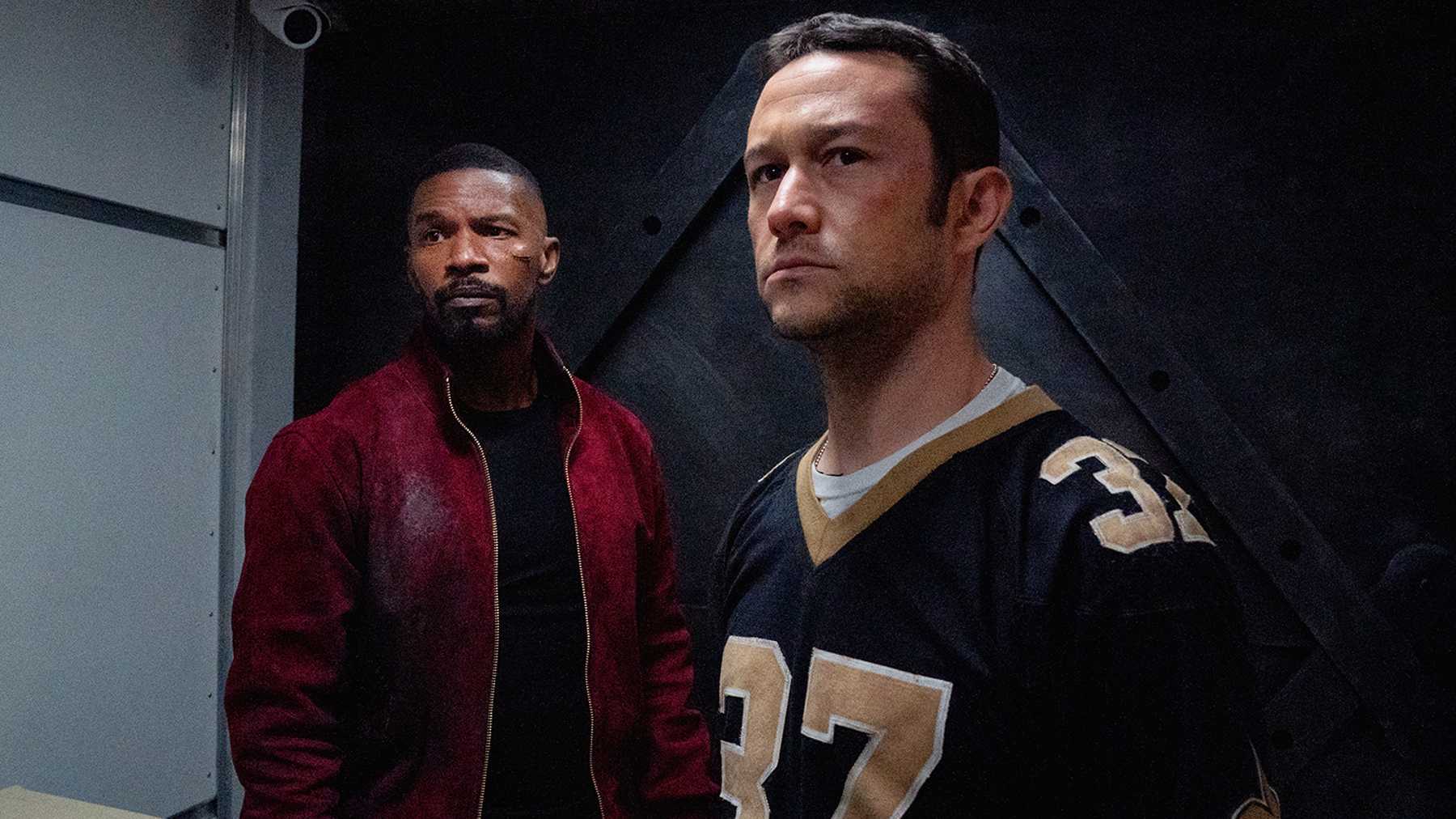
The latest in the line of upstart genre fodder, “Project Power,” dropped on the streaming service last week and features Oscar-winner Jamie Foxx and “Inception” star Joseph Gordon-Levitt in a dark, violent superhero origin story set in New Orleans that wouldn’t shine in normal times, but has stayed at the top of viewers’ Netflix queues for the better part of two weeks now.
“Project Power” blends Bradley Cooper’s 2011 film “Limitless” with a variety of dark superhero films to create a fantastic premise for a movie that doesn’t quite live up to its potential for cinematic extravagance with depth of character.
A lone New Orleans police officer and former soldier work with a teenage drug dealer to find the source of a strange new drug on the market in the Bayou that imbues whoever takes it with a different superpower lasting five minutes.
Foxx is solid as ever as the former soldier on a relentless mission, playing anti-hero quite well with an alluring charm and no-nonsense physicality required in blockbuster action fodder. His character’s limited backstory is intentionally vague at the outset, but Foxx languishes in the mundane rather than creating his own character beyond the page.
Likewise, Gordon-Levitt is likeable but largely forgettable as the renegade cop bending the rules to even the playing field with the bad guys. There are a couple of entertaining moments that allow the veteran actor to showcase his acting and fighting skills, but it’s clear co-directors Henry Joost and Ariel Schulman don’t have a knack for working with actors.
The film’s best performance by a large margin comes from Dominique Fishback, who takes the largely generic role of teenage lookout/informant and brings a real sense of purpose and emotion to the part, often outclassing her more famous on-screen partners in scenes with a genuine passion for the moment.
A significant portion of the budget was spent on lavish cinematography from Michael Simmonds and high-quality special effect to showcase the powers in the film, but not every sequence lands properly.
Because so much of the film is set at night, there’s a difficulty Joost and Schulman find in presenting the full potential of the powers in a darkened haze and it often gives the abilities an almost laughable blandness.
At other times, the film is quite striking – especially during a mid-film bank heist sequence – and draws audiences back into the middling storyline.
While not game-changing or exceptional in any particular way, “Project Power” is infinitely watchable, which makes it a perfect fit for streaming services filled with casual watchers who will discount its structural and screenplay flaws and simply enjoy the relative chaos.
Until a way is made for audiences to return safely to the theatrical experience in large numbers, more films like this will find their way into the cinematic sphere of relevance.
“Project Power” is like so many other on-demand releases to come out in 2020 that would be massive disappointments in theaters but worth giving a shot to on Netflix, who will gladly capitalize on the additional eyeballs to generate revenue and sequel opportunities.
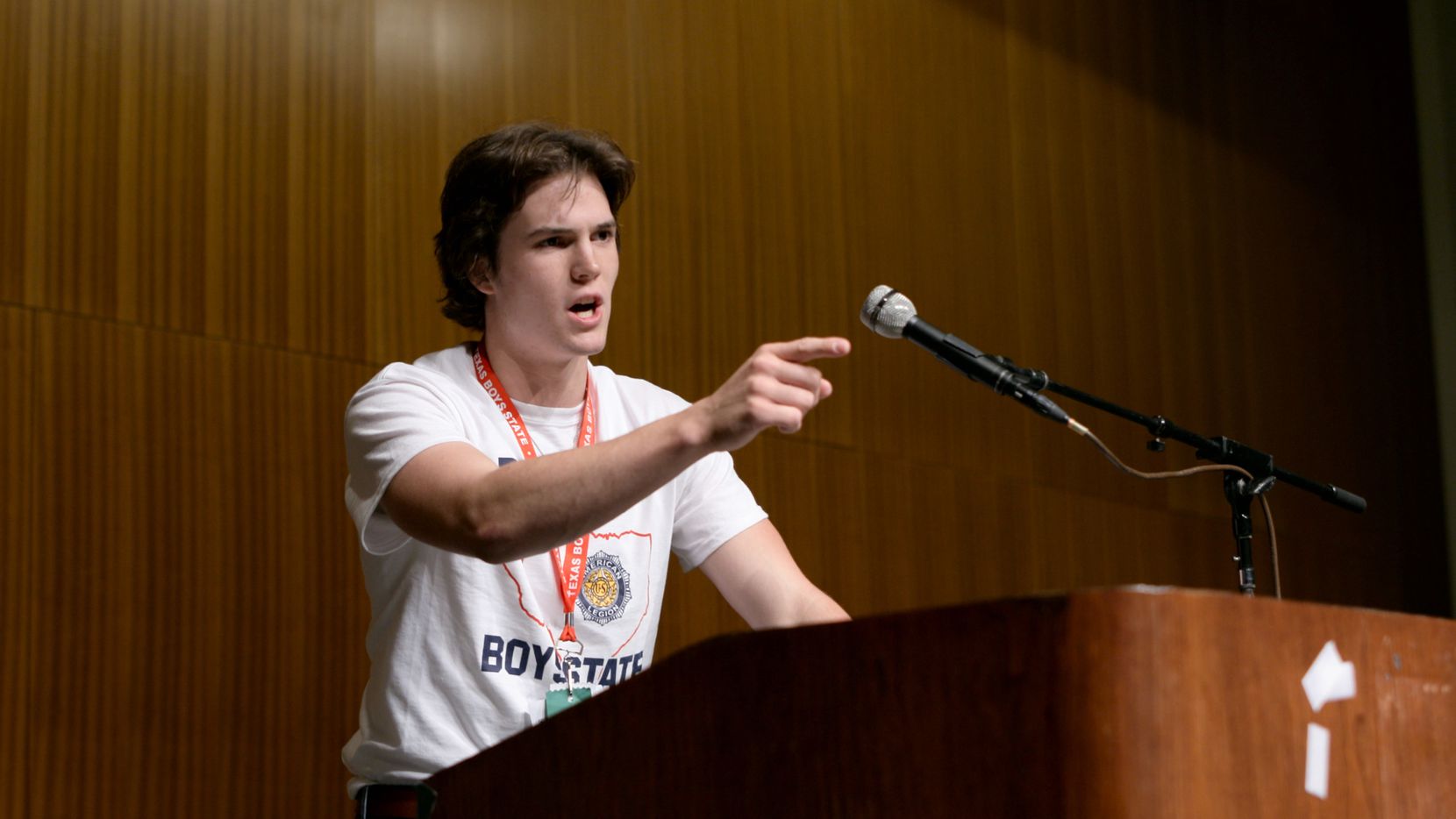
Over 1,200 high school boys gather annually in Austin to participate in a seven-day democratic experiment designed to test their mettle.
A mock government program put on nationwide by the American Legion, Boys State challenges these young men to form their own political parties, hold primaries and eventually a statewide race for a variety of offices culminating in a gubernatorial election.
Each iteration of this lesson in political gamesmanship masquerading as a crash course in civics is unique, although the Sundance Film Festival award winning documentary “Boys State” from co-directors Amanda McBaine and Jesse Moss provides an exceptionally compelling look inside the minds of future American leadership with their nearly two-hour feature on the 2018 Texas Boys State program.
McBaine and Moss perfectly set the stage from the outset, highlighting major political leaders including President Bill Clinton, Supreme Court Justice Samuel Alito and commentator Rush Limbaugh as alumni of the program.
“Boys State” is intended to feel like a glimpse into the crystal ball of America’s political future and it’s often revealing to watch aspiring young men hoping to make a difference in their world see what it takes to be successful – balancing bipartisanship with charisma, ideals with the relentless pursuit of a win.
At the film’s core, four major participants emerge representing the elected leadership of both the Federalist and Nationalist political parties created for the program and it’s through these stories that audiences are able to gain an understanding of how the next generation of political leaders will be molded and come to shape America’s identity.
For as much as the film gets in close with the participants and has the feeling of a raw political campaign, “Boys State” is strikingly cinematic with its camerawork, lingering on intense closeups as events unfold in real time and giving the film a scripted fictional vibe that could have some viewers doubting the authenticity of the scenes.
The choice to have the major characters interviewed on a long loveseat works wonders in the film’s latter half as the boys become more comfortable and honest in front of the camera, often sprawling out like relaxed chameleons letting audiences in on their secrets as if it were an episode of television reality game show “Survivor.”
Somewhat surprisingly, a film entitled “Boys State” that follows young men creating their own political agendas and campaigns fails to truly address the masculinity of their decision-making process, especially on the issue of abortion.
One candidate’s revelation about hiding their pro-choice beliefs to try and garner favor with potential votes is especially compelling as the Boys State program begins to escalate and normalize “dirty tricks” politics.
As filmmakers, the directors attempt to portray this neutrally but it’s often with a tinge of sadness for the lack of bipartisanship and morality.
It’s best summed up by one of the participants, who comments that a rival is a “fantastic politician, but I don’t think that a fantastic politician is a compliment either.”
Like the program itself, “Boys State” makes ardent attempts to be non-partisan in its approach and allow events to unfold naturally, but the subjects it chooses inherently give the feature a liberal tint that conservatives may latch onto to dismiss the film as a whole.
The star of “Boys State” is unassuming, mild-mannered Steven Garza, born in Mission, Texas to an immigrant mother before moving to Houston. Shown early in the film wearing a “Beto for Senate” t-shirt and shyly introducing himself to other participants, his rise to a potential run for governor is the single most compelling storyline within “Boys State” and riveting to watch.
At times, McBaine and Moss’s love for Garza overwhelms the larger narrative of the film and tilts the political balance a tad too far, but by that point, viewers are so invested in the outcome of a mock race that happened two years ago, it hardly matters.
With the humor of “Election” and the heart of “Boyhood,” this verité film is an enthralling look at American politics through the lens of those who will come to shape it for the next 40-50 years. Without question the best documentary to be released thus far in 2020, “Boys State” proves that quality storytelling can be crafted in the genre with substance and soul, making it a must watch on AppleTV.
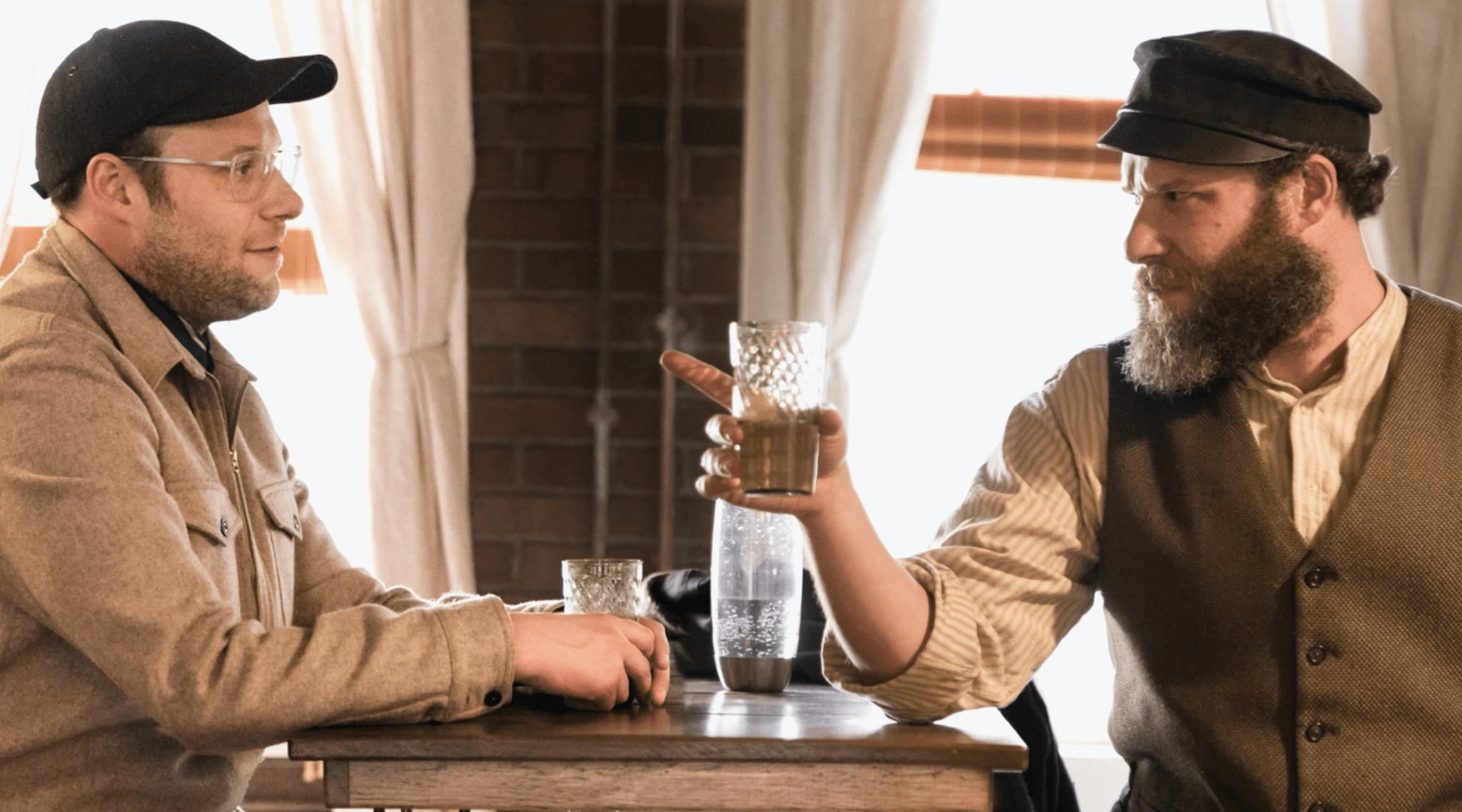
It’s hard not to pigeonhole Seth Rogen as a typecast comedic actor, especially when he’s made countless movies and millions of dollars playing a series of aloof stoner bros on screen.
Thick with phlegm and inhaled smoke, his iconic chuckle almost plays as a refrain in arguments defining his limitations as a performer.
Posters with his chubby smile slapped across the front signal raunchy comedy no matter the plotline and Rogen’s attempts at serious work – including 2015’s “Steve Jobs” or 2011’s “50/50” – give off a feeling of “He’s in that?”
So it’s no surprise that Rogen’s latest feature – “An American Pickle” for the HBO Max streaming service – is billed as a comedy, especially given the “Trading Places” and “Jack and Jill” nature of the film’s plot.
In the 90-minute feature, the Canadian actor plays both Jewish immigrant Herschel Greenbaum and his great-grandson, Ben, who come together after Herschel is discovered in a pickle brine vat 100 years later having not aged a day.
Intentionally or not, this ridiculous premise is where the hilarity is supposed to ensue. Culture shock and generational gaps are supposed to put at odds the two loners who are eerily similar to one another.
But the humor just isn’t there.
At times, “Pickle” goes for a comedic tone with Herschel’s adapting to modern times as a fish out of water being played for laughs. But the core of the film is a surprising sensitivity that will pull on viewers’ heartstrings.
Because so many of the jokes don’t land particularly well, the more somber moments stand out, giving audiences a reflective look at Judaism through the lens of a devout blue-collar Jew and a secular, hipster Brooklynite Jew.
That Rogen is playing both simultaneously is most striking about “Pickle” as Herschel challenges Rogen to flex his acting muscles emotionally while Ben feels more like a sober version of Rogen himself. It certainly feels as if Rogen is trying harder to play Herschel despite the overly comic accent that evokes Sacha Baron Cohen’s controversial “Borat” character.
A good chunk of “Pickle” is devoted to the concept of grief, with Herschel openly mourning the loss of his wife and the son he never met and Ben passively locking away the memory of his parents. This discord drives the conflict between the two characters and creates some genuinely earned, heartfelt moments in an otherwise morally complicated film.
The remainder of the supporting cast is largely unmemorable and tertiary to the plot that many characters are barely offered enough dialogue to be given names, let alone characteristics beyond affluent gay couple or entrepreneurial, industrious college intern.
Filmmaker Brandon Trost – making his solo directorial debut – shows off what he is best at, striking and bold cinematography that envelopes the viewer in the storyline despite its ridiculous premise.
Early scenes set in the 1920s are shot in 4×3 black and white letterbox, framed to accentuate the cold despair of Eastern Europe and the hard life of American immigrants. Modern Brooklyn, meanwhile, is bright and poetic, sprawling in a cinematic 16×9 widescreen scope as is typical of how comedic films portray New York City.
Originally slated for a theatrical release through Sony Pictures, “An American Pickle” was sold to Warner Brothers for distribution through HBO Max in April, which was probably the best vehicle for the film regardless of the coronavirus pandemic.
Viewers who would be venturing out of their homes to a confined space and paying money might be upset with a “bait-and-switch” dramedy lacking in chuckles but should be more forgiving with a film that feels free despite requiring monthly subscription.
When viewed as a comedy, “An American Pickle” is an abject failure. Through the lens of a Jewish actor at conflict with himself, it’s interesting and engaging insight into the mind of a performer trying to find his true self.

Granby, Colorado feels like the sort of small town you’d find in every state across America.
Industrious, hardworking, the kind of place where neighbors know all the scuttlebutt within a few hours and there’s hardly a stranger because everyone is on a first name basis.
The fact that the events depicted in director Paul Solet’s gripping documentary “Tread” could plausibly happen in any small town are frightening, but like a train wreck you can’t look away from, what happened on June 4, 2004 is a mesmerizing display of anarchic chaos viewers will want to see more of just to figure out how one man pulled it off.
At the center of the documentary is Marvin Heemeyer, an Air Force veteran more than capable with a welding iron and the owner of Granby’s muffler shop, which he purchased at auction for a remarkably low sum of money only to find himself in legal battle with government officials and a rival business owner over water and sewer connections, property easements and fines.
It’s clear from the outset where “Tread” is heading; the opening preamble makes clear Heemeyer’s destructive intent with a fortified bulldozer causing chaos and massive property damage throughout the town.
But Solet also reveals how things escalated to that point and Heemeyer’s amazement that he could keep his plot a secret in a notoriously nosy small town.
A series of audio tapes recorded by Heemeyer give the audience a unique perspective into the changing mentality the former military serviceman had as he felt gradually separated from the outside world by political actors out to get him.
Solet perfectly weaves Heemeyer into the documentary’s narrative, overlaying his prerecorded dialogue over reenactments of key moments to give context and allow viewers inside the mind of the man silently being portrayed on screen.
Heemeyer is portrayed by actor Robert Fleet, usually from behind and framed like a specter haunting the film and foreshadowing the carnage of steel to come. The reenactments are largely silent and brilliantly captured by cinematographer Zoran Popovic with a dynamic visual style that bursts off the screen.
Much of the film’s first act centers around city politics as Heemeyer does battle with Granby water commissioners and the town council over his muffler shop and the adjacent land slated to be a concrete batch plant.
For a while, “Tread” makes a compelling case to draw viewers to Heemeyer’s side as the audio tapes explain how his rights were being infringed upon by malicious government officials working in conjunction with the concrete plant.
But though Solet never truly discusses mental illness as a potential reason for Heemeyer’s subsequent actions, the documentary morphs over its second and third act to a more bombastic, dramatic style in keeping with Heemeyer’s increasingly paranoid ramblings.
Reenactments of the buildup are solid throughout, but it’s in the third act as Heemeyer starts the engine and begins his rampage that Solet’s best directorial work really shines.
Unable to rely on archival news footage or police cameras, “Tread” designs action sequences that replicate the creation of Heemeyer’s destructive bulldozer and its initial assault on property across the small Colorado town.
The film debuted at the 2019 South by Southwest Film Festival before a limited theatrical run in February 2020. “Tread” launched on Netflix this past week and is certain to be among the streaming service’s more popular documentary titles, seamlessly fitting in the same mold of hit docuseries like “Tiger King” and “Making A Murderer” that follow eccentric men, government conspiracy theories and outlandishly true stories to compel audiences to watch every second over and over again.
An alluring look at a man past his breaking point, small town politics and bizarre, unforgettable crime, “Tread” is a mesmerizing 90-minute thrill ride that pushes the limits of conventional documentary filmmaking – often crossing the line to traditional fictional narrative – in order to keep viewers on the edge of their seats for the mayhem they know is inevitable.
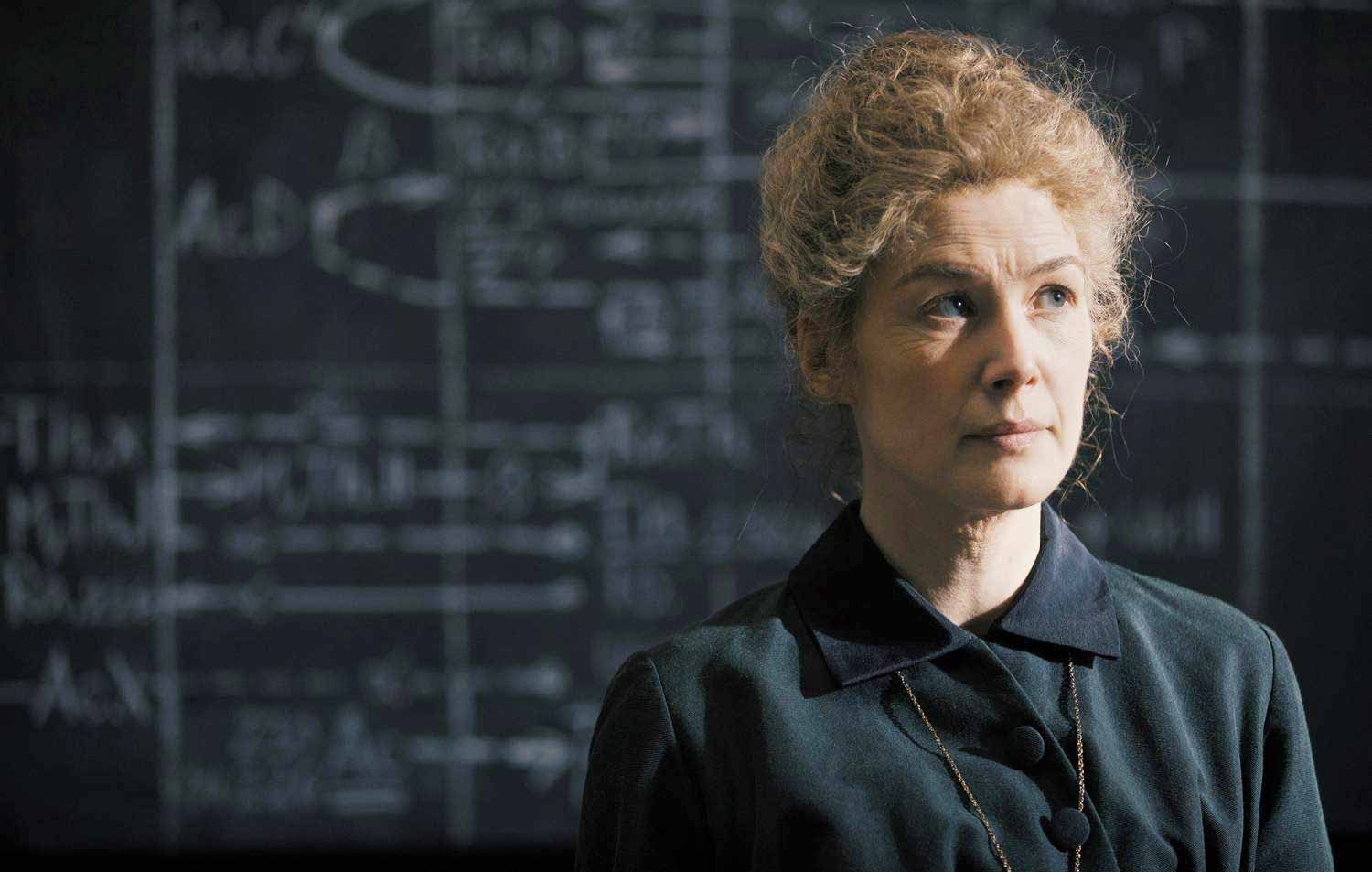
It’s unclear exactly why an avant-garde, cinematic biopic of the adult life of famed scientist Marie Curie was needed, but such is the world of film in 2020.
Opting not for the sidesplitting, yet emotional dramedy that powered 2016’s “Hidden Figures,” the demure albeit strange film “Radioactive” from director Marjane Satrapi presents Curie in a traditional light before mixing her journey to multiple Nobel Prizes with flashforward dream states to the conflicted impact of her work.
The result is a tonal mismatch of middling standards that wastes a strong performance from its lead actress and the bold, audacious cinematography that will likely keep some viewers watching the largely frustrating film until its conclusion.
Based on a graphic novel on the life of Madame Curie, “Radioactive” primarily focuses on the scientific work of the first female professor at the Sorbonne over a 20-year-period from the 1890s through the 1910s as she digs into the possibility of new elements, discovering their instability and becoming a French sensation in more ways than one.
As Marie, Oscar nominee Rosamund Pike gives a measured, yet powerful performance that comes across both as cold and abrupt yet endearing in a way that viewers want to rally behind her Marie.
The singularity of her work often overwhelms the performances of others sharing the screen with her, which is probably to be intended in most circumstances but plays a tricky part in the chemistry between Pike’s Marie and Sam Riley’s Pierre.
It’s easy to tell that the standoffishness of their pairing is a decided part of Pike’s approach to the role, but the clinical nature only works for her performance as Riley is more stiff than stoic. In smaller moments when viewers are seeing Pierre through Marie’s eyes, there is a small amount of warmth to be felt towards Riley’s performance, but for the most part, Pike feels as if she’s acting to thin air around her.
Anya Taylor-Joy – beyond exceptional in “Emma” earlier this year – does well in a lackluster smaller role as Curie’s elder daughter Irène, adopting Pike’s mannerisms and demeanor subtly, but with intention. The remainder of the supporting cast is as unexceptional as Satrapi treats them in the film.
“Radioactive” spends more time on the science the Curies discovered together than their personal romance, although how the film approaches Pierre’s impact on Marie after his death is perhaps the eccentricity of the screenplay that works the best and provides for the most interesting moments in the final act.
Screenwriter Jack Thorne plays with the narrative structure by throwing audiences up and down the historical timeline at will, opening with Marie’s final moments and tossing in sequences of her youth in Poland as well as the consequences of her discoveries long after her death seemingly at random.
To find viewers wandering through the remnants of Chernobyl is a puzzling detour that challenges the notion of Marie’s credibility as the heroine of her own tale, with Thorne almost positing her as anti-hero or incapable of seeing the downside of her discovery. “Radioactive” fails to reckon with these charges as much as it probably needs to for Thorne’s argument to be successful with audiences.
There is an impressive visual style to “Radioactive” that’s perhaps a bit too heavy-handed with darkness and shadows in scenes of deep black, but the cinematography of Anthony Dod Mantle has a kinetic edge that reflects Satrapi’s overall vision for her film.
The film’s strengths – an exceptional Pike, engaging and dynamic visuals and a haunting score – keep “Radioactive” from being a waste of time, although Satrapi’s latest feature isn’t really worth seeking out on Amazon Prime by anyone other than the most curious of ardent cinephiles.

It’s often said that a movie can feel of the moment, that it came out at exactly the right place and time for audiences to identify with and feel heard.
“Palm Springs,” a small romantic comedy that debuted at this year’s Sundance Film Festival when things were normal, has a very “of the moment” vibe that no one – not even first-time director Max Barbakow or screenwriter Andy Siara – could have seen coming.
At its core, “Palm Springs” is a film about isolation and how we deal with feelings of empty aloneness even as people seemingly float around us.
In the “new normal” of social distancing and mask wearing for self-protection and the safety of those around us – especially in the heat of summer – there’s an interpersonal disconnect to life in 2020 that “Palm Springs” intimately captures with its quirky take on a familiar narrative.
The film follows Nyles, a carefree loner stuck at another wedding with his cheating girlfriend, when he strikes up a friendship with maid-of-honor Sarah. The next morning, things become complicated when the new friends cannot escape each other, the desert wedding venue or themselves.
“Saturday Night Live” alum Andy Samberg is an affable yet quirky choice for Nyles, shining here in more serious comedic fodder than audiences may be used to seeing from him in comedic film work. The general sense of apathy he brings to the character feels authentic to the plot rather than a forced device to create conflict and Samberg is genuinely entertaining throughout the film even as the tone changes at a whim.
His laissez-faire attitude also serves as a perfect foil for the more aggressive and standoffish Sarah, played by “How I Met Your Mother” actress Cristin Milioti.
While it’s clear that Samberg is the main focus of “Palm Springs,” Milioti frequently steals scenes with her expressive eyes and wry attitude that she flings into snarky lines of dialogue as Sarah challenges and mystifies Nyles.
The hate-to-like-to-love path romantic comedies often take doesn’t hinder the chemistry between Samberg and Milioti as both performers are so in the moment that it pulls the audience in from the outlandishness of the circumstances Nyles and Sarah are in.
Oscar winner and veteran character actor J.K. Simmons gets to flex his comedic and dramatic chops in the film’s primary supporting role as most of the ensemble cast feel like bystanders in Nyles’ and Sarah’s story rather than a true part of the narrative. His Roy leans into the no-nonsense attitude that is prevalent in a great Simmons performance while also providing much needed gravitas throughout and some key emotional depth.
Instead of rebooting the plot of one of Hollywood’s most beloved rom-coms, Barbakow and Siara peel elements of “Fear and Loathing in Las Vegas” to give “Palm Springs” a hot yellow hue while rearranging the timeline in order to give their own perspective on the genre without becoming a rip-off of a classic.
The film moves at a pretty rapid pace, infusing character development within each scene as moments of calm among the chaos. It’s a brisk 90-minute adventure that feels right for keeping the plot from veering too wildly off course, as if it were a singular episode of a longer series audiences were dropped into the middle of.
It’s important that first-time viewers go into “Palm Springs” with as little information as possible, even avoiding trailers if at all possible as the film’s unique hook is better without prior knowledge. Doing this increases the boldness of Siara’s screenplay and the genuine chemistry between Samberg and Milioti as unlikely partners dealing with the plot’s twists and turns.
One of the hottest films to come out of the 2020 Sundance Film Festival, “Palm Springs” was acquired by Hulu for a record-breaking $17 million, the highest distribution deal in the history of the festival.
“Palm Springs” has the comedic fun of an irreverent Judd Apatow movie with a smartly penned script, crisp direction and a wildly entertaining narrative that makes it a must-see home viewing on Hulu.
 Cinematic Considerations