
Four months have passed since most audiences have traveled to their local cinema to catch a new release film.
Ardent cinephiles have binged their way through the adventures of tiger kings, classic films, the latest miniseries to drop on streaming services and more in an endless quest for something new to watch.
And as they continue to spend less and less on a cinematic experience, expectations have gradually lowered as well.
Phrases like “I haven’t seen anything like that” are reduced to “I haven’t seen anything like that in a while” and what standards viewers have in terms of quality wane as their search for quantity continues.
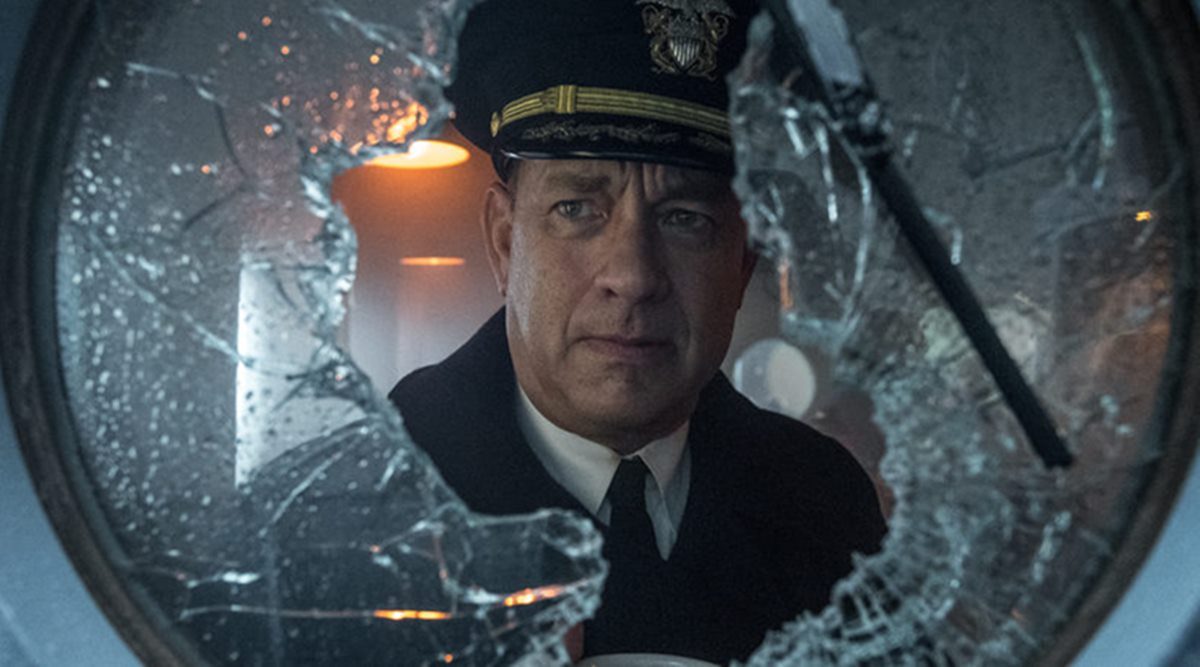
Enter “Greyhound,” a film that should have all the hallmarks of crowd-pleasing, awards season fodder.
Led by cinema’s favorite everyman Tom Hanks, the Sony Pictures film acquired by Apple TV is a brisk 90-minute adventure across the Atlantic for World War II naval combat.
Based on the novel “The Good Shepherd” by CS Forester, “Greyhound” follows an Allied convoy carrying soldiers and supplies across the Atlantic in 1942 as the commander of an American destroyer codename Greyhound makes his first crossing while pursued by German submarines taunting him by day and attacking by nightfall.
The first 20 minutes are a hodgepodge of scenes that intend to orient audiences in the world of the film, littered with text explaining the risks of a cross-Atlantic journey, signals between ships and air support and to set the time and place. Intended as a device to save time, this often becomes an unnecessary distraction pulling focus from the events themselves.
A consummate performer who commands respect with his presence alone, Hanks is essential to a film that needs him to make the entire project even remotely worthwhile. From the opening moments, it’s clear that his Captain Krause will be the primary focus of the entire film and the only character worth focusing much attention.
Hanks has his best moments in pensive reflection of Krause’s actions – though these moments are fleeting – and his control as a new captain in combat reflects a steady outward persona marred by a relentless sense of heavy burden wearing on his mind.
Rob Morgan – a tremendous character actor whose compelling turn in “Just Mercy” is worth the price of that film alone – does a terrific job in a small supporting role as a mess hand trying to keep Krause fed, while the rest of the cast is so bland and ineffective that they blur into the background as Hanks bellows orders to nameless servicemen.
Action in “Greyhound” is alternatively thrilling and haphazard. Schneider creates some moments of intensity that pull viewers to the edge of their seats only to leave them longing for more.
Technically dense with military jargon and trigonometry, the “Greyhound” screenplay penned by Hanks himself adds to the circular feeling of the entire film as the plot loops in around itself chase by chase. The taut nature of a 90-minute feature keeps things moving, but Hanks leaves little room for explanation, reflection or character development with each passing naval engagement.
Additionally, “Greyhound” suffers from a geography problem. Schneider has trouble keeping the camera focused on perspective during combat, leaving viewers frequently vexed as to where the ship is located relative to the rest of the convoy and the pursuing U-boats.
While this is part of the struggle of the narrative, some of the dramatic tension gets released by not engaging audiences in the anticipation of inevitable attack. Viewers are thrust about narratively as Greyhound hunts down German submarines, often leaving audiences one step behind the fray.
As military films of the era go, “Greyhound” is a competent, yet unremarkable entry in the World War II genre, not rising to the level of David Ayer’s 2014 tank odyssey “Fury” nor Christopher Nolan’s all-encompassing epic “Dunkirk.”
For those in need of new content in the genre, however, Hanks’ lead performance and short run time make “Greyhound” something worth considering for home viewing by those who already have an Apple TV subscription.
This is how capturing live theater experiences needs to be done.
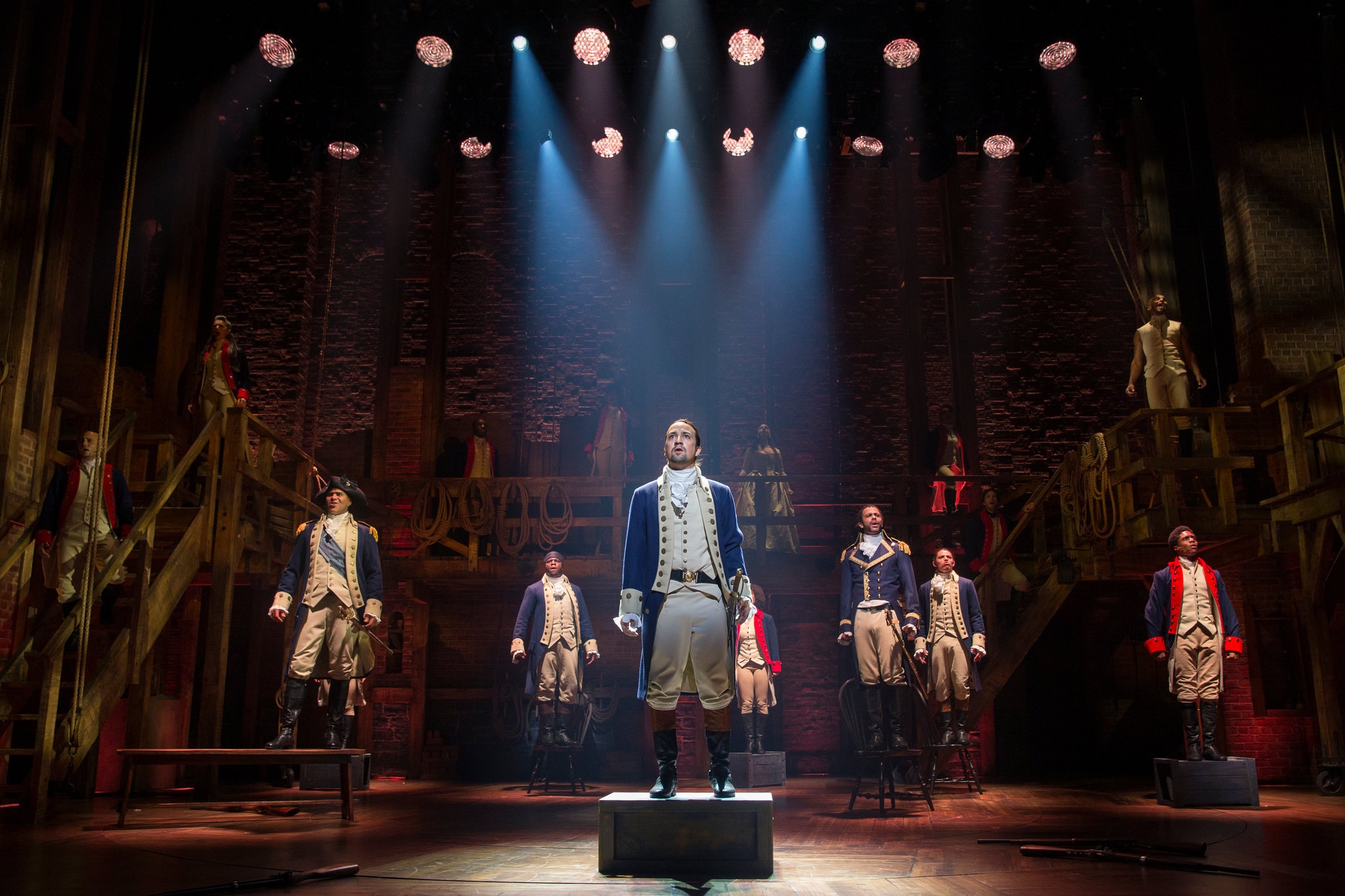
Lin-Manuel Miranda’s game-changing, revolutionary stage musical “Hamilton” arrives in cinematic form with a pitch-perfect ability to harness a moment in American pop culture history and preserve it for the annals of time.
Filmed in June 2016 at the Richard Rodgers Theatre, this nearly three-hour extravaganza is a compilation of several performances of the Broadway show mixed with closed door footage of the original cast performing privately for cameras on the stage itself.
For the millions of people worldwide unable to see the 11-time Tony Award winner in person, it’s a front row seat and intoxicating look at the iconic musical that places audiences right in the heart of the non-stop whirlwind of emotions, music and theatricality.
A hip-hop biography of the life of founding father Alexander Hamilton, “Hamilton” follows his innocuous rise from abject poverty in the Caribbean through his time serving under George Washington in the American Revolution as well as his political life post-war culminating in his infamous duel with Aaron Burr.
Miranda, who wrote the book, music and lyrics for the musical, doubles as the title character and star of the show, bringing his dynamic energy and passion to the screen with wide, emotional eyes that captivate a film audience in ways that one wouldn’t get fifteen rows deep in a Broadway auditorium.
Yet for as much as “Hamilton” is synonymous with Miranda, the show itself isn’t even about his performance with an array of mesmerizing talent littering the ensemble including three Tony Award winning performances from Daveed Diggs in a dual role as Lafayette and Thomas Jefferson, Renée Elise Goldsberry as Angelica Schuyler and Leslie Odom Jr. as Aaron Burr, who narrates the story.
There’s so much life brought to every single character within “Hamilton,” which isn’t surprising given the cast had been performing together eight times a week for nearly two years at the time of filming.
It’s a perfect balance of styles from Christopher Jackson’s John Legend-esque turn as a stern but loving George Washington to the wonderfully comedic Jonathan Groff bringing levity as King George II to Phillipa Soo’s warm, emotional Elisa that grounds the narrative with heart.
But translating one of Broadway’s best musicals of all-time to a static, feature film format is exceptionally challenging.
Pulling off a movie version of “Hamilton” that’s not stagnant nor overly documentarian requires a director with great skill and vision.
In this instance, it’s invaluable to have an expert stage director like Thomas Kail at the helm of the feature film version of the Broadway experience. Kail, who also directed the stage show, keeps his eye trained on the simplest of moments and the subtlest of nuances that he, Miranda and the entire team put into the production.
There’s a kinetic energy to the camera work that reflect the frantic pace of the musical and wonderfully substitutes for how audience members might be constantly turning their heads to try and catch everything the stage show has to offer.
Tight shots that pull in from all angles on individual performances heighten the cinematic quality, but it’s in the wider moments that truly encompass the full spectacle of the “Hamilton” experience and allow audiences to reflect in awe at the theatricality of the musical.
This is never more present than in the staging of “Satisfied,” a first act retelling of the whirlwind romance of Hamilton and his future bride Eliza as seen through the eyes of her envious sister Angelica.
Lighting cues, a rotating stage and spectacular choreography from Andy Blankenbuehler take a two-dimensional song performed by Goldsberry from a static position and create a relentless and hypnotizing visual spectacle that enhances both the song itself and Miranda’s narrative as a whole.
Depth is key throughout Kail’s interpretation of Miranda’s musical as every performer including the ensemble chorus members have distinct purpose scene to scene; technical elements supplement the action and the totality of the Broadway monolith almost necessitates multiple viewings to understand the intricacies, especially for those who haven’t had the soundtrack on rotate for years.
Editor Jonah Moran had an immensely painstaking and thankless job crafting the film as audiences watch it in their own homes, choosing from a variety of angles and performances to sculpt a viewing experience that equally balances the traditional Broadway stage with intimate closeups, two-shots and reverse angles to that will allow those who’ve seen the production countless times a fresh perspective on the extravagance.
Cuts occur on a dime and often alongside musical cues within songs, phrases or melodies, with Moran and Kail being exceptionally particular about keeping viewers’ eyes on exactly what their perspective should be in any given moment.
“Hamilton” could easily make its way into the conversation come awards season as a previously planned theatrical release makes the film eligible for Academy Award consideration and there is some precedent for filmed performances to earn Oscar nods with Laurence Olivier’s staging of Shakespeare’s “Othello” earning several nominations.
In reality, “Hamilton” will have a much better chance at success at the Golden Globes where it will easily play into that group’s comedy/musical categories.
Miranda’s other Tony Award winning musical, “In the Heights,” was slated for its major motion picture release this summer but moved back to 2021 amid the coronavirus.
In its place, audiences are treated to “Hamilton” in all its glory and spectacle, conveniently released over the Fourth of July weekend on Disney+ which makes it widely accessible at a low cost and essential summer viewing for anyone in need of finely crafted entertainment.
Promos for the new family action movie “My Spy” have been popping up on television and on social media for the better part of a year now.
This isn’t because this flick starring that former pro wrestler from the “Guardians of the Galaxy” movies has been eagerly anticipated for so long, rather that multiple studios had little to no idea what to do with the finalized product.
Originally produced by STX and slated for an August 2019 theatrical release, “My Spy” has been bouncing around the release calendar ever since – jumping at least a half dozen times before Amazon Studios purchased the rights to the film for a March 2020 release only to have that pushed to its Amazon Prime streaming service June 26 due to the coronavirus pandemic.
The odds have been stacked against director Peter Segal’s film and the end result doesn’t deliver beyond a casual, free watch online.
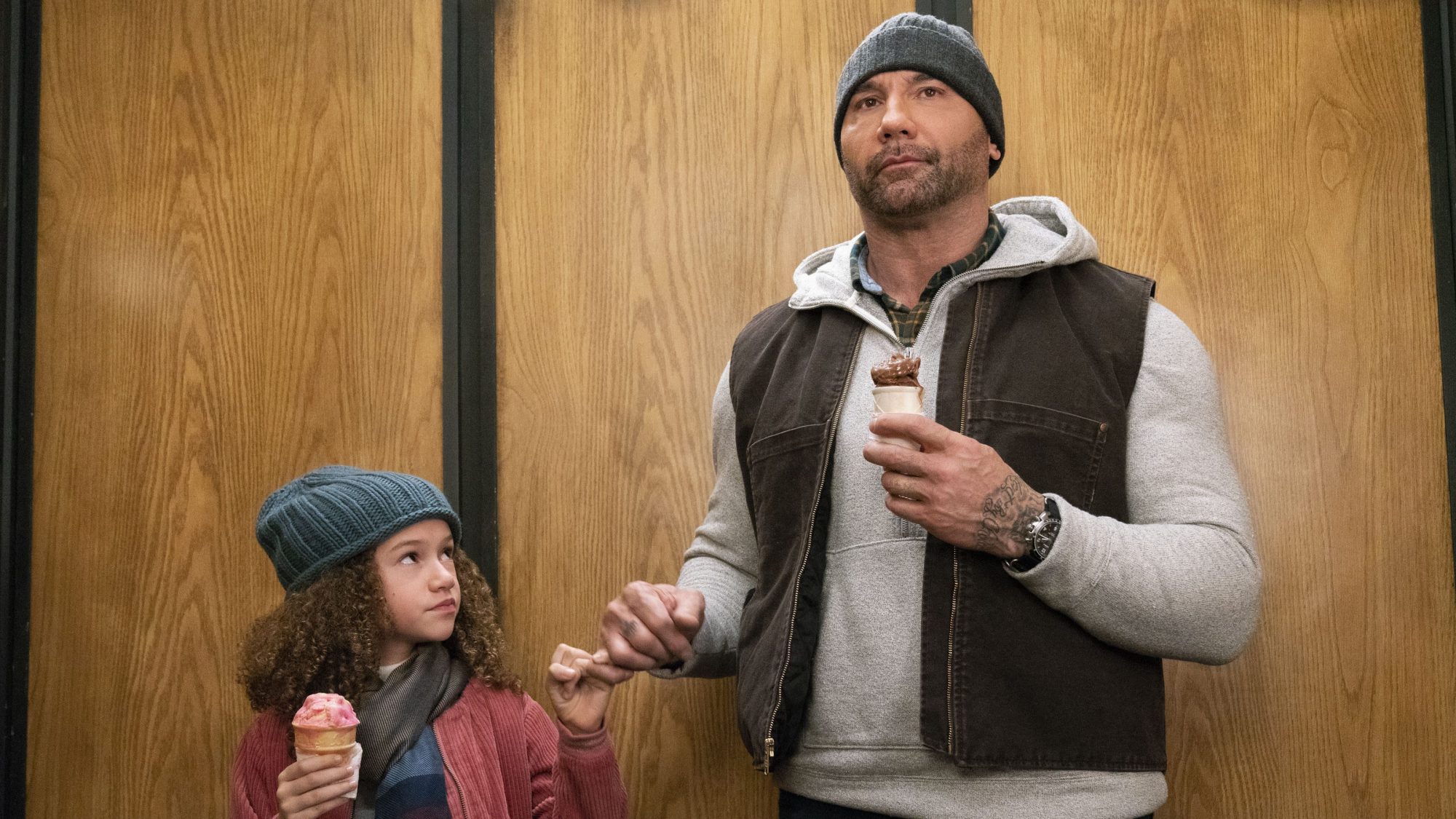
Dave Bautista stars as JJ, a former special forces operative turned CIA agent whose personal skills prevent him from being an effective spy, pushing him to protection detail for a nine-year-old girl, Sophie, and her mother. When Sophie stumbles onto their hidden operation post, JJ and his technical support Bobbi must keep her from spilling the beans and blowing the op.
Simply put, it’s a lesser, PG-13 version of Melissa McCarthy’s hilarious 2015 comedy “Spy” and a different take on “Kindergarten Cop” without the charisma that Arnold Schwarzenegger brought to that film.
Bautista is a more than serviceable leading man for a film like “My Spy,” which offers enough action sequences to show off his muscles and physical prowess but gives enough opportunities for Bautista to flex his comedic brawn as well.
His ability to play inept largely comes across as endearing – not to the extent of his Drax from the “Guardians” films – but the humor usually results in at least a chuckle if not outright laughter.
“Flight of the Conchords” star Kristen Schaal is often amusing in her snarky role as JJ’s tech operative Bobbi, but it often feels as if Schaal is saddled with the cheesiest, most obvious physical comedy work that turns her Bobbi into somewhat of a drag.
Her genuine admiration for Bautista’s JJ is an ongoing theme throughout “My Spy,” though it’s rarely clear what exactly the character has done to prove his worthiness besides being a dopey butt-kicker.
The brightest star of a mixed bag, newcomer Chloe Coleman is adorably charming and often downright hilarious as the wise-beyond-her-years Sophie. Out of everyone in the film, Coleman is able to best suspend her own disbelief for the outlandishness of the plot and deliver a compelling performance that has genuine warmth.
While Bautista’s place in the industry is relatively secure, Coleman has the biggest upward trajectory as a performer coming out of “My Spy,” which should help her land bigger parts that are more worth of her talent.
Segal’s direction rarely gets in the way and it’s the uneven, frequently boring screenplay from “The Meg” and “Battleship” writers Erich and Jon Hoeber that fails its cast. The duo fail to find the right balance between sweet and sincere with dry and brutal.
Much of the film’s narrative seems like a thrown-away plot device to pit Bautista and Coleman in a variety of situations rather than make what happens in the film genuinely important.
“My Spy” also suffers from winking at the audience far too much. There’s nods to the implausibility of JJ’s thinly constructed romance with Kate and overt jokes about catch phrases good guys say when they eliminate the bad guys.
A comedic sequence that includes training Sophie about how to casually stroll away from a major explosion works very well, but as is the case with much of “My Spy,” the gimmick is pulled well beyond its means.
Too crude for the preteens who would probably enjoy it best and beneath the teens it targets, “My Spy” isn’t something worth spending money on but could be enjoyed casually in the background while surfing through the Amazon Prime streaming service.

There are two key components keeping the theatrical cinema system alive these days: film franchises and kids’ movies.
It’s why almost every new feature aimed at a target audience is virtually guaranteed a sequel or reboot – Hello, “Sonic The Hedgehog” and “Mulan!” – within the first month of release.
At the forefront of this trend for the better part of a decade is Disney, the cinematic monopoly behind the Marvel Cinematic Universe, Star Wars franchise and a plethora of animated children’s films from their home studio as well as Pixar.
Disney’s latest attempt to generate movie revenue – a budding franchise for pre-teens in the mold of “Harry Potter” – dropped on their streaming platform, Disney+, last week after being shifted several times down the release calendar due to the coronavirus pandemic.
It’s also likely that the Kenneth Branagh directed film would have underperformed at the box office regardless of health concerns as the highly convoluted plot and uneven performances left it as a mixed bag.
Based on a series of novels by Irish author Eoin Colfer, “Artemis Fowl” follows the title character on a quest to steal a missing fairy relic and exchange it with an unknown mystical power who has kidnapped Artemis’s father.
A tale filled with goblins and dwarves and trolls, the film should naturally offer shades of “Lord of the Rings” in a modern setting. But things just ring false from the opening minutes as Josh Gad’s giant dwarf Mulch Diggins is arrested and proceeds to narrate the entire film in flashback, dragging audiences through a series of convoluted events that tie together Colfer’s first two novels.
Newcomer Ferdia Shaw – grandson of Oscar nominee Robert Shaw – takes on the title role with the bravado needed of a child actor playing someone with a genius level IQ, but there’s neither enough charm nor snark in the performance to make the younger Artemis Fowl anything more than a walking contradiction of terms.
Shaw’s Fowl is dismissive yet compassionate, but only when he feels like it. The performance is largely hidden beneath Shaw’s stern sneer, masking the poorly written screenplay that finds Artemis always knowing exactly what to do with very little prompting and rarely out of control of any situation.
Perhaps part of this standoffish persona comes from Shaw replicating the performance of Colin Farrell as best he can, as a son would seek to mimic his distant, yet aggressively sure-of-himself father. As the older Artemis Fowl, Farrell’s limited screen time prevents him from developing any depth to the performance although it’s clear the stage is set for meatier work in a future installment, if Disney so chooses to continue the series.
Dame Judi Dench plays a secondary role as a fairy police commander – with pointy ears to boot – and although the part is far beneath her incredible talents, Dench gives the fairies’ section of the film some needed gravitas and isn’t nearly as atrociously audacious as her turn as Old Deuteronomy in last year’s musical “Cats.”
Gad offers the strangest performance of the entire cast, woefully miscast in Hagrid from “Harry Potter” cosplay but with a gravelly Batman voice as Diggins. For a film that leans heavily into the world of the unbelievable, Gad sticks out like a sore thumb as a force that pulls viewers out of their suspension of disbelief and reminds them very clearly that they’re watching mediocre cinematic “Dungeons and Dragons” fodder.
Branagh’s third turn with a Disney franchise after 2011’s “Thor” and 2015’s “Cinderella” proves conclusively that the Irish filmmaker can’t successfully make the transition from serious period drama to playful adaptation. “Artemis Fowl” lacks the intensity and darkness that Alfonso Cuaron brought to the “Harry Potter” series nor the brightness and charm that Taika Waititi invigorated the third “Thor” installment with.
While a second run at the series feels almost inevitable at this point given the nature of the film business, a massive injection of life and spirit into the followup will be necessary to make Artemis’ first adventure feel anything less than perfunctory.
Decent enough for children in need of something new to watch this summer on a streaming service parents probably have subscribed to already, “Artemis Fowl” is a watchable, yet unmemorable film.
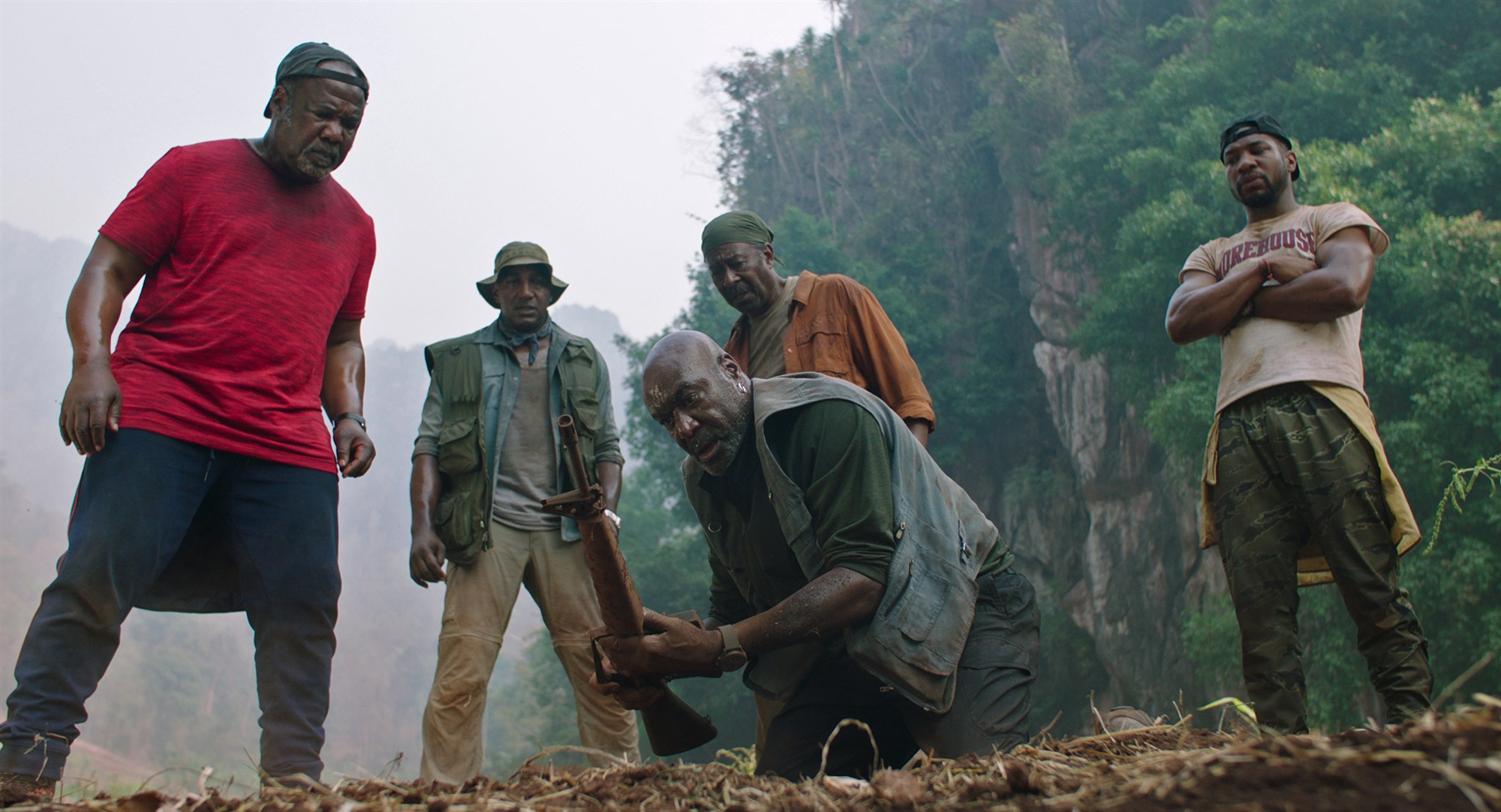
Four men – aging Vietnam vets laden with the scars of their service – return to the land that forged them in search of their fallen commander’s grave and the gold bullion that lies with it.
For a filmmaker like Oliver Stone, this story would be a bombastic tale of frustration and anger boiling to the surface without much humanity under the surface.
Director Spike Lee, however, uses the narrative as a device to educate about the struggles of African American armed forces far from home during the civil rights movement and how racial identity and politics affected a generation of servicemen.
The film, “Da 5 Bloods,” finds Lee pulling from all the corners of his mind, grabbing subtle and overt cinematic homages to “Apocalypse Now” or the philosophical diatribes of Richard Linklater films and interspersing them with news footage that recontextualizes fictional events.
Though part of an ensemble piece in practice, Delroy Lindo shines above the rest with a career-best performance as Paul, whose grief and post-traumatic stress rip at him from the seams as he tries to maintain an outward strength and resolve through thinly veiled contempt that borders on outright hatred.
Lindo is able to masterfully fill Paul with an anguish that comes to define his soul and the choices that he makes, evoking shades of Colonel Kurtz with as perfectly conflicted a portrayal of PTSD that has been on screen in years.
Following up on his incredible turn in the independent drama “The Last Black Man in San Francisco,” Jonathan Majors delivers a brilliantly understated performance as Paul’s son, David, taking the forefront when needed to go toe-to-toe with a magnetic Lindo and almost fading into the background to allow the four surviving members of the unit to have their moments independent of the current timeline.
Broadway veteran Norm Lewis as well as “The Wire” stars Clarke Peters and Isiah Whitlock Jr. give the core cast a dynamic energy and team with Lindo to create an invaluable, genuine bond that feels authentic to those forged in combat.
Chadwick Boseman offers stern charisma in a small supporting turn as “Stormin’ Norman” during flashback sequences, commanding the screen with his presence in a way that evokes Malcolm X in his physicality and Martin Luther King, Jr. in his words.
Lee opts to have the four surviving Bloods be played by the same actor in multiple eras without the de-aging process that plagued last year’s “The Irishman,” which does not hinder the flashback sequences as much as might be expected, although the age difference between Boseman and his fellow actors does feel wider upon closer inspection.
Subtle when he wants to be and demonstrative when he feels he has to be to make his point, Lee commands “Da 5 Bloods” with a deft hand behind the director’s chair and a firm grip in the edit bay.
“Da 5 Bloods” has the auteur’s signature ambivalence to audience reaction, morphing the visual style and pacing of his film as he sees fits with little regard to how the viewer will follow the action. Historical footage/stills are intercut within scenes as they are referenced to accent the narrative, inform the viewer and, at times, jolt them out of their relative comfort as a third-party observer.
Lee and cinematographer Newton Thomas Sigel use a variety of aspect ratios to differentiate timelines in the film.
Present day has a thin, wide cinemascope to reflect both modern filmmaking and take in more of Vietnamese city and jungle landscapes. This works in perfect opposition to the faded, square visuals of flashbacks to “the American War” as it is referenced in the film, where a newsreel style gives a sense of distance and observation while keeping viewers engaged in the moment.
The film’s tremendous and sweeping musical score from Terence Blanchard is paired with poignant and pointed selections from the discography of Marvin Gaye. Lee infuses “Da 5 Bloods” with Gaye’s harmonies to challenge and set the mood of the film – foreshadowing events with the seductive “Inner City Blues (Make Me Wanna Holler)” opening the film and an acapella rendition of “What’s Going On” magically priming the audience for the concluding final act.
“Da 5 Bloods” may not have the universal support come awards season that Lee’s previous feature, “BlacKkKlansman,” had on its way to six Oscar nominations including a win for Best Adapted Screenplay. The film’s eccentricities and early summer release may doom a wide campaign, but Lindo rightly should be in the conversation for an individual acting nod with his career-best performance.
It should come as no surprise that Lee struggled to gain traction with studios to make his follow-up to the financially successful “BlacKkKlansman” more avantgarde than his commercial successes and Netflix is ideal for the instant rewatchability of a film that’s in dire need of multiple viewings to fully understand Lee’s point of view.
Cinematically complex and audacious in how it challenges and sparks conversation in its audiences, “Da 5 Bloods” sees a true auteur make a film that’s incredibly timely amid current events and one worth checking out on the streaming service.
Movie goers are often frightened by things that aren’t real – clowns with red balloons living in the sewers, killers that strike in dreams with a bladed claw, vampires, mummies and witches.
But in a simpler, yet somehow more complex way, it’s the things that are plausibly realistic and feel authentic to our own lives that prove to be the greater terror.
While major studios spend large stacks of cash on increasingly bombastic thrills and chills, smaller independent filmmakers find an unsettling world in more intimate settings where tension builds in close quarters and psychologically rather than physically.
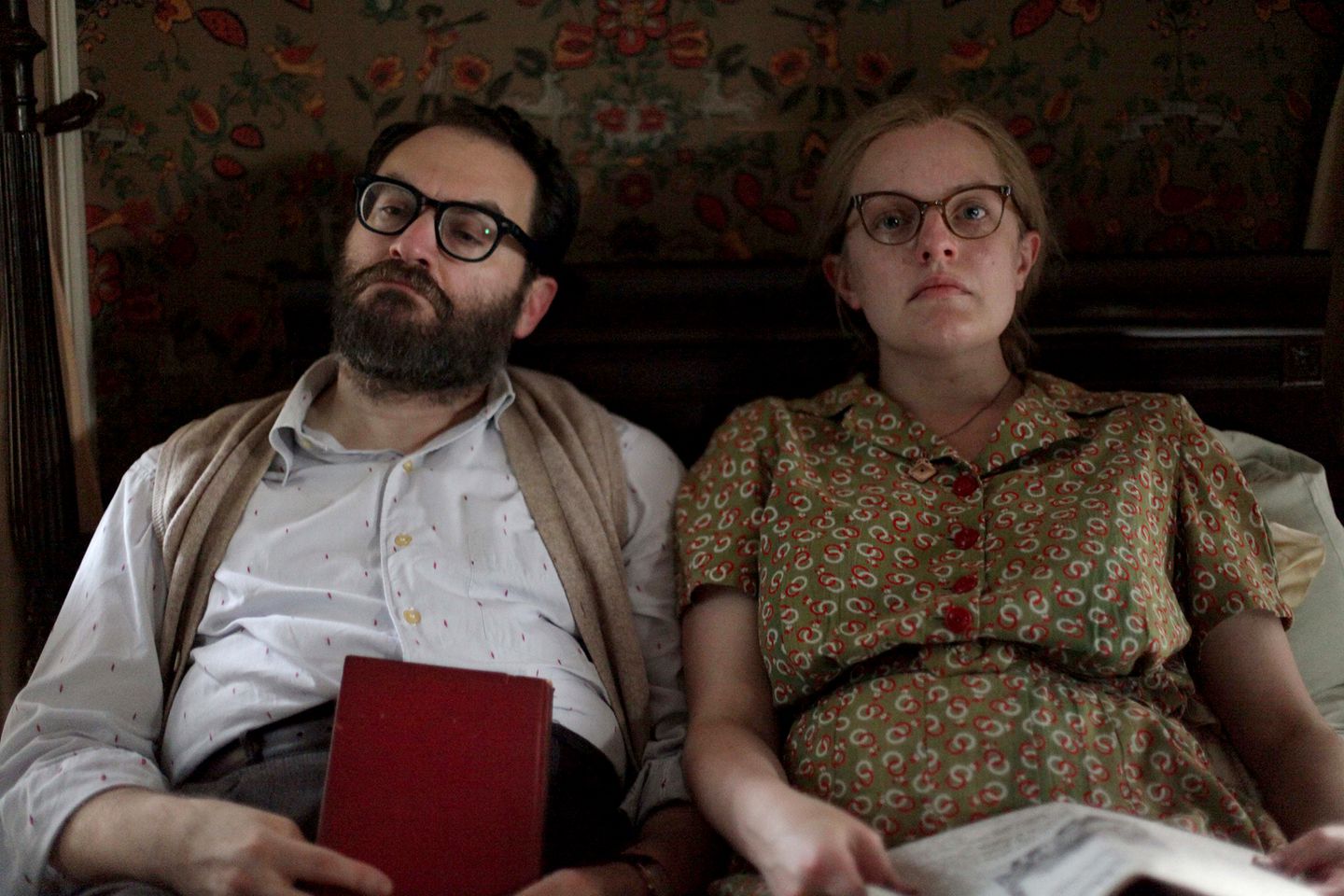
Based loosely on the life of Gothic novelist Shirley Jackson, director Josephine Decker’s latest film peers into the 1950s world of Jackson and her husband, a prominent college professor, as they play host to a recently married young couple. As Shirley and Rose grow closer, the newlywed becomes entranced in Shirley’s writing methods in a film that melds fantasy and reality.
Elisabeth Moss plays Shirley with an erratic blend of manic episodes, lucid calm and measured maliciousness that provides the entire film with a center point on which to twist and turn its allegorical, fantastical tale.
Even in moments when Shirley cannot bring herself to move an inch, Moss is mesmerizing to behold on screen, captivating the audience into a trance with her distant, glossy stare into nothing.
It’s such a multifaceted, layered performance that it almost feels as if Moss is revealing Shirley to viewers like peeling an onion.
Newcomer Odessa Young is equally as entrancing with an ingénue performance as Rose that slowly turns towards a maddening cynicism as her naivety to the world around her is stripped away.
As Shirley begins to envision Rose as Paula, the protagonist in the novel she’s writing, Young steps into that role as well, blurring the lines between the reality of the film and an imagined desperation that led to Paula’s death.
Young is able to capture both Rose and Paula with subtle flourishes that might indicate to the viewer which of the two audiences are seeing, but the differences Young plays with are so minute that viewers’ reality becomes warped in scenes that become increasingly melancholic psychological warfare played on the characters and the audience themselves.
The men of “Shirley” take a relative backseat to Shirley and Rose’s ever-changing friendship, although veteran character actor Michael Stuhlbarg turns in a wonderfully devious performance as Shirley’s calculating husband Stanley.
Decker and screenwriter Sarah Gubbins adapt Susan Scarf Merrell’s novel “Shirley: A Novel” with the same tension and dread that one might find in Jackson’s writing.
Expertly written with memorable, dry dialogue, it’s a treatise on rebellion from traditional gender roles for women at the time and nihilism on a woman’s lack of standing in regard to her spouse and her peers.
Moss and Young dance a delicate balance between all the overt and subversive themes that plague both Shirley and Rose which draw them together as unlikely kin, but it’s never aggressive or over-the-top. The terror comes from the inevitability of events and the horrors of everyday life and both actresses ease into the tension naturally that gives “Shirley” an authentic feel despite the film’s largely fictionalized story.
“Shirley” is just as eccentric and temperamental a film as its title character, fervently mixing its tones, plot structure and character development to elude, captivate and intrigue its audience.
A horror tragedy where real life holds the terror rather than jump scares, “Shirley” commands attention from the first frame with its subtle, haunting demeanor.
Decker and cinematographer Sturla Brandth Grøvlen keep the film increasingly askew visually by orienting the frame just left or right of center on the actor – thus shattering the rule of thirds – or twisting the camera as if the viewer were looking at the action with a tilted head. This also extends to the wide and varied use of closeups, which never feel cohesive or identical from use to use and often feel a bit too personal, just as Shirley does with her houseguests.
Although loosened qualifications due to the coronavirus pandemic does make it eligible for Oscar consideration, “Shirley” will likely be too avant-garde for Academy voters and just in the right wheelhouse for critics’ groups and the Film Independent Spirit Awards, where Moss will be a frontrunner for Best Actress among Picture, writing and directorial nominations for the film as a whole.
An audacious and captivating independent arthouse mystery drama, “Shirley” won’t sit well with many potential audiences but for those wanting more of Moss’ terrific work in genre films like “The Invisible Man” or “Her Smell” will find “Shirley” an alluring, thrillingly horrible feature they just can’t turn away from.
Two out of every three Netflix Original films aren’t worth the price of admission.
They’re the bargain bin, direct-to-DVD level fodder usually starring David Spade or that one girl who used to be on that one television show back in the day. You don’t remember her name, but it doesn’t really matter.
With the coronavirus pandemic keeping movie theaters closed, it’s prime ground for viewers to flock to streaming services like Netflix in spades. But how do you decipher the good from the bad while thumbing through titles at random based on algorithms and past viewing history?
Netflix hopes audiences will use their formulas to find movies like “The Lovebirds,” a subpar comedy starring Kumail Nanjiani and Issa Rae that the streamer bought from Paramount Pictures after COVID-19 made its way across the United States.
With endless suggestions of “You Might Also Like” or “Recommended for You,” it’s a film with minority stars with name appeal that the service wants to draw attention to.
Hidden somewhere in the middle, however, is a smaller independent film, “The Half of It,” dropped as an “original” about a month ago with no word of mouth and without the technical profile afforded to bigger names in lesser films.
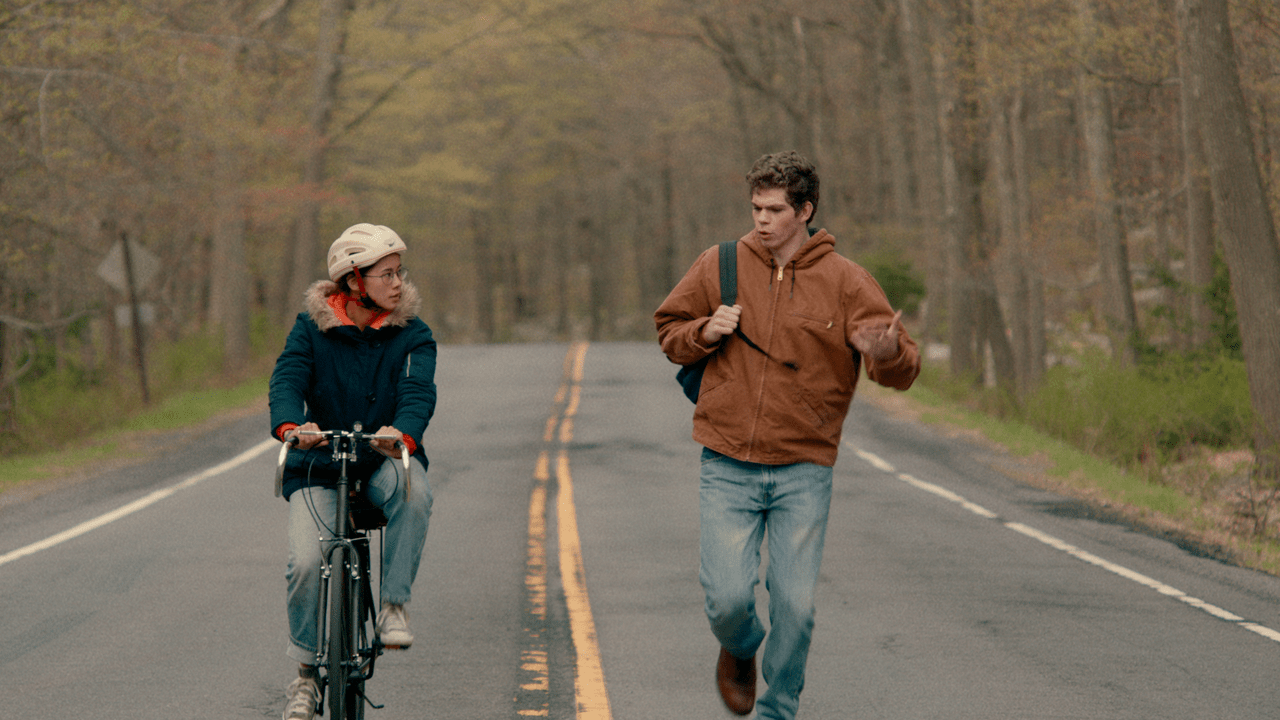
Writer/director Alice Wu’s romantic comedy based loosely around the classic tale of “Cyrano de Bergerac,” “The Half of It” follows Ellie, a young Asian-American girl out of place in rural Washington convinced by a jock to write a love letter to his crush, only to find herself falling for the crush as well.
It’s a film that quotes Oscar Wilde and opens with an animated sequence recreating an Ancient Greek myth about the separation of the soul, longing to find your other half and that feeling when the two halves meet. Sophisticated in its language but relatable at its core, “The Half of It” is an earnest, well-made romantic dramedy released at the perfect time for those looking for simple goodness.
Star of television’s “Nancy Drew,” newcomer Leah Lewis blends a wry humor and kind soul with the sort of hopeless romanticism that people feel but never truly express. She’s able to express Ellie’s isolation as an outsider from an emotional level but in a way that feels honest for a character naturally reserved and apprehensive about her perception among her peers.
Daniel Diemer gives Paul an endearing naïveté that makes the typical jock character feel richer and less of a simpleton stereotype. His Paul wears his heart on his sleeve but has no idea how to show its and Diemer plays this well with facial expressions that make his longing seem charming and his pleading for help romantic rather than desperate.
Alexxis Lemire does a wonderful job playing Aster with a performance typical of the ideal “manic pixie dream girl” trope of certain romantic comedies, the love interest audiences can relate to and adore from afar without ever truly getting to know. Lemire is enthusiastically approachable while working with Wu to create a character that hides her true feelings and intentions behind a candy-coated wall of innocence.
Wu’s adoration for these three characters envelopes the entirety of “The Half of It,” from her nuanced screenplay to the way in which she directs the film and positions the audiences firmly in Ellie’s corner with lingering feelings for those she comes into contact with.
The film’s romances are not about lusting but rather innocent longing, which gives “The Half of It” a wholesome feel without becoming overly sappy. As Ellie suggests during an early narration, this isn’t a love story or “at least one where anyone gets what they want.”
There’s a sense of authenticity to this sort of storytelling, an honesty that comes out in the screenplay and the performances that make “The Half of It” feel earnest and plausible in viewers’ own lives even if the actual events would never occur to them or someone they know.
Though it wanders off at times with superfluous side plots, the core triangle of pseudo-friendship and romance-at-a-distance between Ellie, Paul and Aster are so compelling that makes “The Half of It” an elegant, yet simple and sincere independent dramedy well worth checking out on Netflix.

Smaller films – like independent features or period dramas – usually require word of mouth to jump start their box office success and get in front of as many eyes as possible.
Autumn de Wilde made her feature directorial debut in February with a modest period comedy that was about to take off commercially after early critical success.
Then the novel coronavirus pandemic forced movie theaters to close and her film, “Emma,” went from playing across the country to $20 on-demand streaming within a matter of two weeks.
Films like “Emma” that were in this flux point are now beginning to see wider audiences with cheaper online rental prices as well as Redbox, and there’s simply not a better film from a pack that includes “The Invisible Man,” “The Call of the Wild” and “The Way Back” of these pandemic casualties for new viewers to take a chance on than de Wilde’s audaciously vibrant and fun adaptation.
Based on the classic novel of the same name by Jane Austen, “Emma” follows the titular character as she meddles in the romantic lives of those around her in a small English village in the name of playing “matchmaker” only to become drawn into the world of romance herself.
Anya Taylor-Joy is transcendent as Emma, relishing the opportunity to play with Austen’s dialogue in sharp quips or overly polite platitudes.
Her choices are deliberate and forceful but done with a grace that fits the time period and still represents the modern sensibilities that de Wilde and screenwriter Eleanor Catton layer into the structure of the adaptation.
But where her effort truly shines is in her eyes, which captivate and draw audiences into Emma’s mindset as de Wilde keeps the camera lingering on Taylor-Joy despite the action of a scene playing out elsewhere, so viewers are privy to Emma’s inner monologue.
With the flicker of a lash or a turn of the ball, Taylor-Joy expresses so much with her eyes in cast aside glances, eye rolls and longing looks that de Wilde frames beautifully in a variety of portrait angles.
Mia Goth takes admiration and glee to considerable heights before bringing Emma’s closest friend Harriet into her own woman. Goth does an exceptional job of subtly mimicking Taylor-Joy’s physical mannerisms without overly calling attention to how much Harriet longs to be Emma, a delicate balance that never feels over the line.
Bill Nighy is wonderful as always as Emma’s father Mr. Woodcock, infusing his character with a charming general unawareness of events around him, but with plenty of gravitas that cements the distinction other characters place on him and his ability to seemingly break out of his stupor to show off the great man Woodcock once was.
The film’s terrific supporting cast provide plentiful color to the world of “Emma,” with Miranda Hart’s endearing annoyance as Miss Bates and Johnny Flynn’s lustful, bordering on duplicitous turn as town preacher Mr. Elton as standouts.
“Emma” suffers early to fully orient viewers unfamiliar with the Austen novel in the world of Highbury, a small town in the English countryside whose residents each display unique eccentricities in rapid fire, almost whispered dialogue that may leave newcomers spinning.
Once audiences find their place, however, the repartee and dynamic vision for the film create the perfect setting for fantastic period comedy.
The picturesque setting and remarkable production design are well framed by cinematographer Christopher Blauvelt, who captures events either with a wide berth to give a sense of scale and grandeur or in tightly on characters faces and profiles, which offers a more artistic approach.
Even if there weren’t a dearth of feature films eligible due to the novel coronavirus pandemic, “Emma” would still be a strong contender for Academy Award consideration for its vibrant, colorful production design by Kave Quinn and brilliantly textured, eye-popping costumes from Oscar winner Alexandra Byrne.
Both critical elements of the film are beyond reproach from a technical level and yet give “Emma” a distinctly modern feel well in keeping with de Wilde’s vision for the film as a whole and Taylor-Joy’s magnetic performance that should still be on the minds of voters months from now.
Fans of “Downton Abbey,” Jane Austen novels or the Oscar nominated period farce comedy “The Favourite” will find themselves giggling with pleasure at the dry witted, well crafted “Emma.” With a terrific directorial debut and a magnetic lead performance, it’s a must see at home watch for ardent cinephiles struggling to find something new on a streaming service.
Movie trailers can be a deceptive thing.
They can make comedies seem side-splittingly funny even though they used all the good jokes in the ad. Horror flicks can seem scarier in two minutes of previews than 95 minutes of an actual feature.
And in some cases, a wily editor can cut together a trailer that changes the genre and intent of a film altogether, misleading potential audiences to think they’re getting something that they’re not and tanking the long-term viability of a movie in search of getting viewers to buy tickets opening weekend.
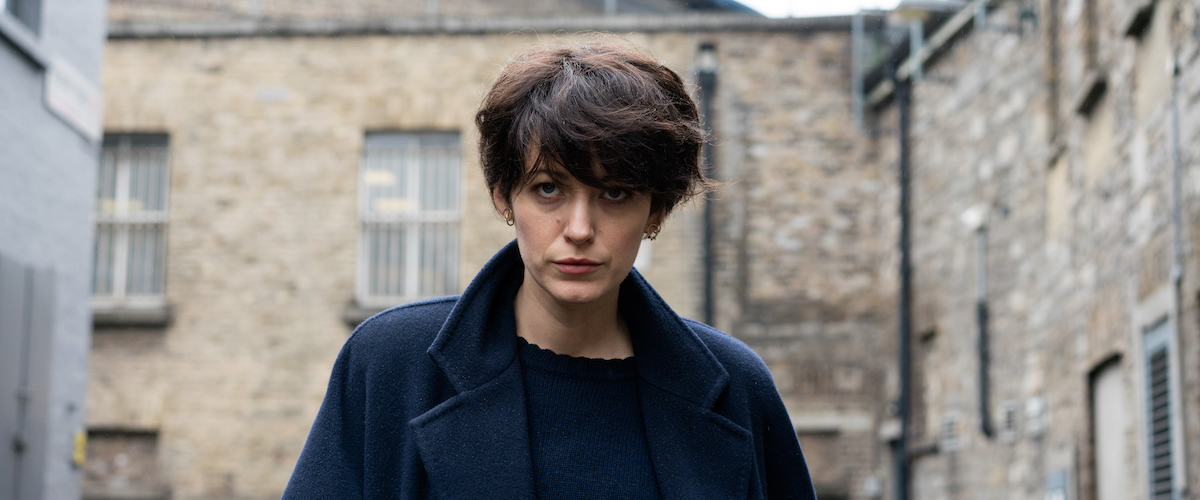
Pushed as a high-voltage action thriller with a dazzling, beautiful lead actress, “The Rhythm Section” is a slow-burn espionage drama about a woman’s search for revenge and redemption following unimaginable loss.
This isn’t “witness the birth of an assassin” as the film’s tagline suggests.
It’s “observe the rebirth of a victim who’s not dead yet.”
Director Reed Morano’s feature follows Stephanie Patrick, a woman whose idyllic life shatters after the death of her entire family in a plane crash. When a journalist finds her prostituting and taking drugs to ease her pain, the information he reveals to her sets Stephanie on a collision course with the truth that the crash might not have been accidental.
Given a part with real depth, Blake Lively has the ability to be the best actress in any scene opposite any other performer. “The Rhythm Section” gives Lively the time and character background to immerse herself into a world of emotional frailty and loss covered by an almost impenetrable facade of numbed apathy.
Her transformation as Stephanie from joyful to hopeless soul to would-be revenge assassin builds around the emotional burden Stephanie carries first, with flashbacks drawing audiences into her mental state and grounding the whole film with the weight of her sorrow.
The why Stephanie acts the way she does and decides to go on her quest for revenge – an attempt to make herself somewhat whole again – is more important to “The Rhythm Section” than the how she actually carries out her missions.
Her soul ripping apart at the seams in high-stress moments brings about the sort of fractured humanity that blockbuster action films just won’t delve into and Lively excels in these moments as Stephanie’s humanity causes hesitations that become her biggest flaw in her new line of work and her biggest asset in regaining herself.
Jude Law is solid, not spectacular as a former MI6 agent who takes Stephanie under his wing and points her safely into harm’s way, while Sterling K. Brown tries hard but feels out of sync with the rest of the film as an intelligence broker Stephanie seeks information from.
Action scenes are not as big and bold as the film’s trailer – and likely a majority of its initial audience – projected. Like the rest of “The Rhythm Section,” violence is intimate and in close quarters to keep audiences firmly in Stephanie’s mind as events whirl around her. The camera rarely strays from her vantage point, which amps up the urgency of scenes.
Visually, “The Rhythm Section” benefits from Oscar-nominated cinematographer Sean Bobbitt teaming up with Morano – a cinematographer in her own right – to progress the style of the film from chaotic, drug-induced mania to a colder, distant look as the camera work mirrors Stephanie’s evolution as a character. Bobbitt makes an arresting use of light and shadow to give the film a gritty texture uncommon to action films outside of the Jason Bourne franchise.
“The Rhythm Section” was never going to work on the big screen, especially not with the pressure placed on its success by Paramount to recoup its $50 million budget by immediately placing the film in over 3,000 theaters during late January.
An arthouse film released in a blockbuster world, “The Rhythm Section” fits the mold of theatrical adaptations of John le Carré novels like “Tinker Tailor Soldier Spy” and “A Most Wanted Man” or intimate spy thrillers like Steven Soderbergh’s underappreciated 2012 gem “Haywire.”
With movie audiences staying at home and in constant need of something different, perhaps a fantastic leading effort from Lively, grounded drama and rich cinematography, there’s hardly a better time to take a chance on this well-made arthouse espionage thriller.
Sam Hargrave’s directorial debut couldn’t have gone much better.
The former stunt coordinator and second unit director landed Thor himself, Australian actor Chris Hemsworth to play the film’s lead with a script written by “Avengers: Endgame” co-director Joe Russo.
Within its first month, over 90 million people have seen Hargrave’s “Extraction” and a sequel to the Netflix original action thriller has already been greenlit for production after the coronavirus pandemic ends.
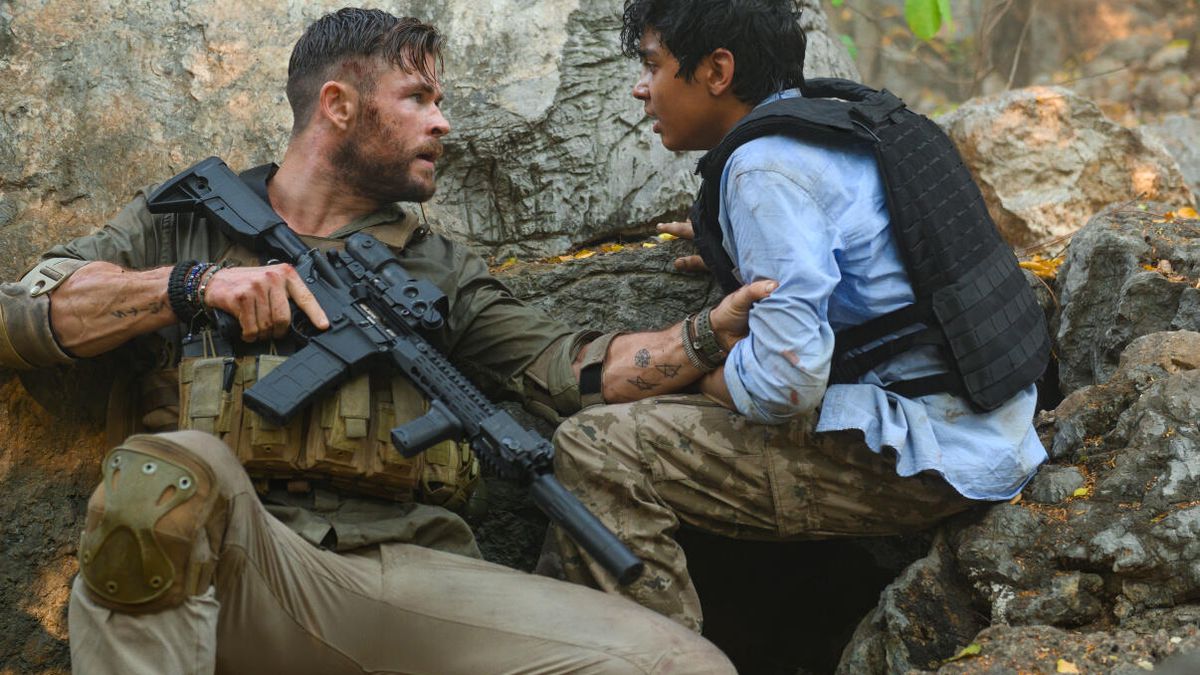
“Extraction” follows Tyler Rake, a former Australian special forces operative turned mercenary tasked with rescuing the son of a top Indian drug lord from his main Bangladeshi rival. Infiltrating into the heart of Dhaka, Bangladesh’s capital city, Rake must avoid rogue agents, police and military personnel as well as drug syndicate members to sneak the teen out of the country safely.
Hemsworth is an exceptional choice to play Tyler Rake, a solid actor who knows how to use his imposing physicality effectively in combat situations. Hemsworth and Hargrave work together to create a dynamic energy to the way Rake moves through a fight sequence, always pushing forward into the next attack and relying on instinct to propel Rake through a constant survival mode.
The Australian actor also does a solid job of remaining numb to the outside world for the majority of “Extraction,” only allowing Rake’s emotions to boil to the surface once things have broken down too far.
Most of the rest of the cast is unremarkably bland, aside from Rudhraksh Jaiswal as the kidnapped teen, Ovi, who shows appropriate fear and a great amount of heart, and David Harbour in a solid supporting role as a former teammate of Rake’s trying to survive in Bangladesh as a mercenary.
The best action movie to be released since movie theaters closed in March, “Extraction” excels in the stunt-heavy sequences that prove to be in Hargrave’s wheelhouse.
A combination of tactical gun battles and hand-to-hand combat in close proximity to the camera, the film evokes both the brutality of the “John Wick” franchise and the finesse of “Atomic Blonde,” a Charlize Theron-led action spy thriller that Hargrave served as stunt coordinator on.
The film’s signature set piece is an 11-minute chase sequence to conclude the first act of “Extraction,” where Hargrave uses techniques made popular in films like last year’s “1917” to cut the scene together in a way where it appears to the audience to be one continuous shot.
Cinematography by Newton Thomas Sigel – solid throughout – is especially effective here as he weaves audiences through a forest into a small town, in and out of buildings and car crashes without slowing the relentless pace and explosive firepower.
There’s an expert fluidity to how the camera dances around the action in full 360 degrees, synced in time with Hargrave’s flawless fight choreography that has Hemsworth fend off up to five assailants at a time with both his fists and an array of weapons at Rake’s disposal. This sequence, along with a pivotal set piece on a crowded bridge, are worth taking a chance on the film alone.
“Extraction” tries very hard to be something more than just brutality. The screenplay – penned by Russo based on a story from several writers including Russo’s brother Anthony – works at layering multiple relationships between fathers and sons as motivation for action in the plot.
One father forces another father to rescue his son by threatening harm to the second father’s son; Rake refuses to give up on his assignment because he sees his own son in Ovi and cannot bring himself to let Ovi die.
In between all the gruesome killing and intense chase sequences, “Extraction” cranks the volume down to nearly zero with mundane, predictable melodrama that serves as both emotional palate cleanser and bathroom break time before things kick into gear again.
Like something straight out of a morning soap opera, familial strife and personal loss are shown poorly to an excruciating degree as Hemsworth’s Rake floats in and out of hazy flashbacks set to an intentionally wistful score from composers Alex Belcher and Henry Jackman.
While necessary to flesh out the plot, these interludes are so poorly executed by Hargrave and his team that they become a wet blanket for the entire film.
But for a director taking a significant step up from crew work to a major Netflix feature, “Extraction” highlights Hargrave’s immense talent crafting excellent action sequences that lift the entire project to must see territory for about 30-35 minutes of a nearly two-hour film.
Casual viewing on a streaming platform is the ideal scenario for watching this action thriller that will entertain on a Friday evening at home.
When actors make the transition from being in front of the camera to behind it in the director’s chair, the quality of their work can vary greatly depending on not just their talent in a new role on a film set.
First time directors may lean on key assistants or department heads to help shape their vision or these actors may want to direct themselves on screen, fully immersing themselves in multiple worlds simultaneously.
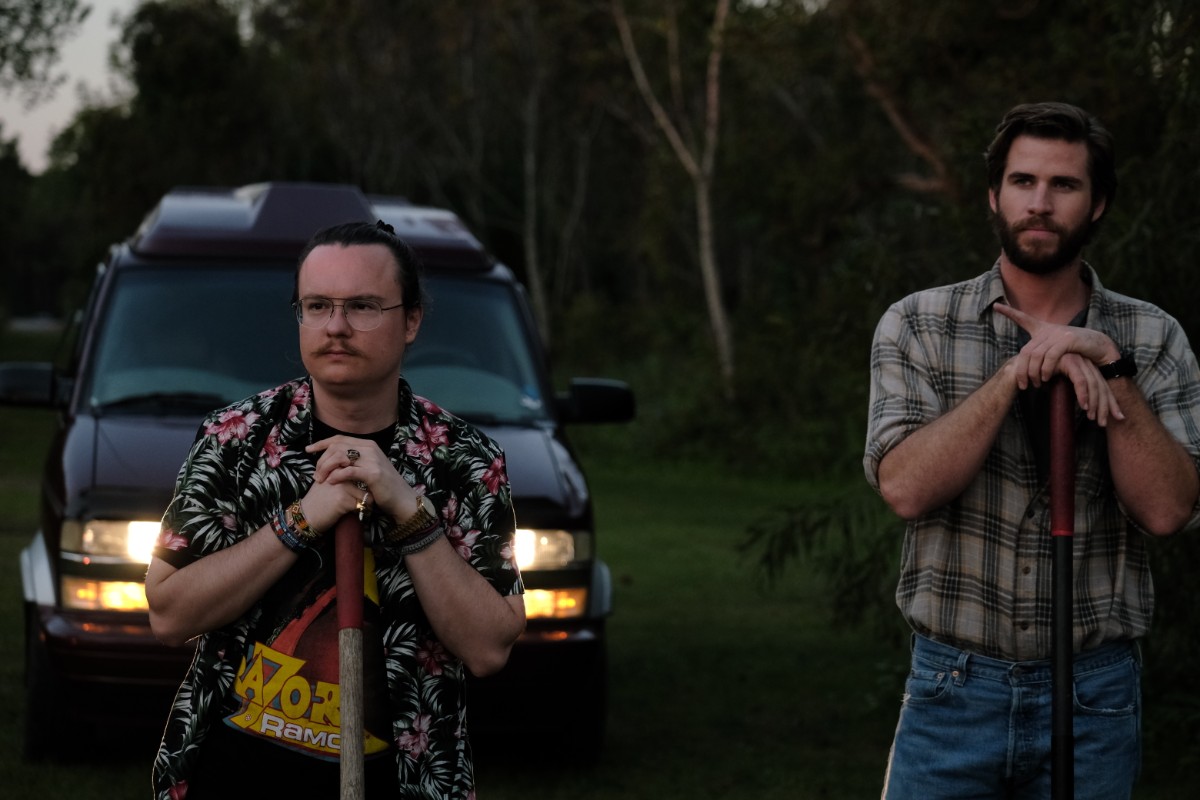
Clark Duke – a veteran comic actor known for smaller roles in ensemble films and guest spots on TV sitcoms – makes the leap with his feature directorial debut “Arkansas,” based on the 2009 novel of the same name by John Brandon.
On top of directing and producing “Arkansas,” Duke also co-wrote the screenplay with Andrew Boonkrong and cast himself as Swin, one of two naïve drug dealers who serve as the film’s protagonists.
Cutting across much of the South but set primarily in the titular state, “Arkansas” follows Kyle and Swin as they attempt to climb the ranks of a drug trafficking ring led by a mysterious dealer known simply as Frog. After a job turns bad, Kyle and Swin are forced to keep up appearances while dealing with the fallout that could get them killed.
On paper, it’s a feature with elements of traditional crime, noir and black comedy that would appeal to a broad audience, but “Arkansas” is a middling independent movie that suffers most from its creator taking on far too much.
The film’s significant identity crisis stems from Duke wanting to put every idea he had from a writing perspective into the screenplay, trying to emulate all his favorite directors and their contrasting styles and on top of all of that, reinvent himself as an actor by taking on a meaty, transformational part unlike anything he’s ever done before.
Technically, Duke achieves all of this with “Arkansas.”
His script is inventive, playing with the narrative structure both in time-jumping between decades and focusing on different characters by breaking up the film into chapters as master screenwriter Quentin Tarantino might do.
Duke’s direction is engaging, pushing a heavy hand visually at times with bold night cinematography that helps set the mood of “Arkansas;” although it’s not particularly surprising that the film’s best scenes directorially come when Duke’s Swin isn’t in them, which allows the filmmaker to focus on the whole scene and not confine himself to a single character.
As an on-screen performer, Duke swings for the fences with a nearly unrecognizable look, hiding behind glasses and a wiry mustache, dulling his accent slightly and evoking a strange combination of Phillip Seymour Hoffman and Steve Buscemi for the film’s most interesting performance.
And yet, all the pieces that Duke assembles together to create the world he envisioned for
“Arkansas” become a garbled noir mess with mixed tones that reflect his love for Martin Scorsese’s “Goodfellas” one minute and the Coen brothers’ “No Country For Old Men” the next.
A strong ensemble cast led by John Malkovich’s signature eccentricity as a state park ranger and Vince Vaughn maintaining understated composure in a significant role as a pawn shop owner give “Arkansas” plenty of flavor that it richly needs, while Eden Brolin (daughter of Josh) is a welcome surprise as Swin’s love interest.
Characters in “Arkansas” are vague, but memorable enough to have a Tarantino-esque vibe that any one of them could have their own story or film made about them.
The rare exception here is Liam Hemsworth’s Kyle, who gives a solid effort opposite Duke but isn’t rough enough around the edges to play the sort of dirtbag that would pair well with Swin. It’s key to the success or failure of the film that Swin and Kyle feel like they’ve come from similar backgrounds to wind up at the same place, but Hemsworth isn’t matching Duke’s dedication to the part and falls flat relative to the rest of the cast.
“Arkansas” suffers greatly from missing out on a theatrical release, opting for a May 5 release on Bluray and streaming platforms after the film’s world premiere at this year’s South by Southwest Film Festival was cancelled due to the coronavirus pandemic.
It’s a movie that needs an actively engaged, rowdy audience to laugh and reinforce the film’s dark humor and it needs a confining theater to prevent viewers from checking out as Duke resets the film over and over again by switching decades and perspectives.
The best chance for “Arkansas” to find its audience and have viewers appreciate its uneven eccentricities is for people to wait until the film inevitably lands on a streaming service where viewers can take a free chance on Duke’s directorial debut.
To understand what kind of a film “Bad Education” seeks to be, it’s important to first be introduced to the values of the world director Cory Finley and screenwriter Mike Makowsky bring audiences into.
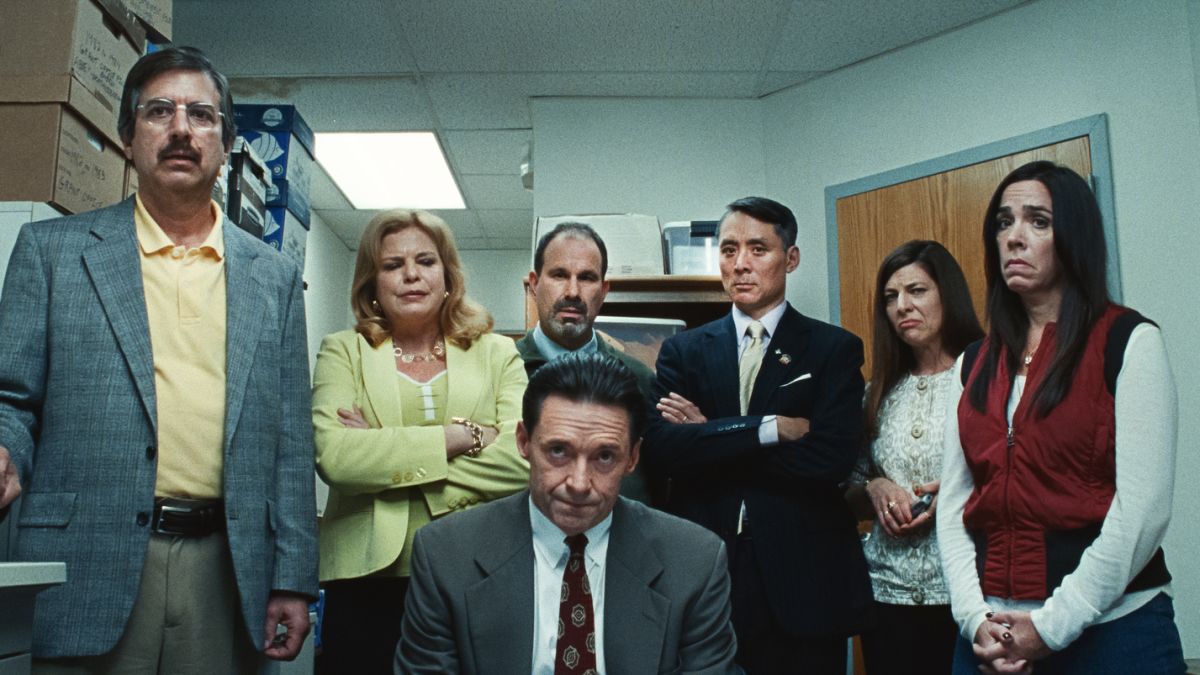
Set in an affluent Long Island community, Roslyn School District Superintendent Frank Tassone aims to make his district number one in America (they’re number four) and the school board president begins his meeting updates by tallying up how many Roslyn students have been admitted to elite universities.
“The better the school system, the higher the price tag on the homes,” one grateful community member (and real estate agent) brags to Tassone in the film’s opening moments.
Money and status are the keys to power in this world, and Finley and Makowsky find their way to communicating elitism to a broad audience with a dark, subtle humor and smart writing.
Based on a true story, the film follows Roslyn’s school system as it navigates a financial scandal that could destroy not only the school’s finances, but the reputations of its seemingly perfect staff.
“Bad Education” gives Hugh Jackman the opportunity to show off the biggest part of his on-screen persona – the relentless charm of a showman – in a way that other actors might turn into a snake-oil salesman, but that the Australian actor turns into a revealing, nuanced look into the effects of the public education system on those who work to help kids excel.
The allure of casting Jackman as Tassone preys on the film’s audience by luring them into a false sense of security with the performer that masks his character’s true intentions. There’s a sense of naturally rooting for Jackman that extends over to Tassone as audiences watch everyone in the world of the film faun over Tassone and place him on a pedestal.
Viewers who come into “Bad Education” without any history with the true story may be confused as to how things turned sideways for Roslyn. One Jackman smile and it all makes sense.
Even in moments where Tassone is forced to verbally confront others, Jackman’s measured approach comes across as genuine to the other characters in the scene and slightly underhanded to knowing viewers. It’s a deep, engaging performance that may well be one of the best in Jackman’s career.
While all eyes are rightfully on Jackman’s performance throughout, there’s an easy case to be made that Emmy and Oscar-winning actress Allison Janney’s scene-stealing turn as assistant superintendent Pam Gluckin deserved a full two-hour spotlight. Janney excels in roles that allow her to elongate naturally dry, sarcastic humor and her performance as Gluckin is a masterclass in facial expressions to convey contempt.
Ray Romano plays a convincingly dopey school board president, while “Blockers” star Geraldine Viswanathan showcases her potential to be a breakout star with another stellar performance as Rachel, a skeptical Roslyn journalism student encouraged by Tassone to dig deeper into her stories.
On the surface, “Bad Education” is a straightforward, simply shot and plainly directed film. But underneath the cosmetics are layers of subtle, nuanced critiques of elite East Coast ideologies and societal pressures to succeed at any cost.
Smartly, many of these themes are laid out in reverse where the audience sees the end results of actions before understanding what is happening in context and the cinematic subterfuge only truly reveals itself after the credits roll or on a subsequent viewing, where minor characters who didn’t seem important at first glance make sense in the aftermath.
If there’s a major flaw within “Bad Education,” it’s the journalistic strings that the film doesn’t tug on as events reveal themselves. Rachel’s investigation into the school’s finances stops dead in its tracks for large segments of the film despite being some of the most compelling from a plot perspective and a deeper look at Roslyn in the vein of the New York Magazine article by Robert Kolker this film was based on would make for a worthy, entertaining companion piece.
After debuting at last year’s Toronto International Film Festival, “Bad Education” was quickly purchased by HBO’s film division, which released Finley’s feature on the premium cable channel Saturday evening. It’s sure to be a major player at the Golden Globes and Emmys with acting nods for Jackman and Janney a certainty and “Bad Education” a contender for best miniseries or television film.
With a dynamic lead performance from Jackman and a terrific ensemble cast, “Bad Education” offers up a revealing, subtle glimpse inside the world of public school education on a country club budget and is well worth seeking out on HBO.
 Cinematic Considerations