

Most moviegoers will see acting legend on the big screen this weekend as the head of an organization protecting Earth from aliens in the blockbuster sequel offshoot “Men In Black: International.”
Where they should be her, however, is the underappreciated gem “Late Night,” a dramedy that sees Thompson as a late-night talk show host about to get the boot from a new network CEO just as the show hires its only female writer among an all-male staff.
The two-time Academy Award winner gives her best performance in at least five years as bullheaded comedienne Katherine Newbury, a stalwart of late-night television whose comedy tastes don’t align with modern misogynistic humor prevalent on the circuit.
Penned by talented former television writer and “Late Night” co-star Mindy Kaling, the film blends sharp tongues and wide-eyed optimism for an exceptional dramedy with a fresh point of view.
As screenwriter, Kaling trusts her audience to be smartly engaged in the quick-witted material. “Late Night” overtly and subversively satires the boys’ club mentality of popular entertainment through the lens of a talk show writers’ room.
There’s a lot of sameness prevalent across studio comedies over the past several years and although “Late Night” follows a traditional rom-com plot structure with Molly and Katherine’s friendship substituting for the love angle, Kaling’s script and Nisha Ganatra’s direction give the film a fresh perspective lacking in bigger films like “Long Shot” and “The Upside.”
Thompson’s performance early in the film delivering biting remarks with vigor resonates well with the audience and evokes Katherine’s unseen earlier stand-up work. Her prickly demeanor has a strong foundation in Thompson’s construction of the character and Kaling’s expert writing of a role she designed for the Oscar winner.
As the film progresses, Thompson tweaks Katherine’s personality to reflect how her growing unease with work and the impact Kaling’s Molly have on her.
For her own merit, Kaling wholly inhabits a character she designed as an approximation of herself. Her Molly is a naïve, yet boundlessly optimistic risktaker who finds her voice early in the film and cannot help but speak brutal honesty in the kindest, most adorable ways possible.
On her own, the performance is nothing remarkable, but in tandem with Thompson’s masterful work as Katherine, the two develop a banter of hesitant respect that evolves into admiration or mild friendship depending on the perspective that’s genuinely exciting to watch.
Their bond is complemented by Thompson’s wonderful chemistry with veteran character actor John Lithgow, who constantly steals scenes as Katherine’s longtime partner Walter. While their verbal dynamic is impressive, the amount of drama Thompson and Lithgow are able to create together in limited screen time with the words Katherine and Walter do not say to each other is equally profound.
“Late Night” finds and maintains a proper balance between lighthearted comedy and intentional drama thanks to Kaling’s nuanced screenplay brought to life with care by Ganatra.
While “bright-eyed novice works for prickly older boss” may come across as invading “The Devil Wears Prada” territory at first glance, “Late Night” changes the dynamic by making Molly and Katherine’s relationship more territorial.
“Late Night” is an incredibly smart film, almost too smart at times for its own good. Katherine’s dry witticisms and high concept humor are excellent, thought-provoking commentary that often comes at too rapid of a pace for casual audiences to keep up with.
The film hardly masks its contempt for male dominated writers’ rooms, often for the sake of humor. A consequence of this decision is an assortment of thinly written characters Molly interacts with in the workplace who all feel like different shades of the same person and are occasionally redundant to the plot.
“Late Night” comes out far too early in the year for the winning dramedy to be a serious awards contender. Its best shot lies in the original screenplay category following in the footsteps of fellow Amazon Studios film and Oscar nominee “The Big Sick.”
Thompson should also be a consideration for her fantastic character work, although the lead actress category is usually filled with more showy, dramatic performances.
Whether it’s at the nearest theater on the big screen or at home months from now exclusively on Amazon Prime, “Late Night” is a must see Friday night date movie that will resonate with audiences long after the credits roll.
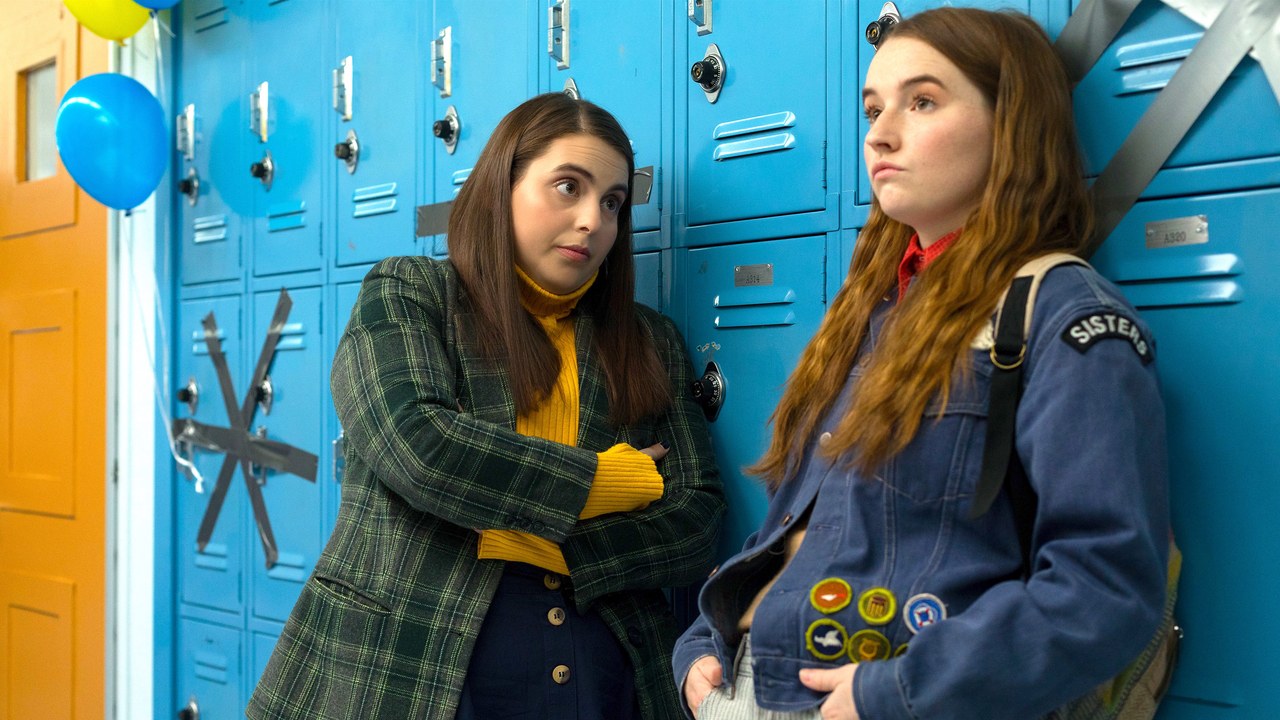
Once or twice a year, a comedy will come out that has something more on its mind beyond just a quest for cheap laughs.
In 2019, that film is “Booksmart,” a nuanced and insightful feature that elevates high school movie tropes to new heights.
Written by four women and helmed by veteran actress turned first time director Olivia Wilde, “Booksmart” doesn’t seek to revolutionize genre as much as it succeeds in rising above it.
The latest in a long line of coming-of-age, end of high school dramedies, “Booksmart” follows best friends Molly and Amy on their last day of senior year as the conscientious pair decide to consolidate four years of partying into one wild night.
Conceptually, “Booksmart” is far from treading new ground. It’s in the execution of Wilde’s artistic indie vision for the film and pitch-perfect chemistry between lead actresses Beanie Feldstein and Kaitlyn Dever as Molly and Amy respectively that set this dramedy apart from the crowd.
Feldstein embraces the headstrong academic Molly with a vigor relatable to anyone whose high school had an overbearing class president. The bravado with which Feldstein attacks scenes opposite Dever or adults at the school is wonderfully counterbalanced with an internalized desire to keep classmates at arm’s length to prevent getting hurt emotionally.
Dever takes great care to slowly unfold Amy’s personality as she attempts to overcome personal and romantic insecurities. Her performance elevates non-verbally as Dever lets audiences into Amy’s state of mind through the squint of an eye or sinking of the shoulders.
Their chemistry together is simply impeccable as Molly and Amy have an instant deep-seeded attachment that feels lived in despite the two actresses having never met before the start of production. The joy expressed on screen when the pair are dancing on the street, bantering in a vehicle or incredulously complementing each other cannot be faked. It’s a palpable energy that radiates off of their performances and permeates throughout the entire film.
The ensemble cast of “Booksmart” is littered with quality secondary characters that fill the world of the film with their eccentricity, none more so than Billie Lourd’s absurdist free spirit Gigi.
Lourd shimmers off the screen with a vibrancy that rises to the crest of going over the top but doesn’t quite tip into caricature. Gigi’s aggressive, antagonistic appearances sprinkled throughout “Booksmart” challenge Molly and Amy at key moments while also providing humor in her ridiculousness.
Even smaller characters – Noah Galvin’s demonstrative thespian and Eduardo Franco’s risk-taking stoner come to mind – have a heightened presence in “Booksmart” that one wouldn’t find in the usual high school comedy. It’s clear that each performer has made a deliberate, intentional choice about their character no matter how essential they are to the story and this gives “Booksmart” a rounder complexity.
High school comedies rarely go for broke visually, opting for a crowd-pleasing sheen one would usually find on a network television sitcom.
Wilde goes out of her way to find the most interesting angles from which to frame her characters, drawing audiences in with harsh closeups contrasting with wider shots to keep viewers present in the moment rather than casual observers.
The cinematography of “Booksmart” has a slight faded quality to it, evoking a recent past though it’s culturally cemented in 2019.
Viewers can see Wilde’s growth directorially come alive on screen as “Booksmart” becomes a more daring, confident film while marching into its third act.
There’s a truly special underwater scene scored to Perfume Genius’ “Slip Away” following Amy around a crowded pool that vividly and stunningly tells her quest for self-discovery in pictures and emotions rather than words.
This kicks off a dynamic 10-minute sequence late in “Booksmart” that may be one of the year’s most special moments featuring more cinematic flair than in any comedy in recent memory.
Music is instrumental to the success of “Booksmart” both in the modern, yet nostalgic score from Dan The Automator and in the richly curated soundtrack.
Wilde perfectly chooses songs that speak to the moment and spins tracks in and out of sequences, blending tunes to enhance or interrupt the narrative as needed. This also extends to her deft hand on the sound mixing, altering or cutting out sound entirely to change the viewers’ focus, most notably in a conversation between the two leads at a party.
“Booksmart” isn’t the funniest movie nor is it the most observational or risqué. What the film overwhelmingly succeeds at is making the seemingly innocuous plight of two well-to-do high school girls feel relatable across generation, gender and sexual identity.
It’s a decidedly inclusive film in a matter-of-fact way where characters have individual agency over choices they make in the narrative rather than a by-product of limiting stereotypes.
This is especially true of Amy, a character whose attraction to women is neither marginalized nor overtly celebrated. A rare high school film not about sex, “Booksmart” allows Amy to have complexity rather than limited to merely a funny gay best friend character to a straight lead.
The film smartly orients audiences by guiding them through the one-night-only narrative odyssey with familiar guideposts as Molly and Amy meander across Los Angeles to find Nick’s party, but again, these tropes do not define what “Booksmart” is.
An immensely rewatchable experience, the layers of simple complexity in the film will become more apparent as audiences find jokes they laughed over on a first viewing or the unique directorial flourishes Wilde includes.
“Booksmart” is likely the best film you won’t see in theaters but will watch six months from now and kick yourself from not finding it sooner.
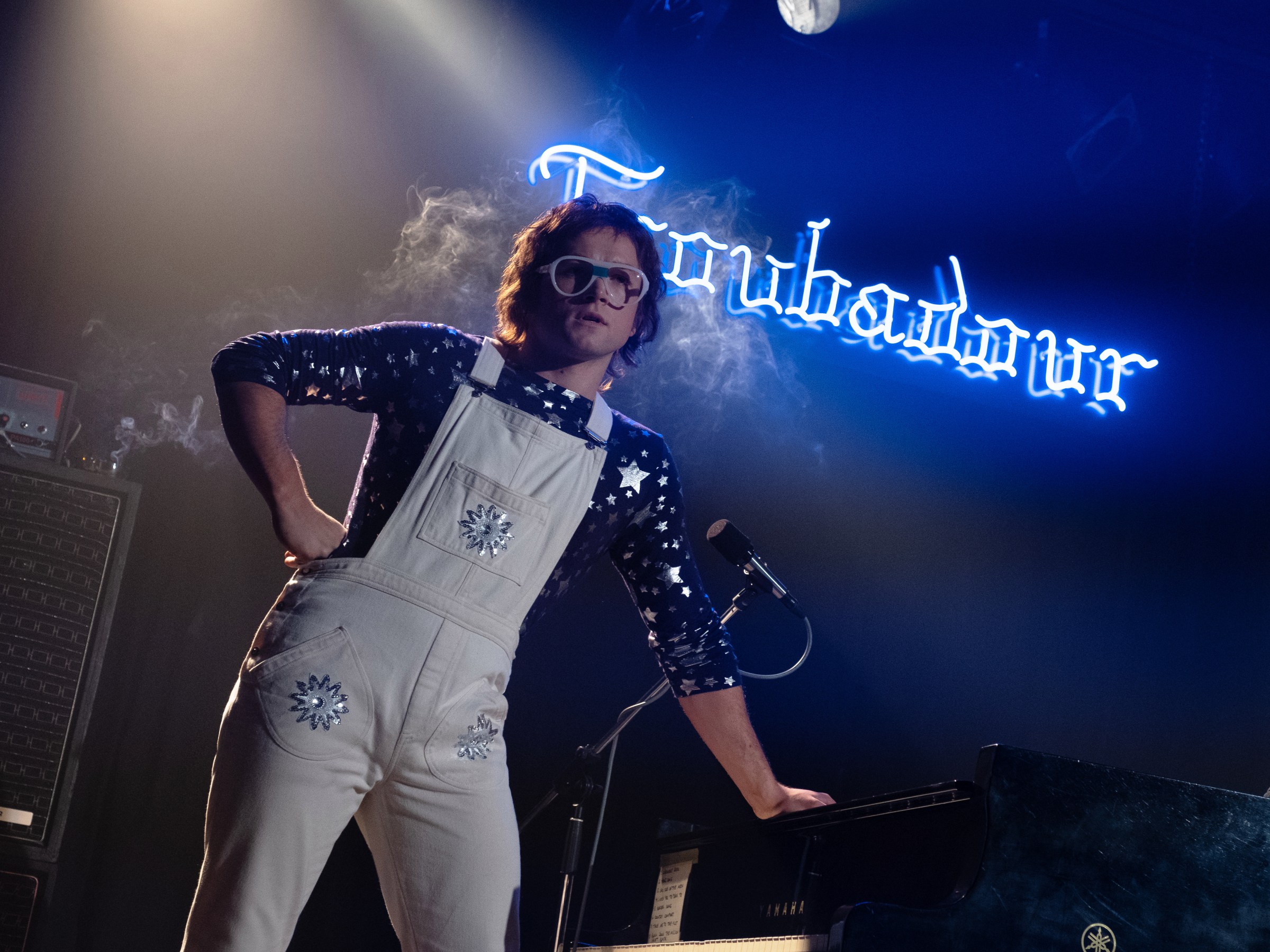
Director Dexter Fletcher’s new film is not a biopic of iconic musical genius Sir Elton John.
“Rocketman” captures all the fantasy and majesty of John’s enduring legacy in a unique and magical way, cranking up the tunes in a dream-hazed jukebox portrait that lives and breathes the man’s identity without worrying all too much about historical accuracy.
Theatricality and performance reign supreme in a film that unconventionally chronicles a shy artist’s ascent to mythical fame and fortune in spite of a relatively traditional rise-and-fall screenplay.
“Rocketman” stars Taron Egerton as an adult John reflecting on the decisions in his life that brought him to rehabilitation for every addiction under the sun from his beginnings as young child of divorce Reginald Dwight through cocaine and sex-fueled parties in his mansion to hitting rock bottom and a suicide attempt.
It’s clear throughout “Rocketman” that viewers are watching Egerton play a mythical approximation of John rather than the man himself. But by the 20-minute mark, Egerton’s dynamic performance overshadows this conceit and audiences forgive the historical inaccuracies and other liberties taken by the filmmakers to create a singular vision for John’s story.
This cinematic daydream of John is captivating regardless of the situation. “Rocketman” doesn’t shy away from the darker side of the mercurial singer’s active, rampant alcohol and drug use. The film is also particularly forthcoming on John’s sexuality and how remaining closeted publicly impacted and isolated him from the people around him.
What brings Egerton’s performance to the next level is a commitment to the young English actor singing all of John’s classic tunes himself rather than follow choreography and lip-sync to the original track.
This gives “Rocketman” a fresh, vibrant quality that can’t be faked as Fletcher reimagines songs in a new context that highlight and accentuate John’s emotional journey over the course of his career.
Though historically out of place, songs inform backstory in montage, complicate plot with nuance and enhance the mystique of John’s eccentricities.
There’s an interesting assortment of personalities constantly orbiting around John in the film with Jamie Bell perfectly balancing Egerton’s theatrics in a mellowed, yet soulful turn as John’s longtime lyricist Bernie Taupin. Bell and Egerton have terrific chemistry that powers their unconventional musical collaboration and provides the film’s most compelling character work.
Richard Madden is effective as John’s manager and lover John Reid, though his reliance on outright villainy can feel a tad mustache twirling at times.
The one casting misstep, however, is an awkwardly out of place Bryce Dallas Howard hiding behind a dark black wig and faltering British accent to play John’s mother Sheila. While not actively detrimental to the film, Howard’s stoic turn isn’t quite in sync with the actors around her and feels disjointed.
Fletcher, cinematographer George Richmond and costume designer Julian Day give “Rocketman” a daring, colorful and bold style that has viewers completely entranced by the spectacle.
It’s a film with texture and composition designed for iconic moments – barroom brawls, flamboyant concerts and drug-fueled dreams. Richmond and Fletcher paint musical sequences with an eye for visual storytelling that leave imagery seared in viewers’ minds long after leaving the theater.
Fletcher and company transform hits like “Crocodile Rock,” “Tiny Dancer” and the titular “Rocket Man” cinematically to the point that audiences begin hearing these songs in four dimensions. The highs of staging “Rocketman” the song at a pivotal point in the film are genuinely unique and intoxicating as viewers are whisked from moment to moment following John on a surreal, drug-infused ride.
There should be a place come awards season for “Rocketman,” though a backlash towards Oscar-winning Queen biopic “Bohemian Rhapsody” – a lesser film Fletcher helped clean up after director Bryan Singer was fired – may push this Elton John fantasy flick out of the running.
Egerton is clearly deserving of acclaim for his fantastical take on the singer, while the new song “(I’m Gonna) Love Me Again” John penned with Taupin for the film and sings as a duet with Egerton over the closing credits could easily be an Oscar contender to get the musical icon on stage for a performance.
The film’s reimagining of John’s iconic discography doesn’t lend itself to audience sing-alongs, though the intoxicating nature of hearing classics like “Your Song,” “Goodbye Yellow Brick Road” and “Bennie and the Jets” paired with masterful visuals make it eminently rewatchable and a must see on the big screen.
“Rocketman” is as much of a unicorn as the man it chronicles.
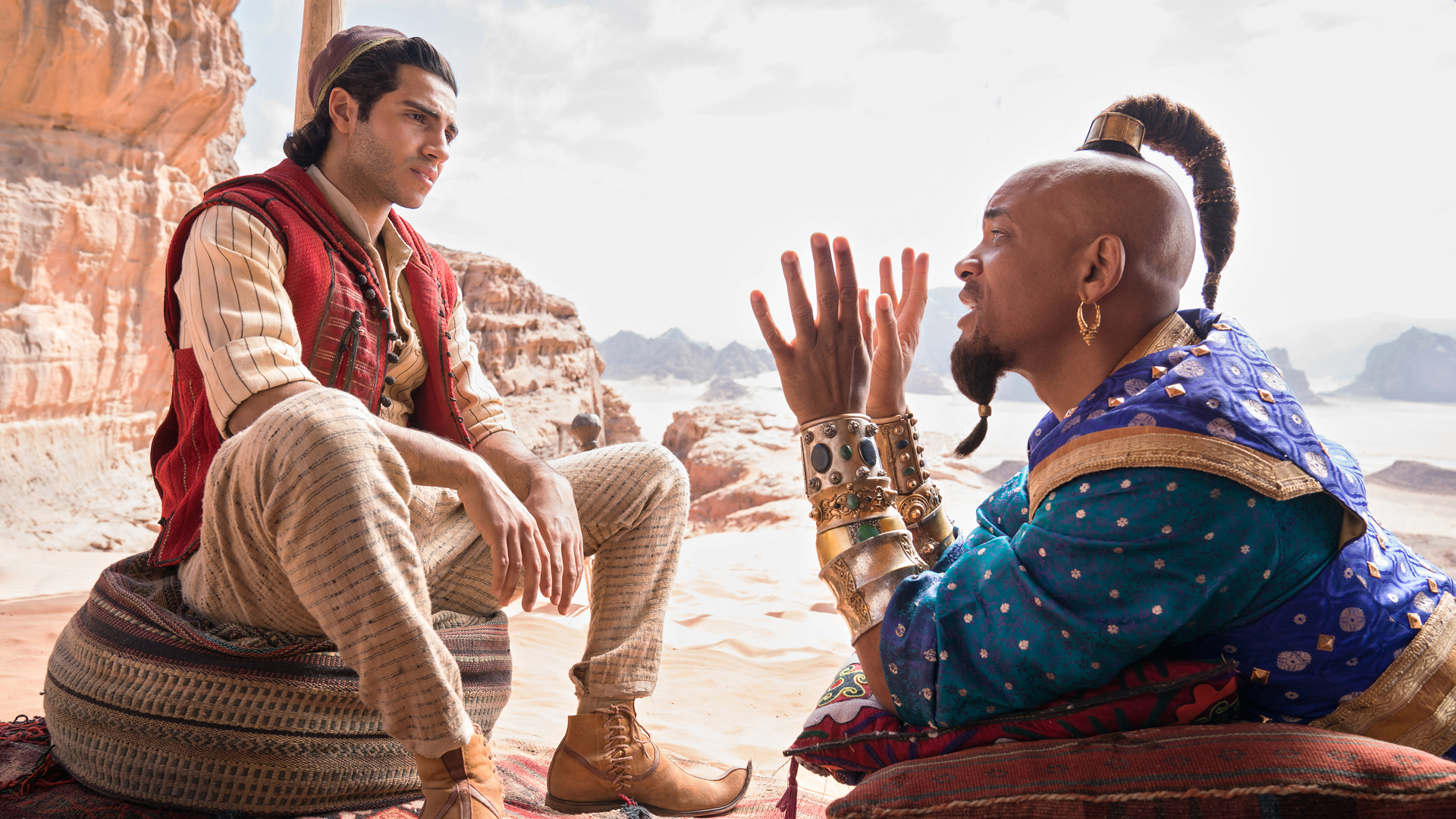
Underwhelming. Uninspired. Unnecessary.
Rather than develop new voices in fresh stories, Disney has dumped millions upon millions of dollars into reimagined live action versions of their animated classics.
If it feels like a studio resting on their laurels because they have no competition, that’s probably because it’s true.
Such is the case once again with “Aladdin,” an extended reboot that doesn’t bring enough to the table to justify its existence, joining lackluster remakes like “Alice in Wonderland,” “The Jungle Book” and this year’s “Dumbo.”
It’s intentional on the part of a film monopoly determined to bring their animated catalog to life.
“Aladdin” proves they have nothing new to say.
The story is basically the same as it always was.
A young street thief, Aladdin, falls for a beautiful princess and must win her heart while helping to save Agrabah with the aid of his monkey Abu, a magic carpet and a wise cracking Genie.
Director Guy Ritchie’s cast is fresh faced, culturally appropriate young talent living in the 200-foot blue shadow of Will Smith as the famed Genie of the lamp. Visually, Smith’s CGI-infused character looks significantly better in the final product than the film’s first trailer, yet still sticks out like a sore thumb.
This “Aladdin” is even more a star vehicle for Smith than the original was for Robin Williams. Though Smith is energetic and charismatic, his version of the Genie isn’t half as good with twice the on-screen presence.
His “Fresh Genie of Agrabah” turn is just strange and out of place with the Broadway nature of much of “Aladdin.” Most of the more intricately designed musical moments are to push Smith into the forefront, allowing the dynamic performer to take over the frame for five minutes at a time in a way that overwhelms the film.
The original “Aladdin” took Williams’ singular talent and imbued it into a memorable supporting character. Ritchie’s film wields Smith’s star power like a sword in an attempt to sell tickets, massively altering the character to the detriment of new stars the film tries to create.
Newcomer Mena Massoud is a solid choice to play the title character and keeps the audience’s attention whenever Aladdin has to carry the story alone.
Acting opposite CGI characters you can’t see during filming is a challenge, though Massoud handles imagining Abu and the carpet well. It does often feel, however, that the young actor is overwhelmed by Smith’s demonstrative presence and fades into the background whenever Genie appears.
“Aladdin” doesn’t entirely realize that Naomi Scott should be the runaway star of the film as her performance as Princess Jasmine far exceeds the tertiary role thrust upon her.
Of all the changes made to the original, empowering Jasmine and giving her a new modern ballad penned by Pasek and Paul of “Greatest Showman” fame works the best. A fuller commitment to modernizing “Aladdin” could have proved stellar, but the attempt is halfhearted on the part of the filmmakers.
There’s just not enough of her character on screen, especially as Jasmine is saddled with a servant best friend intended more as a romantic interest for Genie than a sounding board for Jasmine.
“Aladdin” is the biggest miss for Ritchie as a director. The film lacks the crisp, gritty streetwise mentality that Ritchie developed in gangster flicks like “Lock Stock and Two Smoking Barrels” and “Snatch” before popularizing it in two “Sherlock Holmes” films.
Ritchie rarely puts his actors in positions to succeed and moments that work are often because the talent exceeds what is given to them.
This is especially true in the smaller, more intimate songs which are treated less like the cinematic musical numbers they should be than stoic solos sung in high school drama style with characters pacing around obviously weak sets and staring over the shoulders of the audience so as not to look directly at them.
As expected, Disney’s animators know how to make compelling, realistic CGI animals with Abu the monkey, Rajah the tiger and Iago the parrot all looking phenomenal. Things don’t look as crisp when live action performers walk around animated backgrounds as viewers can feel the green screen.
Because it’s family-friendly Disney, “Aladdin” offers a perfectly serviceable outing to the movies that will largely be forgettable on the car ride home.
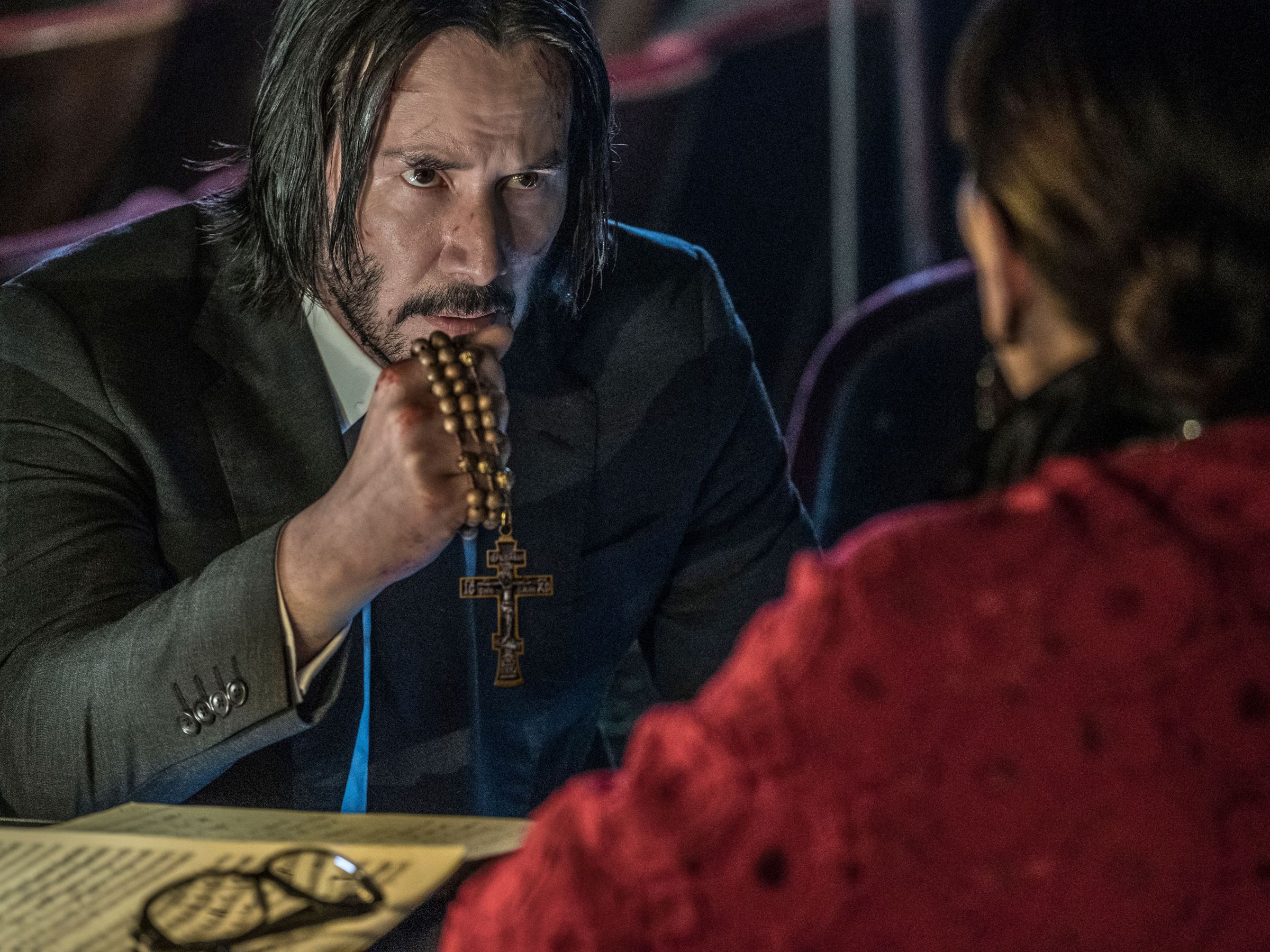
Someone stole his car and killed his dog.
Many characters in “John Wick: Chapter 3 – Parabellum” lament the inciting incident of the titular assassin’s revenge tour that racked up over 75 deaths in the first installment and more than 125 bodies piling up in the second.
The calling card of these Keanu Reeves films is indiscriminate, callous violence and “Parabellum” maintains the course with lengthy, high-octane fights using an assortment of guns, knives, fists and feet.
As audiences get further away from writer Derek Kolstad and director Chad Stahelski’s initial vision for the “John Wick” films, the more reason fades away and unrelenting bloodlust takes over.
Viewers just want to see people die and not ask questions why, an exploitation of baser instincts.
John Wick killed over 200 people in the course of a few weeks, but his final execution at the end of “Chapter 2” has put him in the crosshairs of an endless slew of international killers hell bent on putting him in the ground.
His one task: get off the kill list or die trying.
Playing John Wick doesn’t require a lot of complexity as Reeves has maintained a unique blend of stoic anger and grief for three movies now. Where he excels is as an action star.
Reeves places his body in harm’s way often, not unlike Tom Cruise in a “Mission Impossible” film, but not as death-defying.
Great detail is paid to the physical wear and tear Wick endures over the course of the film. Reeves realistically portrays a pain threshold that’s exceptional yet faltering and fight choreography throughout masterfully takes this into account.
Halle Berry appears as a former associate of Wick in an obvious attempt to spinoff the growing franchise, though her limited screen time works better for her character’s Belgian Malinois dogs that rip through baddies with reckless abandon.
The dog-centric sequence stands out in a film filled with interesting moments as a revelation in live animal action within the genre. The Belgian Malinois perform better than their human counterparts in a sequence devoid of special effects, running in and out of frame in a perfectly choreography dance of death combined with Berry and Reeves blasting away with revolvers.
There’s a modicum of opportunity for Stahelski to provide depth for both Wick’s character history and the backdrop of the world he moves through. But this is casual, transactional work intended mostly to break up the violence and keep the story moving forward.
In this way, “Parabellum” – and prior installments as well – feel organically improvised and free-flowing, a stylistic choice that relies on an unknown understanding between filmmaker and audience that neither knows what’s going to happen next.
For a franchise designed to be a vehicle to watch anonymous bad guys die in creative ways, “Parabellum” is a huge success.
The kills are fresh and distinct, memorable both for their unbelievability and their precise execution.
Action is frantically kinetic yet beautifully, almost orchestrally choreographed as Stahelski, Reeves and the fight designers pay homage to classic action films while making sequences their own. Stahelski earns every bit of the R-rating given to “Parabellum” as blood flows freely and deaths grow more gruesome minute to minute.
Levity comes as sweet relief both in and out of the fight through a dynamic comic tone that’s probably only 50 percent intentional. Viewers will crack up at some of the more unexpected, ridiculous ways Wick takes out his foes, but it’s scene-stealing Mark Dacascos as shinobi leader Zero that takes the cake with his character’s incredulous fawning over the mythical Wick.
Moments when Stahelski and company embrace the absurdity of the whole franchise draw the audience in. When they start taking themselves too seriously in between all the fighting, that’s when things start to stumble.
As a film, “Parabellum” is average at best.
As a spectacle of practical effects, stunts and fight choreography, it’s a movie at or near the pinnacle of its genre worth checking out on the big screen.
Reboot: the act of taking an original property and reimagining it in a different context.
Remake: taking an original property and making the same film over again with minor alterations.
It’s important to clarify the difference between reboot and remake at the outset because these two words seem like synonyms, but the distance between them could not be vaster.
Take for example movies like “Ocean’s 8” or the 2016 version of “Ghostbusters.” For better or worse, these films are gender-swapped reboots of highly successful features starring men that have been reimagined as an offshoot of existing storylines.
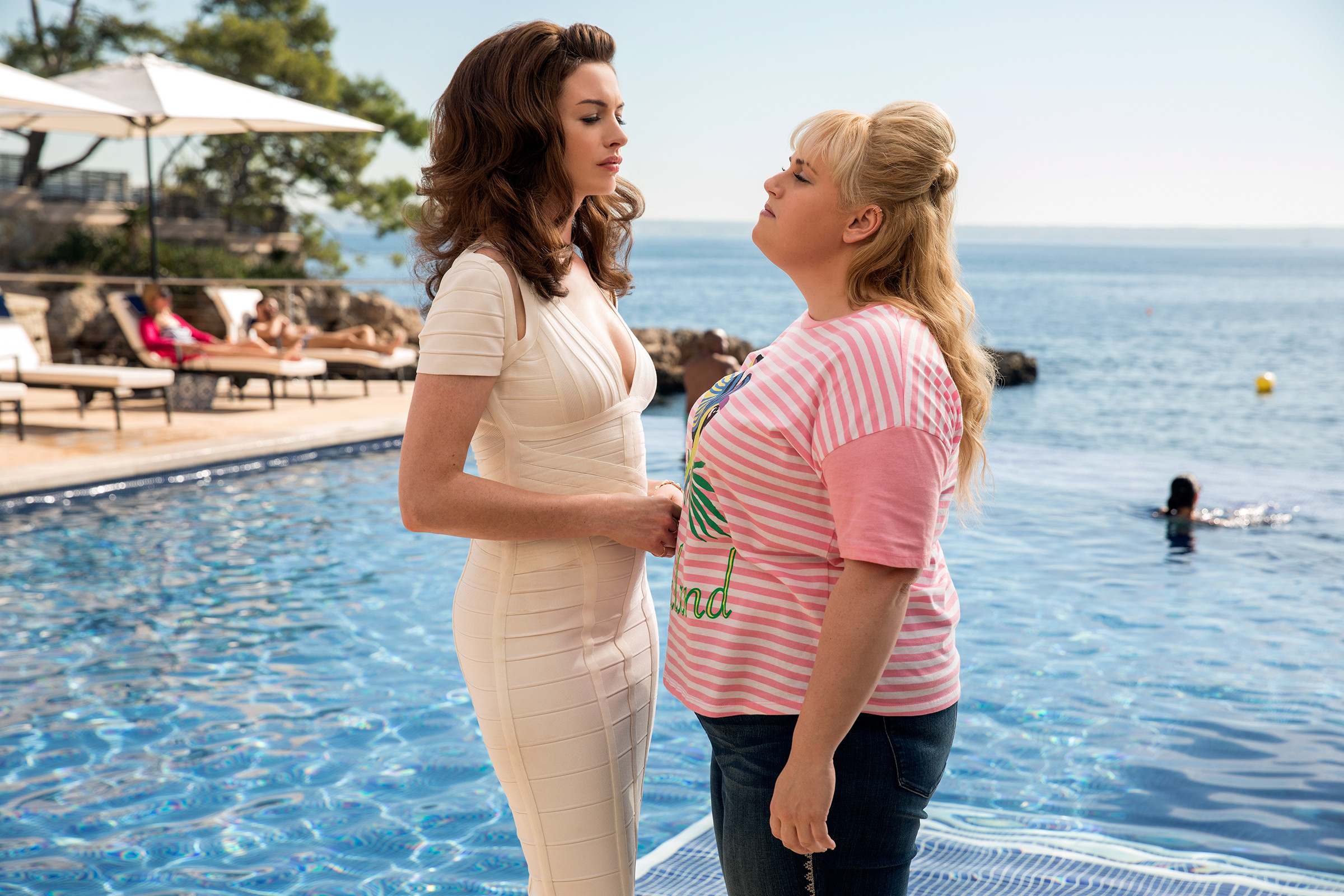
“The Hustle,” the new comedy starring Anne Hathaway and Rebel Wilson, doesn’t reimagine the film on which it is inspired, 1988’s “Dirty Rotten Scoundrels” with Michael Caine and Steve Martin.
Director Chris Addison’s film is a rip-off: a beat-for-beat, scene-for-scene copy of a comedy classic, except in the case of “The Hustle,” everything is about 75 percent worse.
Star and producer Wilson takes on the Martin role playing a two-bit con artist with an outrageous personality, while Hathaway attempts a British accent for reasons unexplained in the film as a way to honor Caine’s performance as the sophisticated con scheming older millionaires out of their riches.
It’s a film that may seem cleverer for younger audiences, but this millennial version of “Scoundrels” lacks both the wit and sophistication of the original. This is an adaptation where cell phone applications play a large role, sex jokes are cruder and the women con arrogant men out of feminist revenge but only until it no longer serves the “Scoundrels” plot for them to do so.
There’s a phoniness to Hathaway’s accent that undermines her performance, somewhat taking away from the good work she does comedically in the film.
Hathaway appears to be as in on the joke in “The Hustle” as she was in last year’s far superior “Ocean’s 8,” but her homage to Caine doesn’t work cohesively with the rest of the film.
As Penny, Wilson is up to her usual comedic hijinks which occasionally work, but often feel out of place within the highbrow humor the film strives for.
Rather than put her own twist on the character, it feels like Wilson is almost trying to play a game of one-upmanship with Martin’s original performance, taking the broadest, most “look at me” stroke at every comedic turn.
Hathaway and Wilson could have great chemistry in a film written to accentuate their talents, but “The Hustle” simply falls flat across the board.
Aside from the two leads, the cast of “The Hustle” is littered with relative newcomers who don’t provide memorable moments. This partially may be due to mediocre casting and partially due to a condensed running time that thankfully shaves 20 minutes off from its predecessor.
There are four credited screenwriters for “The Hustle,” though two of them – Paul Henning and Stanley Shapiro – are responsible for “Dirty Rotten Scoundrels” and its predecessor, the 1964 Marlon Brando comedy “Bedtime Story” and a third, Dale Launer, was also involved in the writing of “Scoundrels.”
This is important as large segments of dialogue in “The Hustle” are lifted straight from the pages of “Scoundrels,” while others might as well have been. The work new co-writer Jac Schaeffer did along with Launer to adapt and modernize the story muddles the comedy and infuses far too much pop culture that kills much of the timelessness of the original tale.
For a heist film about robbing people blind, the only suckers in “The Hustle” are audience members who pay money for a streaming-service quality film. Studios are already finding themselves having to fight an uphill battle to get people off their couch and into the theater for something besides the next blow ‘em up, comic book action flick. This complete failure does not help.
Audiences should wait until “The Hustle” can be seen in the privacy of their own home, or better yet, just watch “Dirty Rotten Scoundrels” instead. It’s 10 times the movie at one-tenth the price.

Why build a physical wall when nature provides a beautiful, scenic barrier already?
It’s one of many questions raised by director Ben Masters’ new documentary, “The River and The Wall,” an up-close, intoxicating feature about border security along the Rio Grande river in south Texas.
Winner of the Louis Black “Lone Star” Award at the 2019 South by Southwest Film Festival and Best Documentary at the 10thannual Hill Country Film Festival in Fredericksburg, “The River and The Wall” views politics through the lens of a nature photographer, opting away from soundbites and towards a cinematic love letter to the beauty of Texas.
The film is currently in limited release in theaters (the best way to view this vivid cinematic documentary) or can be rented from select streaming platforms.
Joined by an ecologist, a wildlife filmmaker, Texas Parks and Wildlife representative and a river guide, Masters and his crew trek across the last untamed portions of Texas, a 1,200-mile stretch between El Paso and the Gulf of Mexico as close to the actual border as possible.
The five-person team travel by bicycle, on horseback and on the river in canoes over the course of nearly three months over dangerous rapids and across harrowing terrain while shooting one of the most scenic, visually captivating documentaries in recent years.
Masters’ film takes a highly complex political problem and removes partisanship from the equation, relying on common sense and a boots-on-the-ground vantage point to provide a fresh perspective to the debate.
While the film makes a strong case against the construction of a continuous wall, Masters builds arguments practically by showing audiences how inefficient and overly burdensome a wall would be in some stretches logistically. Many segments of the natural border between the two nations are divided by large canyons where building a wall would be impractical and threatens to cut off wildlife from their natural habitat and/or access to fresh water.
However, “The River and The Wall” does not argue for complete abandonment of a wall and in fact goes to great lengths to recommend strong border security and additional support for U.S. Border Patrol agents.
To provide context along the journey, Masters interviews stakeholders on the border including landowners and law enforcement officials as well as Republican Congressman Will Hurd and Democratic Congressman Beto O’Rourke.
The realities of illegal immigration aren’t forgotten by the documentary either. Two of the five travelers – Filipe Deandrade and Austin Alvarado – are the children of immigrants who crossed the border without permission and their stories provide context to the hardships faced by Central American refugees seeking asylum.
Events late in the film provide a wonderful, unexpected counterbalance to those stories and leave audiences with complex questions to think about.
What truly sets “The River and The Wall” apart from the typical documentary is the sweeping, grandiose cinematography that Masters’ team is able to capture along largely undeveloped stretches of the Rio Grande Valley.
The film’s striking imagery comes through in panoramic wide shots that maintain the landscape as a primary character in the film rather than simply as a backdrop. These ultra-wide shots illuminate a wall’s current and potential future impact as well as ground the entire feature in nature.
Scenes are vivid and crisp as if they were falling out of the pages of “National Geographic.” There’s no stronger argument for leaving this area untouched by man than the landscapes captured here.
A thought-provoking documentary that blends current events with wildlife cinematography for one of 2019’s best features so far, no discussion about security along the U.S. border with Mexico is complete without having seen “The River and The Wall.”
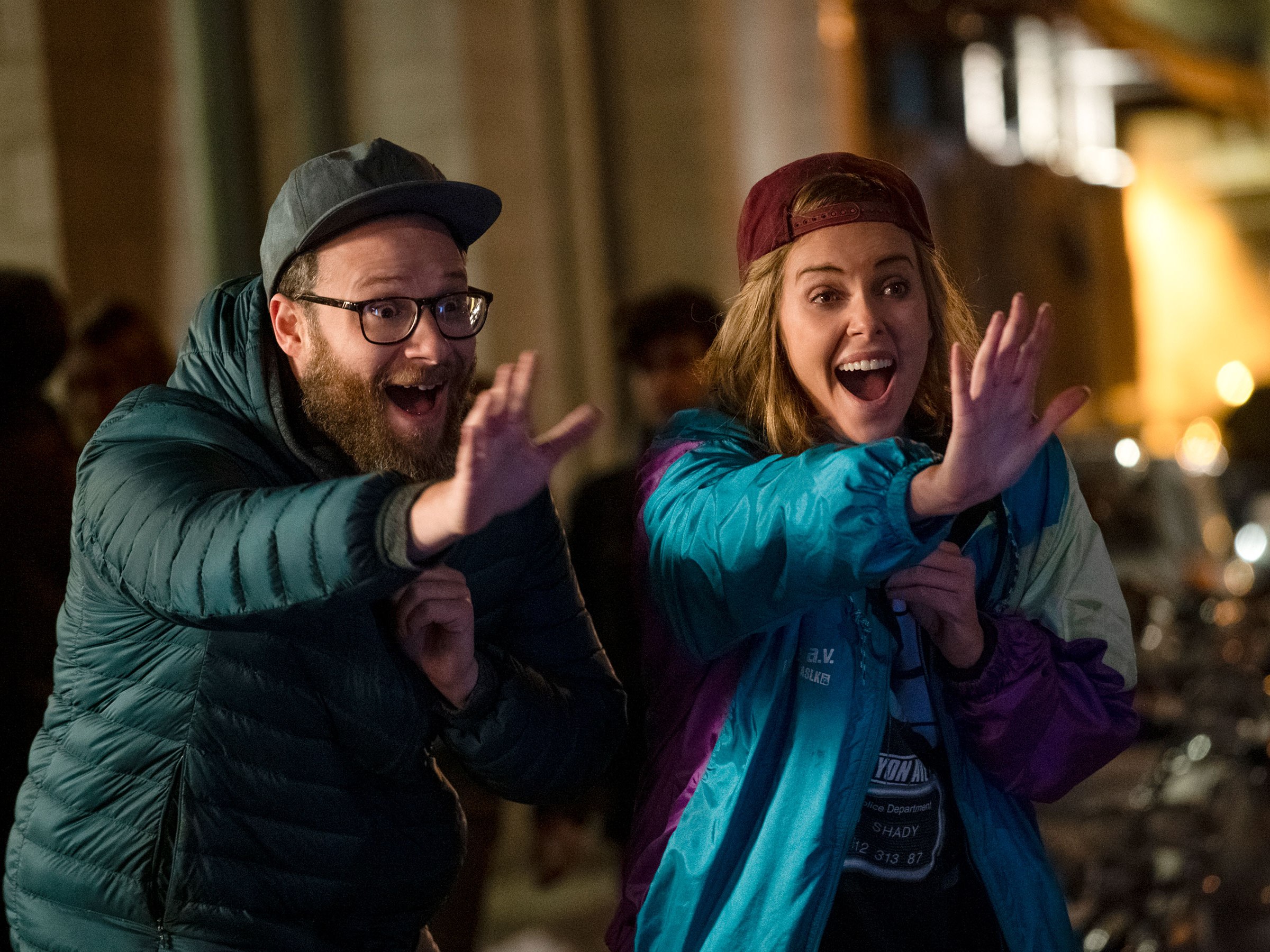
The new Seth Rogen comedy tries to be two things at once.
There’s “Flarsky,” the film’s initial concept about yet another out of his depth stoner miscreant who shockingly lands a perfect 10 woman. This movie is filled with raunchy set pieces involving self-pleasure and gratuitous drug use, a typical Rogen premise.
And then there’s “Long Shot,” a witty political comedy about a career-oriented woman running to become the first female president who happens to fall in love at just the wrong (or right?) time. It’s a movie about climate change, a “West Wing”-era geo-political landscape and endless discussions of phone calls and meetings viewers never see on screen.
These two films battle for the spotlight in the uneven, yet occasionally entertaining “Long Shot,” director Jonathan Levine’s R-rated romantic comedy hoping to fill the Marvel-sized void for moviegoers left in the wake of “Avengers: Endgame.”
Rogen stars as Fred Flarsky, a hipster Brooklyn journalist without a paper to write for who reunites with his old babysitter at a party 20-odd years later. The babysitter, Charlotte Field, has gone on to become Secretary of State and hires Flarsky to punch up her speeches for a presidential bid.
Structurally, “Long Shot” is a vastly unoriginal rehash of romantic comedies gone by, this time with an absurdly implausible political twist. Levine and Rogen press hard for the film to become “The American President” for a stoner generation but fail to find the right balance between the semi-serious and the humorous.
Viewers are usually able to suspend disbelief in rom-coms, but Levine’s film wavers too much from genuinely charming moments of real chemistry between its leads and out-of-place, forgettable comedic diatribes about politics or pop culture.
Rogen has done well in the past as the atypical rom-com leading man in films like “Knocked Up,” but here he floats Flarsky as an aloof journalist with moral principles whose backbone is grinded down over the course of the film. Surprisingly, Rogen is better in the genuine moments not played up for the camera than his typical on-screen persona marked by an eccentric, monotone belly laugh.
For a film that is middling at best, Charlize Theron is an absolute powerhouse as Field, commanding attention with a layered performance too good for the rest of the movie around her. While Theron is a natural beauty who’s just as charming, her ability to move in and out of the film’s romantic, political and comedic moments with ease and authenticity overshadows many of the movie’s glaring weaknesses. It’s an effort that blends humor and class that elevates “Long Shot” into a watchable two-hour feature.
Levine’s film takes numerous thinly veiled pot shots at Fox News as being a misogynistic propaganda machine, with a “Fox & Friends” look-alike program constantly deriding women as inferior, sexual objects in an attempt at comedy that’s more cringeworthy than accurate parody.
This also extends over to Bob Odenkirk’s President Chambers, a much too on the nose Donald Trump stand-in who got elected by being famous on television and is incredibly aloof yet thrilled by wielding power.
If you want your romantic comedies to try witty political commentary, “Long Shot” may be for you. However, the lackadaisical nature by which screenwriters Dan Sterling and Liz Hannah push the envelope to make a political point is woefully misplaced here.
“Long Shot” is exactly the kind of film conservative thinkers will point to when they claim that “liberal Hollywood” is out to get them, and Levine’s film is neither clever enough nor well designed enough to invalidate such an argument.
Casually enjoyable in the moment yet just as forgettable upon leaving the theater, “Long Shot” is a perfect date night on the couch, getting drunk off a bottle of cheap wine movie.

Documentaries change in the minds of viewers when they know the outcome before it happens on screen.
Usually it’s the ends justifying the means, the result giving audiences a reason to watch a journey.
Director Rachel Lears didn’t know that the 18 months spent chronicling the lives of four women running as outsider candidates in Democratic primary elections would turn into a Sundance and South by Southwest film festival sensation that would be snapped up by Netflix for a prime time May 1 national release.
Enter Alexandra Ocasio-Cortez, a now-infamous spitfire politician making waves on national news and late night television.
Lears’ film showcases the freshman Congresswoman before the phenomenon, hauling buckets of ice to bartend at a small New York restaurant making it paycheck to paycheck. Knowing what has become of “AOC” makes “Knock Down The House” even more entertaining and engaging, but the heart of this compelling film comes from the struggle.
“Knock Down The House” follows four first-time political candidates – all women running against incumbent Democratic members of Congress – as they embark on a seemingly impossible task of taking on the establishment in hopes of representing the working class.
For close to two years, Lears chronicles the journey of Amy Vilela – a grieving mother challenging for the 4th Congressional District seat from Nevada, – Paula Jean Swearengin – a coal miner’s daughter fighting for a Senate seat out of West Virginia, – Cori Bush – an African American woman taking on an incumbent for Missouri’s 1st Congressional District seat in the aftermath of the Ferguson race riots – and Ocasio-Cortez running for New York’s 14th Congressional District seat amid the political machine stacked against her.
Somewhat surprisingly, “Knock Down The House” doesn’t pit liberals against conservatives. By focusing entirely on the 2018 Democratic primaries, Lears’ film is solely about a movement of political outsiders taking on the establishment rather than issue politics. It’s a challenge to the status quo for lower-case democracy rather than upper-case Democrats.
Ocasio-Cortez best describes this in the film when she says of her primary race: ‘This is not just about Democrat versus Republican. In fact, it’s so far away from that. It’s not Left or Right. It’s up and down.’
“Knock Down The House” does a terrific job of showing the uphill battle outside candidates face while taking down established politicians. Lears includes a number of dramatic moments to reflect this difficulty, most notably Ocasio-Cortez and her team needing to collect over 10,000 signatures from New York voters to help ensure she gets on the ballot despite only being required to collect 1,250.
Lears occasionally struggles with keeping a wide focus to the documentary as the film routinely turns into the Alexandria Ocasio-Cortez show. Balancing a rising star against the other subjects is a tricky endeavor for Lears to manage as Ocasio-Cortez is by far the most dynamic and compelling figure in the entire documentary.
“Knock Down The House” could have very easily been Ocasio-Cortez’s story alone, but there are great moments with the other women running peppered throughout the film that inform and echo the primary story of the film, Ocasio-Cortez’s improbable win over longtime Democratic stalwart Joe Crowley of New York’s 14th Congressional District.
Notable in their relative absence from the documentary are the subjects’ primary opponents, especially Crowley, who is often represented through television clips and a striking scene midway through the film where Ocasio-Cortez is forced to “debate” a Crowley representative at a Town Hall in the Bronx as Crowley is too busy to be bothered with campaigning for his own re-election.
A phone call between Swearengin and Senator Joe Manchin also sets a real distance between the outsider candidates and their established opponents and helps frame for the audience just how distant these political newcomers truly are.
Lears includes a note within the film’s credits that Crowley, Manchin and Bush’s opponent Lacy Clay all turned down opportunities to appear in the film, which also helps reinforce that establishment candidates do not regard their challengers as being on equal footing.
The film occasionally ties the four women together, both by capturing them at meetings they all attend or in references to how their individual campaigns could help/hurt each other and future candidates in similar outsider situations.
Though it follows progressive Democrats fighting for room in their own party, “Knock Down The House” could just as easily have been a story of conservatives trying to break into the Republican establishment.
The fact that high-quality docs like “Knock Down The House” and the soon-to-be-released “Running With Beto” on HBO later this month are made widely accessible to the public is a great sign for strong independent filmmakers to increase their resolve amid the blockbuster-ization of big screen theaters.
As political documentaries go, “Knock Down The House” is on par with films like “Weiner,” “Citizenfour” and “Get Me Roger Stone” in terms of both quality, compelling cinema and unparalleled, nuanced access to key figures affecting current events on a daily basis.
If it is able to qualify for Academy Awards consideration, “Knock Down The House” is a sure-fire best documentary nominee that moviegoers can breeze through on a casual evening at home, well worth the time spent.
Finality.
Whether it continues its stranglehold over the cinematic conversation for the next eight months or not, Marvel Studios’ latest feature has immediately become the film event of 2019. (Or at least until the next Star Wars chapter drops in December.)
For many younger audiences, the Marvel Cinematic Universe (MCU) has largely come to shape and define their movie going experience through 22 interconnected films spanning over a decade coming to a fitting and satisfying conclusion with “Avengers: Endgame,” which opened Thursday evening.
Grossing more than a billion dollars worldwide in less than a week, this installment picks up on the heels of last year’s game-changing “Avengers: Infinity War,” with the world’s superheroes handling the fallout.
There are over 25 credited stars littered across “Endgame,” all given a chance to shine over the course of three hours. But at its core, this bombastic, loud action film that spends a significant amount of time devoted to explaining quantum physics is a small two-handed drama.
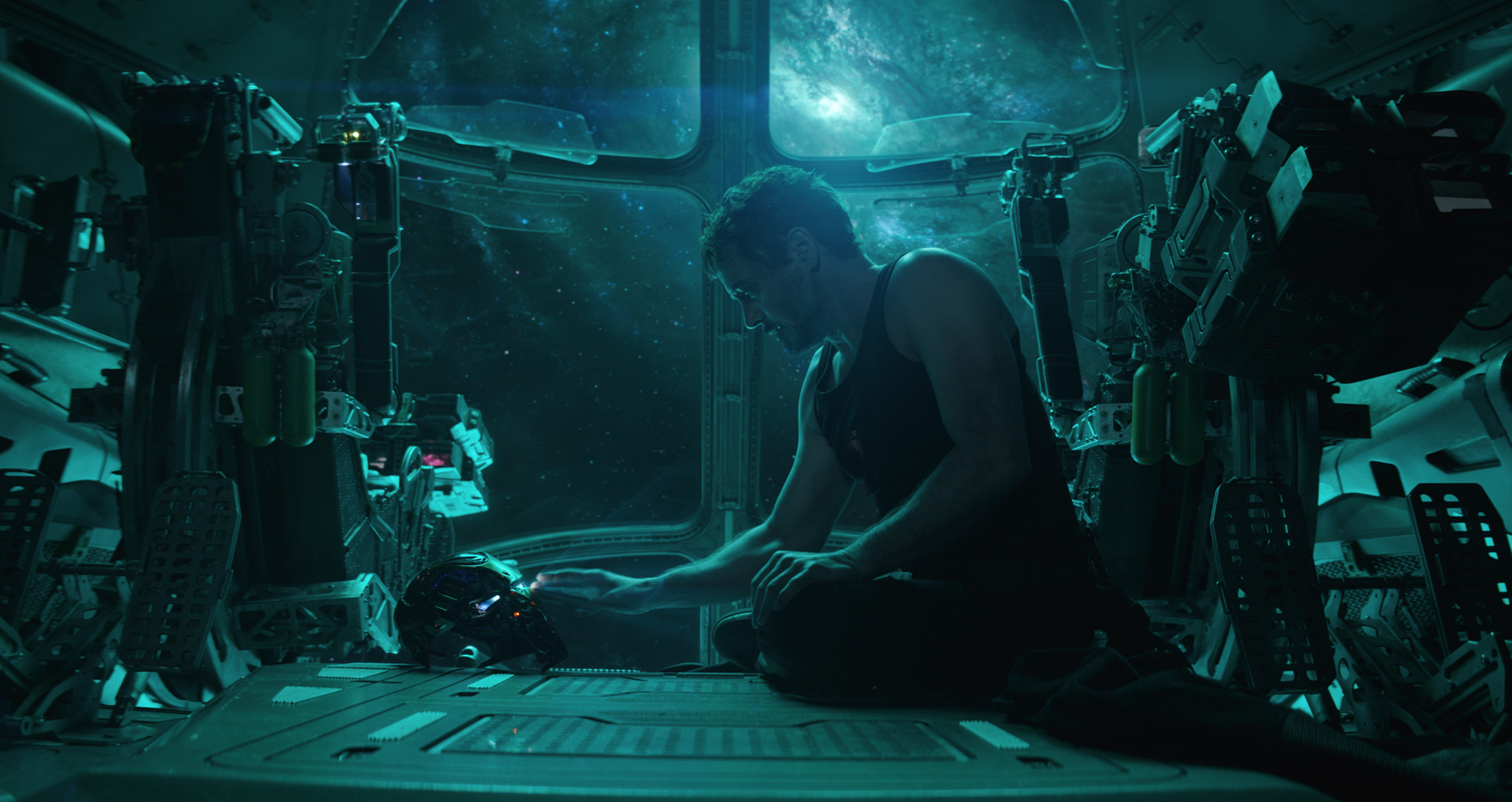
With super suits and indestructible shields, Robert Downey Jr. as Iron Man and Chris Evans as Captain America excel in “Endgame” carrying the emotional stakes of the film on their backs with true, quality acting, seemingly a rarity within the genre.
Downey is especially compelling given the context of his status as Marvel’s first star, leading the way in 2008’s “Iron Man,” and evolving his character from billionaire playboy to emotional, battle-scarred father figure.
Following the journey of Iron Man over the course of “Endgame,” Downey is on par with the nuanced work of Hugh Jackman in the character-driven “Logan” and Christian Bale in the “Dark Knight” trilogy.
Among the other cast members, Chris Hemsworth continues to delight audiences with the unique comedic style he and director Taika Waititi brought in the third Thor film, “Ragnarok,” and his pairing opposite a CGI raccoon voiced by Bradley Cooper gives “Endgame” much needed levity.
Co-directors Joe and Anthony Russo do a masterful job of balancing the film’s bloated cast with a complex plot and significant character development while also ensuring a pace that doesn’t place weight on a moviegoer like a typical three hour feature might.
Large sections of “Endgame” whiz by in and out of battle, though a concerted effort to give time and space for intimate, emotional moments resonate across “Endgame,” especially during the film’s somber first act.
The one element the Russo brothers could not pull off, however, is separating “Endgame” from the episodic nature of the MCU, making it nearly impossible for first time Marvel viewers to understand or enjoy.
At a bare minimum, moviegoers would have to have previously caught up with the events of 2018’s “Avengers: Infinity War” and 2016’s “Captain America: Civil War,” although nearly all 21 prior installments are woven into the fabric of “Endgame” in such a fashion as to create a maximum amount of fan service and ensure multiple viewings on the big screen.
With last year’s “Black Panther” breaking into the Academy Awards conversation for Best Picture and winning three Oscars, it’s no longer unfathomable that a film like
“Avengers: Endgame” could remain in awards consideration so as to honor the achievement Marvel Studios head Kevin Feige has done shepherding the MCU to commercial and critical success. Best Picture winner “The Lord of the Rings: Return of the King” is an example of this kind of career achievement award.
And yet, it’s still likely that the newly titled ninth episode of the Star Wars saga, “The Rise of Skywalker,” will take the place of “Endgame” at the Oscars.
Closing the chapter on a defining era in the superhero genre, “Avengers: Endgame” is a satisfying, expertly made sequel in the franchise and combines with “Infinity War” to create the MCU’s best, most compelling storytelling.
A film that has to be experienced at least once on the big screen, “Avengers: Endgame” crystallizes the comic book experience in theatrical form and pushes the bar even higher for what a superhero movie can or should be.

Every film has an audience.
The good ones, the strange ones, the ones with big budgets, the ones shot on phones, even the downright unwatchable ones – to someone, those films matter.
What film critics often don’t give credence to, however, are how movies make the audience feel.
Technical merits can be thrown out the window if a film is entertaining enough. A heartwarming tale can still inspire regardless if an actor isn’t quite up to par.
A film’s flaws can sink its credibility with those who care about the minutea, but “Breakthrough” has bigger things on its mind than accolades.
Released just before the Easter weekend, “Breakthrough” follows the true story of a young adopted teen faced with little chance of survival after spending over 10 minutes submerged in a frozen lake.
Although the film is ostensibly about John Smith, the true heartbeat of “Breakthrough” is his mother Joyce, a fierce Christian woman whose prayers of healing and unquestioned faith provide a touchstone for audiences.
Chrissy Metz of TV’s “This Is Us” brings a fervent, almost aggressive energy to the screen as Joyce. It’s a forceful, impassioned performance seeping with melodrama that wouldn’t work in a strictly secular film.
Yet somehow, Metz is able to make a character that could easily be a caricature into someone devout Christians can easily identify with and try to see themselves in.
Coming off a vastly different, yet masterful performance in Spike Lee’s “BlacKkKlansman,” Topher Grace provides welcome counterbalance with a moderate tone as the Smiths’ pastor Jason.
Grace offers a natural warmth in his performance that soothes opposite Metz’s demonstrative work and the callous, scientific approach by the medical staff in the film.
The rest of the cast – led by Josh Lucas as Joyce’s estranged husband and Dennis Haysbert as the lead doctor – turn in relatively one-note efforts.
From a strictly technical perspective, “Breakthrough” is largely unappealing with director Roxann Dawson and screenwriter Grant Nieporte not really bringing much to the table.
The film struggles especially in terms of structure, with far too much of the two-hour feature establishing all the characters prior to the accident and far too little time spent on the events after the hospital.
Better filmmakers could make a more compelling narrative out of the film’s final 15 minutes than “Breakthrough” does in its initial 100 minutes.
But there’s more than enough to the unbelievably true story that gives Metz and Grace room to infuse a mediocre film with ample emotion and heart.
It’s nearly impossible to walk out of “Breakthrough” without feeling something.
A wonderful soundtrack that boasts everyone from Bruno Mars to Carrie Underwood to a gorgeous song from Taylor Mosby, “Oceans,” sung at a pivotal point in the film pretty much guarantees heart strings will be pulled
This is not a good film cinematically. Faith-based features rarely are.
That doesn’t matter here at all.
Somehow, “Breakthrough” is exceptionally captivating and affecting for its intended audience.
That makes it a great movie.
Movies aren’t allowed to take their time on the big screen anymore.
Describing a film as slow and intimate has become a cinematic death knell as meticulous drama has ventured off the silver screen for greener pastures on television miniseries or streaming services.
A tale about famed criminals Bonnie Parker and Clyde Barrow, for example, has to have any number of shootouts, car chases and suspense in order to make an impact on audiences, right?
Thankfully, director John Lee Hancock doesn’t seem to think so.
His latest feature, “The Highwaymen” made for Netflix, is a deliberately paced, moderate film that keeps the infamous Bonnie and Clyde on the fringes.
Audiences rarely get more than a glimpse of high heels and tommy-guns because for once, the focus isn’t on the criminals.
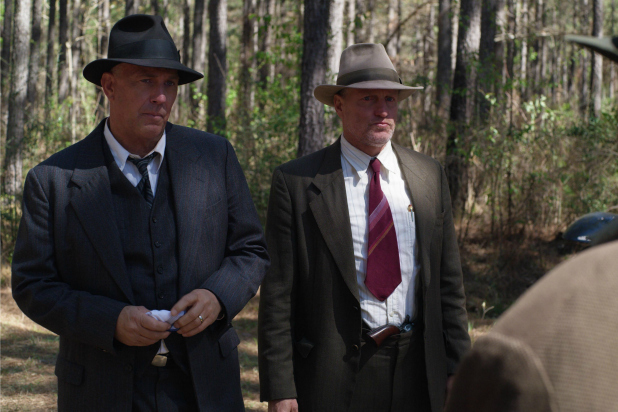
Screenwriter John Fusco puts viewers squarely in the weathered shoes of retired Texas Ranger Frank Hamer, pulled back into the line of duty as a state-sanctioned vigilante put on Bonnie and Clyde’s trail two years into their cross country crime spree.
As the film’s title implies, “The Highwaymen” becomes a road movie of sorts, positioning this modern Western of sorts as a slow journey towards inevitability and a hail of gunfire.
As Hamer, Kevin Costner evokes early John Wayne mixed with late Clint Eastwood for a determined, yet introspective performance.
Using as few words as possible, Costner maximizes their impact both in what Hamer says and, more importantly, how Hamer says it in a verbal and non-verbal sense.
It’s easy to feel the road wearing on Hamer’s psyche as Costner carries the burden of being a sanctioned killer of men. There’s a quiet intensity to his performance that is striking the closer viewers grow towards Hamer.
Costner is matched step for step by a wonderful turn from Woody Harrelson as Hamer’s partner in the hunt, Maney Gault.
Harrelson is able to bring a modicum of levity to a film in desperate need of emotional release while still maintaining an equal footing with Costner dramatically.
He is able to keep Maney’s bout with alcoholism a key part of the character without making it the entire character, and a key monologue late in the film may prove to be Harrelson’s best work in at least five years.
While the film occasionally stumbles out of the starting block, “The Highwaymen” is riveting in its slow-burn once both leads are on the chase and their balance of comfort amidst unease with each other is remarkable.
Hancock’s film also boasts a solid supporting cast led most notably by Oscar winner Kathy Bates as Texas governor ‘Ma’ Ferguson.
Cinematographer John Schwartzman brings a vivid eye for the near-center frame, putting the action of a scene just off from where it would be traditionally to create an unique perspective on a familiar tale.
The heightened palette of the cinematography is striking against the wonderful production design from Michael Corenblith and his team that firmly places “The Highwaymen” in the 1930s while keeping a modern aesthetic that’s reminiscent to Michael Mann’s similar, yet superior John Dillinger film “Public Enemies.”
Fusco’s screenplay is often far too exacting for the tone Hancock has established, with a tell, don’t show style of dialogue that oversimplifies the narrative for its audience.
When Fusco slows the tempo down to match the film’s moderate pace, Costner and Harrelson are able to deliver dynamic, compelling performances both on the surface and in the subtext.
“The Highwaymen” is a testament to the great value two talented actors given the time and space to develop character can be to cinema.
A somber, yet relentless film, “The Highwaymen” perfectly pairs Costner and Harrelson for a classic modern Western worth checking out.
 Cinematic Considerations