
Three years ago, director Adam McKay broke free from his straight comedy roots with “The Big Short,” a darkly humorous, yet revealing examination of the 2008 U.S. financial crisis.
With big banks in the crosshairs, the film was largely an apolitical (or at least bipartisan) thrashing of the series of events that led America to the mortgage crisis and great economic downturn.
McKay has set his sights directly on Washington D.C. with his latest feature “Vice,” an idiosyncratic, ruthless commentary on the politics of power.
“Vice” frames McKay’s arguments through the lens of Dick Cheney, vice president to 43th U.S. President George W. Bush and a man the film calls “one of the most secretive leaders in history.
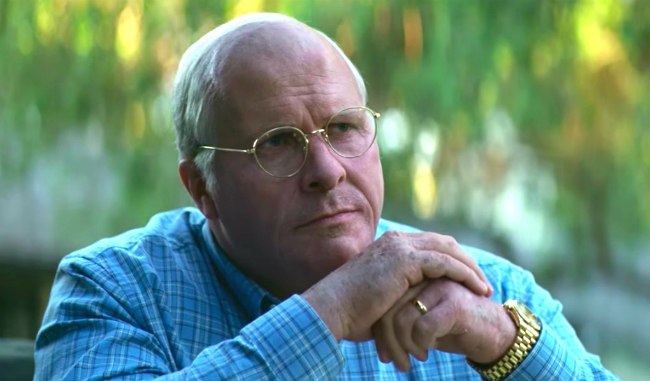
While McKay paints “Vice” in broad, sweeping strokes as an indictment of the U.S. political arena as a whole, the intricacy and depth Christian Bale achieves in his portrayal is so nuanced and exact that it’s almost as if Bale is acting in a different film than the one McKay directs.
Bale’s immersive turn as Cheney earned him a Golden Globe Sunday evening and cemented the Academy Award winning actor as a frontrunner to take home an Oscar later this spring.
It’s almost uncanny just how much of a doppelganger Bale becomes as the cinematic version of Cheney, a dry man of few words that exudes a boring outward persona that allows Cheney to take his political rivals by surprise.
There’s a measure, deliberate tone to Bale’s performance in “Vice.” Viewers can easily see the wheels churning in Cheney’s brain as he methodically gets what he wants.
This is brilliantly displayed over a five minute stretch of the movie, where Cheney figuratively reels Bush in like a fish on the line while exacting as much control as he can before accepting an offer to be Bush’s running mate.
A very game Sam Rockwell, fresh off an Oscar win for “Three Billboards Outside Ebbing, Missouri,” plays a convincing Bush, yet it’s more of an elevated caricature as opposed to Bale’s pinpoint accuracy as Cheney.
The same is largely true of a terrific Steve Carell as Congressman and later Secretary of Defense Donald Rumsfeld in a turn that is equal parts cerebral and comic with a candid bravado that makes Carell’s Rumsfeld the most larger-than-life character in the film.
Amy Adams often steals scenes as driven wife Lynne Cheney, portrayed not as a political schemer but rather self-interested kingmaker pushing her husband forward by any means necessary.
“Vice” strives to tackle the political arena with the same fervor that McKay used in “The Big Short.”
Though both films intend to find flaws in a bipartisan (or better still, a nonpartisan) manner, “Vice” will easily come across as an attack on the Republican Party, both then and now.
There are numerous digs – some more veiled than other – intended as potshots at the current administration and media outlet Fox News, but “Vice” almost also serves as McKay’s insistence that things might have been worse off before 2016.
McKay’s superb screenplay throws viewers for a loop over and over during the early portions of “Vice,” only to seamlessly layer these moments one on top of another like teacups and saucers stacked higher and higher.
Information is peppered at such a rapid, kinetic pace that some viewers may not be able to keep up with all the political banter relating to executive power and the war in Iraq.
“Vice” is in all likelihood a lock for a Best Picture Oscar nomination with Bale as a top contender for Best Actor.
Though Adams and Carell could also earn nods, neither looks to stand a real shot at winning. McKay should be nominated for the film’s excellent screenplay and has a chance at a Best Director nomination as well.
A mesmerizing turn from Bale as Cheney makes “Vice” well worth the price of admission, though some conservative moviegoers might find the film’s critiques too much for their liking.
British political and societal dramas are often ripe with stoic, regal performances perfect for awards season acclaim.
Films like the Best Picture winning “The King’s Speech” or Gary Oldman’s Oscar-winning turn in last year’s “Darkest Hour” are prime examples of major contenders coming from across the pond.
This year provides moviegoers with yet another intricate examination of the British monarchy, but certainly unlike anything viewers have ever seen before.
“Downton Abbey,” director Yorgos Lanthimos’ darkly comic latest film is not.
Filled with fish-eyed lens shots, sexual debauchery and lords throwing rotting fruit at nude servants, “The Favourite” is certainly the unlikeliest of prestige Oscar contenders, but perhaps one of the very best as well.
Set during the early 18th century, “The Favourite” follows an aging, lonely Queen Anne coaxed into war with the French by her longtime friend and confidante, Lady Sarah.
When Sarah’s cousin Abigail arrives to serve the Queen, a rivalry ensues that would change the course of British history.
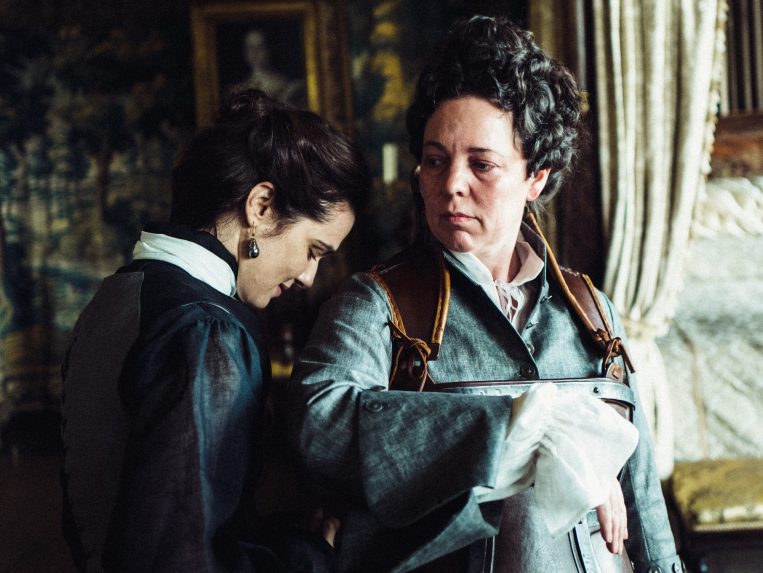
The film excels primarily thanks to a trio of award-worthy performances, led by a manic, simple yet complex turn by Olivia Colman as Queen Anne. Her performance is stricken with loss and pain, hysterical with the torment of abandonment and yet Colman finds moments of clarity that remind audiences of Anne’s true power.
Academy Award winner Rachel Weisz brings a scheming, yet firm handed approach to Sarah, keeping her wits while chaos ensues all around her to maintain power by proxy over England.
Meanwhile, Oscar winner Emma Stone turns on the charms for Abigail in an effort that is part ingénue, part survivalist and part weasel.
Individually, the performances are top notch, but it is in concert with one another that the trio of “The Favourite” truly excels as the actresses ebb and flow off each other flawlessly.
The wit of “The Favourite” somewhat undercuts just how expertly Lanthimos balances Anne, Abigail and Sarah on a teetering scale of power, pulling these three dynamic characters up and down with subtlety and ease.
The screenplay from Deborah Davis and Tony McNamara provides a spectacular backdrop for the three talented actresses, along with the surprisingly effective Nicholas Hoult as opposition leader Harley, to give the year’s best ensemble performance.
Lanthimos mirrors the beautiful absurdity of the film’s script with a wonderfully obscure shooting style that takes advantage of the vaulted, high ceilings of the castle setting and frames each of its characters in unique, off-kilter angles.
While the super wide angle shots of the fish eye lens are the most outlandish, each and every shot in “The Favourite” is nuanced to either bolster or tamper a character’s place in power as the intricate game Sarah and Abigail weave around Anne changes scene to scene.
As such, “The Favourite” could prove overwhelming to some on an initial viewing, though subsequent screenings should help viewers find understanding in Lanthimos’ absurdist world.
A lock for a Best Picture nod, “The Favourite” could easily garner as many as 9-10 Academy Award nominations next month with Colman as Best Actress, costume design and production design all being virtual locks as well.
One or both of Stone and Weisz are likely to appear in the Best Supporting Actress category with Lanthimos a strong best for Best Director and Best Original Screenplay.
Certainly the year’s most bombastic, perversely funny feature, “The Favourite” may be for more open-minded audiences, but it’s such a charmingly quirky film.
One of 2018’s top five movies, “The Favourite” will stay in the minds of moviegoers long after the credits roll.
Julie Andrews declined to participate in “Mary Poppins Returns,” a brand new sequel to the 1964 original film she won an Academy Award for, not because she disapproved of the project but rather to avoid being a distraction.
Disney’s latest film isn’t a “Mary Poppins” redux, nor is it meant to be.
While clearly influenced by the original in both tone and plot, Rob Marshall’s film is a delightful, charming adventure aimed to be the “Mary Poppins” for a new generation and not simply a nostalgia-infused cash grab remake.
A Hollywood musical with the talents of Golden Globe nominee Emily Blunt, Broadway mega-star Lin-Manuel Miranda, Angela Lansbury and acting royalty Meryl Streep has an incredibly high floor and “Returns,” though not without its imperfections, is a lighthearted crowd-pleaser for all generations.
Set about 25 years after the events of the original, “Returns” finds a widowed Michael Banks and his three young children on the brink of losing their family home when Mary Poppins descends from the sky to save the day in her own proper, yet impossible way.
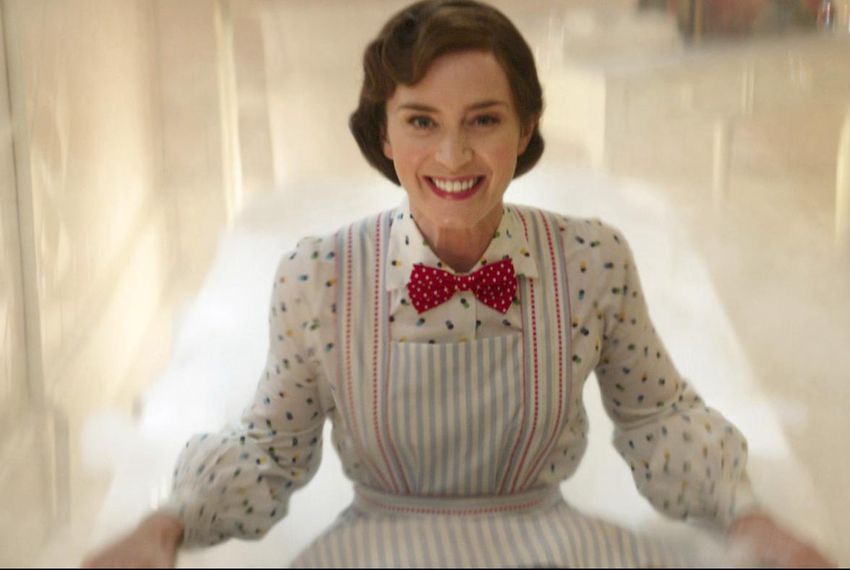
An Oscar nomination could be in sight for Blunt, practically perfect in a role she was born to play as the titular Mary Poppins. The sly, conniving way she approaches the character works due to her innate charm where terseness comes across as a wink to the audience instead of an insult.
Blunt’s performance doesn’t really evoke Andrews’, but that’s the goal here. Her reinvention of the character more closely mirrors that of P.L. Travers’ novels and sets a foundation for the entire film to be more theatrical in nature.
She’s also a perfect pairing with Miranda, a consummate performer who brings a natural enthusiasm to lamplighter Jack that spills off the screen to engage the audience.
The film’s theatricality brings about the best in Miranda and his affable nature helps offset a slightly wonky British accent for a turn that will leave viewers smiling.
“Mary Poppins Returns” is winning in its ridiculousness, a celebration of the wonderful weirdness of imagination.
Only in a quality Disney film can Streep get away with an outlandish Eastern European accent while singing about flippidy-flops and Tolstoy’s “War and Peace” in a way that objectively shouldn’t work but somehow does.
Marshall’s background as a theater director and choreographer serves “Returns” quite well as the film’s large musical set pieces like the lamplighters’ dance in “Trip A Little Light Fantastic” or the outstanding Cockney romp “A Cover Is Not The Book” full of animated penguins and Miranda’s signature freestyle rapping.
The longer Miranda or especially Blunt are off screen, however, “Returns” wanes considerably in both pacing and entertainment. A secondary plot device about a bank loan proves somewhat tedious given the two-plus hour running time.
While there isn’t anything as dynamic as “Supercalifragilisticexpialidocious,” Marc Shaiman’s music is a cheerful accompaniment for the film’s best scenes, with “A Cover Is Not The Book” and “Turning Turtle” as standout numbers musically.
The trademark blurring of animation and live-action iconic to the original movie returns and produces some spectacular visual sequences as audiences follow a carriage ride around a ceramic bowl in three dimensions.
“Returns” may sneak into a Best Picture conversation at next spring’s Academy Awards, but it is more likely that nods are in order for Blunt’s charming performance, memorable tunes like “Trip A Little Light Fantastic” and the wonderful production design and costuming.
As lighthearted films to see with family this holiday season go, viewers won’t be able to find better than the thoroughly enjoyable “Mary Poppins Returns.”
Mexican filmmaker Alfonso Cuarón returns with a stunning, yet melancholic film sure to dazzle audiences who catch his latest work, “Roma,” on the big screen.
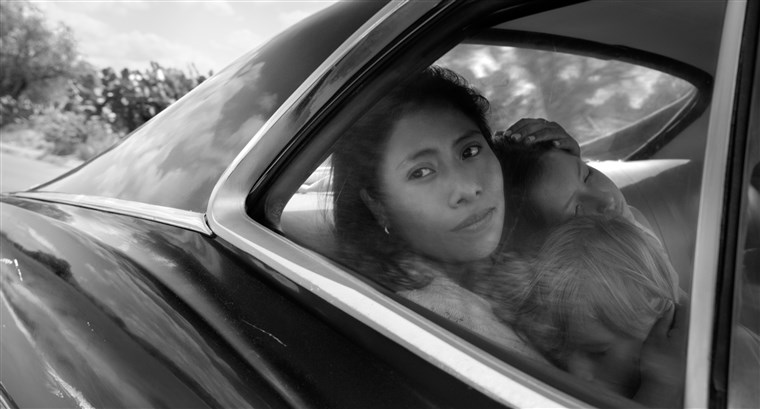
Dripping in contrast thanks to its harsh black-and-white cinematography, “Roma” is a rich and searing look into Cuarón’s mind through a portrait of his childhood, and yet, chances are you’re never going to get the full “Roma” experience.
Purchased by Netflix as the streaming service’s premiere awards season contender, “Roma” has had a minor run theatrically in larger markets across the world before making its online debut Friday.
While this has made the wonderful drama much more accessible to the average moviegoer, ninety percent of audiences for “Roma” will never experience the film as Cuarón intended, especially disappointing given the picturesque, 65mm black-and-white style used to shoot “Roma.”
There are countless articles online that offer tips on how to configure televisions for optimal viewing of “Roma” for those inclined to get as close as they can to the real thing.
Set over the course of a year in early 1970s Mexico, “Roma” follows Cleo, a young live-in housekeeper in the employ of a middle-class family living in Mexico City.
Told in a lingering observational style for much of the film’s two-hour running time, “Roma” often relies on mood, non-verbalized emotion and framing to paint a broad picture of the struggles of two women, Cleo and Sofia, the matriarch of the family and mother to the four children in Cleo’s care.
“Roma” is by no means an easy watch. There’s an expectation of supreme patience and observation on the part of the viewer to take in the artistry of Cuarón’s work that’s far easier to accomplish in a theater than on a home television or cell phone.
First time actress Yulitza Aparicio wows with an understated, raw performance that feels effortless yet makes Cleo feel very lived in as a character. Her award-worthy turn feels especially natural due to the way Cuarón frames Aparicio in each shot, allowing audiences to peer inside Cleo’s innermost thoughts without Aparicio having to express them in dialogue.
Marina de Tavira also stands out in limited screen time as Sofia, balancing compassion for Cleo with a wavering confidence she attempts to maintain for her children.
The men of “Roma,” few and far between, are portrayed at a distance rather than the intimate closeness audiences feel in Cleo’s presence. This extends to the coldness of the performances themselves, where Fernando Grediaga as Sofia’s husband Antonio and Jorge Antonio Guerrero as Cleo’s boyfriend Fermin display a callousness rare to find in these sorts of family dramas.
So much of “Roma” feels semi-autobiographical that Cuarón himself becomes the film’s true star despite never appearing on screen. Moments of clarity from memories past bring themselves to life through Cuarón’s art, much like a master painter leaving broad strokes for viewers to interpret.
The most striking aspect of “Roma” is its technical achievements in visual and sound design.
Cuarón steps behind the camera to do his own cinematography for the first time and displays expert craftsmanship over long panning shots that track movement fluidly and smoothly in a way that makes viewers take notice but does not distract from the action on screen.
This is most evident in the film’s best scene, one continuous shot that follows Cleo and the children across a beach and into the ocean and back. There is an immediacy to the cinematography here that gives a floating effect, almost as if audiences are reflecting on a distant memory with vivid recollection.
The same is true of the film’s expert sound mixing and design, which at first glance isn’t recognizable until voices or other sounds pull viewers’ gazes away from the screen only to realize what they thought they heard from around them was technical wizardry from “Roma.”
The film is destined to garner Academy Award nominations across the board and is the clear frontrunner in the Best Foreign Language Film category this spring.
A Best Picture nod is all but assured, though victory in that category is less likely than say, A Star is Born or Green Book, given the Oscars’ preferential balloting system for the category usually results in the most agreed upon good film rather than the best one.
Netflix has placed all its weight behind Cuarón’s dynamic film in search of its first Best Picture win, though voters could opt to recognize Cuarón as Best Director to shut out the streaming service while still honoring “Roma” as a cinematic achievement.
Worth seeing in any format, “Roma” is best when viewed on the biggest possible screen with the least amount of distractions. Patient audiences should be rewarded with one of the year’s best dramas from a master craftsman like Cuarón.
It’s sometimes easy to forget that #OscarsSoWhite was nearly three years ago, a time when no minority actors or actresses were nominated in back-to-back Academy Award ceremonies.
Movies like the Best Picture winning “Moonlight,” “Black Panther” and “BlacKkKlansman” are proof that studios have begun empowering a wider array of filmmakers to examine new and old stories from fresh perspectives.
The rise of Netflix as a major film studio in its own right has only increased the number of opportunities given to female and minority filmmakers.
A film like “Green Book,” however, may also signal that we’re not quite there yet.
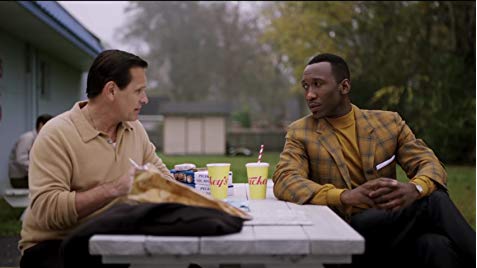
Told primarily from the perspective of a racist Italian driver by a white comedy director from a script penned by the driver’s son, “Green Book” is an intoxicating and charming biopic that feels a bit off in message and tone.
Technical advancements aside, Peter Farrelly’s newest film feels like it was made in 2008 rather than 2018.
“Green Book” is self-described as being “inspired by” the real-life friendship of Don Shirley, a famous African-American pianist, and Tony “Lip” Vallelonga, a working class bouncer hired by Shirley to serve as driver/bodyguard for a concert tour of the American South during the 1960s.
Featuring Oscar winner Mahershala Ali as Shirley and Academy Award nominee Viggo Mortensen as Vallelonga, “Green Book” has received acclaim from critics and average viewers alike, taking home the audience award from this year’s Toronto International Film Festival, a showcase event for potential Oscar nominees.
The praise isn’t without merit. Mortensen and Ali elevate a middling script with brilliant, dynamic chemistry and deliver knockout scene after knockout scene over the course of a two-hour dramedy.
Mortensen melts into the “Tony Lip” persona, gaining upwards of 40 pounds while slovenly eating his way both figuratively and literally through scenes. Making a close minded, blue collar brute sympathetic and not stupid requires finesse and Mortensen delivers a memorable, heartwarming performance.
Despite a secondary part in the film, Ali’s turn as Shirley is more than equal to Mortensen’s Vallelonga, a nuanced effort that masks Shirley’s inner loneliness made all too clear by a revealing twist midway through the film.
The pair have a dynamic on-screen chemistry that elevates both performances and enhances the entire film as a whole beyond standard biopic fodder when either character is alone on screen.
It’s easy to forget, however, given how charming Mortensen and Ali are in their roles that “Green Book” lacks true emotional stakes because racism is sugarcoated in the film to such a degree where the actions of discriminatory Caucasians come across as simply unfortunate rather than harrowing or vigorous.
No more is this clear than in the film’s opening moments, where Tony’s wife Delores has hired a pair of African-American plumbers to fix their sink and offers glasses of water after the work is done.
When Tony sees this and throws the glasses away after the plumbers leave, Delores (played by a sorely underutilized Linda Cardenelli) digs them back out again and shakes her head as if to say, “Oh that Tony…,” marginalizing and softening the inherently hateful act.
The biggest flaw of an otherwise genuinely enjoyable film, “Green Book” comes across as a novice’s guide to America’s racial divide during the Civil Rights Era, teaching audiences that the titular “Green Book” was essentially an almanac of businesses safe for African-Americans to use while traveling and explaining racism in an almost self-congratulatory, “aren’t we glad Americans aren’t that divided anymore” manner.
In a year where a Marvel film probes racial identity in a modern context with “Black Panther” and Spike Lee frames “BlacKkKlansman” with the violence of last year’s Charlottesville race riot, this oversimplification sticks out like a sore thumb even more.
“Green Book” certainly has a great deal of potential this awards season, already being named the National Board of Review’s best film of the year. Mortensen and Ali carry the greatest responsibility for this acclaim and likely will rightfully earn Best Actor and Best Supporting Actor nominations for their work.
A Best Picture nod also seems like a forgone conclusion at this point, though Farrelly’s chances at a direction nomination seem 50/50 at best.
Despite its problematic rose-colored outlook, “Green Book” still is one of the year’s best films thanks to two stellar acting efforts that make it worth seeking out in theaters.
Don’t put “Widows” in a box.
The latest film from Academy Award winner Steve McQueen isn’t just one type of movie, no matter how much it may seem to be a simple heist thriller at first glance.
Chicago serves as the backdrop for the entire cinematic experience, and more than just a place for action to happen, “Widows” is a Chicago movie embedded with the violence, conflict, political turmoil and racial divide that gives that town its character.
So to say that “Widows” is a movie about four women forced together by circumstance to commit armed robbery is oversimplifying the poetic artistry McQueen crafts into a thrilling political, yet human drama.
This is a film about a city divided by race and politics, united by grief and greed.
A lesser heist movie would simplify its plot, shorten its running time and ramp up the action. “Widows” slowly burns over the course of two-plus hours to build up to larger themes, all the while providing terrific individual moments from the year’s best ensemble cast.
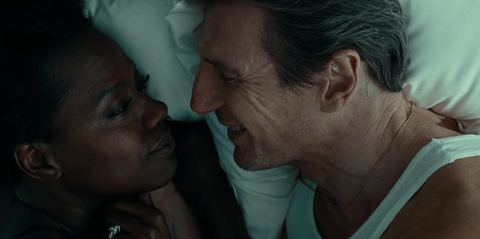
Oscar winner Viola Davis stars with a steady, yet emotionally wavering performance as Veronica, the de facto ringleader of the heist. Her work here is less demonstrative than usual as Veronica internalizes her grief and pushes it outward as calm, ruthless efficiency.
She’s especially good in quiet, tender moments opposite Liam Neeson played out in flashback, where the cool, almost sterile visual look McQueen develops accents the emotional distance playing out on screen.
Tough as nails “Fast and the Furious” star Michelle Rodriguez layers her usual powerhouse attitude with surprising depth while Cynthia Erivo more than holds her own going head to head with Davis in a compelling, yet underserved role.
But it’s breakout star Elizabeth Debicki who leaps off the screen as a battered woman seeking to come alive on her own after the death of her abusive husband. The vulnerability she is able to meld with her character’s growing confidence is captivating to watch as Debicki wanders through her character’s self-exploration.
The men of “Widows” are equally effective in their savagery, especially when it comes to the two-faced politicians who square off throughout the film.
Colin Farrell turns in his best performance in years as the rising star of a socially and politically affluent family, mirroring wry charm with inner spite towards the African American constituents he tries to court votes from. In this same regard, Oscar winner Robert Duvall chews up the scenery in limited screen time as Farrell’s aging father, a soon-to-be-retiring alderman exerting as much power as he can before his influence runs out.
Oscar nominee Daniel Kaluuya and Brian Tyree Henry give complexity to what could have easily been mustache-twirling villain roles and further a growing trend within 2018 cinema to explore the motivations of bad guys in a compelling, character-driven manner.
Quiet but not soft, gritty but not rigid, “Widows” transcends its heist movie categorization and reaffirms that elite level filmmaking can supersede expectations in genres with a middling catalog.
McQueen presents an alluring and captivating feature without all the bells and whistles prevalent among modern action flicks. Each camera movement feels remarkably intentional and deliberately crafted for an expressed purpose that gives “Widows” a stoic intensity that allows audiences to burrow in on the mesmerizing performances McQueen is able to pull from his actors.
Camera placement is essential to what the film does (and doesn’t) want to reveal to its audience. “Widows” also features the most intense world-building pan shot in recent memory following Farrell crossing invisible lines of segregation while driving a few city blocks that feel like miles apart.
Scenes may feel out of touch at first glance and the pacing may be tepid, but the snowball effect the film develops as events spiral towards the conclusion are immensely rewarding.
The film’s relative shortcomings at the box office have stifled award season discussion, but make no mistake, “Widows” is a more than viable candidate to win any category it’s nominated in.
Once a virtual lock for a Best Picture nomination, McQueen’s film may not make the final list of 8-10 movies for the top Oscar prize. With Davis coming off a win for “Fences” two years ago, a Best Actress nod is to be expected and Debicki’s breakout turn could easily take a Supporting Actress prize.
Quiet and deliberate, “Widows” is a commanding, arresting experience that rewards audiences willing to let themselves be pulled into an interwoven tale of crime and corruption, race and class, politics and prejudice.
Hands down one of the three best films of the year, “Widows” demands to be seen on the big screen and will reverberate in moviegoers’ minds long after the credits roll.
Boxing has been the easiest, most translatable sport to dramatize for the big screen because of the beauty in the brutality, two worlds colliding head on in close quarters with a definitive winner and loser.
This formula has given audiences Oscar winning dramas like “Raging Bull” and “Million Dollar Baby” and introduced audiences to a shy, down on his luck boxer from the streets of Philadelphia, Rocky Balboa, who would come to redefine what a sports movie could be.
Three years ago, writer/director Ryan Coogler and star Michael B. Jordan teamed with Sylvester Stallone to reinvigorate the “Rocky” franchise with “Creed,” a compelling drama that furthered the legacy of a fictional boxing icon and created a new one at the same time.
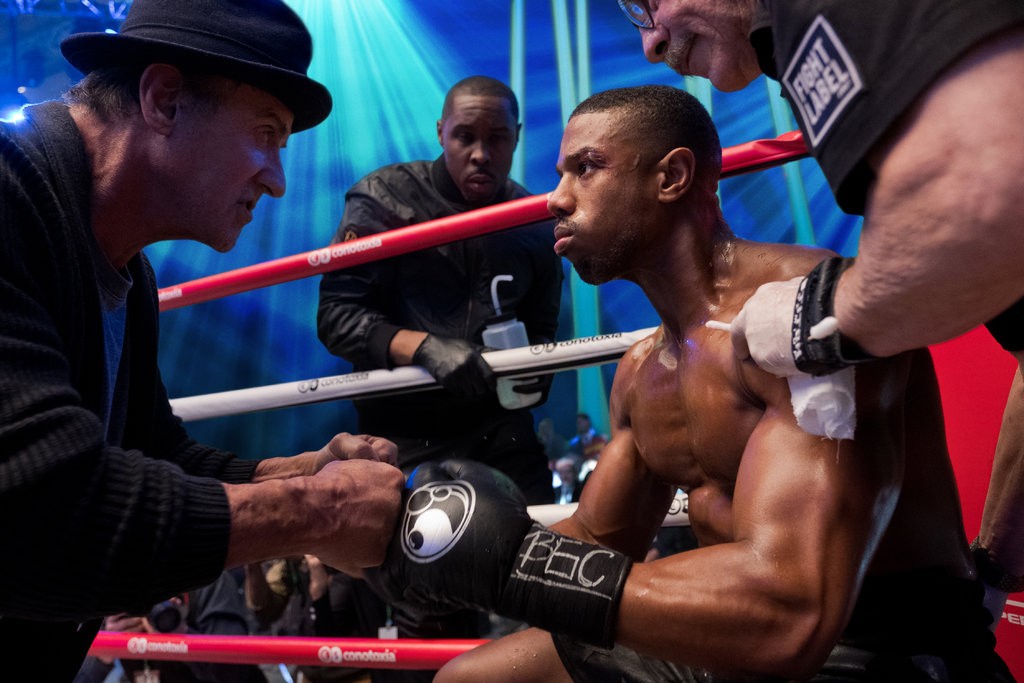
Jordan returns for “Creed II” as Adonis Johnson, son of the famed Balboa rival Apollo Creed, as he seeks revenge for the events of “Rocky IV,” taking on the son of Ivan Drago, the Russian fighter who killed the elder Creed in the ring.
For casual moviegoers, the film checks off all the traditional boxes audiences have come to expect from a boxing film.
Hardcore “Rocky” fans who watch the movies religiously will appreciate the attempts at emotionally connecting “Creed II” with prior installments, though the efforts are rocky at best.
Now left in the hands of young filmmaker Steven Caple, Jr.,”Creed II” lacks the heart of “Rocky,” the flag-waving patriotism of “Rocky IV” or the compelling, dynamic drama of “Creed.”
What plays on screen is a caricature of the boxing franchise, a film so loathe to have its own identity that it forgets everything that made previous installments must-see cinema.
Somehow, some way, “Creed II” made boxing feel boring.
Jordan turns in a solid, uncompromising effort as the younger Creed, though it’s unclear whether the brash outbursts his Creed displays are genuine emotion or misguided echoes of the middling screenplay from Stallone and Juel Taylor.
It’s hard to fathom, given the terrific and compelling first “Creed” film, that not even 30 minutes into the next movie, many viewers may find themselves rooting for Drago.
And yet, that is the state of affairs with “Creed II,” a film whose most interesting, nuanced work is done by Dolph Lundgren.
Still as stoic as he was four decades ago in “Rocky IV,” there’s affecting layers of pain to Lundgren’s internal work here as aging, now Soviet outcast Ivan Drago.
A mixture of pain and bitterness cuts through every line of dialogue to great effect and the cold, familial chemistry Lundgren is able to establish with Drago’s son played by newcomer Florian Munteanu is the best among any two performances in the film.
After nearly winning an Oscar three years ago for his supporting role as Rocky Balboa, Stallone’s presence barely resonates over the course of the two-hour film. The limited time Stallone is given is effective and often compelling, yet the film serves too many moving parts and distances Rocky and Adonis far too much.
In the ring, action scenes are well crafted and engaging and the inevitable training sequences iconic to the franchise are given great care.
There’s just nothing special about this installment of the “Rocky” movies, a great disappointment given how good “Creed” was.
Coogler’s decision not to return as writer/director of the second film so he could go make “Black Panther” for Marvel is telling and his absence is striking in the final product of “Creed II.”
Caple’s film lacks the passion and intensity of the 2015 original with static, uncompelling cinematography and paint-by-numbers direction as if Caple was following directions he Googled on “how to make a boxing movie.”
Popcorn entertainment on par with the mediocre middle installments of the series, “Creed II” won’t receive end of the year acclaim or award nominations like its predecessor.
But amid a wide array of family films saturating the market right now, “Creed II” is decent enough to provide an alternative for mature moviegoers wanting to get out of the house for a while.
Hollywood’s increased obsession with universes, miniseries and franchises has pretty much guaranteed that anything and everything can get a sequel.
But often, studios find themselves milking an intellectual property for all its worth, stretching a story beyond its means at the expense of each chapter.
Such is the case with “Fantastic Beasts,” a burgeoning series of films spun off from the iconic Harry Potter movies.
The second entry, “The Crimes of Grindlewald,” debuted Thursday evening and will likely be a box office success and rewarding fan service for Potter-maniacs.
Casual viewers, on the other hand, may be left confused as to the film’s meaning as “The Crimes of Grindlewald” is littered with Easter eggs and ultimately serves as an extended prologue for three movies to come.
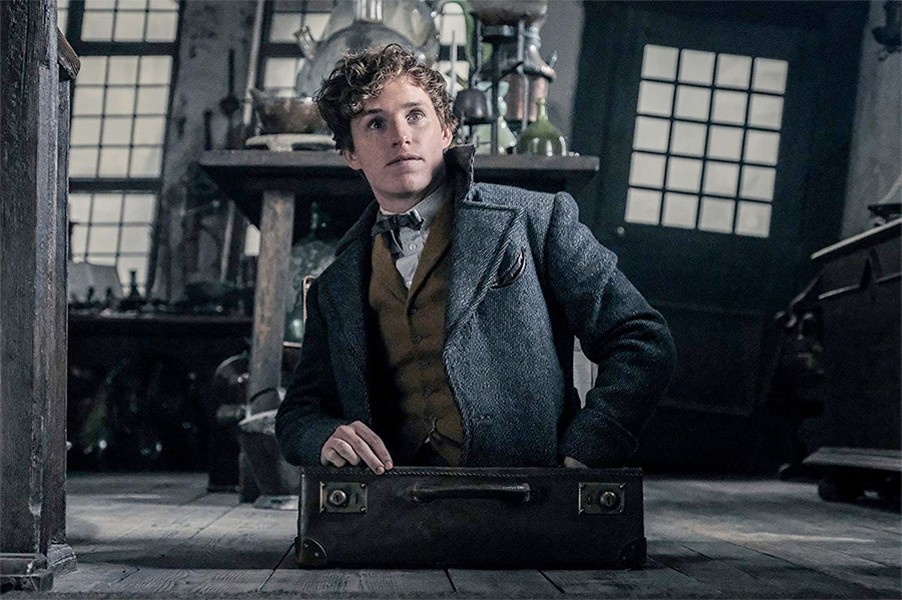
Expert in unique creatures Newt Scamander is tasked with tracking down a dark magic Obscurus before the villainous Grindlewald can use it to bring about a war between magical and non-magical people.
Set primarily in Paris during the late 1920s, “Grindlewald” continues the journey set on by “Fantastic Beasts and Where to Find Them” while pushing things ever closer to the beginnings of Harry Potter’s cinematic journey.
Oscar winner Eddie Redmayne returns as Newt and brings heart to an otherwise plot-propelling character.
His performance is overshadowed, however, by a dynamic and charismatic turn from Academy Award nominee Jude Law as a young version of Harry Potter’s mentor Albus Dumbledore. Law wins every scene he’s in despite limited screen time and should prove to be one of the series’ pinnacles by the end of the five-movie plan.
Casting Johnny Depp as the evil Grindlewald appears to be a false step at first glance, given his propensity for mustache twirling performances and recent personal life troubles.
But in the role, Depp as Grindlewald doesn’t feel out of place as the veteran character actor gives his baddie a level of depth unusual to his work in similar films and plausible moral justification for Grindlewald’s actions.
It’s meant as the highest possible compliment to say that Depp fits in perfectly within this universe as a less demonstrative, more driven character.
The film’s true stars, however, are the titular beasts themselves, an assortment of unique creatures expertly designed and animated with a true cinematic and expository purpose rather than cuteness and comic relief.
Redmayne’s Newt has a genuine connection with these creatures that feels plausible in this world. It also helps that the gold-crazy Nibblers and lock-picking Bowtruckles are a lot of fun to watch.
Tonally, “Grindlewald” is significantly darker than the prior “Fantastic Beasts” entry and more on par with the fifth and sixth Harry Potter films, which makes sense as director David Yates took over the “Wizarding World” franchise with 2007’s “Harry Potter and the Order of the Phoenix” and has made every related film since.
If anything, “Grindlewald” is a return to the mature, conflicted grey of his prior work with the relatively bright first “Fantastic Beasts” being an exception rather than the rule.
“Grindlewald” isn’t an average movie anyone can decide to check out at the last minute.
There’s a high degree of difficulty for first-time, popcorn viewers that requires having seen at least the original “Fantastic Beasts” film and better than cursory knowledge of the Harry Potter story.
Yates and his team don’t wait around to catch viewers up or explain what’s happening.
Even moderate Potter fans — the ones who’ve read the books and seen all nine other movies, but don’t dress up in costume or get sorted into a Hogwarts House — will find themselves feeling more than a bit left out of the loop.
Yes, these beasts are fantastic and a joy to watch on the big screen. But ultimately, “The Crimes of Grindlewald” are betrayal of plot development…..
At least until the next film when everything will start to make more sense.
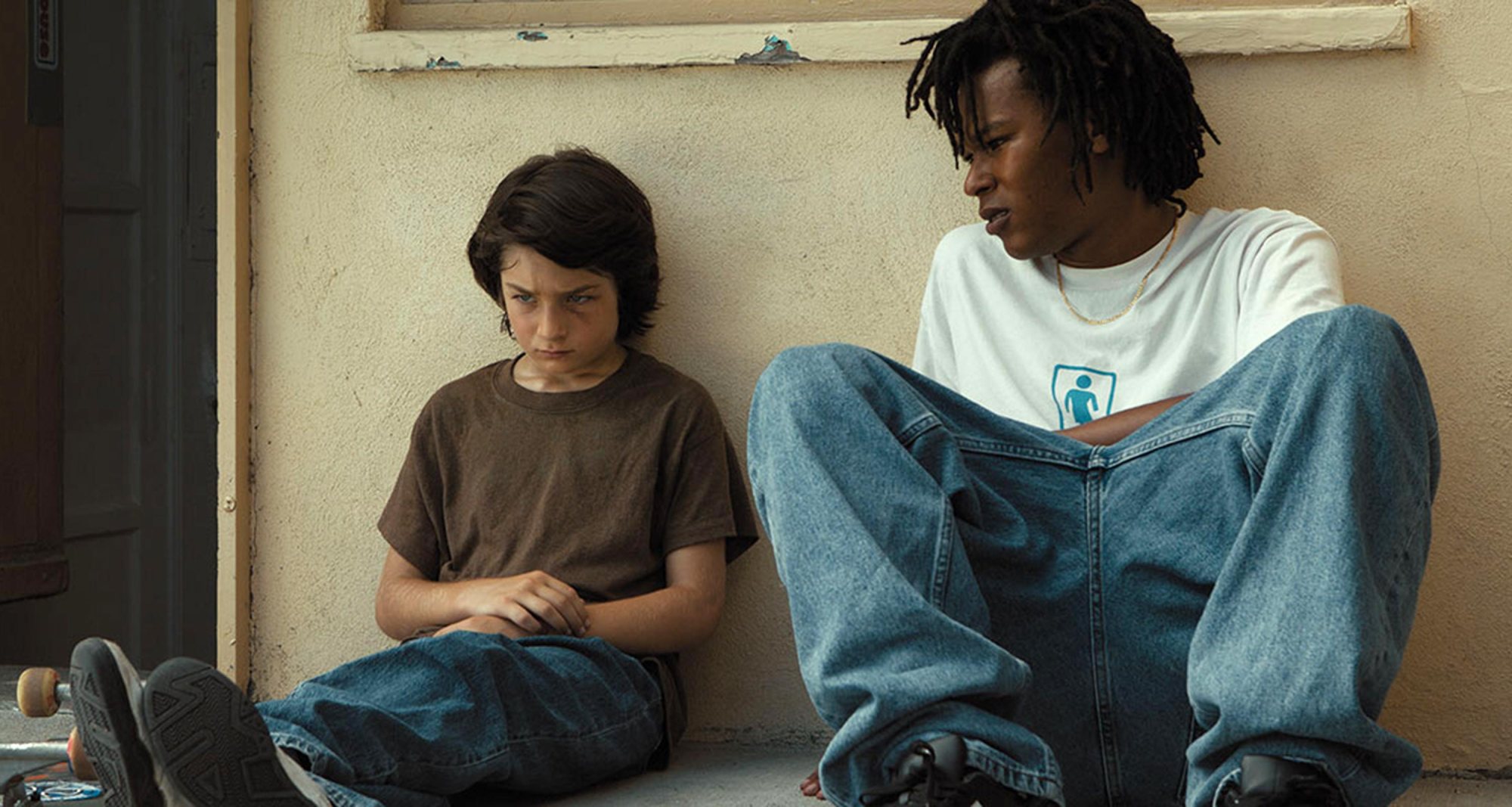
A movie about teens drinking, smoking pot and skateboarding is probably the unlikeliest of candidates to be the subject of a high-concept art film.
But actor Jonah Hill’s first foray into writing and directing is nothing short of Grade-A, top shelf cinema regardless of how rebellious or controversial the subject matter might be.
One of the best independent films this year, “Mid90s” is a visceral, intense drama masquerading as skater comedy, projecting strength while subtly revealing shame and emotional weakness like its young lead.
Audiences follow Stevie, a 13-year-old boy living with a single mom and abusive older brother in Los Angeles.
He finds solace in a group of impoverished area kids who all hang out at the local skate shop and introduce him into a world of camaraderie among social outcasts.
“Mid90s” is uncomfortable to watch at times as Stevie attempts to impress his four older friends by partying with a devil-may-care attitude and taking high risks and big falls skateboarding.
The savagery of Stevie’s physical and emotional scarring carries over to home life where the violence is all too realistically played out in wide shots that make the room seem empty of anything but repressed pain.
Young actor Sunny Suljic approaches Stevie with an irrational confidence that belies the character’s insecurities and masks inner turmoil. His performance hinges on the things Suljic doesn’t say or do as Stevie, but rather on the emotion viewers see festering in Suljic’s eyes.
Pro skateboarder Na-kel Smith dazzles audiences in his acting debut with a key supporting role as Ray, the de facto leader of Stevie’s circle of friends.
The talent Smith displays on his board pales in comparison to the largely unspoken bond he creates with Suljic to capture the film’s most emotional and lingering moments.
Oscar nominee Lucas Hedges makes his presence felt both emotionally and physically with an uncharacteristic and aggressive turn as Stevie’s older brother, but both Hedges and character actress Katherine Waterston as Stevie’s mother occupy the fringes of “Mid90s” far too much.
“Mid90s” is a tour de force effort from Hill, a two-time Academy Award nominated actor crafting his own voice in cinema with a raw, emotional, vibrant film that seamlessly fuses veteran performers with first time actors.
Hill collaborates with cinematographer Christopher Blauvelt to create a richly 1990s visual aesthetic to the movie, led by the decisions to shoot on “Super 16” film and in a square 4:3 aspect ratio that harkens back to television viewing experiences of that era.
The film is bathed in the natural light of Los Angeles under a tinted yellow glow that gives an appearance of faded memory without becoming obtrusive or distracting. As a result, “Mid90s” has the appearance of being lived in, accenting the raw and authentic performances from the first time actors on screen.
The film’s close examination of skate culture in simple, human terms draws wonderful, serendipitous parallels to the Oscar-contending documentary “Minding The Gap,” now streaming on Hulu.
The film’s only true flaw stems from either a storytelling or editing decision by Hill to make “Mid90s” a staccato, fragmented slice of life piece that never really goes much of anywhere over the course of its 84 minute run time.
There’s a clear picture of who Hill’s characters are – aside from Stevie’s mother and brother – and what audiences are to make of their societal draw, but “Mid90s” lacks the sense of drive that would propel it beyond a bird’s eye view of faded memory.
Clearly a passion project for Hill, “Mid90s” represents a solid foundation for directorial work to come and yet is rough enough around the edges that it still feels slightly incomplete.
“Mid90s” is unlikely to receive major consideration this award season, though the film as a whole and its young stars are certainly worthy. Smith especially should be rewarded for a brilliantly understated performance in a supporting role.
Brutal and uncompromising, “Mid90s” packs more emotional punch than would be expected of a slacker skater movie.
It’s as if Hill poured his 15-year-old heart out onto film and laid bare the raw frustrations of boys forced to become men by circumstance.
Stomp your feet and clap your hands.
It’s hard not to enjoy “Bohemian Rhapsody,” a new biopic about the engaging rock band Queen, at least on some basic level.
With a soundtrack of catchy, interactive songs that have become karaoke staples and a magnetic lead performance, “Bohemian Rhapsody” is a fun crowd-pleaser to say the least.
But it’s so shallow that director Bryan Singer’s film stands out like a sore thumb dramatically, especially with the compelling musical drama “A Star Is Born” playing on a screen just down the hall in most theaters.
Told largely from the perspective of iconic, flamboyant front man Freddie Mercury, “Bohemian Rhapsody” follows a relatively conventional and unusually sunny path from the band’s beginnings through their legendary Live Aid performance in 1985.
The film touches on a number of subject matters – the band’s tumultuous relationship with managers scheming against them, Freddie’s conflicted sexuality and its impact on longtime partner Mary Austin, Mercury’s AIDS diagnosis – that could have each been made into their own movie.
“Bohemian Rhapsody” attempts to pay lip service to all of these, as well as the writing of Queen’s bold discography, often in the rosiest of lights and largely at the expense of the whole endeavor.
“Bohemian Rhapsody” lacks cohesion and focus, due in great part to a bland, muted screenplay and the firing of Singer midway through his own project, which actor/director Dexter Fletcher had to pick up the pieces and complete with 75 percent of the film already shot.
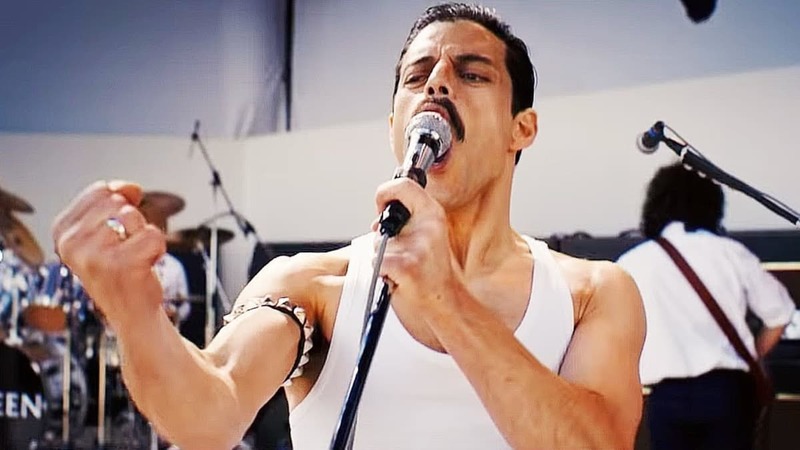
In the movie’s favor, however, is a tremendous and satisfying performance from “Mr. Robot” star Rami Malek, who wholeheartedly melts into the role of Queen’s lead singer and main songwriter.
There’s a bounce to Malek’s step both physically and verbally that accentuates Mercury’s vibrato.
Though it is obvious that Malek isn’t singing, the immersive, demonstrative performance Malek offers allows audiences to suspend their disbelief authentically, especially during the Live Aid concert.
Equally, Malek is genuinely quite good as Mercury off stage, when the bravado of the film’s “Lip Sync Battle”-esque feel gives way to examining Mercury’s sexuality and how the way he assertively lives his life impacts those around him.
The film bounces around far too much for Malek to truly sink his teeth into the complexities of the character as screenwriter Anthony McCarten wanders through Queen’s discography as if it were auto-tuning the band’s Wikipedia entry.
“Bohemian Rhapsody” the film, at least in the eyes of its filmmaker, fancies itself like the song, ranging a gambit of genres at an inexplicable fashion and expecting its audience to love the certain absurdity of it all.
In that way, “Bohemian Rhapsody” sort of works cinematically, allowing people to choose their favorite parts and sing along with wild enthusiasm while smiling along with the randomness.
The biggest problem, however, isn’t that Singer fails to capture the daring creativity of its subject, but rather that Singer doesn’t really have much of anything to say at all.
Everything about “Bohemian Rhapsody” screams paint-by-numbers biopic from the clinical structure of examining the band’s history chronologically to the blatant and constant foreshadowing dialogue that becomes a big flashing sign rather than a subtle wink to audiences.
Malek alone has potential for an Oscar nomination as his transformation into Mercury provides one of 2018’s most immersive performances.
This could reasonably extend to costume designer Julian Day and makeup designer Jan Sewell for helping create the Mercury audiences see on screen.
The film as a whole, however, has such a VH1 “Behind The Music” aesthetic that other top line accolades seem highly unlikely.
There’s so much potential for a film about Queen and its mercurial lead singer to be great.
Malek certainly goes all in on a performance worthy of a great Queen film.
The fact that “Bohemian Rhapsody” is simply a marginal movie makes it the biggest cinematic disappointment of the year.
Some films feel if they were made with a different era in mind.
They use the modern bells and whistles, cinematic tricks of the trade, to evoke a sense of nostalgia within the audience.
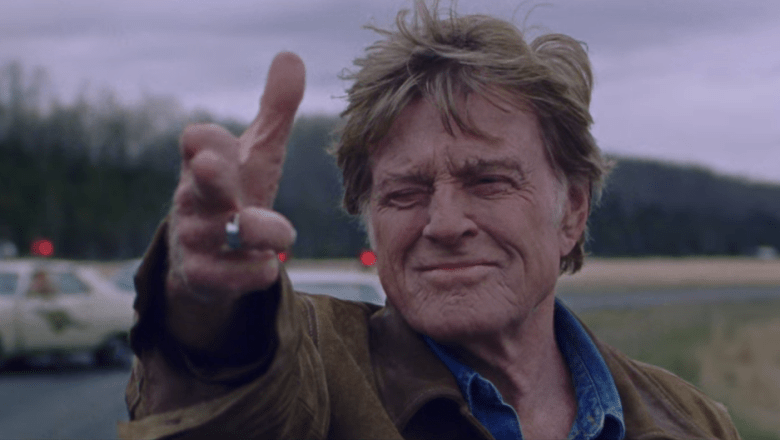
“The Old Man and The Gun,” reportedly Academy Award winner Robert Redford’s final film, goes much further than that.
The latest from director David Lowery is ripped straight from the archives of classic movie making of the 1970’s, figuratively speaking.
Everything from the candor of the screenplay to the charm of the performances to the vintage cinematography shot on Super 16 film to the leisurely pace harken back to a type of movie you don’t see on screen anymore.
Based largely on a true story, “The Old Man and The Gun” follows Forrest Tucker, a man in his 70s who robs banks for a love of adventure and breaks out of prison for the rush of it all.
His latest escapades with a pair of equally distinguished criminals puts Forrest in the path of a lovely, simple woman and in the crosshairs of the Dallas police.
The film offers the time and latitude for Redford to bring out his effortless charm in a most endearing way.
At times, it’s hard to tell if Lowery as screenwriter and director intends for audiences to see Forrest Tucker, career bank robber, or Robert Redford, iconic Oscar-winning actor.
An ode to Redford who just happens to star in it, “The Old Man and The Gun” often feels like a compilation of Redford’s greatest hits, occasionally lifting moments from his early career directly out of films like “The Chase” and “Two-Lane Blacktop.”
This reverence never becomes distracting or problematic, but comes out of distinct respect.
In this way, “The Old Man and The Gun” is a folktale rather than a biopic, blurring the lines between Tucker and Redford to the point where it doesn’t really matter which is speaking. You just want it to go on a little bit longer.
His presence radiates off the screen in easy flirtation with Sissy Spacek’s Jewel or juxtaposed against Casey Affleck’s road-weary detective John Hunt.
Redford soothes like bourbon in a smart, casual turn that perfectly wraps up his career in a neat bow, even if we don’t want him to be done.
Putting Affleck on Redford’s tail is a smart move for Lowery, giving Hunt the weight he needs to be an effective rival in the cat-and-mouse game of heist movies. What works best is the understated manner of Affleck’s performance, internalized to the point where it balances the scales of law and outlaw but also bows to the retiring star.
The ensemble cast each finds their moment to shine with Emmy-winner Elizabeth Moss and Danny Glover among the highlights. Yet it’s Tom Waits who steals the show in limited screen time as the most grizzled of the “Over The Hill Gang” and his monologue about why he hates Christmas is a standout moment of the entire film.
Lowery bathes his entire feature in nostalgia echoing in the faded, worn visuals as if audiences are peering into another world through a stained window. A traditional, flowing score is paired wonderfully with tracks from The Kinks and Jackson C. Frank to give the film an additional sense of place.
Like most of Lowery’s work, “The Old Man and The Gun” employees a casual pace that’s more like an old memory fading in and out of view.
Redford is so captivating and charming in his performance that audiences who engage early won’t feel the weight of a 90-minute cinematic stroll.
Aside from a possible outside chance a nomination for Redford as a tip of the cap, there likely won’t be any award season love for “The Old Man and The Gun.”
A simple film that does right by a legendary actor, “The Old Man and The Gun” may be out of step for modern Hollywood, but with Redford at the front, it’s a can’t miss treat.

Neil Armstrong’s achievements are universally known.
Notoriously humble and private, Armstrong the man is not known nearly as well.
Oscar winner Damian Chazelle’s first foray into filmmaking after the massive success of 2016’s “La La Land” the teams the filmmaker with star Ryan Gosling, who peers into the soul of Armstrong.
“First Man” begins several years before Armstrong’s famous walk on the Moon and chronicles his journey to the Apollo 11 mission on both the home and work fronts.
With “First Man,” Chazelle has crafted his most understated film to date, an arresting and poignant film about the physical, emotional and psychological tolls the space race of the 1960s had on NASA’s most famous astronaut, his co-workers and his family.
Gosling delivers a stoic, internalize performance as Armstrong, which allows the Canadian actor to say so much without actually speaking many words. His Armstrong is calm and collected under the pressures of the job, but struggles to connect emotionally with his wife and children.
There’s a somberness to his performance, especially in Armstrong’s relationship with his wife Janet, that is devastatingly detached and helps viewers better understand the sacrifices families made in pursuit of the unknown.
Claire Foy gives the film’s most demonstrative performance and yet is also subdued in her work. Her Janet clings on to the fringes of Neil’s world, trying to understand her husband while maintaining order for her young sons. Her best scenes are opposite Gosling when she is able to challenge and comfort in effortless push-and-pull drama.
The film boasts a terrific supporting cast that accentuates Armstrong’s journey without getting in the way, led by Jason Clarke as Armstrong’s neighbor and fellow astronaut Ed White, Kyle Chandler as NASA chief Deke Slayton and Corey Stoll as Buzz Aldrin.
Though it’s unfortunate that this has to be spelled out, “First Man” is by no means anti-American as has been portrayed in some news outlets prior to the film’s release.
It’s true Chazelle chose not to film a moment where Armstrong and Aldrin plant the American flag on the Moon’s surface.
That doesn’t mean the flag was wiped from the film altogether.
The stars and stripes are clearly visible on the lunar surface, on the astronauts’ clothing and at various other points throughout the film.
“First Man” is a film about American achievement and human achievement. The two aren’t mutually exclusive in Chazelle’s work.
Chazelle authors a striking portrait of Armstrong in tandem with his Oscar-winning “La La Land” cinematographer Linus Sandgren.
While the film is dynamic from start to finish, the beauty Sandgren is able to pull out of each moment in space using IMAX camera is stunning and requires viewing on the best and biggest screen possible.
Chazelle also smartly teamed with production designer Nathan Crowley, a frequent collaborator of Christopher Nolan, to give the world of NASA a practical and authentic look and feel.
“First Man” is one of two films to arrive in a majority of theaters across the country – along with “A Star Is Born” – to be a frontrunner for Academy Award nominations this spring. The film is all but assured a Best Picture nomination with Gosling and Foy likely acting noms and Chazelle expected to be in contention for another Best Director win.
“First Man” alternates between being a high-octane adventure in its air/space scenes and a slow, deliberate drama in quieter, introspective moments on the ground.
A visually impressive film, “First Man” is worthy of an outing to the theater to catch Chazelle and Sandgren’s work on a big screen, though the slow pace will discourage some moviegoers.
A trip to a IMAX screen might prove to be the most enjoyable way to catch Chazelle’s visual retelling of Armstrong’s historic adventure.
 Cinematic Considerations