

Labelling Golden Globe and Academy Award nominee “Lion” something reductive like “the Google Earth movie” is unnecessarily unfair to the emotional, inspirational film from director Garth Davis.
“Lion” is a family story about loss and hope, searching for a sense of place and identity. The poignant, touching tale is adapted from Saroo Brierley’s autobiographical book “A Long Way Home” by writer Luke Davies and is told in two parts broken up into hour-long segments.
The first tells the gripping, tragic tale of five-year-old Saroo, a boy living in rural India who is separated from his family and awakes in Calcutta alone hundreds of miles away from home. The second features a mature Saroo living in Tasmania with his adoptive parents, who longs for connection to his birth mother and brother and begins a search using the new Google Earth mapping program.
While there are much more famous performers in “Lion,” young Sunny Pawar gives the film’s best and most devastating performance as the young Saroo. Pawar opens the film with such vibrancy of life and then slowly has it ripped away from him, leaving Pawar completely lost in the moments to incredibly heart-wrenching effect. “Lion” is as poignant of a film as it is wholly due to Pawar’s unique ability to draw audiences in and captivate their hearts, a talent few adults – let alone children – have.
Abhishek Bharate also delivers in spades with a strong performance as Saroo’s protective older brother, Guddu, who serves as much as a surrogate father to Saroo as he does a loyal brother. Bharate does a terrific job supporting Pawar’s touching portrayal without getting in the way.
As the older Saroo, Dev Patel is an emotional wreck struggling to internalize his longings, hiding them from his adoptive family and girlfriend. Scene to scene, moment by moment, Patel slowly unravels Saroo’s inner demons as if they were layers of an onion being pulled apart. Audiences can feel Pawar’s performance haunting Saroo in Patel’s eyes as the pain of loss bubbles to the surface. It’s an emotional, touching portrayal that represents Patel’s best work to date.
Oscar winner Nicole Kidman is a likely nominee for her supporting work as Saroo’s adoptive mother. In each scene whether she’s working opposite Patel or Pawar, Kidman brings such a motherly warmth to the performance that might often be phoned in by a less committed actress. One scene late in the film where Saroo confronts his mother about why she did not have any biological children of her own will probably serve as her highlight reel for a presumptive Academy Award nomination.
“Lion” doesn’t give talented young actress Rooney Mara much to do, and as such her performance as Saroo’s girlfriend who helps get the ball rolling on his quest to find his family is pretty underwhelming. It feels as though script sacrifices were made to invest more time in Pawar, Patel and Kidman, though doing so at the expense of someone like Mara feels like a waste.
Davis does a great job as director in staying out of the way for the most part, allowing the film’s performances to speak for themselves.
The film’s strongest point, more so than even its terrific cast, is the brilliant cinematography from director of photography Greig Fraser. In the film’s first half, Fraser brings the camera lower and angles upward, allowing viewers to experience India from young Saroo’s perspective. The intimate and often haunting images this shooting style allows give “Lion” a special vibrancy not normally found in biopic dramas.
While not the obvious choice for a night out at the theaters or for the year’s top cinema prizes, “Lion” is well worth the price of admission and could be an upset winner in several major Oscar categories at next month’s ceremony. Its true story and efforts to raise awareness and funding for India’s large “street children” population will tug at audiences’ heartstrings as well.
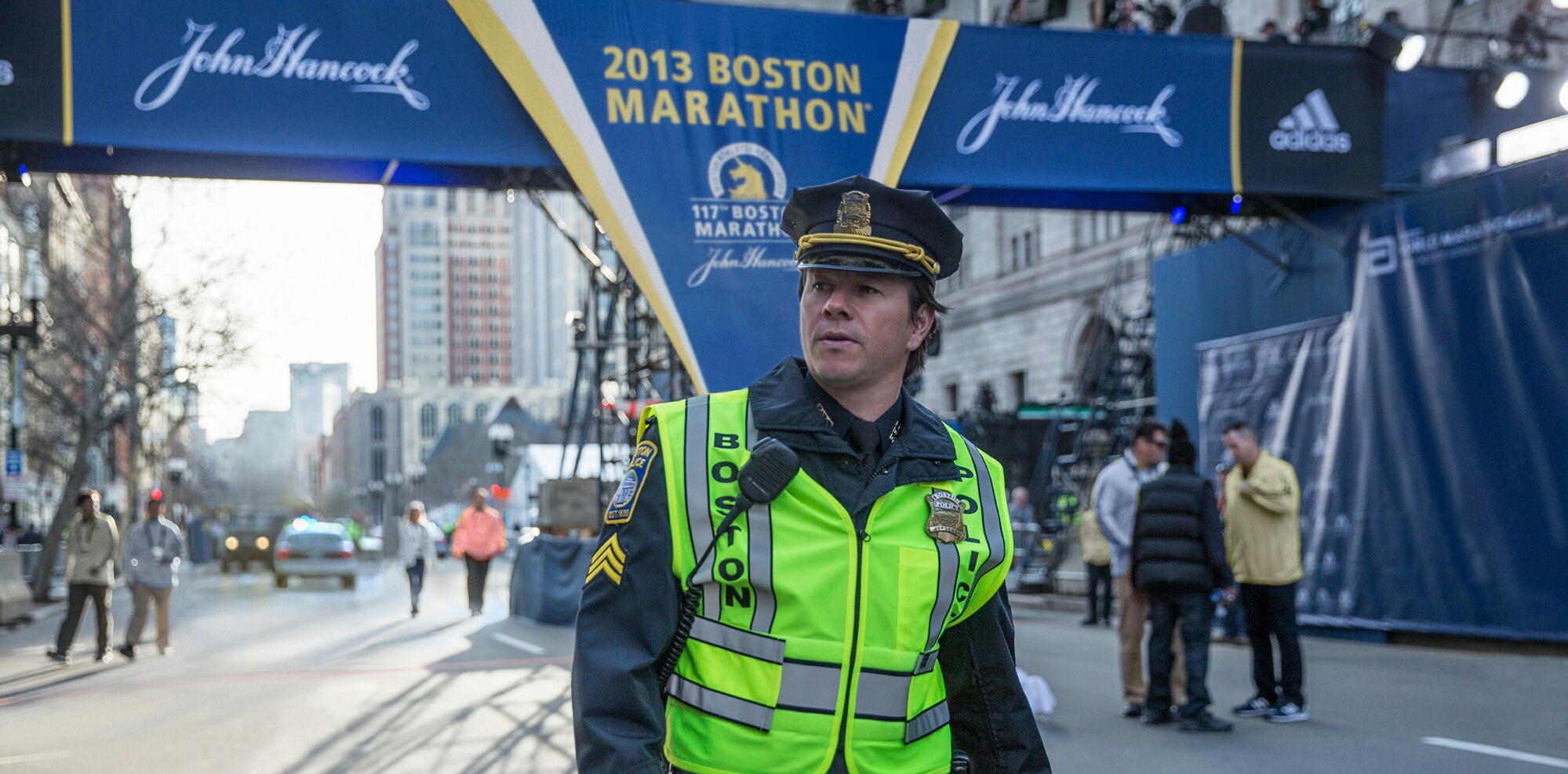
It’s been less than four years since two radicals planted homemade bombs near the finish line at the 2013 Boston Marathon, and already, filmmakers are racing to dramatize one of the most senseless acts of violence in our nation’s history.
The first of two films on the subject slated to come out in 2017, Peter Berg’s “Patriots Day” is a flag-waving, symbolic memorial to those who died, those who survived and especially to law enforcement officials critical in the hours and days that followed.
“Patriots Day” examines the events of April 15, 2013 from nearly every angle, beginning several hours before the race starts and carrying through the attack and subsequent investigation that led to the death of one bomber and the capture of a second.
Viewers are given intimate glimpses into the lives of a variety of law enforcement officials, every day citizens whose lives were impacted by the attack and the attackers themselves.
In a film where such a climatic event is depicted from all perspectives, inevitably shortcuts must be taken by filmmakers to condense things down to a palatable running time for audiences.
The film’s biggest and most controversial shortcut in this respect is the casting of Boston native and producer on the film Mark Wahlberg as Sergeant Tommy Saunders, a Boston police officer who just happens to be everywhere at the right time throughout the film. Saunders is shown at the finish line when the bombs go off coordinating all the rescue efforts, with the FBI recapping the bombing, in Watertown engulfed in the shootout with the marathon bombers and at Fenway Park greeting Red Sox star David Ortiz.
The problem is, Tommy Saunders isn’t a real person, rather a contrived composite of any number of law enforcement officials who answered the call to action after the attack.
Wahlberg is largely effective as Saunders, giving a rousing performance as the cop who’ll stop at nothing to protect his city, essentially the living embodiment of “Boston Strong.” But as the movie zips along sequence to sequence, Saunders’ plausibility as a character wanes and Wahlberg’s performance feels more false in turn. For a film so reliant on the authenticity to the actual events, Saunders is the one false note ringing throughout to remind audiences that they’re watching a fictional narrative and not documentary.
The film’s other major stars – from John Goodman as Boston Police Commissioner Ed Davis to Kevin Bacon as FBI special agent Rick DesLauriers to J.K. Simmons as Watertown Sergeant Jeff Pugliese – feel incredibly authentic in their performances, thanks in part to their close relationship to the actual officers they portrayed all serving as technical advisers to the film.
From an acting perspective, the best moments in “Patriots Day” come in smaller, less flashy scenes.
Themo Melikidze and Alex Wolff give hauntingly poignant performances as marathon bombers Tamerlan and Dzhokhar Tsarnaev, while “Supergirl” star Melissa Benoist wows as the American-born wife of Tamerlan in a climatic interrogation scene late in the film. The most gripping portion of “Patriots Day” centers around Dun Meng (Jimmy O. Yang), an immigrant who is carjacked and kidnapped by the bombers as they plan their escape to New York to set off bombs in Times Square.
Berg does a fantastic job of always keeping the audience in the moment regardless of what is actually occurring onscreen thanks to some terrific camera work from cinematographer Tobias Schliessler and crisp pacing from editors Gabriel Fleming and Colby Parker Jr. As a result, “Patriots Day” is a largely authentic, wholly compelling docudrama worthy of a trip to the local cinema.
“Patriots Day” came out far too late in the awards process for the film to receive major Oscar consideration, though a technical award for editing would certainly not be out of the question. The film beautifully crosscuts between footage of the actors recreating the events of the marathon bombing and actual news footage as well as surveillance video from neighborhood business surrounding the attack.
It’s very easy to get caught up in the moment as events unfold throughout “Patriots Day,” which is one of the most heart pounding, nationalistic thrill rides in several years and one that leaves audiences proud to be Americans.
“Patriots Day” is a film for patriots and will make viewers leave the theater feeling “Boston Strong.”
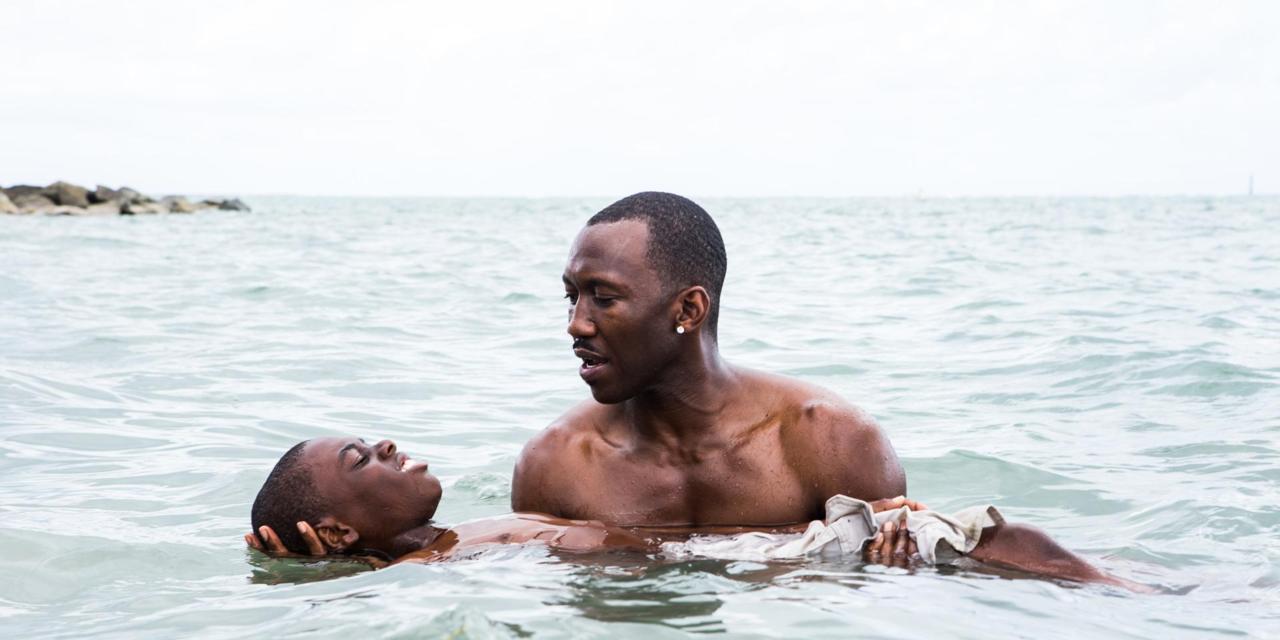
Three hours in, it seemed pretty safe to assume Barry Jenkins’ subtle and powerful independent character drama would go home empty handed Sunday.
Things changed drastically, though, when “Moonlight” ended the night with the Hollywood Foreign Press Association’s biggest prize: the Golden Globe for Best Motion Picture – Drama.
“Moonlight” was an unexpected winner after coming up just short in Best Supporting Actor (Mahershala Ali), Best Supporting Actress (Naomie Harris), Best Director (Jenkins), Best Score and Best Adapted Screenplay.
The film is a heartfelt, emotional journey told in three parts about Chiron, a young African-American boy growing up with a drug-addicted single mother living in Miami. Throughout the feature, Chiron struggles to find positive influences and role models as he seeks to find his own identity, both sexually and emotionally.
Each segment attacks Chiron’s journey of self-discovery differently from a cinematic and storytelling perspective. In segment one, 10-year-old Chiron a.k.a. Little (Alex Hibbert) hides from bullies in an abandoned motel where he is found and mentored by drug dealer Juan (Ali). Segment two features teenage Chiron (Ashton Sanders) dealing with his mother Paula’s (Harris) full blown drug addiction and a homosexual relationship with his best friend Kevin. In segment three, Chiron (Trevante Rhodes) grows up to become a drug dealer known simply as Black and reconnects with Kevin after years of separation.
The choice to have three different actors play Chiron over the course of his life is an inspired decision by Jenkins, who perfectly casts similar, yet distinctive performers to interpret the character in their own way. The changes in Chiron performance to performance perfectly encapsulate how life changes an individual as they grow up. Hibbert, Sanders and Rhodes all deliver with strong individual performances that could be award-worthy as supporting nominations, but are better in lockstep as one transformative experience.
“Moonlight” also serves as a landmark feature for veteran character actors Ali and Harris, who are both sure to be nominated for Academy Awards in respective supporting acting categories.
As the only character to appear in all three segments, Harris is devastatingly effective as Paula. Her performance is elegantly layered segment to segment as we see the strong, confident single mother drift away into drug-addled rage and depression over the course of the film. Her work in segment two is especially chilling and worth an awards shortlist on its own.
Ali, best known for his supporting work on Netflix’s “House of Cards,” elevates his game to another level as Juan, the charismatic drug dealer with a soft spot for Little. His ability to give Juan equal parts hard edge from life selling on street corners and comforting empathy is remarkable. Performed even slightly differently softer or harder, Juan becomes a caricature. But Ali is bittersweet and affecting, toeing the exact line with ease.
Jenkins, who adapted the script from Tarell McCraney’s semiautobiographical unproduced play “In Moonlight Black Boys Look Blue,” shows an adept hand at both screenwriting and directing that belie his relative inexperience making movies. “Moonlight” is just his second feature after 2008’s “Medicine For Melancholy,” though the past eight years seem well spent with “Moonlight” as the fruits of his effort.
“Moonlight” shines brightest visually, with cinematographer James Laxton beautifully giving a distinctive, uniquely vibrant feel to each of the film’s three segments. Each segment has its own visual hue, as if they were all shot in different film stock.
The most powerful and memorable scene in “Moonlight,” Juan teaching Chiron how to swim in segment one, is effective as much for Laxton’s stunning camera work in the scene as Ali’s masterful acting performance. The camera bobs up and down in the water, floating above the surface and crashing below with the waves in a captivatingly intimate portrayal of humanity you wouldn’t expect from a swimming lesson.
A Golden Globes win boosts the chances for “Moonlight” to take home Best Picture honors at next month’s Academy Awards, but the film will have to contend with Hollywood love letter “La La Land,” which swept all seven categories it was nominated in at Sunday’s Globes.
Perhaps the best bet for Oscars love will come in Best Supporting Actor, where Ali will be a frontrunner alongside Jeff Bridges for “Hell or High Water” and most likely won’t contend with Golden Globe winner Aaron Taylor-Johnson of “Nocturnal Animals,” who may not even receive a nomination from Academy voters.
While occasionally slow, “Moonlight” is dramatically better than most large independent content you’ll find in cinemas these days and something ardent movie lovers need to see at least once early this year whether in theaters or later on DVD.
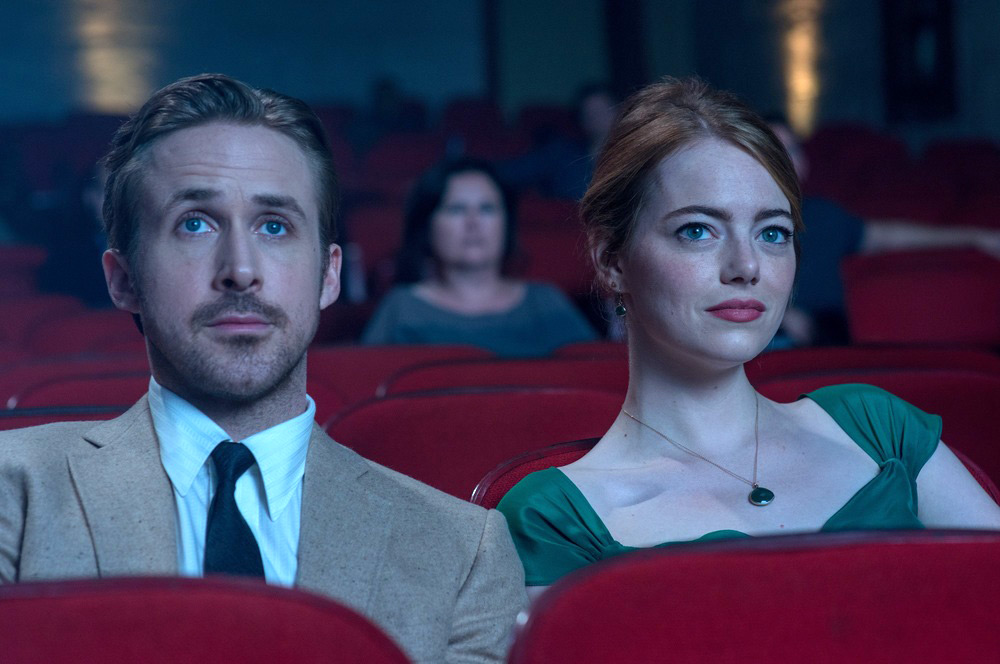
Believe the hype.
Unless you’ve been hiding under the proverbial rock, chances are you’ve seen the trailer for Damien Chazelle’s musical love letter to Los Angeles, the Academy Award frontrunner “La La Land” starring Ryan Gosling and Emma Stone.
This modern take on vintage Hollywood storytelling leaps off the screen and pulls viewers in for a classy, adventurous ride about struggling artists falling in love in Los Angeles. It’s exactly the kind of film that might have starred Gene Kelly or Bing Crosby decades ago and yet feels so incredibly fresh and authentic in a modern, 21st century way.
“La La Land” follows aspiring actress Mia (Stone) as she wanders through her life in Los Angeles until she meets jazz pianist Sebastian (Gosling) and the two begin a courtship for the ages over the next year.
While the primary hook for “La La Land” is inevitably its musical genre, the film shines brightest as a straight character-driven drama with outstanding performances from leads Gosling and Stone. Now in their third film together, Gosling and Stone’s pitch perfect chemistry drive the entirety of the action and make viewers want to dream and fall in love all over again.
Gosling is at his understated best as Sebastian, playing the role with the cool debonair of James Dean in “Rebel Without A Cause,” a film that just happens to be one of Sebastian’s favorites. Sebastian appears to be always in control even when things don’t go his way, a testament to the poise Gosling exudes in the character. He also performs his own piano numbers, which took over six months of rehearsal time and are the film’s best moments of quiet intensity.
For as good as Gosling is, Stone is the film’s life force. “La La Land” is the career-defining performance for a talented, Oscar-nominated actress in need of a star-making role. Stone’s turn as struggling actress/barista Mia in Chazelle’s love letter to classic Hollywood musicals is a breath of fresh air amid the dark, harrowing performances we’ve grown accustomed to seeing from Hollywood’s top actresses.
The entire film, Stone glides through scene after scene as if on a cloud of air. Her performance is so effortless and light, dancing on a road of eggshells in the most charming of ways. Mia is the quintessential persona of what we imagine falling in love to be like when we’re dreaming about it in our heads and Stone takes every care to make the entire experience feel natural.
“La La Land” is the perfect vehicle for Chazelle to show just how talented of a young director he is. The vibrancy he is able to create on screen with dynamic color hues that radiate into the audience frame by frame is perfectly balanced against the terrific score from Justin Hurwitz. Los Angeles comes alive in such a forward, present way that few filmmakers have been able to achieve.
The visuals of “La La Land” are best in the film’s many night sequences, where cinematographer Linus Sandgren is able to accent Stone and Gosling’s performances with deep, rich blue and black color palettes. “A Lovely Night,” the song and dance sequence that feels pulled straight from the cutting room floor of a Fred Astaire-Ginger Rogers film, exemplifies this balance.
Putting “La La Land” in award season context, Chazelle’s film is a cinch to win the Golden Globe for Best Motion Picture – Musical or Comedy as well as a likely winner for both Gosling and Stone in lead acting categories.
Its Academy Award prospects are slightly murkier with strong support for dramas “Manchester By The Sea” and “Moonlight” that may prevent an acting or directing Oscar for “La La Land.” A Best Picture award is considerably more likely thanks to the Academy’s preferential voting ballots that boost films that appear as a voter’s second or third favorite film of the year.
There’s not really a more delightful cinematic experience in 2016 than “La La Land.” Visually perfect with the best musical score of the year, this modern take on vintage Hollywood storytelling leaps off the screen and pulls viewers in for a classy, adventurous ride.
A clear frontrunner in award conversations this winter, “La La Land” is well worth seeking out in a theater near you.
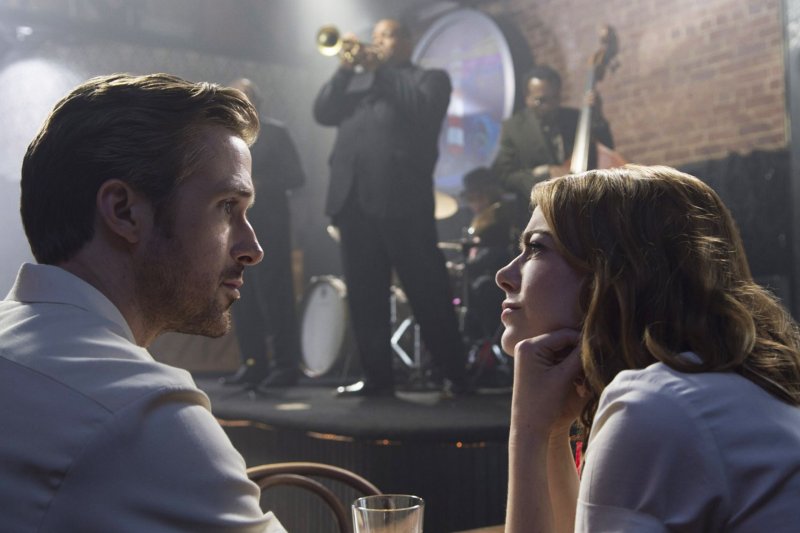
It’s been a tough year.
Just saying the word “2016” induces cringes from a vast majority of people, offering up painful thoughts of a highly divisive political campaign that may or may not have gone your way to general malaise about the state of the world to the seemingly endless rash of celebrity deaths that robbed us of talent far too soon.
In the world of cinema, things got off to a rocky and slow start, as is often the case with the way in which studios schedule their releases over the course of a calendar year. But the close of 2016 brought some of the decade’s most interesting and compelling movies to the forefront, ones we’ll be talking about for months to come.
As of the end of 2016, I’ve had the pleasure (and sometimes pain) to enjoy 102 different new release feature films from big-budget studios to smaller independent works that have me starting to believe in the magic of cinema once again. I hope you’ll feel the same way, especially if you see this year’s 10 best films.
It should be noted that several of the year’s award-contending releases have not been made widely public yet and as such are not in this list, including “Hidden Figures,” “Live By Night,” “Patriots Day” and “Silence.”
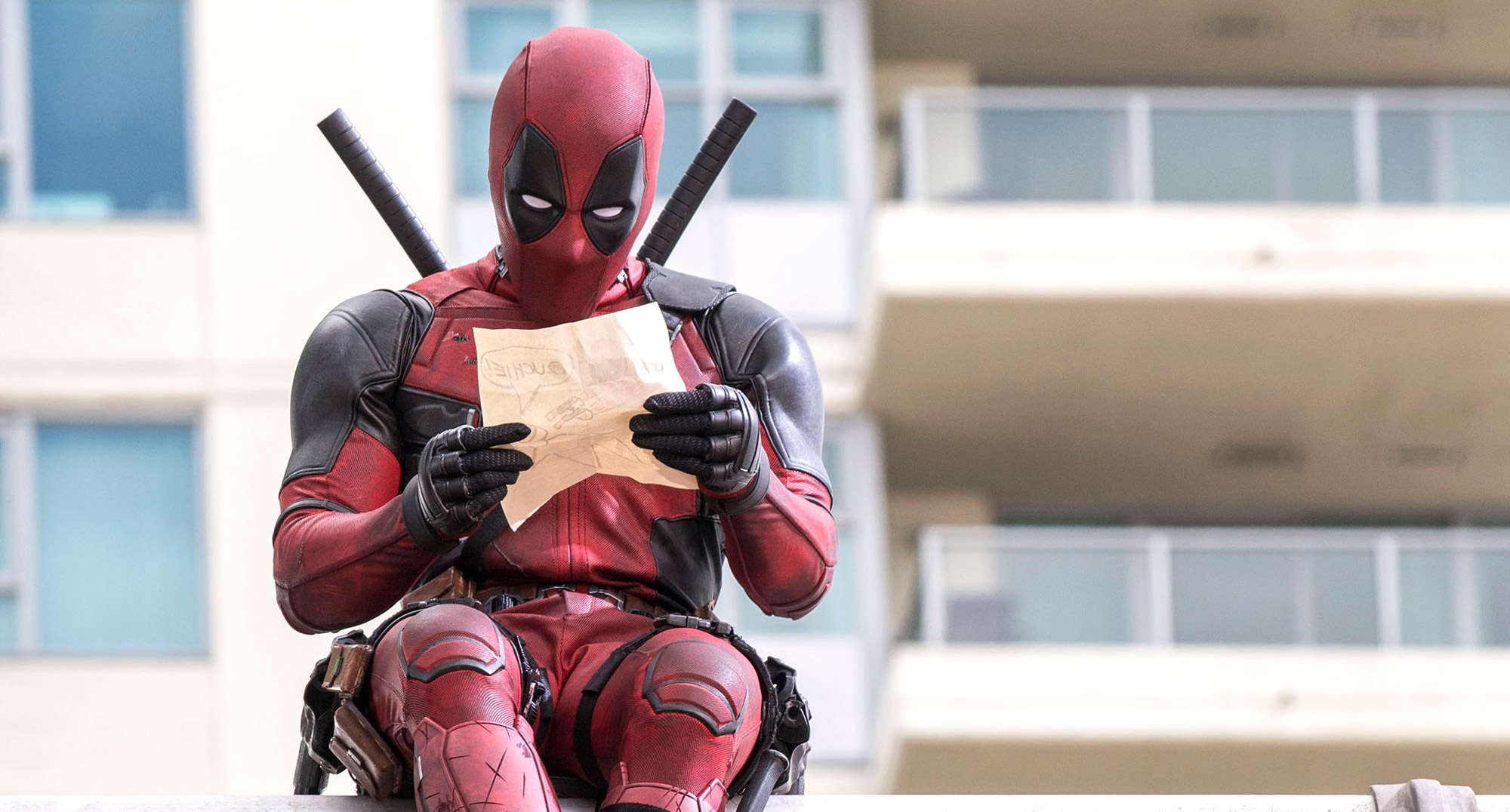
Blockbuster of the year – “Deadpool”
There may have been more financially successful big-budget popcorn movies to hit the big screen in 2016, but none are as effortlessly enjoyable and re-watchable as Ryan Reynolds’ comic book passion project “Deadpool.”
“Deadpool” is the perfect star vehicle for Reynolds, who maximizes his wry wit and charm (applied in the film as snark) within the comic book world’s most wisecracking anti-hero. The passion Reynolds exudes for the character radiates every minute he’s on screen, elevating even the more generic superhero scenes crafted out of a cookie-cutter superhero script.
The film enters a much more fan-friendly environment for cruder, darker subject matter thanks to the cult hit status of British indie dark comedy “Kick-Ass” and Marvel’s Netflix miniseries – “Daredevil,” “Jessica Jones” and “Luke Cage” – which are considerably more violent than the Avengers’ solo and team-up movies.
The sheer amount of Easter eggs and random pop culture references – akin to the tone of Marvel’s surprise smash hit “Guardians of the Galaxy” – lends itself to multiple viewings, though the monotone plot line does become tiresome midway through multiple screenings. There’s signs of greatness within “Deadpool,” especially when Reynolds isn’t tied down by CGI metal men or hacky, second rate villains.
Though not a perfect film, “Deadpool” is the hilarious next evolution in the comic book film genre and immensely worthy of blockbuster of the year status.
Also considered were “Captain America: Civil War” and “Rogue One: A Star Wars Story.”
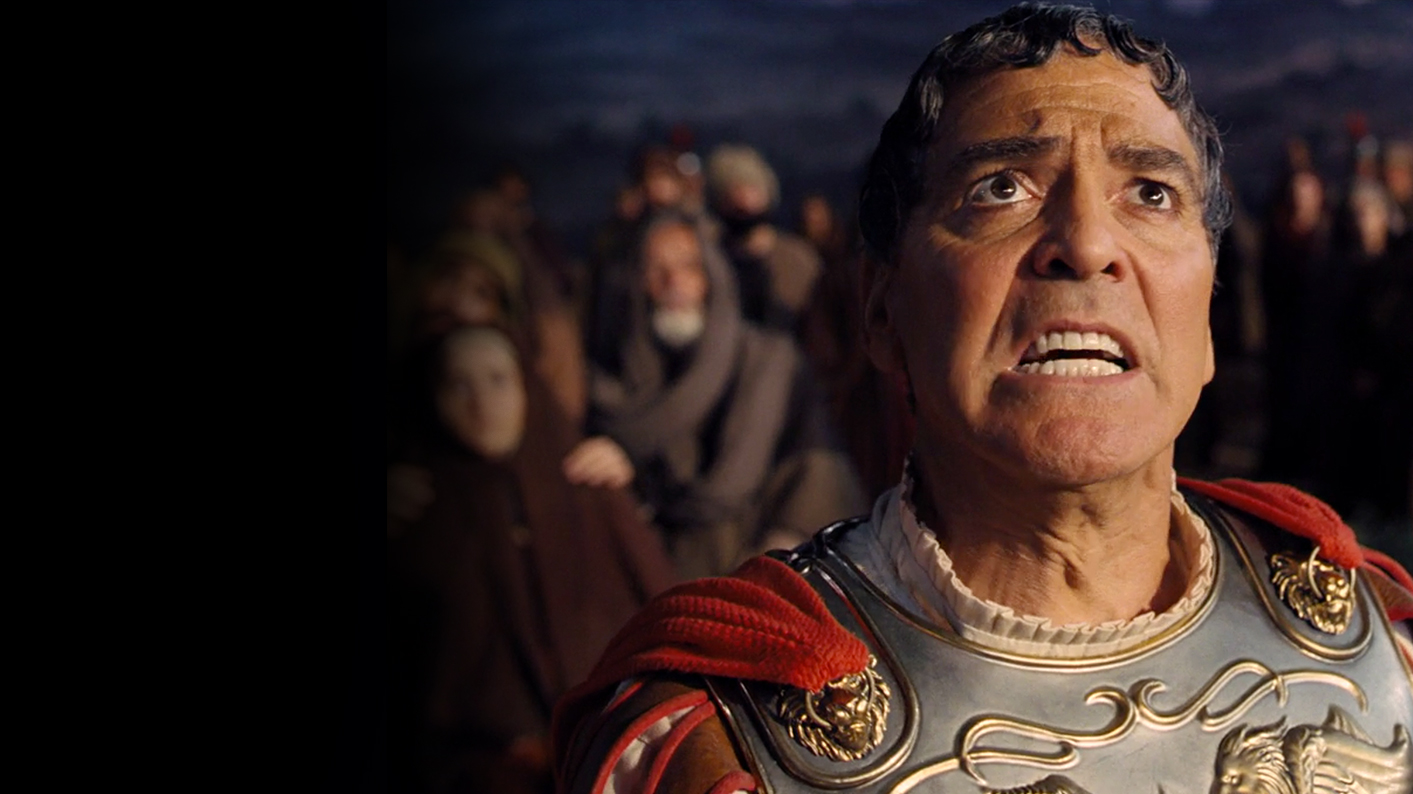
Most disappointing film – “Hail, Caesar!”
The Coen brothers’ “Hail, Caesar!” is a huge swing and an even bigger miss.
In the big-budget Hollywood movie about big-budget Hollywood making big-budget Hollywood movies, viewers find Josh Brolin star as Eddie Mannix, a Michael Clayton-esque fixer who keeps the scandals of his top actors out of the press in a vague 1950s Los Angeles. Audiences are propelled alongside Brolin as he ping-pongs from one studio lot to the next, fixing issues with major stars and directors to try and keep a theatrical adaptation of a smash Broadway play, a cowboy western, an aquatic musical, and an Roman epic on par with Spartacus on track.
Clocking in at well under two hours, “Caesar!” attempts to cram far too much into far too little time, leaving major stars like Scarlett Johansson and Jonah Hill with nothing more than extended cameos as a Esther Williams-type actress trying to hide her illegitimate pregnancy and a studio stooge, respectively.
This doesn’t even begin to question the decision to limit the screen time of Ralph Fiennes – perhaps the film’s best actor – who perfectly fits the comedic bill of what the Coens were trying to achieve with the film, their take on Wes Anderson’s fantastic “The Grand Budapest Hotel.”
Visually, “Caesar!” works in the respect that everything feels vintage Hollywood, from the costuming to the sets and performances within each film. The 50’s vibe is definitely there, but the Coens don’t really seem to have a firm grasp on where they want to go with this movie, dragging viewers all over the place in order to come to a middling conclusion at the end.
While there’s all the pieces for a fantastic film, nothing really seems to come together in “Hail, Caesar!” From top to bottom, the entire production feels out of sync and in need of major structural repair to a confusing, all over the map script that holds “Caesar!” back from being something better.
Also considered were “Batman v Superman: Dawn of Justice,” “Inferno,” “Suicide Squad” and “X-Men: Apocalypse.”
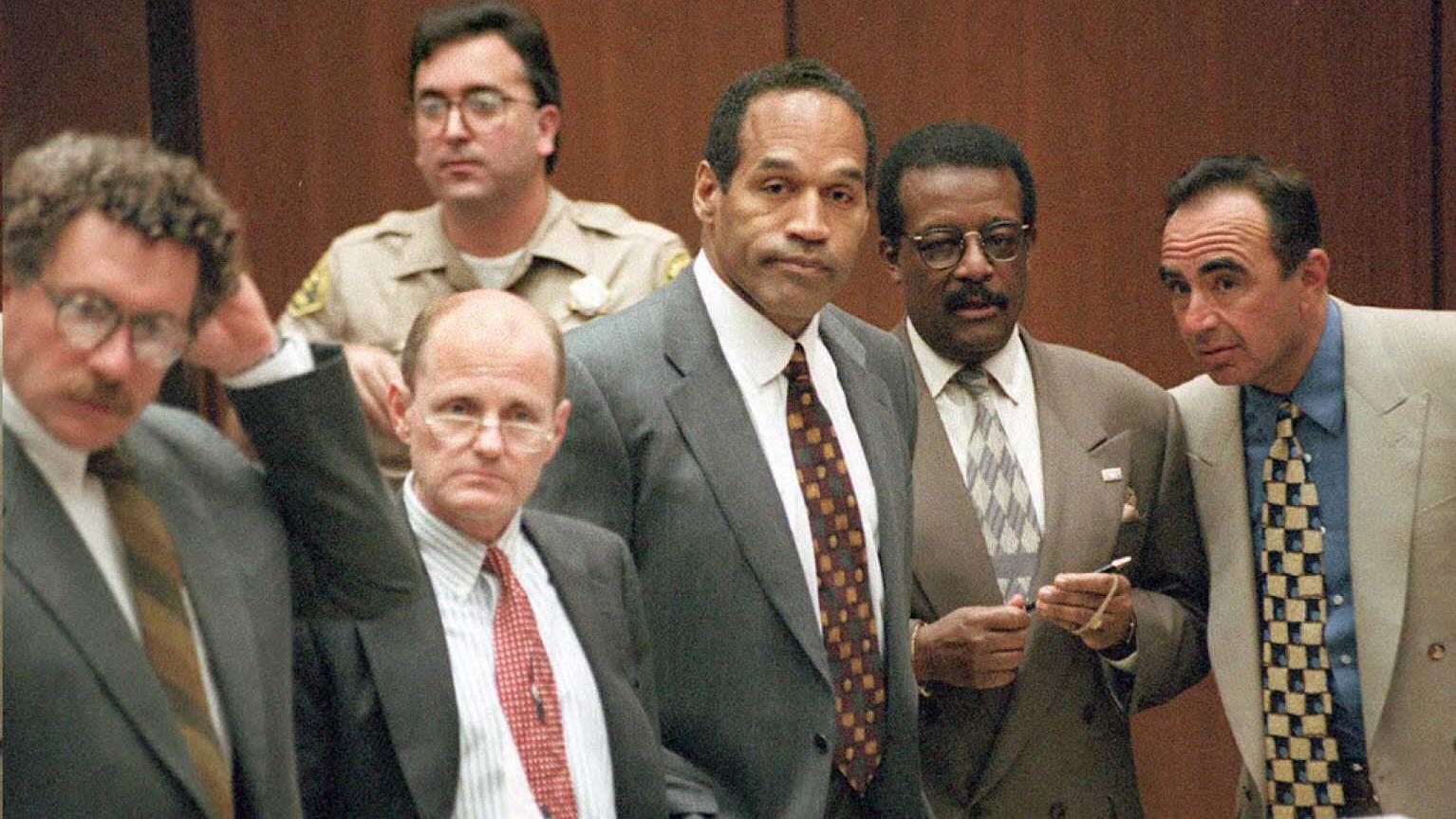
Best documentary – “O.J.: Made In America”
Some may question the validity of this ESPN-produced documentary that checks in at just shy of eight hours long in total. Ezra Edelman’s five-part feature about the life and times of mercurial running back turned accused murderer O.J. Simpson. But as the Academy has ruled this doc eligible for consideration after the entire film was released theatrically in major metropolitan areas, it also is eligible here.
And what a film event “O.J.: Made In America” is. This is by far the most thorough and complete documentary I’ve ever seen regardless of running time. The depth of information found in this highly compelling, immensely immersive documentary is unparalleled and came at the exact right time in the pop culture scene in 2016, mirroring the terrific television miniseries “American Crime Story: The People Vs. O.J. Simpson.”
Also considered were “Amanda Knox,” “Audrie and Daisy” and “Weiner.”
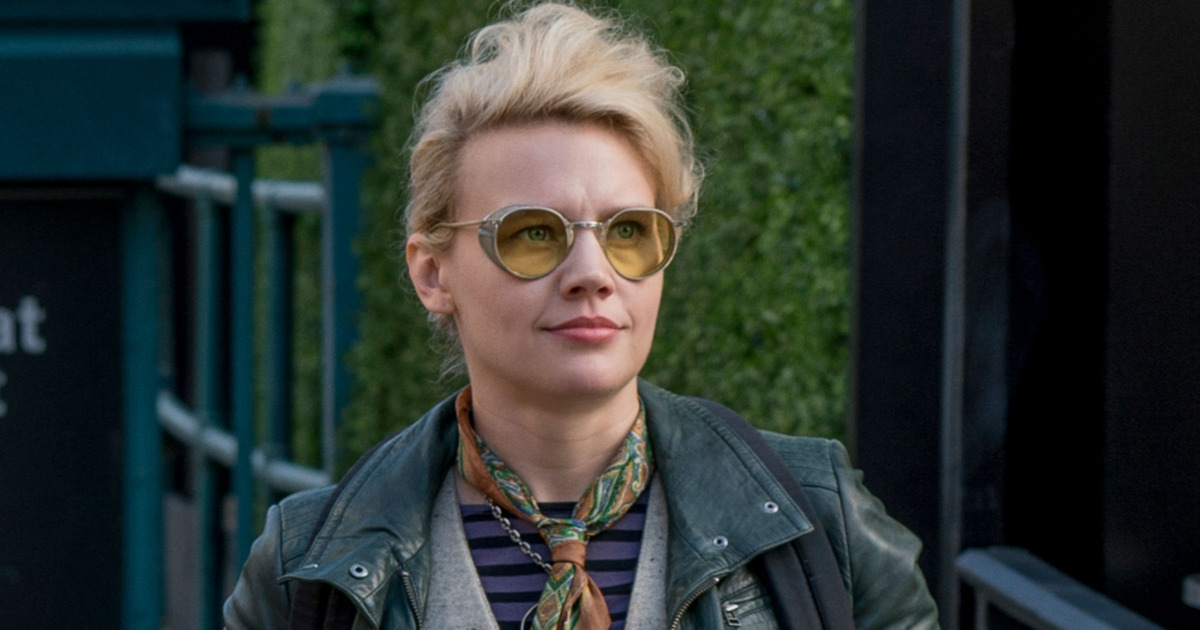
Breakout performer – Kate McKinnon, “Ghostbusters” and “Office Christmas Party”
“Saturday Night Live” star Kate McKinnon’s 2016 will probably be remembered most for her hilarious (and spot-on) portrayal of failed Democratic presidential candidate Hillary Clinton over the course of the fall. While comedy gold, I’m throwing all of this out of consideration when looking at feature film breakout performer and McKinnon still takes the cake.
More so than any other star this year, McKinnon proved with sidesplitting supporting turns in “Office Christmas Party” and especially “Ghostbusters” that she has the comedic chops to carry a 95-minute feature film in a leading role.
By far the best part of “Ghostbusters,” McKinnon hammers home every punchline she’s given in the film with ruthless efficiency and proves herself to be a future comedy film star with her performance in much the same way Melissa McCarthy became a breakout following “Bridesmaids.” McKinnon is the single best part about “Ghostbusters” and outshines her more famous co-stars McCarthy and Kristen Wiig at every turn.
Also considered were Alden Ehrenreich (“Hail, Caesar!” and “Rules Don’t Apply”) and Lily Collins (“Rules Don’t Apply”).
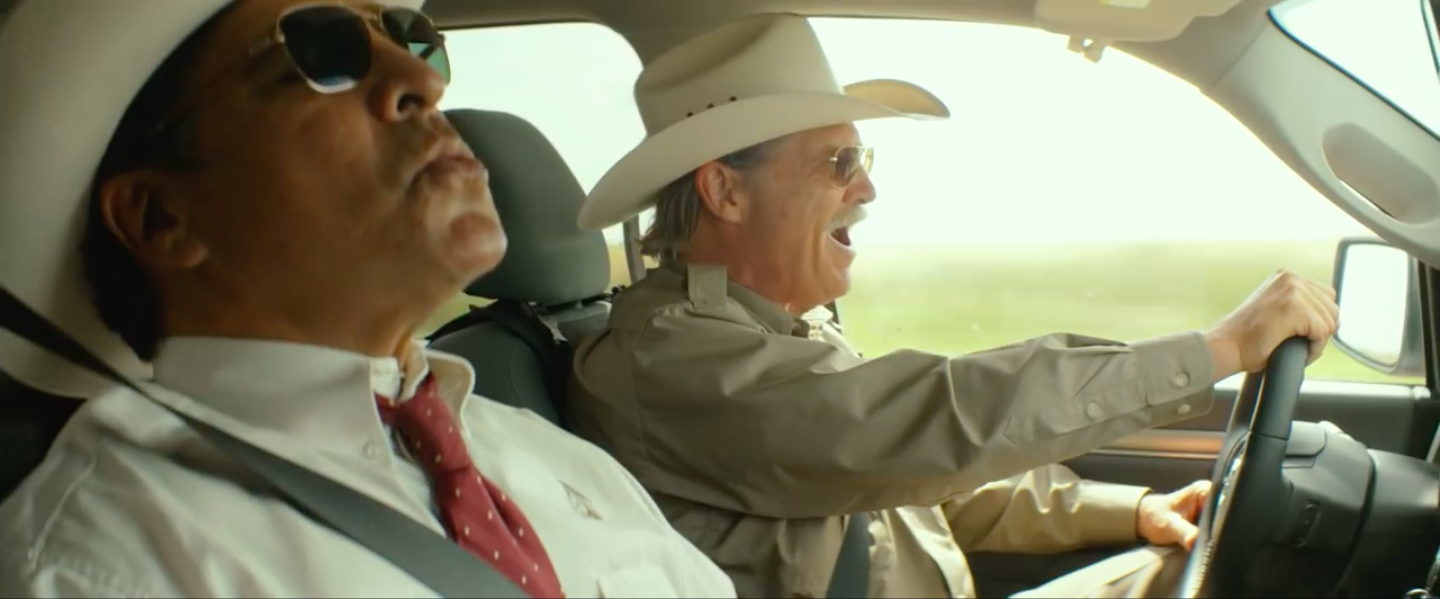
Best supporting actor – Jeff Bridges, “Hell or High Water”
By far the easiest choice I’ve had to make this year is in the best supporting actor category, where Jeff Bridges stands dominant over a fine slew of potential nominees for this award.
In “Hell or High Water,” Bridges is damn near perfect as an aging Texas Ranger looking to put away one last bank robber before riding off into the sunset.
Inevitably, Bridges’ performance in “High Water” will be compared to Tommy Lee Jones’ effort in the similar, yet much darker Coen Brothers film “No Country for Old Men.” The parts are different sides of the same coin. Bridges does display a very effective “I’m too old for this” mentality, but it’s couple with an uniquely crude and albeit racist sense of humor that’s unexpectedly brilliant.
There’s a great deal of levity in Bridges’ partnership with a younger Native American colleague that tracks quite nicely throughout the film. When looking back on Bridges’ career, “High Water” will ultimately represent one of his best performances in a long, storied filmography.
Also considered were Mahershala Ali (“Moonlight”), Michael Shannon (“Nocturnal Animals”), Aaron Taylor-Johnson (“Nocturnal Animals”) and Mykelti Williamson (“Fences”).
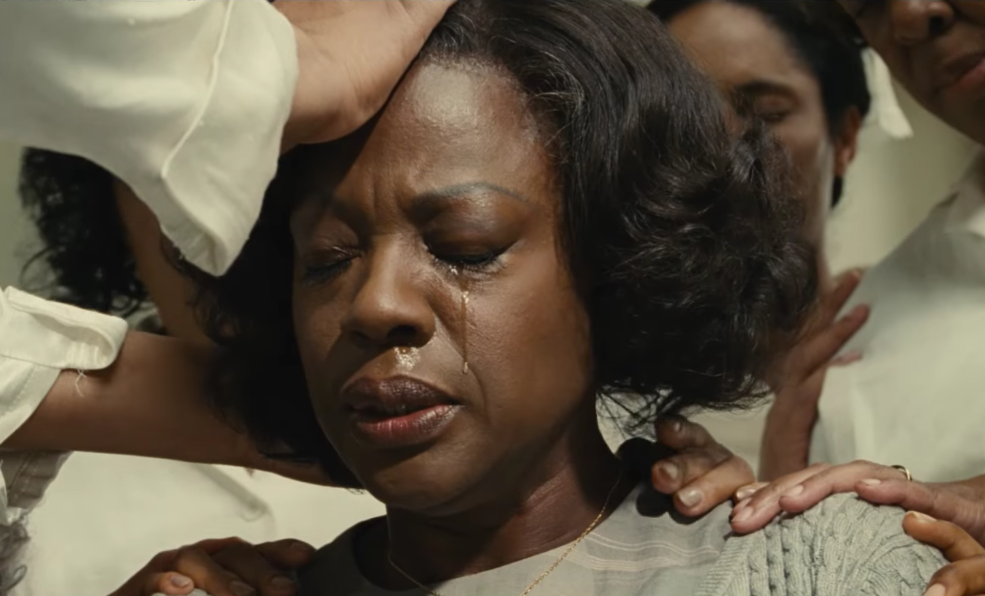
Best supporting actress – Viola Davis, “Fences”
I’m not 100 percent certain that I would consider Davis’ role as Denzel Washington’s proud, yet largely subdued wife Rose in the dynamic character drama “Fences” to be a true supporting performance. Davis is in far too much of “Fences” for that. But as she is campaigning in the supporting category and will likely be the Oscar frontrunner for the year, it works for me as well.
Her dynamic performance in a subtle, understated manner until a critical turn late in the feature is a testament to her ability to create a complex character in limited screen time. Davis’ work is devastatingly arresting and worth the price of admission alone.
When it comes to awards season, this is the absolute most confident I am in the accuracy of my pick matching the acclaim from Golden Globe and Academy Award voters. She should win and will do so,
Also considered were Naomie Harris (“Moonlight”), Helen Mirren (“Eye In The Sky”), Rachel Weisz (“The Light Between Oceans”) and Michelle Williams (“Manchester By The Sea”).
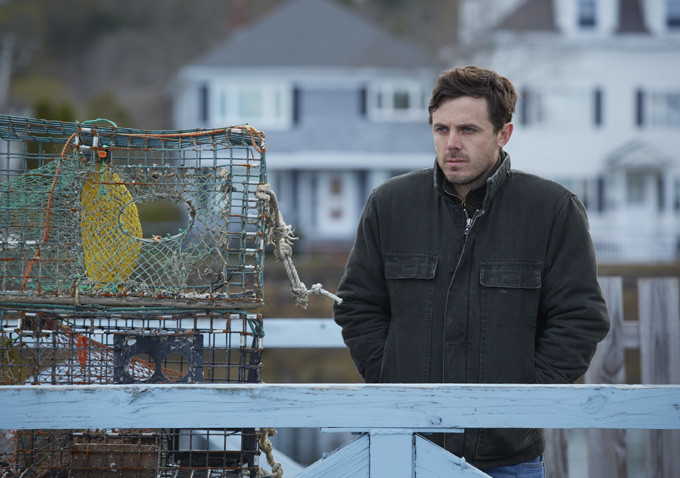
Best actor – Casey Affleck, “Manchester By The Sea”
Typically, Best Actor accolades go to showy, in-your-face performances where the actor proves their chops by emotionally yelling at someone in a climatic scene that ends up as the highlight reel for their Oscar nomination video.
Ironically, this year’s best actor doesn’t yell and scream in anger, frustration or passion despite suffering through the tragic loss of his brother and dealing with the aftermath in a town he doesn’t want to be in.
Casey Affleck’s performance in Kenneth Lonergan’s “Manchester By The Sea” is quietly arresting and frames the entire film in such a somber, morose way that allows the film to be the most honest, genuine, realistic feature to come out in 2016. Every single scene Affleck is in is carefully thoughtout and composed, giving the performance such depth of character as the uncle turned foster parent who just wants his life back.
This category is probably the closest call out of all the major acting awards as Denzel Washington’s powerhouse performance in “Fences” is right there with Affleck. It’s only by the thinnest of margins that Affleck’s quiet desperation edges out Washington’s flashy performance.
Also considered were Andrew Garfield (“Hacksaw Ridge”), Ryan Gosling (“La La Land”), Jake Gyllenhaal (“Nocturnal Animals”) and Denzel Washington (“Fences”).
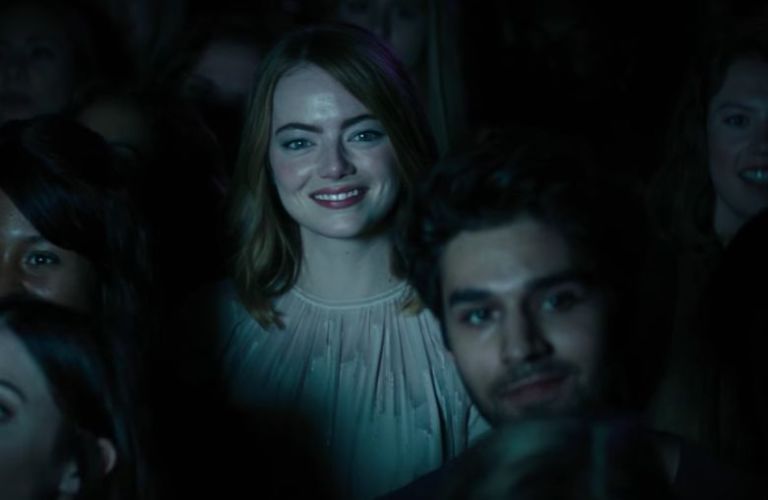
Best actress – Emma Stone, “La La Land”
I saw “La La Land” for the first time the day after Christmas shortly after viewing the holiday classic “Love Actually.” One of that film’s most iconic lines was on my mind when I penned the following tweet after seeing “La La Land.”
It’s Christmas – and at Christmas you tell the truth – to me, Emma Stone is perfect in @LaLaLand. Damien Chazelle is a master.
A week later, this sentiment remains truer than ever. “La La Land” is the career-defining performance for a talented, Oscar-nominated actress in need of a star-making role. Stone’s turn as struggling actress/barista Mia in Chazelle’s love letter to classic Hollywood musicals is a breath of fresh air amid the dark, harrowing performances we’ve grown accustomed to seeing from Hollywood’s top actresses.
The entire film, Stone glides through scene after scene as if on a cloud of air. Her performance is so effortless and light, dancing on a road of eggshells in the most charming of ways. Mia is the quintessential persona of what we imagine falling in love to be like when we’re dreaming about it in our heads and Stone takes every care to make the entire experience feel natural.
“La La Land” is Stone’s movie through and through. There is no better performance by any actor or actress in 2016. Period.
Also considered were Amy Adams (“Arrival”), Jessica Chastain (“Miss Sloane”), Natalie Portman (“Jackie”) and Alicia Vikander (“The Light Between Oceans”).
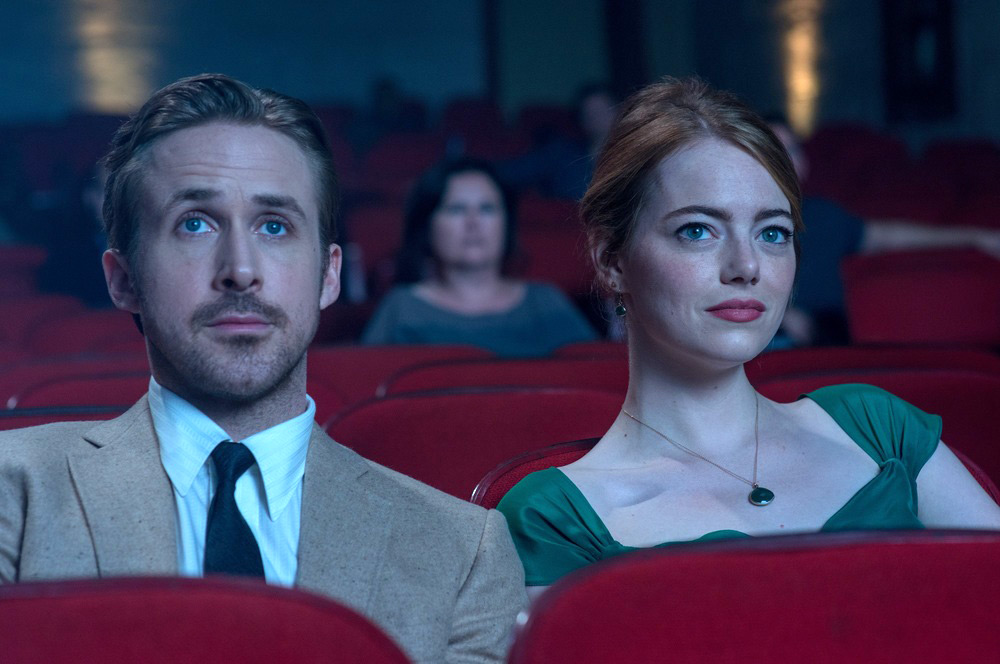
Best director – Damien Chazelle, “La La Land”
Damien Chazelle proved with 2014’s “Whiplash” that he has a master’s grasp on matching every note of a film’s score with individual frames of film to create uniquely compelling cinema.
In the terrific movie musical “La La Land,” Chazelle ups the ante with a picturesque love letter to Los Angeles and an ode to classic Gene Kelly and Fred Astaire-Ginger Rogers style musicals. Elegant and classy in every way, “La La Land” evokes old school Hollywood with new school technology thanks to Chazelle’s keen eye.
“La La Land” is the perfect vehicle for Chazelle to show just how talented of a young director he is. The vibrancy he is able to create on screen with dynamic color hues that radiate into the audience frame by frame is perfectly balanced against the terrific score from Justin Hurwitz. Los Angeles comes alive in such a forward, present way that few filmmakers have been able to achieve.
Also considered were Barry Jenkins (“Moonlight”), Kenneth Lonergan (“Manchester By The Sea”), David Mackenzie (“Hell or High Water”) and Denis Villeneuve (“Arrival”).
Top 10 films of 2016
Finishing just shy of the top 10 were (in alphabetical order): “Allied,” “Captain America: Civil War,” “Demolition,” “Eye In The Sky,” “Hacksaw Ridge,” “Jackie,” “Miss Sloane,” “Moana,” “Moonlight” and “O.J.: Made In America.”
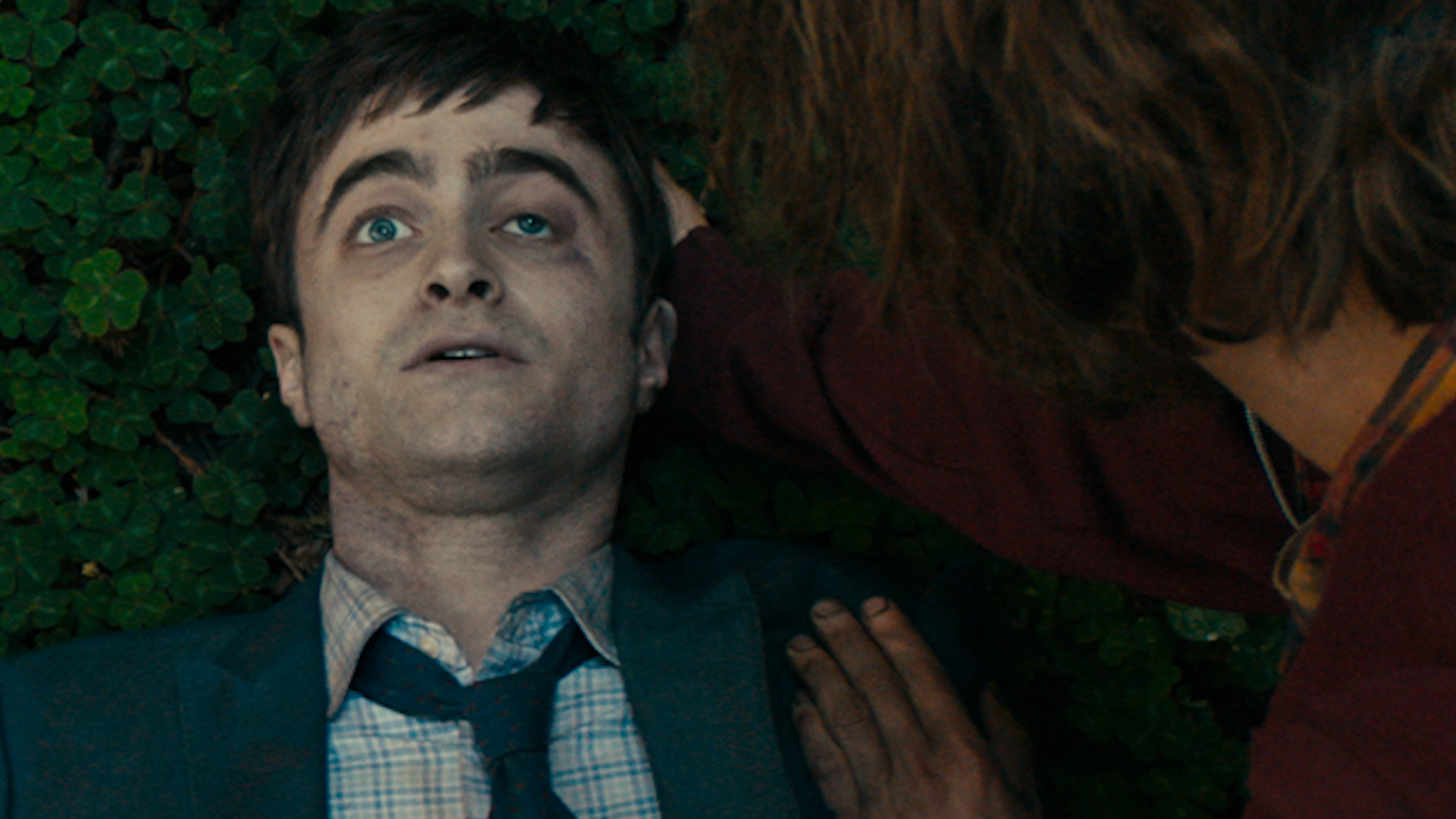
10. “Swiss Army Man” (directed by Daniels, starring Paul Dano and Daniel Radcliffe)
By far the most inventive and unique film of 2016, the Sundance alumni film known to some as “That Farting Movie” makes my list of the 10 best for the year simply due to the level of complexity and ingenuity that the directing team Daniels were able to bring to life.
Think about it: A man on the verge of suicide saves his own life by discovering and later befriending a rotting corpse that reanimates in unusual, magnificent ways. This should be the logline of a much worse film than “Swiss Army Man” ends up being.
Paul Dano runs the emotional gambit in the film as the living Hank, bouncing effortlessly from suicidal to gleeful to lonely and inquisitive and back again like only the most manic of actors could pull off. Daniel Radcliffe is a surprising revelation as the undead Manny. The former Harry Potter brings life to a monotone, flat character that allows viewers to discover Manny in different ways as Radcliffe himself finds them through self-exploration of the character.
No 2016 film will energize you quite like the experience of watching “Swiss Army Man.”
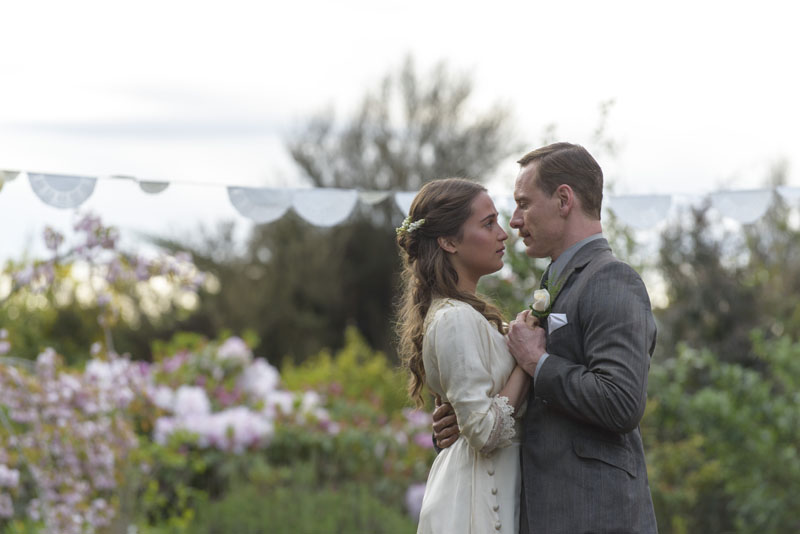
9. “The Light Between Oceans” (directed by Derek Cianfrance, starring Alicia Vikander and Michael Fassbender)
Odds are you probably didn’t see this incredibly underappreciated film from “Blue Valentine” and “The Place Beyond The Pines” director Derek Cianfrance, but viewers who took the time to catch this two-hour romantic drama know just how deeply moving the film is.
It starts with the casting, which leaves two of the best performers working today – Alicia Vikander and Michael Fassbender – alone on a remote Australian island and gives their magnificent performances time to breathe amid picturesque ocean expanses. Fassbender plays romantic stoicism better than anyone in the game, but somehow Vikander topples his work with a soul-crushing, otherworldly turn as his lover.
“The Light Between Oceans” maintains constantly entrancing cinema despite a slow pace thanks to the cinematography and acting work, including an award-worthy supporting performance from Rachel Weisz in the film’s second half.
You probably won’t find this film on another Best of 2016 list and that’s a real shame. Go see this hidden gem of a movie as soon as possible.
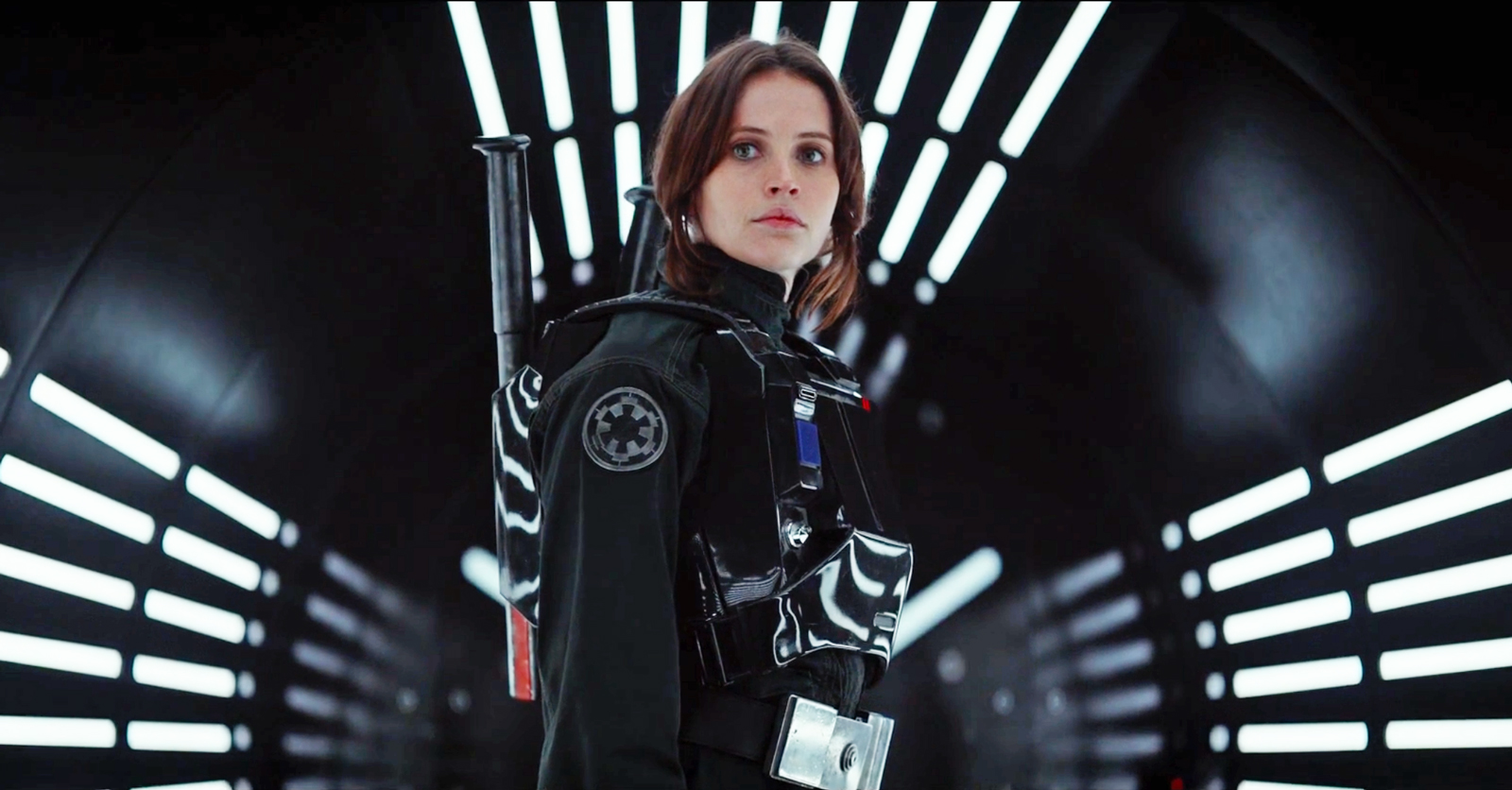
8. “Rogue One: A Star Wars Story” (directed by Gareth Edwards, starring Felicity Jones, Diego Luna and Riz Ahmed)
The only blockbuster film to make this year’s top 10 list, “Rogue One” doesn’t even qualify as the year’s best blockbuster, a title that went to the gleefully distasteful “Deadpool” earlier.
Admittedly, there are some script issues and a little bit of recycling from other films in the genre that normally would disqualify “Rogue One” from consideration, but the movie’s soon to be iconic final action sequence is so incredibly well-made that Edwards’ film makes the list on that sequence alone.
Trying not to be too spoiler-filled in this recap, the sequence ends up being the closest thing to a space heist movie filmed in a World War II epic genre style thanks to Edwards’ visual choices in close combat that put viewers right in the heat of battle and amplify the audience’s ability to understand just how perilous the final mission in “Rogue One” truly is.
Edwards perfectly captures the terror of the Empire’s massive firepower advantage, especially when cranking the camera angle skyward from the beachhead to reveal enormous AT-ST tanks barreling down on the small Rebel infantry force.
The final 25 minutes of “Rogue One,” including that nostalgic epilogue at the conclusion of battle, are worth the price of admission alone.
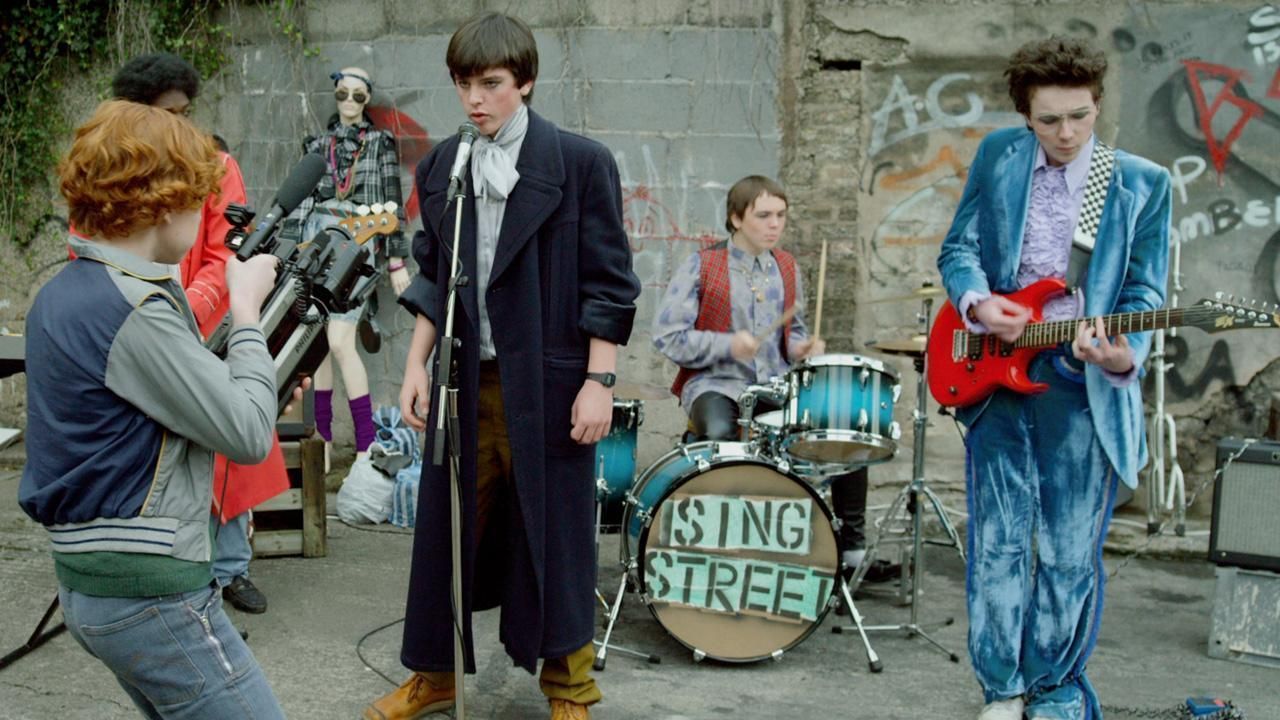
7. “Sing Street” (directed by John Carney, starring Ferdia Walsh-Peelo, Jack Reynor and Lucy Boynton)
There’s another film in this genre higher on the Best of 2016 list, but without question the best musical of the year is John Carney’s ode to 80s rock music, “Sing Street.”
“Sing Street” is a more than competent coming of age love story about a young Irish boy forced to attend a new Catholic school for boys in Dublin, who falls in love with the teenage model across the street. What makes Carney’s film remarkable, however, is the pitch perfect use of music to transform the narrative into something much more beautiful.
In the film, Conor woos Raphina by promising to cast her in a music video for his rock band, except Conor doesn’t have a band. The film is as much about Sing Street finding its sound musically and visually through some incredibly inspired music videos the band makes along the way. It’s a comedy, a drama, a coming of age tale and one of the smartest independent, foreign features to come along in several years.
One of three movies in 2016 that made me instantly purchase the soundtrack, “Sing Street” is a can’t miss film.
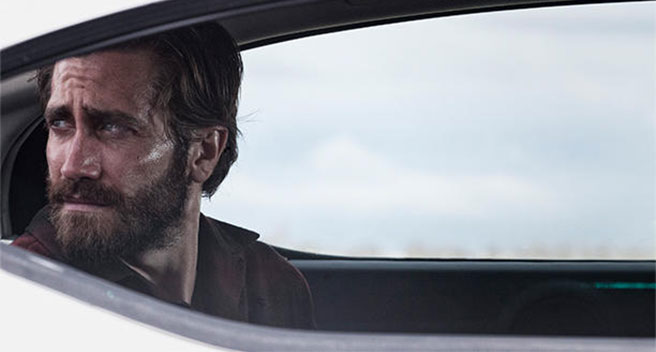
6. “Nocturnal Animals” (directed by Tom Ford, starring Amy Adams, Jake Gyllenhaal, Michael Shannon and Aaron Taylor-Johnson)
Few films insist on audiences being present from the opening frame quite like Tom Ford’s dazzling and captivating second feature “Nocturnal Animals,” which begins with the controversial title credits sequence featuring obese, older women dancing naked on screen for three minutes. It’s a defining opening statement to a film that features one of the year’s best ensemble casts and engagingly puzzling screenplays.
“Nocturnal Animals” leans on the strong performances from its core actors, with Jake Gyllenhaal and Michael Shannon doing equally outstanding work in the film’s Texas noir-thriller segments. A full feature simply about this story-within-a-story could have made the top 10 on its own, but the layering of multiple story universes and timelines within “Nocturnal Animals” makes the film one of the most complex, thought-provoking cinematic experiences in several years.
Ford’s fashion eye carries over well when it comes to the picturesque cinematography, which often feels ripped straight out of a Dior perfume commercial or Vogue magazine advertisement.
“Nocturnal Animals” is without doubt a film that could have easily been slotted two or three slots higher given additional consideration as the quality really jumps to the next level for the six best movies of 2016.
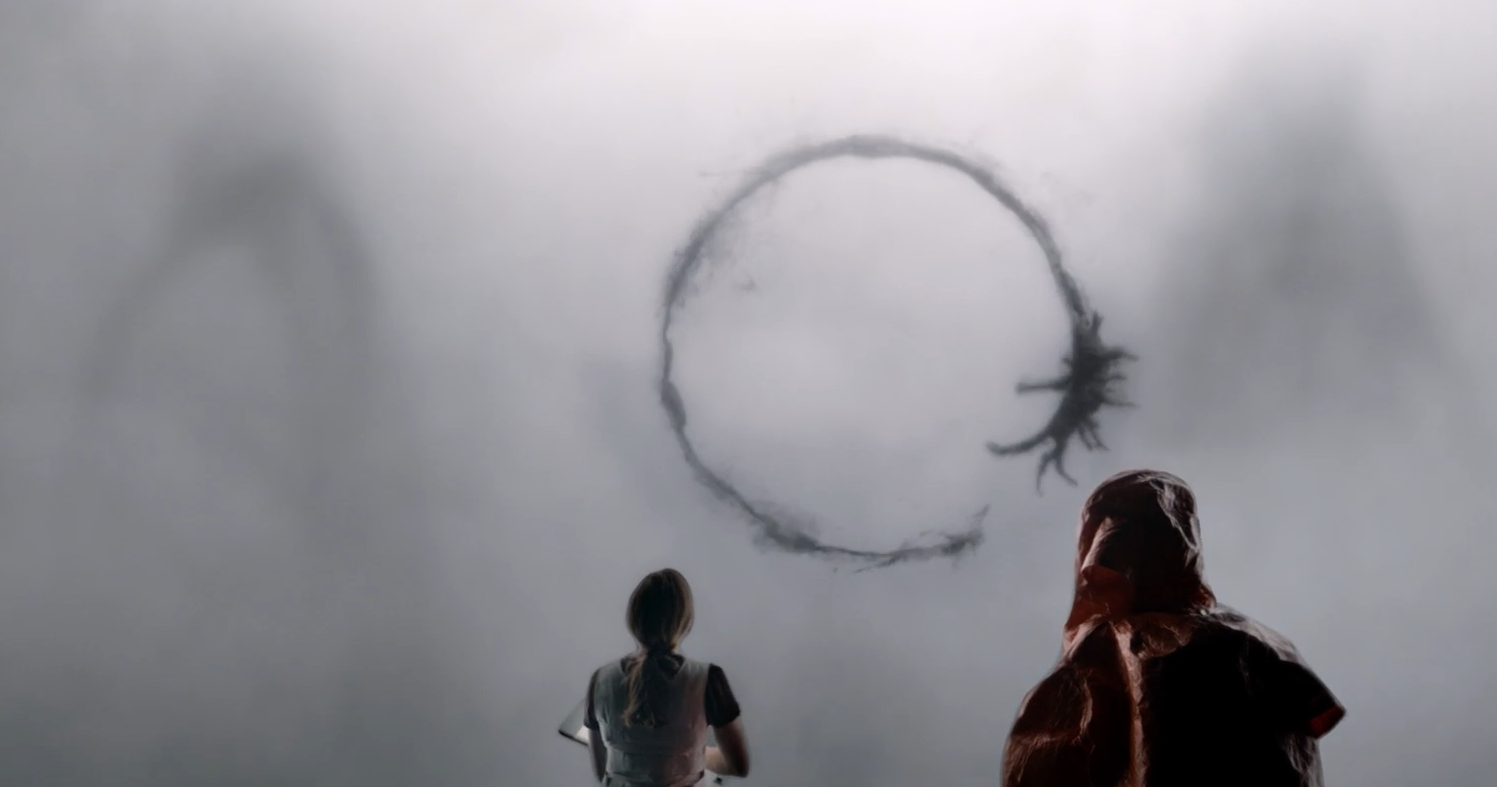
5. “Arrival” (directed by Denis Villeneuve, starring Amy Adams and Jeremy Renner)
Science fiction as a genre hasn’t been strikingly beautiful in more than a decade, but Denis Villeneuve’s arresting, slow-burning think piece about communication and interpersonal relationships set to the tune of an alien invasion movie is the perfect remedy.
“Arrival” confirms Villeneuve as one of the top three to five directors working in Hollywood today His film is the perfect thinking man’s sci-fi drama as Villeneuve and crew engage audiences in spirited debate about the meaning of language, reacting out of fear and using communication as a tool to bring people together rather than one to tear people apart. Cinematographer Bradford Young’s gorgeous work shooting the film elevates the entire piece to another level entirely.
For all its visual wizardry and narrative complexity, “Arrival” lives and dies by the success or failure of Adams’ lead performance as Louise Banks, who drives the entirety of the action from start to finish. Fortunately for moviegoers, Adams hits it out of the park. While other actresses might have played Banks on a more one-dimensional level to let the technical aspects shine, Adams elevates her performance to the same level with a thoroughly layered, nuanced turn.
What viewers will likely remember first when looking back on “Arrival” are the beautifully grotesque aliens that Banks and Donnelly encounter, known in the film simply as heptapods. While describing the heptapods at great length would ruin the surprise of their initial appearance, Villeneuve and his creative team do a masterful job of making such a strange, unappealing creature look stunning nevertheless. The visual artistry displayed in “Arrival” when it comes to these alien lifeforms is worth the price of admission alone.
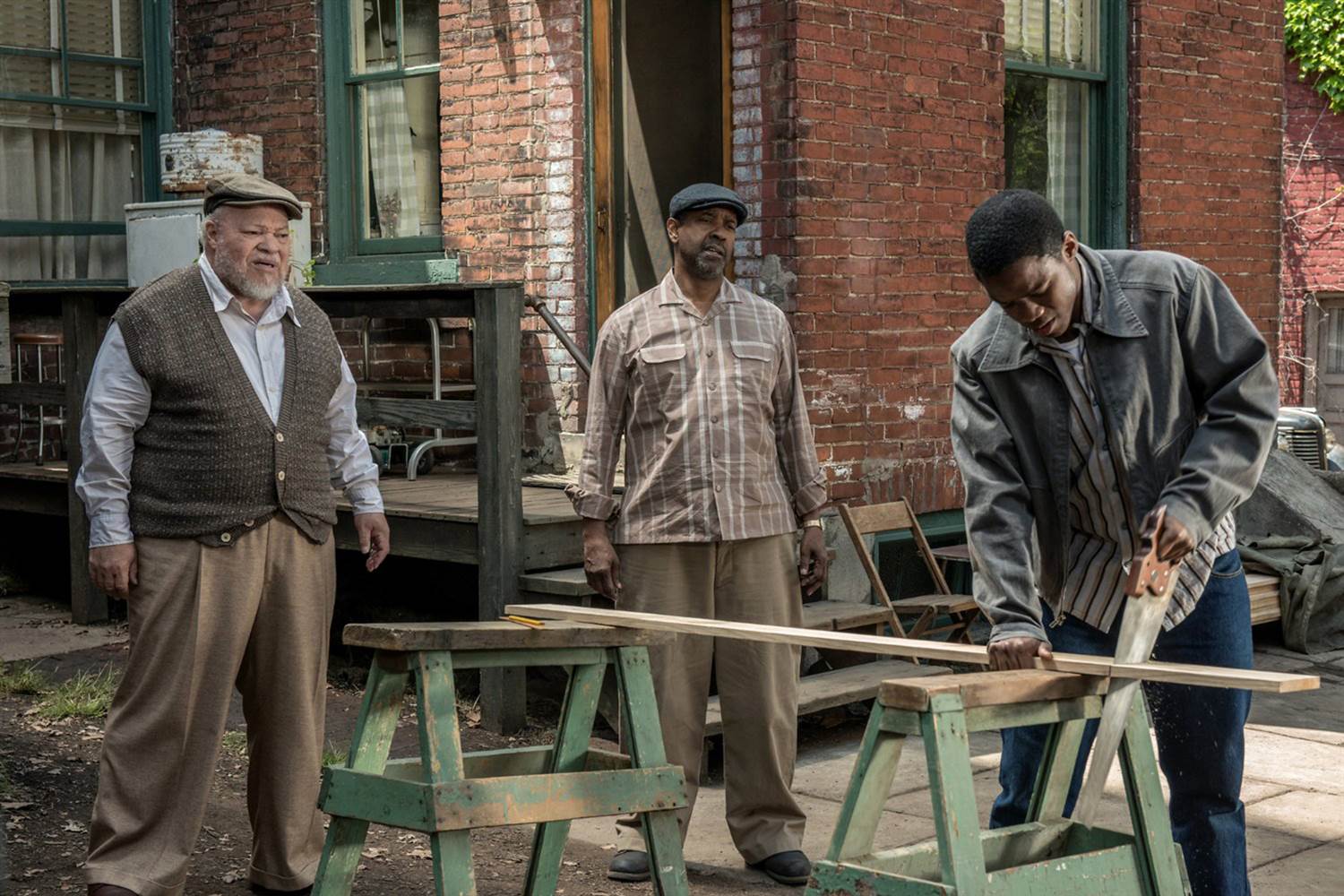
4. “Fences” (directed by Denzel Washington, starring Washington and Viola Davis)
August Wilson’s Pulitzer Prize and Tony Award winning play about an aging former Negro League baseball player does not seem at first glance like it would be prime cinema fodder. Not until you get Denzel Washington’s hands on the material.
First on stage in the 2010 Broadway revival and later in the 2016 film he directs, Washington and co-star Viola Davis put on an acting clinic for nearly two-and-a-half hours few films this decade could match. “Fences” feels like the audience is sitting on stage with the performers and it’s nearly flawless as a slice-of-life film reflecting on middle class African-American life in the 1950s.
Scenes are extended in small, tight locales in Troy’s backyard, kitchen or porch for 15-20 minutes at a time without much room for audiences to breathe. The confining nature of the filmmaking along with Charlotte Bruus Christensen’s subdued cinematography make for a unique experience unlike anything you’ll see in theaters this year.
Davis will win the Best Supporting Actress Oscar and Washington could easily overtake the star of the third best film of 2016 for the Best Actor prize as well. Dramatic acting doesn’t get much better than “Fences.”
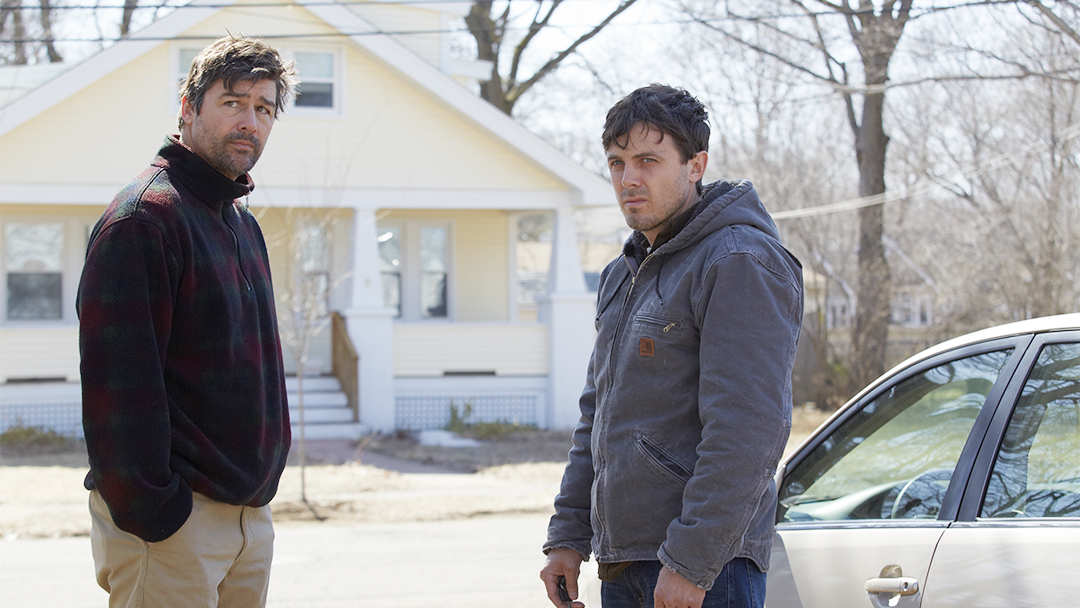
3. “Manchester By The Sea” (directed by Kenneth Lonergan, starring Casey Affleck, Lucas Hedges, Kyle Chandler and Michelle Williams)
As character driven family dramas go, you’ll be hard pressed to find one more gut-wrenching and emotional as Kenneth Lonergan’s heartfelt “Manchester By The Sea,” a film so powerful that it’s difficult to put down in words the impact this film has on a scene to scene basis.
Casey Affleck’s masterful turn as a Boston janitor looking to live a simple life when his brother’s sudden death puts him in charge of his teenage nephew is the best work of Affleck’s career. Supporting performances from Lucas Hedges, Kyle Chandler and Gretchen Mol combined with an Oscar-worthy supporting effort from Michelle Williams makes “Manchester By The Sea” the best ensemble film of 2016.
There’s just enough humor throughout the relationship drama to offset the immense pain felt by the characters throughout the film and it brings much needed levity to keep viewers engaged throughout.
A simple, yet effective film, “Manchester By The Sea” features some of the year’s best filmmaking from top to bottom and could easily be the top film of the year on many a critic’s list.
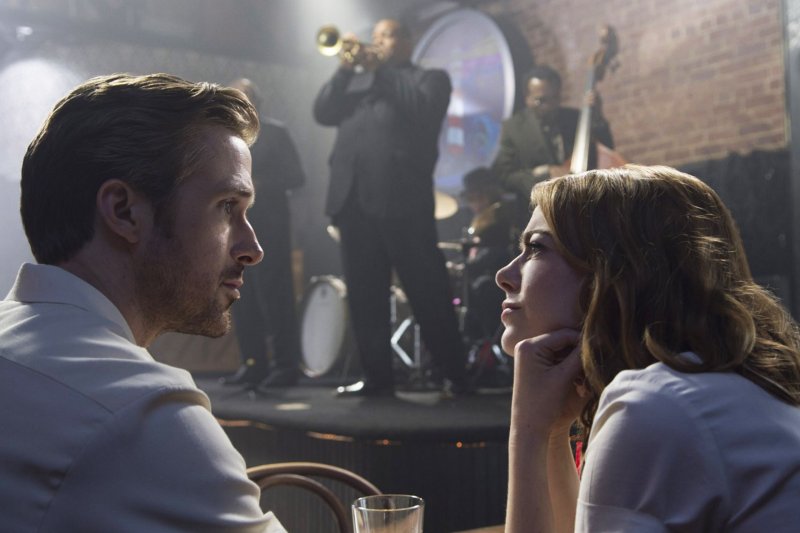
2. “La La Land” (directed by Damien Chazelle, starring Ryan Gosling and Emma Stone)
There’s not really a more delightful cinematic experience in 2016 than “La La Land,” Damien Chazelle’s vibrant, romantic love letter to classic Hollywood musicals and the dreams a city like Los Angeles can make come true.
Visually perfect with the best musical score of the year, “La La Land” features a terrific performance from the elegantly understated Ryan Gosling and the career-best work of Emma Stone in an engaging, mesmerizing cinematic wanderlust through the beautiful Los Angeles skyline and iconic landmarks.
This modern take on vintage Hollywood storytelling leaps off the screen and pulls viewers in for a classy, adventurous ride about struggling artists falling in love in Los Angeles. It’s exactly the kind of film that might have starred Gene Kelly or Bing Crosby decades ago and yet feels so incredibly fresh and authentic in a modern, 21st century way.
While the primary hook for “La La Land” is inevitably its musical genre, the film shines brightest as a straight character-driven drama with outstanding performances from leads Gosling and Stone. Now in their third film together, Gosling and Stone’s pitch perfect chemistry drive the entirety of the action and make viewers want to dream and fall in love all over again.
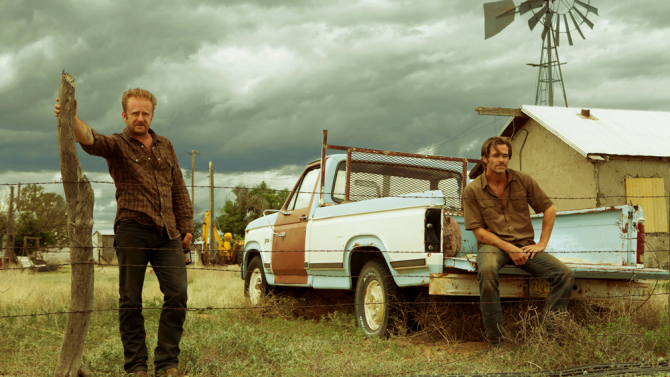
1. “Hell Or High Water” (directed by David Mackenzie, starring Chris Pine, Ben Foster and Jeff Bridges)
I called this back in August. The opening of my initial review of this film still stands as true today as it did four months ago:
“Hell or High Water” is the best film you’ll see this year.
This isn’t hyperbole or a statement made lightly, especially given the fact that there’s still four months and an entire season of Academy Award candidates yet to be released.
Beautifully crafted and acted, the first major release film from director David Mackenzie stars Chris Pine and Ben Foster as brothers who resort to robbing banks in sleepy West Texas towns while being pursued by a grizzled veteran Texas Ranger played by Jeff Bridges.
“Hell or High Water” is a funky combination of thriller and neo-Western ripped straight out of a different era. Were they alive today, “High Water” is a movie that Steve McQueen and/or James Dean might star in – a quintessential tale of antiheros running from the law for morally just reasons. “Hell or High Water” is “The Getaway” with a conscience; a western “Rebel Without A Cause.”
There aren’t any flaws that I can find with “Hell or High Water.” It’s the closest thing to the perfect cinematic experience I’ve found in quite some time.
The acting is tremendous. Chris Pine does the best work of his career, Ben Foster is peaking at the right time with this movie and Jeff Bridges should unquestionably win the Oscar for Best Supporting Actor for this film. Bridges in “Hell or High Water” may be one of the two or three best performances in his entire career. It’s that good.
“Hell or High Water” isn’t a western in the same John Wayne, Clint Eastwood way of thinking about westerns, but it is without a doubt an evolution of the genre to something more complex and layered.
It’s the best movie of the year.
Broadway doesn’t usually translate to the silver screen all that well.
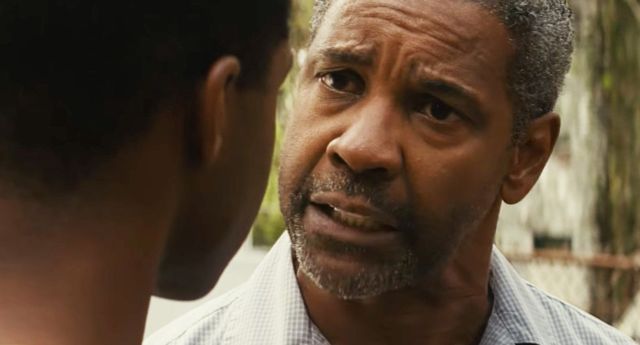
Oscar winner Denzel Washington’s film adaptation of August Wilson’s Pulitzer Prize and Tony Award winning play “Fences” might just be the truest, most authentic stage to screen transformation in cinematic history.
“Fences” might not be the year’s best movie, nor a game changer in Hollywood for years to come. However for nearly two-and-a-half hours, Washington and co-star Viola Davis put on an acting clinic few films this decade could match.
And at the end of the day, that’s really all there is to “Fences,” a movie that feels like the audience is sitting on stage with the performers, most of whom are reprising their roles from a 2010 revival on the Great White Way.
Washington plays Troy, a former Negro League baseball star living in a small Pittsburgh house now forced to work as a garbage collector at 53. A character-driven drama focused on Troy, his wife Rose (Davis) and their teenage son Cory (Jovan Adepo), “Fences” is the perfect slice-of-life film reflecting on middle class African-American life in the 1950s and unfolds more like a stage drama than a cinematic one.
Scenes are extended in small, tight locales in Troy’s backyard, kitchen or porch for 15-20 minutes at a time without much room for audiences to breathe. The confining nature of the filmmaking along with Charlotte Bruus Christensen’s subdued cinematography make for a unique experience unlike anything you’ll see in theaters this year.
While his work as director on the project is quite good, “Fences” may go down as one of the five best films Washington has ever done for his masterful portrayal of Troy, a performance he’s clearly thought about and crafted over nearly a decade.
Few performances you will see in 2016 will have anywhere close to the charisma and vibrancy Washington exudes out of Troy early in the film. When the entire narrative flips on a dime just prior to the start of the third act, Washington completely reverses course and digs within himself for an incredibly poignant, powerful turn that will leave viewers astonished at the end.
Normally, a tour-de-force turn from two-time Academy Award winner Washington would chew up all the scenery and be the entire focal point of the feature.
Previously an Academy Award nominee for “Doubt” and “The Help,” Davis will be this year’s clear frontrunner for Best Supporting Actress in a career best performance as Rose. Her ability to play off Washington’s dynamic performance in a subtle, understated manner until a critical turn late in the feature is a testament to her ability to create a complex character in limited screen time. Davis’ work is devastatingly arresting and worth the price of admission alone.
“Fences” is also buoyed by a terrific supporting cast, many of whom also reprise their roles from the 2010 Broadway revival. Mykelti Williamson is an absolute revelation as Troy’s brother Gabriel, a war veteran severely injured in battle causing him to become mentally handicapped. There’s both an immense joy and sadness within Williamson’s performance that should be celebrated during awards season, but likely won’t do to higher profile, more flashy turns from other performers.
Even without the expected reaction to last year’s #OscarsSoWhite controversy pushing voters towards African-American led films, “Fences” should be a shoo in for nominations in the Best Picture, Best Actor and Best Supporting Actress categories. An additional nomination for Washington in the Best Director category would not be out of the realm of possibility either.
Simply put, “Fences” is unquestionably one of the year’s 10 best films and the closest thing to live theater that cinema can bring to the big screen.
Washington’s third directorial effort is an amazing foot forward into the possibilities of adapting Broadway plays and a must see for any Academy Award lover this holiday season.
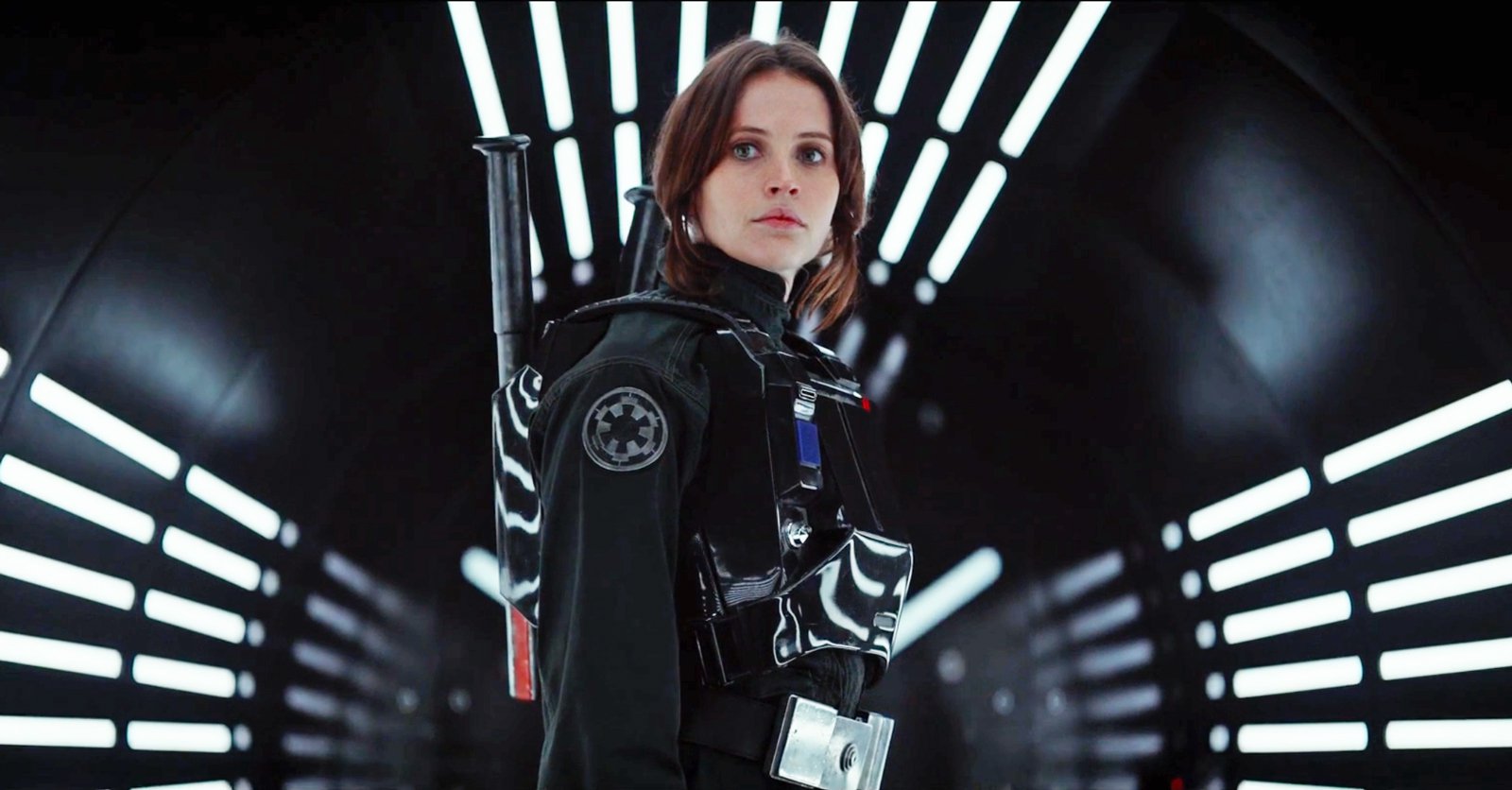
There’s a reason “Rogue One,” the latest in the world’s most popular film franchises, is tagged as “A Star Wars Story” rather than given an episode number like every other movie in the George Lucas series.
Like its vigilante, independent title might suggest, “Rogue One” stands alone from all seven previous “Star Wars” films in nearly every way, from plot to characters to cinematography. Though it falls within the same universe, “Rogue One” is far from a traditional “Star Wars” film.
Set sometime between the events of 2005’s “Episode III: Revenge of the Sith” and the 1977 original “Episode IV: A New Hope,” “Rogue One” focuses on a secret Rebel mission to steal the blueprints to the Empire’s recently completed Death Star battle station capable of wiping out entire planets. The team is comprised of entirely new characters to the franchise led by a young thief Jyn Erso (Oscar nominee Felicity Jones).
Director Gareth Edwards’ foray into “Star Wars” operates in the darker, Empire-dominated mold of the prequel trilogy and “The Empire Strikes Back,” though “Rogue One” also often feels like a World War II era war epic set in the far reaches of space. This heavier tone culminates in one of the franchise’s best extended action sequences late in the film’s third act as the body count on both sides inevitably ramps up.
Jones carries “Rogue One” with gusto similar to Daisy Ridley’s magnificent performance in last year’s “The Force Awakens,” though viewers never get to see the same level of character development in Jones’ Jyn as Ridley’s Rey. The main issue here is that both filmmaker and viewer know that Rey will be a major player in the franchise for several films to come, while Jyn’s story is completely contained in the stand-alone nature of “Rogue One” as a whole.
“Rogue One” also benefits from a solid supporting cast led by Diego Luna as a Rebel Alliance captain tasked with tracking Jyn down, Forest Whitaker as Jyn’s mentor Saw Gerrera and Riz Ahmed as a Empire pilot sneaking secrets to the Rebellion.
Like most “Star Wars” entries, one of the best parts of “Rogue One” is in its robots, namely the reprogrammed Empire robot K-2SO voiced by “Firefly” star Alan Tudyk. The script is strongest in K-2SO’s dry humor while predicting the probability of disaster at every turn and Tudyk’s ability to relay sarcasm in relative monotone effectively is key to the portrayal.
Edwards’ film extends the film’s darker, grittier tone into the cinematography, which relies on tempered browns and grays unlike the bright vibrancy of JJ Abrams’ “The Force Awakens.” His expert use of angles to pit viewers within the shoes of the Rebel Alliance as they take on much larger Empire forces is also a highlight visually in the film’s final hour.
There’s also a terrific use of CGI to help tie “Rogue One” in to other “Star Wars” films in spite of the circumstances. In order to bring classic villain Grand Moth Tarkin into the movie after the death of original actor Peter Cushing, filmmakers used CGI and digitally altered reference footage to insert Cushing’s likeness over the face of Guy Henry, who acted and voiced Tarkin for “Rogue One.” Fans of the franchise will find it nearly impossible to tell the difference without looking for it, which is a great accomplishment.
Because “Rogue One” may not have long-term impact on the “Star Wars” story moving forward, it may not seem to some potential moviegoers that catching this off-shoot film in theaters would be necessary. This would be a tremendous mistake.
“Rogue One” certainly stands out as the year’s best big-budget popcorn franchise film and does a masterful job of filling in the gaps between the original and prequel trilogies of “Star Wars.” The film’s dazzling third act is worth the price of admission alone as Edwards melds old world battle sequences with modern technology to create engaging, visually compelling cinema.
More than any other film in the franchise since “A New Hope,” “Rogue One” is the most accessible “Star Wars” movie for those audience members unable to tell a Wookie from a Ewok and requires no prior knowledge before viewing.
If you’re heading to the movies this holiday season, you could do a lot worse than checking out likely one of 2016’s ten best films.
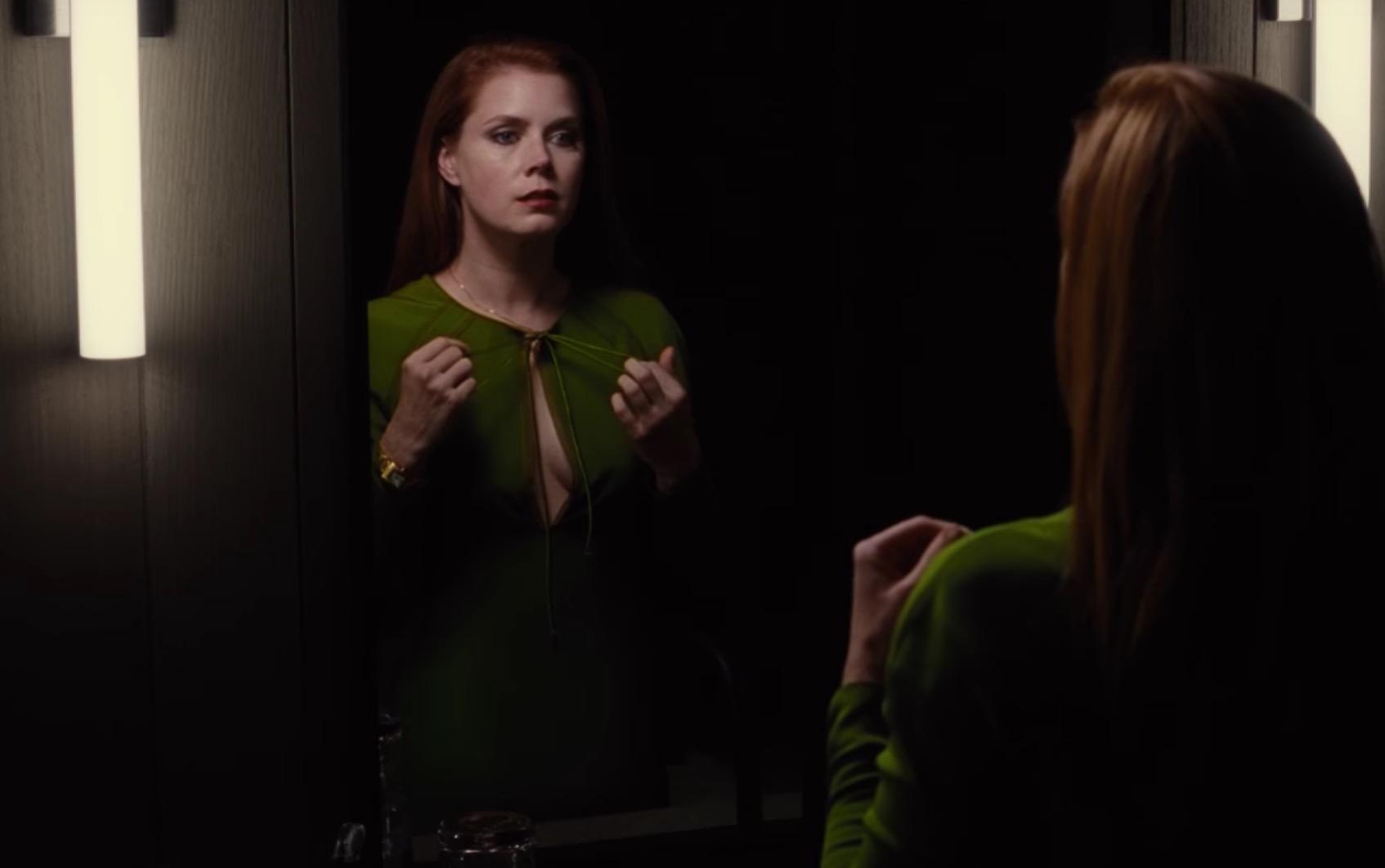
Chances are there will never be another movie quite like “Nocturnal Animals.”
Fashion designer turned director Tom Ford’s second film makes bold statement after bold statement cinematically on its way to being one of the year’s best movies – and certainly its most controversial.
Before any of the feature’s four main stars – Amy Adams, Jake Gyllenhaal, Michael Shannon or Aaron Taylor-Johnson – even hit the screen, Ford sets the stage with a bizarre, jarring opening credit sequence featuring several aging, obese women dancing naked for three-and-a-half minutes.
Even after it’s revealed that the women are part of an exhibition showcase for a high-end art gallery run by Susan Morrow (Adams), the sequence still seems so out of place within the context of the rest of the film and may drive some viewers to leave the theater. This would be a mistake as “Nocturnal Animals” is one of the year’s most compelling dramas with a highly complex plot and masterful individual performances.
The film focuses on three different timelines: Susan’s present day life interrupted by a package from her ex-husband Edward, her romance and marriage to Edward and the content of the novel Edward sends Susan to read after not speaking to her for nearly 20 years. Additional details would ruin Ford’s terrific adaptation of the 1993 novel “Tony and Susan” by Austin Wright.
One of the best actors working today, Gyllenhaal does masterful work pulling double duty as both Susan’s ex Edward and the male protagonist in Edward’s novel, Tony. Gyllenhaal finely crafts a delicate balance between making each of his characters unique and blurring the lines between the two as the story progresses. No actor exhibits internal or external emotional turmoil better than Gyllenhaal and he is able to put both on display in a perfect effort.
Adams is constrained by the plot to offset Gyllenhaal with a subdued, internal performance that bridges timeline gaps. As a result, her work is not as showy, but rather Adams portrays Susan as a woman with suffocated elegance struggling to find herself. There are a lot of small, nuanced facial tics that Adams develops to help layer the character and mirror Gyllenhaal’s two roles that are more readily apparent on a second viewing.
Veteran character actor Shannon has yet to be nominated for an Academy Award, which might soon be corrected with a much deserved honor for his work as a west Texas cop leading a missing persons investigation in Edward’s novel. The consistently fantastic actor delivers as chain-smoking detective Bobby Andes with a measured, scene stealing performance rivaling leading Oscar contender Jeff Bridges’ turn in a similar role in “Hell or High Water.”
Taylor-Johnson, best known for his work in superhero films like “Kick-Ass” and “Avengers: Age of Ultron,” turns in a career best performance as Ray, a nefarious drifter that serves as the primary antagonist in Edward’s novel. Ray borders on criminally incompetent or ingenious depending on the given moment and the effort is one of those unexpected gems that elevates the entire film to the next level.
Ford’s fashion eye carries over well when it comes to the picturesque cinematography of “Nocturnal Animals,” which often feels like it was ripped straight out of a Dior perfume commercial or Vogue magazine advertisement. Director of photography Seamus McGarvey does a tremendous job of making rich Los Angeles and western desert landscapes come to life as Ford allows “Nocturnal Animals” plenty of time to breathe scene to scene.
There’s a lot of merit – both acting and technical – that should be under consideration this awards season, though it’s quite possible that the film’s controversial open could keep “Nocturnal Animals” out of the running in many major categories.
An award nomination for Adams’ performance in the mesmerizing sci-fi drama “Arrival” could easily be construed as a joint nomination with her effort here. Similarly, Gyllenhaal deserves strong consideration for his two-pronged effort in “Nocturnal Animals” coupled with a highly underrated turn as a grieving widower in “Demolition” but this seems like more of a long shot.
Moviegoers willing to allow themselves not to be swayed by the film’s shocking open will find “Nocturnal Animals” a scintillating and provocative psychological thriller than captivates audiences from start to finish.
Led by a terrific ensemble cast and gorgeous cinematography, “Nocturnal Animals” will end up among the year’s five best films and is an absolute must see in theaters.
Love isn’t easy for the average Joe.
It mus be massively complicated for spies living on the edge during the heyday of World War II Europe, or at least Robert Zemeckis is banking on audiences believing it.
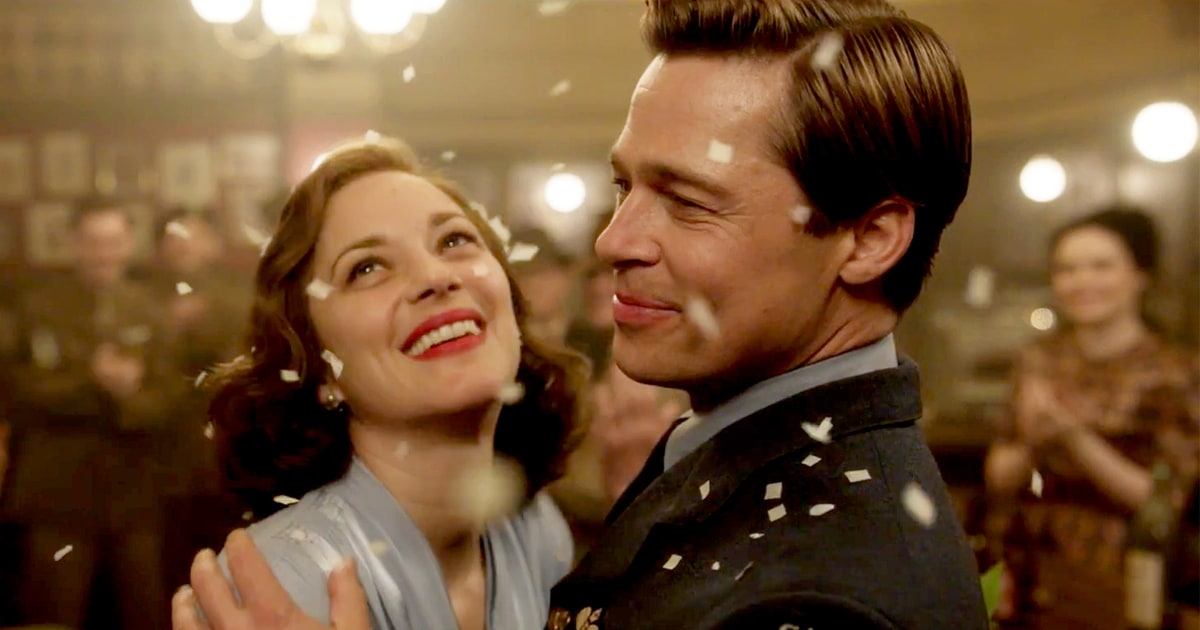
His latest film, “Allied,” stars Brad Pitt and Marion Cotillard as veteran assassins who fall in love during their first mission together killing a German ambassador. After the war, Max and Marianne wed and start a family in Britain only to have their entire relationship called into question when Max’s superior receive intelligence that Marianne covertly works as a German agent.
For the most part, “Allied” is a genre-bending thriller that meanders into a variety of cinematic styles whenever the script from Steven Knight asks for it. The film starts as a “Casablanca”-esque drama that escalates into full scale action thriller before settling into tense seat-clenching spy tradecraft mystery you’d find in a John le Carre novel.
Pitt is his usual award-worthy self as Max, the loyal soldier conflicted between love and country. His performance is more stoic than might have been expected given the plot devices, but Pitt plays it off with class. “Allied” will likely be another one of those films where Pitt doesn’t get nearly the credit he deserves as an actor because of his ridiculously good looks, but another actor in the same role doesn’t give half of the performance Pitt does.
He’s well served, though, playing opposite the alluring and mysterious Cotillard, whose Marianne sits firmly on the border between lover and betrayer to keep the audience guessing all the way until the final frames. It’s a nearly flawless performance for Cotillard, whose best film work comes in the femme fatale role.
“Allied” is also aided by several terrific supporting cast members including veteran character actor Jared Harris as Max’s friend and superior officer Frank and a cameo from British actor Matthew Goode as an ailing British officer hiding vital information to Max’s quest.
Where “Allied” suffers most is in its opening 20 minutes, which relies much too heavily on slow moving expanse shots of Casablanca in what has to be a homage to the iconic film about the West African city. Chopping the prologue in half would help keep viewers engaged early in “Allied,” which is necessary for audiences to become invested in the outcome of the lead characters.
Moviegoers planning on seeing the spy drama should not be discouraged by the tepid pace set by editors Mick Audsley and Jeremiah O’Driscoll. “Allied” outlasts this relatively minor flaw to become a solid, worthwhile espionage thriller.
Zemeckis takes painstaking care to ensure his film is one of the most picturesque of the year, often lingering on Don Burgess’s masterfully composed shots far longer than the average director would. Pacing issues aside, “Allied” is a well crafted, meticulous effort by Zemeckis, who draws the most out of a stellar lead cast to develop the year’s most nuanced film outside of Denis Villeneuve’s sci-fi drama “Arrival.”
“Allied” probably won’t receive the same sort of Academy Award nominations and critical accolades last year’s historical espionage drama “Bridge of Spies” received. Whether it’s the lack of a name director like Steven Spielberg or the tabloid publicity generated by Pitt’s divorce, “Allied” won’t have the broad appeal among voters.
It’s a shame, however, as Cotillard offers a performance that should be worthy of a Best Actress nomination and Pitt’s lack of a Oscar win feels downright criminal at this point of his exemplary career.
“Allied” does a terrific job melding historical drama and spy thriller to create an often engaging period film in spite of the film’s slow start.
Until the Oscar contenders start hitting the theaters at the end of December, “Allied” will likely be the best adult drama available and a must see for those wanting to head to the movies before “Rogue One” opens Dec. 16.
Nostalgia is a pretty powerful thing in modern moviemaking.
More than ever, films try to remind us about the good old days of cinema, whether it’s CGI sharks terrorizing Blake Lively in the “Jaws” homage “The Shallows” or any one of a dozen Disney live-action remakes of classic cartoon movies or even “Star Wars: The Force Awakens” which turns into a carbon copy of “Star Wars: A New Hope.”
Writer/director/star Warren Beatty attempts to remind us of another style of classic cinema, Marilyn Monroe-era dramedy, with his new film “Rules Don’t Apply.”
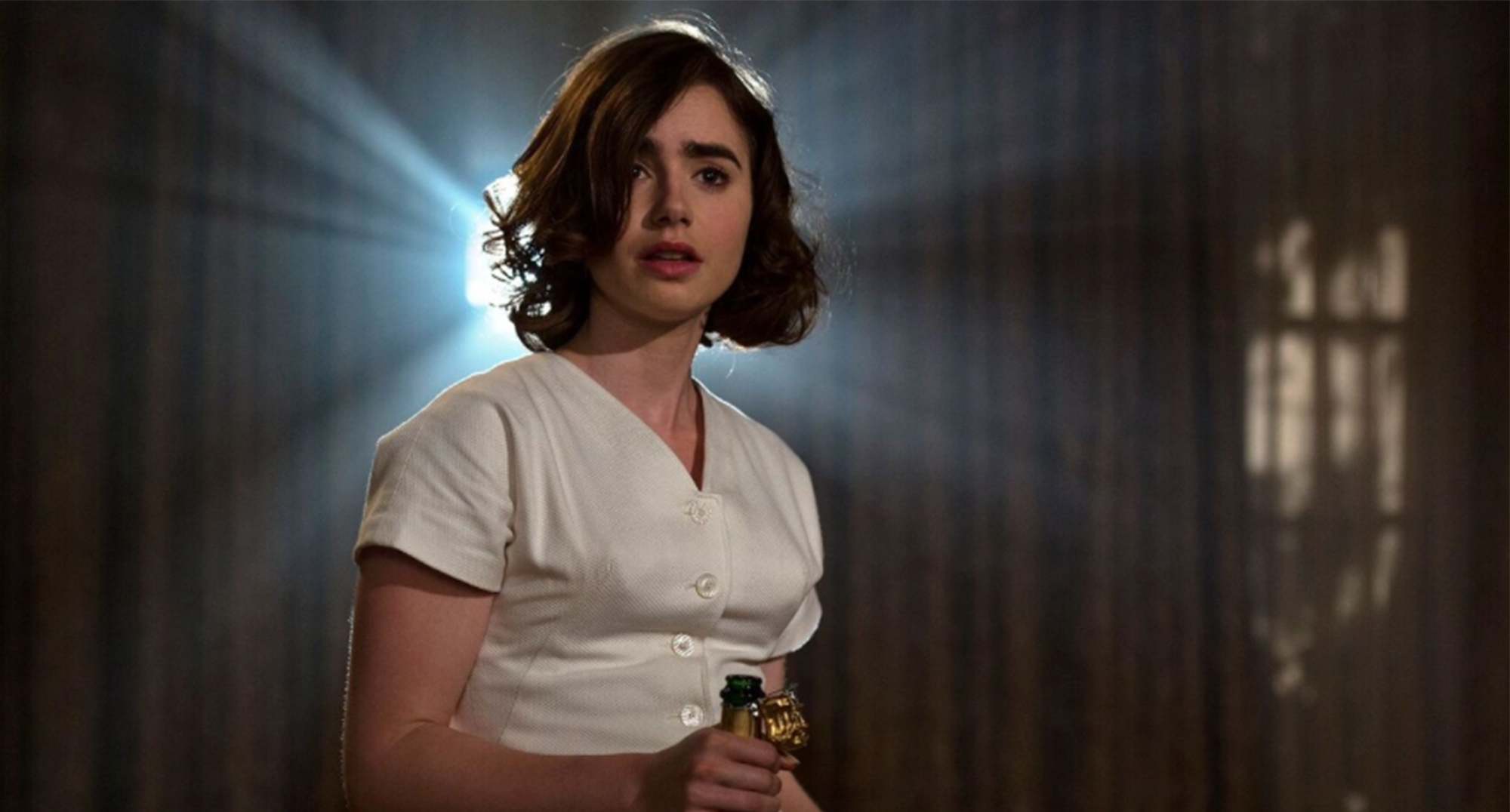
Beatty crams himself right in the heart of the film, playing aging billionaire Howard Hughes as he mingles with naïve starlets looking for a shot on the big screen in one of his pictures and navigates business deals while suffering from depression and paranoia. Much of viewers’ understanding of Hughes is seen through the eyes of Frank Forbes (Alden Ehrenreich), a businessman hoping to get in the door with Hughes by serving as a driver for one of the 12-20 starlets in Hughes’ employ. Romance plays a part in “Rules Don’t Apply” with Marla Mabrey (Lily Collins), a devout Baptist torn between her beliefs, attraction to Forbes and loyalty to a benefactor she’s never met.
What plays out on screen is a largely entertaining, often puzzling dramedy that doesn’t have the impact that Beatty might like or that a character like Howard Hughes ultimately deserves. It can’t help that Martin Scorcese’s Oscar winning drama “The Aviator” set the bar on Hughes films ridiculously high, but even by lesser standards, “Rules Don’t Apply” is middling fare and more on par with the Coen Brothers’ average Hollywood comedy “Hail, Caesar” from earlier this year.
Beatty’s turn as Hughes is quirky and eccentric, like one might expect Hughes to be, but Beatty finds slight moments of cognitive thinking and understanding to show there’s still some part of the successful businessman hiding under the surface. There’s definitely homage to Tom Wilkinson’s brand of crazy businessman from the vastly superior “Michael Clayton,” but Beatty holds his own enough to dominate any scene he’s in to the film’s credit or detriment depending on the moment.
Ehrenreich continues to pad his acting resume with a solid, unspectacular performance as Forbes though he occasionally shows enough of his star caliber to remind viewers why he’s in line to play a young Han Solo in the next “Star Wars” spinoff film slated for 2018. “Rules Don’t Apply” puts audiences in Frank’s shoes for much of the way in order to immerse ourselves in the world around Frank. As a result, Ehrenreich mostly tries to get out of his own way and remain just present enough in scenes to keep the action moving while not hitting any major marks of his own.
The true star of “Rules Don’t Apply” is Collins, who will hopefully receive more dramatic opportunities outside the young adult film genre to sparkle. Her ability to play smart and naïve simultaneously in both romantic and non-romantic settings within the film is remarkable and Collins more than holds her own in scenes opposite Beatty, who does everything he possibly can to upstage her. This feels like a career-defining role for Collins if enough commercial and critical support can boost her up to the next level.
“Rules Don’t Apply” also benefits from a deep and talented supporting cast in a variety of extended cameo roles, whether it be Alec Baldwin as an executive for Hughes’s company, Annette Bening as Mabrey’s prim and proper mother or Martin Sheen as the oustered CEO of the Hughes empire. Matthew Broderick does yeoman’s work as the more experienced driver mentoring Forbes through the business and Candice Bergen is solid opposite Collins and Beatty as Hughes’ personal secretary.
Ultimately, Beatty’s first major film project in more than 15 years is a welcome return to the screen, though “Rules Don’t Apply” can’t totally hold together over the two hour stretch. Talk of Academy Award consideration for Beatty as Hughes feels more like a legacy nomination than for actual merit.
For Beatty fans, “Rules Don’t Apply” is worth a look whether it be at the theaters or in its inevitable run on basic cable.
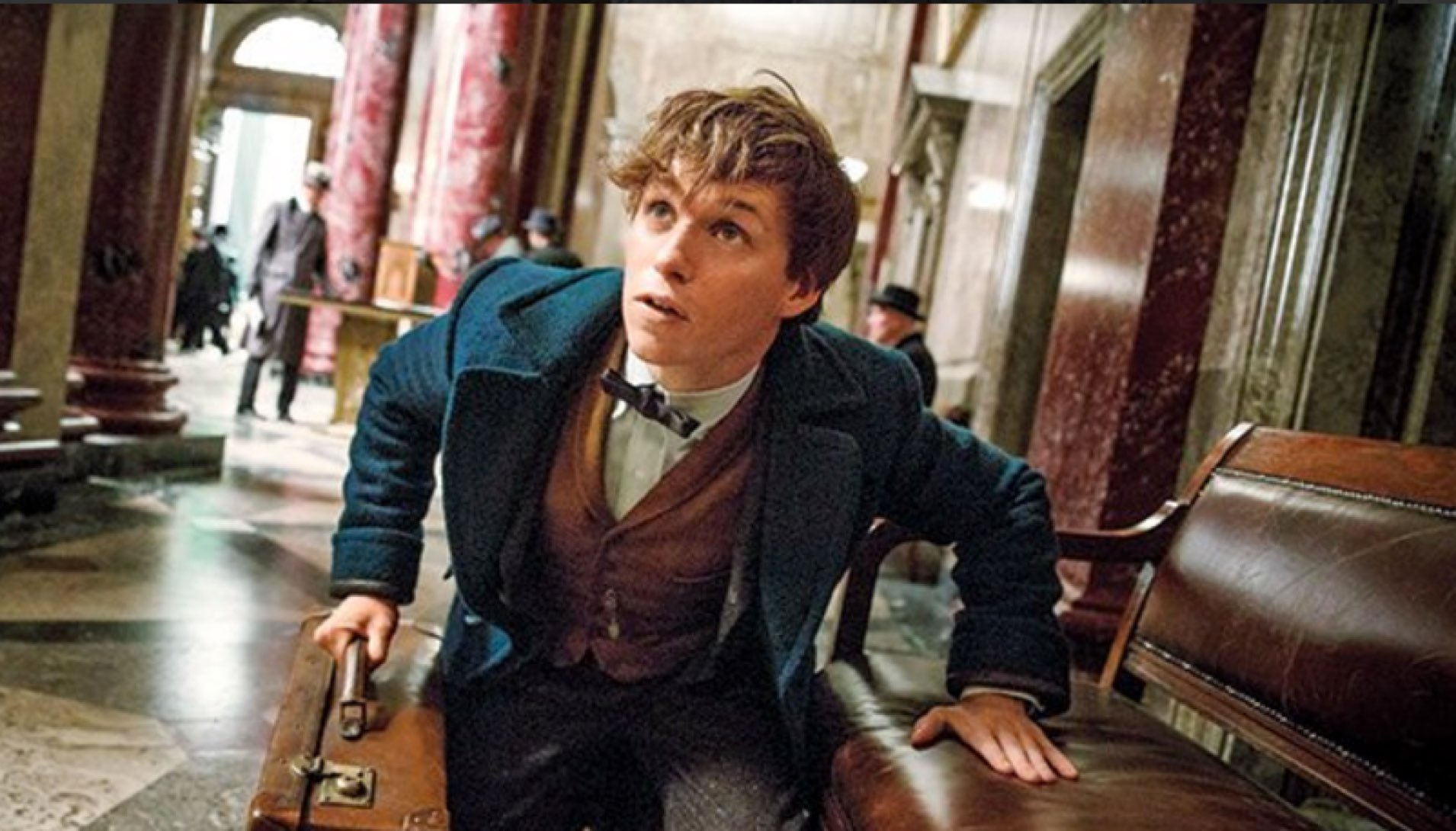
The wizarding world of Harry Potter takes an adventurous left turn in the prequel spinoff franchise “Fantastic Beasts and Where to Find Them,” the first in a series of films based on the J.K Rowling novel of the same name.
You won’t find Daniel Radcliffe, Emma Watson or any of the other stars of the eight “Harry Potter” movies within “Fantastic Beasts,” which is set many decades before Potter’s birth in New York City somewhere between World War I and World War II.
Instead this spinoff franchise is led by Oscar winner Eddie Redmayne as Newt Scamander, seemingly the Jack Hanna for sorcerers who is currently researching for a textbook on the world’s most magical creatures. A series of unfortunate events leads to the opening of his suitcase, releasing a number of these fantastic beasts out across the city.
A tad off-putting at first, Redmayne is the perfect choice for Scamander once viewers get to learn more about the character. Scamander is equal parts daring and shy, a loner both by design and circumstance who tries not to let his eccentric habits define him. It’s Redmayne’s most light-hearted performance to date and the best possible use of his talents in a major film franchise.
http://m.youtube.com/watch?v=Vso5o11LuGU
Katherine Waterston continues her rise up the acting ladder with her first leading turn in a large scale feature film as Tina, an employee for New York’s magical police who aides Scamander in finding all of his freed creatures. Her performance is less quirky than one might expect from a mature woman in the “Harry Potter” universe as nearly all the female witches in the previous eight films were significantly more out there as characters. But Waterston does a fine job balancing out Redmayne scene to scene.
Veteran character actor Colin Farrell is solid, yet unspectacular as lead magical investigator Percival Graves, while rising star Ezra Miller offers the film’s best supporting performance as a peculiar and often mistreated boy holding in some deep secrets.
The real stars of the show are the beasts themselves, incredibly unique from animal to animal and expertly designed and created through computer generated images. It would be one thing for a single beast to dominate the show – whether it be the massive half-rhino, half-hippo or the platypus with a pension to steal shiny objects – but each and every single one of the dozens of creatures viewers encounter over the course of two hours is an absolute highlight. Moments featuring the beasts themselves are the highlights of the film and there simply aren’t enough of them.
Director David Yates, who helmed the final four installments of the “Harry Potter” franchise, brings much needed cinematic continuity to this prequel adventure. Yates imbues his latest film with a fantastic combination of the light-hearted wonder of Chris Columbus’ early Potter films – “Sorcerer’s Stone” and “Chamber of Secrets” – and more mature, frightening elements from Yates’ own “Deathly Hallows” films.
“Fantastic Beasts” is probably much too scary in parts for younger audiences, especially those who aren’t yet old enough for the final three “Harry Potter” films. There’s plenty of dark magic in “Fantastic Beasts,” things that go bump in the night and scenes of child abuse with a belt that are unfortunately necessary to the plot. Parents need to take caution before allowing their child to see this film.
That being said, “Fantastic Beasts” is a wonderful blend of the things that made “Harry Potter” one of the most dominant film franchises over the last decade and should ensure magical escapades on the big screen for years to come.
“Harry Potter” fans should rejoice as “Fantastic Beasts” totally lives up to its name cinematically and is a must see in theaters.

There’s something beautifully simple about the complexity of “Arrival,” Denis Villeneuve’s captivatingly science fiction drama.
While the film’s premise feels cookie-cutter cliché, “Arrival” asks more rhetorical questions than it ultimately answers and should serve as a conversation starter about understanding instead of fearing our allies, enemies and the unknown in trying political and social times.
Villeneuve’s third major feature film is the perfect counterbalance to the more popcorn “Star Trek” and “Star Wars” of the cinematic lexicon and redefines artistic science fiction filmmaking in a clearer way than Christopher Nolan’s star-studded “Interstellar.”
Amy Adams stars as Dr. Louise Banks, a linguistics professor brought in by the United States military to interpret and communicate with an alien race after large oval-shaped UFOs land in 12 hotspots throughout the globe. Paired with theoretical physicist Ian Donnelly (Jeremy Renner), Banks has to provide the foundation for interspecies communication under the pressures of global politics all while grieving over the loss of her daughter Hannah.
http://m.youtube.com/watch?v=tFMo3UJ4B4g
For all its visual wizardry and narrative complexity, “Arrival” lives and dies by the success or failure of Adams’ lead performance as Banks, who drives the entirety of the action from start to finish. Fortunately for moviegoers, Adams hits it out of the park with her best performance since 2010’s “The Fighter.” Her Banks is logical, yet deeply emotional both from the death of her daughter and the harrowing position the military puts her in. While other actresses might have played Banks on a more one-dimensional level to let the technical aspects shine, Adams elevates her performance to the same level with a thoroughly layered, nuanced turn that will likely be on award voters’ minds as a part of her expected nominated for the yet-to-be-released “Nocturnal Animals” later this month.
The always solid Renner does a terrific job in a supporting role as Donnelly, balancing a fine line between challenging and supporting Banks throughout her mission. A slight character adjustment one way or another would have made Donnelly a pushover or a bully, but Renner keeps Donnelly right in the sweet spot in between to advance the film forward and accentuate Adams’ terrific performance.
What viewers will likely remember first when looking back on “Arrival” are the beautifully grotesque aliens that Banks and Donnelly encounter, known in the film simply as heptapods. While describing the heptapods at great length would ruin the surprise of their initial appearance, Villeneuve and his creative team do a masterful job of making such a strange, unappealing creature look stunning nevertheless. The visual artistry displayed in “Arrival” when it comes to these alien lifeforms is worth the price of admission alone.
“Arrival” confirms Villeneuve as one of the top three to five directors working in Hollywood today following the critical success of the kidnapping drama “Prisoners” and the Oscar-nominated thriller “Sicario.” His film is the perfect thinking man’s sci-fi drama as Villeneuve and crew engage audiences in spirited debate about the meaning of language, reacting out of fear and using communication as a tool to bring people together rather than one to tear people apart.
The film is a surprisingly poignant think piece that forces moviegoers to question their own interactions and sense of right and wrong on interpersonal and geopolitical levels. The intellectual depth that “Arrival” richly bathes in makes it a prime candidate for multiple screenings in the theaters to better understand the complexities of the film’s underlying themes.
Cinematographer Bradford Young masterfully crafts each shot with piercing technical skill to reflect the mood and tone of every scene. The visuals developed over the course of the film become key to the movie watching experience as Villeneuve and Young separate the audience from the narrative in a cold, clinical way. It’s as if moviegoers are watching events unfold like tourists visiting a large aquarium or, in a sense, become the scientists engaging with the heptapods through a clear wall as shown in the film.
It’s unlikely that Villeneuve will see the same sort of awards season success that “Sicario” did sneaking into the Oscar race last year, though a nomination in the technical categories for Young’s cinematography isn’t entirely out of the question given the expected backlash from 2016’s #OscarsSoWhite movement. Regardless, “Arrival” is a film that stays with viewers long after they leave the theater and will likely end up as one of the five best movies in 2016.
“Arrival” isn’t the alien encounter film anyone has been asking for. It’s the one smart moviegoers deserve. Don’t make the mistake of passing it up.
 Cinematic Considerations