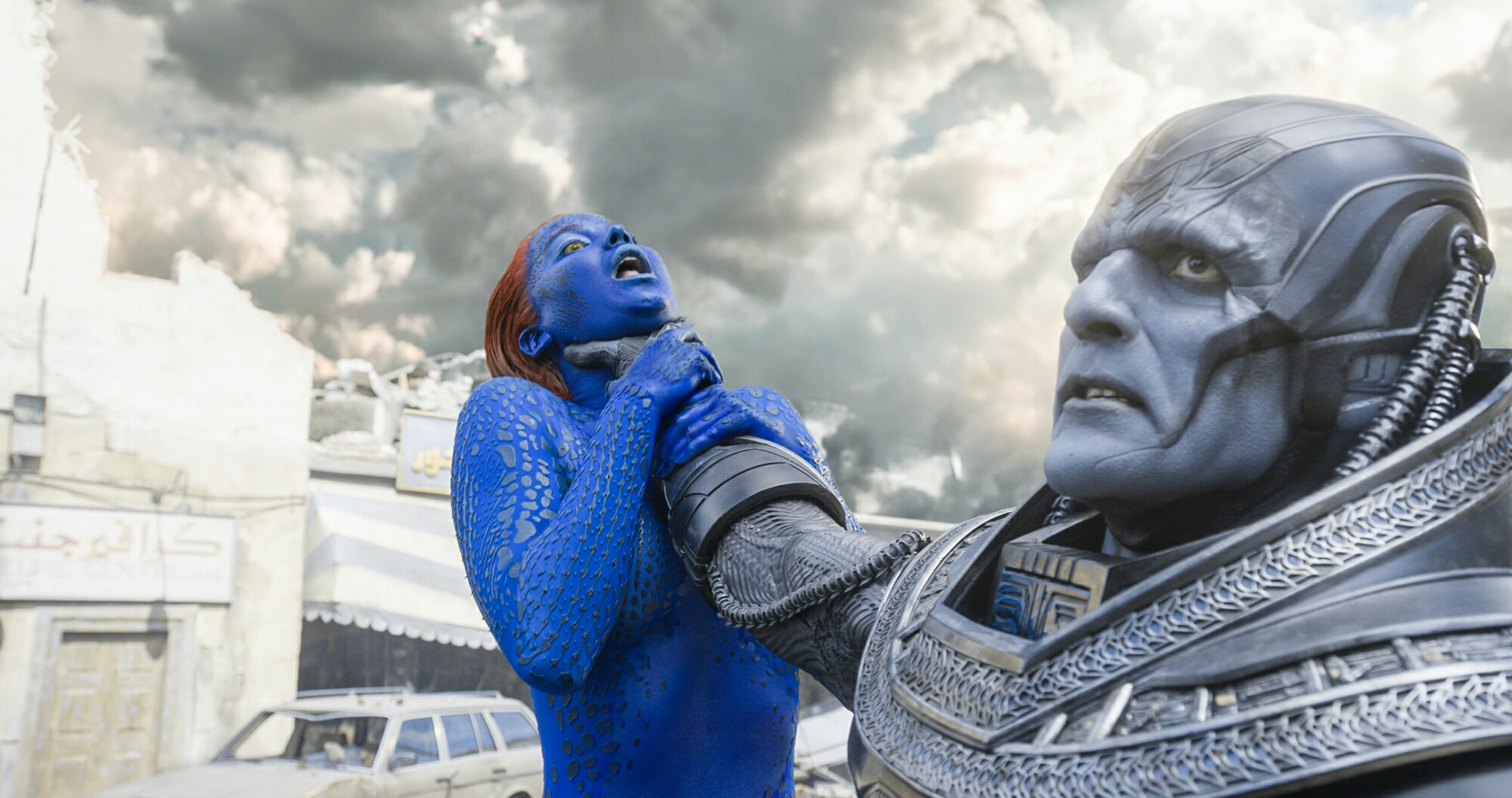

Superheroes once again battle to save the world from the end of days in “X-Men: Apocalypse,” sure to be one of the summer’s biggest films.
Ripped straight out of one of Marvel Comics’ most celebrated storylines, the ninth film in the X-Men franchise follows a team of mutants as they battle Apocalypse, the world’s first mutant returned to Earth after centuries underground seeking to bring us all back to the Stone Age.
Director Bryan Singer and screenwriter Simon Kinberg attempt to infuse the seemingly straight-forward action adventure with layers of internal emotional conflict, though the degree to which they work often varies wildly.
Michael Fassbender, perhaps the most talented performer in the film, unsurprisingly does the best job of handling the film’s emotional content. As the metal-manipulating renegade Magneto, Fassbender convincingly portrays the man under the helmet struggling to deal with the murder of family members during the Holocaust and in rural Poland in the 1980s.
Comic book characters portrayed on screen rarely get the concept of grief and loss right, and nobody in the history of superhero movies has done it better than Fassbender, who brings genuine authenticity to an incredibly inauthentic world.
It’s difficult to blame 20th Century Fox for insisting on a bulked up role in the X-Men franchise for Mystique, a shape-shifting villainess from the comics who just happens to be played by one of the world’s biggest stars in Jennifer Lawrence.
Lawrence does her best to act as a guide for a bevy of younger co-stars re-introducing their characters into the X-Men film universe from psychic Jean Grey (Sophie Turner) and laser-eyed Cyclops (Tye Sheridan) to teleporting wunderkind Nightcrawler (Kodi Smit-McPhee). Lawrence’s presence in the group makes the new ensemble cast easier to accept as a whole, though structurally it would have behooved filmmakers to turn that role over to James McAvoy’s Professor Xavier.
McAvoy shows great empathy and pain in a role he’s much too good of an actor for, but his steady on-screen presences ends up making “Apocalypse” much better than it probably should be.
After wowing in independent films like “Ex Machina” and taking a lead role as Poe Dameron in last year’s “Star Wars Episode VII: The Force Awakens,” Oscar Isaac is largely wasted hiding behind a massive amount of makeup as the villainous title character.
Isaac has always been fantastic in being able to emote through his facial expressions and the design of Apocalypse completely renders that ability impossible. His costume and makeup leave Apocalypse with a flat, unchanging gray face, making Isaac unrecognizable.
Hugh Jackman’s brief cameo appearance gives viewers a lot of hope for next year’s “Wolverine 3,” which will be rated R and should stay truer to the more violent, gruesome aspects of the character’s comic book origins. While not overly graphic, his extended cameo is surely the most intense and savage action sequence in the X-Men film franchise.
Singer returns to the franchise with another solid effort, though the balance between storylines, emotional character arcs and fight scenes isn’t exactly on point throughout the entire film.
Where Singer succeeds is in the moments everyone will be talking about following a screening of “Apocalypse,” Quicksilver’s action sequences.
Expanding the role of the character beyond an extended cameo in “Days of Future Past,” the film best takes advantage of Quicksilver’s enhanced speed by slowing down the action for the viewer, so that audiences see fight scenes as the hero does. These cinematically stunning moments are some of the best visual work Hollywood has produced this year and alone makes “Apocalypse” worth watching on the big screen.
While “Apocalypse” is intended to be the third in a rebooted X-Men movie franchise following 2011’s “X-Men: First Class” and 2014’s “X-Men: Days of Future Past,” it relies pretty heavily on knowledge of previous films and lore from the original comic books. It’s not impossible for first-time viewers to enjoy “Apocalypse” without any previous exposure to the X-Men, but it certainly helps.
Even long-time comic book nerds will likely find themselves pulling out their smartphones after a screening and heading to Wikipedia to research the film’s more obscure references, especially the mysterious teaser for “Wolverine 3” at the end of the credits.
Like all large-team superhero movies, “X-Men: Apocalypse” can rightfully be accused of spreading itself thin by going in too many different directions in order to please both fans of the different characters and the actors themselves. “Apocalypse” could definitely benefit from tightening up the ensemble cast and devoting more time to the emotional journeys of its leads.
However, moviegoers looking for a little excitement this summer could do much worse than “X-Men: Apocalypse,” which rides the backs of Fassbender, Lawrence and McAvoy to carry the bulk of a fun, turn-your-brain-off adventure ride worth seeing in theaters.
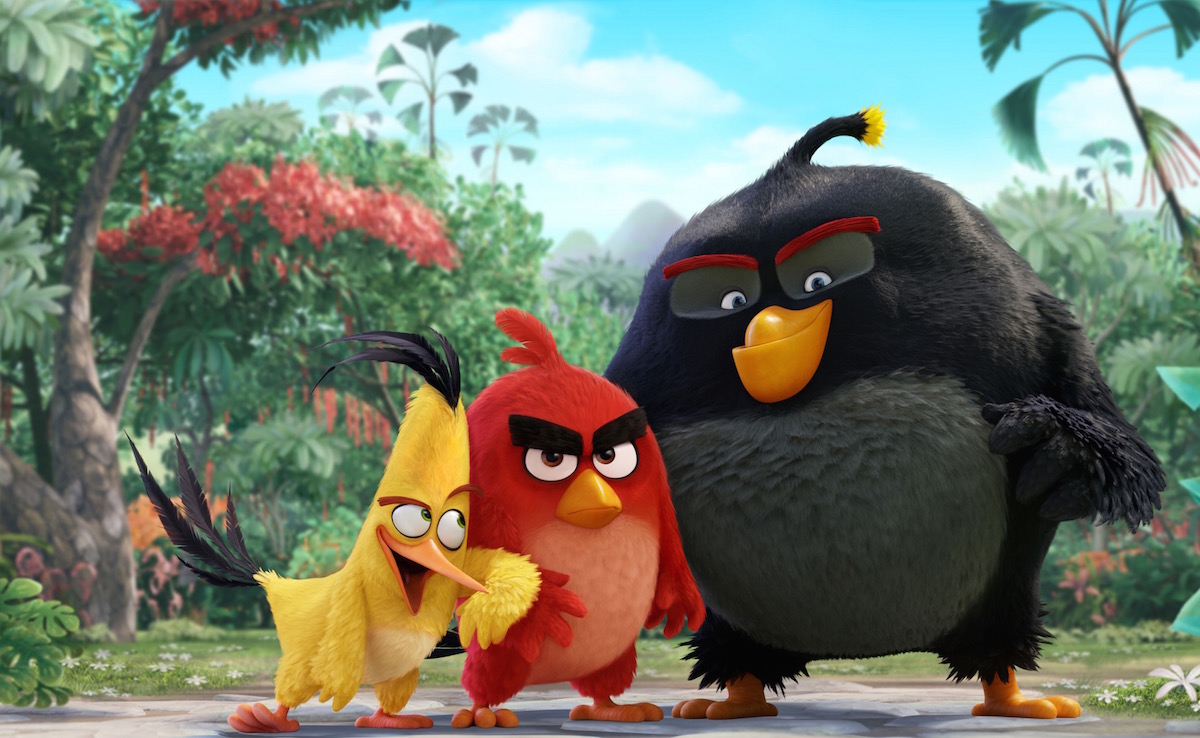
“The Angry Birds Movie,” released in theaters nationwide last weekend, is a pretty blatant attempt to revitalize a fledgling video game franchise.
Angry Birds, the first really big game to hit smartphones with universal appeal, saw players launching red, yellow, blue and black birds with a slingshot in an attempt to destroy the homes of green pigs who have taken all the birds’ eggs. The film version of the original game follows the same basic principles, only with a lot more introductory exposition.
Red (voiced by Jason Sudeikis) has been isolated from the rest of the birds on his island due to his rage issues, which he has been required to tamper down by attending anger management classes along with speedy yellow bird Chuck (Josh Gad) and big black bird Bomb (Danny McBride). When a group of pigs led by Leonard (Bill Hader) come to the island, Red is loudly suspicious of their motives, though none of the other birds believe him.
The mundane, largely predictable script from Jon Vitti continues onward exactly how the original mobile game does, with increasingly angrier birds.
The one surprise in “The Angry Birds Movie” from a storytelling perspective is how thinly veiled the sexual innuendos and vulgarity are masked within jokes in the film.
Countless other family-friendly films do a much better job throwing in little hidden jokes for parents sitting through a children’s movie than Vitti does. Using the word “plucking” in replacement of a sexual vulgarity isn’t clever, original or tasteful in a movie that will be seen by very young eyes and ears.
There’s a lot of voice talent within “The Angry Birds Movie,” though directors Clay Kaylis and Fergal Reilly don’t always make the most of it. Oscar winner Sean Penn is the most misused playing the gigantic red bird Terence, who simply growls aside from one line of real dialogue at the film’s conclusion.
Other terrific voice actors – including “Game of Thrones” star Peter Dinklage, Maya Rudolph of “Saturday Night Live” and others – are similarly underutilized. But when “The Angry Birds Movie” gets a voice part right, it knocks it out of the park.
Sudeikis’ dry humor and vocal intonations are perfect for the weakly-written lead Angry Bird, Red. While the cynicism and wit he displays with Red aren’t on the same level as Jason Bateman’s superior turn as Nick Wilde in Disney’s “Zootopia,” Sudeikis offers a performance that’s a near approximation of the wise-cracking antihero motif.
Veteran Broadway actor Gad returns to voice acting after being standout character Olaf in Disney’s megahit “Frozen.” There’s a fresh honesty in Gad’s voice that drives the humor from his character, the speedster Chuck, that resonates throughout the film better than any other vocal performance.
Rovio Animation and Sony Pictures Animation do a remarkable job with “The Angry Birds Movie” from a visual perspective, pulling the small animated characters out of phones and tablets and throwing them on the big screen at a higher quality than could be expected.
The terrific animators behind the film do a remarkably nuanced job with all the major characters, even getting into the specific details of single feather movement on the birds as they fly around the big screen. It’s the only aspect of “The Angry Birds Movie” that could truly be considered on par with the top films in the animated genre.
Moviegoers have seen this purely for marketing purposes only pattern before with “The Prince of Persia,” “Tomb Raider,” “Hitman” and the upcoming “Assassin’s Creed” film later this fall.
But even by those low standards, “The Angry Birds Movie” is little more than a crude attempt to push its mobile products and yet it looks better than any film based on an app should.
As family-friendly films go, “The Angry Birds Movie” isn’t breaking any new ground, nor is it entirely family-friendly if you’re paying close attention to some of the more suggestive jokes in the script.
Nevertheless, Rovio’s high-quality animation and quality voice talent make “The Angry Birds Movie” worth a chance for families willing to turn their brains off for 90 minutes and relax.
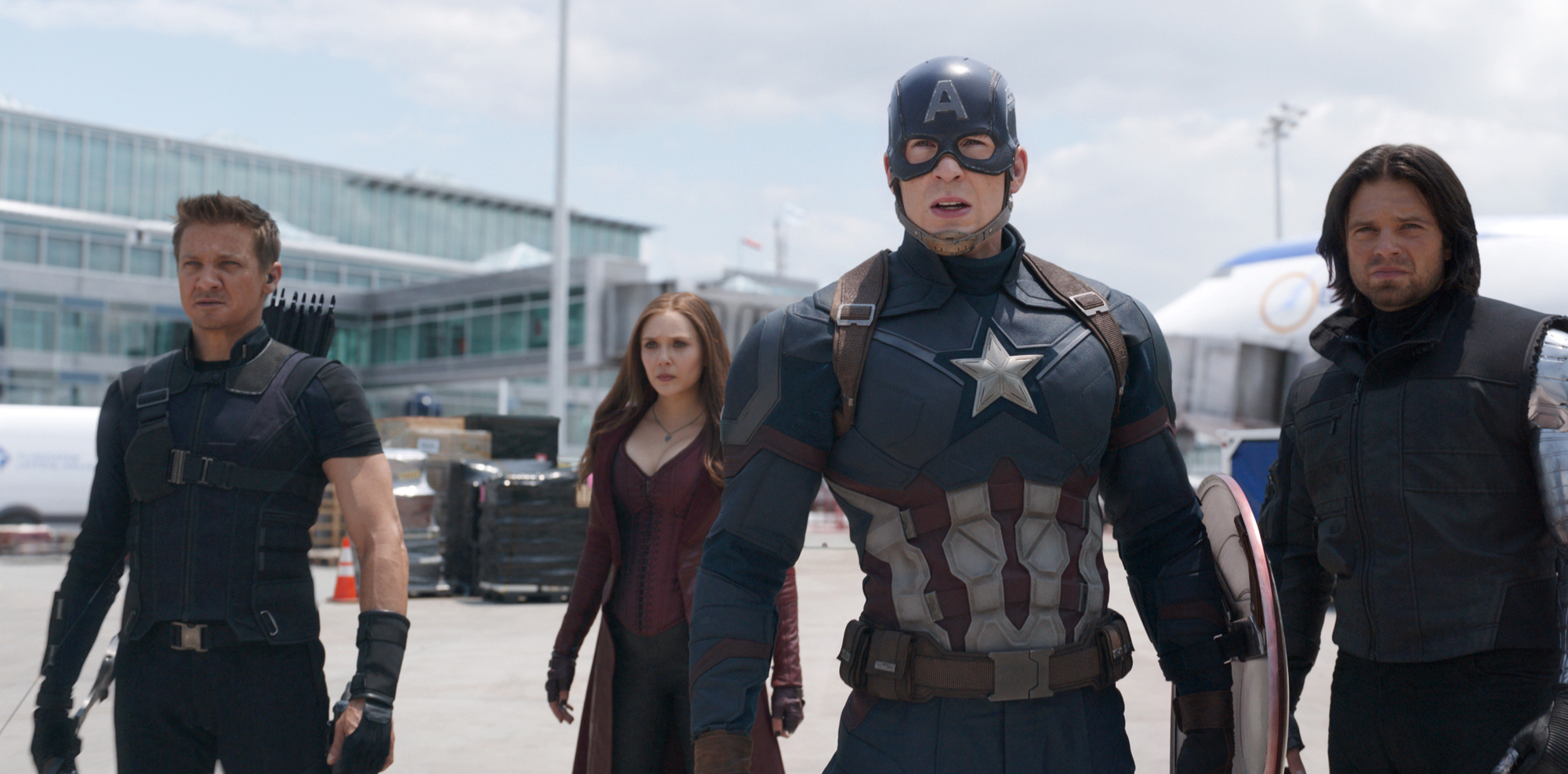
Perhaps the biggest flaw in blockbuster films, especially the superhero variety, is that they rarely account for all of the carnage, death and destruction left behind by all of the fight sequences and explosions audiences come to expect from these big-budget cinematic cash cows.
“Captain America: Civil War” refuses to shy away from the consequences of war, making it the centerpiece of the entire 2.5 hour movie and using it to drive the film’s central conflict.
There’s still all of the computer-generated mega powers, hand-to-hand fisticuffs and balls of flame one comes to expect in a film from Marvel Studios, but it leaves audiences wondering at what cost can these actions be justified.
A quick primer:
Following the basic outline of the iconic comic book storyline of the same name, “Civil War” finds Iron Man and Captain America on opposing sides of the law after the United Nations establishes the Sokovia Accords to regulate the actions of superheroes. Captain America and a group of other heroes refuse to sign the accords, while Iron Man builds a separate coalition to sign the treaty. That coalition is then tasked with tracking down Team Captain America and arresting them for operating outside the law.
First time viewers hoping to jump right into Marvel movies with “Civil War” will probably be considerably lost. The film pretty much insists on audiences having prior knowledge on most of the characters’ origin stories and relationships built up over the 12 prior entries into the franchise known as the Marvel Cinematic Universe (MCU).
In fact, for moviegoers to really enjoy “Captain America: Civil War,” it’s almost absolutely necessary that they have already seen half of the MCU – “Iron Man,” “Iron Man 2,” “Captain America: The First Avenger,” “Marvel’s The Avengers,” “Captain America: The Winter Soldier” and “Avengers: Age of Ultron” – before stepping foot in a theater for Civil War.
If you’ve been religiously keeping up with superhero movies since the release of “Iron Man” in 2008, you should be good to go. Otherwise, you’ll probably wind up a little bit lost for a large chunk of the film.
Make no mistake. “Captain America: Civil War” will probably be the blockbuster of the year. It’s undoubtedly the best film out of all 13 MCU films and better than probably every other Hollywood box office smash still to come in 2016.
Most of the heroes established in the MCU are back for Civil War, led by Robert Downey Jr. as Iron Man and Chris Evans as the titular Captain America. Downey does yeoman’s work in taking a relative backseat in “Civil War,” though he’s still as good in the role as he’s ever been.
Evans, meanwhile, proves more than capable of picking up the slack, anchoring the film with a stoic reliability. His ability to emote Captain America’s “do the right thing even when it’s the unpopular thing” mentality is sensational here.
Regular Avengers Thor (Chris Hemsworth) and Hulk (Mark Ruffalo) sit this film out as they are off waging war across the galaxy in 2017’s “Thor: Ragnarok.”
In their stead, Tom Holland and Chadwick Boseman are given ample ability to establish new characters to the MCU as Spiderman and Black Panther, respectively. While Boseman does everything needed of him with a relatively obscure comic book hero, Holland proves to be an exceptional choice to take over as Marvel’s resident wall-crawler.
Two older actors (Tobey Maguire and Andrew Garfield) have already taken up the cloth as Peter Parker, but neither fits the bill as perfectly as Holland, whose youthful look, effortless naivety and mastering of verbal repartee make him the best Spiderman in cinema history in spite of having around 30 minutes of screen time. Holland is a star in the making and the upcoming “Spiderman: Homecoming” solo film should solidify that standing.
“Captain America: Civil War” also delivers on the visual wonders audiences have come to expect from Marvel Studios with a terrific 10-minute action sequence in an abandoned airport and all fights including Paul Rudd’s Ant-Man being standout moments. Marvel has taken the innovative looks filmmakers were able to establish with the shrinking superhero in “Ant-Man” and expand on them in colossal ways with “Civil War.”
The airport battle should also go down as one of the five best action sequences in a superhero movie of all time, rivalling the final battle sequence against the invading Chitauri aliens in “The Avengers.”
Fans of comic books and/or the Marvel Cinematic Universe will absolutely love every second of this thrill ride. It’s funny, thought provoking, engaging, well-crafted storytelling that doesn’t come easily found at the movies.
Those who haven’t kept up with superhero films might want to make an effort to play catch up. This is a superhero movie that needs to be seen on the big screen. “Captain America: Civil War” is worth the price of admission and more, probably several times over again.

Some of the best independent features start out as expanded versions of short films – made or just planned in the head of the filmmaker.
Oscar-nominee Whiplash began as a short film from director Damien Chazelle and Hill Country Film Festival alum Before I Disappear began as an Academy Award winning short film called Curfew.
Dependent’s Day, a comedy from writer/director Michael David Lynch that played at last weekend’s Hill Country Film Festival, was conceived in a similar manner. His relationship comedy sprung during the pre-production process of a short film he planned on making featuring a guy who was caught watching pornography while on a babysitting job.
After finding ideally paired actors to fill key roles in the short, Lynch decided to expand the notion into his first full length feature, Dependent’s Day.
The film opens with one of the most original premises in independent comedy in quite some time.
Alice (Benita Robledo) and Cam (Joe Burke) are visiting with their tax accountant going over their latest return when Alice – who just happens to make 10 times as much as broke actor Cam – tosses out the idea of claiming Cam as a dependent on her taxes.
Surprisingly, the accountant buys it and away we go.
Unfortunately, Dependent’s Day doesn’t match the same level of humor consistently throughout the course of the movie as the comedy often feels like a series of short films with the same cast of characters rather than a cohesive narrative.
The film has a number of well above average tent-pole spots key to the overall success of the movie – including a terrifically awkward scene where Alice’s parents unexpectedly show up for a surprise visit during a critical point in Cam and Alice’s relationship. Linking them proves problematic for the filmmakers, though the comedy highlights propel the entire film’s overall success.
It’s easy to peg Dependent’s Day as a homage to early Judd Apatow films with Lynch’s comedy reliant on sexual content to drive the movie’s most hilarious scenes. While independent films typically aren’t rated by the Motion Picture Association of America, this comedy definitely hits the same level of R-rated humor as early Apatow. But Dependent’s Day isn’t Knocked Up or The 40-Year Old Virgin.
Perhaps filming Cam and Alice’s story would have been better served as part of a web series. There’s a distinct connection to Netflix series like Master of None and Love which deal with slow burn changes in relationships and have proven to be infinitely successful.
The best parts of Dependent’s Day are when Burke and Robledo share scenes together, whether in person or on the phone. The dynamic pace of Lynch’s movie significantly suffers, however, when either actor is left alone on screen for a significant period of time. Dependent’s Day’s entire hook rests on the fantastic chemistry of its two lead actors.
As the center-point for the entire film, Burke is lovingly complex as Cam. The affable, aloof loser stereotype in comedy characters is routinely overused and overplayed, but Burke proves that when done correctly, it works wonders. Cam is a relatable character viewers can get behind because Burke – whether drawing from personal experience or not – makes Cam inherently authentic. It’s incredibly believable that somewhere bicycling around Los Angeles right now is a broke actor named Cam whose girlfriend is essentially his sugar mama. Burke’s performance validates this to the highest degree.
HCFF Best Actress winner Robledo probably doesn’t get enough credit for being the rock of Dependent’s Day, developing Alice into a character women (and a lot of guys, too) can rally behind over the course of the movie. The power within her performance isn’t so much what Robledo does verbally with the character, but in her facial expressions, which often perfectly match the expressions women in the audience give while watching Alice on screen.
With two-handers like this comedy, it’s absolutely necessary for the leads to have chemistry to make the film work. Luckily for audiences, Burke and Robledo’s on-screen chemistry is the biggest strength of the entire film.
For an indie comedy, Dependent’s Day looks really good on the big screen thanks to some quality 4K camerawork from Lynch, who also served as the film’s director of photography and editor. In limited exterior shots, Dependent’s Day still makes the city of Los Angeles an important secondary character in the film and helps give viewers a sense of place while attempting to comprehend the complexities of the character development in the film.
As first time independent films go, Dependent’s Day is a solid effort from Lynch, especially when taking into account the strong character work from Burke and Robledo. The comedic elements of the film don’t always match up with the dramatic points and a better narrative structure could have improved the overall success of the film.
But given quality performances from its lead actors, Dependent’s Day is something worth taking a chance on for fans of small, independent-minded comedy.

What’s the worst possible way to propose to the perfect woman?
Thought of it yet?
Odds are whatever you thought of isn’t as outlandish as independent comedy Bear With Us, a hysterical film from director William Stribling and co-writer Russ Nickel. The film had audiences rolling in their seats at last weekend’s Hill Country Film Festival, where Bear With Us took home the prize for Best Feature Film.
Part horror spoof and part screwball comedy, Bear With Us follows out of work hopeless romantic Colin (Mark Jude Sullivan) as he attempts to rekindle his relationship with uptight Quincy (Christy Carlson Romano) with a getaway weekend.
Dragging their best friends Harry (Collin Smith) and Tammy (Alex McKenna) along, the four head out to Harry’s aunt’s cabin in the woods where Colin has a ridiculous plan to propose to Quincy at the end of a fake bear hunt.
Catch a trailer for Bear With Us on Vimeo here.
If you hold on for the entire ride, the film’s first third is akin to one gigantic set-up to the world’s longest hilarious joke. It takes a while for Stribling and Nickel to establish all of the characters in their story, but once everything is in place, Bear With Us takes off like a rocket ship that refuses to slow down.
Perhaps the most refreshing thing about the 90-minute comedy is how un-referential it is. Aside from the obvious Ranger Rick jokes and Harry watching a single YouTube clip of a fainting goat, Bear With Us is entirely original, in-the-moment comedy. No one is mocking celebrities or making overt nods to their roles in other films.
https://m.youtube.com/watch?v=d_Ml4cyWnds
Bear With Us is simply the funniest version of a script built out of a cabin in the woods scenario. No frills, no cheats, just quality comedy.
At some point in their lives, everyone knows or will know a girl like Quincy. (P.S. If you don’t know one, odds are probably pretty good that you’re a Quincy. Anyways…)
Romano perfectly personifies Quincy as that stuck-up witch with a b who truly thinks that average people are beneath her. It’s incredibly easy to overplay such a comically stereotypical role, but Romano does a terrific job of keeping as much of Quincy’s elitist personality non-verbal as she does emoting vocally. To this point, her resting bitch face is absolutely on point.
Her awkward, disinterest chemistry with Sullivan works here because Sullivan throws himself around like a lawn dart in the relentless pursuit of love so easily. While certainly not the best performance in the film, Sullivan pushes the narrative forward in a capable way and allows other actors to shine, though he still gets in a few good laughs every now and again.
For as much as the film is driven by its two primary leads, the magic of Bear With Us comes entirely from its magical secondary cast members, including Adrienne the bear who makes cameo appearances on screen throughout the course of the film.
Ironically, Bear With Us marks the second consecutive Hill Country Film Festival Best Feature Film winner to include a real life bear in the movie following last year’s winner WildLike. Future HCFF filmmakers might just want to take note.
Probably the most famous of Bear With Us’ secondary cast is Glee alum (and HCFF Best Actor nominee) Cheyenne Jackson as rugged outdoorsman Hudson. Jackson pounds the film with an aggressive energy every second he is on screen and it works in spurts, though the schtick gets a tad tiresome by around the 70 minute mark.
Hudson works best when he is shown as a counterbalance to a plucky and aloof forest ranger aptly named Rick (Kevin Carolan). Carolan is a treat to watch with his chirpy personality enjoyable throughout. His performance is a great setup to every single time Rick fails in his quest to protect the bears in his territory, with scenes featuring Chief Ranger Stewart (voice of Lea DeLaria) chewing Rick out on the phone being among the best in the entire film.
Without a doubt, Bear With Us wouldn’t be half the comedy it ends up being without spectacular performances from McKenna as Tammy and Smith as Harry.
At first glance, it might seem as though the characters could be easily written off (or poorly acted) as a stereotypical slutty best friend or a Zach Galifianakis ripoff. However, immense credit must be given to both actors as well as the pitch perfect writing of these characters by Nickel and Stribling to create some of the funniest moments in independent comedy in recent years.
Key to both performances is an acute sense of self-awareness from Tammy and Harry in understanding who they are and how they relate to the rest of the group. It’s a wonderful contrast to the chemically imbalanced duo of Colin and Quincy.
McKenna brightens the screen with a quirky energy that is infectious to watch. It’s easy to tell how much enjoyment she has as an actress to play such a well-written part and it shows in the performance.
Smith is a practical comedy star in the making with such an effortless constant stream of humanity and hilarity as Harry. The way Smith is able to embolden Harry with humanity beyond what is written on the script page and make him such an authentic character is outstanding. There’s very little wonder why Stribling and Nickel wrote the part with Smith in mind.
That being said, a complete spinoff feature or web series starring McKenna and Smith as Tammy and Harry would be infinitely watchable and sorely needed in the indie comedy landscape.
Editing truly helps Nickel and Stribling’s excellent script shine as the film bounces back and forth between multiple simultaneous conversations to help speed things along, and at times, to add a deeper level of humor in scenes. This is especially true in the film’s opening moments, where Colin and Harry are
discussing Colin’s desire to re-propose to Quincy at the same time Quincy hems and haws with Tammy about being too wimpy to break up with Colin.
Stribling made a very astute call for Bear With Us, opting to film in black and white from start to finish. While early in the comedy, the choice felt a little contrived; as Bear With Us progresses into the woods and through the rollercoaster ride, viewers begin to appreciate the added layer of suspense that it gives in moments of humorous tension.
A final word to moviegoers on the fence about Bear With Us: Do yourself a favor.
Assess the film by catching its hilarious trailer.
Prepare to laugh your ass off for a couple of hours.
Execute a plan of action by finding a way to see Bear With Us at a film festival or when it comes out on VOD.
Conquer. (Trust me.)
Note: This Cinematic Considerations review of Bear With Us is one of several films reviewed following the seventh annual Hill Country Film Festival in Fredericksburg, Texas, April 28-May 1. Critic Matt Ward is a programmer for HCFF.
This is a incredibly spoiler-filled review of Captain America: Civil War. Do not scroll past the trailer unless you have already seen the film. It may ruin the entire experience for you. Seriously. Don’t do it.
There will be a spoiler-free review of this movie as well. This isn’t it.
Also, nearly all of Cinematic Considerations is written in third person form. This column is different. I’m going first person and speaking directly to you, the reader. Thank you for being here. It means a hell of a lot to me.
Don’t go past the trailer if you haven’t seen this movie. You’ve been warned. Twice now.
Okay, let’s begin.
You guys.
Seriously.
What an incredible film.
If we’re ranking all 13 films in the Marvel Cinematic Universe (and not counting any of the Netflix series, Agents of S.H.I.E.L.D. and Agent Carter), doesn’t Captain America: Civil War go straight to the top of the list? It has to, right?
We’re looking at the cream of the crop here – your Marvel’s The Avengers, your Guardians of the Galaxy, your Captain America: The Winter Soldier – and Civil War improbably outdoes them all.
I walked into the theater cold after having not re-watched any of the 12 prior MCU films. I’m all caught up on Agents of S.H.I.E.L.D., but it’s pretty obvious that Civil War isn’t going down the Inhumans/Kree storyline.
Every single trailer seemed to foreshadow the death of a major character, but unless you consider Crossbones (a.k.a. the military guy that committed suicide trying to kill Captain America at the beginning of the film) a major character, then thankfully nobody important died.
Yes, it looked that way several times over. At some point during the film, I counted at least four different major character that I believed could reasonably bite the bullet during Civil War (obviously War Machine, Captain America, Winter Soldier and even Iron Man late in the movie).
None of those things happened and I think Marvel, and better yet we the audience, are better off for it. Until a full slate of new stars are established in the MCU led by Peter Parker (we’ll get to him shortly), Marvel needs Chris Evans and Robert Downey, Jr. in the roles. Not a recast Iron Man or Sebastian Stan’s Bucky Barnes taking on the Captain America mantle. Chris Evans and Robert Downey, Jr. Period.
What sets Captain America: Civil War apart from DC Comics’ rushed attempt to play catchup with superhero movies (Batman v. Superman: Dawn of Justice) is well-established lead heroes with talented recognizable actors in the roles.
There’s a reason three Iron Man films, two Captain America films and two Avengers movies were made before the classic Civil War storyline from the comics was developed into the MCU. Audiences had to develop a love for these characters with specific actors playing the same role all the way through (Sorry Mark Ruffalo.)
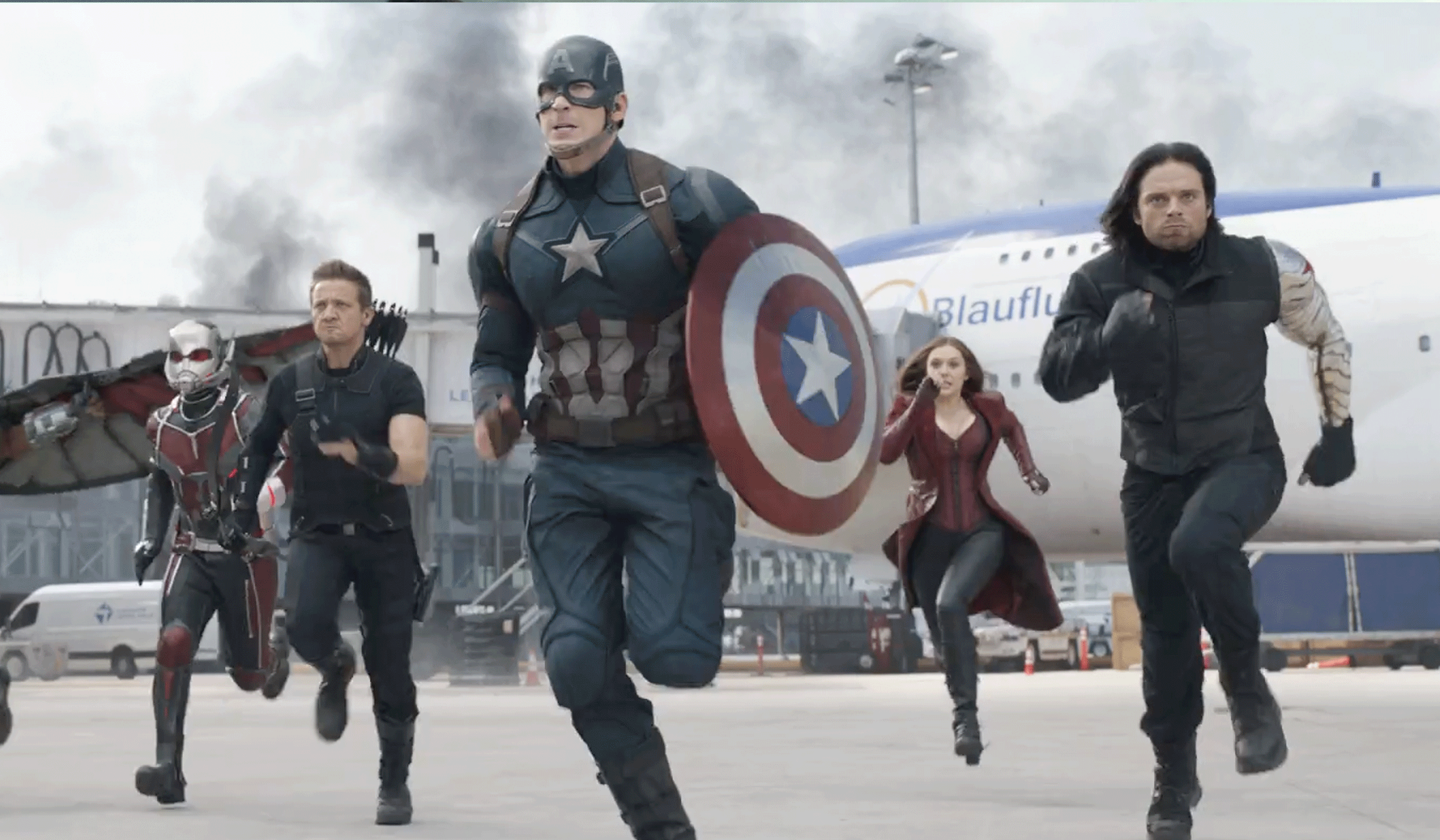
Viewers were treated to the third installment of Steve Rogers’ to-the-death friendship with Bucky Barnes, finally putting Captain America and Winter Soldier on the same side for once, even though they weren’t exactly fighting bad guys the whole time. It’s an important arc moving forward if Marvel decides to make the move to put Stan in a more prominent role in the MCU once Evans steps aside. Captain America is developing our love for the Winter Soldier by proxy. The same thing was started in Civil War in a mentor-mentee relationship between Tony Stark and Peter Parker (and I promise we’re almost there.)
As much as this felt less like Captain America 3 and more like Avengers 2.5, Civil War did deliver a lot of Tony Stark and Co. over on #TeamIronMan.
RDJ was as good as he’s been since 2008’s original Iron Man. Even though we still don’t know what the deal is with superheroes being unable to keep a girlfriend – I’m looking at you Natalie Portman – I can still hold out hope for Tony Stark to work things out with Pepper Potts in the long run.
After carrying the bulk of the character work in both Avengers films, Tony takes a relative backseat to the Bucky-Steve relationship in Civil War, but Downey Jr. still knocks the character out of the park. It’s a testament to how perfectly cast RDJ was nearly a decade ago and to his commitment in keeping the character alive for hopefully another 10 years.
Civil War also laid some important groundwork for the upcoming Avengers: Infinity War films by foreshadowing some interspecies (I guess) romance between android Vision and super-powered human Scarlet Witch. Elizabeth Olsen’s terrific performance and great chemistry with Chris Evans and Jeremy Renner (Hawkeye) make her a shoo-in to be a long term member of the MCU, while I think this could be a set-up to give Scarlet Witch some added emotional stakes if/when Vision bites the dust during Infinity Wars.
No cameos or extended appearances for Avenger regulars Chris Hemsworth (Thor) or Mark Ruffalo (Hulk), which is okay as that decision opened up some screen time for others and helped build the anticipation for both of their returns in next year’s Thor: Ragnarok.
Several newcomers joined the core of the Avengers section of the MCU and none disappointed.
I believe everyone has to be incredibly pleased with Tom Holland’s version of Spiderman, which is already better in the 30 minutes of screen time in Civil War than Andrew Garfield was in two Amazing Spiderman films. Just sayin’.
There’s something so vintage about having an actual teenager play web-slinger Peter Parker and delivering on all of the promise adding Spidey to the MCU could have possibly brought. The quips previous film versions of Peter either tried and failed to connect with or left out completely worked like magic in Civil War. Spiderman referencing The Empire Strikes Back when trying to coordinate battle strategy was so perfect and out of left field, but yet on point at the same time. Ridiculously amazing.
Teaming him with Iron Man and having him upgrade the Spiderman suit was a brilliant way to show a realistic growth in the character in limited screen time and set things up for what hopes to be a spectacular solo film with Spiderman: Homecoming.
Having Marisa Tomei play Aunt May helps skew Peter’s character younger and helps establish Spidey as a key figure in what a post-Robert Downey Jr. and Chris Evans MCU might look like.
Also, if you left the theater after the first post-credits scene (more on that later), then you missed another small, but interesting tease for Spiderman: Homecoming at the end of the credits. It’s not as good as the iconic shawarma scene at the end of The Avengers, but it’s worth staying until the end for.
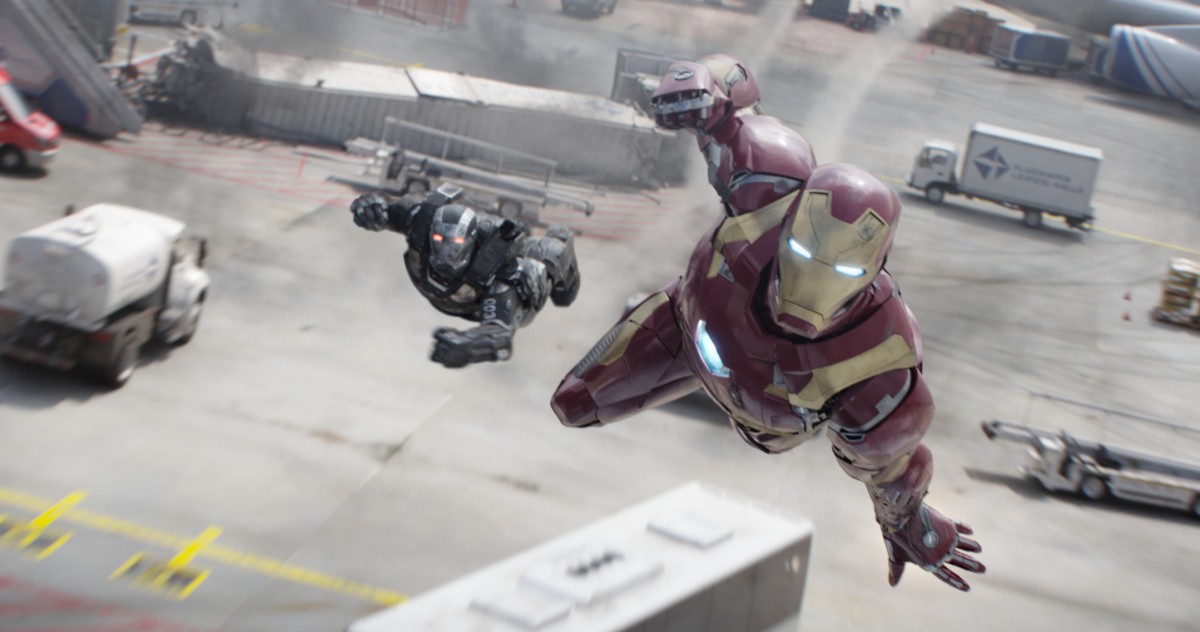
As much as I love having Spidey in the MCU, without a doubt my favorite secondary character in Captain America: Civil War has to be Scott Lang’s Ant-Man.
In concept, I wasn’t originally as high on bringing Ant-Man into the MCU at all, but the wonderful Peyton Reed film of the same name was beyond my wildest expectations for the on-screen prospects of the incredible shrinking man. Key to the success of the character was the inspired casting of comic actor Paul Rudd as Lang.
Rudd brings a new dynamic energy to the screen every time he appears and his second turn as the former thief turned miniature superhero was no exception. Rudd’s performance in the hilarious scene where Lang turns fan-boy about meeting Captain America and Scarlet Witch was the single funniest scene in any MCU film – though Michael Pena’s storytelling in Ant-Man is pretty damn close. Pairing Ant-Man and Spiderman and bringing them into Civil War at about the same time was an inspired way of keeping the two teams as close to balanced as possible. Still, #TeamCap.
While Captain America: Civil War was visually spectacular from start to finish, nothing topped the reveal of Ant-Man’s colossus “Giant Man” appearance at the tail end of the airport battle. Like the miniature CGI from the first appearance of Lang in last year’s “Ant-Man,” the effortlessness of Marvel’s ability to grow Ant-Man to massive size without reducing the quality of the action or the cinematography was fantastic. You couldn’t pull that off five years ago. Wow. Simply breathtaking.
I feel bad for Chadwick Boseman, who deserves a more complete introduction into the Marvel Cinematic Universe than the one we ended up getting for King T’Challa and his iconic alter-ego, Black Panther. As integral to the storyline as he was, viewers still don’t know much of anything about the super-human with a suit of vibranium.
Honestly, Boseman in Civil War reminds me a lot of Renner’s Hawkeye in Marvel’s The Avengers, which paid off with a much larger role in Avengers: Age of Ultron. There’s enough promise with the talented Boseman that this cursory introduction could boost expectations for 2018’s Black Panther solo movie. We know enough to get a little excited, but not too much that could turn viewers off if they don’t like the direction Marvel and Boseman are taking the character.
Joe and Anthony Russo have proven themselves to be capable caretakers of the Marvel Cinematic Universe legacy left by outgoing Avengers director Joss Whedon. After helming the terrific Captain America: The Winter Soldier and outdoing themselves with an early contender for blockbuster of the decade (Sorry Star Wars) in Civil War, I feel much more confident in a successful two-part film series with Avengers: Infinity War coming out in 2018 and 2019.
While there’s still a lot we don’t know about the direction Marvel is headed moving forward into Phase 3 of the MCU, Captain America: Civil War does make up for the flaws in Avengers: Age of Ultron and help bridge the gap until the next time we see most of these characters. Aside from Spiderman and Iron Man in next year’s Spiderman: Homecoming, audiences probably won’t see Black Widow, Hawkeye, Captain America, Ant-Man, Scarlet Witch, Vision and many more on screen for over two years.
And that’s okay.
I forgot to miss Samuel L. Jackson’s Nick Fury in Civil War, which is something I never thought I’d say about the MCU.
If The Avengers was the film that solidified Marvel Studios for years to come, Captain America: Civil War proves that studio head Kevin Feige and his crew can do whatever genre, pull whatever obscure comic book hero out of a hat, cast, or recast (Apologies to Edward Norton and Terrance Howard) however they want to. They’ve proven they can pretty much do no wrong.
I’m on board.
#TeamMarvel
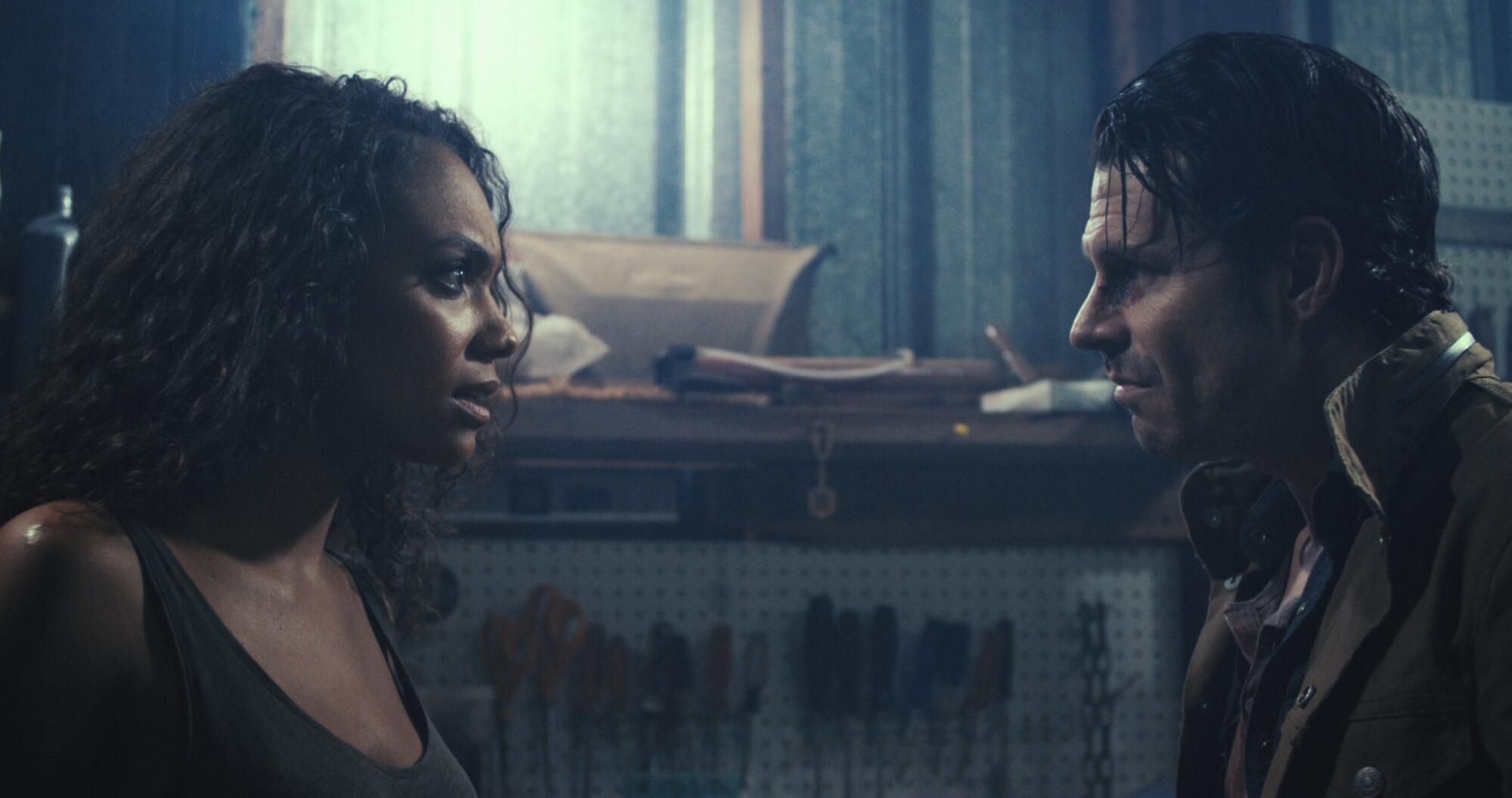
Your average Hollywood thriller nowadays costs anywhere from $25-50 million to make.
Boosted with formulaic scripts that are some variation of explosion here, car chase there with a half dozen gun battles along the way, there’s little originality left in the genre, especially when you get into the world of half-cooked, rushed to the screen sequels.
If the thriller genre is ever going to truly get back to producing quality over quantity, major film studios need to take the lead of independent filmmakers like Blayne Weaver, whose new film Cut to the Chase pairs taut action with engaging, thoughtful storytelling on a shoestring $100,000 budget.
Cut to the Chase closed out day two of the seventh annual Hill Country Film Festival last weekend and earned Weaver the first Best Director award of his lengthy career as a filmmaker.
In the thriller, writer/director/actor Weaver stars as Max Chase, a career low-life finally trying to turn things around when his sister, assistant district attorney Isobel (Erin Cahill), disappears. With the help of one of her witnesses (Lyndie Greenwood), Max must track down his little sister at any cost, taking on Isobel’s abusive ex (Luke Sexton), the city’s district attorney (Patrick Kirton) and a villainous crime lord known simply as “The Man” (Lance Henriksen)
Cut to the Chase is more than just a catchy name for a film that happens to pair nicely with the main character’s last name.
Weaver does exactly what his film’s title suggests; he cuts to the chase. By skipping a lot of the minutia that bog down thrillers overly concerned with pre-battle exposition, viewers are able to more easily engage with audiences who might not be familiar with the film’s cast from other movies.
Within the first 10 minutes, Max has already verbally duked it out with The Man, hit the bar for some drinks, taken a woman to bed and attempted to run from goons chasing his across the streets of Shreveport. The way Weaver intercuts the film’s title sequence with Max’s first sexual encounter in the film is like an incredible homage to the James Bond movies and a terrific way to keep the action moving all at the same time.
The film’s incredibly compelling opening locks viewers in for the entire 90 minutes as the gas of Cut to the Chase is pretty much held down to the floorboard for the first thirty minutes.
Weaver then downshifts Cut to the Chase to a lower speed as viewers are drawn into the central story of the film – the rocky brother and sister relationship Max shares with Isobel, who has spent years keeping Max out of jail as much as possible.
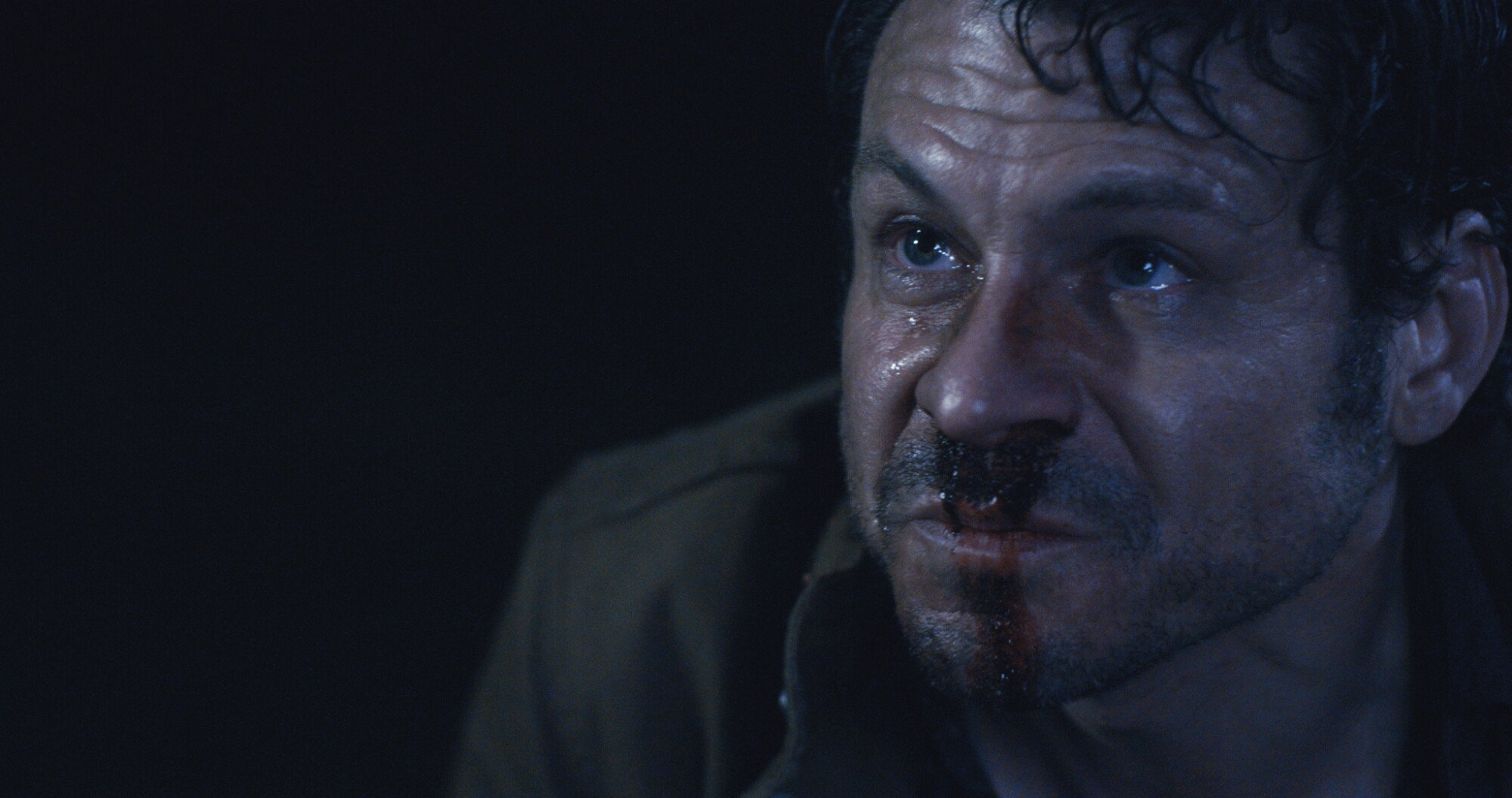
The success or failure of Cut to the Chase hinges entirely on Weaver’s ability to get audiences to root for career loser anti-hero Max. An unlikeable Max kills this movie within 10 minutes. Thankfully, Weaver’s natural charm makes Max a guy you can’t help but love in spite of his obvious flaws.
In a big budget version of this movie, the studios would likely cast a bigger name like Sam Rockwell in the part, but Weaver gives a performance on par with Rockwell’s work in thrillers like Seven Psychopaths. No matter how bad things get for Max or how brutally he gets the shit kicked out of him, Weaver’s charisma carries the character through.
His charm also enhances the film’s key relationship between Max and Isobel, which is smartly played almost entirely in flashbacks. Viewers are able to get an entire backstory between the siblings with genuinely earned moments spread throughout the film, perfectly timed to correspond with whatever events are occurring in the present storyline.
Most thrillers would attempt to cram all this character development into the film’s prologue (or simply leave it out altogether). Cut to the Chase innovates in this storytelling, which works thanks to the chemistry between Weaver and Cahill.
Damsel-in-distress roles are tough because they’re often underwritten and don’t require a talented actress to perform a substantial function in thrillers. Weaver’s film demands a strong actress to play Isobel and he found one in spades with Cahill, who is able to match Weaver stride for stride in the siblings’ verbal repartee while demonstrating substantial acting chops.
Greenwood, best known for her work on TV’s Sleepy Hollow, convincingly plays the witness with a questionable past, while Henriksen exudes a Christopher Walken-esque gravitas while lurking in the shadows as the film’s requisite big bad guy.
Watch Cut to the Chase at least twice. Weaver has thoroughly layered the film’s primary narrative storyline throughout the film so that once you understand what happened to Isobel, you’ll see how all the clues were there along the way. It’s clever storytelling you rarely see in thrillers nowadays.
And that’s the whole point.
In spite of the limitations shooting a thriller on a shoestring indie film budget creates, Weaver manages to develop an interesting and largely compelling narrative built around strong character development. Cut to the Chase overcomes the odds and gives viewers the charisma and heart of its writer/director/star, making the indie thriller deserving of a wider audience.
Note: This Cinematic Considerations review of Cut to the Chase is one of several films reviewed following the seventh annual Hill Country Film Festival in Fredericksburg, Texas, April 28-May 1. Critic Matt Ward is a programmer for HCFF.

Mother’s Day is a holiday celebrated annually to honor women have born, adopted or raised children with an emphasis on the mother-child relationship.
“Mother’s Day” is a newly released movie directed by Garry Marshall that does pretty much none of that.
Marshall’s film is a romantic comedy without any romance and lacking in comedy; it’s a family drama that doesn’t have much heart; and it’s a tearjerker that won’t make many in the audience cry.
Filled with a celebrity cast including Jennifer Aniston, Julia Roberts and Kate Hudson, “Mother’s Day” doesn’t pick a direction and stay on a particular course. Instead, Marshall and the four screenwriters given credit for the film attempt to go everywhere at one and end up taking the audience nowhere.
Like its spiritual predecessors “Valentine’s Day” and “New Year’s Eve,” “Mother’s Day” relies on overly coincidental relationships between its main characters who otherwise don’t interact with each other at all.
Jesse (Hudson) and her sister Gabi (Sarah Chalke) are hiding their marriages from overly conservative Texas parents who wouldn’t accept Jesse’s inter-racial relationship nor Gabi’s lesbian life partner.
Writing hurts the cast of “Mother’s Day” the most in this storyline as neither Hudson nor veteran character actress Margo Martindale as the girls’ mother has any space in the script to develop a true character.
Talented though she may be, Martindale gets the worst of this, given an horrendously unfunny racist part to play. It’s near appalling how implausible overcoming years of inheerent racism could be overcome in a single afternoon, yet the film’s writers telegraph this (and every other ending) from a mile away.
Jesse’s friend Sandy (Aniston), who she barely interacts with, is struggling to accept her ex-husband’s new 20-something wife and life of luxury. Aniston gets by with what little she has to work with, though she has rarely been an actress that rises above the level of material given to here.
Britt Robertson’s Kristin – connected to Jesse only through a flimsy “Mommy and Me” class viewers never see – won’t get married to the father of her daughter as she feels abandoned by the mother who gave her up for adoption (Roberts). Roberts received $3 million for four days of shooting on “Mother’s Day” and her in-it-for-the-paycheck performance reflects her obvious disinterest.
It’s unfortunate for Robertson to continue missing out on a quality script as the “Tomorrowland” and “Longest Ride” actress has true potential if ever given the chance to play a well written character on the big screen.
Any one of these storylines could have been made into a decently plausible, though not terribly original film. Yet “Mother’s Day” insists on cramming them all together, irreparably damaging any chance “Mother’s Day” had of actually being any good.
As a director, Marshall does a surprisingly poor job of directing as dialogue scenes often contain characters speaking with their backs to the camera so often it feels as though key lines in the script were re-written after the film was completed. The veteran director misses the mark on covering up these changes, completely ruining any hope viewers may have of forgetting they’re watching actors on a soundstage.
Well intentioned as it may be, Marshall’s “Mother’s Day” fails to properly develop any of its main characters. The film relies on the audience’s predisposition to liking its lead actresses to counter act the fact that the script does not really give viewers much of a reasons to like the characters themselves.
While most of the characters learn a seemingly life changing lesson about tolerance, grief or parenthood, none of these character arcs truly feel earned and are the result of the filmmakers’ desire to wrap “Mother’s Day” up in a tight little bow.
Rather than taking their mother out to a dark theater where families cannot talk to see the film, audiences would be better served having a nice family meal and conversation at home. Next year, “Mother’s Day” might make a decent way to close out the holiday weekend on your couch, but nothing more.

It’s hard to imagine a more timely independent feature to hit the big screen in 2016 than Transpecos, Greg Kwedar’s dynamic and explosive thriller along the Texas-Mexico border.
With homeland security, drug lords and massive wall-building in the news, now more than ever do moviegoers need this film to help them engage in thought provoking discussion thanks to Transpecos’ cinematic world where ambiguity reigns supreme and the lines between right and wrong are blurred to the point of near invisibility.
Transpecos follows three U.S. Border Patrol officers on a seemingly routine morning shift working a mobile checkpoint on a remote desert highway. Things irreparably change for the three when a vehicle stop arouses suspicion and throws their world (quite literally) for a loop. Going much deeper into the plot would ruin several of the major twists and turns Kwedar takes viewers through and would ruin the cinematic experience for newcomers to the film.
The thriller has wowed audiences across Texas, taking home the audience award in the narrative category from this year’s South by Southwest Film Festival and Dallas International Film Festival. Most recently, Transpecos took home the Cinema Dulce (Best of Fest) award at last weekend’s Hill Country Film Festival in Fredericksburg along with a Best Director nomination for Kwedar and a Best Actor nomination for Gabriel Luna.
Thankfully, Transpecos’ massive success in such a short time on the festival circuit has led to an early distribution deal with Samuel Goldwyn Films, giving audiences nationwide an opportunity to catch the border thriller with a planned fall release.
The indie darling pairs nicely with the better known drug cartel drama Sicario starring Emily Blunt and Benicio del Toro. While Transpecos certainly has to cut a couple of corners financially due to an indie budget, there’s no lacking in quality and Transpecos certainly rivals the star-studded Sicario as one of the best films about Homeland Security to come out in recent years.
The script – penned by Kwedar with co-writer Clint Bentley – paces forward with urgency and immediacy, yet never shies away from taking the time to develop nuanced, meaningful dialogue between its lead actors.
Each of Transpecos’ three leading men offers distinct layered performances in spite of the incredibly conventional framework of their U.S. Border Patrol officers.
Hobbs (Clifton Collins, Jr.) is the hard-nosed, rough around the edges yet by-the-book lead officer whose racism hinders his ability to identify with Hispanic civilians and fellow officers. Flores (Luna) represents the All-American Boy Scout struggling to rectify his compassion for others against the brutal life securing the southern border from the illegal drug trade. Davis (Johnny Simmons) is the green rookie seemingly unable to handle the pressure.
It would be easy to handle each character as limited, generic stereotypes given such formulaic broad strokes for the officers’ backstories. But Kwedar and Bentley have penned one of the decade’s best independently made scripts and the terrific performances Kwedar draws out of his three leads elevates the material even further.
Luna’s masterful turn as the conflicted Flores paces the character-driven drama within Kwedar’s otherwise tense thriller. His ability to emote both verbally and non-verbally the unease Flores feels about the actions he’s forced to take in the name of doing the right thing is nothing short of astounding.
Easily a career best performance, Collins shines in Transpecos with ruthless efficiency. While his cast mates are tasked with acting in varying degrees of subtlety, Collins’ turn as Hobbs is powerful and domineering on the borderline of scene chewing, but wholly needed to highlight the delicacy with which his fellow actors are approaching their nuanced characters.
As rookie officer Davis, Simmons perfectly portrays the ideal fish-out-of-water rookie cop, constantly nervous but confident when he has to be. There’s a tremble in Simmons’ voice that matches the shakes viewers see in Davis’ hands while holding his service weapon, a beautifully delicate touch that doesn’t become overdone as the film progresses.
Visually, Kwedar beautifully intercuts spectacular wide shots of the terrain with the regular action to provide tonal contrast in the film while the opening action sequence at the traffic stop feels impossible to pull off with limited resources.
Transpecos manages to perfectly balance its loudest, brash moments with a quiet, haunting score from Aaron and Bryce Dessner of The National. Award-worthy in its own right, the simplicity of musical interludes to enhance and temper the film’s mood at the turn of a dime is reminiscent of Trent Reznor and Atticus Ross’ magnificent score from The Girl With The Dragon Tattoo.
Remarkably, with each new scene Kwedar is somehow able to elevate Transpecos to yet another level, leaving viewers aching for more. It’s incredible to think that this is Kwedar’s first time behind the camera as a feature film director. He carefully crafts each shot and scene with the elegance of a much more experienced storyteller.
Kwedar’s film greatly benefits from gorgeous cinematography by Jeffrey Waldron, who creates a fourth character out of the open Texas border terrain. Even in a cold theater, it’s nearly impossible not to feel the heat radiating off of Hobbes, Flores and Davis as they languish in the sun while working a patrol checkpoint.
Waldron proves to be a master of light and dark, magically adjusting to the blinding yellows of the desert sun and devastatingly cool blues and blacks of nightfall on the Texas frontier with ease. Every frame makes audiences feel like they’re actually there with the performers, a rarity in independent filmmaking.
As independent features go, you can’t do much better than Transpecos, a film deserving of mainstream commercial and critical success. Thoroughly engaging from the first frame to the final credit roll, the border thriller rivals big budget studio films and proves once again that independent filmmakers can play with the big boys and win.
Note: This Cinematic Considerations review of Transpecos is one of several films reviewed following the seventh annual Hill Country Film Festival in Fredericksburg, Texas, April 28-May 1. Critic Matt Ward is a programmer for HCFF.
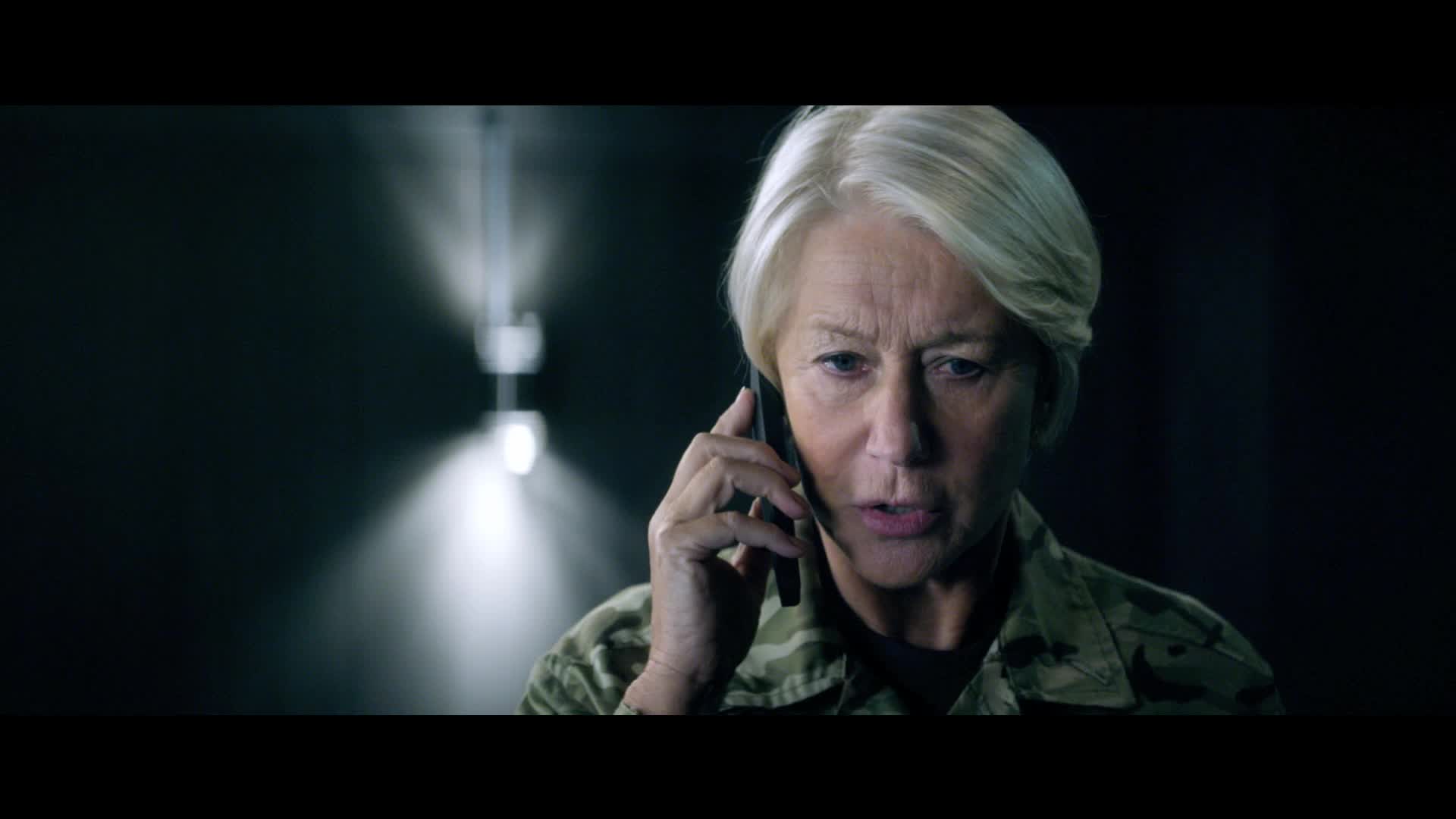
Conflicts in morality and ethical responsibility at the highest levels of government take center stage in the political thriller “Eye in the Sky,” now in wide release.
Oscar winner Helen Mirren headlines an elite cast as a British colonel remotely leading a mission to capture international terrorists in Nairobi, Kenya. When the mission ultimately changes from capture to kill by drone strike, the legal and political stakes gets elevated to extreme levels as a young Kenyan girl unwittingly sells bread on a street corner within the target zone.
Officials from three different nations, military experts, legal minds and spies working on the ground all must make difficult decisions in short order, with “Eye in the Sky” providing gripping drama throughout.
The film works thanks in large part to Mirren’s commanding presence on camera. While the role of military leader isn’t a typical role for her, Mirren blasts through dialogue with ruthless efficiency and insists viewers take notice. This is a rarely seen side of Mirren as an actress and one definitely worth the screen legend exploring further in other films.
Veteran character actor Alan Rickman appears in one of two 2016 films completed before his death in January. His performance as Mirren’s commanding officer is quintessentially Rickman, subtle and profound while simultaneously maximizing his character and not overshadowing his co-stars. An actor’s actor, this film will live on as a reminder of Rickman at his finest, putting the success of a film as a whole above any personal spotlight.
“Breaking Bad” star Aaron Paul plays an important supporting role as the lead American drone pilot in the mission, forced with the constant threat of having to pull the trigger on his first targeted missile strike. Paul’s performance is solid, but not entirely memorable mostly due to the superior work of others in “Eye in the Sky” and not through any fault of his own.
Barkhad Abdi, best known for his Oscar nominated turn as the lead Somali pirate in “Captain Phillips,” gives a strong performance as Jama, a Kenyan national working undercover for the British government tracking the terrorist cell.
Coming off a very showy performance opposite Tom Hanks in his debut film, Abdi proves he can capably maneuver through limited material and develop a layered character with ease. It will be interesting to see if Hollywood is able to cast Abdi in parts that move beyond playing African nationals in war-torn regions. He certainly seems capable of acting outside that realm.
Director Gavin Hood has the difficult task of drawing out and then combining these terrific individual performances from Mirren, Rickman, Paul and Abdi without any two of them ever setting foot in the same room. Hood’s beautiful imagining of Guy Hibbert’s pitch perfect screenplay gives the film vibrancy and tension that probably wouldn’t work nearly as well with lesser talent at the helm.
While the tendency in film is to take controversial topics like drone warfare, surveillance and government red-tape and have the movie advocate one position over another, Hibbert keeps viewers firmly on the fence with “Eye in the Sky.”
There’s a wonderful debate (never fully solved) that questions saving one individual life versus preventing the potential deaths of hundreds. Both sides are ardently argued in the narrative structure of Hibbert’s script, making “Eye in the Sky” a uniquely moderate political film.
Visually, “Eye in the Sky” is more technically sound than a political thriller limited in action and on-screen violence should be. The authenticity and unique camera angles Hood is able to achieve with the film’s drone technology are astounding.
Each next-generation drone featured in “Eye in the Sky” – from the wide scope aerial drone armed with Hellfire missiles to the beetle-sized drone controlled via cell phone – offer innovative ways to capture military drama without ramping up the explosions or gunfire. The film’s worldview where every pull of a trigger is called into ethical question is an ideal situation to employ this incredible technology.
There’s interesting parallels that can be drawn between “Eye in the Sky” and the classic political comedy “Dr. Strangelove,” most notably in the ways that bureaucrats and military leaders endlessly debate every possible situation, collateral damage assessment and moral question all while having their finger on the launch button.
Incredibly relevant to today’s political climate, “Eye in the Sky” is a profoundly compelling political drama and features some of the year’s best performances from Mirren and the late Rickman. Moviegoers who don’t mind a slow-burning, character driven drama would be foolish not to see “Eye in the Sky” as soon as possible.
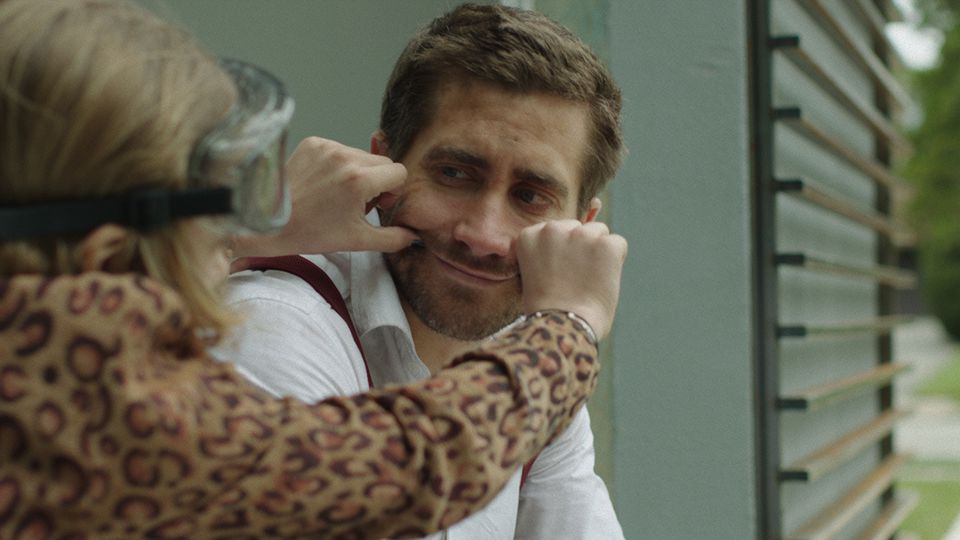
Following back-to-back successes with “Dallas Buyers Club” and “Wild,” director Jean-Marc Vallée hits another cinematic homerun with “Demolition,” now in select theaters.
Jake Gyllenhaal beguiles audiences with one of his most compelling performances, taking what could have been a very ordinary performance and elevating it to an Oscar-nomination worthy effort.
Gyllenhaal stars as Davis, a man struggling to cope with the death of his wife following a tragic car accident that somehow leaves him unharmed. In an attempt to process his thoughts, he continuously writes letters to the customer service department of an area vending machine company.
His performance is incredibly refreshing given his recent loud, brash work in both “Nightcrawler” and “Southpaw” and Gyllenhaal proves once again he can play subtle, natural characters as well as the bombastic, in-your-face ones.
“Demolition” is also supported by a terrific secondary cast led by veteran character actor Chris Cooper, who reminds audiences once again that he’s one of the best performers with gravitas in the business. As Davis’ father-in-law Phil, the quiet resentment Cooper builds within his character for Davis is remarkably refined, understated and quite simply, beautiful to watch evolve on screen.
Davis’ constant letter writing puts him in contact with a curious customer service representative slash single mother in Naomi Watts, who picks her moments to shine while keeping Gyllenhaal in the forefront.
Like most everything else in “Demolition,” the potential romance between the two leads is slow burning, just on the edge of being too tedious. The quirkiness of both characters, expertly played by Watts and Gyllenhaal, keeps the romance interesting, however.
The film also features a terrific fresh face in Judah Lewis, who plays Watts’ rebellious loner son Chris. In his biggest role to date, the 14-year-old Lewis astonishes as a young man himself struggling with identity and relationship issues. The natural bonds Lewis is able to establish with Gyllenhaal in such small screen time together is perhaps the single best relationship between characters in the entire film, a credit to both actors.
There’s a wonderful metaphor within “Demolition” that Davis exposes himself to the world emotionally by literally taking his world apart piece by piece.
Though that’s most glaringly done during an iconic scene in which Davis and Chris destroy Davis’ home with sledgehammers and a bulldozer, the internal deconstruction of Davis is readily evident in Gyllenhaal’s spectacular performance, one of the finest of his career.
Conceptually, Bryan Sipe’s screenplay works better than in its actual execution on the written page, though the wonderful cast of “Demolition” bring the absolute most out of a slightly hindered script.
What ultimately appears on screen is a quirky companion piece to David O. Russell’s “Silver Linings Playbook,” but only if the romantic dramedy went in a decidedly darker direction.
“Demolition” works as a film thanks in large part to another directorial masterpiece from Vallée, who allows slightly muted performances from his leads to filter their way throughout the material in such an honest way.
There’s a version of this film that could have been made from another director with an actor like Robert Downey Jr. or Bradley Cooper that would have turned “Demolition” into an emotional, rage-filled atomic bomb of a film where pain and loss are hammered home with brutal force. Vallée rightly opts for the subtle and draws a career-defining performance from Gyllenhaal.
Visually, “Demolition” has its moments of brilliance especially in its closing moments. The film’s several musical montages are another cinematic highlight, seeing Gyllenhaal dance through the streets of New York City to Free’s “Mr. Big” or destroy his home to Heart’s iconic “Crazy on You.”
While not for everyone, “Demolition” serves as another fantastic example of small, almost independent level filmmaking focused more on the characters themselves than the actions they take. Moviegoers who appreciate nuance in film won’t be disappointed.
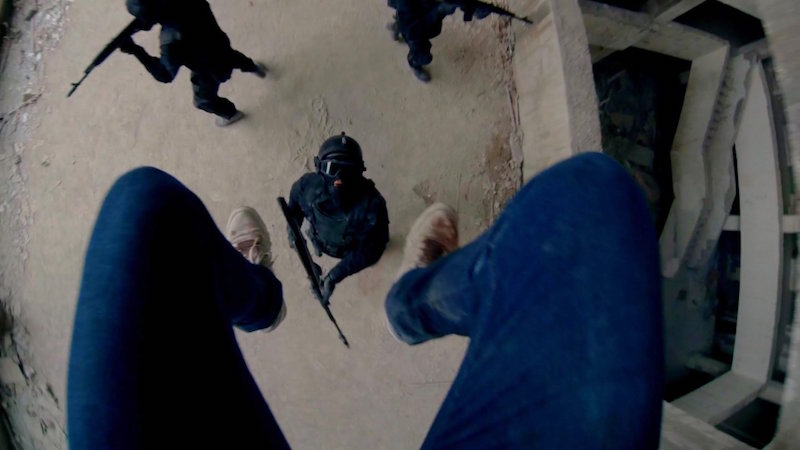
Incredibly violent with not much of a plot to go on, “Hardcore Henry” plays out like a video game.
Audiences aren’t really in control, however, as director Ilya Naishuller and his team of filmmakers take viewers on an insane, gore-filled ride for 90 minutes.
The hook here is simple.
Filmed with Go-Pro cameras, viewers see everything from the perspective of Henry, a once-dead human brought back to life through futuristic cyborg technology. Like almost every other action movie ever filmed, his mission is clear: save the woman he loves from a psychopathic villain and his army.
The technological wizardry required to develop the intense first-person shooter cinematography style of “Hardcore Henry” is simply astounding. “Hardcore Henry” was shot by three different cameramen, each taking turns playing the role of Henry while outfitted with a specialized helmet camera rig.
Every movement taken by Henry throughout the course of the film, from parkour style chase scenes to avoiding explosions on the freeway – is painstakingly shot by professionally trained stuntmen. “Hardcore Henry” puts the viewer in the driver’s seat and will be the closest most people will ever come to performing these mind-blowing feats.
Naishuller goes to great lengths to orient viewers in his cinematic world, keeping the pace down at the outset to prevent audiences from getting motion sickness. More sensitive viewers might want to steer clear, however, as the high-octane thriller moves into overdrive within the first 20 minutes and doesn’t let off the gas until the final seconds.
While action films vary on their level of violence, “Hardcore Henry” pushes the limits of gore to extreme measures and is definitely not for children. Characters are routinely stabbed, shot, decapitated and burned alive without hesitation and the graphic nature of these acts performed by Henry and others in the film is shown in complete detail.
Henry isn’t a character so much as an instrument for audiences to interpret the world of the film. In this regard, Naishuller – who also wrote the script – opted to render Henry mute. This enables viewers to better put themselves in Henry’s shoes as they follow the action, reinforcing the fact that they are quite literally Henry.
On his quest for vengeance and blood, Henry is aided by Jimmy, who may be one indestructible man with multiple personalities all played by “District 9” and “Elysium” star Sharlto Copley.
As the only developed character, Copley is a revelation as Jimmy, jumping from persona (indie punk rock Jimmy) to persona (military sniper Jimmy) to persona (hippie Jimmy) with ease. For what can best be described as a second-tier action film, Copley delivers a first-rate performance by elevating sub-par material beyond what it probably should have been.
Beyond Copley, most of the actors in the film don’t last long enough to matter save for Haley Bennett and Danila Kozlovsky. Bennett suffices as the pretty damsel in distress and Kozlovsky is an interesting choice to play the mysterious villain aiming to kill Henry just because, but neither stands out.
Veteran character actor Tim Roth makes a small, but important cameo as Henry’s father and the film would have been better served by expanding his role in the narrative.
As most second-rate action movies go, story and character development are tossed in the backseat with “Hardcore Henry.” Naishuller opts for bigger, bolder, bloodier action in lieu of giving viewers a satisfying storyline. It’s likely though that many audiences will be so entranced by the visuals that why things are happening won’t really matter.
Ultimately, “Hardcore Henry” isn’t as much a movie as it is a cinematic experience for the mature, blood-thirsty adult who routinely enjoys first-person shooter video games.
The point-of-view technology developed and used by Naishuller in “Hardcore Henry” has interesting and wide-ranging possibilities for other filmmakers, though the hope is that future films can better implement plot devices to keep the movie more engaging beyond a visual level.
Fans of Copley from “District 9” or “Elysium,” those wanting a bloody good time at the movies or moviegoers excited about the first-person perspective of the film will find “Hardcore Henry” exactly what they’re looking for. Other film fanatics should probably wait and take a chance on the film when it arrives on Bluray and DVD later this year.
 Cinematic Considerations