
Sunday was the biggest night of the year for professional football fans, but the annual Super Bowl once again proved to be pretty pivotal for Hollywood as well with studios pumping up some of the year’s biggest releases with TV spots during the game.
Eleven different films were directly featured throughout Super Bowl coverage with spots ranging from 30 seconds to a full two-minute trailer. Here’s my countdown of the best (and worst) movie trailers and TV spots from last night’s game. Largely, this ranking is based on how much I’m anticipating the films featured, but also includes some subjective thinking about the actual trailers themselves.
Honorable Mention:
Two different franchises promoted their characters in commercials touting other products, so it doesn’t feel right to rank them on the list. Consider these bonus clips.
https://m.youtube.com/watch?v=TReIozZ1b10
https://m.youtube.com/watch?v=qpk8eSpRBnY
Apparently, if you run an airline, you can be the official airline of a movie or movie franchise, which is what I guess Turkish Airlines was going for with these dueling spots for Batman vs. Superman: Dawn of Justice. A really neat premise featuring Jesse Eisenberg as Lex Luthor and Ben Affleck as Batman in commercials touting the airlines’ new stops in Metropolis and Gotham City, respectively. This would have ranked very high on the trailers list if it were eligible.
https://m.youtube.com/watch?v=OlZqBR3yTiw
Marvel got in on the act themselves, promoting the Marvel Cinematic Universe (and not really their two new movies coming out this year) with this really fantastic spot featuring Paul Rudd’s return as Ant-Man stealing a Coke Mini from Dr. Bruce Banner aka The Incredible Hulk. This is probably the best movie related spot of the whole night, but doesn’t specifically promote a movie, so off the list it goes.
11. Gods of Egypt
What can I really say about this trailer except that it looks like the spiritual brother to last year’s sci-fi train wreck Jupiter Ascending? This movie is so incredibly over the top and a terrible idea that it’s more likely to lose 50 million dollars than make it. You won’t even need to read my review to know that you should not see this movie.
10. Independence Day: Resurgence
From the world of film sequels nobody asked for stumbles Independence Day: Resurgence, which is on track to be this year’s Terminator: Genisys. Trading out Will Smith for Liam Hemsworth is a major, unforgiveable downgrade and only the interesting jet flyover turned alien battle to open the spot puts it above Gods of Egypt.
9. Eddie the Eagle
It’s a nice idea to prop up what looks to be a mediocre sports movie in the vein of Rudy, but about British ski jumping, by bringing top NFL quarterbacks who have nothing better to do than screen a movie and give it praise. There’s no elite stars in this spot – a Tom Brady or Tony Romo or Aaron Rodgers – so I guess they all thought the movie sucked.
8. The Secret Life of Pets
This TV spot is pitch perfect for what it’s trying to accomplish, being memorable and adorable at the same time. It’s an ideal teaser trailer for this venue with lots of little kids watching the early part of the game and getting excited after watching this spot. Connecting the film with the Despicable Me franchise (made by the same studio) through the use of a Minion was a nice touch.
7. Teenage Mutant Ninja Turtles 2
This might be a contender for worst film of 2016, but gosh darn it if they didn’t put out one heck of a TV spot. I vividly recall hating the first Teenage Mutant Ninja Turtles reboot, but this spot made me interested in the sequel in spite of that fact. Job well done.
6. 10 Cloverfield Lane
In the last month, the full trailer for this Bad Robot production and possible sequel to 2008’s monster epic Cloverfield arrived and nobody could quite figure out what the heck was going to happen.
This TV spot does a good job of furthering interest and yet not giving too much away, a marketing strategy that definitely worked well the first time around. 10 Cloverfield Lane could be a big hit or an absolute disaster, but it’s too soon to tell.
5. Deadpool
Now we start getting to the good stuff. Deadpool, which is currently sitting at 86 percent fresh on Rotten Tomatoes in advance of its opening on Friday, doesn’t really need to overwhelm audiences, especially since Ryan Reynolds and the crew have been promoting the heck out of this movie for several months and doing a killer job of it. With a spot that adds just enough excitement to peak interest at the right time, Deadpool is definitely a must see film this Valentine’s Day weekend, which is an incredibly weird thing to write.
4. X-Men Apocalypse
Finally, Jennifer Lawrence is going to star in the action-heavy movie we all thought Mockingjay Part 2 was going to be. Equal parts destruction and devastation, we get to see Oscar Isaac’s Apocalypse do some heavy damage and then get a surprise (at least to me) with the debut of Olivia Munn’s Psylocke slashing through a car with her psychic sword. Badass.
3. The Jungle Book
The only full trailer we got last night delivered in spades. Jon Favreau’s live action remake of the classic Jungle Book gives audiences a much clearer picture as to what the world of the jungle will look like, a couple more action sequences and a bit more of Bill Murray singing The Bare Necessities. It’s also important to note that there wasn’t a trailer for the new Tarzan movie last night, so that helps set The Jungle Book apart as well.
2. Captain America: Civil War
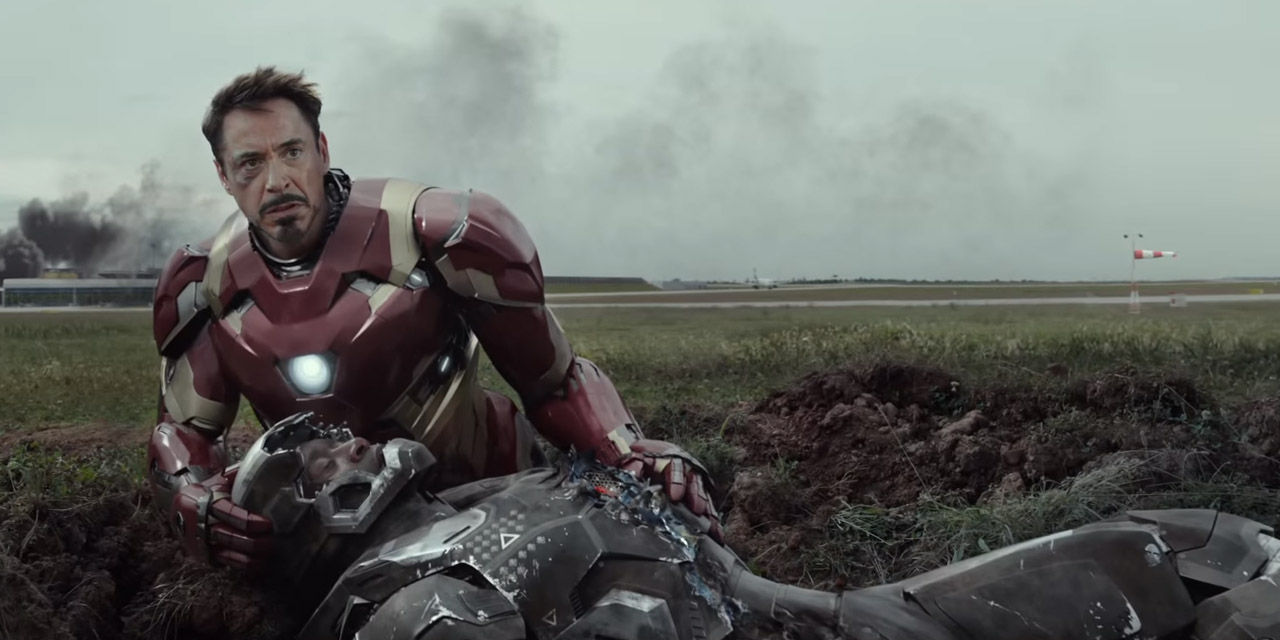
If you’re like me, you’ve been trying to avoid finding out which Avengers are on each side of the titular “Civil War” between Captain America and Iron Man, but there’s no avoiding it now after last night’s teaser trailer for what is sure to be an epic superhero overload. Another Black Panther sighting and confirmation of Ant-Man being a fighting member of Team Cap make this one to watch and my personal anticipation for this film drug it way up the list.
1. Jason Bourne
Many will disagree with this ranking, but on pure personal anticipation alone, the debut teaser trailer for Matt Damon’s return to the Jason Bourne franchise tops the list of Super Bowl trailers. How can you not get behind a Damon-led Bourne movie given how great the original Bourne trilogy was? Hopefully we’ll get some answers behind questions left unanswered at the end of the Bourne Ultimatum, including Bourne’s relationship with Nicky Parsons (Julia Stiles) and what all Bourne remembers. Pairing Damon with Supremacy and Ultimatum director Paul Greengrass is a recipe for success. Jason Bourne looks like an absolute asskicking good time.
Joel and Ethan Coen don’t owe us anything.
The writing/directing brothers and masterminds behind some of cinema’s best films over the last few decades – from The Big Lebowski and Fargo to No Country For Old Men and Burn After Reading – are allowed a pass every once in a while to take a big swing for the fences on a prestige picture and miss.
Hail, Caesar! is a huge swing and an even bigger miss.
In the big-budget Hollywood movie about big-budget Hollywood making big-budget Hollywood movies, we find Josh Brolin star as Eddie Mannix, a Michael Clayton-esque fixer who keeps the scandals of his top actors out of the press in a vague 1950s Los Angeles.
Since the film is ostensibly centered around Mannix, viewers are propelled alongside Brolin as he ping-pongs from one studio lot to the next, fixing issues with major stars and directors to try and keep a theatrical adaptation of a smash Broadway play, a cowboy western, an aquatic musical, and an Roman epic on par with Spartacus on track.
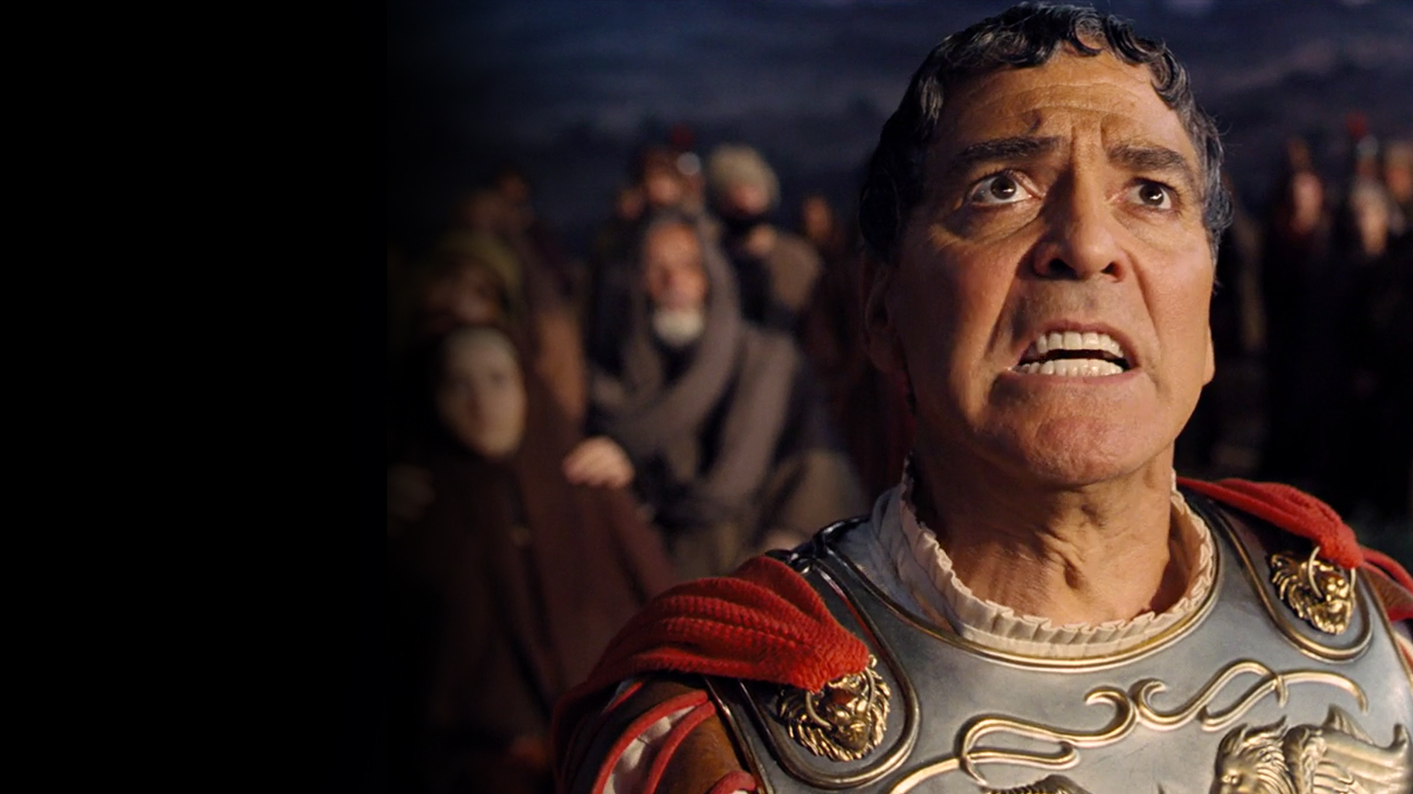
If that’s not enough, his biggest film’s biggest lead – George Clooney’s Baird Whitlock, star of film within a film Hail, Caesar! – has been kidnapped by an unknown group of rogue who may or may not be Communists.
Clocking in at well under two hours, Caesar! attempts to cram far too much into far too little time, leaving major stars like Scarlett Johansson and Jonah Hill with nothing more than extended cameos as a Esther Williams-type actress trying to hide her illegitimate pregnancy and a studio stooge, respectively.
This doesn’t even begin to question the decision to limit the screen time of Ralph Fiennes – perhaps Caesar’s best actor – who perfectly fits the comedic bill of what the Coens were trying to achieve with the film, their take on Wes Anderson’s fantastic The Grand Budapest Hotel.
For what actually appears on screen, Clooney does the best work of the film as an over-the-top, neurotic and complicated version of a Kirk Douglas-type actor kidnapped by an organization known simply as “The Future.” Audiences are largely left waiting for Clooney to reappear on screen to advance the real major storyline of the film while the Coens have Mannix meander throughout Hollywood and question whether or not he enjoys his job.
Channing Tatum offers an uneven performance as singing-dancing-acting triple threat Burt Gurney, a Gene Kelly knockoff starring in a picture about sailors about to go off to war. The musical number audiences see filmed midway through Caesar! is the single best scene in an otherwise muddled script and features Tatum at his finest since the original Magic Mike.
If there’s a true winner in Hail, Caesar! – since it certainly isn’t audiences – it has to be Alden Ehrenreich, a relatively unknown actor with minor screen credits before landing the part of cowboy actor Hobie Doyle, the singin’, lasso tossin’, gee shucks-iest kind of actor around. His welcome fresh face among the talented cast of veteran actors is refreshing and Ehrenreich performs with gusto enough to call it a breakout performance.
Visually, Caesar! works in the respect that everything feels vintage Hollywood, from the costuming to the sets and performances within each film. The 50’s vibe is definitely there, but the Coens don’t really seem to have a firm grasp on where they want to go with this movie, dragging viewers all over the place in order to come to a middling conclusion at the end.
While there’s all the pieces for a fantastic film, nothing really seems to come together in Hail, Caesar! – an early favorite for the year’s most disappointing movie. From top to bottom, the entire production feels out of sync and in need of major structural repair to a confusing, all over the map script that holds Caesar! back from being something better.
It’s massively frustrating to see some of Hollywood’s best talent wasted like this, but the Coens have earned a well-deserved pass like Hail, Caesar!
Capturing true heroism – and not simply the superhero-ism of Marvel movies and the like – on film is a tricky task.
Directors must find a difficult balance between effective cinematic storytelling and staying faithful to the real life events, which proves troublesome when the events a film is retelling can’t make up the entirety of a two-hour adventure.
It’s a problem that Michael Bay struggled with early in “13 Hours: The Secret Soldiers of Benghazi” and one director Craig Gillespie tackles in the uneven “The Finest Hours,” now in theaters from Walt Disney Pictures.
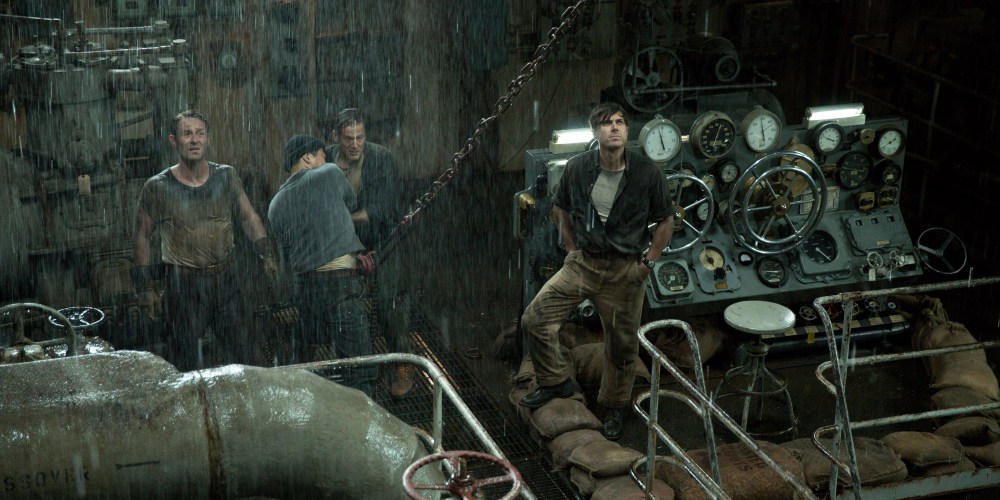
Chris Pine and Casey Affleck star in the “based on a true story” account of a small four-man Coast Guard team tasked with rescuing the crew of a large tanker boat broken in half by torrential weather on the high seas outside of Boston.
If there’s a reason to make sure and see “The Finest Hours” in theaters, it has to be the stunning special effects work done to create the film’s biggest character, a near-hurricane level storm called a nor’easter that rips apart several large T-2 oil tankers, including the S.S. Pendleton carrying Affleck’s Sybert and 32 other men.
“The Finest Hours” does the most effective job of visually capturing seafaring tales since 2000’s “The Perfect Storm,” a similar film about Boston-area fishermen trapped in a nor’easter and a hurricane. Moments on the Pendleton’s deck as well as on the Coast Guard’s small motor life boat achieve a pitch perfect level of tension and anticipation as viewers are thrust right into the heart of the storm, even though we never really get to witness the full fury of the sea that led to the Pendleton breaking apart.
The film suffers in its darkest lighting, with the deep blacks of the sky and ocean at night making it almost impossible for viewers to fully grasp the depth of the crewmen’s plight.
Pine offers a competent performance as young Coast Guard officer Bernard Webber, tasked with leading a team to save the stranded crew of the Pendleton, though in scenes out of the water, it often feels as if Pine is coasting through the material on cruise control, especially when it comes to his halfhearted attempt at Boston cadence.

Affleck, on the other hand, feels right at home in a quiet, yet powerful effort as Sybert, an engine room technician thrust into a leadership role when his captain goes down with the other half of the ship.
His workmanlike gravitas gives a sense of authenticity among a crew filled with stereotypes – the cook singing “Sit Down, You’re Rocking the Boat” from “Guys and Dolls,” the young hand afraid of water and the brash veteran who disagrees with decisions just to be disagreeable. Affleck proves to be the best actor in the film by a wide margin and it shows in nearly every scene.
Veteran character actor Eric Bana muddles his way through a lackluster performance as the film’s secondary antagonist (behind the storm itself), a U.S. Coast Guard officer who orders Pine’s Webber and his crew out and sports an ineffective, lazy Southern drawl. Needless to say, outside of Affleck’s natural Boston intonation, accents aren’t a strong suit among the cast.
In order to tie everything happening on the water back to the loved ones waiting on shore, “Finest Hours” screenwriters Scott Silver, Paul Tamasy and Eric Johnson insert a mild romantic element into the film, unnecessarily driving a third storyline into the mix to pull screen time away from the men aboard the Pendleton and the Coast Guard crew desperately trying to save them.
This isn’t to say that newcomer Holliday Grainger isn’t effective in her role as Webber’s love interest turned fiancée Miriam, but rather that this extraneous portion of the film slows “The Finest Hours” down and adds a good 20 minutes to an already long two-hour running time.
“The Finest Hours” is a competently, largely effective historical drama of survival and bravery, though largely un-memorable outside of the most harrowing moments of the storm.
While a trip to the theaters to experience the power of the seas shouldn’t be out of the question, viewers could just as easily wait to catch Gillespie’s film on basic cable by the end of the year and not miss out on much.

DreamWorks Animation, a studio that’s struggled to find success in the last five years aside from 2014’s How to Train Your Dragon 2, burst back onto the scene in a major way last weekend with the release of Kung Fu Panda 3, which returned unlikely hero Po and his gang of do-gooder friends back to action.
While Pixar has been at the forefront of innovative animation with the visual marvels that were Inside Out and The Good Dinosaur, DreamWorks succeeds with a film that looks like a hand-drawn comic book brought to life rather than computer generated cinema.
What makes the Kung Fu Panda series flow – aside from the top-notch animation of course – is the talented and deep cast of voice actors led by the lovable Jack Black as Po.
Black brings such a warm effervescence to the role that it’s nearly impossible for kids and adults alike not to enjoy scenes featuring Po being silly or a tad slow. The effortless way Black is able to elevate the third installment’s poorly written script from Jonathan Aibel and Glenn Berger well beyond what the film should have been capable of is truly remarkable.
In addition to returning voice talent including Angelina Jolie, Dustin Hoffman, Jackie Chan, Lucy Liu, David Cross and Seth Rogen, Kung Fu Panda 3 also sports a trio of new characters to the mix with varying degrees of success.
Oscar winner J.K. Simmons, who wowed audiences as a villainous jazz band leader in Whiplash, proves he can bring the bad with only his voice as the evil Kai, a bull on the rampage who comes back from the dead to steal everyone’s chi. As ridiculous as that sounds, Simmons makes the character work by not taking things so seriously and just letting Kai flow out of him. Simmons, an expert character actor, was a pitch perfect choice for the role.

In the other major plot line of the film, Po finally learns he’s not the last panda on the planet and meets his dad Li, voiced by Breaking Bad’s Bryan Cranston, and a host of other pandas, including a pseudo-love interest in Mei Mei, voiced by Kate Hudson.
Of the two, Cranston’s Li is much more successful, mainly because Cranston is given a much wider berth from which to work with and is a central part of moving the story along. Hudson’s Mei Mei feels rather pointless in the grand scheme of things, since directors Alessandro Carloni and Jennifer Yuh opt to back off from a connection between Po and Mei Mei as soon as they establish one. The film would have been better off saving Mei Mei for the inevitable fourth installment and featuring a possible romance storyline front and center.
Look, this is an animated film with a target audience of elementary and early middle school students, so we’re not talking about a future Oscar winner here,
though a nomination for best animated film wouldn’t be out of the question based on the visual merits of the movie alone.
The script is sparse and bland and there’s too many pop culture references (including a homage to Imagine Dragons’ song “I’m So Sorry” and a way outdated and super obvious “Kung Fu Fighting” leading into the credits), but the third installment lives up to expectations and more.
It’s early in the year, but Kung Fu Panda 3 is one of 2016’s best releases and something children and adults of all ages can enjoy together.
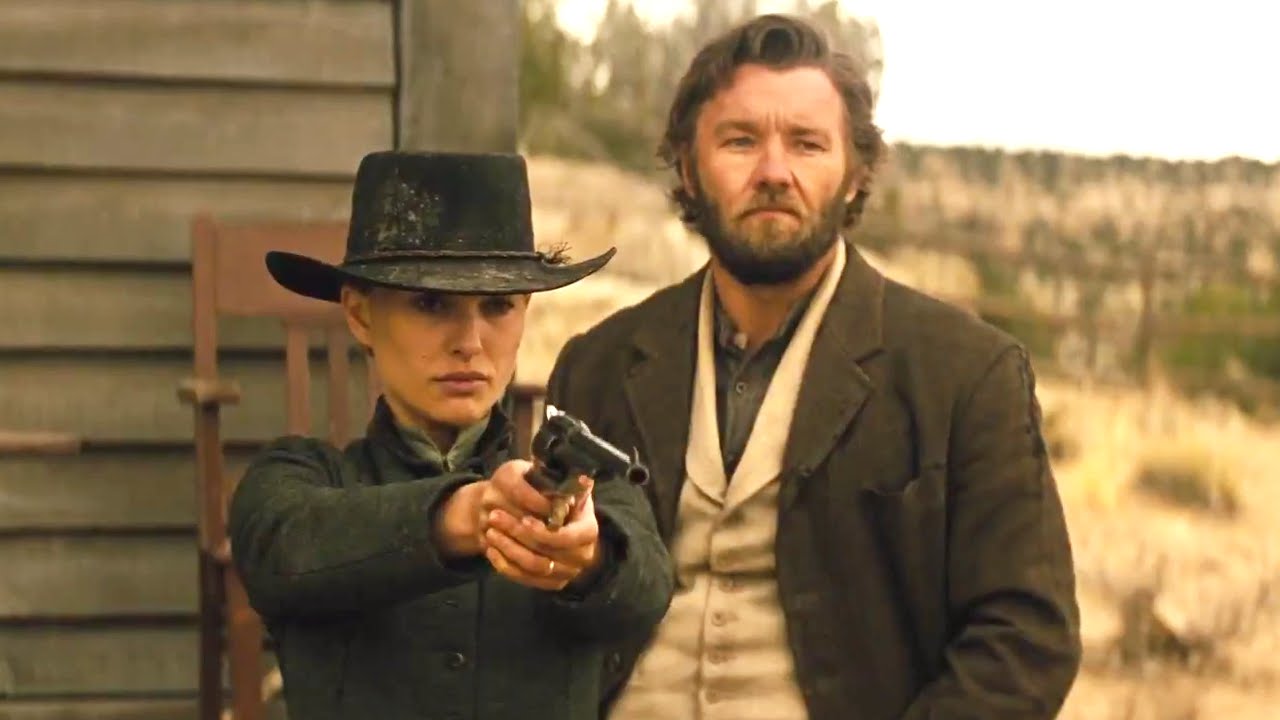
Jane Got a Gun, a new western starring Natalie Portman and Joel Edgerton, never really stood a chance – at least not to get a fair share of the audiences cramming into theaters to see things like Ride Along 2, The Boy, The Forest and The Finest Hours.
Originally slated to come out almost a year and a half ago, this slow-burn thriller has sat on the shelves in Hollywood when its original distributor, Relativity Media, went belly up and lost their rights to the film. By July 2015, nearly a year after its initial expected release date of August 29, 2014, Jane Got a Gun fell into the hands of The Weinstein Company, who put the completed movie back on track for release.
It’s a film that could have starred Michael Fassbender or Jude Law or even Bradley Cooper, all of whom signed on for the film at one point or another before having to drop out due to scheduling conflicts.
Jane Got a Gun is a cursed film, to say the least.
https://m.youtube.com/watch?v=XsTWArbgeD8
Last year’s embattled and shelved western, Serena starring Jennifer Lawrence and Bradley Cooper, was far less entertaining that the Portman and Edgerton led Jane Got a Gun, which certainly isn’t quite on the same level as the Coen brothers’ remake of True Grit or the Russell Crowe-led 3:10 to Yuma, but is the best traditional western in several years.
Portman has been out of the limelight for a while, with a handful of appearances in Marvel movies and second rate comedies littering her IMDB page since her Oscar winning turn as ballerina Nina Sayers in the psychological thriller Black Swan in 2010.
In Jane, Portman finds herself a compelling, yet underdeveloped character who has a singular need to protect her daughter, and by extension, her outlaw husband from a bandit gang led by an unrecognizable Ewen McGregor. Unfortunately, Portman shows little romantic interest in her bed-ridden, bullet-riddled husband, played by a game Noah Emmerich, but much of Jane Got a Gun glosses over the husband anyway.
Though Portman is a producer, star and the title character of what was supposed to be a female empowerment western, the real standout in Jane Got a Gun is the underappreciated Joel Edgerton as Dan, Jane’s former fiancé and gunslinger reluctant to come to her aid. A true character actor, Edgerton melts away, leaving viewers watching Dan struggle with Jane’s unclear choices and
While John Bishop isn’t a ground-breaking villain, Ewen McGregor portrays the bandit gang leader so effortlessly than most audiences will fail to even recognize the Scottish star best known for his roles in Moulin Rouge and as a young Obi Wan Kenobi in the Star Wars prequel trilogy.
Within Jane Got a Gun, director Gavin O’Connor does an admirable job of keeping things interesting visually despite the slow pace of the film, with several moments within Jane being downright gorgeous cinema.
Much better suited for at home audiences streaming on Netflix, Jane Got a Gun is a competent, yet misunderstood western done wrong at every turn in the production process that ends up being better than the sum of its parts, but can’t overcome all of the hurdles thrown at it. Portman’s the big name on the poster, but Edgerton’s the real show to see in this up-and-down film for hardcore western fans only.
Most years, picking Academy Award winners can be pretty straightforward. There’s a movie that’s heads and tails above the rest and you can hit a pretty high percentage of correct predictions by picking that movie as the winner in every category it’s eligible in. You’re not going to hit them all, but that’s okay.
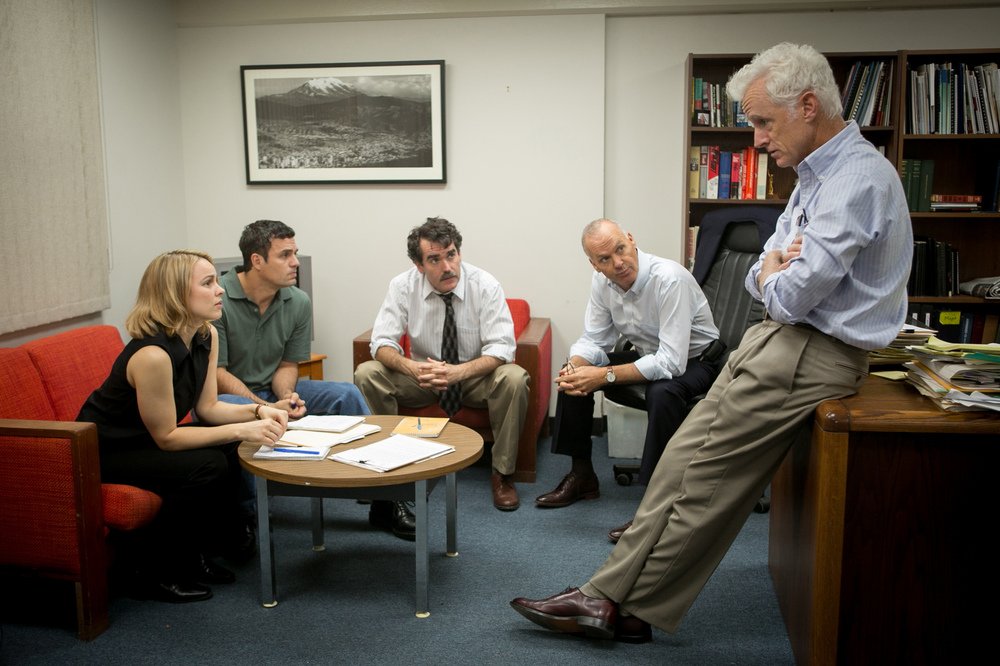
2015 isn’t one of those years because instead of one lead movie, you could make a reasonable argument for four different films – the Leonardo DiCaprio led The Revenant, the Matt Damon led The Martian, George Miller’s post-apocalyptic adventure Mad Max: Fury Road and the journalism ensemble film Spotlight – to be the presumptive favorite.
Those who have taken the time to read my Best of 2015 column can probably guess where I’m coming from with many of these selections and it’s a good piece to accompany this one when filling out your Academy Award ballots. You can read it at https://m.facebook.com/notes/cinematic-considerations/2015-a-cinematic-year-in-review/890223587752295/?refid=17&_ft_=top_level_post_id.890223587752295%3Atl_objid.890223587752295
If you absolutely can’t get enough Oscars talk – and I know I can’t – check out this podcast from Hill Country Film Festival alumni filmmaker Nathan Crenshaw and his podcasting partner Kory Hill. The Filmventure podcast is a great fun ride to listen to and gets my highest recommendation for those times you’re driving around town and need something enjoyable to listen to. Check them out at http://filmventure.libsyn.com. Episode 23 is their Oscar nominations pod.
I’ve included their picks to win if you don’t have time to check out their podcast, which you should do anyway. You can sleep when you’re dead.
Writing (Original Screenplay): Bridge of Spies, Ex Machina, Inside Out, Spotlight, Straight Outta Compton
This category is ultimately a two horse race with Best Picture contender Spotlight leading the way and sci-fi thriller Ex Machina on the outside. The underappreciated Straight Outta Compton blew everyone away with how well of a film it actually was as opposed to how bad it could have been and is just as much of a surprise as the sleeper hit Ex Machina, if not more so.
Filmventure says: Nathan picks Spotlight, Kory picks Ex Machina
Will win: Spotlight
Should win: Straight Outta Compton
Writing (Adapted Screenplay): The Big Short, Brooklyn, Carol, The Martian, Room
It’s strange to think that neither of the leading contenders for Best Picture – Mad Max: Fury Road or The Revenant – received an adapted or original screenplay nomination since that typically feels like a given based on Oscar history. What is left in the adapted category is a wide assortment of top films that all have winner potential, but this award has to go to a film that took overly complex financial concepts and made them understandable for wide audiences.
Filmventure says: Nathan picks Room, Kory picks The Martian
Will win: The Big Short
Should win: The Big Short
Visual Effects: Ex Machina, Mad Max: Fury Road, Star Wars: The Force Awakens, The Martian, The Revenant
A lot of CGI work was done by four of the nominees in this category, but only one used 90 percent practical effects to mesmerize audiences, making George Miller’s post-apocalyptic epic a no-brainer.
Filmventure says: Nathan picks Star Wars: The Force Awakens, Kory picks Mad Max: Fury Road
Will win: Mad Max: Fury Road
Should win: Mad Max: Fury Road
Sound Mixing: Bridge of Spies, Mad Max: Fury Road, The Martian, The Revenant, Star Wars: The Force Awakens
Variety has a fantastic primer online that explains the intricacies of sound mixing and sound editing and what makes them different. They also rightly make the case for more technical awards for George Miller’s movie. Check it out at http://variety.com/2016/artisans/production/oscars-sound-editing-mixing-explained-1201682457/
Filmventure says: Nathan and Kory pick Mad Max: Fury Road
Will win: Mad Max: Fury Road
Should win: Mad Max: Fury Road
Sound Editing: Mad Max: Fury Road, The Martian, The Revenant, Sicario, Star Wars: The Force Awakens
Filmventure says: Nathan picks Mad Max: Fury Road, Kory picks Star Wars: The Force Awakens
Will win: Mad Max: Fury Road
Should win: Mad Max: Fury Road
Short Film (Live Action): Ave Maria, Day One, Everything Will Be Okay, Shok, Stutterer
Short films are such a crap shoot for 99.9 percent of Americans (like me) because we haven’t seen any of them. This is just a guessing game.
Filmventure says: Nathan picks Day One, Kory picks Shok
Will win: Everything Will Be Okay
Short Film (Animated): Bear Story, Prologue, Sanjay’s Super Team, We Can’t Live without Cosmos, World of Tomorrow
Sanjay’s Super Team debuted in front of the Pixar film The Good Dinosaur and World of Tomorrow is on Netflix, but again, total crapshoot.
Filmventure says: Nathan and Kory pick World of Tomorrow
Will win: We Can’t Live without Cosmos
Production Design: Bridge of Spies, The Danish Girl, Mad Max: Fury Road, The Martian, The Revenant
It’s a shame that Brooklyn isn’t nominated here over Bridge of Spies with its superior vintage feel, but the film is way underappreciated as a whole. This is either Mad Max or The Revenant with an outside shot for The Martian.
Filmventure says: Nathan and Kory pick The Revenant
Will win: Mad Max: Fury Road
Should win: The Revenant
Music (Original Song): Earned It from Fifty Shades of Grey, Manta Ray from Racing Extinction, Simple Song #3 from Youth, Writing’s On The Wall from Spectre, Til It Happens To You from The Hunting Ground
Do yourself a favor and Google Spectre, the unreleased title track from the Bond film of the same name by Radiohead. It’s the best song associated with the latest James Bond movie and FAR superior to the whiny, bland Sam Smith song Writing’s on the Wall that will ultimately take this category. Diane Warren plus Lady Gaga for Til It Happens to You is a great combination among the actual contenders.
Filmventure says: Nathan and Kory pick Writing’s on the Wall
Will win: Writing’s on the Wall
Should win: Til It Happens to You
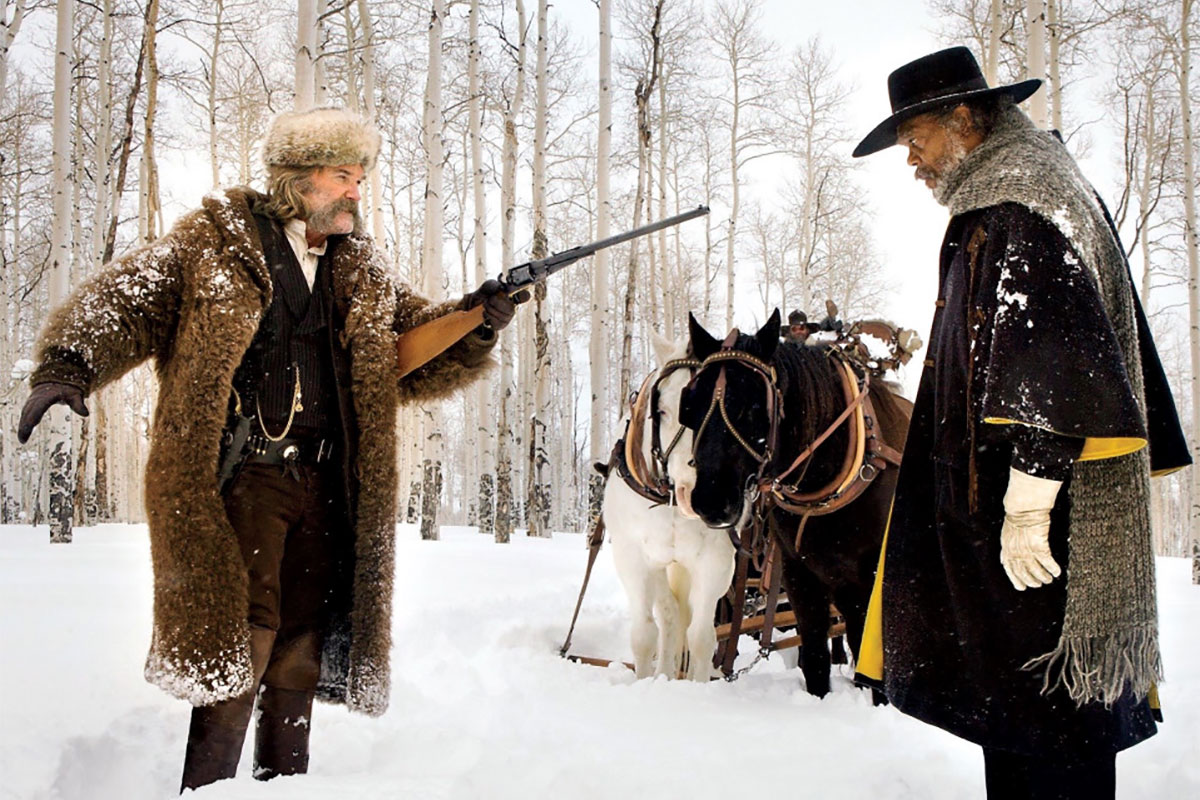
Music (Original Score): Bridge of Spies, Carol, The Hateful Eight, Sicario, Star Wars: The Force Awakens
Legendary composer Ennio Morricone, known for his iconic scores to the Clint Eastwood Man with No Name trilogy and Once Upon a Time in America, has never won an Academy Award in this category despite five decades of masterful work. This feels like a sure thing.
Filmventure says: Nathan and Kory pick The Hateful Eight
Will win: The Hateful Eight
Should win: The Hateful Eight
Makeup and Hairstyling: Mad Max: Fury Road, The 100-Year-Old Man Who Climbed Out The Window and Disappeared, The Revenant
There’s only two options of note here and either could win, but my bet is that voters will appreciate the more striking makeup of Mad Max over the more subtle looks of The Revenant.
Filmventure says: Nathan and Kory pick Mad Max: Fury Road
Will win: Mad Max: Fury Road
Should win: Mad Max: Fury Road
Foreign Language Film: Embrace of the Serpent, Mustang, Son of Saul, Theeb, A War
Nobody has really seen any of these movies, especially your average Oscar voter, and the win will go to the film that everybody has heard of since it’s on an awards winning streak.
Filmventure says: Nathan and Kory pick Son of Saul
Will win: Son of Saul
Film Editing: The Big Short, Mad Max: Fury Road, The Revenant, Spotlight, Star Wars: The Force Awakens
Perhaps the most underrated element of The Big Short is how rapidly the film jump cuts through scenes and uses superior editing to help set viewers up in the time period with quick snippets of pop culture references. It’s also the nominee easiest to pick out the work of the film editor, which helps voters who don’t normally pay attention to the way a film is pieced together.
Filmventure says: Nathan picks The Big Short, Kory picks The Revenant
Will win: The Big Short
Should win: The Big Short
Documentary (Short Subject): Body Team 12, Chau beyond the lines, Claude Lanzmann: Spectres of the Shoah, A Girl in the River: The Price of Forgiveness, Last Day of Freedom
Hey, here’s a crapshoot.
Filmventure says: Nathan picks Body Team 12, Kory does not pick
Will win: Last Day of Freedom
Documentary (Feature): Amy, Cartel Land, The Look of Silence, What Happened Miss Simone?, Winter on Fire: Ukraine’s Fight for Freedom
Perhaps the best slate of documentaries in quite some time, this year’s Oscar nominees pack a lot of firepower, from the dynamic biography of Amy Winehouse filled with exclusive performances and home movies to the spectacular looks at the war against a Mexican drug cartel in Cartel Land and peaceful student revolutionaries in Winter on Fire.
The boys from Filmventure, mainly Kory, are wrong when they make it sound like these films aren’t worth watching. Some of the year’s best filmmaking can be found in this category and three of the nominees – Cartel Land, What Happened Miss Simone? and Winter on Fire – can all be found on Netflix.
Filmventure says: Nathan picks The Look of Silence, Kory does not pick
Will win: Amy
Should win: Amy
Directing: Adam McKay for The Big Short, George Miller for Mad Max: Fury Road, Alejandro Inarritu for The Revenant, Lenny Abrahamson for Room, Tom McCarthy for Spotlight
Let’s start with the elephant in the room here. No Ridley Scott in this category is a downright shame, especially since The Martian was absolutely dominant at the box office AND was one of the three best films of the entire year. It’s a snub at the same level as Ben Affleck getting passed over for Argo. Absolutely no reason for it.
That being said, this category should be simple, but isn’t. Alejandro Inarritu would have won this category hands down if he wasn’t just coming off a win in the category last year. There’s too many other talented directors in this category for a repeat. George Miller created a world unlike anything we’ve seen in Mad Max: Fury Road, a movie nobody saw coming until Cannes.
But this will be a major surprise win for Adam McKay, who helmed a film based on economic concepts the vast majority of Americans still don’t understand.
Not only does The Big Short make credit default swaps, mortgage bonds and massive fraud on Wall Street relatable for the average viewer, but it’s entertaining as hell to boot. The film’s upset win at the Producers Guild Awards could be a preview of major surprises to come.
Filmventure says: Nathan and Kory pick George Miller
Will win: Adam McKay (in a massive upset)
Should win: Alejandro Inarritu
Costume Design: Carol, Cinderella, The Danish Girl, Mad Max: Fury Road, The Revenant
Again, this is another category that Brooklyn deserves to earn a nomination for, but among the actual nominees, a win for Mad Max or The Revenant could foreshadow a Best Picture win. Probably, this will be an opportunity for the Academy to honor Carol or The Danish Girl, which will likely be shut out of the acting awards.
Filmventure says: Nathan and Kory pick Cinderella
Will win: Carol
Should win: The Revenant

Cinematography: Carol, The Hateful Eight, Mad Max: Fury Road, The Revenant, Sicario
Emmanuel Lubezki – winner in this category the last two years for Gravity and Birdman – will win again. The expert use of natural lighting in The Revenant far outshines all the other nominees in the category. Just watch a trailer. You will agree.
Filmventure says: Nathan and Kory pick The Revenant
Will win: The Revenant
Should win: The Revenant
Animated Feature Film: Anomalisa, Boy and the World, Inside Out, Shaun the Sheep Movie, When Marnie was There
One of these days, it will be easier to choose a winner in this category when all the nominees are widely available. This year is not one of those years, but thankfully, the front runner and eventual winner is the biggest animated film of 2015, Inside Out.
Filmventure says: Nathan picks Anomalisa, Kory picks Inside Out
Will win: Inside Out
Should win: Inside Out
Actress in a Supporting Role: Jennifer Jason Leigh for The Hateful Eight, Rooney Mara for Carol, Rachel McAdams for Spotlight, Alicia Vikander for The Danish Girl, Kate Winslet for Steve Jobs
Jennifer Jason Leigh gets the absolute crap knocked out of her all throughout Quentin Tarantino’s The Hateful Eight and while the performance will have its supporters, the film as a whole feels far too violent and brutal for Leigh to get the serious consideration she deserves.
Ultimately this will be a two-horse race between Alicia Vikander for The Danish Girl and Kate Winslet for Steve Jobs. Even though Winslet won the Golden Globe, Vikander may be the favorite for a performance few Americans outside the Academy have seen.
Filmventure says: Nathan and Kory pick Alicia Vikander for The Danish Girl
Will win: Kate Winslet for Steve Jobs
Should win: Jennifer Jason Leigh for The Hateful Eight
Actor in a Supporting Role: Christian Bale for The Big Short, Tom Hardy for The Revenant, Mark Ruffalo for Spotlight, Mark Rylance for Bridge of Spies, Sylvester Stallone for Creed
Sylvester Stallone will be the sentimental choice here for his solid performance as his famed boxed Rocky Balboa in Creed. The Academy’s desire to honor a film with diversity following the events of #OscarsSoWhite should help propel this performance to a win.
That being said, Tom Hardy is an absolute revelation as the antagonist fur trapper Fitzgerald in Alejandro Inarritu’s The Revenant in a performance that few are talking about with Leonardo DiCaprio’s run at a first Oscar win and the stunning visuals dominating every conversation about the year’s best film.
Filmventure says: Nathan and Kory pick Sylvester Stallone for Creed
Will win: Sylvester Stallone for Creed
Should win: Tom Hardy for The Revenant
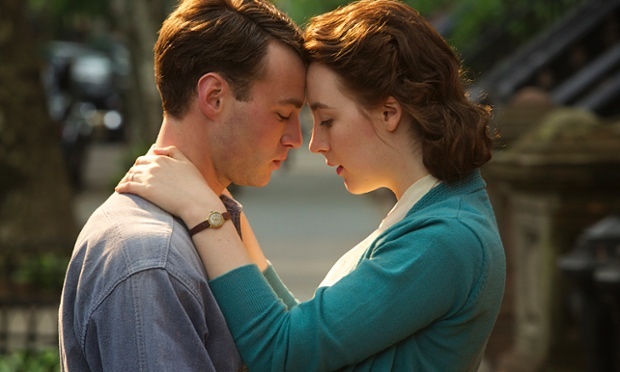
Actress in a Leading Role: Cate Blanchett for Carol, Brie Larson for Room, Jennifer Lawrence for Joy, Charlotte Rampling for 45 Years, Saoirse Ronan for Brooklyn
Brie Larson is a terrific actress and sneaky good in the Amy Schumer-led Trainwreck. She’s also the presumptive winner for Best Actress for her performance in Room and nothing I say can dispute that, since like most of America, I haven’t seen the film myself. Larson is winning this category at every awards show around, so this should be simple.
Saoirse Ronan (it’s pronounced ser-sha, like inertia) offers the year’s best performance by a female, leading or supporting, that I’ve seen for her work in the romance film Brooklyn and it’s just a shade below DiCaprio for the year’s single best performance. Run see this film as soon as you can.
Filmventure says: Nathan and Kory pick Brie Larson for Room
Will win: Brie Larson for Room
Should win: Saoirse Ronan for Brooklyn
Actor in a Leading Role: Bryan Cranston for Trumbo, Matt Damon for The Martian, Leonardo DiCaprio for The Revenant, Michael Fassbender for Steve Jobs, Eddie Redmayne for The Danish Girl
In another year, Matt Damon should win for his all-encompassing performance in The Martian, a movie that just completely bombs in the hands of almost any other actor.
But this is DiCaprio in The Revenant. Everything that needs to be said about his work in this film can be found here https://cinematicconsiderations.com/2016/01/13/the-revenant-dicaprios-lead-performance-oscar-worthy/.
Filmventure says: Nathan and Kory pick Leonardo DiCaprio for The Revenant
Will win: Leonardo DiCaprio for The Revenant
Should win: Leonardo DiCaprio for The Revenant
Best Picture: The Big Short, Bridge of Spies, Brooklyn, Mad Max: Fury Road, The Martian, The Revenant, Room, Spotlight
Bet you won’t see this one coming.
There’s an outside chance – I’d put it at like 20 percent – that a film many would think the studio behind the film, Paramount Pictures, is just happy to be nominated will end up winning the whole shabangabang. Don’t discount my upset special, which will need things to break right for it to have a clear shot. If Mad Max and The Revenant split votes from Academy members who can’t come to a decision on a clear-cut victor, then a secondary faction strongly behind another film may have a chance.
That being said, a betting man would probably put their money on The Revenant, and that’s the best option on the board.
Filmventure says: Nathan picks The Revenant, Kory picks Mad Max: Fury Road
Will win: The Revenant
Should win: The Revenant
Upset special: The Big Short
I love movies.
I know. That seems like an all too obvious statement for a film critic to make, but I still feel like it needs to be said. People can like movies, or people can love A movie, but less people just love movies.
Smart ones, dumb ones, big ones, small ones, ones that make you think, ones you can turn your brain off while watching. I’m down with them all. Yes, I sound like Dr. Seuss when I write like that, but it’s just coincidental.
Typically, when I review films, I do my best to leave the words I or me out of the conversation, because at the end of the day, this isn’t really about me or who I am; it’s about the movies. I also don’t subscribe to the argument many film critics will make that they are journalists and have to write about movies as such.
But it’s important for you, the reader, to know where I’m coming from, since Cinematic Considerations isn’t going to be like any other movie review you ever read. So this is me and my cinematic journey.
I liked movies as a kid – even owned and re-watched more than your average child probably should – but I couldn’t really say I LOVED movies.
It wasn’t until college and those long lonely nights in an otherwise empty dorm room where I truly found the allure of film, falling asleep to the same two or three movies on rotate (with or without the commentary track).

I’d fall asleep to Bill Murray sort of romancing Scarlett Johansson in Sofia Coppola’s 2003 dramedy Lost in Translation, or watching Jim Carrey pine over the fading memory of Kate Winslet in 2004’s Eternal Sunshine of the Spotless Mind. My irrational obsession over the career of Matt Damon thanks to the Jason Bourne trilogy also happened over this period of time.
I learned then something I find to be completely true still to this day. The right movie seen at the right time in the right frame of mind can work wonders for the soul.
Now I’m not talking about watching Pineapple Express or Zombieland while hung over on a Saturday morning eating cold pizza, though that does happen from time to time in people’s lives and both are excellent choices on such occasions.
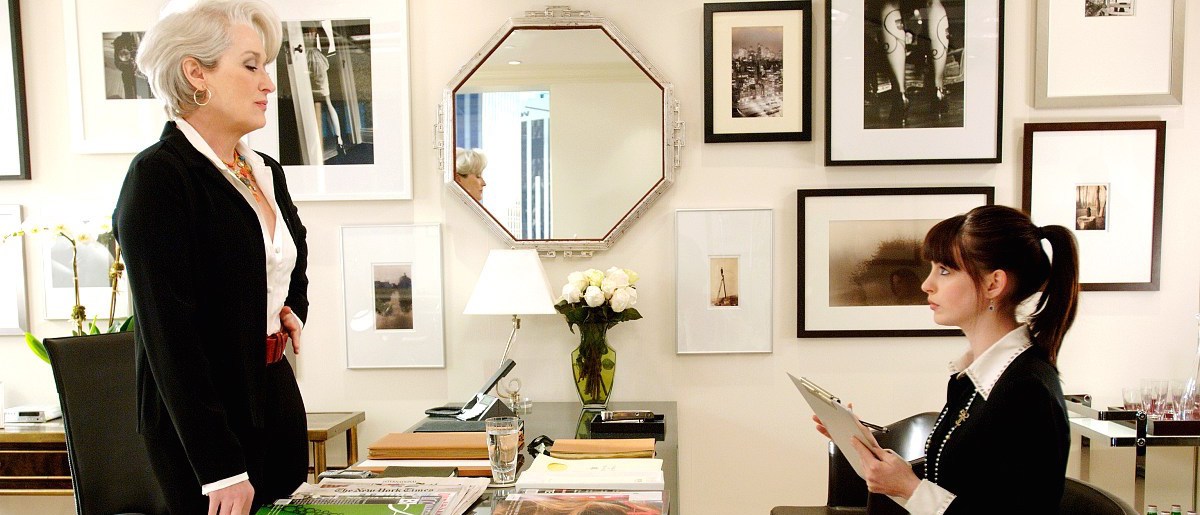
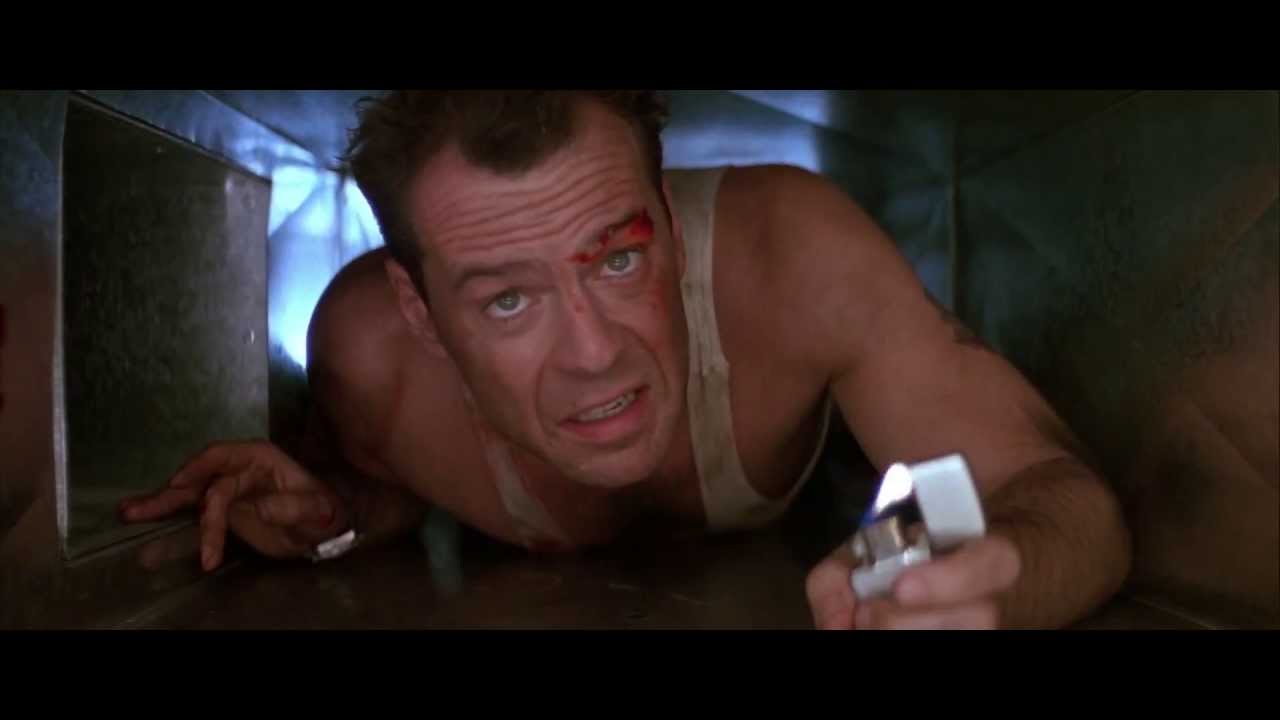
I’m talking about how watching The Devil Wears Prada when you’ve had yet another rough day at the office and you just can’t stand another second working for a terrible boss can give you some perspective. Or how watching It’s A Wonderful Life can put you in the holiday spirit. (I really mean Die Hard, but that’s a topic for another time.)
As a film critic, my goal isn’t to get you to race out to the theaters to catch a new release or save you the time and trouble of sitting through something terrible (as much as I may want to).
Cinematic Considerations is about starting a conversation and getting your interest piqued in a movie or genre you hadn’t considered before, but in the end, you’re going to be the one to decide whether or not you should go see whatever film I happen to be reviewing.
Be a smart moviegoer. Watch the trailer before you go see a movie, read my review and head on out to the theaters. Know what you’re getting into in advance. Don’t be the person who walks into a movie hoping to see Meryl Streep, wait two hours for her to appear and then bitch when she isn’t even in the film you saw.
I read a lot of movie reviews – typically after I watch a movie, but sometimes to pique my interest as well. Even us critics don’t want to watch EVERYTHING Hollywood tries to cram down the throats of the general public.
Nine out of ten reviews will spend an inordinate amount of time telling you what happens in the movie, and with the word counts prevalent in print media across the country, all too often you’re getting 80 percent plot synopsis and 20 percent actual review of the film. That’s ridiculous.
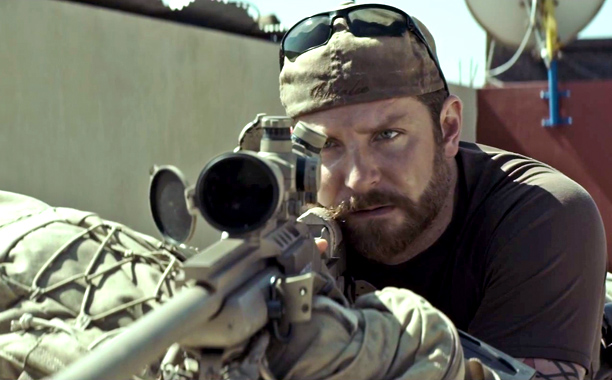
You didn’t check out a review of American Sniper to have the writer spend most of his space telling you who Chris Kyle is or what he was doing in Iraq that made him so famous. You want to know if the movie’s any good or not (Spoiler alert: it’s amazing) and what the deal with that fake baby is.
I refuse to dumb things down in my reviews because I believe you, the reader, aren’t dumb. (You’re reading Cinematic Considerations, so that makes you pretty damn smart in my book.)
As a result, I’m not going to waste time writing about what happens in a movie you’ve either already seen and remember what happens, or haven’t seen the film yet and don’t want to be spoiled. Enjoy the movie on your terms, not based on what a critic thinks or doesn’t think is important for you to know before you see a movie. That’s what trailers are for.
I’m going to give it to you straight with no frills and no apologizes. If a movie sucked, I’m not going to say it wasn’t that great. That movie sucked.
What I will offer you, readers of Cinematic Considerations, is unfiltered analysis and opinions on today’s newest releases with hopefully some conversation starters, classic movie reviews and independent film highlights along the way.
You’ll usually get references to other movies in my reviews, which are mainly there to spark a dialogue, get people thinking about other films in the context of the one I’m reviewing and to possibly give you something else to watch on Netflix or the like when you get home from the theaters.
The power of cinema is something unrivaled by other mass media these days. Good movies can give you just what you need, bad movies can put you on the wrong track and great movies can inspire beyond anything you might have dreamed possible.
Thanks for letting me help guide you along the way.

Brooklyn: Beauty in duality
Describing “Brooklyn” to someone who has never heard of the Oscar-nominated film based on the novel of the same name by Colm Toibin isn’t as easy of a task as one might think.
It would be a gross over-simplification to call the film a romance period piece where a young Irish immigrant named Eilis – played by Academy Award nominee Saoirse Ronan – falls in love with an Italian-American plumber, Tony, and is torn between her life in America and her homeland, where her mother and a rich suitor await her return.
“Brooklyn” isn’t even just a simple story of immigration following the tale of one of millions of European youth who move to America’s great melting pot of New York City during the mid 1950s. Nevertheless, director John Crowley’s film is a refreshing take on an increasingly lackluster topic in modern cinema.
There’s a true duality about “Brooklyn” beyond choosing between Ireland and New York or an American love versus an Irish one.
At its core, the period drama is about Eilis, a 20-something girl learning to find herself and become her own woman, and it’s about Ronan, the 21-year-old future star and two-time Oscar nominee discovering herself as an actress, all while audiences get to experience their growth and change alongside them like flies on the wall.
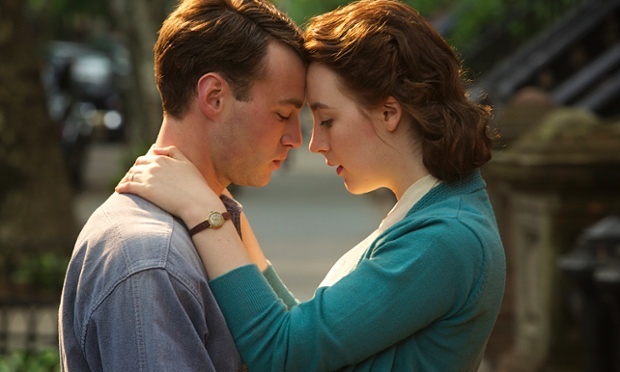
Ronan masters the real heart of the film – a young girl’s evolution into womanhood – within each major beat of “Brooklyn,” emoting with simple changes in facial expression during Crowley’s frequent close-ups to further Eilis’s journey ever so slightly.
Moment by moment, Ronan breaks Eilis out of her cocoon subtly and effortlessly in such a way that audiences may not recognize how beautiful Ronan’s performance truly is on a first viewing.
Emory Cohen, doing his best Marlon Brando impersonation, charms the hearts of both Eilis and audience members as young Italian-American plumber Tony while Domnhall Gleeson – growing in his own right as an actor with a magnificent leading role in the sci-fi indie “Ex Machina” as well as supporting roles in “The Revenant” and “Star Wars: The Force Awakens” – offers the perfect, subdued counterbalance to Cohen as Eilis’s Irish suitor Jim Farrell.
The film also rightly surrounds Ronan with a pair of elite character actors to guide her along the way including Academy Award winner Jim Broadbent as a Catholic priest who helps Eilis travel to America.
Julie Walters is a sensation as the brash, stern mother hen who lords over the boarding house where Eilis and several other young Irish immigrant girls stay until they find a husband.
Walters commands the room at all times with a ruthless efficiency of Meryl Streep, but can also connect with Ronan quite tenderly in one-on-one moments and deliver side-splitting quips at the drop of a hat.
Unlike most of the year’s best films, “Brooklyn” isn’t going to hit viewers over the head with a grand, showy entrance or fancy technical wizardry.
Director John Crowley doesn’t swing for the fences, trying to hit a home run each and every scene. “Brooklyn” is a slow burner, a film that solidly builds on a scene to scene basis, captivating and mesmerizing audience members willing to let Ronan take their breath away.
At key moments throughout the film, Crowley expertly focuses in on Ronan with beautifully framed close ups, allowing the viewer to peer inside Eilis’s soul and further explore her emotional transformation, which is simultaneously matched with an increasingly refined wardrobe, hairstyle and makeup.
Crowley and his production team – criminally left out of costume design, makeup and hairstyling categories at this year’s Oscars – aid in the construction of a refined young woman step by step, scene by scene with care that sloppier directors would gloss over. That, along with Ronan’s awe-inspiring performance, elevates “Brooklyn” above typical period dramas.
“Brooklyn” is refreshing in how quiet and simple it is as a film, especially when sidled up next to much flashier acting performances and grandiose visuals in the seven other films nominated in the Best Picture category at this year’s Academy Awards.
The film harkens back to the golden age of cinema when films like “Singin’ in the Rain” and “A Streetcar Named Desire” dominated the big screen and this film feels pulled straight from a Hollywood soundstage in 1952, a credit to Crowley’s vision for the film.
In spite of how layered it is as a movie, it doesn’t seem diminishing to say that “Brooklyn” is the best romantic drama since “The Notebook” more than a decade ago.
Simply put, “Brooklyn” is classic moviemaking in its purest form, with an Oscar-worthy leading performance from Ronan and masterful storytelling worth making an effort to find in theaters.
“Brooklyn” ranked fifth in the Cinematic Considerations Best of 2015 column, now available at http://www.facebook.com/cinematicconsiderations.

Politics will likely play a large role in how audiences respond to Michael Bay’s latest action adventure film “13 Hours” because with a subtitle like “The Secret Soldiers of Benghazi,” it’s going to prove nearly impossible to check preconceived notions at the door.
There’s no politicians in “13 Hours” – from President Barack Obama to Secretary of State Hillary Clinton all the way on down – as Bay focuses on a procedural day by day, minute by minute account of the fateful attack by Libyan insurgents on a U.S. consulate housing Ambassador Chris Stevens and a small State Department detail on Sept. 11, 2012.
Most of the harrowing account – taken from the 2014 novel “13 Hours: The Inside Account of What Really Happened in Benghazi” – focuses on six military veterans working as CIA security contractors (known as the Global Response Staff or GRS in the film) at a secret annex less than a mile from the consulate.
To Bay and screenwriter Chuck Hogan, who the individual members of the GRS team are as people is wholly secondary to what they did in the days leading up to and during the Libyan assault on first the compound and later on the CIA annex.
In this effort, Bay casts a ragtag group of secondary actors who, in the heat of battle, looks nearly identical, save for an African American member of the State Department’s security detail played by Demetrius Grosse and “The Office” star John Krasinski.

Where as patriotic military films released in the last few years have relied on box office heavyweights to carry the bulk of the load – Bradley Cooper in “American Sniper” and Mark Wahlberg in “Lone Survivor” – “13 Hours” has the nuts and bolts story of what happened in Benghazi take center stage, trumping character development or storyline.
The film’s battle sequences are especially authentic thanks to both Bay’s tremendous finesse with handling high-octane action movies and three of the actual CIA security contractors – John “Tig” Tiegen, Mark “Oz” Geist and Kristian “Tanto” Paronto” – serving as special consultants working with the actors during shooting.
“13 Hours” opts for style over substance at every turn, with a visually dynamic, seemingly endless montage of wartime violence that many viewers would find exhilarating if the events were simply fiction. There’s a constant state of surrealism that leaves audiences thinking “How did this happen?” that makes the whole story feel false except for the fact that we all know it to be a largely truthful account based on dozens of reports from boots on the ground and analysts at home.
The frantic nature of the action – and relative obscurity of most of the actors and extras playing combatants on both sides of the battle – prevents viewers from orienting themselves within the fray for much of any initial viewing of the film. Bay jumps from battle location to battle location with such frequency that getting any semblance of how the combat is progressing or where events are occurring in the context geographically proves incredibly difficult.
Audience members will likely find themselves emotionally latching on to Krasinski, the most recognizable of any of the film’s stars, like a guiding star to navigate in the blood, guts and darkness of “13 Hours.” He offers as compelling a performance as you’re likely to find in a Michael Bay film, given how paint-by-numbers the script feels and how little attention is paid to offering any more than a bare bones profile of the soldiers involved.
At nearly two-and-a-half hours long, “13 Hours” wears on viewers in the latter stages of battle as it’s easy to feel a similar mental and emotional toll to what the soldiers experienced witnessing the initial attack on the U.S. consulate and having to idly stand by and watch.
The biggest flaw within the film lies in the editing bay, where sequences within “13 Hours” could have been better organized and/or tightened to improve the viewing experience. Sitting in the theater, the film feels about 20 minutes longer than it needs to be, especially in the days prior to the attack.
Unlike “Zero Dark Thirty,” where the search to find Osama bin Laden is as important (if not more so) to the success of that film than the actual mission to kill the Al Queda terrorist leader, the Benghazi attacks are more important to both Bay as director and the audiences watching the film.
Despite its flaws, “13 Hours: The Secret Soldiers of Benghazi” signifies an upward trend for Bay, the once successful director of action smash hits like “The Rock” and “Bad Boys” lambasting in overplayed, poorly made “Transformers” sequel fodder. The less he recycles his own films and finds new and original ways to attack the action genre, the better off we as audience members are.
Setting aside right and left wing divisiveness, audience members who check their personal politics at the door will find “13 Hours” to be a riveting and harrowing portrayal of one of America’s most tragic and yet heroic moments this century.
It isn’t about the politics, it’s about what happened on the ground. Through that lens, Bay and his team get things right and honor the memory of those who served and those we lost.

As you’re sitting in the theater watching Leonardo DiCaprio eating raw bison liver, it’s hard not to wonder to what lengths perhaps the greatest actor never to win an Academy Award will go in pursuit of his art.
Once you’ve seen “The Revenant” – the closest thing to an absolute lock for a Best Picture Oscar Hollywood produced in 2015 – go online and read what sort of actual hell DiCaprio went through making the epic frontier saga of survival and revenge. It will blow you away nearly as much as the two-and-a-half hour visual masterpiece did.
Scene by scene, you’ll watch him do something more incredulous and crazy than the last and think aloud director Alejandro Gonzalez Inarritu and his team faked it. Odds are, they didn’t. DiCaprio nearly kills himself in by far the best western film in more than two decades, with his performance as frontier scout Hugh Glass making John Wayne and Clint Eastwood look like scared little children.

Within every frame, DiCaprio pierces the audience with his eyes and brings them inside the soul of a frontiersman struggling with loss and pain in the most visceral of ways. His physical performance speaks novels while his mouth rarely opens to speak.
There’s something hauntingly beautiful about the way DiCaprio is able to transform himself into a character we’ve never seen him come close to portraying before. Hugh Glass is the pinnacle of DiCaprio’s tour de force career and one moviegoers will remember him by for decades to come.
As much as “The Revenant” is an one-man show, DiCaprio isn’t the only award worthy performer on screen. Glass’ foil as it were – Fitzgerald, the complex man who leaves Glass for dead in the middle of nowhere – is played by acting chameleon Tom Hardy, who melts away into the vigilante fur trapper. Powerful yet subdued, Hardy crushes every scene with a finesse usually found in older, more seasoned performers. Hardy not only deserves, but needs, to be nominated for his first Academy Award for the role, as his performance also elevates scenes with DiCaprio late in the film into the cinematic stratosphere.
As expedition leader Captain Andrew Henry, Domnhall Gleeson finishes off a stellar 2015 acting run with a compelling performance in support of DiCaprio and Hardy. Gleeson, who wowed with a leading turn in sci-fi thriller “Ex Machina” and supporting roles in both “Brooklyn” and “Star Wars: The Force Awakens,” has certainly proved to be one to watch out for in the coming years.
The only flaw within “The Revenant” – if there is one at all – comes from the film’s slow, arduous pace, which will daunt some viewers. Inarritu stretches each scene to its absolute limit visually, in the performances he pulls from his actors and even in length. It takes a deft hand to make such painstaking trials and tribulations feel emotionally rewarding to watch and the Oscar-winning director succeeds to a large extent.
Inarritu continues the same visual style that made last year’s Best Picture winner “Birdman” so striking, with long, uncut tracking shots following the action of “The Revenant.” Though not made to look like one continuous take spread over the course of nearly three hours, scenes go by for eight to 10 minutes at a time effortlessly, most notably during a harrowing bear attack and the opening action sequence, which sees DiCaprio and his band of fur trappers attacked by a tribe of Native Americans.
Action pulsates during this scene from gun battle to hand-to-hand combat and back again so flawlessly that it’s difficult to comprehend in the moment just how beautifully the artistry of creating that scene was possible. The opening battle favorably evokes the emotions and awe viewers felt the first time they watched U.S. troops storm the beaches at Normandy at the beginning of Steven Spielberg’s masterpiece “Saving Private Ryan.” Inarritu opts for more artistry in his work than the gritty realism of Spielberg’s WWII classic, but “The Revenant” still manages to feel authentic and immersive.
There’s a lot of violence on screen – not to the extent as Quentin Tarantino’s self-indulgent “The Hateful Eight” – and all of it feels necessary and dynamic within real contexts, though viewers might occasionally find themselves wincing at the sight of a bloodied and beaten DiCaprio at the paws of a grizzly. The bear attack scene will likely become the film’s most iconic and is transformative in the sense that it feels less like part of a fictional movie and more like an in-the-moment observation of a genuine attack.
The coup de grace that brings “The Revenant” together as a whole is the camerawork of director of photography Emmanuel Lubezki, a two-time Oscar winner for “Gravity” and “Birdman” and a certain nominee for the same cinematography prize this year. For all the grand bravado of George Miller’s “Mad Max: Fury Road” or Denis Villeneuve’s quiet and dark “Sicario,” you won’t find a better looking movie visually than “The Revenant,” shot entirely using natural light in cold, wide open expanses of Canada and Argentina which evoke the frontier Pacific Northwest of the film’s setting.
Lubezki’s genius – with obvious and immense credit to Inarritu as director – pours out on screen as viewers are immersed into the world of frontier fur trappers. If it’s possible to feel cold just by watching events unfold on screen, “The Revenant” does that. Natural lighting helps put the audience in the moment in ways few other films are able to. Watching “The Revenant” on the biggest possible screen is an absolute must. Smaller screens – especially TVs and tablets – won’t do this film justice at all.
While Inarritu, Hardy and certainly Lubezki are all worthy of accolades during this awards season, all three pale in comparison to DiCaprio’s acting masterpiece, which is in the highest stratosphere of 21st Century performances. The raw, visceral nature of his work prove without a shadow of a doubt that if DiCaprio doesn’t win an Oscar for his performance as Glass, he never will.
Don’t make the mistake of waiting to see “The Revenant,” hoping to catch one of 2015’s four best films on DVD or Bluray months from now. Run, don’t walk to your local movie theater and catch a piece of cinematic heaven on screen.

Quentin Tarantino just isn’t for everyone.
His most ardent fans – ones who’ve seen “Reservoir Dogs” and “Pulp Fiction” countless times and can quote “True Romance” by heart even though Tarantino just wrote the script – would argue that the director is a cinematic icon and leading provocateur for this generation of filmmakers.
Others would argue that Tarantino’s movies overtly glamorize violence to the point of poor taste and are unworthy of the critical acclaim they almost universally receive.
His newest film, “The Hateful Eight,” is sure to exacerbate those arguments as Hollywood’s most in-your-face director wrings tension within close quarters better than any filmmaker this decade, locking a terrific ensemble cast inside a small haberdashery snowed in during post Civil War Wyoming and letting the chaos ensue.
The film starts in picturesque expanses along the frontier and squeezes down into a claustrophobic, Alfred Hitchcock-esque mystery thrill ride that will leave viewers on the edge of their seats in the movie’s final hour.
Describing what occurs in “The Hateful Eight” would deprive potential viewers of the narrative’s glorious twists and turns, but Tarantino’s screenplay effectively utilizes a six chapter structure with dialogue banter closely mirroring a cross between Tarantino’s own “Pulp Fiction” and an Agatha Christie novel.
All the trademarks of a vintage Tarantino script are there, from the snappy verbal repartee to the scene-smashing monologues and more blood-quenching brutality than one could hope for from one of the masters of gore.
Moviegoers will be hotly debating Tarantino’s stance on femininity and violence towards women thanks in large part to a revealing and powerful performance from Jennifer Jason Leigh, the only woman among the main cast, and the primary villain at the film’s outset.
Despite playing a role where she must be brutally beaten by a morally righteous Kurt Russell, Leigh takes the punches and spars right on back with the best of Tarantino’s stellar ensemble. Her performance as the murderous Daisy Domergue, which puts her among the leading contenders for a Best Supporting Actress nomination and the presumptive favorite to win the prize, is as shockingly visceral and poignant as any other performance to come out in 2015.
Tarantino goes to severe lengths to make Daisy the most androgynous character in recent memory, reinforcing the notion that the character’s gender would not matter and that a male version of Daisy would be treated in the same manner. His take on gender (and racial) equality issues are hammered home with brutal effectiveness, leaving viewers apt to engage in social issues dialogue following a screening in a way no other film has done in years.
While certainly not the biggest name in the cast, Leigh represents the true on-screen star of “The Hateful Eight,” though Tarantino reminds everyone he’s center stage with plot driving narration throughout.
Amid the ensemble, Russell – and for that matter an incredibly weathered Bruce Dern – offer the spaghetti western adventure grit and nostalgia in a film that needs gravitas to anchor down the chaos.

Though it appears from the outset as if Russell will do most of the heavy lifting, Tarantino turns to his most frequent muse, Samuel L. Jackson, to bully his way through the script, dominating scenes filmed in tight quarters like he takes up half the room, no small feat with this ensemble.
Indeed, Jackson’s crucial monologue at the end of the third chapter is so perfectly crafted that the scene alone represents the hardest working character actor in the business’s best performance since “Pulp Fiction” in 1994.
“The Hateful Eight” represents Tarantino’s most self indulgent, arrogant entry in his illustrious filmography and the most overtly excessive film since Martin Scorcese used excess to visually describe financial gluttony in “The Wolf of Wall Street” starring Leonardo DiCaprio. At nearly three hours, “Hateful Eight” is almost painstakingly long and feels like the director’s cut of a film half as long. Tarantino wants viewers to feel the length of his movie and it’s impossible to miss.
Not since “Khartoum” in 1966 has a major motion picture been shot using entirely UltraPanavision 70 mm film, a fact the filmmakers don’t want anyone to forget for a second. The format allows for extreme panoramic shots with exceptional detail in a way matched only by the likes of “Ben-Hur.”
Sitting in “The Hateful Eight,” there’s never a moment where veteran consumers of Tarantino’s work can believe another director was involved. Tarantino might as well have signed the film reels himself and been in the projectionist’s room in every theater across America.
He’s there whether audiences want him to be or not. That’s the brilliance of his arrogance. The stench of inevitable death pervades the air moment to moment and scene by scene until the bitter, tumultuous end.
It’s a cinematic style that will dazzle and insult moviegoers simultaneously, forcing them to turn away and insisting they keep watching over and over again for nearly three hours.
No other film – and especially no other director – would insist upon the most grandiose, over the top viewing experience, with a pre-film overture, mid-film intermission, retro filming and even a souvenir program shouting “This is how ‘Ben-Hur’ did it” with all the arrogance that implies about his film, the modern day “Ben-Hur” of his mind.
You want to look away, but you can’t. You want to hate this film, but it’s impossible to on a strictly cinematic level. The brilliance of an arrogance like this is that you hate how right Tarantino is, the best and worst of cinema at the same time.
“The Hateful Eight” could accurately be described as racist, misogynistic and accepting of both women and minorities all in the same breath. It’s a film that demands thoughtful conversation following screening and compelling cinema for true fans of the visual art form.

You’re sitting at home on a Tuesday evening relaxing in front of the television and the trailer for “Joy” – one of seven new releases to come out over the Christmas holidays – came on.
You probably had little to no idea what the hell you just saw.

It’s a film with Jennifer Lawrence and she’s shooting a shotgun and for some reason there’s Robert DeNiro and Bradley Cooper and why in the world should anyone spend their hard earned dollars watching that movie.
Ignore the trailers. The marketing execs trying to cut together clips of “Joy” haven’t gotten a movie they were trying to promote this wrong since Sony Pictures failed Cameron Crowe’s “Aloha,” ironically enough starring Cooper.
Lawrence’s star power alone drove a majority of this weekend’s box office traffic to see the Oscar-contending drama, which should slot in comfortably behind the Will Ferrell-Mark Wahlberg two hander “Daddy’s Home” and a little movie called “Star Wars: The Force Awakens.” But it’s not enough.
While not quite on the same cinematic level as his last three acting masterpieces – “The Fighter,” “Silver Linings Playbook” and “American Hustle” – director David O. Russell molds a largely successful drama akin to “August: Osage County” with more gusto and business acumen.
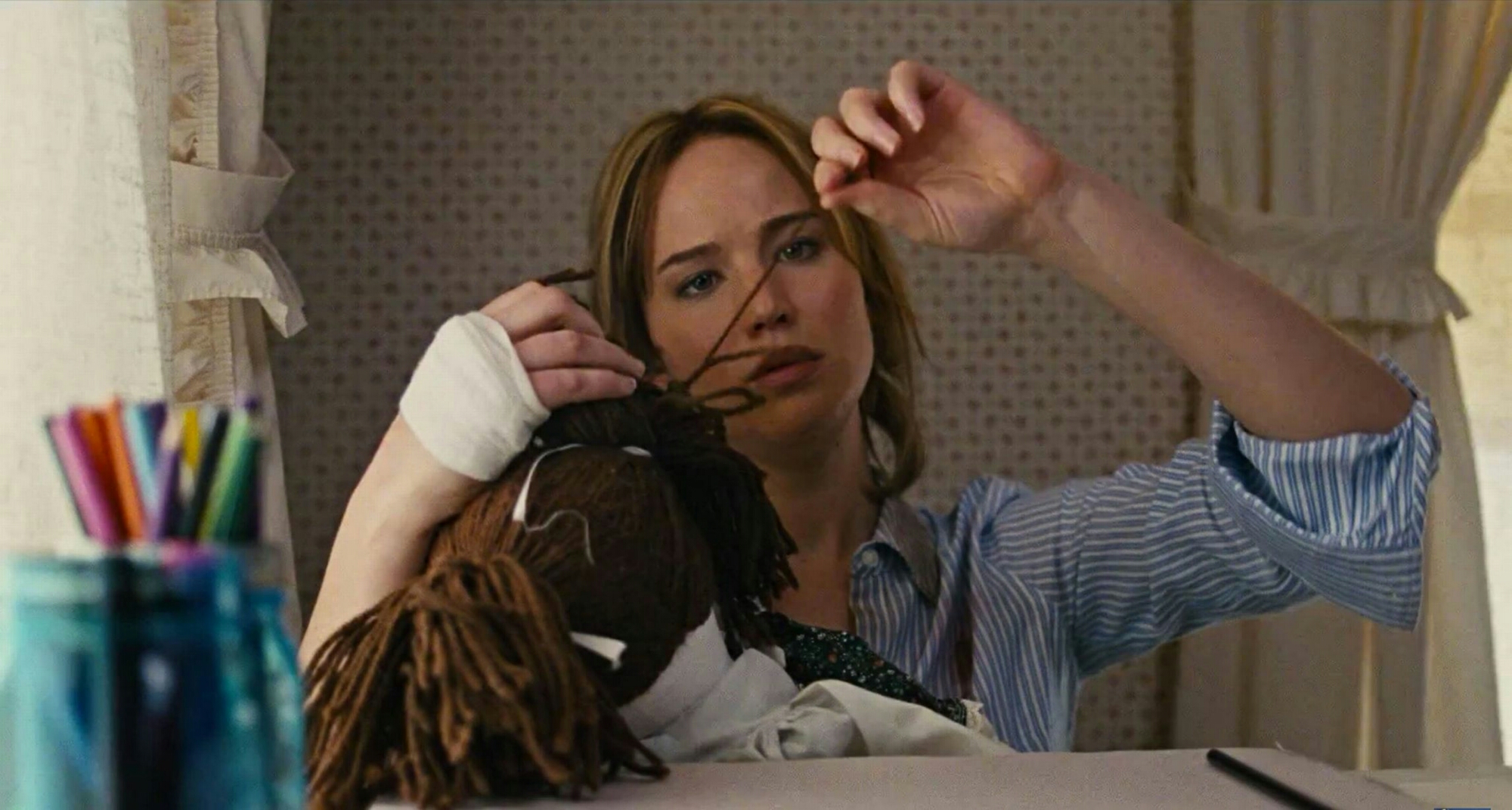
Lawrence is a near lock for a third consecutive Academy Award nomination under Russell’s direction as Joy Mangano, a smart and resilient woman who overcomes familial burdens and economic hardships while inventing and selling a lightweight, self-wringing mop on the famed QVC television station. Equal parts Marlon Brando and Bette Davis, she attacks scenes with a quiet efficiency, especially during her business negotiation in the film’s final moments.
“Joy” serves as a perfectly balanced antithesis to the much more widely heralded “Steve Jobs,” which elevates the Apple founder to near mythical antihero heights while the film’s ensemble cast circle around Michael Fassbender as Jobs like planets revolving around the sun.
Conversely, Lawrence has to pristinely float from chaotic familial relationship to chaotic familial relationship while simultaneously building a nuanced character moving out of the shadows behind much more flamboyant personalities.

Russell tailor-made the part specifically for Lawrence, who is proving to be his cinematic muse, all the while rightfully knowing that no other actress could have been half as successful. Though some of the scenes aren’t particularly the most well-written by Russell’s lofty standards, Lawrence elevates the material to a higher level and prevents “Joy” from becoming too grandiose or sardonic.
Her performance serves as a reminder that Lawrence can be one of the top two or three actresses working in Hollywood today, once she finally rids herself of pocket-lining franchise work.
Cooper, criminally underutilized in “Joy,” gives an effective performance as QVC head honcho Neil Walker, continuing the effortless repartee he shared with Lawrence in “Silver Linings Playbook.” These are two actors who constantly improve each other’s work every second they’re on screen together and viewers are ultimately better off when the duo are paired in scenes together.
The refreshing thing about “Joy,” especially when it comes to the dynamic between Lawrence and Cooper (or Lawrence and Edgar Ramirez, who plays Joy’s ex-husband), is that romance is so unessential to the story. Very few major studio films with a female lead so brazenly abandon traditional cinematic paradigms to the extent that “Joy” does.
Mixed in all the numerous time jumps in “Joy” – the film hops from when Joy is a young girl through adulthood and into old age albeit briefly – is a constant reassurance that Joy will be a powerful matriarch who doesn’t need a prince to ensure her family’s safety and happiness.
She’s guided by her grandmother played by a charming Diane Ladd, receives her financial backing from an Italian widow her father is dating played by Isabella Rossellini and goes toe to toe with her half-sister and full nemesis played by an especially game Elisabeth Rohm.
Women dominate Joy from start to finish while the men are there to advance the plot and provide a change of pace, quite the cinematic role reversal. “Joy” is by far one of 2015’s most socially progressive films in that regard. Even the actors in the TV soap opera Joy’s mother watches throughout the film are female-dominant led by none other than Susan Lucci.
Robert De Niro leads the film’s veteran ensemble cast, returning to his usual form as Joy’s brash, yet lovingly charming father. The role is perfect for De Niro, who naturally dominates the screen with his presence, even when he’s not the one speaking.
Visually, “Joy” has moments of brilliance, especially during close-ups of Lawrence. The film’s ending shot – a tight look at Joy walking down the street – will likely go down as one of the year’s most memorable moments if captured in a single frame. Russell captures his muse in such a way that Lawrence feels like a dead ringer for a starlet from Hollywood’s golden era.
“Joy” will likely confound viewers structurally, as Russell throws linear timelines out the window, pushing viewers forward and back in time, from coast to coast and in and out of a television screen like a pinball. Moviegoers may struggle with the pinball-esque controlled chaos of “Joy,” especially in the film’s first act.
Once you get oriented in Russell’s mind and entranced by the world of “Joy,” film fanatics will finally get the small budget feel, big budget backed blockbuster drama everyone hoped “August: Osage County” would be but wasn’t.
With Lawrence a shoo-in to receive a third Oscar nomination, her performance alone is worth the price of admission, but “Joy” should leave viewers more than satisfied thanks to its talented ensemble cast and a director in Russell who puts the acting first.
 Cinematic Considerations