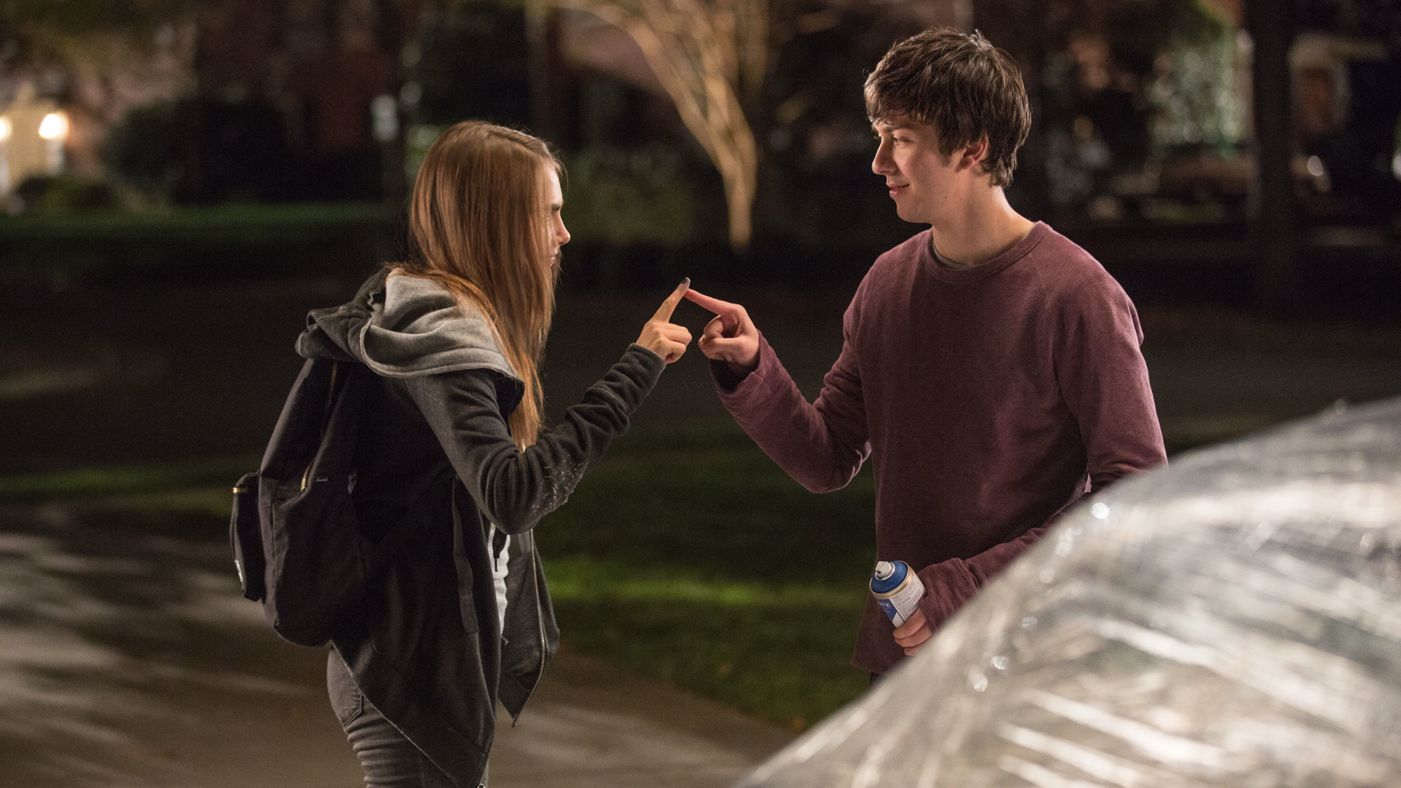

The author may be the same, but the latest film adaptation of a John Green novel — “Paper Towns” — isn’t anything like last year’s breakout hit “The Fault in Our Stars,” nor is it meant to be.
Early in the film, Cara Delevingne’s Margo Roth Spiegelman laments how Orlando, where the movie is set, is full of paper people living in paper houses, and that “everything’s uglier up close.”
It’s a warning about placing undue expectations on a person because you only see them from a distance and your mind perceives them to be something that they’re not simply based on a projection in your mind of what you might want that person to be. It’s actually an interesting concept to remember when watching “Paper Towns” — since audiences will likely project expectations on the film based off “The Fault in Our Stars” when this movie couldn’t be further from it, and that’s not necessarily a bad thing.
While “Paper Towns” might not have the best screenplay, there’s something refreshing in the reality-based coming-of-age tale. High school dramedies like this are nothing new, but it’s nice every once in a blue moon when what audiences expect to find differs from what they ultimately get.
Filled with relative newcomers, the movie is flush with pleasant surprises in its acting performances, most notably the average Joe charm of lead actor Nat Wolff, who flourishes in a role that would have been perfect for John Cusack from his “Say Anything” and “Better Off Dead” in the 1980s.
Pairing him with the rag tag duo of Austin Abrams’ socially awkward, yet romantically confident Ben and Justice Smith’s committed Radar gives this upstart film a “Goonies”-esque vibe while the trio try to solve the mystery that is Margot’s disappearance.
Delevingne is compelling in her own right, with a cool, effortless demeanor that helps to envelope viewers in the mystery to come. She’s also the perfect choice for the part, as the relative mystery of who Cara Delevingne is as an actress is just as unknown as who her character truly is. No real inferences can be made off of her casting, whereas audiences may enter the film with preconceived notions about the character if it were played by a better known actress generally typecast into specific roles.
The fact that Delevingne hasn’t been in anything of note is actually one of her biggest assets in “Paper Towns,” giving Wolff — and by extension, the audience — something to chase after.
Thanks to director Jake Schreier, “Paper Towns” has an independent film feel in spite of its big budget and feels more akin to last summer’s special indie dramedies “The Spectacular Now” and “The Way Way Back” than “The Fault in Our Stars.”
In essence, “Paper Towns” is a film about managing expectations between what we perceive we want versus what is actually there. Audience members who find themselves quickly relating to Quentin in his quest for Margo will ultimately find satisfaction, though many will still leave disappointed that “Paper Towns” wasn’t what they thought it was.
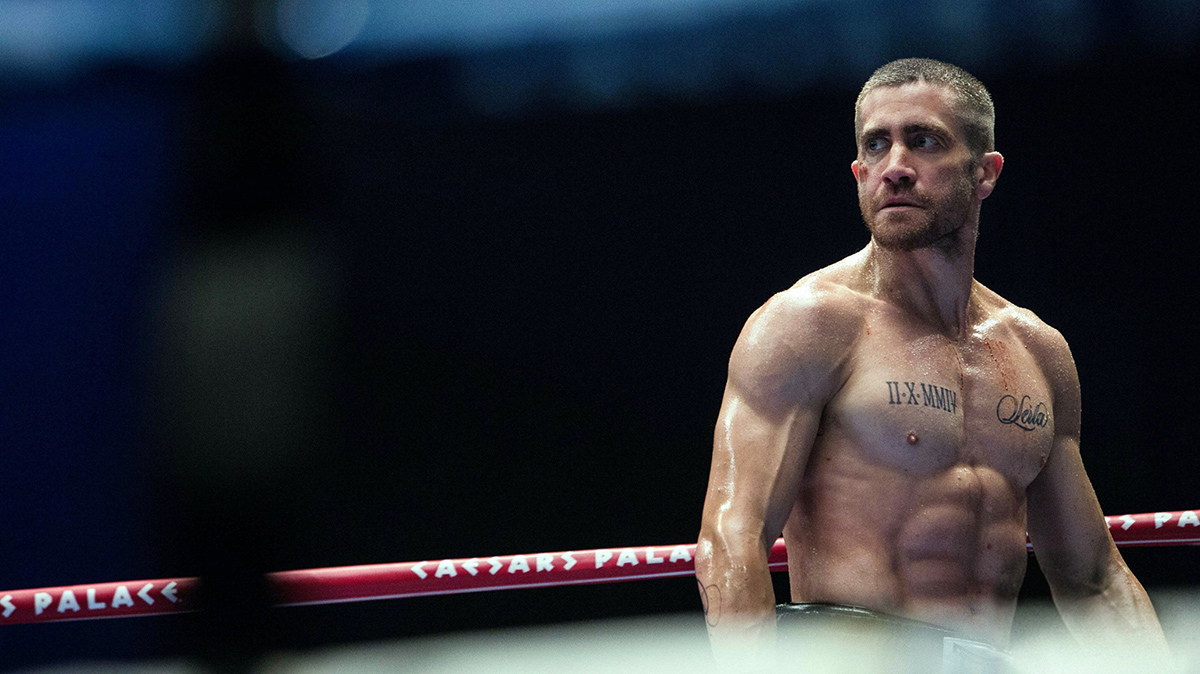
A great actor can elevate a script beyond its limitations and provide audiences with a compelling performance in spite of limitations on the written page.
Jake Gyllenhaal, who narrowly missed out on an Academy Award nomination with a masterful performance in last year’s “Nightcrawler,” shines yet again in Antoine Fuqua’s boxing drama “Southpaw,” a film that won’t win any awards, but offers much of the same quality as future Oscar nominees.
A large reason is that there’s almost nothing new or inventive in writer Kurt Sutter’s script, which goes from Point A to Point B to Point C in a very predictable and linear format. It’s as if Sutter wrote down every single boxing movie trope he could think of and then crammed it all into one film.
The fact that Gyllenhaal is able to achieve the depth of character in boxing champ Billy “The Great” Hope is a testament to his acting prowess, nothing else. Having a white lead actor play a character called “The Great” Hope should tell audiences everything they need to know about Sutter’s lackluster screenplay.
Forest Whitaker does yeoman’s work as Hope’s reluctant trainer/mentor, while the underrated Rachel McAdams gives a tremendous performance in a limited role as Hope’s wife who meets a tragic end early in the film, setting up Hope’s freefall and subsequent comeback storylines.
The remainder of the film’s secondary characters — Naomie Harris as a social worker, Miguel Gomez as rival fighter “Magic” Escobar and especially Curtis “50 Cent” Jackson as a generically evil boxing promoter — just don’t hold up in comparison to McAdams and Whitaker, let alone Gyllenhaal.
Where “Southpaw” works best cinematically is in the gripping boxing sequences, where Gyllenhaal’s physical and emotional transformation is matched by compelling cinematography from Mauro Fiore and direction by Fuqua.
Boxing movies live and die by their in-ring exploits and “Southpaw” holds up well against the competition.
On the whole, however, the film lacks enough support from the secondary actors or the script to elevate Gyllenhaal’s powerful performance into must-see category in a good, not great boxing drama.
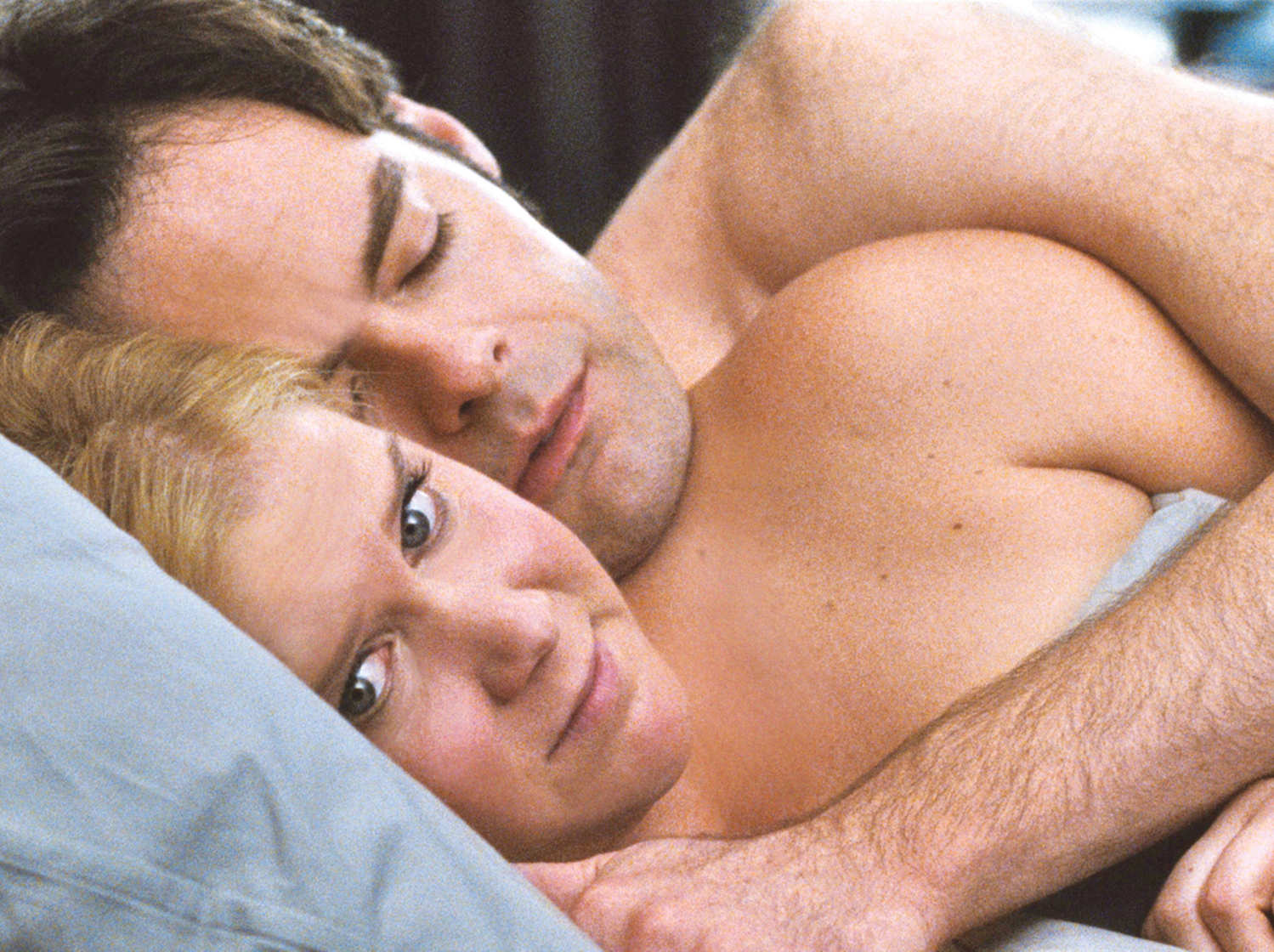
Quite likely the year’s top romantic comedy debuted last weekend after receiving much acclaim following an advance screening at this spring’s South by Southwest Film Festival.
“Trainwreck,” the mostly auto-biographical feature film debut of comedian Amy Schumer, provides many of the sexually explicit jokes fans of her stand-up comedy love, but with some heart thrown in to provide a nice balance between the hilarity and more serious matters of love and loss.
Traditional rom-com fans may be off-put by how casually Schumer’s character hops in and out of bed with men as conventional stereotypes about gender roles in romantic comedies are flipped on their heads in “Trainwreck.” Schumer takes on the role of the perpetually single player, floating from one casual dalliance to another, while “Saturday Night Live” veteran Bill Hader is the unexpected romance that forces Schumer to re-examine her relationships.
It’s hard to picture Hader as a romantic lead, but in “Trainwreck,” he’s able to pull it off with relative success. Playing opposite Schumer at her best is a thankless challenge for any actor, though Hader seems especially game to roll with both the comedic and dramatic punches.
Comedian Colin Quinn gives the finest individual performance of his career, playing Schumer’s alcoholic, field-playing father. The rom-com boasts quality cameo appearances on small and large scales, from the intervention trio of Matthew Broderick, Chris Evert and a scene-stealing Marv Albert to an almost unrecognizable Tilda Swinton as Schumer’s brash magazine editor.
People will immediately recognize basketball mega-star LeBron James, playing a fictional version of himself as Hader’s wingman/best friend, and James proves he can bring the comedy, but among the more stunt cast characters of “Trainwreck,” it’s wrestling’s John Cena that gives the best performance as one of Schumer’s many love interests throughout the film.
There’s some slight hiccups within “Trainwreck” once the raunchier comedy takes a backseat to the more emotional romance between Schumer and Hader, but on the whole, the transition doesn’t feel overly forced.
Director Judd Apatow — who struggled with heavier scenes in both “Funny People” and “This is 40” — handles the dramatic moments much better this go-round, mostly thanks to Schumer’s intelligent and fresh script and quality performances from both romantic leads.
“Trainwreck” is filmed as if Woody Allen made a raunchy romantic comedy, as Apatow is able to deliver on visual homages to movies like “Annie Hall” and “When Harry Met Sally,” though “Trainwreck” can’t really match either classic film in content or emotional center.
It’s a refreshing take on the genre that plays out very well, with plenty of laughs for both men and women throughout the film. Schumer probably isn’t the first actress that comes to mind when casting the perfect romantic comedy in your mind, but she’s quite adept at making the most of her well-written script.
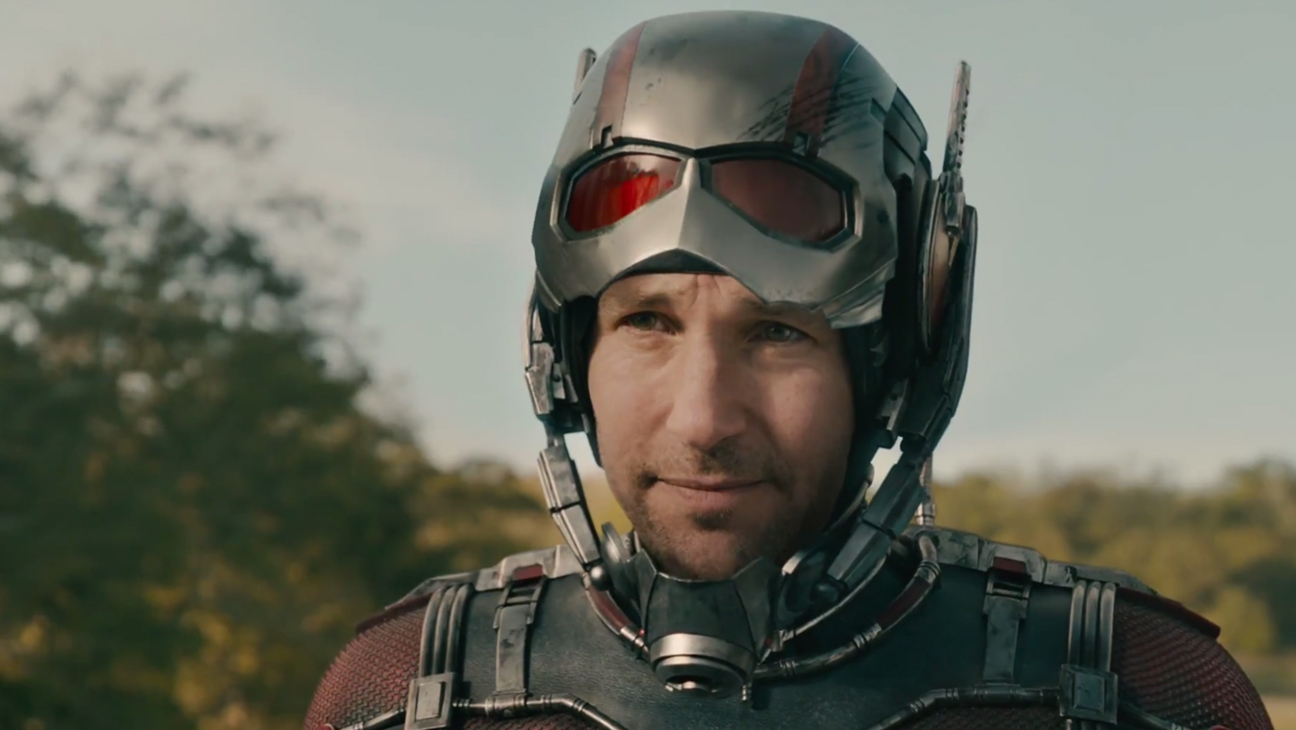
How much audiences will enjoy “Ant-Man,” the latest superhero blockbuster from Marvel Studios, directly relates to how much they enjoy Paul Rudd.
By stepping far away from the big, bruising characters like Thor and the Hulk or the dynamic Iron Man and Captain America, Marvel is banking on Rudd, a comic actor, to keep things moving in a positive direction as superhero movies become more and more obscure.
People who have never picked up a comic book had no idea what Ant-Man was prior to seeing the first trailer for the film, released earlier this year, and probably still don’t get it 100 percent.
Marvel has gambled with this same formula once before, with the charismatic budding superstar Chris Pratt leading a rag-tag group of space outlaws in last year’s surprise hit “Guardians of the Galaxy.”
Charming as he may be, Rudd is no Pratt, but this doesn’t spell doom for his time in the Marvel Cinematic Universe.
“Ant-Man” is Marvel’s first true everyman, with both Captain America and the Hulk exploding into burly warriors. Rudd exudes the Average Joe character in most of his on-screen performances, with “Ant-Man” being no exception.
He’s aided by a strong performance from Oscar winner Michael Douglas as his mentor and original “Ant-Man” Hank Pym, who brings a level of authority and legitimacy to the film, much like Robert Redford did in “Captain America: The Winter Soldier.”
On the other hand, Evangeline Lilly — best known for her work on “Lost” — feels completely out of place as Douglas’ daughter and Rudd’s love interest in the film. Lacking any gravitas, she can’t keep up in scenes with either Rudd or Douglas and certainly not the two together.
Corey Stoll, a character actor who broke out in the first season of “House of Cards,” is serviceable as the villainous Darren Cross, but isn’t given much to work with within the script, just like Jeff Bridges had limited room with which to play as the evil Obadiah Stane.
Peyton Reed, who hasn’t directed a film since 2008’s “Yes Man,” shows a little bit of rust in selected scenes that don’t quite fit the overall tone of the film, but on the whole, he’s stepped his game up considerably.
https://m.youtube.com/watch?v=EIrsOg9Wqp8
“Ant-Man” feels like a screwball heist comedy much like “Captain America: The Winter Soldier” felt like a political thriller.
Marvel has wisely adapted each of its films to fit the larger cinematic spectrum, plugging new characters into the right holes instead of trying to cram each character into the same tired format.
The humor abounds in “Ant-Man,” perhaps the funniest of all Marvel films, with the scene-stealing Michael Pena delivering laugh-a-minute lines every second he’s on screen. His recounting of how a heist tip fell into his lap may be the best performance of expository dialogue in years.
While there may be some legitimate doubts about how Marvel can keep Ant-Man’s shrinking powers fresh in the inevitable films to come, the feature film debut of the world’s smallest superhero packs plenty of punch.
Ant-Man’s fight sequence with one of the vaunted Avengers midway through the film is incredibly invented, original and mind-blowing for hardcore Marvel fans.
While not quite on the same level as its spiritual predecessor, “Ant-Man” continues everything great about “Guardians of the Galaxy,” excepting the terrific “Guardians” soundtrack.
The film begs the question: Who knew ants could be so badass?
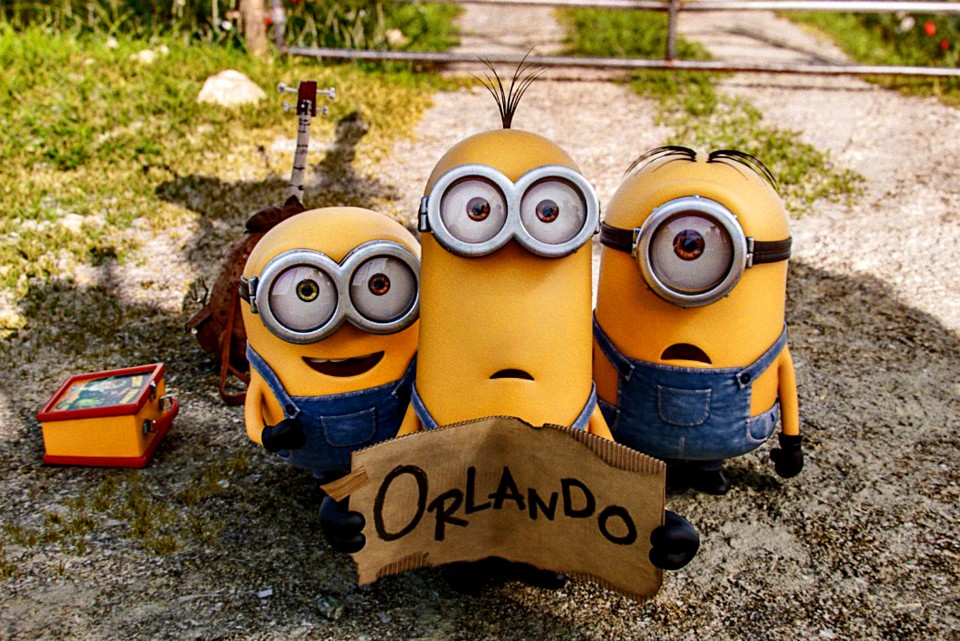
Absolutely no one should be surprised by now that little yellow lemming-like creatures have taken the Hollywood landscape by storm.
Minions are everywhere. From lunchboxes to every other commercial it seems like, to their first feature length animated adventures, the henchmen (is it right to call genderless characters men?) from the innovative “Despicable Me” franchise have rightfully taken center stage with “Minions,” a 95-minute prequel to the events of the original “Despicable Me.”
Because there’s likely an infinite number of Minions out there in the animated universe, directors Kyle Balda and Pierre Coffin (who also voices all the Minions) smartly chose to focus viewers on three distinct Minions — fearless leader Kevin, banana-obsessed future rock star Stuart, and diminutive, yet enthusiastic, Bob.
This allows the film to feel more grounded and comprehensible to viewers, especially those new to the franchise. First-time viewers won’t feel especially lost, since there’s little “Despicable Me” knowledge required in order to enjoy the film at a cursory level.
Each of the three Minion leads is given adequate character development (by animated children’s film standards) both with the animated and story choices, and through the smart narration of veteran thespian Geoffrey Rush, most recently famous for his work opposite Colin Firth in the Academy Award winner “The King’s Speech.”
Illumination Entertainment, the studio behind “Minions,” does overcome the biggest obstacle to the film’s success — the relative unintelligibility of the Minions themselves.
There’s almost no deciphering what exactly is being said for much of the movie — especially in moments when viewers are left with only Kevin, Stuart and Bob in conversation — but there’s just enough English thrown in their garbled language, which may include some French, Spanish and other European languages to make sense of things.
Plot-wise, “Minions” doesn’t break any new ground as the trio attempts to find the perfect villain or villainess to serve in the years prior to their life with Gru in “Despicable Me.” Rush’s narration over the cursory, yet hysterical introduction to the film helps show the lemming-like Minions’ run through a number of sub-par evildoers, from a Tyrannosaurus rex to Dracula and so on.
It isn’t until the Minions stumble upon the aptly-named “Villain Con” and a date with the world’s top villain, Scarlet Overkill (voiced by a surprisingly game bad girl in Sandra Bullock), that things really start to take off. While Bullock is more than capable in her role, Jon Hamm of “Mad Men” isn’t really a fit as Overkill’s love interest/weapons supplier, going for the over-the-top reading of every line.
Unfortunately for viewers, the cuteness of everyone’s favorite henchmen starts to fade away during the final act and the last 15 minutes of the 95-minute running time will make “Minions” feel much longer than it actually is. As a whole, the film starts to peter out toward the end, though a fun and nostalgic Minions singalong to “Revolution” by the Beatles is a refreshing fun end scene following the majority of the credits.
While not a perfect film, “Minions” is definitely fun for the whole family and will be a relatively clean movie for parents to take their children to (perhaps even several times) over the course of July, though the equally impressive “Inside Out” will likely stick around at least another week to give families an option if the “Despicable Me” off-shoot continues to pack out theaters.
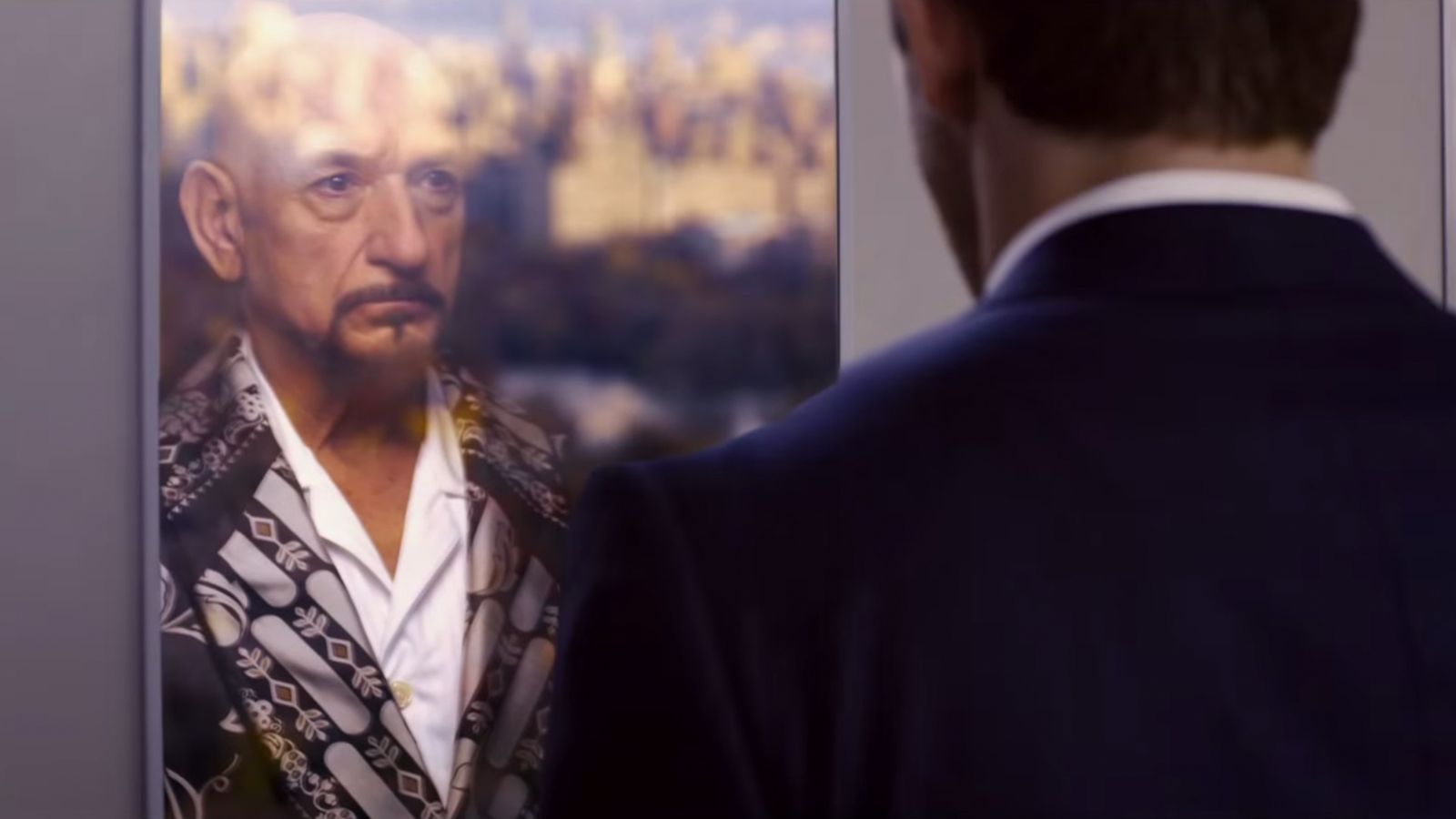
Ryan Reynolds is going to make a major comeback in Hollywood very soon, but unfortunately for science fiction fans, it probably won’t be with the uneven — and commercially underperforming — “Self/Less.”
The notion that a dying Ben Kingsley would approach a company to transfer his consciousness into a younger, healthy Reynolds is a terrific idea, but director Tarsem Singh can’t really make the pieces fit together.
Once Kingsley leaves the screen and viewers are left to focus on Reynolds, the plot thickens, but neither romantic interest Natalie Martinez of “End of Watch” or vaguely nefarious villain Matthew Goode of “The Imitation Game” can keep viewers engaged enough to root for Reynolds’ success in the action portion of the film.
Genre-jumping from science fiction to action thriller to romance and back again seems to be too much for Singh and writers Alex and David Pastor, whose overall writing and direction feels bland, save for a scene or two.
Conceptually much better than the actual execution of the film, the shortcomings of “Self/Less” can’t possibly be laid at the feet of Reynolds, a talented actor with a definite skillset who just can’t find the right vehicle to break out with.
Reynolds can thrive in the sorts of roles Bradley Cooper perfected before his emergence in “Silver Linings Playbook,” and to a larger extent, “American Sniper.” The borderline cocky smugness that Reynolds can exude so well in comedic settings is what helped Cooper rise to fame with “The Hangover” movies. Odds are in Reynolds’ favor, however, with the early 2016 release of the rated R superhero film “Deadpool,” a Comic Con favorite that will allow Reynolds to snark his way into the hearts of moviegoers.
In the meantime, “Self/Less” ultimately is one of those films that viewers can either catch on a whim as a matinee or wait until the DVD/streaming release later this fall.
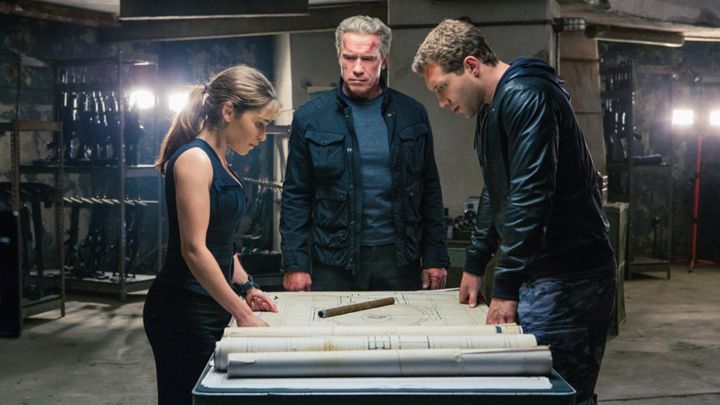
Throw convention out the window if you’re planning on seeing “Terminator Genisys,” the fifth installment in the action franchise that made Arnold Schwarzenegger a household name.
Though it’s not completely necessary to have seen all four previous films, a working knowledge of James Cameron’s classics “The Terminator” and “Terminator 2: Judgement Day” will be handy, along with pencil and paper to keep track of all the alternate timelines.
While the original “Terminator” films (excluding the subpar “Rise of the Machines” and “Salvation” entries) operate in a closed loop universe based on singular time travel events, “Genisys” throws almost everything out the window.
For a while, this leads to some compelling action sequences, including Schwarzenegger fighting a younger, CGI-version of himself and the reappearance of the shape-shifting, liquid metal T-1000 Terminators.
Once the second time jump happens (and you may lose track of them all after a while), the plot folds in on itself for a disturbing and not entirely satisfying conclusion.
“Game of Thrones” actress Emilia Clarke shines in an otherwise bland film, acting wise, giving viewers a character worth rooting for as mother of the resistance Sarah Connor.
The stone-faced Jai Courtney, best known as Eric from the “Divergent” trilogy, muddles his way through a mediocre performance as “Terminator” mainstay Kyle Reese. While not totally ineffective, Courtney often sits third banana while Emilia Clarke and Schwarzenegger do all of the heavy lifting.
For all his warts as an actor, Schwarzenegger can’t miss as a Terminator — good or bad — and his overly robotic smile is one of the most genuinely humorous moments on screen so far this year.
As a whole, “Genisys” opts for glitz and glamour over a coherent story at every turn, as if writers Laeta Kalogridis and Patrick Lussier just turned to each other and said, “How can we top what just happened? Let’s flip a bus on the Golden Gate Bridge.”
As an aside, has anyone noticed that San Francisco and its illustrious bridge get decimated in action films more than any other city nowadays?
From last year’s “Godzilla” to “San Andreas” and “Genisys,” the city by the bay has been ruthlessly targeted again and again. Apparently, it’s also the main background for the destruction of upcoming films “Ant-Man” and “Pixels.” Where is the San Francisco Chamber of Commerce when you need them?
Turn your brain off when heading to the theaters for “Genisys,” which doesn’t quite offer the punch or pizazz “Jurassic World” does, but gives just enough hope for a brighter future.
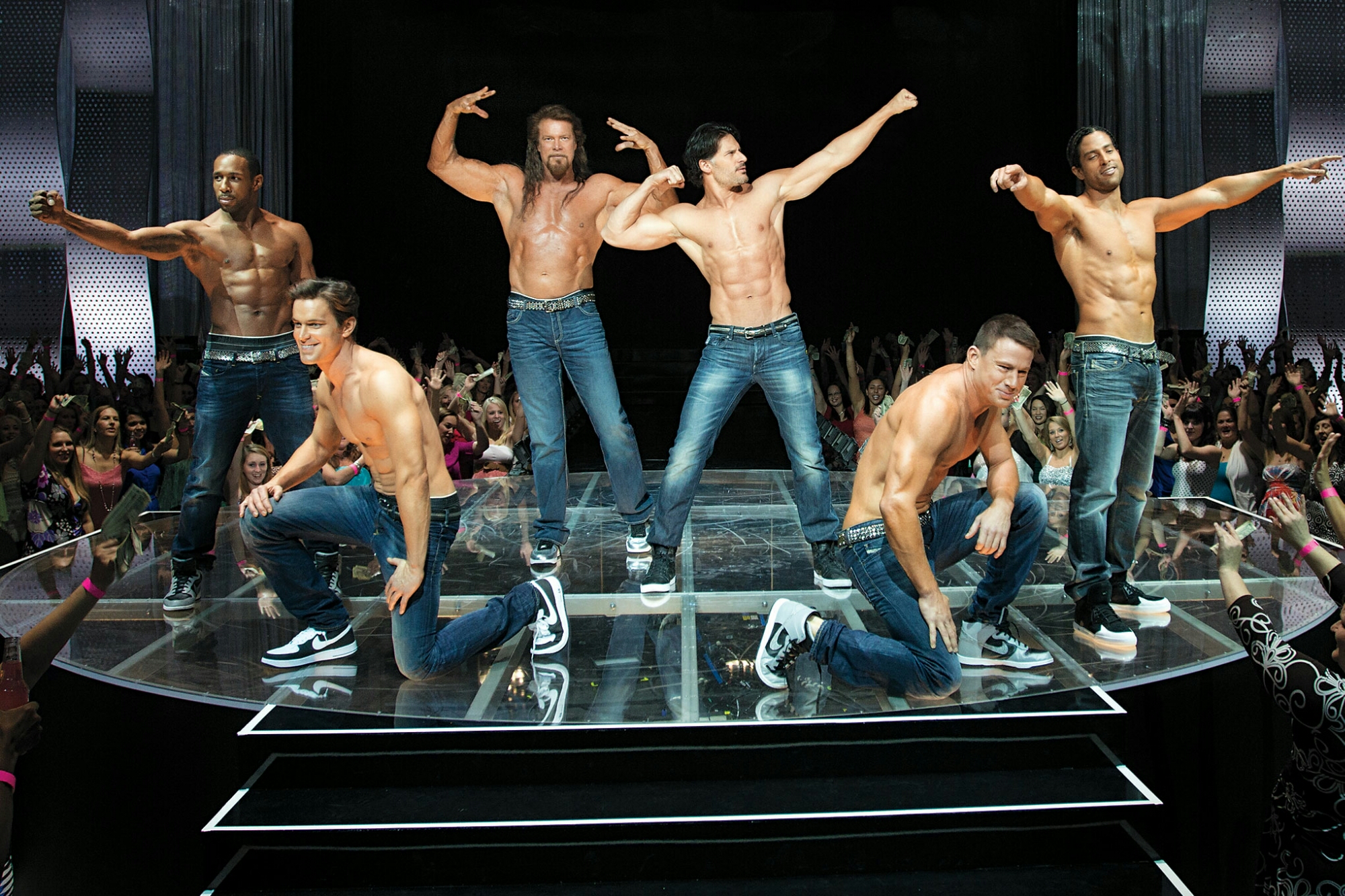
Calling something “XXL” implies bigger and better.
Double entendre aside, the sequel to the 2012 indie smash hit “Magic Mike” was supposed to blow away female audiences over the Fourth of July weekend like a massive fireworks display.
Moviegoers who came out to the Channing Tatum-helmed male stripper fiesta got their fireworks show, but “Magic Mike XXL” feels closer to the premature explosion from San Diego’s 2012 disaster when 20 minutes worth of fireworks went off in about 15 seconds.
Somehow, someway this film got made as Tatum and writing partner Reid Carolin pieced together a couple of general scene ideas and crammed them into a buddy road trip movie.
Tatum, whose “Magic Mike” character supposedly rode off into the sunset and left stripping behind at the end of the original, hops right back on the Kings of Tampa bandwagon within the first 15 minutes to join his old stripper buddies for “one last ride.”
The last ride plot device, most often used at the tail end of fading action franchises, implies that many rides were had prior to the upcoming “last ride.”
This isn’t yet another double entendre, which is surprising given it’s one of the few times in the film sexual or phallic imagery is subtly on display.
If “Magic Mike” were to become a franchise, it’s already been crippled by this plot choice. How many more last rides can there be?
Little of what made “Magic Mike” a surprise hit both critically and commercially remains in its “XXL” sequel.
The domineering and captivating Matthew McConaughey is gone, taking the most memorable character in the upstart franchise with him.
His loss alone is enough to cripple any potential follow-up, but things got worse for the sequel when “Magic Mike” director Steven Soderbergh opted not to return for a second go-round in the director’s chair.
With the original “Magic Mike,” Soderbergh made a gritty, independent drama that just happened to center around the world of male strippers.
The supersized version, if you will, under the direction of longtime assistant director Gregory Jacobs opts for style over substance, trading quality performances and well written scenes for gyrating hips and overly long dance sequences.
It’s as if Soderbergh knew the magic of the original film couldn’t be replicated, getting out of the way before the stripper train derails off the tracks.
Though it’s true Soderbergh is both cinematographer and editor under pseudonyms for “XXL,” it’s easy to tell that his heart’s just not in it.
For all the progress that has been made over the last six months with powerful performances by women on screen, “Magic Mike XXL” undercuts that step forward with subpar, one-note efforts from a trio of actresses.
Jada Pinkett Smith, who returns to the big screen for the first time since 2008, is a complete disaster as strip club owner/promoter Rome, who can’t bring substance to a character written for a suave male actor. Taraji P. Henson, rising star of television’s “Empire” would have been a much more worthy choice to fill the role.
Amber Heard, the film’s obligatory romantic object, isn’t given much to work with, especially when the “meet-cute” scene finds her stumbling upon Tatum while he is urinating on the beach.
For those wondering where ’90s rom-com star Andie MacDowell has been, look no further than “Magic Mike XXL,” where she drunkenly stumbles her way through an overly long scene as she and a group of aging women lust over the vagabond strippers.
Everything about the scene — and the film as a whole — reeks of desperation, and not in a good way.
Without McConaughey to ground the film or a substantive plot to pace it, “Magic Mike XXL” attempts to go big, but ultimately just goes home, where most people will ultimately screen the sub-par effort from the comfort of their couches.
Comedy requires originality. It’s as simple as that.
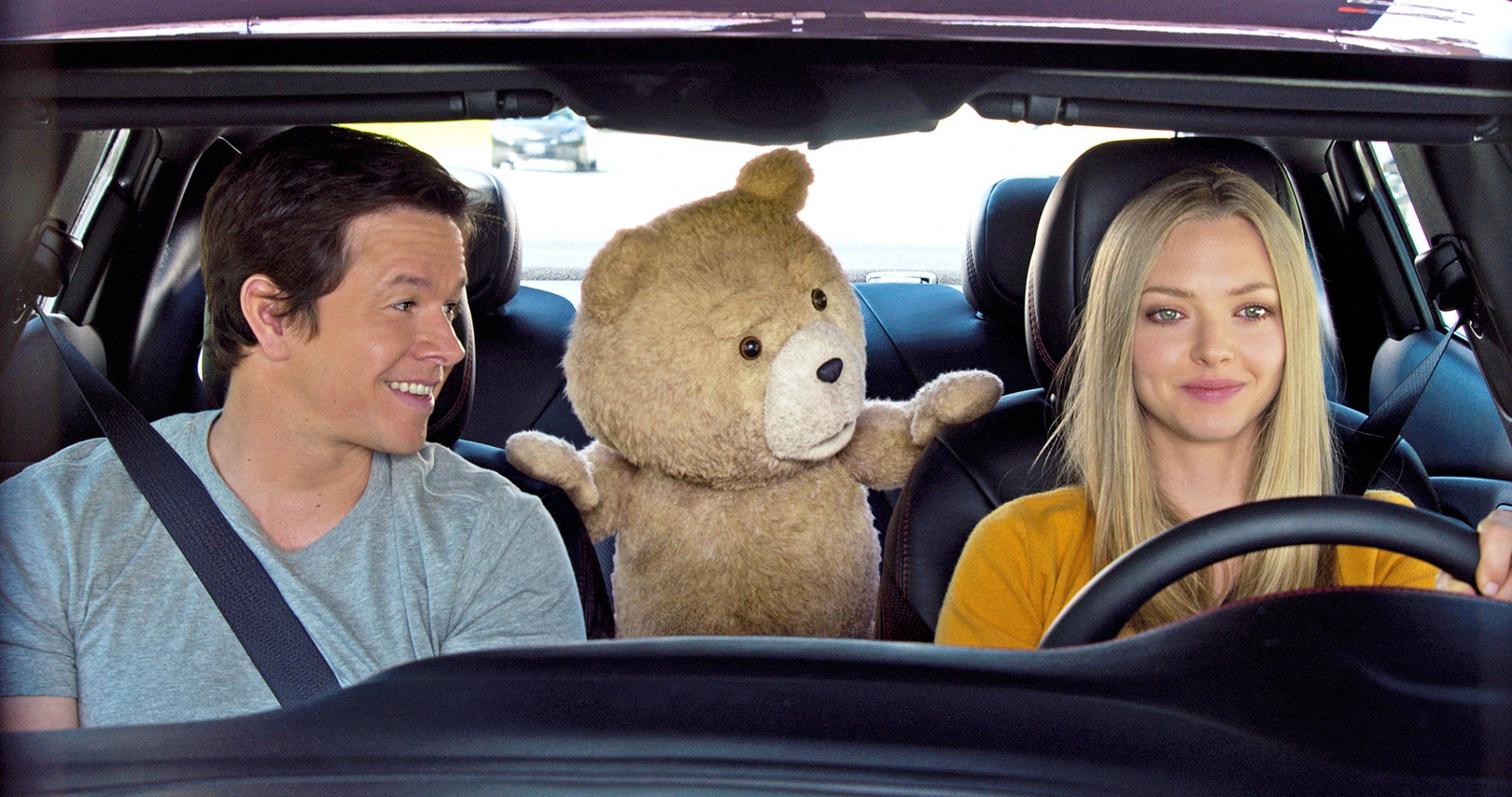
There’s absolutely not a single shred of originality in “Ted 2,” an amalgamation of leftover “Family Guy” setups, hokey premises and half-hearted humor that leaves viewers disappointed from the outset.
Honestly, “Ted 2” shouldn’t come as much of a surprise to those who’ve followed the career trajectory of Seth MacFarlane, the mastermind (and vocal talent) behind the cult classic “Family Guy.”
After being left for the television scrap heap, “Family Guy” viewers brought the fledgling, but hysterical comedy back from the dead and vaulted MacFarlane to semi-stardom, where he used his Hollywood connections to make “Ted,” a raunchy and raucous comedy about what happens if a stuffed teddy bear comes to live and basically follows the career path of Justin Bieber.
The inevitable sequel, released last weekend, goes so far as to outright call Ted out as becoming another Bieber, because with “Ted 2,” subtlety is thrown out the window.
Within the first five minutes, it seems pretty evident that director/writer Seth MacFarlane and his co-writers Alec Sulkin and Wellesley Wild were probably stoned while penning a subpar follow-up to the 2012 hit comedy “Ted.”
Like a bad episode of “Family Guy,” “Ted 2” jumps all over the map stylistically, romping its way through musical revue, buddy comedy, romantic comedy and action spoof without any semblance of direction.
MacFarlane, taking his third turn behind the director’s chair after “Ted” and “A Million Ways to Die in the West,” continues to prove why early “Family Guy” and the original “Ted” seem more and more like comedic flukes than the norm.
Stoner comedies often work, but as proven time and again by Seth Rogen, James Franco and the rest of Judd Apatow’s merry band of misfit actors, originality is key.
There’s no mad rush to make “Pineapple Express 2” or “NO, This Is The End.”
These top comedians go out of their way to make something new and original, — Rogen with his role as Wozniak in the upcoming Steve Jobs biopic, Apatow directing the Amy Schumer-led “Trainwreck” and Franco with no less than six independent films coming out in 2015 — because that’s ultimately what’s best for audiences.
Mark Wahlberg, who consistently proves he’s more than game to handle his fair share of comedic roles, takes a large backseat to Ted, a visually stunning teddy bear lacking in character development.
Watching Ted struggle with the concept that he’s property not person feels like a chore because the arrogance of MacFarlane prevents viewers from actively engaging in the storyline.
It’s as if MacFarlane is telling audiences what is funny while sticking out the proverbial middle finger at the same moviegoers who made a “Ted” sequel possible.
Mila Kunis, the voice behind longtime “Family Guy” punching bag Meg, wisely opted to sit out the second installment of “Ted,” with “Les Miserables” actress Amanda Seyfried filling in as an out-of-her-league, pot-obsessed lawyer assigned to help Ted get his life back together.
The role is beneath Seyfried in every way, though the same could also be said for Wahlberg and certainly for Morgan Freeman, who phones in a lackluster performance as a big-shot civil rights lawyer.
Watching “Ted 2” gives audiences a similar queasy feeling to the one moviegoers left experiencing about Melissa McCarthy after suffering through the road-trip comedy “Tammy.”
Sequels like this don’t need to be made.
In fact, the poorest ones — this film included — actually lessen the original film.
There’s a reason it took 25 years and a lot of re-writes to finally come up with a “Jurassic Park” sequel that stands on its own two feet.
Instead of waiting for the right time and smashing a home run, movie studios seem all too content to lean into the first inside pitch they see and take their base, opting for quick cash over quality.
With the exception of a 30-second clip of Ted singing improvised lyrics to the “Law and Order” theme song, all the jokes are in the trailer.
Viewers know that everyone involved can do better, though no one seems willing to admit it.
If Christopher Nolan made a children’s movie, it might end up something very similar to “Inside Out,” the latest Disney/Pixar blockbuster to hit theaters.
The ultimate thinking man’s kids’ film (both figuratively and literally), director Pete Docter’s third feature film is incredibly layered and cerebral in much more complex ways than his other features, 2001’s “Monsters, Inc.” and 2009’s “Up.”
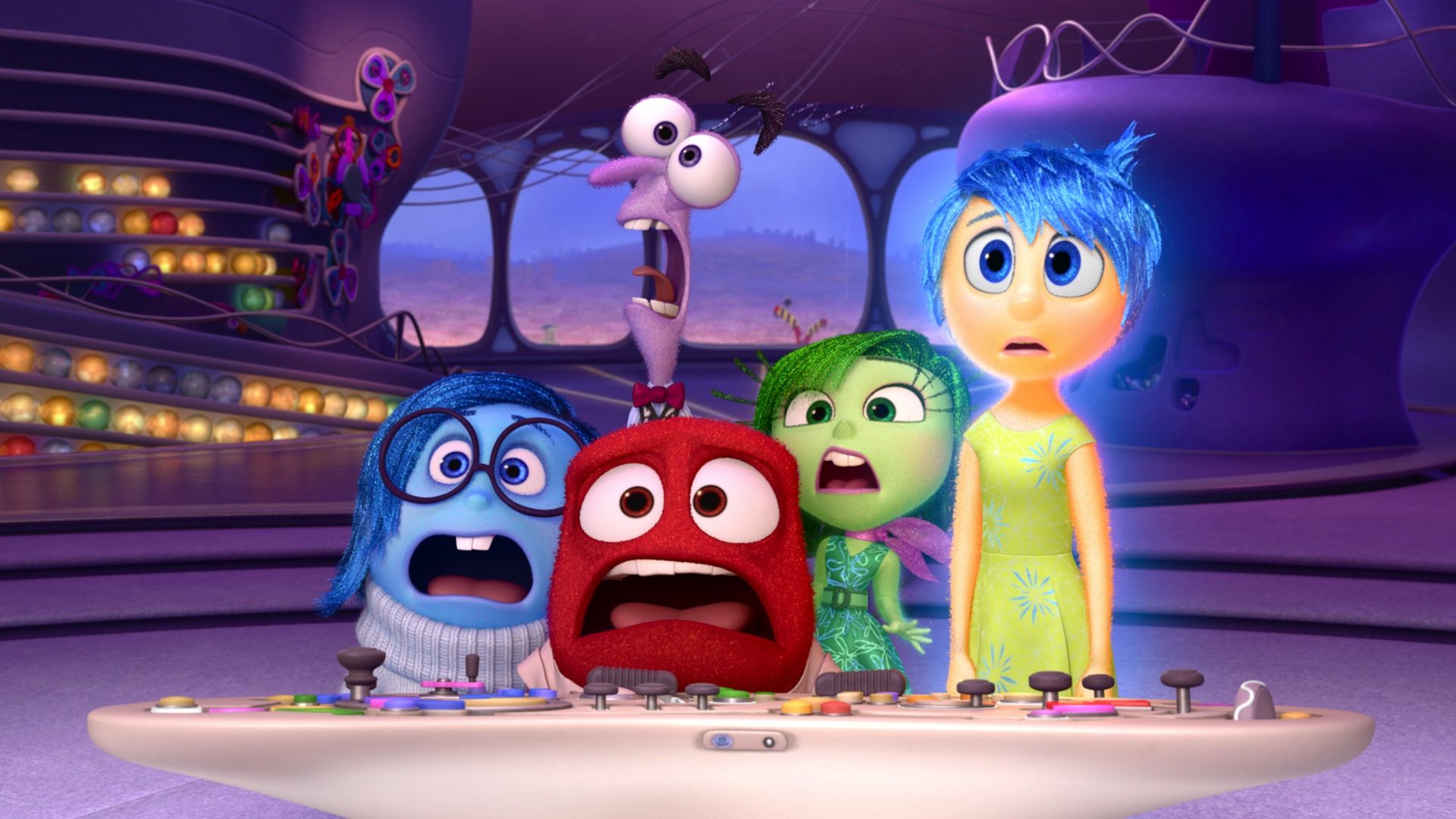
On the surface, “Inside Out” focuses on the emotional states (Joy, Sadness, Fear, Disgust and Anger) of a pre-teen girl named Riley, whose family moves from Minnesota to San Francisco abruptly and without warning. Much of the film is viewed from inside Riley’s brain, with Riley herself reduced to nothing more than a secondary character. Visually, the difference between the real world and the one in Riley’s head is defined by brightness, with real world scenes more tampered down than the vividly bright world of her mind.
While not exactly on par with Pixar’s upper echelon features like “Toy Story” and “Finding Nemo,” “Inside Out” does mark a much needed return to the big screen for one of animation’s top studios, whose last release, “Monsters University,” came out in 2013. Thankfully, Pixar is back in a big and bright way with “Inside Out” and viewers will get a second helping of Pixar later this year with the release of “The Good Dinosaur.”
The journey itself doesn’t provide anything new or extraordinary, but what sets “Inside Out” apart from more pedestrian children’s movies is just how inventive the film is conceptually. Animation usually deals with the surreal and unbelievable on an external scale — i.e. What if all my toys came to life when I’m not around?
Turning the camera around and looking internally within oneself is something generally left up to high concept science fiction films. While Docter’s film is certainly not without its flaws — running time being a major concern as “Inside Out” tends to drag in the middle — it does reflect a major step forward in animation and family-friendly films in general.
Visually, the film is one of Pixar’s better works, dynamic and vivid inside Riley’s mind, while at the same time, the real world feels authentic to the eye in a much more realistic way than your average animated films. There’s two distinct animation styles at play in the film and both stand out on their own while working in harmony with each other.
For as good as the directorial and animation work is, “Inside Out” doesn’t click in quite the same way without the dynamic and rich vocals of lead voice actress Amy Poehler, whose glee as the emotion Joy evokes much of the high energy character that Poehler became famous for as government worker Leslie Knope in TV’s “Parks and Recreation.”
So much of the success in animated films is getting the lead voice actors right, from Tim Allen and Tom Hanks in “Toy Story” to Ellen DeGeneres in “Finding Nemo” and Idina Menzel and Kristen Bell in “Frozen.” A good vocal talent can elevate animation beyond the visual and bring the cartoons to life, whereas poor, miscast voices just clutter things up.
Poehler, who’s lived on high-energy performances, is ideally suited to play the perpetually perky Joy, leading a rag-tag group of emotions voiced by comedic all-stars like Bill Hader (Fear) and Mindy Kaling (Disgust). Comic Lewis Black, who humorously yells through much of his standup, fits like a glove as Anger, the best animated emotion, drawn flame red, stocky and evocative of the stereotypical newsroom editor, complete with a thick mustache reminiscent of Mike Ditka.
It should come as no surprise to fans of the American version of the hit television comedy, “The Office” that Poehler’s main counterbalance, always gloomy Sadness, would be voiced by Phyllis Smith, who perfected the role as a Debbie Downer cubicle worker. Smith brings all the fervor from her classic television performances to the big screen and is a refreshing new voice to animation, one to stick around for a long time.
Veteran character actor Richard Kind stands out among the vocal talent in a secondary role as Riley’s imaginary best friend, Bing Bong, slowly being forgotten as she gets older.
“Inside Out” forces younger viewers to ask difficult questions like “Why is sometimes being sad a good thing?” and “How do I best deal with change?” While conceptually geared more toward pre-teen and teenage audiences, younger viewers will still find a great deal of enjoyment following Joy and Sadness as they fight to make their way back home.
Audiences are seeing Pixar grow up as a studio with “Inside Out,” a more mature offering that still keeps in the overall mold of classic animated hits, but shows more depth and deserves multiple viewings to understand all the film’s subtle complexities.
‘Lava’
Following an ongoing Disney trend for family-friendly entertainment, a short film entitled “Lava” is screened prior to the start of “Inside Out.”
Basically a music video drawn out a tad too long at six-plus minutes, “Lava” follows the story of a lonely volcano looking to find his volcano soulmate.
The effort is cutesy and just slightly over the top, not really living up to the much higher standards of “Inside Out,” though the song itself is memorable and catchy.
Don’t fret if you’re running behind at the concession stand, however, as “Lava” isn’t the must see that its feature partner is.
Sequels that genuinely work, or even come remotely close to living up to the original film, are few and far between.
While last weekend’s smash hit “Jurassic World” isn’t exactly a modern carbon copy of Steven Spielberg’s 1993 masterpiece “Jurassic Park,” so much of what made the original feature awe-inspiring, terrifying and innovative is preserved in what very well may be the summer’s best blockbuster film.
Brash, loud and in your face, “Jurassic World” gives viewers everything they could possibly want from a return to Isla Nublar, scene of the original film’s theme park turned prehistoric demolition derby, but cranks everything about the original up to 11 while expounding on what might happen if the doomed park actually opened for business.
Besides the big, bad dinos, the first thing that jumps out on screen is the unabashed product placement throughout the film for everything from Hilton hotels to Samsung to the Jimmy Buffett Margaritaville restaurant on the main plaza (look out for Buffett himself in a mid-film scene running from loose pterodactyls.) “Jurassic World” subtly pumps out an ironic anti-commercialization sentiment, where everything’s for sale to the highest bidder. A great short scene featuring Jake Johnson of “New Girl” hammers home this point to humorous effect, wondering when Pepsisaurus is coming.
Director Colin Trevorrow hasn’t done much in his Hollywood career, with only the Aubrey Plaza-led indie dramedy “Safety Not Guaranteed” to his credit, but the young filmmaker proves incredibly adept in the world of big-budget blockbusters, revitalizing a major film franchise in a way that hasn’t been done since “Casino Royale” breathed new life into the James Bond franchise.
Properly paced and well conceived on a shot-for-shot basis, Trevorrow’s film moves along at a steady clip, keeping viewers on the edge of their seats throughout.
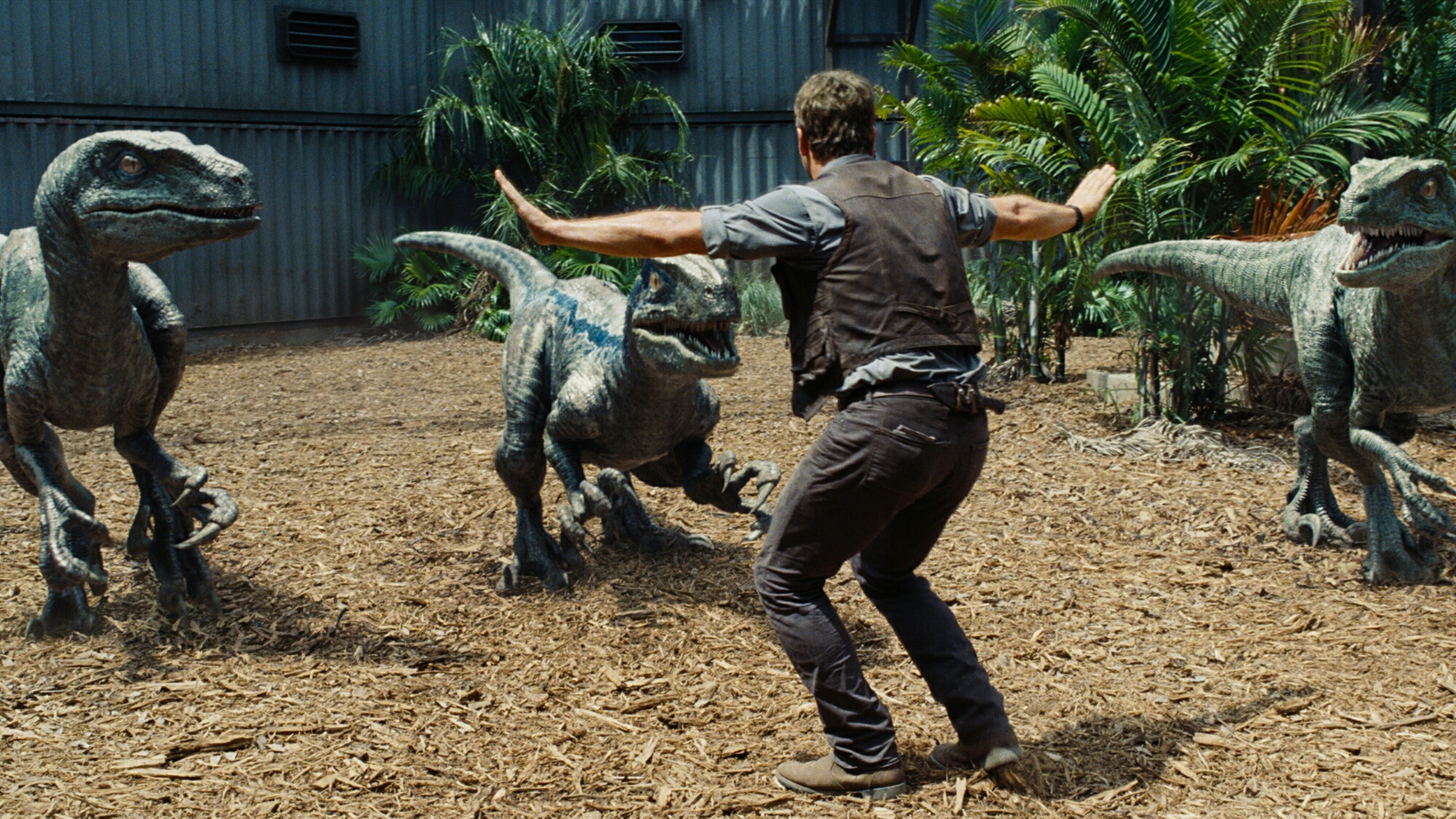
However, “Jurassic World” lacks the quieter moments the original film thrived in, softer scenes in between the chaos of the park’s decimation. Instead, the fourth iteration ramps up the spectacle, adding bigger, badder, cooler dinosaurs and genetic hybrids to the mix, leaning on 20-plus years of advancements in computer generated imagery and cinematography to do much of the heavy lifting. As a result, each of the film’s 15-plus dinosaurs are more dynamic and captivating, upping the ante for the inevitable sequel(s) to come.
While the dinosaurs — especially the anti-hero velociraptors returning from “Jurassic Park” and the monstrous water-locked Mosasaurus — are the film’s primary stars, Trevorrow’s blockbuster benefits from a top performance from one of Hollywood’s next generation of leading men, the charismatic Chris Pratt.
Best known for his roles on “Parks and Recreation” and Marvel’s “Guardians of the Galaxy” franchise, Pratt combines his trademark wit with a cool, calm demeanor to bring a modern version of the Indiana Jones character to life in a franchise that needs his unique kind of gravitas to bring the film together.
On the other hand, Bryce Dallas Howard lacks the requisite star power to keep up with Pratt, both in the physical and emotional stakes of the film, leaving viewers wanting an Anne Hathaway-type actress to help develop and fully round out her park leader. Her park manager character Claire seems to be written to have served a dual role as a hybrid femme fatale/damsel in distress, but Howard never seems to truly grasp either side.
She opts to play the role like Sandra Bullock, circa 1995, flightly, neurotic and slightly manic in a way that takes a step back from all the progressive roles and performances viewers have seen from female actresses this year. Within the context of the film, the performance generally works, but it’s a mild disappointment nevertheless.
Because “Jurassic World” follows its parent film almost to the point of remake, much of the feature’s emotional stakes are tied into Claire’s teen and pre-teen nephews, played by relative newcomers Nick Robinson and Ty Simpkins. The younger Simpkins gives a more consistent performance throughout the film and helps younger viewers identify with the film in much the same way that Timmy, original park owner John Hammond’s grandson, does in “Jurassic Park.”
Strong supporting performances from veteran character actors Vincent D’Onofrio and B.D. Wong, who returns from the original film, help to provide foils for Pratt, and to a lesser extent Howard, play off of during those few and far between scenes not to feature the film’s dynamic dinosaurs.
Ardent fans of the 1993 original film in the franchise will delight in multiple viewings of “Jurassic World” as Trevorrow takes great care to sprinkle “Jurassic Park” references, both obvious and subtle, into the film. Everything from the expository cartoon character Mr. DNA to the famed spitting dinosaur Dilophosaurus to smaller line callbacks are peppered throughout “Jurassic World,” helping to give the modern film a more classic feel.
Breathtaking at times and heartpounding at others, “Jurassic World” is the sequel that “The Lost World: Jurassic Park” should have been, but wasn’t quite. This must-see cinematic thrill ride offers a little bit of something for both viewers new to the franchise and those intimately familiar with Spielberg’s classic original installment.
Sookie St. James is making a comeback.
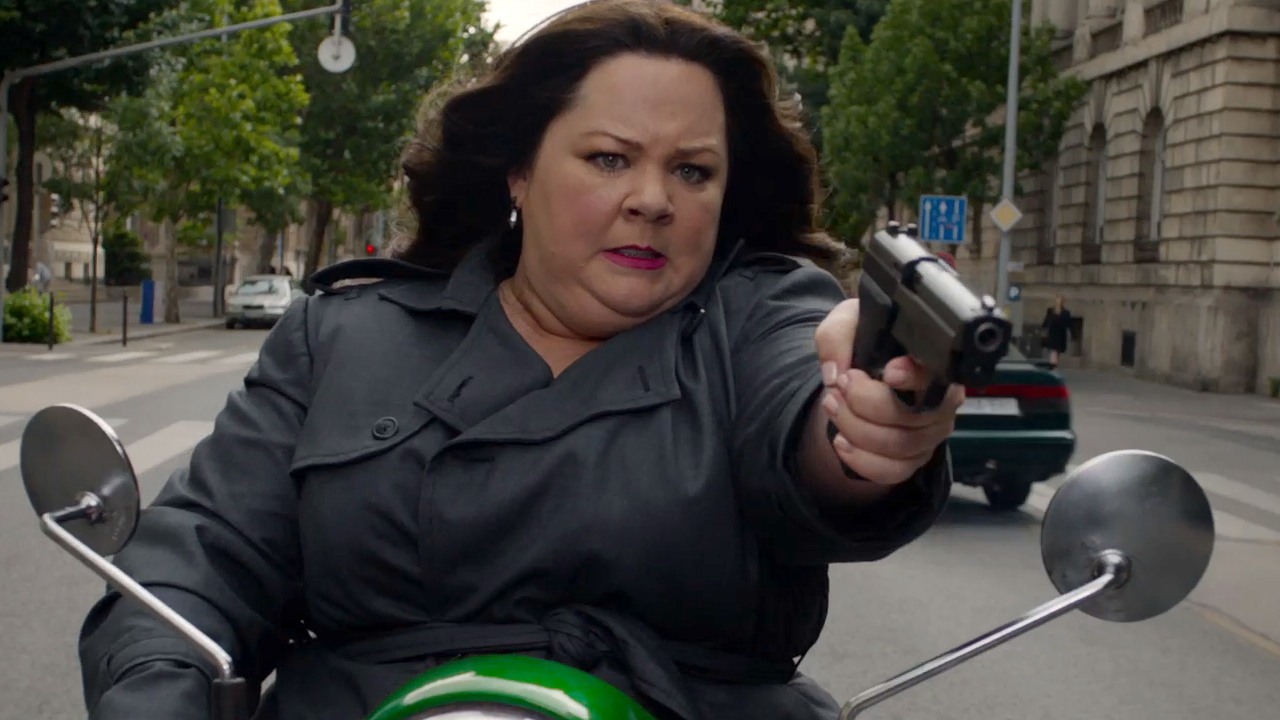
The warm, kind-hearted neighbor character played to perfection by comedienne Melissa McCarthy in TV’s “Gilmore Girls” has been largely missing from the rising star’s film credits, while McCarthy has made her name mucking it up in less than savory roles.
Her latest adventure, the spoof film “Spy,” is by no means family-friendly entertainment, but continues a step in the right direction for the actress, who needs to continue to display versatility on screen.
Since McCarthy broke out in 2011’s “Bridesmaids,” nearly every single role she has taken on — from her hilarious turn in the buddy cop film “The Heat” to more lackluster roles in “Identity Thief” and “Tammy” — has been some iteration on the bumbling, intentionally fat and ugly bridesmaid Megan.
Her career revitalization — oddly mirroring the resurgence Zach Galifinakis has seen following a supporting role in “Birdman” — began last year with a secondary role in the dramedy “St. Vincent” and continues with “Spy,” by far the best film in McCarthy’s career.
Unlike prior films, “Spy” doesn’t make simpleminded assumptions about how to utilize McCarthy in comedic roles and refuses to simply poke fun at her weight. In fact, McCarthy’s Susan Cooper is a character that might have been played by Sandra Bullock 10 years ago or by Kristen Wiig today.
It’s obvious that director Paul Feig, who teamed with McCarthy on “Bridesmaids” and “The Heat,” knows how to bring the best out of the actress and does the best job writing for her after bringing other screenwriters’ vision to life in their previous pairings.
Every detail in “Spy” is perfectly and painstakingly woven together in a fresh and original way from the crisp dialogue and fast-paced plot to the Bond-like opening credit sequence featuring the Ivy Levan song “Who Can You Trust” that evokes Tina Turner’s belting vocals for the “GoldenEye” title track.
“Spy” doesn’t need to be a comedy to work as a film — it stands surprisingly well on its own as a light action flick — but the comedy works in concert within the rest of the feature to elevate “Spy” beyond B-rate action or comedy for that matter.
Jason Statham — whose comedic chops should have been apparent to anyone who’s seen “Snatch” or “Lock, Stock and Two Smoking Barrels” — continues to impress in a hilarious turn as the dimwitted operative that’s good, but not great at his job. His delivery of Feig’s pitch perfect jokes is second to none in “Spy,” not even McCarthy herself. Only a handful of actors could pull off a now infamous “Face/Off machine” joke and hit it out of the park.
Jude Law is slightly underutilized within the film, though it makes sense, given the script. An expanded role for the James Bond-esque Brit would be wise in the inevitable sequel sure to be coming in a few years.
The film also boasts impressive supporting performances from an always game Allison Janney, “Neighbors” star Rose Byrne in a pivotal villainess role and Miranda Hart as McCarthy’s slightly manic best friend/coworker.
Comparisons between “Spy” and the Austin Powers spy spoof trilogy have become unavoidable, especially with the recent resurgence of the James Bond franchise placing an increased level of importance on quality spoof films. If we can consider Austin Powers to be the Roger Moore, then “Spy” is the Pierce Brosnan, breathing new life into the comedic knockoff genre made popular by the Powers films, Leslie Nielsen’s “Spy Hard” and the Chevy Chase-Dan Aykroyd classic “Spies Like Us.”
The best thing about “Spy” is how little it tries to be an actual spoof and just attempts to be a funny action spy film, which is so refreshing in the relative sameness of most comedies these days. Hopefully, a female comedic renaissance, teased in both “Bridesmaids” and “The Heat,” will continue to build momentum with “Spy” that “Pitch Perfect 2” failed to live up to. With TV comedy princess Amy Schumer’s “Trainwreck” on the way — a film that dominated South by Southwest earlier this year — things are looking up for both McCarthy and the comedic genre.
 Cinematic Considerations