

There isn’t much of an audience for Annette, and rightfully so.
Amazon’s latest major awards season endeavor comes from the minds of Russell and Ron Mael, also known as the obscure alt-pop-rock band The Sparks, who penned both the rambling screenplay and chaotically strange soundtrack of French auteur Leos Carax’s meandering rock operetta and English language debut.
It’s a film where Adam Driver rants on stage at an audience in a bathrobe and calls it stand-up comedy, where a persistently melancholic Marion Cotillard listlessly looks off into the distance and where a large section of the film centers around a singing marionette puppet.
Avant-garde to the extreme, Annette is almost violently inaccessible, flaunting around in its own self-defined delusions of grandeur and opulence.
Centered largely around the unlikely romance between a brash stand-up comic and a classically trained opera star, Annette posits itself as a treatise on celebrity and fame while also commenting on toxic masculinity and existentialism.
Driver’s Henry McHenry is painstakingly abhorrent, with the clearest of intention, and Driver relishes every opportunity to twist the knife into viewers’ psyche like he’s dragging fingernails down a chalkboard. It’s a performance that asks the question: “What if Andy Kaufman was manically depressed” and the idiosyncratic monotone that Driver largely adopts for Henry’s cadence becomes increasingly abrasive as events unfold.
Often character actors like Driver attempt to mask for the audience how they are creating the character so that it appears after the performer has faded away completely so viewers suspend disbelief and buy into the larger narrative.
Keeping in Carax’s larger goal of peeling back the layers of filmmaking within Annette – there’s some intentionally shoddy green screen work to accentuate the cinematic fiction of the world – Driver paints Henry with loud, bombastic brushstrokes that scream out his commitment as an actor to the role. It’s brilliantly flamboyant artistry on his part, especially in becoming magnetically loathsome and captivating all at the same time.
For large sections of her screen time, Cotillard plays Ann as submissive, nearly to the point of being opaque and it’s only after she becomes a mother that audiences begin to see the vibrancy of Ann as a character and Cotillard’s performance, which haunts over every second the titular Annette is on screen.
Simon Helberg is woefully underutilized in limited time as a composer with ties to Ann and the fact that he’s the third largest role in the film among living performers should prove how much of a one-man show Annette becomes for Driver’s manic disposition.
The screenplay is inexplicably short and confounding for a 150-minute feature but is thankfully overshadowed in large segments by Caroline Champetier’s exceptional cinematography gives the bold choices Carax makes in the film a sense of purpose and makes the film something attentive viewers an arresting display they will rarely want to turn away from even when things may get uncomfortable.
This award season, Annette will serve primarily as an asterisk attached to Driver’s inevitable nomination for either The Last Duel or House of Gucci, both high-profile and buzzworthy Oscar bait films from director Ridley Scott voters may opt to reward Driver for the entire year’s filmography and include his bombastic, “going for it” turn in Annette in their rationale when deciding on nominees and winners.
It’s hard to imagine the film receiving much else from outside the random critic’s group best-of list, though it’s certainly possible that one of the catchier tunes from the soundtrack like “So May We Start?” filter its way into a shortlist for best original song.
Annette is one of those films that viewers will instantly recognize as a love-it-or-hate-it bellwether for a cinephile’s taste and one that will have its ardent supporters elevating to cult status in short order while most simply shrug their shoulders or dismiss outright.
The film’s arrival on Amazon Prime probably gives Annette a broader base audience than it deserves and those who haven’t turned it off by the number “We Love Each Other So Much” shouldn’t be surprised by the mystifying twists and turns it takes along the way.
It’s difficult to recommend the film to anyone at all, which makes Annette an even more intriguing and off-putting avantgarde display of original cinema easily accessible for audiences willing to give the inexplicably brash film a try.
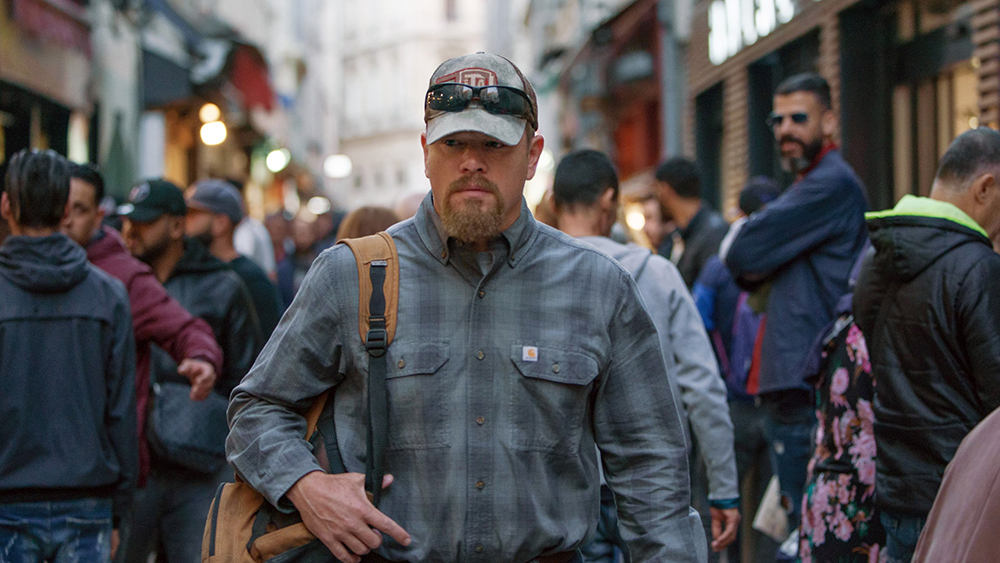
One of the year’s best films can’t seem to find its audience.
With an Oscar winner at the helm and box office draw Matt Damon delivering one of the finest performances of his career, Stillwater should have been a no-doubt buzzworthy feature that drove viewers to the theater for what was marketed as a high-stakes thriller.
And yet, director/co-writer Tom McCarthy’s latest film and his major studio follow-up to Best Picture winner Spotlight has gone considerably under the radar in spite of critical acclaim and raucous support at its debut during this year’s Cannes Film Festival.
Part of the issue is tone.
The film sees Damon portray an Oklahoma roughneck travel to Marseilles visiting his daughter in hopes of securing her freedom five years after she was imprisoned for the death of her roommate. Marketing and trailers project Stillwater as an intense thriller in the vein of the Taken franchise, though it’s considerably more restrained and somewhat melodramatic over the course of 140 minutes.
Coproduced by American and French studios, there’s a considerable blending of American intensity with moderate European filmmaking that gives Stillwater a brooding tone which could dissuade casual moviegoers. But the deliberate pace is actually one of the strongest elements of the film, which allows McCarthy’s introspective script to shine and drive the narrative based on character rather than simple plot.
Damon delivers an intensely introspective performance as Bill, a man seemingly wandering his way through life with little purpose or perspective until the events of the film grow to completely reshape him as a father, and perhaps more importantly, as a man.
There are moments of rage that will evoke his work in the Jason Bourne franchise, and audiences longing for the action thriller they believe they were promised by the trailer will long for more.
But it’s in the reflective work that Damon puts Bill through where his performance truly shines.
Over the course of the film Bill connects with a mother and her young daughter, becoming somewhat of a surrogate father as audiences see Damon slowly soften as if he were seeking amends for past sins in a pseudo do-over penance.
The relationship Damon is able to create with first-time actress Lilou Siauvaud as Maya develops naturally with the pair building bridges across generational and emotional differences in spite of language barriers. Moments where the pair begin to teach each other English and French are quite charming and often provide the slightest sense of levity to break up the heavier drama that prevails throughout.
Abigail Breslin is solid as Bill’s daughter, though the screenplay and the larger feature as a whole keep Allison at a distance from audiences, muddying the waters to accentuate the central mystery and maintaining the focus on Bill himself.
Camille Cottin is excellent as Maya’s mother Virginie, operating both as a narrative link to drive the story forward translating for Bill and the audience and as a beacon for Bill to find himself in this foreign world culture that he doesn’t understand as a blue collar American.
Cinematography from Masanobu Takayanagi is largely handheld and natural, allowing the city of Marseilles to fill the background with its unique beauty and plurality as a city of elite and lower class. McCarthy and Takayanagi do a wonderful job of using the visual to help create the world of the film without becoming a distraction from the character work.
Focus Features seems to have moved Stillwater off its Academy Awards marketing campaign, pushing the film into premium video on demand while it’s still screening theatrically. Unfortunately, Damon’s chances of earning a Best Actor nod seem unlikely as comments he made during the press tour for the film have moved him almost certainly out of the running.
By the time all is said and done, Stillwater could very well top a list of 2021 films that no one is talking about despite being among the most original and captivating.
Damon’s performance is beyond reproach and the considerable talent around him both on screen and off make Stillwater a film audiences should seek out at home or on the big screen.

At a certain point, theater starved audiences are going to have to admit that they’ve got rose colored glasses on.
Viewers who lived for years as their local movie house are finally starting to make their way back to the big screen on a once-a-month, every-other-week trip to the cinema.
Because the movie-going experience feels new again, there’s an anticipation that builds up and amplifies their opinion of whatever movie they’re seeing. Event-izing a mediocre film as special due to the fact that it’s seen theatrically creates this idea that the movie they just saw had to be worth it.
For many audiences, Free Guy might be their first trip back to the movie theaters in months or even since March of last year and in their minds, it had to not be a good movie. It had to be a great movie.
The film, bumped several times from its initial July 2020 release, finally made its way to theaters this weekend, with Ryan Reynolds starring as an AI-controlled video game character (or NPC) becoming self-aware and striking out on his own as a good guy in a world where gun violence and bank robberies are commonplace.
Free Guy projects itself to be something different depending on its potential audience: a family-friendly romp for pre-teens, a Deadpool-like spoof of the video game industry for millennials and a hyper-stylized action-adventure for older audiences.
In trying to serve all these different groups at once, director Shawn Levy succeeds at none of them, creating an overly mediocre feature that exceeds the bounds of its fantastic premise.
Reynolds’ Guy is essentially a carbon copy of the classic Will Ferrell character Buddy the Elf from Elf, only as a hopeless romantic daydreamer replacing the childlike wonder.
As Guy begins to understand his own free will, Reynolds does a solid job removing some of the polished shine from Guy’s almost robotic personality, but it’s only surface level character work. The script doesn’t really explore Guy’s inner monologue, and although a romance between his NPC and real-world Milly evokes shades of Spike Jonze’s sci-fi drama Her, it’s played innocent to the point of being timid.
The film’s two main comedic talents, Reynolds and Taika Waititi, never share a second of screen time and the humor lands only about a third of the time. As the primary antagonist of the film, Waititi makes some interesting choices to differentiate from his regularly lovable persona, but his Antoine is incredibly demure by Waititi standards.
Everything around Reynolds, especially the moments when Guy is off screen entirely, are distinctly unmemorable and bland. In trying to create a larger world around Guy, Levy and screenwriters Matt Lieberman and Zak Penn drive down the film’s momentum with a subplot about who gets the credit for creating the world of the “Free City” video game to the point where Guy’s self-awareness becomes subservient to a less interesting narrative altogether.
Visually the film has its moments, especially when Guy becomes self-aware of the video game elements of “Free City,” and there’s an endless amount of hidden easter eggs waiting in the background of scenes to be explored on rewatches.
But just like the numerous cameos littered throughout, Free Guy only has pockets of energy that are gone as quickly and spontaneously as they arrived only to leave the final product a jagged mess.
Free Guy is a film that tries exceptionally hard to be a cross between The Truman Show and Ready Player One, but fails to live up to either of those significantly more engaging, interesting movies. Reynolds makes it worth seeing several months from now on a streaming service or home rental thanks to his affable charm, but there isn’t enough quality there to go out of the way to see Free Guy in theaters.

After failing to generate a full-fledged spinoff franchise in 2016, Warner Brothers and DC Comics return to the villain-turned-reluctant-hero well for a second time with The Suicide Squad, a film that adds a word to the title and far brighter, more inventive filmmaking.
Director James Gunn, who’s largely responsible for making an obscure Marvel comic book into its own successful movie series with Guardians of the Galaxy, comes on board to write and direct the most irreverent, brutal and entertaining film in the entire DC Extended Universe.
While it’s not quite on the level of top end Marvel movies, The Suicide Squad is far superior to the overly bland and unnecessarily dark David Ayer film Suicide Squad and continues the upward trajectory of the DC franchise as a whole.
The sequel’s premise is much like the 2016 original as a covert U.S. government operation aims to tackle the most dangerous missions by extorting imprisoned super-villains to risk their lives in exchange for reduced prison sentences. While the mission to destroy “Project Starfish” on a remote island nation serves as the plot device driving the film forward, The Suicide Squad relies heavily on putting its terrific ensemble cast in ridiculous situations and allowing the humor and violence to carry the weight.
Margot Robbie returns as the infamous Harley Quinn, the lone standout of the original film and one of the few survivors. Much like the 2016 installment, Robbie isn’t the focus of the storyline nor a central character, but her performance draws so much attention with the relentless chaotic energy that she brings to Quinn.
It isn’t the best version of the character; her turn in the role for last year’s Birds of Prey brought far more development and growth that allowed Robbie to sink her teeth into the material. Her scenes exude a manic-like frenzy state that rationalize delusions and yet there’s a sweet innocence lying under the surface that endears Quinn to the audience in a way unlike any other character.
Idris Elba and Joel Kinnaman carry the burden of driving the narrative forward with functional, yet underdeveloped military characters that hold the unlikely team together towards their mission, while Sylvester Stallone is a gem providing the voice of the tank-like King Shark that will likely be audiences’ favorite new member of the team.
Among the new additions, the most talked about will be John Cena’s alpha-male, American vigilante bravado fueled work as Peacemaker, a shoot-first, ask-questions later sort of a guy meant to symbolize imperialism and be a direct political commentary that will alienate a large percentage of the potential viewing audience.
That being said, it’s among Cena’s strongest acting performances as he is able to channel a character meant to be reviled or rooted for depending on the perspective and Cena has the comic timing to land some of the film’s funniest lines while maintaining a very rigid delivery that accentuates the “what if G.I. Joe had no morals” vision for the character.
Gunn’s film impresses the most from a visual standpoint, where his innovative use of cinematography provides a fresh perspective on the comic book film genre. These are especially impactful in long, continuous action sequences where the camera naturally pans through the chaos and in one late fight shown in the reflection of a hero’s helmet.
There’s also a demonstrative, considered use of brighter colors that are both harder to pull off with the CGI used in the film and much more rewarding as action sequences are easier to understand from an audience perspective and feel more spectacular when not shrouded in darkness like so many superhero films opt to do.
As DC films go – and especially in comparison to the first Suicide Squad film – Gunn’s iteration is exceptionally violent, more than earning its R rating with a disregard for the brutality of murdering endless swarms of nameless goons or blowing a villain away at close range and scattering his brains across the frame.
The Suicide Squad goes far out of its way to suggest to audiences that they are in for something different from the outset and the tone reminiscent of the irreverent Deadpool films from Ryan Reynolds is more than a knowing nod. Younger children who may have been allowed to see Aquaman or the two Wonder Woman films should not see Gunn’s film for the violence alone, although the adult humor and occasional sexual innuendo isn’t to be scoffed at either.
The Suicide Squad is well worth a trip to theaters for those interested in a big screen experience and there’s no less enjoyment to be had for those opting to catch Gunn’s film in the privacy of their own homes streaming on HBO Max.

Gunpowder Milkshake never had a chance at a theatrical run. The film’s biggest star is Karen Gillan, a talented actress with major ensemble roles in the Marvel Cinematic Universe as villainous half-robot Nebula and alongside Dwayne Johnson and Kevin Hart in the Jumanji reboot films.
A major studio eyeing box office success isn’t going to put their resources into a female-led action ensemble film without a big name draw at the top of the billing and as much as Carla Gugino, Lena Headey, Michelle Yeoh and Angela Bassett bring to Gunpowder Milkshake, it’s not enough to entice someone to finance getting the film onto the big screen in any significant way.
But in many ways, writer/director Navot Papushado’s first major feature is the perfect streamer movie.
Highly influenced by films like John Wick, Atomic Blonde, Kingsman and the complete works of Quentin Tarantino, Gunpowder Milkshake opts for flashy neon colors, brutal violence and simple matter-of-fact dialogue to bulldoze its way through the narrative with as little world building as possible.
The film finds Gillan’s Sam as a hitwoman on the run after betraying the organization that hired her to protect an innocent young girl kidnapped by clumsy, greedy lowlifes. When Sam and her ward, Emily, make it to a safe house, they are greeted by women from Sam’s past that prove to be key allies in a war against all comers.
Gillan is a generally enjoyable lead to follow over the course of two hours as her strong comedic timing really allows for the moments of levity to strike home well in the sparing moments they occur. A large segment of her Sam does feel somewhat lifted from Keanu Reaves’ titular performance in the John Wick series with a stoic, slightly muted monotone delivery for much of the film and a clear decision to internalize all of Sam’s childhood trauma and turn it into cold-blooded violence that anchors the film.
Despite the ridiculous nature of many of the situations the film puts her in, Gillan is able to carry action sequences with the gusto necessary to allow audiences to maintain a suspension of disbelief that makes the scenes implausibly enjoyable rather than short circuiting viewers’ engagement with the movie.
At her side for most of the running time is Chloe Coleman, who’s far more charming here than in last year’s underwhelming family action adventure My Spy. Coleman lays out Emily’s emotions bare and holds her own in scenes opposite Gillan, especially when the pair are trying to escape a slew of armed baddies in a bulletproof red speedster.
There’s a decent blend of homage and originality to the film’s many fight sequences, from a battle in a dimly-lit bowling alley with faded neon lights meant to evoke shades of Kill Bill to a fight in a hospital hallway that provides some of the most inventive choreography in several years in spite of a ridiculous pretext.
Stylistically, the action sequences vary in weapon choice to a much larger degree than the average thriller would and the film’s lone car chase scene has a distinctly original twist that is among the highlights. Cinematographer Michael Seresin does a solid job capturing moments from unique vantage points that emphasize and accentuate the bright visual color palette of Gunpowder Milkshake, but it’s often undercut by uneven editing.
It’s a significantly superior film to Charlize Theron’s Netflix action adventure film The Old Guard, but not quite on the level of her big screen hip action thriller Atomic Blonde, from which Papushado draws some inspiration.
While not among the best films of the year, the ease of access and high rewatchability make Gunpowder Milkshake a clear choice for action fans to take a chance on with their Netflix subscriptions while waiting for the next Marvel film or John Wick installment to arrive.
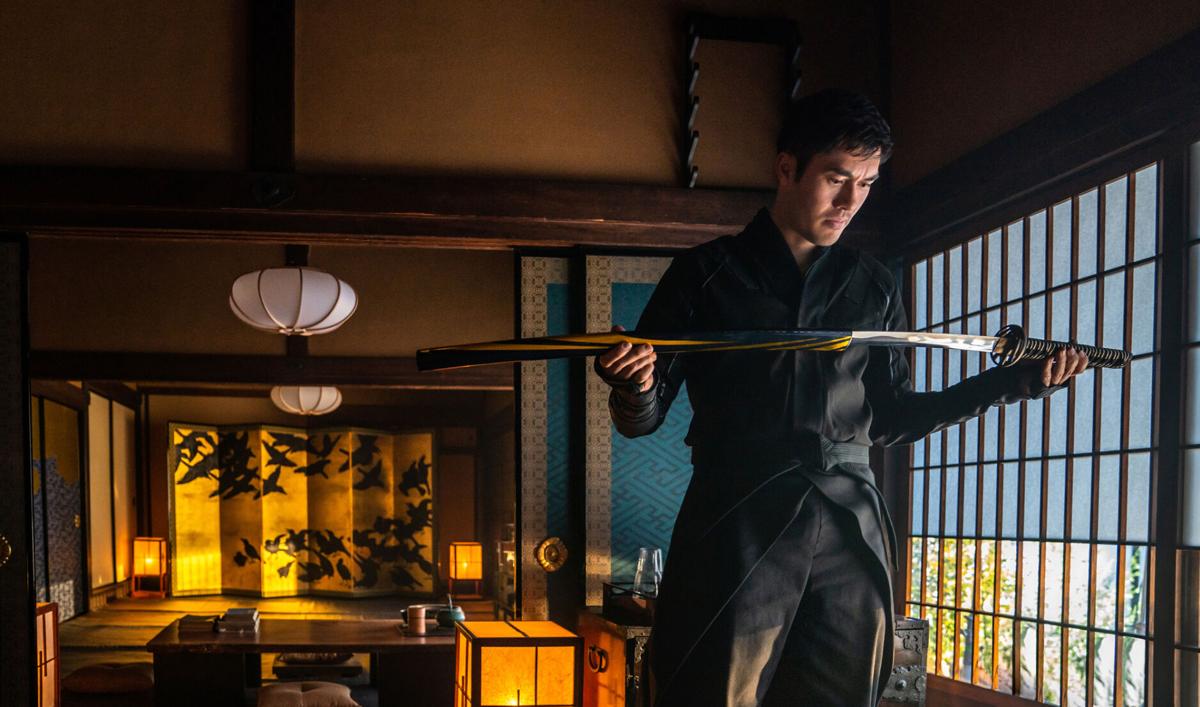
Henry Golding broke out in 2018 as the charming boyfriend in Jon M. Chu’s hit romantic comedy Crazy Rich Asians.
Since that time, the Malaysian actor has built a reputation for using his good looks and charisma with successful supporting turns in films like the thriller A Simple Favor, dramedy Last Christmas and crime dramedy The Gentlemen.
His first major lead role is a woeful misuse of Golding’s talent and skillset to this point as director Robert Schwentke strangles out any personality the actor might bring to the table with a stoic, borderline unlikeable character in hopes of restarting an unpopular action franchise based on a children’s cartoon and toy line.
Snake Eyes functionally erases everything about the well-established hero from the G.I. Joe series and hits the reset button for a third time after failed attempts to launch a franchise with 2009’s G.I. Joe: The Rise of Cobra and 2013’s G.I. Joe: Retaliation, directed ironically enough by Chu.
In this iteration of the title character, Snake Eyes is a drifter wandering across the world looking for a fight when he stumbles into the middle of a war between the Yakuza and the Arashikage clan, where he saves the life of a potential rival and trains in the ways of the ninja.
The film functionally does both the character and Golding himself a major disservice by blurring the line too much between Snake Eyes as an anti-hero and an antagonist. There’s no real reason to root for Snake Eyes other than Golding’s innate likeability as he bafflingly waffles both sides of the coin to the point where it doesn’t even really feel like writers Evan Spiliotopoulos, Joe Shrapnel and Anna Waterhouse know what to do with him.
Golding is clearly trying here, both physically by putting himself through rigorous training to do as many of the stunts himself as possible and emotionally to try and draw anything out of an underdeveloped character. But unfortunately nothing seems to be working.
The same could be said for Andrew Koji’s Tommy, a man who craves to be trusted and loyal but without any real motivation. The film’s true villains also lack distinctive motivations beyond cursory nods to G.I. Joe’s rival Cobra organization and it’s only Samara Weaving’s introduction as fellow “Joe” Scarlett that provides Snake Eyes with any punch in the latter half of the film.
Snake Eyes prides itself on intense hand-to-hand and sword-to-sword action sequences, but all too often these moments are plagued by poor cinematography, or worse yet, inherently terrible lighting that masks and distracts from the deliberate, methodical work of the stars and stunt teams.
As is most often the case in subpar fight-intensive films, the pivotal sequence in the final act is shrouded in the cover of darkness with pitch-black layers obscuring a car chase scene and combat on an 18-wheeler leading into a mystic battle in tight spaces with random blazes of fire lighting the way.
Audiences quite often won’t know what they’re watching on screen, which allows Schwentke to cut corners visually and attempt to create excitement via parlor tricks. It certainly doesn’t help that a film that prides itself on realism in its combat resorts to CGI-heavy machinations in its final moments, shortchanging some solid early work and leaving a bitter taste in viewers’ mouths.
While it’s clear Paramount is trying to draw in new audiences, Snake Eyes is too forgettable to generate any traction with viewers reluctant to go to the theaters for just any movie.
Rebooting G.I. Joe this way is simply rolling the dice over and over again, expecting it not to land on double ones.
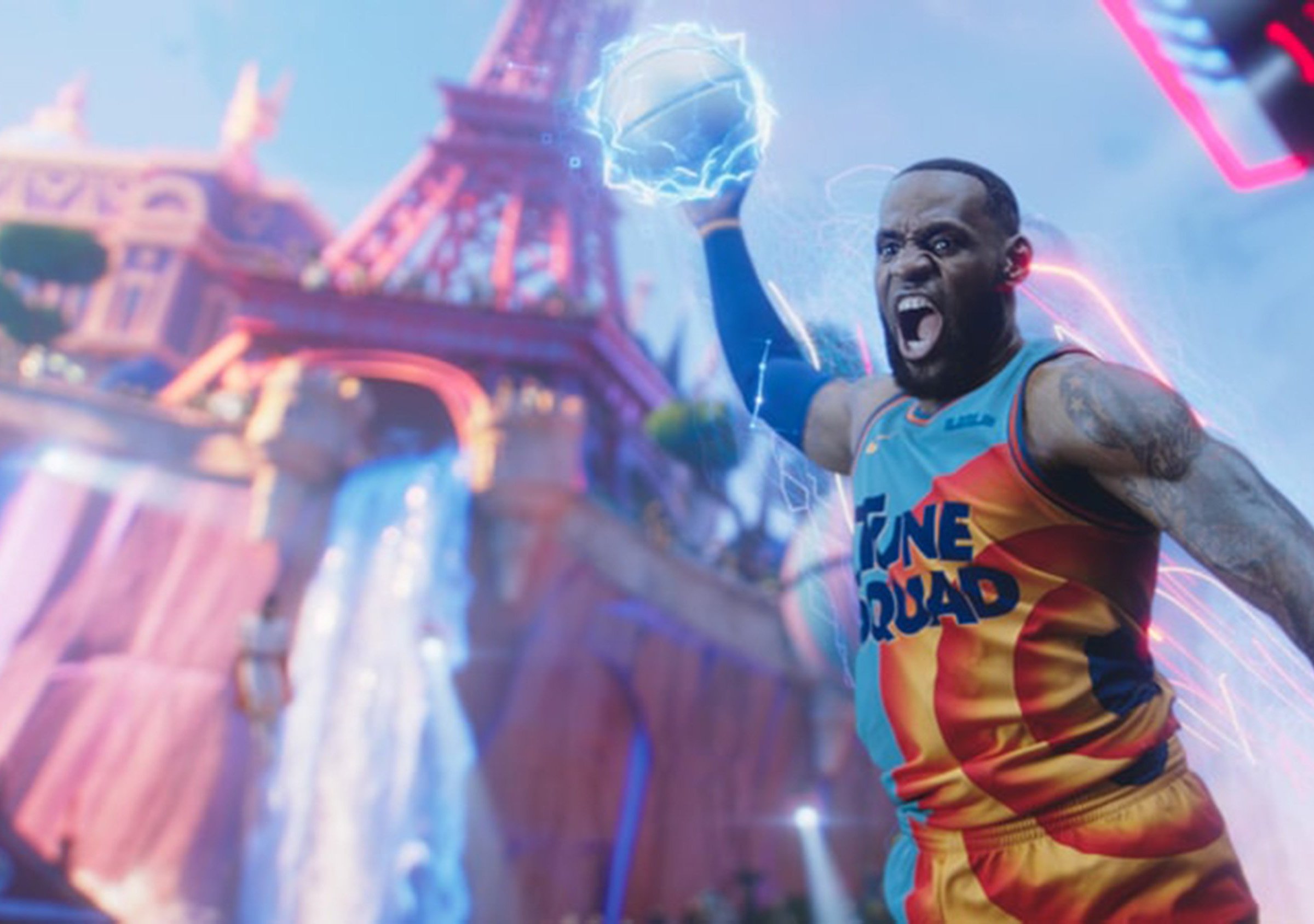
Basketball superstar LeBron James showed a lot of promise for a post-playing career as an actor with a small, yet hysterical supporting turn as a caricature of himself in 2015’s Trainwreck.
In the six years that have followed, “King James,” as he is known in NBA circles, has won championships with multiple teams and rivaled Michael Jordan for the unofficial title of greatest player of all time.
James returned to the big screen for the first time in six years this weekend, chasing after Jordan with what could be considered either a spiritual sequel or outright reboot of the 1996 children’s classic Space Jam.
Space Jam: A New Legacy stars James as a fictionalized version of himself, trapped inside the computer substructure inside Warner Brothers Studios dubbed the “Warnerverse” and forced to team up with Looney Tunes characters Bugs Bunny, Daffy Duck and the gang to win a basketball game to save his kidnapped son.
It’s readily apparent to be a modernization of the initial premise that saw Jordan play hoops with the “Toon Squad,” but an additional half-hour to the running time allows director Malcolm D. Lee to cram in as much I.P. as possible as an animated version of James flies across the Warner universe through Game of Thrones, Harry Potter, DC comic books, Casablanca and even the dystopian science-fiction world of Mad Max: Fury Road.
Often these one-off gags miss the mark and bloat the film unnecessarily; there’s no need for the evil clown Pennywise from It to watch a basketball game other than to be a distraction.
When the moments are well animated and ironically enough James isn’t involved, however, they can land for an amused chuckle that will sail right over kids’ heads.
James himself isn’t a terrible actor. It’s just that the screenplay from writers Terence Nance, Tony Rettenmaier and Juel Taylor is mediocre that the basketball star isn’t able to score given bad setups and bland dialogue.
With A New Legacy, James is actually probably about at the same level Jordan was as a performer in the mid-90s, but there isn’t a Bill Murray to riff off of or an Ivan Reitman producing the film to raise the comedic talent involved.
Oscar nominee Don Cheadle – whose other HBO Max film No Sudden Move is among the year’s best features – isn’t holding back at all as the villain, a computer algorithm richly named Al. G Rhythm, because that’s the level of thought being put into the narrative of the film.
Acting largely against a green screen and likely not even with James in the same room, Cheadle cranks the volume up to 11 in a performance that’s cartoonishly menacing and one that kids will enjoy hating while parents roll their eyes, perfect for the film’s target audience.
Warner Brothers’ animation department is filling up the proverbial stat sheet with this film, both in the volume of content drawn into each frame and in the visual artistry required to achieve the number of looks desired in the film. The strongest sections of A New Legacy come in the digitized world and there’s always something to look at that should hold the attention of kids on a fifth, tenth or hundredth re-watch.
A New Legacy feels very much like James need to continue to take the mantle from Jordan rather than make his own movie on his own merits.
In the end, it’s a Looney Tunes movie where the cartoons are significantly better than their live-action counterparts and the Ready Player One-esque Easter eggs littered throughout just distract from audience engagement, which is probably a good thing.
The film’s simultaneous release in theaters and home streaming on HBO Max makes it incredibly easy to watch, something that nostalgic adults who grew up in the 90s can give a shot with little effort or expense and something its intended audience – children 6-12 – can watch on a loop during a long summer break.
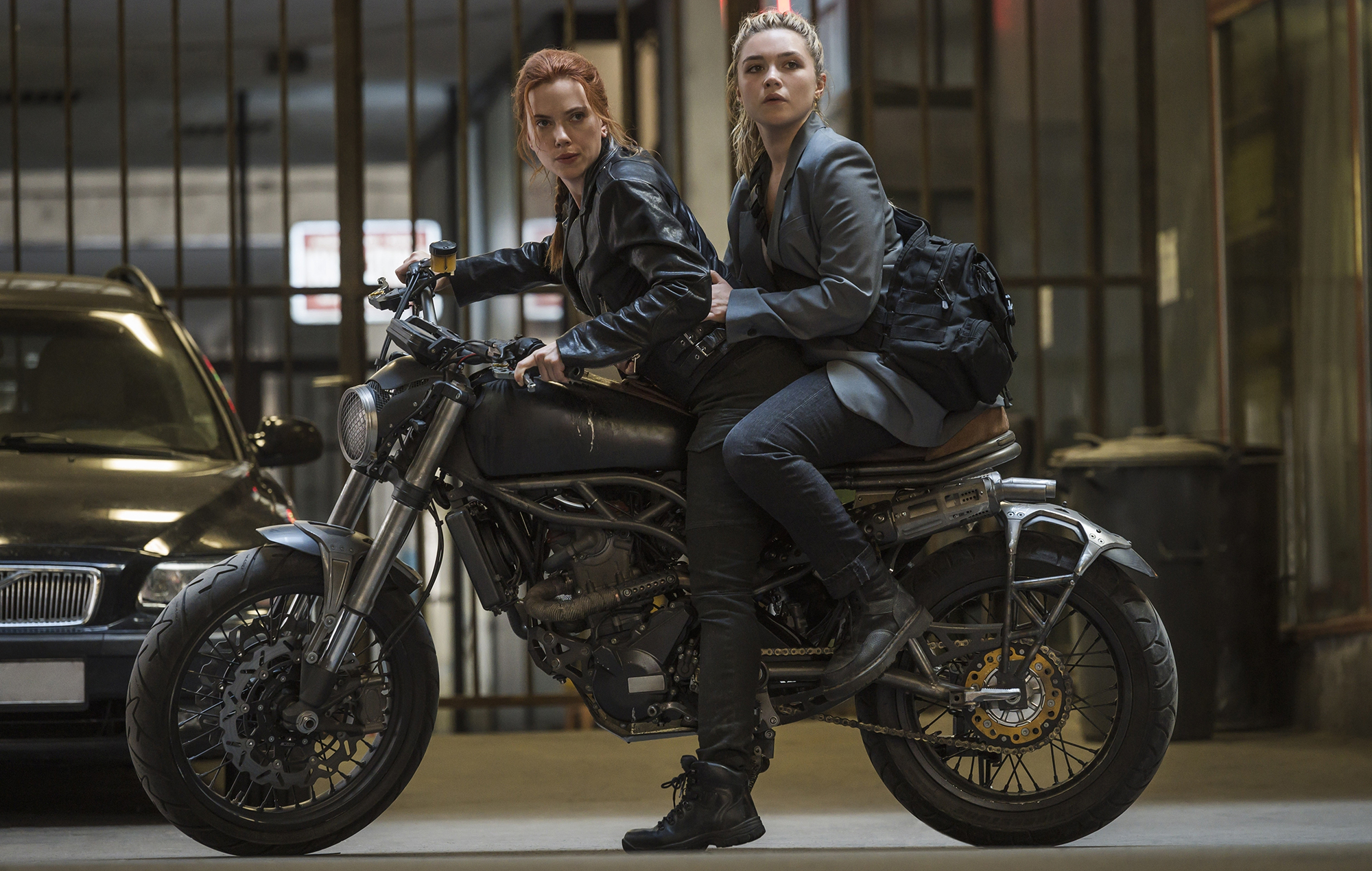
Marvel has taken a two-year hiatus from the big screen following the climatic events of Avengers: Endgame.
Although the studio has produced several successful miniseries in the meantime for Disney+, fans had to wait an extra year for Phase IV of Marvel’s feature film franchise to begin with the COVID-19 pandemic delaying the release of Black Widow, expected to be the final entry in the series for longtime star Scarlett Johansson as the titular assassin.
Director Cate Shortland takes significant inspiration from the spy genre to craft her feature, beginning with an intimate, subdued world of counterintelligence and balancing that against a more bombastic realm of comic book influence for a pleasing two-hour ride.
Black Widow takes place out of chronological order, in the fallout of Captain America: Civil War rather than Avengers: Endgame. Natasha Romanoff is on the run from authorities and stumbles into a faceoff with her long-lost younger sister Yelena Belova and the infamous Red Room, a Soviet assassin program that trained them both.
Johansson is solid in a film that should have come out five years ago to take more advantage of her character arc in the proper context, but the actress has such natural control of the character at this point that she naturally falls into the role regardless of the time jump. It’s a confident, driven action performance that carries the weight of the film on its shoulders while allowing others on screen to shine around her.
While Johansson is the far more established star in the Marvel Cinematic Universe, Black Widow places her at the same importance level as Florence Pugh, as if Johansson is passing the torch on to a key figure in the next generation of the franchise. Establishing Yelena takes up as much screen time as rounding out Natasha’s storyline, with a sisterly bond between the two characters redefining the elder sister’s arc throughout eight films and creating motivation for the younger sister’s journey still to come.
Johansson and Pugh have incredible chemistry on screen and their natural balance shines in both physical action sequences and more subdued, character driven moments. The pair onscreen together are the highlight of Black Widow.
Pugh especially carries every scene she’s in with a performance that’s as if she had been playing Yelena for 10 years like Johansson has with Natasha.
David Harbour does a good job playing both comic relief and emotional support as the pair’s father figure Red Guardian, while Rachel Weisz’s Melina is woefully underwritten and played overly passive for a spy of her caliber.
As is the case with most Marvel films, the villains are underwhelming with Ray Winstone’s General Dreykov serving as the quiet man in the shadows who may or may not be dead.
The classic Marvel baddie Taskmaster is almost completely robotic, save for one moment. While the initial combat sequence between Taskmaster and Black Widow is solid, showcasing the villain’s ability to mimic the opponent’s combat style, it often felt that the character was included for the sake of having an iconic villain in the film rather than actually serving a material purpose.
Action evolves over the course of Black Widow, leaning more on a grounded hand-to-hand and car chase style reminiscent of Jason Bourne or James Bond films in the first hour and ramping up the spectacle as time goes on. The pacing and relative lack of action scenes may disappoint some Marvel fans looking for larger set pieces, but the compelling narrative does make up for this in large part.
Within the context of the entire Marvel Cinematic Universe, Black Widow falls somewhere in the middle third of the series as a whole as it lacks the long-term storytelling payoffs or dynamic energy of other films in the franchise.
But for an audience starved of superhero action adventure on the big screen, Black Widow certainly holds its own as a solid MCU movie and an important one moving forward that’s well worth the price of admission.
Steven Soderbergh makes movies with only one audience in mind: Steven Soderbergh.
The filmmaker behind classics like Erin Brockovich, the Ocean’s Eleven trilogy and Traffic is well into a point in his career where he has a clear vision for what he wants to do, can do it quickly and loves to experiment with the visual form as his own personal art project.
It’s why he can quickly move from shooting a basketball drama on iPhones with High Flying Bird to plot-twisting vignette pieces strung together in The Laundromat to his latest film, a period crime drama that may fly well over the heads of casual audiences but could make ardent cinephiles re-watch over and over again for the little cinematic flourishes.
Three random criminals unfamiliar with each other are hired to “babysit” a blackmail victim and his family, only to see their relatively simple assignment spiral far beyond their control and sink far into the deeps of the underbelly of 1950s Detroit. While it rarely confronts these issues head-on, No Sudden Move reeks with deep-seeded racism and disenfranchisement of the period and larger conspiracy on a national level.
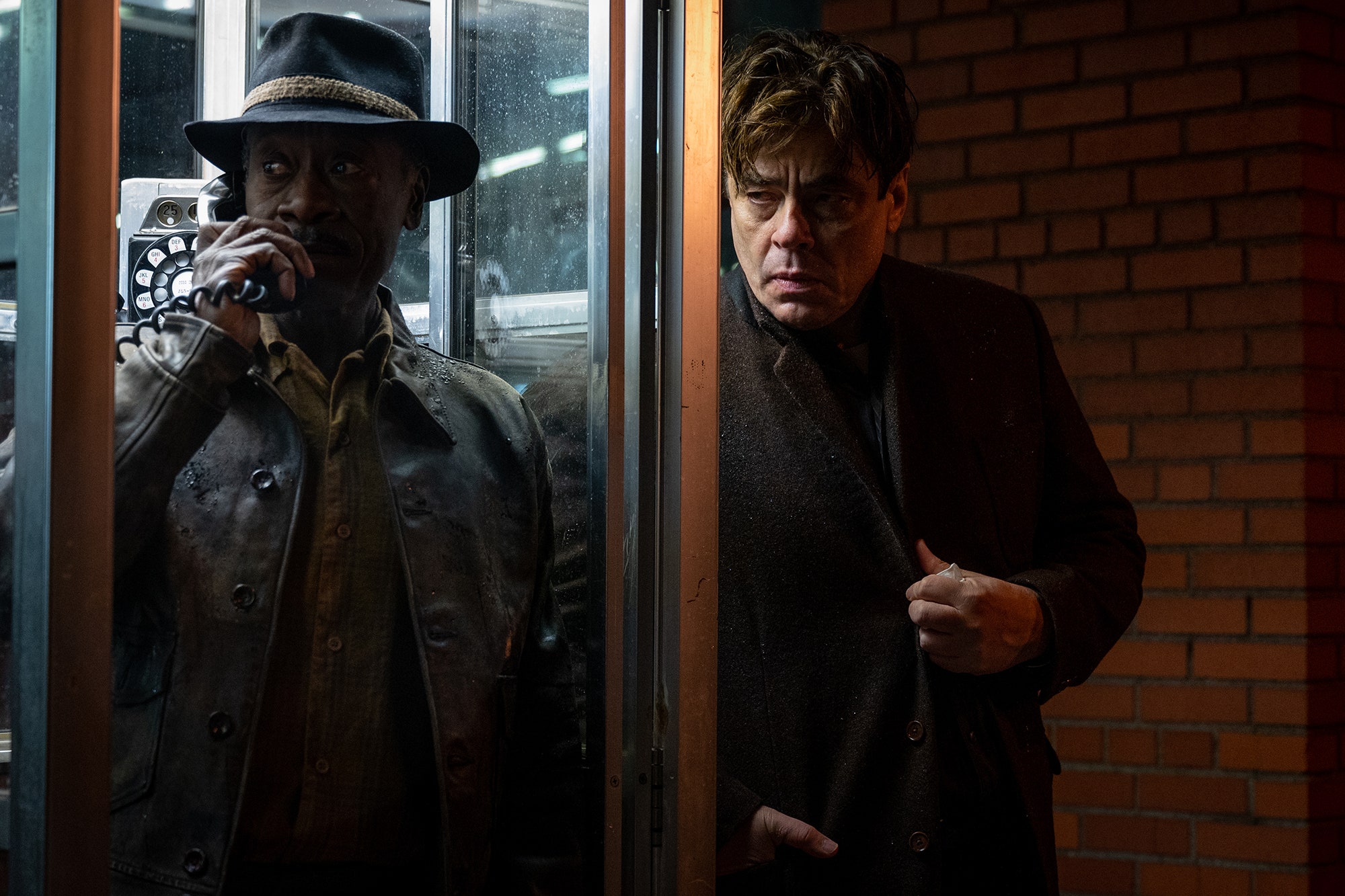
At the center of the film, Don Cheadle is a contemplative force as Curt Goynes, fresh out of prison and in need of quick cash. Although audiences are never truly sure what anyone in the film is thinking, Cheadle allows viewers to see Curt’s mind constantly churning possible scenarios and escape hatches in order to make it through rich and alive.
It’s the least flashy performance in a film filled with characters, yet Cheadle’s constant, steady presence gives the audience something to latch onto as the slow-burn, deliberate narrative moves along.
This is perfectly contrast by a dodgy, controlled mania from mobster-on-the-out Ronald Russo, played by Benicio del Toro. The Usual Suspects star is tailor-made for these sort of crime thrillers as his work often leaves viewers on the edge of their seat in nervous anticipation of what’s to come next as del Toro plays each role so in the moment that there’s genuine surprise as events roll out in real time.
Cheadle and del Toro have choppy chemistry on-screen, but this works in a film where trust is at an intense low and both actors feel like they’re working each other so as not to get worked themselves.
The film boasts a cavalcade of terrific performers littered throughout that give No Sudden Move a distinctly vibrant, character driven feel.
Kieran Culkin is intensely slimy as a criminal ringleader, while Ray Liotta evokes the dark side of his Goodfellas past as an unscrupulous crime boss. Uncut Gems breakout Julia Fox steals scenes as Liotta’s wife who may be cheating with Ronald, while David Harbour gives one of his best performances as the main victim with secrets of his own.
A major cameo left unspoiled here is the perfect jarring awake of the audience that the film needs to ramp things up to its climatic end and the scene featuring the uncredited star is among the most intriguing. Writer Ed Solomon’s terrific screenplay truly comes alive in this moment as a discussion of the randomness of events melds with social context that puts everything that came before into a new light.
Nothing is given or telegraphed to the audience as the plot weaves and winds its way through the narrative. Soderbergh and Solomon make a clear, conscious decision not to let the minutia of over explanation get in the way of driving things forward as the camera follows Curt and Ronald deeper into trouble.
No Sudden Move floats through its two-hour run time thanks to some silky, velvet covered visuals from Soderbergh in conjunction with cinematographer Peter Andrews. Shot with modern cameras equipped with period lenses, most scenes have a fish-eye quality to them that rounds and obscures the view. This pairs exceptionally well with Soderbergh’s high contrast lighting and distinctly off-kilter camera placement that finds the audience looking up from a tilted head at characters or at an almost two-dimensional parallel.
Warner Brothers’ decision to release No Sudden Move in July exclusively on HBO Max pretty much excludes any possibility of an awards season run for the Soderbergh film, which is among the very best of his last decade of work. It’s doubly disappointing not to be able to watch this mid-budget adult drama on the big screen as it’s exactly the kind of film that could draw out moviegoers hoping to make a return to the theater after more than a year away to see a film that isn’t a popcorn franchise film.
No Sudden Move is a low-risk, high-reward offering for cinephiles who will either quickly engage with Soderbergh’s unique perspective or be able to move on to other films without too much commitment thanks to it streaming on HBO Max.

It’s time to call a spade a spade.
The Fast and the Furious series, now nine films and one spinoff deep in a 20-year period, isn’t in the action-adventure genre anymore.
The Vin Diesel-led F9, which debuted in theaters Friday after sitting on the shelf due to the coronavirus pandemic for over a year, cements the legacy of the franchise as comic-book level superhero franchise fodder.
Realism left the franchise long before Dominic Toretto and his “family” of maverick car thieves stopped street racing, but director Justin Lin’s return to the franchise ramps up the incredulousness in yet another pointless need of self one-upsmanship. F9 is so blatant in its exploitation of its origins that characters point out how unkillable they are and one villain even resorts to a quippy comment that begins with “if this were a movie….”
There are certainly those who will feel right at home in this over-the-top heist/racing/superspy feature, a generation of pre-teens conditioned by the Marvel Cinematic Universe to toss cinematic convention out the window.
But even film lovers who accepted the franchise’s transition from small-world crime drama to full fledge international thrillers will find that Diesel and company drove their vehicles off the cliff with “F9,” jumping the shark as they freefall into a pile of cash.
This iteration of the franchise finds Toretto pulled back into action as a long-lost relative resurfaces in the pursuit of “Project Ares,” a device created to hijack and override any computer-based device it can connect to. Incredibly, this MacGuffin is separated into three parts – two digital pieces and an encryption key – that drive the film’s three act narrative structure and allow Lin and co-writer Daniel Casey to completely reconstruct character arcs from the entire franchise.
Not only does this hinder the cohesiveness of F9 as a true narrative, but it reinforces the fact that nothing that happens in the film really matters in the long run as it will get wiped away or explained differently to suit the needs of an even more spectacular blunder of logic three years from now.
Over the course of the franchise, Diesel has taken his Dominic Toretto and willed him into being a mumbling, white tank-top wearing version of the Incredible Hulk, a brutish imp of a mountain man whose relentless talk of family conflicts with just how vapid and vain Toretto has become. He’s portrayed the role seven times, slowly consolidating the character down to its simplest common denominator.
Every performance in the film becomes a caricature in this mold, whether it’s Michelle Rodriguez’s ride-or-die girlfriend with the excessive bravado or Tyrese Gibson as the resident buffoon. With 10 main characters and at least another six significant supporting roles, the plot has to become overly complicated at the expense of character development in order to justify the wildly uneven storytelling involved.
The sole newcomer to the series – sure to be integrated into the already announced 10th and 11th films – is John Cena, a capable strongman actor whose comedic talents and charisma are largely wasted as Jakob. His presence in the film fills the two requirements of any new character – following in the footsteps of Dwayne Johnson, Jason Statham and Charlize Theron before him – be a big name star with the box office presence to drag viewers to the theater and keep things vague enough to bring back and expand the pencil sketch of a character created in their debut.
F9 is made for the big screen and perhaps the first true blockbuster action film that could be worth a trip to theaters given the scale of all the CGI-heavy stunt sequences there are. Driving through landmine fields and across the streets of major European cities in cars equipped with supercharged magnets create moments that are too loud and boisterous to be enjoyed for the first time on a home television.
If there’s a time to enjoy the franchise in 2021, seeing it now is probably the best opportunity as this is the fastest and most furious that F9 will get. Audiences who can turn off their brains to ignore the massive leaps in logic or young enough not to care will find a lot of enjoyment from the spectacle.
Those who can’t will likely find it to be on par with The Fate of The Furious as perhaps the worst in the entire franchise and not worth the time, effort or money.
Inspirational sports films have practically become a tradition on par with events like the World Series, Super Bowl or Kentucky Derby.
Without fail, it’s expected – almost demanded – that there will be one every year.
Texas director Ty Roberts has brought audiences an emotional drama based on a true story from his home state, putting viewers on the sidelines with an underdog football team with an exceptional amount of heart.
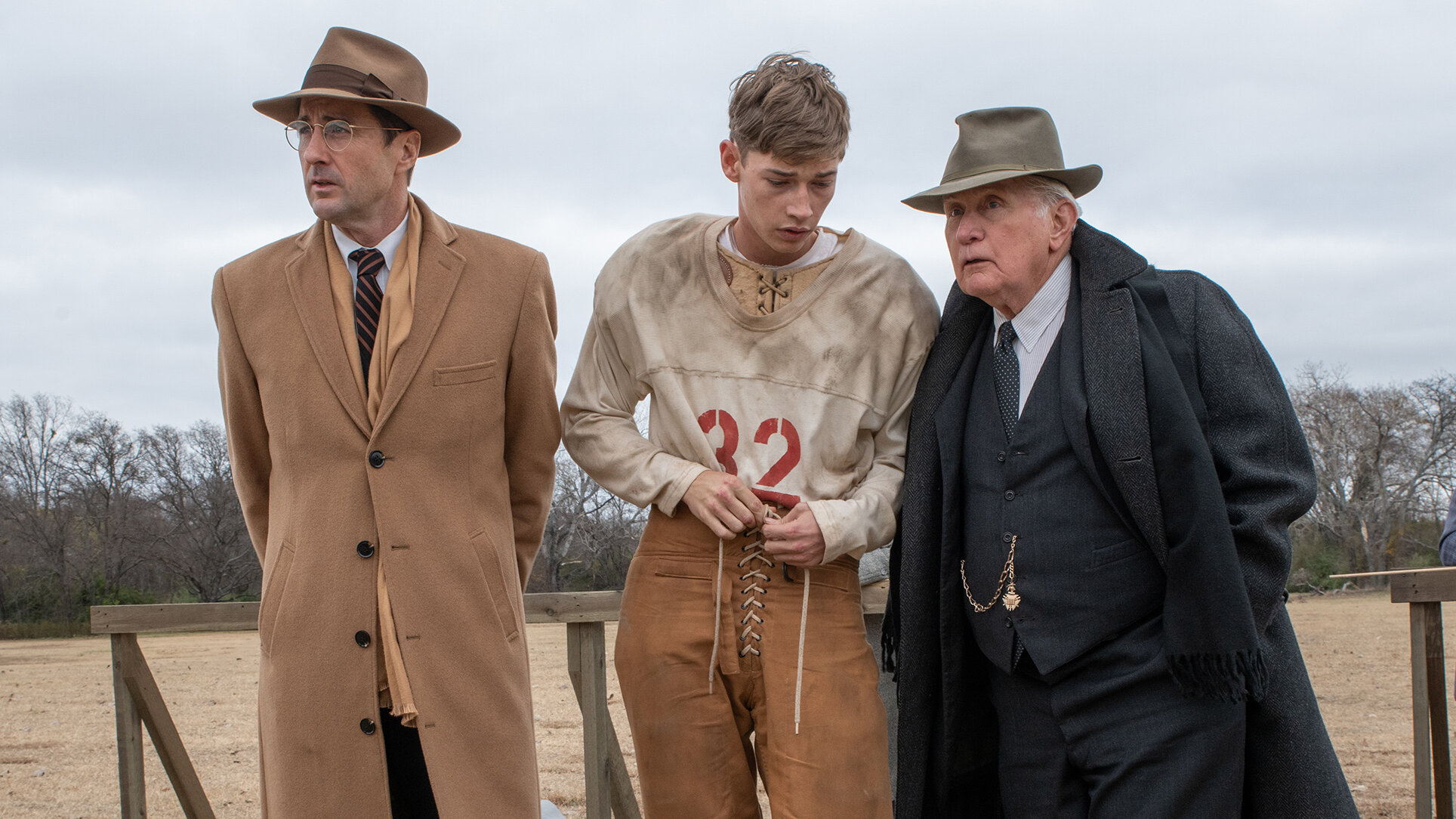
His film 12 Mighty Orphans debuted in Texas theaters last week concurrently with its premiere at the Tribeca Festival in New York City. The drama stars Luke Wilson as Rusty Russell, the first football coach hired at the Masonic Home and School of Texas, an orphanage where abandoned teenage boys create their own sense of family by fighting to compete against other Texas high schools and vie for a state championship.
At times, it’s next to impossible not to roll the eyes at a sports film leaning so heavily into the melodrama that the orchestral cues meant to bring on the tears completely water down any sizable impact the film could have made on the audience.
Wilson is a compelling lead actor in Orphans, offering compassion to the students he relates to as a former orphan himself. His Russell provides a calm in rough waters and Wilson moves smoothly throughout tender moments guiding the young men on and off the field.
When the film moves deeper into Russell’s past, Roberts wavers on how well he explains the character’s military history, though Wilson is adept at finding a balance between Russell’s personal struggles and being strong for his team.
At his side every step of the way, Golden Globe winner Martin Sheen is a delight as team physician turned assistant coach Doc Hall. Though the centerpiece of his character is an affinity for sneaking shots of whiskey at any given moment, it’s surprisingly the one flaw written into the film that isn’t overplayed.
Sheen wryly provided the film with both gravitas and a warm, lighthearted comedic touch that keeps the energy in moments where Roberts’ film could go off the rails and he has a wonderful chemistry with Wilson that draws audiences in to the notion that the team could make it deep into the postseason.
Because there are twelve players on the team and a limited running time, some of the orphans get pushed into the background to accommodate larger storylines. Among the key players, Jake Austin Walker is the highlight as the standoffish, brute Hardy. Walker commands the screen whenever he appears and brings an intensity to his performance that radiates the apprehensive nature of the character perfectly.
For some reason, melodramas like Orphans artificially create villains to heighten the plight of the heroes and the ones created here feel exceptionally inauthentic.
Seinfeld and Jurassic Park actor Wayne Knight plays a magnificently spot on caricature of Snidely Whiplash, the old cartoon baddie who would routinely tie up women to railroad tracks and twist his pencil-thin mustache.
But in this case, Knight has become an abusive, thieving teacher at the home with no depth of character or nuance. From the moment he arrives on screen in the opening moments to the final scenes, his Frank Wynn undercuts all the heartwarming momentum Wilson and Sheen develop with the orphans themselves, shattering any illusion or viewer engagement.
The same could be said for the work of the film’s co-writer Lane Garrison, who is cast as a rival football coach with an impishly cruel streak added almost exclusively to make Wilson’s Russell look better by default. Not only does Wilson not need this to achieve the sympathy of the audience, but it also actually weakens his character by implying that both men are at the same level of their coaching.
Distributor Sony Pictures Classics has done the film very little favors releasing the film more than two months before the start of high school football two-a-days, where the anticipation for the gridiron would be at its highest.
Eventually, 12 Mighty Orphans will likely make its way into a rotation of feel-good sports films that high school coaches could play for extra motivation for the team before a big game ala Remember the Titans or Woodlawn, but casual moviegoers shouldn’t go out of their way to seek out this middling feature that comes up short of the goal line.
Gun violence is senseless.
Nowhere in the United States is it more prevalent than Chicago, where more people are shot and killed than in New York City and Los Angeles combined.
For filmmakers Joshua Altman and Bing Liu’s latest documentary All These Sons, approaching the sensitive subject meant dealing with the trauma and emotional scars that linger long after bullet wounds have healed.
Their focus is on a pair of social service support groups for young African American men on the west and south side of Chicago that help stop the constantly revolving cycle of violence.
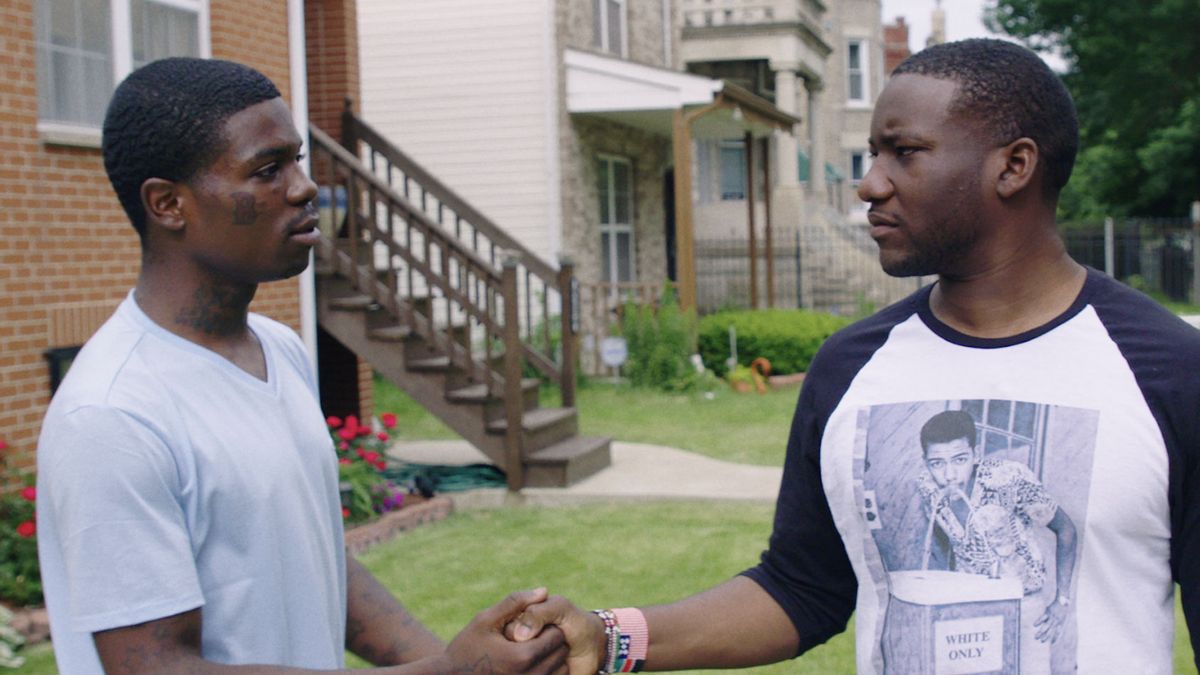
At the film’s core are Marshall Hatch Jr., the son of an area priest who leads youth through a construction trades program to keep them off the streets, and Billy Moore, leading a redemption program of his own after being on both sides of gun violence, first shooting a high school basketball standout in his youth and later losing his own son in a shooting.
All These Sons also profiles the struggles of men like Zay Manning – shot during the course of the program and ready to retaliate on a moment’s notice – and Shamont Slaughter, whose inner turmoil pushes him to the brink following the tragic shooting of his younger brother.
Altman and Liu capture the immediate fear that pushes these young men into acts of aggression: a perception that a rival might be calling in friends for a hit, the need to closely watch every car that drives past looking for the barrel of a gun, the escalating do-or-die mentality that ends with the pulling of a trigger.
All These Sons showcases the urgency needed to curb gun violence in Chicago, but more importantly, it highlights the impactful, redemptive work being done by local organizations hoping to transform potential victims and perpetrators to end the cycle of killing.
Many of the men attending these programs have either known someone shot or been shot themselves, which has left long-lasting scars and post-traumatic stress that can be triggered by simply walking down the street and noticing an unfamiliar or threatening face.
By focusing not on the tragedy of gun violence but the hope of redemption, All These Sons prevents the struggles of men like Shamont and Zay from being exploitive and maintains their fallible humanity.
All These Sons doesn’t try to over analyze or dramatize the violence that haunts every moment of the film. It’s a story of hopeful redemption littered with emotional, philosophical conversations about anger, forgiveness and PTSD.
The cinematography is simple, yet impactful with an emphasis on unobtrusive, verité style that leaves the audience feeling as if they are an invisible bystander witnessing the evolution of young men moving away from a dangerous path. The visuals also do a masterful job of highlighting Chicago’s beauty in limited wide angle shots that allow audiences to feel a larger sense of scale that helps ground just how personal and intimate the stories of All These Sons are.
This is especially true during a nighttime scene on the Fourth of July, where Chicago police vans are cruising down the streets with fireworks lighting up all around them, cross cutting with images of young African American boys setting off sparklers in school playgrounds.
What should be a glorious expression of American pride is offset immediately with news footage from the following Monday, where it was announced that 1,500 officers working overtime were deployed over the weekend and still 66 people were wounded and six died due to gun violence.
Composer Kris Bowers accents the film with a subtle, yet powerful orchestral score that helps to create the emotional backdrop for key moments.
A surefire contender for best independent documentary next award season, All These Sons should also be on the Oscar shortlist for documentary feature and will finish 2020 as one of the year’s top films regardless of genre.
Liu, who directed the terrific 2018 doc Minding The Gap, returns with something less personal but equally as powerful that will generate meaningful conversations for film lovers in all walks of life.
This review was written after screening as part of the 2021 Tribeca Festival online.
 Cinematic Considerations