Tag: Bradley Cooper

  • War Dogs: Weapons of mass enjoyment

    War Dogs: Weapons of mass enjoyment

    ​“War Dogs” seeks to answer a pretty simple question asked by CNN’s Wolf Blitzer in the film’s trailer.

    “How did two 20-something young men land a $300 million Pentagon contract?” 

    If you keep watching the rest of the trailer, the film attempts to highlight the exploits of Jewish-American gunrunners with the same comedic precision of “The Wolf of Wall Street.” It even extolls the virtues of the film’s director, Todd Phillips, A.K.A. the “Hangover” guy.

    Yes, “War Dogs” is a hilarious film, perhaps even the best comedy of the year. But it also aspires to become much more than that and largely succeeds in bringing in powerful dramatic moments as well.

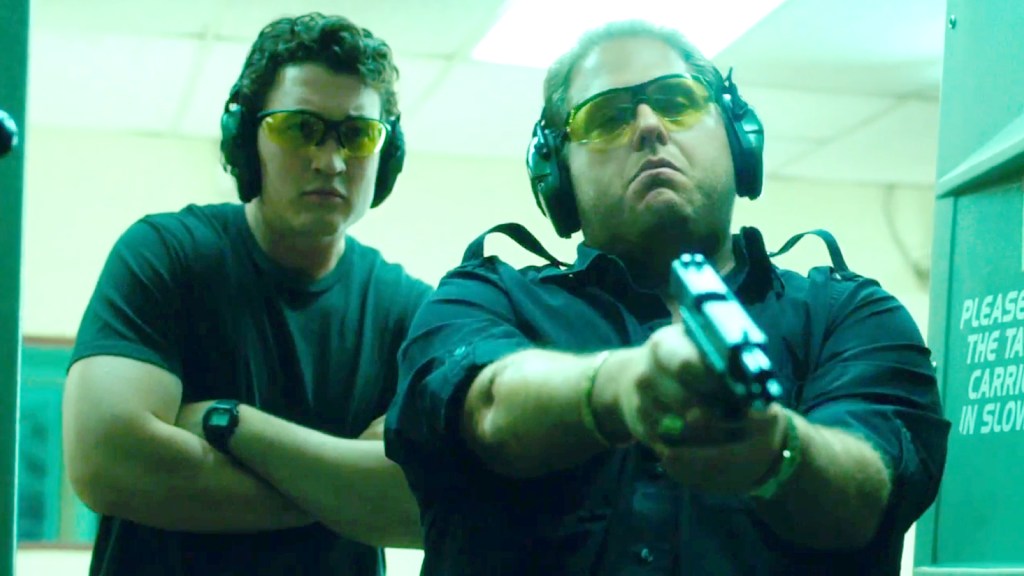
    Viewers become introduced into the world of “mostly” legal gunrunning through the eyes of David Packouz (Miles Teller) who quit his job massaging Miami’s rich and famous when his childhood best friend Efraim Diveroli (Jonah Hill) convinces him to become partners in a small arms dealing business that works exclusively on government contracts. As the size of the contracts grow, the tension and danger grow for David, who’s hiding his business from his peace-loving pregnant girlfriend.

    “War Dogs” jumps off the screen early in the film with its often bombastic comedy, but settles in to a nice medium between humor and surprisingly compelling dramatic moments. Viewers will likely never expect the film’s emotional stakes and might even miss some subtle beats of drama amid all the laughter.

    Much like his Academy Award nominated turn in “The Wolf of Wall Street,” Hill dazzles with another outstanding effort as Diveroli. His work is just on the cusp of being over-the-top in many scenes which harken back to Hill’s time with teenage raunch comedies like “Superbad.” But it’s beautifully juxtaposed against terrific scenes of calm clarity that make Diveroli a complexly manic and depraved man who attempts to become the Al Pacino character from “Scarface” that he so admires.

    While many audiences will key in on Hill’s antics and chaotic performance, Teller continues to impress with his understated, controlled effort as Packouz in both his role as the narrator and the main character of the film. Hill is able to play the gambit of emotions with Diveroli because Teller balances out the dynamic between the two friends/business partners so well. Playing against type, he does a masterful job of being the rationale everyman character to give viewers someone to relate to amid all the insanity of the gunrunning world.

    Oscar nominated actor and frequent Phillips collaborator Bradley Cooper makes a small, but important appearance as an arms dealer hoping to partner with the leads on a major government contract. His performance is relatively uneven, but efficient in bringing the necessary gravitas to the part that allows for the plot to move forward convincingly.

    “War Dogs” feels like a departure for Phillips, who’s spent years making R-rated comedies to varying degrees of success. But while his previous efforts like “Old School” and “The Hangover” trilogy skimp on the dramatic counterbalance to all the flatulence and sex jokes, “War Dogs” has some real moments of clarity and drama in its final act. The humor’s still there throughout and the entire film feels like a nice change of pace for Phillips and Teller, while continuing the same path of serious comedic work Hill has been choosing the last several years.

    The gunrunning film doesn’t stray too far to examine the morality of these “war dogs” making money off of violence and murder, nor does it examine the issue from the side of the government purchasing all the weapons to arm third-world nations. “War Dogs” stays firmly entrenched in the bizarre series of circumstances that allowed two young relative unknowns to become major players in war profiteering business enterprises and how ridiculous these circumstances are.

    With its unique blend of comedy, drama and just a pinch of action, “War Dogs” is without a doubt the best mainstream film of the summer and a must see film for adult audiences willing to check their opinions at the door and not let political leanings one way or the other affect their movie going experience. 

  • 10 Cloverfield Lane: Claustrophobia inducer a surprise hit

    10 Cloverfield Lane: Claustrophobia inducer a surprise hit

    Eight years ago, a surprise hit film came out of nowhere to wow viewers with its unique found-footage style adaptation of the classic monster movie genre.

    The film, “Cloverfield,” had a grandiose, epic feeling that pervaded the movie from start to finish, while new release “10 Cloverfield Lane” – dubbed a “blood relative” to the 2008 monster movie by producer J.J. Abrams – couldn’t be farther from its spiritual sibling.

    Confined to small, terror-inducing spaces deep underground, “10 Cloverfield Lane” is a cinematic master course in paranoia, evoking the best elements of a “Twilight Zone” episode and Alfred Hitchcock’s “Rear Window” at the thriller’s high points.

    Indie darling Mary Elizabeth Winstead stars as Michelle, a woman who awakes from a car accident chained to a wall in an unknown location. Her captor Howard, played by a mesmerizing John Goodman, believes he has saved her from the impending apocalypse by hiding in an emergency bunker outside his rural farm house.

    What ensues is about 80 minutes of a scintillating dramatic thriller with Michelle and fellow captive Emmet attempt to figure out whether Howard is friend or foe and more importantly, whether or not the world is ending.

    It’s important for viewers to know as little as possible heading into “10 Cloverfield Lane” and watching 2008’s “Cloverfield” doesn’t affect the viewing experience either way. The two films, aside from name alone, are polar opposites visually and structurally, with the new “Cloverfield” incarnation ultimately being a much better film overall.

    A mainstay on the indie film circuit, “10 Cloverfield Lane” could represent a breakout moment for Winstead, whose Michelle is incredibly easy to get behind as a viewer. These seemingly generic “damsel in distress” roles can be easily overplayed and become caricatures, but Winstead effortlessly provides Michelle with a level of authenticity not typically found in either the thriller or horror genres that “10 Cloverfield Lane” toes the line between.

    While not on the same level as Brie Larson’s more showy Oscar-winning performance as a woman in captivity in last year’s “Room,” Winstead gives the film a proper balance and keeps “10 Cloverfield Lane” from being too much about Goodman’s stellar supporting work or the film’s looming (and largely disappointing) end.

    Annual award shows typically never recognize quality cinematic work in psychological thrillers and despite a nomination-worthy supporting performance, Goodman won’t get the recognition he deserves as Howard. The veteran character actor layers Howard with equally convincing moments viewers will believe he is either sinner or saint, Michelle’s captor or her savior.

    A performance like this has always seemed to be right at Goodman’s fingertips, though he’s never been as captivating in bigger films like “Argo” or “O Brother, Where Art Thou?” as he is in “10 Cloverfield Lane.” Director Dan Trachtenberg’s choice to use extreme tight shots, closing viewers into confined spaces, helps make Goodman’s domineering size and powerful performance all the more intense.

    While “10 Cloverfield Lane” is primarily a two-handed film between Winstead and Goodman, John Gallagher Jr. offers a compelling supporting performance as fellow captive Emmet and Oscar nominee Bradley Cooper has a small, voice-over cameo as Michelle’s boyfriend.

    The film only falters in its final moments, when it largely abandons the visual and narrative structure Trachtenberg has created for a poorly sequenced, generic ending more befitting a second-rate horror movie. The insistence on tying this “spiritual sequel” back to its predecessor in name alone totally changes the entire tenor of the film, and not for the better.

    Visually, Trachtenberg creates a dynamic environment for Goodman and Winstead to play in, keeping the pressure on from moment to moment thanks to gripping close-up shots and expertly lit spaces. The film’s cinematic homage to “Die Hard” with Winstead crawling through air vents like Bruce Willis was an especially welcome touch.

    “10 Cloverfield Lane” ultimately suffers from being 10 minutes too long, with the claustrophobia-inducing film on track to be one of the year’s best films only to shoot itself in the foot at the very last second.

    Though almost nothing like its cinematic relative “Cloverfield,” “10 Cloverfield Lane” is worth a trip to theaters if for no other reason to experience Winstead and Goodman verbally duke it out in close quarters.

  • Jane Got a Gun: Embattled western uneven, but rewarding

    Jane Got a Gun: Embattled western uneven, but rewarding

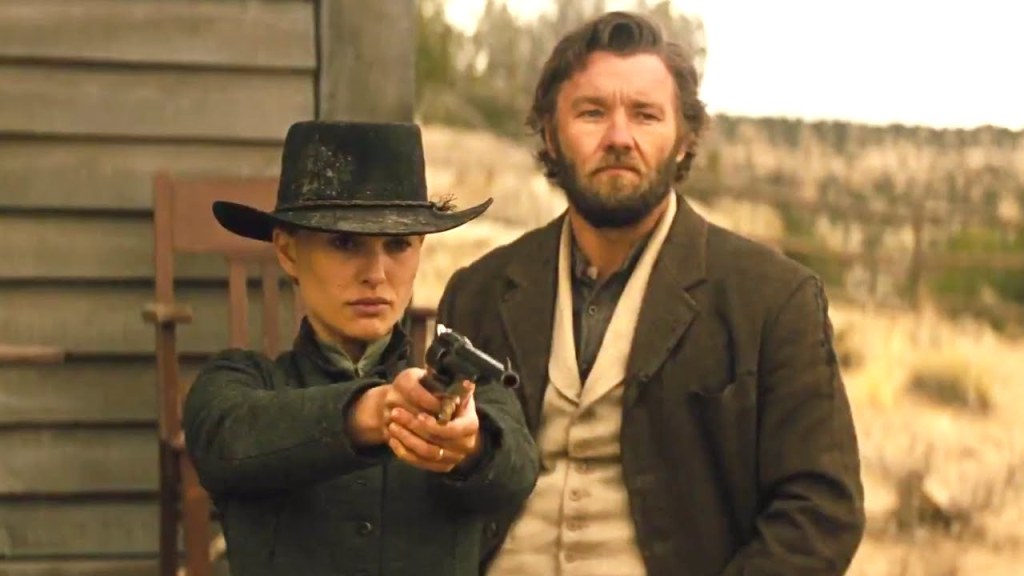
    Jane Got a Gun, a new western starring Natalie Portman and Joel Edgerton, never really stood a chance – at least not to get a fair share of the audiences cramming into theaters to see things like Ride Along 2, The Boy, The Forest and The Finest Hours.

    Originally slated to come out almost a year and a half ago, this slow-burn thriller has sat on the shelves in Hollywood when its original distributor, Relativity Media, went belly up and lost their rights to the film. By July 2015, nearly a year after its initial expected release date of August 29, 2014, Jane Got a Gun fell into the hands of The Weinstein Company, who put the completed movie back on track for release.

    It’s a film that could have starred Michael Fassbender or Jude Law or even Bradley Cooper, all of whom signed on for the film at one point or another before having to drop out due to scheduling conflicts.

    Jane Got a Gun is a cursed film, to say the least.

    https://m.youtube.com/watch?v=XsTWArbgeD8

    Last year’s embattled and shelved western, Serena starring Jennifer Lawrence and Bradley Cooper, was far less entertaining that the Portman and Edgerton led Jane Got a Gun, which certainly isn’t quite on the same level as the Coen brothers’ remake of True Grit or the Russell Crowe-led 3:10 to Yuma, but is the best traditional western in several years.

    Portman has been out of the limelight for a while, with a handful of appearances in Marvel movies and second rate comedies littering her IMDB page since her Oscar winning turn as ballerina Nina Sayers in the psychological thriller Black Swan in 2010.

    In Jane, Portman finds herself a compelling, yet underdeveloped character who has a singular need to protect her daughter, and by extension, her outlaw husband from a bandit gang led by an unrecognizable Ewen McGregor. Unfortunately, Portman shows little romantic interest in her bed-ridden, bullet-riddled husband, played by a game Noah Emmerich, but much of Jane Got a Gun glosses over the husband anyway.

    Though Portman is a producer, star and the title character of what was supposed to be a female empowerment western, the real standout in Jane Got a Gun is the underappreciated Joel Edgerton as Dan, Jane’s former fiancé and gunslinger reluctant to come to her aid. A true character actor, Edgerton melts away, leaving viewers watching Dan struggle with Jane’s unclear choices and 

    While John Bishop isn’t a ground-breaking villain, Ewen McGregor portrays the bandit gang leader so effortlessly than most audiences will fail to even recognize the Scottish star best known for his roles in Moulin Rouge and as a young Obi Wan Kenobi in the Star Wars prequel trilogy.

    Within Jane Got a Gun, director Gavin O’Connor does an admirable job of keeping things interesting visually despite the slow pace of the film, with several moments within Jane being downright gorgeous cinema.

    Much better suited for at home audiences streaming on Netflix, Jane Got a Gun is a competent, yet misunderstood western done wrong at every turn in the production process that ends up being better than the sum of its parts, but can’t overcome all of the hurdles thrown at it. Portman’s the big name on the poster, but Edgerton’s the real show to see in this up-and-down film for hardcore western fans only.

  • Joy: Jennifer Lawrence makes Oscar contender work

    Joy: Jennifer Lawrence makes Oscar contender work

    You’re sitting at home on a Tuesday evening relaxing in front of the television and the trailer for “Joy” – one of seven new releases to come out over the Christmas holidays – came on.

    You probably had little to no idea what the hell you just saw.

    image

    It’s a film with Jennifer Lawrence and she’s shooting a shotgun and for some reason there’s Robert DeNiro and Bradley Cooper and why in the world should anyone spend their hard earned dollars watching that movie.

    Ignore the trailers. The marketing execs trying to cut together clips of “Joy” haven’t gotten a movie they were trying to promote this wrong since Sony Pictures failed Cameron Crowe’s “Aloha,” ironically enough starring Cooper.

    Lawrence’s star power alone drove a majority of this weekend’s box office traffic to see the Oscar-contending drama, which should slot in comfortably behind the Will Ferrell-Mark Wahlberg two hander “Daddy’s Home” and a little movie called “Star Wars: The Force Awakens.” But it’s not enough.

    While not quite on the same cinematic level as his last three acting masterpieces – “The Fighter,” “Silver Linings Playbook” and “American Hustle” – director David O. Russell molds a largely successful drama akin to “August: Osage County” with more gusto and business acumen.

    image

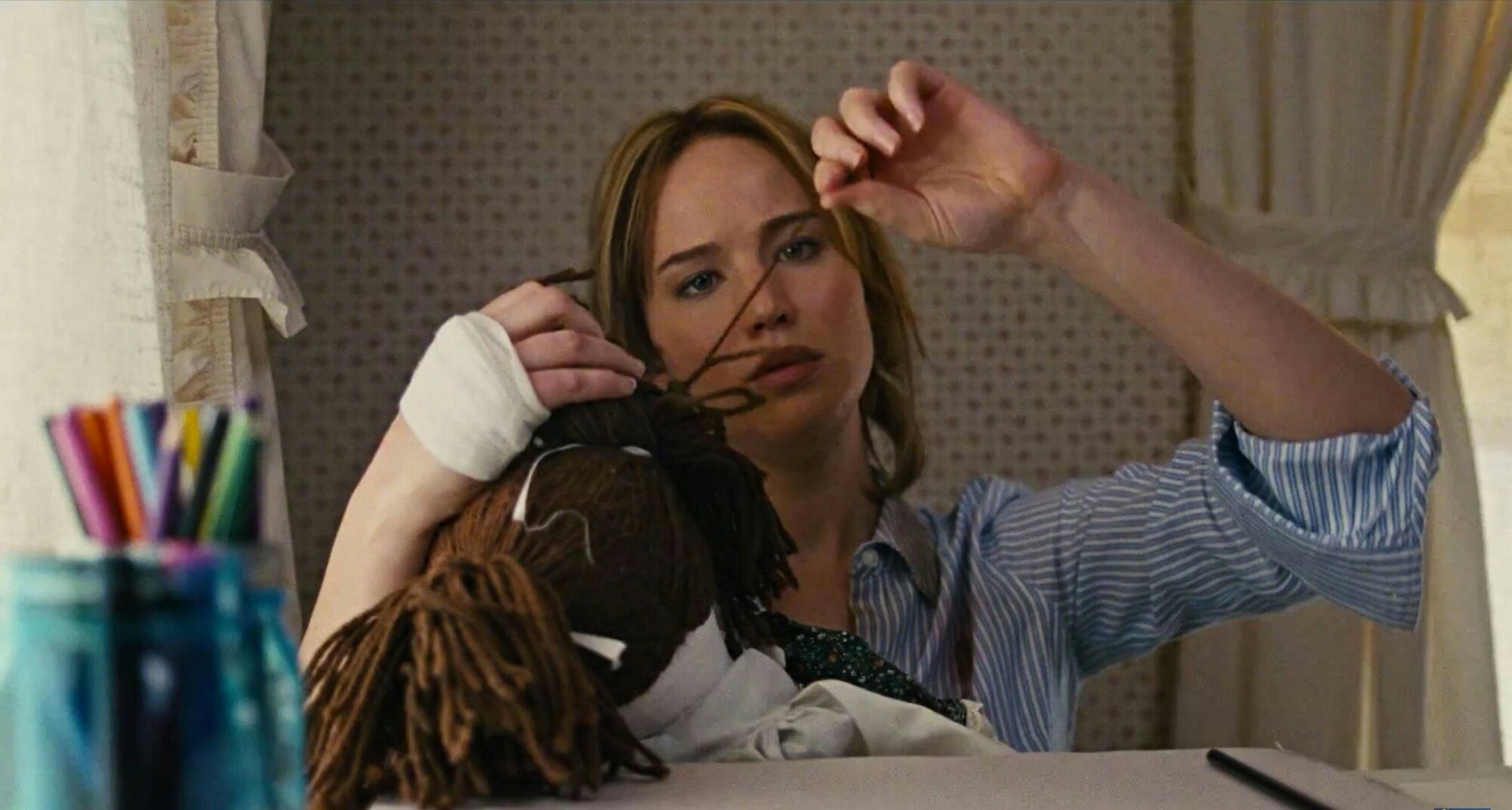
    Lawrence is a near lock for a third consecutive Academy Award nomination under Russell’s direction as Joy Mangano, a smart and resilient woman who overcomes familial burdens and economic hardships while inventing and selling a lightweight, self-wringing mop on the famed QVC television station. Equal parts Marlon Brando and Bette Davis, she attacks scenes with a quiet efficiency, especially during her business negotiation in the film’s final moments.

    “Joy” serves as a perfectly balanced antithesis to the much more widely heralded “Steve Jobs,” which elevates the Apple founder to near mythical antihero heights while the film’s ensemble cast circle around Michael Fassbender as Jobs like planets revolving around the sun.

    Conversely, Lawrence has to pristinely float from chaotic familial relationship to chaotic familial relationship while simultaneously building a nuanced character moving out of the shadows behind much more flamboyant personalities.

    image

    Russell tailor-made the part specifically for Lawrence, who is proving to be his cinematic muse, all the while rightfully knowing that no other actress could have been half as successful. Though some of the scenes aren’t particularly the most well-written by Russell’s lofty standards, Lawrence elevates the material to a higher level and prevents “Joy” from becoming too grandiose or sardonic.

    Her performance serves as a reminder that Lawrence can be one of the top two or three actresses working in Hollywood today, once she finally rids herself of pocket-lining franchise work.

    Cooper, criminally underutilized in “Joy,” gives an effective performance as QVC head honcho Neil Walker, continuing the effortless repartee he shared with Lawrence in “Silver Linings Playbook.” These are two actors who constantly improve each other’s work every second they’re on screen together and viewers are ultimately better off when the duo are paired in scenes together.

    The refreshing thing about “Joy,” especially when it comes to the dynamic between Lawrence and Cooper (or Lawrence and Edgar Ramirez, who plays Joy’s ex-husband), is that romance is so unessential to the story. Very few major studio films with a female lead so brazenly abandon traditional cinematic paradigms to the extent that “Joy” does.

    Mixed in all the numerous time jumps in “Joy” – the film hops from when Joy is a young girl through adulthood and into old age albeit briefly – is a constant reassurance that Joy will be a powerful matriarch who doesn’t need a prince to ensure her family’s safety and happiness.

    She’s guided by her grandmother played by a charming Diane Ladd, receives her financial backing from an Italian widow her father is dating played by Isabella Rossellini and goes toe to toe with her half-sister and full nemesis played by an especially game Elisabeth Rohm.

    Women dominate Joy from start to finish while the men are there to advance the plot and provide a change of pace, quite the cinematic role reversal. “Joy” is by far one of 2015’s most socially progressive films in that regard. Even the actors in the TV soap opera Joy’s mother watches throughout the film are female-dominant led by none other than Susan Lucci.

    Robert De Niro leads the film’s veteran ensemble cast, returning to his usual form as Joy’s brash, yet lovingly charming father. The role is perfect for De Niro, who naturally dominates the screen with his presence, even when he’s not the one speaking.

    Visually, “Joy” has moments of brilliance, especially during close-ups of Lawrence. The film’s ending shot – a tight look at Joy walking down the street – will likely go down as one of the year’s most memorable moments if captured in a single frame. Russell captures his muse in such a way that Lawrence feels like a dead ringer for a starlet from Hollywood’s golden era.

    “Joy” will likely confound viewers structurally, as Russell throws linear timelines out the window, pushing viewers forward and back in time, from coast to coast and in and out of a television screen like a pinball. Moviegoers may struggle with the pinball-esque controlled chaos of “Joy,” especially in the film’s first act.

    Once you get oriented in Russell’s mind and entranced by the world of “Joy,” film fanatics will finally get the small budget feel, big budget backed blockbuster drama everyone hoped “August: Osage County” would be but wasn’t.

    With Lawrence a shoo-in to receive a third Oscar nomination, her performance alone is worth the price of admission, but “Joy” should leave viewers more than satisfied thanks to its talented ensemble cast and a director in Russell who puts the acting first.

  • Self/less: Sci-fi thriller lacks requisite thrills

    Self/less: Sci-fi thriller lacks requisite thrills

    Ryan Reynolds is going to make a major comeback in Hollywood very soon, but unfortunately for science fiction fans, it probably won’t be with the uneven — and commercially underperforming — “Self/Less.”

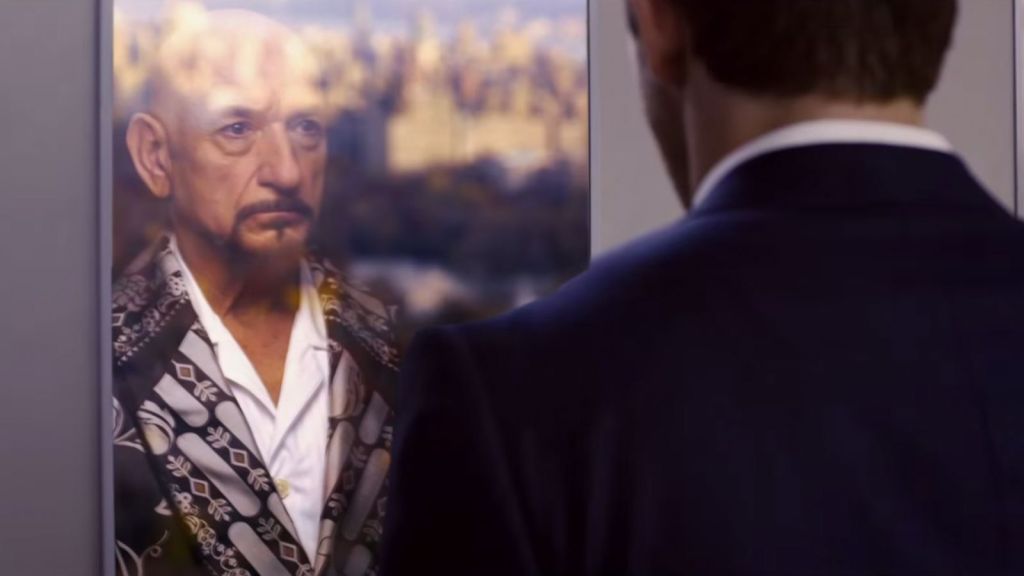
    The notion that a dying Ben Kingsley would approach a company to transfer his consciousness into a younger, healthy Reynolds is a terrific idea, but director Tarsem Singh can’t really make the pieces fit together.

    Once Kingsley leaves the screen and viewers are left to focus on Reynolds, the plot thickens, but neither romantic interest Natalie Martinez of “End of Watch” or vaguely nefarious villain Matthew Goode of “The Imitation Game” can keep viewers engaged enough to root for Reynolds’ success in the action portion of the film.

    Genre-jumping from science fiction to action thriller to romance and back again seems to be too much for Singh and writers Alex and David Pastor, whose overall writing and direction feels bland, save for a scene or two.

    Conceptually much better than the actual execution of the film, the shortcomings of “Self/Less” can’t possibly be laid at the feet of Reynolds, a talented actor with a definite skillset who just can’t find the right vehicle to break out with.

    Reynolds can thrive in the sorts of roles Bradley Cooper perfected before his emergence in “Silver Linings Playbook,” and to a larger extent, “American Sniper.” The borderline cocky smugness that Reynolds can exude so well in comedic settings is what helped Cooper rise to fame with “The Hangover” movies. Odds are in Reynolds’ favor, however, with the early 2016 release of the rated R superhero film “Deadpool,” a Comic Con favorite that will allow Reynolds to snark his way into the hearts of moviegoers.

    In the meantime, “Self/Less” ultimately is one of those films that viewers can either catch on a whim as a matinee or wait until the DVD/streaming release later this fall.

  • Aloha: Why Crowe’s latest film paid the ultimate price for sins of another film

    Aloha: Why Crowe’s latest film paid the ultimate price for sins of another film

    Dead on arrival.

    Angered by a Seth Rogen-James Franco buddy comedy that saw the duo attempt to assassinate Kim Jong-un, North Koreans hacked emails and threatened war if 2014’s “The Interview” was released into American theaters.

    Despite their best efforts, last year’s email hack of Sony Entertainment executives didn’t kill the raunchy buddy comedy, released video on demand to widespread support from celebrities and First Amendment activists alike. In fact, controversies surrounding the film likely helped “The Interview” do better than it would have with a regular theatrical release.

    North Koreans helped get the ball rolling to kill a major Hollywood film, but it just wasn’t the one they intended.

    The romantic dramedy “Aloha” — directed by famed auteur Cameron Crowe and starring multiple Academy Award nominees — has actually taken the brunt of the fallout from last year’s incident, falling flat on its face in its opening weekend thanks in large part to mismanagement by a Hollywood studio.

    Emails from former Sony exec Amy Pascal released to the world via WikiLeaks months in advance of last Friday’s premiere doomed the film from the outset, letting moviegoers across the nation in on the fact that studio execs had zero confidence in the quirky Crowe offering.

    Sony’s lack of commitment to the project — then labeled as “Untitled Cameron Crowe Project” or simply “Hawaii” — continued through the film’s marketing¸ which consists of one poorly designed poster and one incredibly misleading trailer. Ultimately, this strategy was felt at the box office, where the film opened at just over $10 million — well behind the new disaster film “San Andreas” starring Dwayne Johnson and at least four other films released in prior weeks.
    Hollywood didn’t believe in “Aloha,” so why should viewers?

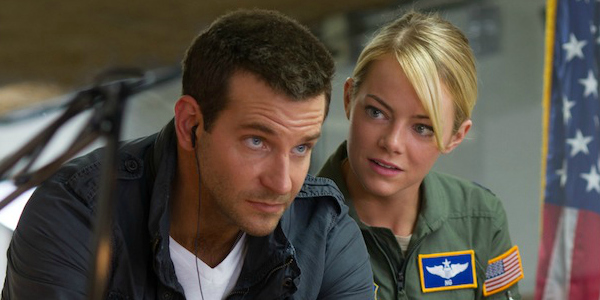
    To be fair, “Aloha” is a little messy in the script and frayed around the edges, but a solid effort from two-time Academy Award nominee Bradley Cooper is worth the price of admission alone. There’s no transformative performance like when Cooper melted into the role of Chris Kyle for last year’s “American Sniper,” but Cooper’s honest portrayal of a man in turmoil paces the layered storylines and gives weight to a dramedy in a genre where gravitas is at a premium.

    Emma Stone, on the other hand, gives an uneven performance as Cooper’s primary love interest, which feels incredibly out of place with the charming Rachel McAdams waiting in the wings as his ex-girlfriend. Crowe could have returned to the “Almost Famous” well and pulled another compelling performance out of Kate Hudson, who did her best work under Crowe’s direction.

    But this nitpicking at relatively minor flaws — especially given strong supporting work from Alec Baldwin, Danny McBride, John Krasinski and Bill Murray — feels superfluous when the biggest naysayers of the feature are the studio executives charged with putting a good movie on screen.

    Never has a film cried out for a director’s cut release more than “Aloha,” which could not possibly reflect Crowe’s true vision. When studio execs spend more time “quality controlling” one of Hollywood’s most enigmatic directors than keeping lesser films like “Paul Blart: Mall Cop 2,” “Chappie” and the upcoming inevitable flop “Pixels,” audiences are in trouble.

    The public narrative of Crowe’s failure as a writer/director since the release of “Jerry Maguire” in 1996 is entirely overblown. His films — with multi-layered, complex writing and more genuinely authentic then 95 percent of studio-released features — can’t be easily labeled, which makes things complicated for studios who try to oversimplify movies with big name stars in the quest for the almighty dollar.

    Obsessed with the bankability of its stars, studio execs failed to produce “Aloha” as a high dollar independent film — a prestige piece, if you will, where movie quality trumps financial profit. Their failure to do so toned the death knell of what could have been Cameron Crowe’s comeback as a writer/director. We moviegoers have missed out as a result.

    Sony fundamentally misunderstood what “Aloha” was intended to be — a slice of life dramedy where real life situations are played out in an authentic fashion — and instead tried to cram a homage to Cooper’s “Silver Linings Playbook” down Crowe’s throat in “quality control” discussions.

    Ultimately, Amy Pascal — now pushed out of her executive’s chair and shockingly given creative control over the future of the “Spiderman” film franchise — ruined “Aloha” for viewers by not allowing Crowe to function as a more independent director under the studio’s Sony Pictures Classics
    division.

  • Serena: Cooper, Lawrence make most of uneven frontier drama

    Serena: Cooper, Lawrence make most of uneven frontier drama

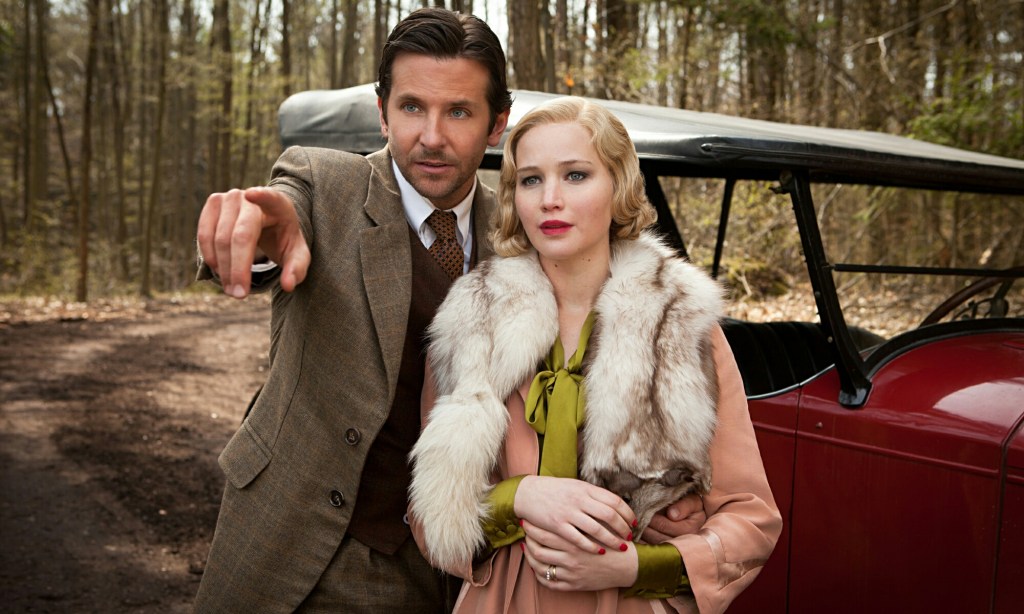
    Pair a three-time Academy Award-nominated actor with an Oscar-winning actress and put them in a hauntingly beautiful period film and it would seem like a recipe for instant success.

    Yet “Serena,” the third on-screen pairing between Bradley Cooper and Jennifer Lawrence, takes major missteps that equal or slightly outpace its positive strides, making for an uneven and mundane film as a whole.

    Most of the blame, as it were — because conceptually, this is a film that should have fared significantly better — should be laid at the feet of Danish director Susanne Bier and screenwriter Christopher Kyle for their mismanagement of the film adaptation of the 2008 Ron Rash novel of the same name.

    Set in North Carolina during the 1920s, the movie centers around an up-and-coming logging company owner (Cooper) whose life changes when he falls instantly in love with a beautiful, yet troubled young woman named Serena (Lawrence), who will stop at nothing to keep their love alive.

    How and why the couple falls in love is left up to nothing more than a single chance encounter followed up by a sloppily shot encounter on horseback in a field.

    Bier and Kyle’s decision to fast-track the romance leaves viewers without any reason to invest in the characters and forces Cooper and Lawrence to rely on their innate chemistry developed in another movie (“Silver Linings Playbook”) under the guidance of a superior director (David O. Russell).

    The chemistry between the duo is palpable and is especially noticeable in the sex scenes with “Serena,” but even two incredibly talented actors can’t seem to find a way to make a lackluster script work to their full advantage.

    A film about passionate love and the desperation it can create needs the time to explore the romance between the leads, an almost unforgiveable oversight.

    “Serena,” which was filmed before “American Hustle” and has sat on the studio’s shelf for over two years, is just missing that little bit of finesse and craftsmanship from the director’s chair necessary to keep the pacing steady and viewers engaged.

    Not surprisingly, the movie falters most often when Lawrence and Cooper are not on-screen together. Lawrence, harkening back to a classic era of cinema in both look and demeanor, can hold her own with the limited material, while Cooper — who increasingly approaches leading roles with a character actor’s mentality — has a rougher go-round dealing with a lack of script depth.

    Veteran character actors Rhys Ifans and Toby Jones do a decent job in their roles as a mysterious, veteran logger and the town sheriff, respectively.

    Though the film deserves better than its eventual branding as “that other Bradley Cooper-Jennifer Lawrence movie,” “Serena” needed a different director to fully realize a quality period drama from a terrific concept for a movie.

    Despite all its flaws, “Serena” is still the best film to be released so far in 2015, though its pacing issues and early release date will, in all likelihood, bar the film from receiving any accolades come award season.

    The film is currently available via video on demand and is expected to receive a limited theater run beginning later this month.

  • American Sniper: Compelling Cooper performance stuns audiences

    American Sniper: Compelling Cooper performance stuns audiences

    By now, if you haven’t seen or heard about Clint Eastwood’s epic war drama “American Sniper,” odds are good that the cell phone reception on that deserted island you’ve been living on is spotty at best.

    The drama kicked off its national release with six Academy Award nominations — including Best Picture and Best Actor for Bradley Cooper — and completely dominated the cinematic landscape.

    The film made $90.2 million, becoming the largest January weekend release in history and besting the $68.5 million pulled in by “Avatar” in a single weekend per “Variety.”

    It isn’t an accident either.

    Whether out of a sense of patriotism or Oscar buzz or a love for war films, Clint Eastwood, Bradley Cooper or any combination of reasons, everyone knows someone who’s seen “American Sniper” at least once, if not many more times.

    What a great thing for cinema that thought is.

    Put all the politics aside. Cast away the agendas on either side of the aisle and what the film is or isn’t saying and whose side “American Sniper” supports on any number of hot-button issues.

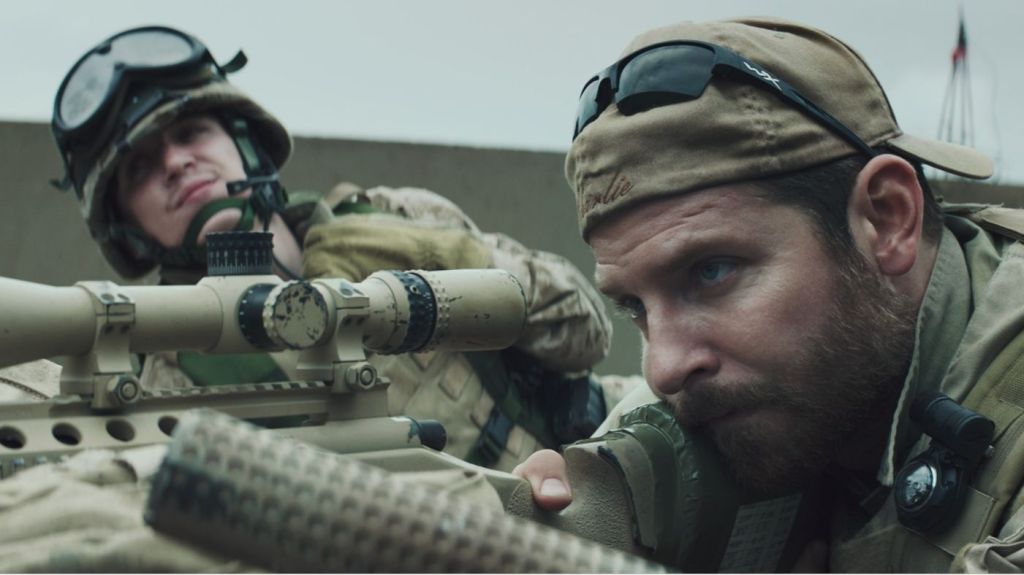
    “American Sniper” is an important film within the current cinematic climate because of what the film truly is, an intimate character study of a Texas man. Certainly the context of “American Sniper” is modern warfare, but the film — and especially Cooper’s stunning performance as Navy SEAL Chris Kyle — is much more than a simple story of battles home and abroad.

    Try watching interviews of Chris Kyle promoting his 2012 autobiography, on which “American Sniper” is based, and then see if you can figure out where Kyle stops and Cooper begins in the mesmerizing cinematic portrayal.

    Criticizing the film for its subject matter is criticizing Chris Kyle the man as no actor in several decades has done as complete a job becoming the person they are portraying on screen as Cooper does mirroring Kyle step for step, word for word, nuance for nuance.

    The rare leading man who views himself as more a character actor, opting for substance over style, Cooper’s portrayal transcends the film itself — a remarkable performance from a remarkable actor and one that will define the rest of his long career.

    Sienna Miller does an admirable job facing the daunting task of counterbalancing Cooper’s performance while simultaneously honoring Chris’ wife Taya, who served as a technical advisor on the film. It’s a thankless role that could have been the film’s downfall, but Miller’s performance is steady enough to carry the film forward when needed.

    The biggest flaw in “American Sniper,” which is minor enough in larger context, but noticeable enough to be distracting, is the use of clearly fake, plastic dolls serving as placeholders for real infants during dramatic home scenes between Kyle and his wife.

    It’s baffling that something so trivial and unrealistic would be used and the fake baby’s appearance is so jarring that it can knock viewers completely out of their cinematic experience.

    Obviously, this error can definitely explain Eastwood’s absence from Best Director accolades, but fortunately, “American Sniper” is so brilliant in the other 131 minutes that it’s just as easy to fall right back into when the film moves on.

    What Eastwood gets right in his direction is a delicate balance of an intensely accurate depiction of modern warfare offset with hard-hitting drama, the best of a newer brand of “action-drama” cinema.

    In stark contrast, Michael Mann’s dark and brooding cyber-thriller “Blackhat,” starring Chris Hemsworth as a veteran hacker helping the CIA prevent terrorism, is exactly what Hollywood wrongly assumes complex action-dramas are supposed to be.

    Released last weekend, the film is clunky, overly technical and difficult to follow, definitely not the sort of film Hemsworth fans thought they were getting upon seeing the trailer.

    It’s difficult to believe that “American Sniper” viewers ended up watching the film they believed they were going to after watching its trailer, but not in the same way.

    Eastwood’s film provides so much more depth of character thanks to a complex, yet compelling performance from Cooper.

    Worth every penny of the five, six or seven times it needs to be seen in theaters, “American Sniper” is an instant cinematic classic and among the best films of the 21st century.