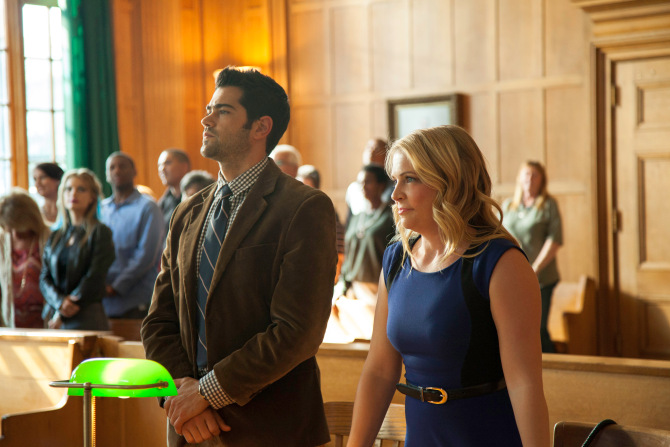

Fans of the 2014 surprise box-office hit “God’s Not Dead” will surely be thrilled with its brand new sequel, the aptly-named “God’s Not Dead 2” which hit theaters on Friday.
In the original film, the question of God’s existence was debated in college philosophy class, while the sequel swiftly moves out of the classroom and into the courtroom, where Christianity can more ceremoniously be put on trial.
Melissa Joan Hart stars as Grace Wesley, a young history teacher in Arkansas who comforts one of her students following the death of her brother.
When the same student later asks Grace to compare the beliefs of Martin Luther King Jr. and Mahatma Gandhi to the teachings of Jesus Christ, the teacher comes under fire from the school board (and later the ACLU) for answering the student’s question openly in class. From this, Grace’s belief in God is put on trial in a civil lawsuit.
Hart is surprisingly compelling as Wesley, delivering the film’s most well-rounded performance. Even when she’s not the focus of the scene, all eyes remain on Hart as she effortlessly engages with audiences well-dispositioned to like her.
Her public defender lawyer who just happens to be non-Christian is competently portrayed by “Desperate Housewives” and “Dallas” actor Jesse Metcalfe, who gives a sincere effort but doesn’t have the acting chops to elevate the script beyond the words on the page.
Veteran character actor Ray Wise smirks and snarls his way through an over-the-top, almost laughable turn as ACLU lawyer Pete Kane. Wise plays Kane as if he were the caricature of an evil vaudevillian ne’er-do-well out to prove Christianity as hokum while twirling his comically ridiculous mustache in his fingers.
Ironically enough, the case is presided over by a judge played by “Ghostbusters” star Ernie Hudson, best known for the infamous line “Ray, when someone asks you if you’re a god, you say yes!” Though with as humorless a film as “God’s Not Dead 2,” it’s difficult to imagine the filmmakers have ever seen “Ghostbusters.”
While most of the acting is credible and entertaining, Chuck Konzelman and Cary Solomon’s script completely misses the mark with antagonistic straw-man arguments and a Swiss cheese plot littered with holes.
It’s in characters like Kane – and the performance from Wise – that secular critics feel more secure in negatively generalizing the entire film and simply writing it off as pure propaganda.
“God’s Not Dead 2” is more than that, but its director and screenwriters often shoot themselves in the foot with poor cinematic and plot choices. Visually, “God’s Not Dead 2” feels like a made-for-TV movie and plays up its overly bright cinematography at every turn.
Message isn’t the issue here. In fact, “God’s Not Dead 2” shows a surprisingly high diversity ratio when compared to other films in the faith-based genre and Hollywood in general.
The underlying message of “God’s Not Dead 2,” which seeks to reaffirm faith in Christian believers and preach the Gospel to others, comes through clearly.
But “God’s Not Dead 2” is fatally flawed by its writing, which taints the entire production and prevents the film from becoming a bigger success. Konzelman and Solomon’s script lacks true dramatic punch despite culturally relevant subject matter or any comedic quality to offset the seriousness of the film.
The film also struggles to be relatable for newcomers to the series, with a number of secondary characters filling out an otherwise thin primary story. While it’s not absolutely imperative that audiences see “God’s Not Dead” before catching the sequel, new viewers may find themselves totally lost in large sections of the second film in the franchise.
Make no mistake, filmmakers Pure Flix wholeheartedly intend to make “God’s Not Dead” a full fledged franchise. A poorly explained subplot involving Reverend Dave, one of several hold-over characters from the original film, takes center stage in the film’s post-credits scene, a first for the faith-based genre. After watching the extra footage, it’s impossible not to believe a third “God’s Not Dead” film is in the planning stages.
Hart’s performance and the film’s Christian message make “God’s Not Dead 2” a must-see for frequent movie-going believers and a probable pass for those not interested in the film’s overarching message.
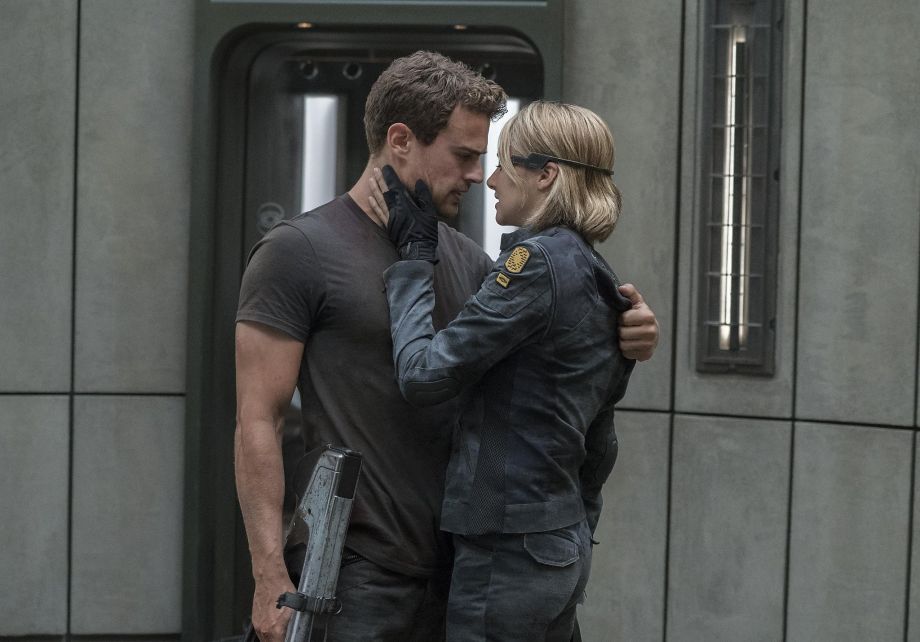
If you’ve ever wanted to take a long nap while watching a movie in theaters, there’s likely no better film to snooze through this year than “The Divergent Series: Allegiant.”
No one will blame you, least of all the film’s cast and crew, who sleepwalk their way through “Allegiant,” the third in the teen dystopian film franchise based on the books by Veronica Roth.
Based on the first half of the final book in the trilogy, the latest movie finds rebellious teen Tris leading a small band of friends outside the walled compound of what used to be Chicago. Their escape and journey beyond the walls they’ve always known should be compelling cinema, but nothing ever comes together in director Robert Schwentke’s lackluster film.
There’s no sense of urgency in “Allegiant,” an all too damning indictment of a series well past the point of usefulness to a broad audience.
Shailene Woodley does a passable job as Tris, though her character is relegated to the background for much of the film leaving Woodley with almost nothing to do.
Much of the focus in her stead is given to Theo James, who plays Tris’ love interest Four. James gives a very mechanical, almost robotic performance — and in a film littered with miscues – focusing much of “Allegiant” on James proves to be the movie’s biggest mistake.
Across the board, lines of dialogue are delivered in the most mundane ways imaginable, where even Oscar winner Octavia Spencer cannot muster the desire to rise above the bland material on the script page. As a result, her performance as resistance leader Johanna screams of a woman who simply doesn’t want to be there and viewers can immediately read it on Spencer’s face.
The lone newcomer to the “Divergent” franchise, Jeff Daniels gives the villainous leader David very little character beyond the script and is only mildly effective as a foil for either Tris or Four. Daniels has played better villains in other films, though the material he’s given here is largely to blame.
Perhaps the most effective performance in the entire film comes from Miles Teller, who thrives in any role where he is allowed to be a smarmy jerk to everyone he encounters.
Teller’s Peter reads as wholly unlikeable throughout all three “Divergent” films, but it takes a true talent of Teller’s caliber to beautifully and seamlessly bend back and forth between good and evil that viewers never truly know Peter’s intentions.
Visually, it’s easy to see where most of the film’s $110 million budget went given the extraordinarily high use of CGI in “Allegiant” compared to the first two installments in the film franchise.
While the decent action scenes make the most use out of the film’s CGI-heavy production value, there’s simply not enough dynamic moments in “Allegiant” to justify the cost of making the film nor the time audiences spend watching the film.
Lionsgate, the studio behind both the “Divergent” and “The Hunger Games” films, largely destroyed any potential for success by splitting the final book into two parts.
In rushing to get “Allegiant” in theaters one year after the previous entry “Insurgent,” the script penned by Adam Cooper, Bill Collage and Noah Oppenheim is lacks any oomph and lazily stumbles from scene to scene. Only Teller is able to lift the material to new heights.
Scenes of dialogue often are poorly shot. Schwentke’s near-universal use of green screens and computer generated imagery to develop the film’s background stand out like a sore thumb in the film’s tediously slow moments.
Ardent fans of the “Divergent” series, be it the book or film version, will largely be satisfied with how true “Allegiant” is to the source material. The decision to split the third book into two films, however, leaves “Allegiant” with too little action or drama to keep viewers actively engaged for the 110-minute running time.
Average moviegoers deciding whether or not to catch “Allegiant” in theaters would probably be better off waiting until the film’s release on DVD and streaming later this year.
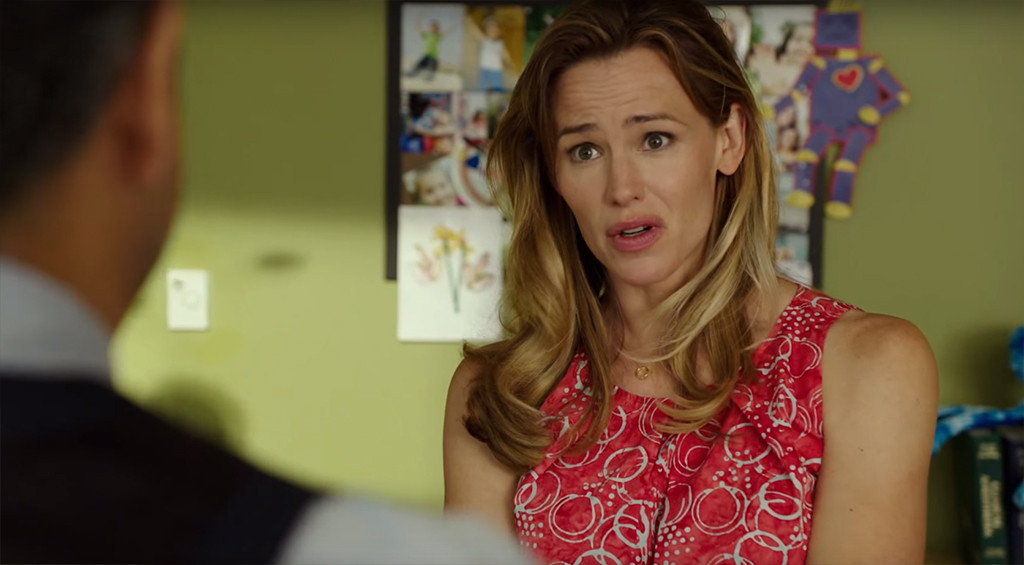
Jennifer Garner’s terrific performance as a desperate mother searching for a way to save her dying daughter paces the uneven faith-based film “Miracles From Heaven,” now in theaters.
Based on the true story of a Burleson family, “Miracles From Heaven” finds Garner as Christy Beam, mother of three and devoted Christian whose faith is tested as her middle daughter, Anna, struggles with a life-threatening and seemingly incurable stomach disease.
Despite the film’s many technical flaws, “Miracles From Heaven” offers a pure, sweetly sincere story that’s difficult not to enjoy, especially in the redemptive third act.
Garner offers up perhaps her best work in several years as Christy, playing an all-too-familiar character with requisite intensity while not overpowering the film. Often the role of the protective mother can be overdone to the point of caricature, but Garner hits all the right notes in an effortless, yet incredibly memorable performance.
Child actors are generally a hit or miss proposition. Kylie Rogers, who plays near death Anna, delivers on all the film’s most gut-wrenching moments and performs equally well regardless of the situation Anna finds herself in.
Many young actors would find it impossible to correctly navigate dialogue where Anna explains faith in the face of death to a young cancer patient she shares a room with. Rogers beautifully manuevers through this scene with ease, perhaps the highlight of the entire movie.
Queen Latifah, one of the film’s biggest names and a prominent star in trailers for the film, ultimately has little more than an extended cameo as a waitress who befriends Christy and Anna and gives the Texans a sightseeing tour of Boston.
The remainder of the cast offer varying degrees of sufficient performances, with funnyman Eugenio Derbez bringing light comedic balance to an otherwise heavy story as a Patch Adams-esque doctor at Boston Children’s Hospital. Grammy award-winning Christian rock band Third Day also cameos as musical worship leaders at the Beam’s home church in Burleson.
The film is adapted from Beam’s book of the same name, though screenwriter Randy Brown struggles to elevate the source material beyond a paint-by-numbers formula. Many scenes feels inorganic and mechanical, burdening the film with moments of needless minutia.
Brown’s inability to pull something greater out of the material even in the film’s most gripping segments. Late in the film, Garner delivers a fantastic monologue while preaching about the tragedies Beam’s family has gone through, dragging subpar material up to a mild respectability.
The film’s script so grossly hinders “Miracles From Heaven” that it’s nearly impossible for viewers to completely immerse themselves in the journey Christy and Anna endure.
Director Patricia Riggen, fresh off her work at the helm of Chilean miner crisis film “The 33,” does a serviceable job guiding viewers through the Beams’ story, though she does little to help offset the film’s major pacing issues.
Visually, “Miracles From Heaven” doesn’t break any new ground and often feels like more of a made-for-TV movie than a film intended for the big screen. However, one flashback scene late in the film does offer some surprisingly impressive computer generated imagery (CGI) that was an unexpected treat.
Though Hollywood has made significant strides in production quality in the faith-based genre, “Miracles From Heaven” proves there’s still a ways to go before a truly dynamic, groundbreaking film hits theaters.
Message remains the most important element within the genre and “Miracles From Heaven” holds spiritual meaning in spades. Garner’s work will captivate believers well suited to the genre and provide some cross-over appeal to a more mainstream audience as well.
Despite its cinematic flaws, “Miracles From Heaven” is a film viewers might want to consider hitting theaters for if they’re in the mood for a feel-good story of healing and faith.
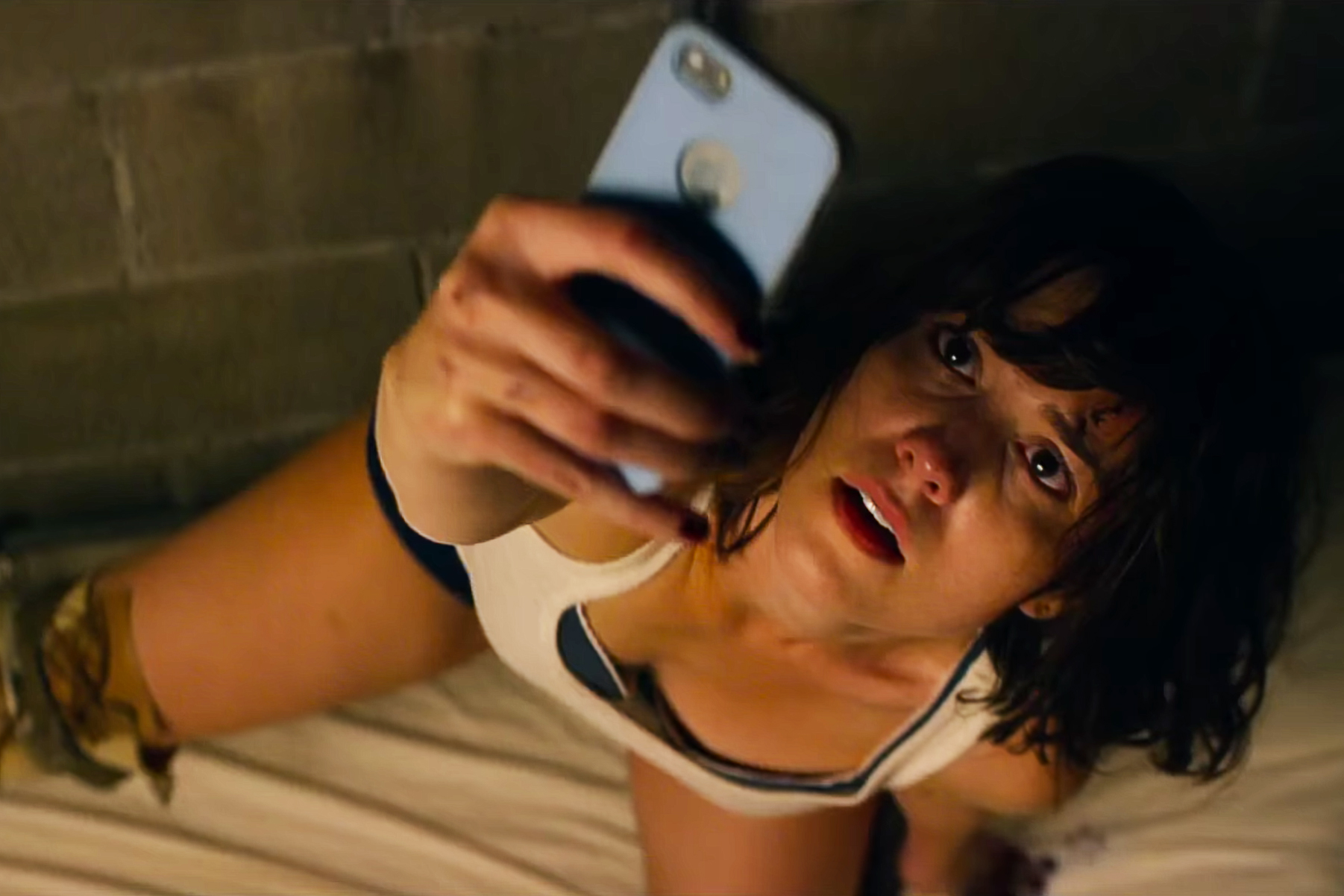
Eight years ago, a surprise hit film came out of nowhere to wow viewers with its unique found-footage style adaptation of the classic monster movie genre.
The film, “Cloverfield,” had a grandiose, epic feeling that pervaded the movie from start to finish, while new release “10 Cloverfield Lane” – dubbed a “blood relative” to the 2008 monster movie by producer J.J. Abrams – couldn’t be farther from its spiritual sibling.
Confined to small, terror-inducing spaces deep underground, “10 Cloverfield Lane” is a cinematic master course in paranoia, evoking the best elements of a “Twilight Zone” episode and Alfred Hitchcock’s “Rear Window” at the thriller’s high points.
Indie darling Mary Elizabeth Winstead stars as Michelle, a woman who awakes from a car accident chained to a wall in an unknown location. Her captor Howard, played by a mesmerizing John Goodman, believes he has saved her from the impending apocalypse by hiding in an emergency bunker outside his rural farm house.
What ensues is about 80 minutes of a scintillating dramatic thriller with Michelle and fellow captive Emmet attempt to figure out whether Howard is friend or foe and more importantly, whether or not the world is ending.
It’s important for viewers to know as little as possible heading into “10 Cloverfield Lane” and watching 2008’s “Cloverfield” doesn’t affect the viewing experience either way. The two films, aside from name alone, are polar opposites visually and structurally, with the new “Cloverfield” incarnation ultimately being a much better film overall.
A mainstay on the indie film circuit, “10 Cloverfield Lane” could represent a breakout moment for Winstead, whose Michelle is incredibly easy to get behind as a viewer. These seemingly generic “damsel in distress” roles can be easily overplayed and become caricatures, but Winstead effortlessly provides Michelle with a level of authenticity not typically found in either the thriller or horror genres that “10 Cloverfield Lane” toes the line between.
While not on the same level as Brie Larson’s more showy Oscar-winning performance as a woman in captivity in last year’s “Room,” Winstead gives the film a proper balance and keeps “10 Cloverfield Lane” from being too much about Goodman’s stellar supporting work or the film’s looming (and largely disappointing) end.
Annual award shows typically never recognize quality cinematic work in psychological thrillers and despite a nomination-worthy supporting performance, Goodman won’t get the recognition he deserves as Howard. The veteran character actor layers Howard with equally convincing moments viewers will believe he is either sinner or saint, Michelle’s captor or her savior.
A performance like this has always seemed to be right at Goodman’s fingertips, though he’s never been as captivating in bigger films like “Argo” or “O Brother, Where Art Thou?” as he is in “10 Cloverfield Lane.” Director Dan Trachtenberg’s choice to use extreme tight shots, closing viewers into confined spaces, helps make Goodman’s domineering size and powerful performance all the more intense.
While “10 Cloverfield Lane” is primarily a two-handed film between Winstead and Goodman, John Gallagher Jr. offers a compelling supporting performance as fellow captive Emmet and Oscar nominee Bradley Cooper has a small, voice-over cameo as Michelle’s boyfriend.
The film only falters in its final moments, when it largely abandons the visual and narrative structure Trachtenberg has created for a poorly sequenced, generic ending more befitting a second-rate horror movie. The insistence on tying this “spiritual sequel” back to its predecessor in name alone totally changes the entire tenor of the film, and not for the better.
Visually, Trachtenberg creates a dynamic environment for Goodman and Winstead to play in, keeping the pressure on from moment to moment thanks to gripping close-up shots and expertly lit spaces. The film’s cinematic homage to “Die Hard” with Winstead crawling through air vents like Bruce Willis was an especially welcome touch.
“10 Cloverfield Lane” ultimately suffers from being 10 minutes too long, with the claustrophobia-inducing film on track to be one of the year’s best films only to shoot itself in the foot at the very last second.
Though almost nothing like its cinematic relative “Cloverfield,” “10 Cloverfield Lane” is worth a trip to theaters if for no other reason to experience Winstead and Goodman verbally duke it out in close quarters.
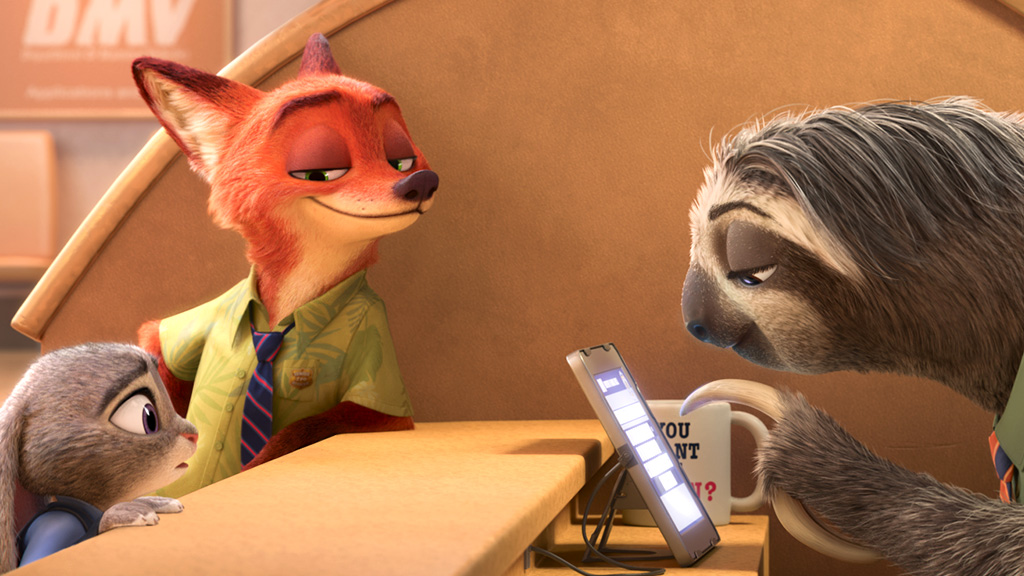
There’s something for everyone with Disney’s latest animated classic, “Zootopia,” which arrived in theaters Friday.
The appeal for children should be obvious as kids will be drawn to the vibrant world of the film, where animals of all shapes and sizes co-exist in harmony, while behaving and working like human beings.
Parents will get to revel in all of the subtle (and not so subtle) hidden jokes stashed throughout as the film goes out of its way to make “Zootopia” equally appealing for adults. For example, a large subplot of the film parodies Marlon Brando’s larger than life character in “The Godfather” and is one of the best comedic representations of the gangster classic ever.
“Zootopia” offers a complex, wonderfully developed world filled a nearly unlimited assortment of animals as viewers follow a young rabbit named Judy as she struggles to become, and later fit in, as a police officer in the big city of Zootopia.
Paired with a con-artist fox and tasked with tracking down a missing otter, Judy’s adventure is one part buddy cop flick and two parts vintage film noir, mixed in Disney’s superior animation style and littered with top notch vocal talent.
Visually, the film from directors Byron Howard and Rich Moore and co-director Jared Bush is vivid and dynamic with each district within “Zootopia” having its own distinct cinematic style. Rural Bunnyburrow feels lifted straight from early spring advertisements for Peeps while the Rainforest District is dark and drips of tension pulled from “The African Queen.”
Every single frame of “Zootopia” is littered with immense detail, both in the technical wizardry required to create the film and within the countless Easter eggs for fans to chuckle at during inevitable second, third, or 50th viewings of the film in theaters or at home.
Ginnifer Goodwin of the television show “Once Upon a Time” is refreshing and charming as the voice of Judy, while Jason Bateman is ideally cast as the slick, wisecracking fox Nick Wilde. Their banter propels “Zootopia” through both hilarious and emotional moments; Goodwin and Bateman both prove more than up for the task.
The film’s talented ensemble cast astounds as well, led by Idris Elba as a water buffalo who’s chief of police, Octavia Spencer as a grieving otter, J.K. Simmons as a lion elected mayor of Zootopia and indie comic Jenny Slate as a meekly sheep serving as assistant mayor.
Messages run deep within “Zootopia,” led by the universally understood “anyone can be anything they want to be” that propels Judy on her journey to become a police officer despite skepticism from everyone around her.
Disney also tackles diversity issues head-on with great success, using the film’s central storyline to explore topics such as racial profiling and stereotyping. “Zootopia” focuses on the concept of predators versus prey – where 90 percent of mammals are prey and only 10 percent are predators – to help make well designed points about acceptance and inclusion.
There are numerous stereotypes within “Zootopia,” but universally they are about the jobs the animals hold and done for comedic effect. Bateman’s slick fox opens the film as a hustler, the workers at the Department of Mammal Vehicles (DMV) are slow-moving sloths and there’s a terrific “blink-and-you’ll-miss-it” joke about bankers being lemmings that will have fans of Oscar nominee “The Big Short” rolling in their seats.
Along with “Frozen” and “Big Hero 6” before it, Walt Disney Animation Studios continues an astounding trend of producing most of the decade’s best animated films and represents the studio’s best three-picture run since the early 90s brought viewers “Beauty and the Beast,” “Aladdin” and “The Lion King.”
Parents and children of all ages will enjoy this layered, hilarious entry into the family friendly film genre and a movie sure to give the long anticipated sequel to “Finding Nemo” – the aptly titled “Finding Dory” – a run for its money when that Pixar film arrives this summer.
Regardless of genre, “Zootopia” is perhaps the most complete film to arrive so far in 2016 and without a doubt is a can’t miss experience for young and old alike in theaters.

There’s a terrific film out there somewhere about African-American sprinter Jesse Owens, who overcame racial prejudice in both America and Nazi Germany on his way to Olympic gold.
Owens, a pioneer in the world of track and field as much for his courage and perseverance off the track as his athletic accomplishments, is a more than worthy candidate to be honored with a feature film biopic of his life story.
Unfortunately, the new Focus Features film “Race” simply isn’t it. To be sure, it’s the rare biopic where viewers are left wanting to see more of the person the film is ostensibly about.
Even the racial tensions of the 1930s are treated with more of a winking “you know what we’re talking about here” rather than tackle issues head on as more heralded films like “Straight Outta Compton,” “Selma” and “12 Years a Slave” have.
This isn’t to say that Stephan James, the up-and-coming actor charged with bringing Owens to life on screen, doesn’t do a remarkable job in the role. James plays with great subtlety Owens’ inner conflict between simply doing right by his family and serving as an international spotlight to a greater cause.
It’s a performance that shows great strides toward a long, prosperous career in film, but is sorely wasted by a lackluster ensemble and shoddy screenplay.
“Race” suffers most from the fact that director Stephen Hopkins and writers Joe Shrapnel and Anna Waterhouse try to do too many different things and fail to succeed at most of them, making “Race” a mediocre film at best.
At 134 minutes, the film sits about a half-hour too long for comfort.
While the story should rightly be focused on the trials and tribulations of a Olympic gold medalist dealing with racial prejudice in the 1930s, large segments of “Race” have viewers mired in geo-political debates between the American and Nazi German Olympic committees as a means of setting the stage for the film’s final act at the 1936 Berlin Olympics.
This bi-coastal game of World War II-era plot hopscotch isn’t something new, but last year’s “Woman in Gold” directed by Simon Curtis does a far more effective job of counter-balancing multiple storylines.
“We’re the Millers” lead Jason Sudeikis is horribly miscast for the part of Owens’ college coach Larry Snyder as the former “Saturday Night Live” comedian just doesn’t have the acting chops for heavy drama.
His performance feels like Sudeikis is aiming for a caricature of what legendary Dallas Cowboys coach Tom Landry would look like if he coached track and field, but Sudeikis can’t even hit that. This comes as a major letdown after his surprising, yet terrific turn last year in the independent dramedy “Sleeping with Other People,” which is highly recommended.
Nazi propaganda minister Joseph Goebbels plays far too large a role both as an on-screen and off-screen character within “Race,” though Barnaby Metschurat’s performance is stoic and effective when it needs to be.
Largely, the German leadership in “Race” – Goebbels, a distant Adolf Hitler and propaganda filmmaker Leni Riefenstahl – come off as cartoonish vaudeville baddies twisting their mustaches like the villainous Dick Dasterdly from Hanna-Barbera’s “Wacky Races”.
Looking at the film by the sum of its parts, it’s clear that Hopkins didn’t know what kind of movie he wanted to make with “Race,” so he tried, and failed, to make every kind he could think of.
Those hoping for a more traditional sports drama won’t really find what they’re looking for until the film’s final act and it’s in the moments “Race” follows Owens’ athletic pursuits on the track that the film is most compelling.
However, there’s a much better option now in theaters with “Eddie the Eagle,” which stars Taron Egerton as Michael “Eddie” Edwards, a young Brit seeking to become an Olympic ski jumper no matter the cost.
When we ultimately look back on “Race” several years from now, moviegoers will lament what could have been done with such a rich narrative history as Owens’ career. For now, it simply goes down as a mild disappointment and a film worth waiting to catch on DVD.
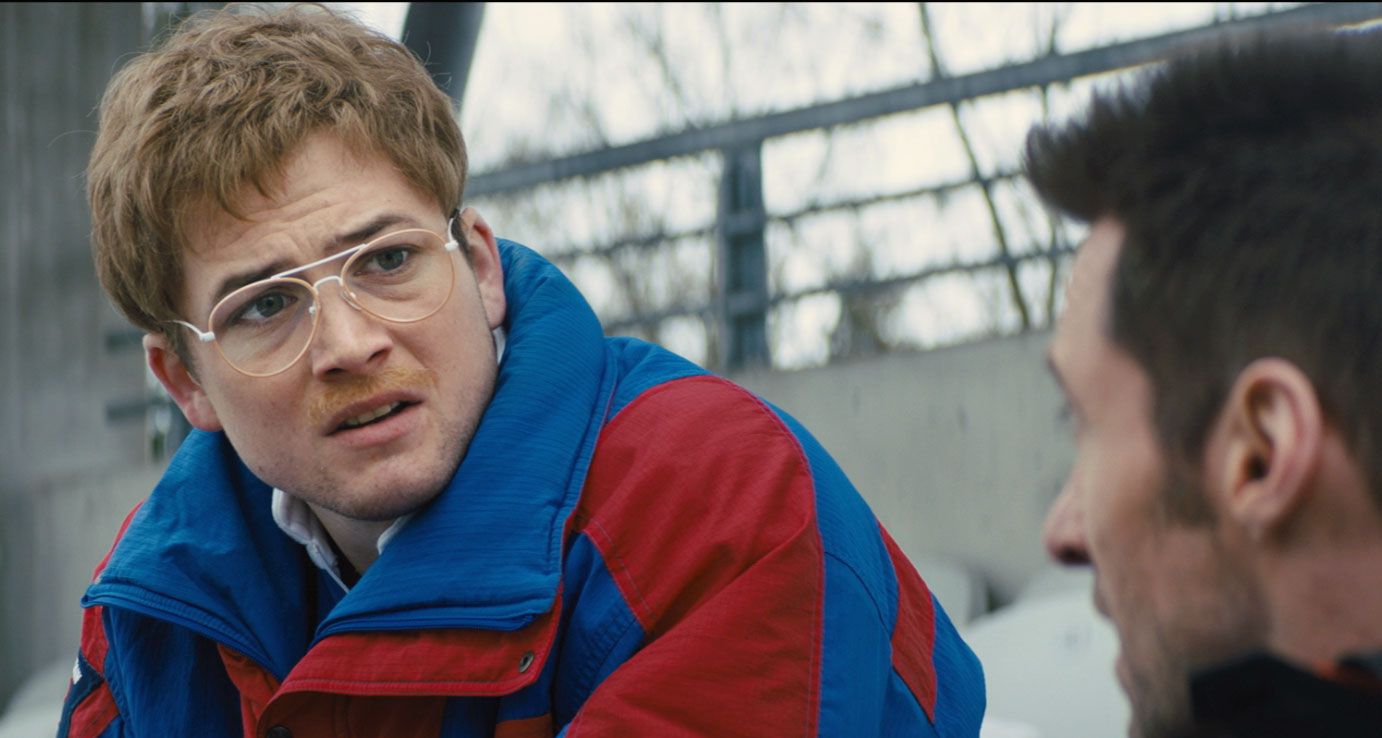
Odds are pretty good you had never heard of Michael “Eddie” Edwards this time a year ago.
Edwards, a British man and unlikely Olympian, overcame adversity to compete as a ski jumper during the 1988 Winter Games in Calgary while essentially a total novice in the sport.
His tale – told in a similar vein as the classic football drama “Rudy” – opens in theaters this Friday with Hugh Jackman and “Kingsman: The Secret Service” star Taron Egerton as the titular “Eddie the Eagle.”
Egerton, a relative unknown before bursting onto the scene this time last year as a young spy in training, plays Eddie as a bumbling, lovable yet aloof dreamer willing to do whatever it takes to make his life long goal of becoming an Olympian a reality. Even heavily made up, Egerton doesn’t quite look the part especially when contrasted with the real Edwards shown in photographs during the film’s credits.
It’s not overly difficult to play naivety well and Egerton is certainly capable in “Eddie the Eagle,” though his relative inexperience isn’t able to pull the formulaic script up to the same extent he did while surrounded by the likes of Colin Firth, Mark Strong and Samuel L. Jackson in “Kingsman.” There’s enough there in Egerton’s performance to root for and feels a lot like Sean Astin’s work in “Rudy,” a film “Eddie the Eagle” aspires to, but doesn’t quite get there.
Seemingly stuck in the minds of audiences as un-killable X-Man Wolverine, Hugh Jackman finds some softer edges to his typecast role as former Olympic ski jumping sensation turned drunken flameout Bronson Peary, who takes Edwards under his wing for training.
Jackman uses his charisma to make what could have been a terribly, unlikable character somewhat charming, but let’s all remember, Peary (and especially Jackman’s performance) can’t be mistaken for Burgess Meredith’s Oscar-nominated turn as Rocky Balboa’s aging coach Mickey in the “Rocky” franchise, either.
Christopher Walken makes a small, yet impactful cameo (because he’s Christopher Walken) as Peary’s former coach, but Jim Broadbent – fresh off a fantastic supporting role in Oscar nominee “Brooklyn” – shines best in support as the lead British commentator announcing Eddie’s Olympic exploits. His turn from anti-Eddie to pro-Eagle is one of the best things about the entire film.
What “Eddie the Eagle” gets very right is the universal and incredibly relatable underdog story structure. While it’s true that the screenplay from Sean Macaulay and Simon Kelton isn’t filled with twists, turns and other surprises, the film’s pure simplicity works effortlessly to make “Eddie the Eagle” a family friendly adventure (for the most part).
Eddie is portrayed as a beyond reproach, naïve near-adolescent who doesn’t pick up on women making sexual advances and can’t quite relate to his coach’s analogy between body position in flight and going all the way with Bo Derek.
To be sure, there are some mildly violent crashes where Eddie and his fellow jumpers take bone crushing tumbles down the side of a mountain, but children old enough to handle PG-13 material shouldn’t have any issues here.
Like its “Kingsman” cousin, “Eddie the Eagle” greatly benefits from a pitch-perfect 80’s soundtrack, led by a terrific score from Matthew Margeson, Thin Lizzy and even the super-cliché “You Make My Dreams Come True” by Hall and Oates during a training montage.
And really, that’s the hook for “Eddie the Eagle.”
As an audience, viewers know that it’s kind of hokey to have Hall and Oates providing the ambience to an extra-traditional training montage. Director Dexter Fletcher and his team make “Eddie the Eagle” so warm and inviting that it simply doesn’t matter. Sports-minded moviegoers definitely need to check out this fun biopic rather than slog their way through the uneven, disappointing Jesse Owens biopic “Race.”
Light-hearted and fun, the inspiration-heavy “Eddie the Eagle” is perfect for those audiences too old for “Kung Fu Panda 3” and too young for “Deadpool” and is a great middle ground film that should do better in a home viewing experience than in the theaters.
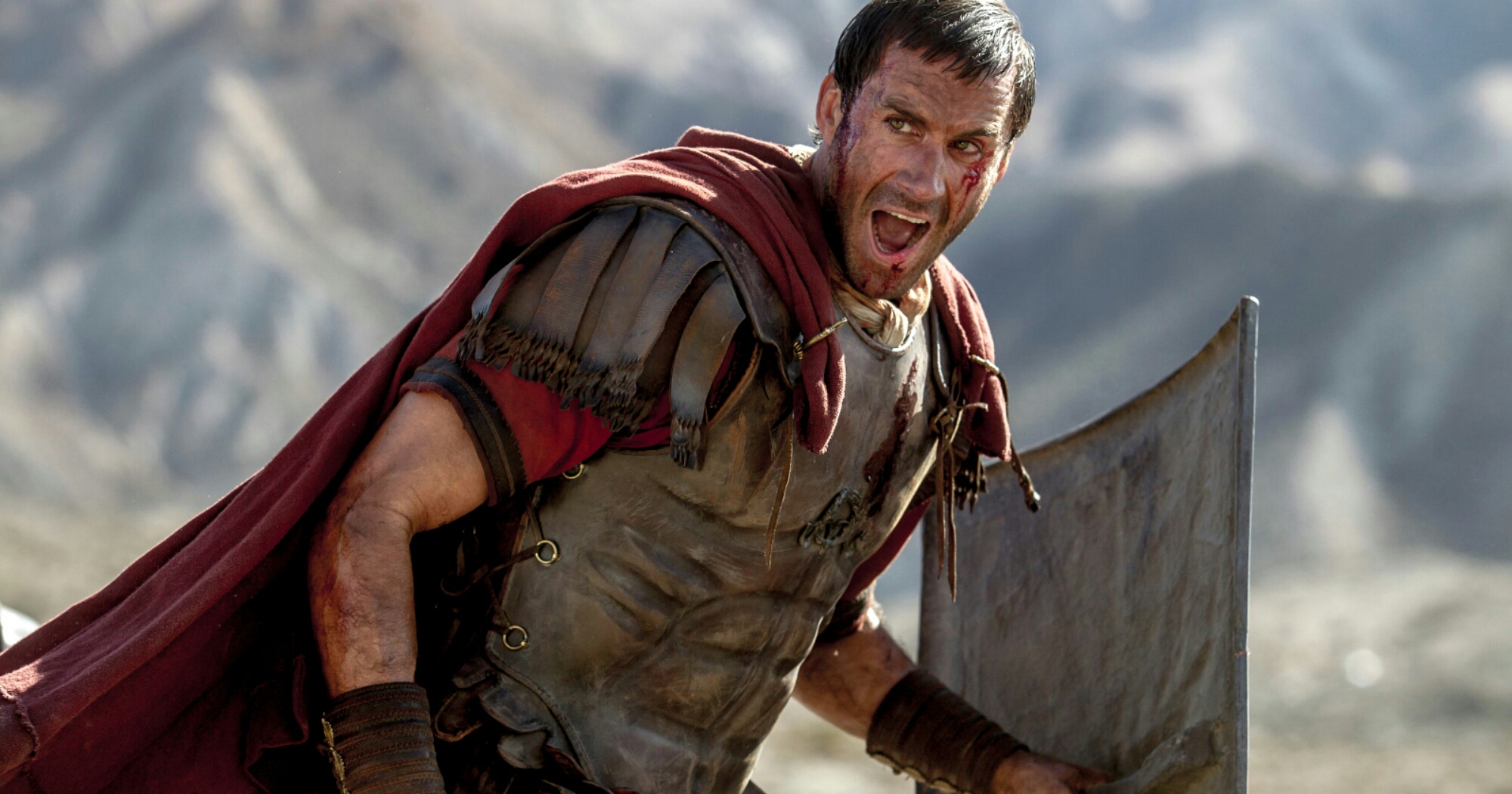
Even if you’re a non-believer, the Christian story of Jesus Christ’s death and resurrection is a familiar one cinema has told incredibly well with “The Passion of the Christ.”
Seeking to put a new twist on a familiar tale, the new release “Risen” approaches the story of Jesus’ crucifixion from a refreshing new angle, focusing on Roman Tribune Clavius and his search for Christ’s body following the resurrection.
Approaching the film from the perspective of a minor character evokes playwright Tom Stoppard’s fantastic comedy “Rosencrantz and Guildenstern are Dead,” which views Shakespeare’s masterpiece “Hamlet” through the eyes of two messengers.
By centering the film around Clavius – an ardent skeptic – the plot allows “Risen” to appeal to a broader audience base and is not limited to a strictly evangelical message.
Played by “Shakespeare in Love” lead Joseph Fiennes, Clavius is methodical in his pursuit of the body of Jesus, known as Yeshua the Nazarene in the film. Fiennes brings a refined authority to the role and his stoic command is the most complex acting found in several years within the faith-based genre.
Much of the film feels like a TV crime procedural leading hacky film critics to dub the film things like “CSI: Jerusalem” and especially has the plot structure of a typical serialized television show from start to finish.
It’s in scenes led by Fiennes that “Risen” is strongest, especially as Clavius struggles with reconciling his skepticism with things he witnesses first-hand. Much of his performance is in the eyes, where viewers can get lost as viewers can almost see the wheels turning in Clavius’ head. Acting of this caliber is a rarity within the genre.
Tom Felton, best known as Draco Malfoy in the “Harry Potter” film series, stands out like a sore thumb in a much too large role as Clavius’ second in command Lucius. A casting disaster, Felton isn’t able to provide any level of counter-balance to Fiennes on a scene-to-scene basis and can’t elevate the script beyond words on a page.
Though audiences only catch glimpses through much of “Risen,” the film’s final act is almost entirely devoted to Cliff Curtis’ surprising, yet stirring portrayal as Yeshua. The stoic calm Curtis portrays in the world’s most famous religious figure is subtle, yet effective. Casting the New Zealand born actor of Maori descent helps keep the conversation about “Risen” on its actual merits and not about larger diversity issues in film.
Waco native Kevin Reynolds, best known for directing “Robin Hood: Prince of Thieves” and “Waterworld,” does a remarkable job of elevating the film visually, especially in close-ups of Fiennes as he tracks down Jesus’ disciples. The choice to shoot the movie in Spain and Malta gives “Risen” vast, picturesque landscapes to increase authenticity.
Reynolds approaches the inherent violence necessary at the beginning of the film – a centurion battle to establish Clavius and the crucifixion itself – with remarkable tact. Opting to minimize the brutality, “Risen” cuts away from each death blow in battle just before it’s struck while implying the inevitable.
This method also makes watching Jesus’ death more tolerable as an audience member. While “Risen” does not come close to the graphic nature of “Passion of the Christ,” it indeed earns its PG-13 rating for violence and disturbing images.
From a cinematic perspective, the only major flaw of “Risen” is its depiction of Jesus’ final moments with the disciples, which comes across rather amateurish. This important moment in Biblical history should have been storyboarded out better by the directorial team in pre-production.
Instead, viewers are left with a poorly lit, cinematically stale ending that undercuts Curtis’ performance in the movie and Yeshua’s importance to the film’s final act.
Affirm Films, a division of Sony Pictures, has found recent financial success in the faith-based genre thanks to films like “When the Game Stands Tall” and “War Room,” helping pave the way for increased budgets and better quality filmmaking. “Risen” represents a continuation of this growing trend and stands as Affirm’s best film released to date.
Reynolds’ film serves as a bridge in the vast cinematic canyon between big budget Hollywood epics that treat Christianity in an overly callous secular way and smaller Christian films valuing message over storytelling.
Certainly not a perfect film, “Risen” represents yet another step forward for an up-and-coming genre and definitely a movie worth checking out over the Lenten season.

Dakota Johnson breaks up with a boyfriend to find herself.
Rebel Wilson wants to teach her how single life – and sexual promiscuity – can be really fun.
Leslie Mann puts her job as an OB-GYN over relationships and the possibility of motherhood.
Alison Brie thinks she can manipulate the 10 online dating services she uses to find Mr. Right.
It’s in this vapid, unoriginal “Sex in the City” rip-off premise that audiences find themselves thrust into with “How to Be Single,” a film that unabashedly promotes Singles Awareness Day over Valentine’s Day in a Valentine’s Day weekend release.
What makes this rom-com work, however, is the general likeability of its female stars, which help keep audiences engaged during moments when viewers begin to realize just what shitty people the characters are poorly written to be for much of the nearly two-hour movie.
Johnson shows glimmers of star power and can be very good when given quality material, but scenes where she is able to flex her acting muscles are few and far between in “How to Be Single.” Her Alice has the same innocent charm and charisma Johnson displayed to great effect in “Fifty Shades of Grey” and her beguiling presence works as the film’s central character.
Wilson continues her run of playing the same, tired comic relief sidekick audiences have seen her meander through since “Pitch Perfect.” It’s beyond time to see if she’s capable of playing anything else and take the next step in her career as Melissa McCarthy did with “St. Vincent.”
By now, writers pitching scripts have to be describing similar roles as “a Rebel Wilson-type” so as not to make it sound offensive when they really mean “a fat, overtly sexual best friend type who doesn’t seem to mind being called slutty.”
Criminally underrated as a comedic actress, Brie makes the most of a limited part as desperate for love Lucy. However, the film’s poor plot structure renders her character almost completely useless and leaves viewers wondering how the hell she gets invited to Alice’s birthday party when she’s never spoken to her once.
Brie could have been better served playing Alice and giving the film added comic timing that Johnson never really seems to nail down.
The stereotypical elder stateswoman, Mann cruises through her part with relative ease, especially once her character takes the inevitably rom-com stereotypical step of going through in-vitro fertilization and getting pregnant on her own.
The men of “How to Be Single” especially come off as terrible people, save for the exceedingly sweet Jake Lacy as a relentless suitor for Mann’s Meg. Nearly all of the choices made by the male characters – and to a large extent, the female characters as well – are reprehensively terrible decisions. It’s as if director Christian Ditter and the screenwriters want viewers to think these people are all assholes.
The script penned by Dana Fox, Abby Kohn and Marc Silverstein based off a book of the same name by Liz Tuccillo aims for something higher than the usual romantic comedy fare, but largely misses from a structural standpoint as viewers bounce around from character to character.
It’s a plot device used in recent Garry Marshall films like “Valentine’s Day” and “New Year’s Eve,” though “Single” is a much better movie than both those
ensemble comedies. As much as the film derides “Sex and the City” and “Bridget Jones’ Diary,” “How to Be Single” is indeed the cinematic heir to that style of rom-com, with Johnson’s Alice as close as it may come to a new age Carrie Bradshaw.
Perhaps not enough credit has been given to how much “How to Be Single” overcomes its glaring flaws and is largely entertaining throughout. The four leading ladies are able to carry an otherwise lackluster film and keep audiences engaged when another cast of the same characters could not.
It might not be the second coming of “When Harry Met Sally” or “Sleepless in Seattle,” but “How to Be Single” is worth checking out as a date night for couples or a girls’ night for all the single ladies the film attempts to inspire.
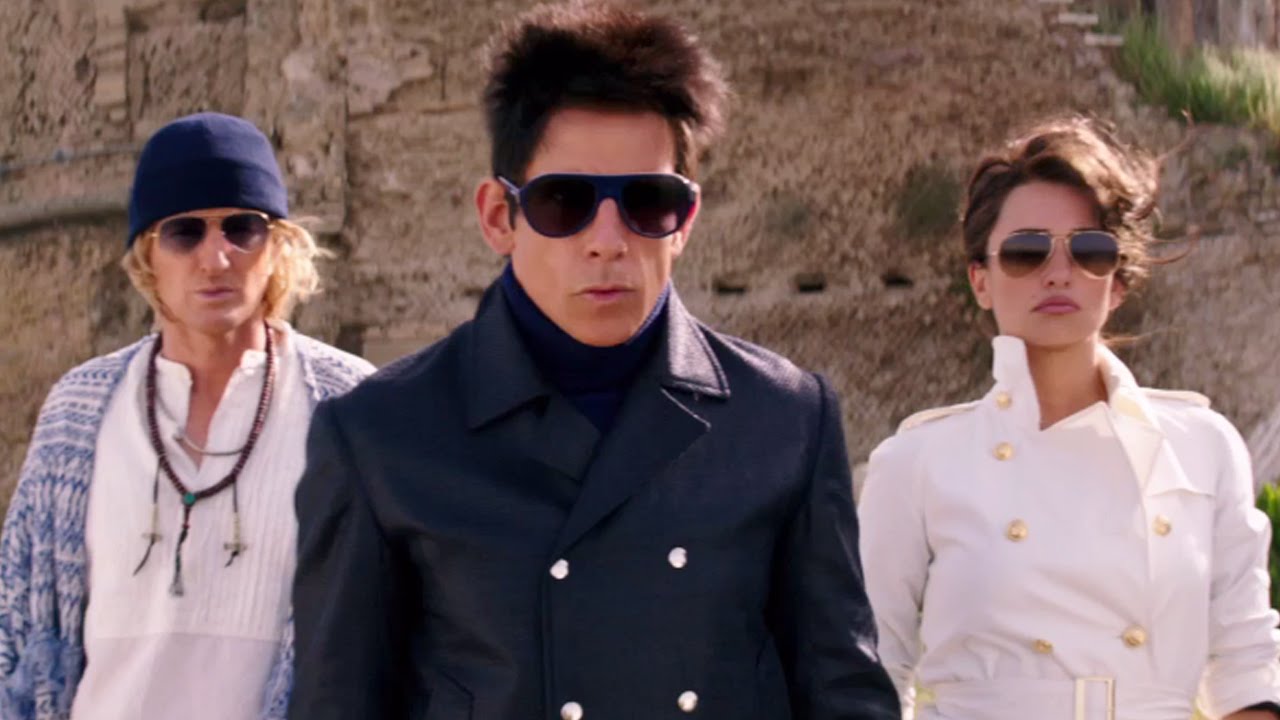
I feel like ridiculously good looking male model Derek Zoolander.
I just don’t know the words.
It’s almost impossible to accurately describe what an absolute disaster of a film the Ben Stiller-Owen Wilson sequel Zoolander 2 is.
It’s not JUST that people once again weren’t really banging down the doors for a follow-up to the 2001 comedy which saw Stiller catwalk down the runway as part of the attempted assassination of a prime minister.
Zoolander 2 just plain isn’t funny.
There I said it.
From the opening seconds of the film where pop star pipsqueak Justin Bieber gets gunned down outside of Sting’s house, Zoolander 2 revolves around tired, bland jokes similar in vein to the ones you and your friends might have told in middle school when you were deliriously exhausted.
This is a film so unnecessary, disappointing and time-wasting that Leonard Maltin, one of the best film critics around, walked out of a press screening early. Mind you he NEVER does this.
Stiller, as co-writer/director/star, is a future triple threat nominee at next year’s Razzie Awards for Worst Actor, Worst Director and Worst On-Screen Duo with Wilson. The laziness he displays as a comedic director is only worsened by the fact that as both star and director he’s simply cashing a paycheck schmaltzing his way through his own abhorrent script.
Most of the rest of the ensemble cast – including Wilson, Penelope Cruz and the lamentable Benedict Cumberbatch – all deserve better than they’re given with in the script.
Wilson, following his turn as part of the fantastic Wes Anderson comedy romp The Grand Budapest Hotel, especially needs material above the in ridiculously poor taste material which finds him cheating on one orgy full of men, women and animals for another orgy full of men, women and animals. The fact that they compound this by having him supposedly impregnate all 11 members of his first orgy – including a really sad Kiefer Sutherland playing himself – is deplorable.
Will Ferrell, who apparently is the only one realizing how insanely terrible this sequel is, throws all caution to the wind and just lets it fly in the closest thing to humor there is. I often found myself wanting to like his performance, but unable to enjoy it given the rest of the comedic excrement on screen.
Fashion icon after fashion icon stroll through the scenery as Zoolander 2 gratuitously thrust cameo upon cameo into audiences’ faces as if to say, “See, all these people like us just because. You should too.”
There are numerous times throughout the movie where audience members will wonder “Hey, wasn’t that (insert name of famous person here)?” Yes, yes it was.
The only redeeming quality about Zoolander 2 is that it further accentuates the widening gap between popular comedy and good comedy. For every Trainwreck, there are 40 Zoolander 2s, Ridiculous Six-es and Pixels-es cluttering up the big screen.
Independent filmmakers are killing major box office studios in the number of truly great comedies by a large margin. Go watch Sleeping with Other People starring Jason Sudekeis and Alison Brie or Night Owls with Adam Pally and Rosa Salazar or The Overnight with Adam Scott and Taylor Schilling. Take a chance on Sundance comedy hits like Obvious Child with Jenny Slate and Jake Lacy or Dope with Shameik Moore and Tony Revolori.
Be original with your comedy choices.
Zoolander 2 can’t hold a candle to any of these smaller, streaming or VOD movies you probably have never heard of.
Don’t go see this movie. Don’t spend a nickel or a dime. It only encourages major movie studios that there’s enough money in poorly written, bad comedies to justify green-lighting dozens more.
At one point during Zoolander, Stiller and Wilson are taken to a hotel built entirely out of repurposed excrement. This is a film built the same way.
Enter at your own peril.
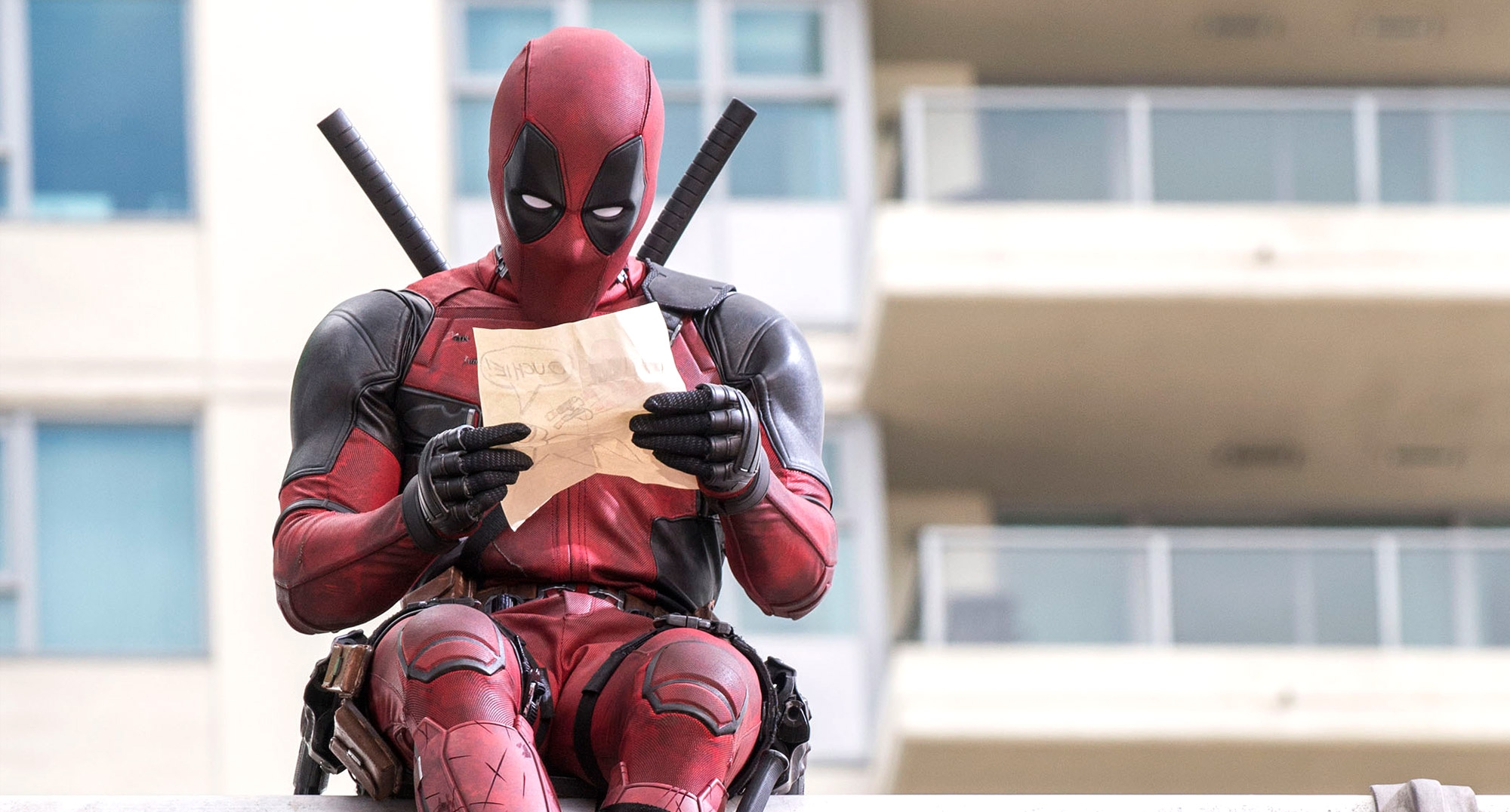
The third time’s the charm for Ryan Reynolds.
After two failed runs at superhero glory, the Canadian-born actor finally strikes gold with this weekend’s release of Deadpool, a film more than 15 years in the making.
Reynolds has already had one crack playing Marvel Comics’ resident “merc’ with a mouth,” but this iteration – essentially a complete reboot – feels much more authentic Wade Wilson, the Special Forces operative turned self-healing renegade and occasional vigilante.
While a Deadpool origin film has been in the works since 2000, it wasn’t until the secret leaking of screen test footage spread like wildfire across the Internet during the summer of 2014 that the ball really got rolling.
Reynolds and his band of misfit toys – including first time director and visual effects guru Tim Miller – propelled a once-dead character to what could very well be an Iron Man like fame, though Robert Downey Jr.’s Tony Stark would never say half the s*** that comes out of Deadpool’s mouth (including s***)
Deadpool is the perfect star vehicle for Reynolds, who can maximize his wry wit and charm (applied in the film as snark) within the comic book world’s most wisecracking anti-hero. The passion Reynolds exudes for the character radiates every minute he’s on screen, elevating even the more generic superhero scenes crafted out of a cookie-cutter superhero script.
Reynolds’ previous two outings in comic book movies – a CGI-laden turn as Green Lantern and an universally derided first go round as a different version of Deadpool in X-Men Origins: Wolverine – are frequently lambasted by screenwriters Rhett Reese and Paul Wernick (though Reynolds probably had to get some jabs in himself).
Ironically, Deadpool doesn’t fully learn the lesson of bad CGI heroes, leaning heavily on a poorly computer generated metal monstrosity – the X-Man Colossus – to provide some muscle and moral compass for anti-hero Wilson.
It’s clear that 20th Century Fox wanted to tie Deadpool in with its X-Men franchise as soon as possible – and even insists on pushing the issue by having Colossus repeatedly beg Wilson to join the mutant super group. As all the other studios attempt to play catch up to the Marvel Cinematic Universe, what they all too often forget is that franchise building takes time and each film and major character need time to breath on their own.
Colossus – and to a lesser extent the much more enjoyable Negasonic Teenage Warhead (aka the girl who tweets) – don’t really have a real place in the first Deadpool film and feel incredibly crammed in.
Ed Skrein, most famous for his role in the recent reboot The Transporter: Refueled, underwhelms beyond even the low bar he has previously set for himself as Deadpool’s primary villain, Ajax. More a casting issue than an acting one, Skrein simply isn’t capable of matching wits with Reynolds.
For as good as so much of Deadpool is, a terrible villain limits just how good a superhero movie can be. Simply put, Skrein can’t cut the mustard (and yes, there probably should be some double entendre joke here to keep in with the film’s snarky sex humor, but it just isn’t in me.)
Not all the supporting cast underwhelms as veteran comedian TJ Miller is on point playing Wilson’s equally snarky bartender/best friend and Morena Baccarin is a solid simple choice to play an overly generic damsel in distress girlfriend who may or may not be in distress.
Both actors are able to go toe to toe with Reynolds trading verbal jabs, which is proving essential to the success of any major characters in the franchise moving forward.
The film enters a much more fan-friendly environment for cruder, darker subject matter thanks to the cult hit status of British indie dark comedy Kick-Ass and Marvel’s two Netflix miniseries – Daredevil and Jessica Jones – which are considerably more violent than the Avengers’ solo and team-up movies.
Parents of younger potential audience members need to take caution and probably should view the film first before allowing their child to see this hard R-rated film. While not as overtly crude as the subpar Dirty Grandpa with Zac Efron and Robert De Niro, Deadpool has more than its fair share of double entendre sex jokes, hardcore violence and general “potty humor.”
The sheer amount of Easter eggs and random pop culture references – akin to the tone of Marvel’s surprise smash hit Guardians of the Galaxy – lends itself to multiple viewings, though the monotone plot line will likely become tiresome midway through a second screening. There’s signs of greatness within Deadpool, especially when Reynolds isn’t tied down by CGI metal men or hacky, second rate villains.
An inevitable sequel is already in pre-production and should be fast-tracked for a quick turnaround with a possible $65-70 million opening four-day weekend on track. Stick around through the credits for just enough more snark and a possible spoiler for Reynolds’ second go round in red spandex.
Grab some chimichangas and head to theaters for an unsurprisingly fun time. If you can handle the gore, language and snark, you won’t be sorry.
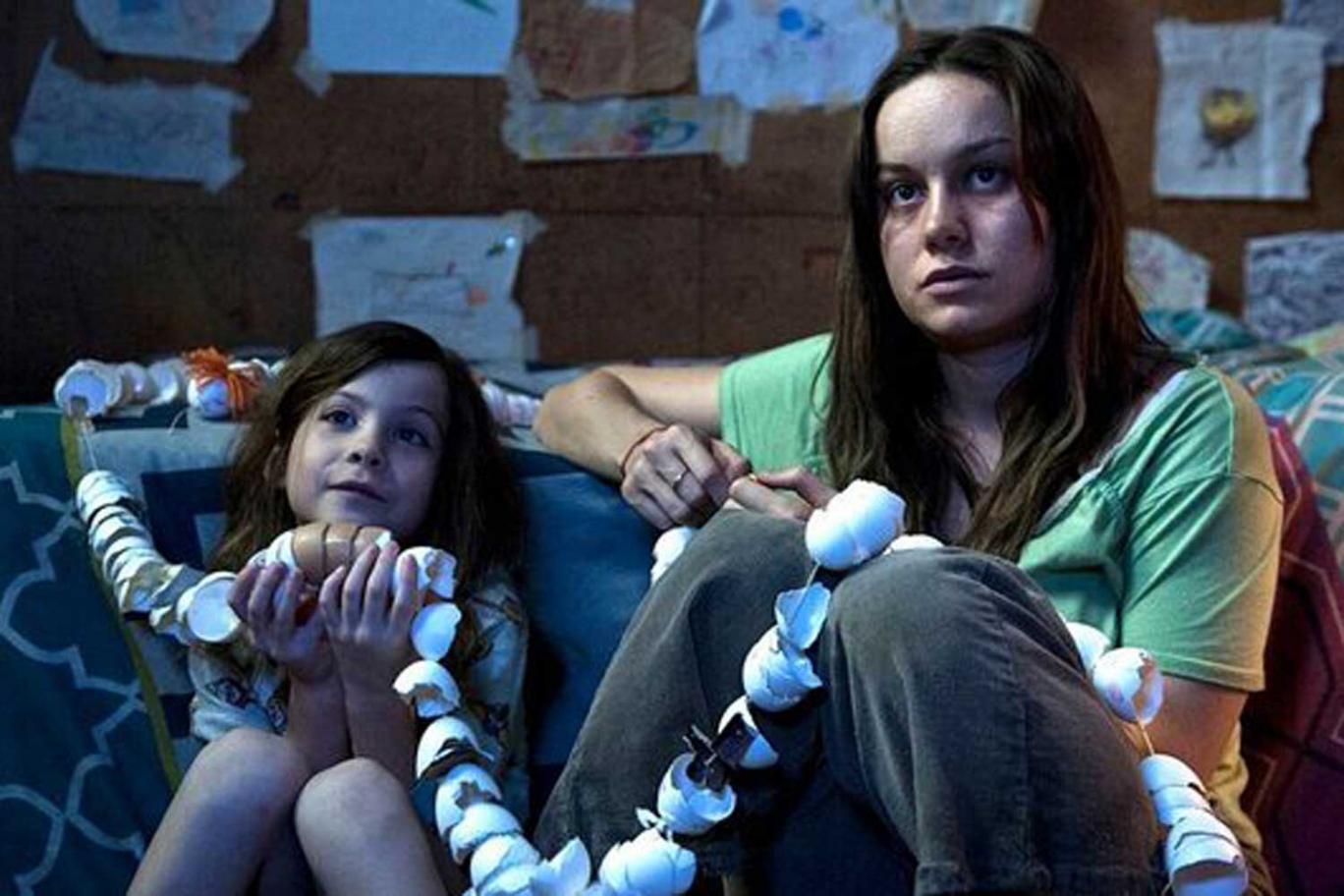
Odds are good that audiences don’t know much about Brie Larson before stepping into a theater to watch the critically acclaimed drama Room.
Larson, who’s been a scene stealer in comedies like Trainwreck and an indie darling with Short Term 12, takes a major step toward stardom in director Lenny Abrahamson’s drama as Ma, a 24-year-old woman kidnapped and held in a shed for seven years.
Constantly raped by her captor Old Nick – played by an efficiently creepy Sean Bridgers – Ma’s world changes with the arrival of her son Jack, portrayed by the stunning Jacob Tremblay, who singlehandedly keeps Room from becoming too dark and twisted for a wide audience. The film will easily remind viewers on an emotional level of the famous kidnappings of Elizabeth Smart and Amanda Berry, but does not approach this fictional account on as harrowing a level.
Screenwriter Emma Donoghue – adapting her own 2010 novel for film – finds the right balance by placing audiences in Jack’s shoes, following the young boy as he lives in the only world he knows, unaware of the wide world outside nor how Ma came to live in the shed, which he simply calls Room.
The scene early in the film where Ma attempts to explain how things really are after years of tricking Jack is one of 2015’s five best moments in cinema. Equally touching and heartbreaking, Larson’s performance in this scene is what will likely lock up a win later this month for Best Actress at the Academy Awards.
Nine-year-old Tremblay is an absolute revelation as Jack, offering up the best performance by a child actor since Natalie Portman’s turn as a young girl taken in by a hitman in 1994’s Leon: The Professional. The entire film hinges on having Tremblay guide viewers through his world – which to audiences seems like a cramped room, but to Jack, is an entire universe.
Tremblay gives Jack such an authentic wonder and innocence that it’s impossible not to be taken in by Room, a film made with such finesse that otherwise dark subject matter doesn’t weigh down audiences.
The family dynamic between Ma and Jack works because of Larson’s undying commitment to follow Tremblay’s lead wherever the material takes them. The balance between the pair is refreshingly dynamic. More reaction than action, Larson plays off Tremblay with absolute ease and subtlety, offering harrowing realism to Jack’s childhood wonder.
As an audience member, there’s an immediate sense of constraint early in Room, but never to the point of feeling trapped, which is a massive credit to Donogue as writer, Abrahamson as director and Tremblay as performer.
The cinematic twist that occurs midway through Room, heart-wrenching and gripping as it may be, should be left unspoiled for first-time audiences, though the welcome addition of veteran character actors Joan Allen and William H. Macy in the second half of the film give Abrahamson’s film added dimension. Allen especially gives a gripping performance as Ma’s mother living outside of Room, providing a terrific emotional counter-balance to Larson.
Confined to such a small space, Abrahamson and cinematographer Danny Cohen make the world of Room come alive with nuanced camera work and production design that make individual elements of the room feel like their own worlds, reinforcing Jack’s attachment to individual items in the room like (in Jack’s words) wardrobe, sink, skylight and chair number one.
The use of ultra wide angle lenses when shooting inside Room allow viewers to see Jack’s world the way he sees it, allowing audiences to remember how the small places where children often grow up don’t feel small, but rather large to children.
When the entire world fits inside a 10 by 10 box, everything grows proportionally larger in scale. Pulling that off cinematically is a difficult thing to do, and the team of Abrahamson and Cohen nail it perfectly.
With a star-making and likely Oscar-winning performance from Larson, a tremendous young actor in Tremblay and subtle, effective direction from Abrahamson, Room is one of the 10 best films to be released in 2015 and a must-see in theaters before the Academy Awards on Feb. 28.
 Cinematic Considerations