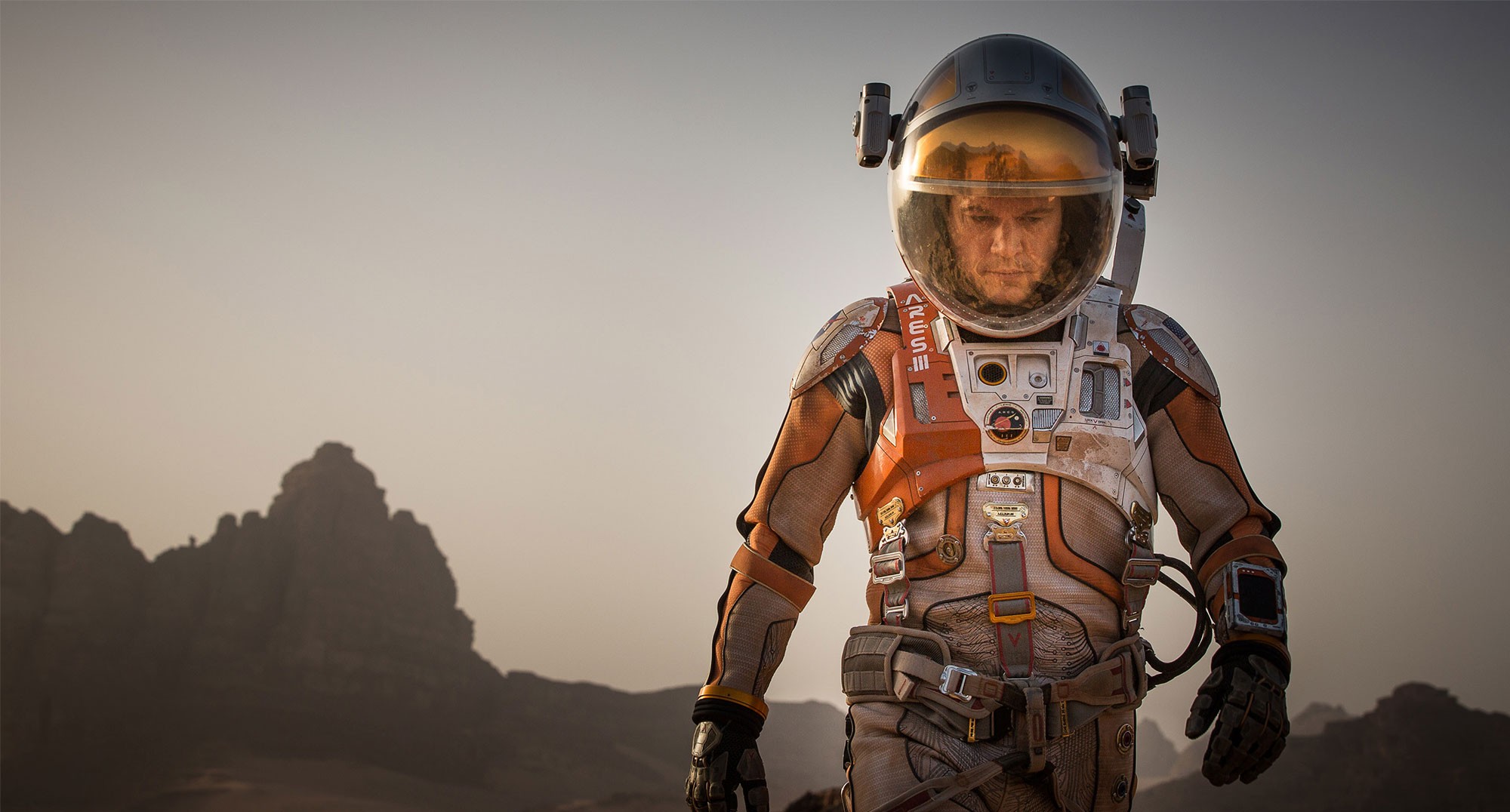

Don’t make the mistake of skipping a trip to your local theater to catch “The Martian.”
There’s too many reasons not to miss out on what likely will go down as one of the premier science fiction films of the decade – thought everything right about the movie starts and ends with Matt Damon.
As with all films about the stranded or marooned, a film requiring one man all alone to spend several cinematic years on another planet requires a phenomenal performance from Hollywood’s elite class of actors – and “The Martian” has that in spades with a tour de force effort by Damon.
In Mark Watney, Damon exudes the everyman qualities of an actor like Tom Hanks, melding it with the wry humor of George Clooney and the lovable charm of Leonardo DiCaprio to create a dynamic, layered character that audiences actually enjoy watching all by his lonesome for over an hour.
Damon’s engaging portrayal of Watney, along with some creative editing from director Ridley Scott and his team, keep “The Martian” interesting for much longer than the film’s premise might suggest.
Audiences have seen a lot of variety in Damon’s work over the past two decades. While his work in the Jason Bourne franchise and as the lead in “Good Will Hunting” – which he co-wrote with Ben Affleck – are probably the most iconic Damon performances in the minds of casual moviegoers, his turn as Watney has to vault into the same stratosphere.
Viewers can’t help but root for Watney in a way that hasn’t been seen since Hanks covered a volleyball with blood to help stay sane in “Castaway,” which arrived in theaters more than 15 years ago.
“The Martian” is Matt Damon’s movie through and through and is quite possibly the best work he’s ever done, no small feat in an illustrious career.
It would have been easy for Scott and screenwriter Drew Goddard to just let a top-notch performance stand on its own two feet, giving Damon ample room and the full 142 minutes of running time for a one-man show.
However, they rightfully opted to stay true to the source material – Andy Weir’s 2011 novel of the same name – and included both Watney’s fellow astronauts and NASA flight crew as pivotal members of a strong, talented ensemble cast led by Academy Award nominees Jessica Chastain and Chiwetel Ejiofor.
More than half of the supporting actors – Chastain, Ejiofor, Michael Pena, Kate Mara, Jeff Daniels and Kristen Wiig – have the talent to carry their own films, but willingly sacrifice their own screen time in deference to the movie’s needs, which benefits the audience more than Damon or Scott. With Chastain leading the way in space and Ejiofor on Earth, every single scene has the same impact even if Damon’s not involved at all.
As much as viewers want to see what’s going on with Watney on Mars, there’s no drop off in scenes without Damon – something that couldn’t be said for a classic film like “Apollo 13,” where you just wanted to get back to Hanks floating around the moon as soon as possible after the scene cuts away to Earth.
“The Martian” also proves to be a big comeback for Scott after missing big with “The Counselor,” “Prometheus” and “Exodus: Gods and Kings.” Everything seems to click all the way through for Scott, who’s able to blend numerous top-notch acting performances with beautifully shot cinematography from Dariusz Wolski and the most visually dynamic computer graphic imagery this side of “Gravity.”
“The Martian” represents Scott’s best work in more than a decade, harkening back to 2001’s “Black Hawk Down” and 2000’s “Gladiator.”
Though the film is based on a science-heavy fiction novel, it’s not necessary for moviegoers to have read the book previously or earned a degree in astrodynamics to enjoy “The Martian” as the cinematic masterpiece that it is. It’s also unnecessary to go out of your way to catch the film’s 3D version as the 2D experience is just as compelling – a recommendation that cannot be made about either “Everest” or “The Walk,” films that are must-sees in the in-your-face 3D format they were intended to be viewed in.
For science-fiction drama, “The Martian” is exceedingly funny, with a number of pop culture references and a “Lord of the Rings” Easter egg joke to boot. The film does include more heavy language than your average PG-13 film and brief male rear nudity, though younger moviegoers allowed to watch films with cursing are likely capable of handling the science-heavy material, thanks to Goddard’s viewer-friendly script.
Though an upcoming sequel in the “Star Wars” franchise still has yet to way in, “The Martian” is by far the best science-fiction film since Oscar-winner “Gravity” and a definite must-see in theaters.
Try and remember the last time you sat in a movie theater and were genuinely blown away by what you saw.
Can you picture it even now? Some moments in cinema — whether they be an individual acting performance, captivating scene of dialogue or picturesque shot – will forever remain burned in your mind.
True innovation, especially in the way filmmakers tell stories visually, has offered up some of these dynamic, unforgettable moments in the last several years with the improvements made in cinematography technology, both in 2D and 3D formats.
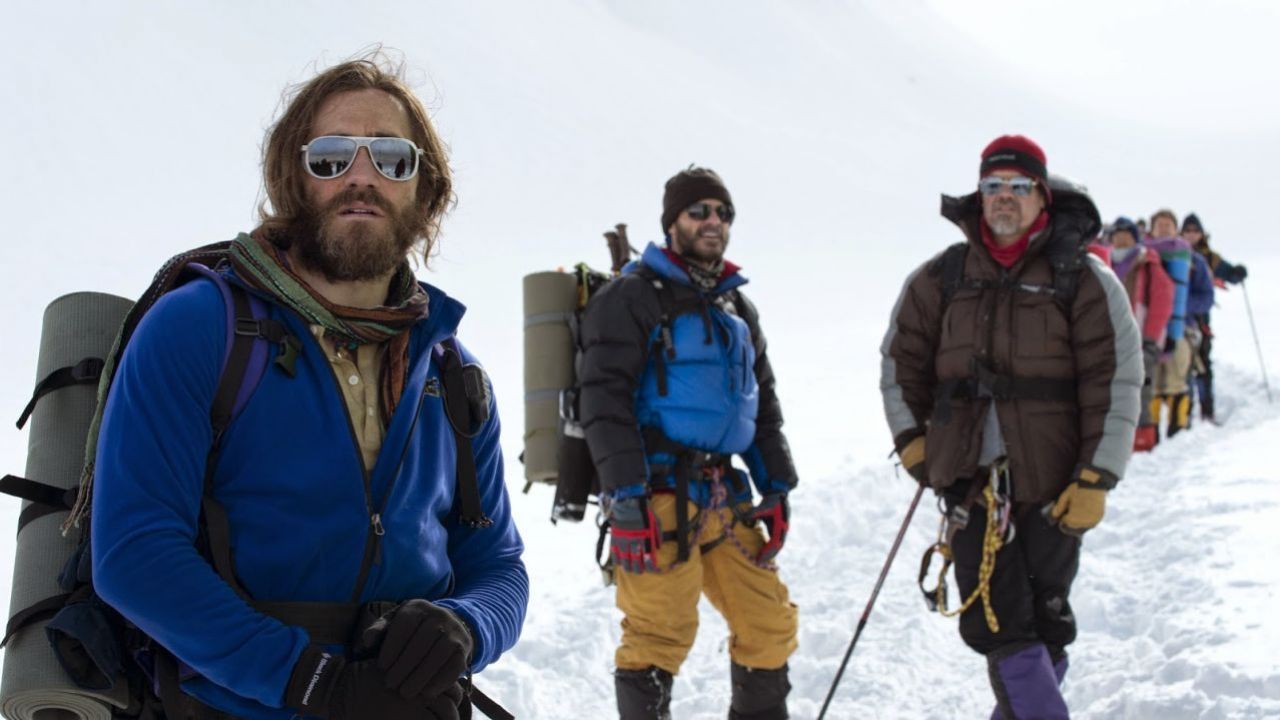
It’s likely that “Gravity,” the visually stunning space odyssey starring Sandra Bullock, comes to mind, as well it should, especially if you were fortunate enough to catch the film in 3D during its theatrical release. “Everest,” the recently released adventure drama, vaults itself into similar rarified cinematic air with its explosive and dynamic IMAX 3D format.
The film is an adventure in 2D, but becomes an in-the-moment experience in 3D. Films like “Everest” are what 3D technology is truly meant for.
It’s one thing to watch men navigating ledges less than two feet wide at the cruising altitude of a 747, as Jason Clarke’s Rob Hall so eloquently states early in “Everest.” It’s another thing altogether to genuinely feel like you’re up there with them. The IMAX 3D technology of “Everest” gives audiences as close of a front row seat as to what being up on the world’s tallest mountain might actually be like.
While perhaps not the most well-written script, “Everest” stands out from an increasing crowd of largely action films that make unnecessary use of 3D tech to increase box office revenue. Adding 3D to “Everest” actually enhances the film-going experience in a way that hasn’t been duplicated since “Gravity,” though next weekend’s “The Walk” starring Joseph Gordon-Levitt shows a great deal of promise that proper 3D cinematic experiences may become a larger trend.
Filmmakers have waited for years to tell the tragic story of the 1996 climb of Mount Everest, subject of the fantastic account “Into Thin Air,” penned by noted magazine writer and member of the ’96 Adventure Consultants trek Jon Krakauer. Krakauer’s best-selling book isn’t the primary source material for “Everest,” but “House of Cards” actor Michael Kelly does a masterful job of portraying the writer in a key supporting role.
Though the film is littered with talented actors in its ensemble cast, the real star of “Everest” is the mountain itself, with its daunting heights and terrifying depths on full display in both sweeping wide shots and mesmerizing close-ups thanks to director Baltasar Kormakur and cinematographer Salvatore Totino.
The reason it’s taken more than two decades to film a biopic about the men and women who lost their lives on the mountain that day isn’t due to lack of interest, rather that filmmakers wanted to ensure they were able to capture Everest in all its glory, beauty and danger. In that singular aspect alone, Kormakur and his team have definitely hit the mark.
Focusing on the real life actors of “Everest,” Josh Brolin is a standout among standouts, giving his best performance since “No Country for Old Men” as climber Dr. Beck Weathers. Brolin swiftly and confidently maneuvers between emotions of confidence, empathy, longing and angst in a role that’s not typically the most complex or challenging for actors. Brolin’s work comparatively leaps off the screen even when paired with Jason Clarke or the underrated John Hawkes, the Academy Award nominee who portrays average Joe mailman turned expert climber Doug Hansen.
Clark – most recently John Connor of “Terminator: Genisys” fame – provides a steady guiding hand over the entirety of “Everest” as Adventure Consultants team leader Rob Hall. Though they rarely appear together, Clarke and on-screen wife Keira Knightley have great chemistry that helps bind the film together emotionally in a way that Brolin and on-screen wife Robin Wright just don’t have.
Besides Everest itself, the film’s biggest name – Jake Gyllenhaal — offers a showy, yet underwhelming performance as rival Everest guide Scott Fischer. To be sure, Gyllenhaal proves adept at what the film requires of him, but on the whole, “Everest” doesn’t give viewers a top shelf Gyllenhaal performance like his last two works – “Nightcrawler” and “Southpaw” – do.
Knightley, Wright and the other actresses in “Everest” aren’t given much to work with, especially given that extreme mountain climbing was such a male-dominated activity at the time. There is a nice secondary plot element concerning the group’s lone female climber – Yasuko Namba – trying to reach the top of the final peak of “Seven Summits” on her list. Her journey to climb the tallest mountain on each of the Earth’s seven continents is probably worthy of its own film, though it’s reduced to a minor plot point in “Everest.”
The same thing could probably be said of half of the characters in “Everest,” especially group leader Rob Hall, writer Jon Krakauer and climber Beck Weathers. The fatal flaw in “Everest” isn’t technical execution, but rather overcrowding on the mountain and trying to tell too many stories at once.
With half the film dedicated to the month-long preamble to the climb, “Everest” leaps back and forth between four or five different subplots while only really tying up the two romantic ones – Clarke/Knightley and Brolin/Wright – by film’s end.
But if viewers are going to see “Everest” for the plot points, they’re missing the true point of the film, showcasing one of the world’s most gorgeous natural landmarks in a two-hour adventure worth seeking out in theaters, especially in a 3D format.
Johnny Depp is different things to different people.
He’s borderline flamboyant, swashbuckling pirate Johnny Depp to many filmgoers; undercover teen cop Johnny Depp to an older generation and an enigmatic Mad Hatter Johnny Depp to a much younger subsect of audiences.
There’s no mistaking that the charming when he wants to be, brooding when he needs to be and enigmatic always Johnny Depp feels at home in any number of characters.
But it seems that every five years or so, audiences are treated to the best kind of Depp, crime drama anti-hero Johnny Depp. We’ve seen this Depp play undercover agents in “Donnie Brasco,” drug lords in “Blow” and famous gangsters in “Public Enemies.”
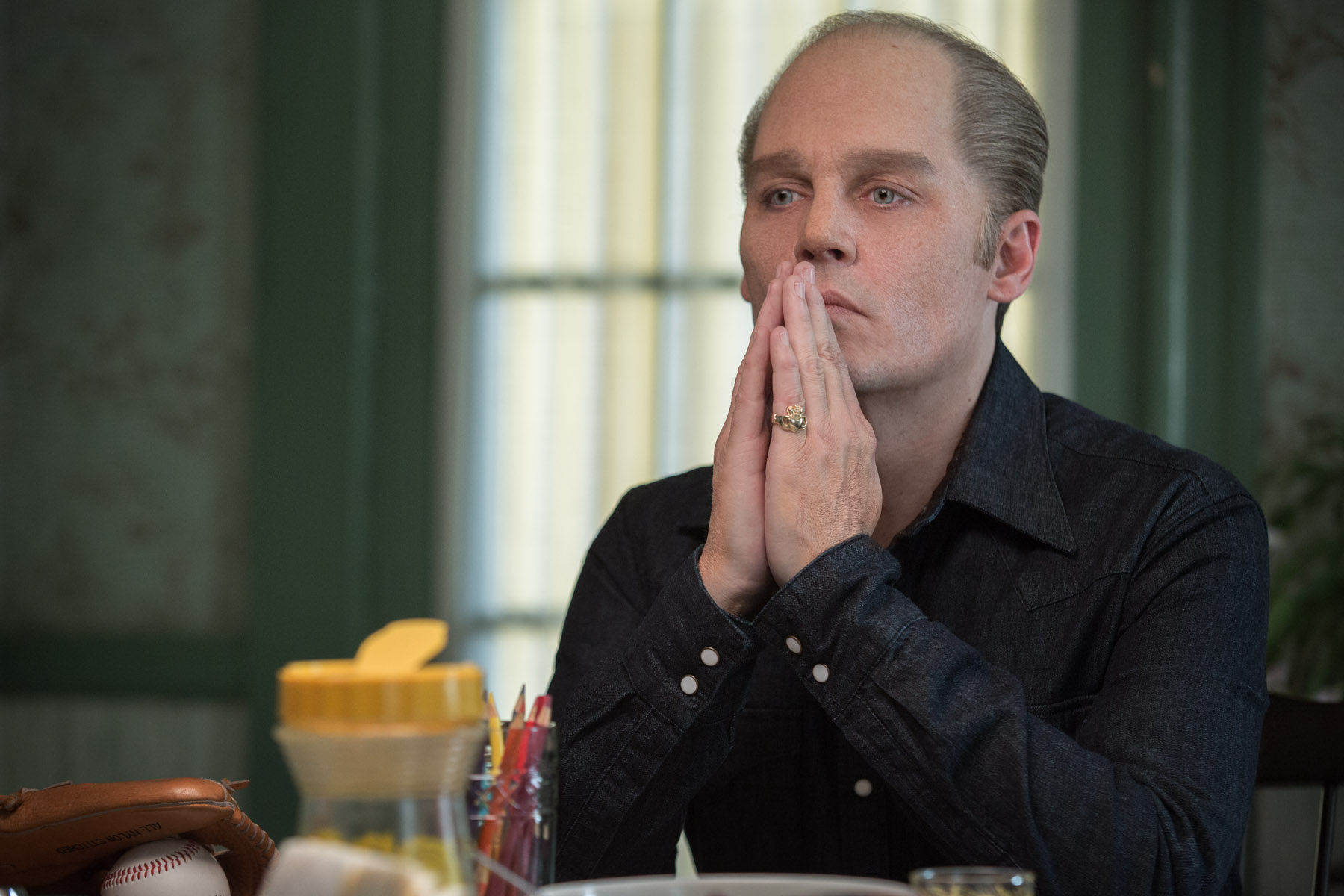
Six years after he died on the street as famed bank robber John Dillinger, crime drama anti-hero Johnny Depp is back and channeling a “The Departed”-era Jack Nicholson as real life Boston kingpin James “Whitey” Bulger in Scott Cooper’s “Black Mass.”
Wire to wire in the film, Depp is unrelentingly dominant in every scene he’s in, a choice well suited for the part. Bulger commands with an absolute authority over those who work for him – and even those who don’t – and Depp plays the part with the same bravado. The performance is layered in quieter moments within “Black Mass” where Depp shows a hint of a gentler side to the brutally violent mob boss in scenes between Bulger and his mother as well as his young son.
While “Black Mass” is rightfully billed as Depp’s movie, Joel Edgerton – most recently the writer/director/star of “The Gift” – gives an award-worthy performance as Bulger’s childhood friend turned FBI handler John Connolly. Edgerton portrays Connolly with the same moxie and bravado as Depp handles Bulger, just on the other side of the law. It’s as if the two actors are playing one person on opposite sides of the coin.
Edgerton’s role is pivotal in making “Black Mass” an ensemble piece rather than allowing the actors to essentially become live set dressing for Depp’s one-man-show.
While Depp and Edgerton do the bulk of the heavy lifting on screen, “Black Mass” boasts a fantastic cast who all deserved screen time that Cooper couldn’t add onto a two-hour running time.
Oscar-nominated British actor Benedict Cumberbatch does a much better job offering a compelling and credible Boston accent in “Black Mass” as opposed to his jarring and uneven Southern twang in “August Osage County.” The Brit consistently delivers top-notch performances across the board and, with accent in place, helps to round out Bulger’s character as a moral counterbalance to Bulger. Cumberbatch gives Bulger’s straight-laced state senator brother a refined civility that implies moral high ground with just a wink to the audience that thinks might not be what they seem.
Some of the film’s best work comes from its secondary actors, most notably Dakota Johnson of “Fifty Shades of Grey” fame. Johnson goes toe-to-toe with Depp in several scenes as Bulger’s girlfriend/baby mama with a dazzling exchange between the on-screen couple at a hospital being one of the best moments in a film filled with explosive dialogue and stunning cinematography.
There’s a strong effort made by Cooper to evoke classic gangster clicks of the past within “Black Mass.” Elements of everything from “Casino” to “The Godfather” trilogy to “The Departed” are represented as layers upon layers of cinematic depth within the movie, as if Cooper feels assured of his film’s place among the canon of the genre.
Indeed, it’s no coincidence that “Black Mass” hits the big screen in the same month as the 25th anniversary of Martin Scorcese’s masterpiece “Goodfellas,” which seems like an obvious companion film for “Black Mass.” Both are lengthy, high-drama, gangster flicks made with a flair for the cinematically extravagant. It makes sense.
Yet, the true cinematic counterpart for a film like “Black Mass” is David O. Russell’s “American Hustle,” a feature that layers historical fact with creative embellishments that old school filmmakers might dub “movie magic” combined with a deep and talented cast of actors at the top of their game. Both films exude a manic energy about them that pervades both the onscreen performances and visual style. Additionally, the plot device used to give equal time and weight to both sides of the law in “Black Mass” feels more like “Hustle” than “The Departed” in terms of the script’s arc and dialogue, especially when comparing Edgerton’s performance to Bradley Cooper’s spastic FBI agent in “Hustle.”
Visually impressive and filled with quality acting performances throughout, “Black Mass” does right by the gangster genre it attempts to join the canon of and is worth finding in an area theater.

You’ve probably seen Bruce Greenwood in a lot of movies.
He’s one of those “Oh that guy” character actors. You know the ones. A friend will say something like “I really liked (NAME OF ACTOR) in that movie I saw last week,” to which the immediate response is almost always, “Which one is he?” Then the friend explains what movies you’ve seen the actor in and the immediate response is always “Ohhhhh, that guy.” It’s a situation that applied most often to talented veterans like Steve Buscemi before “Boardwalk Empire” or Kevin Spacey before “House of Cards.”
Bruce Greenwood is an “Oh that guy” actor.
This isn’t to slight Greenwood at all, given the quality work he’s done playing the president in both “Thirteen Days” and “National Treasure 2,” Ashley Judd’s ne’er-do-well husband in “Double Jeopardy” and as Chris Pine’s mentor in the “Star Trek” reboots.
Ohhhhh, that guy.
Exactly.
Greenwood finally gets the starring role he rightly deserves in the soon-to-be-released independent drama “Wildlike,” which has played at film festivals across the country, winning 30 best film accolades.
Set almost entirely in the beautiful expanses of Alaska, “Wildlike” follows a troubled teen named Mackenzie, played by Ella Purnell, as she hits the open road to escape her abusive uncle and make it back to Seattle, where she hopes to find her mother. Hiding from authorities she believes will send her back to her uncle, Mackenzie forges into the Alaskan wilderness, where she stumbles upon Bartlett, a gruff, grieving backpacker played by Greenwood, who reluctantly aids Mackenzie on her journey across the wilderness of Denali National Park.
Shot in 35 mm film, the directorial debut feature of producer Frank Hall Green is a stunning visual travelogue of some of the country’s least iconic, but most gorgeous open spaces. Shooting with actual film rather than digital gives “Wildlike” an added richness that helps build cinematic depth and ground the performances in essentially a two-hander plot. Real film is typically cost-prohibitive for independent filmmakers, but thanks to a grant, Green and cinematographer Hillary Spera are able to gift viewers with a visual experience unmatched by other first-time filmmakers.
Greenwood is as steady as fans of his work would come to expect from the veteran character actor, providing a sense of calm for viewers among the sometime frantic nature of Purnell’s performance. As his own issues are slowly revealed in the film’s latter stages, Greenwood and Purnell are able to develop a comfortability with each other as actors that also for increased authenticity in the challenging script material.
Purnell, a young British actress who came onto the scene with “Never Let Me Go” and as a young Angelina Jolie in “Maleficent,” melts into her role as Mackenzie, playing both bitter and confused about her abuse to absolute perfection while simultaneously balancing her own self-discovery about sexuality in adolescence. Not many actresses could have pulled off Purnell’s nuanced performance. Indeed, her work in “Wildlike” is on the same level as Jennifer Lawrence’s in the indie smash hit “Winter’s Bone” that helped launch her career.
Viewers may also recognize Brian Geraghty in a smaller role as Mackenzie’s uncle. Geraghty, best known for his work opposite Jeremy Renner and Anthony Mackie in “The Hurt Locker,” makes the most of his small, but pivotal supporting role.
Moviegoers will likely be overwhelmed by the amount of quality film options set to be released over the next month. Everything from action-adventure films (“The Maze Runner: Scorch Trials) to comedy (“The Intern”), space travel (“The Martian”) to eventual Oscar contenders (“Black Mass,” “Legend”) will hit the big screen within three weeks.
Between now and the end of the year, Hollywood will cram most of the year’s best features into the last three-and-a-half months in an effort to maximize box office returns and Academy Award chances.
Hiding within the fog are smaller, less publicized films like “Wildlike,” which are just as deserving of support from a nuanced, film-obsessed audience. While “Wildlike” will likely never achieve the same cult-like status among hardcore film fans like the sci-fi indie hit “Ex Machina” did early this year, Green’s debut feature — now at 150 film festival screenings and counting — is of similar quality from start to finish.
Visually dynamic with performances to support its artistic style, “Wildlike” is definitely a film worth making the effort to find amid the larger selection of new releases this fall.
It’s difficult to like “A Walk in the Woods” as much as you might like to.
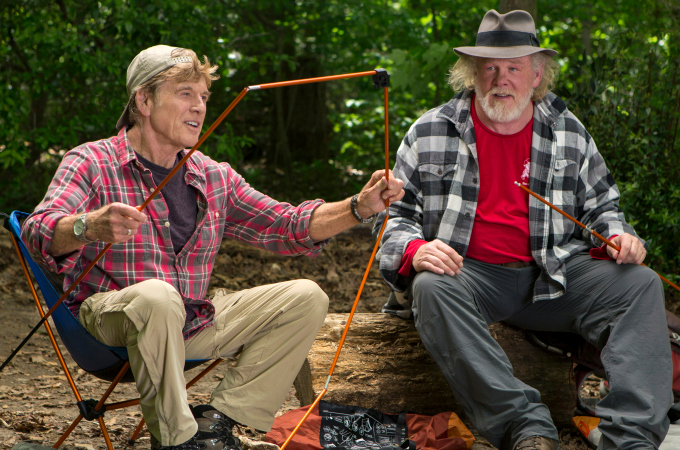
Pair acting royalty like Robert Redford and Nick Nolte together and send them off on an Odyssean-like quest through the Appalachian Trail in search of themselves based on the book of the same name by travel writer Bill Bryson and it feels like a sure-fire recipe for success.
To be fair, there’s a lot of great things happening within Ken Kwapis’ comedy adventure, which steers clear of the harsh realities of life on the trail like Reese Witherspoon’s “Wild” showed audiences last year. In fact, it’s in the comedic moments where “Walk” shines brightest, though viewers may be surprised by the film’s vulgarity, which features several of George Carlin’s “Seven Words You Can Never Say On Television.” “Walk” is much cruder than the trailers might have audiences believing, with the language making the film a definitive R.
While Redford provides a steady hand as the plot-driving Bryson, it’s Nolte’s riveting performance as a womanizing, crotchety alcoholic who accompanies Redford along the way that audiences will leave theaters talking about. Crass when he has to be and charming when he wants to be, Nolte offers up as compelling a comedic effort as viewers are to likely find this year though the film around him doesn’t quite live up to his performance.
Aside from one or two scenes in the late stages of the film, not much effort is taken to draw viewers into who either lead character actually is. Audiences are simply expected to care about the characters because they’re being played by Redford and Nolte, not on their actual merits. It’s a short-sidedness in the writing that downplays the actors’ performances and limits the overall quality of the film.
“A Walk in the Woods” has the capacity to be on the same level as its counterpart “The Best Exotic Marigold Hotel,” but falls short of this mark due to ineffectual writing.
Emma Thompson plays a minor and relatively hollow role as Bryson’s wife who doesn’t want him to make the journey, though her performance is wasted in the grand scheme of things. Character actress Kristen Schaal, on the other hand, provides one of the year’s most effective supporting actress performances as a grating fellow hiker on the trail badgering Redford and Nolte.
As a film about the Appalachian Trail should, “A Walk in the Woods” is simply gorgeously shot at times, providing audiences with just a tiny glimpse of what life in the outdoors might be like. Some scenes, however, feel as if Kwapis shot them using green screen technology, which can feel jarring at times.
In the end, what makes or breaks “A Walk in the Woods” is the on-screen chemistry of its leads. Redford and Nolte have a good rapport together well worth the price of admission, but their bond isn’t quite on the same “Odd Couple” level that one might expect from this type of film. Go for Nolte, but stay for Redford, one of Hollywood’s all-time greats who deserves an audience regardless of the role.
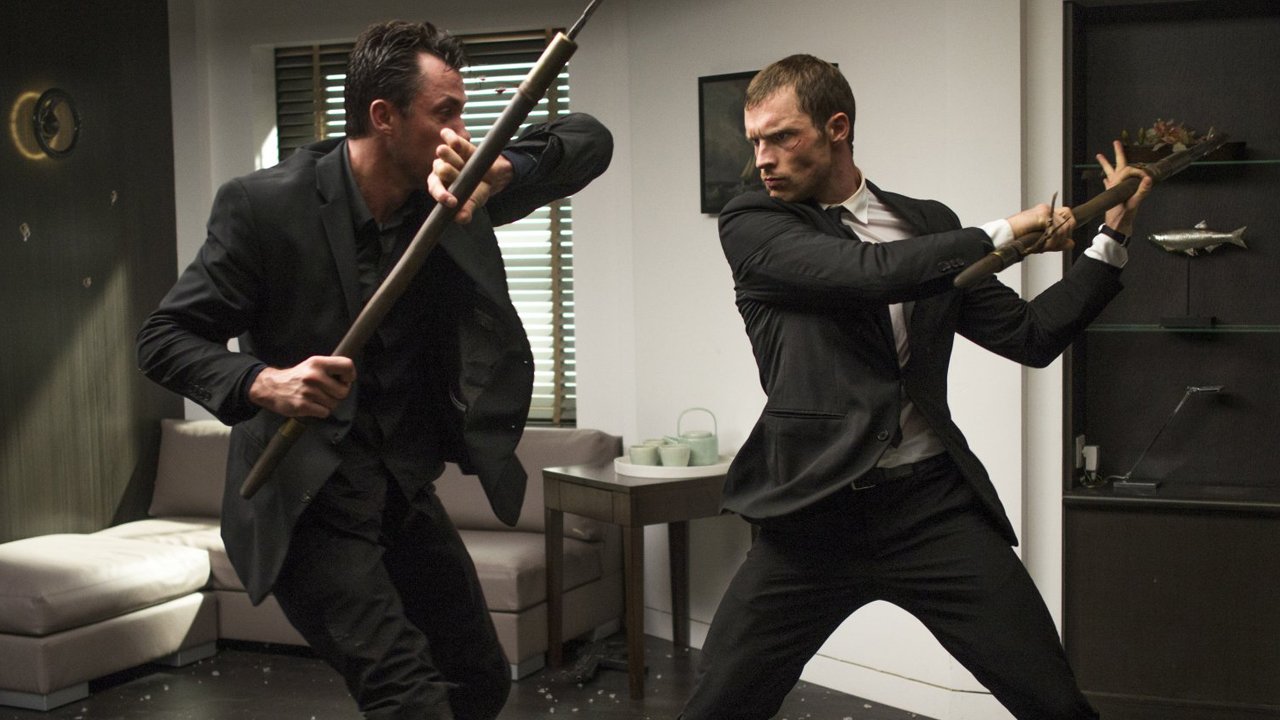
Six different men have embarked on secret wars as the British superspy James Bond — soon to be seven if you believe the rumors that Daniel Craig will hang it up after “Spectre.”
While it was difficult to replace Sean Connery, eventually Roger Moore was able to take up the mantle and keep the Bond franchise alive, something action franchises like Indiana Jones, Jason Bourne, Die Hard and Rambo were never able to do.
EuropaCorp, the studio responsible for the Transporter franchise, hoped to reboot their high-octane martial arts action series with a new lead, but much to their chagrin, the bland and ineffectual Ed Skrein is no Jason Statham.
The studio most likely would have been better off restarting the franchise in the United States and leaning on a charismatic American actor like Dwayne Johnson, a versatile action star with instant credibility both on screen and off. Instead, in Skrein, viewers are left with a blank, emotionless caricature of what Statham brought to three “Transporter” installments. It’s impossible to care about an action lead who isn’t even able to convince himself to be engaged in the material.
Writer/producer Luc Besson, the man behind both “The Transporter” and “Taken” franchises, has to know this at the outset, providing the rebooted Frank Martin character — apparently no longer a notorious loner — with a partner in crime in his father, played by the film’s most recognizable performer, veteran character actor Ray Stevenson. Stevenson provides the best counterbalance to Skrein’s stiff-as-a-board acting, brightening the screen each time he appears while simultaneously playing a pivotal role in the film’s plot.
Unlike most action films, “Transporter Refueled” relies on a bevy of women to carry the plot forward, though Besson undercuts this seemingly progressive script by making those same women interchangeable ex-prostitutes out to see revenge on the villainous pimp who forced them into the sex trade. They literally dress and look the same so as to not be recognizable and have no definitive personalities. 2015 has seen progress in the casting and writing of roles for women within action films — most notably Frank Miller’s “Mad Max: Fury Road” — but films like “Refueled” make the progress feel like one step forward, three steps back.
https://m.youtube.com/watch?v=EJ972HQigvQ
While Besson’s plot leaves a lot to be desired, action sequences that should be the saving grace of “Refueled” just make audiences long for the original trilogy, mainly because a majority of the scenes were ripped straight out of the first three films. “Refueled” has the parking lot fight and leaping jet ski from “Transporter 2” and an ending nearly identical to the original film.
To be sure, two action sequences stand out positively for “Refueled,” including a car chase complete with broken fire hydrants and fisticuffs in front of a moving Audi. Even then, these scenes are only laudable for their relative originality, not necessarily their quality.
“Transporter Refueled” is still perhaps the best of the C-rate action films to arrive in 2015, besting the likes of “Taken 3” and “Hitman: Agent 47,” but not a top-tier blockbuster worth continuing with more sequels.
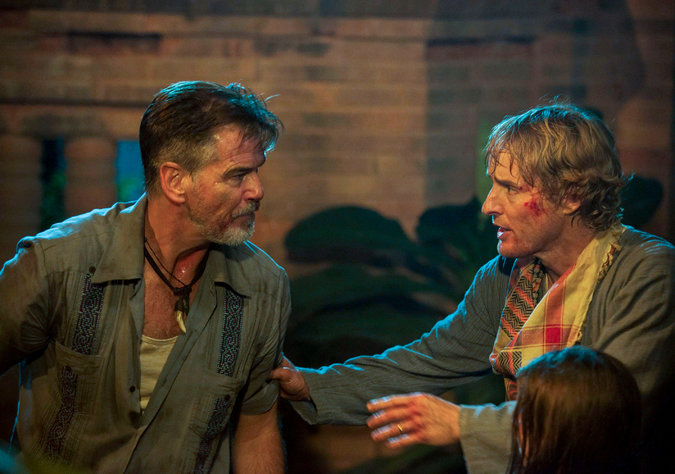
Pierce Brosnan is trying very hard to revitalize his career, reshaping himself in the mold of Liam Neeson, aging action star.
It certainly helps that Brosnan spent a decade in four high profile films as the iconic James Bond, cinema’s longest lasting character, crafting a niche for himself as a classier version of the action star actor. It’s these Brosnan Bond films like “GoldenEye” and “Tomorrow Never Dies” that helped to pave the way for Matt Damon’s Jason Bourne franchise and the passing of the spy torch to Daniel Craig, who will appear in his fourth Bond this fall with “Spectre.”
With last year’s “The November Man” and the large independent release “No Escape,” which debuted in theaters over the weekend, Brosnan begins his re-ascension back up the action star food chain with much success.
It’s a shame, however, that his journey has been waylaid by poor scripts, subpar directorial efforts and lack of studio backing. Otherwise Brosnan might be even further along.
https://m.youtube.com/watch?v=VFpK71yBv1s
“No Escape” finds the former Bond in a pivotal supporting role as a mysterious Brit who may or may not be in intelligence aiding a married couple (Owen Wilson and Lake Bell) and their two young girls while the family attempts to flee an unknown war-ravaged nation in Southeast Asia with a populace hell-bent on murdering foreigners – and especially Americans – publically in the streets.
The film itself is a mess of a feature, helmed by second-rate horror director John Erick Dowdle with a script he co-wrote with brother Drew. Its cultural insensitivies are rampant throughout the 103-minute running time, going beyond simply making a select group of villains all from a particular race as a traditional action film might.
There are over 150 “natives” shown to varying degrees in “No Escape,” yet only one character is bothered with long enough by the Dowdle brothers to even name – the American-loving, country music obsessed Kenny Roger, who only refers to himself by the name of his favorite singer because it’s too hard and isn’t worth learning his actual name.
None of the other Asian characters in the film have names — or even lines in English beyond a few minced phrases for that matter – nor does Dowdle provide subtitled translation of whatever dialogue the film’s non-English speaking cast uses. Their words, like their culture, are irrelevant to the film in the eyes of the filmmakers, a major disappointment.
Owen Wilson simply isn’t in the right film as his affable Texas charm and dry wit don’t really play in this lackluster thriller turned C-rate horror flick. Wilson’s a big enough name and decent enough actor to convince some viewers to care about his family’s plight, but even those viewers will start to run out of patience by the third or fourth time they narrowly cheat a seemingly inevitable death.
Best known for smaller roles in comedies, Lake Bell does an admirable job as the family’s mother, replacing a then-pregnant Michelle Monaghan who was attached to star. Having an action-adventure genre newcomer like Bell on screen helps “No Escape” feel more original than it actually is, and her presence does add a welcome layer of depth to an otherwise shallow, repetitive film.
Most of the action sequences are crippled by a disastrous insistence on slowing the frame rate down at the beginning of each major set piece, which is intended to hype up the audience for what’s about to happen, but only causes viewers to disengage from the film and wonder why Dowdle would ruin surprises in a thriller.
For example, early in the feature, the family races to the rooftop of their hotel to seek refuge from masses storming the building from below, hoping that an incoming helicopter will fly them to safety. As the chopper approaches, Dowdle slows the frame rate down, keying viewers in that something’s amiss well before they can actually see it for themselves, completely ruining the surprise.
Visually, scenes unaffected by this frame rate issue are generally appealing, especially early in the film during broad daylight. Dowdle struggles to make the best use of nighttime lighting, which is a shame given how much of the feature occurs after the sun goes down.
“No Escape” will likely leave audiences shaking their heads with how many contrived ways the family avoids death, though an above-average from Pierce Brosnan in a limited supporting role may be enough to keep audiences entertained throughout the majority of the film.
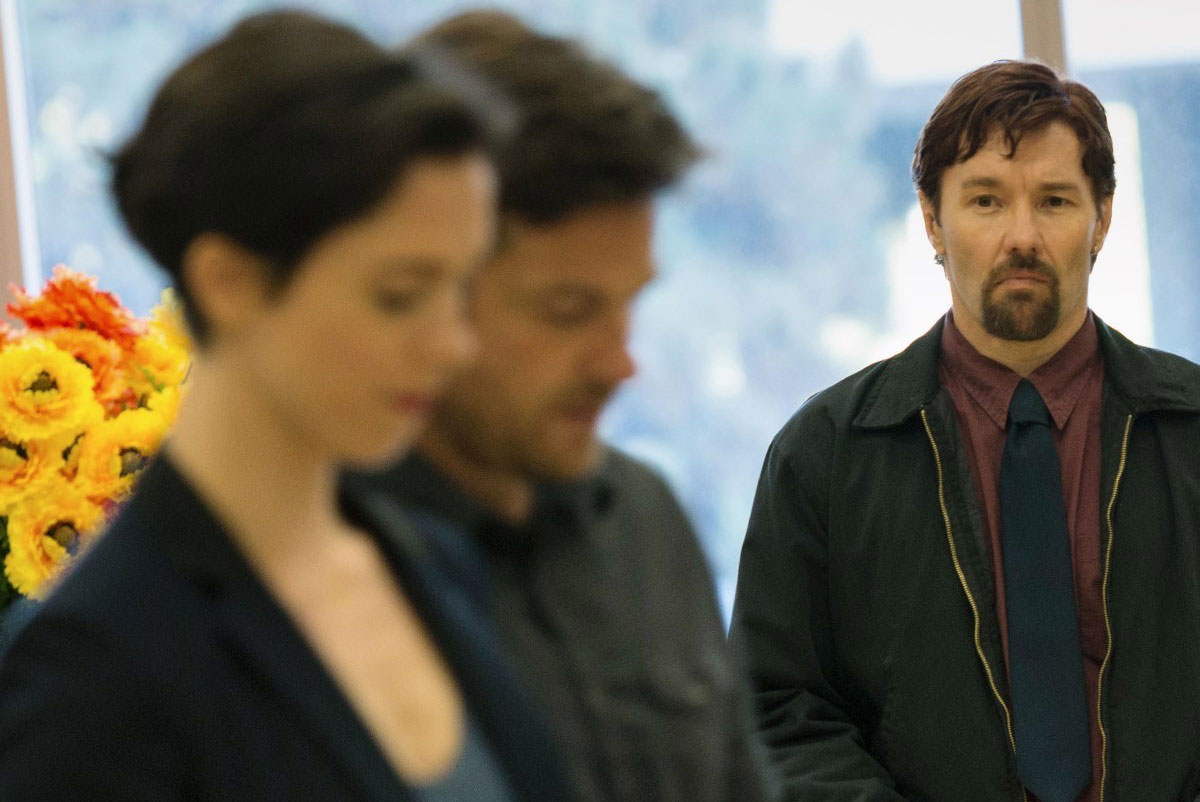
Meryl Streep isn’t in “The Gift.”
Twenty years ago, the smart independent thriller from writer/producer/star Joel Edgerton would have been something right up Streep’s alley, but just because the performers don’t have top level name recognition doesn’t mean that the relative upstart film isn’t without its merits.
In fact, Australian triple-threat Edgerton provides one of 2015’s most inventive and original films on par with the well-rounded science fiction think-piece “Ex Machina,” starring Domnhall Gleason and Oscar Isaac.
It seems like each and every year, audiences are treated to a smaller film that slips through the studio cracks and barely hits on the cinematic radar only to blow viewers away. Following that logic, if “Ex Machina” is this year’s version of the South Korean sci-fi action hit “Snowpiercer” with Chris Evans, then “The Gift” is the equivalent of “Nightcrawler,” a thought provoking psychological thriller that probably should have netted Jake Gyllenhaal a Best Actor nomination at the most recent Academy Awards.
Since “The Gift” was made by a first time writer-director from a brand-new studio, STX Entertainment, it shouldn’t come as any surprise that audiences haven’t been busting down doors to see Jason Bateman and the criminally underrated Rebecca Hall as a young married couple who moves to Bateman’s old hometown in California only to find themselves stalked by a former classmate of Bateman’s played by Edgerton.
Unfortunately, none of the three performances in “The Gift” dominate the screen like Gyllenhaal’s mesmerizing turn in “Nightcrawler,” but taken as a whole, the trio makes every single frame of the 108-minute thriller shine, leaving audiences on the edge of their seats and checking every lock in their homes at the end of the night.
As the most famous of the three leads, Bateman’s turn as the husband on edge may seem out of character given his usual performances in second-rate comedies like “The Switch,” “Identity Thief” or “The Change-Up.” However, it’s in the independent work where Bateman can turn off the overdone charm and flex his acting muscles by effortlessly easing into character roles where the former child star works best. In fact, “The Gift” may well be Bateman’s best acting performance of all time and definitely ranks among the best scripts he’s had to work with, which says a lot either about the people writing film roles for him or his personal acting choices.
While Bateman is in top form, he still ends up playing a relative third fiddle to the real stars of “The Gift,” Rebecca Hall as a lonely housewife cooped up in a glass house and Edgerton, whose borderline stalker teeters along the edge of insanity without somehow falling off the ledge. It’s interesting to juxtapose the two performances side-by-side as every nuance of emotion just drips out of Hall’s eyes from scene to scene, whereas Edgerton’s stoic subversion requires him to blankly play scenes with little to no effect in a spot-on attempt to leave audiences wondering just what’s going on in his head.
Watching Hall in scenes alone in the glass house — shot beautifully by Edgerton, who captures every frame as if it were to hang on an art gallery wall — reminds viewers of what it must have been like seeing Audrey Hepburn ward off burglars while blind and alone in the 1967 classic “Wait Until Dark.”
It’s totally okay for viewers to feel like they’ve never seen Edgerton on screen before as he has been melting into roles for several years now. The best part of Ridley Scott’s Biblical epic “Exodus: Gods and Kings,” Edgerton has played small, but critical roles in films like “Zero Dark Thirty” and “The Great Gatsby” and held his own against both Tom Hardy and Nick Nolte in 2011’s captivating mixed martial arts film “Warrior.”
Being the writer/director of “The Gift” gives Edgerton a depth of understanding about his character that is rarely found in these sorts of psychological thrillers.
Hall, Bateman and especially Edgerton do a masterful job of layering complex emotions over the course of the film, leaving viewers in awe without totally blindsiding them at every turn.
The film is greatly aided by a pitch-perfect score from Danny Bensi and Saunder Jurriaans, who add a depth of tension to each critical sequence, heightening the drama without going too far into the absurd. Brilliant scene cutting by editor Luke Doolan gives “The Gift” a crisp and fresh feel and helps keep viewers engaged during slower, more character driven scenes.
Without a doubt, “The Gift” is the best film of 2015 that you’ve never heard of. Stop what you’re doing, drive to the nearest theater and see independent filmmaking at its finest. You won’t be disappointed. Scared out of your mind, for sure, but hardly disappointed.
Hollywood has struggled in recent years with developing a broad appeal for its critically popular staple of biographical films, dubbed “biopics,” despite large portions of accolades being heaped upon the genre which brought us Eddie Redmayne’s Oscar-winning portrayal of Stephen Hawking in the little seen “Theory of Everything.”
For every Bradley Cooper and Clint Eastwood helmed “American Sniper,” there’s at least a half dozen biopics that also hit the big screen to little commercial fanfare, with 2014 bringing audiences retrospectives on Martin Luther King Jr. (“Selma”), Alan Turing (“The Imitation Game”), Louis Zamperini (“Unbroken”) and James Brown (“Get On Up”) to mixed results at the box office. Already, Hollywood has slated films on Apple creator/genius Steve Jobs, jazz musician Miles Davis, chess champion Bobby Fischer and Lili Elbe, a transgender Danish artist.
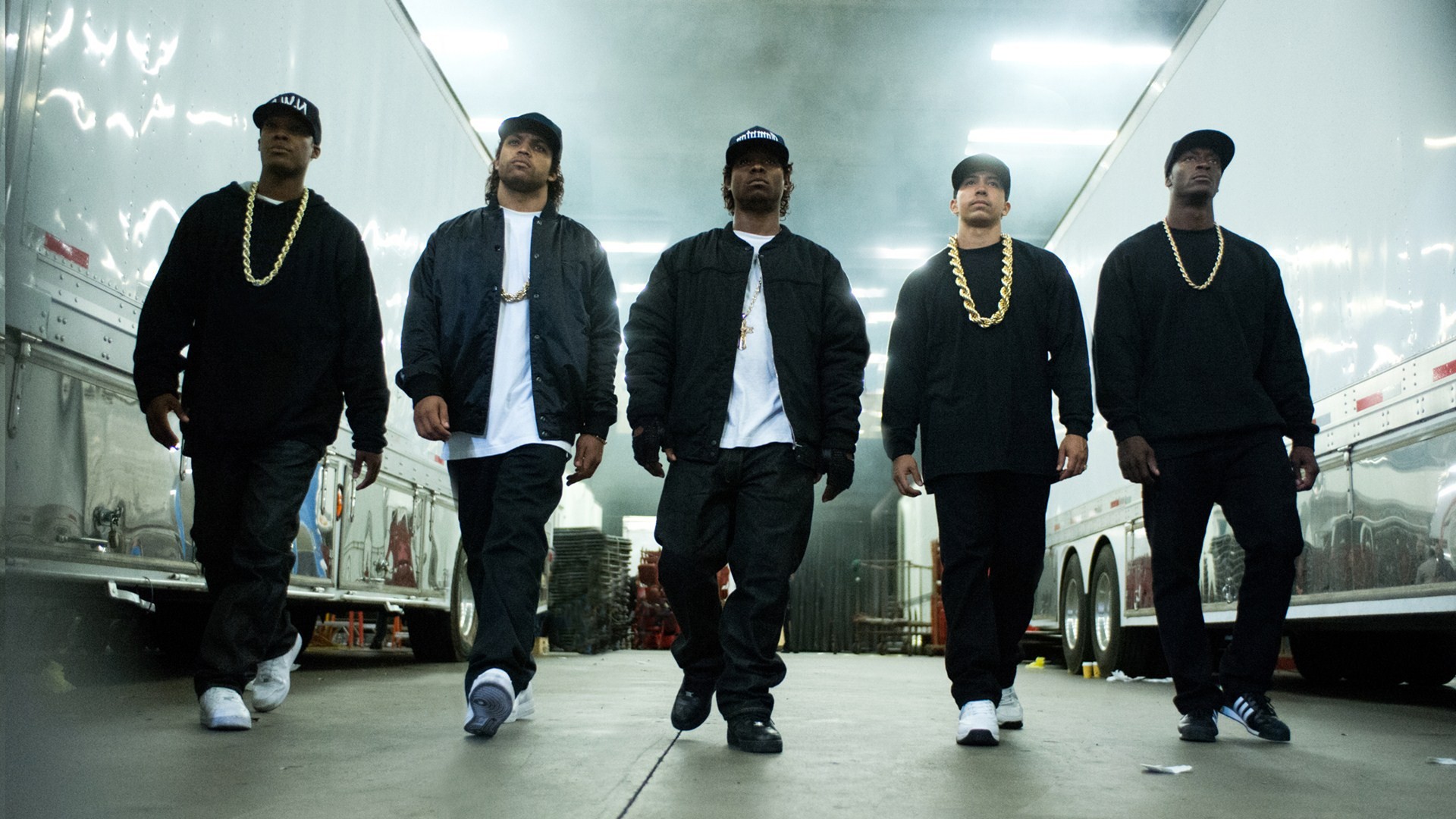
Like “Sniper” the year prior, one of this year’s best biopics will ultimately be its biggest box office smash as the iconic gangsta rap group N.W.A. is profiled by director F. Gary Gray in “Straight Outta Compton,” which made $60 million domestically in just its first weekend in theaters. The film borrows its name from N.W.A.’s 1988 smash-hit debut studio album and chronicles the adult lives of its three leading members — music producer, DJ and rapper Dr. Dre; MC and future movie star Ice Cube; and the late Eric “Eazy-E” Wright, who died in 1995 following an HIV diagnosis.
https://m.youtube.com/?reload=7&rdm=1zni797c8#/watch?v=l5r5cZk0EfY
Littered with racial slurs, drug usage and footage of the Rodney King beatings, “Compton” — as a film about the evolution of hardcore gangsta rap — has to accurately reflect the era and life conditions that brought about N.W.A. in the first place, as Ice Cube eloquently states during a press conference about the group’s most controversial song “F*$# Tha Police” when he says “Our art is a reflection of our reality.” The film makes this difficult time in American history — with high racial tensions and gang warfare — grounded in the minds of audience members despite how hard it may be to endure as a viewer.
Because of the controversial nature of the film and his relative unknown status as an actor, Jason Mitchell likely won’t receive much acclaim during award season for his performance as Eazy-E, a key member of the group that younger audience members likely may not remember as well as Dr. Dre (for his Beats headphones) and Ice Cube (for his acting in popular comedies).
Corey Hawkins does well with a limited character in Dr. Dre, who seems more like a third wheel helping to keep the group on track from the background while Eazy-E and Ice Cube do most of the talking. Playing the third banana is a relatively thankless job that Hawkins attacks with quiet aplomb. Ice Cube’s son, O’Shea Jackson Jr., does a tremendous job filling his father’s shoes as well.
The group’s other members — MC Ren, DJ Yella and The D.O.C. — are represented in the film, but largely pushed to the background in order to make room for Mitchell, Hawkins and Jackson Jr. to have larger roles in the film.
“Straight Outta Compton” also features Paul Giamatti’s best performance in several years as N.W.A. manager Jerry Heller, who subtly guides N.W.A. to stardom while secretly ripping off lead producer Eazy-E and the group as a whole, who fracture beyond repair when Ice Cube becomes aware of Heller’s manipulative ways. If there is a villain in Gray’s “Compton,” it’s Heller, though infamous rap producer Suge Knight of Death Row Records haunts the film in the fringes, with a separate biopic on Death Row just begging to be produced.
To be fair, Gray’s film begins to peter out toward the conclusion as “Compton” jumps from one plotline to another at the drop of a hat, leaving audiences reorient themselves mid-scene and missing a great deal of the action. However, once Dre, Eazy-E and Ice Cube are reunited in one cohesive storyline at the conclusion of the film, “Compton” offers a satisfying, yet emotional ending.
Well-made and well-liked films are especially hard to come by in August, which seems to be typically the last month of the year movie studios like to slate films they have less confidence in before the award season push ramps up in October through the holidays. “Straight Outta Compton” hits theaters at just the perfect time, reminding audiences that films can be emotionally challenging, thought-provoking and entertaining all at the same time.
While some audience members may not agree with the film’s conclusions or understand all of the history behind the iconic rap group, “Straight Outta Compton” is a must see event as one of the year’s top films deserving both mainstream appeal and critical success.
Guy Ritchie has a lot to offer any film he directs.
The inventive British director behind such foreign standouts as “Snatch” and “Lock, Stock and Two Smoking Barrels” made a spectacular transition to American theaters by teaming with Robert Downey Jr. and Jude Law for a pair of films based on the Sherlock Holmes novels by Sir Arthur Conan Doyle.
His crisp dialogue and stunning visual style reinvigorated a tired, outdated mystery genre and helped escalate Downey’s rise to mega-stardom following “Iron Man.”
Ritchie’s latest film follows a similar path, just with less overall success.
Revived from the 1970s television show of the same name, “The Man from U.N.C.L.E.” pits two lesser known actors — Henry Cavill of “Man of Steel” and Armie Hammer of “The Lone Ranger” and “The Social Network — as rival American and Russian spies, respectively, tasked with coming together to stop an international arms dealer from securing and selling a nuclear weapon.
The acting in “U.N.C.L.E.” is a mixed bag, with Cavill standing out as the suave American version of James Bond. While not quite on the same level as Tom Cruise as an action star, Cavill exudes just the right amount of bravado to dominate but not overwhelm the film in true spy fashion. Hammer, on the other hand, suffocates every second he appears on scene with an overdone, stereotypical Russian accent not even worthy of amateur theatrical performances of “Fiddler on the Roof.” Cavill fits like a glove, while Hammer is the sore thumb dragging the whole film down.
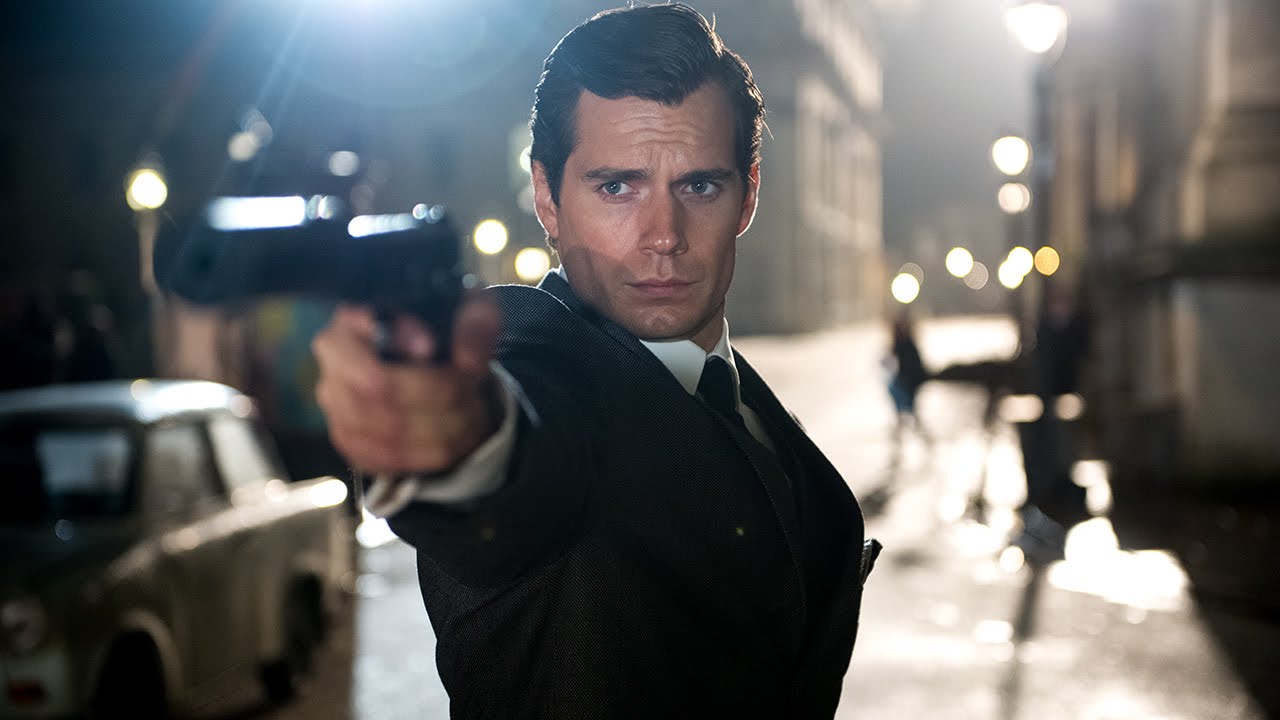
Ritchie’s film features some of the year’s best cinematography and editing as any number of individual frames of “U.N.C.L.E.” could be lifted straight out of the film and hung on a wall like a painting, most notably the soon-to-be-iconic shot of Cavill largely obscured in darkness after firing his pistol, but just enough in the light to be drenched in the shadows of the spy world. Shots like this — and sequences like the comic book-esque cutting of the island raid toward the end of the film — give “U.N.C.L.E.” the right look and feel of a home run spy movie, though the content doesn’t quite sustain.
The plot gets unnecessarily clunky in the middle — as is the case with most origin story films — and lacks the requisite number of action sequences necessary to break up all the character development in the film. The inability of Ritchie and co-writer Lionel Wigram to balance the plot for audiences and Hammer’s horribly ineffectual performance limits “U.N.C.L.E.” to good, not great status in the spy genre.
Someone in Hollywood better take note quick.
Indie darling and rising character actor Miles Teller needs a star vehicle ASAP, but “Fantastic Four” just isn’t it.
It’s hard not to feel bad for the star of last year’s Sundance winner and Academy Award nominated “Whiplash,” who played the perfect whipping boy to J.K. Simmons in the heavy drama.
To go from one of the most well-written and pitch perfect features of 2014 to perhaps the most inept, slow and tedious films of 2015 is a major step back for Teller, one he doesn’t deserve.
Teller invests heavily in his role as super-nerd turned world’s stretchiest man Reed Richards, but with a subpar film that even director Josh Trank has disowned, Teller might have been better off staying on the indie circuit until next “Allegiant: Part 1.”
His “Fantastic Four” cast mate Michael B. Jordan — who had his own indie breakout with “Fruitvale Station” and “Chronicle” — doesn’t have this problem as he will debut as the son of boxing legend Apollo Creed in the “Rocky” franchise sequel “Creed” later this year.
Audiences aren’t having much fun watching “Fantastic Four” and it’s pretty evident from the onscreen performances that the actors aren’t much into things either.
Chronicled with production problems from the start — everything from casting to editing issues abounded on the film — put “Fantastic Four” at such a disadvantage that no one involved seems interested in salvaging something worthwhile out of the project.
Trailers for the film make it appear as if there will be a significant amount of high-octane battle sequences, teasing viewers with a small glimpse of things to come.
Unfortunately, the joke’s on audiences.
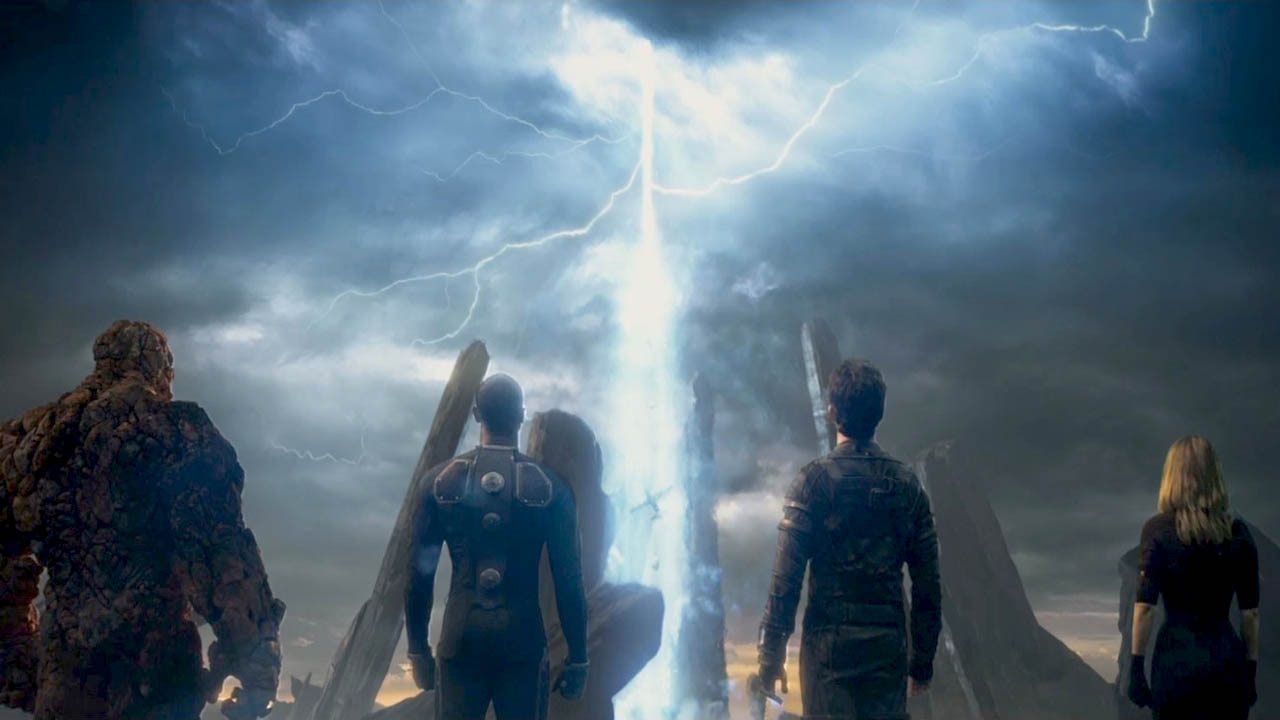
The dialogue-heavy, action-light feature doesn’t see the “Fantastic Four” become fantastic and absorb their superpowers until nearly an hour into the film, a forgivable concept if there’s something more that the movie has to offer, but there’s not.
For an action movie to have about three minutes of real action out of the 100 minute running time is a real disappointment.
Those same trailers have touted the real reason to catch “Fantastic Four” — a glimpse at next year’s highly anticipated “Deadpool” starring Ryan Reynolds, though you can always just catch that over and over again on YouTube.
The original “Fantastic Four,” made a decade earlier in 2005, lacked a lot of the cinematic pizazz that its 2015 reboot has — from vastly improved CGI to a grittier, more contemporary visual style to a more talented group of actors.
But the original — helmed by Jessica Alba and a pre-Captain America Chris Evans — has a distinct and action-packed script, making it a more compelling film in spite of major casting, directorial and other cinematic issues.
Trank’s film and cast with something on par with the 2005 script would have made for a much better film and not one that makes audiences wonder if it’s worse than the universally panned “Green Lantern.”
Regardless of whose fault this train wreck of a film is — whether it be Trank as the director, backing studio 20th Century Fox or the writing trio of Trank, Simon Kinberg and Jeremy Slater — “Fantastic Four” is the complete cinematic opposite of its superhero counterparts like “Ant-Man” and “Guardians of the Galaxy.”
The two recent Marvel Studios films pack on both physical and comedic punches while “Fantastic Four” takes too long with the set up for audiences to enjoy the pay off.
For all its many warts, “Fantastic Four” is no more substandard than, say, “Pixels” or “Ted 2,” pointless wastes of time in their own right.
There’s still blockbuster action films yet to come in 2015. “Fantastic Four” just isn’t one of them.
Mission Impossible Rogue Nation: Fifth installment in Cruise action series running strong
by Matt Ward
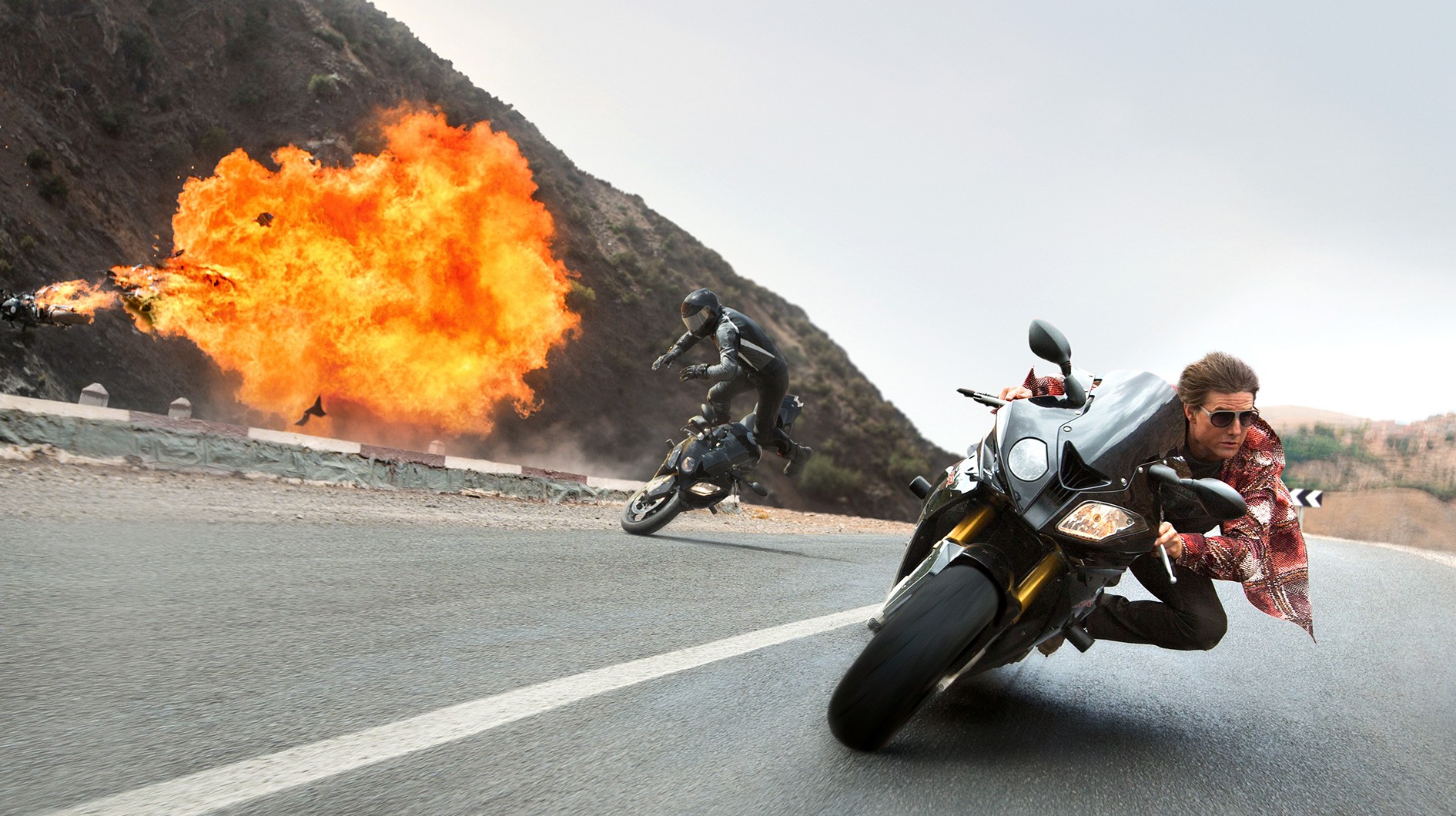
It doesn’t matter that he’s flying down a winding Moroccan highway on a motorcycle at break-neck speed without a helmet while assassins are buzzing around him trying to kill him.
Exploding cycles falling off the sides of cliffs don’t bug him, nor does the threat of imminent doom if he leans over a centimeter too far one way or the other.
At the end of it all, his hair never really flutters, and that’s all the proof needed to conclude Hollywood’s worst kept secret.
Tom Cruise is the last true movie star.
“Mission Impossible,” the feature film franchise spawned from the 1960s television show of the same name, has lived through several mediocre sequels thanks to Cruise’s box office draw before reemerging with 2011’s “Ghost Protocol” and last weekend’s smash hit “Rogue Nation.”
Yes, viewers are drawn to the screen by the increasingly outlandish stunts, wondering just how crazy Cruise is for willingly dangling himself off the side of an Airbus A400 at the start of the film.
But, equally as refreshing is the vintage spy craft that is more prevalent in the 1996 original film or in recent James Bond films starring Daniel Craig. “Rogue Nation” is a near 50-50 blend of the original “Mission Impossible” film and “Ghost Protocol,” which cranked the stunts up to 11 in gorgeously shot locations.
Writer/director Christopher McQuarrie, best known as the writer of the mind-blowing narrative in “The Usual Suspects,” finds exactly the right balance between giving viewers just enough action, with hints of classic spy films and that iconic Tom Cruise grin that has kept viewers on the edges of their seats for decades.
Each action sequence seems to build upon the tension of the last, with the 120-foot free fall into a tank of water without oxygen for up to six minutes standing out among the pitch perfect sequences.
These films will rise and fall with Cruise — who recently announced a sixth installment — and everything about his performance in “Rogue Nation” is vintage Cruise at his peak.
The dry charm, fearlessness in taking on each action sequence himself without a stunt double and even the occasional bravado he brings to the screen remind viewers what they loved about Tom Cruise so much before he started jumping up and down on Oprah’s couch.
Several of the regular sidekicks from “Mission Impossible” films past return in “Rogue Nation,” led by the increasingly essential Simon Pegg, whose wit and humor lightens the mood in scenes and offers a genuine counterbalance to Cruise.
Academy Award-nominee Jeremy Renner, who can hold his own in action movies like “The Bourne Legacy” and Marvel’s “Avengers” films, is criminally underutilized as a field agent torn between helping Cruise’s Ethan Hunt and hunting him down.
Newcomer Rebecca Ferguson, whose role of whose-side-is-she-on assassin is well-written, doesn’t really provide for viewers to grasp onto in a flat, static performance.
It’s a shame that the “Impossible” franchise has yet to figure out how to add a quality role for a female actress. To be sure, several women appear on screen throughout the course of the franchise, but none really rise to the challenge of matching Cruise toe to toe.
Many Bond girls have more gravitas on screen than the underwhelming performances in the franchise offered by Ferguson, Paula Patton and Michelle Monaghan.
The film’s villain, Solomon Lane, is only in focus long enough to give Cruise and Co. another hurdle to overcome on their international adventure from Morocco to Austria and London,
It’s a shame that Sean Harris, the talented actor filling the role, had pivotal scenes left on the cutting room floor.
But “Rogue Nation” is Cruise’s party, and as such, the fifth “Impossible” film certainly supplants “Jurassic World” as the summer’s biggest blockbuster, with Cruise leading the charge in an action-packed thrill ride that doesn’t need gimmicks to keep viewers entertained.
 Cinematic Considerations